14 Everyday Kitchen Mistakes That Can Turn Safe Foods Into Health Hazards
Your kitchen should be a safe zone for meal prep, but it’s hiding sneaky dangers that can turn tonight’s dinner into tomorrow’s stomach ache. You might think you’re playing it safe, but common habits like rinsing raw chicken (which actually spreads bacteria) or storing tomatoes next to potatoes (creating toxic solanine) sabotage your best intentions. I’ve made these mistakes myself—last month I left a pot of soup cooling on the counter all afternoon and had to trash the entire batch!
The refrigerator becomes a microbial playground when you stack hot leftovers in deep containers or let foods sit above 40°F. Meanwhile, your trusty kitchen sponge? It’s holding more bacteria than your toilet seat if you’re not replacing it weekly. And that cutting board you use for everything from chicken to carrots? It’s a cross-contamination party waiting to happen.
Your cooking oil isn’t meant for multiple fry sessions, and those marinades that touched raw meat need a serious boil before reuse. Even produce needs special attention—did you know avocado skin can transfer bacteria to the flesh when you cut into it unwashed? Small changes in how you handle, store, and prepare food can mean the difference between a delicious meal and an unwelcome foodborne illness.
Stacking hot foods in deep containers
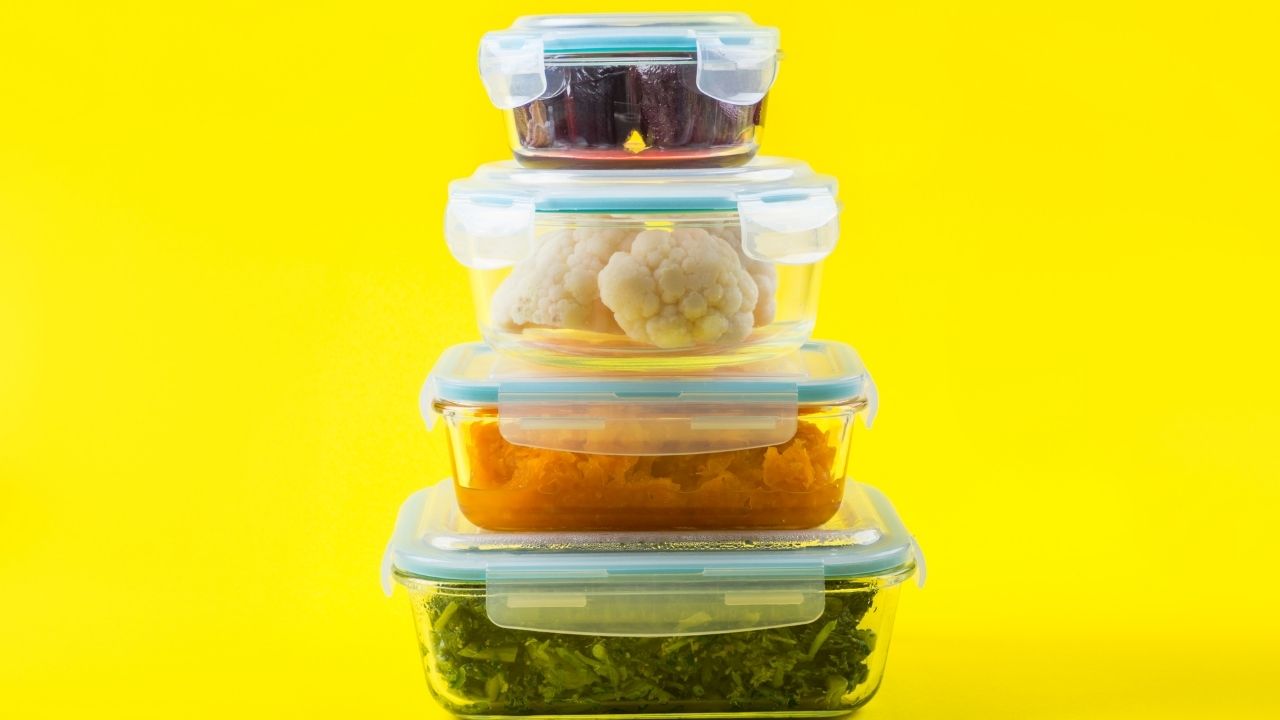
Picture this: you’ve just finished cooking a massive Sunday dinner, and your kitchen looks like a tornado hit it. In your exhausted state, you grab the deepest container you can find and pile that steaming hot lasagna right to the brim, thinking you’re being efficient. But here’s the plot twist your tired brain didn’t see coming – you’ve just created a bacterial breeding ground that would make a petri dish jealous! When you stack hot food in deep containers, the center stays toasty warm for hours while the edges cool down, creating what food safety experts call the “danger zone” – that lovely 40-140°F temperature range where bacteria throw their own little party and multiply faster than rabbits in spring.
Your innocent lasagna becomes a science experiment gone wrong because heat can’t escape properly from those thick layers. The FDA recommends dividing large portions into shallow containers no more than 2 inches deep, but I know what you’re thinking – who has that many containers? Trust me, I’ve been there, standing in my kitchen at midnight, playing Tetris with tupperware. The trick is to spread your food out like you’re tucking it into bed, giving each portion room to breathe and cool evenly. You can also try the ice bath method – place your containers in a larger dish filled with ice water to speed up the cooling process. Your future self will thank you when that leftover pasta doesn’t taste like regret and disappointment!
Not calibrating refrigerator temperature
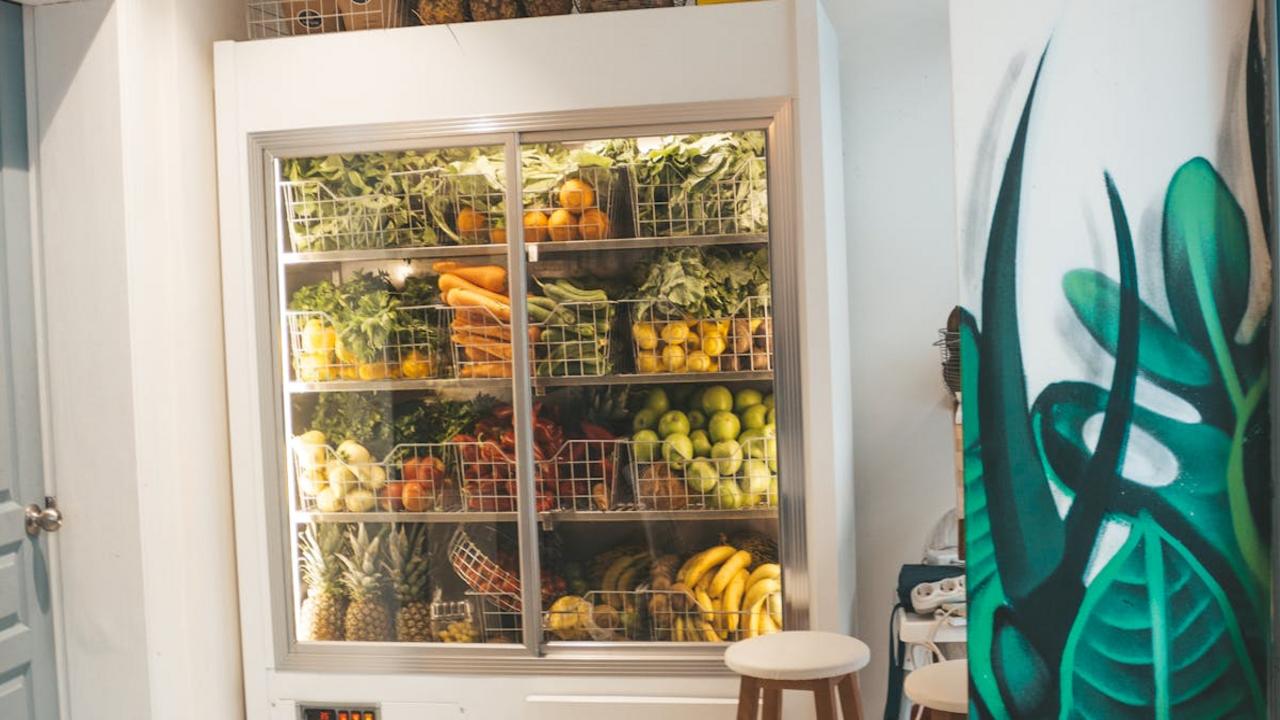
Your refrigerator might be the most passive-aggressive appliance in your kitchen, silently sabotaging your food while wearing that innocent, humming face. Most people assume their fridge knows what it’s doing at the factory-set temperature, but here’s a fun fact that’ll make you question everything: refrigerator thermostats can drift up to 10 degrees from their settings over time. That innocent-looking dial could be turning your produce drawer into a bacteria spa or your dairy section into an Arctic wasteland. I once discovered my “reliable” fridge was running at a balmy 45°F instead of the recommended 37°F, basically throwing a week-long party for every microbe that wandered in.
You need a simple fridge thermometer (they cost about as much as a fancy coffee) and five minutes to become the temperature detective your food deserves. Place that little hero on the middle shelf where your most precious leftovers live, wait a few hours, then check the reading. Your fridge should hover between 35°F and 38°F – cold enough to slow bacterial growth but warm enough that your lettuce doesn’t turn into green ice sculptures. If the temperature’s off, adjust that dial and check again in 24 hours. Your yogurt will thank you, your milk will stay fresh longer, and you’ll stop playing Russian roulette with your grocery budget every time you reach for that questionable takeout container.
Storing onions and garlic in plastic bags
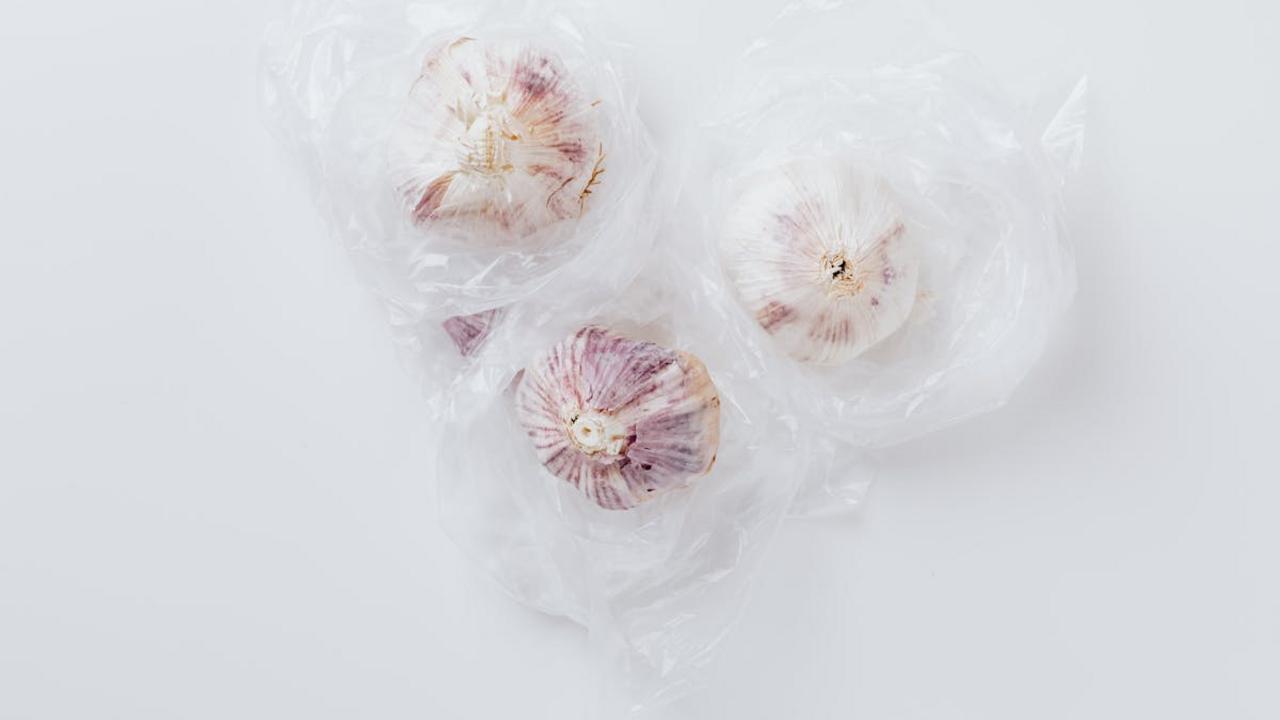
Listen, I get it – you buy those mesh bags of onions and garlic, get home, and think “Hey, I’ll just pop these babies into plastic bags to keep them fresh!” But here’s the thing: onions and garlic are basically the divas of the vegetable world, and they absolutely despise being suffocated in plastic. These bulbous beauties need to breathe, and when you trap them in airtight plastic bags, you’re creating a humid little prison that becomes a breeding ground for bacteria and mold. The moisture gets trapped, creating the perfect storm for your once-perfect onions to turn into squishy, smelly disappointments that’ll make you question your life choices.
Your onions and garlic want to live their best life in a cool, dry, well-ventilated spot – think of a mesh bag, basket, or even just scattered loose in your pantry like the free spirits they are. Fun fact: onions can actually last up to three months when stored properly, but stick them in plastic and you’re looking at maybe two weeks before they start their gross transformation into mushy science experiments. I learned this the hard way when I found what I can only describe as onion soup at the bottom of a forgotten plastic bag – not the good kind of onion soup, mind you, but the kind that makes you wonder if you need to call a hazmat team. Keep these pungent powerhouses happy, and they’ll reward you with months of flavor instead of weeks of regret!
Using the same cutting board for all foods

Picture this: you’re channeling your inner Gordon Ramsay, chopping onions like a pro, then sliding them aside to tackle that gorgeous piece of raw chicken. Same board, same knife, same confidence – and same recipe for disaster! Cross-contamination happens faster than you can say “food poisoning,” and that innocent-looking cutting board becomes ground zero for bacterial warfare. Raw meats carry nasty bacteria like Salmonella and E. coli that throw the wildest parties on your cutting surface, and they’re not picky about crashing your veggie prep afterward.
Here’s your game plan: invest in a color-coded cutting board system that would make a traffic controller jealous. Red for raw meat, green for vegetables, and maybe throw in a blue one for fish if you’re feeling fancy. Fun fact: professional kitchens have been doing this dance for decades because they learned the hard way that bacteria don’t respect boundaries. If you’re stuck with just one board, wash it thoroughly with hot, soapy water between each food type – and I mean scrub it like you’re removing evidence. Your stomach will thank you later, and you’ll avoid those awkward conversations with your dinner guests about why everyone’s making frequent bathroom trips.
Not changing or sanitizing kitchen sponges regularly
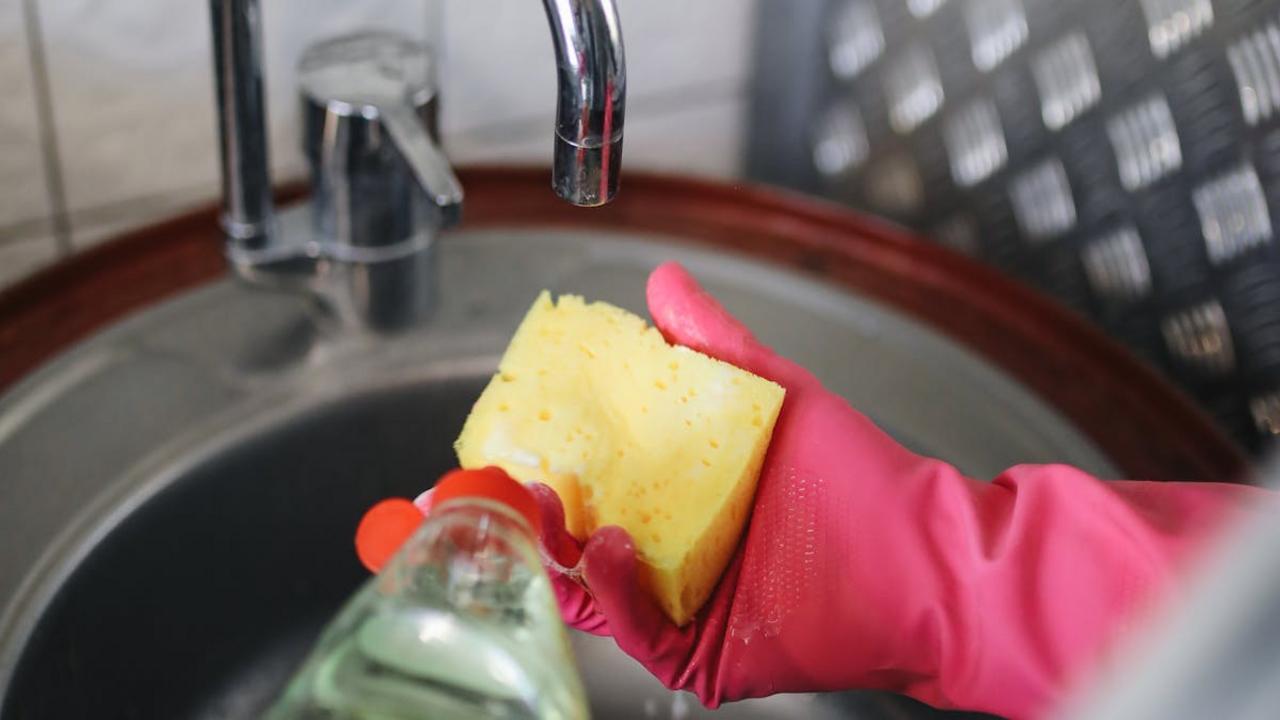
Your innocent-looking kitchen sponge is basically throwing a microscopic rave every single day, and trust me, you don’t want an invitation to this party. That cheerful yellow square sitting by your sink harbors more bacteria than your toilet seat – seriously, researchers have found up to 54 billion bacterial cells per cubic centimeter in used kitchen sponges. Think about that next time you’re casually wiping down your counters with what’s essentially a bacterial nightclub. The warm, moist environment creates the perfect breeding ground for nasties like E. coli, Salmonella, and Campylobacter, all eagerly waiting to hitch a ride onto your supposedly clean dishes.
Here’s the kicker: rinsing your sponge with hot water doesn’t kill these party crashers – it just gives them a nice warm spa treatment. You need to either toss that sponge every week or sanitize it daily by microwaving it damp for 60 seconds (watch out for the steam!) or soaking it in a bleach solution. I learned this lesson the hard way after a suspicious stomach bug that coincided suspiciously with my month-old sponge’s retirement party. Now I keep a rotation of fresh sponges like they’re designer handbags, because nothing says “I’m a responsible adult” like proper sponge hygiene.
Thawing meat on the counter
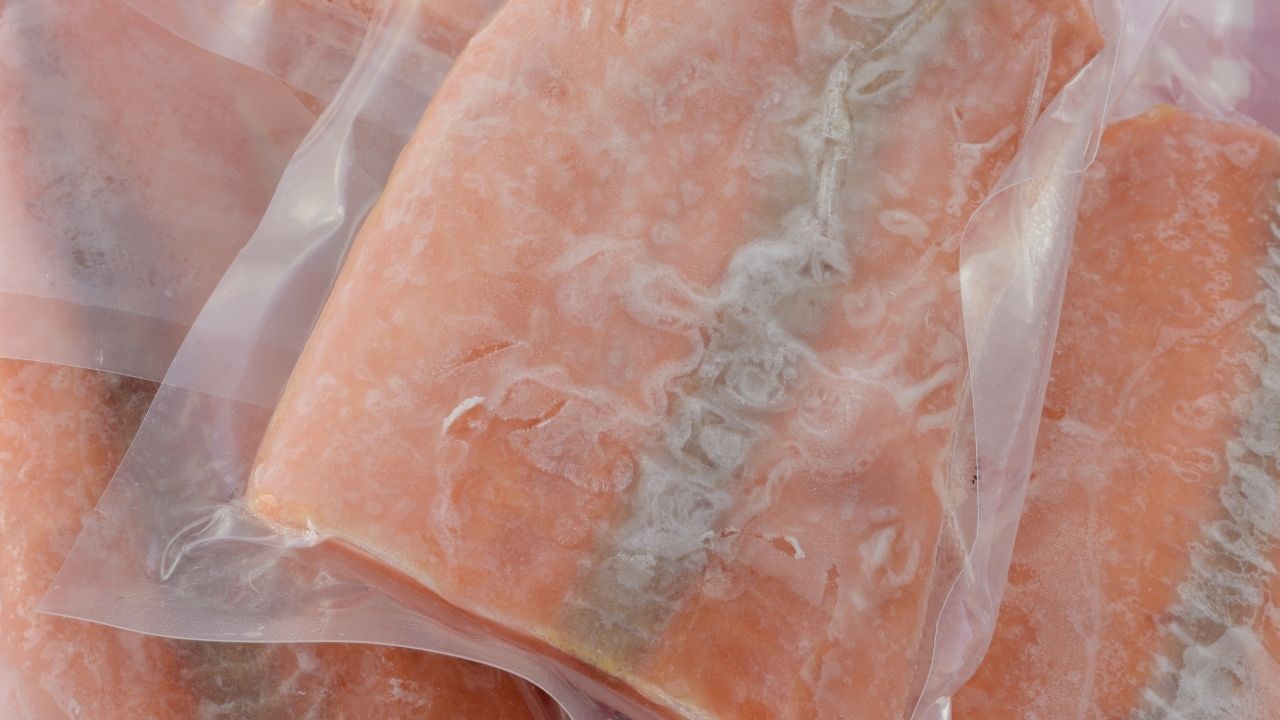
Picture this: you wake up at 6 PM realizing you forgot to move that frozen chicken from the freezer, and suddenly your kitchen counter becomes a defrosting station. I get it—we’ve all been there, staring at that rock-solid piece of protein like it holds the key to dinner salvation. But here’s the thing: your countertop isn’t just hosting an innocent thawing party. It’s basically throwing a bacterial rave that would make a college frat house jealous. The moment your meat hits that danger zone between 40°F and 140°F, bacteria like Salmonella and E. coli start multiplying faster than rabbits on espresso.
Your counter might seem harmless, but it’s actually creating the perfect breeding ground for foodborne illness. While the center of your chicken is still frozen solid, the outer layers are living it up at room temperature, giving bacteria hours to multiply into dangerous numbers. The safe move? Plan ahead and thaw in your refrigerator (yeah, I know, planning is hard), submerge in cold water that you change every 30 minutes, or use your microwave’s defrost setting. Your future self—and your digestive system—will thank you for not turning dinner prep into a game of bacterial roulette.
Reusing oil multiple times for deep frying
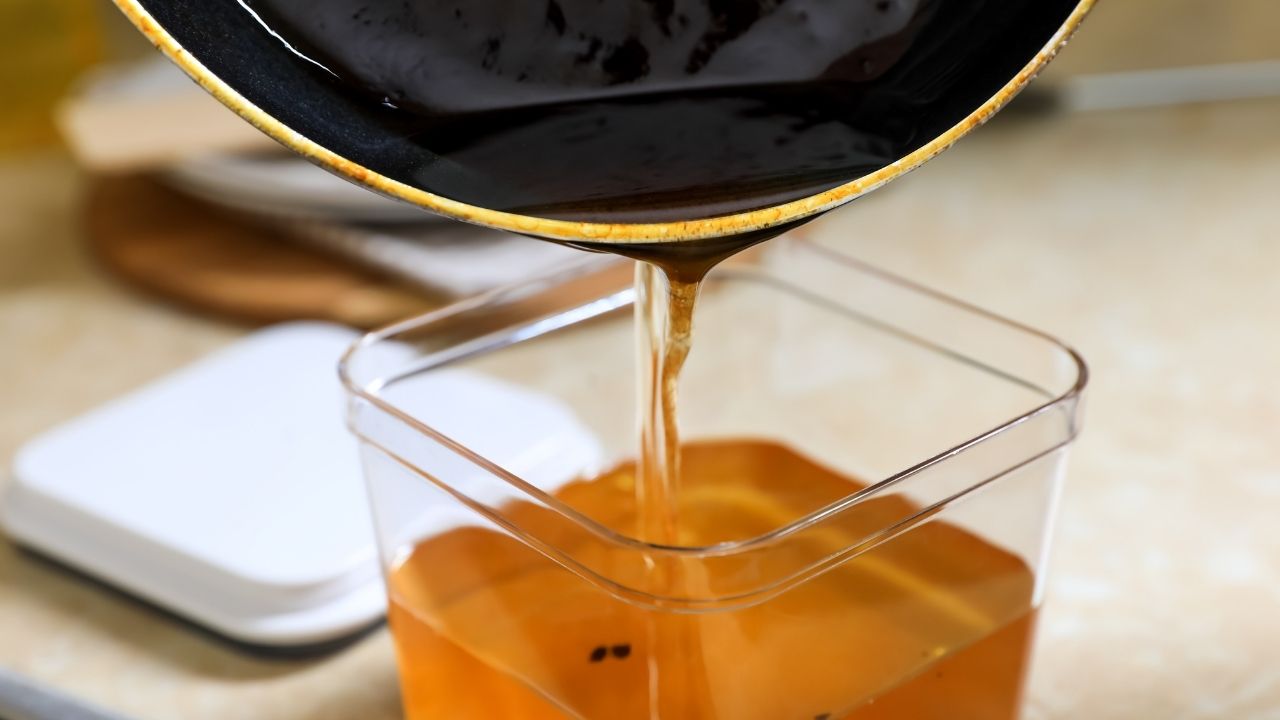
That bottle of frying oil sitting on your counter, getting darker and more mysterious with each use, might seem like a thrifty kitchen companion—but it’s actually plotting against your health! Every time you heat that oil, it breaks down a little more, creating compounds that sound like they belong in a chemistry textbook rather than your dinner. Trans fats multiply, free radicals throw their own toxic party, and acrylamide (yes, that’s a real word) decides to crash the celebration. Your once-innocent vegetable oil transforms into something that could make your liver file a formal complaint.
Here’s the kicker: restaurants typically change their oil daily, yet home cooks often stretch theirs for weeks like it’s vintage wine getting better with age. Fresh oil should be light in color, smell neutral, and not foam up like an angry cappuccino when you heat it. If your oil has turned the color of strong coffee, smells like last week’s fish dinner, or bubbles like it’s auditioning for a witch’s cauldron, it’s time to say goodbye. Your taste buds will thank you, your digestive system will throw a celebration, and your fried foods will actually taste like food again instead of concentrated regret.
Letting cooked food sit at room temperature too long
You know that feeling when you’ve just finished cooking the most gorgeous pot roast, and you’re so proud of yourself that you leave it sitting on the counter like a trophy? Well, here’s the plot twist nobody wants: that beautiful meal becomes a bacterial playground faster than you can say “food poisoning.” The moment cooked food drops below 140°F, bacteria start throwing their own little party, and trust me, you don’t want an invitation to that celebration. The “danger zone” between 40°F and 140°F is where bacteria multiply like they’re training for the Olympics, doubling every 20 minutes when conditions are just right.
The two-hour rule isn’t just some random number your grandmother made up – it’s science! After two hours at room temperature (or just one hour if it’s hotter than 90°F outside), your food officially enters the “nope zone.” I learned this the hard way after leaving a gorgeous lasagna out for three hours during a dinner party, thinking it would stay warm and inviting. Spoiler alert: it stayed inviting, but mostly to salmonella and its bacterial buddies. Now I religiously pack up leftovers within that magic two-hour window, because nothing ruins a great meal quite like spending the next day becoming intimately acquainted with your bathroom floor. Your refrigerator is your friend – use it!
Rinsing raw chicken
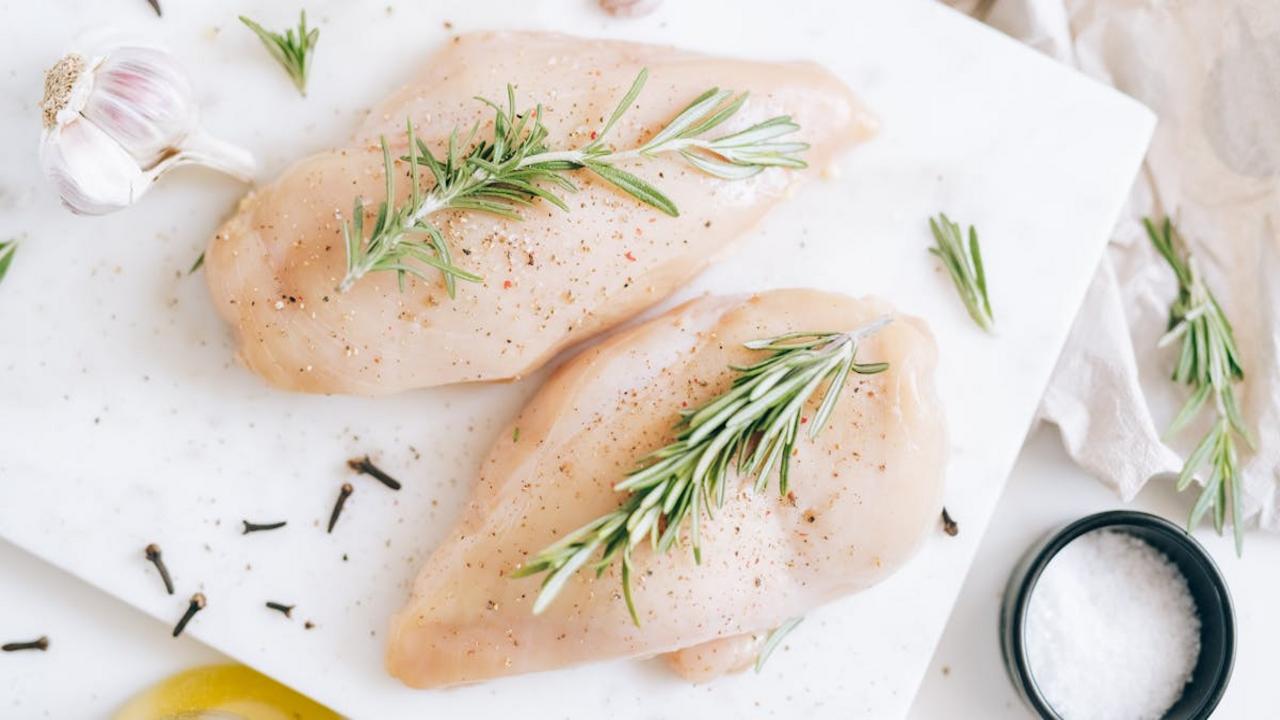
Picture this: you’re standing at your kitchen sink, raw chicken in hand, thinking you’re doing the responsible thing by giving that bird a nice cold shower before cooking. Well, my friend, I hate to break it to you, but you’re basically throwing a bacteria party and inviting every surface in your kitchen to join the fun! When you rinse raw chicken, those sneaky little pathogens like salmonella and campylobacter don’t just wash away down the drain – they go airborne and spray themselves all over your sink, countertops, dish towels, and anything else within a three-foot radius.
Here’s the kicker: cooking that chicken to 165°F will kill all those nasty bugs anyway, making that pre-rinse completely pointless. The USDA has been shouting from rooftops about this for years, but somehow the myth persists that we need to wash our poultry like it’s a muddy golden retriever. Instead of creating your own personal splash zone of doom, simply pat that chicken dry with paper towels, season it up, and toss those towels straight into the trash. Your future self (and your family’s stomachs) will thank you for keeping those microscopic troublemakers exactly where they belong – contained and ready to meet their fiery demise in your oven or pan.
Not washing avocado skin before cutting
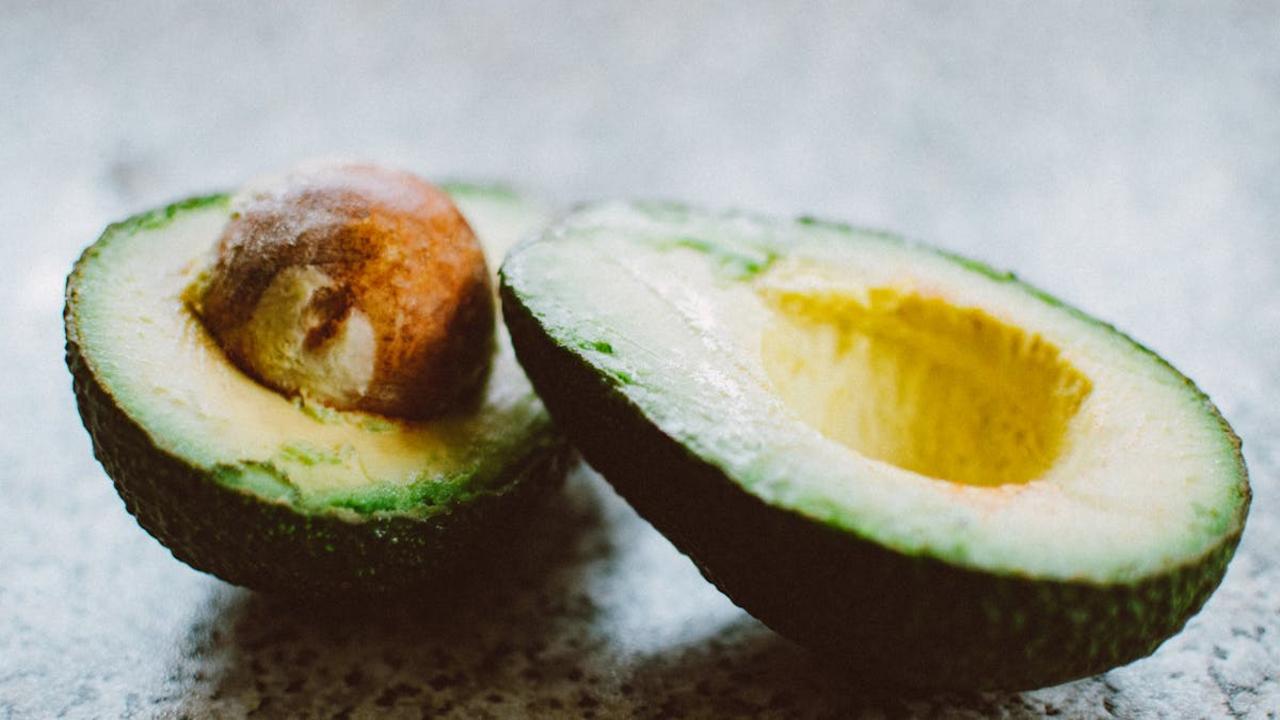
Picture this: you grab that perfect avocado (you know, the one that’s neither rock-hard nor mushy beyond repair), slice right through its bumpy green armor, and congratulate yourself on your knife skills. But wait—did you wash that little green football first? Most people don’t, and here’s why that’s a problem: your knife becomes a bacteria taxi, shuttling whatever nasty hitchhikers were lounging on the skin straight into that creamy flesh you’re about to devour. Studies show avocado skins can harbor some seriously uninvited guests, including Salmonella and Listeria, which love nothing more than hitching a ride from the outside world into your guacamole.
The FDA actually found these unwelcome party crashers on about 17% of avocado skins they tested—yikes! Think of washing your avocado like giving it a quick spa treatment before the big reveal. Just run it under cool water and give it a gentle scrub with your hands (no soap needed, you’re not washing dishes here). Pat it dry, then slice away with confidence. Your immune system will thank you, and you can focus on the really important stuff—like whether you’re team salt-and-lime or team everything-bagel seasoning on your avocado toast.
Storing tomatoes and potatoes together
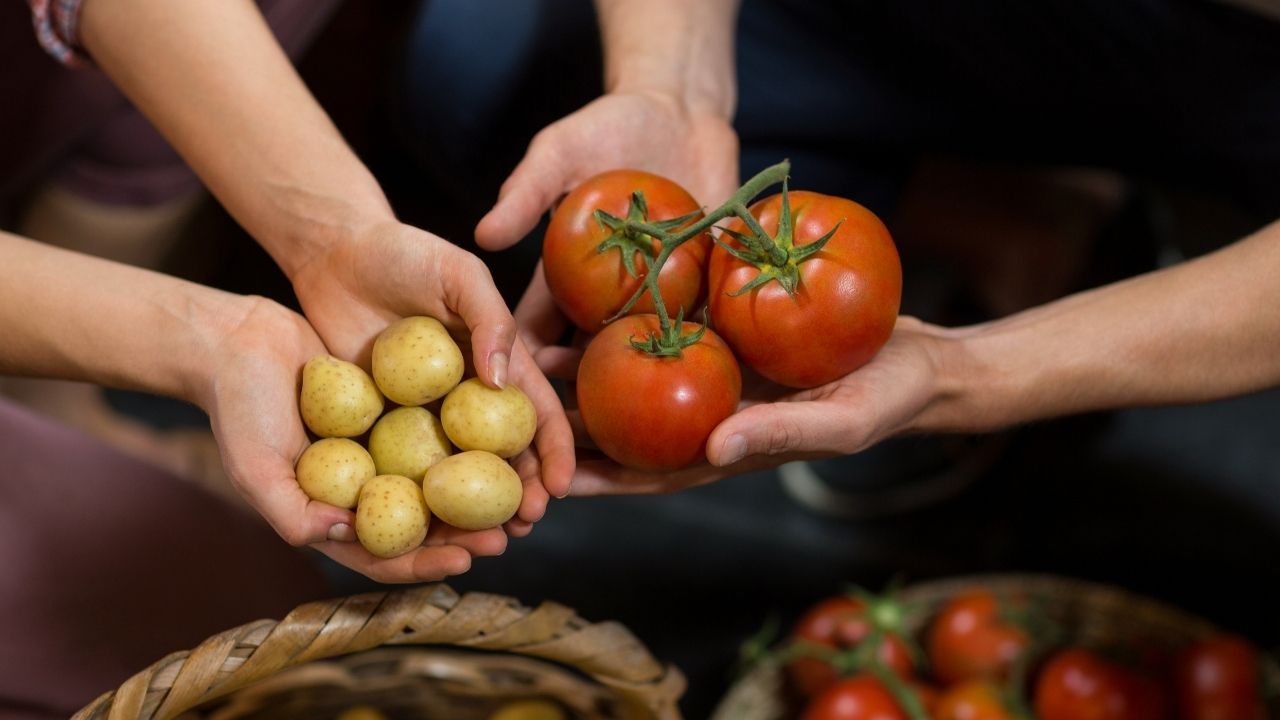
Picture this: you’ve got a beautiful bowl of red tomatoes sitting next to a bag of russet potatoes on your counter, looking like the perfect farm-fresh still life. But here’s the plot twist that would make any produce manager gasp – those innocent-looking potatoes are actually chemical warfare agents in disguise! Potatoes release ethylene gas, a natural ripening hormone that turns your gorgeous tomatoes into wrinkly, mushy disasters faster than you can say “BLT sandwich.” It’s like storing a teenager’s dirty socks next to your favorite sweater – the contamination is real, and the results are tragic.
The science behind this produce drama is fascinating yet cruel. Ethylene acts like an invisible aging potion, speeding up the ripening process and causing your tomatoes to develop soft spots, lose their vibrant color, and basically transform into sad, flavorless shadows of their former selves. Meanwhile, your potatoes are just sitting there, completely oblivious to the destruction they’re causing, probably wondering why you keep giving them dirty looks. The solution? Give these two the relationship space they desperately need – store your tomatoes on the counter away from potatoes, or better yet, keep them in the refrigerator if they’re already ripe.
Reusing marinades without boiling
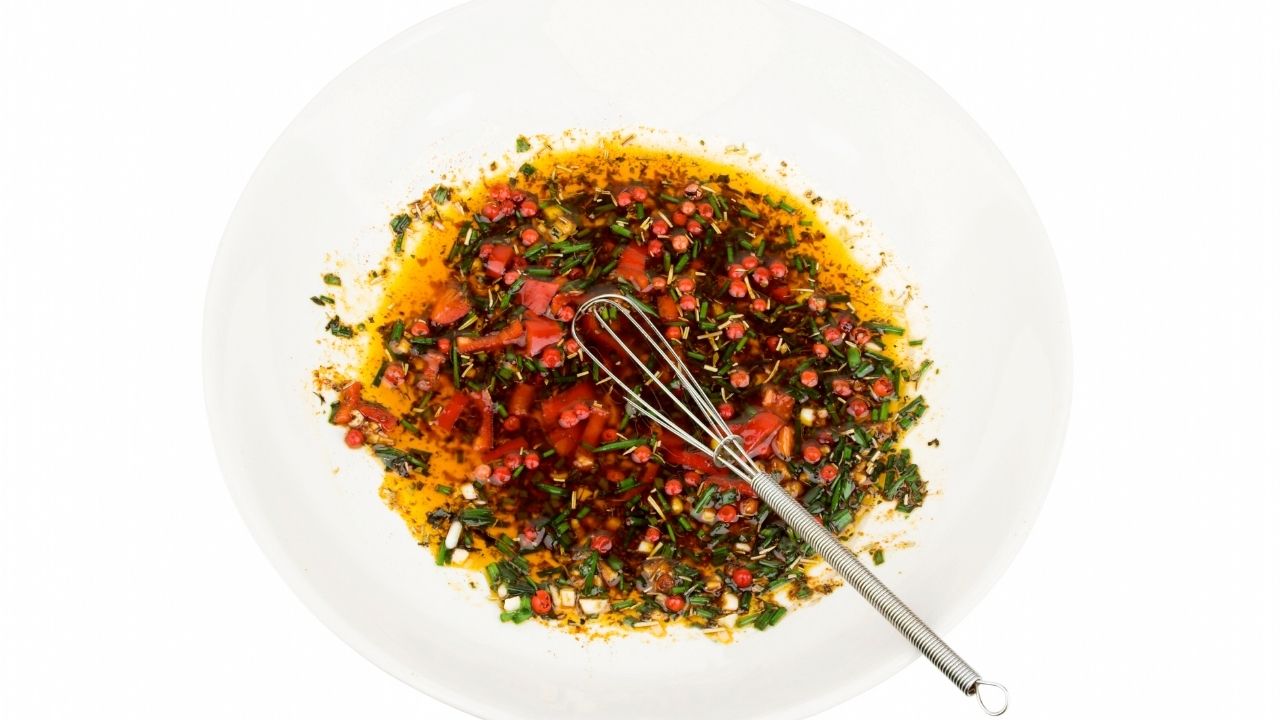
That leftover marinade sitting in your bowl looks perfectly innocent, doesn’t it? It’s got all those beautiful herbs floating around, that gorgeous golden oil slick, and hey—it smells amazing! But here’s the plot twist your taste buds weren’t expecting: that marinade has been hanging out with raw meat for hours, and now it’s basically a bacterial soup party. Every drop that touched your chicken, beef, or pork is now contaminated with potentially harmful microorganisms that would love nothing more than to crash your digestive system’s next gathering.
The good news? You don’t have to toss that flavorful liquid gold down the drain like some kind of marinade monster. Simply bring it to a rolling boil for at least one minute, and you’ll kill off those unwanted microscopic party crashers while keeping all the delicious flavor compounds intact. This little kitchen hack transforms your marinade from a health hazard back into a safe, tasty sauce that’s perfect for basting, drizzling, or using as a finishing touch. Think of boiling as your marinade’s superhero moment—it swoops in, saves the day, and nobody gets food poisoning. Your future self will thank you for this simple step, especially when you’re enjoying that extra burst of flavor instead of nursing a stomach ache.
Improper storage of leftovers above 40°F

Your fridge isn’t just a cold box—it’s actually a time machine that keeps your leftovers from becoming science experiments! That magical 40°F threshold isn’t arbitrary; it’s the temperature where bacteria multiplication slows to a crawl. Above this point, your innocent leftover lasagna transforms into a bacterial breeding ground faster than you can say “food poisoning.” The USDA calls temperatures between 40°F and 140°F the “danger zone,” and trust me, it’s not the kind of zone you want to hang out in. Bacteria like Salmonella and E. coli throw their own little party every 20 minutes in warm conditions, doubling their guest list until your Tuesday night dinner becomes a health hazard by Thursday morning.
Here’s the kicker: most people treat their fridges like mysterious iceboxes without ever checking if they’re actually cold enough. Your refrigerator should be chilling at 37°F to 40°F—any warmer and you’re basically running a bacterial hotel with room service. Get yourself a fridge thermometer (they cost less than a fancy coffee) and stick it right in the middle shelf where the action happens. If your leftovers have been lounging at 45°F for more than two hours, they’ve officially entered the danger zone and need to go straight to the trash, no matter how delicious they looked yesterday. Your stomach will thank you for being the bouncer at this particular party!
Cross contamination between raw meat and produce
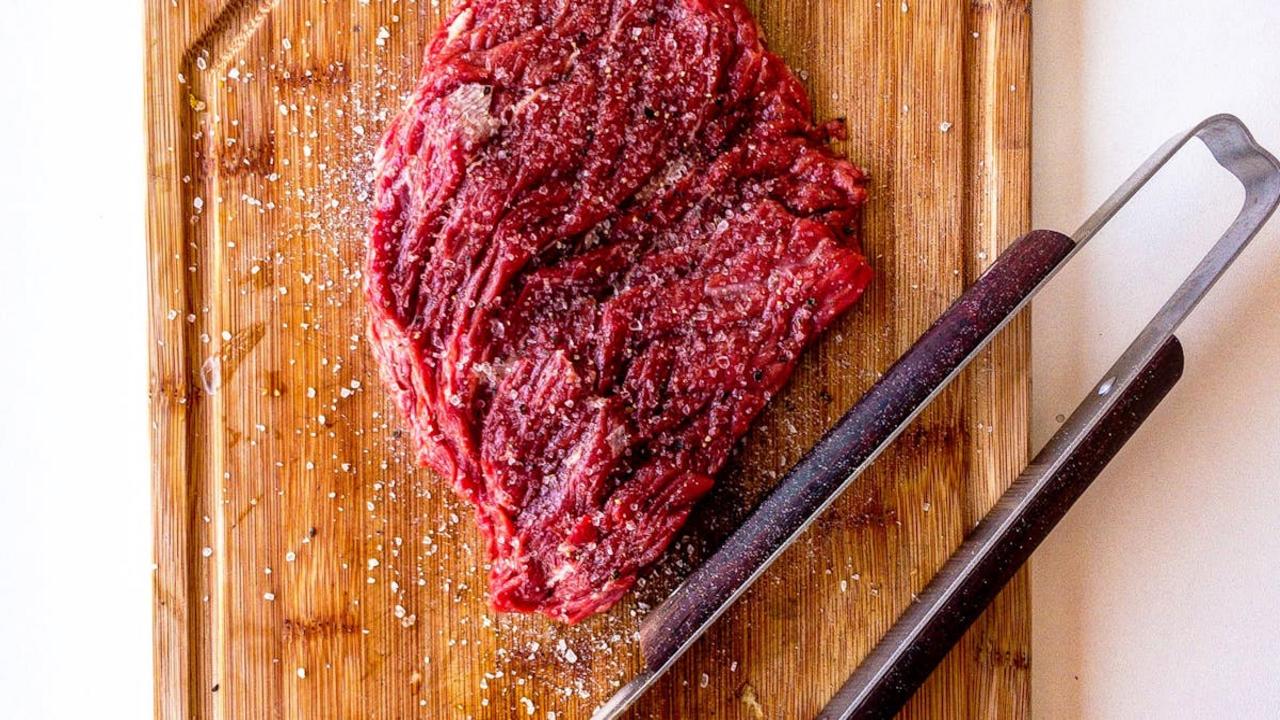
Picture this: you’re channeling your inner chef, slicing chicken on your cutting board, then immediately chopping lettuce for your Caesar salad on the same surface. Congratulations, you’ve just created a bacterial playground that would make microbiologists weep! Cross contamination happens faster than you can say “food poisoning,” and it’s sneakier than a cat stalking a tuna sandwich. Raw meat carries invisible hitchhikers like Salmonella, E. coli, and Campylobacter—bacteria that throw the worst kind of party in your digestive system. These microscopic troublemakers love nothing more than jumping from your raw chicken breast onto your innocent vegetables, turning your healthy salad into a stomach-churning nightmare.
The solution? Think of your kitchen like a crime scene where you need separate everything! Use different cutting boards for meat and vegetables (color-coded ones work brilliantly—red for meat, green for veggies), and wash your hands like you’re scrubbing in for surgery between handling different ingredients. Fun fact: bacteria can survive on surfaces for hours, so that quick rinse under lukewarm water won’t cut it. You need hot, soapy water and at least 20 seconds of serious scrubbing. Keep raw meat on the bottom shelf of your fridge too, because gravity plus leaky packaging equals produce contamination disaster. Your future self will thank you when you’re enjoying your meal instead of hugging the porcelain throne!