14 Surprising Signs Your Food Is Safe to Eat Long After the Expiration Date
Ever thrown away perfectly good food because of a printed date? You’re not alone! Those “best by” and “use by” dates often indicate quality, not safety. I’ve discovered through years of kitchen testing that many foods remain safe and delicious long after their expiration dates if they show certain telltale signs.
Your senses are actually your best tools for determining food safety. Clear visual cues, proper storage practices, and consistent textures can all signal that food remains perfectly fine to eat. Think of expiration dates as guidelines rather than strict rules – they’re often set conservatively by manufacturers.
Understanding the true indicators of food spoilage helps you reduce waste and save money. I’ll share 14 surprising signs that your food is still good to eat, even when that date has long passed. These practical tips will help you make confident decisions about what stays and what goes in your kitchen.
Seal remains unbroken
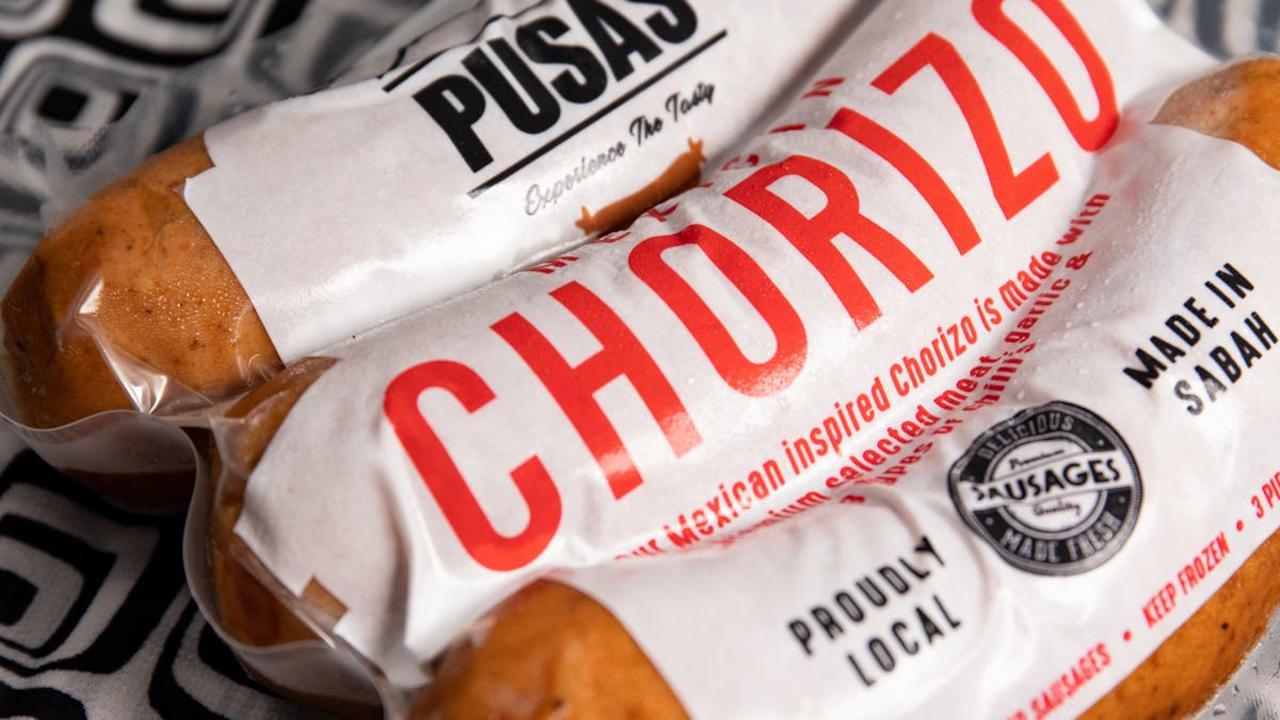
You can trust food with an intact seal long past its expiration date in many cases. The unbroken seal creates a protective barrier that prevents bacteria, mold, and other contaminants from reaching your food. This is particularly true for canned goods, vacuum-sealed packages, and jars with pop-top lids that haven’t popped yet. The seal works as your first line of defense against spoilage, so check it carefully before tossing anything based solely on the date printed on the package.
Always inspect the seal thoroughly before consuming any expired food. Look for signs that the package remains airtight—no bulging on cans, no broken vacuum seals on jars, and no tears in sealed plastic packaging. If you open a jar and hear that satisfying “pop” sound, it confirms the seal was intact until that moment. Remember that while an unbroken seal significantly extends shelf life, it doesn’t guarantee safety indefinitely. Use your other senses too—check for off odors, unusual colors, or strange textures after opening, even if the seal was perfect.
No freezer burn
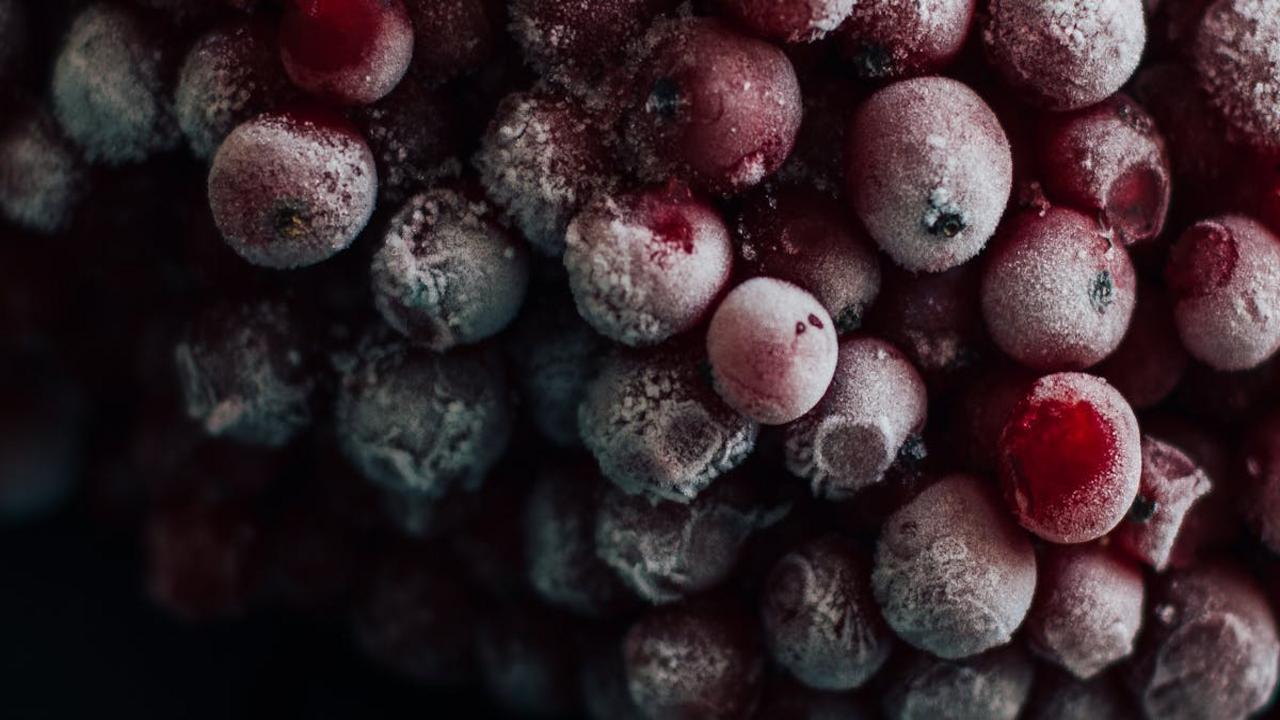
You can often trust frozen food beyond its expiration date if it doesn’t show signs of freezer burn. When your frozen items remain pristine without white, leathery patches or ice crystals forming on the surface, you’ve likely stored them properly. This means your food has maintained its quality and safety despite what the date on the package suggests. Freezer burn happens when air reaches your food, causing moisture to escape and oxidation to occur – but it doesn’t make food unsafe, just less tasty.
To check if your frozen food is still good, look for its original color and no signs of discoloration or drying. You want the packaging to remain intact without tears that expose the food to air. Remember that freezing essentially pauses bacterial growth rather than killing bacteria, making proper storage critical. You can extend your frozen food’s life by wrapping items tightly in freezer-safe materials and keeping your freezer at 0°F (-18°C) or below. Many foods stay safe for months or even years past their expiration dates when properly frozen without freezer burn.
Absence of slime
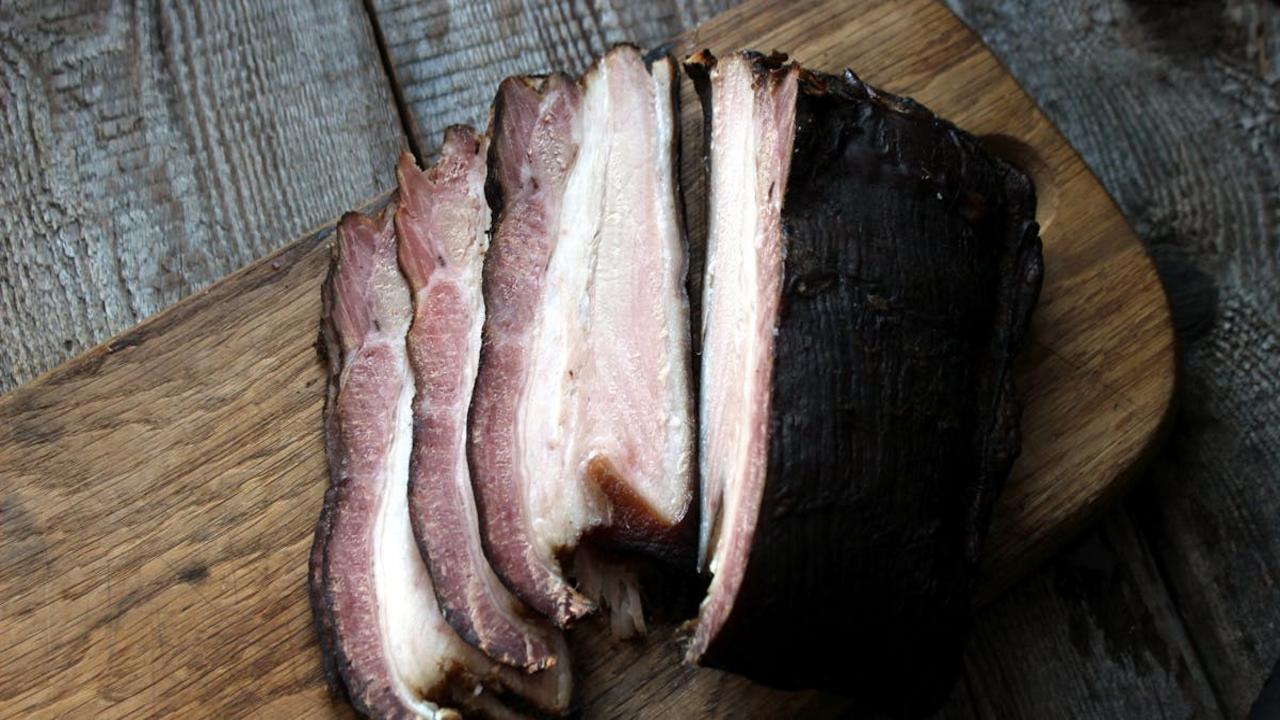
Trust your eyes and fingers when evaluating food past its expiration date! One reliable indicator that food remains safe to eat is the absence of slime. When you handle items like lunch meats, cold cuts, bacon, or even certain vegetables like lettuce, they should feel dry or only naturally moist. Slime develops when bacteria multiply on food surfaces, creating that unmistakable slippery, sticky texture that signals spoilage has begun. If your deli turkey still feels normal and lacks that slimy coating, you can likely enjoy it without worry.
You’ll notice this particularly with refrigerated proteins and produce. For example, check your packaged salmon or chicken breasts by running your fingers across the surface—they should feel clean and firm, not coated with a viscous layer. The same goes for vegetables like cucumbers or zucchini, which remain safe when their skin feels dry rather than slimy. Remember that while dates on packaging offer guidelines, your senses provide real-time quality assessment. No slime means the microbial activity hasn’t reached levels that make the food unsafe, giving you the green light to enjoy those items despite what the date might suggest.
No gas buildup in containers
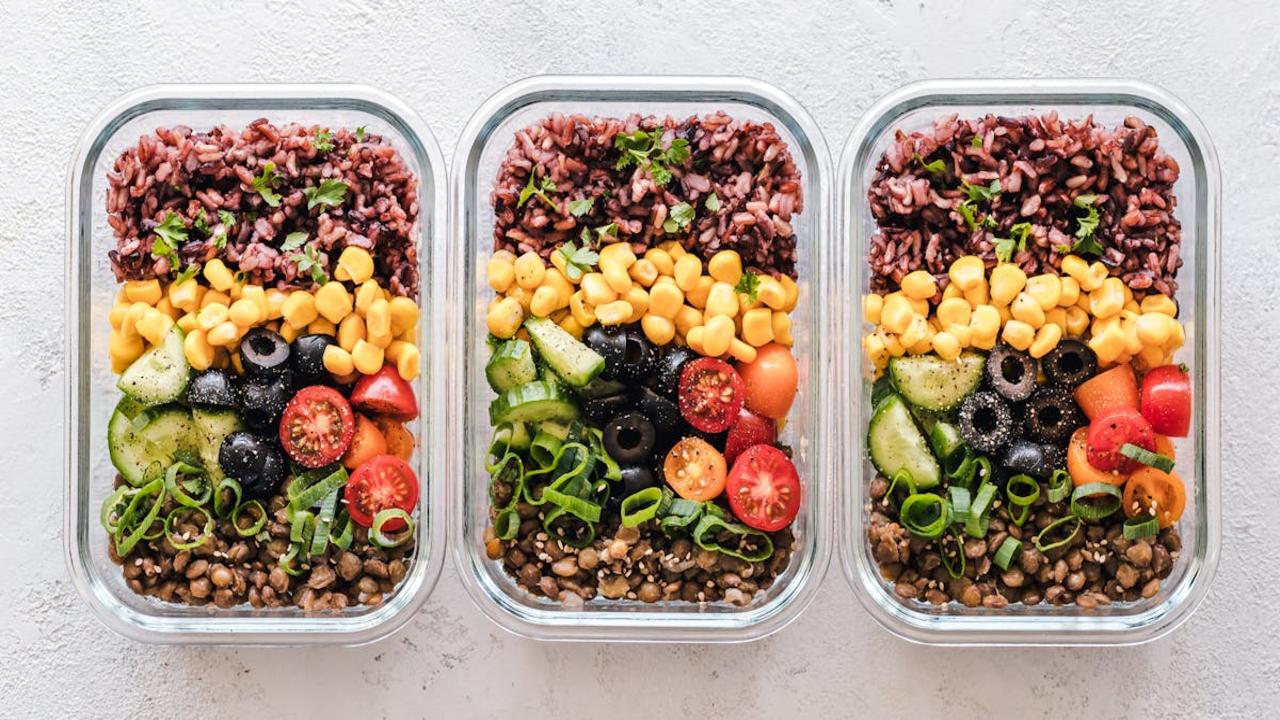
You can trust your gut—and your nose—when assessing packaged foods past their expiration dates. When you open a jar or container and find no gas buildup (no hissing sound or liquid spraying out), this signals the food hasn’t fermented or spoiled. Bacteria produce gases during decomposition, so the absence of pressure inside the container typically means harmful microorganisms haven’t colonized your food. This particularly applies to items like jarred sauces, pickles, and canned goods where a bulging lid or container would indicate spoilage.
Check your food containers carefully before deciding whether to keep or toss. If your yogurt container puffs up, your ketchup bottle feels tight, or your salsa jar lid pops loudly when opened, these signs suggest bacteria have been busy multiplying inside. However, if the container opens normally without pressure release and has no foul smell, you can usually consume the food safely despite the date on the package. Remember to inspect the contents too—no unusual discoloration, mold, or off-putting odors should accompany the lack of gas buildup for truly safe consumption.
Taste remains normal
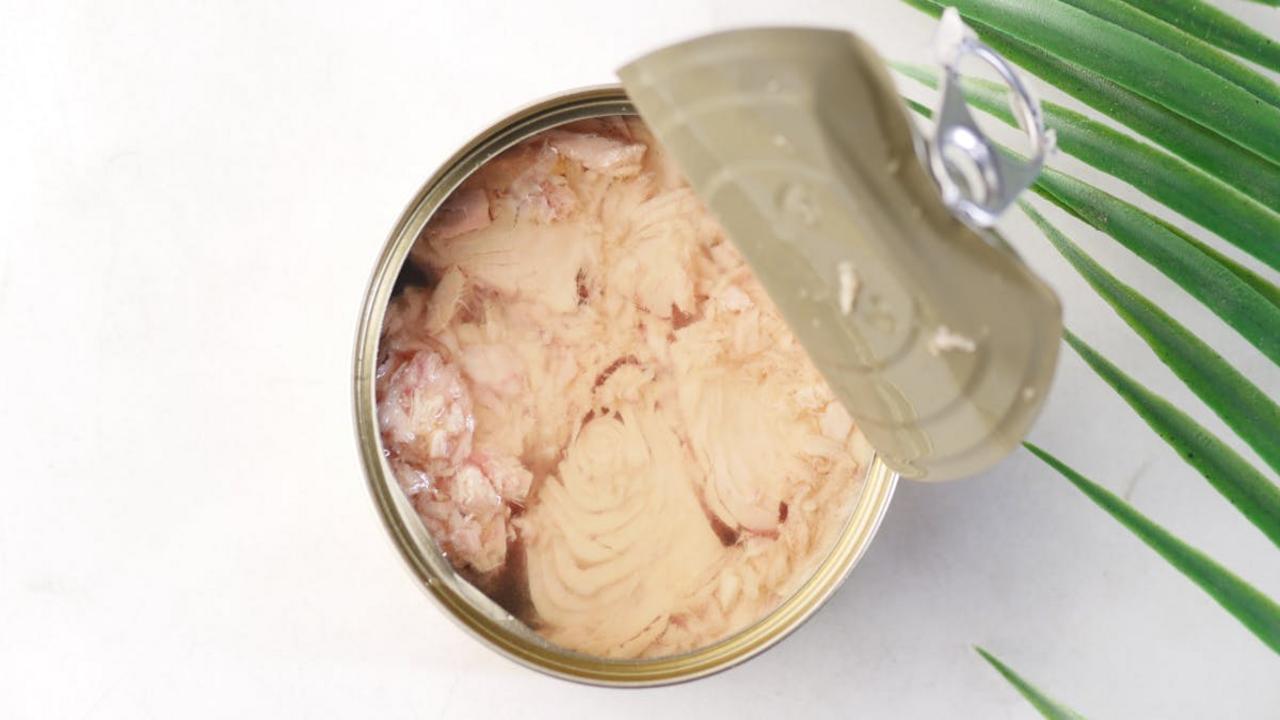
Your taste buds are incredible detectives! If you open that container of yogurt or leftover pasta sauce that’s a few days past its date and it tastes completely normal, this is a strong sign the food remains safe to eat. Fresh food has distinct flavors – dairy should taste creamy not sour, fruits should taste sweet not fermented, and proteins should taste rich not bitter or ammoniated. Trust your natural ability to detect subtle changes in flavor that might indicate spoilage.
Remember, expiration dates often indicate peak quality rather than safety cutoffs. Many foods maintain their original flavor profiles long after the printed date, especially if you’ve stored them properly. I always recommend taking a small test taste (if the food passes visual and smell tests first). Start with a tiny amount and notice if anything seems off. If the food tastes exactly as expected – the yogurt is still tangy but not bitter, the sauce still has its herbal notes without any strange aftertaste – you can generally trust that it remains good to eat despite what that cautious date suggests.
Temperature control maintained
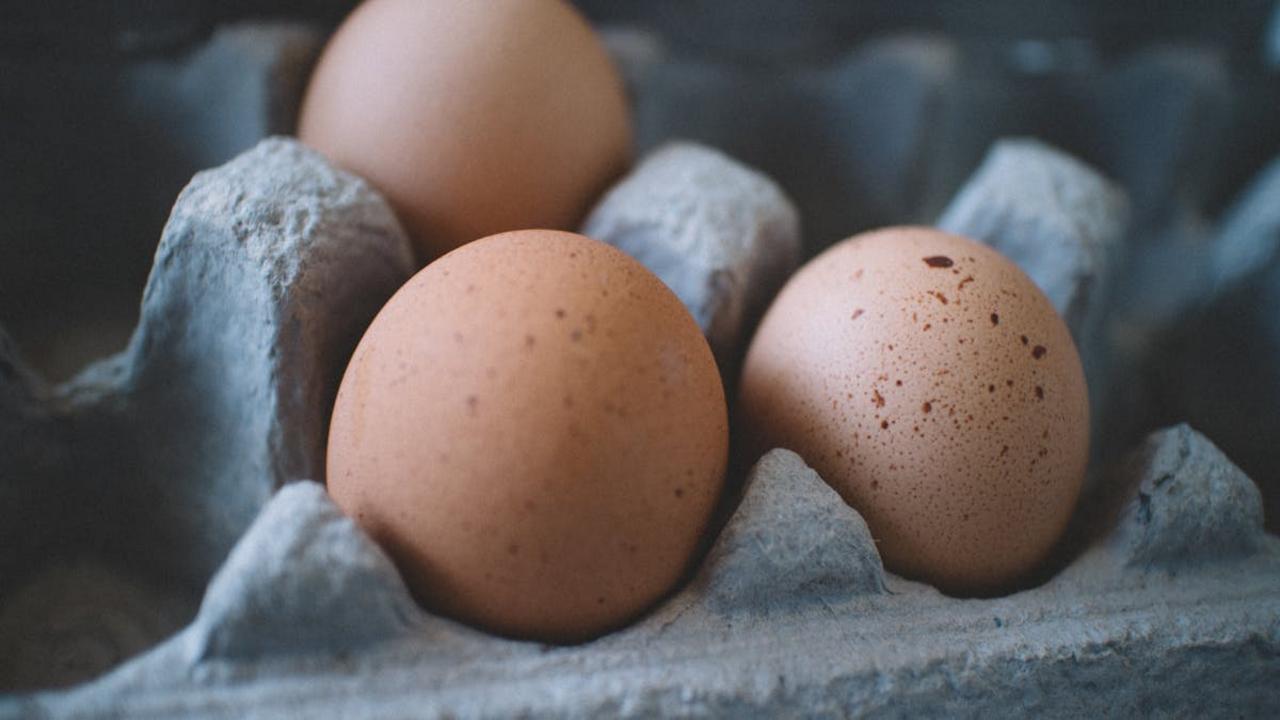
Those dated foods stored in your refrigerator or freezer might still be perfectly good if you’ve maintained proper temperature control. Your refrigerator should stay at or below 40°F (4°C), while your freezer needs to remain at 0°F (-18°C) or colder. These cold environments dramatically slow bacterial growth that causes spoilage, often extending food life well beyond the printed date. Many manufacturers set conservative dates assuming less-than-ideal storage conditions, but your diligent temperature management creates a safety buffer.
You can verify your temperature control effectiveness by keeping thermometers in both your refrigerator and freezer. Check them regularly and adjust settings as needed. Foods that have remained consistently cold with minimal temperature fluctuations (like during power outages) will typically stay safe much longer. This is particularly true for frozen items, which can maintain quality and safety for months or even years past their dates when properly frozen. Just remember that while temperature control preserves safety, texture and flavor may gradually change over extended storage periods.
No separation or curdling
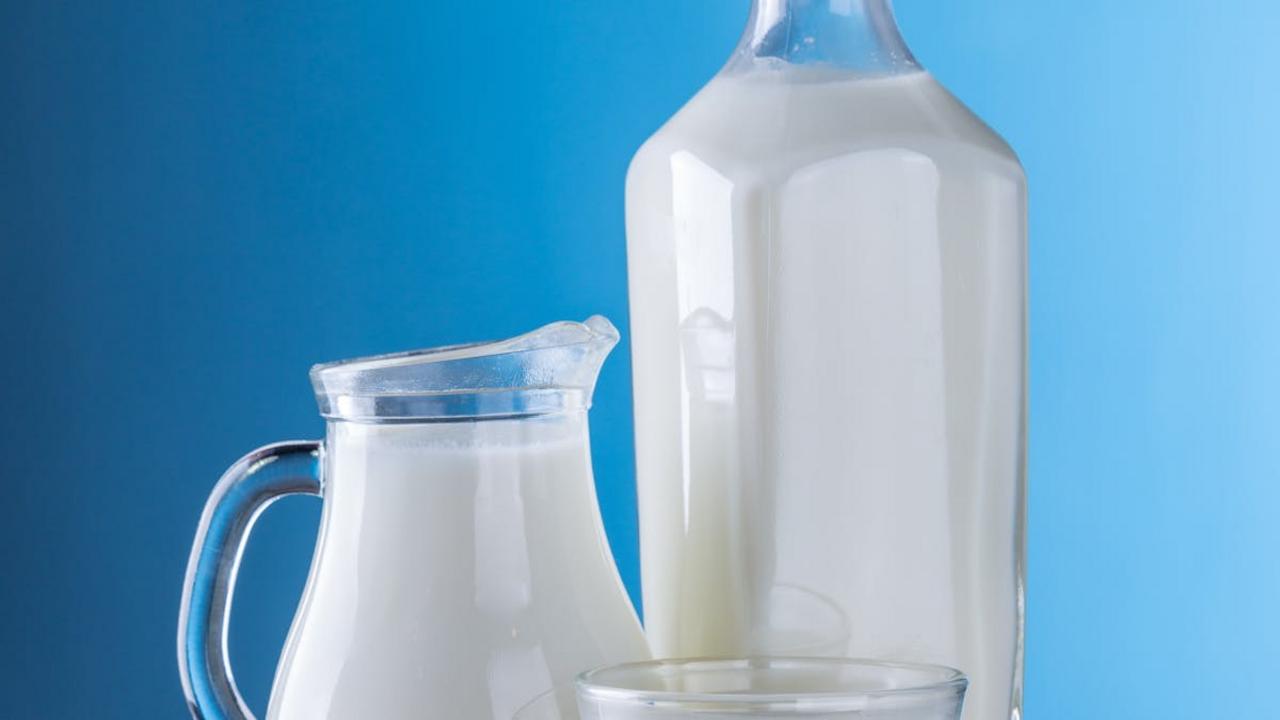
When you open that forgotten yogurt or sour cream in your fridge, take a close look before tossing it! The absence of separation or curdling often signals your dairy product remains safe to eat, even past its expiration date. Fresh dairy products maintain a uniform texture and consistency. You’ll know your yogurt, milk, or cream is still good when it shows no signs of liquid floating on top or uneven, chunky textures that weren’t part of the original product.
Your dairy products naturally break down over time, with proteins and fats separating from liquids—this process speeds up once they’ve spoiled. Trust your eyes on this one: if your sour cream looks smooth and your yogurt doesn’t have watery pockets or strange clumps, you probably have more time to enjoy it. Remember to give sealed containers a gentle shake before inspection, as some natural separation can occur even in perfectly good products. A quick stir might restore the proper texture, saving you money and reducing food waste in your kitchen.
Color stays consistent
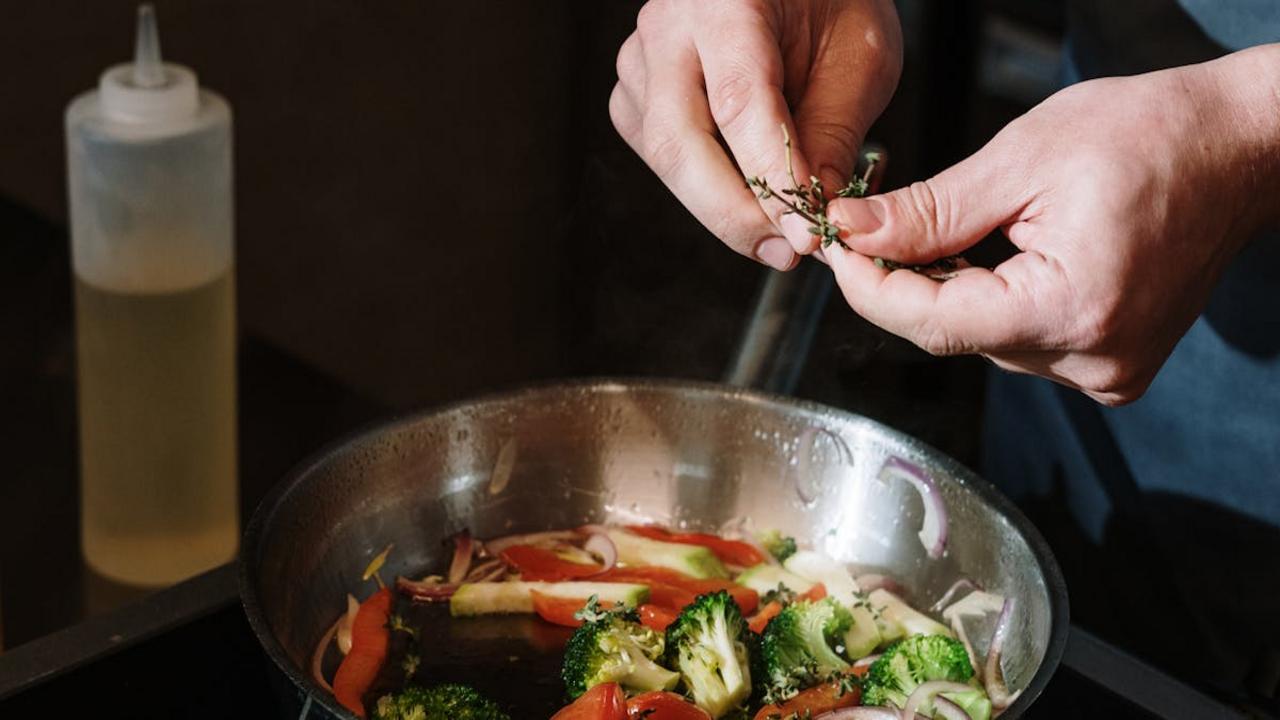
Trust your eyes when deciding if food has gone bad! One reliable indicator that your food remains safe beyond its expiration date is consistent color. Foods naturally show distinct color changes when they spoil – think browning bananas, graying meat, or moldy bread with blue-green spots. If your yogurt still appears white without any unusual discoloration, or your cheese maintains its original hue without developing mold patches, you likely have more time to enjoy these items before tossing them out.
You’ll notice this principle applies across most food categories. Fresh vegetables should maintain their vibrant colors – spinach stays green, not yellow or brown. Fruits preserve their natural pigmentation without dark spots or unusual patterns. Meat should hold its expected color without gray or greenish tints. Remember that lighting matters when checking food colors, so examine items in good natural light. This visual assessment works alongside other freshness indicators like smell and texture to help you reduce waste while staying safe. Many foods remain perfectly edible for days or even weeks after their printed dates if their colors remain true.
Packaging remains intact
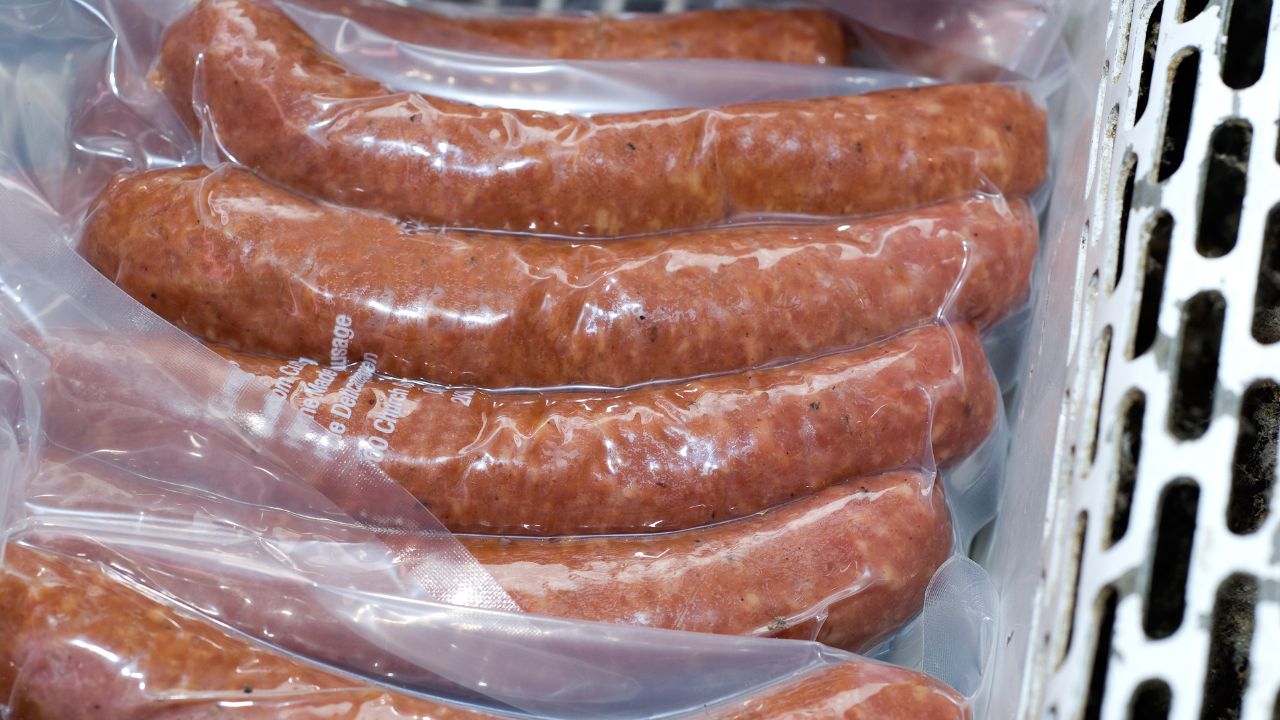
Your food’s packaging serves as its protective armor against the outside world. When you see an expiration date has passed but the container remains completely sealed with no tears, punctures, or openings, you likely have food that’s still safe to eat. Intact packaging prevents exposure to oxygen, moisture, and bacteria – the main culprits that cause food to spoil. For items like canned goods, check that there’s no rusting, denting, or bulging, which could indicate compromised safety regardless of the date printed on the label.
You’ll want to pay special attention to vacuum-sealed items since their preservation depends entirely on that airtight environment. Once you open a package, the expiration timeline changes dramatically, but until then, many foods remain good weeks or months beyond their “best by” dates. Before consuming, take a moment to inspect the packaging thoroughly – if everything looks perfectly sealed just as it did at purchase time, you can feel more confident about consuming the contents, even if the calendar suggests otherwise. Just remember to use your other senses as additional verification once you open it up.
Proper storage conditions followed
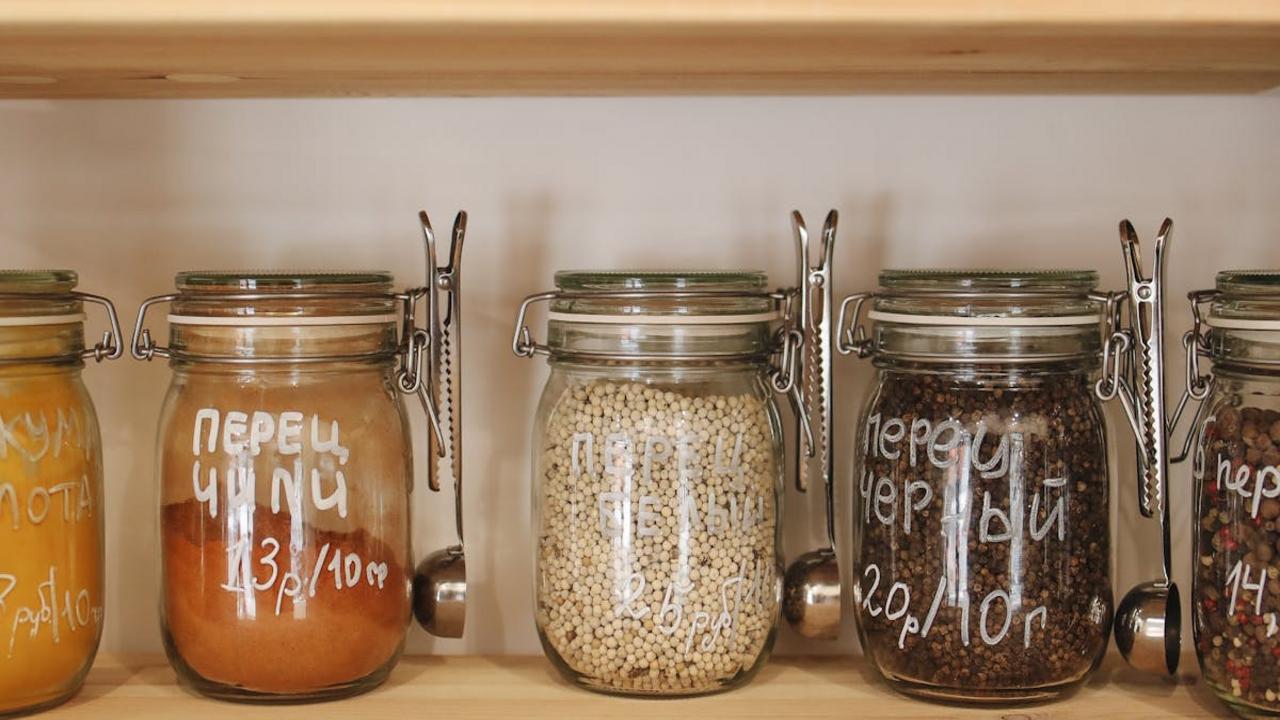
Your food can stay fresh and safe well beyond the printed expiration date when you’ve stored it correctly. Refrigerated items should remain at 40°F or below, while your freezer should maintain 0°F. Pantry goods need cool, dry spaces away from direct sunlight. Airtight containers make a huge difference too—they prevent moisture and air from spouting bacterial growth or causing staleness. You’ll notice many foods show no signs of spoilage weeks after their “best by” date if you’ve kept them in these ideal conditions.
Pay attention to how you’ve arranged your refrigerator as well. Store raw meats on bottom shelves to prevent cross-contamination, keep dairy products in the coldest sections, and use those door compartments for condiments rather than milk or eggs. Fruits and vegetables last longer in their designated drawers where humidity levels help preserve freshness. When you’ve followed these storage rules consistently, you can often trust your senses more than the printed date—many foods remain perfectly good to eat despite what the packaging suggests.
No visible mold growth
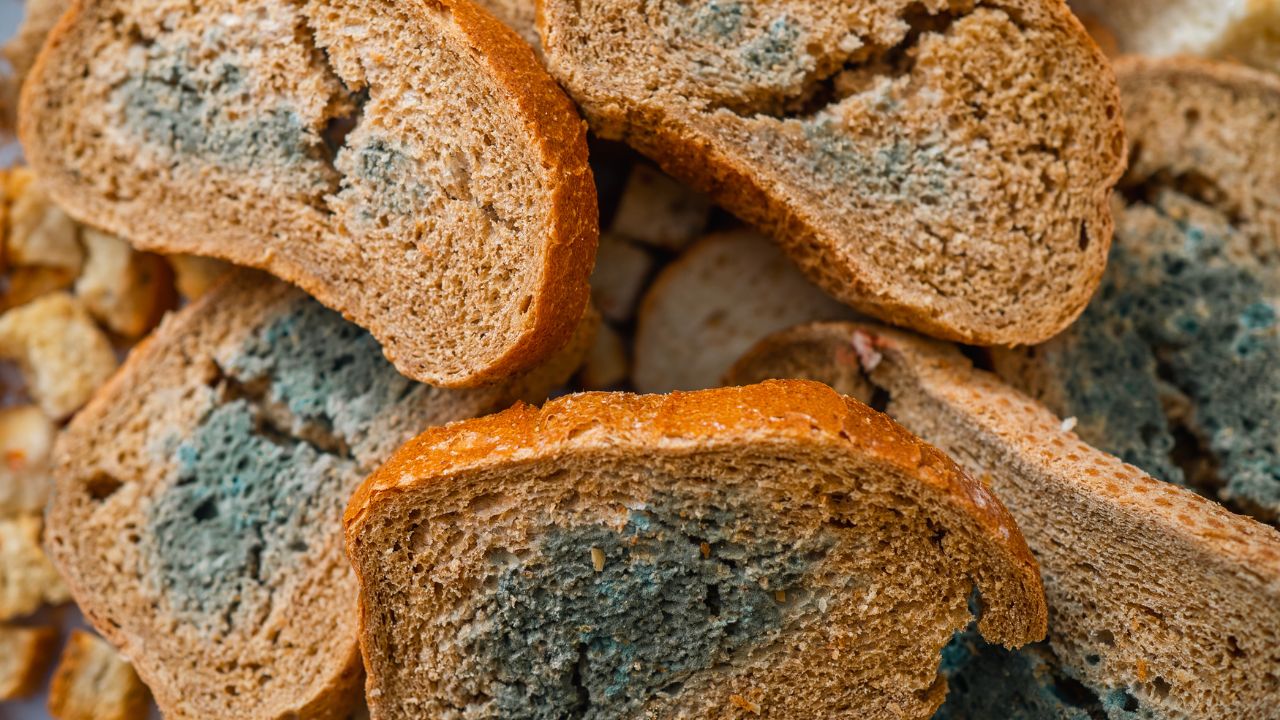
The absence of visible mold on your food is one of the most reliable indicators that it may still be safe to eat, even after the expiration date has passed. While dates on packaging often indicate peak quality rather than safety, your eyes can tell you much more about whether food has spoiled. Foods like hard cheeses, firm vegetables, and many pantry staples might develop mold in specific spots when they begin to deteriorate, but if you don’t see any fuzzy growth, discoloration, or spotting, your food likely remains perfectly fine to consume.
You should always trust your senses over an arbitrary date stamp. Inspect your food carefully under good lighting – mold typically appears as fuzzy spots in white, green, black, or blue colors. For items like bread, yogurt, soft cheeses, and fruits, even a tiny spot of mold means the entire product should go in the trash, as mold filaments can penetrate deeply. However, hard foods with no visible mold growth can often be enjoyed safely for days or even weeks beyond their “best by” date, saving you money and reducing unnecessary food waste in your kitchen.
Original texture maintained
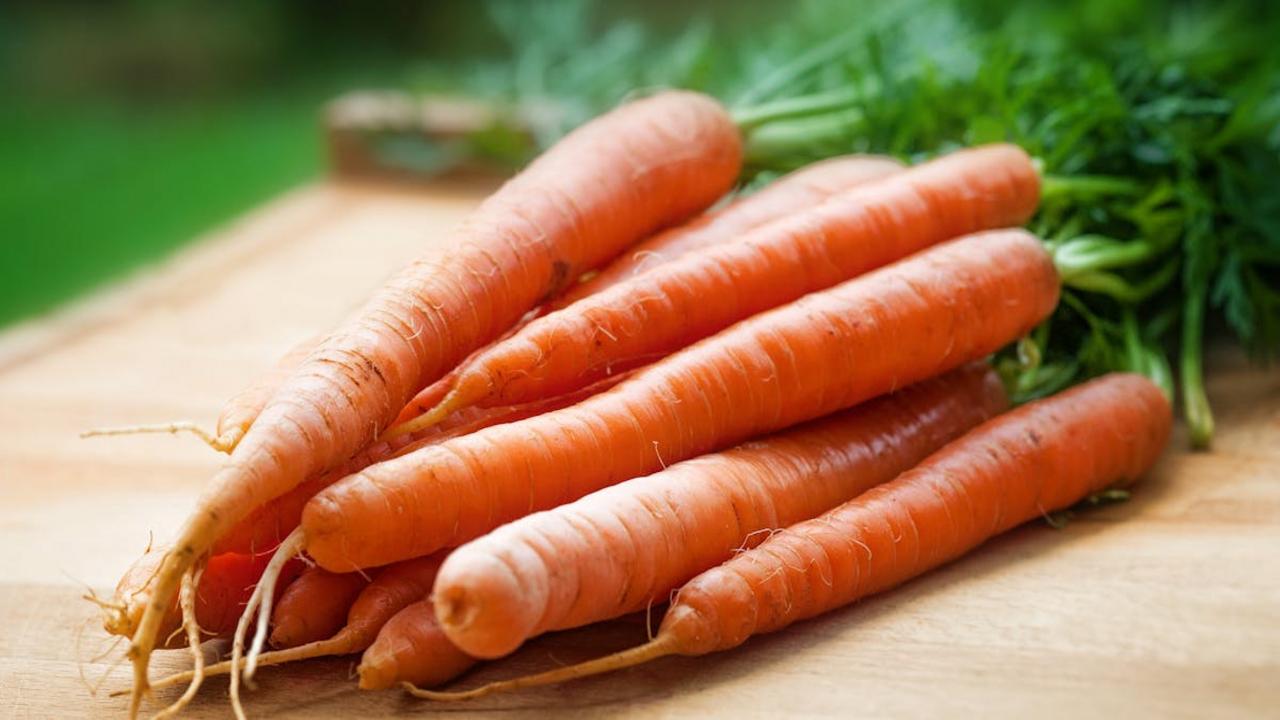
Trust your senses when checking if food is still good beyond its expiration date! If your crackers still snap crisply, your cereal maintains its crunch, or your dried pasta breaks cleanly, these are excellent signs the food remains safe to eat. Texture is a reliable indicator because spoilage typically causes noticeable changes—bread gets soggy or tough, crackers become chewy, and chips lose their satisfying crunch. When foods maintain their original texture, it suggests minimal quality degradation has occurred despite what the date on the package claims.
You can easily test texture by handling the food before consumption. Give those cookies a gentle squeeze—they should hold their shape rather than crumble unexpectedly or feel oddly soft. For yogurt, a quick stir reveals if it’s maintained its proper consistency instead of separating or becoming watery. Even with frozen foods, proper texture after thawing indicates quality preservation. Remember that manufacturers often set conservative dates to ensure peak quality, not safety deadlines. Your crackers might stay crisp and your cereal crunchy for weeks or even months after that printed date if you’ve stored them properly in a cool, dry place.
No unusual odors
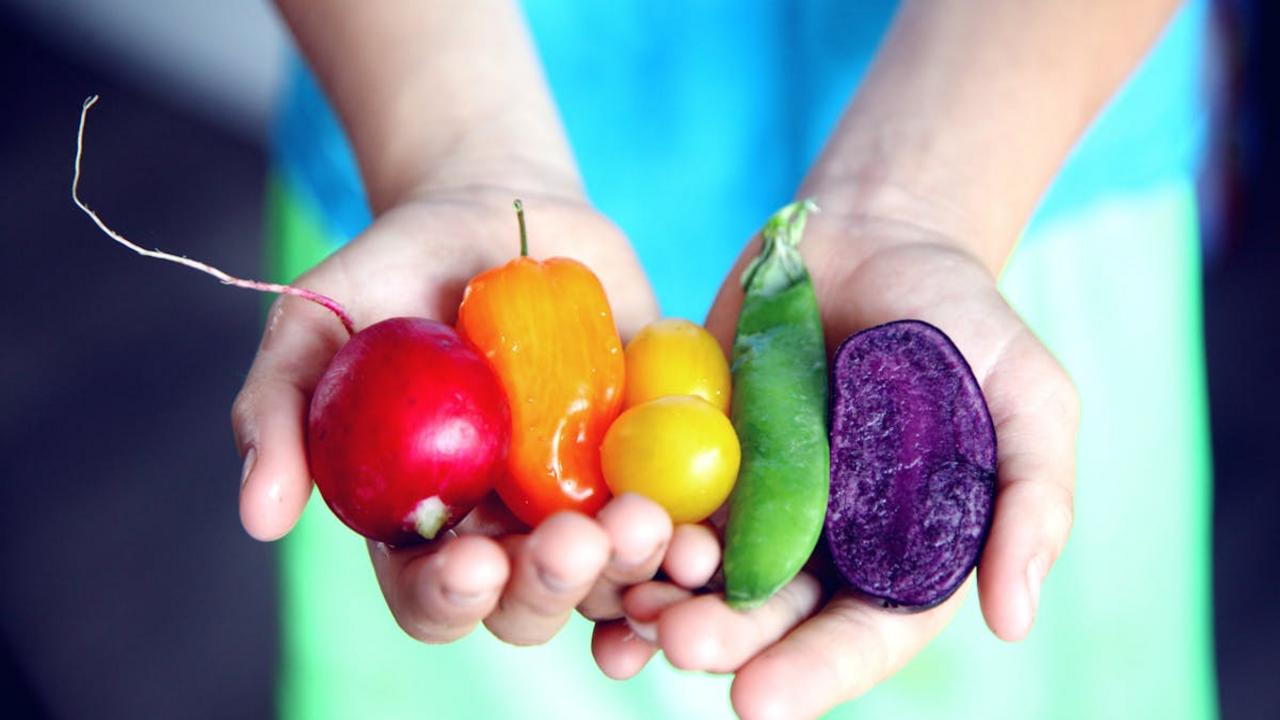
Your nose serves as your natural food safety detector! Fresh food typically has a pleasant or neutral scent, while spoiled food often develops distinct sour, pungent, or “off” smells. If you open that container of yogurt that expired three days ago and it doesn’t have any funky odors, you can feel confident it’s still good to eat. This principle applies to most foods including dairy, meats, and leftovers – if they pass the sniff test despite the date on the package, they’re likely safe to consume.
I always tell my readers to trust their senses over arbitrary dates printed on packages. Food manufacturers often use conservative dating to protect their reputation, not necessarily to indicate when food becomes unsafe. Many items remain perfectly edible for days or even weeks beyond their “best by” dates if properly stored. Just remember to give everything a good sniff before eating. Your nose can detect spoilage compounds in concentrations too small to make you sick, making it an incredibly reliable tool in your food safety arsenal. No unusual smell? Your expired food probably deserves a second chance!
Visual appearance remains unchanged
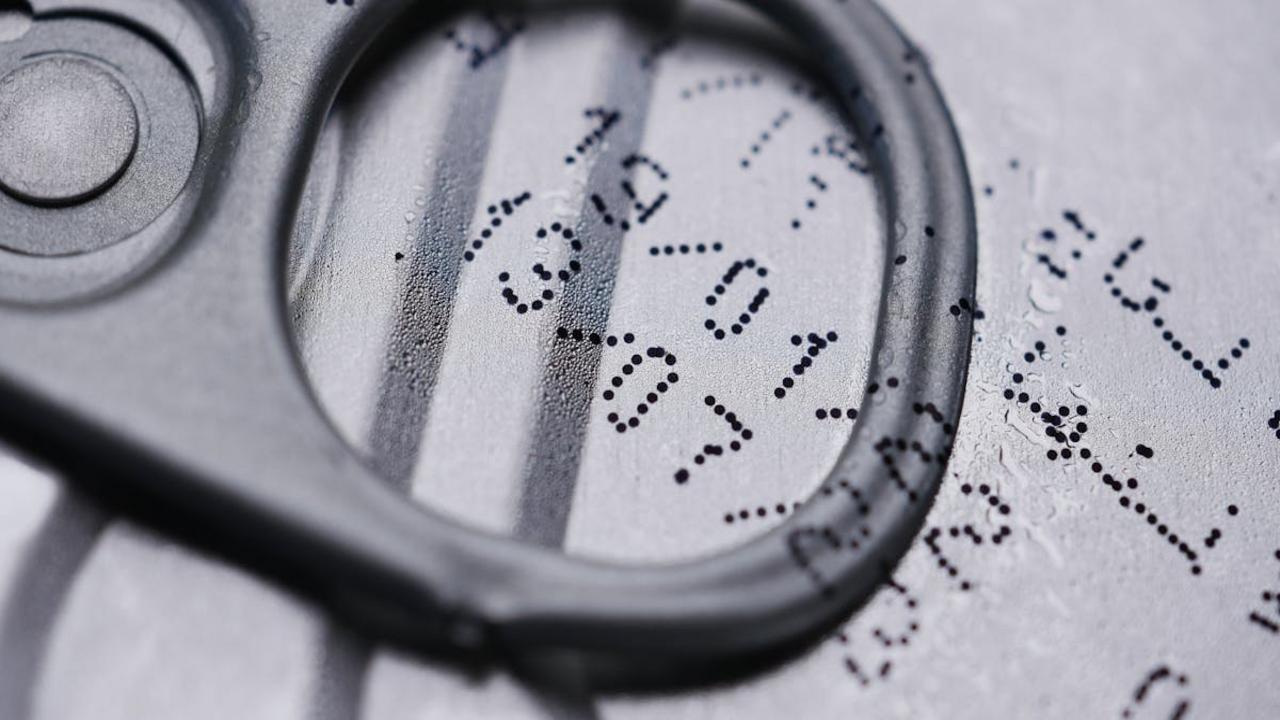
Your eyes can tell you a lot about food safety! When your food still looks exactly the same as when you bought it—no discoloration, no mold, no shriveling—it’s often perfectly fine despite what the date says. Many packaged foods maintain their visual integrity long after the “best by” date has passed. Fresh produce without spots, dairy products without separation, and meats without color changes typically indicate they’re still good to eat.
Always trust your visual inspection before the date on the package. Many food manufacturers set conservative dates to guarantee peak quality, not safety. For example, unopened yogurt might look perfect for weeks beyond its date, and dry goods like pasta, rice, and cereal can maintain their appearance for months or even years past their dates. Just remember to check for unusual color shifts, fuzzy growth, or changes in texture—these visual cues signal actual spoilage that trumps any printed date.