15 Lifesaving Pantry Foods to Stock Up on Before Natural Disasters Hit
Natural disasters won’t wait for you to prepare, so why should you? Building a well-stocked pantry today can save you tomorrow when emergencies strike. From hurricanes to snowstorms, having the right foods ready means you’ll nourish your family even when grocery stores close and power fails.
I’ve gathered 15 shelf-stable heroes that deserve space in your emergency food supply. These powerhouse ingredients last months (or years!), need minimal preparation, and provide critical nutrition during stressful times. Many don’t require refrigeration or cooking—perfect when utilities go offline.
Your emergency food stash should balance nutrition, shelf life, and comfort. The foods on this list offer protein, healthy fats, carbohydrates, and essential vitamins to keep you going through difficult days. Start collecting these items now, rotate them regularly, and you’ll face any disaster with one less worry on your plate.
Rolled oats
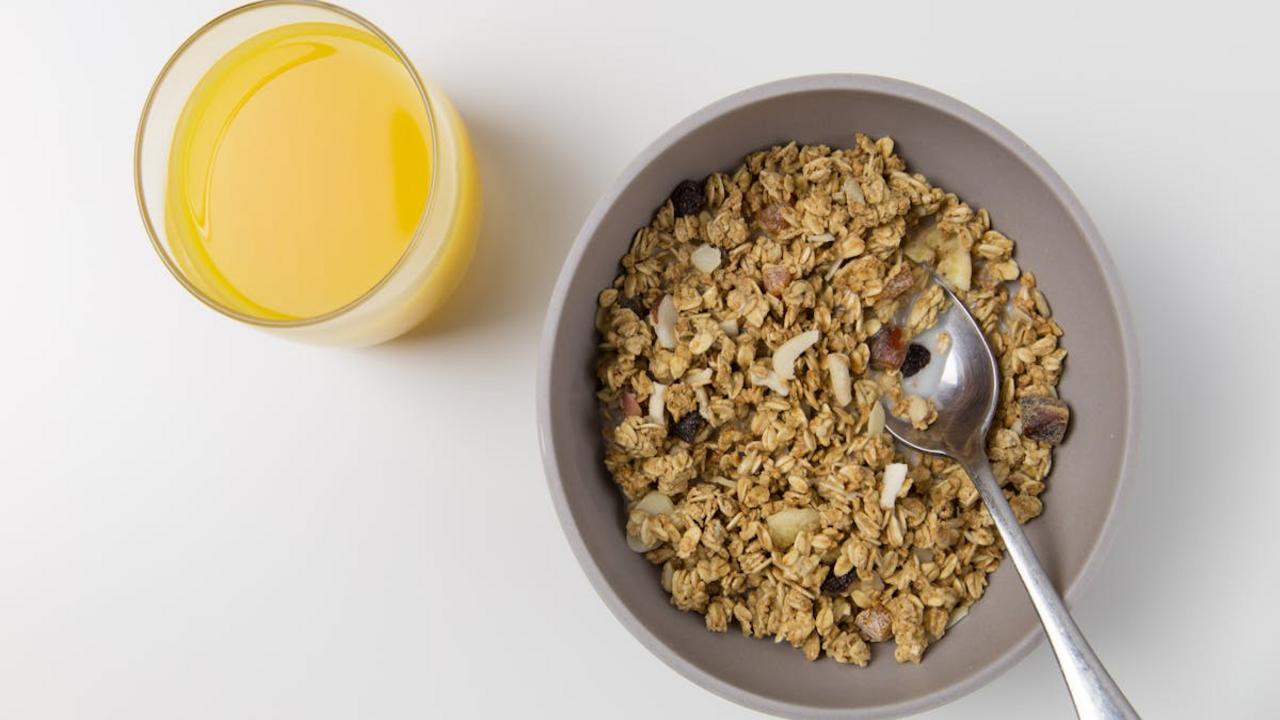
Rolled oats stand out as one of the most valuable pantry staples during emergency situations. They require no cooking if you soak them overnight in water or shelf-stable milk alternatives, making them perfect when power is limited. You can eat them cold in overnight oats or heat them quickly with minimal fuel. They’re incredibly filling, packed with fiber and protein to keep your energy levels steady through stressful situations. Plus, their neutral flavor means you can pair them with almost any sweet or savory add-ins you have available.
Your body will thank you for the sustained energy rolled oats provide during a disaster. Unlike many shelf-stable foods, oats offer complex carbohydrates that break down slowly, preventing the crash-and-burn effect of sugary alternatives. A single container of oats yields dozens of meals and takes up minimal storage space. They typically last 1-2 years when stored properly in airtight containers, though many people report safely using them beyond this timeframe. For extra emergency preparedness, grab instant oat varieties too – they rehydrate with just cold water when hot water isn’t available.
Dried fruits
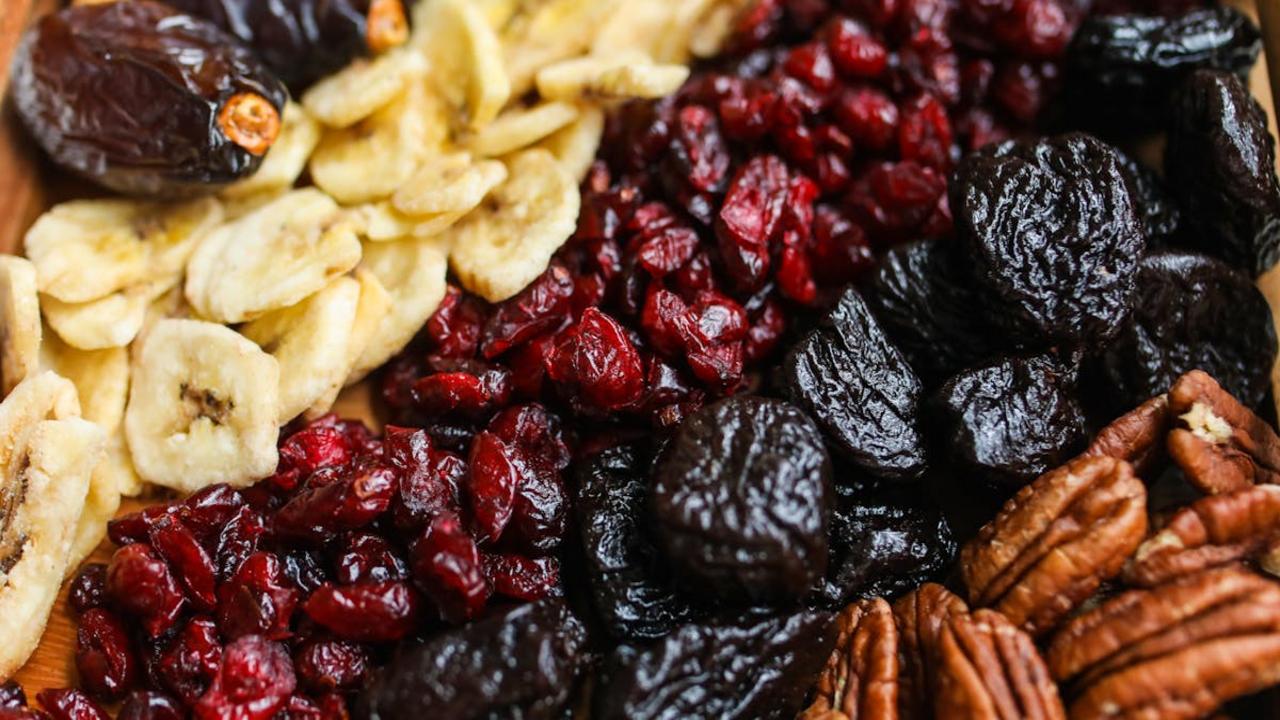
Dried fruits will save your day during emergencies with their long shelf life and concentrated nutrition. Pack raisins, apricots, cranberries, and dates in your disaster kit for quick energy boosts when fresh options aren’t available. You’ll appreciate their natural sweetness and versatility – eat them straight from the package or mix them into your emergency meals for extra flavor. Most varieties last 6-12 months when stored properly in airtight containers, making them perfect for your long-term emergency food supply.
Don’t underestimate how these compact powerhouses can lift your spirits during stressful situations. A handful of dried mangoes or apple rings delivers fiber, vitamins, and minerals your body needs to stay healthy when access to fresh produce is limited. They require no refrigeration, preparation, or cooking – exactly what you want during power outages or evacuations. Your kids will find them comforting and familiar when other aspects of life feel chaotic. Remember to rotate your stock periodically and check for moisture or mold before consuming.
Hardtack
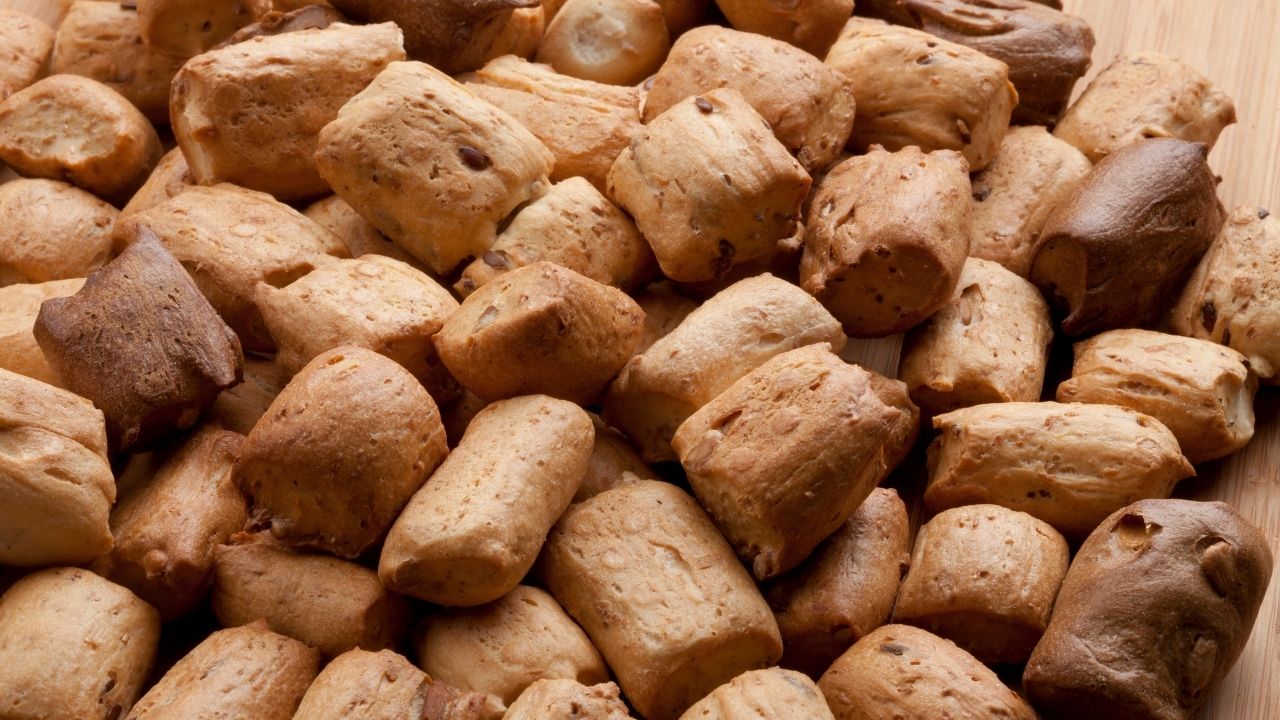
Hardtack stands as one of the oldest emergency foods in history, dating back centuries when sailors needed sustenance that wouldn’t spoil during long voyages. This simple cracker, made from flour, water, and sometimes salt, can last for decades when stored properly. You’ll find hardtack particularly valuable during disasters because it requires no refrigeration and provides basic carbohydrates when fresh food becomes unavailable. While plain in flavor, you can enhance it with honey, jam, or pair it with soup to make it more palatable.
You can easily make your own hardtack at home by mixing flour and water into a stiff dough, rolling it out, cutting it into squares, poking holes to prevent bubbling, and baking until completely dry. The trick to maximum shelf life lies in thorough drying and storing in airtight containers with oxygen absorbers. During emergencies, you’ll need to soften hardtack before eating – try dipping it in coffee, tea, or soup, or simply letting it sit in liquid for a few minutes. Though basic, hardtack delivers reliable calories when you need them most and takes up minimal storage space in your emergency pantry.
Dehydrated vegetables
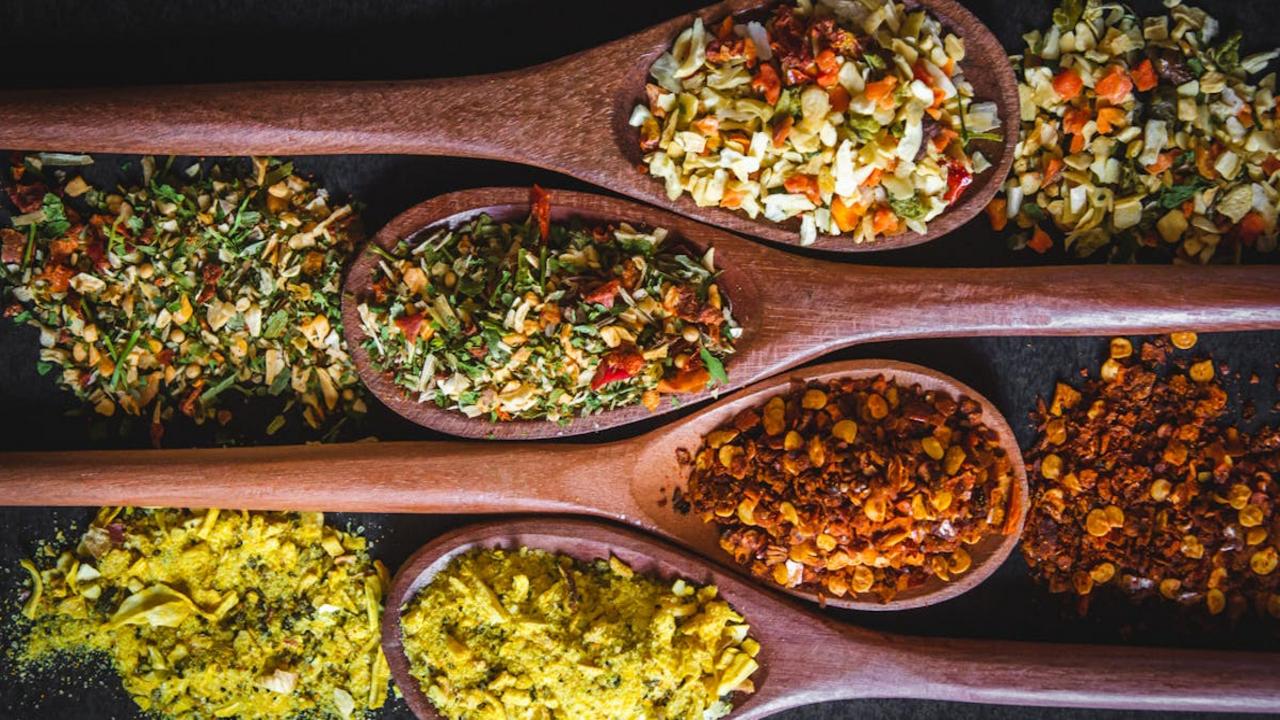
Dehydrated vegetables offer a long shelf life with minimal space requirements, making them an excellent choice for your emergency pantry. Unlike fresh produce that spoils within days, these lightweight, preserved veggies maintain most of their nutritional value for up to a year when stored properly. You can easily add them to soups, stews, and casseroles during power outages—just rehydrate them with a bit of water! Carrots, peas, onions, and bell peppers are particularly versatile options that will help you maintain a balanced diet when fresh food isn’t available.
I recommend buying commercially dehydrated vegetables in airtight containers or making your own if you have a food dehydrator. For DIY dehydration, slice vegetables thinly, blanch them briefly, and dry completely before storing in vacuum-sealed bags with oxygen absorbers. During disasters, these vegetables will provide essential vitamins and minerals your body needs to stay healthy. They also add flavor and substance to otherwise plain emergency meals like rice or pasta, helping you create more satisfying dishes even in challenging circumstances. Stock up on a variety now, and you’ll thank yourself later!
Maple syrup

Pure maple syrup isn’t just for pancakes—it’s a valuable emergency pantry staple! Unlike refined sugar, maple syrup contains minerals like manganese, zinc, and potassium, giving you nutritional benefits during stressful disaster situations. The sealed bottles have an impressive shelf life of several years when stored properly, making maple syrup a smart investment for your emergency food supply. You can use it straight from the bottle without preparation, perfect when cooking resources are limited.
During emergencies, maple syrup works as an instant energy source and flavor enhancer for bland emergency meals. You can stir it into oatmeal, spread it on crackers with peanut butter, or mix it into coffee when fresh milk isn’t available. The natural sweetness can help boost morale when comfort foods are scarce. Look for pure maple syrup in plastic containers rather than glass for safer storage, and keep it in a cool, dark place. Remember that a little goes a long way, so even a modest bottle will last through many emergency meals.
Salt
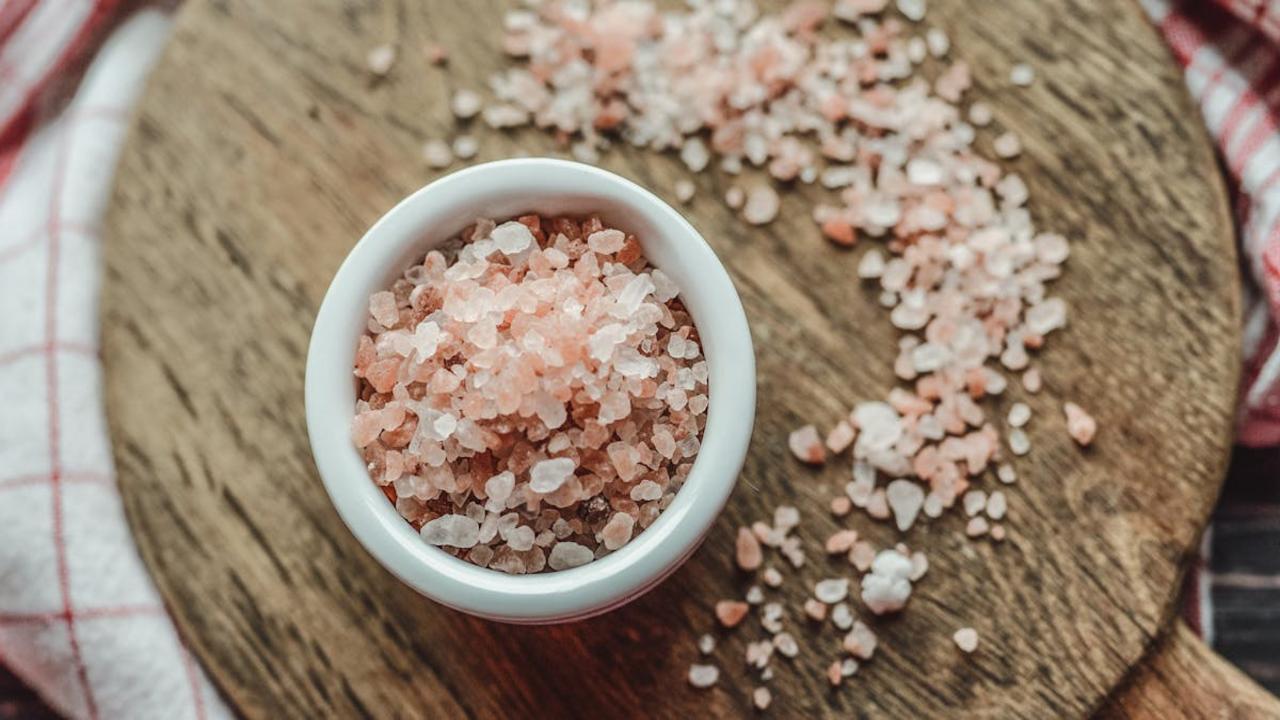
Salt is a true survival hero in your emergency pantry. Your body needs salt to function properly, especially during stressful situations like natural disasters. Beyond seasoning food, salt helps preserve other foods, makes bland emergency meals more palatable, and can even work as a cleaning agent in a pinch. I recommend stocking both table salt and kosher salt—they’ll keep indefinitely if stored in airtight containers away from moisture.
Don’t underestimate salt’s versatility during emergencies! You can use it to create rehydration solutions if someone gets dehydrated, preserve freshly caught fish or game if your disaster situation lasts longer than expected, and even melt ice on walkways during winter storms. A few pounds of salt takes up minimal space but provides maximum benefit in your emergency supplies. Store it alongside other shelf-stable seasonings to help maintain some food enjoyment during difficult times.
Instant coffee
When you need a quick energy boost during a disaster, instant coffee is your go-to solution! No electricity? No problem. Just add hot water (which you can heat over any heat source) to your instant coffee granules, and you’ll have a comforting cup of joe in seconds. Many brands now offer single-serve packets that take up minimal space in your emergency kit and stay fresh for years. Look for varieties with added creamer and sugar if you want to simplify your supplies even further.
You’ll appreciate how instant coffee helps maintain your normal routine during stressful situations. That familiar morning coffee ritual can provide much-needed comfort and normalcy when everything else feels chaotic. The caffeine boost can help you stay alert during emergency situations when you might need to make quick decisions or stay awake for extended periods. For coffee lovers, the psychological benefit of having this small comfort available can’t be underestimated – it’s a tiny bit of normalcy in an otherwise difficult time.
Beef jerky

Beef jerky offers you a perfect protein-packed addition to your emergency food supply. This dried meat product doesn’t need refrigeration and stays good for months when stored properly in your pantry. During natural disasters when power outages might limit your cooking options, beef jerky gives you a ready-to-eat source of protein that helps maintain your energy and strength. Look for varieties with minimal additives and lower sodium content if you’re watching your salt intake, though remember that some salt helps preserve the jerky.
You’ll appreciate beef jerky’s compact size and lightweight nature during evacuations or when space is limited. A small package delivers significant nutritional value and helps fight hunger between meals or when cooking facilities aren’t available. Many brands now offer healthier versions made from grass-fed beef and seasoned with natural ingredients rather than artificial preservatives. Consider stocking different flavors to prevent food fatigue during extended emergency situations. Beef jerky also pairs well with other pantry staples like crackers and dried fruits for a more complete snack.
Nuts and seeds
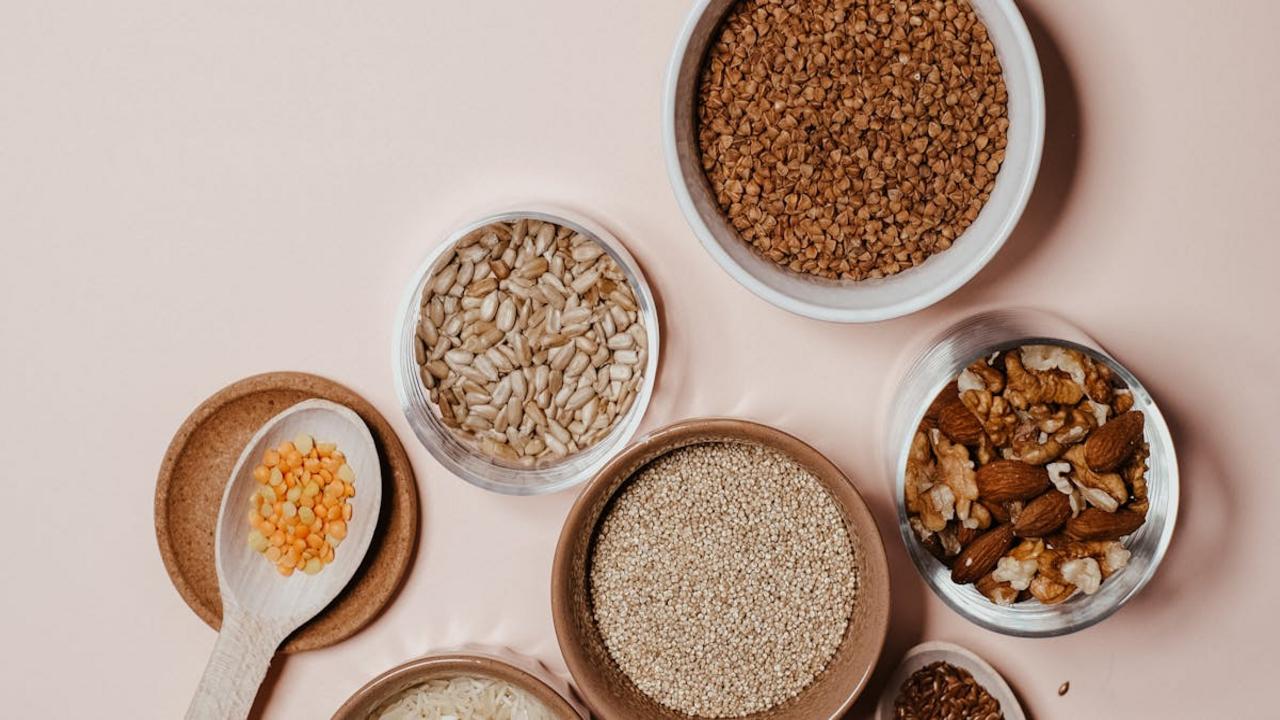
Nuts and seeds give you a perfect balance of protein, healthy fats, and fiber – exactly what you need during emergency situations. Almonds, walnuts, pumpkin seeds, and sunflower seeds pack a nutritional punch in a small package. You can eat them straight from the container or add them to other foods for extra crunch and nutrients. Their long shelf life makes them ideal for your emergency pantry, with most varieties lasting up to six months at room temperature and even longer when stored in cool, dry places.
Your body will thank you for having these nutrient-dense foods on hand during disasters. Just two tablespoons of chia seeds provide protein, omega-3 fatty acids, and fiber that keep you feeling full longer. Peanut butter and other nut butters deserve space in your emergency stash too – they don’t require refrigeration until opened and offer quick energy when you need it most. Store your nuts and seeds in airtight containers away from heat and light to maximize their freshness and nutritional value during extended power outages.
Dried beans
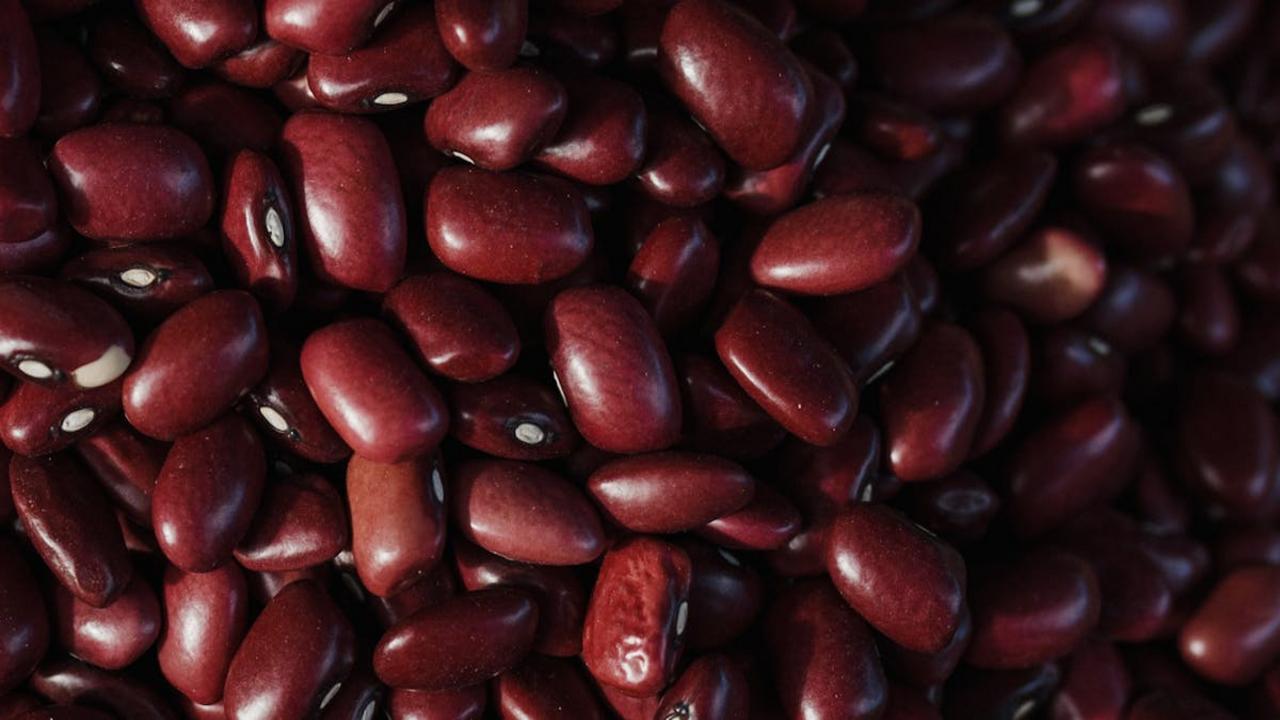
Dried beans should top your disaster-preparedness pantry list! They’re affordable, last for years when stored properly, and pack a nutritional punch with protein, fiber, and essential minerals. You’ll get plenty of versatility too—black beans, pinto beans, chickpeas, and lentils can transform into soups, chilis, salads, or simple side dishes. During emergencies when refrigeration fails, these shelf-stable powerhouses provide sustainable energy without requiring cool storage.
The beauty of dried beans lies in their simplicity—you only need water to prepare them. While they typically require soaking and longer cooking times than canned versions, this becomes manageable if you plan ahead or use a pressure cooker (if you have emergency power). Store your beans in airtight containers away from light and moisture to maximize their shelf life. For extra convenience, consider pre-cooking and dehydrating portions that will rehydrate quickly during an emergency, giving you ready-to-eat nutrition when resources become limited.
Hard cheese

Hard cheeses like Parmesan, aged cheddar, and Gouda deserve a spot in your emergency pantry because they last much longer than their softer counterparts. Without refrigeration, many hard cheeses can stay good for days or even weeks at room temperature, making them perfect when the power goes out. The low moisture content and aging process create an environment where harmful bacteria struggle to grow. You’ll appreciate having this rich protein source that adds flavor to bland emergency meals like crackers, canned meats, or pasta dishes.
During extended emergencies, hard cheese provides valuable calcium, protein, and fats your body needs for energy and strength. Unlike many pantry foods that lack substantial protein, a small amount of aged cheese delivers serious nutrition and satisfying richness. Store your emergency cheese in wax paper (not plastic wrap) in a cool spot. Many preppers vacuum-seal individual portions of hard cheese for maximum shelf life. Add a block or two to your emergency supplies, and you’ll have both nutrition and comfort food ready when disaster strikes.
Pemmican
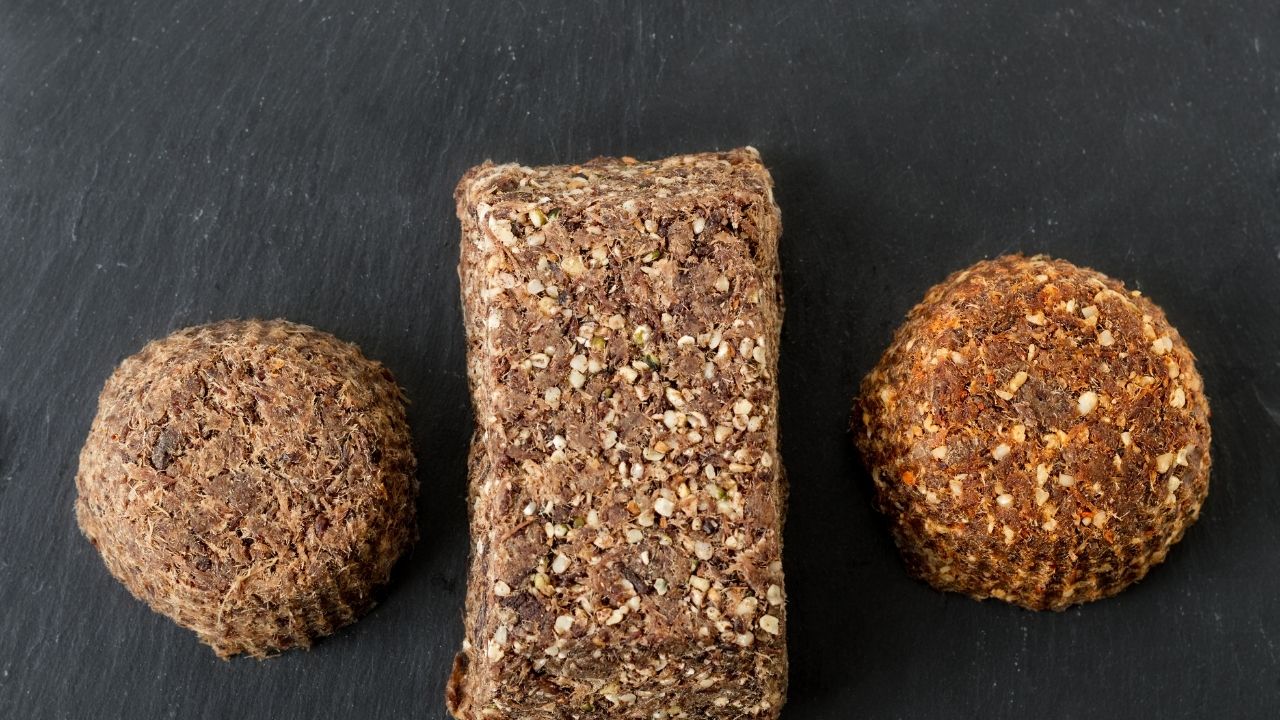
Pemmican stands out as a remarkable survival food with roots in Native American traditions. This concentrated mixture of dried meat, rendered fat, and sometimes dried berries creates a nutrient-dense food that can last for years without refrigeration when properly prepared and stored. You’ll appreciate its impressive protein content and calorie density during emergencies when your body needs sustained energy. The beauty of pemmican lies in its simplicity – it requires no cooking or preparation when you need to eat it, making it perfect when power is unavailable.
You can make your own pemmican by finely grinding dried beef or game meat, mixing it with melted tallow, and adding dried berries for flavor and additional nutrients. Store your homemade pemmican in airtight containers in a cool, dry place. Commercial versions are also available if you prefer convenience. During a natural disaster, this compact food provides complete nutrition in a shelf-stable form. Many preppers consider pemmican a superior option to modern emergency rations because of its nutritional completeness and authentic ingredients.
Honey

Honey stands out as a unique pantry staple for emergency preparedness because it literally never spoils. Archaeologists have found pots of honey in ancient Egyptian tombs that remained perfectly edible after thousands of years! You can store honey indefinitely without refrigeration, making it an ideal sweetener during power outages. Beyond its sweetness, honey provides quick energy from natural sugars when you need a boost during stressful disaster situations.
You’ll appreciate honey’s versatility during emergencies – use it to sweeten hot drinks, spread it on crackers or bread, or mix it with peanut butter for a comforting treat. Honey also offers medicinal benefits, working as a natural cough suppressant and containing antimicrobial properties that can help with minor wounds if first aid supplies run low. Buy honey in plastic containers rather than glass for disaster kits to prevent breakage, and remember that if it crystallizes, you can restore it by placing the container in warm water.
Dried milk

Dried milk gives you the benefits of regular milk without needing refrigeration—making it perfect for your emergency pantry. During natural disasters when power outages can last days or even weeks, you’ll still have access to this calcium-rich food source that provides protein and vitamins your family needs. You can mix it with water for drinking, add it to coffee or tea, or use it in recipes that call for milk. Many people overlook this pantry staple, but you’ll be thankful you stocked up when fresh dairy isn’t available.
Store dried milk in airtight containers away from direct sunlight to maximize its shelf life, which typically ranges from 2-10 years depending on the type you purchase. Regular powdered milk lasts about 2 years, while instant nonfat dried milk can stay good for up to 10 years if properly stored. Remember to rotate your supply by using older packages first and replacing them with fresh ones. For families with young children or anyone who relies on milk as a dietary staple, this powdered alternative will help maintain nutritional normalcy during stressful emergency situations.
Powdered eggs

You’ll find powdered eggs to be one of your smartest emergency pantry additions. These dehydrated wonders give you protein without refrigeration for months or even years when stored properly. Mix them with water to scramble for breakfast, or use them in baking when fresh eggs aren’t available. They contain nearly all the nutritional benefits of fresh eggs and take up minimal space in your disaster kit. Many brands now offer options with reduced sodium and no additives for healthier emergency eating.
During power outages or evacuation situations, you’ll appreciate having this versatile ingredient ready to go. You can prepare quick omelets by adding water and any shelf-stable vegetables you have on hand. Add them to pasta dishes for extra protein or use them to bind together canned tuna for sandwiches. One small container typically equals dozens of eggs, making powdered eggs extremely cost-effective for emergency planning. Remember to rotate your supply every 12-18 months for best quality, and always store them in a cool, dry place away from direct sunlight.