12 Exotic Fruits Chefs Swear By to Instantly Level Up Your Cooking
Ever wondered how professional chefs create those unforgettable flavor explosions? The secret often lies in exotic fruits that bring surprising notes to both sweet and savory dishes. These uncommon ingredients can transform your everyday cooking into something extraordinary with minimal effort.
I’ve talked with dozens of chefs who consistently reach for fruits like dragon fruit and jackfruit to add complexity to their creations. What makes these fruits special isn’t just their dramatic appearance – they offer unique texture and flavor combinations you simply can’t get from conventional produce.
You don’t need fancy techniques to incorporate these fruits into your cooking. A slice of starfruit on a cocktail glass, lychee in a quick stir-fry, or passion fruit drizzled over ice cream can instantly elevate your dish. The 12 fruits in this list are your ticket to restaurant-quality meals right in your home kitchen.
Cherimoya
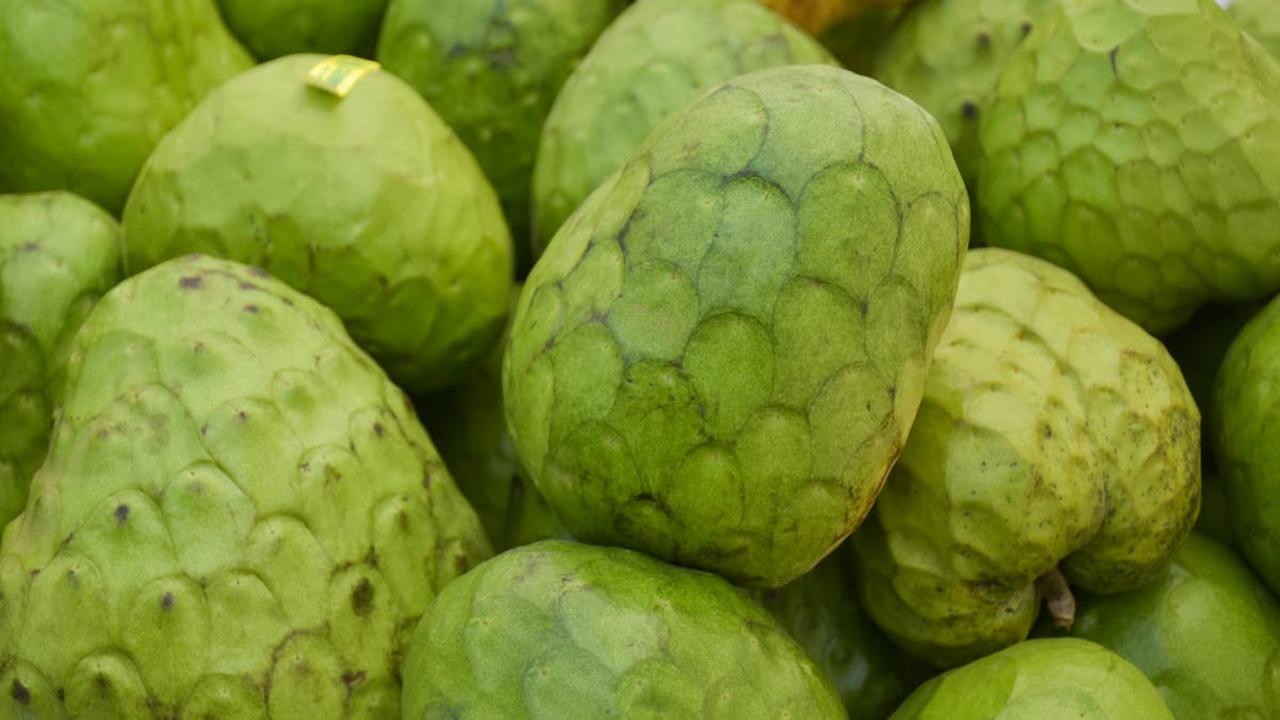
If you haven’t yet discovered cherimoya, you’re missing out on what Mark Twain called “the most delicious fruit known to man.” This heart-shaped tropical treasure delivers a creamy, custard-like flesh with hints of banana, pineapple, strawberry, and papaya all rolled into one magnificent experience. You’ll find chefs around the world adding this versatile fruit to sorbets and ice creams, blending it into smoothies, or simply serving it chilled with a spoon (just scoop it right out of the skin!).
Many professional chefs prize cherimoya for its natural sweetness that reduces the need for added sugars in recipes. To select the perfect specimen, look for a fruit that yields slightly to gentle pressure—similar to selecting an avocado. Avoid any with dark blemishes or cracks. Keep in mind that the black seeds inside are inedible, so you’ll need to remove them before eating. Try adding cherimoya chunks to your next fruit salad or puree it into a sauce for grilled fish—you’ll immediately understand why chefs consider it such a transformative ingredient!
Kumquat
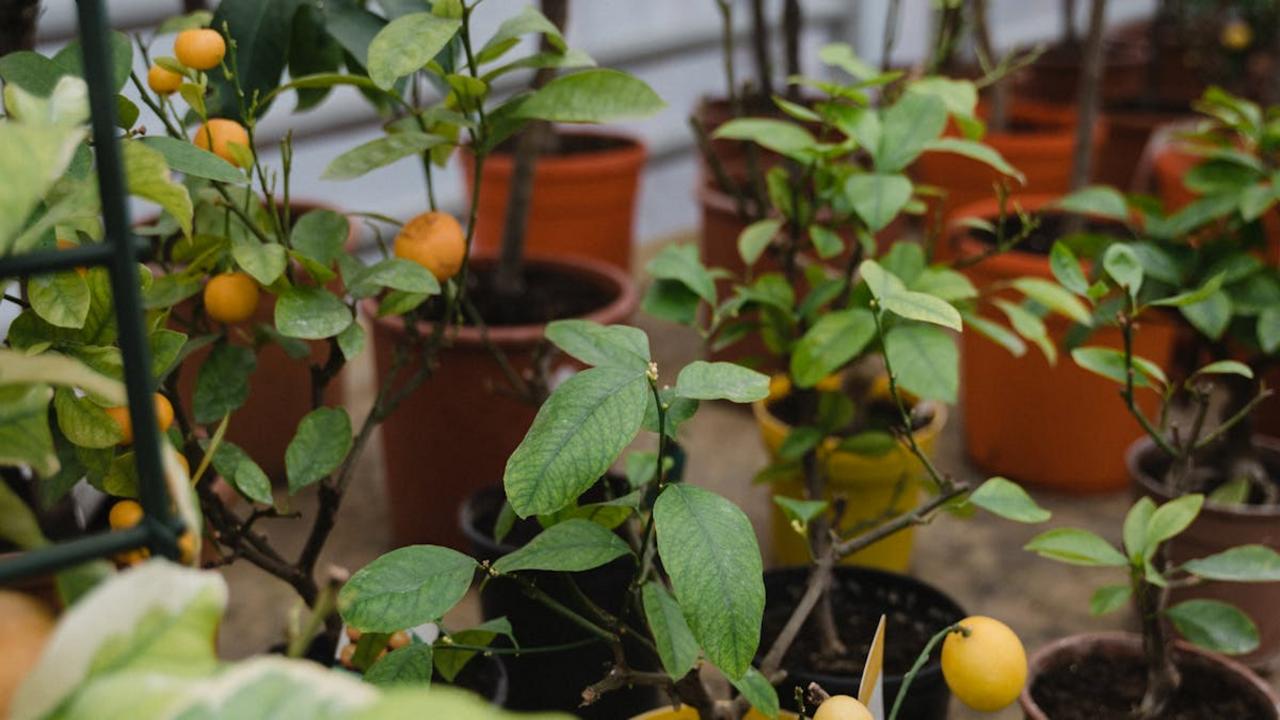
Don’t you just love the tiny, bite-sized kumquats that pack a powerful punch? These little citrus gems offer a unique sweet-tart experience since you eat them whole—skin and all! The peel actually tastes sweeter than the flesh, creating this amazing flavor contrast in your mouth. Chefs treasure kumquats for their ability to add brightness to both savory dishes and desserts without any peeling or sectioning required.
You’ll find kumquats adding zesty notes to salads and meat dishes or creating incredible marmalades and preserves. Try slicing them thinly to garnish seafood or roasted poultry for an instant flavor boost. You can also candy them for dessert toppings or muddle them in cocktails for a citrusy kick. Their peak season runs from November through March, so grab these golden treasures while you can and keep them refrigerated for up to two weeks for maximum freshness.
Soursop
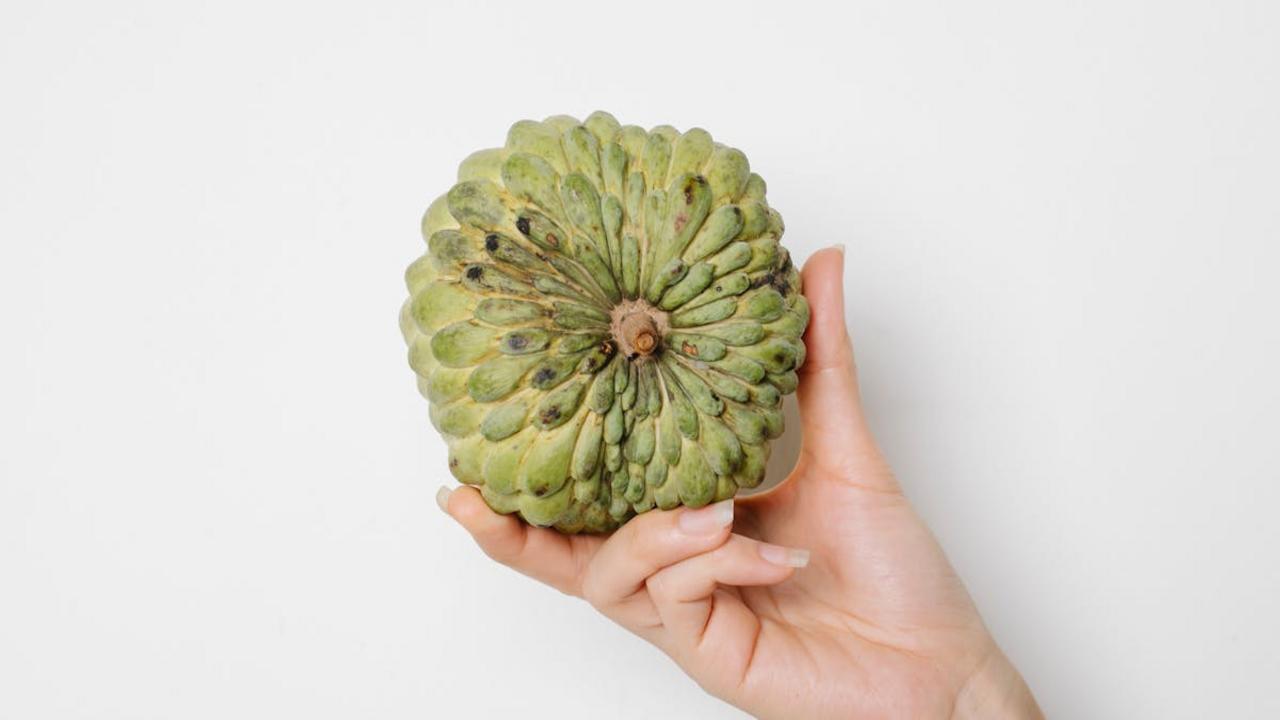
Soursop brings a sweet-tart flavor explosion to your cooking that’s completely different from anything else in your kitchen. This green, spiky tropical fruit combines hints of strawberry, pineapple, and citrus with creamy undertones that top chefs adore. You’ll find it works beautifully in both sweet and savory applications – try it pureed into ice cream, blended into smoothies, or even incorporated into marinades for grilled meats where its natural enzymes help tenderize proteins.
Beyond its distinctive taste, soursop adds wonderful texture to your dishes. The creamy white flesh breaks down easily, creating silky sauces and desserts without added thickeners. Many Caribbean and Latin American chefs particularly value soursop for traditional dishes where it shines in refreshing beverages and tropical desserts. Next time you spot this unusual fruit at specialty markets, grab one – its unique profile will transform ordinary recipes into memorable culinary experiences that your guests will ask about repeatedly!
Durian
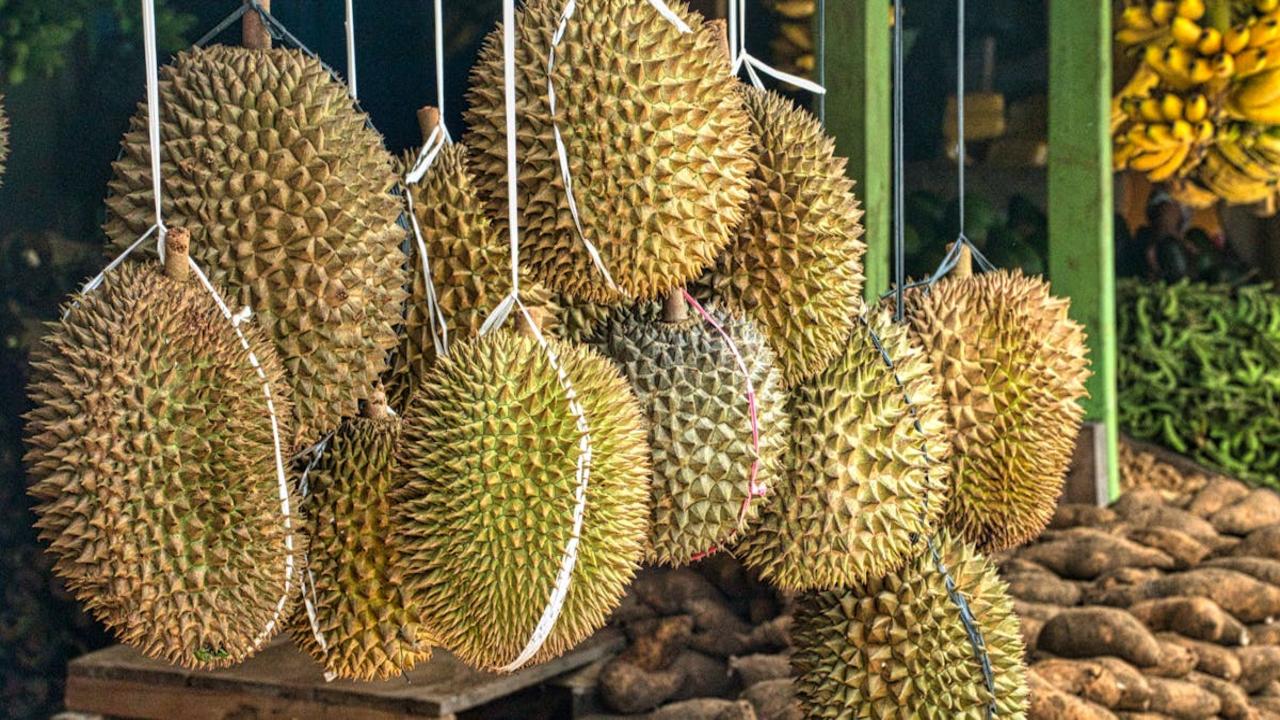
Known as the “king of fruits” in Southeast Asia, durian brings an intoxicating complexity to both sweet and savory dishes. Despite its notorious aroma that some find overwhelming, many chefs prize durian for its custard-like texture and unique flavor profile that combines notes of caramel, almond, and vanilla. You can incorporate it into ice creams, milkshakes, or traditional Malaysian treats like “tempoyak” – a fermented durian paste that adds depth to curries and stews.
I’ve noticed more adventurous home cooks adding small amounts of fresh durian to cream-based pasta sauces or using it in place of banana in baked goods for an unexpected twist. The fruit pairs wonderfully with coconut milk, making it perfect for tropical desserts. If you’re durian-curious but hesitant about the smell, try frozen durian which typically has a milder aroma while maintaining most of its distinctive flavor. Just remember to start with small amounts – this powerful fruit quickly dominates any dish it enters!
Rambutan
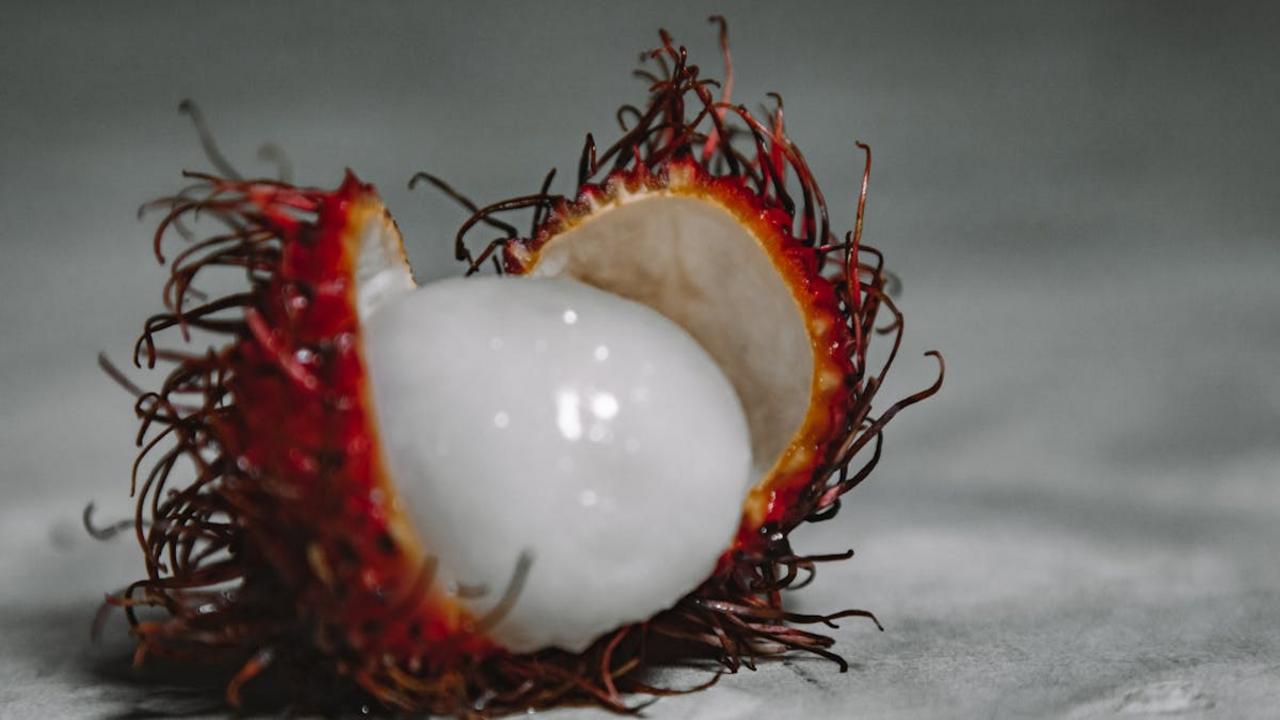
You’ll immediately recognize rambutans by their spiky red “hair” that gives these Southeast Asian fruits their distinctive appearance. Behind that wild exterior lies a sweet, grape-like flesh that chefs love for adding unexpected tropical notes to both savory and sweet dishes. I always recommend using rambutans in fruit salsas paired with grilled fish or adding them to cocktails where their sweetness balances perfectly with spirits. Their texture reminds me of lychee but with a more fragrant profile that makes them perfect for sorbets and desserts.
Many professional kitchens incorporate rambutans for that “wow” factor in plated desserts or as garnishes for special occasion meals. To prepare them, simply cut through the outer skin and pop out the translucent fruit inside (just watch out for the seed in the center). The flavor works wonderfully in marinades for chicken or pork, lending a subtle sweetness that caramelizes beautifully when grilled. Keep them refrigerated until you’re ready to use them, and you’ll maintain their bright flavor that instantly transports your cooking to tropical destinations.
Jackfruit
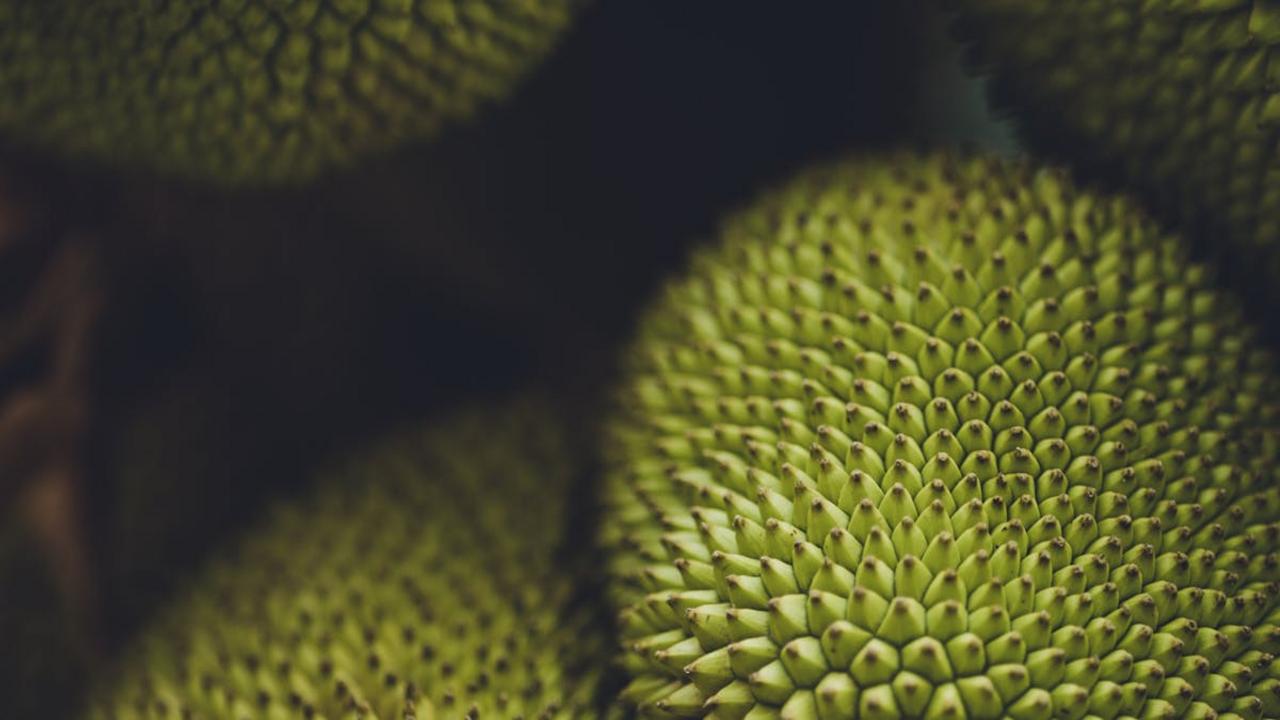
You’ll find jackfruit to be the gentle giant in your plant-based cooking arsenal! This massive tropical fruit has taken the culinary world by storm, particularly as a meat substitute. Chefs adore its mild flavor and incredible ability to absorb seasonings, while its fibrous texture perfectly mimics pulled pork or shredded chicken. The unripe green jackfruit works beautifully in savory dishes—try it in tacos, curries, or BBQ sandwiches for a wow-factor that will impress even dedicated meat-eaters.
The versatility of jackfruit extends beyond meat alternatives too. Ripe jackfruit delivers a sweet, tropical flavor that combines hints of banana, pineapple, and mango. You can add it to smoothies, desserts, or simply enjoy it fresh. Many professional kitchens keep canned young jackfruit on hand as their secret weapon for quick, impressive plant-based meals. The next time you want to surprise your dinner guests or add something truly special to your meatless Monday rotation, reach for jackfruit—it transforms ordinary recipes into extraordinary culinary experiences!
Mangosteen
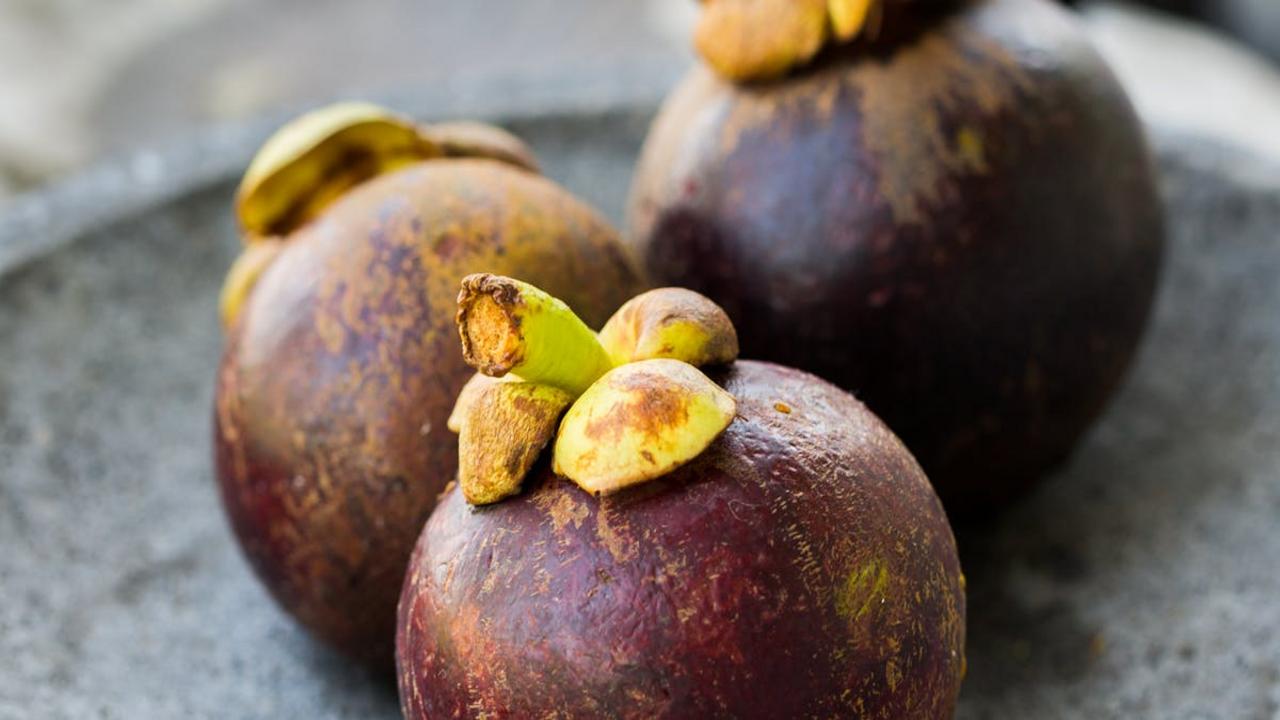
Crowned the “Queen of Fruits” across Southeast Asia, mangosteens will transform your cooking with their unique sweet-tart flavor profile. The white, segmented flesh inside the purple rind offers hints of peach, strawberry, and vanilla all at once. Chefs adore mangosteens for desserts, particularly in mousses, sorbets, and tropical fruit salads where their complex flavor shines. You can also incorporate them into savory dishes – try adding mangosteen segments to a spicy Thai salad or use the juice in glazes for pork or duck.
What makes mangosteens truly special is their ability to balance other ingredients. Their natural sweetness counters spicy components while their subtle acidity cuts through rich, fatty dishes. “I add mangosteen to coconut rice for an unexpected twist that guests always rave about,” says Chef Nina Rodriguez of Miami’s Tropical Table. “The fruit brings brightness without overwhelming the dish.” For home cooks new to this exotic gem, start simple – enjoy fresh segments with a scoop of vanilla ice cream or blend the flesh into your morning smoothie for a luxurious breakfast upgrade.
Starfruit

Starfruit (also known as carambola) adds instant wow-factor to your dishes with its distinctive five-point star shape when sliced crosswise. Many chefs praise this tropical fruit for its unique sweet-tart flavor that combines notes of pineapple, plum, and green apple. The crisp, juicy texture makes starfruit perfect for both savory and sweet applications. You’ll find it brightens up fruit salads, garnishes cocktails beautifully, and adds unexpected freshness to fish dishes and ceviche.
To incorporate starfruit into your cooking, simply wash the fruit thoroughly and slice it crosswise to reveal its star pattern – no peeling required! The entire fruit is edible, including the waxy skin which adds beautiful color contrast. Try caramelizing starfruit slices in brown sugar and butter for a stunning topping on vanilla ice cream or pound cake. For a refreshing summer salad, combine starfruit with avocado, cucumber, and a lime-honey dressing. Just remember to check with guests who have kidney problems, as starfruit contains compounds that can be harmful to people with kidney disease.
Lychee
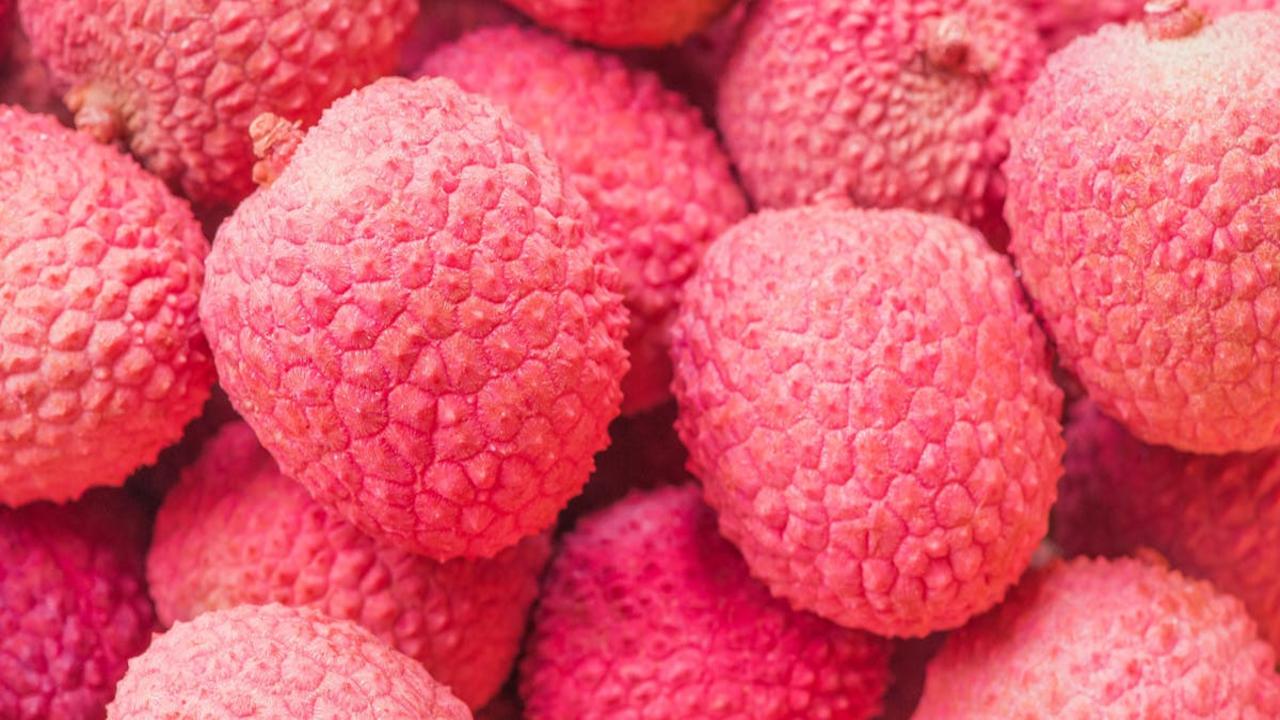
You’ll instantly upgrade your cooking repertoire with lychees—those small, round fruits with bumpy red shells hiding sweet, translucent flesh inside. Many chefs swear by their unique floral-sweet profile that adds a bright, tropical dimension to both savory and sweet dishes. Add them to fruit salads for a juicy surprise, blend them into smoothies, or use them to create stunning sorbets. Their delicate sweetness also pairs wonderfully with spicy dishes, offering a cooling counterpoint to heat—try adding them to a Thai curry or alongside grilled fish for an unexpected flavor combination.
Fresh lychees give you the best flavor, but don’t worry if you can only find canned versions—they still pack plenty of tropical punch. Simply drain and rinse them before using. You can transform ordinary cocktails into exotic creations by muddling lychees with mint and lime, or create show-stopping desserts by pairing them with coconut milk or light custards. Their subtle perfume notes work particularly well with vanilla, ginger, and cardamom. Pro tip from many restaurant kitchens: freeze peeled lychees for a refreshing summer treat or a quick way to chill drinks without diluting them!
Guava
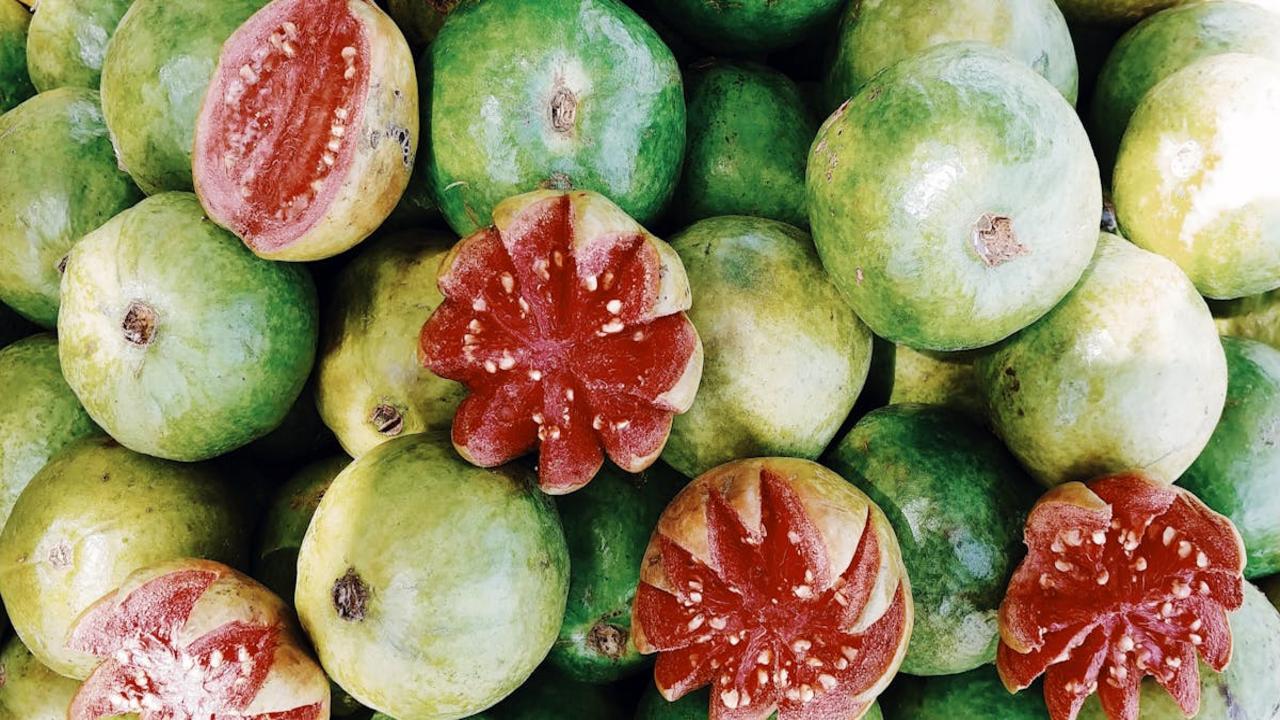
Guava brings a tropical charm to your cooking with its distinctive sweet-tart flavor profile that works in both savory and sweet applications. You’ll immediately notice its complex taste—somewhere between pear, strawberry, and lime—making it perfect for marinades, salsas, and glazes. Many chefs love adding diced fresh guava to pork dishes for a natural sweetness that balances fatty cuts, or incorporating it into spicy chutneys that complement grilled seafood beautifully.
Don’t limit this fruit to just desserts! Try adding guava paste (available in most international food sections) to your cheese boards for an instant upgrade—it pairs wonderfully with manchego or cream cheese. For breakfast, fold fresh guava into yogurt or oatmeal with a sprinkle of cardamom to transform your morning routine. The seeds are completely edible too, providing a nice textural contrast and extra nutrition boost. Just remember that ripe guavas should yield slightly to pressure and fill your kitchen with their sweet fragrance.
Passion Fruit
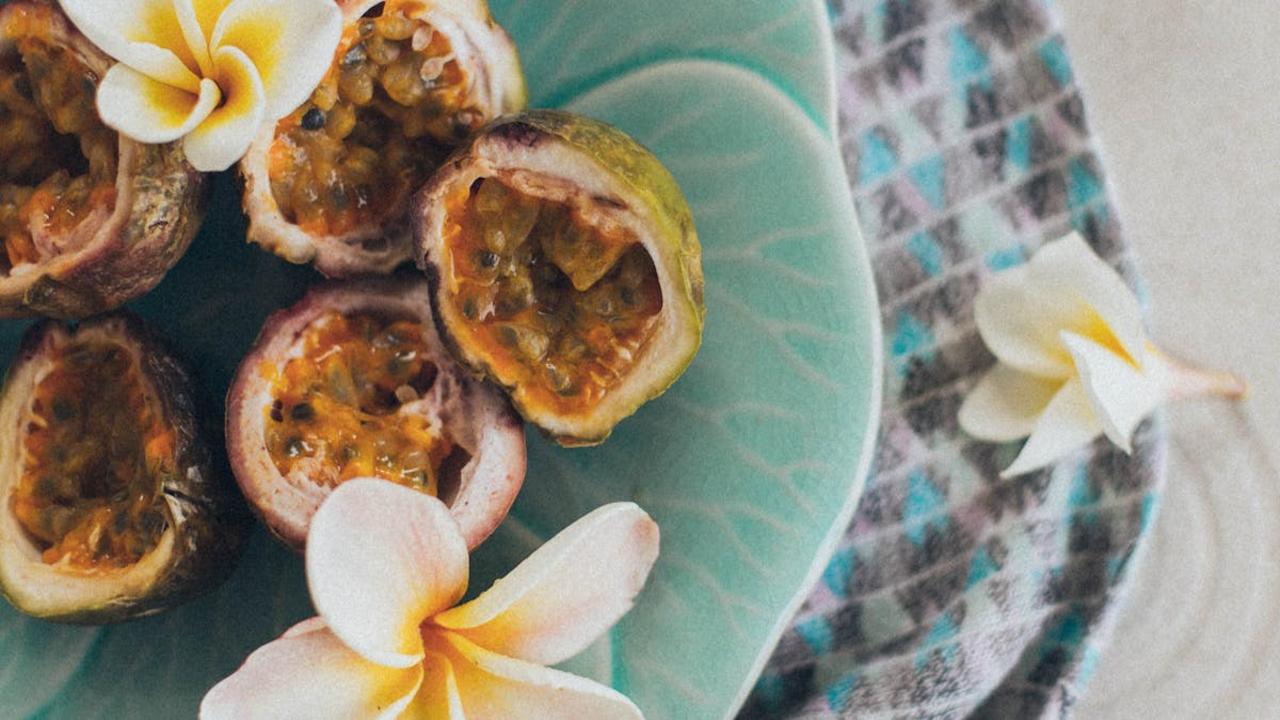
Passion fruit brings a tropical explosion to your dishes with its unique sweet-tart flavor profile that chefs adore. The wrinkled purple or yellow exterior hides a treasure of golden-orange pulp filled with edible black seeds surrounded by intensely aromatic juice. You’ll immediately notice its distinctive fragrance – bold, floral, and unmistakable – which can transform ordinary desserts into extraordinary creations with just a spoonful.
Add passion fruit to marinades for fish or chicken to create a zingy difference in your savory dishes. The acidity works beautifully to tenderize proteins while adding complexity that plain citrus can’t match. Try folding the pulp into whipped cream for an instant tropical mousse, drizzle it over vanilla ice cream, or mix it into cocktails for a sophisticated twist. Many chefs recommend keeping frozen passion fruit pulp on hand since the fresh fruits can be seasonal and sometimes difficult to source year-round.
Dragon Fruit
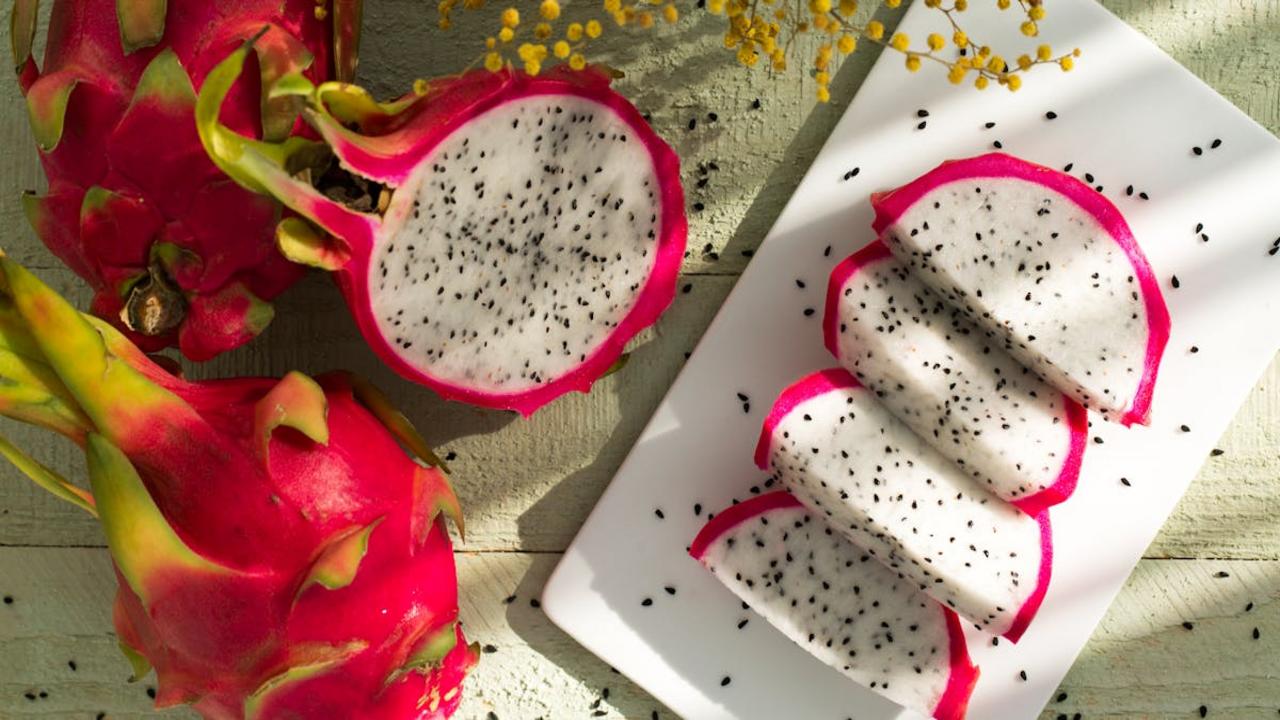
Dragon fruit will transform your dishes with its vibrant magenta skin and speckled white flesh. You’ll find this tropical gem adds a mild sweetness and kiwi-like texture that perfectly balances spicy dishes or adds unexpected freshness to salsas and cocktails. Many chefs slice it into salads for a pop of color or puree it into smoothie bowls and sorbets. The subtle flavor won’t overwhelm other ingredients, making it an excellent addition to both sweet and savory recipes.
You can easily incorporate dragon fruit into your cooking routine by dicing it into fruit salads or using it as a stunning garnish. Try combining it with seafood—the delicate sweetness complements grilled fish or shrimp beautifully. For a simple yet impressive dessert, scoop the flesh into balls and freeze them for a refreshing treat on hot days. The seeds provide a delightful crunch similar to kiwi seeds while delivering healthy omega-3 fatty acids. Don’t be intimidated by its exotic appearance—simply slice it in half and scoop out the flesh to experience this chef-favorite ingredient!