14 Genius Upgrades to Turn Ordinary Dishes into Healthy Flavor-Packed Delights
Making your favorite dishes healthier doesn’t mean sacrificing flavor. I’ve spent years in my kitchen testing creative swaps that add nutrition while keeping all the deliciousness you crave. Through simple ingredient switches, you can transform everyday recipes into nourishing meals that still bring comfort and satisfaction to your table.
From creamy Greek yogurt replacing sour cream to crunchy nuts instead of croutons, these 14 smart substitutions will revolutionize how you cook. The best part? Many of these swaps not only boost nutritional value but also add exciting new dimensions of flavor and texture to familiar dishes.
My global cooking background has taught me that fresh, whole ingredients make magic happen in the kitchen. By focusing on natural alternatives to processed items, you’ll create food that energizes your body while keeping your taste buds happy. Ready to upgrade your cooking game with these genius healthy swaps?
Nuts Instead of Croutons for Crunch
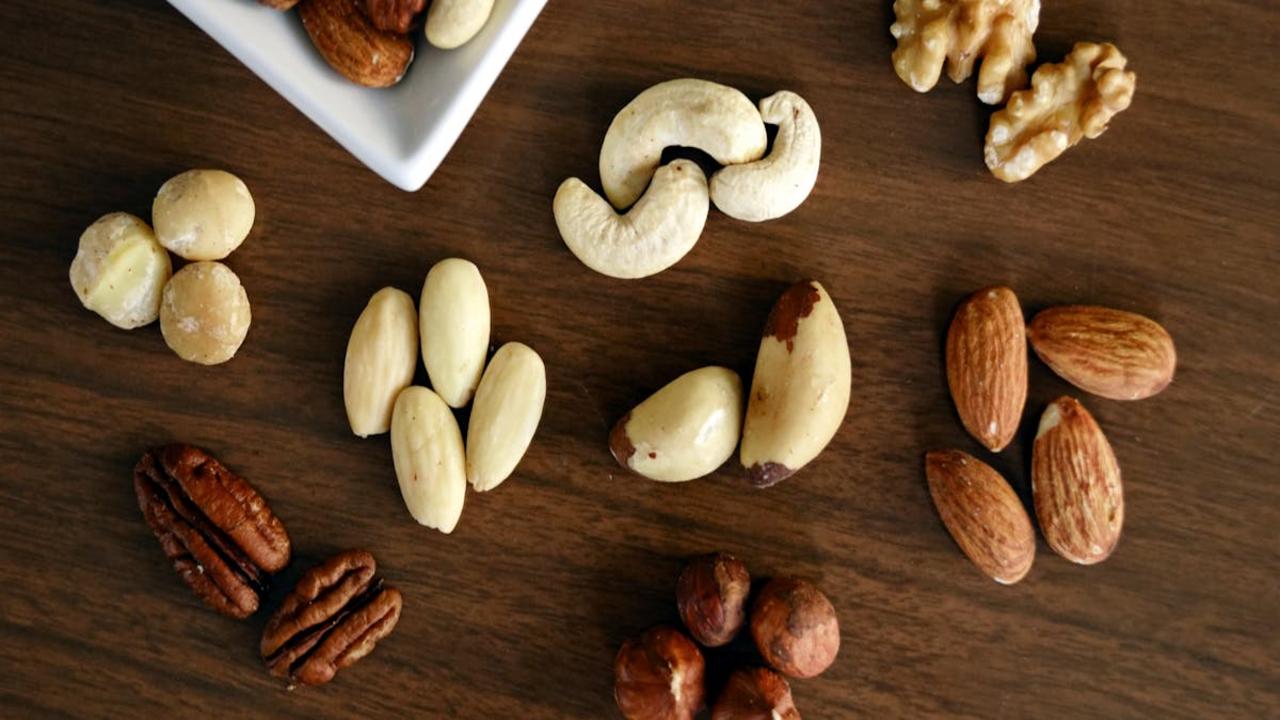
I discovered the magic of swapping croutons for nuts in my salads during a pantry-raid moment, and now I can’t go back! Raw or toasted nuts add a rich, natural crunch to your greens while packing in heart-healthy fats, protein, and minerals. My go-to picks include sliced almonds, chopped walnuts, or pecans – just a small handful transforms an ordinary bowl of lettuce into something extra special. The best part? Unlike croutons that quickly turn soggy, nuts maintain their satisfying crunch right through to the last bite.
You can make this switch in any dish that calls for a crunchy topping. Sprinkle chopped cashews on your favorite Asian-inspired noodle bowls, add pine nuts to pasta dishes, or top your morning yogurt with Brazil nuts instead of granola. The natural oils in nuts also blend beautifully with dressings, creating a more complex flavor profile than plain bread croutons. Plus, nuts contain no refined carbs or artificial preservatives, making them a clean, wholesome choice for adding texture to your meals.
Fresh Herbs Instead of Salt

Looking to cut back on sodium without losing flavor? Fresh herbs can transform your cooking while bringing incredible health benefits to the table. I’ve found that replacing salt with herbs like basil, thyme, rosemary, and cilantro adds depth and complexity to dishes that salt alone can’t match. Through years of cooking, I’ve learned that herbs bring their own natural compounds that make food more satisfying – meaning you won’t miss the salt at all. Plus, many fresh herbs pack serious antioxidants and anti-inflammatory properties.
Start small by mixing chopped fresh herbs into your regular recipes – try basil in pasta, cilantro in tacos, or dill with fish. The key is adding herbs at the right time: hardy herbs like rosemary and thyme can go in early during cooking, while delicate ones like basil and parsley work better stirred in at the end. Keep a few pots of herbs growing on your windowsill or buy small bunches weekly. Soon you’ll develop an instinct for which herbs complement different foods. Your blood pressure will thank you, and your meals will burst with natural flavors that make every bite more exciting.
Cinnamon Instead of Sugar for Sweetness

I discovered an amazing trick while creating healthier versions of my favorite desserts – cinnamon can replace sugar in many recipes while adding natural sweetness and complex flavor notes. This aromatic spice contains compounds that trick your brain into perceiving sweetness without adding any actual sugar. I love sprinkling it into my morning coffee, oatmeal, smoothie bowls, and yogurt parfaits. The warming qualities of cinnamon also bring out the natural sugars in fruits and vegetables, making them seem sweeter without extra calories.
Beyond its sweetening powers, cinnamon packs impressive health benefits that make it a smart sugar substitute. The spice helps regulate blood sugar levels and contains potent antioxidants that fight inflammation. I recommend starting with a quarter teaspoon in place of one tablespoon of sugar, then adjusting to your preference. Ceylon cinnamon offers the mildest, sweetest flavor profile compared to other varieties. Mix cinnamon with nutmeg, cardamom, or ginger to create unique flavor combinations that will make you forget all about refined sugar.
Sparkling Water Instead of Soda

I’ll be honest – breaking up with sugary sodas wasn’t easy for me, but sparkling water has become my new go-to drink that keeps things exciting without the sugar crash. By mixing sparkling water with fresh fruit, herbs, and natural sweeteners, you can create refreshing combinations that rival any store-bought soda. Try muddling fresh strawberries with mint leaves, then top with ice-cold sparkling water for an instant summer cooler. Or add a splash of pure pomegranate juice with a squeeze of lime for a ruby-red fizzy treat that’ll make you forget all about those canned drinks.
The possibilities for customizing your sparkling water are endless – and that’s what makes it such a brilliant swap. I love keeping a variety of citrus fruits, berries, and fresh herbs in my fridge to mix and match flavors throughout the week. For extra zing, try adding a few drops of bitters or a splash of kombucha. You’ll get that satisfying fizz while staying hydrated and avoiding artificial sweeteners. Plus, you can control exactly what goes into your drink, making it as sweet or subtle as you prefer. My current favorite combo? Cucumber, basil, and a touch of honey – it’s pure refreshment in a glass.
Baked Chips Instead of Fried Chips

I switched to baking my chips years ago, and I’ll never go back to the fried versions! Your homemade baked chips will bring all the satisfying crunch without the excess oil. Just slice potatoes, sweet potatoes, or even kale leaves super thin, toss them with a tiny bit of olive oil and your favorite seasonings, then arrange them in a single layer on a baking sheet. The key is to keep the temperature low (around 350°F) and watch them closely to prevent burning. You’ll get that perfect golden color and crispy texture every time.
Want to make your baked chips extra special? Try sprinkling them with smoked paprika, garlic powder, or nutritional yeast before baking. For sweet potato chips, a dash of cinnamon and a pinch of sea salt creates an amazing sweet-savory combo. You can also experiment with different vegetables like beets, parsnips, or zucchini – each bringing its unique flavor and nutrient profile. The best part? These chips contain way less fat than store-bought versions and zero preservatives. Plus, you can control exactly how much salt goes on them.
Lettuce Wraps Instead of Bread
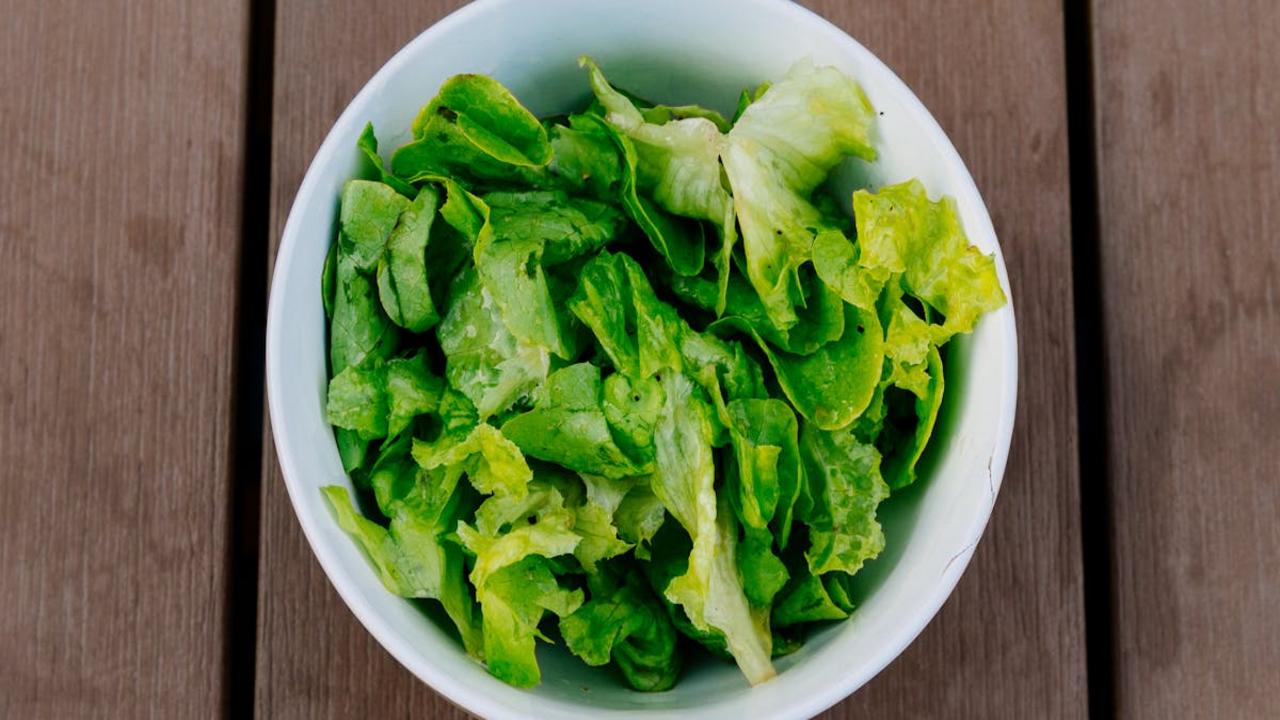
Want to cut carbs without giving up your favorite sandwiches? I’ve found that crisp, fresh lettuce leaves make the perfect bread substitute! You can pick from different types – butter lettuce offers soft, flexible leaves that fold beautifully, while iceberg gives you that satisfying crunch. I love using romaine hearts for sturdier wraps that hold plenty of fillings. The natural freshness of lettuce adds an extra dimension to your usual sandwich ingredients while keeping everything light and refreshing.
My go-to filling combinations include turkey with avocado and sprouts, or tuna salad with cucumber and microgreens. The key is to pat your ingredients dry before assembling to prevent sogginess. For meal prep, keep your lettuce leaves and fillings separate until ready to eat. This simple swap not only reduces calories but adds nutrients and fiber to your meal. You’ll find these green alternatives so satisfying that you might not miss bread at all! Pro tip: double up your lettuce leaves for extra crunch and better stability with heavier fillings.
Avocado Spread Instead of Mayonnaise
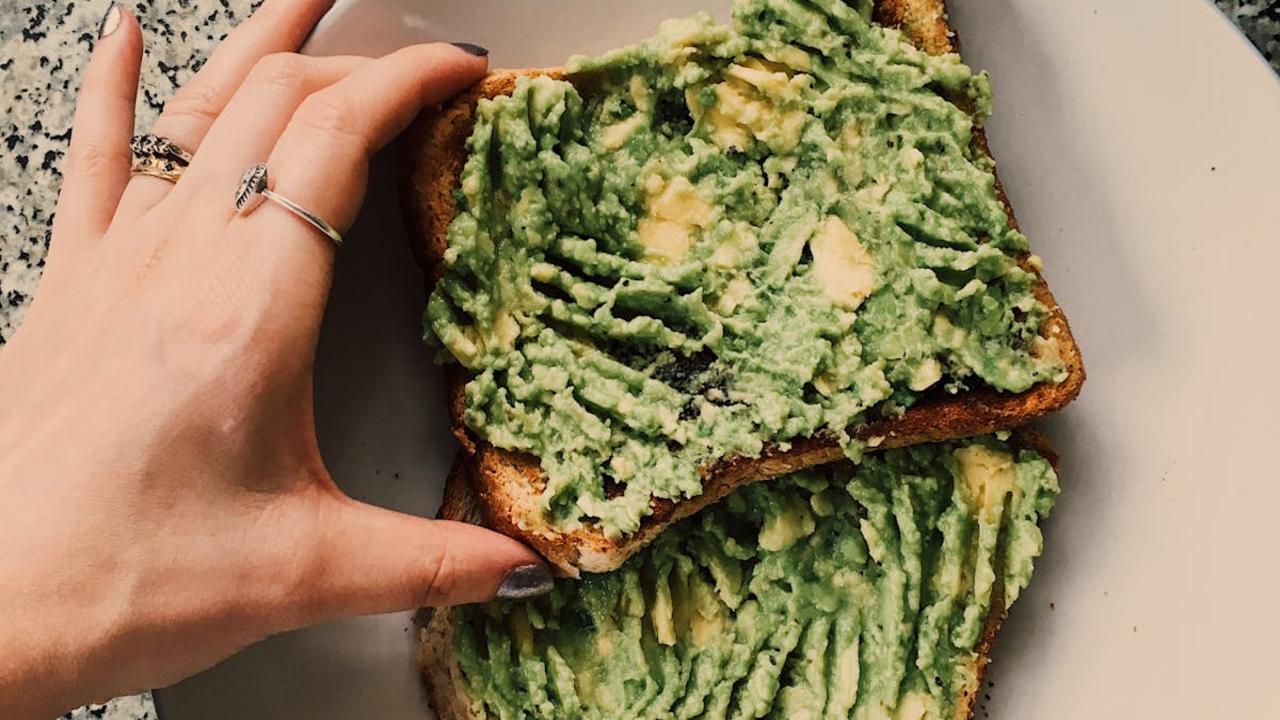
You’ll transform your sandwiches and wraps by swapping mayo for creamy mashed avocado. This simple switch packs your meal with heart-healthy monounsaturated fats, fiber, and potassium while ditching the processed oils and preservatives found in store-bought mayonnaise. I love adding a pinch of sea salt, fresh lime juice, and cracked black pepper to my avocado spread – these bright flavors make every bite pop with freshness. The natural richness of avocado creates that luxurious mouthfeel you want in a spread, while keeping things completely natural.
My go-to method involves selecting perfectly ripe avocados that yield slightly to gentle pressure. Mash them with a fork until smooth but still slightly chunky for the best texture. For extra flavor depth, try mixing in fresh herbs like cilantro or dill, minced garlic, or even a dash of cumin. This versatile spread works beautifully on everything from turkey sandwiches to veggie wraps, and you can make small batches fresh whenever you need them. The natural oils in avocado also help other sandwich ingredients stick together better than mayo ever could.
Almond Flour Instead of White Flour
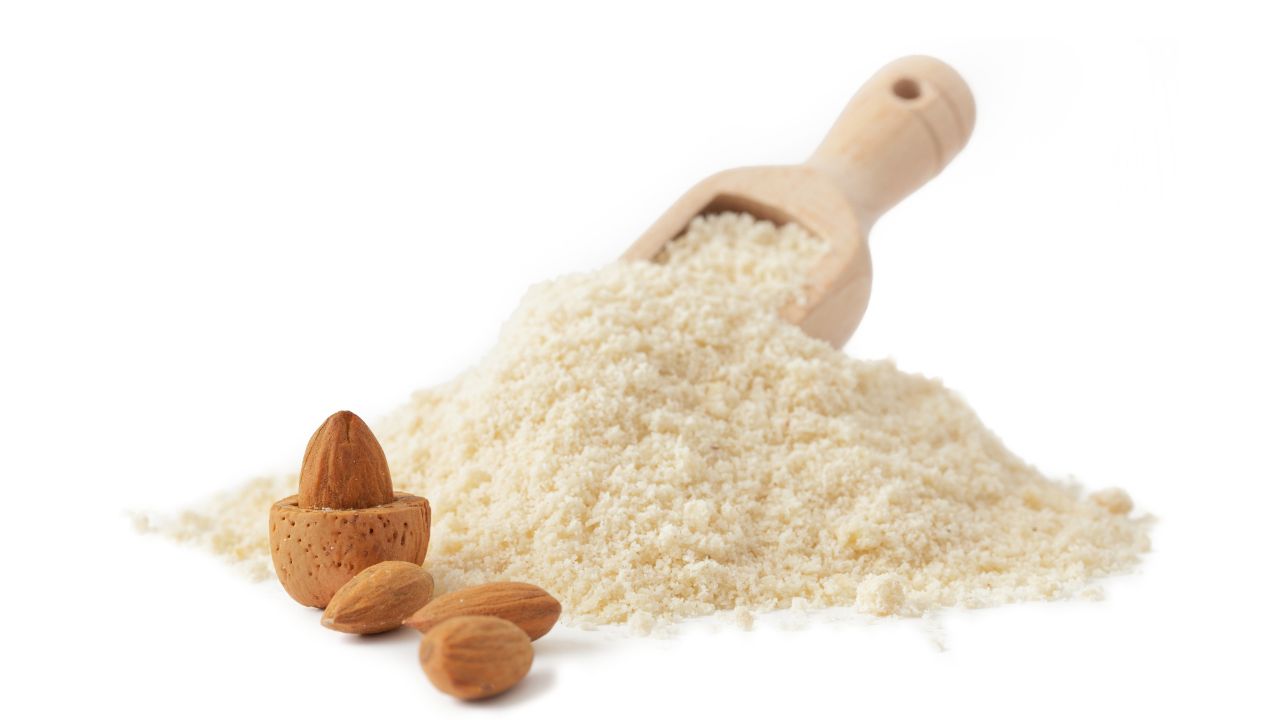
I discovered almond flour’s magic while trying to cut refined carbs from my diet, and now I can’t imagine baking without it! This protein-rich alternative adds a subtle nutty sweetness that transforms ordinary baked goods into nutritious treats. The fine texture creates incredibly moist cakes, tender cookies, and light muffins while packing more vitamins and minerals than white flour. Plus, almond flour naturally contains healthy fats that keep you satisfied longer.
You can swap almond flour 1:1 for white flour in most recipes, though you may need to adjust the liquid slightly since almond flour absorbs differently. I recommend starting with proven almond flour recipes before experimenting with conversions. My favorite ways to use it? In banana bread, pancakes, and as a crispy coating for chicken or fish. The natural oils make food extra golden-brown and create an addictive crunch. Just store it in the fridge or freezer to prevent spoilage from those healthy fats.
Ground Turkey Instead of Ground Beef

I’ve discovered that swapping ground beef for lean ground turkey makes my favorite comfort foods much healthier without losing their satisfying appeal. By adding the right seasonings and ingredients, you can create incredibly flavorful dishes while cutting down on saturated fat and calories. My go-to trick is mixing finely chopped mushrooms with the ground turkey – this adds moisture, deepens the umami flavor, and makes the meat go further. Try this simple switch in tacos, meatballs, burgers, or pasta sauces.
To make ground turkey truly shine, I recommend seasoning it more boldly than you would beef since turkey has a milder base flavor. I love adding garlic, onion powder, smoked paprika, and a splash of Worcestershire sauce to bring out its best qualities. For extra moisture and richness, consider mixing in grated zucchini or carrots – they’ll blend right in while adding nutrients and keeping the meat tender. This simple substitution has become a staple in my weekly meal planning, making classics like shepherd’s pie and meatloaf both nutritious and delicious.
Honey Instead of White Sugar

You can transform your everyday recipes by swapping refined white sugar with pure honey. This natural sweetener adds complex floral notes and brings rich depth to both sweet and savory dishes. I love drizzling honey into my morning coffee or tea instead of sugar – it dissolves beautifully and creates a smooth, nuanced sweetness. Beyond drinks, honey works magic in baked goods, sauces, marinades, and dressings while providing trace minerals and antioxidants that processed sugar lacks.
Making the switch does require some adjustment to your recipes since honey contains more moisture than granulated sugar. I recommend using about 2/3 cup honey for every cup of white sugar called for and reducing other liquids by 1/4 cup. You’ll also want to lower your oven temperature by 25°F when baking with honey to prevent over-browning. The extra effort pays off in richer flavor and better nutrition – my family now prefers the depth honey brings to everything from banana bread to barbecue sauce.
Applesauce as Oil Substitute in Baking

I discovered the magic of applesauce as an oil substitute during my quest to make healthier baked goods, and it totally changed my baking game! You can swap out oil or butter with an equal amount of unsweetened applesauce in most baking recipes – from muffins to brownies to quick breads. This simple switch cuts calories and fat while adding natural sweetness, moisture, and a boost of fiber and vitamins. The natural pectin in applesauce helps bind ingredients together, creating that perfect tender texture we all want in our baked treats.
Here’s a pro tip I learned through lots of testing: start by replacing half the oil with applesauce in your favorite recipe. This gives you the best of both worlds – the moisture and binding power of applesauce plus the richness of some oil. For dark, dense bakes like chocolate cake or brownies, you can usually replace all the oil with applesauce since the cocoa powder adds richness. I recommend using smooth, unsweetened applesauce and reducing other liquids in the recipe by about 1/4 cup to maintain the right consistency. Your baked goods will turn out moist, light, and nobody will guess your healthy secret!
Zucchini Noodles Instead of Pasta
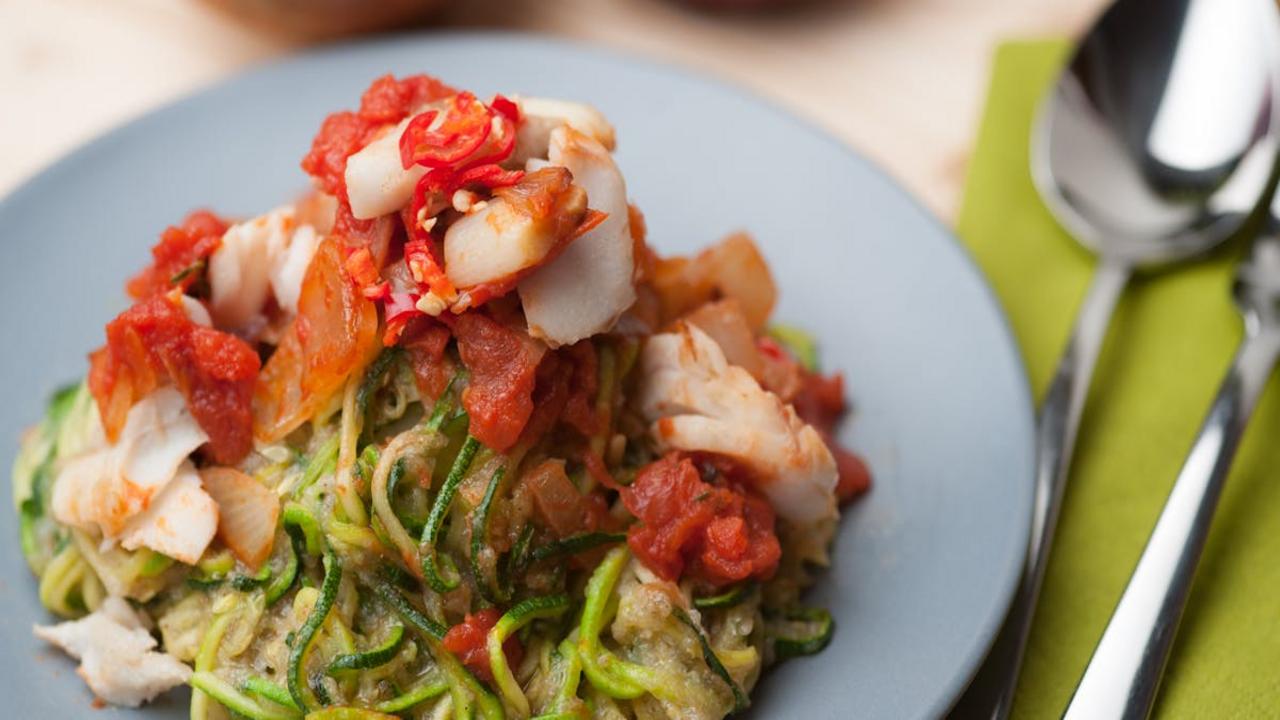
I switched to zucchini noodles (aka zoodles) years ago, and they’ve become my go-to healthy pasta alternative. With just a simple spiralizer, you can transform fresh zucchini into beautiful strands that mimic the texture and appearance of traditional spaghetti. The best part? One cup of zoodles contains only 20 calories compared to regular pasta’s 200 calories, plus you get extra fiber, vitamins A and C, and potassium. You can eat a much bigger portion while keeping your meal light and nutritious.
To make perfect zoodles every time, pat them dry with paper towels after spiralizing to remove excess moisture. Then quickly sauté them in olive oil for 2-3 minutes – don’t overcook or they’ll turn mushy! Top them with your favorite pasta sauce, meatballs, or keep it simple with garlic, olive oil, and fresh herbs. My kids love them with pesto and grilled chicken. The mild flavor of zucchini makes it an ideal base that soaks up any sauce you pair it with. You’ll get that satisfying pasta experience while sneaking in an extra serving of vegetables.
Cauliflower Rice Rather Than White Rice

I love transforming cauliflower into a rice substitute – it’s one of my favorite ways to add more vegetables while cutting down on refined carbs. Just pulse fresh cauliflower florets in your food processor until they reach a rice-like consistency. You can season this versatile base with herbs, spices, or aromatics to match any cuisine, from Mexican-style with lime and cilantro to Indian-inspired with turmeric and cumin. The mild flavor of cauliflower rice adapts beautifully to whatever ingredients you pair it with.
Beyond the nutritional benefits of swapping regular rice for cauliflower rice – like fewer calories and more fiber, vitamins and minerals – I find the texture adds an interesting dimension to meals. It soaks up sauces wonderfully while maintaining a pleasant bite. Try sautéing it with garlic and olive oil as a simple side dish, or use it as a base for grain bowls topped with roasted vegetables, proteins and homemade dressings. You can even batch-prep cauliflower rice and freeze portions for quick weeknight meals. The possibilities are endless with this healthy upgrade!
Use Greek Yogurt Instead of Sour Cream
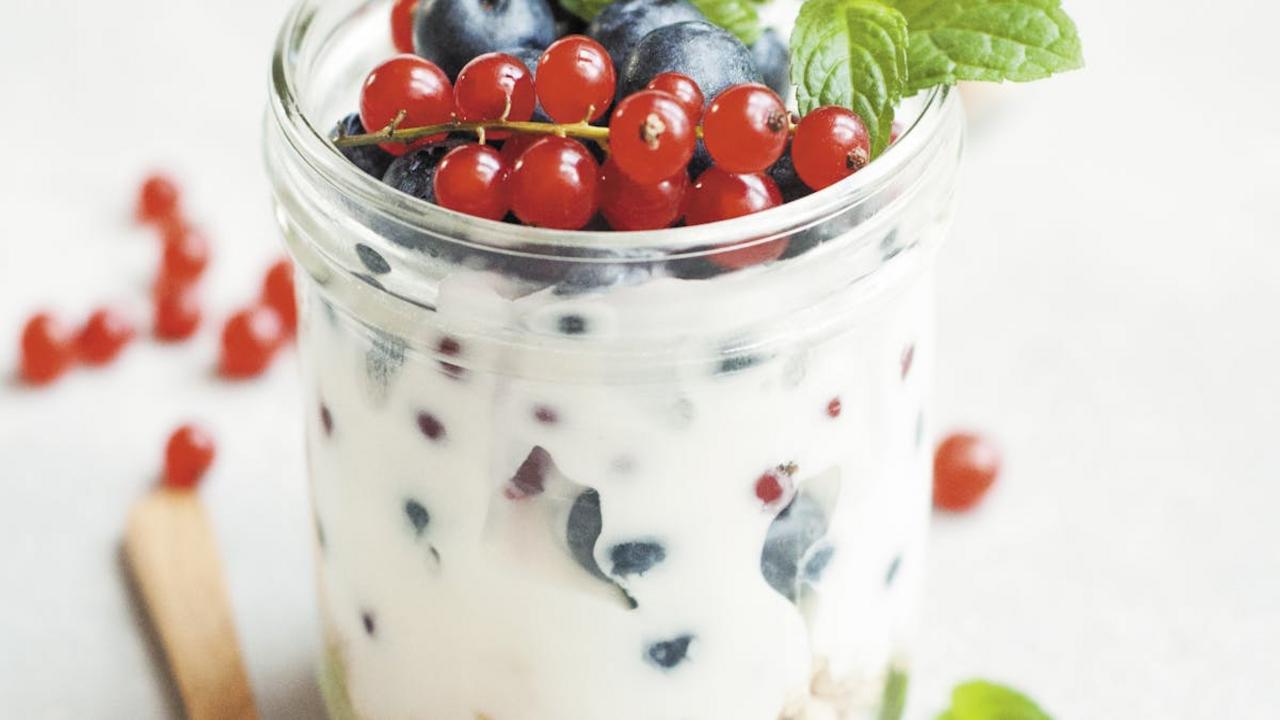
I discovered a game-changing substitution in my kitchen that will transform your meals – swapping Greek yogurt for sour cream! This simple switch cuts calories and fat while adding protein and calcium to your dishes. Greek yogurt brings the same tangy creaminess to tacos, baked potatoes, and dips, but with better nutritional value. I love mixing it with fresh herbs, garlic, and a pinch of sea salt to create a versatile topping that works on everything from chili to roasted vegetables.
The thick, rich texture of Greek yogurt makes it perfect for adding body to creamy sauces and dressings without the heaviness of sour cream. You can blend it into soups for extra richness, dollop it on spicy dishes for cooling contrast, or use it as a base for dips at your next party. My favorite trick is stirring in some lemon zest and fresh dill to make a bright, protein-packed sauce for grilled fish or chicken. Your guests won’t notice the difference, but their bodies will thank you for this nutritious upgrade!