12 Outrageous Food Questions My Kids Asked That Left Me Utterly Speechless
Kids have an incredible knack for asking the most mind-bending questions about food. Just when I think I’ve mastered the basics of explaining nutrition to my little ones, they hit me with queries that make my brain short-circuit. From the mysterious browning of bananas to the tear-jerking properties of onions, their curiosity knows no bounds.
My kitchen has transformed into a science lab where we conduct impromptu experiments to answer these burning questions. We’ve watched ice cream puddles form on hot summer days, marveled at popping kernels dancing in the pot, and studied the fuzzy patches of mold on forgotten bread loaves (oops!).
Through their innocent yet profound questions, my kids have pushed me to rediscover the magic and wonder of everyday foods. Together, we’ve uncovered fascinating facts about nature’s sweetest treats, learned about busy bees making honey, and figured out why some cheeses smell like old socks (but taste divine!).
How do vegetables grow in winter?
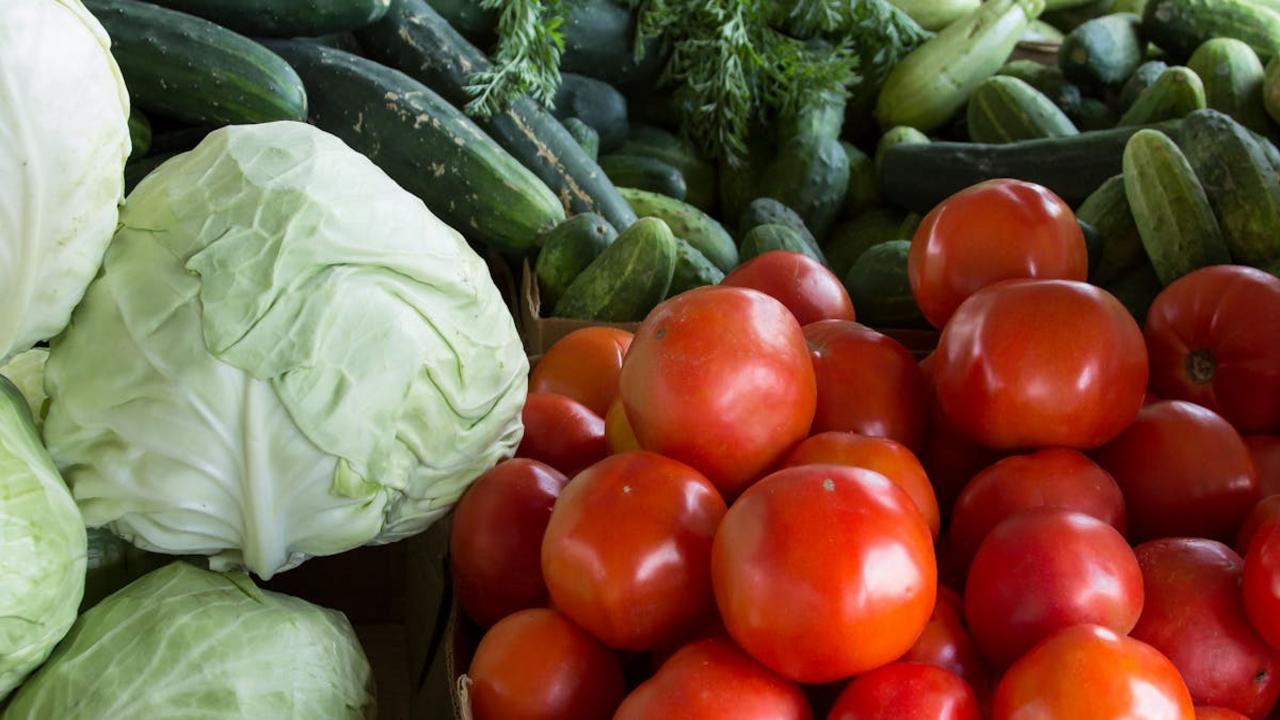
I had to laugh when my 6-year-old asked this question while munching on fresh carrots in December. The truth is, many vegetables don’t naturally grow during winter in cold climates – but clever farmers have found amazing ways around this! They build giant greenhouses that act like cozy blankets for plants, keeping them warm and happy even when snow blankets the ground outside. Some farmers also use special heating systems under the soil and LED lights to trick plants into thinking it’s still summer. My kid’s mind was blown when I showed her pictures of massive indoor farms that look like something from a sci-fi movie!
Other vegetables handle winter like champs without any help at all. Kale, Brussels sprouts, and certain types of carrots actually get sweeter after a frost hits them – it’s their natural defense mechanism against freezing! Root vegetables like parsnips and turnips can stay snug underground through winter, protected by the soil’s insulation. I love watching my kids’ faces light up when we dig up these “hidden treasures” from our garden in January. And don’t get me started on winter squash – those tough guys can last for months in storage, which is why we can enjoy butternut squash soup all winter long!
Why is some cheese stinky?
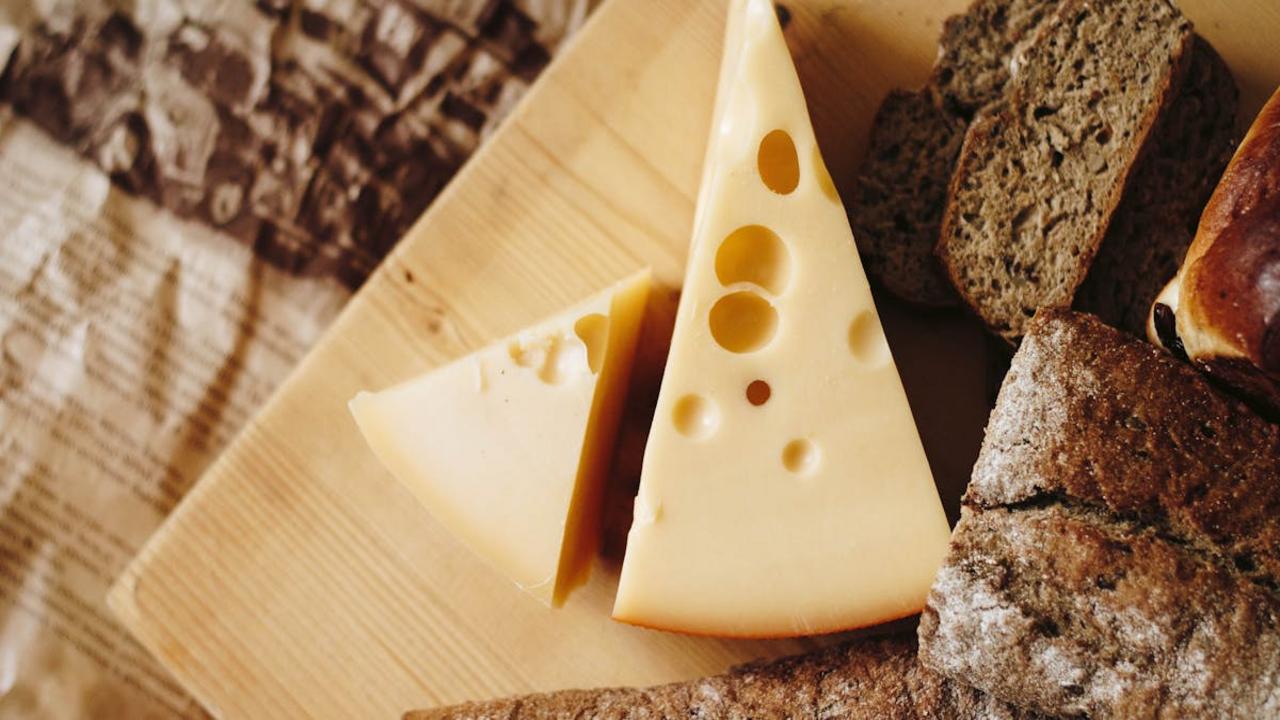
Oh, the eternal mystery of stinky cheese! Your kids have stumbled onto one of the most fascinating (and sometimes nose-wrinkling) questions in the cheese world. The answer lies in the tiny microorganisms that give these cheeses their distinctive aroma – mainly bacteria called Brevibacterium linens. These little bacteria break down proteins in the cheese, creating compounds that smell exactly like sweaty feet. Yes, you read that right – the same bacteria that make your gym socks funky are responsible for making Limburger and Époisses so wonderfully pungent!
Here’s the funny thing – while many people run away from stinky cheeses, cheese experts actually celebrate these strong aromas as a sign of complex flavors. Think of it like a really loud friend who has the best stories to tell. French Munster, for example, smells like your teenager’s bedroom but offers incredible buttery, meaty flavors that will make you forget all about the smell. And don’t worry if your kids wrinkle their noses – many cheese lovers start out despising these aromatic beauties before becoming their biggest fans. Just maybe don’t store them next to the ice cream in your fridge!
How does popcorn pop?
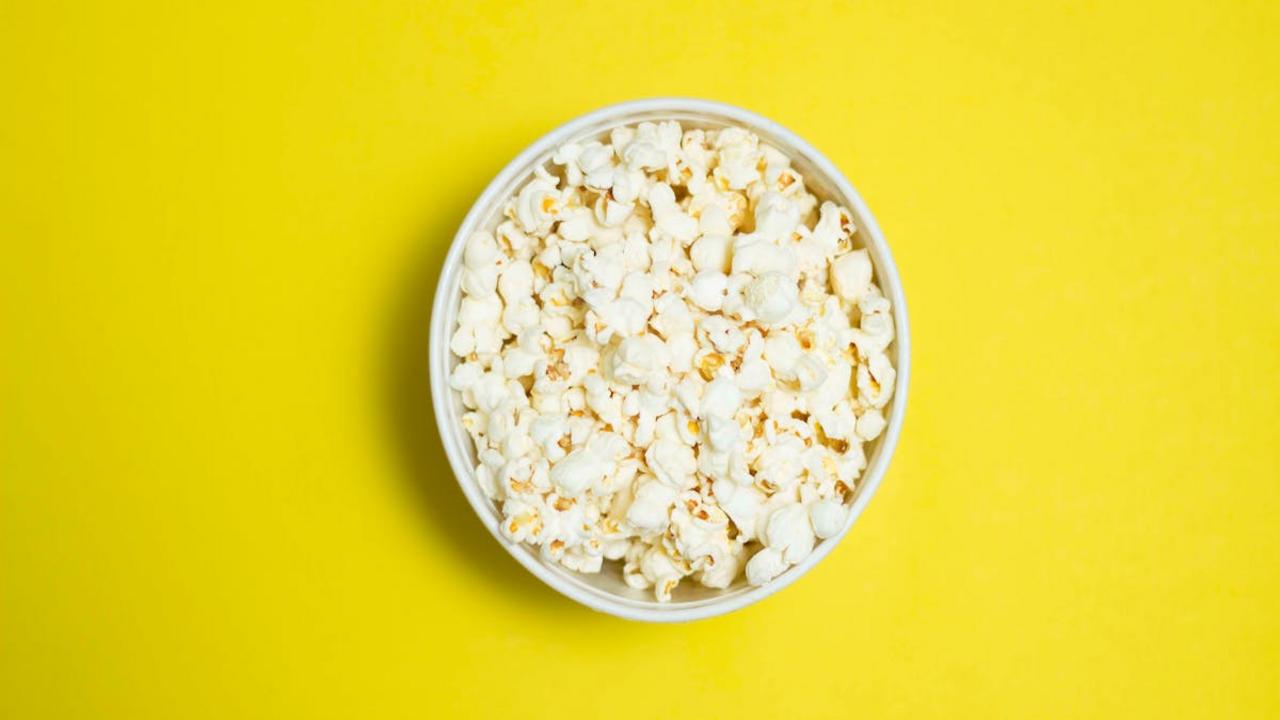
Picture this: your kid stares intently at the microwave, watching kernels transform into fluffy white clouds, and asks the million-dollar question. The magic behind popcorn lies in each kernel’s tiny fortress – a super-strong hull that traps a droplet of water and starch inside. When you heat those kernels up, that water turns into steam, building pressure inside until – BAM! The pressure hits around 135 pounds per square inch, and that little kernel explodes into a puffy white delight that’s 40-50 times its original size!
I had to laugh when my 7-year-old asked if tiny elves with hammers lived inside each kernel, causing the pop. While that would make an adorable story, the real science is just as cool! The heat changes the kernel’s starch into a white, airy material that instantly cools and solidifies once it bursts out. That’s why you end up with those unique shapes – each pop creates its own mini sculpture. And here’s a fun fact that blew my kids’ minds: only certain types of corn can pop. Try popping sweet corn kernels and you’ll just end up with burned, sad-looking seeds!
Why does chocolate melt and not cookies?
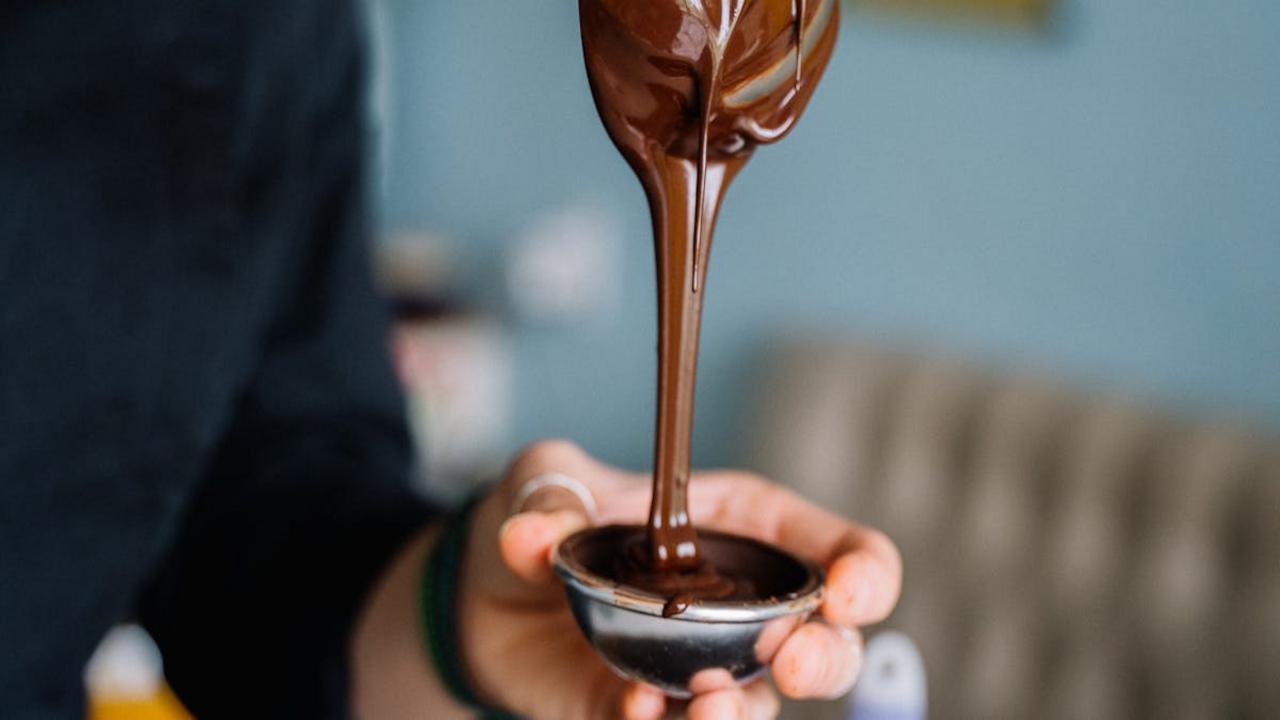
Oh, the innocent yet brilliant questions kids ask! The reason chocolate melts into a silky puddle while cookies stay firm comes down to their unique chemical structures. Chocolate contains cocoa butter – a type of fat that liquifies at around 93°F (34°C), which happens to be just below our body temperature. That’s why chocolate bars turn into gooey messes in your pocket and melt the moment they hit your tongue. Meanwhile, cookies have already gone through their transformation in the oven, where proteins, sugars, and starches bonded together permanently during baking.
I learned this distinction the hard way during my son’s 6th birthday party when I left chocolate chip cookies on the patio table. The chips melted into brown puddles while the cookie part stood strong in the summer heat! The science behind it fascinates me – chocolate makers actually “temper” chocolate by heating and cooling it precisely to control how it melts. They create specific crystal structures in the cocoa butter that give chocolate that satisfying snap when you break it and that perfect melt-in-your-mouth moment. Next time your kids ask this question, you can wow them with your food science knowledge!
How do bees make honey?
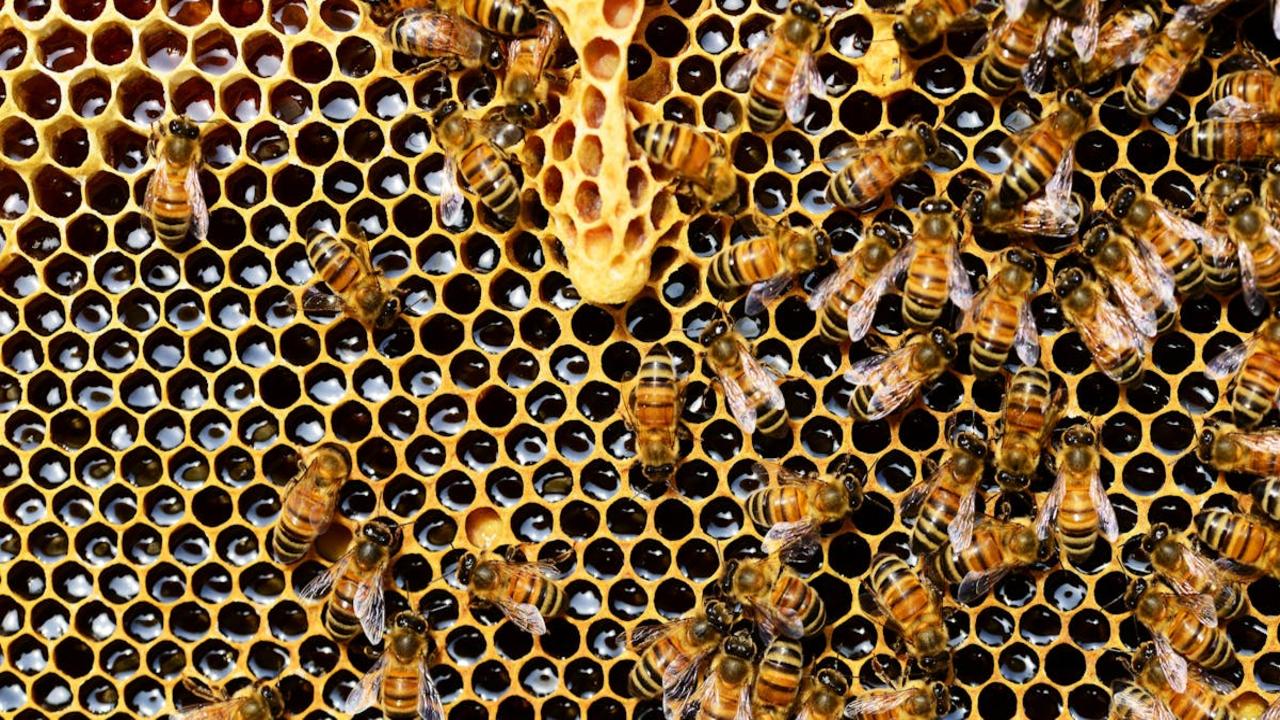
My 6-year-old hit me with this sweet question during breakfast, and I had to pause my coffee mid-sip to explain the magic of these tiny nectar ninjas! Bees buzz from flower to flower, slurping up nectar through their long, straw-like tongues into a special honey stomach. Back at the hive, they pass this nectar to other worker bees through a process that looks like they’re playing “pass the parcel” – except with their mouths. The bees add enzymes that break down complex sugars into simple ones, creating that golden goodness we love.
Here’s where it gets wild – the bees then fan their wings like tiny living hairdryers to evaporate excess water from the nectar. They store this thickened syrup in honeycomb cells and seal them with wax caps. Fun fact: one bee will only make about 1/12th of a teaspoon of honey in its lifetime, yet a strong colony can produce up to 100 pounds of honey per year! My kids were blown away when I told them it takes about 2 million flower visits to make just one pound of honey. Next time you drizzle honey on your toast, remember those hardworking bees and their incredible honey-making factory!
Why do apples have seeds?
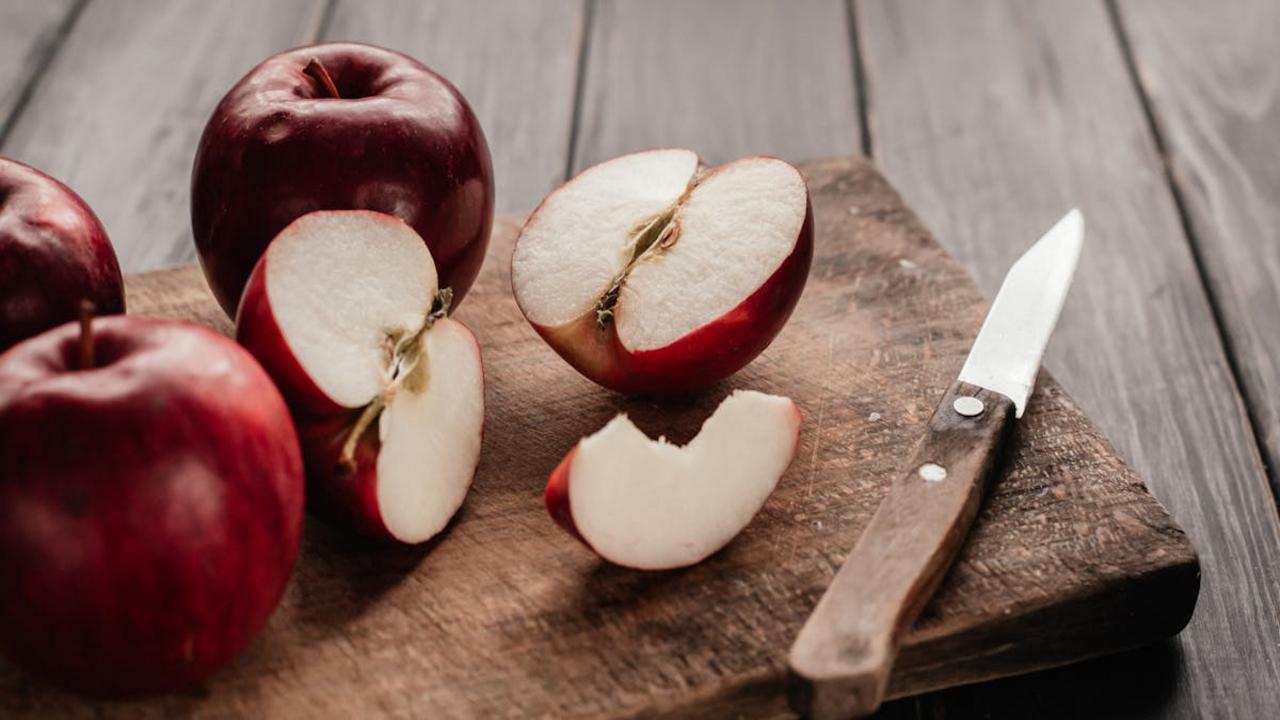
Oh, the innocence of kids! This question made me laugh because it reminded me of my son’s face when I told him apples have seeds so they can make baby apple trees. You see, those little brown seeds inside your apple carry the genetic code for future apple trees – nature’s own version of a family recipe passed down through generations. The funniest part? Each seed could grow into a completely different type of apple tree than its parent, which blew my kid’s mind!
I had to explain how apple trees need help from bees to mix their “ingredients” (pollen) with other apple trees to create seeds. These seeds then get dispersed by animals who eat the apples and drop the seeds elsewhere – Mother Nature’s delivery service at its finest! My daughter found it hilarious that birds and deer are basically running an apple tree planting service without even knowing it. The next time your kids bite into an apple, remind them they’re holding a tiny nursery of future trees in their hands!
Where does sugar come from?
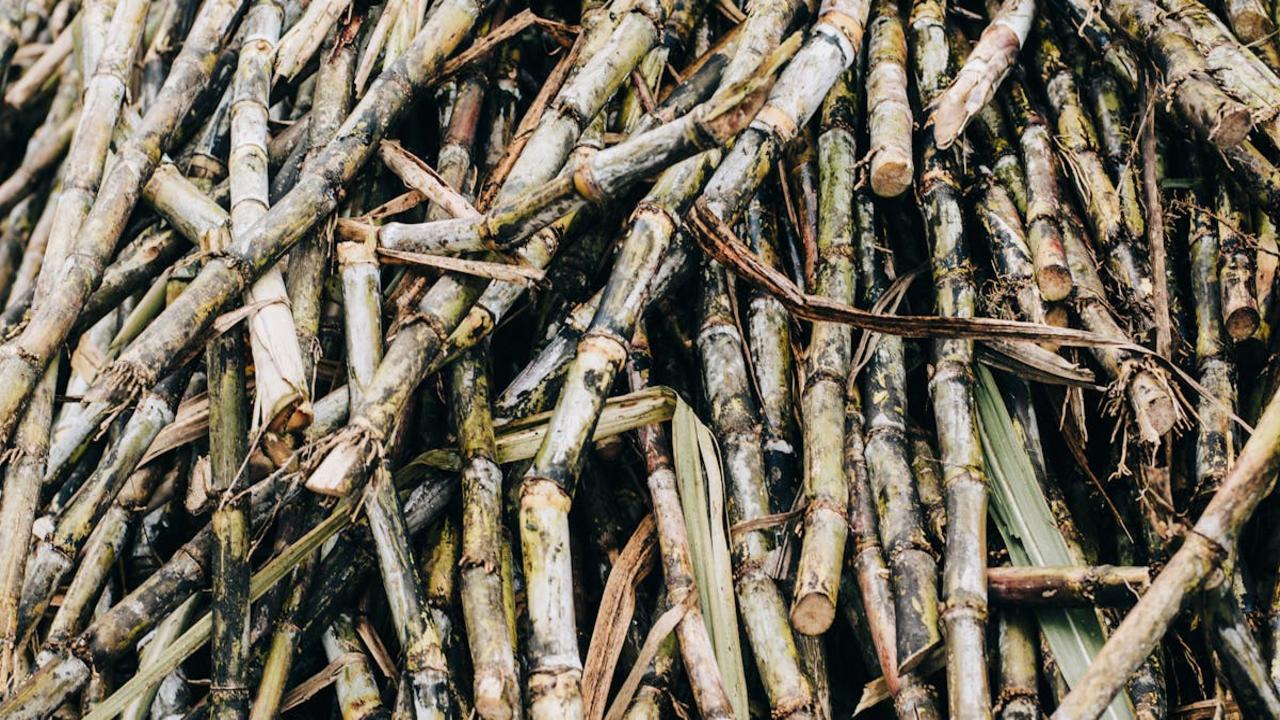
My 6-year-old dropped this seemingly simple question while munching on her morning cereal, and I had to pause. “From plants!” I blurted out, but then realized I needed to give her the full scoop. Sugar runs through our everyday treats from two main plant heroes – sugarcane and sugar beets. Picture tall, bamboo-like stalks of sugarcane growing in tropical places like Brazil and India, where workers squeeze out the sweet juice that turns into those familiar white crystals. Or imagine sugar beets, these stout white roots that look like oversized parsnips, growing happily in cooler spots like Minnesota and Michigan.
The magic happens when these plants go through processing – the juice gets extracted, cleaned, boiled, and crystallized until voila! You’ve got the sweet stuff that makes cookies irresistible and hot chocolate perfect. What really knocked my kid’s socks off was learning that maple syrup comes from actual trees (mind = blown), and honey is basically flower nectar that bees process in their tiny stomachs. Now every time we bake together, she points at the sugar bag and proudly announces, “That used to be a giant grass!” Kids and their questions really make you think about the wild origins of our everyday foods.
Why does ice cream melt?

Kids ask the best questions, and this one about melting ice cream makes me chuckle because I’ve watched countless cones turn into sticky puddles in tiny hands! The simple answer lies in the temperature – ice cream stays solid at 0°F (-18°C), but once it meets the warmer air or your tongue, the milk fats and ice crystals start breaking down. The fun part? Your scoop of vanilla contains millions of tiny air bubbles trapped between frozen cream droplets, and as these warm up, gravity pulls everything downward into what my 5-year-old niece calls “ice cream soup.”
What makes this process extra interesting is how different ingredients affect melting speed. My kids went wild when we did a “melt test” with various flavors – premium ice creams with higher fat content actually melt slower than lighter varieties. And those fancy stabilizers manufacturers add? They’re like tiny speed bumps, slowing down the melting process. But here’s a cool trick I learned from an ice cream maker: if you want your scoops to stay firmer longer, store your ice cream container upside down in the freezer. The partially melted ice cream will refreeze at the bottom instead of forming crystals on top!
How do seeds grow into big plants?
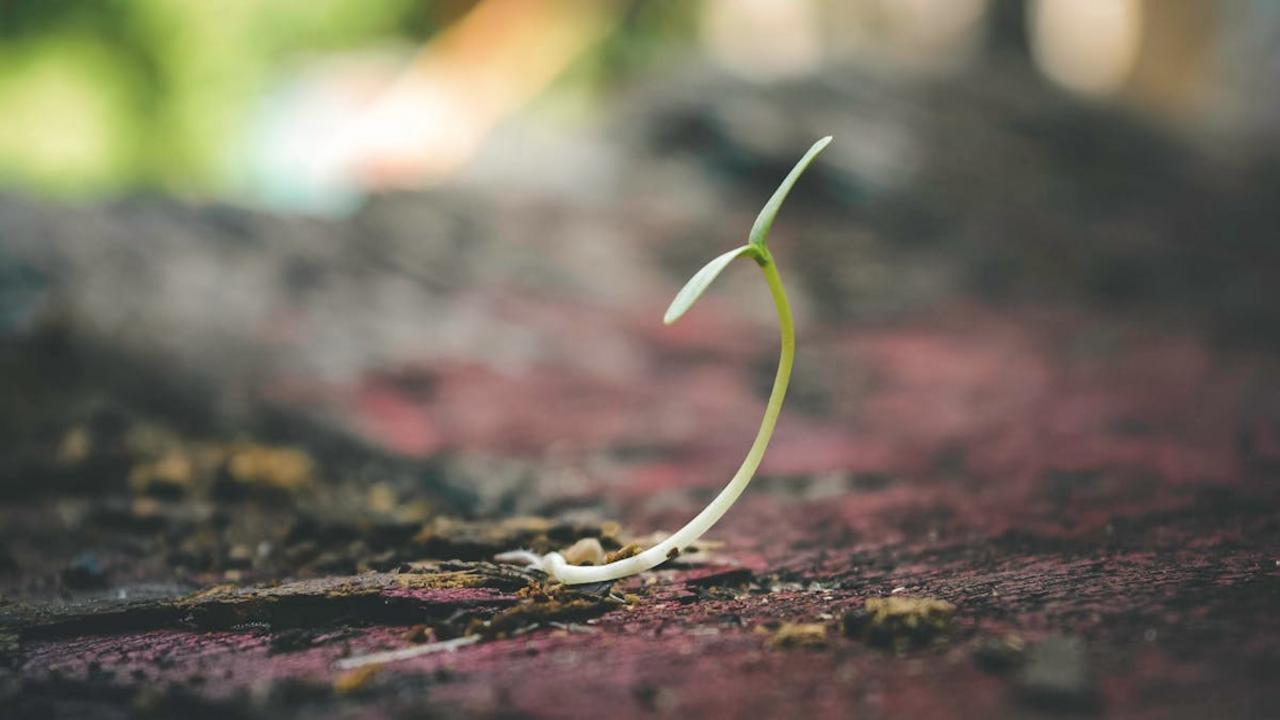
Picture this: my 6-year-old Alex stared at a tiny tomato seed in his palm and asked me this question with pure wonder in his eyes. You know what? Seeds are like nature’s magic trick boxes! Each seed packs a complete starter kit – nutrients, energy storage, and a baby plant blueprint all wrapped up in a tiny shell. The most amazing part? These little powerhouses stay dormant until they get the perfect combo of water, warmth, and soil. My kids went bananas watching their first bean sprout push through the soil – it’s like having front-row seats to nature’s greatest show.
We turned this question into a fun kitchen science project, planting basil seeds in recycled yogurt cups. I showed the kids how seeds need water to crack open their shells (seed coats, if you want to get fancy), sending roots down and shoots up. They named each seedling and fought over who got to water them each morning. Now our windowsill garden supplies fresh basil for pizza night, and the kids understand the whole seed-to-plate connection. Though Alex still thinks there’s a tiny wizard inside each seed making the magic happen – and honestly, who am I to argue with that logic?
Why do onions make us cry?
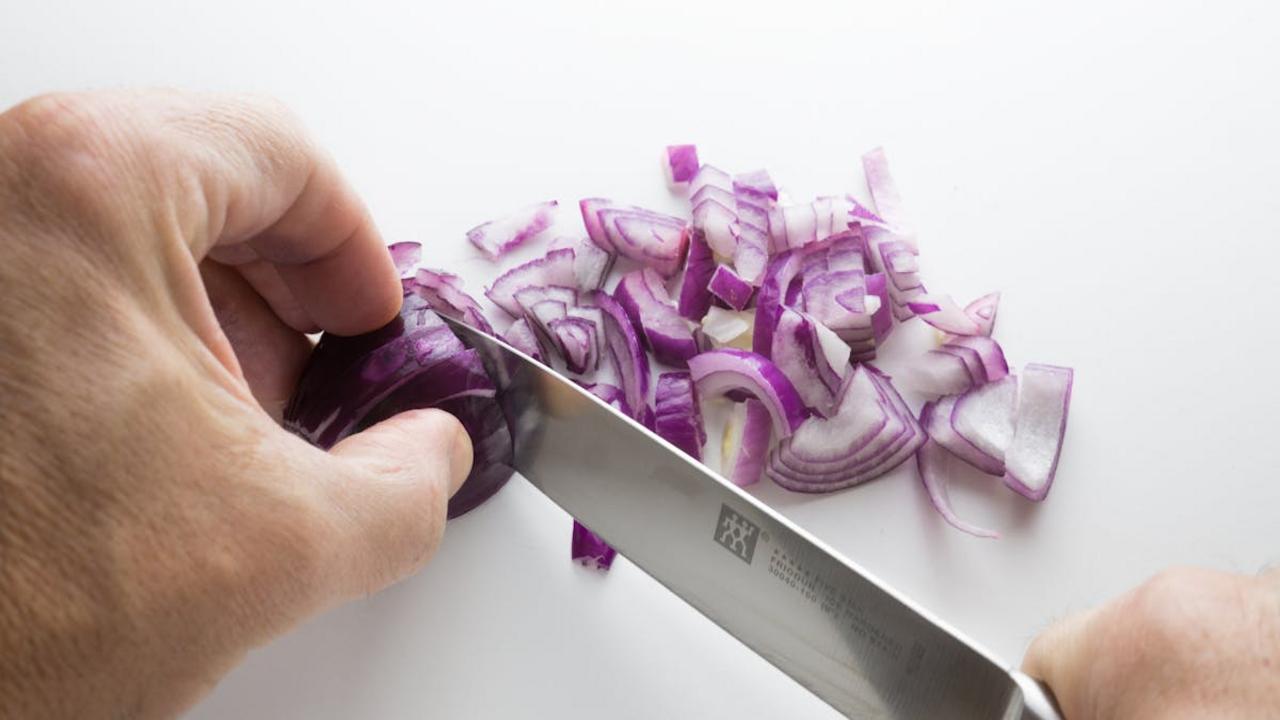
Oh, the great onion cry-fest – every kid wants to know about this kitchen drama! Here’s the science behind those tear-jerking moments: When you cut into an onion, you break open its cells, releasing compounds that turn into a gas. This gas contains sulfur (yes, that rotten egg smell culprit!) which floats up to your eyes and creates a burning sensation. Your body’s natural defense? Tears! It’s like your eyes have their own tiny sprinkler system, trying to wash away the irritating gas.
Want a fun fact? Some people swear by wearing swimming goggles while chopping onions, making them look absolutely ridiculous in the kitchen – but hey, it works! You can also try chilling your onions for 30 minutes before cutting them, which slows down the release of those pesky gases. My nephew once asked if onions cry when we cut them too, and honestly, that question made me pause and laugh. While onions don’t have feelings, they sure know how to make us humans turn on the waterworks during meal prep!
How does bread get moldy?
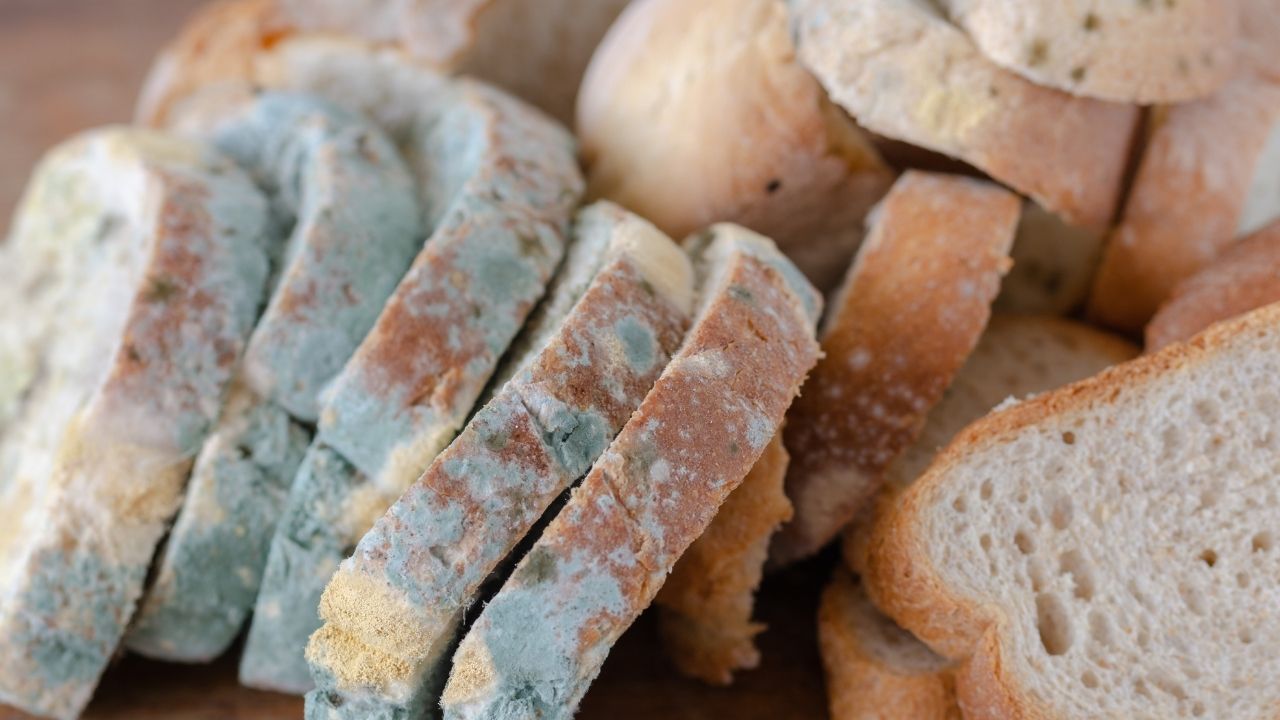
I’ll never forget the morning my 7-year-old Tommy pulled out a forgotten loaf of bread from the back of our pantry, pointing at fuzzy green spots with equal parts horror and fascination. “Mom, why does bread turn into a science experiment?” The simple answer: those tiny mold spores float through the air everywhere, just waiting to land on your sandwich bread and start a family. Add a dash of moisture and warmth, and boom – you’ve got yourself a moldy metropolis! Think of bread as a cozy bed-and-breakfast for these microscopic fungi, offering the perfect combo of nutrients and comfort.
My kids now call me the “Mold Prevention Police” because I’ve become obsessed with proper bread storage. Keep it cool and dry, folks! A bread box works wonders, but the fridge can make your bread go stale faster (who knew?). And here’s a fun fact that blew my kids’ minds: that blue-green fuzz on your bread belongs to the same family as penicillin! Though unlike the medicine, please don’t eat it – no matter how much your curious 5-year-old insists it “looks like cotton candy.” Trust me on this one, I speak from experience after a very interesting parent-teacher conference.
Why do bananas turn brown?
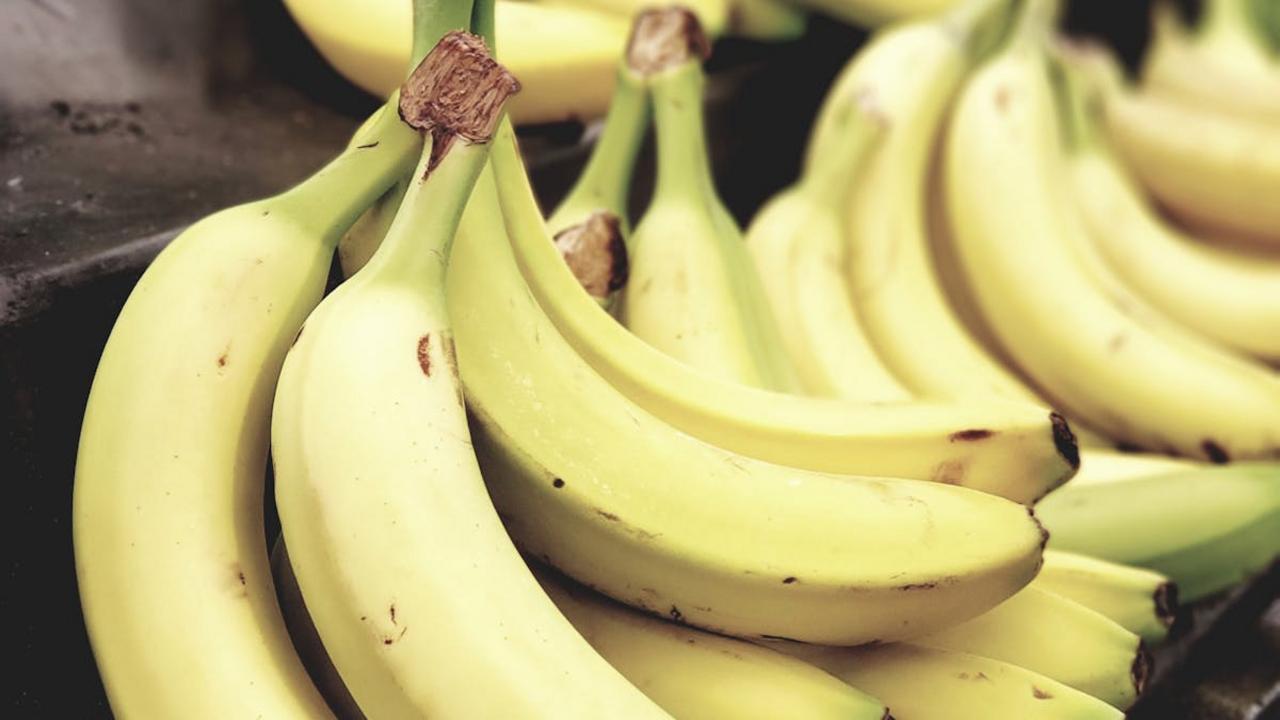
Oh, the brown banana mystery! I can’t count how many times my kids have pointed accusingly at the spotty bananas on our counter, demanding answers. The truth behind this common kitchen drama lies in science – specifically, an enzyme called polyphenol oxidase. When a banana’s peel gets damaged or ages, this enzyme reacts with oxygen in the air and turns the fruit brown. Think of it like how an apple slice darkens when left out, except bananas take their sweet time doing their color-changing magic.
Here’s the cool part – those brown spots don’t mean your banana belongs in the trash! The browner your banana gets, the sweeter it becomes. The starches inside transform into sugars, making overripe bananas perfect for baking. My kids now know that those “ugly” brown bananas mean it’s time for banana bread or muffins. And if you want to slow down the browning process, stick your bananas in the fridge – the cold temperature slows down that pesky enzyme. Just note that the peel will still turn dark, but the fruit inside stays fresh longer!