15 Junk Food Offenders Nutritionists Say Are Waging War on Your Waistline
We all know those moments of weakness at the drive-through or while walking past the candy aisle. The temptation of salty fries, sweet milkshakes, and crunchy snacks can feel overwhelming. But understanding which foods pack the biggest caloric punch can help you make smarter choices for your health.
From carnival treats like funnel cakes and cotton candy to everyday indulgences like cheeseburgers and sweetened coffee drinks, certain foods hit your waistline harder than others. Many of these items combine high sugar, unhealthy fats, and refined carbs – a recipe for weight gain.
The good news? You don’t need to eliminate these foods completely. Being aware of the biggest offenders helps you choose your treats wisely and keep portions in check. Making small changes in your food choices adds up to big results over time.
Milkshakes
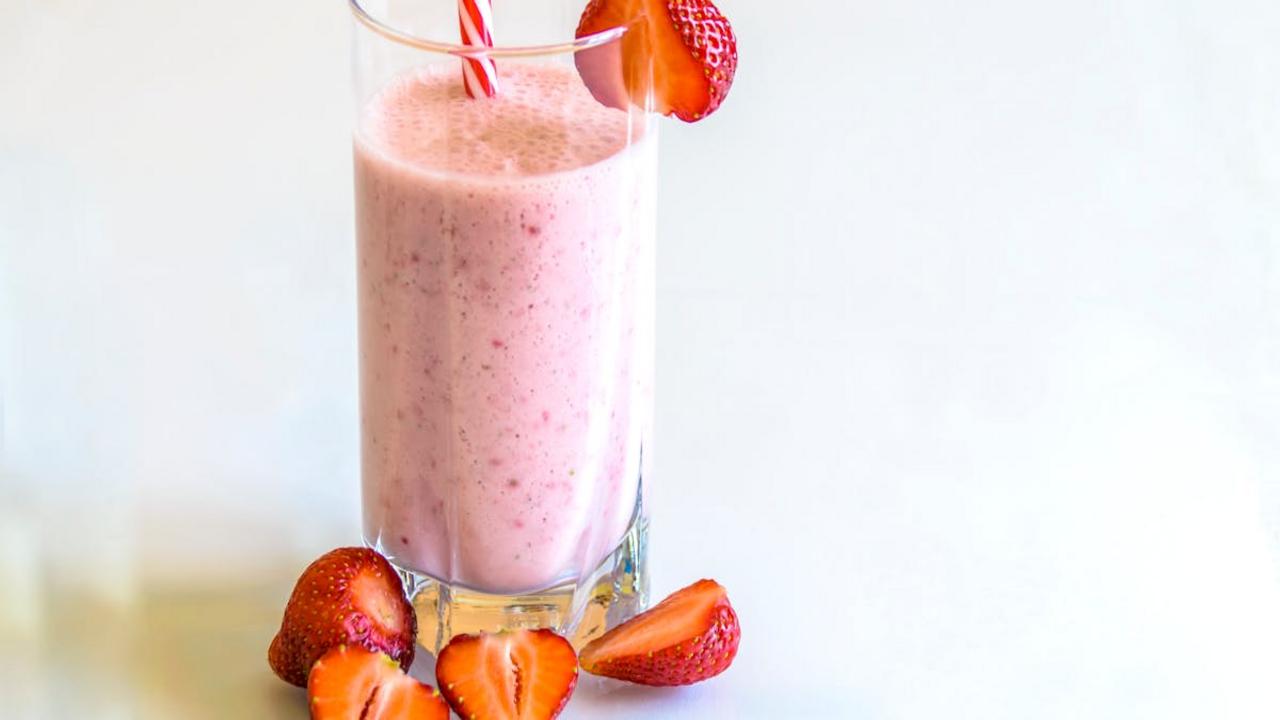
You might think milkshakes make a fun occasional treat, but these creamy concoctions pack a massive caloric and sugar punch that can derail your health goals fast. A typical restaurant milkshake contains around 800-1,200 calories, 25-30 grams of fat, and up to 120 grams of sugar – that’s equivalent to eating three full meals! The combination of full-fat ice cream, whole milk, flavored syrups, and whipped cream creates an incredibly dense beverage that your body struggles to process efficiently.
I recommend making your own healthier version at home instead of grabbing one from a fast-food joint. Blend frozen bananas with unsweetened almond milk and a splash of vanilla extract for natural sweetness. You can add raw cacao powder for a chocolate version or fresh berries for a fruity twist. This swap gives you the creamy satisfaction you crave while keeping calories reasonable and adding actual nutrients to your day. Your body will thank you for choosing real ingredients over the artificial flavors and high fructose corn syrup found in commercial shakes.
Chicken Nuggets

You might think chicken nuggets make a quick and easy meal, but the truth will shock you. Most store-bought nuggets contain only 40-50% actual chicken meat, with the rest being fillers, preservatives, and modified corn starch. The breading soaks up massive amounts of oil during frying, turning these innocent-looking bites into calorie bombs. One 6-piece serving packs around 300 calories, 19 grams of fat, and over 600mg of sodium – that’s before you dip them in sauce!
The real problem lies in how we perceive chicken nuggets as a “lighter” option compared to burgers or pizza. Many people eat double or triple portions without realizing the impact. Your body processes these heavily processed nuggets differently from real chicken breast, leading to blood sugar spikes and increased cravings. If you crave that crispy chicken texture, try making your own by coating chicken breast pieces in whole wheat breadcrumbs and baking them. You’ll cut the calories in half while getting pure protein without the mystery ingredients.
Cheeseburgers
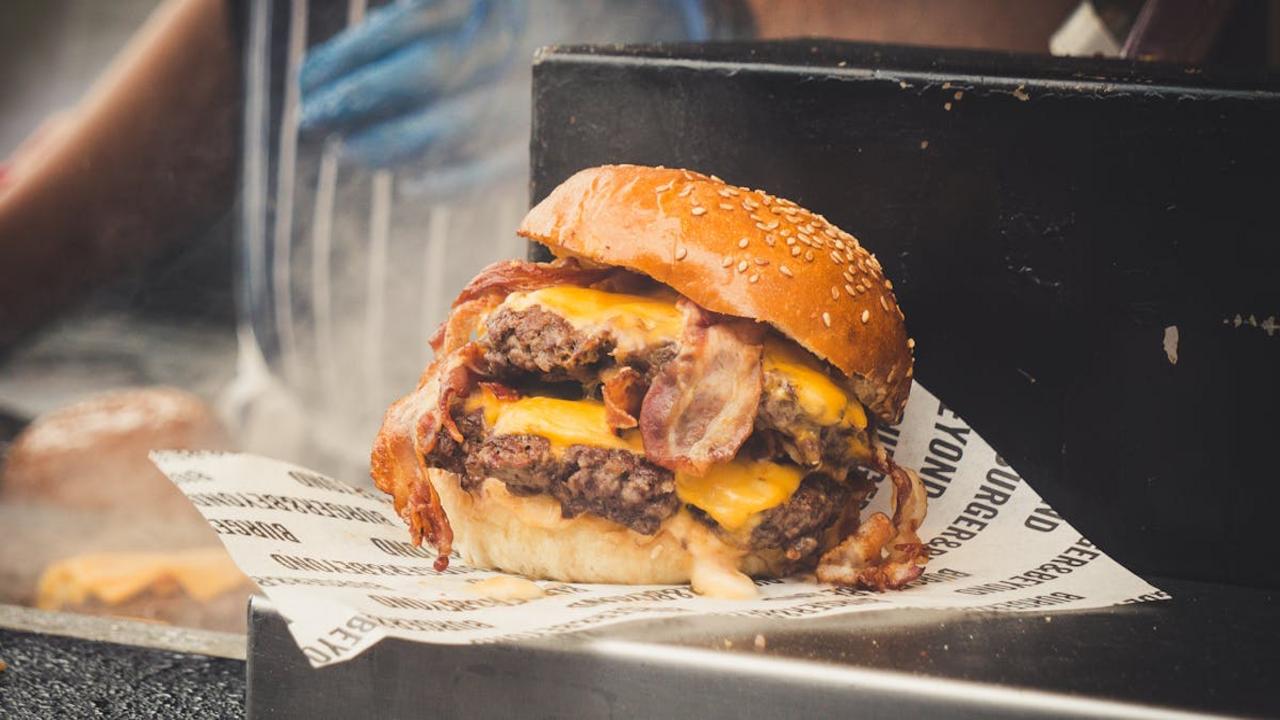
Your favorite cheeseburger packs a serious caloric punch that can derail your health goals faster than you might think. A typical restaurant cheeseburger contains around 750-900 calories, with some varieties climbing past 1,200 calories when loaded with bacon, mayo, and other high-fat toppings. The combination of fatty ground beef, melted cheese, and butter-toasted buns creates a perfect storm of saturated fats and refined carbs that can spike your blood sugar and contribute to inflammation.
I recommend making your own healthier burgers at home using lean ground turkey or grass-fed beef, whole grain buns, and plenty of fresh vegetables. Skip the processed cheese slices and opt for a small amount of sharp cheddar or Swiss – you’ll get more flavor with less fat. Load up on crisp lettuce, tomatoes, onions, and mustard instead of mayo. By controlling your portions and ingredients, you can still enjoy a satisfying burger without sabotaging your nutrition goals. Consider wrapping your patty in lettuce or serving it alongside a big salad to boost the nutrient content while keeping calories in check.
Sweetened Coffee Drinks

Your morning coffee ritual could be sabotaging your health goals without you knowing it. Those fancy coffee drinks from popular chains pack a serious sugar punch – some containing up to 500 calories per serving! A typical flavored latte with whipped cream and syrup can have more sugar than three chocolate bars combined. The liquid calories from these beverages don’t trigger the same fullness signals as solid food, making it easy to consume hundreds of extra calories while still feeling hungry.
I’ve found that switching to simpler coffee options has made a big difference in my daily calorie intake. Try ordering your coffee black or with a splash of unsweetened milk instead of those sugary concoctions. If you need sweetness, add a small amount of honey or cinnamon – both add flavor without the massive sugar spike. By making this one change, you can save around 2,000 calories per week if you’re a daily coffee drinker. Your wallet will thank you too, since plain coffee costs significantly less than those fancy drinks.
Energy Drinks
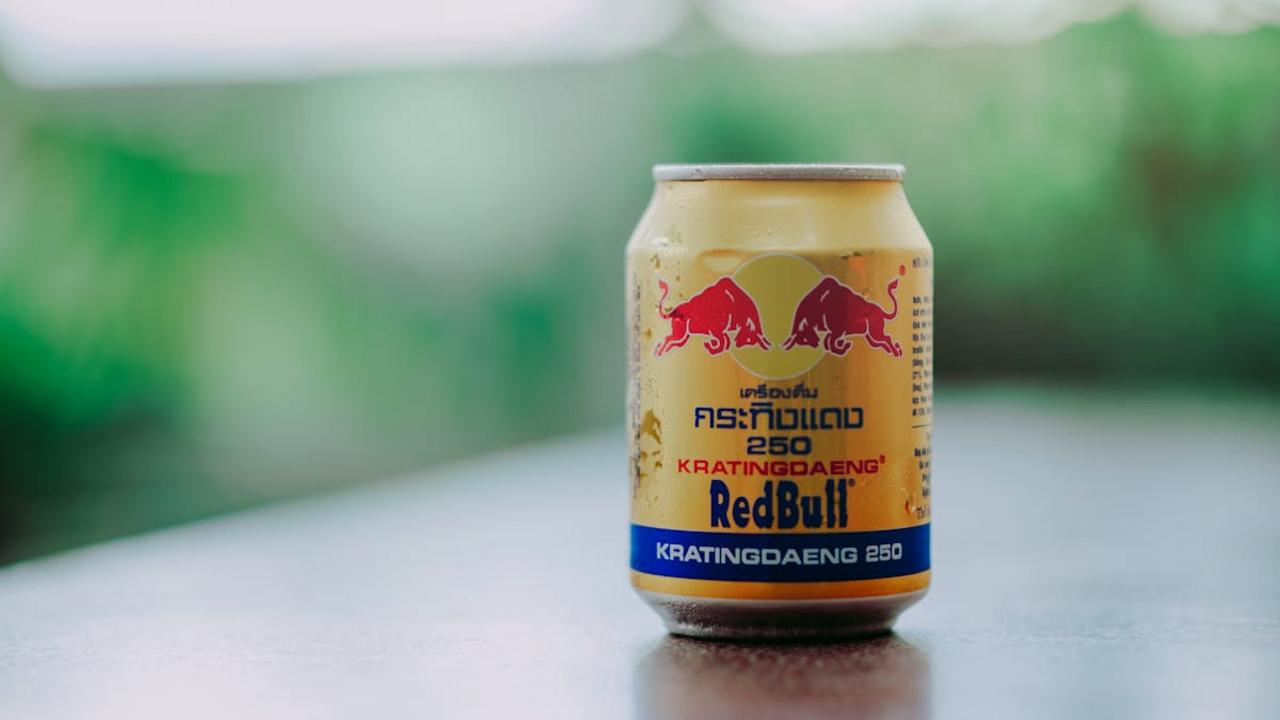
I need to have a serious chat with you about energy drinks – they’re causing havoc on your health and weight goals! These sugary, caffeinated beverages pack a whopping 200-300 calories per can, loaded with artificial sweeteners, preservatives, and an alarming amount of caffeine. The high sugar content spikes your blood sugar, leading to a quick energy crash that makes you crave more sugar. Your body can’t process these drinks effectively, storing much of the excess sugar as fat around your midsection.
You’ll find much healthier alternatives to boost your energy without derailing your wellness goals. Try green tea, which provides steady caffeine release and metabolism-boosting benefits, or make your own natural energy drink by mixing coconut water with fresh citrus juice. Even plain water with a splash of apple cider vinegar can help maintain stable blood sugar levels and provide sustained energy throughout your day. Remember, what you drink impacts your weight just as much as what you eat!
Soda

I see countless clients struggle to kick their soda habit, and it’s no wonder why – a single 12-ounce can packs around 40 grams of added sugar. That’s nearly 10 teaspoons of the sweet stuff hitting your system all at once! The artificial sweeteners, high fructose corn syrup, and empty calories make regular soda consumption one of the fastest ways to gain unwanted pounds. Your body can’t process that sugar rush effectively, so it stores much of it as fat, particularly around your midsection.
If you’re craving something bubbly and refreshing, I recommend making your own natural sodas at home using sparkling water and fresh fruit. Mix in some muddled berries, citrus slices, or a splash of 100% juice for flavor without the sugar overload. You can also try kombucha for that fizzy fix – it offers probiotics and barely any sugar compared to conventional sodas. Small changes like swapping out regular soda can lead to significant improvements in your weight and overall health over time.
Instant Noodles
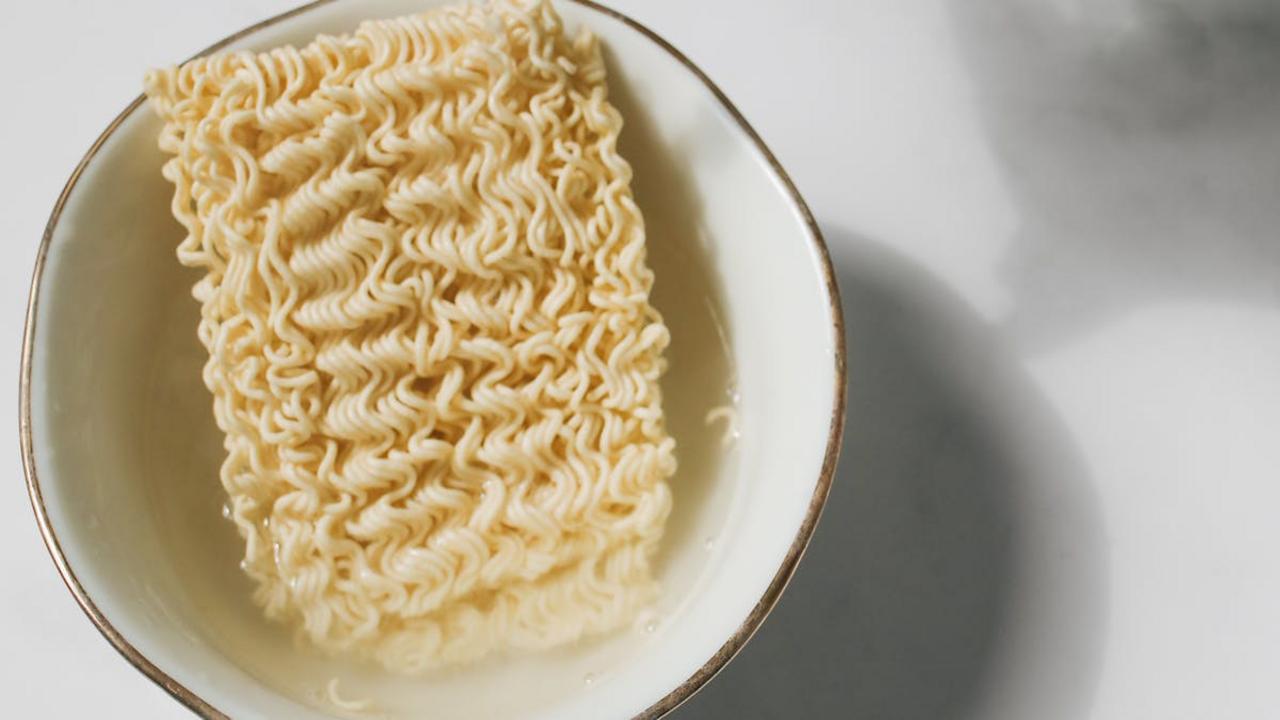
Look, I need to be straight with you about instant noodles – they’re one of the worst processed foods you can put in your body. Each packet contains high amounts of sodium, MSG, and preservatives that will make your blood pressure spike and your belly bloat. The noodles themselves go through deep-frying during manufacturing, so they’re loaded with unhealthy fats before you even add the seasoning packet. A single serving can pack up to 1,500mg of sodium – that’s over 60% of your recommended daily intake!
If you’re craving noodles, I always recommend making a quick stir-fry with fresh rice noodles or whole grain pasta instead. You’ll get real nutrients and fiber while avoiding the artificial ingredients. Plus, you can control exactly what goes into your dish. Try adding colorful vegetables, lean protein, and making your own simple sauce with low-sodium soy sauce, garlic, and ginger. Your body will thank you for skipping those deceptively convenient instant noodles that offer zero nutritional value and only empty calories.
Microwave Pizza

You might think microwave pizza offers a quick dinner fix, but I need to warn you about this convenience food trap. Most frozen pizzas pack an excessive amount of sodium, saturated fats, and refined carbohydrates into each serving. A single personal-sized microwave pizza can contain up to 700 calories, 1,200mg of sodium, and ingredients you can’t pronounce. The highly processed nature of these pizzas means they lack the nutritional benefits of fresh vegetables, quality proteins, and whole grains your body needs.
I recommend making your own pizza at home using a whole wheat crust, fresh tomato sauce, and plenty of colorful vegetables. You’ll get better nutrition and save money too! If you’re really short on time, try using a whole wheat pita or tortilla as your base, topped with marinara sauce, low-fat mozzarella, and vegetables. Pop it in a regular oven or toaster oven for a few minutes – you’ll get a crispy crust and melty cheese without all the processed ingredients and excess calories of microwave versions.
Hot Dogs

I know hot dogs make a quick and satisfying meal, but they pack a serious punch to your health and waistline. A single hot dog contains up to 16 grams of fat, loads of sodium, and questionable processed meat ingredients that your body struggles to digest properly. The white bread bun adds empty refined carbs, while typical toppings like cheese, chili, and mayo pile on hundreds more calories. You’ll get nearly half your daily recommended sodium from just one loaded dog!
If you crave that classic hot dog experience, I recommend switching to turkey or chicken dogs made with minimal processing and natural ingredients. Load them up with fresh veggie toppings like diced onions, tomatoes, and sauerkraut instead of heavy sauces. Skip the bun and wrap your dog in crisp lettuce leaves, or slice it up in a whole grain wrap with hummus. You’ll still get that satisfying hot dog fix without derailing your healthy eating goals. Your body will thank you for making these simple swaps that cut the fat and processed ingredients.
Cotton Candy

You might think cotton candy is just a light, airy treat, but this carnival favorite packs a serious sugar punch that can derail your health goals quickly. One serving of cotton candy contains about 28 grams of pure sugar – that’s seven teaspoons! The pink or blue cloud dissolves instantly in your mouth because it’s literally spun sugar with artificial colors and flavoring. Your blood sugar spikes dramatically after eating it, followed by an energy crash that often leads to more sugar cravings.
The manufacturing process transforms regular sugar into thin strands through rapid spinning and heating, creating a web-like texture that’s mostly air. While this makes cotton candy virtually fat-free, it offers zero nutritional value and can contribute to tooth decay, weight gain, and increased risk of type 2 diabetes. If you’re watching your weight or trying to maintain stable blood sugar levels, skip this fluffy sugar bomb at fairs and carnivals. Instead, satisfy your sweet tooth with fresh fruit or a small piece of dark chocolate that offers some nutritional benefits.
Gummy Bears
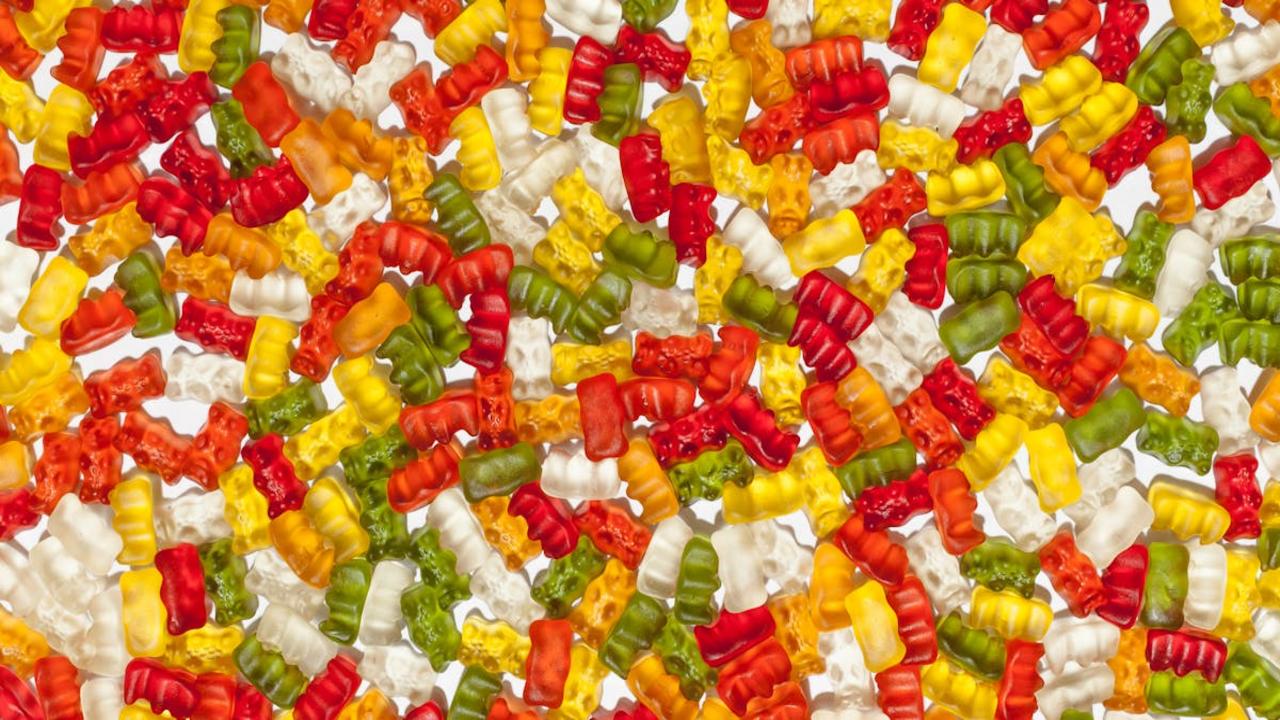
You know those colorful little bears that seem so innocent? While gummy bears might look cute and harmless, they pack a serious sugary punch that can derail your health goals faster than you can say “candy.” A typical serving contains about 140 calories – mostly from refined sugar and corn syrup – with zero nutritional value. Your body processes these simple carbs quickly, causing your blood sugar to spike and crash, leaving you hungry and craving more sugar shortly after.
The sticky texture of gummy bears also makes them particularly harmful to your dental health, as the sugary residue clings to your teeth long after eating them. If you need a sweet fix, try fresh fruit instead – nature’s candy gives you fiber, vitamins, and minerals along with natural sweetness. You could also make your own healthier version using real fruit juice and grass-fed gelatin, which provides protein and supports joint health. This way, you satisfy your sweet tooth while getting some actual nutrition.
Candy Bars
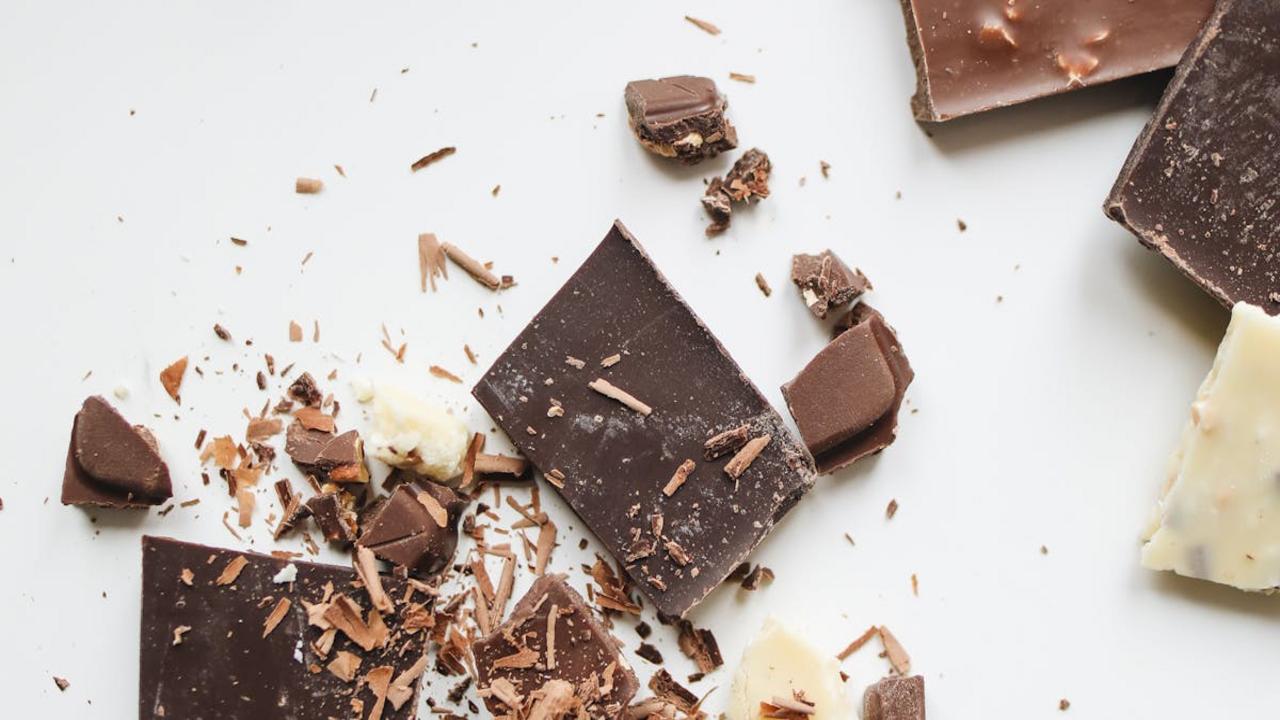
Those colorful candy bars calling your name at the checkout counter pack a serious punch to your health goals. A typical chocolate candy bar contains around 250-300 calories and up to 30 grams of sugar – that’s more than your recommended daily sugar intake in just one small bar! The combination of refined sugars, unhealthy fats, and artificial ingredients creates a perfect storm for weight gain and blood sugar spikes. Plus, these treats offer virtually no nutritional value while taking up precious calories in your daily budget.
I’ve noticed how candy bars give you that quick energy boost followed by an inevitable crash, leaving you hungrier and craving more sugar. This cycle makes it incredibly difficult to maintain a healthy weight or stick to nutritious eating habits. If you need a sweet fix, try making your own chocolate treats at home using dark chocolate, nuts, and dried fruit. You’ll control the ingredients while satisfying your cravings with real food components. Your body will thank you for skipping those processed candy bars and choosing wholesome alternatives instead.
Onion Rings
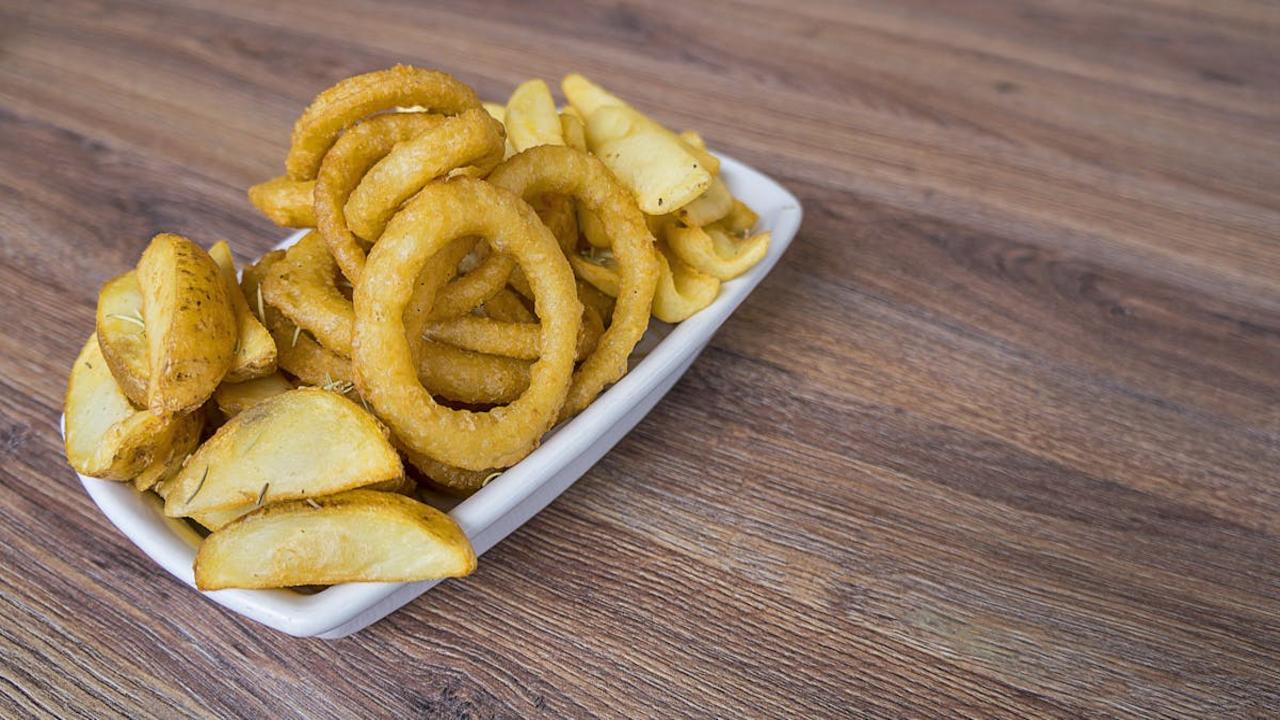
I get it – those golden, crispy onion rings call your name from the drive-thru menu, promising a satisfying crunch and savory flavor. But these deep-fried favorites pack a serious caloric punch, with a typical restaurant serving containing upwards of 500-600 calories and 30 grams of fat. The batter coating, often made with refined white flour and loaded with sodium, turns these innocent onion slices into a nutritional nightmare. Plus, many restaurants reuse their frying oil multiple times, leading to increased levels of harmful compounds.
You can make a healthier version at home by baking thick onion slices coated in whole wheat breadcrumbs and seasonings. This simple swap cuts the calories by more than half while keeping that satisfying crunch you crave. If you must order them at restaurants, share a portion with friends or opt for a side salad instead. Your body will thank you for avoiding the excess oils, refined carbs, and sky-high sodium content found in traditional onion rings. Remember, those seemingly innocent rings can add hundreds of empty calories to your meal without providing meaningful nutrition.
French Fries
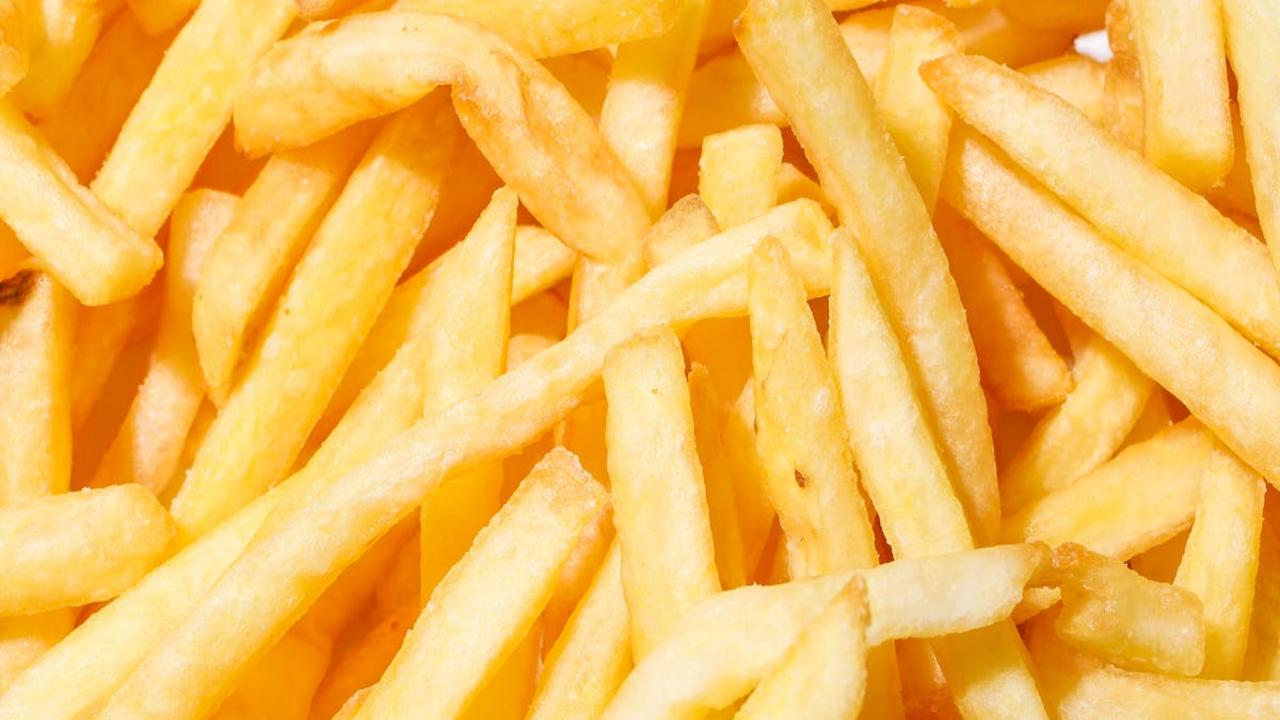
You’ll find French fries on nearly every restaurant menu, but these crispy potato strips pack a dangerous punch to your health goals. A medium serving of restaurant fries contains around 400 calories and a whopping 20 grams of fat, most of which is unhealthy trans fat from the deep-frying process. The high temperatures used in cooking also create acrylamide, a potentially harmful compound that forms when starchy foods are fried at high temperatures.
The biggest issue with fries isn’t just their calorie content – it’s how easy they make it to overeat. The combination of salt, fat, and carbohydrates triggers a pleasure response in your brain, making you crave more. Plus, most restaurants serve portions 2-3 times larger than recommended. If you’re craving potatoes, try roasting them at home with minimal oil and herbs. You’ll get the satisfaction without the excess calories and harmful compounds that make French fries a major contributor to weight gain.
Funnel Cake

I know you’ve seen those spiraling, golden-brown funnel cakes at fairs and carnivals, covered in a mountain of powdered sugar. While they bring back sweet memories of summer fun, these deep-fried treats pack a serious caloric punch. A single funnel cake can contain up to 760 calories and 44 grams of fat – that’s about the same as eating three glazed donuts! The refined white flour, sugar, and oil used in funnel cakes offer zero nutritional benefits while loading your body with empty calories.
If you’re craving that nostalgic fair food experience, try making a healthier version at home using whole wheat flour, almond milk, and baking the batter instead of frying. You can dust it with a light coating of monk fruit sweetener or pure maple syrup for natural sweetness. This simple swap cuts the calories by more than half and adds fiber and nutrients your body needs. Remember, traditional funnel cakes are a once-in-a-while indulgence, not a regular treat if you want to maintain a healthy weight.