10 Revolutionary Food Inventions That Forever Changed How We Eat
From the first time our ancestors cooked meat over fire to today’s lab-grown alternatives, food tech has shaped not just what we eat, but how we live. These 10 inventions didn’t just make cooking easier – they sparked cultural shifts that rippled through generations.
Think about it: without canning, sailors would still get scurvy on long voyages. Without refrigeration, you’d need to shop daily and hope your milk doesn’t spoil by noon. And microwaves? They turned “I’m too tired to cook” into “dinner’s ready in 3 minutes!” Each innovation solved real problems people faced daily.
Now we’re printing pizzas with 3D printers and growing steaks in labs. Wild, right? Looking at these game-changing inventions shows us how far we’ve come from simple preservation methods to sci-fi food tech. Some make cooking faster, others make food last longer, but all of them changed our relationship with food forever.
Lab-Grown Meat
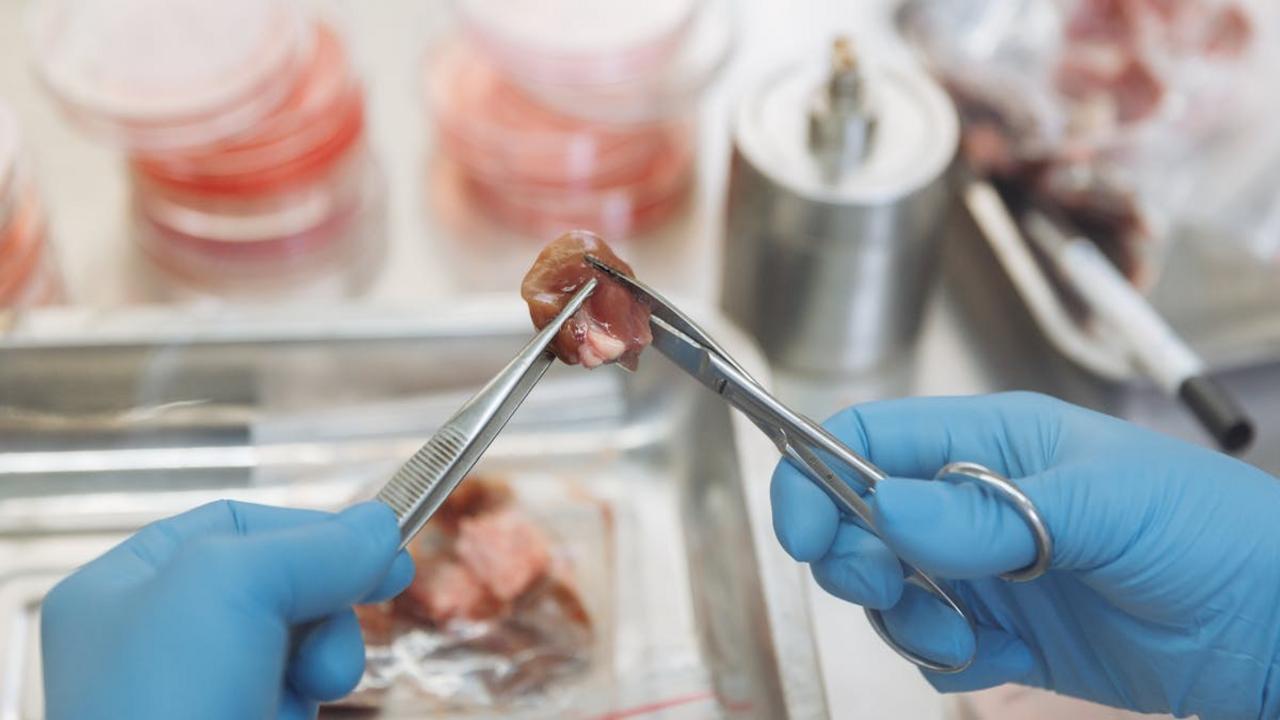
Picture this: real meat grown in labs without harming a single animal! Scientists have figured out how to multiply animal cells in special containers, creating actual beef, chicken, and fish that’s identical to what you’d get from traditional farming. The first lab-grown burger hit the grill in 2013, costing a whopping $330,000 to make. Now, you can buy these revolutionary proteins in Singapore and parts of the US for around $20 per serving – still pricey, but we’re getting there!
Beyond the cool science factor, lab-grown meat could help solve major global issues. It needs 95% less land and water than conventional farming and produces way fewer greenhouse gases. Plus, you won’t find antibiotics or growth hormones in these clean meats. Some companies have even created exotic options like tiger meat and mammoth meat (yes, really!) – giving adventurous eaters a chance to try rare proteins without any ethical concerns. The future of meat might just be brewing in petri dishes instead of grazing in fields!
3D Food Printing
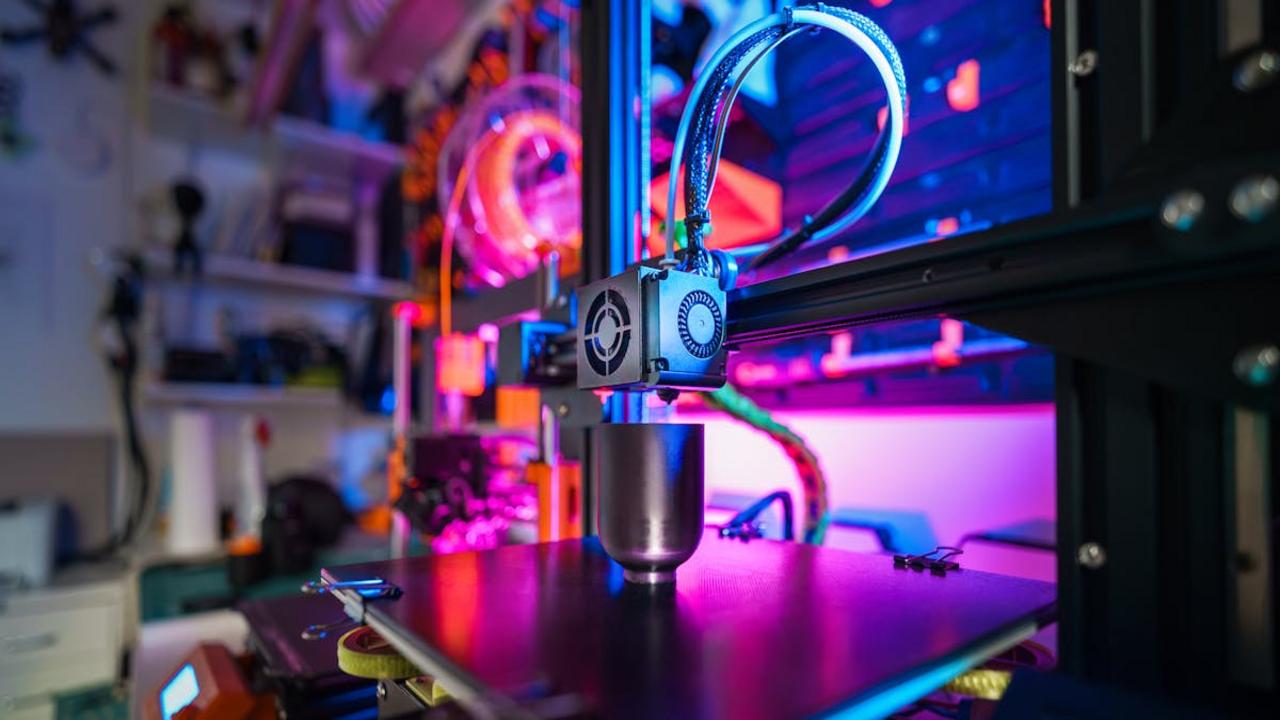
You know that feeling when sci-fi becomes real life? That’s exactly what happened with 3D food printing! Your favorite chocolate bar or pasta can now materialize right before your eyes through a mechanical marvel that deposits ingredients layer by layer. NASA jumped on this tech back in 2013, funding research to create 3D-printed pizza for astronauts – because even space explorers need their comfort food! From intricate chocolate sculptures to personalized nutrition bars, these printers can whip up foods in shapes and combinations you’d never achieve by hand.
The coolest part? 3D food printing goes way beyond novelty shapes. Hospitals now print soft foods for patients who struggle to swallow, while professional chefs create mind-bending geometric desserts that look more like modern architecture than food. Companies like Natural Machines with their “Foodini” printer let home cooks design their own pasta shapes or turn vegetables into fun figures that might actually get kids excited about eating their greens. Who knew the future of food would involve hitting “print” on your dinner?
Sous Vide
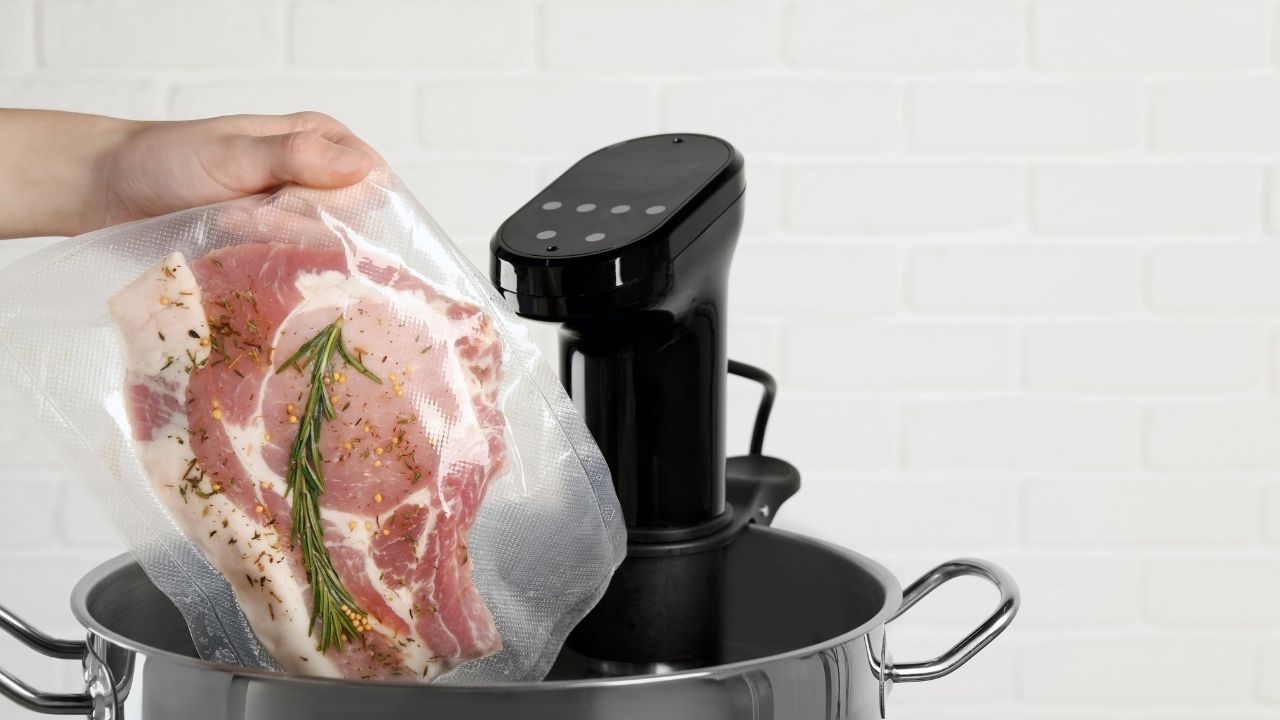
I’ll bet you’ve seen those fancy vacuum-sealed bags bobbing in warm water baths at trendy restaurants – that’s sous vide cooking in action! This French technique (meaning “under vacuum”) revolutionized professional kitchens in the 1970s and now rules home cooking too. You simply seal your food in plastic, drop it in temperature-controlled water, and wait while science does its magic. No more overcooked steaks or dried-out chicken – sous vide gives you perfect results every single time by keeping the temperature precise throughout the cooking process.
What makes sous vide truly special is how it transforms tough cuts of meat into butter-soft delicacies. That cheap chuck roast? Give it 48 hours at 131°F and you’ll swear it’s prime rib. Plus, you can prep everything in advance, seal it up, and forget about it until dinner – perfect for throwing stress-free dinner parties. The method caught on first with molecular gastronomy chefs like Heston Blumenthal, but now you’ll find compact sous vide machines in home kitchens everywhere. Who knew a warm bath could make food so extraordinary?
Instant Pot
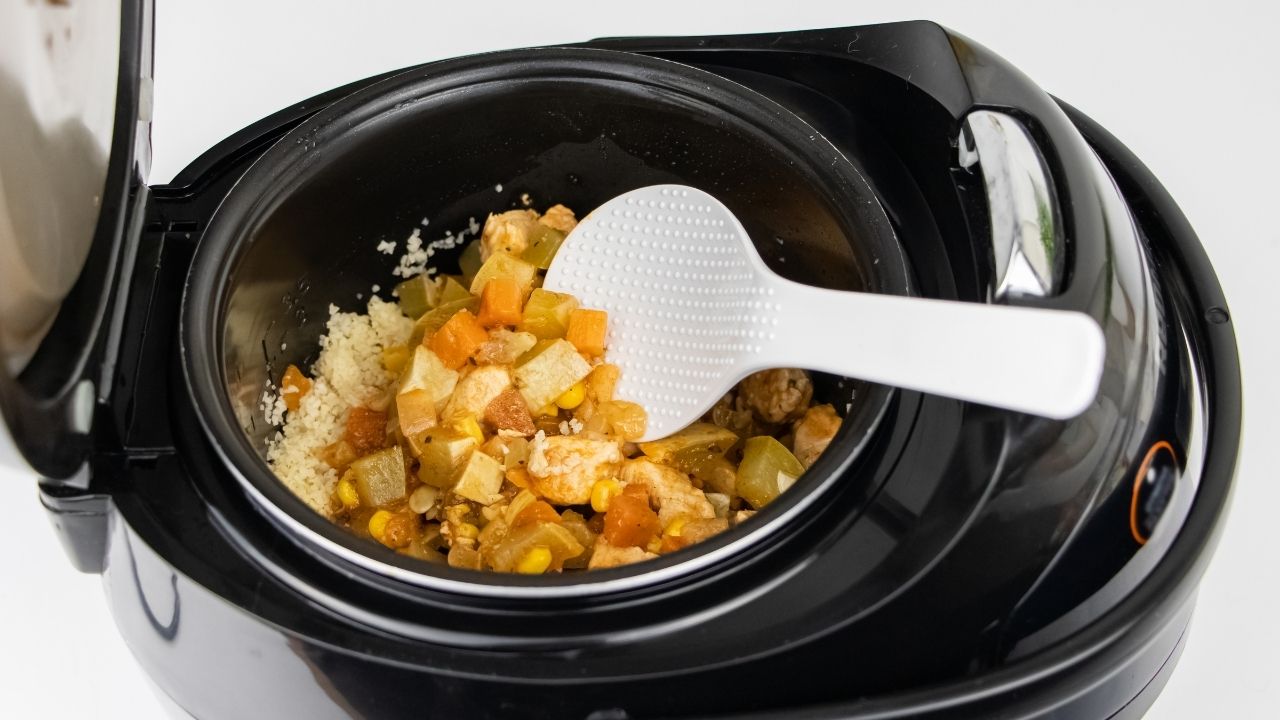
Remember the days of watching your mom’s pressure cooker rattle menacingly on the stovetop? The Instant Pot swept in like a kitchen superhero in 2010, combining seven gadgets into one sleek machine that wouldn’t blow its top. This Canadian invention has sparked a cooking revolution, turning kitchen newbies into confident home chefs overnight. You can throw frozen chicken, some veggies, and seasonings into this miracle worker, push a few buttons, and boom – a complete dinner appears in 30 minutes flat. No more forgetting to defrost meat or spending hours hovering over the stove!
The true genius of the Instant Pot lies in its smart programming and safety features. Unlike your grandmother’s pressure cooker that required constant monitoring, this baby practically runs itself. Want to make yogurt? There’s a button for that. Craving perfectly cooked rice? Yep, there’s a button for that too. The machine has created such a devoted following that Facebook groups dedicated to Instant Pot recipes have millions of members sharing tips and tricks. From making cheesecake to cooking dried beans in record time, this multicooker has transformed countless kitchens into efficient cooking stations – minus the stress and mess.
Vacuum Sealer
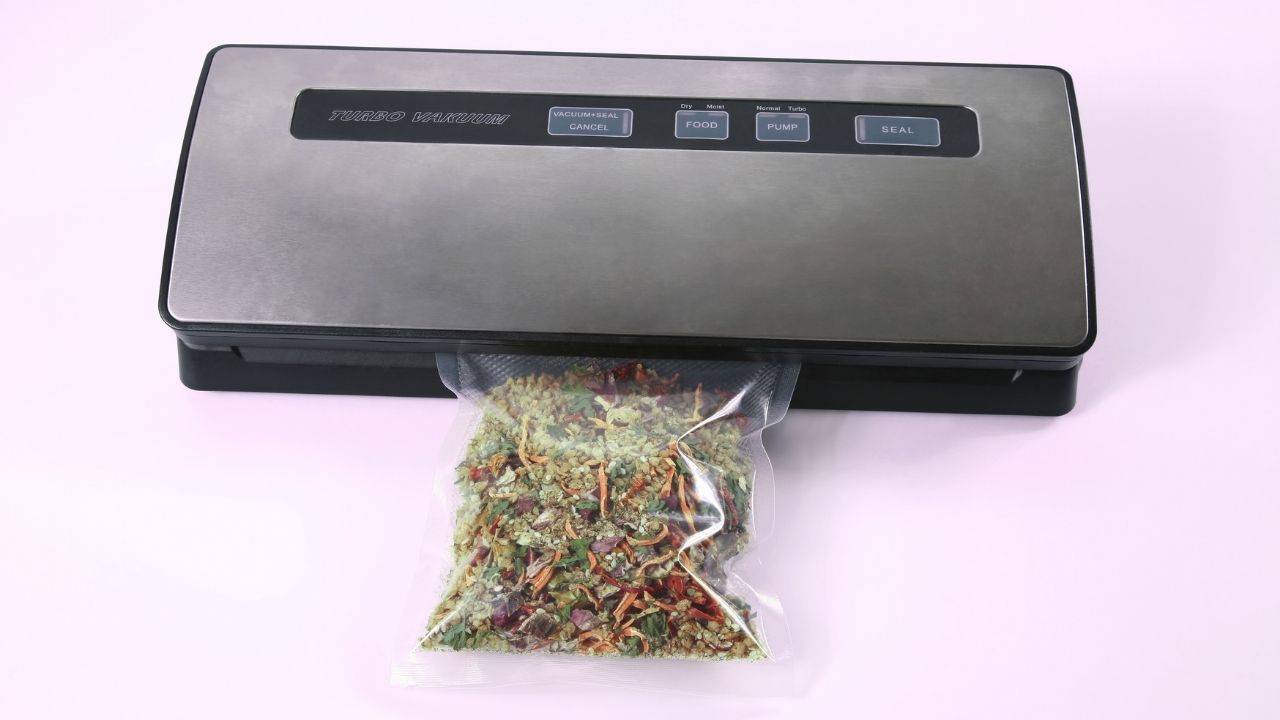
You know that magical kitchen gadget that can make your food last way longer and save you a ton of money? Meet the vacuum sealer, your new best friend in fighting food waste! This nifty invention from the 1980s revolutionized food storage by sucking out all the air from special plastic bags, creating an airtight seal that keeps food fresh up to five times longer than traditional storage methods. I still remember the first time I vacuum-sealed some fresh strawberries and found them perfectly preserved weeks later – it felt like I had discovered a time machine for food!
Beyond just keeping your groceries fresh, vacuum sealers have become the secret weapon of home cooks diving into sous vide cooking. By removing air and creating that perfect seal, you can cook foods at precise temperatures in a water bath for incredible results. Plus, you’ll love how it helps with meal prep and bulk buying – just portion out your meats, vegetables, or even baked goods, seal them up, and pop them in the freezer without worrying about freezer burn. My favorite trick? Vacuum sealing marinaded meats – the tight seal helps the flavors penetrate deeper, making every bite more delicious.
Food Processor
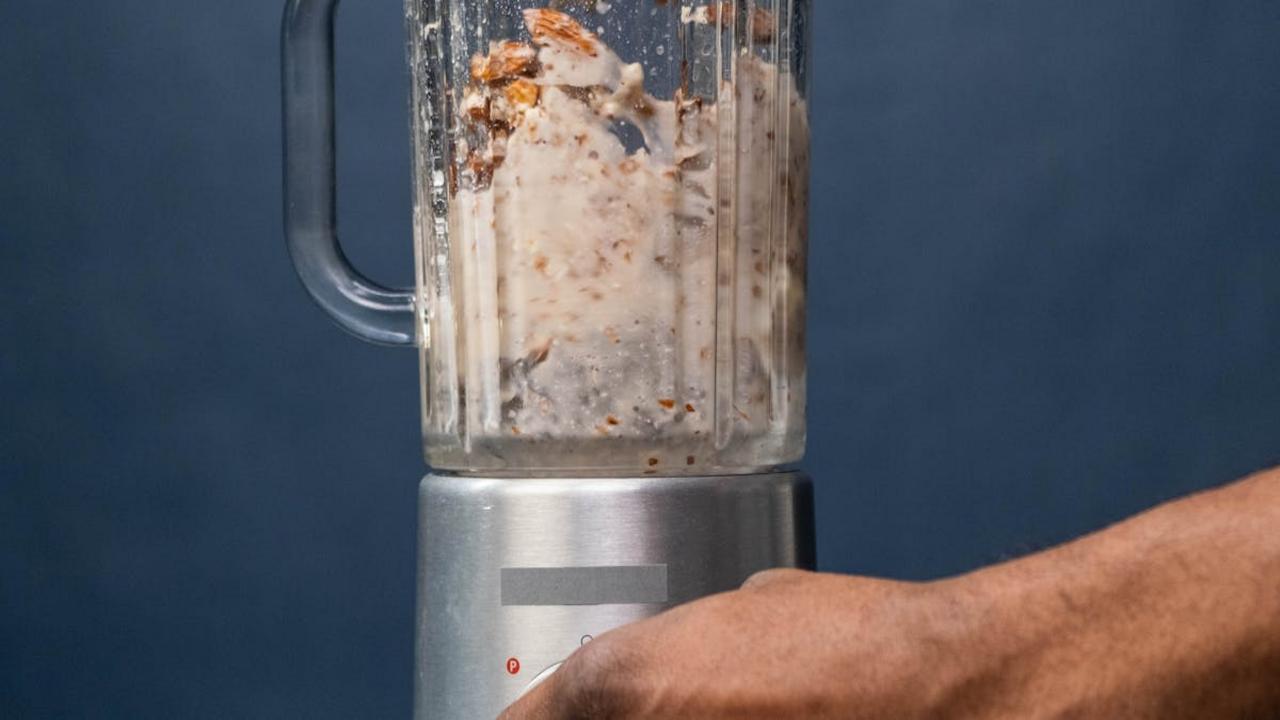
Your kitchen counter wouldn’t be complete without this whirring wonder! The food processor burst onto the scene in 1973 when Carl Sontheimer introduced the Cuisinart to American homes. Before this magnificent machine, home cooks spent countless hours chopping, dicing, and mincing by hand. Now, with just a push of a button, you can transform whole vegetables into perfectly uniform pieces in seconds, whip up smooth hummus, or create fresh pesto that would make any Italian grandmother proud.
Beyond saving your wrists from repetitive knife work, the food processor opened up a world of culinary possibilities for busy families. Did you know the original design was based on a commercial machine that French chefs used to prep restaurant meals? Sontheimer spent two years tweaking and perfecting his home version, making it smaller and more practical for everyday use. Today, food processors come with an array of attachments and blade options – from shredding discs for perfect coleslaw to dough blades that can knead pizza dough in minutes. Your great-grandmother might have spent hours in the kitchen preparing dinner, but thanks to this invention, you can have fresh, homemade meals ready in a fraction of the time.
Microwave Oven
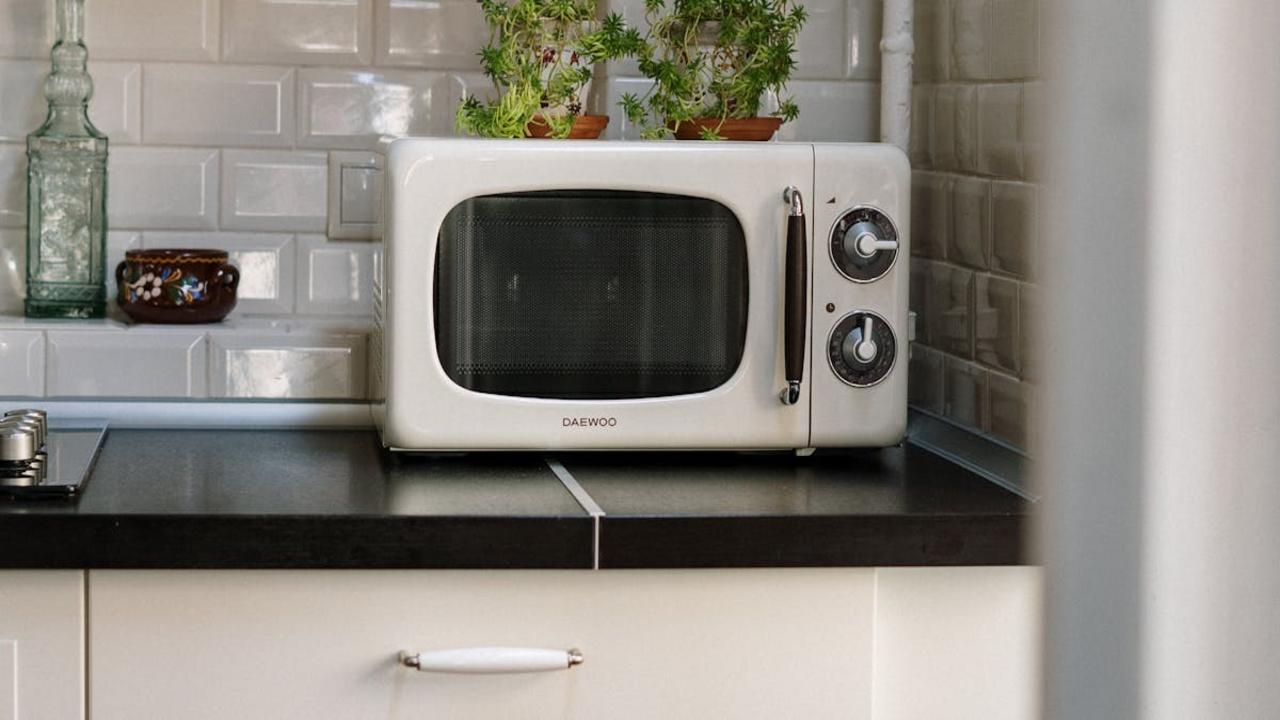
Percy Spencer’s accidental discovery of microwave cooking in 1945 gave us one of the most transformative kitchen appliances ever created. While working with radar equipment at Raytheon, Spencer noticed a chocolate bar melting in his pocket, leading him to experiment with popcorn kernels and eventually create the first microwave oven. Though early models stood nearly 6 feet tall and weighed 750 pounds, the technology quickly evolved into the compact countertop savior we know today.
The microwave revolutionized how we cook, reheat, and defrost food, saving countless hours in the kitchen. You can now cook a potato in 5 minutes instead of an hour, defrost frozen meat in minutes, and bring leftover pizza back to life without turning it into a rubbery mess in the oven. From college students surviving on microwaved ramen to busy parents heating up quick weeknight dinners, this invention has become so integrated into our daily lives that many of us can’t imagine cooking without one. The next time you’re zapping your coffee for the third time this morning, thank Percy and his melted chocolate bar!
Pressure Cooker
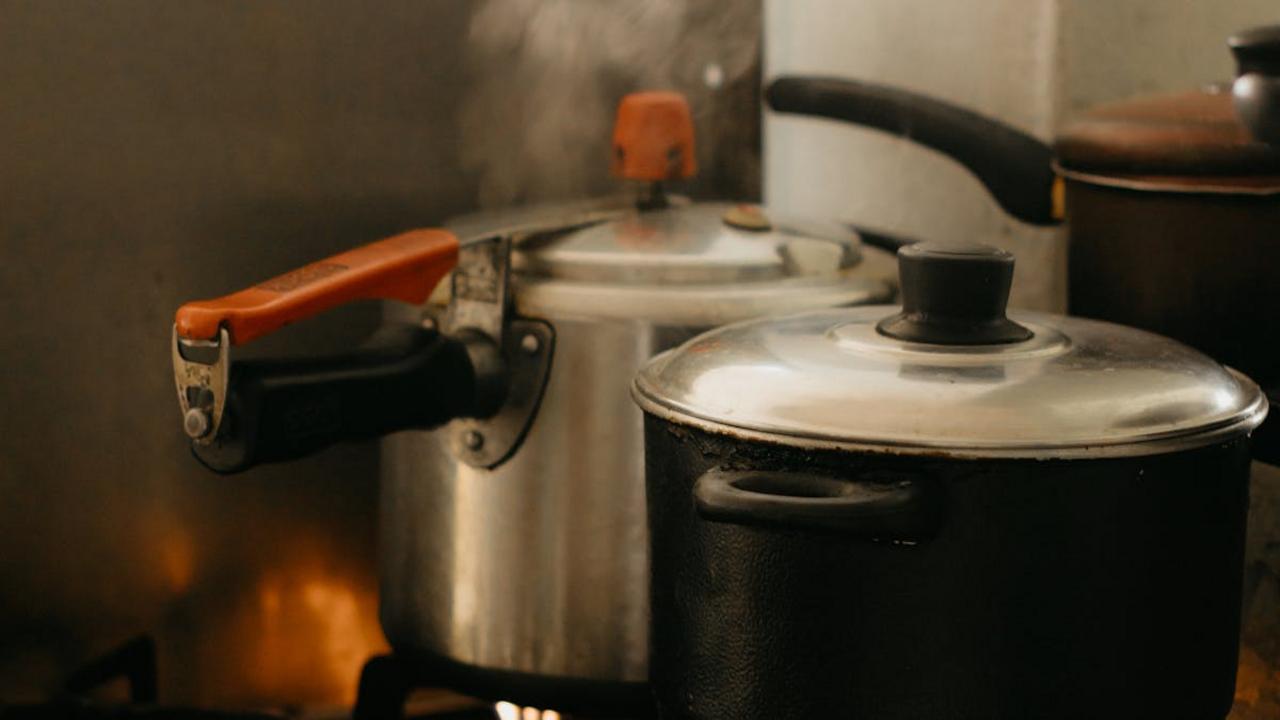
Ever looked at a tough chunk of meat and wished you could fast-forward time? That’s exactly what French physicist Denis Papin thought in 1679 when he created the pressure cooker. By sealing food in a pot with steam pressure, he figured out how to cook food up to 70% faster than traditional methods. Think of it as your kitchen’s very own time machine – one that turns rock-hard beans into creamy perfection in minutes instead of hours. The science behind it is genius: increased pressure raises water’s boiling point above 212°F, so food cooks at higher temperatures without burning.
Your grandmother’s scary old pressure cooker might have hissed and rattled like an angry snake, but modern versions pack serious safety features and digital controls. I remember my mom’s vintage model that made the best pulled pork in 45 minutes flat – a feat that would take 8 hours in a regular pot. Today’s pressure cookers help busy home cooks whip up everything from rich bone broth to tender risotto in record time. Plus, they preserve more nutrients than traditional cooking methods since food spends less time exposed to heat. No wonder this invention sparked a cooking revolution that’s still going strong 340 years later!
Refrigeration

Picture your great-great-grandmother trying to keep her milk from spoiling in the scorching summer heat. She’d probably have relied on ice blocks, underground cellars, or simply prayed for cooler weather! The invention of mechanical refrigeration in the 1850s completely transformed how we store and eat food. Thanks to this incredible technology, you can now keep your favorite Ben & Jerry’s ice cream perfectly frozen, stock up on fresh produce without daily market trips, and never worry about your leftovers turning into a science experiment overnight.
Before refrigerators became household staples in the 1930s, people preserved food through salting, smoking, or canning – methods that limited food choices and often altered flavors. Now, your fridge keeps fruits fresh for weeks, meat safe to eat, and vegetables crisp and ready for your next meal. The next time you grab a cold drink or store your weekend meal prep, thank Frederick McKinley Jones and Jacob Perkins – these refrigeration pioneers made it possible for you to enjoy fresh food year-round. Just imagine trying to run a modern restaurant or grocery store without refrigeration – it would be absolutely impossible!
Canning
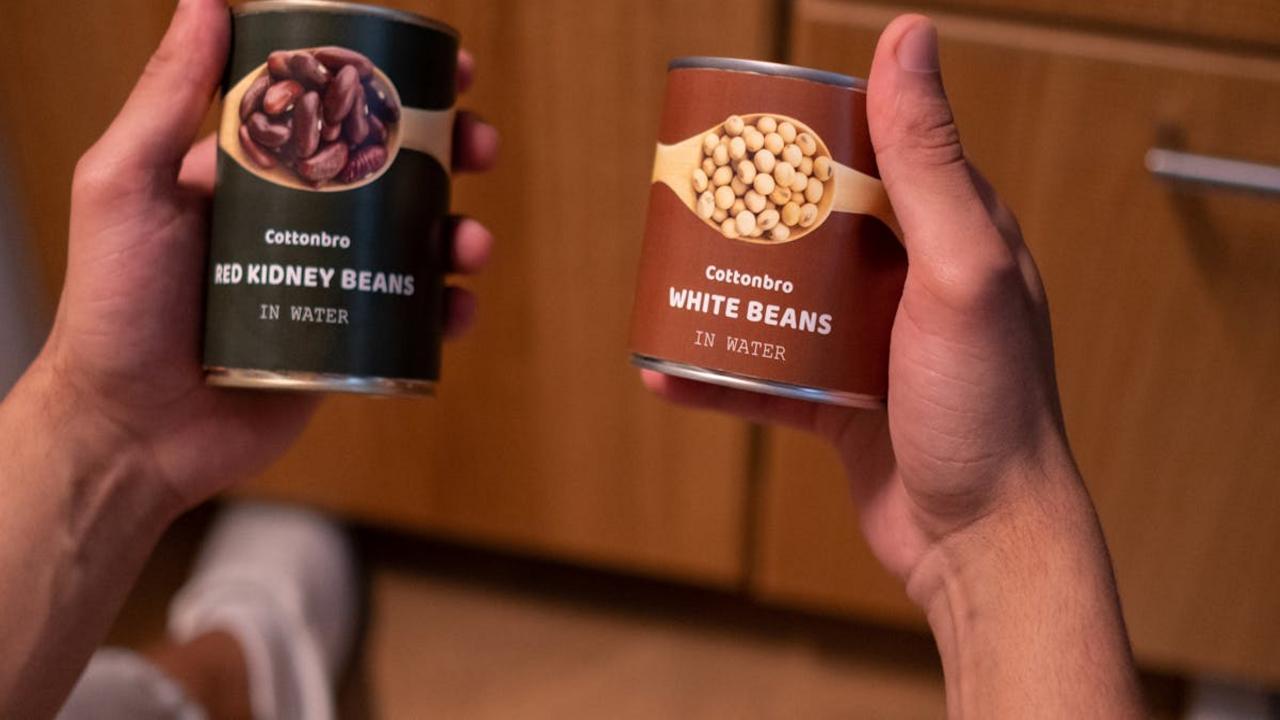
You know that satisfying ‘pop’ when you open a jar of pickles? We can thank Nicolas Appert for that! Back in 1809, this French genius figured out how to keep food fresh by sealing it in airtight containers and heating them up. Napoleon Bonaparte had offered a hefty reward to anyone who could solve his army’s food spoilage problems, and Appert swooped in with this breakthrough that would revolutionize food preservation forever. Before canning, people had to rely on smoking, drying, or salting their food – imagine trying to carry a year’s worth of salted meat around!
Today, you’ll find canned goods in every kitchen across the globe, and they’ve saved countless lives during natural disasters and emergencies. The process has stayed pretty much the same since Appert’s day – seal food in a container, heat it to kill bacteria, and voilà! You’ve got shelf-stable food that can last for years. Fun fact: the tin can was invented in 1810, but the can opener didn’t come along until 1858. Early consumers had to use hammers and chisels to get their canned goods open – now that’s what I call dedication to dinner!