14 Amazing Protein Sources Beyond Meat and Dairy
Looking beyond meat and dairy for protein opens up a world of exciting ingredients that pack both nutrition and flavor. I’ve discovered incredible plant-based options that deliver complete protein profiles while adding unique textures and tastes to your meals. From ancient grains to sea vegetables, these powerhouse ingredients will transform how you think about getting your daily protein.
My kitchen experiments with these protein alternatives have shown me just how versatile they can be. You can blend spirulina into smoothies, sprinkle nutritional yeast on popcorn, or create hearty grain bowls with quinoa and tempeh. Each ingredient brings its own character to your cooking while supporting your nutritional needs.
Whether you’re plant-based, reducing animal products, or simply want to diversify your protein sources, these 14 ingredients deserve a spot in your pantry. I’ve found creative ways to incorporate them into breakfast, lunch, dinner, and even snacks – making it easy and delicious to boost your protein intake naturally.
Pumpkin Seeds
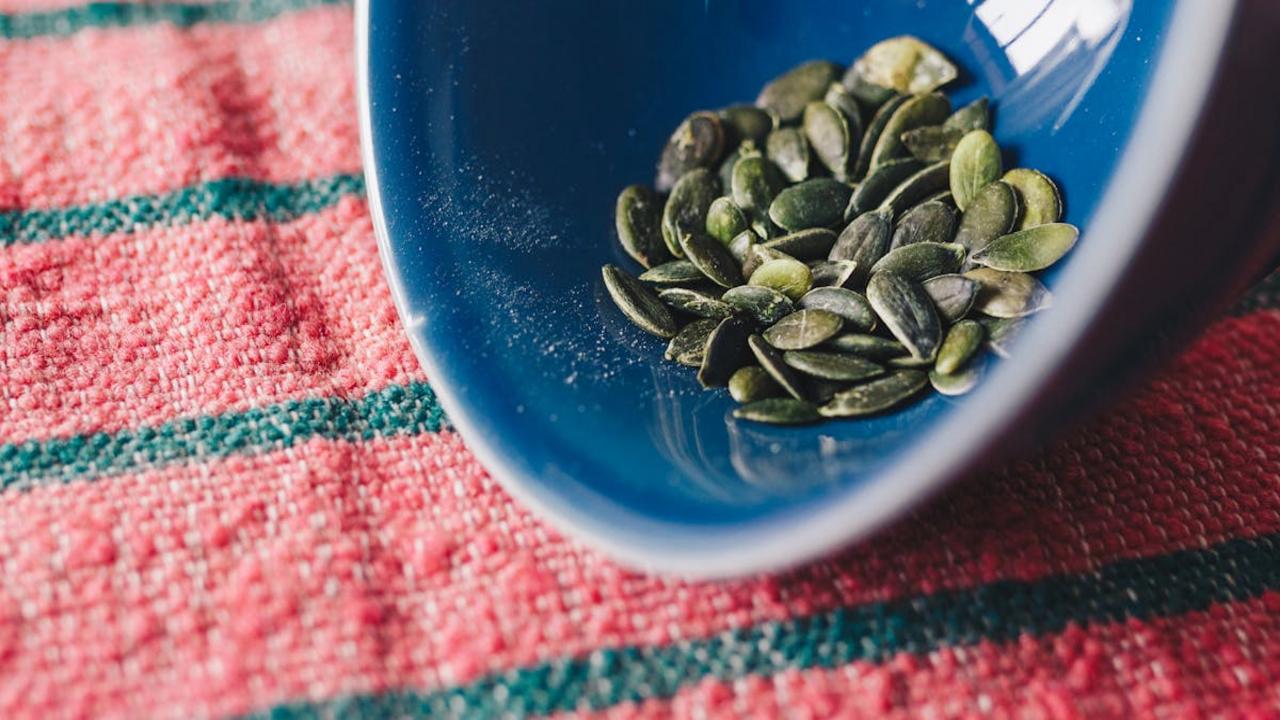
I’ve found pumpkin seeds to be one of the most underrated protein powerhouses in my pantry. These small but mighty seeds pack an impressive 9 grams of protein per ounce, making them perfect for sprinkling on salads, blending into smoothies, or eating straight as a snack. Beyond protein, they give you a hefty dose of magnesium, zinc, and omega-3 fatty acids. You can roast them with different seasonings – I love combining smoked paprika, garlic powder, and a pinch of sea salt for a savory treat that satisfies those afternoon cravings.
Your best bet is to buy raw, organic pumpkin seeds and toast them yourself at home. This way, you control the ingredients and avoid the excess sodium found in many store-bought versions. Try mixing them into your morning oatmeal or yogurt bowl for an extra protein boost, or add them to homemade granola and trail mix blends. I keep a mason jar of toasted pumpkin seeds on my counter and toss them into everything from rice bowls to roasted vegetables – they add such a wonderful crunch and nutty flavor while pumping up the nutritional value of any dish.
Lupini Beans
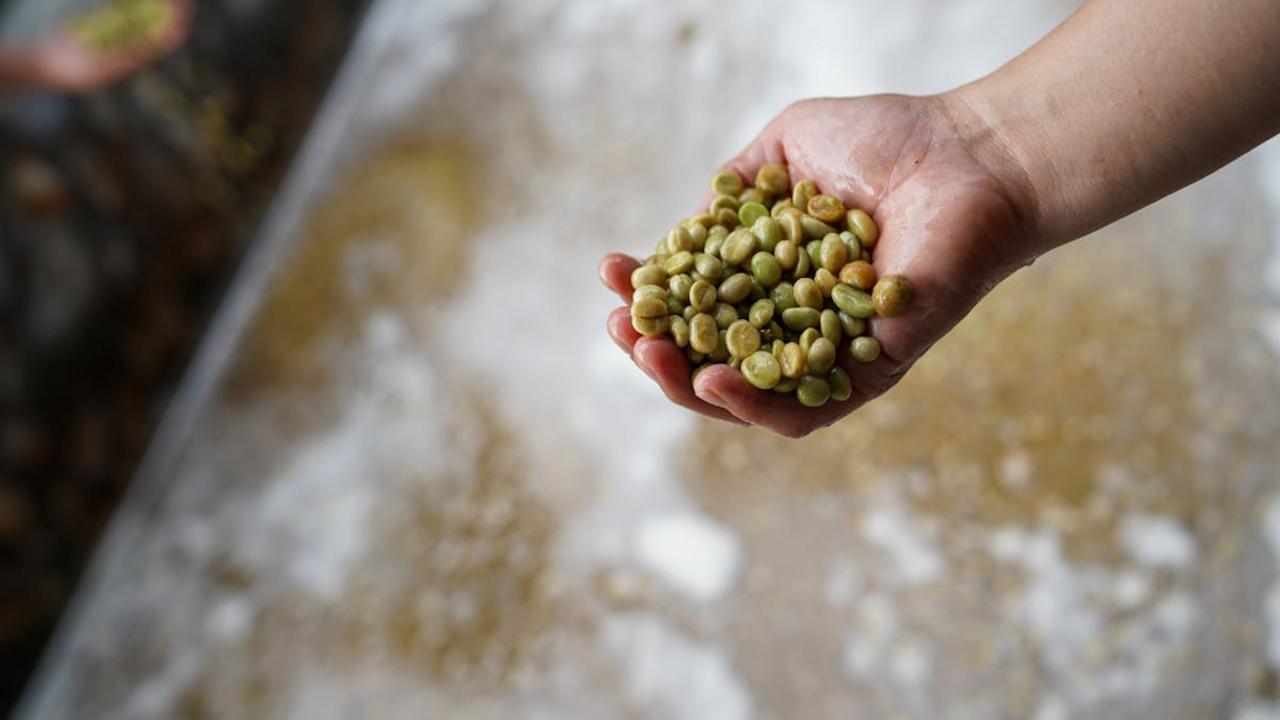
I discovered lupini beans while traveling through Mediterranean markets, and they’ve become my go-to protein powerhouse. These yellow legumes pack an impressive 26 grams of protein per cup – rivaling both meat and soybeans! You’ll find them sold dried or in jars, pre-cooked and ready to eat. The beans need thorough soaking and rinsing if bought dried, but the result gives you a firm, satisfying bite with a subtle nutty flavor that works perfectly in salads, stews, or as a quick snack.
My favorite way to serve lupini beans draws from their Mediterranean roots – I toss them with good olive oil, fresh herbs, and lemon juice for a simple appetizer. You can also blend them into hummus-style dips or add them to grain bowls for extra protein. The beans contain zero cholesterol and minimal fat while offering plenty of fiber, making them ideal for anyone seeking heart-healthy protein options. Their versatility in both hot and cold dishes makes them a smart addition to your pantry.
Black Rice
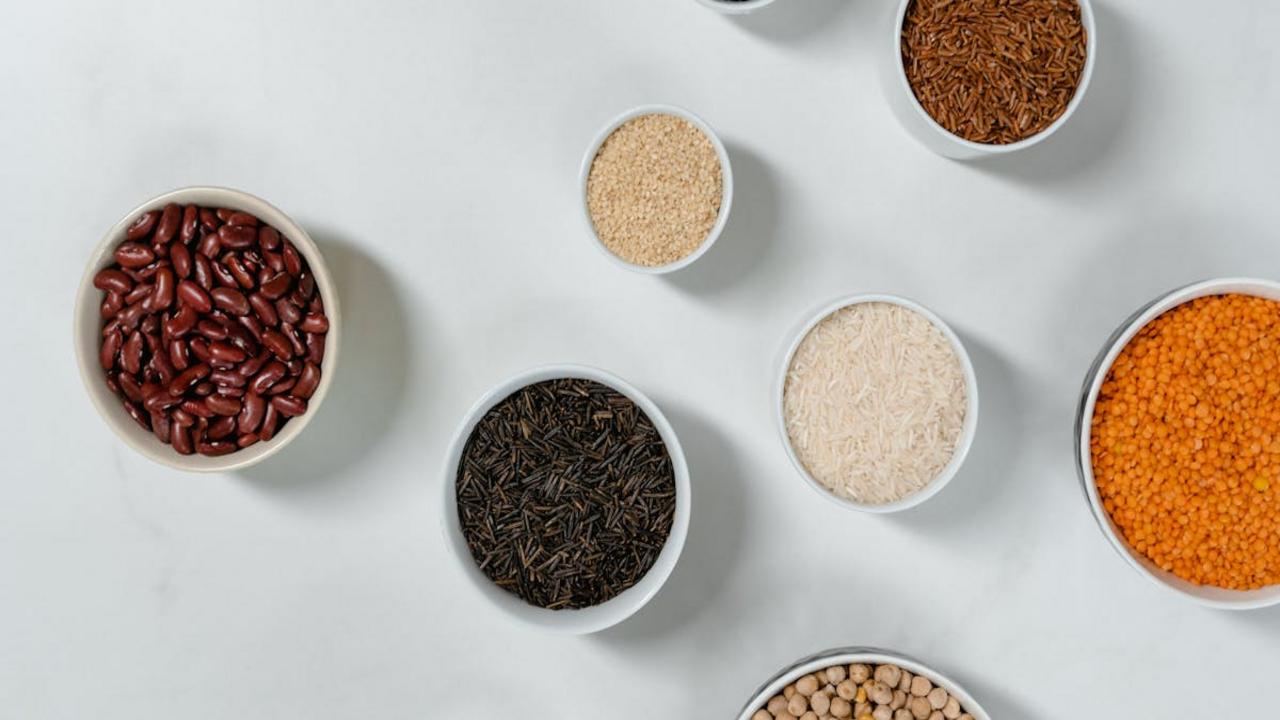
You might have missed black rice in your pantry rotation, but this ancient grain packs an impressive 8-10 grams of protein per cup – making it a fantastic addition to your protein-rich diet. I love recommending black rice to my friends who want to add more plant-based protein sources to their meals. The deep purple-black color comes from anthocyanins, the same antioxidants found in blueberries and blackberries, giving you an extra health boost while you meet your protein needs.
In my kitchen, I often cook black rice with coconut milk and a pinch of sea salt, which creates a creamy, nutty base for Buddha bowls or stir-fries. The slightly sweet, complex flavor makes it more interesting than white or brown rice. You can also mix it into salads – hot or cold – where it adds both protein and a striking visual element. Black rice maintains its firm texture after cooking, so your dishes stay fresh and appealing longer than with other rice varieties.
Chia Seeds
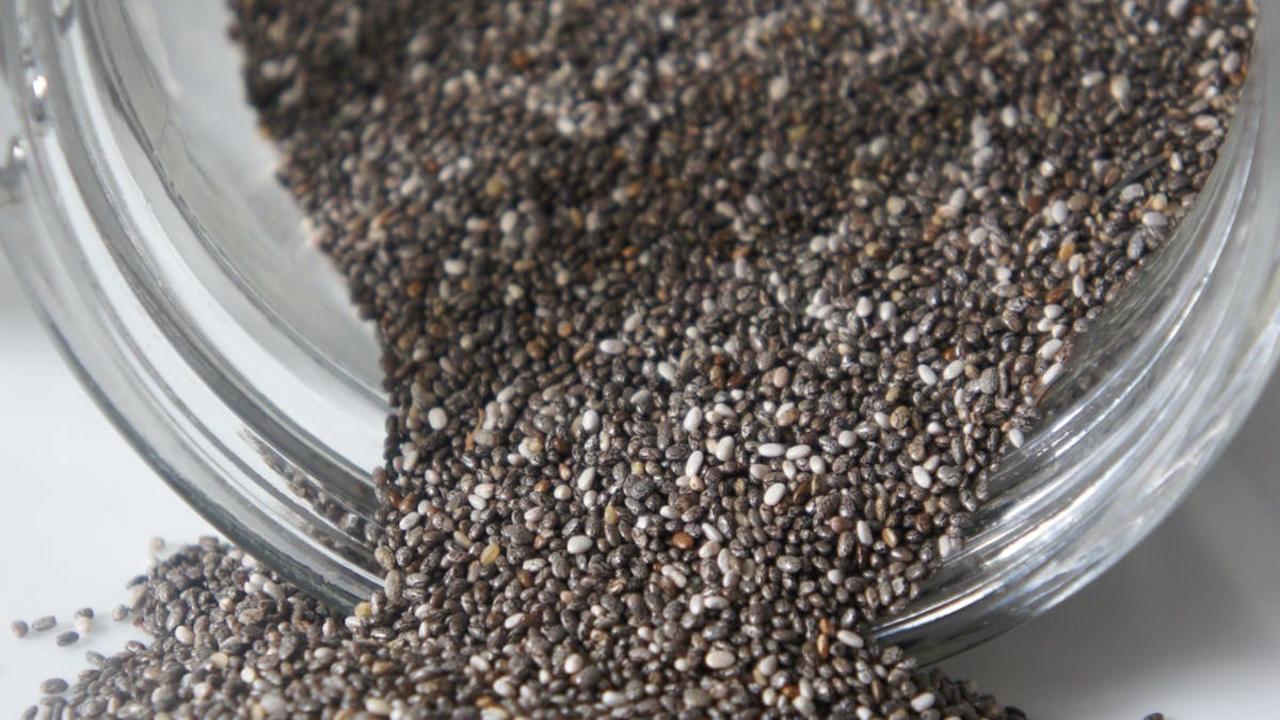
I’m always amazed by how these tiny chia seeds pack such a powerful protein punch! Each 2-tablespoon serving contains about 4-5 grams of complete protein, making them an excellent addition to any plant-based diet. What makes chia seeds extra special is that they contain all nine essential amino acids your body needs. I love sprinkling them into my morning smoothies or overnight oats, where they create this incredible pudding-like texture by absorbing liquid and expanding up to 10 times their original size.
Beyond their protein content, chia seeds bring so much more to your meals. They’re loaded with omega-3 fatty acids, fiber, calcium, and antioxidants. You can easily incorporate them into your daily menu – mix them into yogurt, add them to homemade energy bars, or use them as an egg substitute in baking (1 tablespoon chia seeds + 3 tablespoons water = 1 egg). The seeds have a mild, nutty flavor that works wonderfully in both sweet and savory dishes without overpowering other ingredients.
Nori
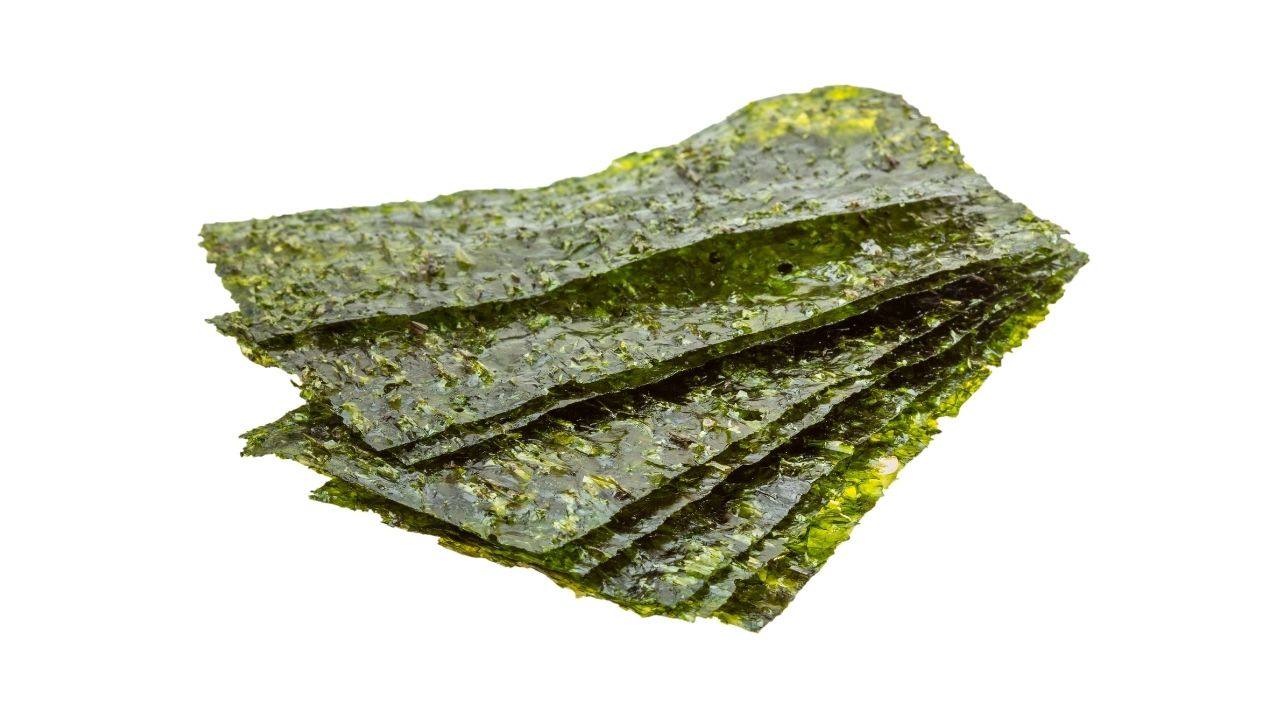
If you’re ready to boost your protein intake with something different, nori deserves your attention! This Japanese dried seaweed packs around 5-6 grams of protein per 100-gram serving, making it a fantastic plant-based protein source. I love adding nori to my homemade sushi rolls, but you can also crumble it over rice bowls, soups, or salads for an instant umami kick. The deep green sheets carry a rich mineral content, including iodine and vitamin B12, which many plant-based eaters often need more of in their diets.
Beyond its protein content, nori brings a distinct ocean-fresh flavor that transforms ordinary dishes into something special. You’ll find nori in most Asian grocery stores or health food shops, usually sold in flat sheets or pre-cut strips. Try toasting the sheets lightly over an open flame for a few seconds – it intensifies the flavor and creates a wonderfully crispy texture. I keep a stash of nori in my pantry and add it to my morning avocado toast or wrap it around rice and vegetables for a quick hand roll. The versatility of this seaweed makes it an excellent protein-rich addition to any kitchen.
Amaranth
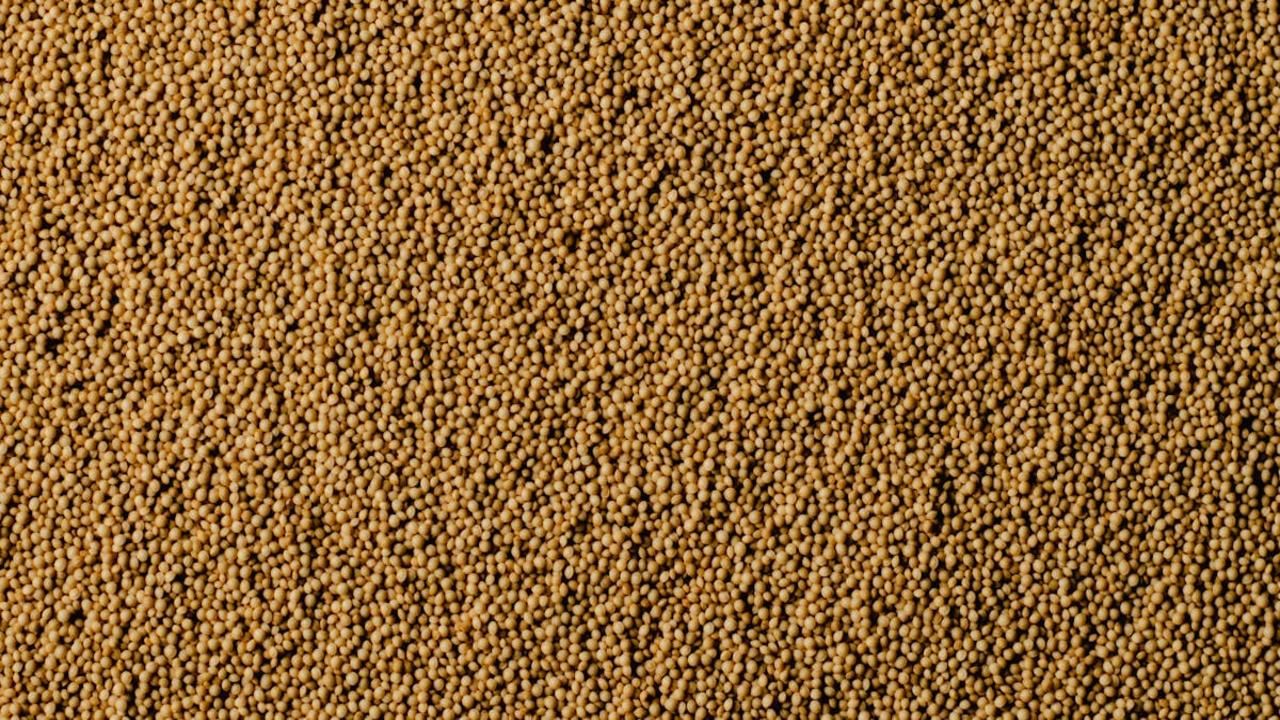
You’ll love amaranth if you want to add more protein-rich grains to your meals! This tiny ancient grain packs a serious nutritional punch with 9 grams of complete protein per cup – more than most other grains. I often use amaranth to create hearty breakfast porridges or add it to soups and stews for extra thickness. The nutty, earthy flavor brings depth to both sweet and savory dishes, making it incredibly versatile in the kitchen.
What makes amaranth truly special is its adaptability across cuisines. In Mexico, they pop the grains like tiny popcorn to make alegría candy, while in India, the leaves get cooked into flavorful curries. I recommend starting with a simple amaranth porridge – cook it with coconut milk, cinnamon, and a touch of maple syrup. The grains become creamy yet maintain a slight crunch, creating an incredibly satisfying breakfast. You can also grind amaranth into flour for gluten-free baking or sprinkle the popped grains over salads for added crunch and protein.
Buckwheat
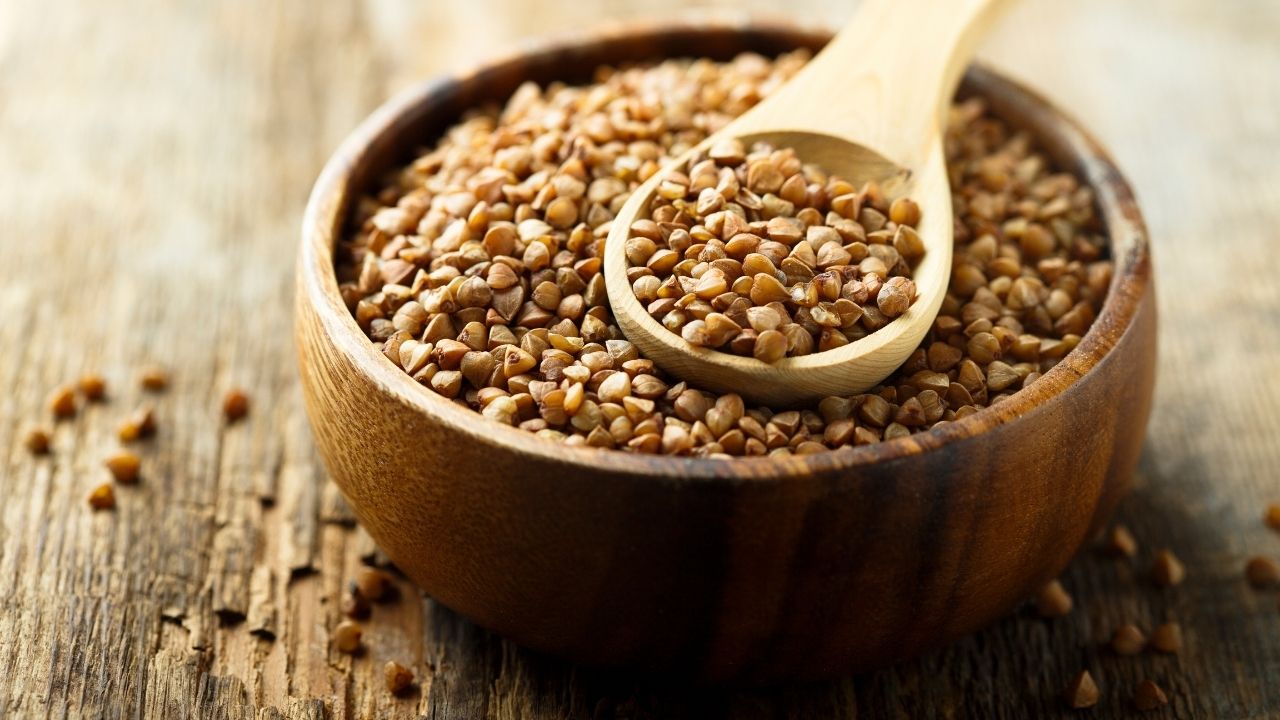
You might be surprised to learn that buckwheat isn’t a grain at all – it’s actually a seed! This little powerhouse packs a serious protein punch, containing all nine essential amino acids your body needs. I love adding buckwheat to my morning porridge or using buckwheat flour in pancakes for an extra protein boost. With 6 grams of protein per cup of cooked buckwheat, you’ll get sustained energy throughout your day. The nutty, earthy flavor adds depth to both sweet and savory dishes.
Many of my readers ask me about going gluten-free while maintaining their protein intake, and buckwheat makes a perfect solution. Despite its name, it contains no wheat and works wonderfully for people with celiac disease or gluten sensitivity. I recommend toasting the raw groats before cooking to intensify their natural flavor. Try swapping your regular rice or quinoa with buckwheat in grain bowls, or blend buckwheat flour into your favorite baking recipes. The versatility of this seed will amaze you – from Japanese soba noodles to Russian blini pancakes, buckwheat shines across global cuisines.
Edamame
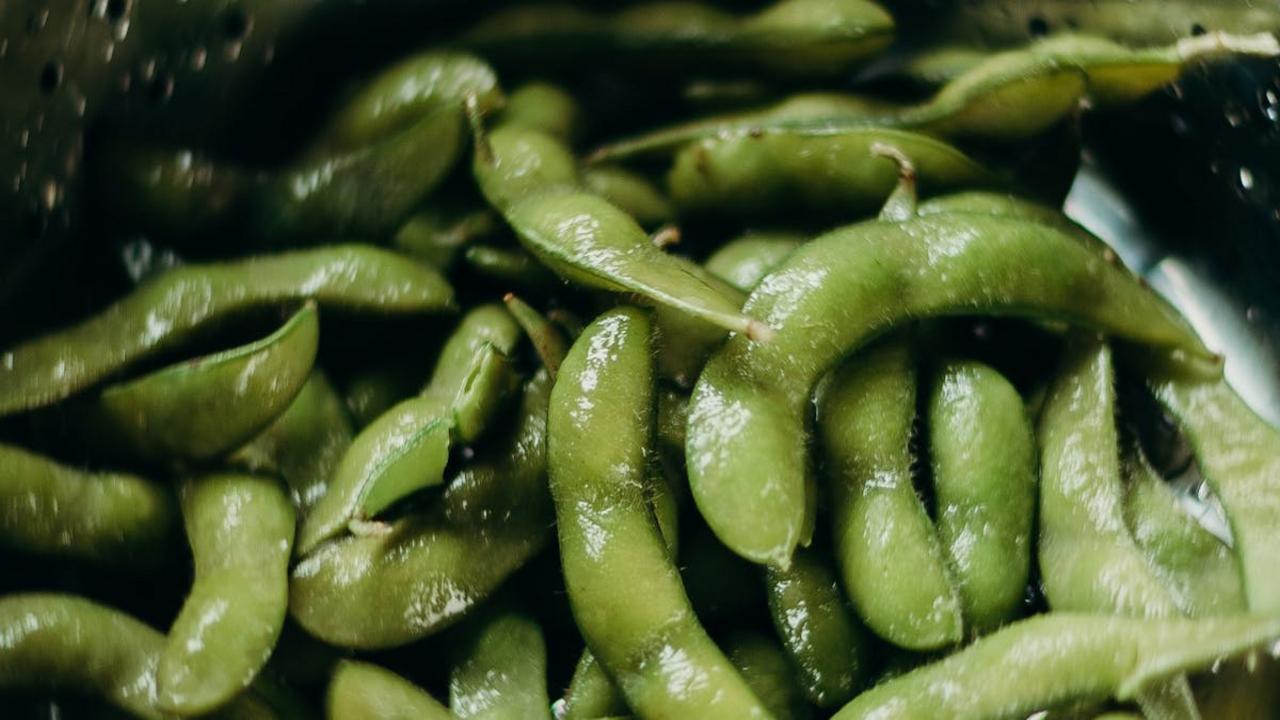
I love keeping bags of edamame in my freezer for quick protein boosts throughout the week. These bright green soybeans pack an impressive 18.5 grams of protein per cup when shelled. Beyond their protein content, edamame brings fiber, iron, and calcium to your meals. I often steam them in their pods with a sprinkle of sea salt for a snack, but they shine equally bright in grain bowls, stir-fries, and salads.
You’ll find edamame making regular appearances in my kitchen, from blending them into creamy dips to tossing them into Buddha bowls. Their mild, slightly sweet flavor adapts beautifully to both Asian-inspired dishes and modern fusion recipes. Try adding them to quinoa with roasted vegetables, or pulse them with garlic, olive oil, and lemon juice for a protein-rich spread. The versatility of these little beans makes them an easy addition to any meal where you want to boost nutrition without overpowering other flavors.
Tempeh
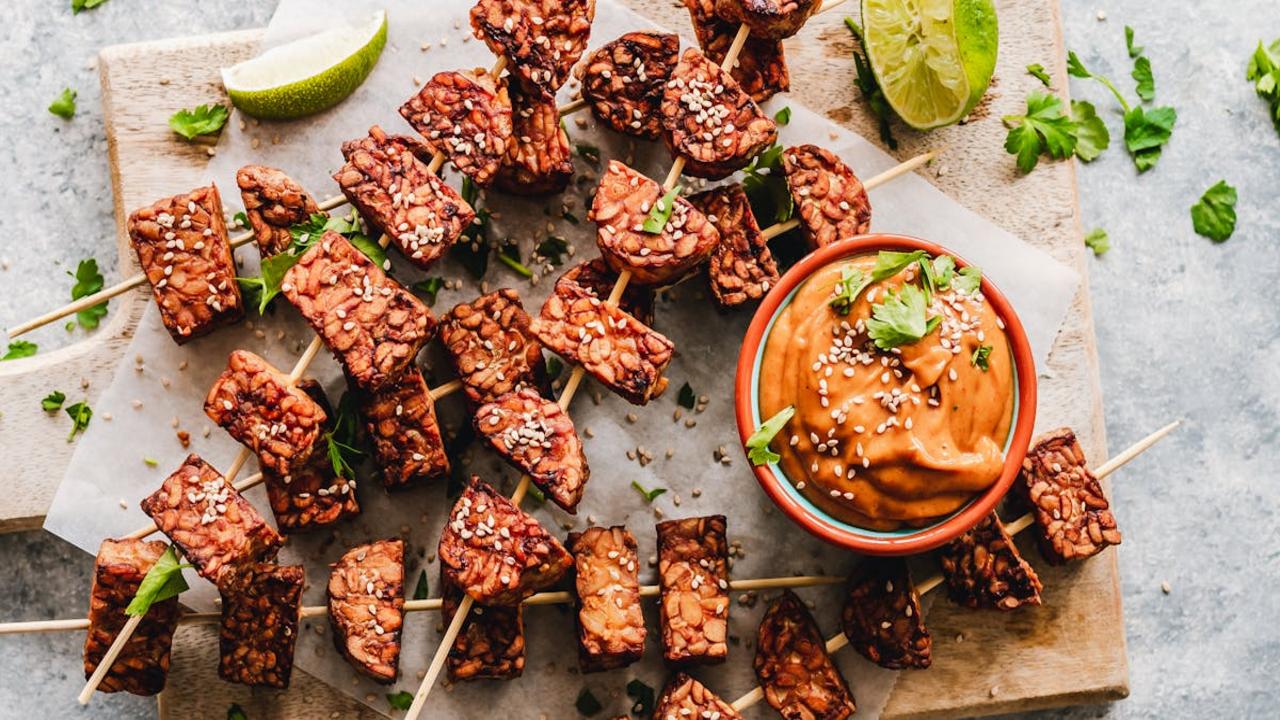
You’ll find tempeh hiding in most Asian grocery stores, and I can’t help but get excited every time I cook with this protein powerhouse. Made from fermented soybeans pressed into dense blocks, tempeh gives you a whopping 20 grams of protein per 100-gram serving. The fermentation process breaks down the soybeans, making the nutrients more available for your body to absorb. Plus, the natural probiotics from fermentation support your gut health while adding a unique nutty flavor that meat-eaters and vegetarians both love.
I love marinating tempeh slices in a mix of soy sauce, garlic, and ginger before pan-frying them until golden brown. The firm texture holds up beautifully in stir-fries, sandwiches, and even crumbled into chili. Unlike tofu, tempeh has a natural, earthy taste that doesn’t need much masking – though it still soaks up any sauce or seasoning you pair it with. The dense, chewy texture makes it a fantastic meat substitute in traditional recipes, and its versatility means you can grill, bake, or steam it while maintaining its satisfying bite.
Seitan
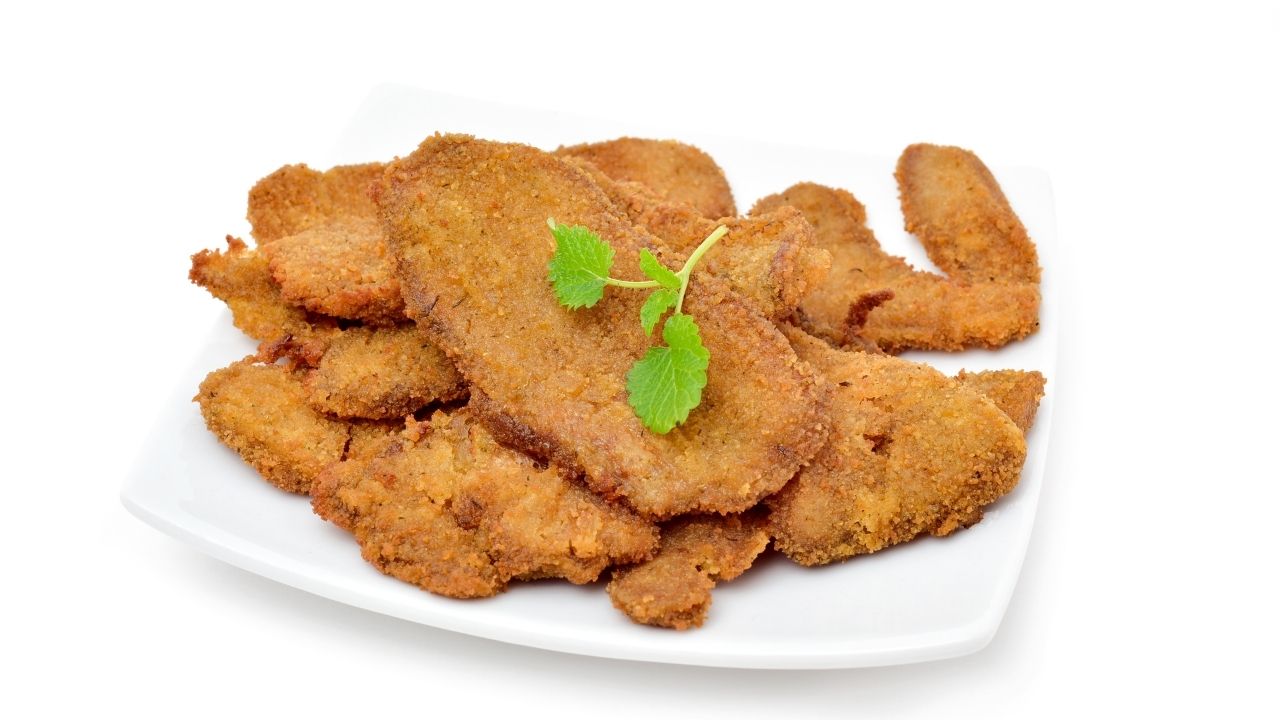
I’ve found seitan to be one of the most versatile and protein-rich meat alternatives you can make at home. Made from wheat gluten, this chewy, meat-like protein source packs around 25 grams of protein per 100-gram serving – that’s more protein than most cuts of meat! The best part? You can flavor seitan any way you want – from smoky barbecue to savory herbs and spices. I love shaping it into cutlets, strips, or ground “meat” for stir-fries, sandwiches, and even holiday roasts.
Your homemade seitan will cost a fraction of store-bought versions and you’ll control exactly what goes into it. Start with vital wheat gluten flour, add seasonings like nutritional yeast, garlic, and soy sauce, then knead with water until you get a stretchy dough. Simmer it in broth for about an hour and you’ve got a protein powerhouse ready for marinating, grilling, or slicing thin for sandwiches. I recommend making a big batch to freeze – it thaws beautifully and makes quick weeknight meals so much easier.
Hemp Seeds
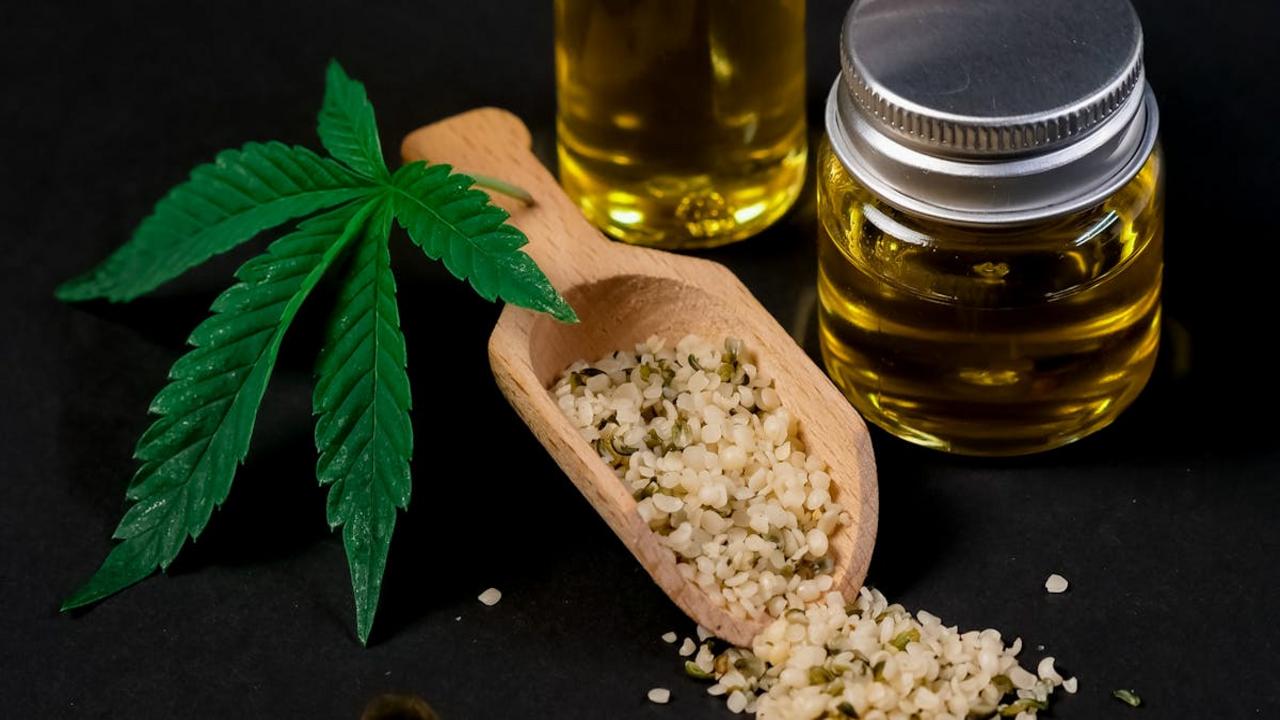
I love adding hemp seeds to almost everything in my kitchen – they pack a mighty 10 grams of complete protein per 3 tablespoons! These tiny powerhouses bring a subtle nutty flavor and pleasant crunch that makes them perfect for sprinkling on salads, blending into smoothies, or mixing into overnight oats. What makes hemp seeds extra special is that they contain all nine amino acids your body needs, plus they’re rich in omega-3 fatty acids and fiber that keep you satisfied for hours.
You’ll find me tossing hemp seeds into my homemade granola recipes, mixing them into energy balls, or using them to add protein to my morning yogurt parfaits. Their versatility goes beyond breakfast though – try coating fish or chicken with crushed hemp seeds before baking for a crispy crust, or blend them into creamy salad dressings. If you’re new to hemp seeds, start with a light sprinkle on your next Buddha bowl or avocado toast. Your body will thank you for the boost of zinc, iron, and magnesium they bring to your meals.
Nutritional Yeast
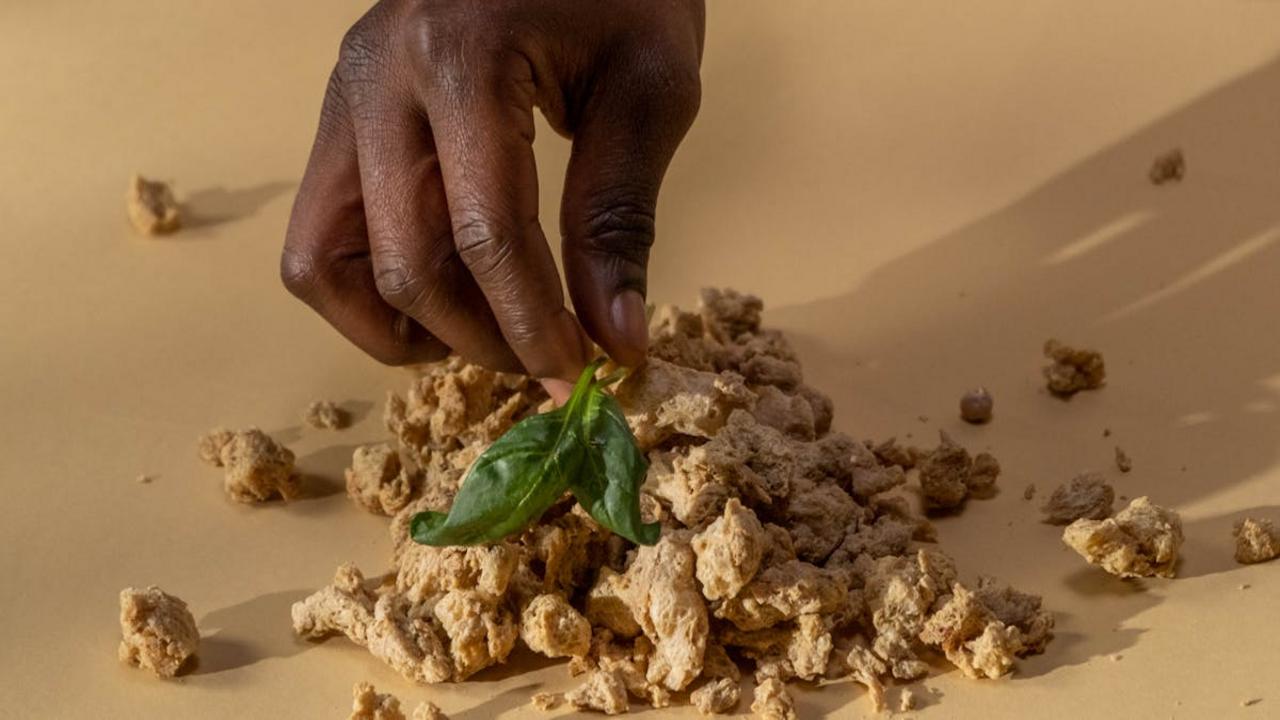
If you haven’t tried nutritional yeast yet, you’re missing out on a fantastic protein powerhouse! This golden, flaky seasoning packs a serious protein punch with 8 grams per 2 tablespoons, making it a go-to for vegans and anyone looking to boost their protein intake. I sprinkle this nutty, cheese-like ingredient on everything from popcorn to pasta, and it instantly adds depth and richness. The B-vitamins in nutritional yeast support energy production and brain function, while its complete protein profile gives you all nine essential amino acids your body needs.
You’ll find me using nutritional yeast to create creamy dairy-free sauces, like my cashew mac and cheese that fools even the biggest cheese lovers. Just blend it with soaked cashews, garlic, and plant milk for a velvety sauce that coats pasta perfectly. Beyond sauces, I add it to homemade kale chips, roasted vegetables, and creamy soups for an umami boost. The best part? This versatile ingredient stays fresh in your pantry for months, so you can always have this protein-rich seasoning ready to transform any dish.
Spirulina
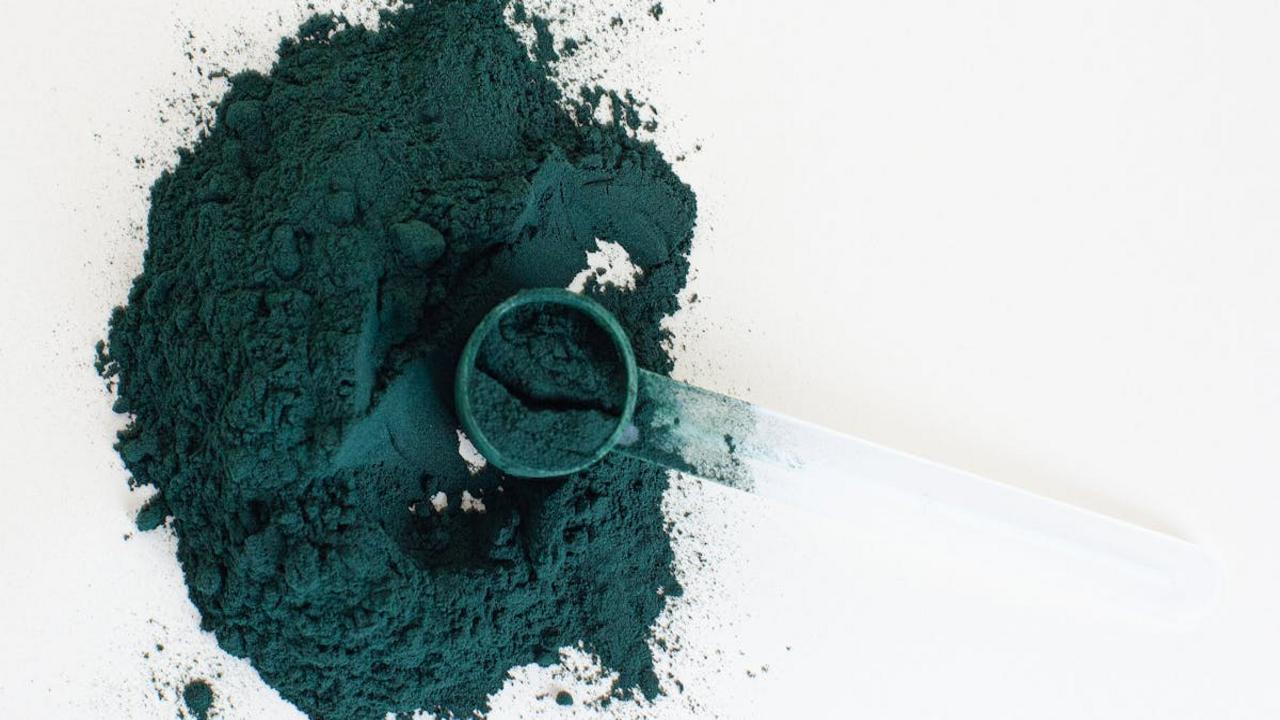
I’ve discovered that spirulina, a blue-green algae superfood, packs an incredible protein punch with about 60% protein content – making it one of the most concentrated plant protein sources available. What makes spirulina truly special is its complete amino acid profile, containing all nine essential amino acids your body needs. You’ll find this nutrient-dense powder adds a beautiful deep green color to your smoothies, and just one tablespoon gives you 4-6 grams of high-quality protein.
Adding spirulina to your daily routine opens up many creative possibilities in the kitchen. I love mixing it into homemade energy balls with dates and nuts, stirring it into coconut yogurt, or blending it into post-workout drinks. The slightly earthy flavor pairs wonderfully with sweet fruits like bananas and mangoes. If you’re new to spirulina, start with half a teaspoon and gradually increase – this helps your body adjust to its potent nutritional benefits. Remember to buy high-quality spirulina from trusted sources to ensure you get the purest form without contaminants.
Quinoa
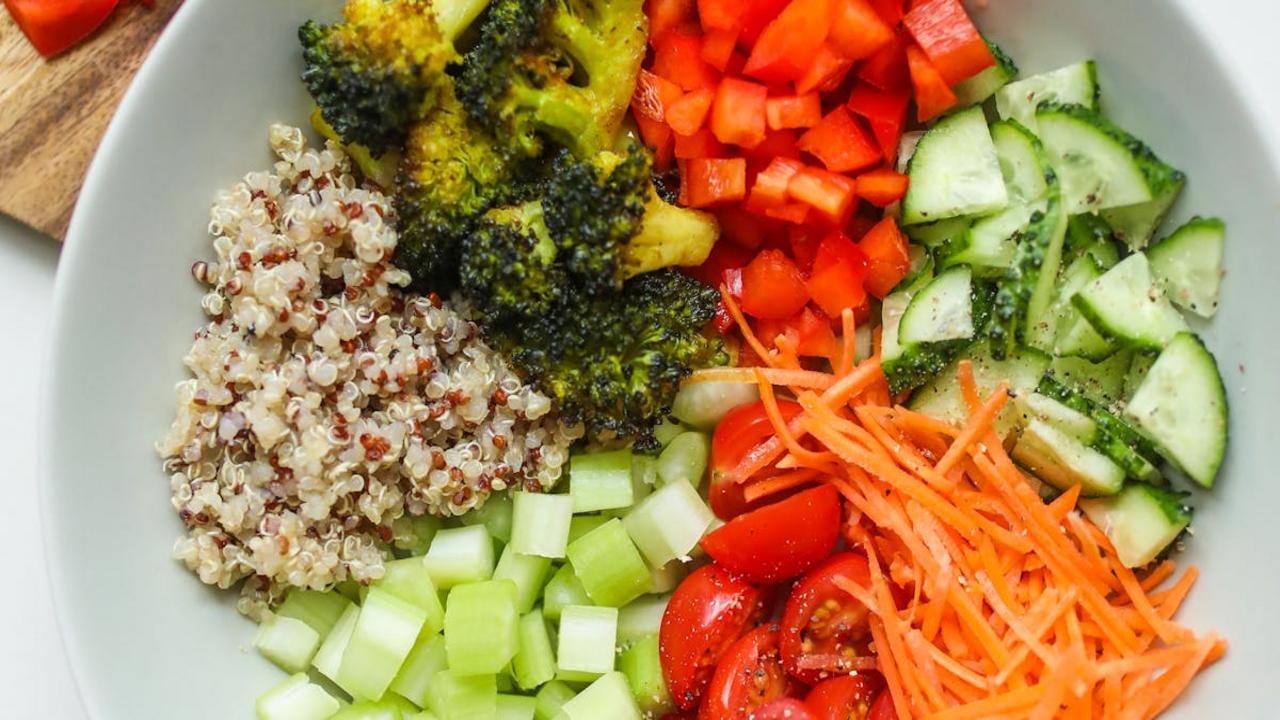
If you’ve been looking for a complete plant protein that packs a serious nutritional punch, quinoa needs to be in your pantry right now. This tiny ancient grain (technically a seed!) contains all nine amino acids your body needs, making it one of the few plant foods that gives you the same protein quality you’d get from meat. I love throwing quinoa into my morning bowls with fresh fruit and nuts, or using it as a hearty base for lunch salads – it keeps me energized through long days of recipe testing and video shoots.
Beyond its impressive 8 grams of protein per cooked cup, quinoa brings fiber, iron, magnesium and zinc to your meals. The mild, nutty flavor makes it super versatile in both sweet and savory dishes. You can cook it like rice, but here’s my favorite trick: toast the dry quinoa in a pan before boiling to bring out an even richer, nuttier taste. I often make big batches on Sunday to mix into Buddha bowls, stuff into bell peppers, or toss into stir-fries throughout the week. The possibilities with this protein powerhouse go way beyond basic side dishes!