10 Legendary British Dishes with Rich Histories
From misty highlands to cozy pubs, British food tells tales of innovation born from necessity. The humble beginnings of these iconic dishes mirror Britain’s resourceful spirit – like how leftover roast meat transformed into hearty shepherd’s pie during tough times, or how fish and chips became the working class hero during the Industrial Revolution.
Each recipe carries centuries of kitchen wisdom, passed down through generations of British home cooks and chefs. The Yorkshire pudding started as a cheap way to fill bellies before the main course, while the Cornish pasty kept miners’ hands clean and bellies full deep underground.
These ten classics have stood strong against changing food trends and modern fusion cooking. They represent more than just meals – they’re edible history lessons, comfort in a bowl, and proof that British food deserves its place among the world’s great cuisines.
Bangers and Mash
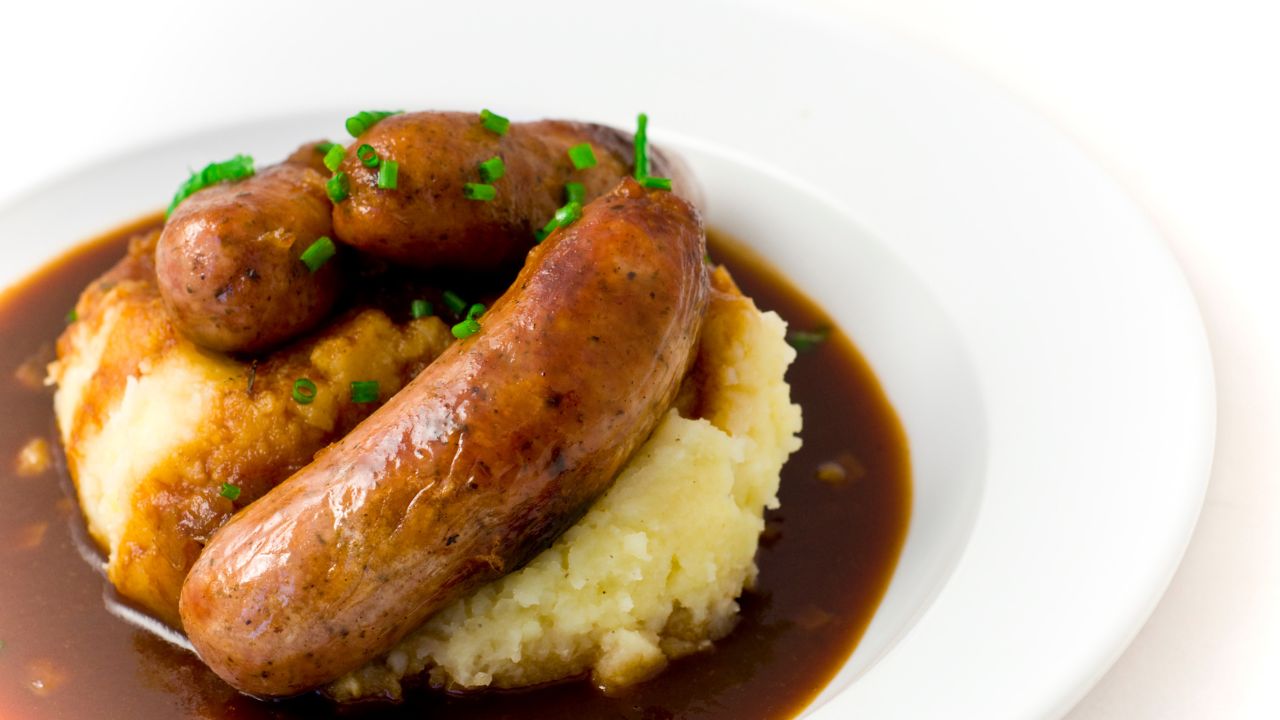
If you’ve ever wondered why the British call their sausages “bangers,” I’ll let you in on a fun bit of history. During World War I, meat shortages meant sausages contained so much water, they’d explode with a mighty “bang” while cooking! These days, you won’t find your sausages pulling any explosive stunches, but this comfort food classic still rules British dinner tables. The dish pairs juicy pork sausages with creamy mashed potatoes, all swimming in rich onion gravy that makes everything better.
My gran swears the secret to perfect bangers and mash lies in the potato-to-butter ratio (the more butter, the better, she insists). This dish became a pub staple in the 1930s because it’s filling, cheap, and impossibly satisfying. Every British family has their own twist – some add mustard to the mash, others swear by Cumberland sausages, and the really fancy folks might throw in caramelized onions. But ask any Brit, and they’ll tell you the gravy makes or breaks the whole thing. My tip? Make extra gravy – you’ll want to drown everything in its savory goodness!
Steamed Pudding
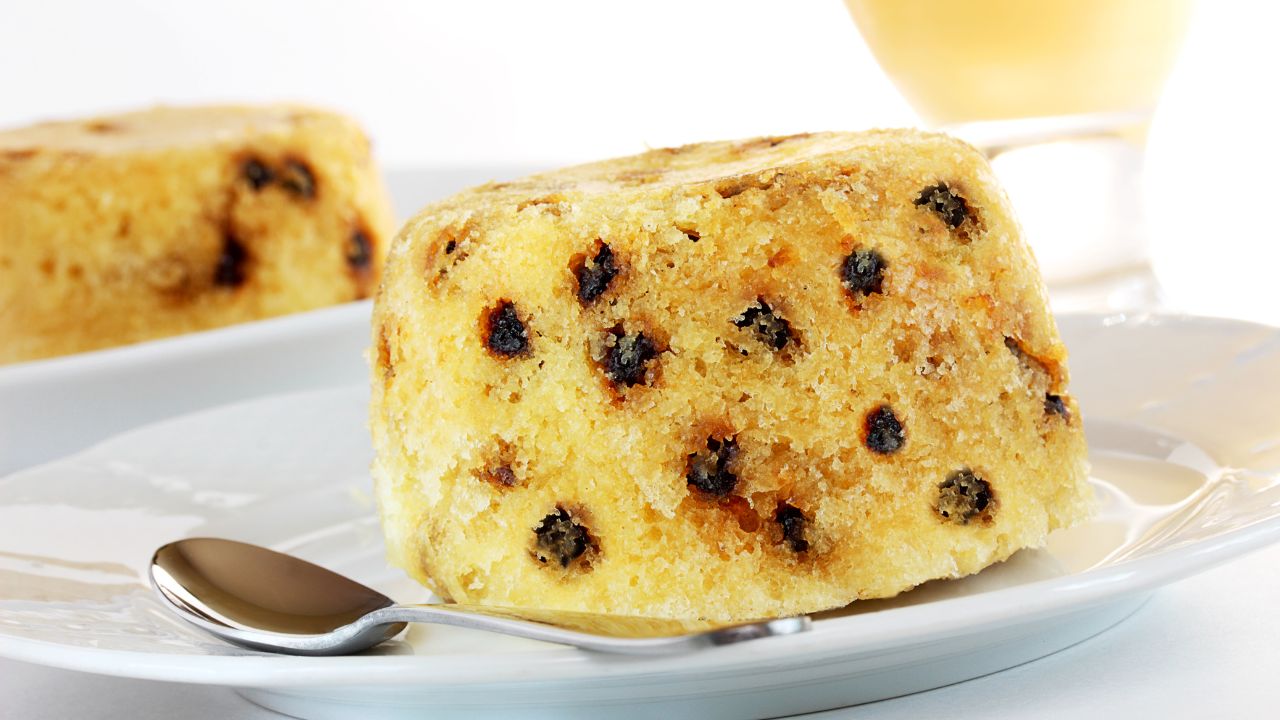
Oh, the mighty British steamed pudding – a dessert that makes you want to curl up by a fireplace even in the middle of summer! Picture this: a warm, moist sponge cake wrapped snugly in a cloth or basin, gently steaming away for hours until it transforms into pure comfort food magic. The tradition dates back to the 1700s, when British cooks discovered that steaming produced a far superior texture to baking. From the classic spotted dick (yes, that’s really its name!) to treacle sponge, these puddings became a staple of British households, bringing warmth to cold winter evenings.
Making a proper steamed pudding requires patience and a bit of kitchen wizardry. You’ll need to create a rich batter, often studded with dried fruits or drizzled with golden syrup, then steam it steadily for several hours. The result? A dessert that springs back when touched and fills your kitchen with an irresistible aroma. My grandmother swore by adding a splash of brandy to her Christmas pudding mixture – she claimed it made the pudding “dance” when lit! Whether served with custard, cream, or both (I won’t judge), steamed puddings remain a beloved symbol of British comfort cooking.
Trifle

If you’ve ever swooned over layers of sherry-soaked sponge, fruit, custard, and cream, you can thank the British aristocracy of the 16th century for this magnificent dessert. The trifle started its journey as a simple mix of cream and rosewater, but those fancy nobles couldn’t leave well enough alone – they kept adding more delicious layers until it became the showstopper we know today. By the 18th century, the trifle had become such a status symbol that wealthy families would display their elaborate glass trifle bowls like trophies.
Making a proper trifle requires patience and precision – it’s like building a dessert skyscraper where each floor needs to be perfect. You’ll need to layer your sponge (preferably soaked in sweet sherry), add fresh fruit or jam, pour over thick custard, and crown it with billowing whipped cream. Some families guard their trifle recipes like state secrets, passing them down through generations. My favorite quirky trifle fact? During World War II, resourceful British cooks made “mock trifle” using mashed potatoes colored with cochineal food dye when cream was rationed. Now that’s determination!
Cornish Pasty

Picture a golden-brown pastry pocket filled with tender chunks of beef, potato, onion, and swede (that’s rutabaga for my American friends). The Cornish pasty stands as the ultimate British working-class hero, born in the tin mines of Cornwall during the 1800s. Miners would take these hearty handheld pies down into the depths, gripping them by their thick crimped edges – which they’d later throw away because their arsenic-covered hands made that part inedible. What a brilliantly practical design – the crimp worked like a handle!
The authentic Cornish pasty now enjoys protected status under EU law, meaning only pasties made in Cornwall following the traditional recipe can bear the name. You’ll find a proper one contains at least 12.5% beef and 25% vegetables, all raw when they go into the pastry. The ingredients create their own gravy while baking, resulting in a mouthwatering meal that kept miners going through long days underground. Today, you’ll spot locals and tourists alike munching these savory treats across Cornwall’s picturesque towns, though hopefully with cleaner hands than their mining ancestors!
Bread and Butter Pudding
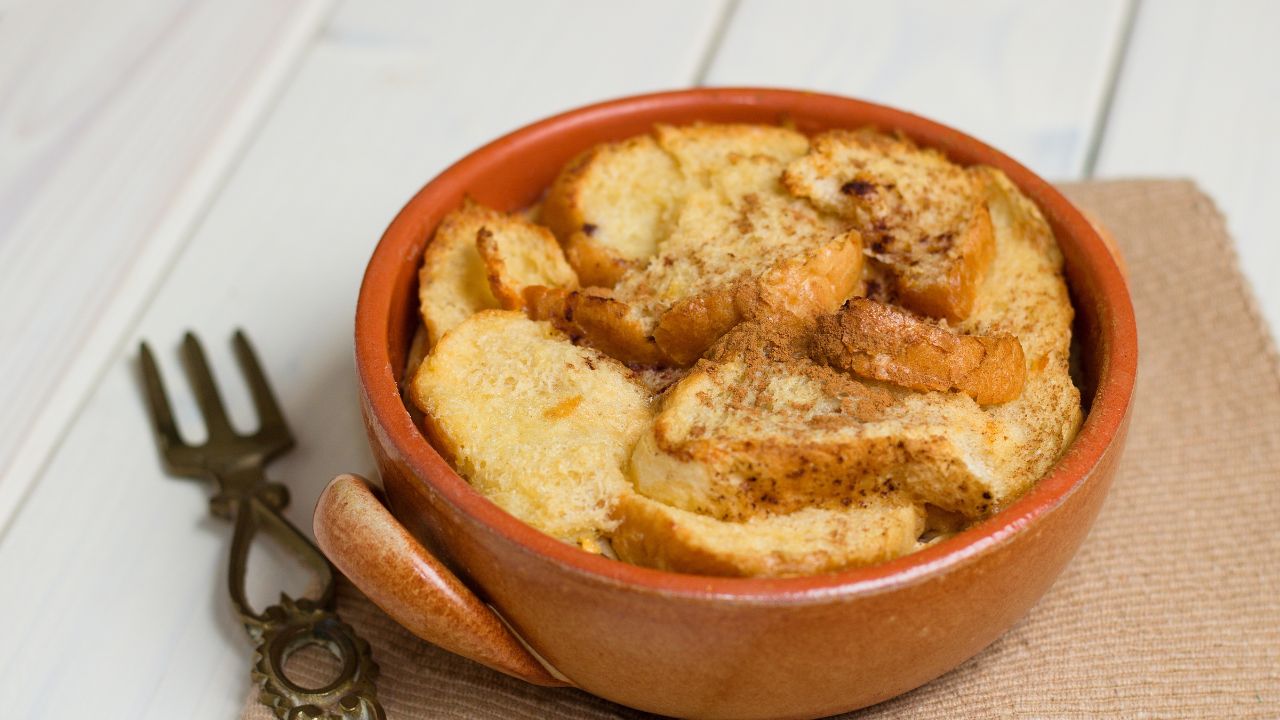
Nothing screams “British comfort food” quite like bread and butter pudding! This genius creation came from thrifty 18th-century cooks who refused to throw away stale bread. Instead, they slathered it with butter, layered it with plump raisins, and drowned it in a rich custard of eggs, milk, and sugar. The aristocrats turned up their noses at first, but soon enough, even the fanciest households served this humble dessert. You’ll find this dish mentioned in countless British cookbooks, from Hannah Glasse’s 1747 classic “The Art of Cookery” to modern celebrity chef collections.
While the basic recipe remains unchanged, modern twists have given this classic some exciting makeovers. Some folks swap regular bread for brioche or croissants, while others add orange zest, vanilla beans, or even a splash of bourbon. The real magic happens during baking – the custard transforms the layers of bread into a soft, heavenly middle while the top turns golden and crispy. My grandmother swears by sprinkling extra sugar on top for an irresistible caramelized crunch. The best part? No two bread and butter puddings ever look exactly the same, making each one a unique masterpiece of British frugality turned fabulous!
Full English Breakfast
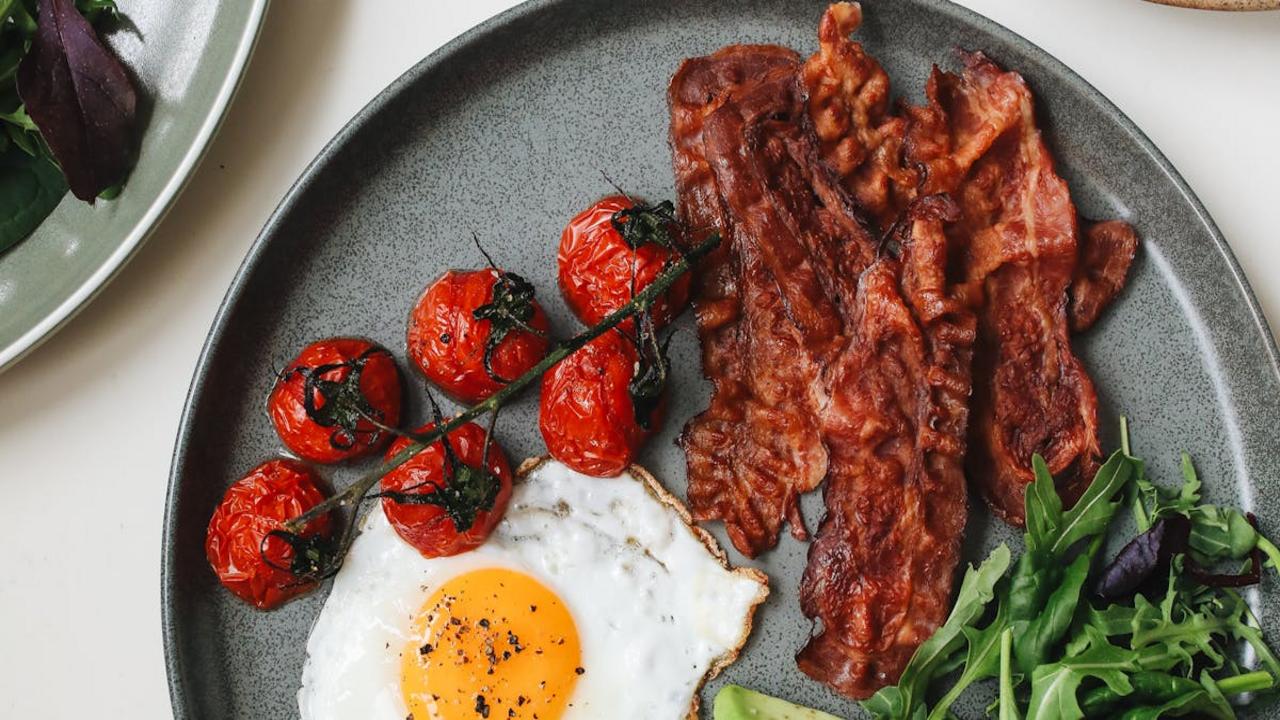
Picture this: you’ve just rolled out of bed on a chilly British morning, and there it sits before you – the mighty Full English Breakfast in all its glory! This legendary morning feast has been filling British bellies since the 1800s, when Victorian middle-classes turned it into a symbol of wealth and hospitality. Your plate groans under the weight of crispy bacon, sausages, eggs (usually fried), baked beans, grilled tomatoes, mushrooms, black pudding, and buttered toast. And don’t you dare forget that mug of strong builders’ tea!
Every region in Britain adds its own spin to this breakfast behemoth. In Scotland, you’ll find tattie scones (potato pancakes), while Ulster brings soda bread to the party. During World War II, when rationing made meat scarce, beans became a permanent fixture on the plate – proving that necessity really does breed genius! Today, this breakfast remains a weekend ritual for many Brits, and a fail-safe hangover cure that’s kept countless Sunday mornings bearable. Just remember the unwritten rule: only proper British back bacon will do – none of that streaky American stuff!
Shepherds Pie
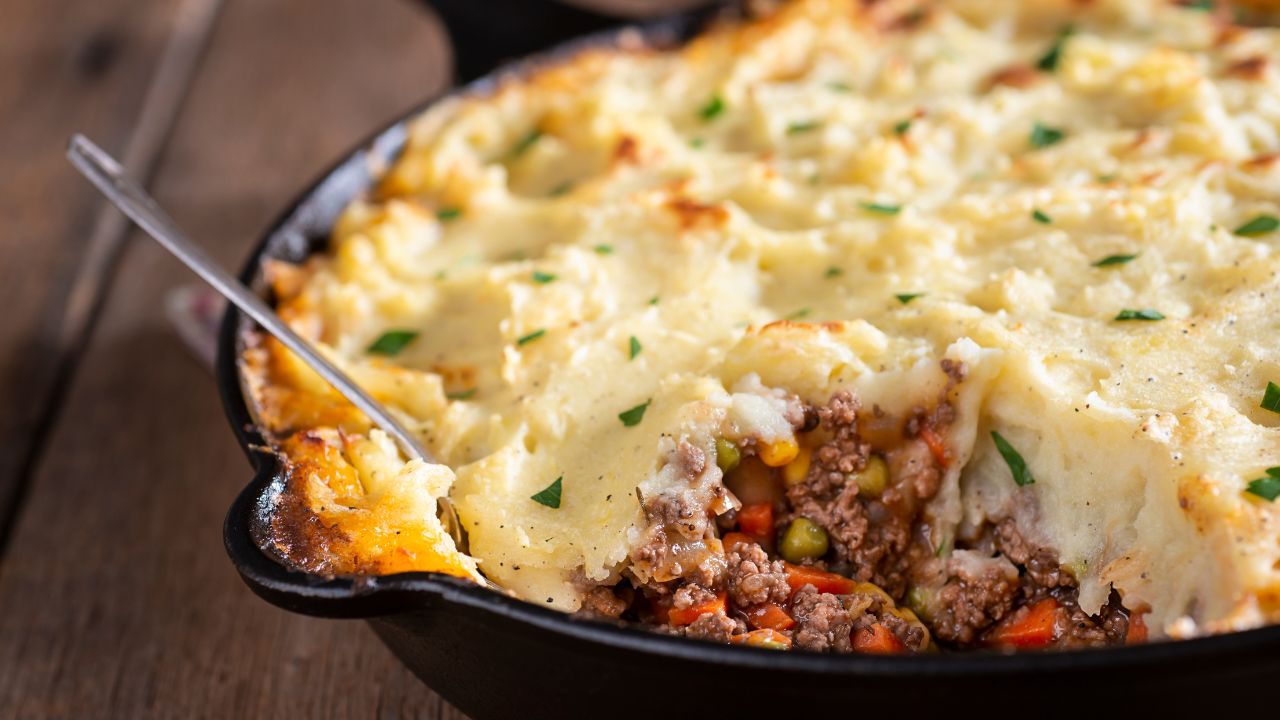
If you’ve ever wondered what British comfort food feels like in a dish, grab a spoon and dig into Shepherd’s Pie! This hearty classic combines minced lamb (not beef – that would make it Cottage Pie, a common mix-up that drives British food purists absolutely bonkers), fresh vegetables, and rich gravy, all topped with a cloud of buttery mashed potatoes. The dish got its start in the late 1700s when frugal housewives needed creative ways to use leftover roasted meat. They’d chop up the meat, mix it with whatever vegetables they had on hand, and cover it with potatoes – the cheapest and most filling crop available.
The genius of Shepherd’s Pie lies in its build – those ridges and peaks you create in the potato topping turn golden and crispy in the oven, while the inside stays warm and comforting. My grandmother swears by adding a splash of Worcestershire sauce to the meat mixture and always dots the potato top with tiny butter cubes before baking. You’ll find this dish in nearly every British pub, but the best versions come from home kitchens where the recipe has passed down through generations. Some modern cooks add fancy twists like rosemary-infused lamb or truffle oil in the potatoes, but I think the simple, traditional version hits all the right notes.
Roast Beef and Gravy
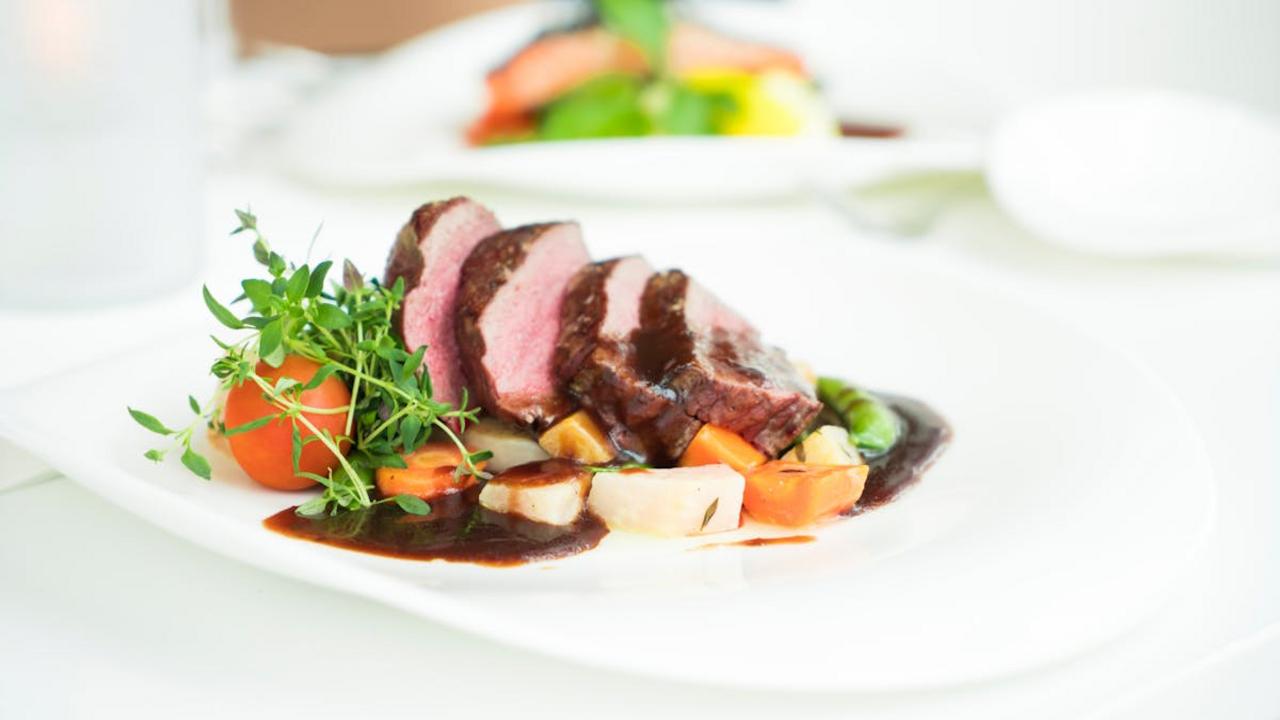
Picture a Sunday afternoon in Britain – the aroma of perfectly roasted beef wafting through homes across the country. This beloved dish became a British icon during the 18th century when the French nicknamed the English “les rosbifs” due to their obsession with roast beef. The secret lies in selecting the right cut (I swear by ribeye or sirloin) and cooking it low and slow until it reaches that perfect pink center. The real magic happens with the gravy – those precious meat juices mixed with red wine, stock, and the caramelized goodness from the roasting pan create liquid gold.
The tradition of serving roast beef goes back to medieval times when village yeomen would gather to feast on oxen roasted over open fires. Today, you’ll find this centerpiece at most British Sunday lunches, served with crispy Yorkshire puddings, roast potatoes, and seasonal vegetables. My grandmother taught me her foolproof method: rub the meat with mustard and herbs, sear it until brown, then roast at 180°C (350°F) for about 20 minutes per pound. The result? A tender, juicy roast that would make any British pub chef proud. Just remember – always let it rest for at least 20 minutes before carving!
Yorkshire Pudding

You haven’t lived until you’ve watched a Yorkshire pudding rise dramatically in the oven like a golden-brown hot air balloon. This British Sunday roast superstar got its start in Yorkshire during the 1700s when local cooks discovered they could catch the drippings from roasting meat in a simple batter of eggs, flour, and milk. The resulting puffy creation would fill hungry bellies before the more expensive meat course arrived – talk about smart thinking! Fun fact: the original recipe appeared in a book called “The Art of Cookery” by Hannah Glasse in 1747, where she called it “dripping pudding.”
Making the perfect Yorkshire pud requires a bit of kitchen magic – your batter needs to rest like a sleeping baby, and your oil must be smoking hot before you pour it in. My grandmother swore by leaving her batter out overnight, claiming the extra rest time made her Yorkies puff up higher than the church steeple. Whether you prefer yours crispy and tall or slightly squidgy in the middle, these beauties have graduated from mere side dish to standalone star. Today, you’ll find them stuffed with sausages and gravy (toad in the hole), or even filled with sweet treats for an unconventional dessert.
Fish and Chips
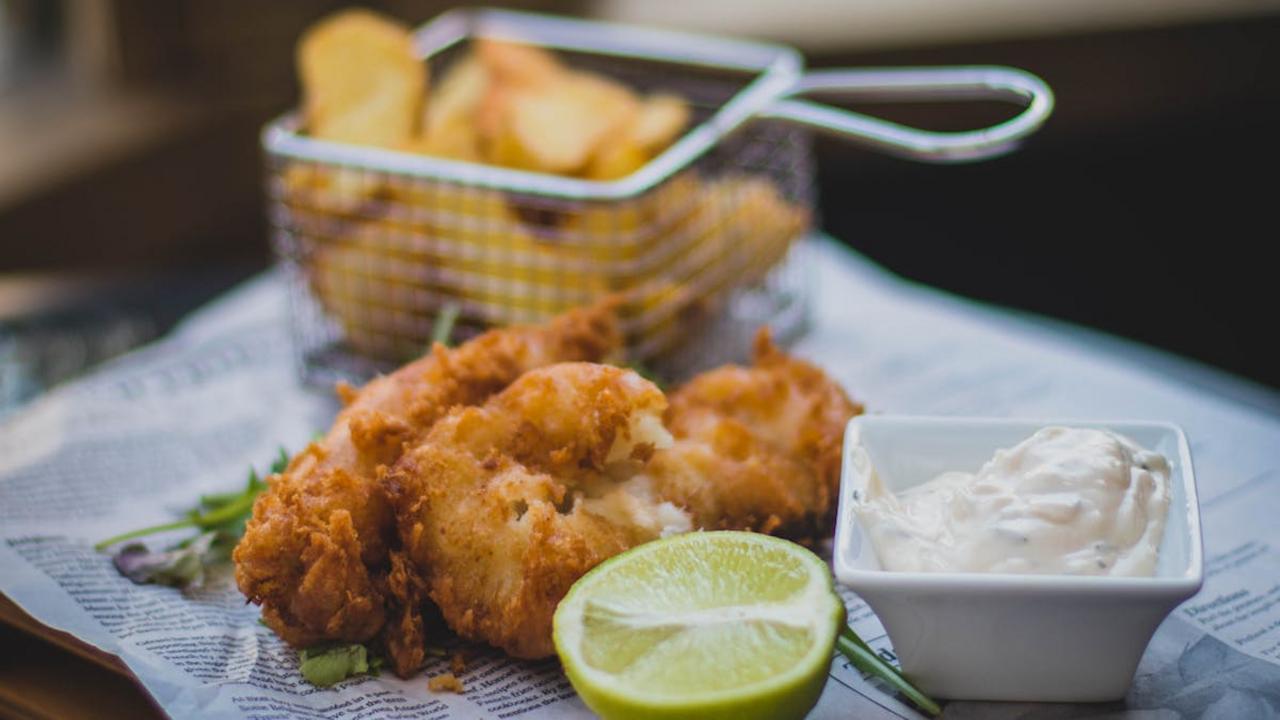
You haven’t truly experienced British culture until you’ve unwrapped a newspaper parcel of steaming fish and chips, preferably while dodging persistent seagulls on a windy pier! This British staple shot to fame in the 1860s when Joseph Malin opened the first fish and chip shop in London’s East End, combining two working-class favorites – fried fish from Jewish immigrants and potatoes chips from French cuisine. During both World Wars, the government made sure fish and chips stayed off ration books, recognizing its importance to British morale.
The magic lies in the contrast between the crispy, golden beer batter coating the flaky white fish (traditionally cod or haddock) and those thick-cut chips, crispy outside and fluffy inside. Every proper chippy has its secret batter recipe, passed down through generations like precious family jewels. My local chip shop owner swears by adding a splash of vinegar to the batter – though he’d probably chase me down the street with a wooden spoon for sharing that tidbit! Today, Brits munch through nearly 400 million portions of fish and chips each year, with most folks split between Team Vinegar and Team Ketchup for their condiment of choice.