13 Foods That Only Get Better With Time
Time can transform good food into something extraordinary. While most ingredients spoil quickly, certain foods develop deeper flavors, richer textures, and more complex profiles as they age. From traditional fermented vegetables to carefully aged wines, these special foods prove that patience pays off in the kitchen.
The aging process creates unique chemical reactions that break down proteins, develop umami notes, and concentrate flavors in ways that can’t be rushed. Think of an aged balsamic vinegar’s sweet intensity or how a well-matured cheese becomes more nuanced and crystallized. These transformations happen through controlled environments and time-tested techniques.
Your pantry likely contains several ingredients that improve with age right now. Understanding which foods benefit from time helps you stock up smartly and enjoy ingredients at their peak. The 13 foods below showcase how aging enhances everything from condiments to proteins to fermented favorites.
Fermented Black Garlic
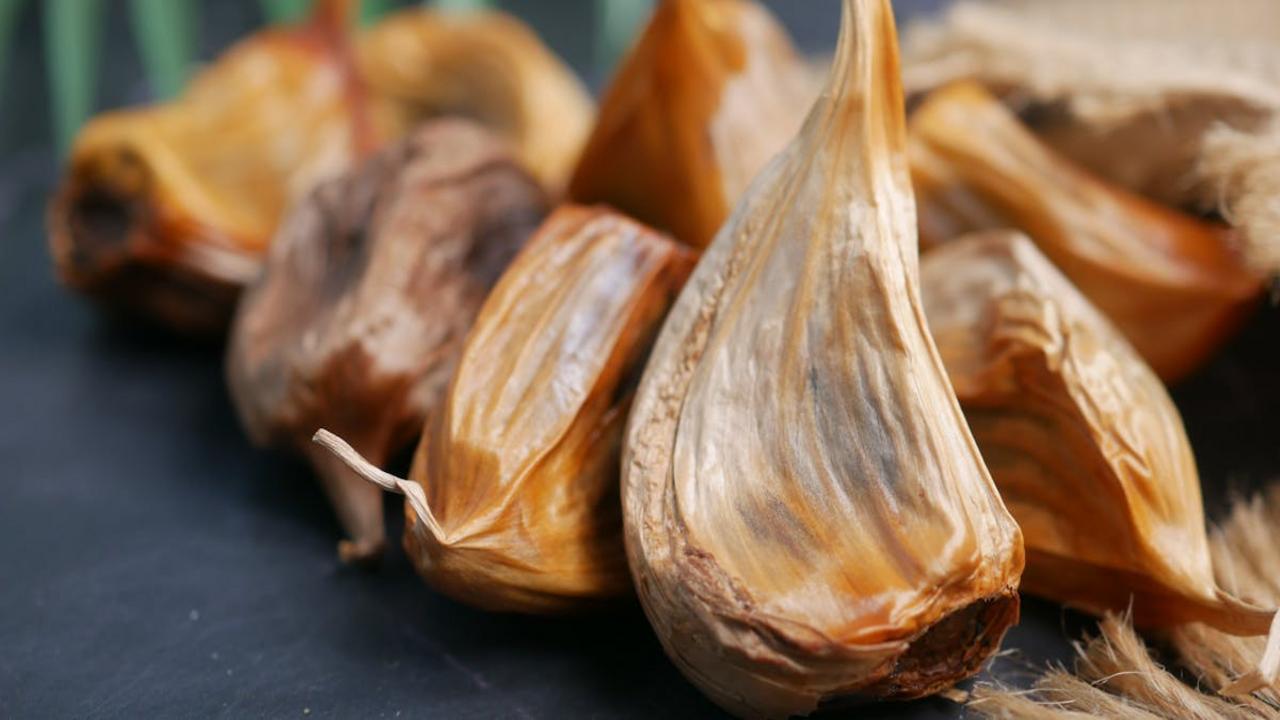
I’ve found black garlic to be one of nature’s most remarkable transformations – it starts as regular white garlic but through careful fermentation becomes something completely different. Over several weeks at controlled temperature and humidity, the cloves turn jet black, develop a soft, chewy texture, and take on deep, complex flavors reminiscent of aged balsamic vinegar, molasses, and dark chocolate. The natural sugars and amino acids create this incredible umami-rich profile that adds depth to any dish.
The magic of black garlic lies in its enhanced health benefits and versatility in cooking. The fermentation process multiplies the antioxidant levels compared to regular garlic, while eliminating the sharp, pungent bite. You can blend it into savory sauces, spread it on crusty bread, or mix it into compound butter. I love adding black garlic to marinades for meat and seafood – it creates an incredible depth of flavor without overpowering the dish. The sweet-savory notes also work beautifully in desserts like ice cream or chocolate truffles.
Sourdough Starter
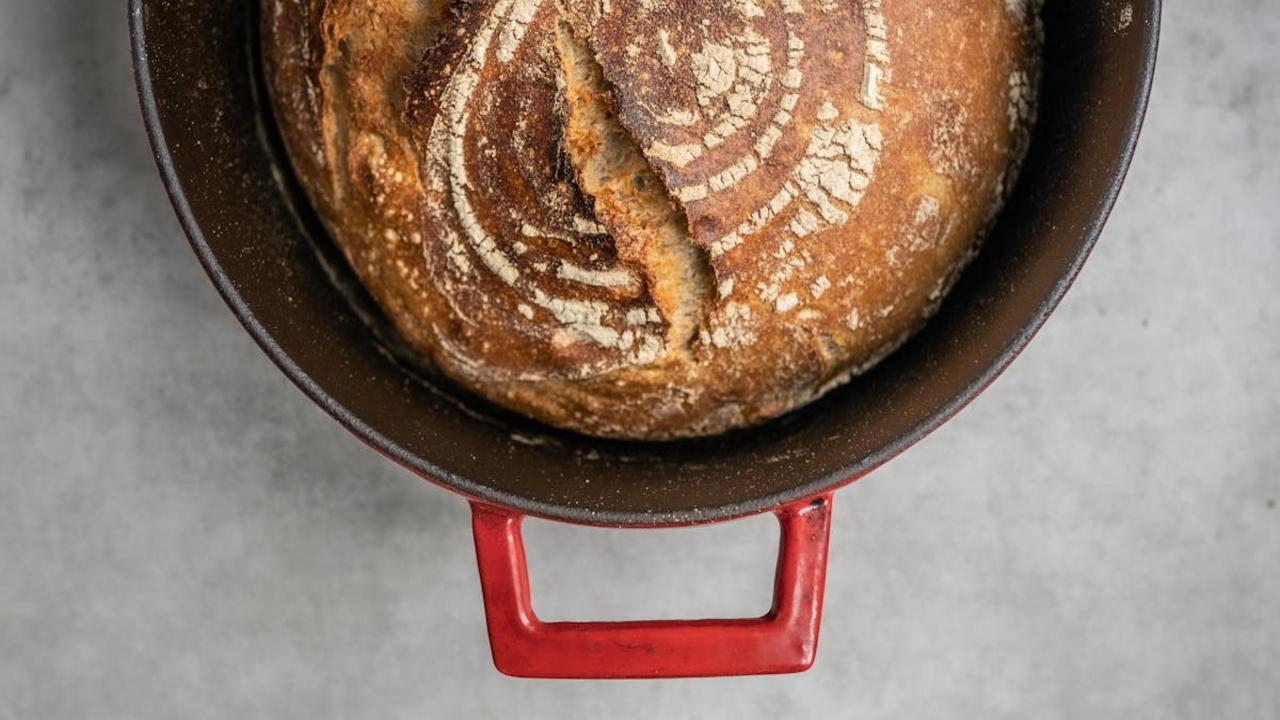
I’ve found sourdough starter to be one of the most rewarding kitchen projects – it actually improves and develops more character over time through regular feeding and care. The wild yeast and beneficial bacteria in your starter will multiply and create deeper, more complex flavors the longer you maintain it. My own starter has been going strong for 3 years now, and the bread I make with it has noticeably more depth and tang compared to when I first began.
The best part? You can keep your sourdough starter alive indefinitely with proper maintenance. Many bakers proudly work with starters that have been passed down through generations, some dating back over 100 years! The microorganisms in mature starters break down the flour more effectively, making the bread more digestible and bringing out subtle notes of toasted nuts, honey, and milk. I recommend naming your starter (mine is Bob!) and treating it like a pet – it needs regular feeding and attention but will reward you with incredible homemade bread for years to come.
Red Wine
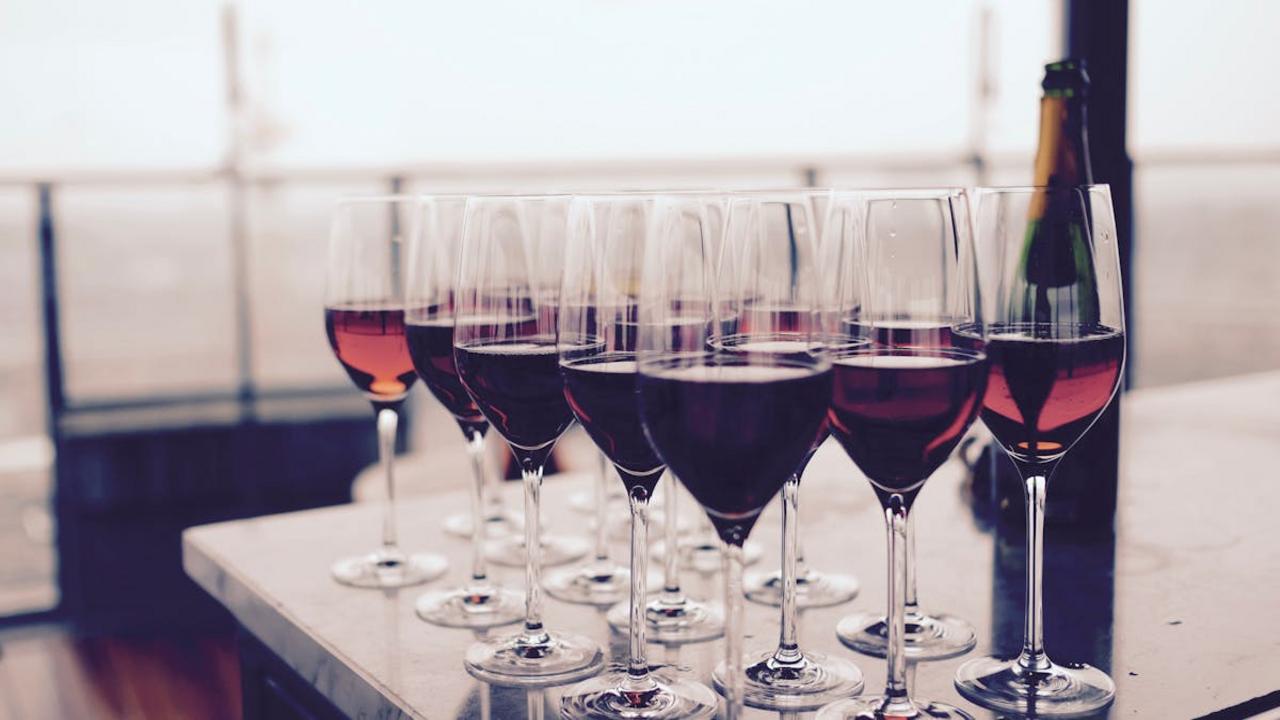
I’ve always marveled at how red wine transforms beautifully with age, developing rich and complex characteristics that make it truly special. The aging process allows tannins to soften while new flavors bloom – think dried fruits, tobacco, leather, and subtle hints of vanilla. Premium red wines can mature gracefully for decades in the right storage conditions, around 55°F (13°C) with proper humidity levels. The most age-worthy varieties include Cabernet Sauvignon, Syrah, and Nebbiolo, which start bold and gradually mellow into smooth, sophisticated pours.
Your red wine collection needs proper care to reach its full potential. Store bottles horizontally to keep corks moist and prevent oxidation. A dark, vibration-free environment protects the wine’s delicate compounds and prevents premature aging. Not every red wine benefits from extended aging – many modern wines are made for early drinking within 2-5 years. I recommend checking with your local wine shop about specific bottles’ aging potential. They’ll help you identify which wines in your collection will reward your patience with enhanced depth and character.
Vanilla Extract
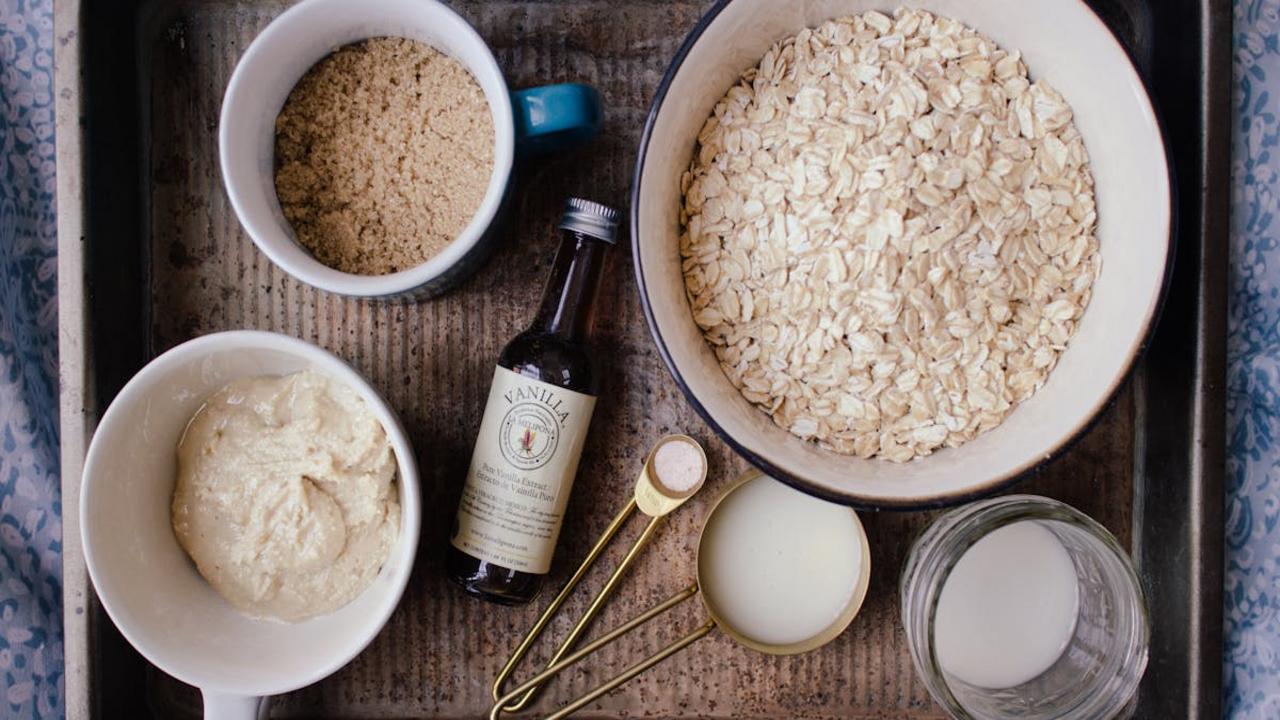
You might think vanilla extract from the store is ready to use right away, but I’ll let you in on a secret – it gets much better over time! The longer vanilla extract sits, the more complex and rich its flavor becomes. I keep a large bottle in my pantry and notice how the notes deepen from month to month. After six months to a year, you’ll notice a remarkable difference in the depth and intensity of the vanilla flavor, making your baked goods and desserts truly shine.
If you make your own vanilla extract by steeping vanilla beans in alcohol, you’ll really notice this aging magic at work. The clear liquid gradually transforms into a deep amber color, and the vanilla compounds continue to infuse into the alcohol, creating a more concentrated extract. I started making my own extract three years ago, and the flavor just keeps getting better – now it adds an incredible richness to everything from cookies to ice cream. The key is patience – give your extract time to develop its full potential.
Dark Chocolate
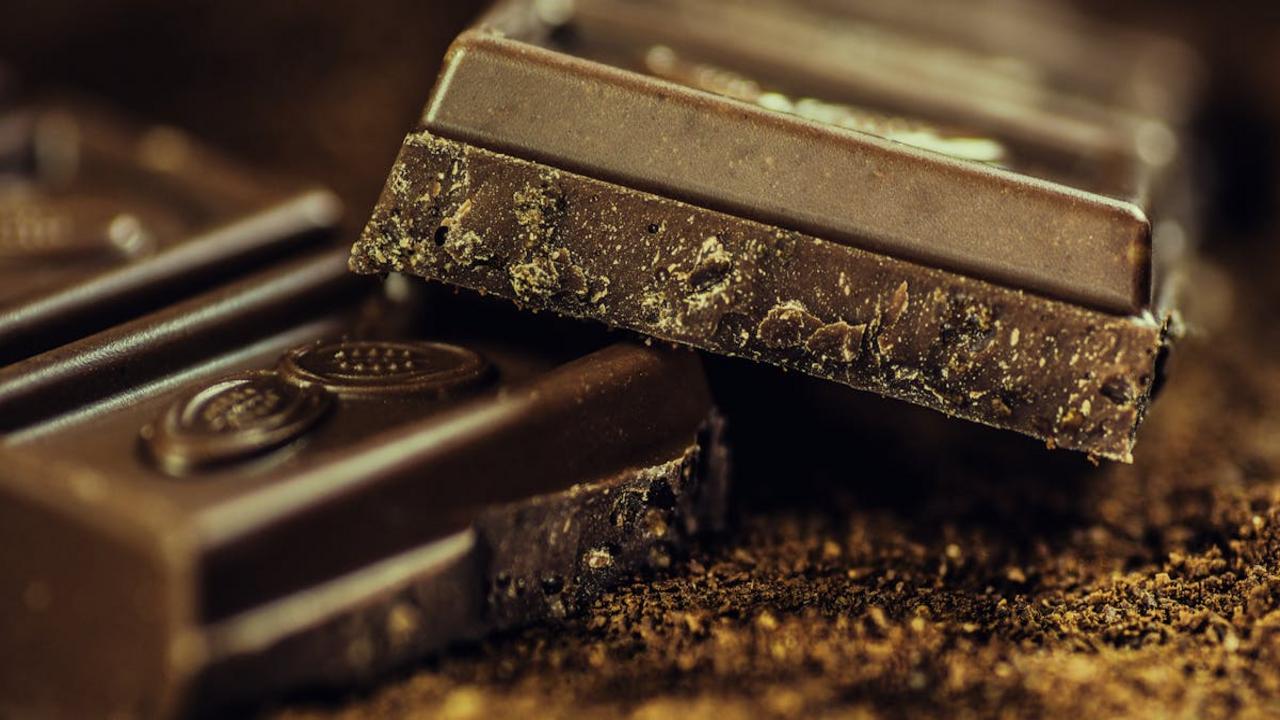
I love how dark chocolate develops deeper, more complex flavors over time – it’s one of nature’s most fascinating foods! While milk chocolate stays relatively consistent, high-quality dark chocolate with at least 70% cocoa content will evolve and mature like a fine wine. The cocoa butter crystals continue to form and restructure, bringing out rich notes of fruit, nuts, and subtle spices that weren’t noticeable when the chocolate was fresh. You’ll notice this enhancement especially in premium single-origin dark chocolates stored properly at room temperature.
The key to aging dark chocolate lies in proper storage – keep it in an airtight container away from strong odors, heat, and light. Under these conditions, your dark chocolate can develop beautifully for 1-2 years. The flavors become more pronounced and nuanced, with reduced bitterness and increased smoothness. I recommend buying a few bars of the same dark chocolate and tasting them at different intervals to experience this transformation firsthand. Just remember to look for quality bars with minimal ingredients – cocoa beans, cocoa butter, and a touch of sugar will give you the best aging potential.
Miso Paste
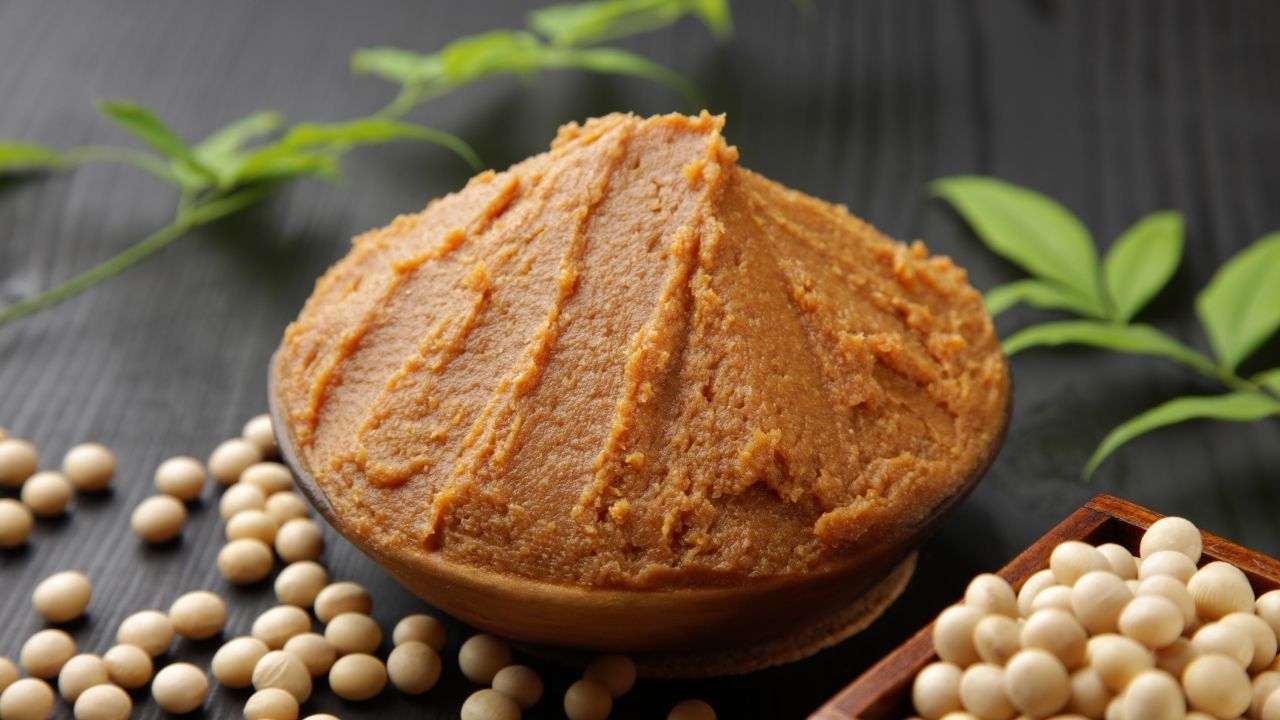
I love keeping miso paste in my pantry because it actually develops deeper, richer flavors over months and even years of aging. This traditional Japanese fermented soybean paste starts with a mild, slightly sweet profile when fresh, but transforms into something truly magical with time. The natural fermentation process continues working its wonders, creating more complex umami notes and enriching the overall taste profile. You’ll notice how aged miso takes on deeper caramel colors and more concentrated savory qualities.
My favorite way to use aged miso is to add depth to broths, marinades, and dressings. The longer you store it (properly sealed in the fridge), the more intense and nuanced the flavors become – making it perfect for dishes where you want that extra punch of umami. While light miso stays good for about a year, darker varieties can mature beautifully for 2-3 years. Just remember to keep it in an airtight container and always use clean utensils to prevent any unwanted bacteria from crashing your fermentation party. The transformation you’ll see in your miso’s character over time will make you appreciate this humble ingredient even more.
Beef
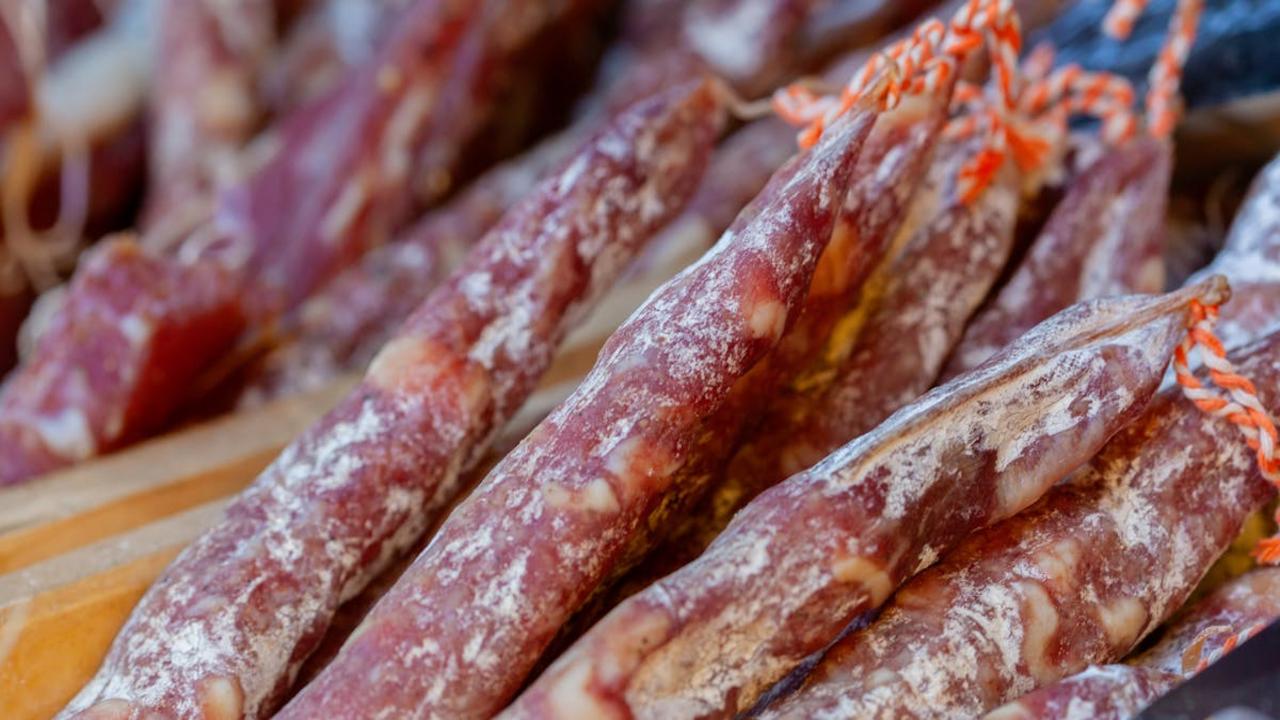
I’ve discovered that beef transforms into something truly magnificent through dry aging, developing deeper, richer flavors that you simply can’t get from fresh cuts. During the aging process, natural enzymes break down muscle fibers and create new flavor compounds, making the meat more tender and intensifying its natural beefiness. You’ll notice these changes especially in premium cuts like ribeye and strip loin, where the meat takes on nutty, earthy notes that remind me of aged cheese or mushrooms.
The ideal aging period for beef ranges from 21 to 28 days, though some specialty butchers extend this to 45 days or more for extra-special results. The longer aging allows moisture to evaporate, concentrating the meat’s flavor while beneficial bacteria work their magic on the outer layer. This creates that distinctive crust that adds another dimension to your steak. I recommend buying dry-aged beef from a trusted butcher who can tell you exactly how long it’s been aged and guide you to the perfect cut for your needs.
Hot Sauce
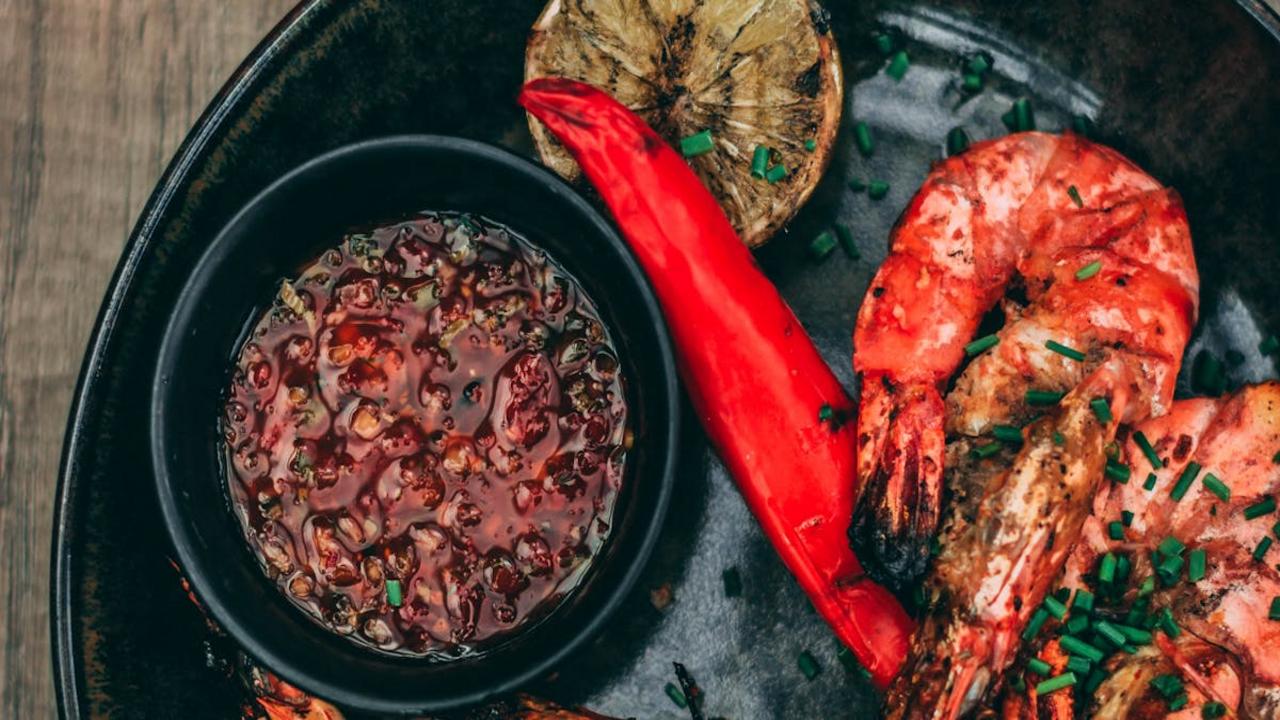
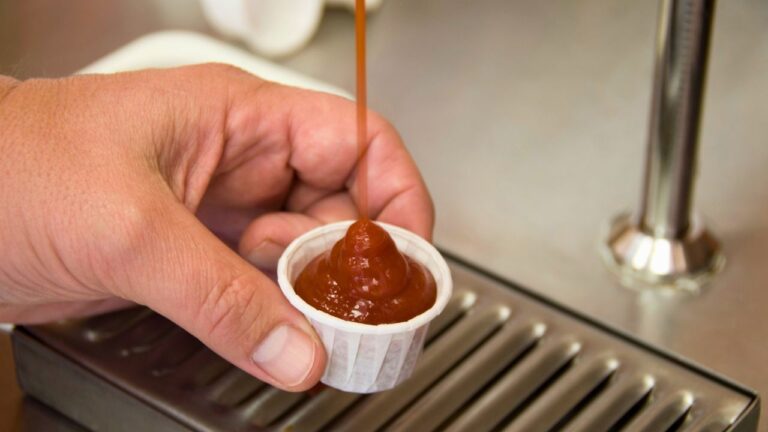
If you love your hot sauce collection, you’ll be happy to know that many hot sauces actually improve with age, much like a fine wine! The fermentation process continues even after bottling, which brings out deeper, more complex flavors and can mellow out harsh heat into something more nuanced and enjoyable. I’ve noticed this particularly with vinegar-based hot sauces, where time allows the ingredients to blend more harmoniously, creating richer flavor profiles.
Keep your hot sauce in a cool, dark place and you’ll notice the difference after a few months. The capsaicin (the compound that makes peppers hot) stays stable for years, while the other ingredients continue developing character. Some of my favorite aged hot sauces have shown enhanced garlic notes, deeper smokiness, and a more rounded heat that doesn’t overwhelm the palate. Just remember to check for any odd smells or discoloration – while aging can improve your sauce, proper storage is key to preventing spoilage.
Hard Cheese
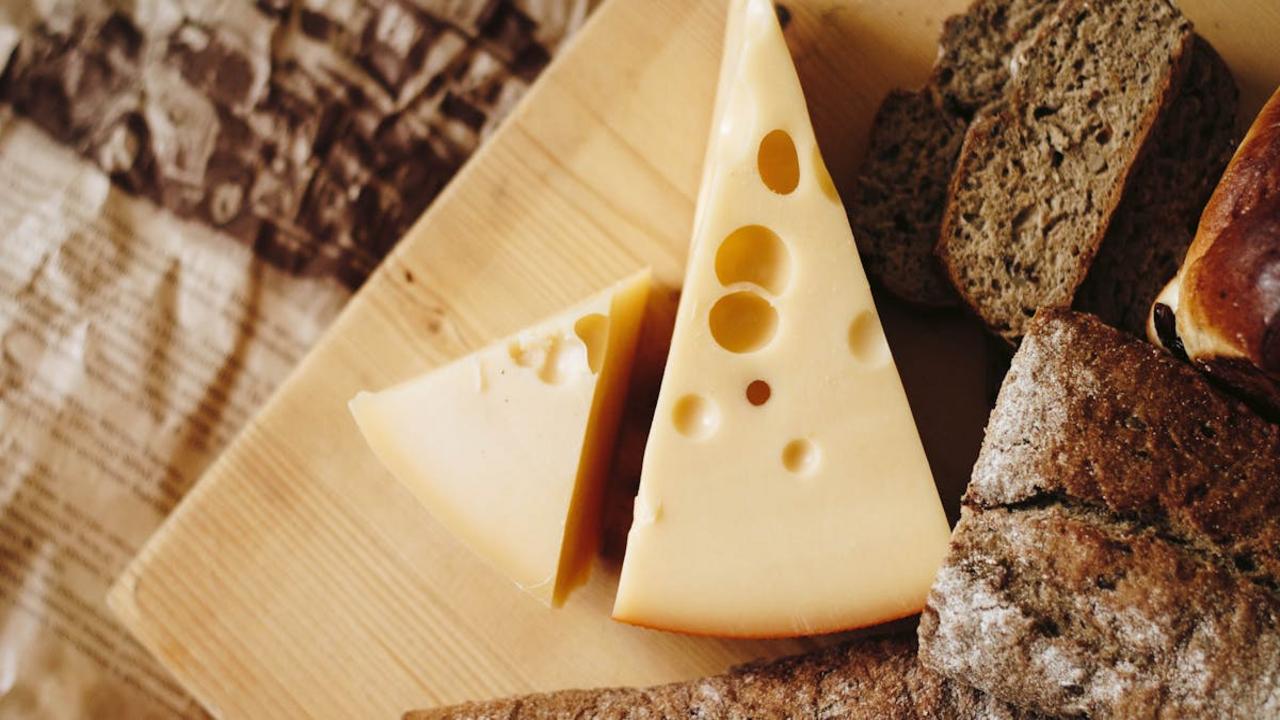
Hard cheeses like aged cheddar, parmesan, and gouda stand out as prime examples of foods that become more incredible over time. During the aging process, these cheeses develop deeper, more complex flavors while their texture becomes firmer and more crystalline. The proteins break down gradually, creating those delightful crunchy bits you’ll find in well-aged cheeses. I love how a young cheddar transforms from mild and creamy into something sharp and bold after several months or years of proper aging.
You’ll notice that aging brings out unique flavor notes in different hard cheeses – parmesan develops nutty and fruity characteristics, while aged gouda takes on caramel and butterscotch undertones. The key lies in storing these cheeses properly – wrap them in cheese paper or wax paper (not plastic wrap!) and keep them in your fridge’s cheese drawer. With proper care, many hard cheeses can age beautifully for months or even years, becoming more concentrated and flavorful. My favorite way to enjoy aged hard cheese is on a simple cheese board with fresh fruit and nuts, letting those complex flavors shine through.
Kombucha
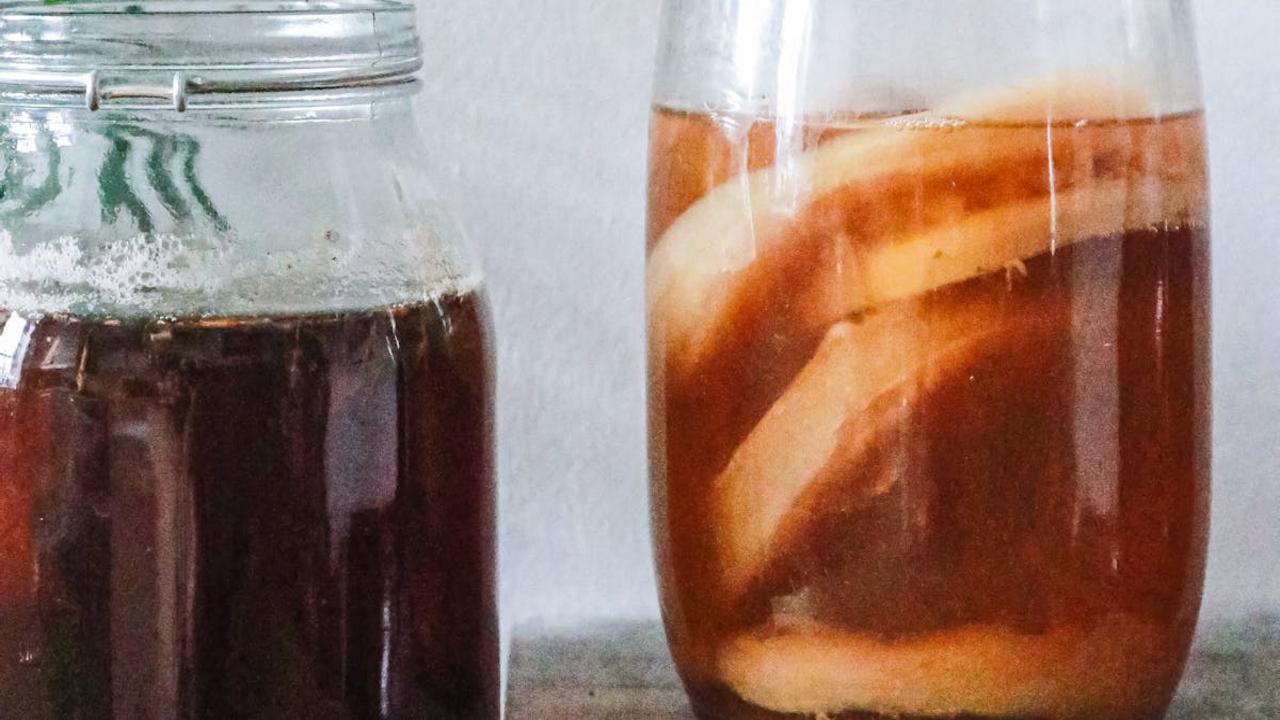
I’ve discovered that kombucha, the fizzy fermented tea drink, develops incredible depth and character through its aging process. Fresh kombucha starts out with simple sweet and tart notes, but give it a few extra days or weeks in the fridge, and you’ll notice how the flavors become more complex and refined. The probiotic content actually increases during cold storage, making your drink even more beneficial for gut health while the carbonation creates a smoother, more champagne-like bubble structure.
You can experiment with secondary fermentation by adding fruits or herbs to your kombucha before storing it. Over time, these natural flavors will meld beautifully with the base tea, creating rich and nuanced combinations. My favorite approach involves adding fresh ginger and letting it age for two weeks – the result is a perfectly balanced drink with a mellow sweetness and gentle heat that wasn’t present in the beginning. Just remember to “burp” your bottles every few days to release excess carbonation and prevent any unwanted pressure buildup.
Fish Sauce
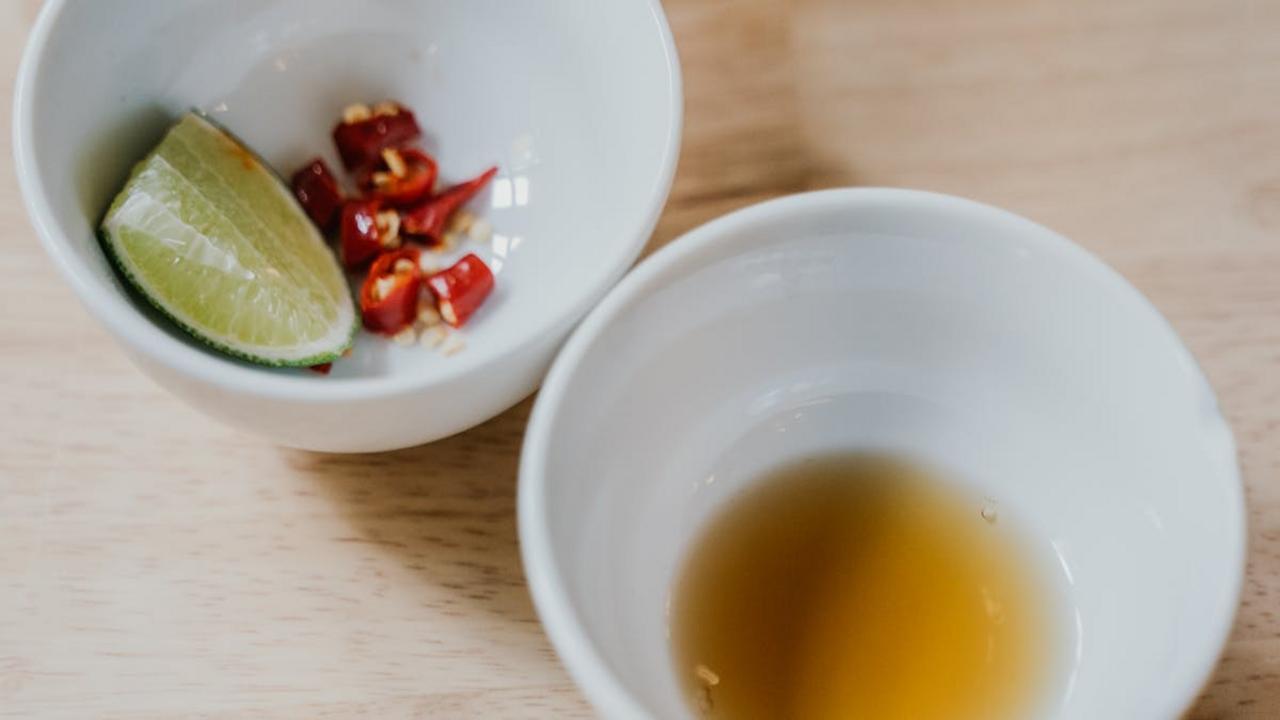
You might have noticed that bottle of fish sauce sitting in your pantry for months, and I’ve got great news – it’s probably even better now! Fish sauce, a cornerstone of Southeast Asian cooking, develops richer and more complex flavors through aging. The natural fermentation process continues even after bottling, allowing the umami notes to deepen and the sharp edges to mellow out. Think of it like a fine wine that gains character over time.
While most commercial fish sauces can last 3-4 years after opening (when stored properly in your fridge), some premium varieties benefit from extended aging periods. The proteins break down gradually, creating a smoother, more rounded flavor profile that adds depth to your dishes. Just remember to check the color – quality aged fish sauce maintains a clear, reddish-brown hue. If you spot any cloudy bits or off-putting smells, it’s time to grab a fresh bottle. Store it in a cool, dark place and you’ll have an incredible flavor enhancer ready for your next stir-fry or dipping sauce.
Kimchi
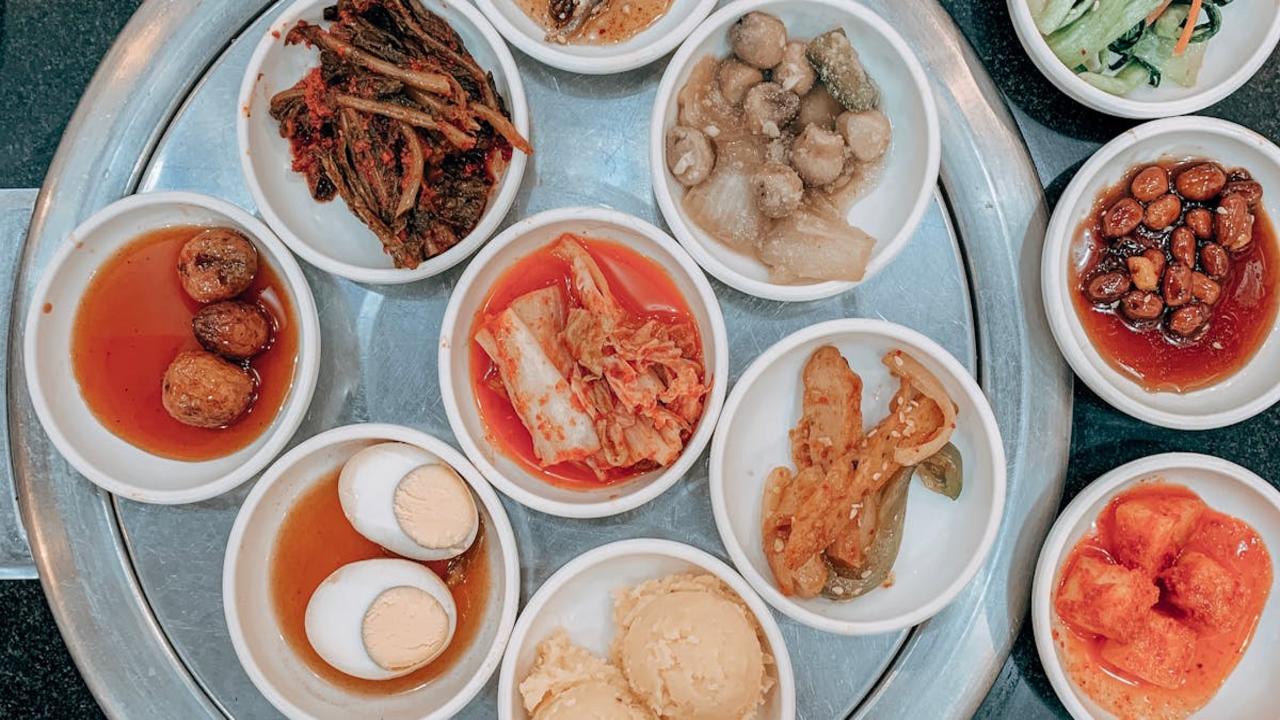
I can’t help but get excited about kimchi, the Korean fermented veggie powerhouse that gets more complex and flavorful over time. Raw cabbage transforms into a spicy, tangy, and deeply savory dish through natural fermentation. The process creates beneficial probiotics while the garlic, ginger, and Korean red pepper develop deeper, more intense notes. You’ll notice the flavors become richer and more layered with each passing day, making your kimchi a dynamic addition to any meal.
Your homemade kimchi will continue to ferment in your fridge, though at a slower pace than at room temperature. The vegetables maintain their satisfying crunch while developing a deeper umami character that can enhance everything from rice bowls to sandwiches. Many Korean families keep multiple batches of kimchi at different stages of fermentation – young kimchi brings fresh, bright notes while aged kimchi adds complexity to stews and soups. The best part? You can keep it fermenting for months, and it will only get better!
Balsamic Vinegar
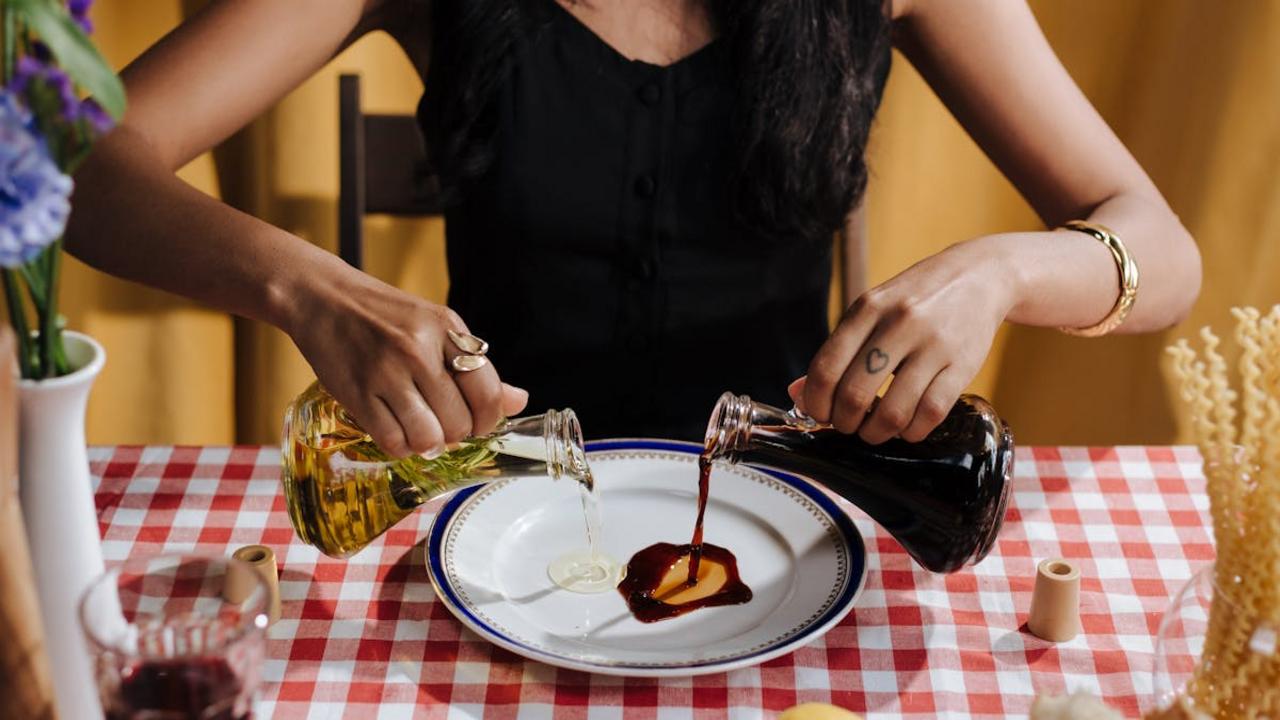
Have you noticed how that bottle of balsamic vinegar in your pantry keeps getting richer and more complex? That’s because authentic balsamic vinegar improves with age, developing deeper flavors and a thicker consistency over time. The traditional process involves aging grape must (freshly crushed grape juice) in wooden barrels, where it concentrates and takes on notes of dark fruits, caramel, and oak. Some of the finest balsamic vinegars age for 12-25 years, reaching an almost syrupy texture that will transform your dishes.
I love drizzling aged balsamic on fresh strawberries, Parmesan cheese, or vanilla ice cream – the sweet-tart complexity adds an incredible dimension to both savory and sweet foods. The aging process naturally concentrates the sugars while building layers of flavor you won’t find in young vinegar. If you want to start collecting balsamic, look for “Aceto Balsamico Tradizionale” from Modena or Reggio Emilia, Italy. Store your bottle in a cool, dark place and watch how the flavors mature and deepen month after month. Your patience will reward you with an incredible ingredient that makes every dish more special.