10 Rare Pasta Shapes Italians Can’t Get Enough Of
Italian pasta goes way beyond spaghetti and penne. Hidden in small towns and local trattorias across Italy, you’ll find unique pasta shapes that tell stories of regional traditions and family recipes passed down through generations.
Each region in Italy guards its own special pasta shapes, from twisted strands to tiny ear-like folds. These lesser-known varieties bring different textures and hold sauces in ways that make each bite a perfect mix of pasta and accompaniments.
Whether rolled by hand or shaped with special tools, these 10 rare pasta shapes show off the creativity and dedication of Italian pasta makers. Get ready to discover some incredible pasta varieties that’ll add excitement to your next Italian dinner.
Orecchiette
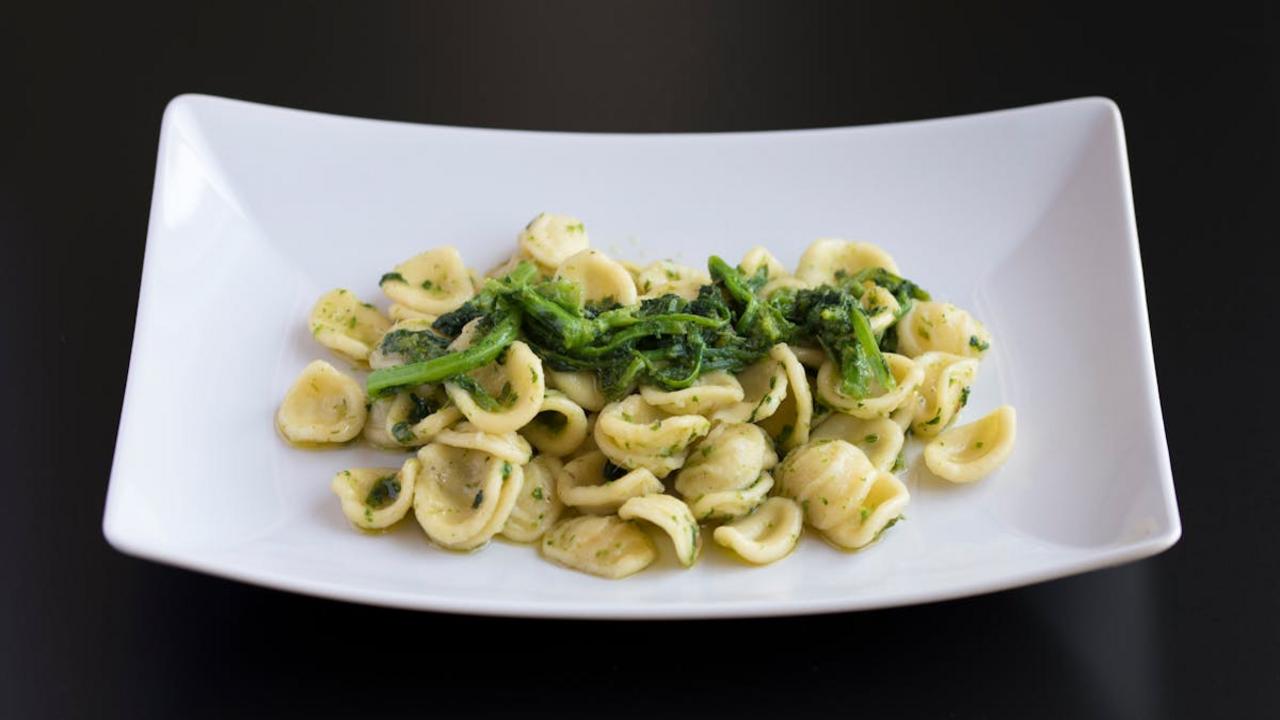
You’ll spot these little “ears” of pasta dotting plates across Puglia, Italy’s sun-soaked heel. Orecchiette’s unique shape – a small, round disk with a gentle dome and textured surface – makes it perfect for catching rich sauces and tiny vegetables in every bite. I make these at home by pressing my thumb into small circles of dough, creating that signature cup-like depression that gives this pasta its name and distinctive character.
The traditional pairing for orecchiette brings together bitter greens like broccoli rabe (or “cime di rapa” in Italian) with spicy Italian sausage and red pepper flakes. The slight roughness of the pasta’s exterior helps the sauce cling beautifully, while its bowl-like shape captures small bits of garlic and breadcrumbs. My favorite way to serve them is simple – tossed with olive oil, garlic, and whatever seasonal vegetables I find at the market. The firm texture and sturdy shape hold up wonderfully against robust ingredients without losing their charm.
Lorighittas
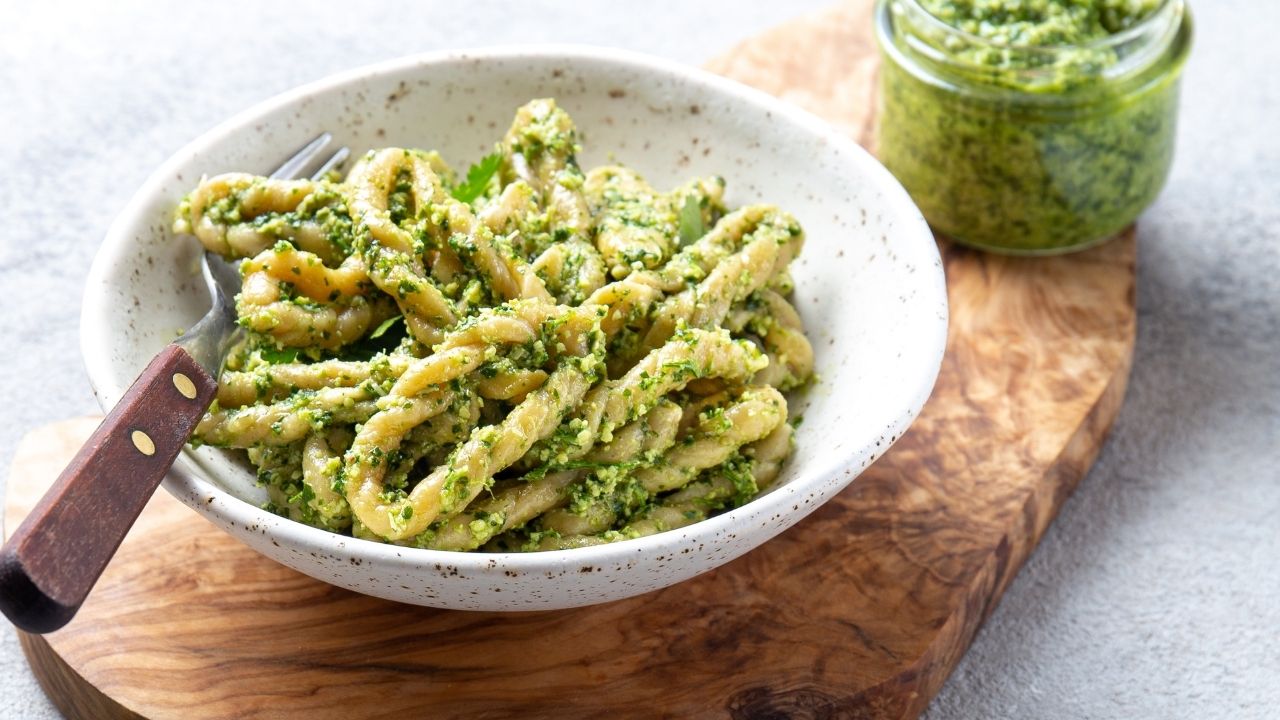
I always get excited when I find rare pasta treasures, and Lorighittas from Sardinia top my list of fascinating discoveries! These beautiful rings of pasta look like twisted ropes or braided bracelets, handmade with love by skilled pasta makers who roll thin strands of dough and loop them into elegant circles. The name “Lorighittas” comes from the Sardinian word “lorigas,” which means iron rings – a perfect description for these intricate pasta loops that require incredible patience and skill to create.
You’ll find these special rings mainly in the small village of Morgongiori in Sardinia, where local women keep this traditional pasta-making technique alive. The unique shape holds sauce beautifully, making it perfect for rich meat ragùs or simple olive oil-based sauces with fresh herbs. I particularly love serving Lorighittas with a light tomato sauce mixed with local Sardinian saffron – the sauce clings to every twist and turn of the pasta, creating an unforgettable dining moment that honors centuries of Italian pasta-making tradition.
Garganelli
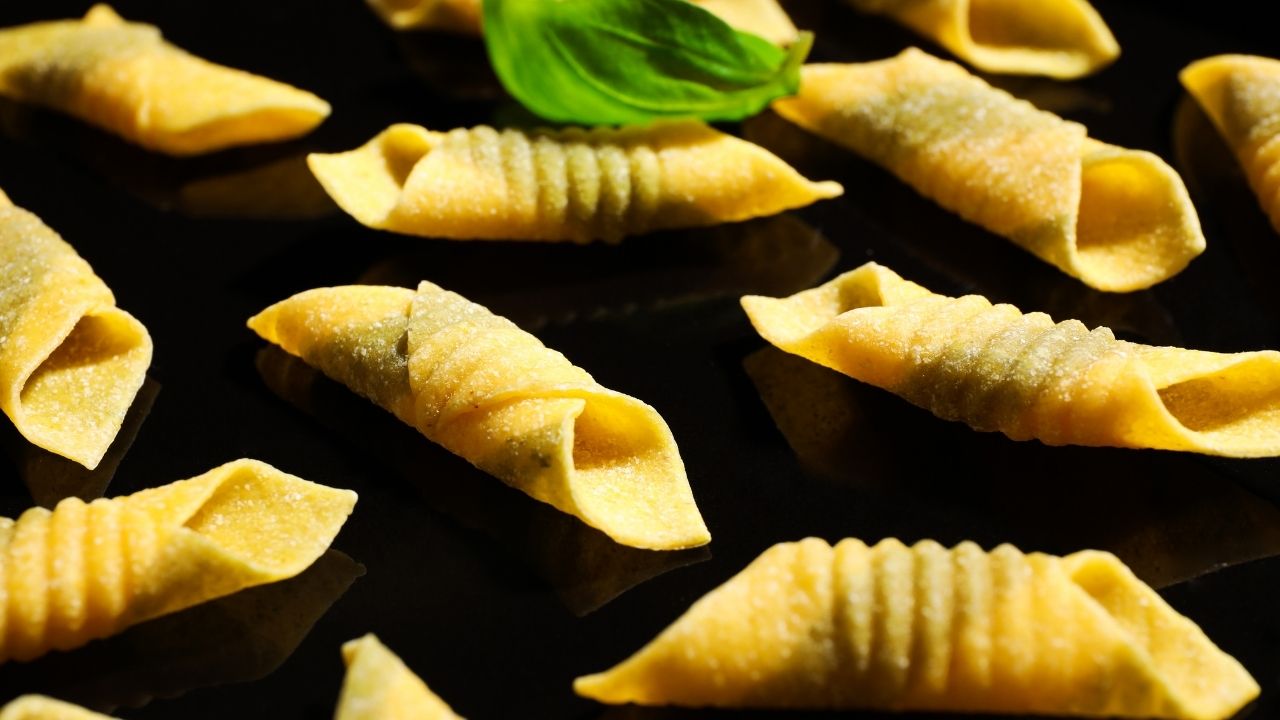
You’ll spot garganelli by its distinctive square-shaped pasta with flaps folded into a tubular form, creating beautiful ridges along the surface. I adore making this handmade pasta from the Emilia-Romagna region because each piece reminds me of a tiny, elegantly wrapped present. The name comes from the Italian word “garganel,” meaning esophagus, which perfectly describes its rolled shape. What makes garganelli extra special is how the ridges catch and hold onto your favorite sauces.
While making garganelli at home requires some practice, the results will bring pure joy to your dinner table. You’ll need a pasta board and special wooden tool called a “pettine” to create those characteristic grooves. The traditional recipe pairs garganelli with a rich prosciutto and pea cream sauce, but I’ve found it works beautifully with lighter options too – try tossing it with fresh cherry tomatoes, basil, and a drizzle of good olive oil. The pasta’s texture and shape make every bite a perfect balance of sauce and pasta.
Fregola
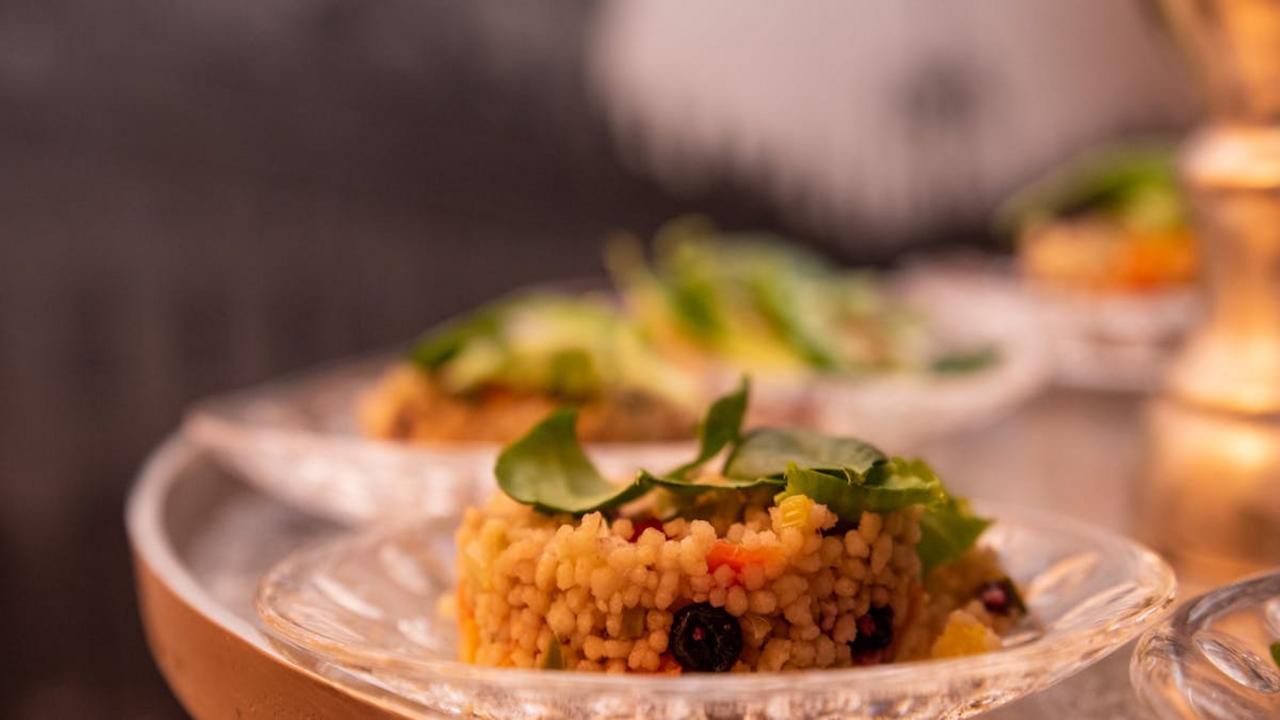
Meet Fregola, the little round pasta pearls from Sardinia that will transport you straight to the Mediterranean! Think of these tiny pasta balls as Italian couscous – but with an extra special twist. I love how local Sardinian women make Fregola by hand, rolling semolina dough into small balls and toasting them until they develop a beautiful nutty flavor and slightly chewy texture. The toasting process gives these pearls their signature golden-brown color and an irresistible aroma that fills your kitchen.
You can create amazing dishes with Fregola – from light summer salads to hearty winter soups. My favorite way to serve it is with fresh seafood, especially clams and shrimp, in a rich tomato broth. The pasta soaks up all the beautiful flavors while maintaining its unique texture. If you want to keep things simple, toss your Fregola with roasted vegetables, olive oil, and fresh herbs. The pasta’s toasted flavor adds depth to any dish, making even the most basic ingredients shine. Just remember to cook it like regular pasta in boiling water until tender but still firm.
Pici
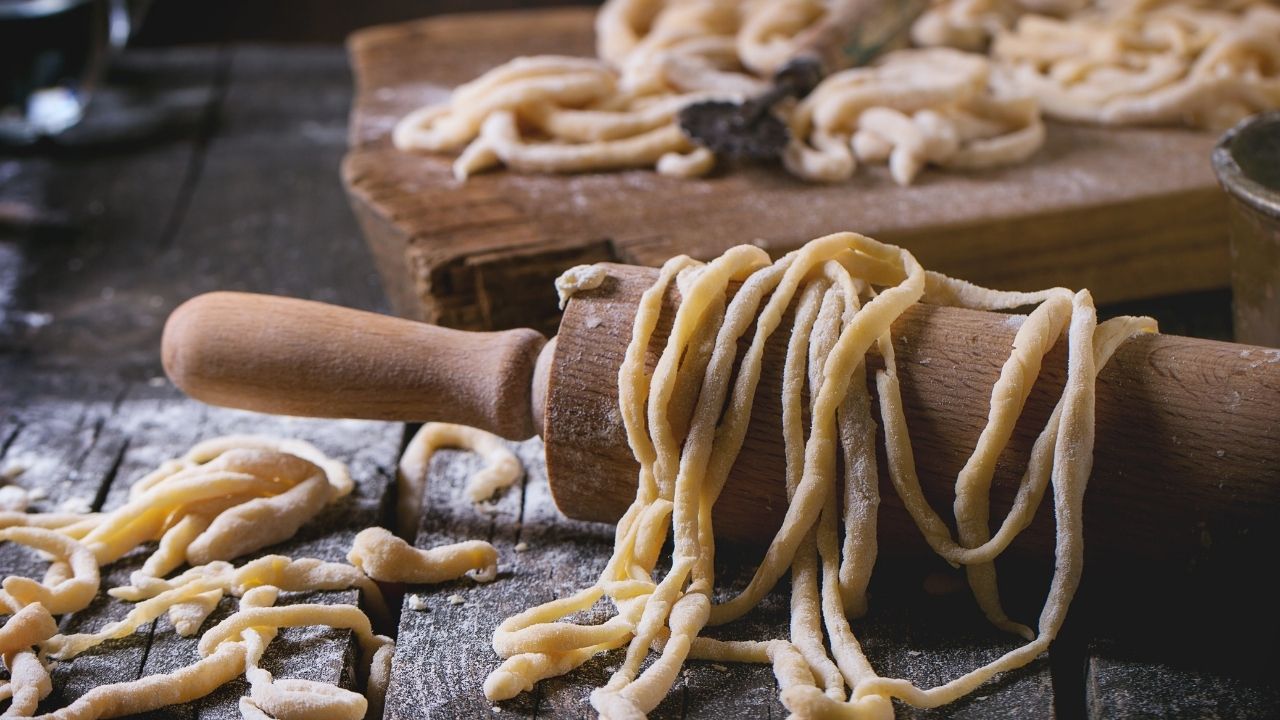
I adore sharing the magic of pici with fellow pasta enthusiasts – these thick, hand-rolled noodles from Tuscany remind me of fat spaghetti but with so much more character! The rustic pasta starts with just water and flour, making it one of the simplest yet most satisfying shapes to create at home. Once you roll each strand between your palms, you’ll get irregular, chewy noodles that catch sauce beautifully. My Italian grandmother would spend hours making pici, singing softly while working the dough into long ropes.
The beauty of pici lies in its versatility – you can pair it with robust meat sauces, toss it with wild mushrooms and herbs, or keep things simple with olive oil, garlic, and breadcrumbs (a traditional preparation called “pici all’aglione”). The substantial texture means each bite delivers pure satisfaction. I recommend making extra since these hearty noodles freeze well. Just portion them on a floured baking sheet, freeze until firm, then transfer to freezer bags for homemade pasta any time you want.
Campanelle
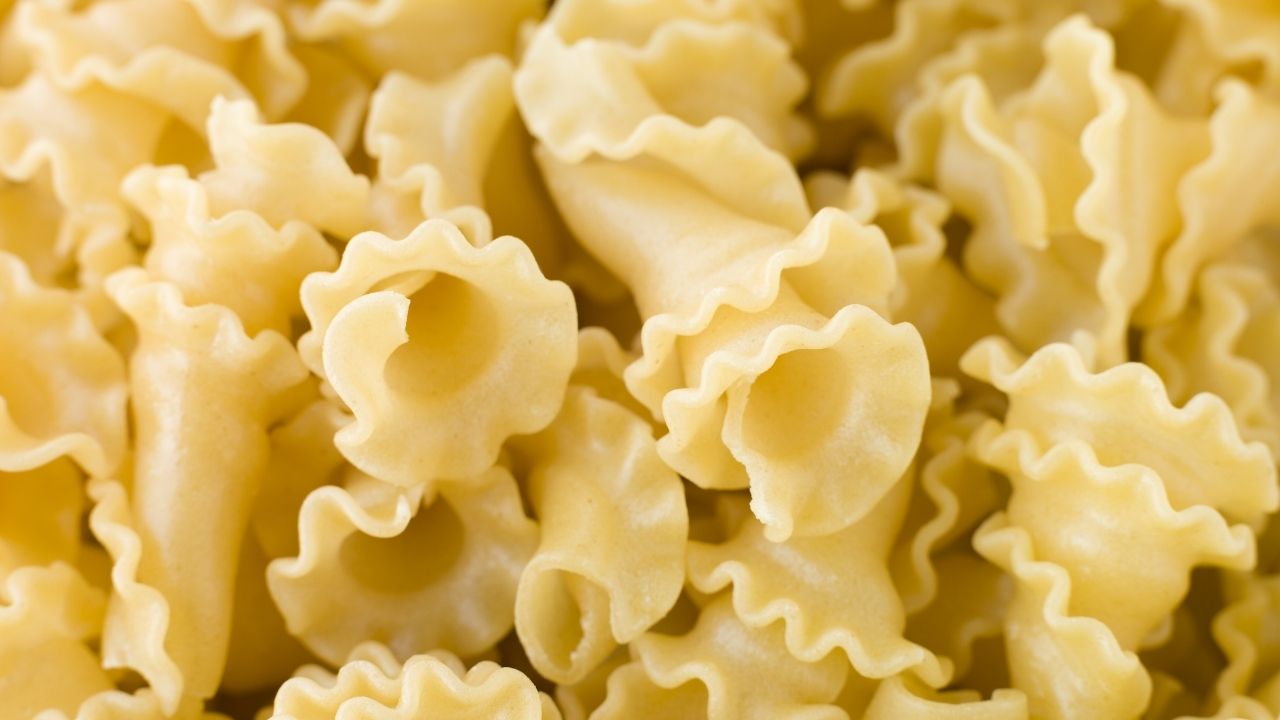
I absolutely adore campanelle pasta, which gets its charming name from the Italian word for “little bells.” These dainty flower-shaped noodles have ruffled, fluted edges that curl into a cone, creating the perfect pocket to catch every drop of sauce. You’ll find this enchanting pasta shape particularly common in the northern regions of Italy, where local cooks pair it with creamy sauces or light vegetable-based preparations that nestle into its delicate folds.
The unique shape of campanelle makes it incredibly versatile in the kitchen. I love tossing it with roasted cherry tomatoes and fresh basil for a quick weeknight dinner, or mixing it into hearty meat ragùs where the sauce clings beautifully to each petal-like curve. The thick walls of campanelle hold up wonderfully during cooking, giving you a satisfying al dente bite every time. Next time you’re at your local Italian market, grab a bag of these bell-shaped beauties and watch how they transform your everyday pasta dishes into something truly special.
Busiate
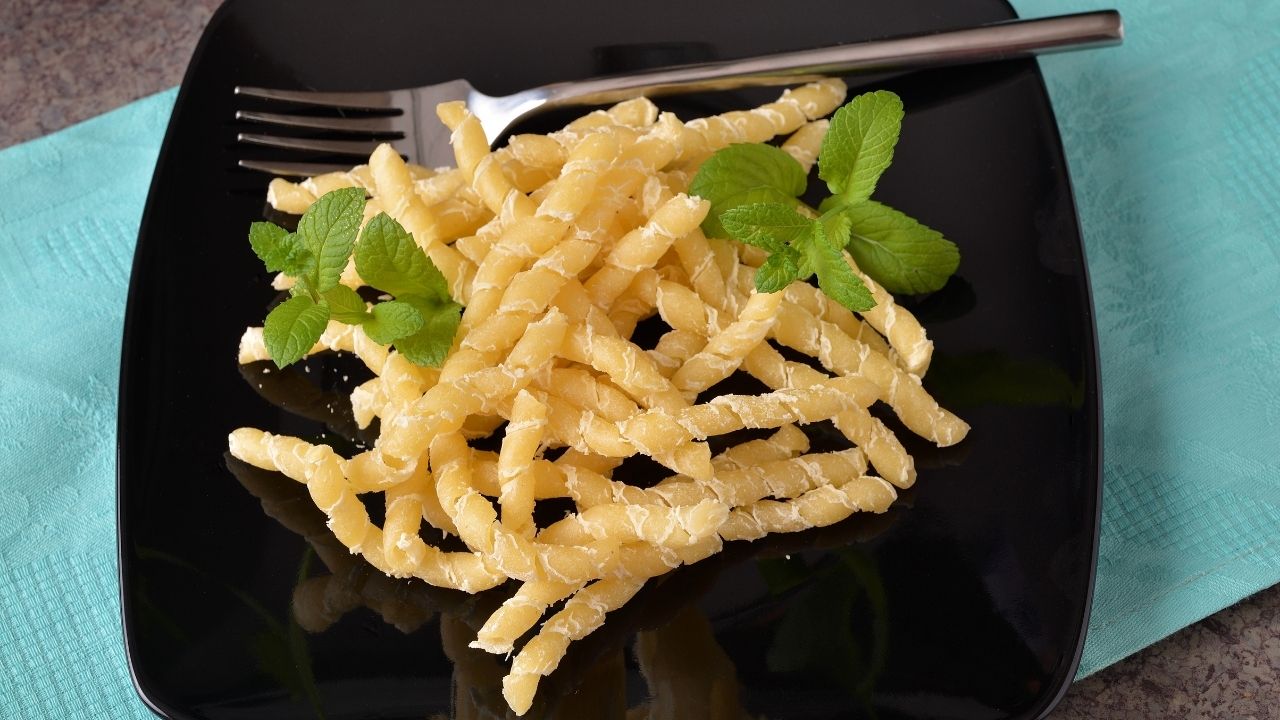
I discovered Busiate during my trip to Sicily, and this unique pasta shape immediately captured my attention! The long, twisted strands resemble tightly coiled telephone cords, created by wrapping fresh pasta dough around a thin reed or metal rod. Originally from Trapani, a coastal town in western Sicily, locals make Busiate by hand using simple durum wheat semolina flour and water. The spiral design helps catch and hold onto rich sauces, making every bite a perfect blend of pasta and sauce.
My favorite way to serve Busiate involves the traditional Trapanese pesto – a vibrant mix of fresh tomatoes, almonds, garlic, and basil. The tight coils grab onto this chunky sauce perfectly, creating little pockets of flavor in each twist. You’ll often find Busiate paired with seafood too, particularly in coastal areas where the pasta soaks up light, briny sauces made with local catches. While making Busiate at home takes practice, the satisfying process of rolling each strand makes the end result even more rewarding.
Trofie
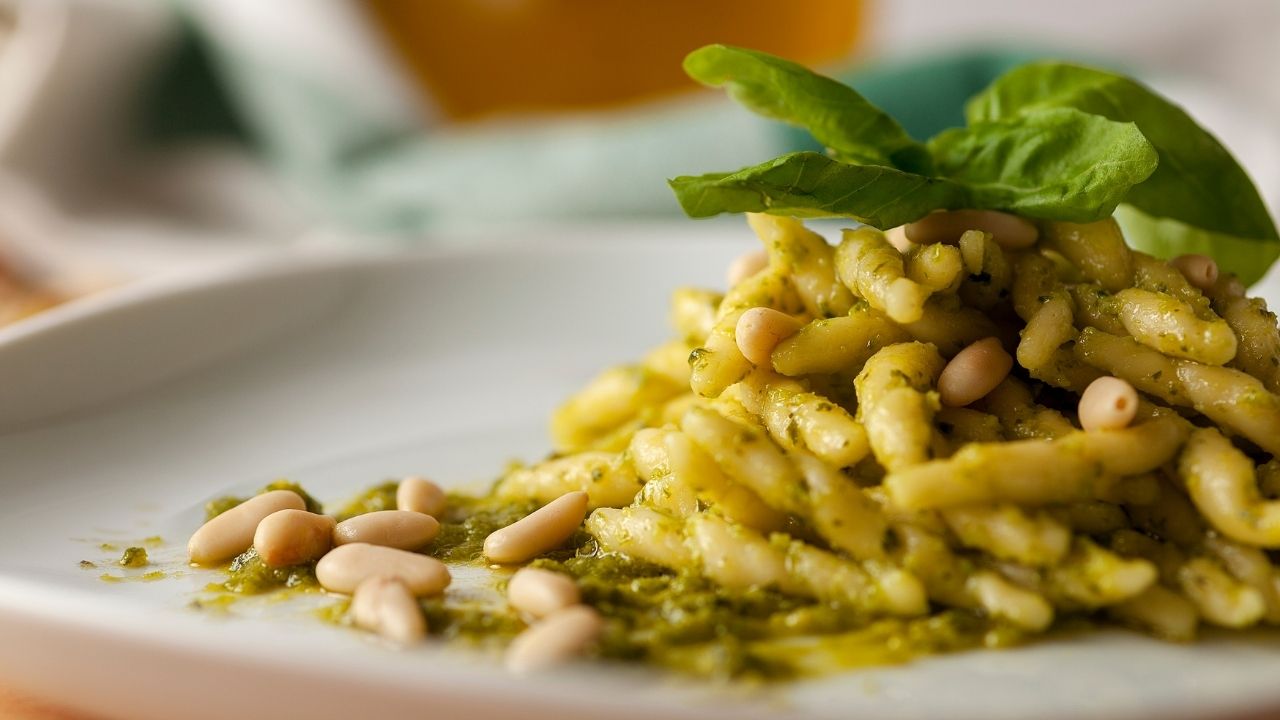
You’ll spot trofie in many traditional Ligurian family kitchens – these little twisted pasta spirals have won the hearts of home cooks across Italy. Each piece starts as a small ball of dough that gets rolled and twisted by hand until it forms a tight spiral about 1-inch long. The unique shape makes trofie perfect for capturing rich pesto sauces, especially the classic Genovese basil pesto that originated in the same region. I love how the grooves and twists hold onto every drop of sauce!
Making trofie at home gives you a fun chance to practice your pasta-rolling skills, though it takes some patience to master the quick flick of the wrist needed to create that signature spiral. The traditional recipe uses just durum wheat flour and water – no eggs needed. Once cooked, trofie have an amazing chewy texture that adds character to any dish. Beyond pesto, try them with light tomato sauces or toss them with olive oil, garlic and seasonal vegetables for a simple but satisfying meal. The firm texture means they’ll hold up beautifully in pasta salads too.
Cavatelli
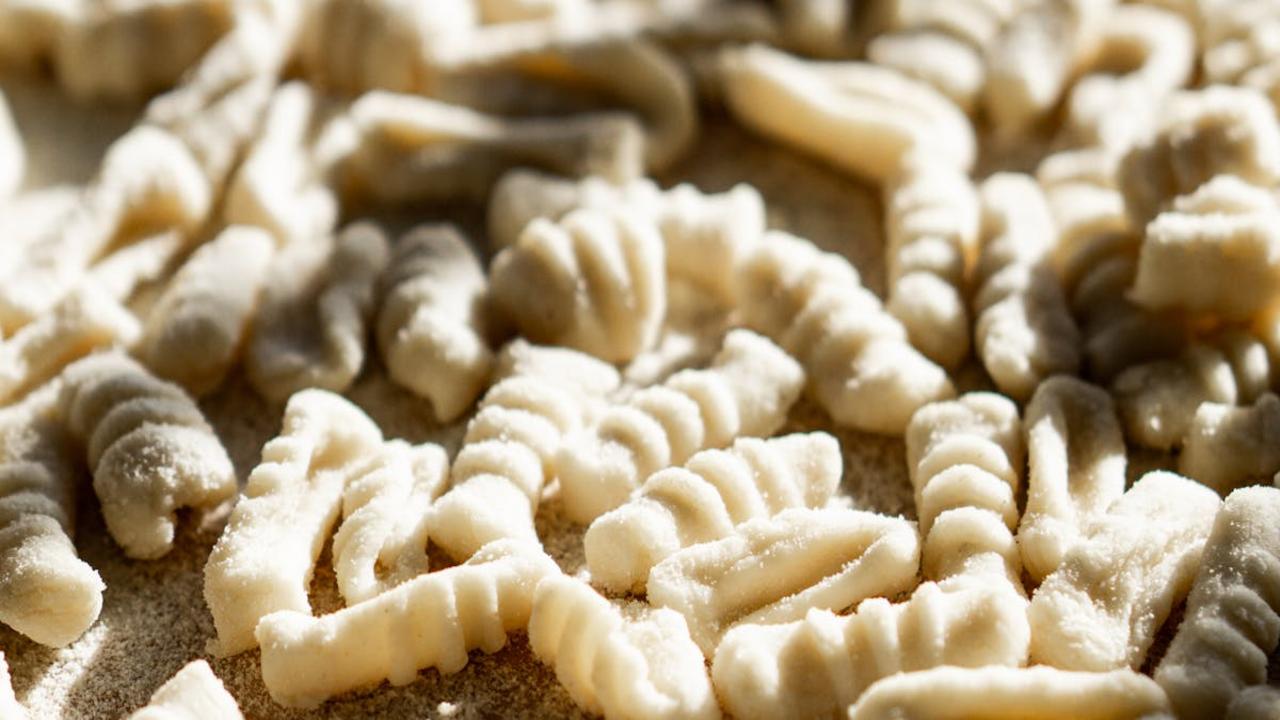
You’ll find cavatelli stealing hearts across Southern Italy, particularly in regions like Puglia and Molise. These small pasta shells look like tiny hot dog buns, with their signature hollow center and rolled edges that catch every drop of sauce. I make these by hand with my grandmother’s recipe, using just semolina flour and water, then rolling each piece against a wooden board with my thumb to create that perfect curl.
The dense, chewy texture of cavatelli makes it a natural match for hearty sauces – I love pairing them with broccoli rabe and Italian sausage for a traditional Southern Italian dinner. Their compact size holds up beautifully in soups too, adding substance without getting mushy. You’ll often spot cavatelli served with simple cherry tomato sauces or tossed with ricotta and fresh herbs. The name comes from the Italian word “cavare” meaning “to hollow out,” which perfectly describes how each piece cradles your favorite sauce.
Strozzapreti
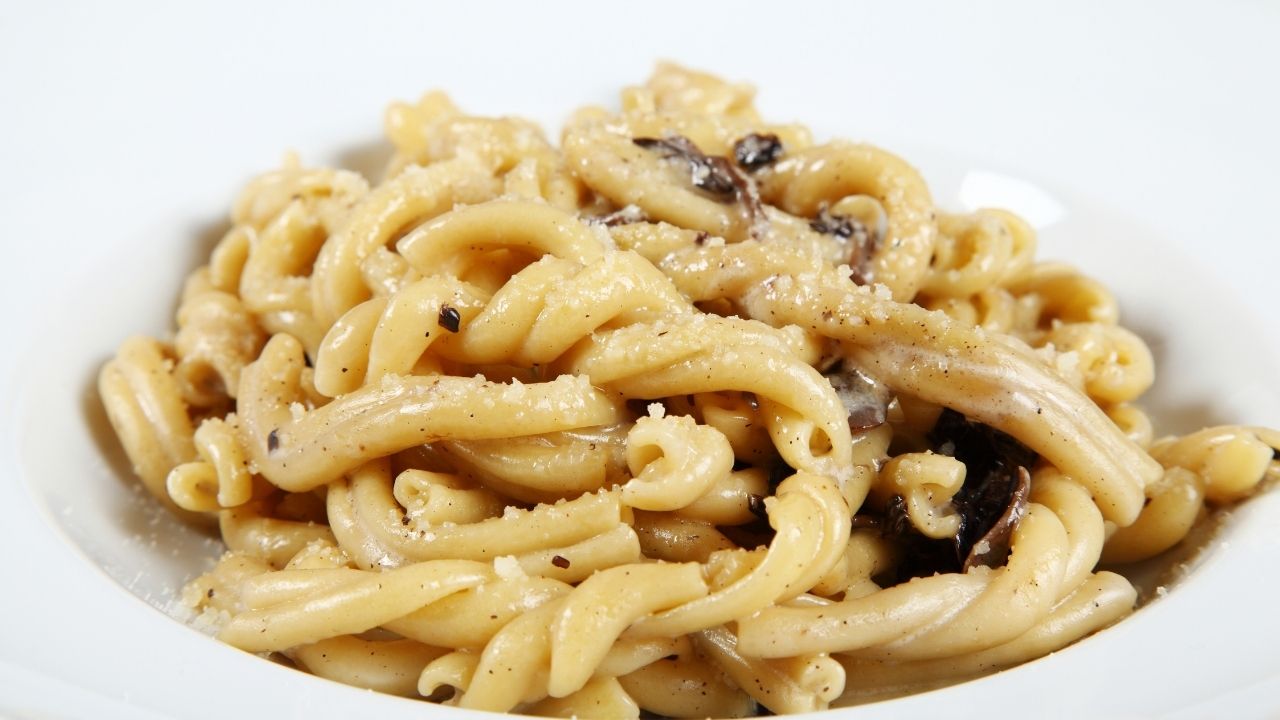
I couldn’t help but smile when I first learned about Strozzapreti, a twisted pasta shape whose name means “priest choker” in Italian. This handmade pasta from the Emilia-Romagna region features long, rolled pieces with tapered ends that look like they’ve been gently twisted by someone’s skilled hands. The shape creates little grooves and pockets that catch sauce beautifully, making each bite a perfect mix of pasta and your favorite Italian sauce.
Making Strozzapreti at home brings such joy – you’ll roll small rectangles of pasta dough and twist them into these beautiful, rope-like shapes. The rustic, irregular appearance adds character to your dishes, and the slightly chewy texture holds up wonderfully with rich meat sauces or classic tomato-based recipes. I love pairing this pasta with a hearty wild mushroom sauce or a simple mixture of olive oil, garlic, and fresh herbs. The natural ridges in Strozzapreti make every sauce cling perfectly, creating an amazing dining experience.