10 Worst Sodas in America – Overloaded with Calories and Harmful Additives
That refreshing fizzy drink in your hand might pack more than just bubbles and flavor. I’ve researched hundreds of sodas to identify the top offenders that load your body with unnecessary sugar, artificial colors, and concerning chemical additives. These popular drinks can add hundreds of empty calories to your daily intake without providing any nutritional value.
From the neon-bright Mountain Dew Code Red to the super-sweetened Fanta Pineapple, these beverages contain alarming amounts of high fructose corn syrup, artificial dyes, and preservatives. One 20-ounce bottle often exceeds your recommended daily sugar intake, potentially contributing to weight gain, tooth decay, and other health issues.
Understanding what goes into these drinks will help you make better choices for yourself and your family. I’ll break down exactly why each of these sodas earned a spot on the “worst” list, showing you their real impact on your health. Ready to discover which drinks made the cut?
Fanta Pineapple

I need to be straight with you about Fanta Pineapple – this seemingly tropical treat packs a concerning nutritional punch. In just one 20-ounce bottle, you’ll consume 270 calories and a whopping 73 grams of sugar, which equals about 18 teaspoons! The drink contains high fructose corn syrup as its main sweetener, linked to various health issues including weight gain and increased risk of type 2 diabetes. Plus, the artificial yellow 6 dye and other synthetic additives make this beverage a questionable choice for your health.
While the pineapple flavor might remind you of a sunny beach vacation, there’s nothing natural about it. The “natural flavors” listed on the label are actually lab-created compounds designed to mimic real pineapple. You’d be better off eating fresh pineapple or making your own infused water with real fruit slices. Fresh pineapple gives you beneficial nutrients like vitamin C and manganese, while this soda only delivers empty calories and potentially harmful ingredients. Your body will thank you for choosing real fruit over this artificially sweetened beverage.
Sprite Lymonade
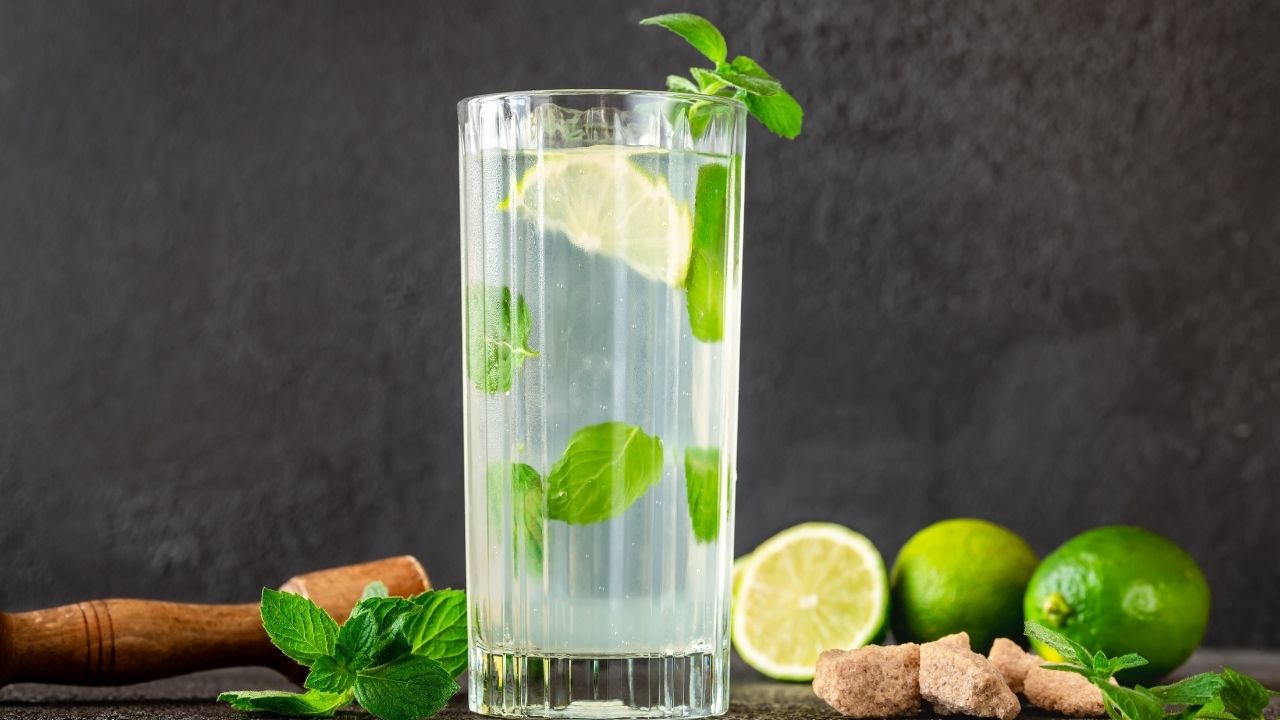
I need to warn you about Sprite Lymonade – it’s much more than a simple lemon-lime soda with a twist. This drink packs a whopping 220 calories and 57 grams of sugar per 20-ounce bottle, which equals about 14 teaspoons of sugar! The artificial flavors and high fructose corn syrup make this beverage particularly concerning for your health. As a food journalist who deeply cares about your wellbeing, I can’t recommend consuming this amount of sugar in one sitting.
The marketing might make you think this is a refreshing mix of lemonade and Sprite, but don’t be fooled by the clever packaging. The drink contains citric acid, which can erode your tooth enamel over time, and the sodium benzoate preservative has been linked to inflammation in some studies. If you’re craving a lemony drink, I suggest making your own sparkling water with fresh lemon juice – you’ll get the fizz and flavor without the excessive sugar and artificial ingredients. Your body will thank you for choosing a natural alternative!
Sunkist Fruit Punch

You’ll want to think twice before grabbing a Sunkist Fruit Punch from the beverage aisle. Each 20-ounce bottle packs a whopping 330 calories and contains a staggering 90 grams of added sugars – that’s nearly three times the recommended daily limit! The bright red color comes from artificial dyes Red 40 and Blue 1, which studies have linked to behavioral issues in children and potential health risks. Plus, this drink contains high fructose corn syrup as its main sweetener, which research shows can lead to increased belly fat and liver stress.
I’ve noticed many people pick this drink thinking it contains real fruit juice, but don’t be fooled – there’s zero fruit juice in this sugar-loaded beverage. Instead, you’ll find artificial flavors trying to mimic the taste of actual fruits. The phosphoric acid used for tartness can weaken your tooth enamel over time, while the sodium benzoate preservative has raised concerns among health experts. If you’re craving something fruity and refreshing, try making your own punch with real fruits and sparkling water – your body will thank you!
RC Cola
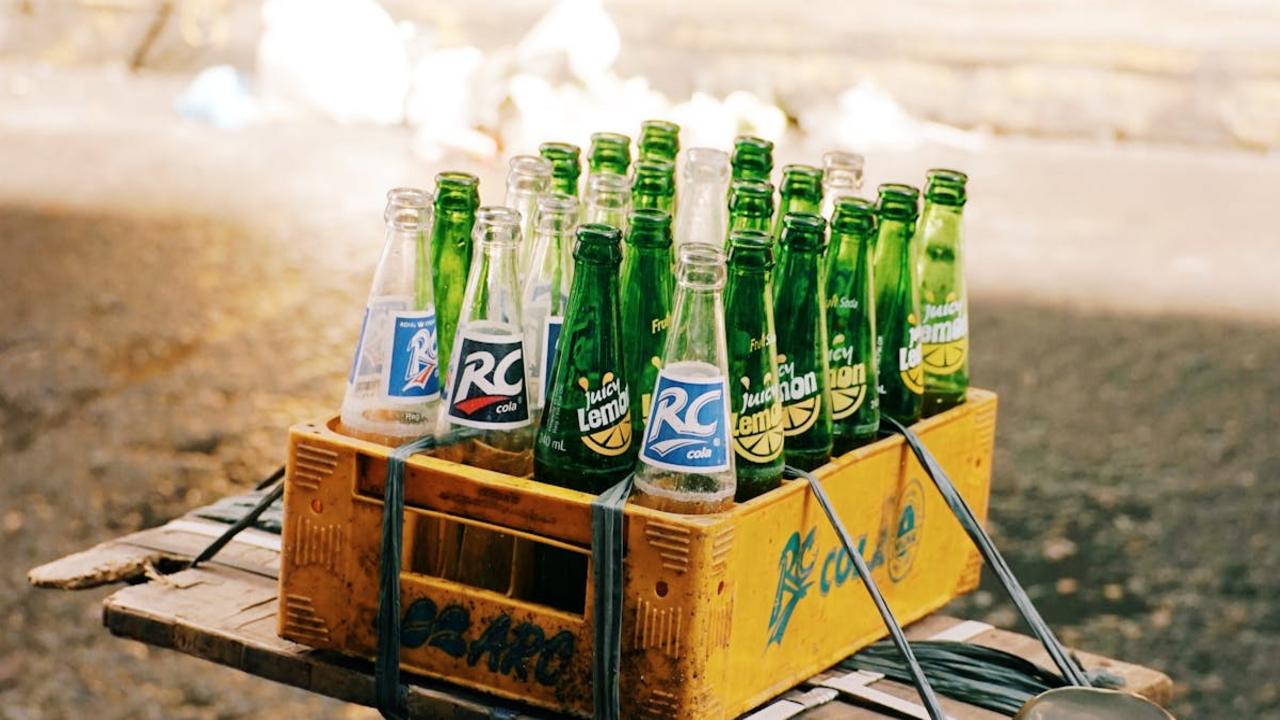
I need to be straight with you about RC Cola – this fizzy drink packs quite an unhealthy punch. One 12-ounce can contains 160 calories and 43 grams of sugar, which is more than your daily recommended sugar intake. The main ingredients include high fructose corn syrup, caramel color, and phosphoric acid. These additives make RC Cola a concerning choice for your health, with studies linking regular consumption to increased risks of obesity, type 2 diabetes, and tooth decay.
What makes RC Cola particularly concerning is its high caffeine content combined with artificial sweeteners in some varieties. The phosphoric acid in RC Cola can weaken your tooth enamel and potentially lead to bone density issues over time. While it might give you a quick energy boost, the sugar crash that follows can leave you feeling tired and craving more sugar. If you’re looking for a refreshing drink, I recommend swapping RC Cola for sparkling water with fresh fruit, which gives you natural sweetness without the harmful additives.
Surge
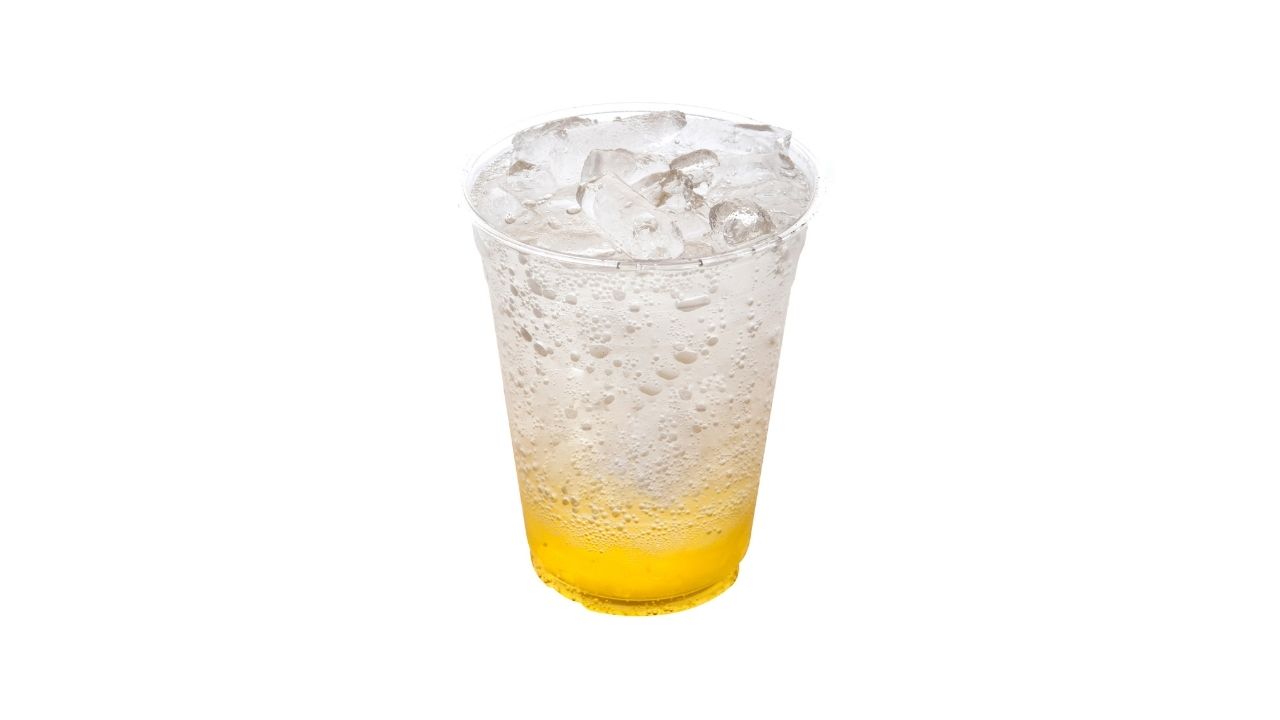
I remember when Surge hit the market in the 90s as Coca-Cola’s answer to Mountain Dew. This citrus-flavored soda quickly gained a following among teenagers and young adults for its intense green color and high caffeine content. What many fans don’t know is that a single 16-ounce can packs a whopping 230 calories and 56 grams of sugar – that’s more than twice your daily recommended sugar intake! The combination of high-fructose corn syrup, concentrated orange juice, calcium disodinate, and artificial yellow 5 and blue 1 dyes makes this drink a nutrition nightmare.
The caffeine content in Surge deserves special attention – at 69mg per 16-ounce serving, it’s significantly higher than many other sodas on the market. Through my research on popular beverages, I’ve found that regular consumption of highly caffeinated, sugary drinks like Surge can lead to dental problems, weight gain, and blood sugar spikes. While Coca-Cola discontinued Surge in 2003, they brought it back in 2014 due to fan demand. However, this nostalgic comeback doesn’t make it any healthier – you’d be better off drinking water with a squeeze of fresh citrus for that zesty kick without the harmful additives.
Monster Energy Nitro Super Dry
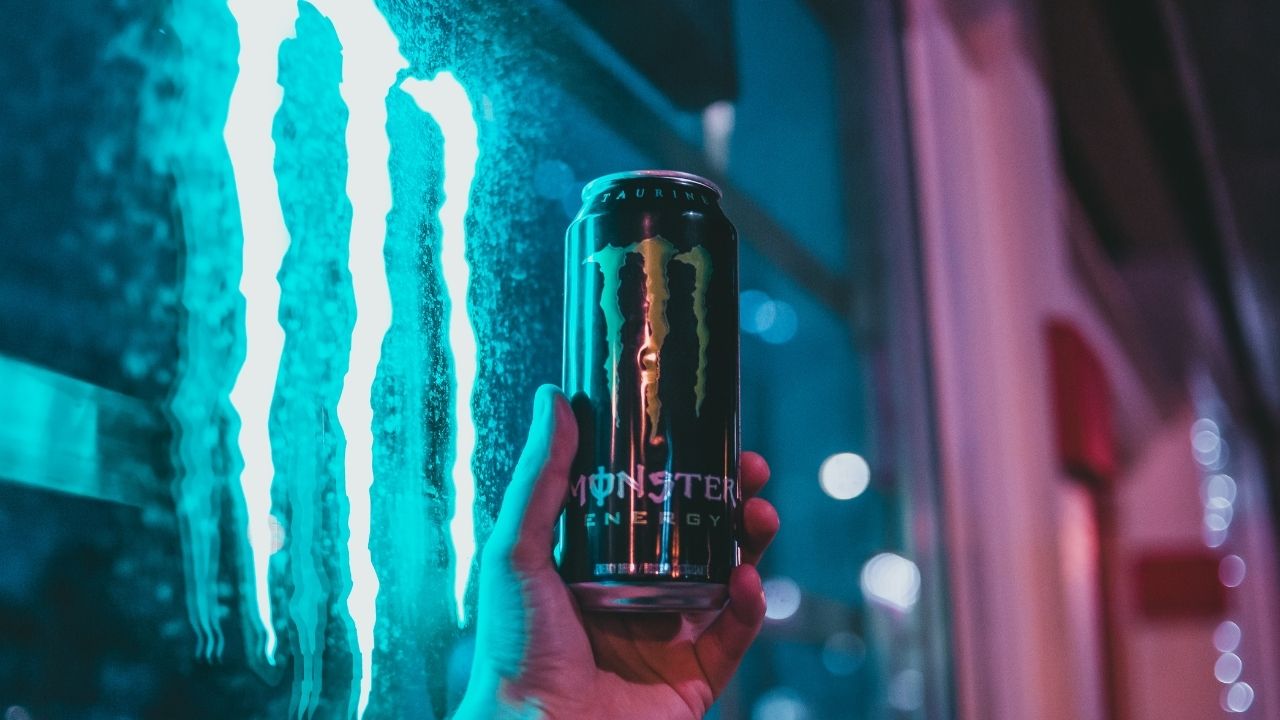
If you want a caffeine shock to your system, Monster Energy Nitro Super Dry will deliver that – but at a steep health cost. This aggressive energy drink packs a massive 200mg of caffeine per can, plus a dangerous mix of artificial sweeteners and synthetic stimulants. With 220 calories and 54g of sugar per serving, this drink can spike your blood sugar and lead to an energy crash later. The concerning ingredients include taurine, L-carnitine, and multiple forms of caffeine that can strain your cardiovascular system.
I’ve noticed many teens and young adults reach for this drink during late study sessions or gaming marathons, not realizing its risks. The combination of high caffeine and sugar creates a particularly addictive product that can disrupt sleep patterns and contribute to anxiety. The artificial colors like Red 40 and Blue 1 have been linked to behavioral issues in children and potential carcinogenic effects. If you need an energy boost, I recommend switching to green tea or sparkling water with a splash of fruit juice instead.
Dr Pepper & Cream Soda
I need to warn you about Dr Pepper & Cream Soda – it’s a sugar bomb that can seriously impact your health. In just one 12-ounce can, you’ll find a whopping 180 calories and 45 grams of sugar, which equals about 11 teaspoons! The combination of high fructose corn syrup with artificial flavors and colors makes this drink particularly concerning. The phosphoric acid in this soda can weaken your tooth enamel and potentially lead to dental issues over time.
What makes this drink extra tricky is its creamy, sweet taste that can make you crave more. The artificial vanilla flavoring, combined with the signature Dr Pepper blend, creates an addictive mix that keeps you coming back for more. Regular consumption of drinks like this can contribute to weight gain, increased risk of type 2 diabetes, and other health problems. Instead, try making your own fizzy drinks at home with sparkling water and a splash of 100% fruit juice – you’ll get the bubbles without all those harmful ingredients!
Coca Cola Cinnamon
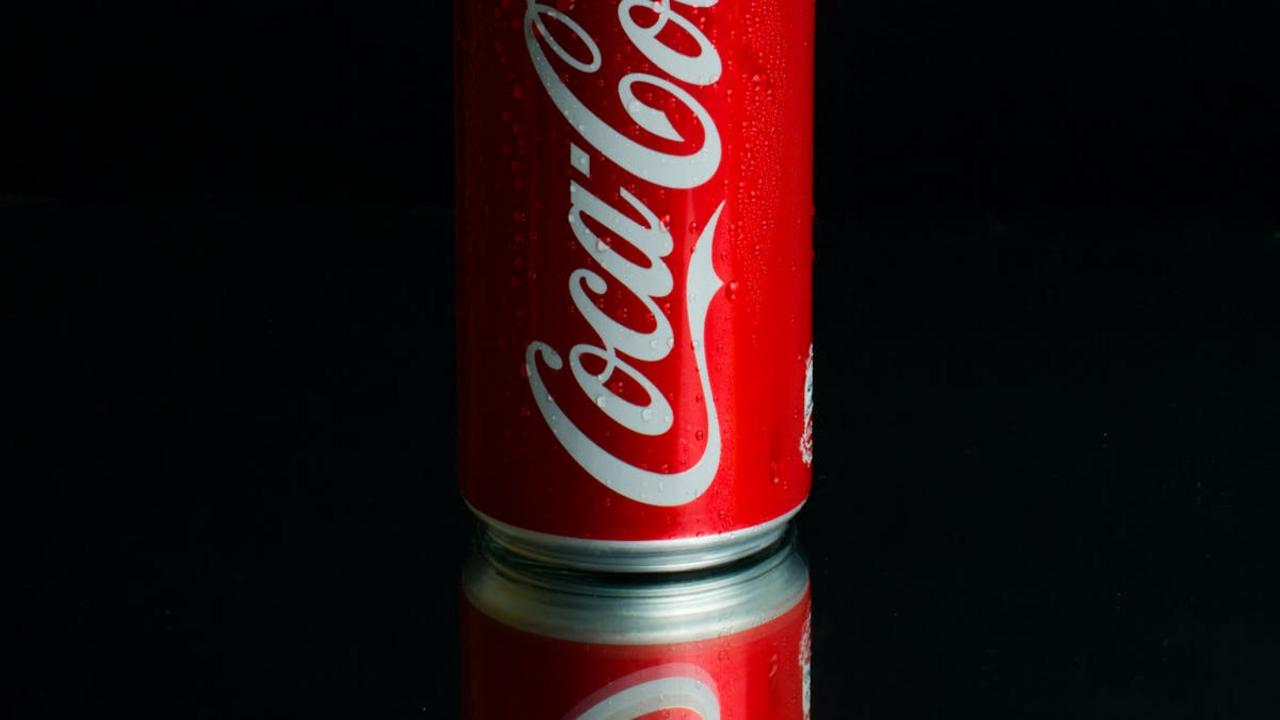
I need to warn you about Coca-Cola Cinnamon, a limited-edition soda that packs more than just a spicy kick. With 140 calories per 12-ounce can and a whopping 39 grams of sugar, this festive drink can seriously impact your health goals. The combination of high fructose corn syrup, phosphoric acid, and artificial flavors creates a concerning mix that goes beyond the typical cola risks. The cinnamon flavoring, while appealing during holiday seasons, masks the excessive sugar content that equals nearly 10 teaspoons per serving.
My research into this drink reveals that regular consumption can lead to dental problems, weight gain, and increased risk of type 2 diabetes. The artificial cinnamon flavoring contains propylene glycol, a synthetic compound also used in antifreeze – not exactly what you want in your holiday beverage! While the spicy-sweet combination might sound tempting, you’re better off making your own healthier version at home using natural cinnamon and sparkling water. This way, you can control the sweetness and avoid the harmful additives that make this soda a concerning choice.
Pepsi Wild Cherry
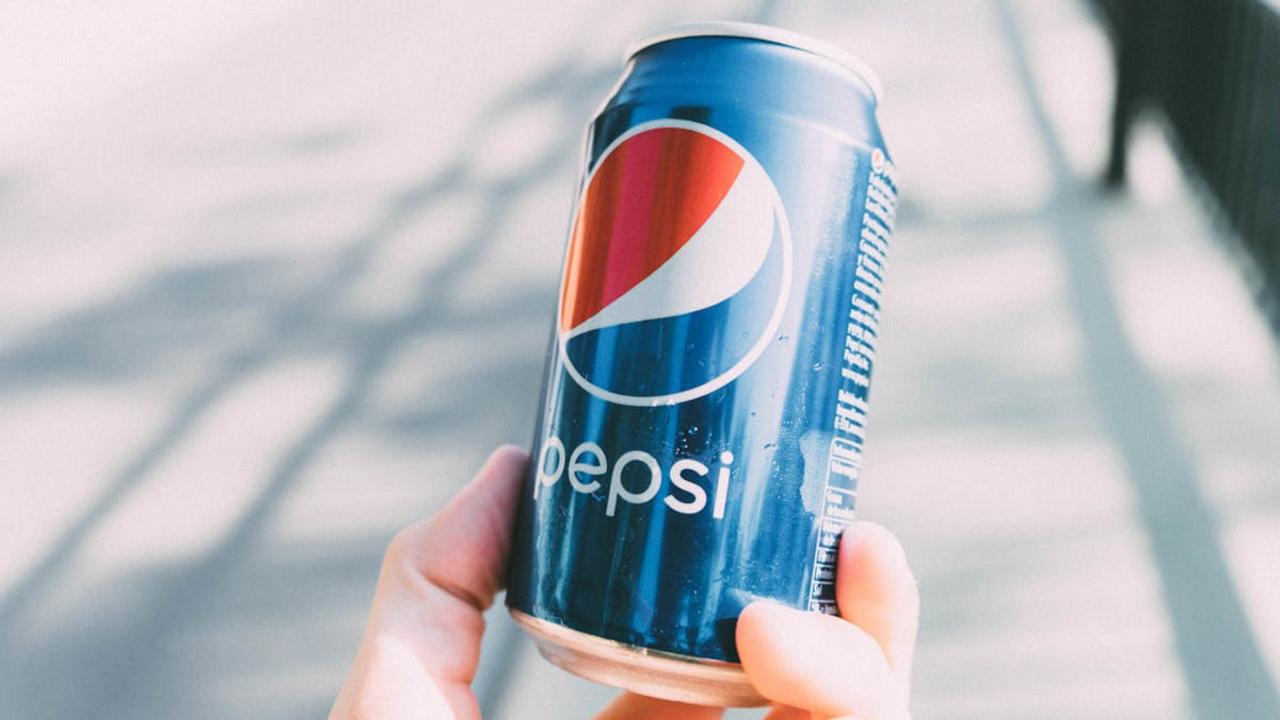
I want to warn you about Pepsi Wild Cherry – it’s a sweet trap that packs a whopping 250 calories and 69 grams of sugar per 20-ounce bottle. The artificial cherry flavoring in this drink contains several concerning chemicals, including Red 40, which studies have linked to behavioral issues in children. Plus, the high fructose corn syrup in this beverage can lead to increased risks of type 2 diabetes and heart disease. If you’re looking for a cherry-flavored drink, you’ll make a much better choice by infusing water with fresh cherries instead.
The combination of phosphoric acid and caramel color in Pepsi Wild Cherry creates another health concern. Phosphoric acid can weaken your bones by interfering with calcium absorption, while caramel color contains 4-methylimidazole (4-MEI), a potential carcinogen. Your body needs real nutrients, not empty calories and artificial ingredients that can harm your health over time. Think about this – one bottle contains more sugar than you should consume in an entire day! You can make healthier choices by choosing sparkling water with a splash of 100% cherry juice or creating your own naturally flavored beverages at home.
Mountain Dew Code Red
Mountain Dew Code Red packs a dangerous combination of high fructose corn syrup, artificial colors, and a whopping 170 calories per 12 oz serving. The cherry-flavored soda contains Yellow 5, Blue 1, and Red 40 – synthetic dyes linked to hyperactivity in children and potential health risks. What makes this drink particularly concerning is its caffeine content combined with 46 grams of sugar, creating a spike-and-crash effect that can leave you feeling drained and craving more sugar.
I want you to know that beyond just empty calories, Code Red’s ingredient list reads like a chemistry experiment. The phosphoric acid can weaken your tooth enamel over time, while the high sugar content puts you at risk for type 2 diabetes and weight gain. If you’re looking for a refreshing cherry drink, try infusing water with fresh cherries and mint instead – you’ll get natural sweetness without the artificial colors and corn syrup that make Code Red one of America’s unhealthiest sodas.