13 Hidden Pantry Gems That Will Transform Your Meals
Your pantry holds the power to make everyday cooking extraordinary. Beyond the basic salt and pepper, a world of unique ingredients waits to add depth, complexity, and excitement to your dishes. I’ve discovered 13 hidden gems that will take your meals from good to spectacular.
From the tangy punch of sumac to the deep umami of black garlic, these ingredients pack serious flavor without requiring fancy techniques or hours in the kitchen. Each one brings its own magic – whether it’s the citrusy brightness of kaffir lime leaves or the smoky depth of liquid smoke.
These pantry heroes work their wonders in small amounts, making them cost-effective additions to your cooking arsenal. I’ll show you how to incorporate these ingredients into your daily cooking routine and create dishes that will make everyone at your table ask for seconds.
Liquid smoke

You might notice a small bottle of liquid smoke hiding in the back of your pantry, but did you know this concentrated flavoring holds an interesting secret? Real liquid smoke comes from actual wood smoke that manufacturers capture and condense into liquid form. They burn wood chips like hickory, mesquite, or applewood in a controlled environment, collect the smoke particles, and filter them through water. The result? A natural way to add authentic smokiness to your dishes without firing up the grill.
I love adding a few drops of liquid smoke to create depth in vegetarian dishes, especially when I want that smoky BBQ flavor without meat. Just remember – a little goes a long way! Start with 1/4 teaspoon per recipe and adjust from there. You can enhance everything from homemade baked beans and chili to marinades and dips. My favorite trick? Add a tiny splash to your next batch of mac and cheese or potato soup for an instant upgrade that will make everyone wonder about your secret ingredient.
Amchur (dried mango powder)
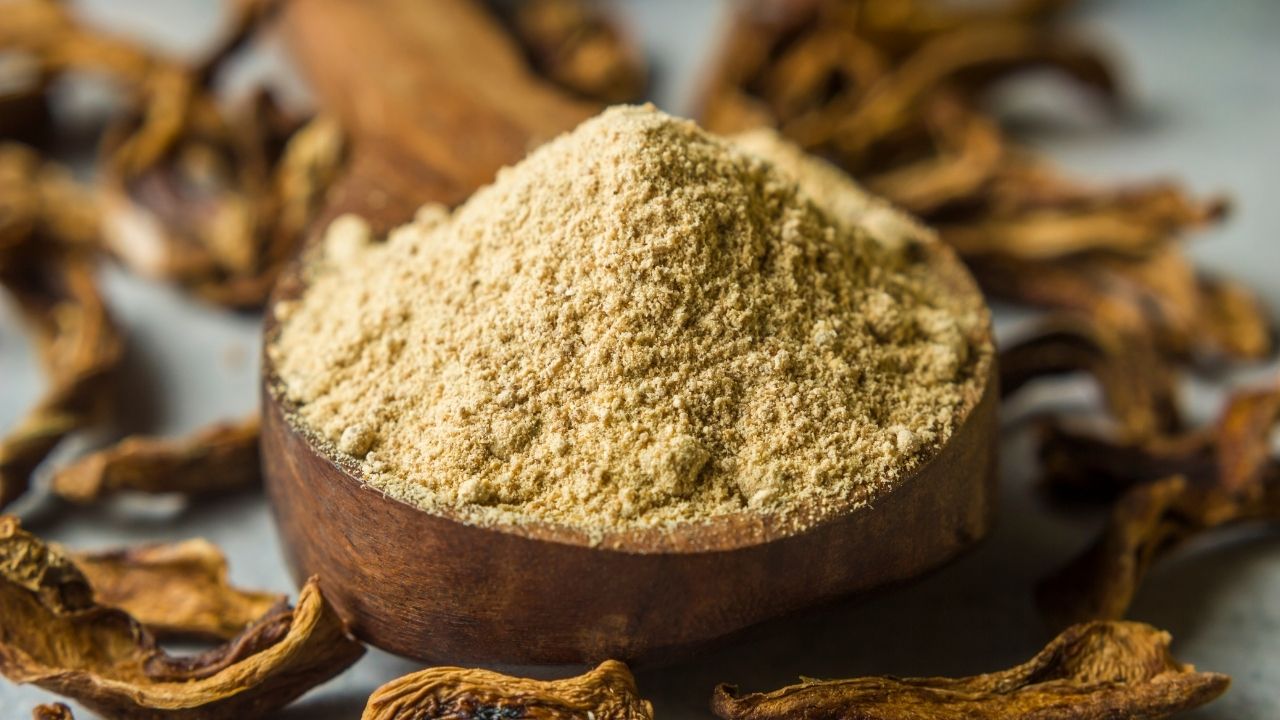
You’ll find this tangy, fruity powder tucked away in many Indian pantries, though it might be new to you! Amchur comes from unripe mangoes that are dried and ground into a fine powder. I love adding this zingy ingredient to my vegetable dishes, chutneys, and curries – it brings a bright, sour kick that’s different from lemon or vinegar. The best part? This powder packs a nutritional punch with vitamin C and antioxidants, while adding zero fat to your dishes.
If you want to transform your everyday cooking, try sprinkling amchur in your marinades or dry rubs for vegetables and proteins. The powder creates a mouth-watering tang that makes dishes pop with flavor. You can mix it into yogurt-based dips or add it to potato dishes for an extra dimension of taste. My favorite quick fix is adding a pinch to chickpea curry – it instantly brightens the whole dish! Just remember to start with small amounts, as its sourness can be quite powerful.
Szechuan peppercorns
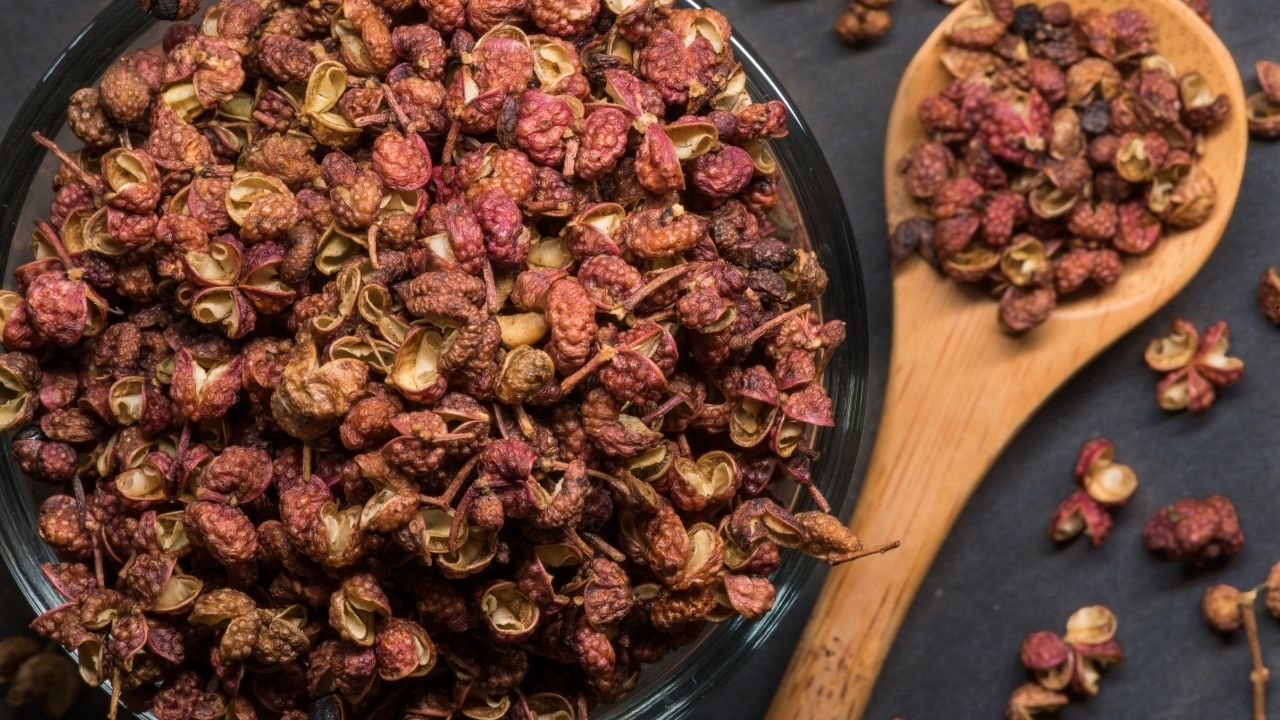
I bet you’ve walked past these little flavor bombs in your pantry without knowing their true power! Szechuan peppercorns create a unique tingling and numbing sensation in your mouth, making them different from regular black peppercorns. These small, reddish-brown berries pack a citrusy, floral punch that adds depth to Chinese dishes. You’ll find them particularly popular in dishes from China’s Sichuan province, where they shine in classic recipes like mapo tofu and kung pao chicken.
Want to bring some excitement to your cooking? Add these peppercorns to your stir-fries, marinades, or spice blends. Just toast them lightly in a dry pan to release their aromatic oils before grinding or using whole. One quick tip: look for peppercorns that still have their round shape and avoid any that appear dull or broken – fresh ones give you the best flavor and that signature numbing effect. Your homemade Chinese dishes will thank you for this authentic addition!
Preserved lemons
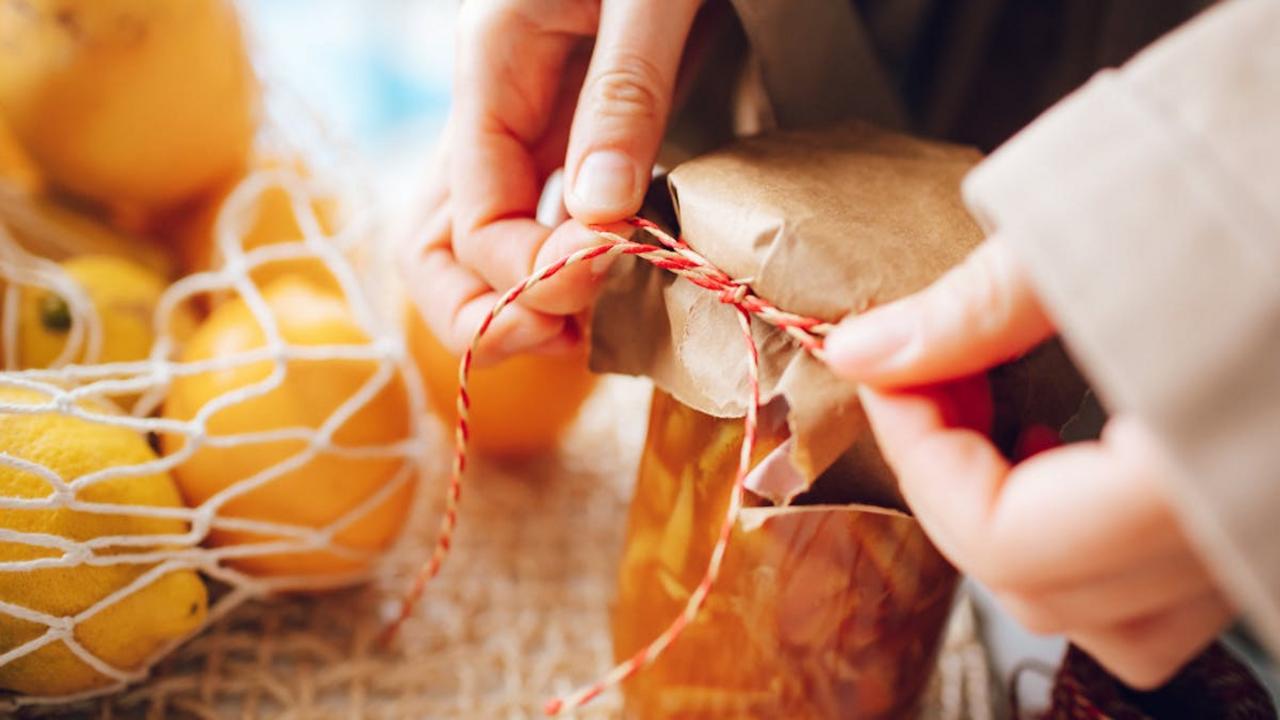
I bet you’ve walked past those bright yellow jars of preserved lemons at specialty stores, wondering what treasures they hold! These intensely aromatic citrus gems pack a bold, complex punch that can transform your everyday cooking. A staple in Moroccan and Middle Eastern cuisine, preserved lemons bring a unique mix of salty, tart, and umami flavors that go far beyond what fresh lemons offer. You’ll find them particularly amazing in rice dishes, stews, and salad dressings where they add depth without overwhelming other ingredients.
Making your own preserved lemons at home takes just two ingredients – fresh lemons and salt – plus a good dose of patience while they ferment for a few weeks. Once ready, you can use both the softened rind and flesh in your cooking. I love mincing the rind finely and mixing it into compound butter for roasted chicken, or blending it into creamy dips and spreads. The salty brine that develops during fermentation works beautifully as a flavor boost in marinades and vinaigrettes too. Keep a jar in your pantry, and you’ll discover countless ways to brighten up your meals with this versatile ingredient.
Asafoetida
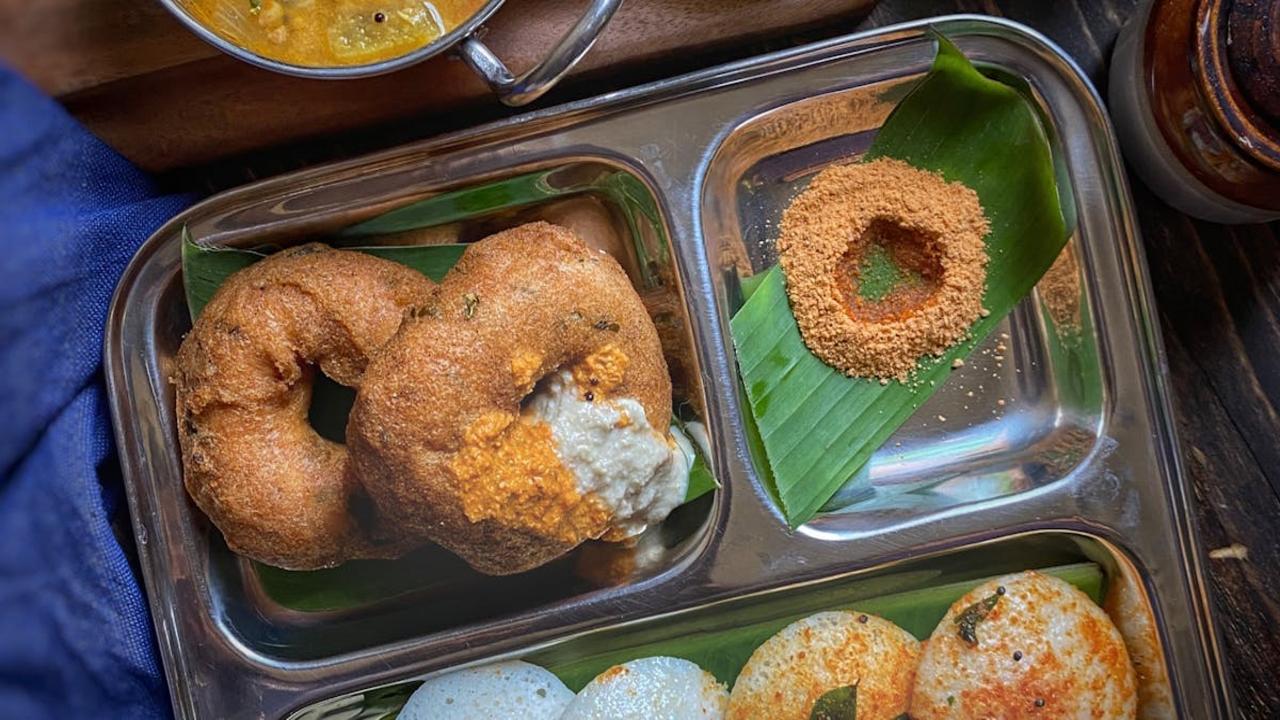
You might have this powerful spice hiding in your pantry without knowing its incredible potential! Asafoetida, also known as ‘hing’ in Indian cuisine, packs a bold, pungent aroma that transforms into a delicate onion-garlic flavor once cooked. I love adding just a pinch of this spice to my lentil dishes and vegetable curries – it not only enhances the overall taste but also helps make legumes more digestible. While its raw smell can be intense (some call it ‘devil’s dung’!), don’t let that discourage you from trying this magical ingredient.
What makes asafoetida truly special is its role as a perfect substitute for onion and garlic in recipes, especially for those following Jain dietary principles or dealing with allium allergies. You’ll find this yellowish-brown powder derived from fennel-like plants primarily in Middle Eastern and Indian grocery stores. Start with a tiny amount – just a pinch will do! I recommend storing it in an airtight container to prevent its strong aroma from affecting other spices. Mix it with hot oil at the beginning of cooking to release its full flavor potential and watch how it elevates your dishes to new heights.
Kaffir lime leaves
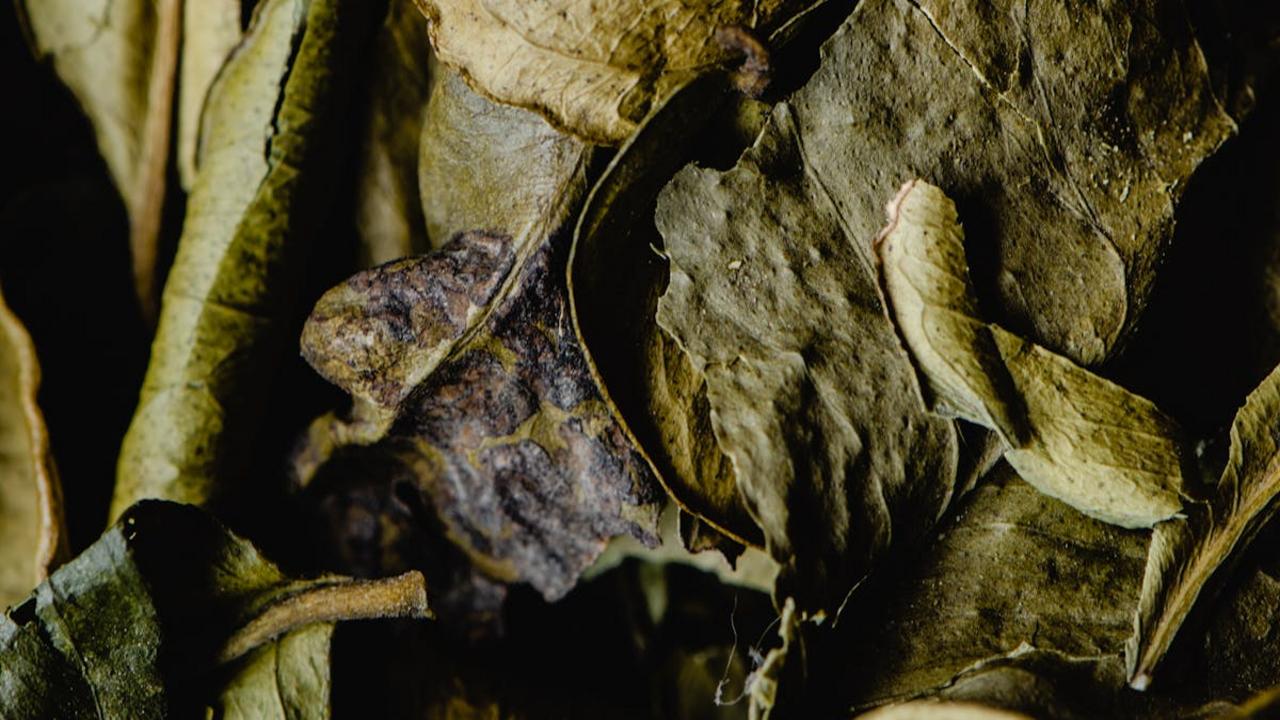
You’ll find these uniquely aromatic leaves tucked away in many Thai and Southeast Asian pantries, yet they remain a hidden gem in Western kitchens. Kaffir lime leaves pack an incredible citrusy punch with distinct floral notes that transform ordinary curries, soups, and stir-fries into bold, authentic dishes. I keep a stash in my freezer and add them whole to simmer in coconut-based curries or finely chop them into lemongrass-forward dishes for that extra layer of complexity.
While these double-lobed leaves might look intimidating at first, they’re actually super easy to work with and can totally change your home cooking game. Fresh leaves stay good in the fridge for about a week, but I recommend freezing them – they’ll maintain their flavor for months! You can find them in Asian grocery stores or some well-stocked supermarkets. Pro tip: if you can’t spot fresh ones, dried kaffir lime leaves work great too, just remember to remove them before serving, just like you would with bay leaves.
Blue spirulina powder
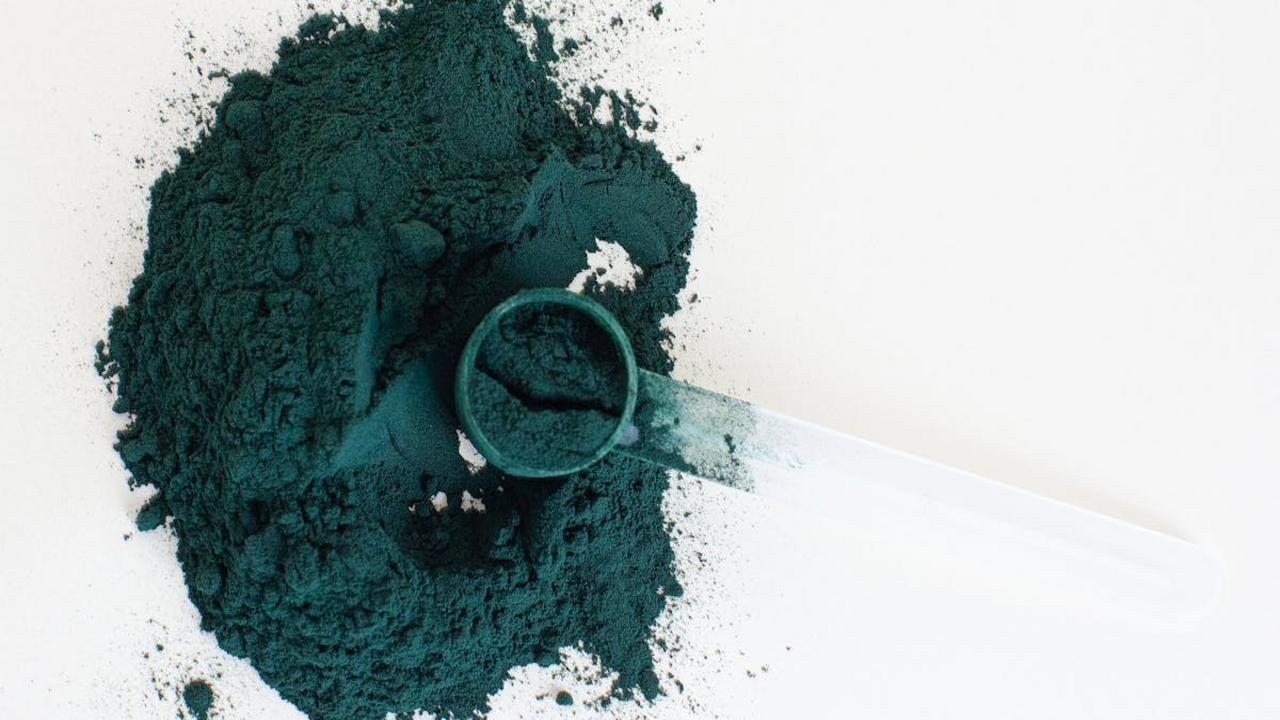
You’ve probably spotted this vibrant blue powder at your local health food store or in smoothie bowls on social media. Blue spirulina powder, made from blue-green algae, packs a powerful nutritional punch with high amounts of protein, B vitamins, and antioxidants. I love adding a teaspoon of this superfood to my morning smoothies – it creates the most beautiful ocean-blue color while boosting my energy levels naturally. The mild, neutral flavor makes it a perfect addition to any breakfast bowl or drink without changing the taste.
What I find amazing about blue spirulina is how versatile it can be in your kitchen. Beyond smoothies, you can mix it into pancake batter for fun blue flapjacks, stir it into yogurt parfaits, or even use it as a natural food coloring for homemade ice cream and baked goods. The powder dissolves easily in liquid and won’t clump like some other supplements. Just remember to start with small amounts – about 1/4 to 1/2 teaspoon – and work your way up as your body adjusts to this nutrient-rich ingredient.
Yuzu kosho
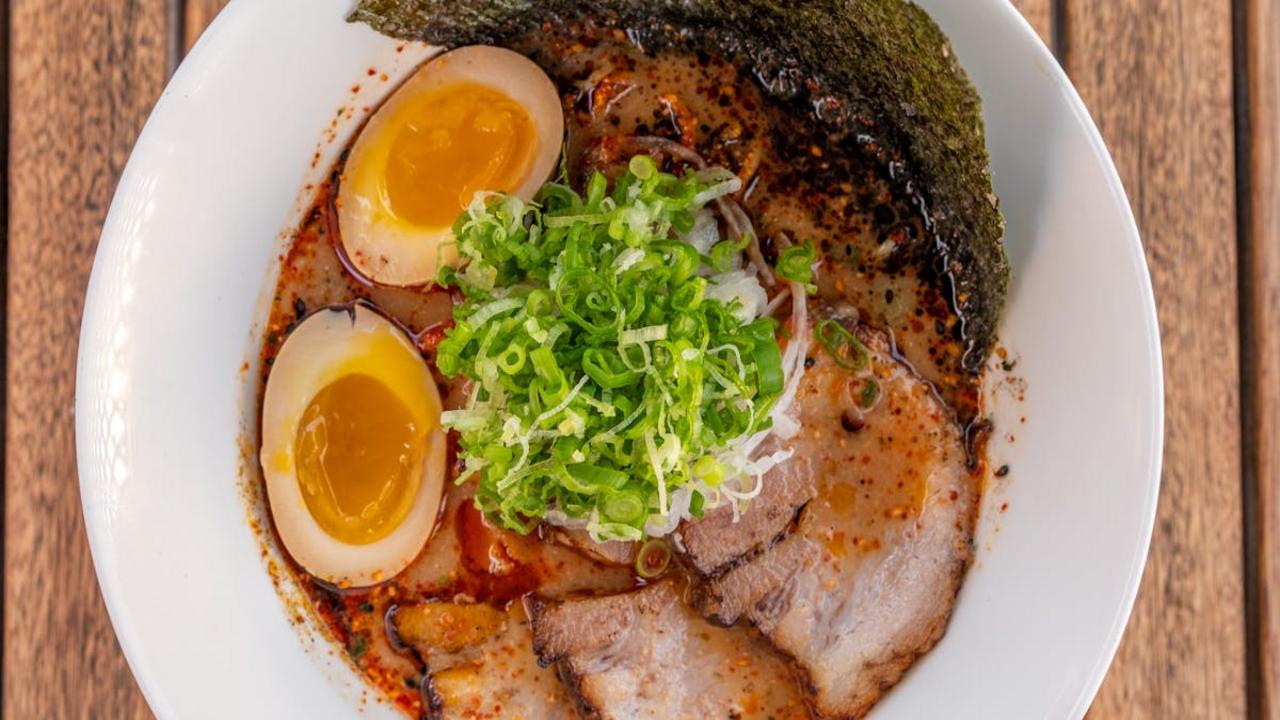
I bet you have a jar of yuzu kosho hiding in the back of your pantry! This Japanese condiment packs an incredible punch of citrusy heat that can transform your everyday dishes into something extraordinary. Made from fresh yuzu citrus peel, hot chili peppers, and salt, this bright green or yellow paste brings a unique combination of tart, spicy, and umami flavors that will make your taste buds dance. You’ll find it adds depth to soups, marinades, and grilled meats – just a small dab goes a long way!
Think of yuzu kosho as your secret weapon in the kitchen. Mix a tiny amount into mayo for an elevated sandwich spread, or stir it into your favorite stir-fry sauce for an instant flavor boost. My favorite way to use this zingy condiment is to blend it with olive oil and drizzle it over roasted vegetables – especially Brussels sprouts or broccoli. The heat from the chilies and the citrus notes from the yuzu create a perfect balance that will have everyone at your table asking for your recipe!
Lavender buds

Your pantry might hold a secret purple gem that goes way beyond its reputation as a calming bedtime tea ingredient. Dried lavender buds pack a unique floral punch that can transform both sweet and savory dishes into something extraordinary. I love sprinkling these fragrant little buds into my shortbread cookies, adding them to homemade spice rubs for roasted chicken, or mixing them into honey for a beautiful natural sweetener. The trick is to start with a tiny pinch – lavender’s bold flavor means a little goes a long way!
Many home cooks overlook lavender because they worry it will make their food taste like soap, but here’s the secret: proper portioning changes everything. Mix your dried lavender buds with herbs like thyme and rosemary for a French-inspired blend perfect for roasted potatoes or grilled vegetables. For baking, grind the buds with sugar in a food processor to distribute the flavor evenly through your cakes and pastries. Remember to always buy culinary-grade lavender, which has a cleaner, more subtle flavor than ornamental varieties.
Fermented bean paste
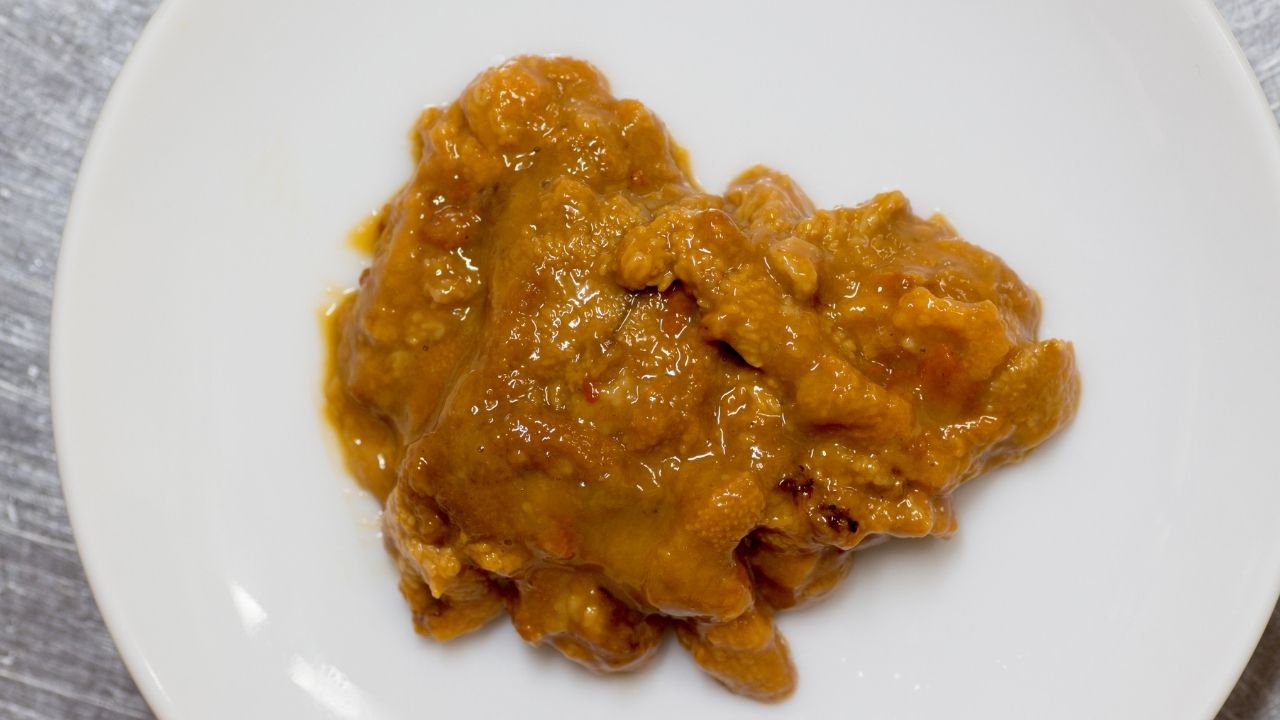
You might spot a jar of fermented bean paste hiding in the back of your pantry, especially if you cook Asian dishes at home. This rich, salty condiment packs a powerful umami punch that can transform your everyday cooking. Made from soybeans fermented with salt and other ingredients like rice or wheat, fermented bean paste adds depth and complexity to marinades, stir-fries, and soups. Korean doenjang, Japanese miso, and Chinese doubanjiang each bring their own unique character to dishes while sharing that deeply savory foundation.
I love adding a spoonful of fermented bean paste to broths and sauces for an instant boost of flavor – it’s like having a secret ingredient that makes everything more delicious! Beyond its incredible taste, this humble paste contains beneficial probiotics from the fermentation process and high levels of protein. You can start by mixing a small amount into your next batch of soup or using it to season roasted vegetables. The paste keeps for months in your fridge, ready to enhance your meals with its concentrated umami goodness.
Black garlic
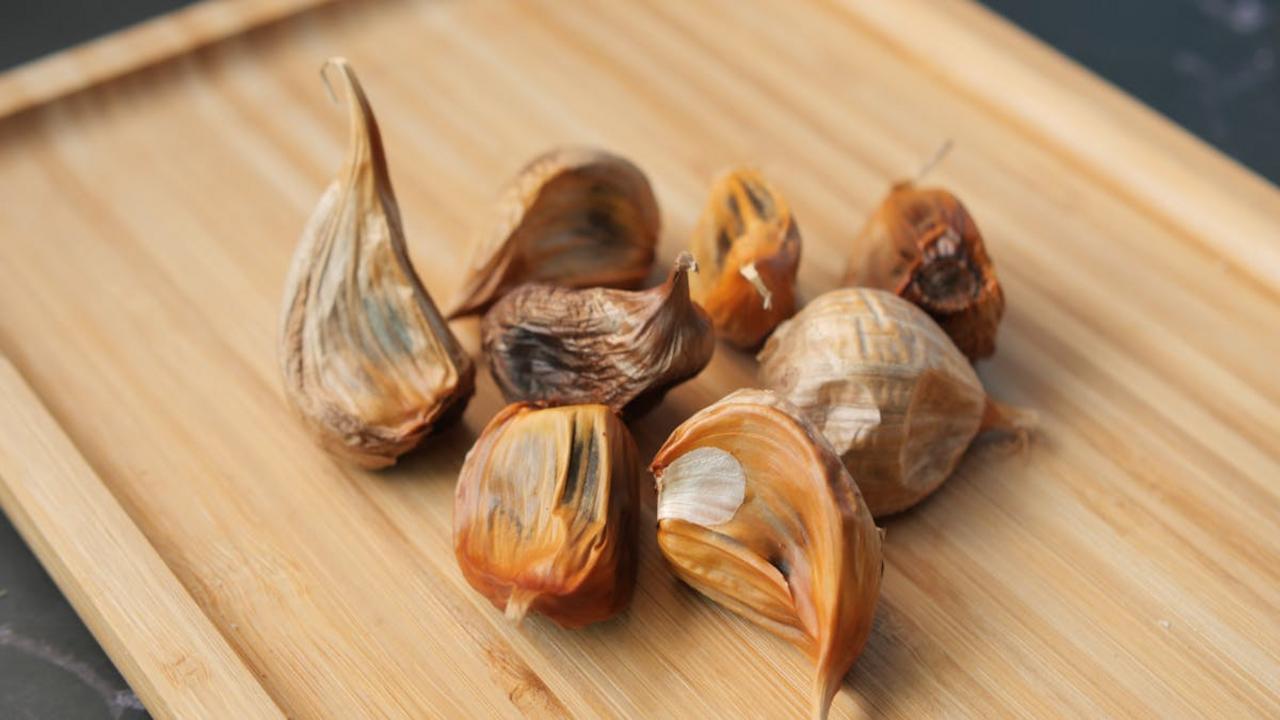
You might walk right past black garlic in your pantry without realizing the incredible flavor powerhouse hiding inside those dark, soft cloves. Unlike regular garlic, black garlic goes through a special aging process where heat and humidity transform it over several weeks. The result? Sweet, rich notes similar to molasses and balsamic vinegar, with none of the sharp bite of raw garlic. I love adding it to homemade aioli or blending it into compound butter for an instant umami boost to any dish.
Black garlic packs twice the antioxidants of regular garlic and brings a depth that can transform everyday recipes into something truly special. Try mashing it into meatballs, stirring it into risotto, or spreading it on crusty bread with good olive oil. The soft, spreadable texture makes it super versatile in the kitchen. While it costs more than regular garlic, a little goes a long way – just one or two cloves can elevate an entire meal. Keep your eyes peeled for this hidden gem next time you’re organizing your pantry!
Sumac
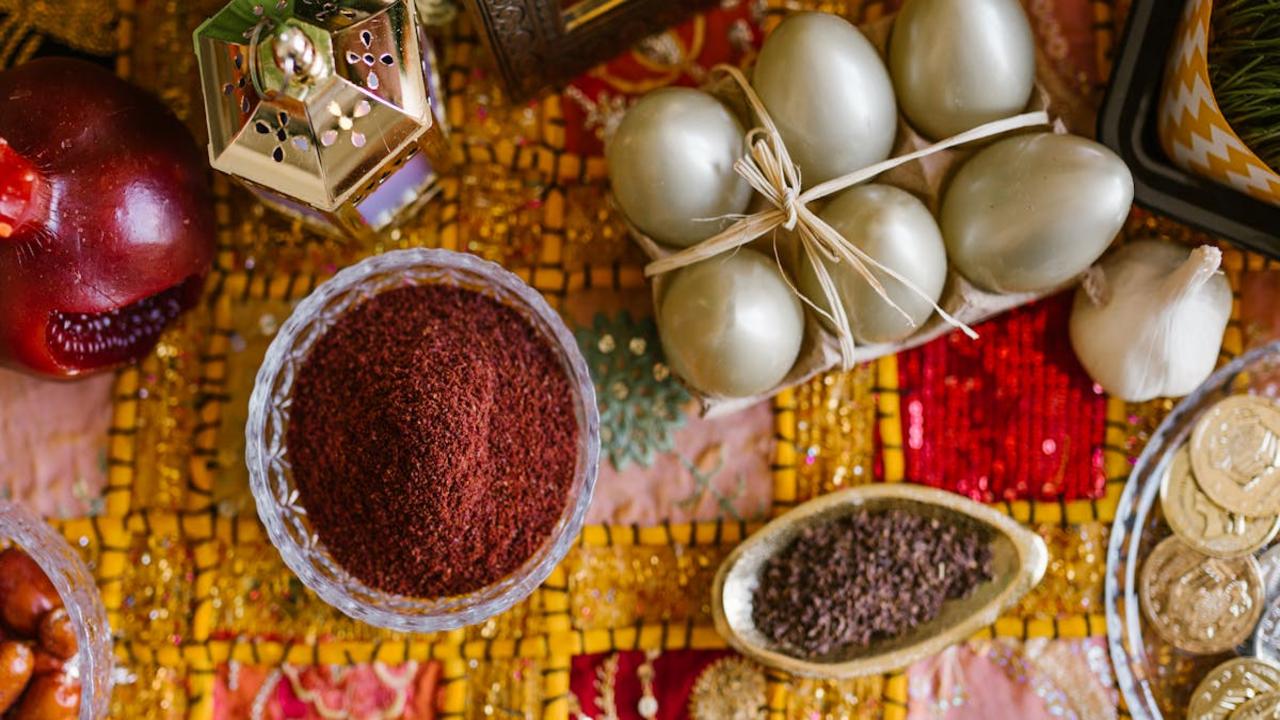
You’ll find sumac hiding in your spice cabinet as a deep red powder that brings a bright, citrusy kick to your dishes. This Middle Eastern spice comes from grinding the dried berries of the sumac bush, creating a flavor that perfectly balances between tart and sweet. I love sprinkling it on grilled vegetables, mixing it into salad dressings, or using it as a finishing touch on hummus. The best part? Sumac contains natural antioxidants and can add that perfect lemony flavor to your meals without reaching for actual lemons.
If you haven’t cooked with sumac before, start by adding a pinch to your morning eggs or dusting it over roasted potatoes – it’ll quickly become your new favorite seasoning! The spice pairs beautifully with Mediterranean dishes and makes an excellent addition to dry rubs for chicken or fish. Many traditional recipes call for sumac in za’atar, a popular spice blend that combines it with sesame seeds and herbs. Plus, its vibrant color will make any dish look more appealing on your plate. Keep this versatile spice within reach – you’ll find yourself reaching for it more often than you think!
Dried hibiscus petals
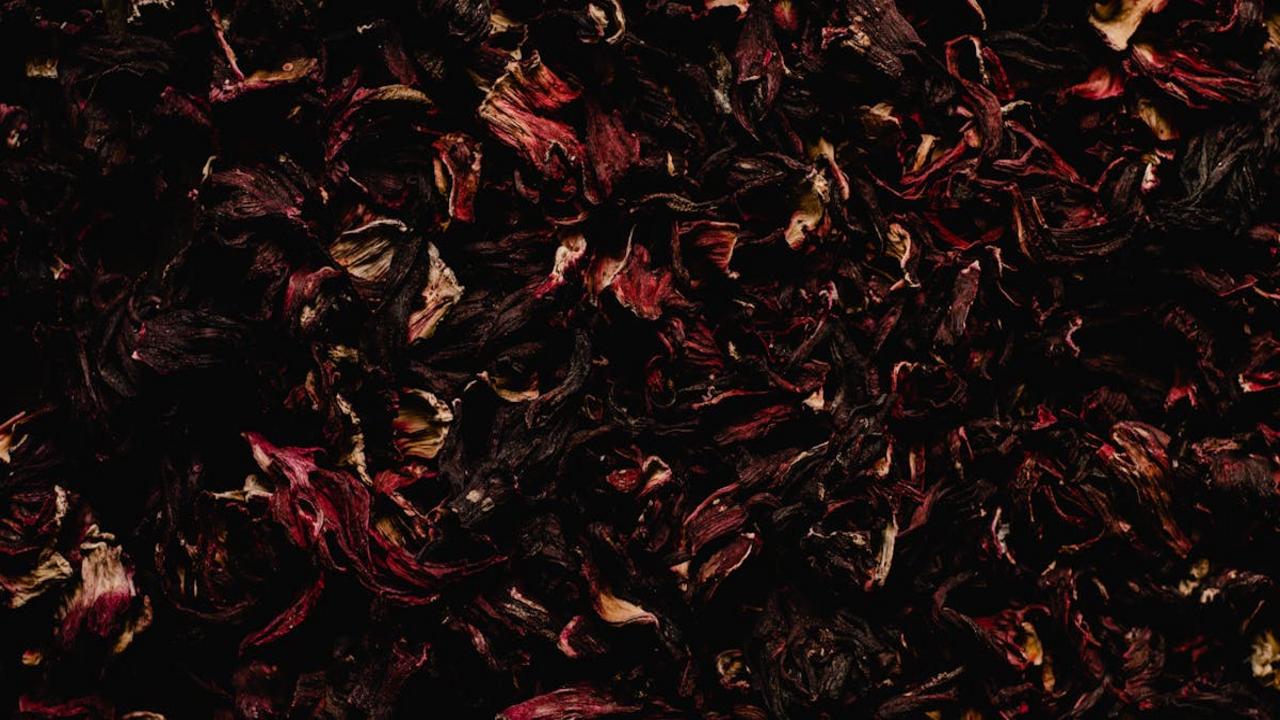
You’ve likely walked past dried hibiscus petals in your pantry without knowing their incredible potential! These vibrant, ruby-red flower petals pack a zingy, tart flavor that can transform your drinks and dishes. I love adding them to hot or cold tea for a refreshing boost, but they also make beautiful garnishes for desserts and add natural color to homemade jams. The best part? These petals contain high levels of vitamin C and antioxidants, making them both pretty and beneficial for your health.
Mexican cuisine features hibiscus in “agua de jamaica,” a popular cold drink that’ll cool you down on hot summer days. You can steep the petals in hot water for 10 minutes, strain them, add honey or sugar to balance the tartness, then chill the mixture. I recommend buying dried hibiscus petals from Latin American markets or natural food stores – they’re usually more affordable there. Store them in an airtight container away from direct sunlight, and they’ll keep their flavor and color for up to a year!