Top 15 Showstopping Recipes That Are Nearly Impossible to Replicate at Home
Every cook dreams of making those jaw-dropping dishes that look like they belong in a Michelin-starred restaurant. From towering French pastries to complex Asian specialties, these 15 recipes represent the pinnacle of cooking mastery – the kind that makes professional chefs sweat and home cooks think twice.
I’ve spent years watching expert chefs create these stunning dishes, each requiring precise techniques, special equipment, and often days of preparation. The complexity ranges from the delicate layers of a Mille-Feuille to the time-intensive process of preparing authentic Peking Duck. While these recipes might seem daunting, understanding them helps you appreciate the skill behind restaurant cooking.
Whether you want to push your cooking limits or simply admire these culinary masterpieces from afar, these 15 dishes showcase the heights of cooking expertise. From the precise temperature control needed for a perfect Baked Alaska to the years of training required for authentic sushi, each recipe demands dedication, patience, and remarkable skill.
Cassoulet
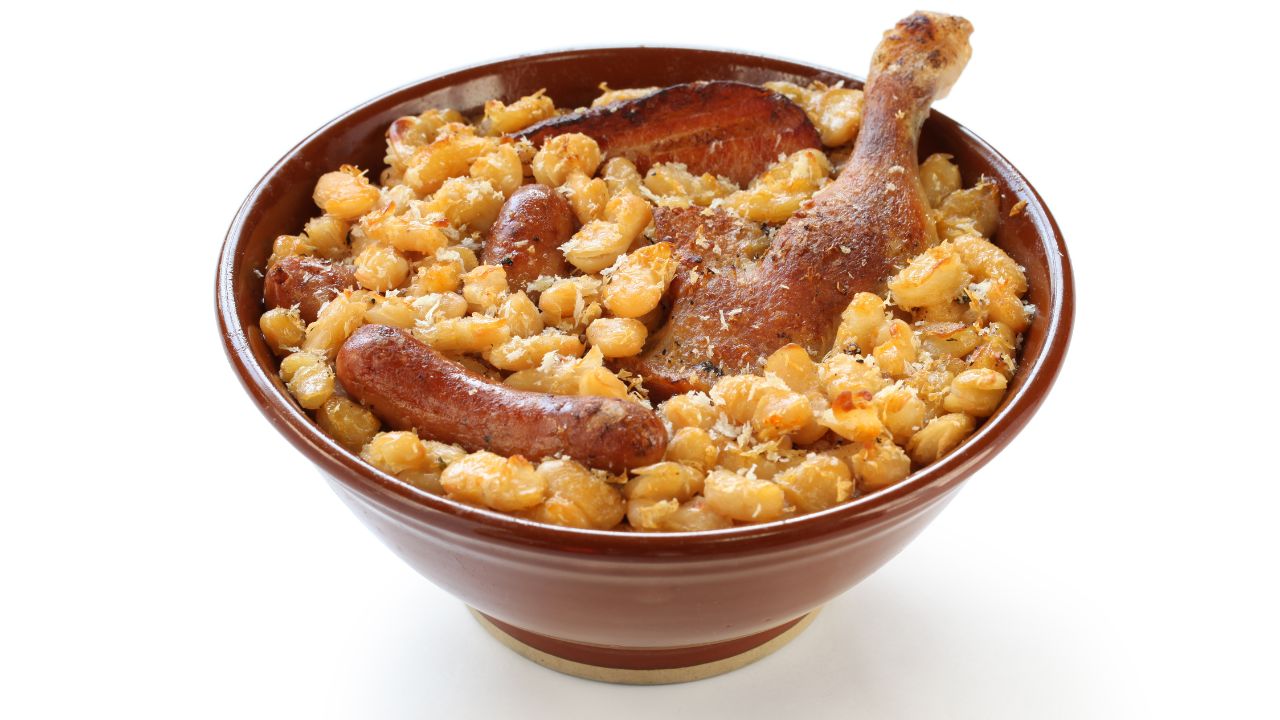
I’ve spent countless hours perfecting this classic French dish, and let me be straight with you – making an authentic cassoulet will test your patience and skill like few other recipes. This hearty bean and meat stew from southern France requires at least three days of preparation, multiple types of meat (including duck confit, pork belly, and garlic sausages), and constant attention to detail. You’ll need to source specific ingredients like Tarbais beans, manage different cooking times for various meats, and master the technique of creating that perfect golden crust on top.
The real challenge lies in the layering process and timing – each component needs to cook at its own pace while melding together perfectly. You must monitor the liquid levels, break the crust seven times during cooking (a traditional requirement), and maintain the right consistency throughout the extended cooking process. Plus, making your own duck confit from scratch adds another day to your preparation time. While I admire anyone wanting to make this dish, I recommend trying it at a good French restaurant first or starting with simpler bean-based stews to build your confidence.
Canelé
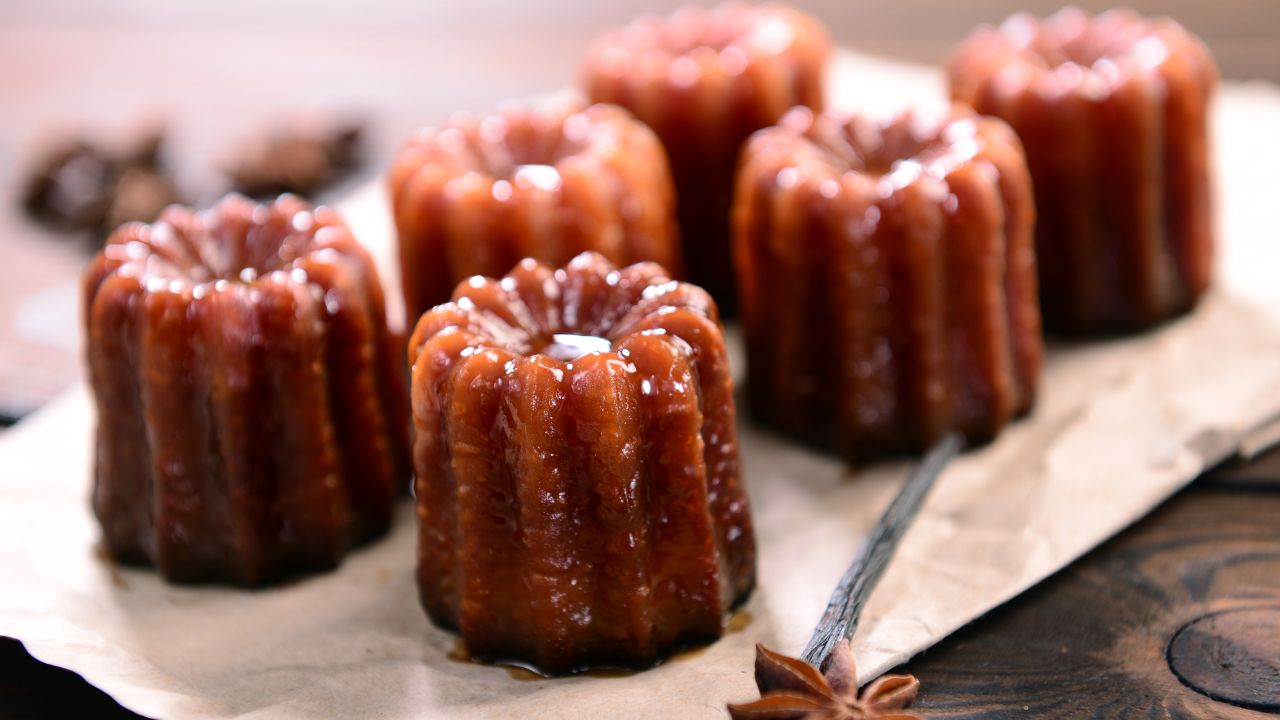
I’ll be honest with you – making canelés at home will push your baking skills to their absolute limits. These small French pastries from Bordeaux demand precision timing, perfect temperature control, and specialized copper molds that you’ll need to season with beeswart and butter. The exterior needs to achieve that signature dark mahogany crust while maintaining a custardy, tender interior – a balance that took me years of practice to master. Many home bakers give up after their first few attempts yield either burnt or undercooked results.
The recipe itself reads like a chemistry experiment – you’ll spend hours tempering eggs into heated milk, letting the batter rest for 24-48 hours, and meticulously coating those expensive copper molds. One small mistake in temperature or timing can ruin the whole batch. Even professional pastry chefs often struggle with achieving the perfect canelé. If you’re determined to try making these at home, prepare yourself for multiple failed attempts and a significant investment in equipment. I recommend starting with simpler French pastries before taking on this advanced challenge.
Tarte Tatin
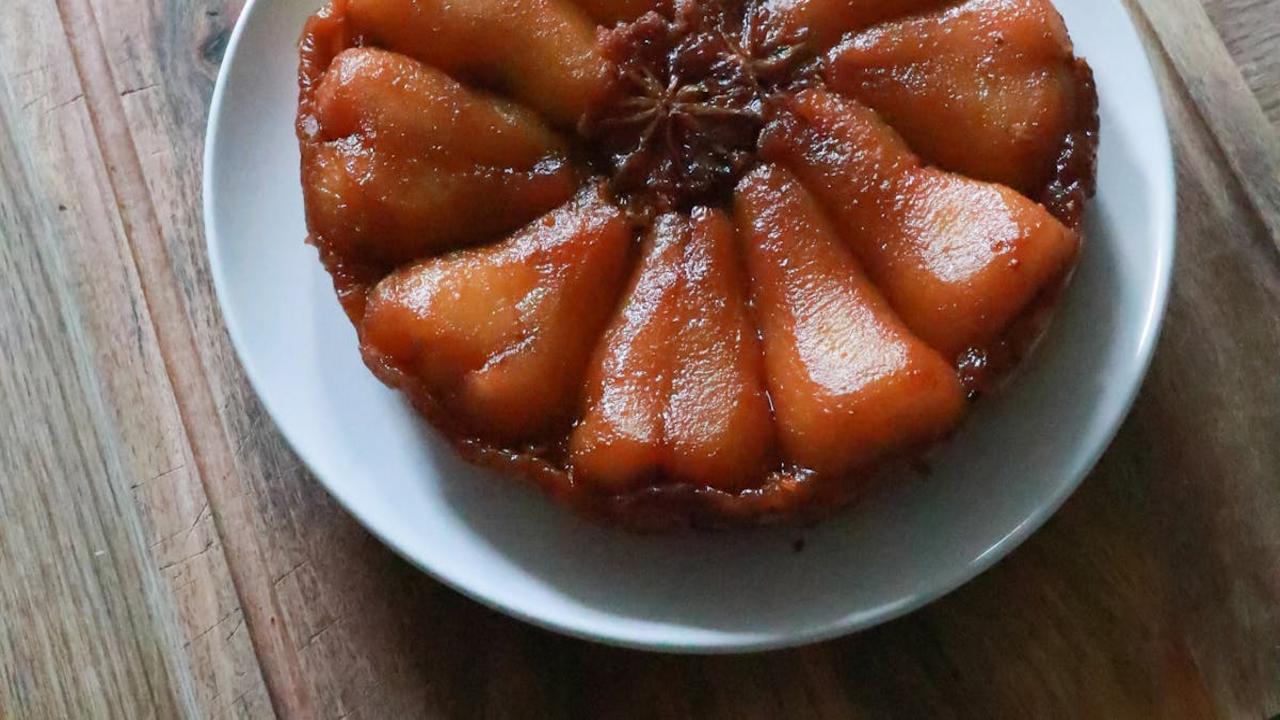
I’ll be honest with you – making a perfect Tarte Tatin can make even experienced bakers break into a cold sweat. This upside-down French apple dessert demands absolute precision and perfect timing. You need to cook the caramel to the exact right moment – too light and your tart will lack flavor, too dark and you’ll end up with a bitter, burned mess. The real challenge comes when you have to flip the whole thing onto a serving plate without the caramelized apples sticking to the pan or falling apart. And don’t get me started on achieving that perfect spiral pattern with the apple slices!
The temperature control in this recipe is particularly tricky – you’re working with hot caramel that can go from golden to burnt in seconds. Many home bakers have shed tears over broken Tarte Tatins, with their carefully arranged apples turning into a mushy disaster during the flip. The pastry needs to be just right too – too thick and it won’t cook through, too thin and it’ll become soggy from the apple juices. If you decide to tackle this French classic, make sure you have plenty of time, patience, and maybe a backup dessert ready!
Gâteau Saint-Honoré
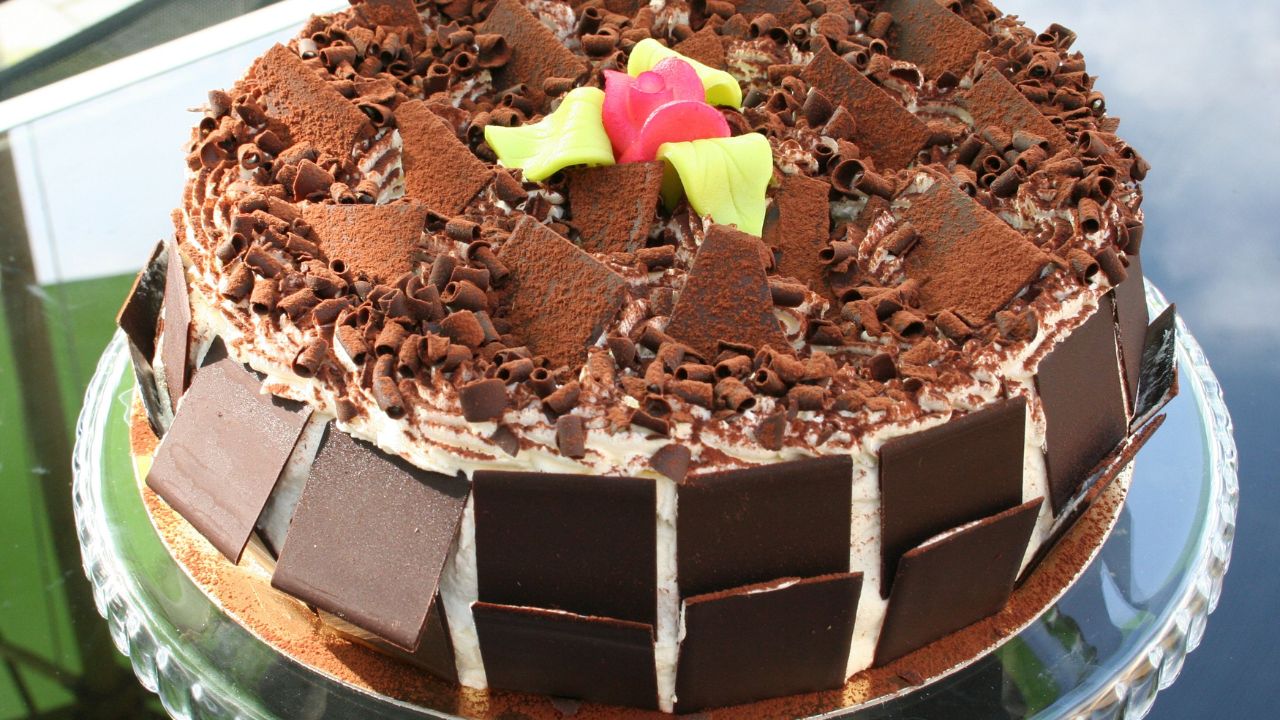
I’m going to be honest with you – making a Gâteau Saint-Honoré will push your baking skills to their absolute limits. This classic French dessert combines three separate technical components that each require perfect execution: a crisp puff pastry base, delicate choux pastry puffs filled with crème chiboust (a vanilla pastry cream lightened with Italian meringue), and a crown of caramel-dipped cream puffs. The complexity lies not just in making each element, but in the precise timing needed to assemble everything while maintaining the right temperatures and textures.
Each step demands intense focus and advanced technique. You’ll need to master laminating dough for the puff pastry, pipe uniform choux puffs that rise perfectly hollow, cook sugar to the exact temperature for caramel work, and whip up a silky crème chiboust that holds its shape. One small mistake in any component can throw off the entire dessert. This pastry got its name from Saint Honoré, the patron saint of bakers and pastry chefs – and after attempting it, you’ll understand why bakers need divine intervention! I recommend mastering each component separately before combining them into this showstopping French classic.
Mole Poblano
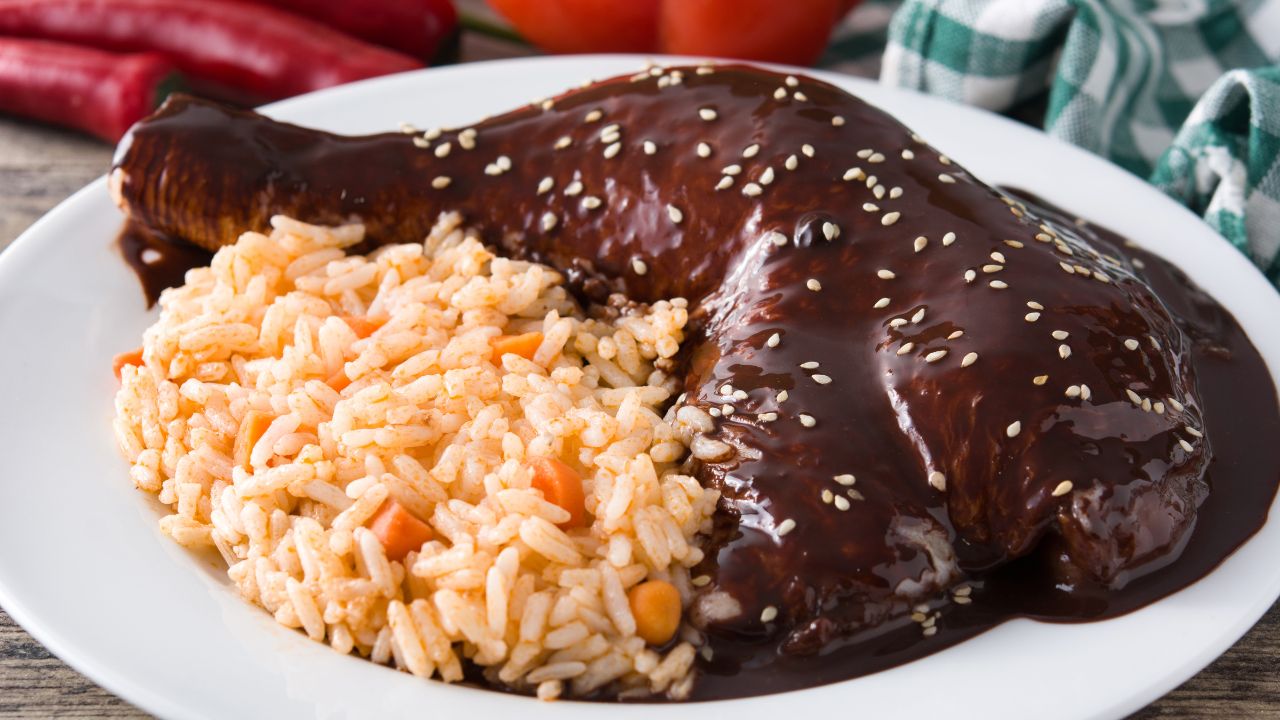
I’d warn any home cook thinking about making authentic Mole Poblano from scratch – this Mexican masterpiece demands serious dedication and skill! The traditional recipe calls for over 20 ingredients including multiple types of dried chilies, chocolate, nuts, spices, and bread. You’ll need to individually toast, fry, or roast many components to bring out their flavors before grinding them together. The process often takes 2-3 days of continuous work, and one small mistake in timing or temperature can throw off the entire sauce’s complex balance.
Making Mole Poblano requires expert knowledge of Mexican cooking techniques and ingredients that many home cooks simply don’t possess. Each family’s recipe varies slightly, passed down through generations with closely guarded secrets. The sauce needs constant attention while simmering to prevent burning, and achieving the right consistency takes years of practice. The ingredients themselves can be hard to source outside of Mexico – finding specific dried chilies like mulato or pasilla may require special orders. If you want to experience real Mole Poblano, I recommend seeking out an authentic Mexican restaurant rather than attempting this intimidating dish at home.
Ramen from scratch
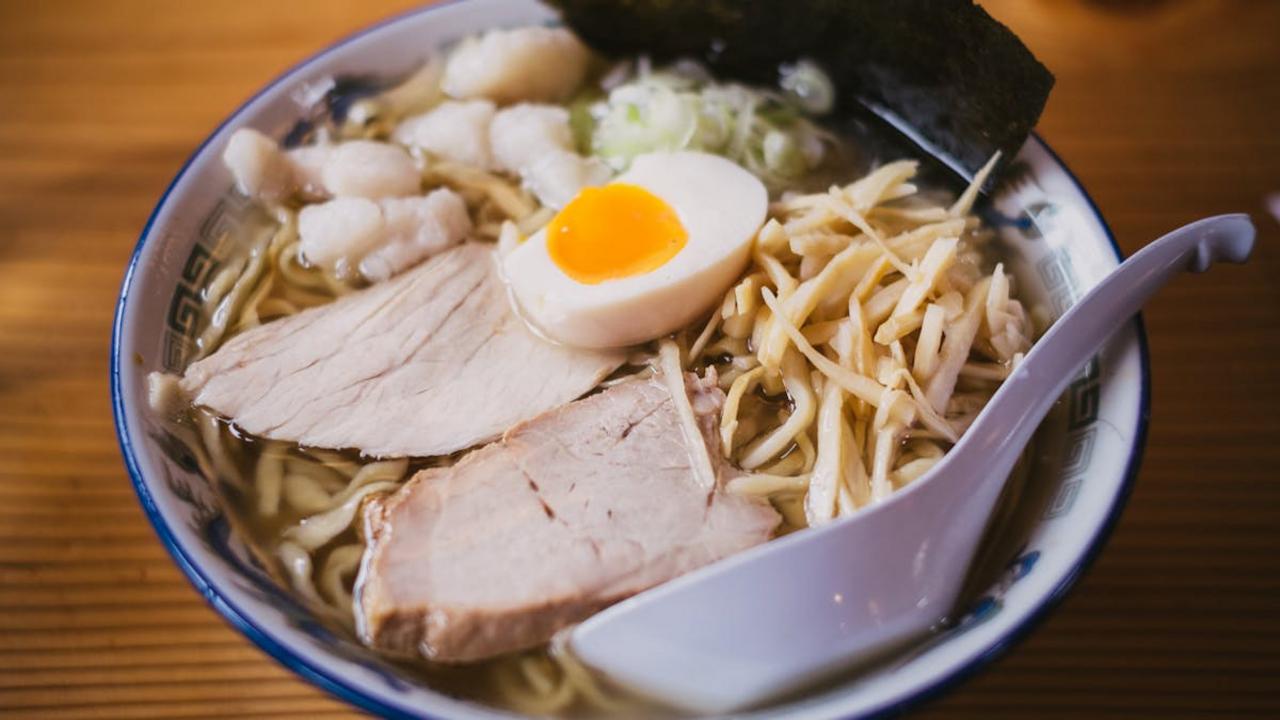
Making authentic ramen from scratch will test your cooking abilities like nothing else. You’ll need to spend 2-3 days preparing the rich, complex broth by simmering pork bones, chicken feet, and aromatics for at least 18 hours. The noodles demand precise measurements and techniques – you must knead the dough with kansui (alkaline water) to achieve that signature springy texture and yellow color. Plus, each topping requires individual preparation, from the perfectly jammy eggs to the tender chashu pork that needs overnight marination.
The real challenge lies in coordinating all these elements to come together at the right moment. Your broth temperature must stay consistent, the noodles need exact cooking times (often just 1-2 minutes), and each bowl requires careful assembly to maintain the proper temperature. Many professional ramen chefs train for years to master these techniques. If you mess up any single component, whether it’s overcooking the noodles or letting the broth become cloudy, your hours of work could result in a bowl that falls short of that restaurant-quality ramen you’re aiming to replicate.
Sushi
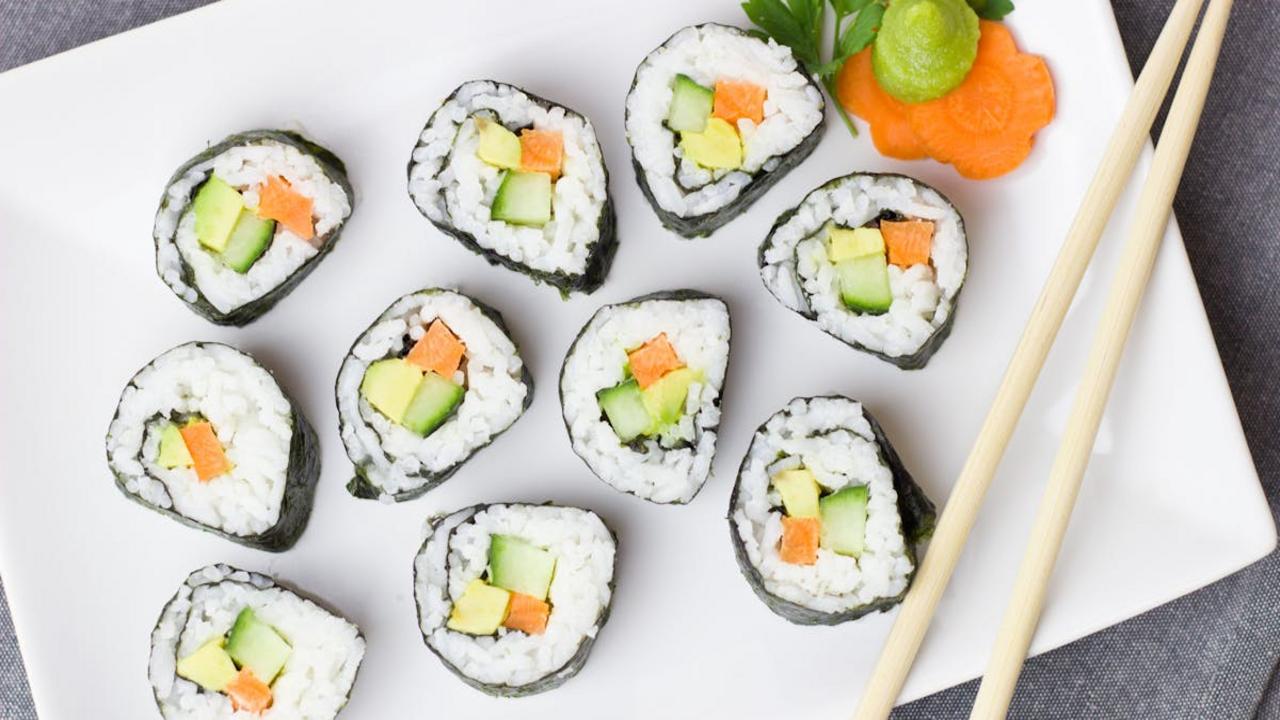
Making sushi at home goes beyond rolling rice and fish in seaweed – it requires years of dedicated training and precise techniques that Japanese sushi chefs spend decades perfecting. The rice alone needs exact measurements of vinegar, salt, and sugar, plus the perfect temperature and fanning technique to achieve that signature glossy texture. You’ll also need ultra-fresh, sushi-grade fish that you must slice with absolute precision using specialized knives, which can cost hundreds or even thousands of dollars.
The real challenge lies in mastering nigiri sushi, where you must shape the rice with just the right pressure – too much and it becomes dense and inedible, too little and it falls apart. Each piece should contain exactly the same amount of rice, shaped at a 45-degree angle, with fish draped perfectly on top. Add to this the complexity of making your own wasabi from fresh wasabi root (which costs around $200 per pound), and the need for impeccable knife skills to cut paper-thin daikon and ginger garnishes. I strongly recommend leaving sushi-making to the professionals who’ve dedicated their lives to this meticulous craft.
Peking Duck
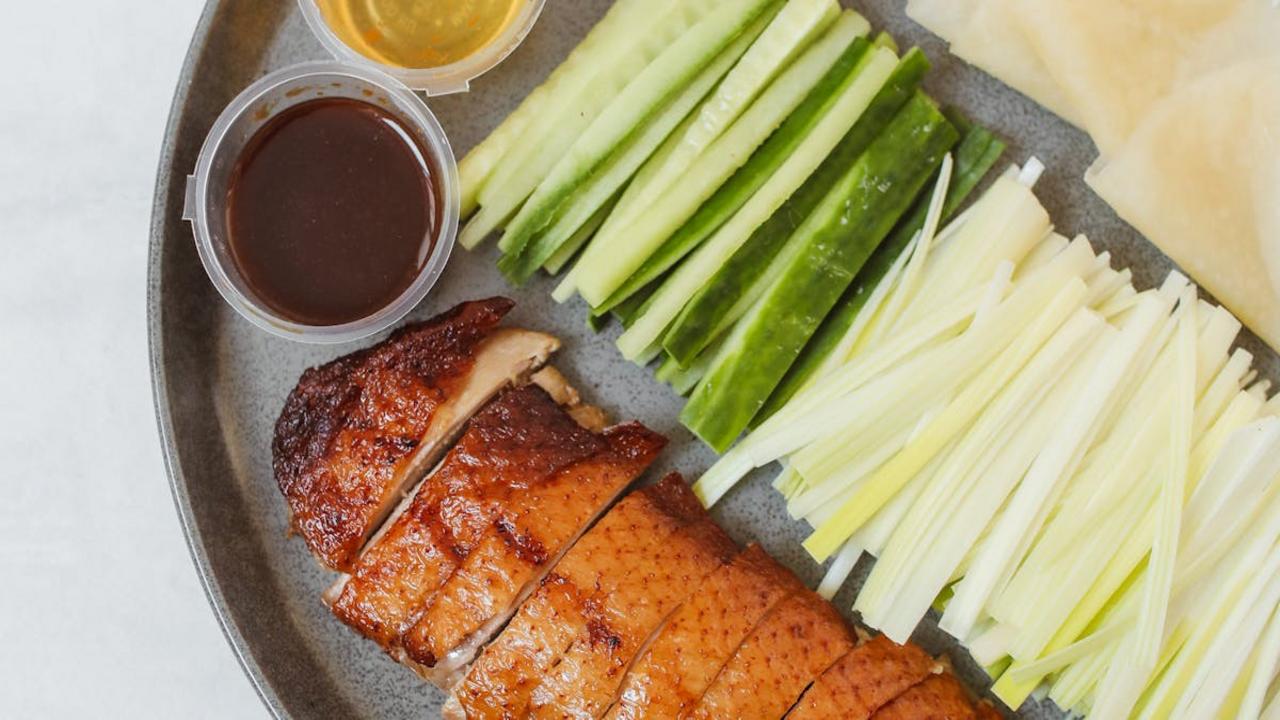
Oh my goodness, if you think you can make authentic Peking Duck at home, I need to be honest with you – this imperial Chinese dish will test every cooking skill you have! The traditional preparation takes multiple days and demands techniques that professional chefs spend years mastering. You’ll need to carefully separate the skin from the meat, air-dry the duck for 24-48 hours, repeatedly baste it with boiling water and honey mixture, and then roast it to achieve that signature crispy skin while keeping the meat tender and juicy.
The complexity doesn’t stop there! You must precisely control the temperature throughout the cooking process, which traditionally happens in a special wood-fired oven. The duck needs constant attention and adjustment to get that perfect golden-brown color without burning. Plus, the proper carving technique requires you to slice the meat into exactly 120 pieces and serve it with handmade thin pancakes, scallions, and sweet bean sauce. I’ve seen many home cooks try this recipe only to end up with a less-than-stellar result – save yourself the stress and visit a Chinese restaurant that specializes in this magnificent dish instead!
Consommé
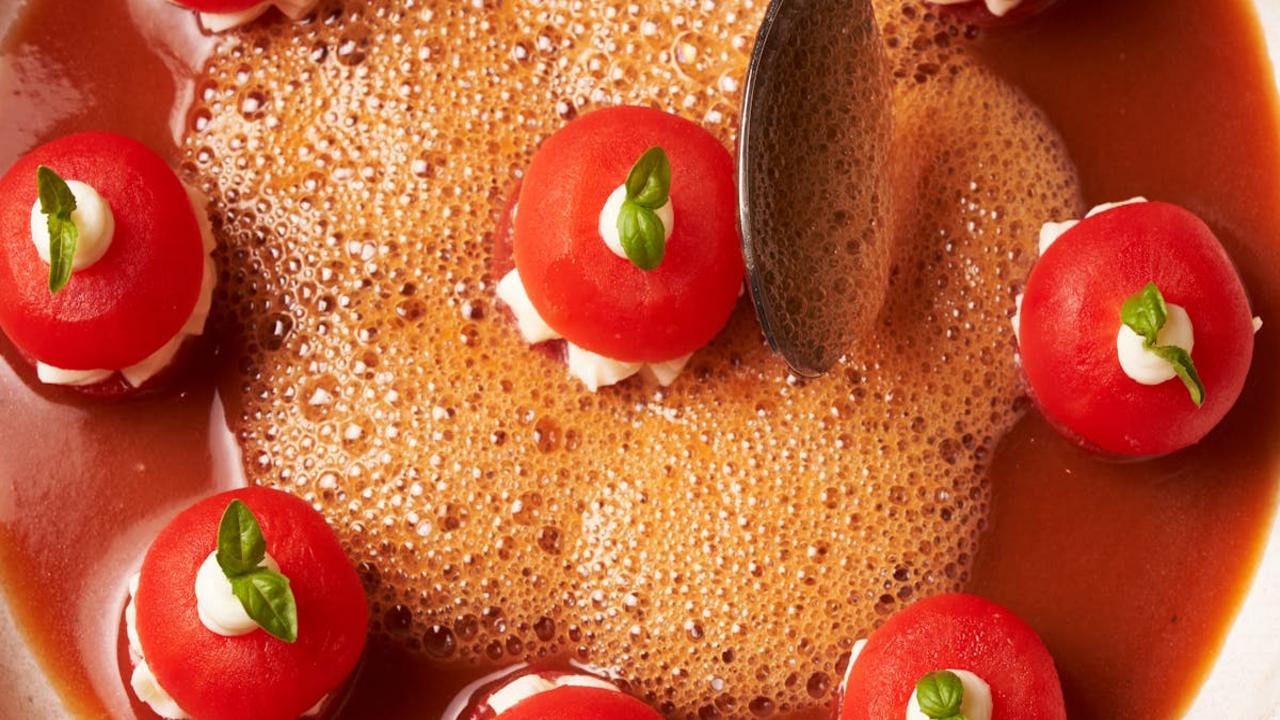
Making a perfect consommé will push your cooking abilities to their absolute limits. This crystal-clear soup requires meticulous attention to detail and an understanding of complex French cooking techniques that many professional chefs spend years mastering. You’ll need to create a “raft” using egg whites, ground meat, and vegetables, which floats to the top and filters out any impurities. The process demands precise temperature control – even a slight deviation can turn your broth cloudy and ruin hours of work.
The real challenge lies in maintaining the perfect simmer without disturbing the raft, while simultaneously drawing maximum flavor from your ingredients. You’ll spend around 4-5 hours hovering over the pot, constantly monitoring the temperature and ensuring the raft doesn’t break apart. One wrong move – like stirring the pot or letting it boil – means starting over from scratch. Plus, after all that effort, you might end up with just a few cups of clear broth. I’ve seen many home cooks give up halfway through this demanding process, making consommé one of those dishes best left to trained professionals.
Turducken
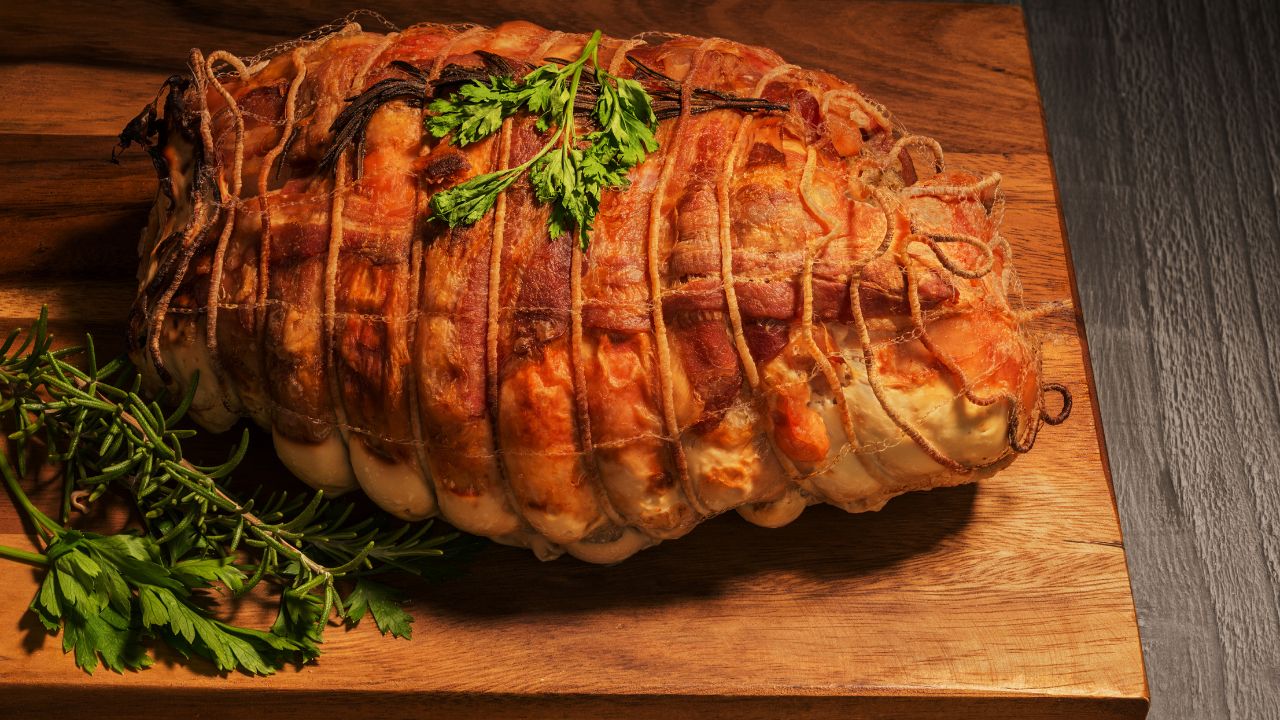
I’ll be honest – making a turducken at home is like trying to solve a complex puzzle with raw meat. This mega-roast involves deboning three birds (turkey, duck, and chicken), layering them with stuffing, and somehow getting them to cook evenly without drying out. You need advanced knife skills to remove all bones while keeping the skin intact, plus the patience of a saint to assemble this triple-threat creation. The process can take up to 8 hours just to prep, not counting cooking time!
The real challenge comes during the cooking phase – each bird needs different temperatures to reach food-safe doneness, and achieving this balance feels like performing a high-wire act. One wrong move, and you’ll end up with overcooked chicken, raw duck, or a dried-out turkey. Plus, you’ll need specialized equipment like multiple thermometers and large roasting pans. If you’re dead set on having turducken for your holiday feast, I recommend ordering from a professional butcher who makes these regularly. Your sanity (and your guests’ safety) will thank you!
Soufflé
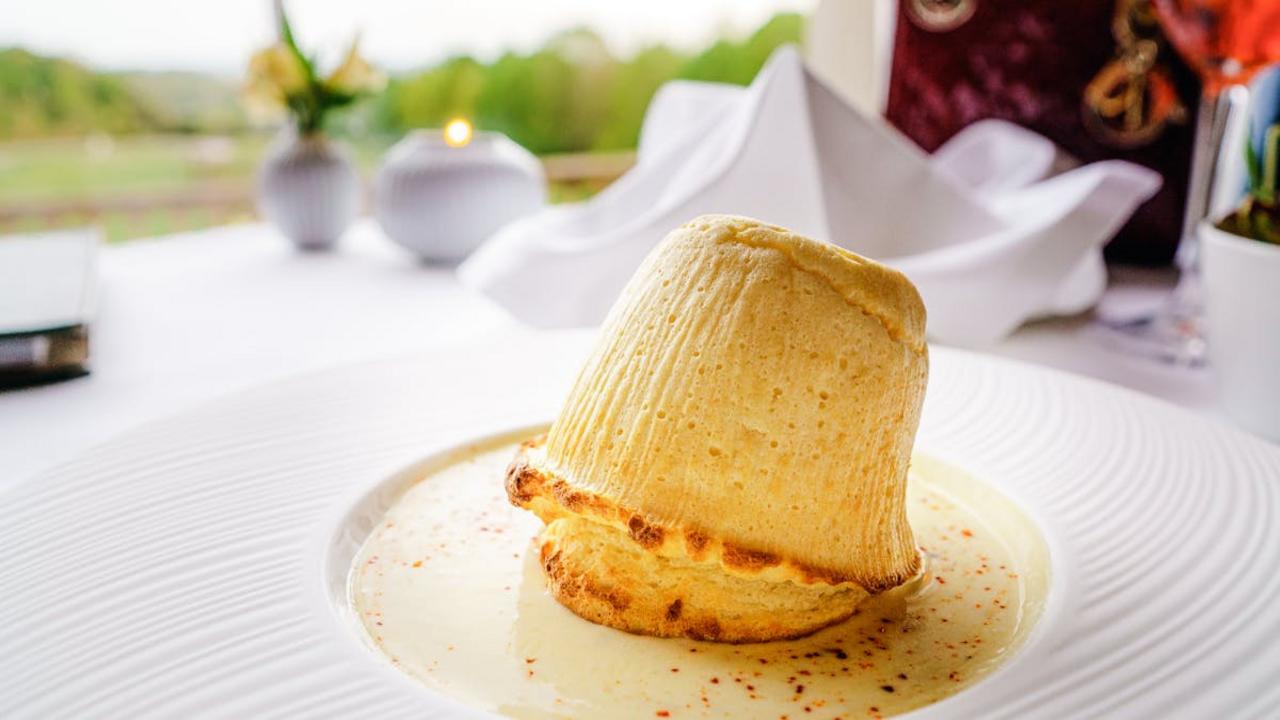
I’ll be straight with you – making a soufflé ranks among the most nerve-wracking dishes you’ll ever attempt in your kitchen. This classic French dish demands perfect timing, precise temperature control, and flawless technique at every step. You need to master the art of creating a stable base, whipping egg whites to the exact right consistency, and folding them together without deflating the mixture. One wrong move – like opening the oven door at the wrong moment or using eggs that aren’t at room temperature – and your soufflé will collapse faster than you can say “bon appétit.”
The real challenge lies in the chemistry behind this temperamental dish. The success of your soufflé depends on trapped air bubbles expanding in the heat, pushing the mixture upward to create that signature puffy top. You’ll need to properly butter and sugar your ramekin, create a collar that extends above the rim, and ensure your oven maintains the exact right temperature throughout cooking. Most home ovens have temperature fluctuations that make this nearly impossible. Plus, even if you do everything right, you only have about 5 minutes to serve it before it starts to sink – talk about pressure! I recommend leaving this one to professional chefs who have the right equipment and years of practice.
Beef Wellington
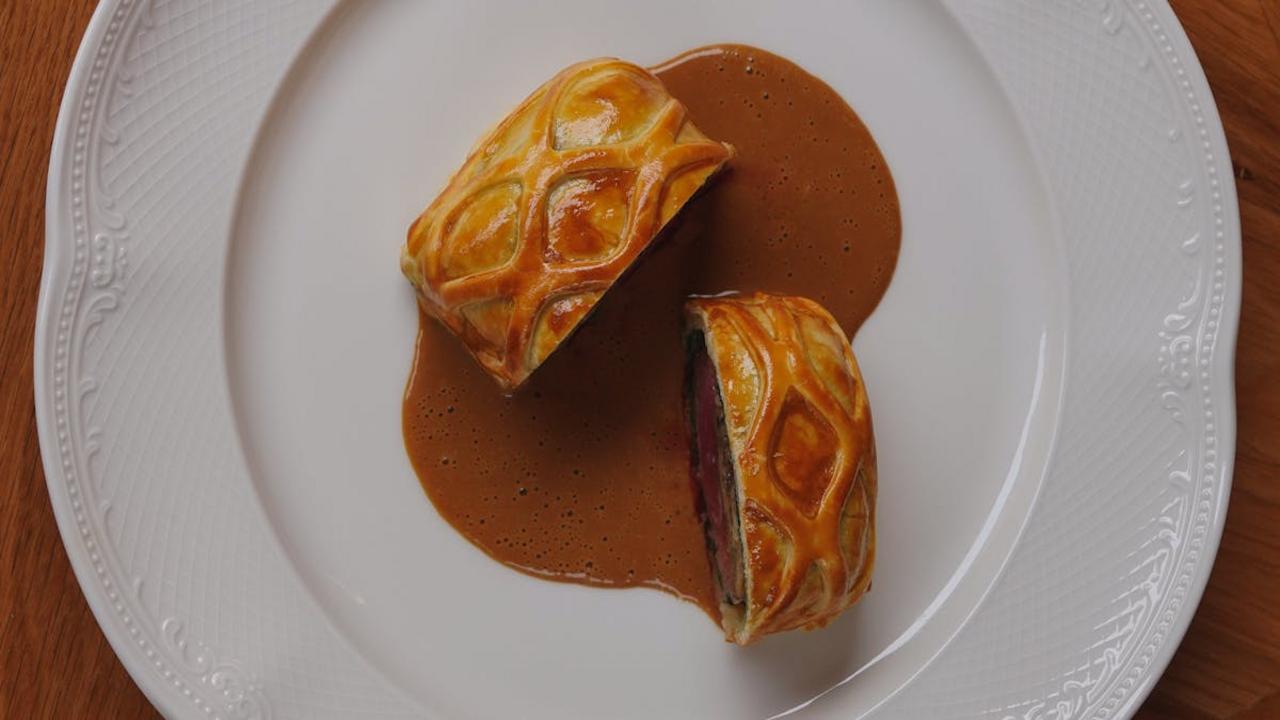
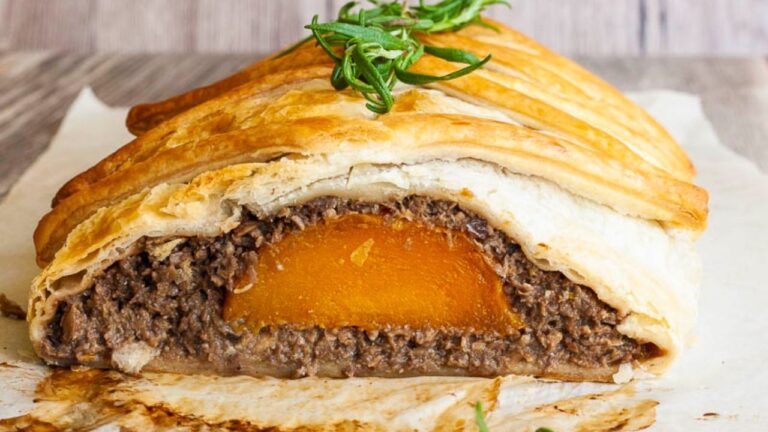
I’ll be honest with you – making Beef Wellington will push your cooking abilities to their absolute limits! This iconic British dish demands perfect execution at every step, from searing the beef tenderloin to creating the delicate mushroom duxelles and wrapping everything in golden puff pastry. The trickiest part? You need to nail the temperature of the meat while keeping the pastry crisp and flaky. One small mistake with moisture control or temperature can leave you with a soggy bottom or overcooked beef – a heartbreaking outcome after spending hours in the kitchen and using expensive ingredients.
The complexity doesn’t stop there. You must master multiple techniques simultaneously – from properly chilling the components to achieving the right consistency of the mushroom mixture, and expertly wrapping the meat in prosciutto and puff pastry without tearing. The assembly requires careful handling and precise timing. I’ve seen many home cooks struggle with the temperature control during baking – you want that perfect medium-rare center while maintaining a beautifully browned crust. Plus, you can’t check the doneness of the meat once it’s wrapped, making this dish a true test of both skill and nerve.
Mille-Feuille
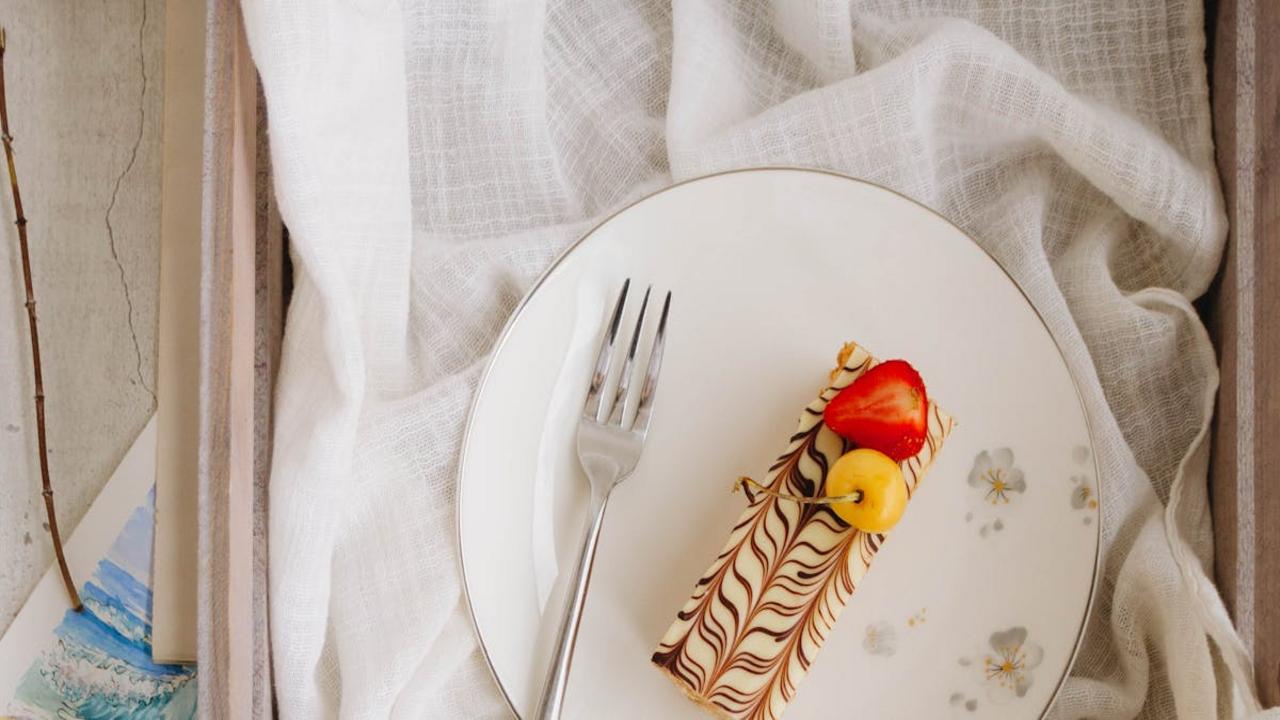
I want to be honest with you – making a proper Mille-Feuille from scratch will test every ounce of your baking skills and patience. This French pastry demands you create multiple layers of impossibly thin, flaky puff pastry that should shatter like glass when you bite into them. Between each delicate layer sits a silky-smooth crème pâtissière (pastry cream) that needs to hold its shape perfectly while remaining creamy. The real challenge? You’ll need to fold and roll your dough precisely 729 times to create those signature airy layers, maintaining the perfect temperature throughout to prevent the butter from melting.
Many professional pastry chefs consider Mille-Feuille one of the most technically demanding desserts to make. The assembly process alone requires surgical precision – one wrong move and your layers will slide, crack, or collapse. You’ll need to master the exact consistency of the pastry cream, achieve the perfect bake on each sheet of puff pastry, and create clean, professional cuts without crushing those beautiful layers. Unless you have several years of professional pastry experience under your belt, I recommend leaving this one to the experts and enjoying it at your favorite French bakery instead.
Baked Alaska
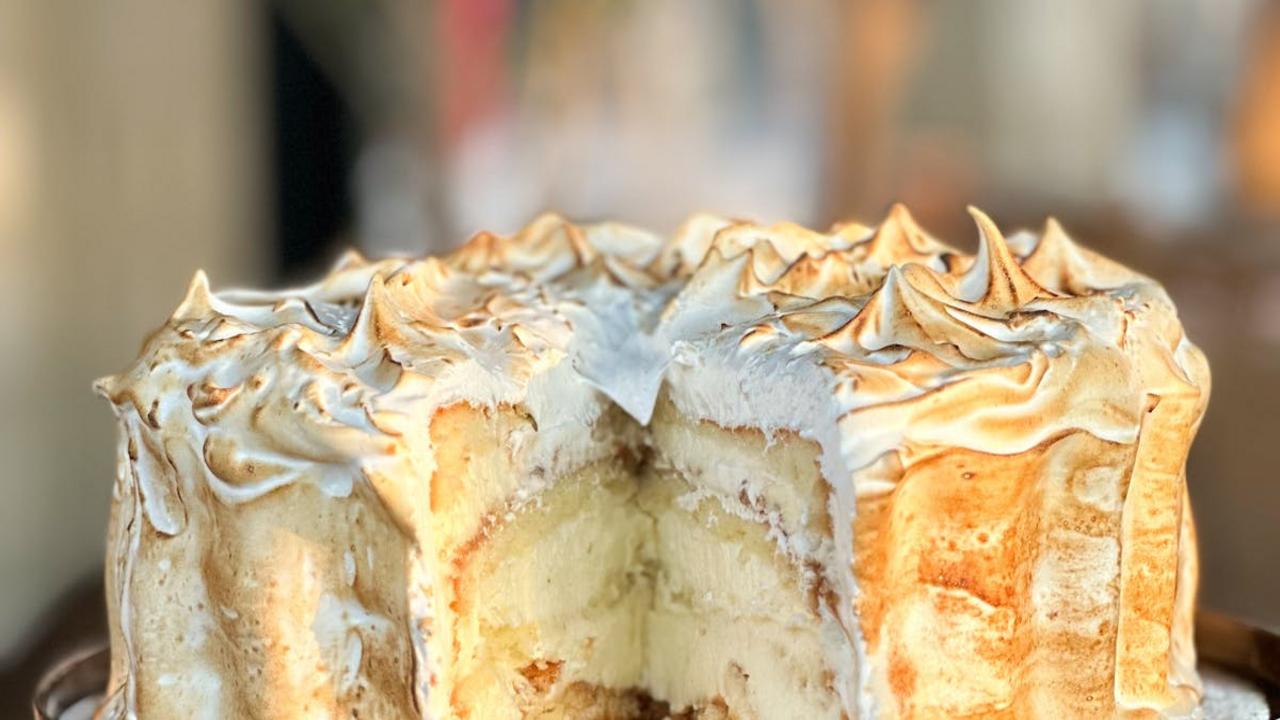
I’ll be straight with you – making Baked Alaska at home can turn into a kitchen nightmare! This dessert requires you to master three complex components simultaneously: a perfectly baked sponge cake base, smooth ice cream that needs to stay frozen solid, and a cloud-like meringue exterior that demands precise temperature control. The trickiest part? You need to brown the meringue exterior in a blazing hot oven without melting the ice cream inside – a task that makes even professional pastry chefs break into a cold sweat.
The success of Baked Alaska hinges on split-second timing and expert temperature management. You must keep your ice cream at exactly the right temperature – too soft and it melts, too hard and it won’t mold properly. The meringue needs to reach stiff peaks with the perfect sugar-to-egg-white ratio, and your hands must move quickly to cover every inch of the ice cream dome. One small gap in the meringue coverage can lead to a melted mess. Plus, if your oven temperature isn’t spot-on, you risk serving your guests a puddle of warm cream instead of the show-stopping dessert you planned.
Croquembouche

I need to be honest with you – making a croquembouche will test every baking skill you have and then some! This towering French dessert consists of delicate choux pastry puffs filled with cream and held together by threads of caramel in a magnificent cone shape. Each puff requires perfect timing and technique – from cooking the pastry on the stovetop to piping uniform shells and baking them to golden perfection. The real challenge comes when you have to dip each puff in hot, temperamental caramel and stack them precisely while racing against time before the caramel hardens.
The complexity doesn’t end there – you’ll need to maintain the right temperature for your caramel throughout the assembly process, which can take hours. One wrong move and your tower could collapse, sending cream-filled puffs rolling across your kitchen floor. Making this showstopper at home requires specialized equipment, including a proper croquembouche mold, multiple pastry bags, and thermometers. Plus, you’ll need plenty of counter space and a steady hand to create those dramatic spun sugar decorations. Unless you have professional pastry training, I recommend leaving this one to the experts!