15 Iconic Dishes That Capture the Soul of Each US State
From mountains to coastlines, America’s regional dishes tell stories of immigrants, indigenous peoples, and innovative home cooks who shaped our national cuisine. These 15 distinctive state dishes showcase the incredible diversity and creativity found across our country’s kitchens – each one carrying generations of family traditions and local pride.
I’ve gathered standout recipes that define their regions, from Alabama’s tangy white BBQ sauce to Vermont’s sweet snow-topped maple treats. Many of these dishes started as practical solutions – using what was available locally and making it absolutely delicious through resourceful cooking methods passed down through families.
These recipes paint a picture of America’s food landscape, where European, Native American, Asian and Latin American influences blend with local ingredients. Whether you’re craving Alaska’s fresh salmon or New Mexico’s spicy green chile stew, each dish opens a window into that state’s unique food culture and history.
Vermont: Sugar on Snow
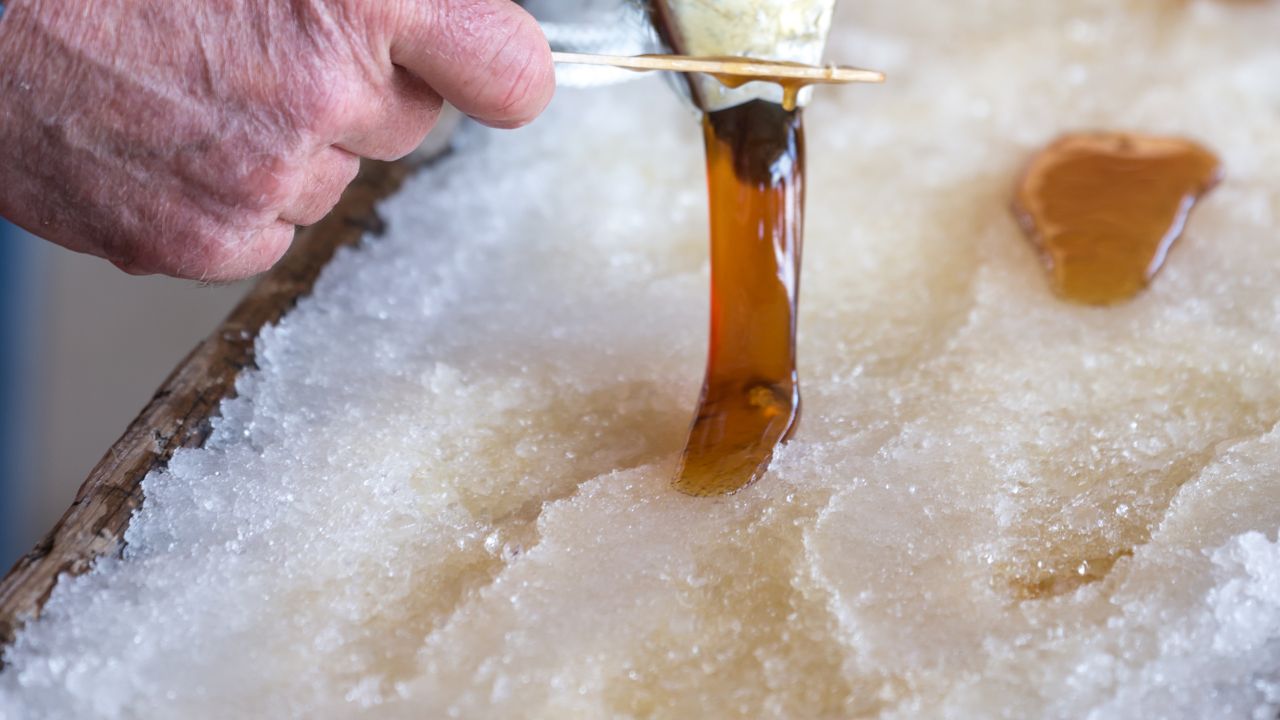
Sugar on Snow captures the pure magic of Vermont’s maple tradition in the simplest, most delightful way. I make this sweet treat by heating pure maple syrup until it reaches the perfect temperature, then drizzling it over packed snow or shaved ice. The syrup instantly transforms into a chewy, taffy-like candy that sticks to your fork. The contrast between the warm, rich syrup and cold snow creates an unforgettable texture that’ll transport you straight to a Vermont sugar shack.
While you can find this treat at sugar houses across Vermont during maple season, making it at home brings the whole family together. Just heat your syrup to 235°F (soft-ball stage), grab some clean snow from outside or crushed ice, and get ready for the fun. Many Vermonters serve their Sugar on Snow with plain doughnuts and dill pickles – the salty, sour pickles help cut through the intense sweetness of the maple candy. This beloved winter tradition shows how simple ingredients can create lasting memories.
New Mexico: Green Chile Stew
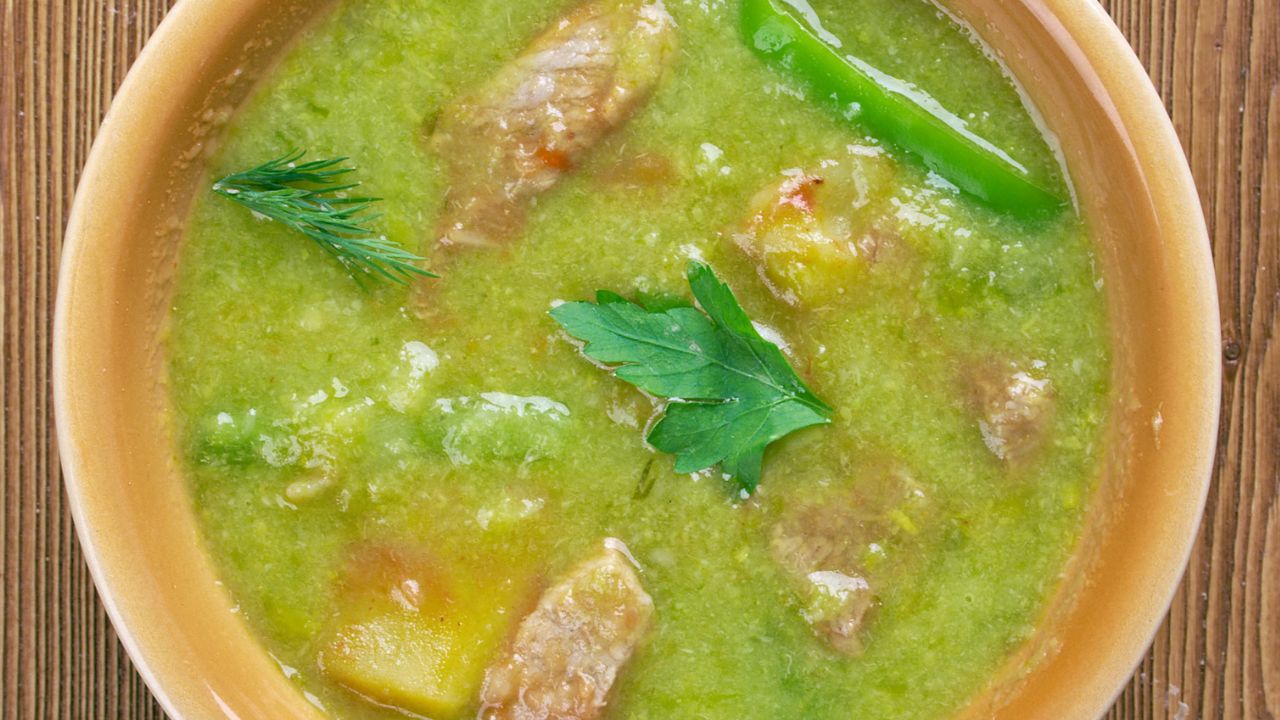
You’ll find New Mexico’s soul warming in every bowl of green chile stew, a rustic dish that brings together tender chunks of pork, potatoes, and the state’s famous Hatch green chiles. I make this hearty stew regularly during colder months, and the secret lies in roasting and peeling fresh green chiles to release their smoky depth. The combination of spicy chiles with savory pork creates a comforting meal that locals eat year-round, though it hits differently on chilly desert nights.
The beauty of this stew shines through its simplicity – you don’t need fancy ingredients or complicated techniques. Native New Mexicans taught me to cook the pork low and slow until it melts in your mouth, while the potatoes soak up all the rich flavors of the broth. Each family adds their own touch – some include corn or pinto beans, others swear by adding a splash of Mexican beer to the broth. I serve mine with warm tortillas and a sprinkle of fresh cilantro, perfect for scooping up every last drop of that chile-infused goodness.
Nevada: Basque Lamb Stew
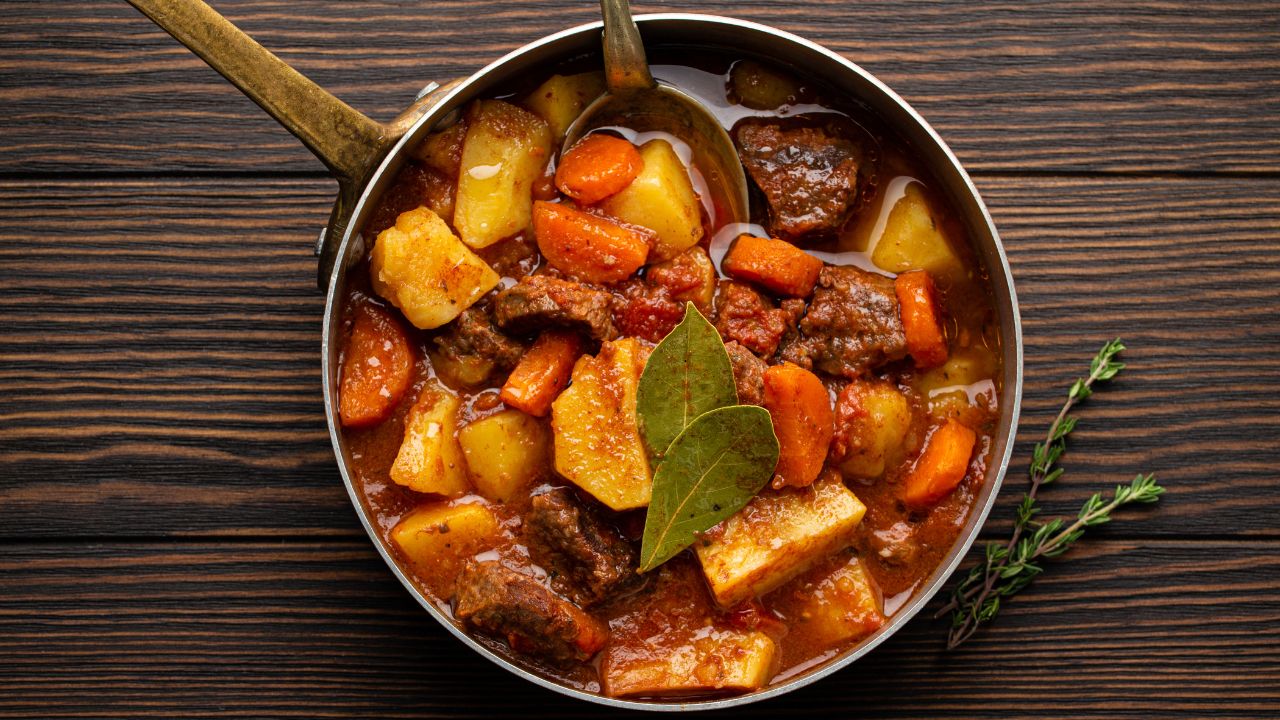
Many people don’t know that Nevada has deep Basque roots, which shine through in this hearty lamb stew that warms both body and soul. The dish reflects the traditions of Basque shepherds who moved to Nevada in the 1800s, bringing their cherished family recipes. I make this rich stew by slow-cooking tender chunks of lamb with sweet peppers, tomatoes, onions, and garlic, letting the meat become so tender it practically melts in your mouth. The secret? Adding a splash of red wine and fresh herbs like thyme and bay leaves to create deep, complex flavors.
You’ll find this comforting stew in Nevada’s Basque restaurants, particularly in cities like Reno and Elko, where they serve it family-style alongside crusty bread perfect for soaking up every last drop of the savory broth. The dish represents more than just food – it tells the story of immigrant families who shaped Nevada’s culture through their cooking. I love making this on cold winter evenings, filling my kitchen with aromatic spices while the stew simmers away, creating an experience that connects me to generations of Basque home cooks who kept their heritage alive through food.
Montana: Pasties
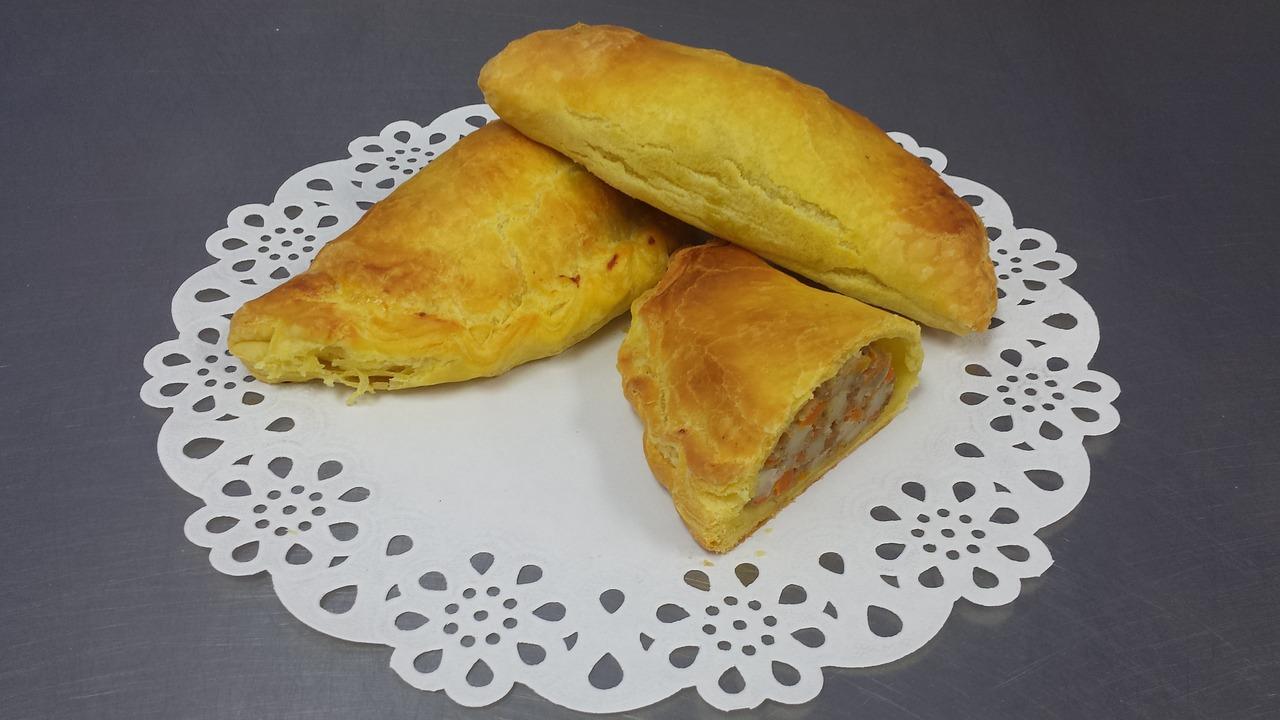
You’ll find the hearty, hand-held Cornish pasties deeply woven into Montana’s mining heritage. These savory meat pies traveled from Cornwall, England to Montana’s copper mines in Butte during the 1800s. The thick, flaky crust wraps around a filling of diced beef, potatoes, onions, and rutabaga – creating the perfect portable meal for miners working long shifts underground. The crimped edge served as a handle that miners could hold with dirty hands and discard after eating the main portion.
Today, you can still grab these filling comfort foods at local bakeries and restaurants across Montana, where each family recipe adds its own special touch. Some add carrots or seasonings like thyme, while others stick to the traditional salt and pepper. The magic lies in the pastry – it must be sturdy enough to hold the hefty filling yet tender and flaky when you bite into it. Many Montana homes keep the pasty tradition alive, making big batches to freeze for quick, satisfying meals that connect them to their mining ancestry.
Kansas: Bierocks
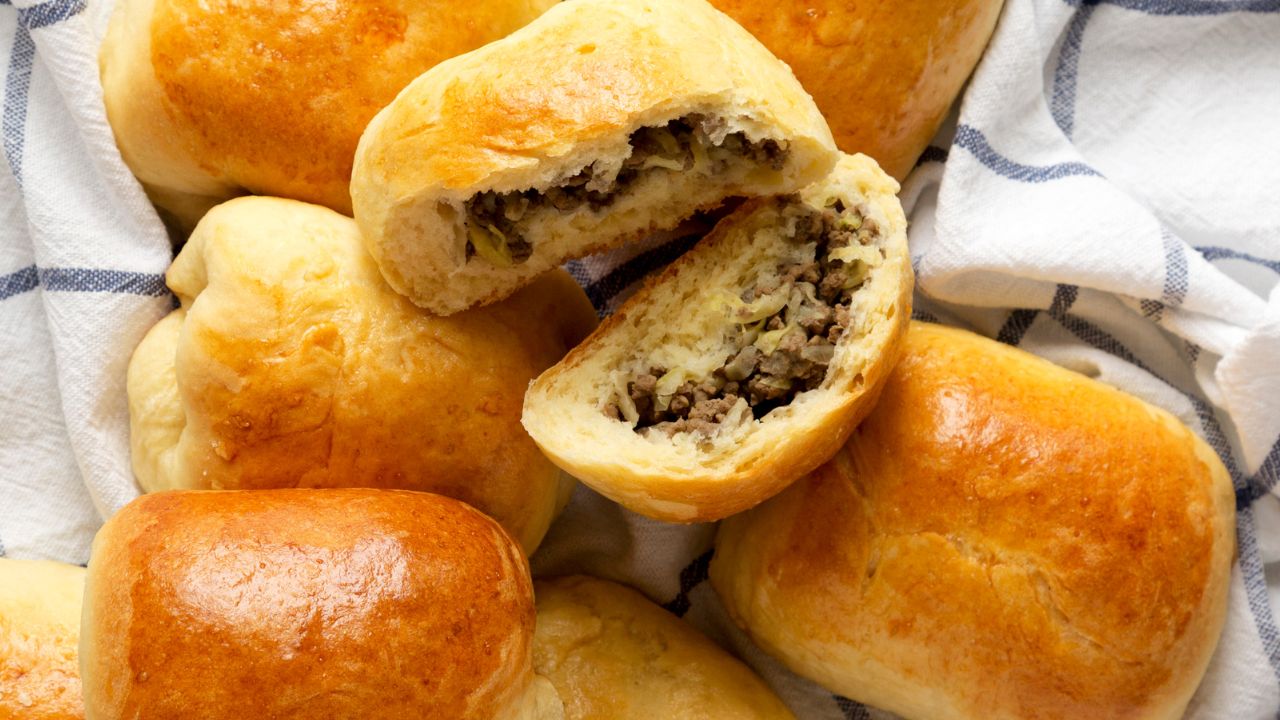
You’ll find a beautiful German-Russian heritage in every bite of Kansas’ beloved bierocks. These hearty hand pies feature a soft, pillowy yeast dough wrapped around a savory filling of ground beef, shredded cabbage, and diced onions – all seasoned with simple black pepper and salt. I make these regularly in my kitchen, and the aroma of the bread baking with the meat-cabbage filling reminds me of the immigrant families who brought this recipe to the American Midwest generations ago.
While traditional bierocks keep things basic, I love adding my own spin by incorporating fresh herbs like thyme or caraway seeds into the filling. The genius of this portable meal lies in how the dough seals in all the juices, creating an incredibly moist interior that stays warm for hours. You’ll spot these handheld delights at county fairs, local bakeries, and family gatherings across Kansas, where they serve as both a quick lunch for farmers and a cherished connection to the state’s rich cultural roots.
Idaho: Finger Steaks
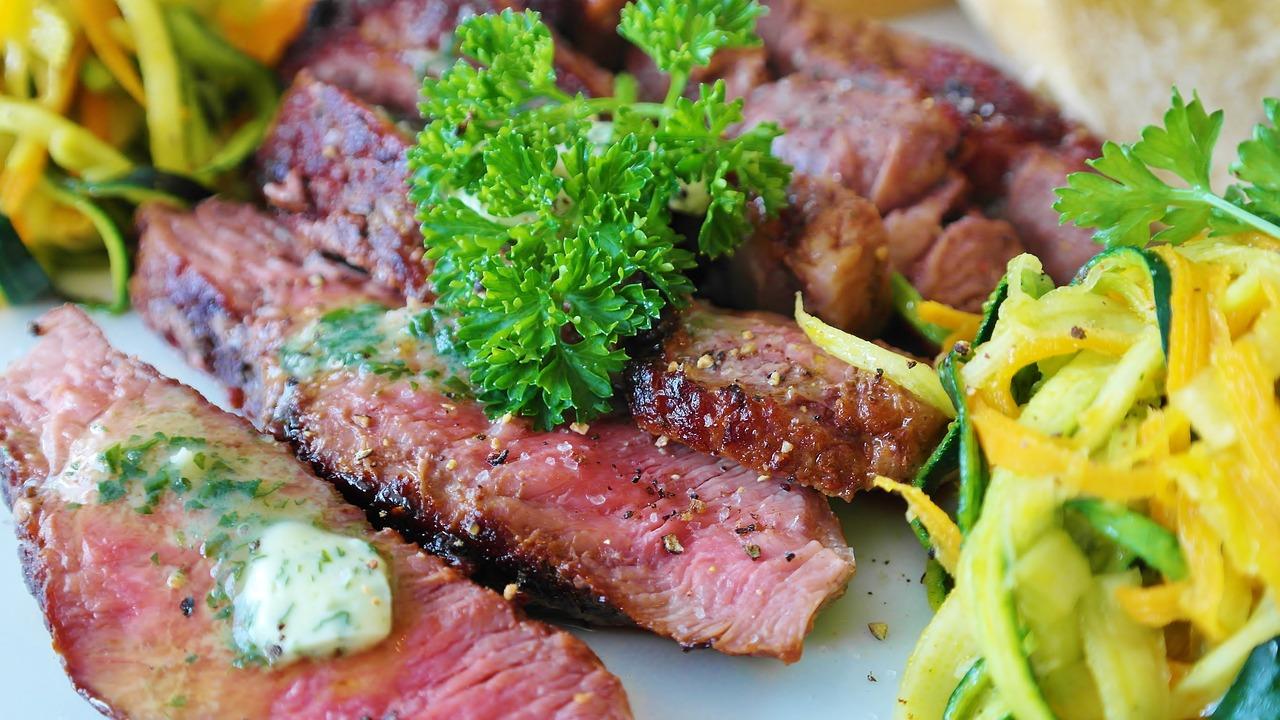
I need to share with you the magic of Idaho’s finger steaks – those crispy, tender strips of beef that bring pure comfort to your plate. Unlike their distant cousin, chicken fingers, these beauties start with real beef sirloin or ribeye, cut into thick strips, then coated in a seasoned flour mixture and deep-fried until golden brown. You’ll find these local treasures in casual diners and family restaurants across Idaho, often served with a side of thick-cut fries and tangy cocktail sauce or creamy fry sauce for dipping.
The origins of finger steaks trace back to Milo’s Torch Lounge in Boise during the 1950s, where chef Milo Bybee first created them as a way to use excess tenderloin cuts. The dish caught on quickly, becoming a staple of Idaho’s food identity. While each restaurant puts their own spin on the batter – some adding beer, others swearing by buttermilk – the core remains the same: quality beef, perfectly fried to create that satisfying crunch giving way to juicy meat inside. Make sure to grab them fresh and hot, when the contrast between crispy exterior and tender interior shines brightest.
Hawaii: Loco Moco
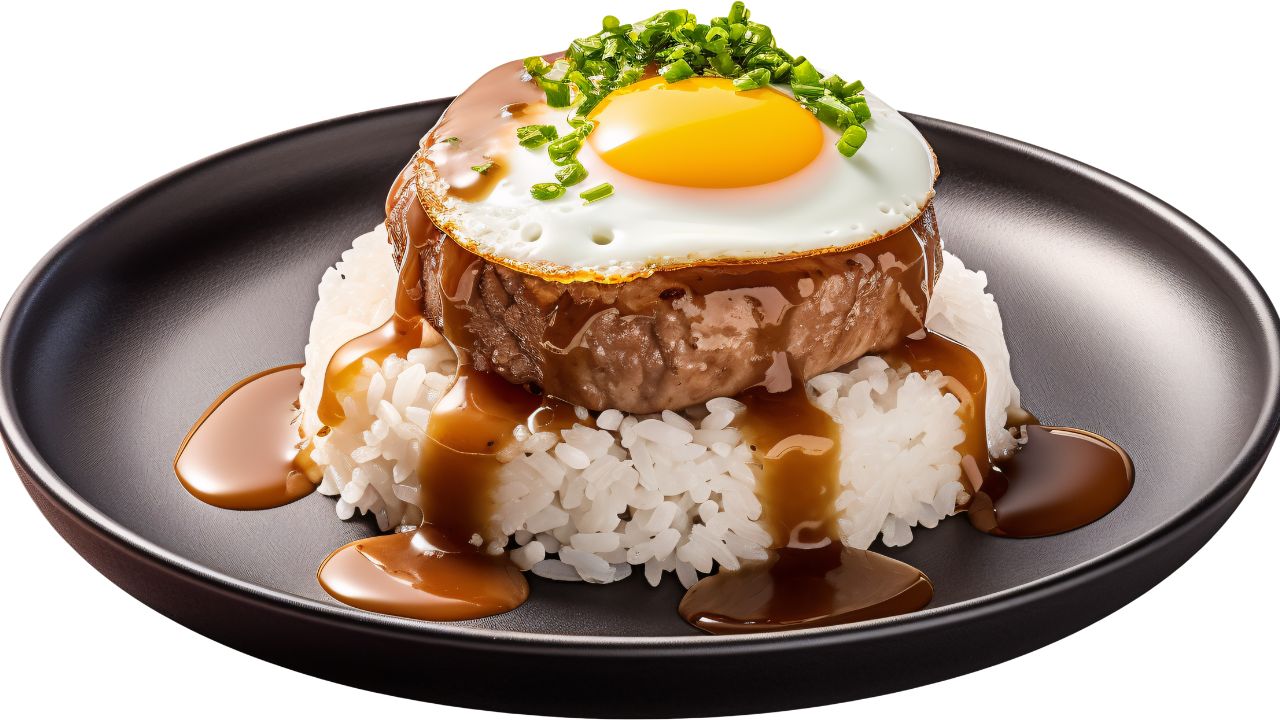
The loco moco stands as Hawaii’s ultimate comfort food – a hearty dish that perfectly captures the islands’ diverse cultural influences. Picture this: a foundation of warm steamed rice topped with a juicy hamburger patty, rich brown gravy, and a sunny-side-up egg. The runny yolk mixes with the savory gravy, creating a sauce that seeps into every grain of rice. This filling creation first appeared in Hilo during the 1940s at the Lincoln Grill, where hungry teenagers requested a budget-friendly but filling meal.
You’ll find loco moco served everywhere in Hawaii, from casual diners to upscale restaurants, each adding their own spin to this beloved dish. Some places swap the hamburger for Spam, teriyaki beef, or even grilled mahi-mahi. The gravy might include mushrooms or caramelized onions, while some chefs add a second egg or incorporate local ingredients like kimchi or furikake. No matter the variation, loco moco remains a filling breakfast choice that keeps locals and visitors satisfied through long days of surfing, hiking, or beach hopping.
Georgia: Brunswick Stew
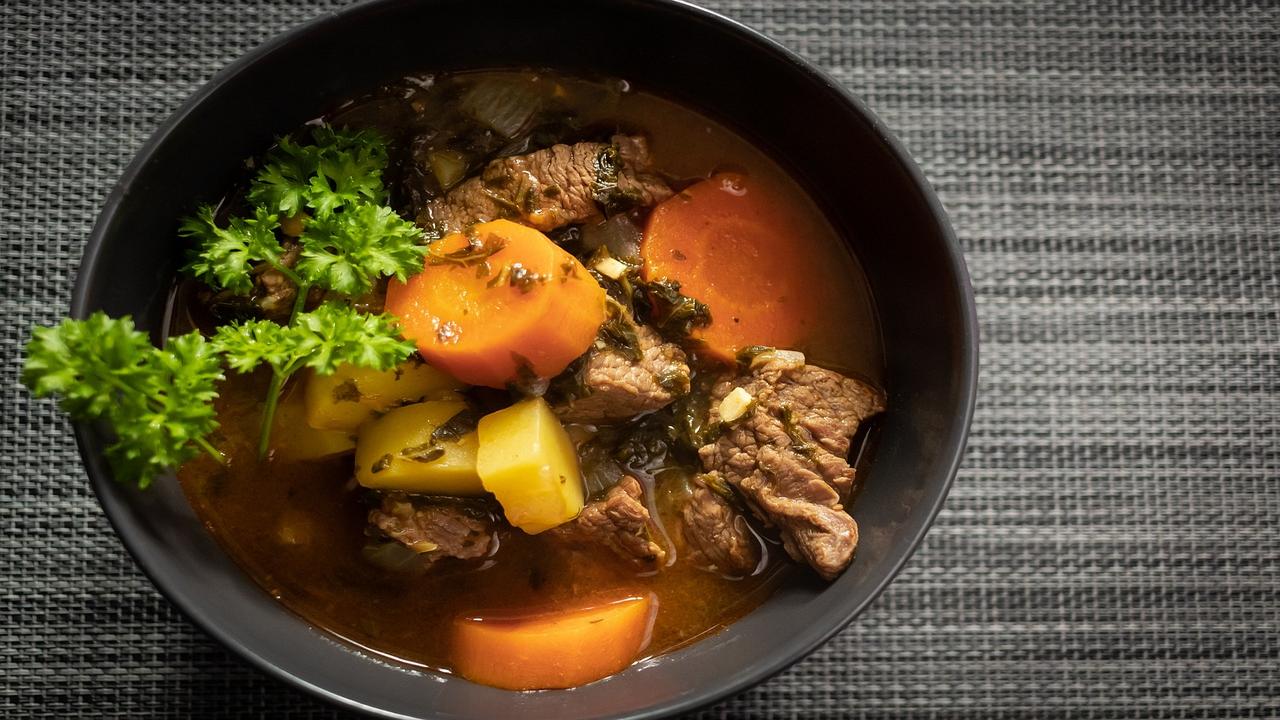
Brunswick stew runs deep in Georgia’s food heritage, with locals fiercely defending their unique recipes passed down through generations. I’ve discovered this hearty, smoky stew combines tender pulled pork, lima beans, corn, okra, and potatoes in a rich tomato-based broth that warms you from the inside out. The magic happens during the slow-cooking process, where the meat becomes incredibly tender and all ingredients meld together to create complex layers of flavor.
While Brunswick, Georgia claims to be the birthplace of this dish, what makes it special is how each family adds their own twist. Some throw in chicken or beef alongside the pork, while others swear by adding barbecue sauce for extra tang. I love making big batches during cool weather – it’s even better the next day after the flavors have had time to develop. You’ll often find this comforting stew at community gatherings, barbecue joints, and family reunions across the Peach State, served with cornbread or crackers for soaking up every last drop.
Delaware: Scrapple
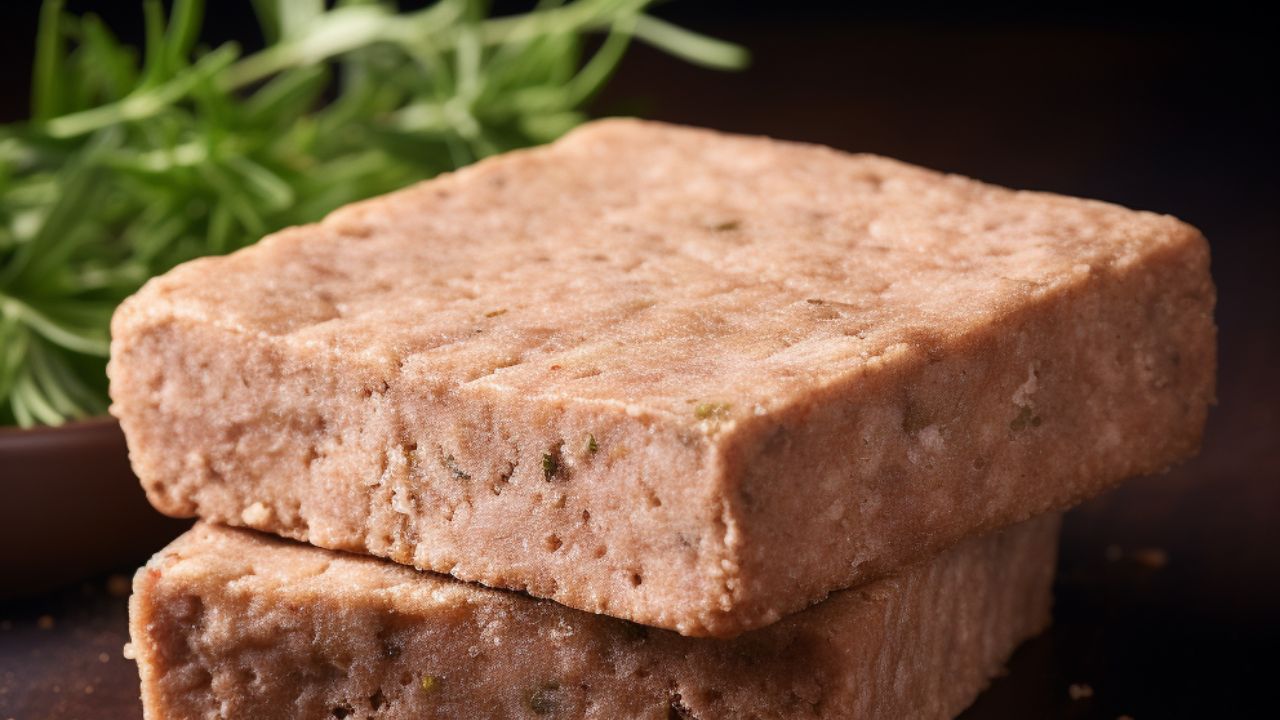
I’ve found that scrapple captures Delaware’s resourceful spirit perfectly through its “waste-not” approach to cooking. This unique breakfast meat combines pork scraps, cornmeal, wheat flour, and bold spices into a savory loaf that locals slice and fry until golden brown. The crispy exterior gives way to a soft, flavorful interior that pairs beautifully with maple syrup or a runny egg. You’ll find this Delaware staple on breakfast menus across the state, from small diners to upscale restaurants.
Making scrapple at home connects you to generations of Delaware families who transformed simple ingredients into something extraordinary. The traditional recipe calls for simmering pork parts with onions and spices, then mixing the broth with cornmeal and flour until thick. After cooling overnight in loaf pans, you slice and fry it until crispy – creating that signature contrast of textures that makes scrapple so addictive. Many Delaware families pass down their own special spice blends, making each version unique to their kitchen.
Connecticut: Steamed Cheeseburgers
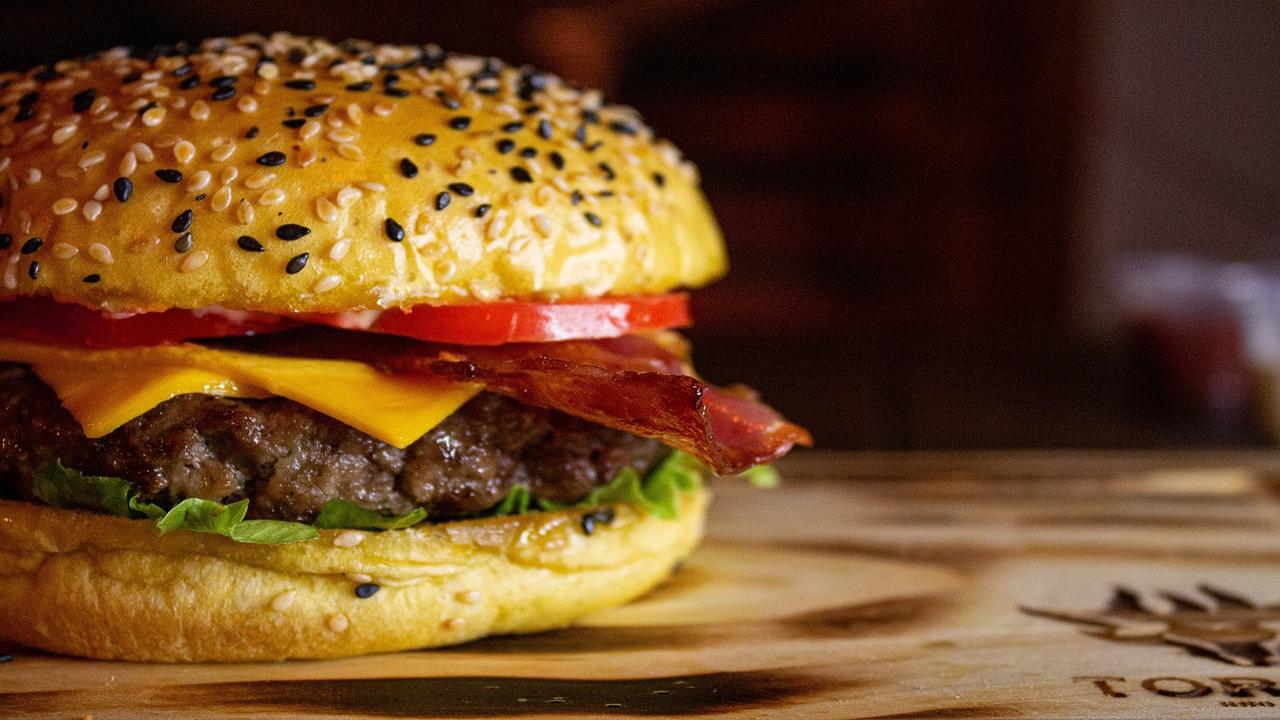
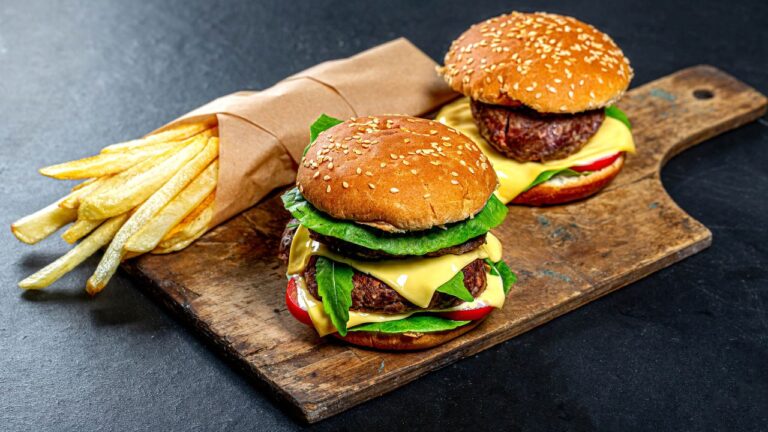
You haven’t truly experienced Connecticut until you’ve bitten into a steamed cheeseburger, a unique creation that swaps the traditional grill for a custom-made steam cabinet. The technique, which originated in Meriden in the early 1900s, produces an incredibly juicy burger topped with a molten cascade of melted cheddar cheese. The steam-cooking method locks in moisture and creates a tender patty that practically melts in your mouth, while the cheese transforms into a gloriously gooey blanket that drips down the sides.
While Ted’s Restaurant in Meriden remains the most famous purveyor of this Connecticut specialty, many local spots across the state serve their versions of this regional treasure. The preparation is simple but specific – the meat and cheese steam separately in special stainless-steel boxes until the beef reaches the perfect temperature and the cheese achieves that signature creamy consistency. The result? A burger that breaks all the rules of traditional grilling yet delivers an unforgettable taste that’s become synonymous with Connecticut’s food identity.
Colorado: Rocky Mountain Oysters
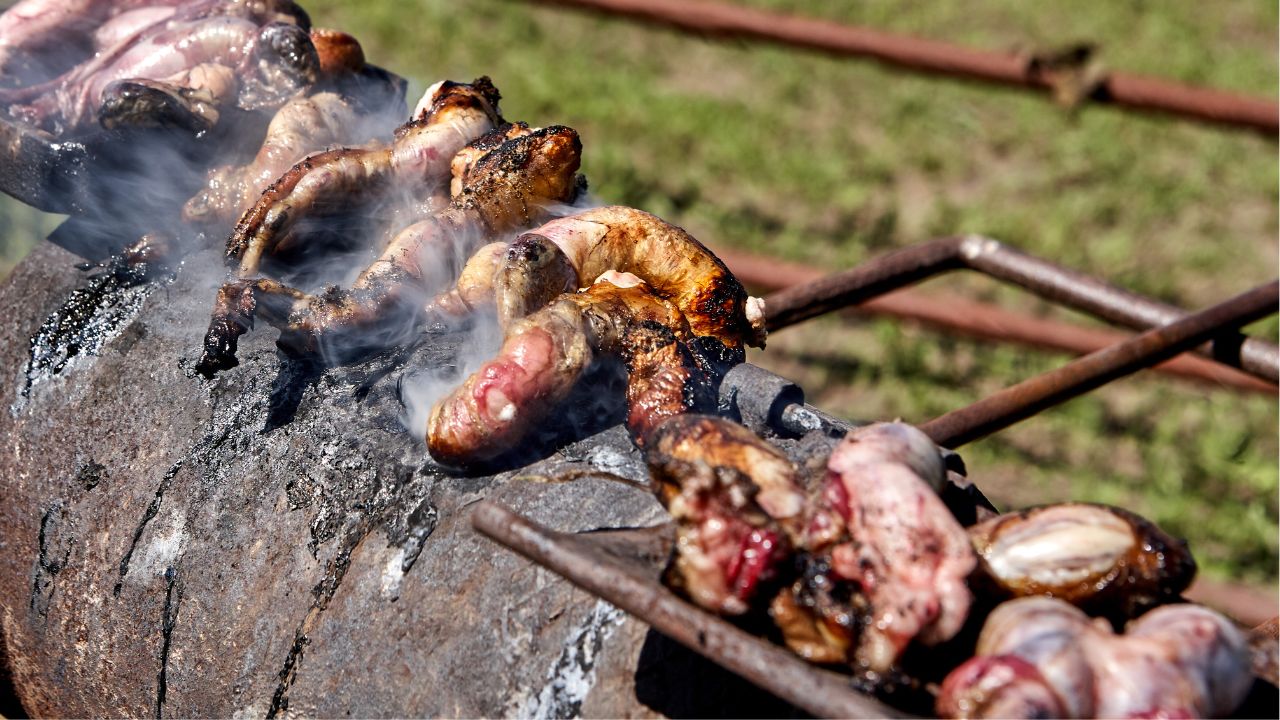
You might be surprised to learn that Rocky Mountain Oysters aren’t seafood at all – they’re actually deep-fried bull testicles! This iconic Colorado dish originated with ranchers who didn’t want to waste any part of their cattle. I’ve found the best preparation involves slicing them thin, coating them in seasoned flour and cornmeal, then frying until golden brown. The result? A crispy exterior giving way to a tender, savory center that many compare to fried calamari.
While some folks might feel squeamish about this unique protein, Rocky Mountain Oysters have earned their place in Colorado’s food culture. You’ll find them served at rodeos, restaurants, and bars across the state, often paired with cocktail sauce or hot sauce for dipping. The Denver Buckhorn Exchange, one of Colorado’s oldest restaurants, makes some of the most authentic versions. Don’t knock them until you try them – many skeptics become converts after their first bite of these crunchy, protein-rich morsels.
Arkansas: Possum Pie
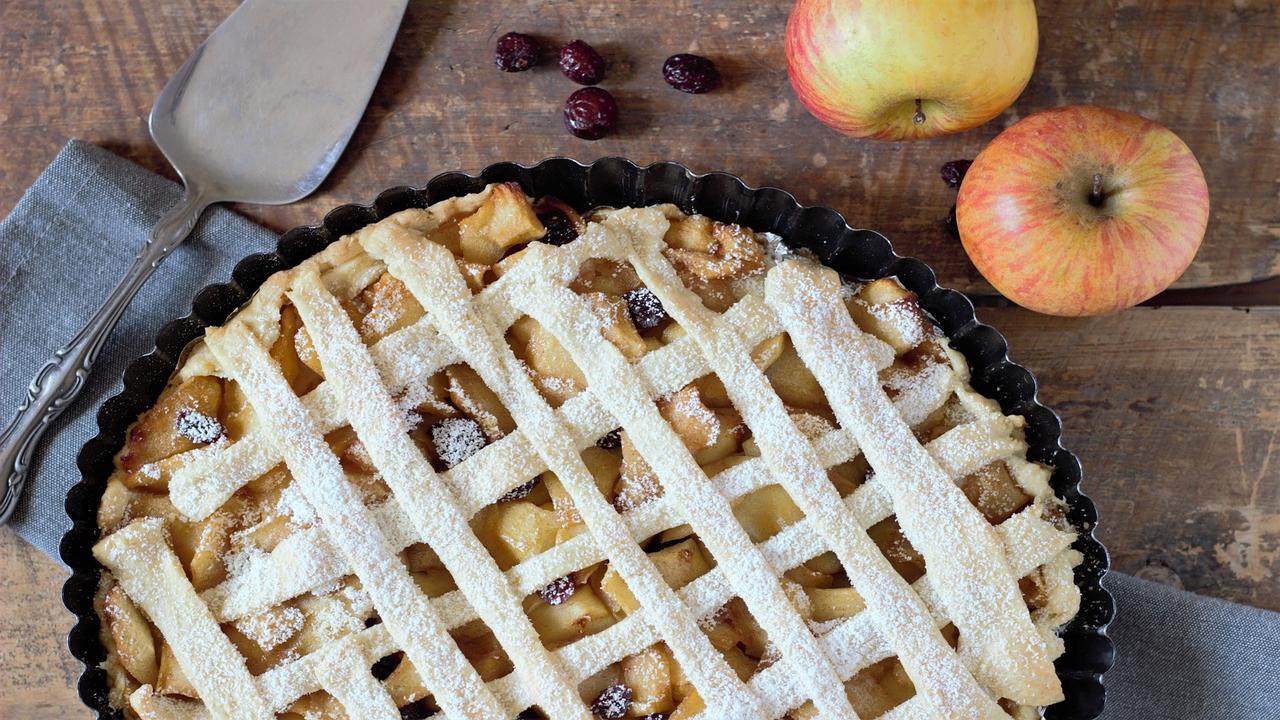
Don’t let the quirky name fool you – Arkansas’s beloved Possum Pie contains zero possum! This creamy layered dessert starts with a buttery pecan shortbread crust that adds the perfect crunch. I mix cream cheese, powdered sugar, and whipped cream for the first layer, followed by a rich chocolate pudding layer. The final touch? A cloud-like whipped cream topping with a sprinkling of pecans that makes this dessert irresistibly beautiful.
While the exact origins remain unclear, you’ll find this no-bake delight at family gatherings and diners across Arkansas. The combination of smooth and crunchy textures, paired with the perfect balance of chocolate and cream cheese, creates pure magic in every bite. Some locals say the name comes from its “playing possum” nature – appearing plain on the outside but hiding delicious layers within. I love making this pie year-round, and it never fails to draw rave reviews from guests who initially raise eyebrows at its unusual name.
Arizona: Chimichangas
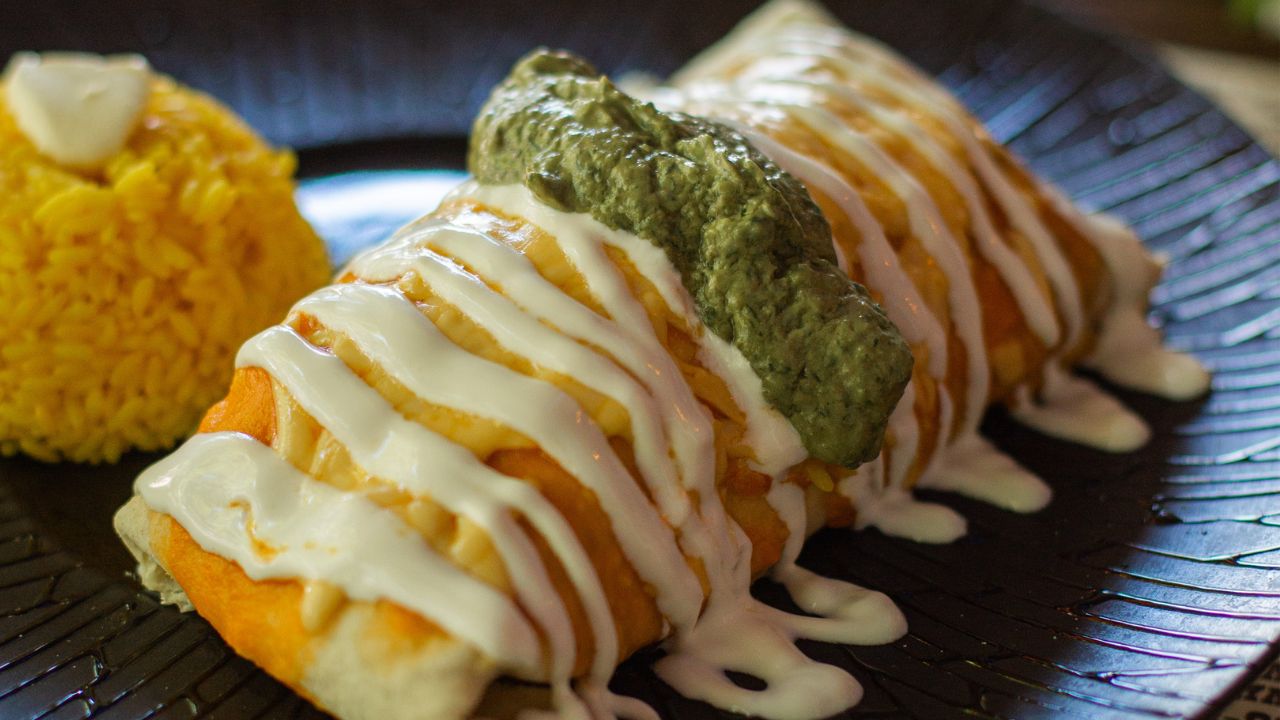
Deep-fried until golden and crispy, Arizona’s beloved chimichanga stands as a testament to Mexican-American fusion cooking. I’ve discovered that locals proudly claim this hearty dish was born in Phoenix when a burrito accidentally slipped into hot oil – and what a happy accident it was! The oversized tortilla wraps around tender shredded meat (usually beef or chicken), refried beans, cheese, and fresh vegetables, creating a satisfying crunch that gives way to a warm, flavorful filling.
The chimichanga really shines with its traditional toppings – cooling sour cream, zesty guacamole, and spicy salsa roja combine to balance the richness of the fried exterior. Many Arizona restaurants serve their chimichangas “enchilada-style,” smothered in red or green chile sauce. Through my recipe testing, I’ve found the key to perfect chimichangas lies in getting the oil temperature just right – around 350°F produces that signature golden shell without making the tortilla too greasy. This Mexican-American creation has become such an integral part of Arizona’s food identity that there’s even an annual festival celebrating it!
Alaska: Salmon Bake
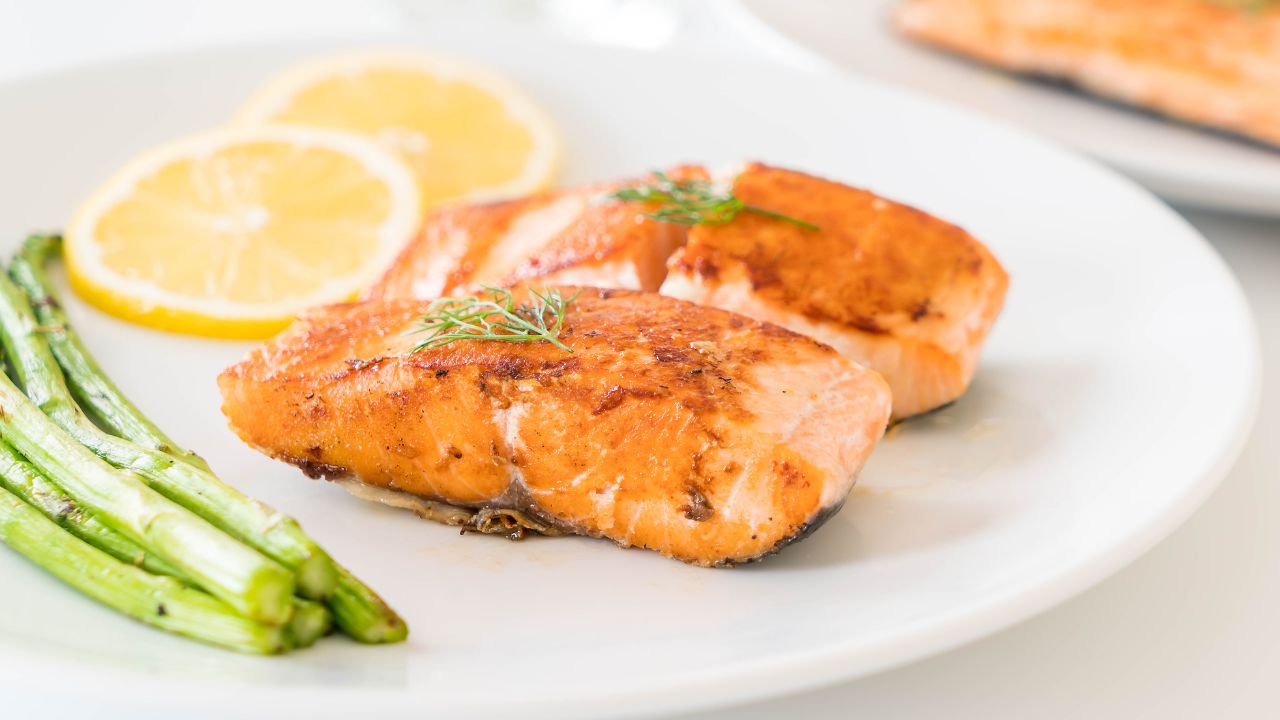
Alaskan salmon bake brings together the freshest wild-caught salmon with a time-honored outdoor cooking tradition that captures the rugged spirit of The Last Frontier. You’ll find locals gathering around fire pits and grills, cooking generous salmon fillets over alderwood coals, creating that unmistakable smoky sweetness that penetrates deep into the fish. The simple preparation – often just butter, lemon, and fresh herbs – allows the natural richness of Alaskan salmon to shine through, while the slow cooking method keeps the fish moist and tender.
What makes an Alaskan salmon bake truly special goes beyond the cooking method – it’s about the social experience and connection to nature. Many Alaskans host summer salmon bakes in their backyards or at community events, where everyone contributes side dishes like grilled vegetables, cornbread, or wild rice. The salmon itself might be caught just hours before cooking, showcasing Alaska’s incredible access to pristine waters teeming with five different species of wild Pacific salmon. This dish represents both sustenance and celebration in Alaskan culture.
Alabama: Chicken and White Sauce
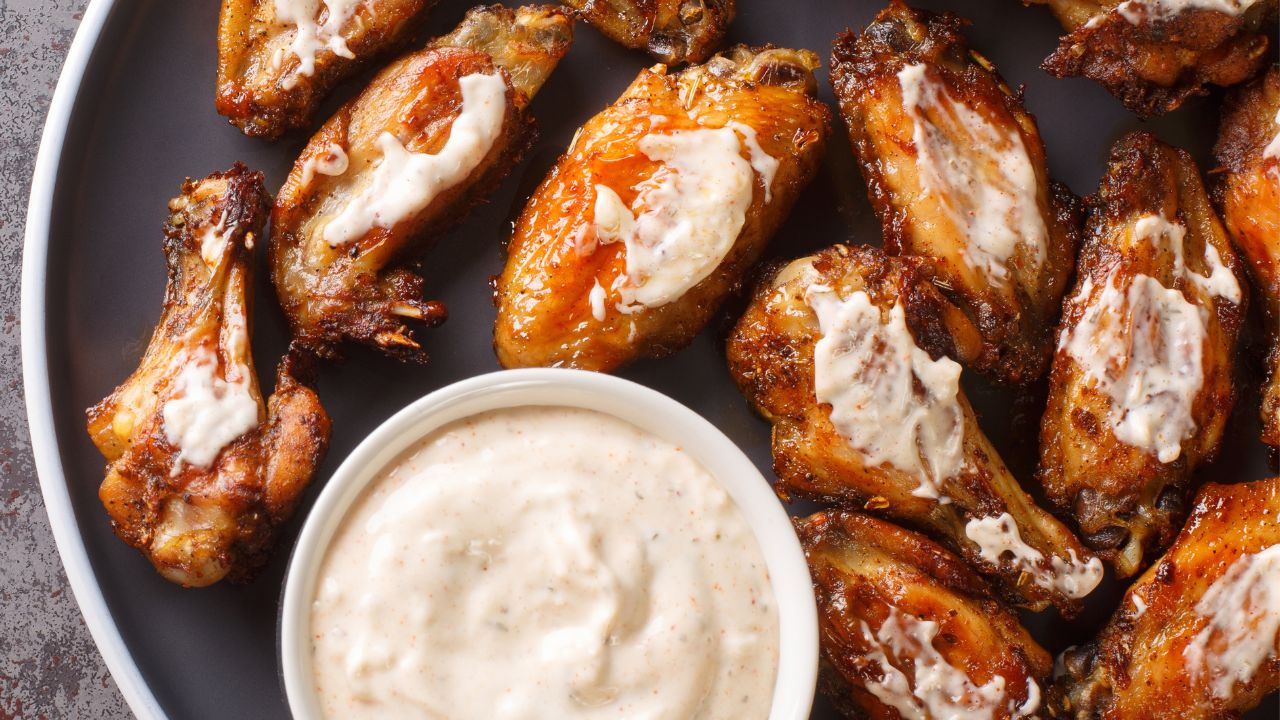
I’ve discovered Alabama’s unique white BBQ sauce transforms ordinary grilled chicken into something extraordinary! Unlike traditional red BBQ sauces, this mayo-based creation brings tangy, peppery notes through apple cider vinegar, horseradish, and plenty of black pepper. You’ll find this signature sauce at every backyard cookout and family gathering across Alabama, where locals slather it generously over smoky chicken fresh off the grill.
The genius behind this unconventional pairing came from Bob Gibson of Big Bob Gibson’s Bar-B-Q in Decatur back in 1925. His original recipe sparked a regional BBQ movement that defines North Alabama’s cooking identity today. The sauce’s creamy texture seeps deep into the chicken’s crispy skin, creating layers of flavor that’ll make you forget traditional BBQ sauce ever existed. Take my advice – make extra sauce because you’ll want to dip everything from french fries to vegetables in this addictive concoction!