12 Expert Tips to Master French Cooking Right at Home
French cooking can feel intimidating at first, but I promise you’ll master it with the right guidance and practice. After spending years cooking French dishes in my home kitchen, I’ve discovered that breaking down the techniques into simple steps makes everything more approachable. From creating rich sauces to perfecting your knife skills, these 12 tips will help you cook French food with confidence.
My global cooking adventures have taught me that French cuisine forms the foundation for many modern cooking methods. The techniques you’ll learn here go beyond French recipes – they’ll improve all your cooking. Think of mastering these skills like building blocks that stack together to create amazing meals.
I’ve gathered these 12 expert tips from my own kitchen experiments and training with French cooks. Each one focuses on practical skills you can start using today. Whether you want to make a classic coq au vin or simply improve your sauce-making abilities, these fundamentals will transform how you cook.
Essential Kitchen Tools
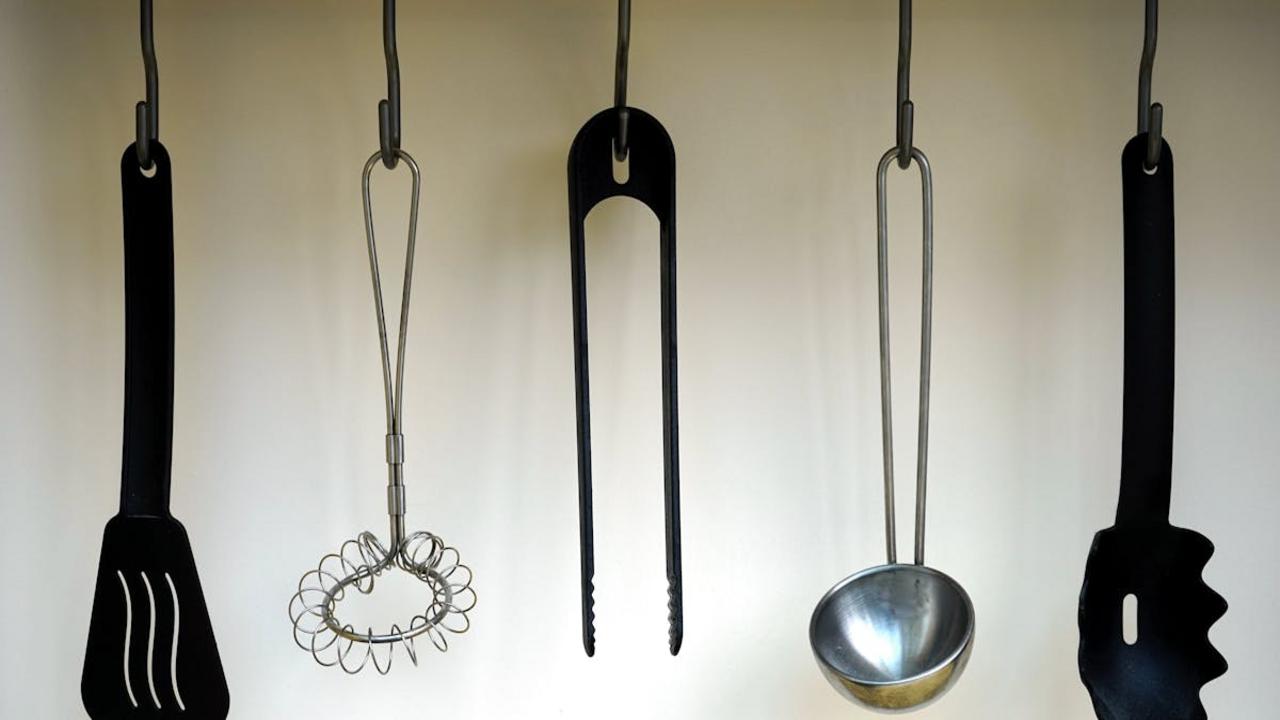
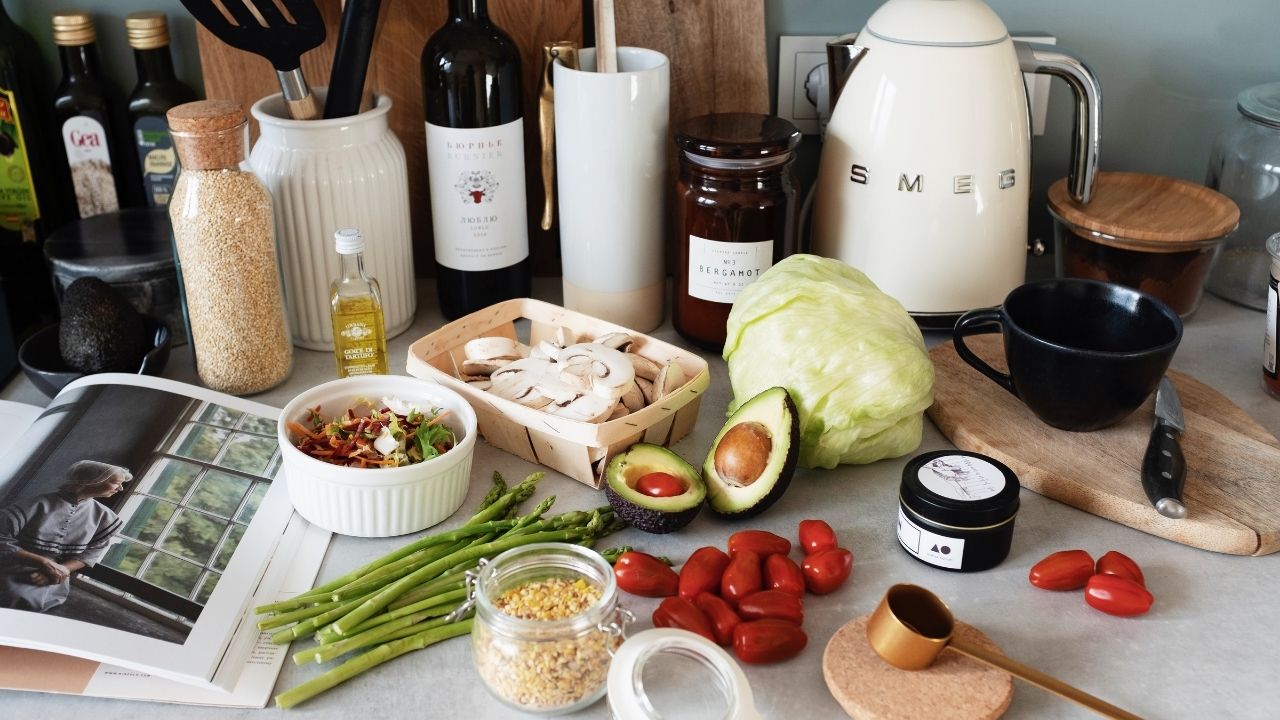
You’ll need a few key tools to cook authentic French dishes at home like a pro. Start with a heavy-bottomed Dutch oven – I recommend cast iron for even heat distribution and that perfect browning on your coq au vin. Add a good set of sharp knives, including a chef’s knife and paring knife, plus a reliable wooden cutting board. A sturdy whisk will help you make silky-smooth sauces and emulsions, while a proper set of measuring cups and spoons ensures recipe accuracy.
Don’t skip the kitchen scale – French recipes often list ingredients by weight rather than volume for better precision. A food processor speeds up tasks like making pastry dough or chopping herbs. Stock up on high-quality stainless steel pots and pans in various sizes for different cooking methods. Round out your collection with simple tools like a microplane grater for citrus zest and hard cheeses, silicone spatulas for scraping every last bit of sauce, and a set of prep bowls to organize your mise en place before cooking begins.
Plating and Presentation
You know that moment when you’re tempted to slice into your beautifully cooked steak right off the heat? Hold that thought! I’ve learned through years of cooking that resting your meat is just as important as the cooking itself. For steaks, chops, and roasts, you’ll want to give them 5-10 minutes on a warm plate, loosely tented with foil. This simple pause helps the meat’s internal juices redistribute evenly throughout, making every bite juicy and flavorful. During cooking, these juices get pushed toward the center – if you cut too soon, they’ll spill right onto your plate instead of staying in the meat where they belong.
The resting time depends on the size of your meat cut. A general rule I follow: rest your meat for about half the time you cooked it. For a thick ribeye that took 8 minutes to cook, give it 4 minutes to rest. For larger cuts like roasts or whole chickens, you might need 15-20 minutes. Don’t worry about the meat getting cold – it actually continues cooking slightly during this time due to residual heat. Keep the foil tent loose to prevent the meat from steaming and losing that beautiful crust you worked so hard to create. Trust me, your patience will reward you with the juiciest, most tender meat you’ve ever made at home.
Slow Cooking Methods
You’ll transform your cooking instantly once you master proper knife skills – it’s truly the foundation of becoming a confident home cook. I always tell my cooking students to start by learning the right grip: pinch the blade near the handle with your thumb and index finger while wrapping remaining fingers around the handle. This gives you maximum control and precision. Practice the main cuts: slice (long strokes), chop (up-and-down motion), and dice (uniform cubes). Keep your knife sharp – a dull blade is actually more dangerous since it can slip off food instead of cleanly cutting through.
Focus on maintaining a steady rhythm as you cut, keeping your guide hand in a “claw” position with fingertips tucked under to protect them. Start slowly to build muscle memory before increasing speed. I recommend practicing with hardy vegetables like carrots or celery until you feel comfortable. The right cutting board makes a huge difference too – look for a sturdy wooden or plastic board that won’t slip around. Once you nail these fundamentals, you’ll prep ingredients faster, cook more efficiently, and create more professional-looking dishes. Your knife will become a natural extension of your hand.
Herb and Seasoning Techniques
Making sauces from scratch will transform your home cooking instantly. I learned early in my cooking that you only need to master five French mother sauces – béchamel, velouté, espagnole, hollandaise, and tomato sauce. Start with a roux (equal parts flour and butter) for your béchamel, then gradually whisk in warm milk until smooth. For velouté, swap the milk with chicken, veal, or fish stock. These two basic white sauces form the foundation for countless variations – from creamy mac and cheese to silky mushroom sauce.
Your sauce-making toolkit should include a heavy-bottomed saucepan, a good whisk, and a fine-mesh strainer. Temperature control makes or breaks your sauce – too hot and it could break or curdle, too cool and it won’t thicken properly. I always keep my heat on medium-low and stir constantly. Don’t forget to season as you go – salt helps bring out flavors, while a splash of acid (lemon juice or vinegar) adds brightness. Once you nail these basics, you can branch out into pan sauces, compound butters, and global favorites like chimichurri or Thai peanut sauce.
Wine Pairing Essentials

I learned early in my cooking that fresh herbs can transform an average dish into something extraordinary. Take flat-leaf parsley – rather than just sprinkling it as a garnish, try chopping it finely and adding it to your marinades or salad dressings. The same goes for mint, basil, and cilantro – add them at the end of cooking to maintain their bright flavors and vibrant colors. Store your herbs like flowers in a glass of water with a plastic bag over the top, and they’ll stay fresh in your fridge for up to two weeks.
Fresh herbs can do more than just season your food – they can become the star ingredient. Blend handfuls of fresh herbs with olive oil, nuts, and garlic to make homemade pesto variations. Think beyond basil – try cilantro-pepita pesto for tacos or mint-pistachio pesto for lamb. You can also steep fresh herbs in hot water for refreshing caffeine-free teas, or muddle them into cocktails and mocktails. My favorite trick? Finely chop leftover herbs and freeze them in ice cube trays with olive oil – perfect portion-sized flavor bombs for future dishes.
Temperature Control
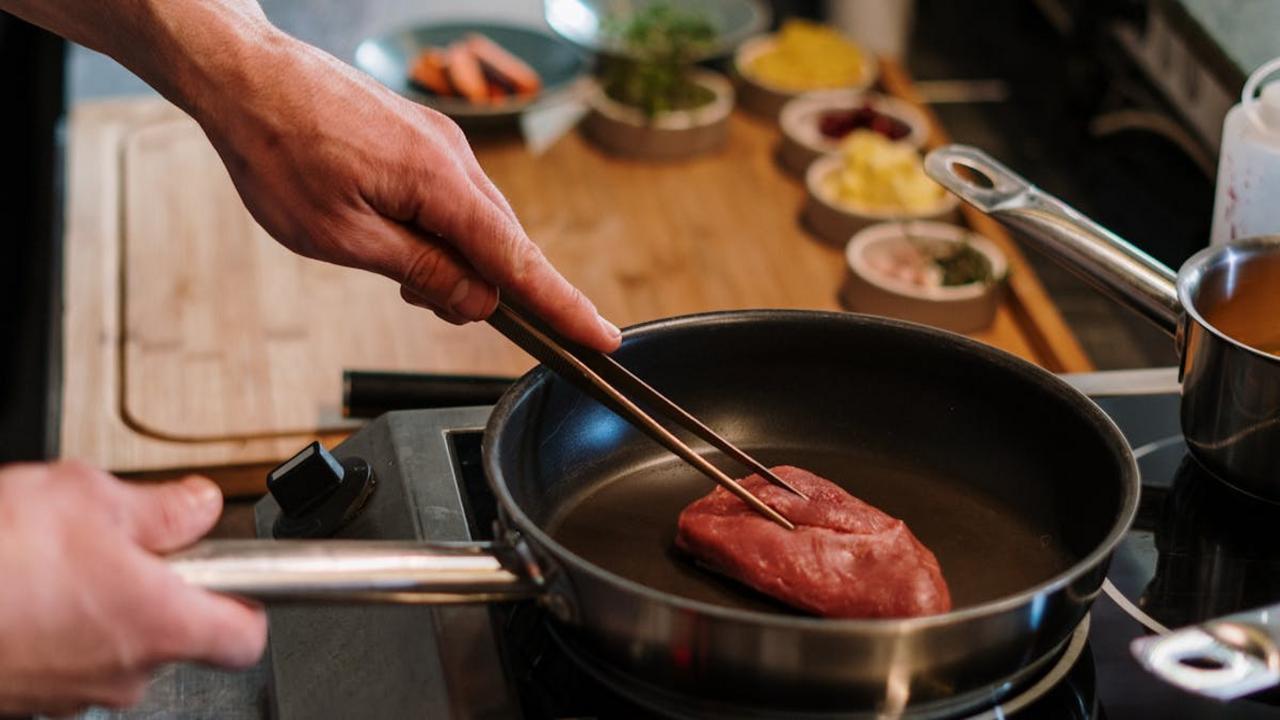
You’ll cook better meals instantly by matching your pan to the job at hand. Think of your pans like different tools – each serves a specific purpose. I keep a sturdy cast iron skillet for high-heat searing and getting that perfect crust on steaks. My stainless steel pans work great for building pan sauces and deglazing, while my non-stick pan is reserved strictly for delicate items like eggs and fish that tend to stick. The material and weight of your pan directly impact how evenly your food cooks.
Beyond materials, pan size matters tremendously for cooking success. Using a pan that’s too large will cause liquids to evaporate too quickly and foods to burn, while an overcrowded small pan leads to steaming instead of browning. Give your ingredients enough space – they should fit comfortably with room to move around. For stovetop cooking, make sure your pan’s base matches your burner size for even heat distribution. Quality pans might cost more upfront, but they’ll last years longer and dramatically improve your cooking results.
Proper Kitchen Setup
I’ve learned through countless hours of cooking that adding salt at the right moment makes all the difference in your dishes. You’ll notice deeper, more developed flavors when you salt early in the cooking process, giving ingredients time to absorb and distribute the seasoning. For dishes like soups, stews, and braises, add salt gradually from the start and adjust near the end. With vegetables, salt them right before cooking to draw out excess moisture and create better browning.
Your salt strategy should adapt based on what you’re making. For pasta water, add a generous amount of salt once the water boils – this seasons the pasta from within as it cooks. Raw proteins need salting 30-60 minutes before cooking to enhance moisture retention and create a more tender result. Fresh herbs and finishing touches benefit from a light sprinkle of flaky salt right before serving. Keep tasting throughout cooking and remember – you can always add more salt, but taking it away is impossible.
Stock Making Fundamentals
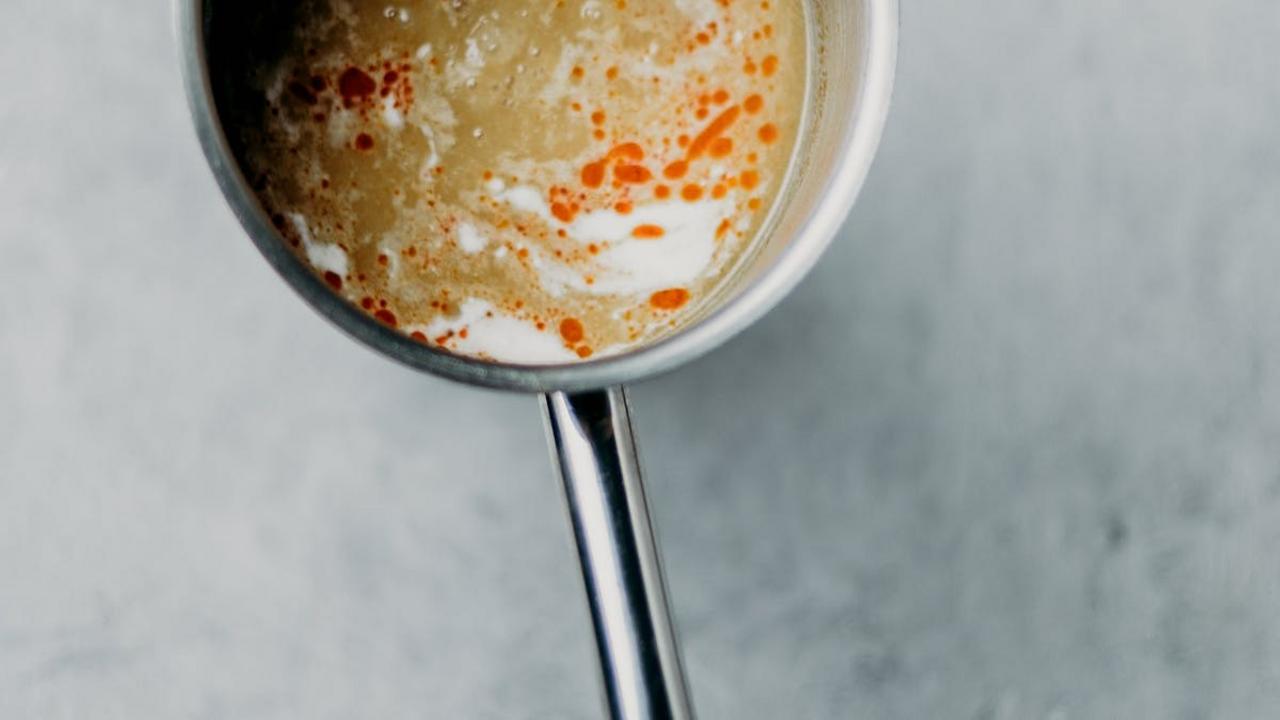
Making your own French stock will transform your cooking from good to magnifique! I learned this secret while cooking with my grandmother – you’ll need quality bones (chicken, beef, or fish), aromatic vegetables like carrots, celery, and onions (what the French call mirepoix), plus fresh herbs tied in a bouquet garni. Start by roasting the bones until golden brown, then add them to cold water with your vegetables. Keep the heat low and steady, skimming off any impurities that rise to the surface.
The key to rich, clear stock lies in gentle simmering – never let it boil! French cooks maintain their stocks at a bare simmer for hours, allowing flavors to develop naturally without becoming cloudy or greasy. Your patience will reward you with an intensely flavored base for soups, sauces, and braises. I always make extra to freeze in ice cube trays – perfect for adding quick depth to weeknight dishes. Remember to strain your finished stock through a fine-mesh sieve lined with cheesecloth for that professional-quality clarity.
Perfect Your Knife Skills
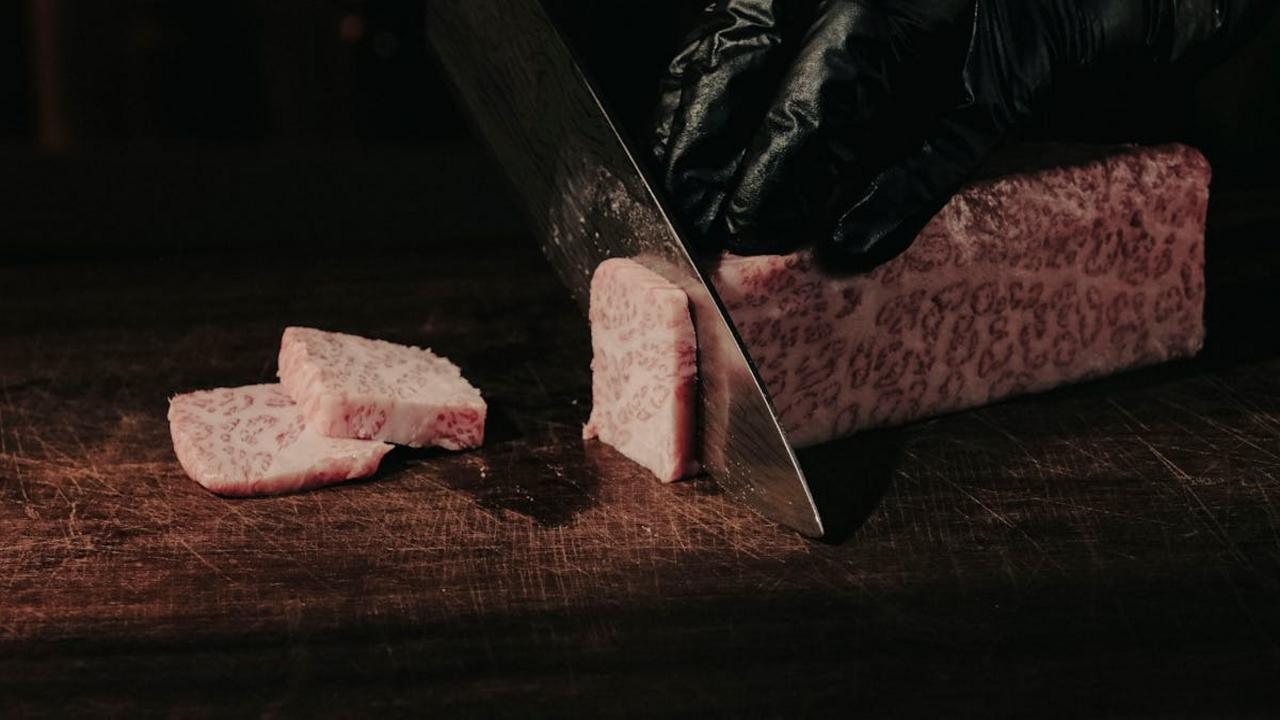
I learned early in my French cooking adventures that sharp knives and proper technique make or break your kitchen efficiency. You’ll want to master three core cuts that French cuisine demands: the julienne (thin matchsticks), brunoise (tiny cubes), and chiffonade (ribbon-like strips for herbs). Start with softer vegetables like celery or carrots to build confidence before moving to firmer items. Keep your fingers tucked while holding ingredients, and maintain a steady rocking motion with your knife – this will help you work faster and safer.
Your knife grip matters tremendously in French cooking. Hold the handle with your thumb and index finger pinching the blade near the handle – this gives you maximum control. Practice the ‘claw’ grip with your other hand to protect your fingertips while chopping. I recommend spending 10 minutes daily practicing these techniques on different vegetables. You’ll notice your speed and precision improving within weeks. Consider investing in a quality chef’s knife around 8 inches long – it will become your most reliable kitchen companion for years to come.
Master Mother Sauces
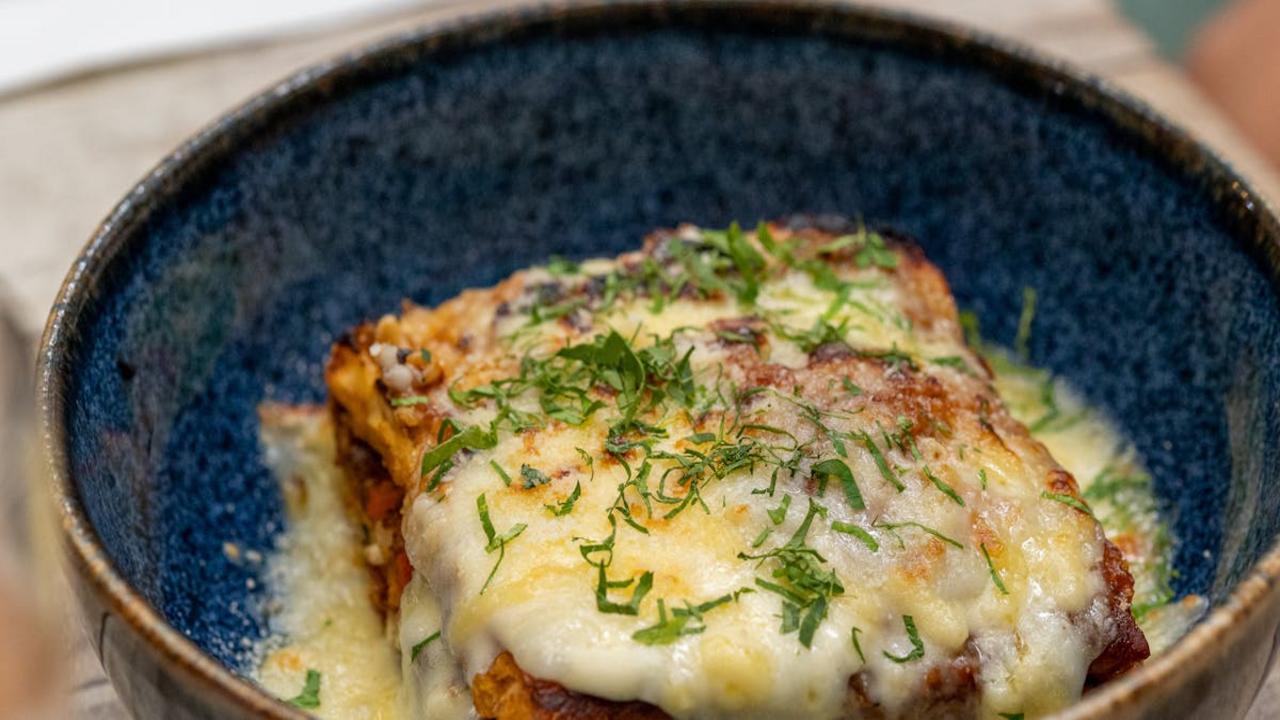
You’ll transform your French cooking once you understand the five mother sauces – béchamel, hollandaise, espagnole, velouté, and tomato. I learned early in my cooking that these foundational sauces open up endless possibilities in the kitchen. Start with béchamel, a simple white sauce made from butter, flour, and milk. Practice makes perfect here – whisk constantly to avoid lumps and adjust the thickness by varying your milk quantity. From this base, you can create dozens of variations like a creamy mornay sauce for your gratins or a silky sauce for your croque monsieur.
Think of mother sauces as your blank canvas for creativity. I often make a large batch of velouté (similar to béchamel but using stock instead of milk) and store portions in my freezer. This gives me a head start on quick weeknight dishes – just add mushrooms for a divine sauce forestière or tarragon for a classic French chicken preparation. Remember, temperature control makes or breaks these sauces. Keep your heat moderate, stir diligently, and taste frequently. Soon you’ll develop an intuition for the right consistency and seasoning, making these classic French techniques second nature in your cooking.
Learn Basic French Terms

You’ll feel so much more confident in French cooking once you understand the common kitchen terms. Words like “mirepoix” (the mix of diced carrots, celery, and onions) and “mise en place” (having all ingredients prepped and ready) will become second nature. Think of learning these terms like adding new tools to your kitchen – they help you follow recipes more smoothly and understand the techniques better. I still remember how understanding “sauté” versus “poêler” transformed my approach to pan cooking.
Start with the basics – learn what “blanching” (quick-boiling then ice bath) means, or why chefs say “au gratin” (topped with cheese/breadcrumbs and browned). Keep a small notebook in your kitchen to jot down new terms as you encounter them. After cooking a few classic French dishes, you’ll naturally pick up words like “fond” (those flavorful browned bits at the bottom of the pan) and “roux” (the flour-butter base for sauces). These terms aren’t just fancy words – they’re precise instructions that will make you a better cook.
Start with Quality Ingredients