12 Indigenous Superfoods That Sustained Communities for Generations
Long before trendy health stores and expensive supplements hit the market, Native American communities thrived on nutrient-packed foods growing wild across North America. From the shores of the Great Lakes to the Southwest deserts, these incredible plants didn’t just feed people – they shaped entire cultures and kept communities healthy through harsh winters and unpredictable seasons.
I discovered these superfoods while researching traditional Native American diets, and what I found blew my mind. These weren’t just random plants – they formed sophisticated food systems perfected over thousands of years. Each one packed more nutrients than most of today’s grocery store produce.
The best part? Many of these superfoods still grow wild in our backyards and forests. You’ve probably walked past some without realizing their incredible nutritional value and rich history. From protein-rich wild rice to vitamin-packed berries, these foods tell a remarkable story of survival, wisdom, and deep connection to the land.
Squash
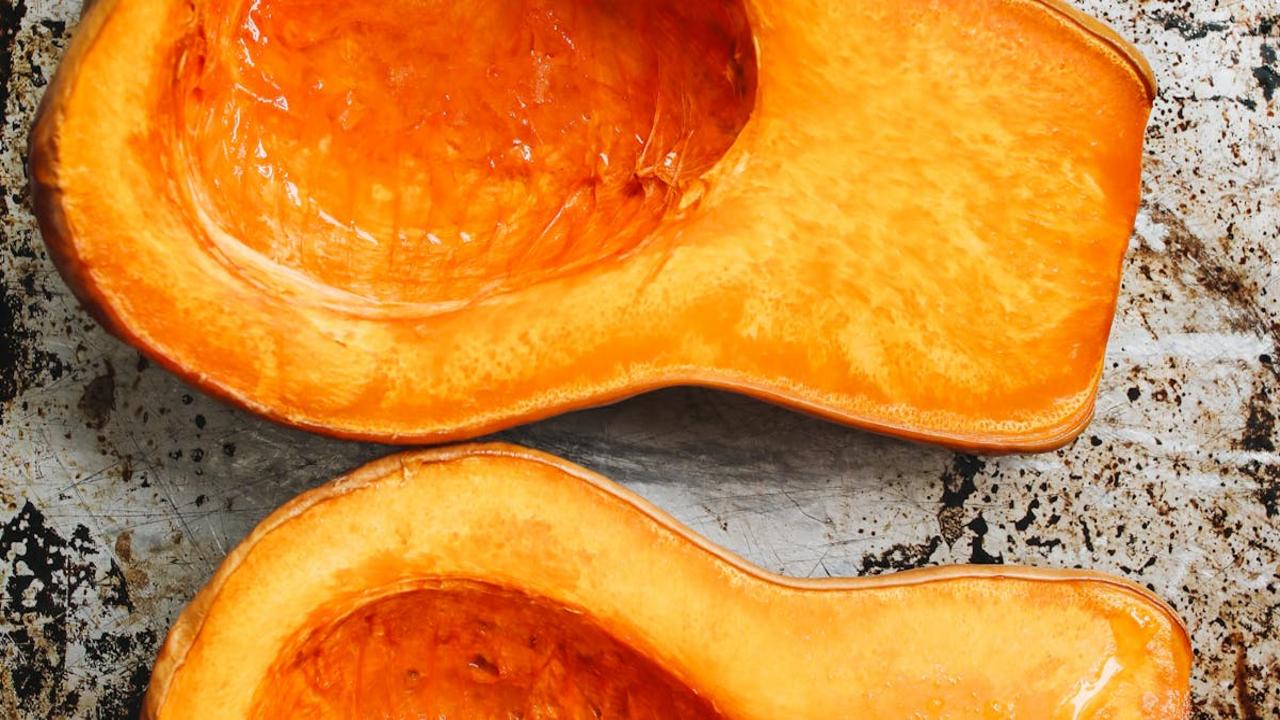
I bet you’ve never looked at your butternut squash and thought “Wow, this veggie helped build civilizations!” But it’s true! Native Americans didn’t just grow squash – they turned it into an agricultural superstar alongside corn and beans in what they called “The Three Sisters.” This golden-fleshed vegetable brings more than just good looks to the table. You’ll find heaps of vitamin A, fiber, and potassium packed into every bite. Plus, with its hard shell acting like nature’s Tupperware, squash kept Indigenous communities fed through long winters when fresh food was scarce.
The real magic of squash lies in its incredible variety – from tiny pattypans to massive banana squash that could feed a whole family. Indigenous farmers developed dozens of unique varieties, each adapted to different growing conditions across the Americas. Think acorn squash thriving in the Northeast’s short summers, or drought-resistant varieties flourishing in desert regions. My favorite bit of squash trivia? Many Indigenous groups dried and wove squash strips into mats and containers. Now that’s what I call zero-waste living! These versatile veggies weren’t just food – they became tools, musical instruments (yes, really!), and even toys for children.
Corn
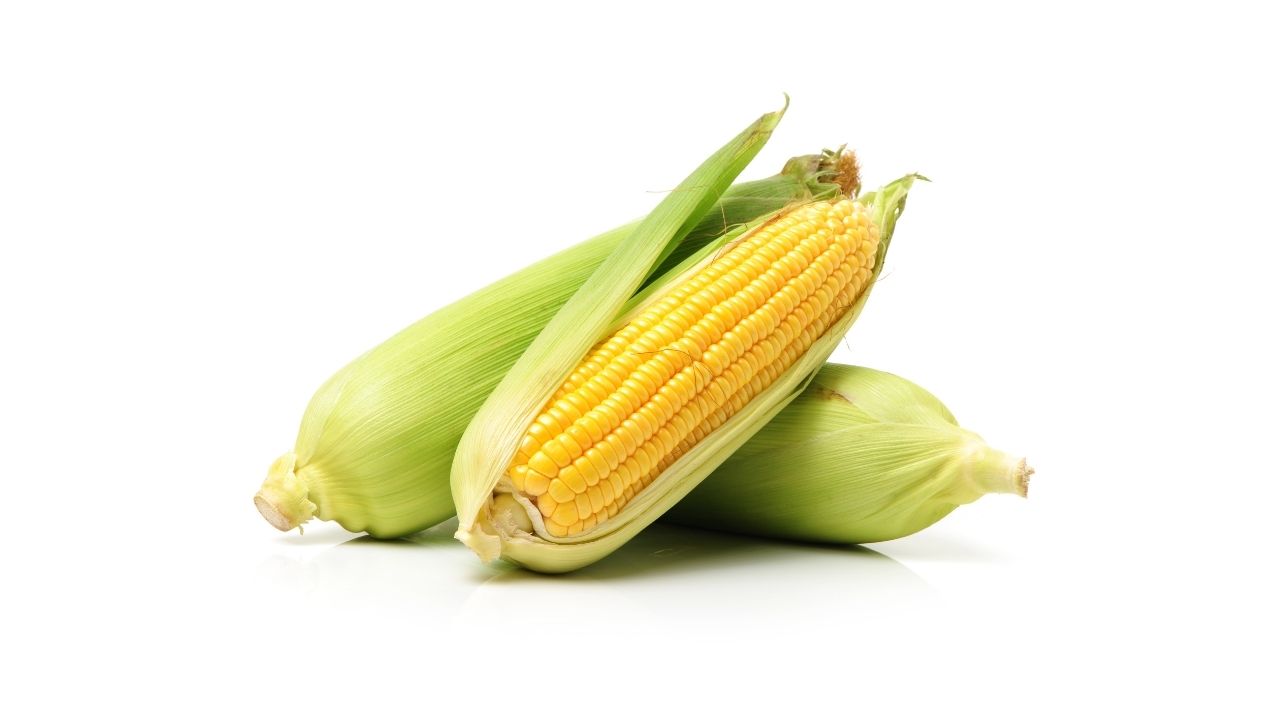
You might think corn is just that yellow stuff you slather with butter at summer barbecues, but this golden grain has been feeding Indigenous communities across the Americas for over 10,000 years! The Aztecs, Maya, and countless other Native peoples didn’t just grow corn – they turned it into an art form. Through a genius process called nixtamalization (try saying that three times fast), they soaked corn kernels in limestone water to create everything from tortillas to tamales. This simple yet brilliant technique unlocked corn’s hidden nutrients and made it easier for our bodies to absorb its protein and niacin.
What really gets me excited is how Indigenous farmers developed hundreds of corn varieties in every color of the rainbow – we’re talking deep purple, crimson red, and even jet black kernels! Each variety had its special purpose: some for grinding into flour, others for popping, and some just for making their incredible corn-based drinks. Modern science has shown these ancient cultivators were onto something big – corn is packed with fiber, antioxidants, and minerals that kept communities healthy through harsh winters and long hunting expeditions. Next time you munch on some corn, remember you’re tasting the result of thousands of years of Indigenous agricultural wisdom!
Sunflowers
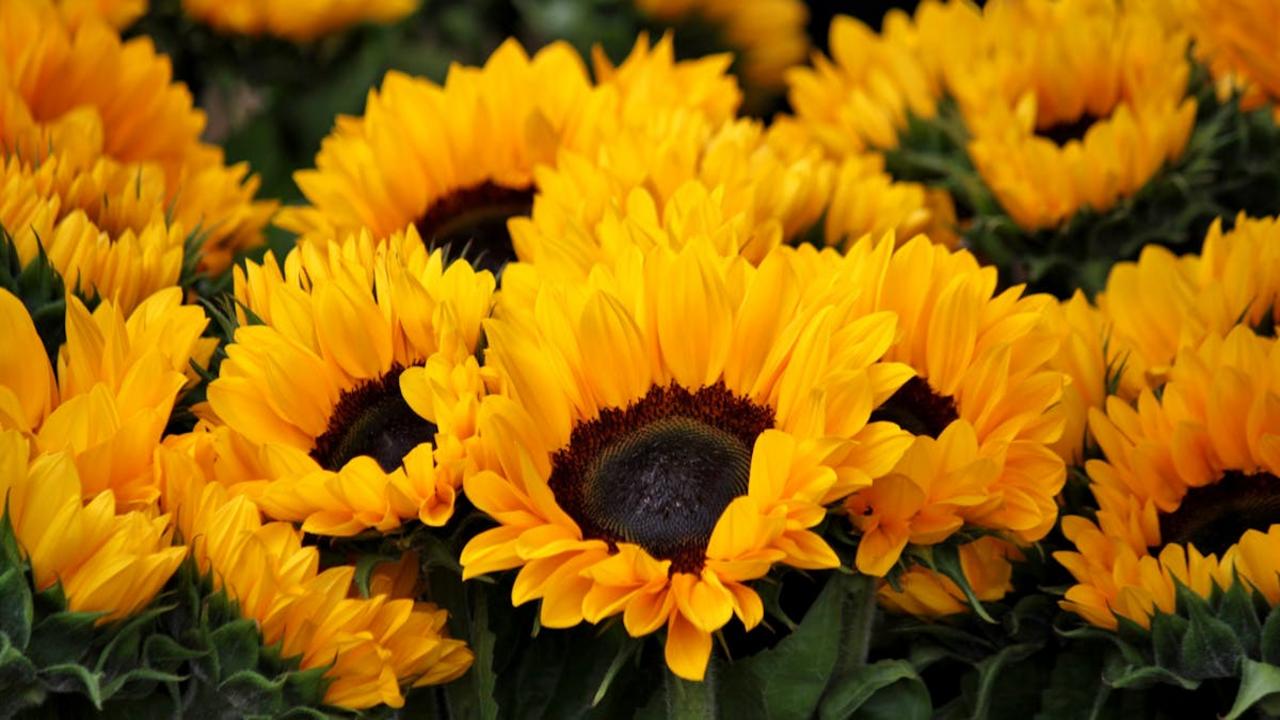
Picture this: long before sunflower seeds became the go-to ballpark snack, Native American tribes across North America saw these cheerful yellow giants as their supermarket staples! The tribes would grind the seeds into a rich flour for bread-making, press them for their golden oil, and even use the stalks as building materials. Nothing went to waste with these sunny beauties – from the petals (which made natural dyes) to the stems (which provided a natural way to filter water). These versatile plants didn’t just feed communities; they traveled with tribes as they moved, creating living maps of Native American migration patterns.
What makes sunflower seeds stand out in the superfood crowd? Pack your trail mix with these nutrient powerhouses and you’ll get a whopping dose of vitamin E, selenium, and heart-healthy fats. The Hidatsa people of North Dakota particularly loved these seeds, developing specific cultivation techniques that we still use today. They would plant the seeds in mounds, creating natural support systems for the towering stalks. And here’s a fun fact that’ll make you look twice at your garden variety sunflower – Native Americans bred these plants to grow heads twice the size of what you’d find in the wild. Talk about ancient agricultural genius!
Wild Potatoes
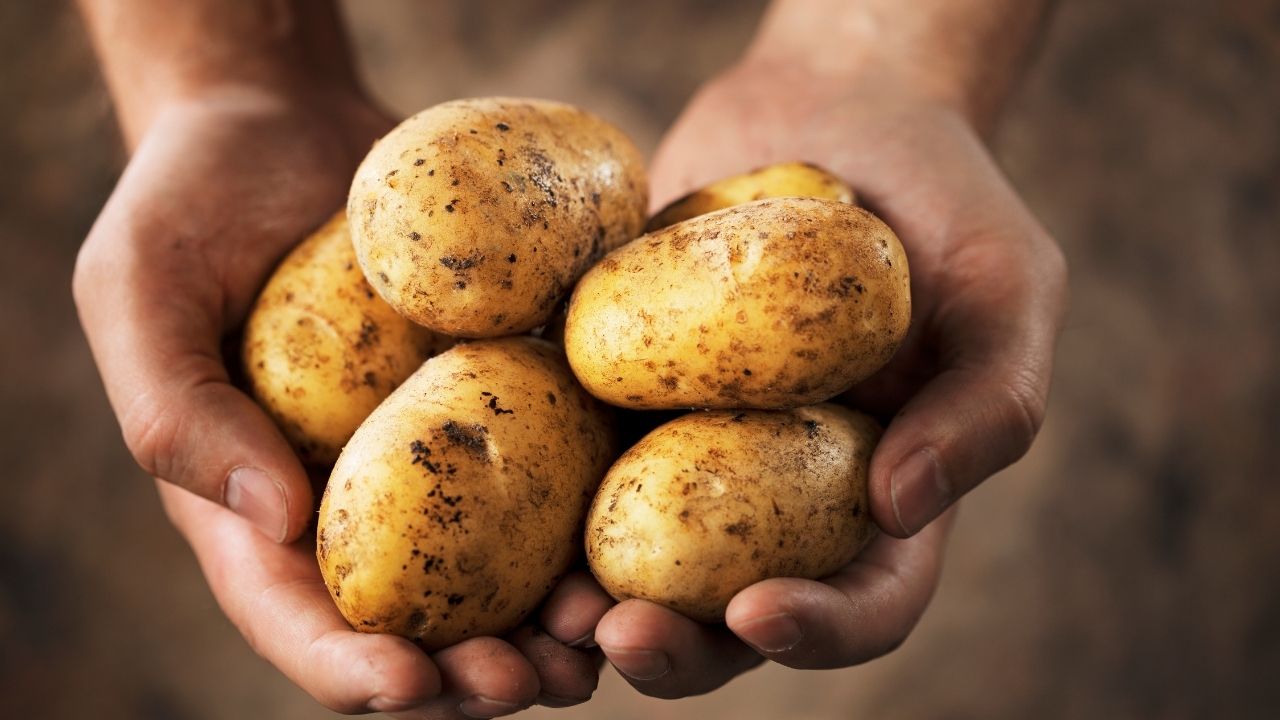
You might think your grocery store spuds are the only potatoes around, but wild potatoes have fed Indigenous communities across the Americas for thousands of years before modern agriculture came along. These small, nutrient-packed tubers grow naturally in diverse locations from the United States to Chile, with over 200 wild species identified. Indigenous peoples developed intricate knowledge about which varieties were safe to eat and how to remove bitter compounds through traditional preparation methods like freeze-drying – a technique still used today to make chuño in the Andes.
Unlike their cultivated cousins, wild potatoes pack a serious nutritional punch with higher concentrations of protein and antioxidants. Native communities would often dig these precious tubers from the ground during specific seasons, following time-honored traditions passed down through generations. Some tribes would create special tools just for harvesting these underground treasures, while others developed preservation techniques that allowed them to store wild potatoes through harsh winters. The next time you munch on french fries or mashed potatoes, remember their wild ancestors that kept entire civilizations thriving long before modern farming methods existed!
Pine Trees
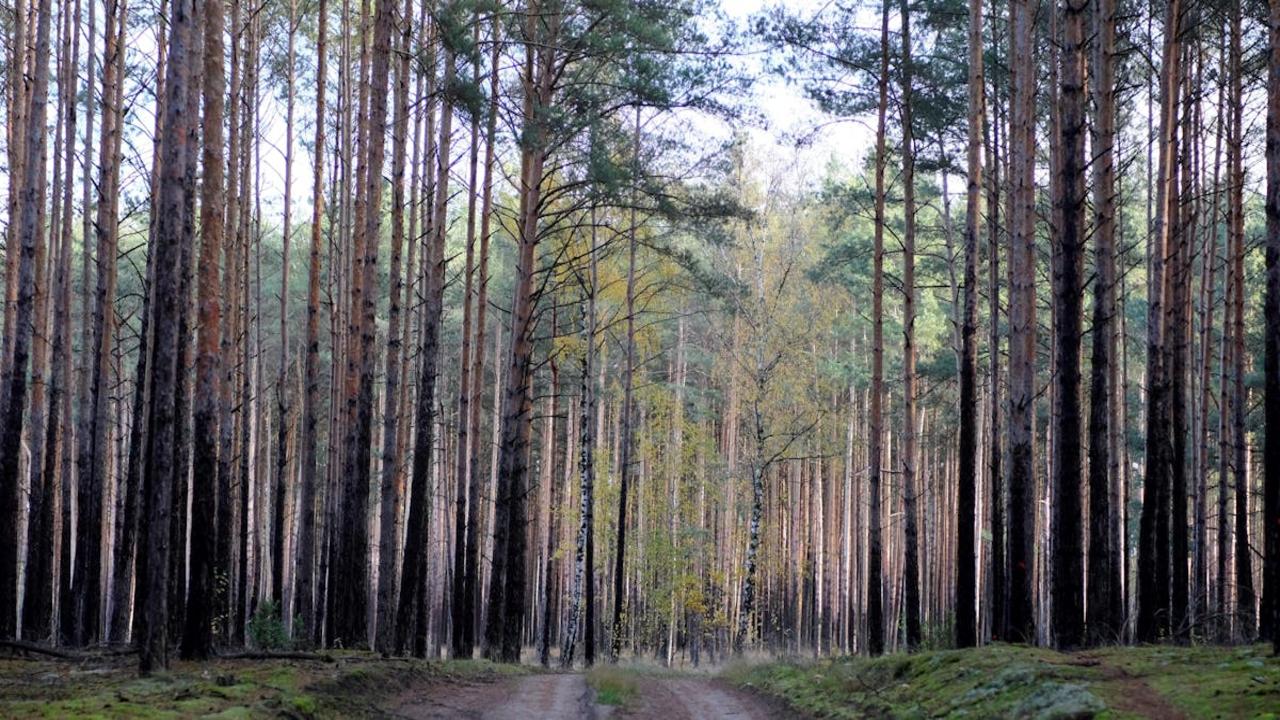
Who knew those towering pine trees in your backyard could be your next snack? Native Americans have long munched on every part of these evergreen giants – from their inner bark to their nuts and even their needles. The cambium layer (that’s the soft inner bark) became a lifesaving food source during harsh winters, packed with vitamin C and natural sugars. You can still eat it today – just peel it off in strips, dry it out, and grind it into flour for baking or boil it for a sweet, chewy treat.
Pine needle tea might sound like something your eccentric aunt would brew up, but this forest beverage has kept countless communities healthy through the ages. Just steep fresh green needles in hot water, and you’ve got yourself a drink with more vitamin C than orange juice! And don’t get me started on pine nuts – these little powerhouses of protein and healthy fats have been a prized ingredient for millennia. The Washoe people of the Great Basin would gather in the fall to harvest thousands of pounds of pine nuts, storing them for winter feasts and trading with neighboring tribes. Talk about the original trail mix!
Berries
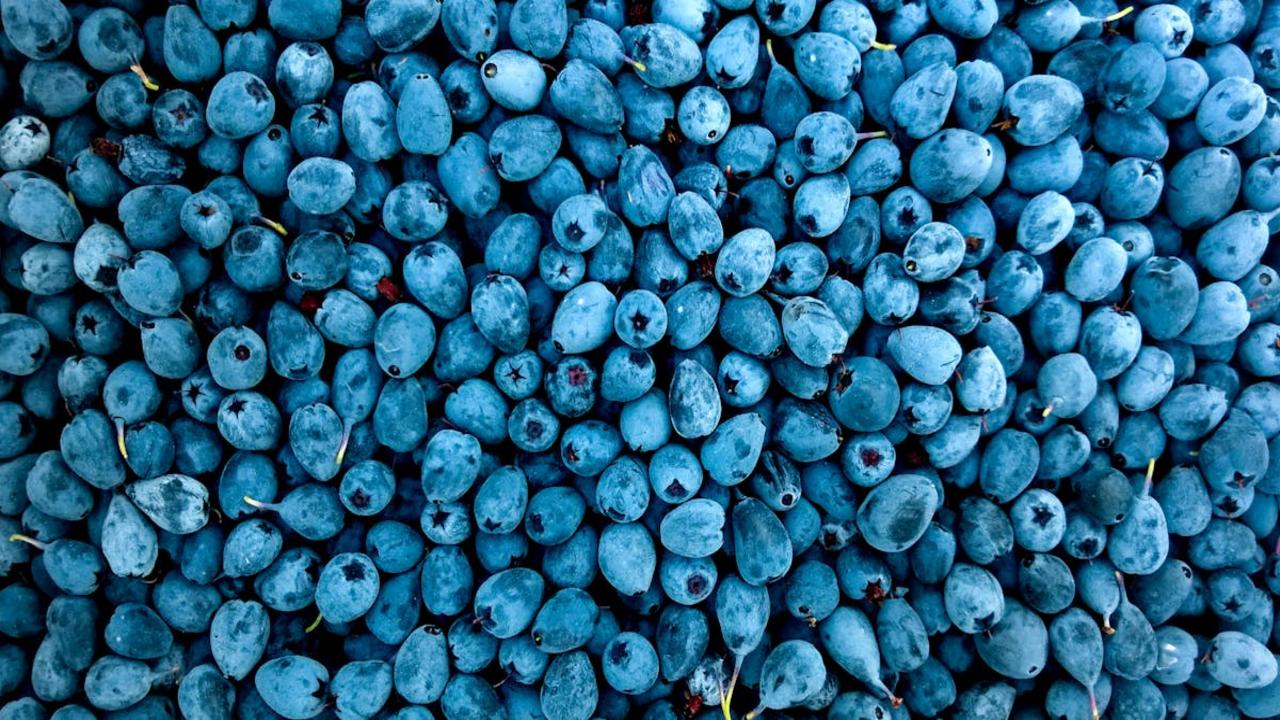
You haven’t lived until you’ve picked wild berries straight from nature’s candy jar! Native communities across North America knew exactly what they were doing when they made these sweet-tart jewels a cornerstone of their diet. From the deep purple elderberries packed with immune-boosting power to the bright red antioxidant bombs we call cranberries, Indigenous peoples gathered these nutritional powerhouses during summer months and preserved them through drying or mixing with animal fats to create pemmican – their original energy bar that could last through harsh winters.
The berry bounty didn’t stop there – huckleberries, salmonberries, and wild strawberries dotted the landscape like nature’s sprinkles. Each tribe developed unique ways to use these fruits – the Karuk people of California whipped blackberries into a frothy drink, while the Ojibwe turned blueberries into a sweet sauce for meat dishes. Modern science now backs up what Indigenous communities knew all along – these berries pack more antioxidants than most supermarket fruits, with some wild varieties containing up to 10 times more beneficial compounds than their cultivated cousins. Who needs a multivitamin when you’ve got Mother Nature’s medicine cabinet right in your backyard?
Maple Trees
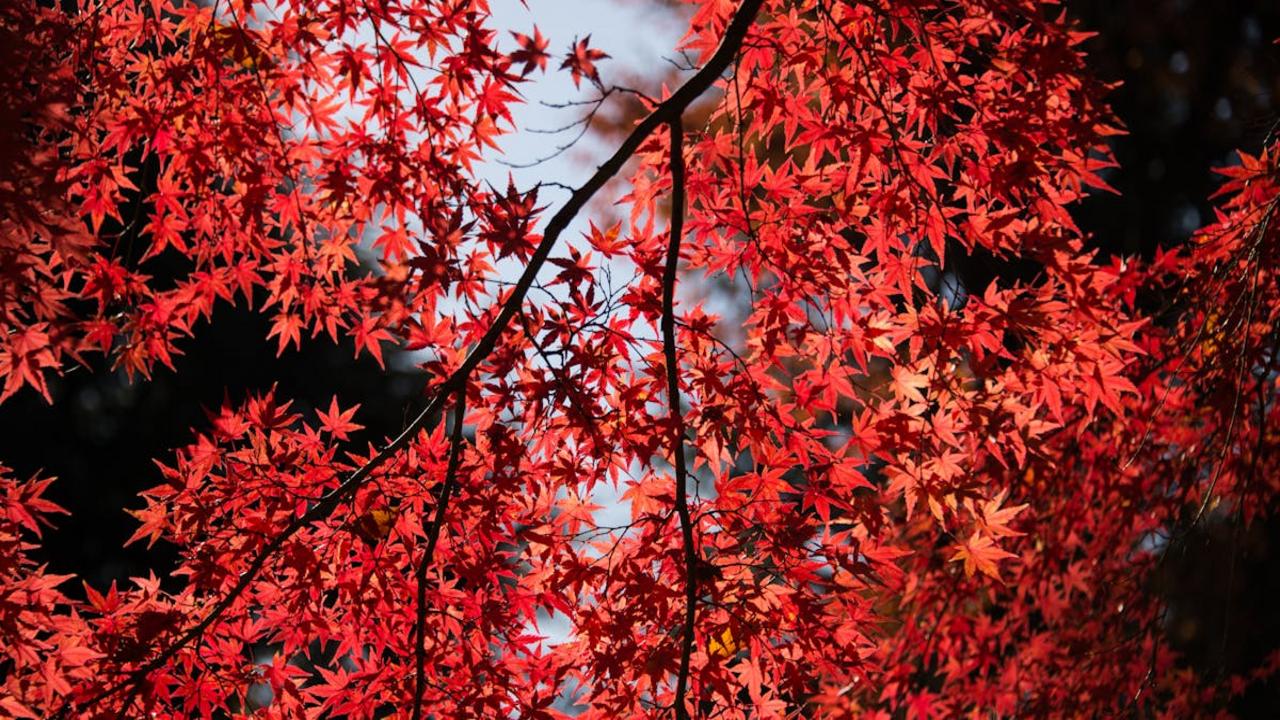
You haven’t truly lived until you’ve watched pure maple sap transform into liquid gold on a crisp spring morning! Native American tribes, particularly the Algonquin and Iroquois peoples, discovered this sweet miracle centuries ago, marking the start of sugaring season with ceremonies and celebrations. The process of collecting and boiling down maple sap became a cherished social gathering, where families and communities worked together, sharing stories while they waited for roughly 40 gallons of sap to boil down into just one gallon of syrup.
Beyond its obvious pancake-enhancing powers, maple sap offered indigenous communities a vital source of calories and minerals after long winters when food stores ran low. They developed clever techniques to tap the trees using birch bark containers and hot stones to speed up the evaporation process. Here’s a fun fact that’ll make your next breakfast more interesting: the indigenous peoples also made maple sugar cakes, which they carried during long hunting trips as a compact energy source – think of them as nature’s original energy bars! Today, we still use many of the same basic principles they pioneered, though I doubt many of us still catch the sap in birch bark buckets.
Wild Onions
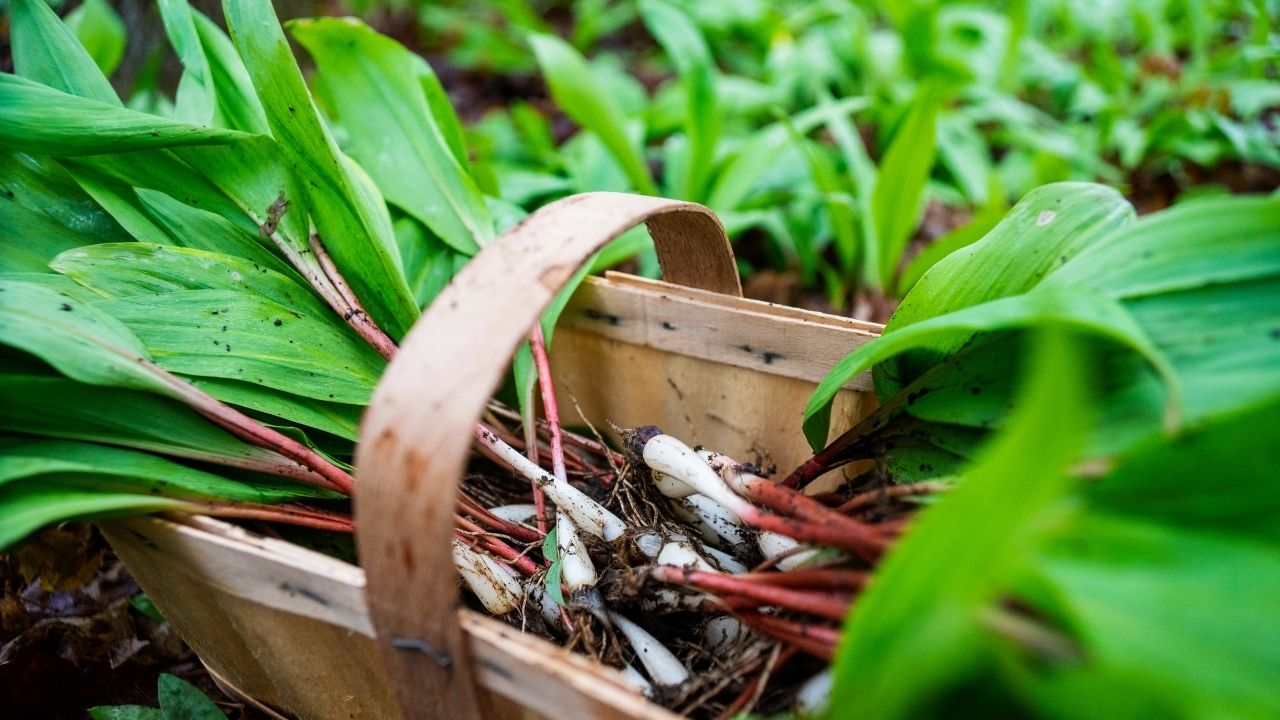
You know those fancy pearl onions at specialty grocery stores? Their wild cousins have been feeding Indigenous communities across North America since time immemorial! Wild onions pack way more flavor punch than their cultivated relatives – imagine concentrated onion goodness in tiny, perfectly-formed bulbs. Native Americans didn’t just eat these zesty little gems raw or cooked – they dried and stored them for winter sustenance. The Choctaw people specifically sought out wild onions in early spring when other food sources ran low.
I recently learned from Cherokee friends that they traditionally pair wild onions with scrambled eggs – a combination that makes total sense given the onions’ natural buttery notes. The entire plant offers nutrition – from the tender green shoots to the underground bulbs. Many tribes considered wild onions medicine too, using them to fight colds and boost immunity. Fun fact: some Indigenous communities could spot prime wild onion patches by looking for certain companion plants that often grew alongside them. They passed this botanical knowledge through generations, ensuring these nutrient-rich plants remained a reliable food source.
Dandelions
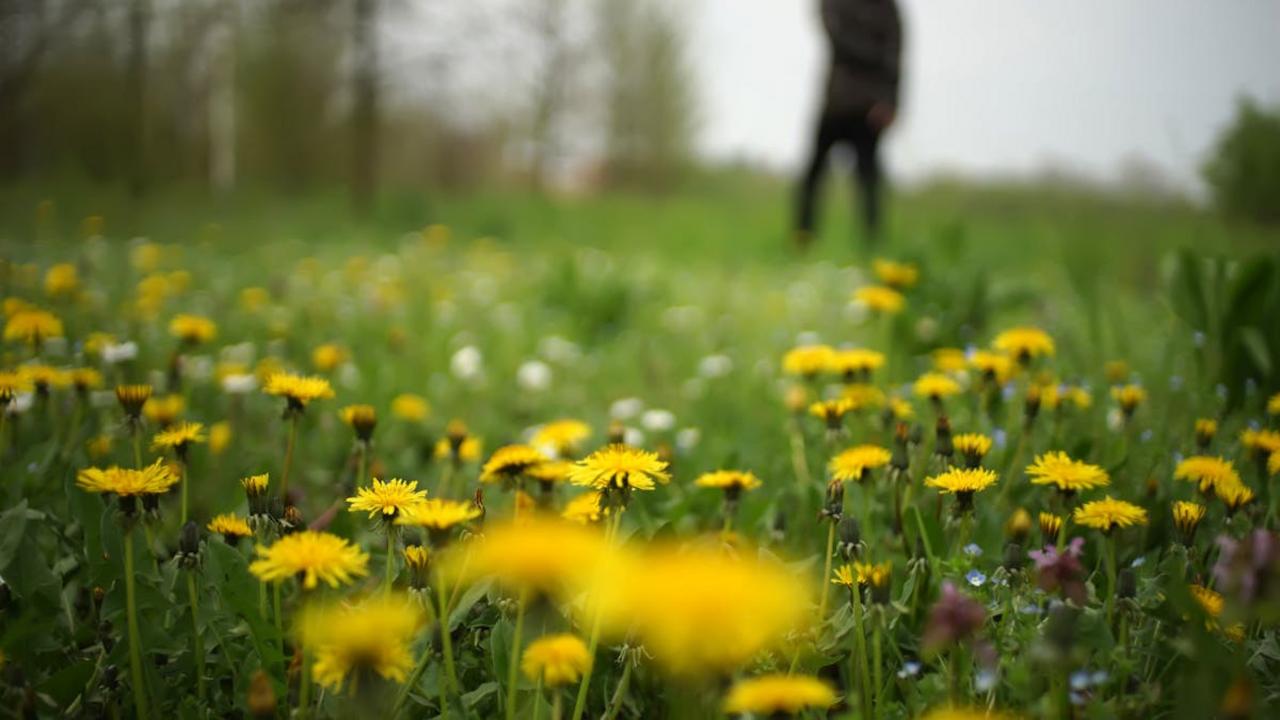
You know that “pesky weed” your neighbors keep fighting in their perfectly manicured lawns? It’s actually a nutritional powerhouse that Indigenous peoples have treasured for centuries! Every part of the dandelion packs a punch – from its sunny yellow flowers to its deep roots. Native American tribes like the Iroquois and Ojibwe gathered these golden blooms in spring, turning them into medicinal teas and adding the vitamin-rich leaves to their daily meals. The roots, particularly rich in antioxidants, became a coffee substitute during lean times.
I’ve found dandelion greens make the most incredible salads – just pick the young leaves before they get too bitter. Many Indigenous communities would mix them with other foraged greens and dress them simply with rendered animal fat. The flowers? They’re not just for making wishes! You can fry them up into fritters or ferment them into wine. Even today, many First Nations communities continue these traditions, teaching younger generations how to spot and collect these resilient plants that pop up everywhere from urban sidewalks to mountain meadows. The next time you spot a dandelion, remember – you’re looking at centuries of Indigenous wisdom and nutrition growing right at your feet!
Acorns
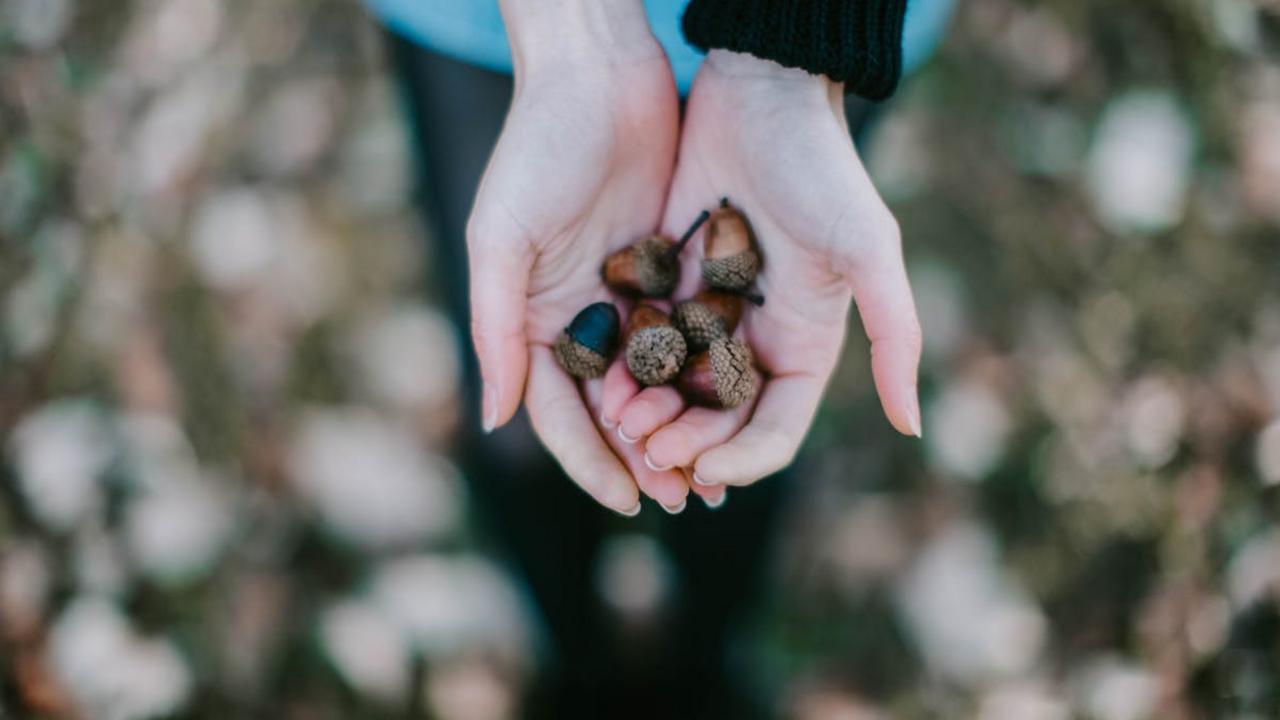
You might think acorns are just those pesky nuts littering your yard every fall, but these little powerhouses kept countless Indigenous communities thriving through harsh winters. The humble acorn packed such a nutritional punch that many tribes, particularly those in California like the Miwok and Yokut peoples, made it their primary food staple. After cracking open the shells and grinding the nuts into flour, they’d leach out the bitter tannins through multiple water rinses – a process that required serious patience but yielded a versatile, nutrient-rich flour that could last for months.
Here’s the cool part – one mature oak tree can drop up to 2,000 pounds of acorns in a single season! Indigenous communities created all sorts of delicious dishes from these nuts, from hearty breakfast porridges to dense breads. The flour contains healthy fats, proteins, and carbohydrates, making it a complete food source. Modern foragers have started rediscovering acorn flour, though I’d recommend learning from experienced gatherers since not all oak species produce equally tasty nuts. Plus, you’ll want to avoid the ones squirrels have already claimed – those little rascals know their acorns!
Cattails
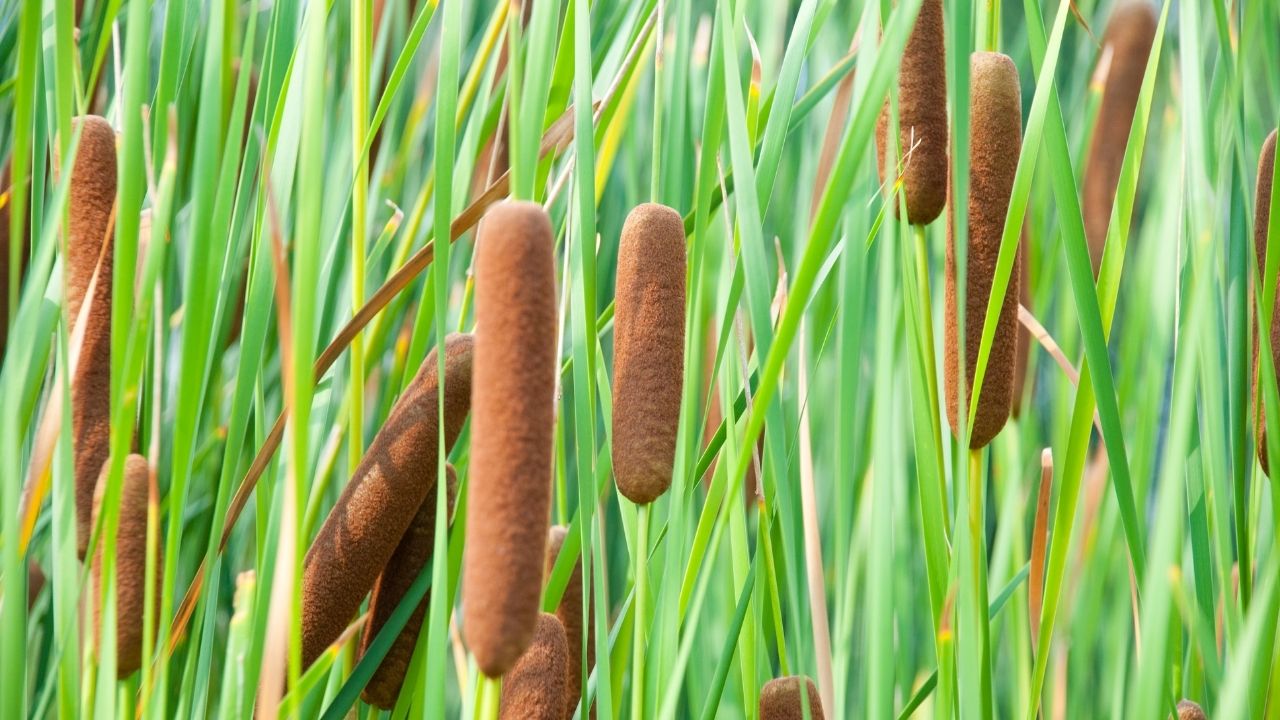
You know those tall reedy plants with hot dog-shaped brown tops that grow near ponds? Those are cattails, and Native American tribes knew exactly how amazing these water-loving plants could be! Every part of the cattail plant feeds you – from the starchy roots that you can grind into flour, to the tender spring shoots that taste like cucumber when raw. The green flower heads make a fantastic snack when you boil them like corn on the cob, and the yellow pollen works perfectly as a flour substitute in pancakes and breads.
I love foraging for cattails in early spring when the young shoots peek through the mud. Just pull them up gently, peel back the outer layers, and munch on the tender white core – nature’s version of hearts of palm! Indigenous peoples dried and stored cattail roots for winter food, creating a nutritious flour rich in protein and carbohydrates. They even used the fluffy seed heads as pillow stuffing and wound dressing. Talk about a multi-purpose plant! Next time you spot these tall soldiers standing guard by a pond, remember they’re not just pretty water plants – they’re an entire grocery store wrapped in one package.
Wild Rice
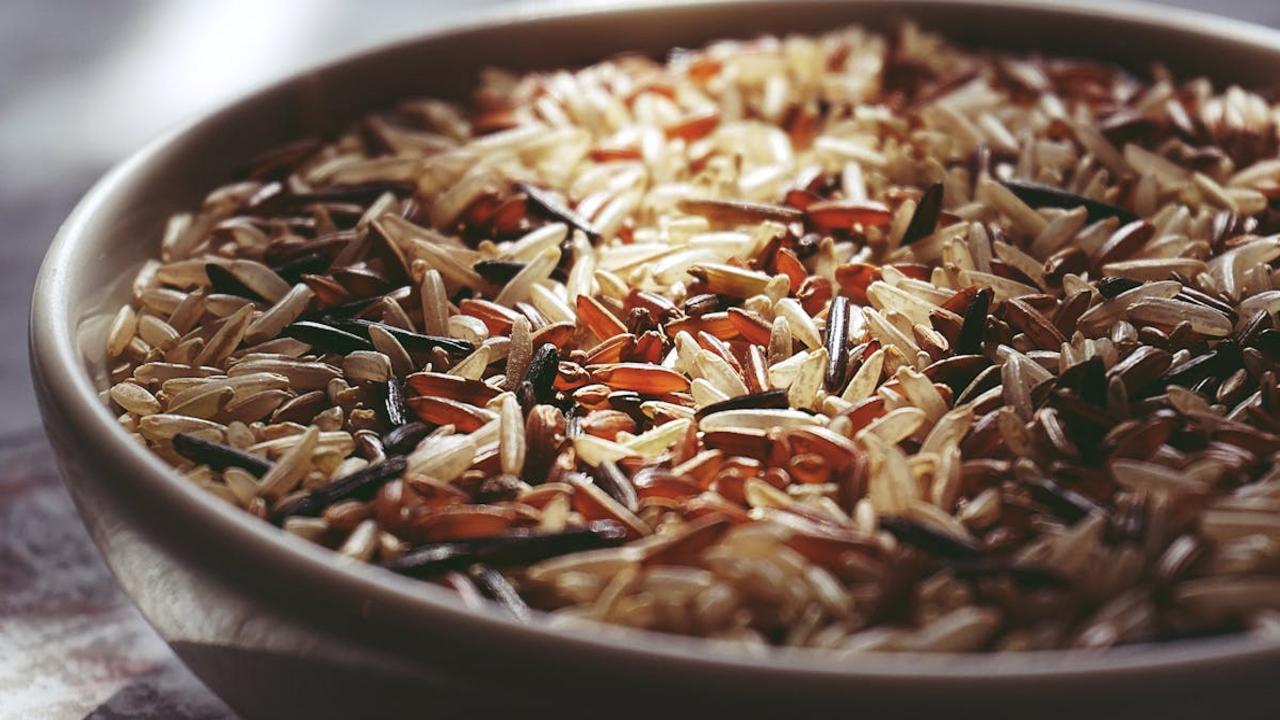
Don’t let the name fool you – wild rice isn’t actually rice at all! This water-loving grass has fed Indigenous peoples across North America for thousands of years, particularly the Ojibwe people who call it “manoomin” or “good berry.” I find it fascinating that Native Americans would paddle canoes through the lakes of Minnesota and Wisconsin, gently knocking the grains into their boats during the fall harvest. The rich, nutty flavor and chewy texture make this pseudo-grain a knockout addition to any meal.
Beyond its incredible nutritional profile – packed with protein, fiber, and minerals – wild rice has some quirky superpowers. It can store for years without spoiling, making it a reliable food source through harsh winters. My favorite way to cook it? Toast it first in a dry pan until it smells like black tea, then simmer it in mushroom broth for an earthy flavor bomb. Native communities would often pair it with maple syrup, berries, and game meat – a combination that still rocks dinner tables today. Who knew a grass could be this exciting?