15 Strategies for Saving Money on Groceries
Your grocery bill doesn’t need to break the bank! I’ve spent years testing different money-saving tricks at supermarkets, and now I’m sharing my top 15 strategies that will help you slash your food expenses while still eating healthy, delicious meals.
From smart meal planning to clever shopping lists and store loyalty programs, these practical tips will transform how you shop and save. You’ll learn which items to buy in bulk, when to opt for frozen alternatives, and how to make the most of seasonal produce – all while keeping your budget intact.
I’ve watched countless families cut their grocery spending by 30% or more using these techniques. The best part? You won’t sacrifice quality or nutrition. Instead, you’ll discover new ways to shop smarter, waste less, and stretch your food dollar further than ever before.
Meal Planning
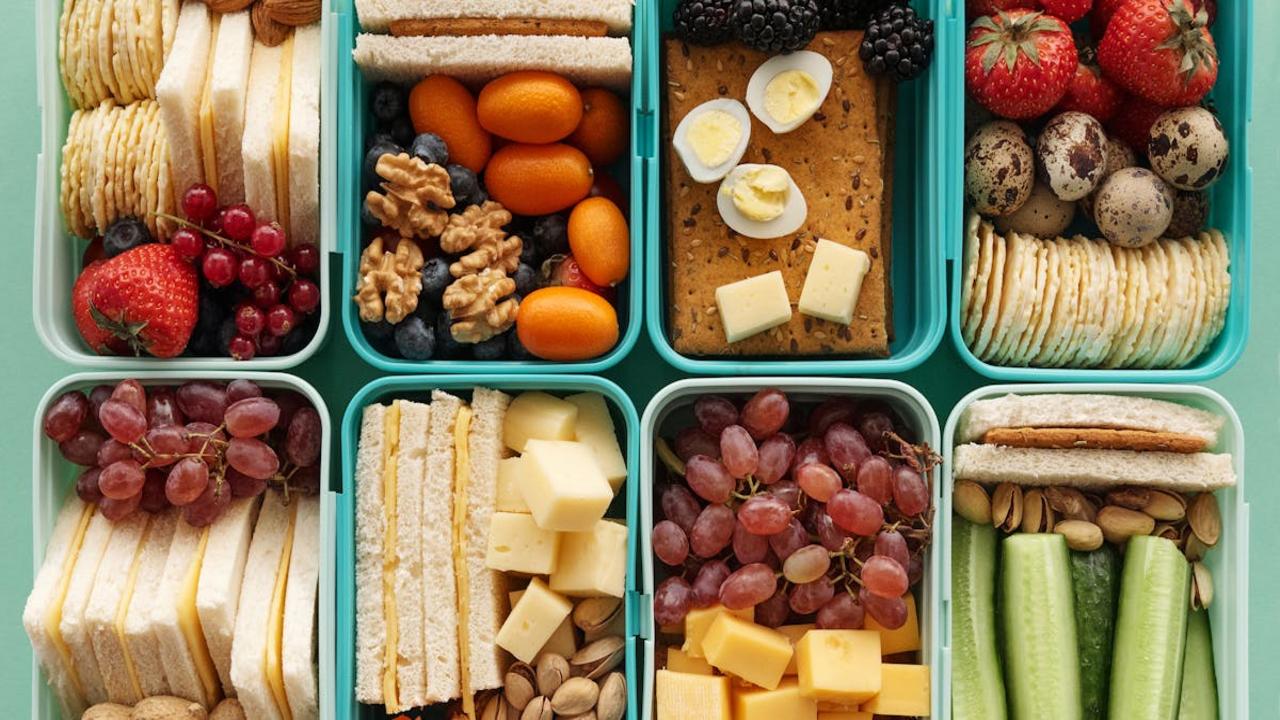
You’ll save so much money and time by planning your meals ahead! I love sitting down every Sunday with my favorite recipe books and mapping out what my family will eat for the next week. This simple habit has cut my grocery spending by 30% because I buy exactly what I need and avoid those impulse purchases that often go to waste. Plus, meal planning means you’ll make fewer trips to the store, reducing those “just grabbing one thing” visits that somehow always turn into a full cart of unplanned items.
Start by checking what ingredients you already have in your pantry and fridge, then build your weekly menu around those items. Write down each meal and create a detailed shopping list – this keeps you focused at the store. Consider planning meals that use similar ingredients to minimize waste. For example, if you’re buying cilantro for Monday’s tacos, plan Thursday’s dinner around a dish that also needs cilantro. Your wallet will thank you, and you’ll feel more organized knowing exactly what’s for dinner each night. No more staring blankly into your fridge at 6 PM wondering what to cook!
Shopping Lists

You’ll save so much money and time by making a thorough shopping list before heading to the grocery store! I keep a magnetic notepad on my fridge where I jot down items throughout the week as they run low. Before my weekly shopping trip, I check my meal plan and add all needed ingredients to my list. This simple habit keeps me focused and prevents those budget-busting impulse purchases that happen when you shop without direction. I organize my list by store sections (produce, dairy, etc.) which makes the whole process quick and efficient.
A detailed shopping list also helps you avoid buying duplicates of items you already have at home. How many times have you bought another jar of mayo only to find two unopened ones hiding in your pantry? Your list should include specific quantities too – instead of just writing “apples,” note “6 Honeycrisp apples.” This precision prevents overbuying perishables that might go bad before you use them. I’ve found that sticking strictly to my list typically saves me 20-30% on my grocery bill compared to when I shop without one. Plus, a list ensures I get everything I need in one trip, eliminating those costly mid-week store runs.
Store Loyalty Programs

I’ve discovered that store loyalty programs can slash your grocery bills significantly if you know how to make the most of them. Most major supermarkets now offer free membership cards that give you access to exclusive discounts, digital coupons, and personalized deals based on your shopping habits. My favorite part? You’ll often get bonus points or cash back on your purchases, which you can redeem for free groceries or gas. Some stores even send you special birthday rewards and early access to sales, making it worth signing up for multiple programs at the stores you visit regularly.
To maximize your savings through loyalty programs, I recommend downloading the store’s app and checking it before each shopping trip. Many stores load digital coupons directly to your account, and you can browse upcoming sales to plan your meals around discounted items. Keep track of your points and rewards – they add up faster than you might think! For example, my local supermarket gives double points on gift card purchases, so I buy gift cards for other retailers through them to earn extra grocery rewards. Remember to always scan your loyalty card or enter your phone number at checkout to ensure you don’t miss out on any savings.
Coupons

You’ll find amazing deals when you make coupons part of your regular grocery shopping routine! I love spending my Sunday mornings with a cup of coffee, scanning both digital and paper coupons to plan my weekly shopping. Digital coupons through your grocery store’s app often give you instant savings at checkout, while manufacturer coupons from newspapers and online sources can stack with store sales for even bigger discounts. The key is to organize your coupons by expiration date and match them with items you actually need and use.
My favorite strategy involves combining store loyalty programs with manufacturer coupons during sales – this “triple stack” approach has saved me up to 70% on pantry staples! Remember to check your store’s coupon policy, as some places double coupons up to a certain amount or allow you to use both a store and manufacturer coupon on one item. You can find reliable coupon sources through your grocery store’s website, coupon databases, and Sunday newspaper inserts. Just stick to buying products you’ll actually consume – a great deal isn’t worth it if the food goes to waste.
Seasonal Produce

Shopping for fruits and vegetables during their peak growing season will save you serious money at the grocery store. Think about it – strawberries cost way less in summer when farms harvest them locally versus winter when they need shipping from warmer regions. I always check what’s in season before making my grocery list and plan my meals around those ingredients. Right now in spring, I’m loading up on asparagus, peas, and artichokes while they’re fresh and affordable. The quality is better too – seasonal produce tastes amazing since it ripens naturally instead of during transport.
You can find seasonal produce guides online or through your local farmer’s market to know what to buy each month. Stock up when prices drop by freezing extra berries, corn, and other seasonal favorites to enjoy later. Many vegetables freeze well after a quick blanch in boiling water. I keep a chest freezer in my garage specifically for storing seasonal bargains. The local farmers market often marks down prices on seasonal items at the end of the day too. Building your meal planning around what’s currently growing will shrink your grocery bills while giving you the freshest ingredients possible.
Bulk Buying
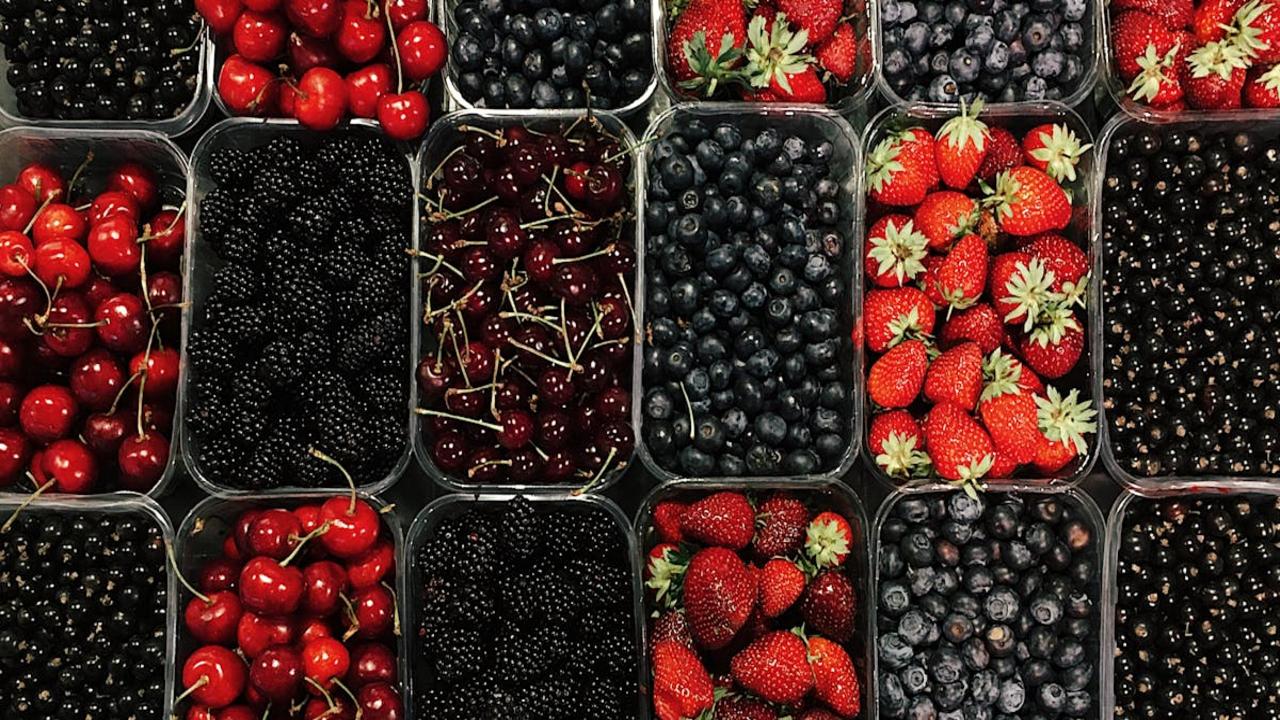
I absolutely love buying in bulk – it’s one of my favorite money-saving tricks that has transformed how I shop! You’ll find amazing deals on pantry items, grains, nuts, and frozen goods when you buy larger quantities. Your initial investment might be higher, but the cost per unit drops significantly. For example, buying a 10-pound bag of rice instead of smaller packages can save you up to 50% per pound. The same goes for items like pasta, beans, and frozen vegetables – stock up when prices are low, and you’ll thank yourself later.
To make bulk buying work for your household, start by checking your storage space and planning your purchases around items you regularly use. I keep clear containers in my pantry to store dry goods and label everything with purchase dates. Remember to compare unit prices rather than package prices to ensure you’re getting the best deal. And don’t forget about splitting bulk purchases with friends or family members – this strategy works great for perishable items or if you have limited storage space. Just make sure to store everything properly to maintain freshness and prevent waste.
Generic Brands

I’ve discovered that switching to generic or store-brand products can cut your grocery bill by 20-30% without sacrificing quality. Many generic items come from the same manufacturers as name brands but cost less because they don’t spend money on fancy packaging and advertising. From pantry staples like flour, sugar, and rice to canned goods and snacks, you’ll find nearly identical ingredients and nutrition facts between generic and name-brand products. I regularly buy generic cereals, pasta, and dairy products, saving hundreds of dollars each year while maintaining the same quality in my cooking.
To make smart choices with generic brands, start by comparing ingredient lists between generic and name-brand products. You’ll often notice they’re exactly the same! For example, generic cheese, milk, and yogurt must meet the same FDA standards as their branded counterparts. Generic spices and seasonings offer identical flavoring power at a fraction of the cost. Give yourself permission to experiment – try one generic item each shopping trip and note any differences. If you like the generic version, stick with it. If not, you can always go back to the name brand for that specific product while saving money on other generic items.
Sales Cycles

You know that feeling when your favorite cereal goes on sale, and you stock up like there’s no tomorrow? That’s because most grocery stores follow predictable sales cycles that repeat every 6-8 weeks. I’ve learned to track these patterns by keeping a simple price log of items my family buys often. Once you notice these cycles, you’ll save big by buying extra during sales and storing them until the next sale rolls around. For example, I buy enough pasta to last two months when it hits its lowest price, saving nearly 40% compared to regular prices.
Your local store’s sales flyers hold the key to understanding these cycles. Keep an eye on seasonal patterns too – baking supplies often go on sale during holiday seasons, while grilling items see deep discounts in early fall. I recommend creating a simple spreadsheet or using your phone’s notes to track prices of your most-bought items for a few months. This will help you identify the lowest prices and know exactly when to stock up. Remember to consider your storage space and product shelf life when planning your bulk-buying strategy during these sales cycles.
Price Comparison

I’ve found that comparing prices between different grocery stores can save you a surprising amount of money each month! You might think it takes too much time, but with modern grocery apps and online flyers, you can quickly check prices across multiple stores in your area. I keep a simple note on my phone with the regular prices of items I buy most often at different stores. This helps me spot genuine deals and avoid falling for “fake” sales where stores mark up prices before putting items “on sale.”
Your best strategy is to plan your shopping route based on which stores have the best deals that week. For example, I buy my produce at the local market where it’s typically 30% cheaper, then head to the discount store for pantry staples, and finally stop at the regular supermarket only for specific items on deep discount. While driving to multiple stores isn’t always practical, you can focus on the stores closest to your usual routes. Remember to factor in gas costs – if you’re spending more on fuel than you’re saving on groceries, stick to one or two stores with the best overall prices for your regular items.
Food Storage
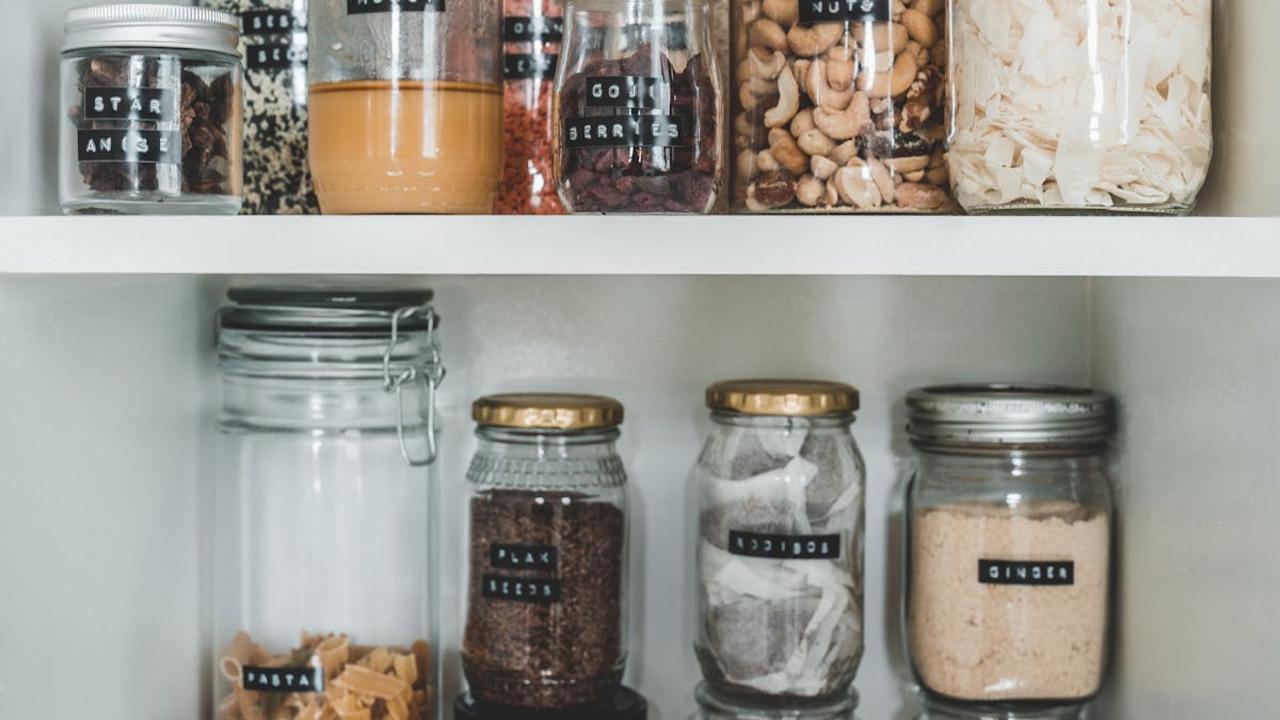
Your food storage habits can make or break your grocery budget! I’ve found that investing in quality airtight containers and mason jars helps keep ingredients fresh longer and prevents waste. You’ll save money by buying in bulk and properly storing staples like rice, flour, nuts, and dried beans. Clear containers also help you see exactly what you have, so you won’t accidentally buy duplicates at the store. Plus, good storage prevents those frustrating moments of finding stale cereal or discovering that expensive nuts have gone rancid.
Make the most of your refrigerator and freezer space too. Store fruits and vegetables in produce bags or containers designed to extend freshness. Keep herbs fresh by trimming the stems and placing them in water, like flowers in a vase. Label everything with dates using masking tape and a marker – this simple step helps you use items before they spoil. I recommend doing a weekly inventory check of your fridge and pantry, moving older items to the front so they get used first. These storage strategies will reduce food waste and stretch your grocery dollars further.
Reducing Food Waste

Let me share a money-saving secret that’s close to my heart – reducing food waste will transform your grocery budget and help our planet! Start by planning your meals thoughtfully and keeping track of what’s in your fridge. Take time each week to organize your refrigerator, moving older items to the front and storing fruits and vegetables properly. You’ll quickly notice how much money you save when you’re not throwing away forgotten lettuce or moldy berries. I keep a “eat soon” box in my fridge for items that need quick attention, which has helped me cut my food waste by half.
Get creative with your leftovers instead of tossing them out. That half-used tomato paste? Freeze it in tablespoon portions for future recipes. Those broccoli stems? Chop them up for stir-fries or make them into slaw. Those browning bananas? They’ll make perfect smoothies or banana bread. Remember to use your freezer – it’s your best friend in reducing waste. Freeze herbs in olive oil, stock in ice cube trays, and bread that’s about to go stale. By making these small changes, you’ll notice a significant drop in your grocery spending while creating less waste. Your wallet and the environment will thank you!
Pantry Inventory
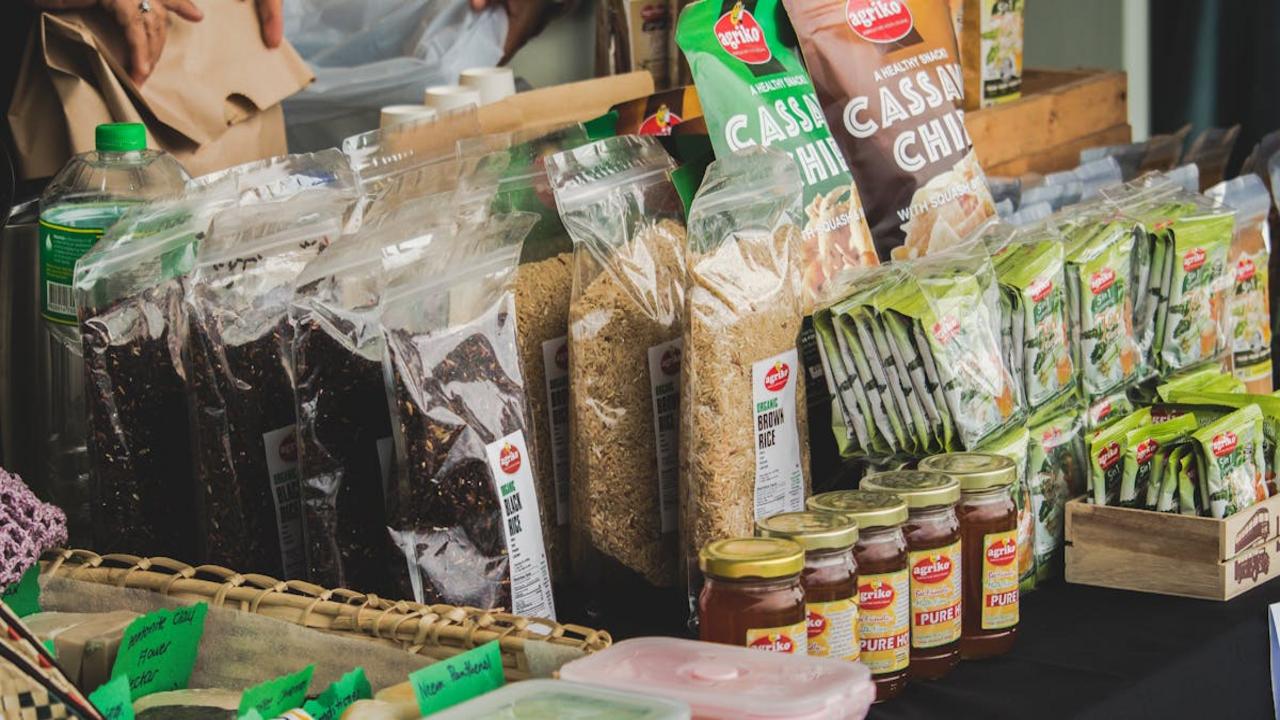
I can’t tell you how much money I’ve saved by keeping a detailed pantry inventory! Before heading to the grocery store, take 10 minutes to check what you already have at home – this simple habit will prevent you from buying duplicates and wasting money. Create a simple list on your phone or a notebook of everything in your pantry, including quantities and expiration dates. I recommend organizing items by category (grains, canned goods, snacks, etc.) to make it quick and easy to spot what you need to stock up on during your next shopping trip.
Your inventory will help you plan meals around ingredients you already own, reducing food waste and unnecessary purchases. I keep my inventory list updated by crossing off items as I use them and adding new ones right after unpacking groceries. This system has helped me notice which items I actually use versus those that sit unused for months. You’ll start recognizing your real shopping needs versus impulse buys, and you’ll find yourself making more conscious purchasing decisions. Plus, having a clear view of your pantry contents means you can take advantage of sales on items you genuinely need to restock.
Frozen Alternatives

I love recommending frozen fruits and vegetables as smart alternatives to fresh produce! You’ll save significant money by switching to frozen options, especially for out-of-season items that tend to cost more fresh. Frozen produce gets picked and packed at peak ripeness, locking in nutrients and flavor, often making them more nutritious than fresh items that traveled long distances. Plus, you’ll reduce food waste since you can use just what you need and keep the rest frozen for later meals.
Your freezer should become your new best friend for protein savings too! Stock up on frozen chicken, fish, and other meats when they go on sale – they’ll keep for months while maintaining quality. I’ve found frozen shrimp and fish fillets cost about 40% less than their fresh counterparts at the seafood counter. The convenience factor saves money too – having frozen options ready means fewer impulse takeout orders on busy nights. Just remember to properly store frozen items and use them within 6-8 months for the best quality and flavor.
Cash Back Apps

I absolutely love helping fellow shoppers discover smart ways to save money, and cash back apps have become one of my favorite tools for getting money back on groceries! You’ll find amazing apps like Ibotta, Fetch Rewards, and Checkout 51 that give you real cash back just for buying your regular groceries. Simply scan your receipts after shopping, and these apps will credit your account with cash or points. The best part? You can stack these rewards with your store loyalty cards and manufacturer coupons for even bigger savings.
My personal tip is to check these apps before heading to the store so you can plan your shopping list around the highest-paying offers. For example, last week I earned $12 back on my regular grocery run by matching my purchases to available rebates. Many of these apps also offer bonus rewards for referring friends or completing specific shopping missions. I recommend downloading 2-3 different cash back apps to maximize your savings – just make sure to scan your receipts within the required timeframe, usually 7-14 days after purchase. Your savings will add up quickly, and you can cash out once you reach the minimum threshold, typically around $20.
Meat Alternatives
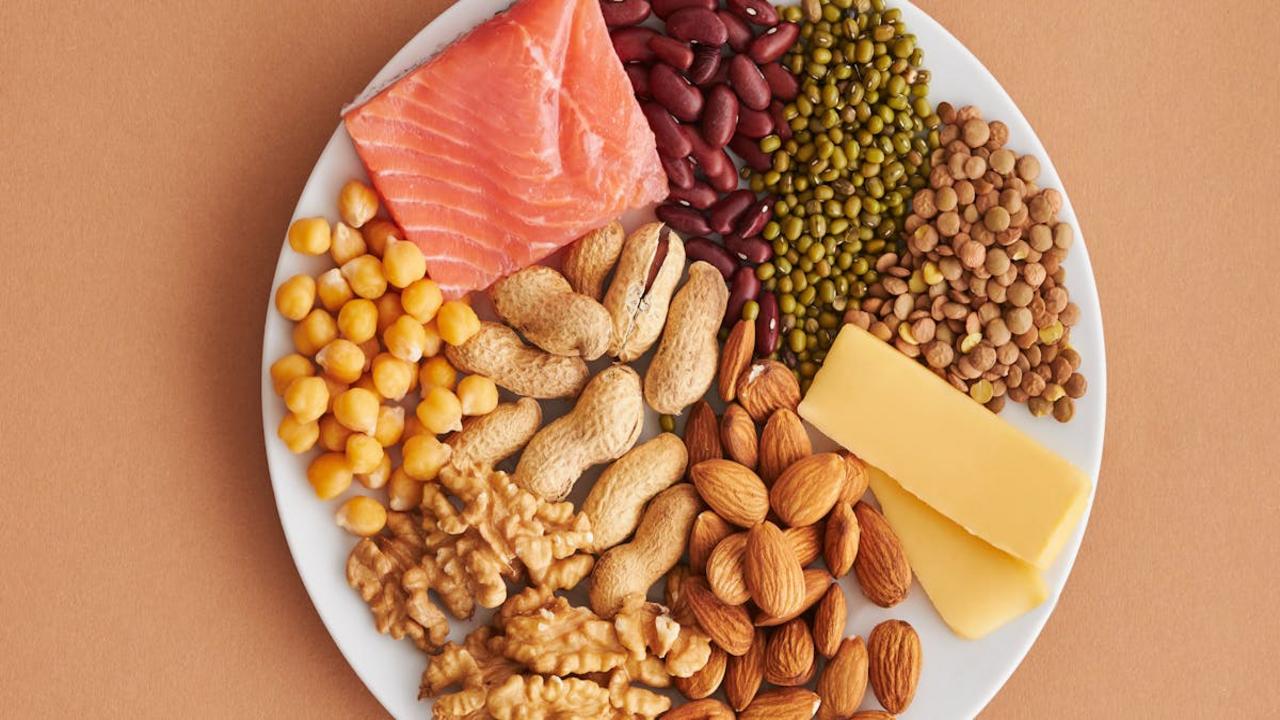
I’ve discovered that swapping traditional meat with plant-based proteins can slash your grocery bills dramatically while keeping your meals satisfying and nutritious. Lentils, beans, chickpeas, and tofu cost a fraction of what you’d pay for beef, chicken, or pork – often just $1-2 per pound compared to $4-8 for meat. My family now enjoys black bean burgers, chickpea curry, and lentil shepherd’s pie at least twice a week, which saves us around $30 on our monthly grocery budget. Plus, these alternatives stay fresh longer in your pantry, reducing food waste.
You’ll find endless ways to make these protein-rich alternatives work in your favorite recipes. Try crumbled tempeh in your pasta sauce instead of ground beef, or use textured vegetable protein (TVP) in tacos – your wallet and health will thank you! I recommend starting small by replacing meat in one or two meals per week. Stock up during sales and buy in bulk when possible. Many stores offer dried beans and lentils in their bulk sections at even better prices than packaged versions. Remember to soak dried legumes overnight to reduce cooking time and make them more digestible.