15 Staple Foods That Fed Empires and Shaped Civilizations for Centuries
Throughout history, certain foods have carried entire civilizations on their backs, providing the nutritional foundation that allowed empires to flourish and cultures to thrive. These powerhouse ingredients sustained millions of people across continents, from the high mountains of the Andes to the vast plains of Africa.
What makes these foods so remarkable? They’re incredibly resilient, nutrient-dense, and adaptable to different climates and cooking methods. Ancient peoples understood something we’re rediscovering today – these grains, legumes, and root vegetables offer complete nutrition while being surprisingly delicious when prepared with care.
Today, you can bring these same empire-building ingredients into your own kitchen. Each one tells a story of human ingenuity and survival, and they’re all waiting to transform your meals with their unique flavors and impressive health benefits.
Barley
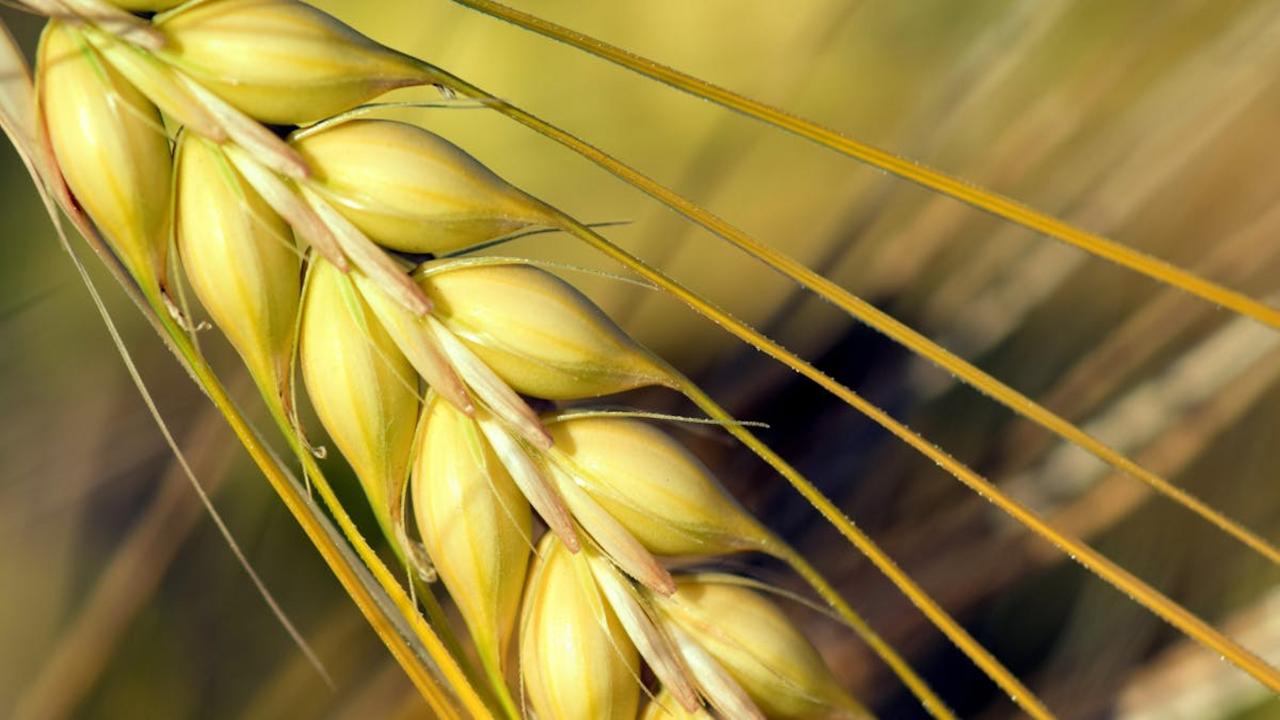
Picture this: you’re holding one of humanity’s oldest companions in your hand. Barley has been nourishing civilizations for over 10,000 years, making it one of the first grains our ancestors learned to cultivate. From ancient Mesopotamia to the sprawling Roman Empire, this humble grain kept entire populations fed and thriving. The Egyptians valued barley so much they used it as currency, and Norse cultures brewed it into hearty ales that warmed cold nights. What I love most about barley is how it quietly supported some of history’s greatest achievements – imagine the pyramids being built on the strength this grain provided!
Today, barley deserves a spot back in your pantry because it’s absolutely packed with nutrition your body craves. This fiber-rich powerhouse helps keep your blood sugar steady and your digestive system happy. You can toss pearl barley into soups for incredible heartiness, or try hulled barley in grain bowls for a nutty, chewy texture that makes every bite satisfying. I particularly love using barley in my weekend meal prep – it stores beautifully and gets more flavorful as the days go by. Don’t overlook barley flour either; it adds wonderful depth to homemade breads and gives pancakes an unexpectedly rich, earthy flavor that pairs beautifully with fresh berries.
Plantains
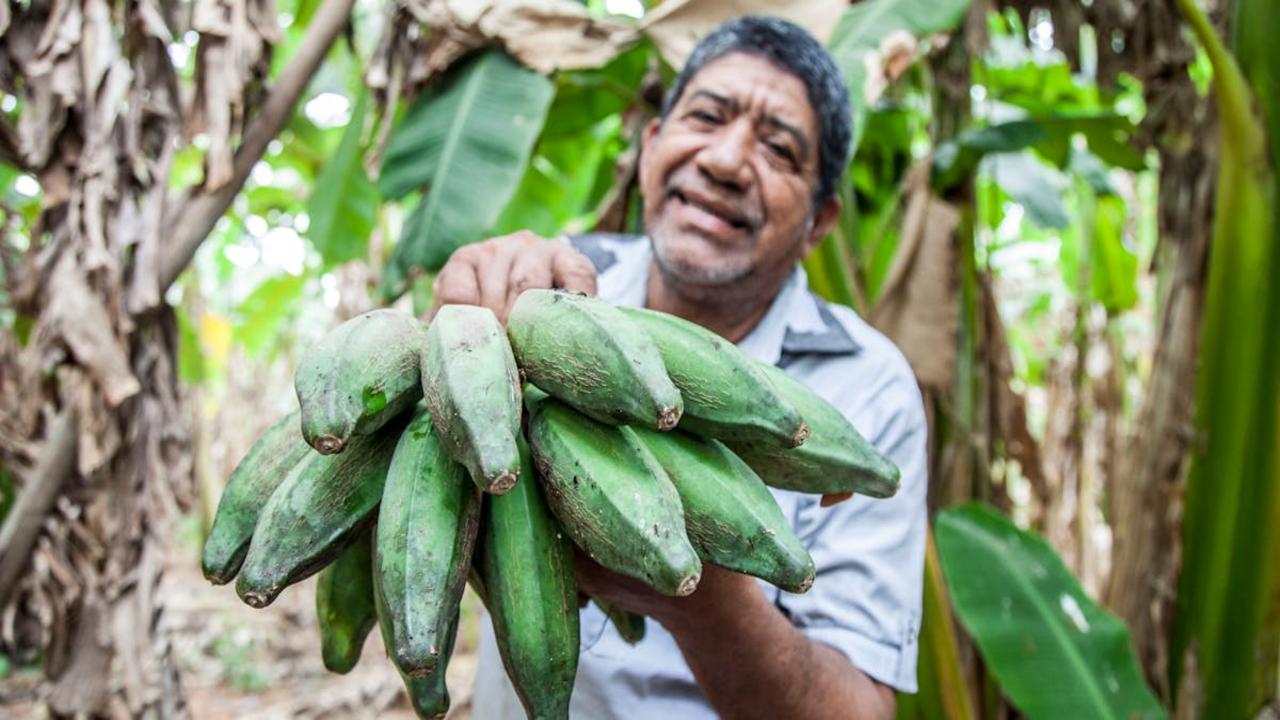
Picture walking through the bustling markets of West Africa, the Caribbean, or Central America – you’ll find plantains everywhere, their green and yellow forms stacked high in beautiful displays. These incredible fruits have nourished entire civilizations for over 4,000 years, spreading from Southeast Asia to become the backbone of countless cultures. Unlike their sweet banana cousins, plantains demand cooking, transforming from starchy green giants into golden, caramelized treasures that can feed families for days. They’ve sustained empires across Africa, fueled the colonial economies of the Americas, and continue to be a primary food source for over 400 million people worldwide today.
What makes plantains so special is their incredible versatility – you can fry them, boil them, mash them, or even turn them into flour for bread. In many African countries, plantains provide more calories per person than any other food, while in places like Uganda, they’re so important that the local word for food literally translates to “plantain.” I love how they adapt to whatever your kitchen needs: slice them thin for crispy chips, cube them for hearty stews, or mash them into the comforting fufu that brings families together around dinner tables. Their high potassium content and complex carbohydrates made them perfect for hard-working populations, and their ability to grow in challenging climates helped civilizations thrive where other crops failed.
Yams
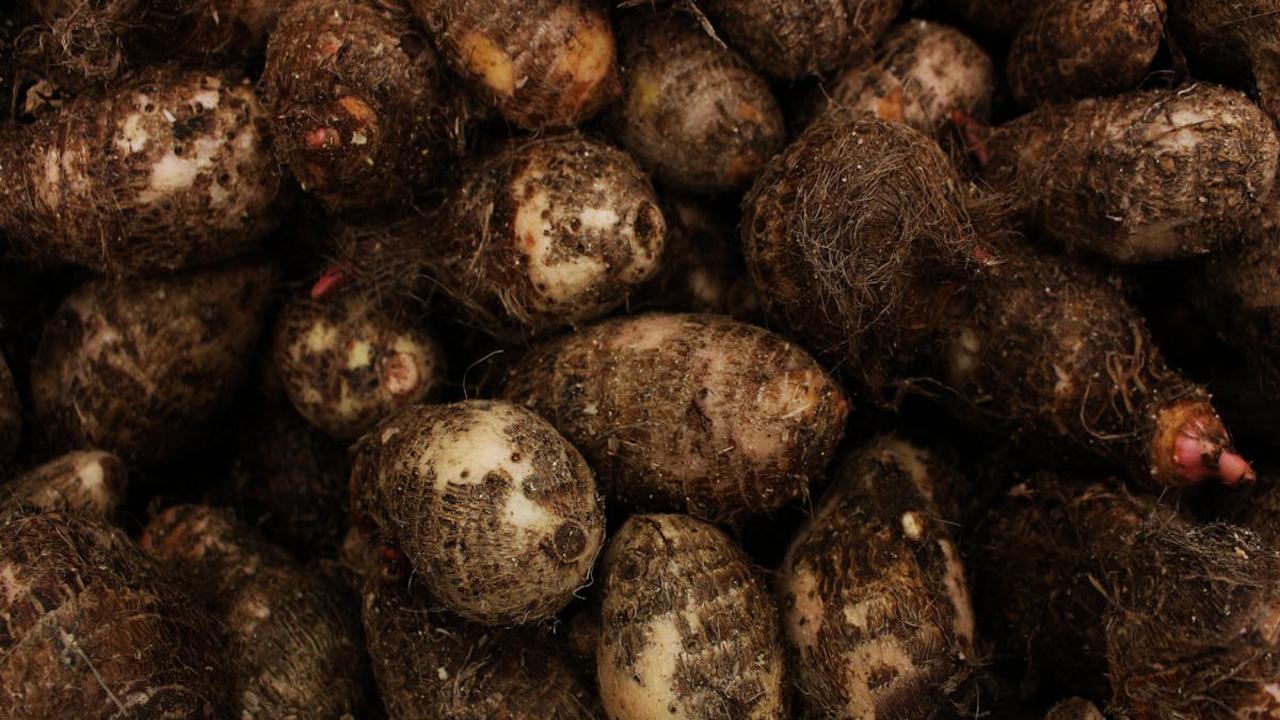
You know those gorgeous orange tubers that grace our Thanksgiving tables? Well, true yams actually tell a completely different story – one that spans continents and centuries of human survival. Real yams, with their rough, bark-like skin and starchy white flesh, became the backbone of West and Central African civilizations long before sweet potatoes ever made their way to America. These powerhouse roots could grow massive – we’re talking up to 130 pounds for a single tuber – and they stored beautifully for months without refrigeration. Ancient African kingdoms built their food security around yam cultivation, and for good reason: these tubers packed serious nutritional punch with complex carbs, potassium, and vitamin C that kept entire communities thriving through seasonal changes.
What makes yams so incredible is how they literally shaped migration patterns and cultural traditions across the globe. When the Atlantic slave trade tragically forced millions of Africans to the Americas, they brought their yam-growing knowledge with them, adapting their techniques to new climates and similar root vegetables. Today, Nigeria produces over 60% of the world’s yams, and the annual New Yam Festival still celebrates the harvest with the same joy and reverence their ancestors showed centuries ago. If you want to try real yams (not the sweet potatoes we often call yams here), look for them at African or international markets – they’re fantastic roasted, boiled, or pounded into the creamy, comforting dish called fufu that brings families together around the table.
Taro
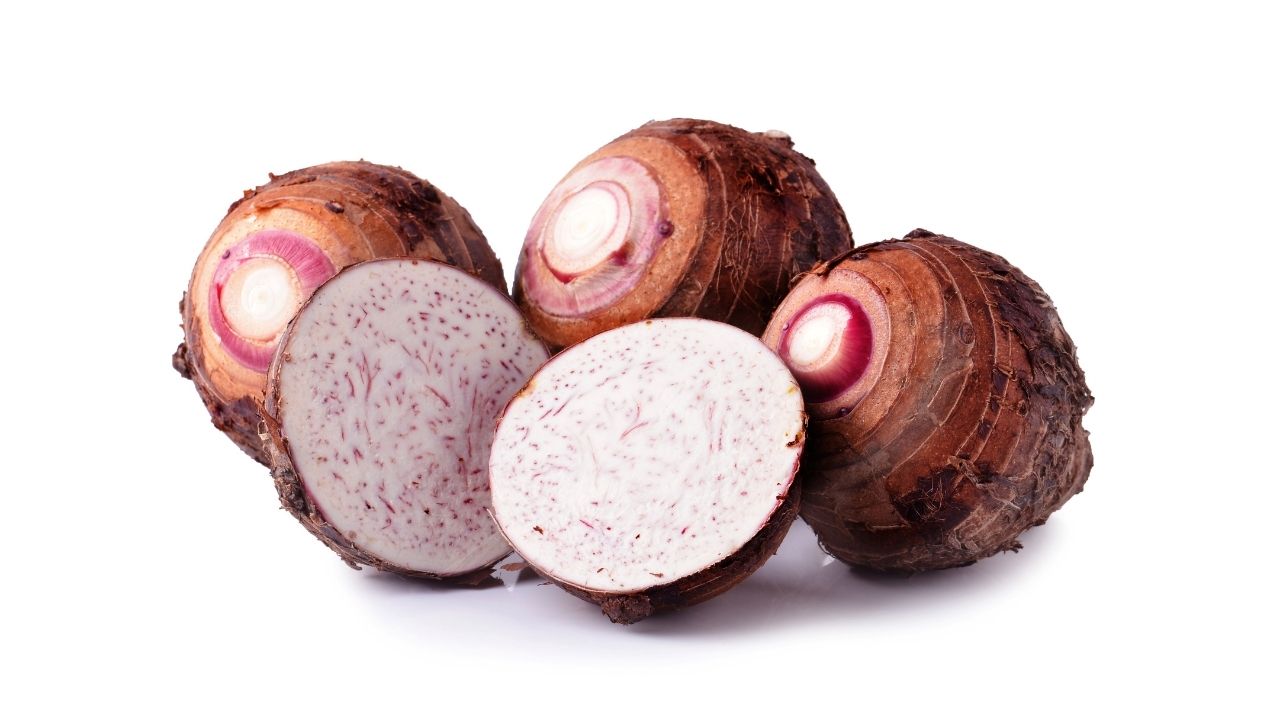
Taro stands as one of the world’s oldest cultivated crops, feeding Pacific Island civilizations for over 1,000 years and becoming the backbone of Hawaiian, Polynesian, and many Asian societies. This starchy root vegetable, with its distinctive purple-streaked flesh and hearty leaves, provided complete nutrition when other food sources were scarce. You can think of taro as nature’s perfect survival food – packed with complex carbohydrates, fiber, potassium, and vitamin C. Ancient Hawaiians called it “kalo” and considered it sacred, believing it was their ancestor and the foundation of life itself.
What makes taro so special in your modern kitchen is its incredible versatility and nutritional punch! You can steam, boil, or roast the root to create creamy, naturally purple mashes that rival any potato dish. The leaves, when properly cooked, transform into nutritious greens similar to spinach or collards. Try making traditional Hawaiian poi by steaming and mashing taro root with a little water – it creates this wonderfully smooth, slightly tangy paste that’s naturally gluten-free and easier to digest than many grains. You’ll discover that taro’s mild, nutty flavor pairs beautifully with both sweet and savory preparations, making it perfect for everything from hearty stews to decadent desserts.
Chestnuts
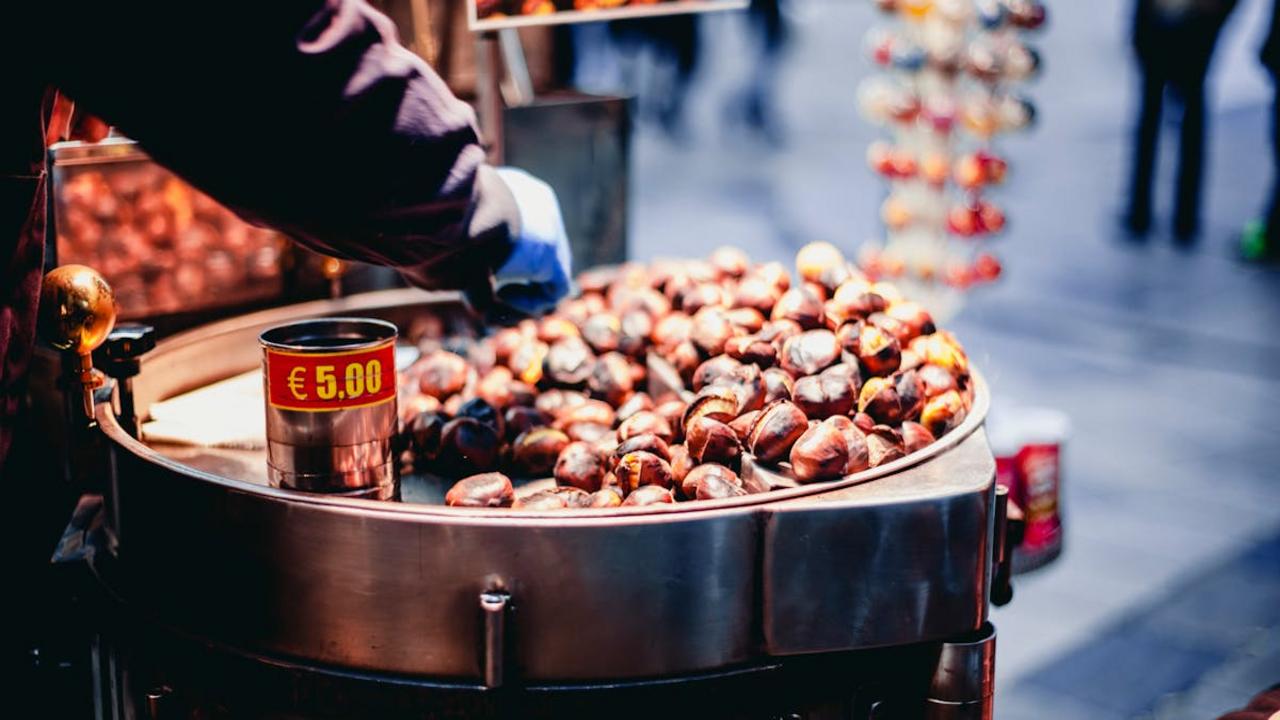
Picture cozy autumn evenings and the sweet aroma of roasted chestnuts warming your hands on a chilly street corner. These humble nuts were once the backbone of entire civilizations, particularly in mountainous regions of Europe, Asia, and parts of North America. For centuries, chestnuts served as the primary carbohydrate source for millions of people, earning the nickname “bread of the mountains.” Unlike other nuts that are high in fat, chestnuts are packed with starchy goodness, making them incredibly filling and nutritious. They provided sustainable energy for hardworking communities and could be stored through harsh winters when other food sources became scarce.
What makes chestnuts truly special is their incredible versatility – you can roast them, boil them, grind them into flour, or even turn them into sweet desserts. In Corsica and parts of Italy, chestnut flour became so important that entire economies revolved around these trees. The flour creates wonderfully dense breads and cakes with a subtle sweetness that pairs beautifully with both savory and sweet ingredients. Today, you can still enjoy this ancient superfood by roasting fresh chestnuts at home or experimenting with chestnut flour in your baking. Trust me, once you taste the creamy, slightly sweet flavor of properly prepared chestnuts, you’ll understand why they sustained civilizations for generations.
Fava Beans
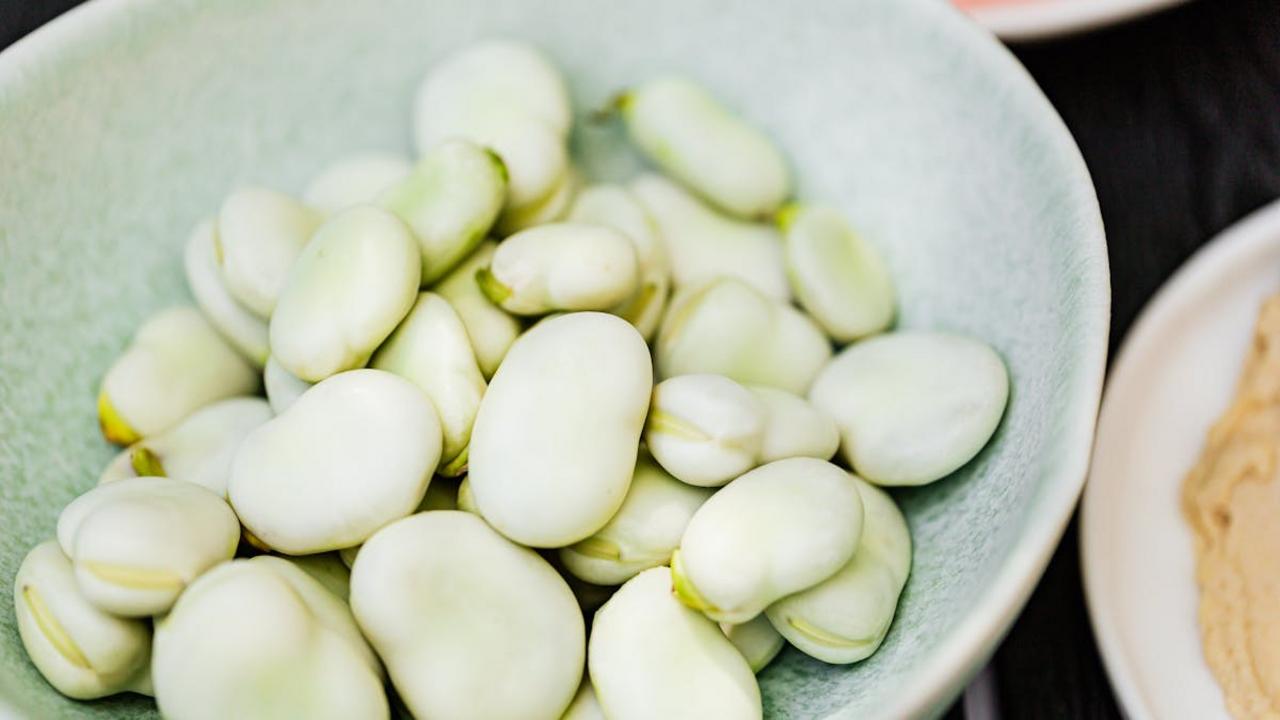
You know what amazes me about fava beans? These protein-packed powerhouses have been fueling civilizations since ancient Egypt! Picture this: while pharaohs were building pyramids, their workers were getting sustained energy from these bright green gems. The Romans absolutely loved them too, and for good reason – fava beans contain more protein than most other legumes, plus they’re loaded with folate, iron, and fiber. What makes them extra special is how they can grow in cooler climates where other beans struggle, making them incredibly reliable food sources for northern European communities throughout history.
If you’ve never cooked with fresh fava beans, you’re missing out on something truly magical! Sure, they require a bit more prep work than your average bean – you’ll need to shell them and remove that waxy outer skin – but trust me, the creamy, buttery flavor is absolutely worth every minute. I love adding them to spring risottos, tossing them with fresh herbs for a simple side dish, or even pureeing them into a vibrant green hummus. The dried versions work beautifully in hearty winter stews and soups, giving you that same nutritional punch that kept entire empires thriving for thousands of years.
Dates
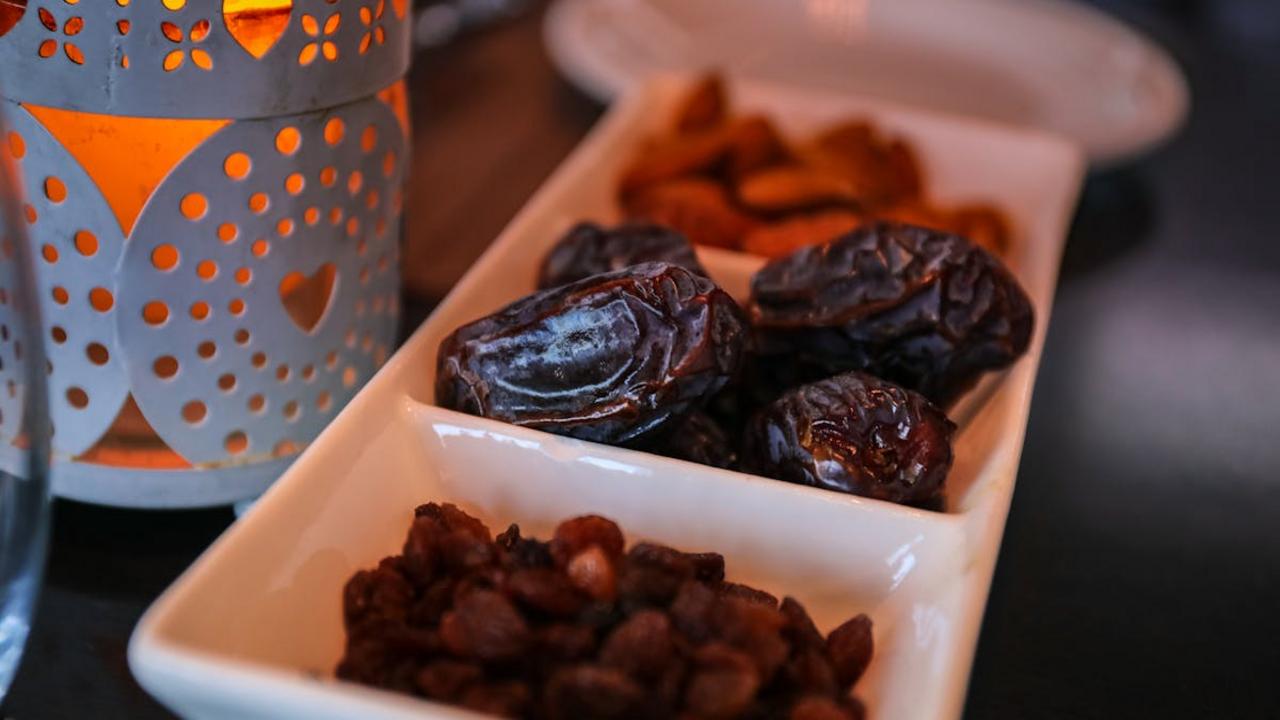
Picture the vast deserts of the Middle East and North Africa, where ancient caravans trudged through endless sand dunes with precious cargo. Among their most treasured goods were dates – those sweet, chewy gems that could sustain travelers for weeks without spoiling. These incredible fruits didn’t just feed people; they built entire civilizations! From the Babylonians to the Islamic Golden Age, dates provided the energy and nutrition that powered some of history’s greatest empires. You can still find evidence of their importance today in the towering date palms that line oasis towns across the Mediterranean and Arabian Peninsula.
What makes dates so special? They’re basically nature’s candy bar, packed with natural sugars, fiber, and minerals like potassium and copper. Ancient peoples discovered that these fruits could be dried and stored for months, making them perfect for long trading expeditions and harsh winters. The date palm itself was considered sacred in many cultures – and for good reason! A single mature tree can produce up to 150 pounds of dates annually for over a century. Try adding chopped dates to your morning oatmeal or energy balls for a taste of this ancient superfood. Your kitchen becomes connected to thousands of years of human history with every sweet, satisfying bite.
Chickpeas
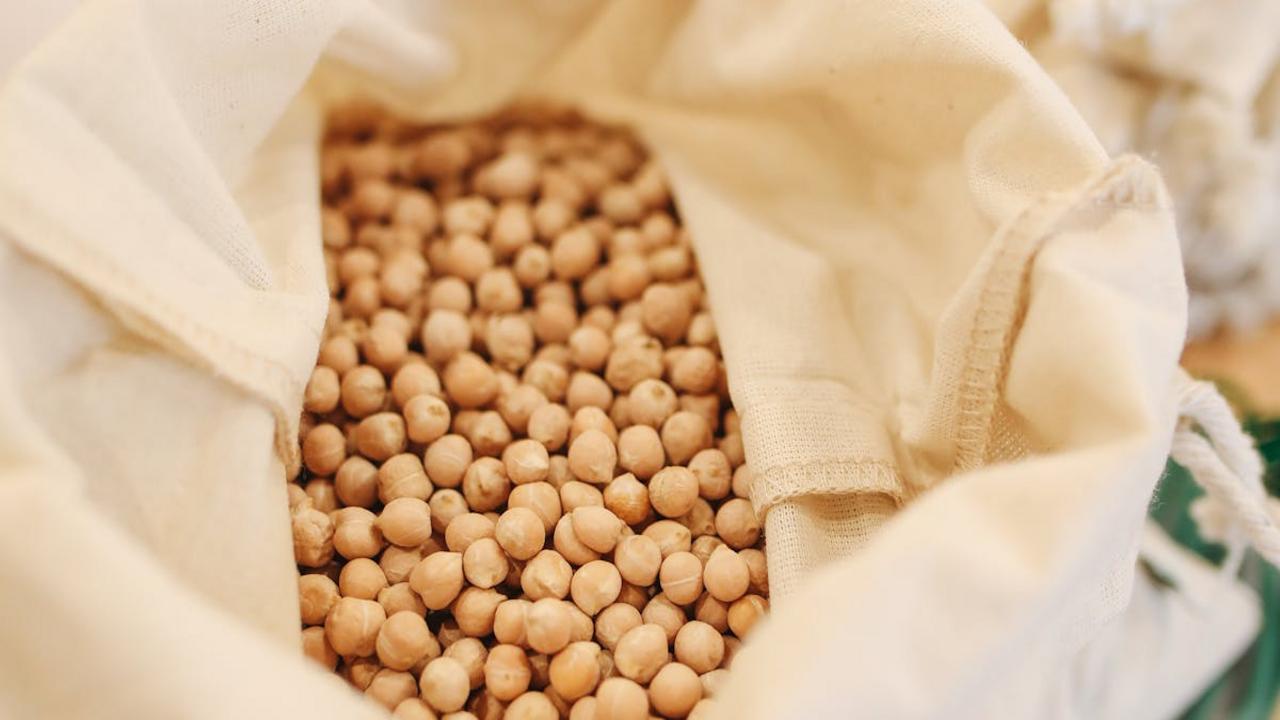
These protein-packed powerhouses have been fueling civilizations across the Mediterranean, Middle East, and India for over 7,000 years! Chickpeas became the backbone of ancient Rome’s military diet, keeping legions strong during long campaigns. From the bustling markets of Damascus to the spice routes of India, these humble legumes transformed simple ingredients into satisfying meals that could feed entire families on a budget. The versatility of chickpeas made them perfect for trade – they stored well, traveled easily, and provided complete nutrition when combined with grains.
You’ll find chickpeas starring in iconic dishes that defined entire cultures – from creamy hummus in the Levant to spicy chana masala in India, and hearty minestrone in Italy. What makes chickpeas so special is their incredible ability to absorb flavors while maintaining their satisfying texture. They’re loaded with fiber, folate, and plant-based protein, making them a nutritional goldmine that sustained generations. Try roasting them with your favorite spices for a crunchy snack, or blend them into silky hummus – these ancient gems will quickly become your kitchen staples too!
Buckwheat
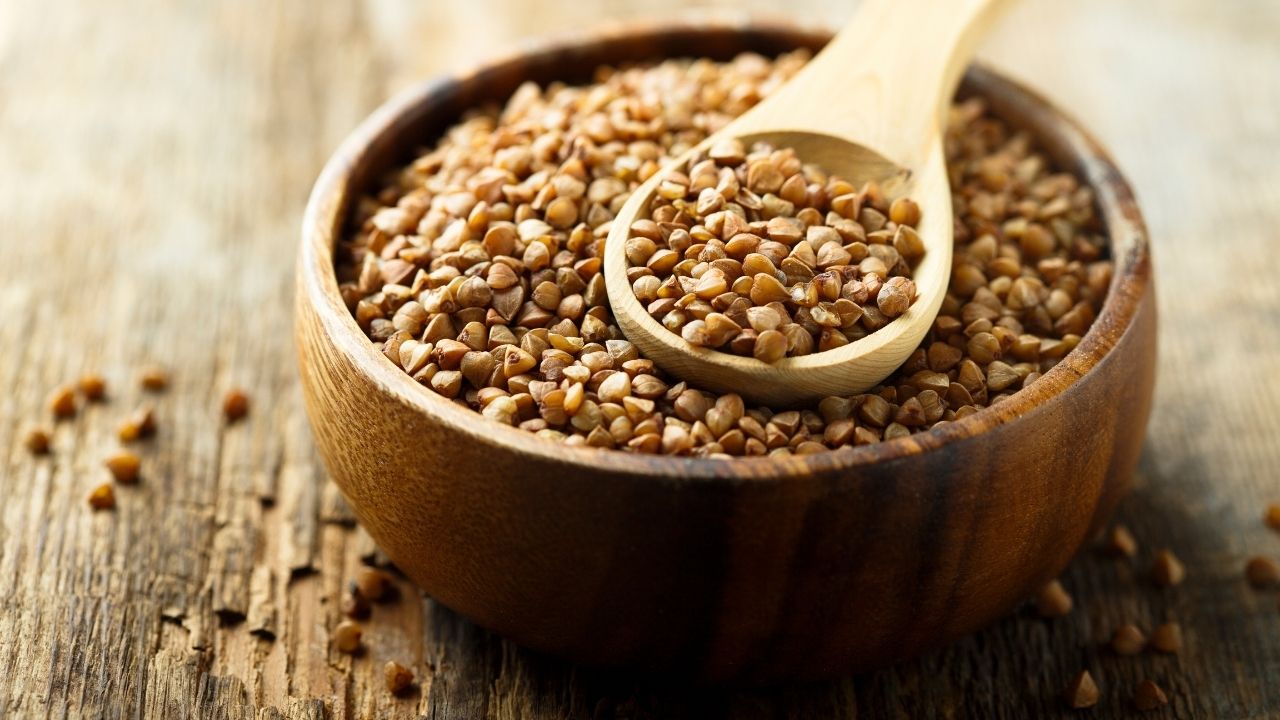
You know what really gets me excited about ancient grains? Buckwheat! This incredible pseudocereal (it’s not actually wheat at all) powered entire civilizations across Asia and Europe for over 4,000 years. From the mountainous regions of China to the hearty meals of Russian peasants, buckwheat became the backbone of survival in harsh climates where other crops simply couldn’t thrive. What I love most about this nutty, earthy grain is how it literally saved communities during famines and supported massive populations through difficult seasons.
Here’s what makes buckwheat absolutely amazing in your modern kitchen – it’s completely gluten-free and packed with complete proteins, something rare in the plant world! I always keep buckwheat groats in my pantry because they cook up in just 15 minutes and have this wonderfully satisfying, almost savory flavor that works beautifully in everything from breakfast porridge to hearty dinner bowls. Russian blini, Japanese soba noodles, and French galettes all showcase how versatile this powerhouse grain can be. Trust me, once you start cooking with buckwheat, you’ll understand why it sustained entire empires – it’s nutritious, filling, and surprisingly delicious!
Amaranth
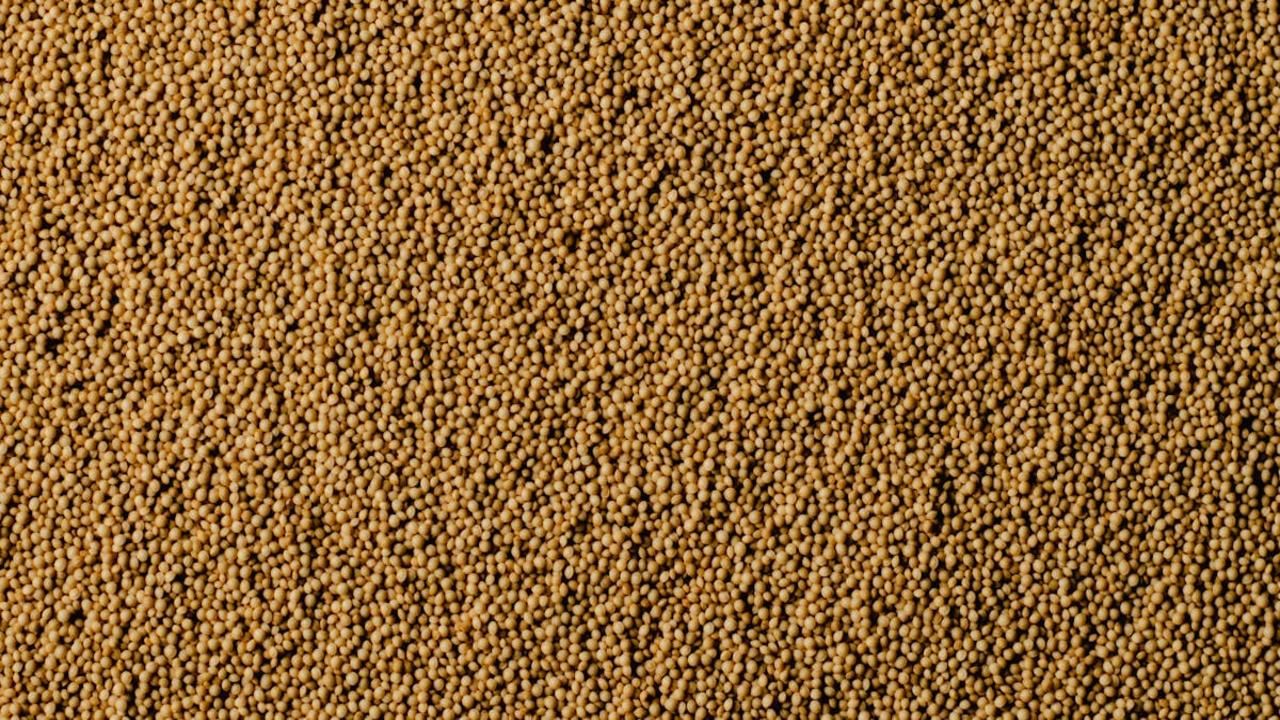
Picture this: you’re holding tiny seeds that once fueled mighty Aztec warriors and sustained entire civilizations across the Americas. Amaranth isn’t just another trendy superfood – it’s been nourishing people for over 8,000 years! The Aztecs called it “huauhtli” and considered it so sacred they mixed it with honey to create ceremonial figures of their gods. Spanish conquistadors actually banned its cultivation because of these religious associations, nearly wiping out this incredible grain from history. Thank goodness we’ve rediscovered this nutritional powerhouse that helped build empires.
Now here’s what makes amaranth absolutely amazing for your modern kitchen: it packs more protein than quinoa and contains all nine amino acids your body needs. You can pop these tiny seeds like popcorn for a crunchy snack, cook them into creamy porridge, or grind them into flour for gluten-free baking adventures. I love how versatile amaranth is – toss it into soups for extra nutrition, sprinkle popped amaranth on salads for texture, or blend cooked amaranth into smoothies for protein. The nutty, slightly earthy flavor pairs beautifully with both sweet and savory dishes, making it perfect for experimenting in your kitchen while connecting to thousands of years of food history.
Cassava
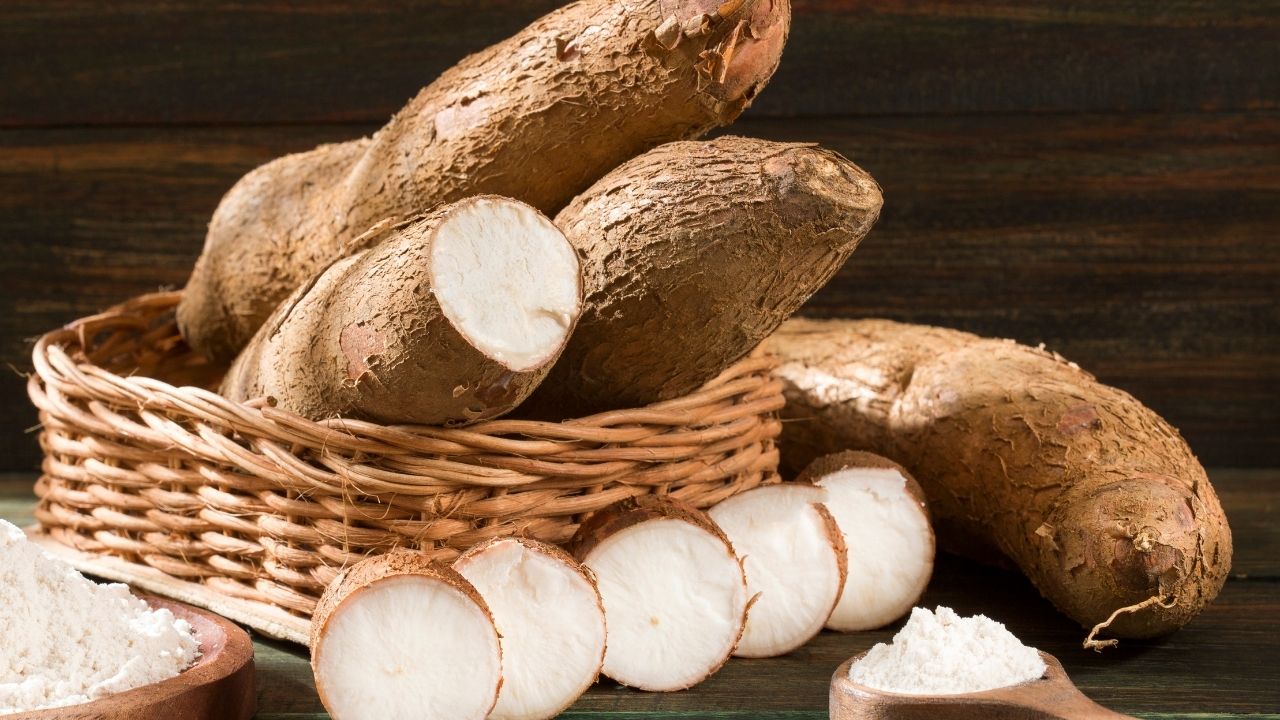
You know what amazes me about cassava? This humble root vegetable quietly fed entire civilizations across Africa, South America, and Asia for over 8,000 years! Also known as yuca or manioc, cassava became the backbone of survival for millions of people because it grows in poor soil conditions where other crops simply give up. I love how this starchy powerhouse can wait patiently in the ground for up to three years before harvest – talk about food security! From the ancient Mayan empires to modern-day Nigeria (the world’s largest cassava producer), this root has been the reliable friend that never lets communities down during tough times.
What I find fascinating is how versatile cassava really is in your kitchen! You can boil it like potatoes, grind it into flour for bread, or even make those delicious crispy cassava chips that are becoming popular in health food stores. The leaves are edible too and pack a serious nutritional punch with protein, vitamins, and minerals. Sure, you need to prepare it properly since raw cassava contains natural compounds that require cooking, but once you do, you’re working with a gluten-free, nutrient-dense ingredient that’s naturally sweet and satisfying. Next time you see cassava at your local market, grab some and try roasting it with herbs – you’ll discover why this root kept entire empires thriving!
Millet
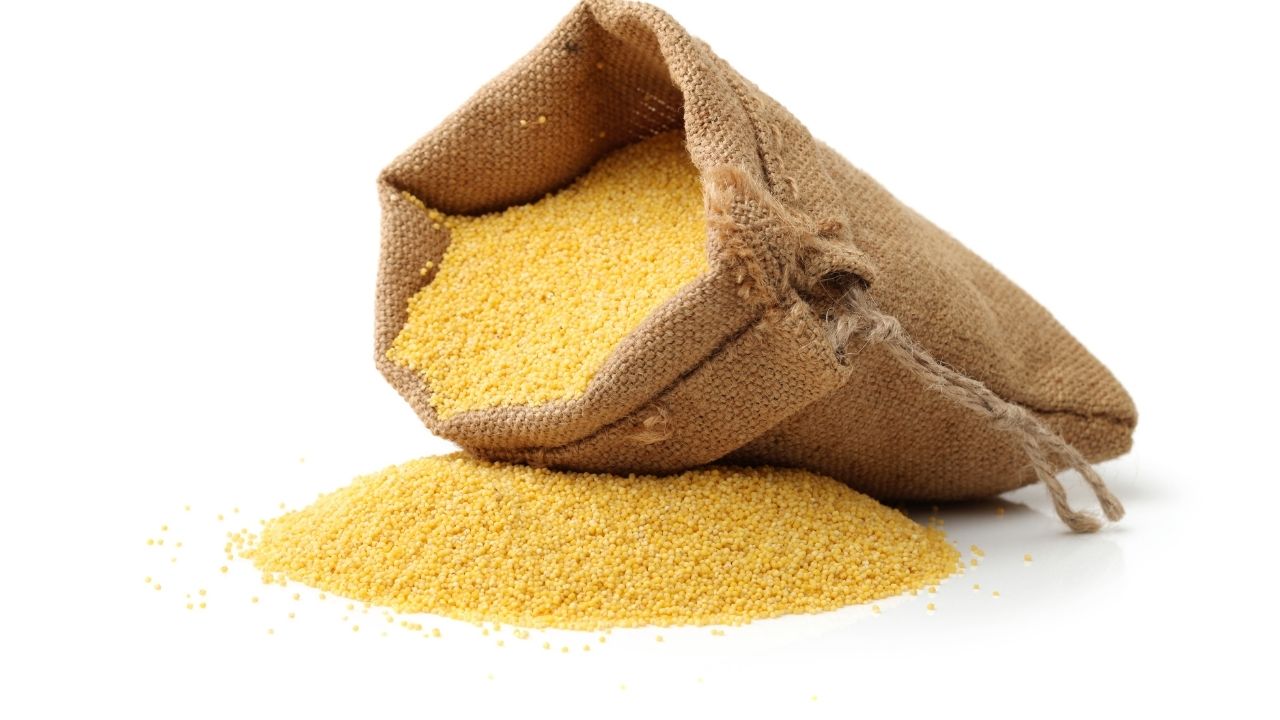
You know that ancient grain sitting quietly on health food store shelves? Millet deserves way more credit than it gets! This tiny, pearl-like seed powered some of history’s most impressive civilizations, from ancient China to the sprawling empires of Africa. While wheat and rice often steal the spotlight, millet quietly fed millions for over 7,000 years, thriving in harsh climates where other crops simply couldn’t survive. I love how this humble grain refuses to be intimidated by drought, poor soil, or extreme temperatures – it’s basically the superhero of the grain world.
What makes millet so special goes beyond its incredible resilience. This nutritional powerhouse packs more protein than rice and delivers a satisfying nutty flavor that transforms any meal. You can cook it like quinoa for fluffy pilaf, grind it into flour for gluten-free baking adventures, or even pop it like tiny popcorn for a fun snack. The best part? It cooks in just 20 minutes and pairs beautifully with everything from roasted vegetables to creamy coconut milk. Trust me, once you start cooking with millet, you’ll wonder why this ancient grain isn’t already a regular in your kitchen rotation.
Sorghum
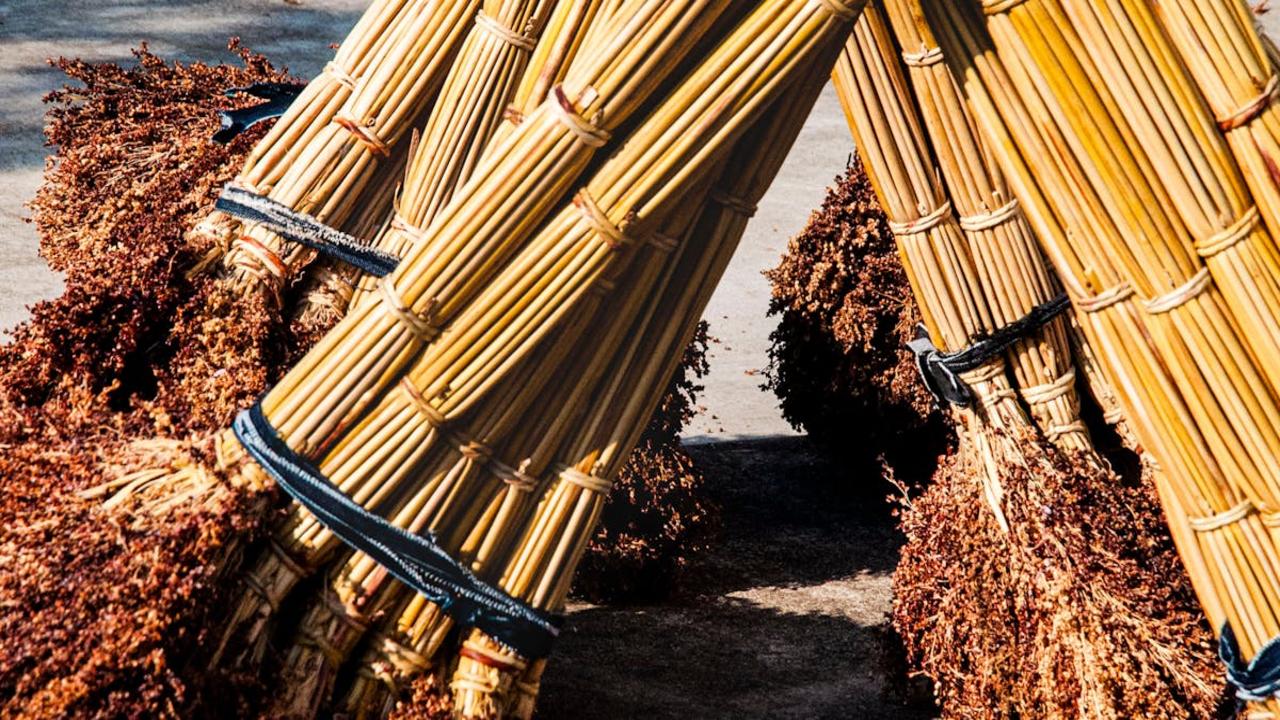
You know how some grains just seem to fly under the radar despite being absolute nutritional powerhouses? That’s sorghum for you! This incredible grain has been quietly feeding civilizations across Africa and Asia for over 5,000 years, and honestly, it deserves way more recognition in our modern kitchens. Ancient kingdoms in Sudan, Ethiopia, and parts of India built their agricultural foundations on sorghum because it thrives in harsh, drought-prone conditions where other crops simply give up. The grain’s resilience made it a lifeline for entire populations, allowing communities to flourish even during challenging growing seasons.
What makes sorghum so special is its incredible versatility and nutritional density. You can pop it like popcorn for a fun snack, grind it into flour for gluten-free baking, or cook the whole grains as a hearty side dish that tastes slightly sweet and nutty. It’s packed with protein, fiber, and antioxidants, making it a fantastic addition to your weekly meal rotation. I love how sorghum adapts to whatever flavors you pair it with – toss it with roasted vegetables and herbs for a Mediterranean vibe, or mix it into soups and stews for extra heartiness. This ancient grain proves that sometimes the most humble ingredients have the power to nourish both body and soul.
Teff
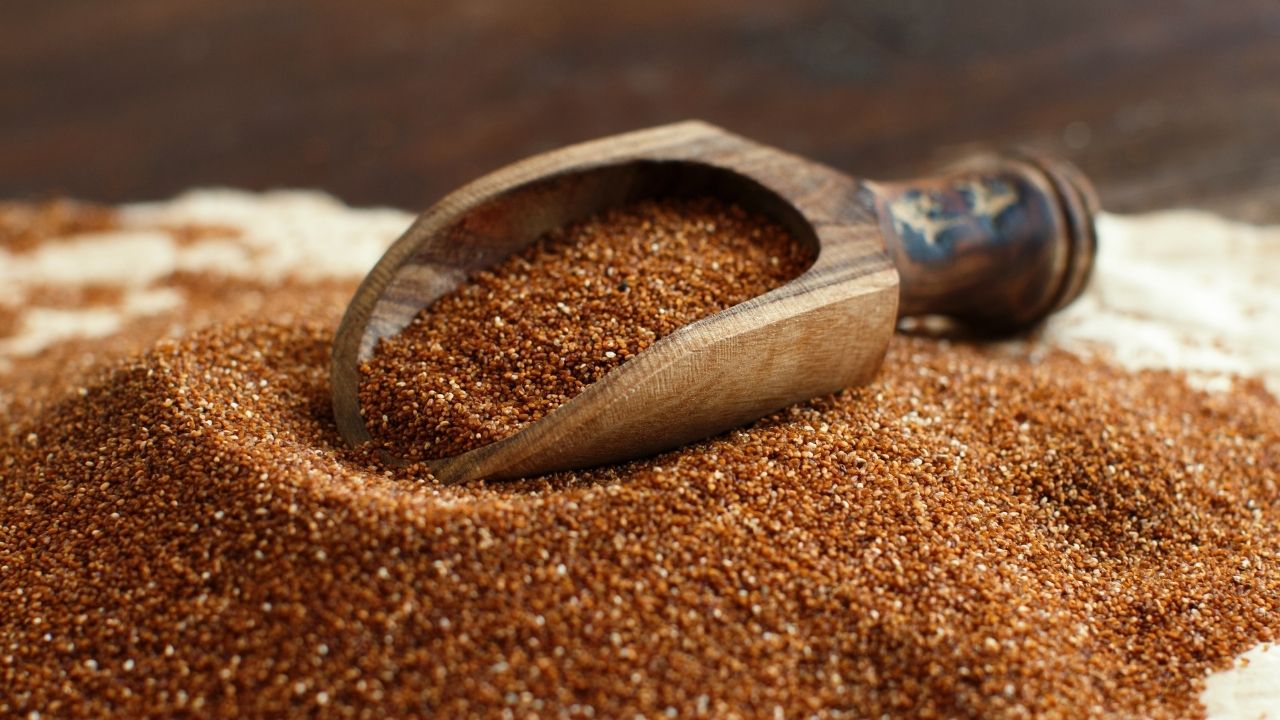
Meet teff, the tiny powerhouse grain that kept the Ethiopian Empire thriving for over 3,000 years! This minuscule seed, smaller than a poppy seed, packed enough nutritional punch to fuel entire civilizations across the Ethiopian Highlands. You’d be amazed at how this little grain became the backbone of one of Africa’s most enduring cultures. Ethiopian farmers discovered that teff could grow in harsh conditions where other grains failed, making it their most reliable food source through droughts, wars, and changing seasons.
What makes teff so special? This gluten-free grain contains complete proteins, iron, calcium, and fiber that would make any modern superfood jealous. Ethiopians transform teff into injera, their signature sourdough flatbread that serves as both plate and utensil for countless meals. The fermentation process creates beneficial probiotics while the spongy texture perfectly soaks up stews and sauces. Today, you can find teff flour in health food stores, and trust me, once you try baking with this nutty, slightly sweet flour, your pancakes and breads will never be the same. This ancient grain proves that sometimes the smallest ingredients make the biggest impact on history!
Quinoa
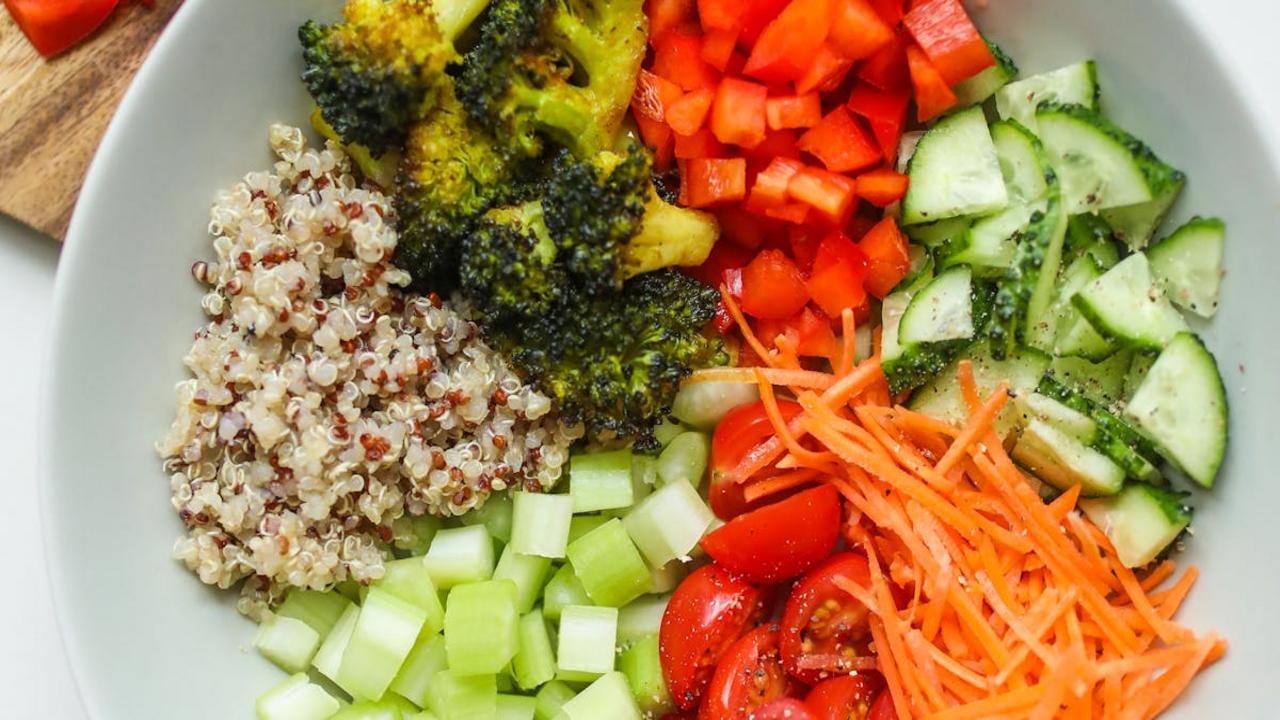
Long before quinoa became a trendy superfood filling health food store shelves, this tiny powerhouse sustained the mighty Inca Empire for over 500 years. The Incas called it “chisaya mama,” meaning “mother of all grains,” and for good reason – quinoa thrived in the harsh Andean mountains where other crops simply couldn’t survive. Picture this: while wheat and rice demanded perfect conditions, quinoa laughed in the face of poor soil, high altitude, and unpredictable weather. The Incas knew they had something special, treating quinoa seeds with such reverence that the emperor himself would plant the first seeds of each season with golden tools.
What made quinoa so revolutionary wasn’t just its resilience – it was nutritionally complete in ways that would make modern dietitians weep with joy. Unlike other grains, quinoa contains all nine amino acids your body needs, making it a complete protein that kept Inca warriors strong and communities thriving. You can cook quinoa exactly like rice, but in just 15 minutes, you’ll have fluffy, nutty grains that work beautifully in everything from breakfast bowls to dinner salads. Today, as we rediscover this ancient treasure, we’re connecting with thousands of years of Andean wisdom every time we add these versatile seeds to our meals.