15 Restaurant Menu Items You Should Skip
I’ve spent over a decade reviewing restaurants and uncovering the hidden truths behind popular menu items. While many dishes deserve their place in the spotlight, others might leave you disappointed or even regretting your order. Through countless meals and conversations with chefs, I’ve identified 15 menu items that often fall short of expectations.
Your dining experience should be worth every dollar spent. From questionable freshness to misleading marketing, certain dishes carry more risks than rewards. Making smart menu choices goes beyond just following your cravings – it’s about understanding what goes on behind kitchen doors.
This guide will help you spot potential red flags and make better decisions at restaurants. Whether you’re grabbing a quick lunch or celebrating a special occasion, knowing which items to skip can save you money and prevent disappointment. Here are 15 dishes that might not give you the best value or quality.
Oysters during non-“R” months
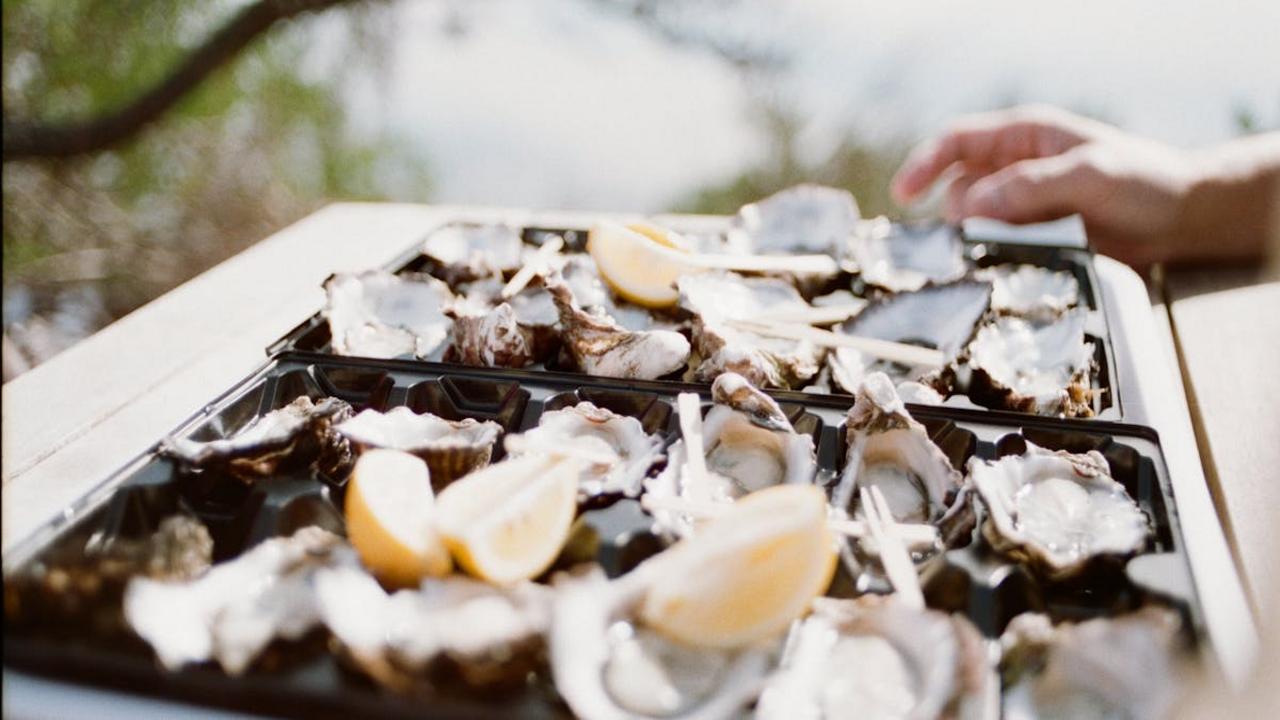
I always follow the old saying about eating oysters only in months containing the letter “R” (September through April) – and for good reason! During warmer months from May through August, oysters spawn, which significantly changes their texture and flavor. The spawning process makes them soft, fatty, and watery, giving them an unpleasant, milky consistency that won’t give you that fresh-from-the-ocean experience you’re craving.
Beyond texture concerns, warmer waters in non-R months create perfect conditions for harmful bacteria to multiply in oysters. While restaurants must follow strict safety protocols, you’ll get the best oyster experience during cooler months when they’re firmer and sweeter. Plus, the cooler temperatures help oysters maintain their natural briny flavors and crisp texture. If you’re dining out in summer and craving seafood, I recommend choosing other options like grilled fish or steamed clams instead – save those delicious oysters for when they’re at their peak!
Specials that sound too inventive
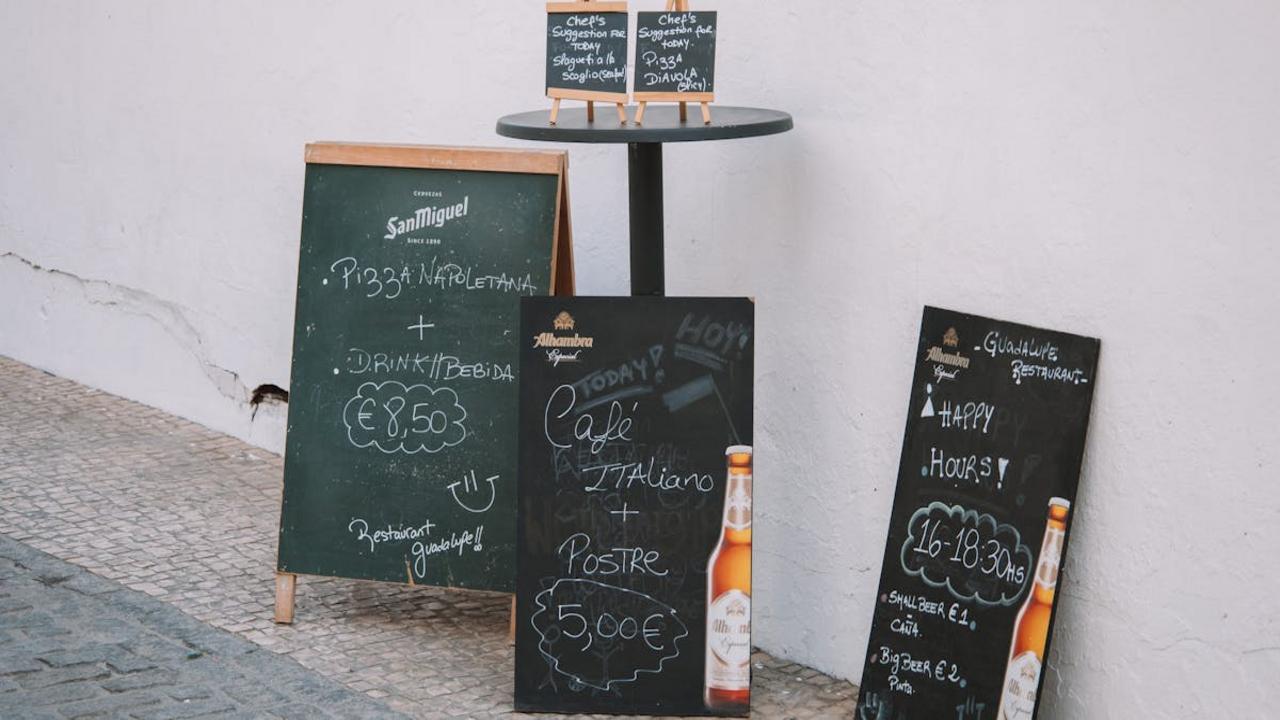
I know it’s tempting to order that special with kiwi-glazed octopus wrapped in cotton candy and topped with fermented mushroom foam. But here’s the truth – restaurants often use daily specials to clear out ingredients before they go bad or test experimental dishes that haven’t made it to the regular menu yet. These over-the-top combinations can signal a kitchen trying too hard to stand out rather than focusing on solid, well-executed dishes.
Stick to specials that make sense with the restaurant’s overall menu and expertise. If you’re at an Italian restaurant and see a special featuring Thai-Mexican fusion tacos, that should raise a red flag. The best specials highlight seasonal ingredients or showcase what the restaurant does best – like fresh catch at a seafood spot or house-made pasta at an Italian place. Trust your instincts and skip anything that sounds like it’s trying too hard to be different just for the sake of being different.
Fettuccine Alfredo
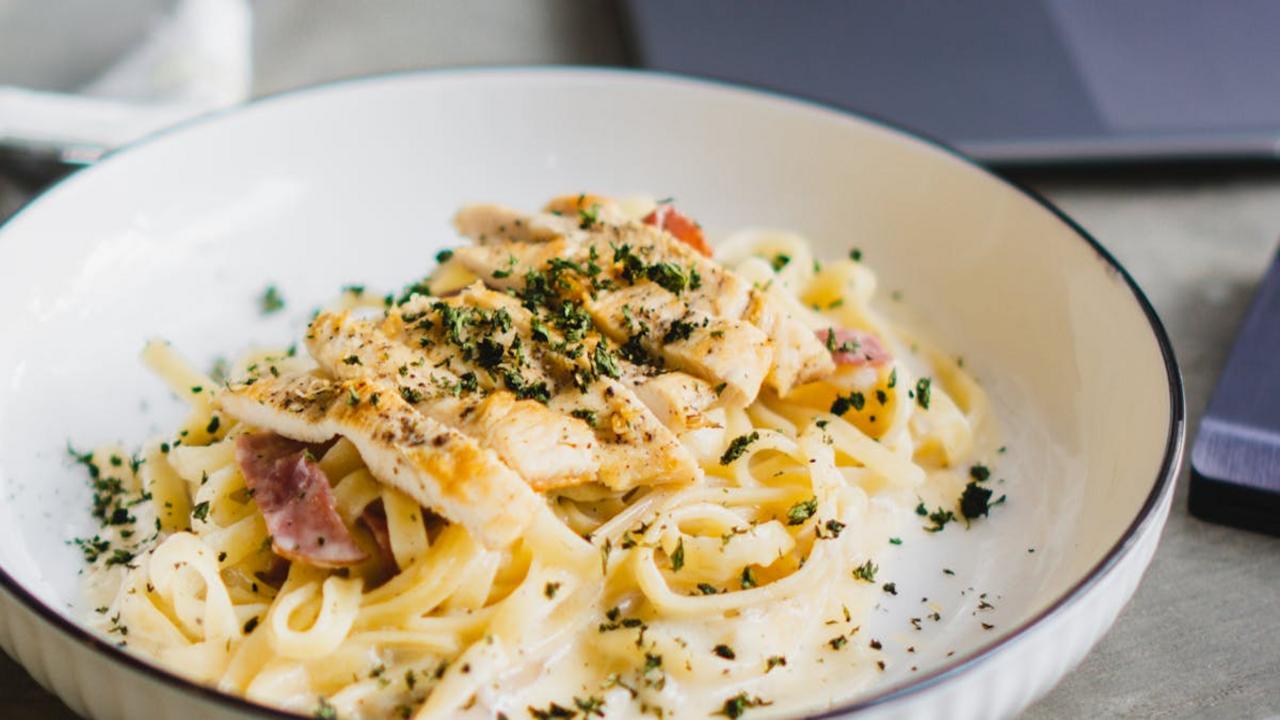
I know how tempting that creamy, rich fettuccine Alfredo looks on the menu, but you might want to skip this indulgent pasta dish. A typical restaurant portion packs an overwhelming 1,200-1,500 calories, with around 75 grams of fat – that’s more than your recommended daily fat intake in just one meal! The sauce alone combines heavy cream, butter, and parmesan cheese, creating a calorie bomb that can leave you feeling sluggish and uncomfortably full.
Many restaurants make their Alfredo sauce extra decadent to stand out, often adding more cream and butter than necessary. If you still want to enjoy this classic Italian-American dish, try making a lighter version at home where you control the ingredients. You can swap heavy cream for milk or half-and-half, reduce the butter, and add roasted vegetables for extra nutrition. Your heart (and waistline) will thank you for choosing a more balanced option or splitting this rich dish with a friend if you must order it.
Fried chicken at a diner
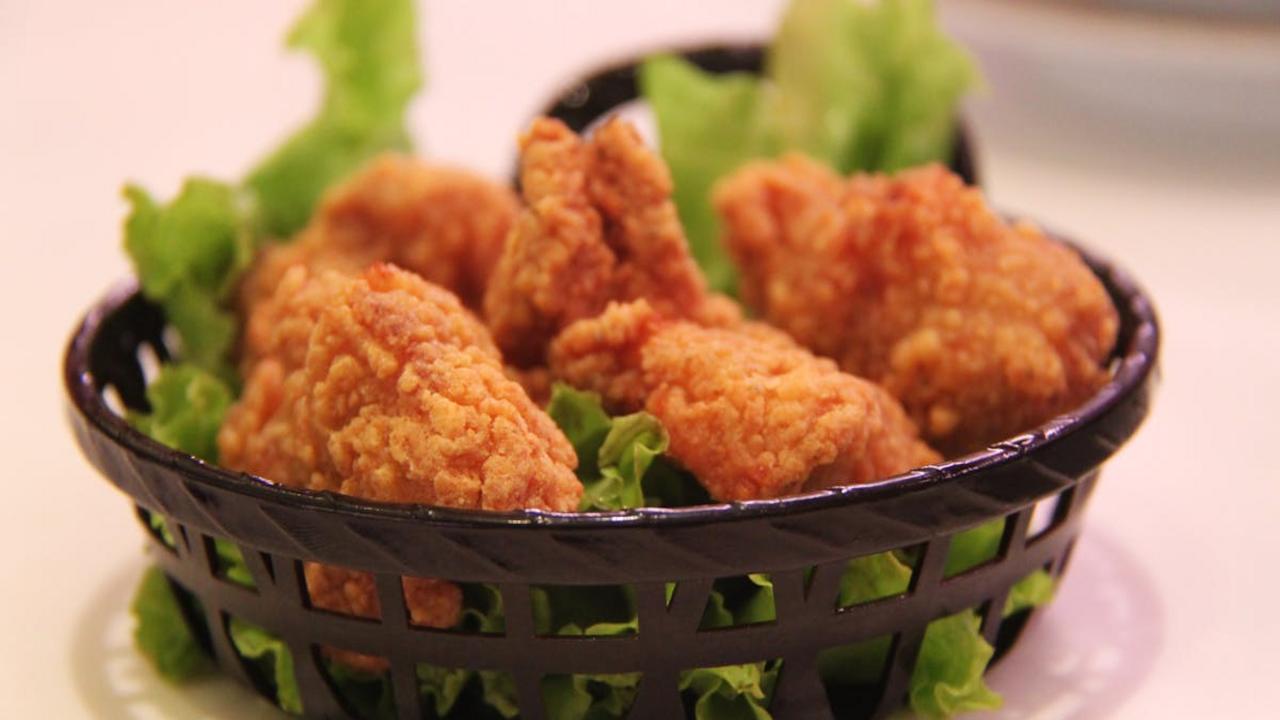
I know how tempting those crispy fried chicken pieces at your local diner can look, but you might want to skip this menu item. Most diners don’t specialize in fried chicken, which means they often use frozen, pre-breaded pieces that sit under heat lamps for hours. The oil they use for frying typically does double-duty for multiple dishes throughout the day, leading to strange flavor transfers and potentially rancid tastes. Plus, the breading often becomes soggy and separated from the meat while waiting to be served.
Your best bet is to get your fried chicken fix at places that make it their main focus. Dedicated fried chicken restaurants and Southern-style establishments prep fresh batches regularly and maintain clean, dedicated fryers just for chicken. They also pay special attention to brining and seasoning – steps many diners skip entirely. If you’re at a diner, I recommend going for their signature dishes like burgers, omelets, or sandwiches instead. These items usually showcase what diners do best and will give you much better value for your money.
Sushi at a buffet
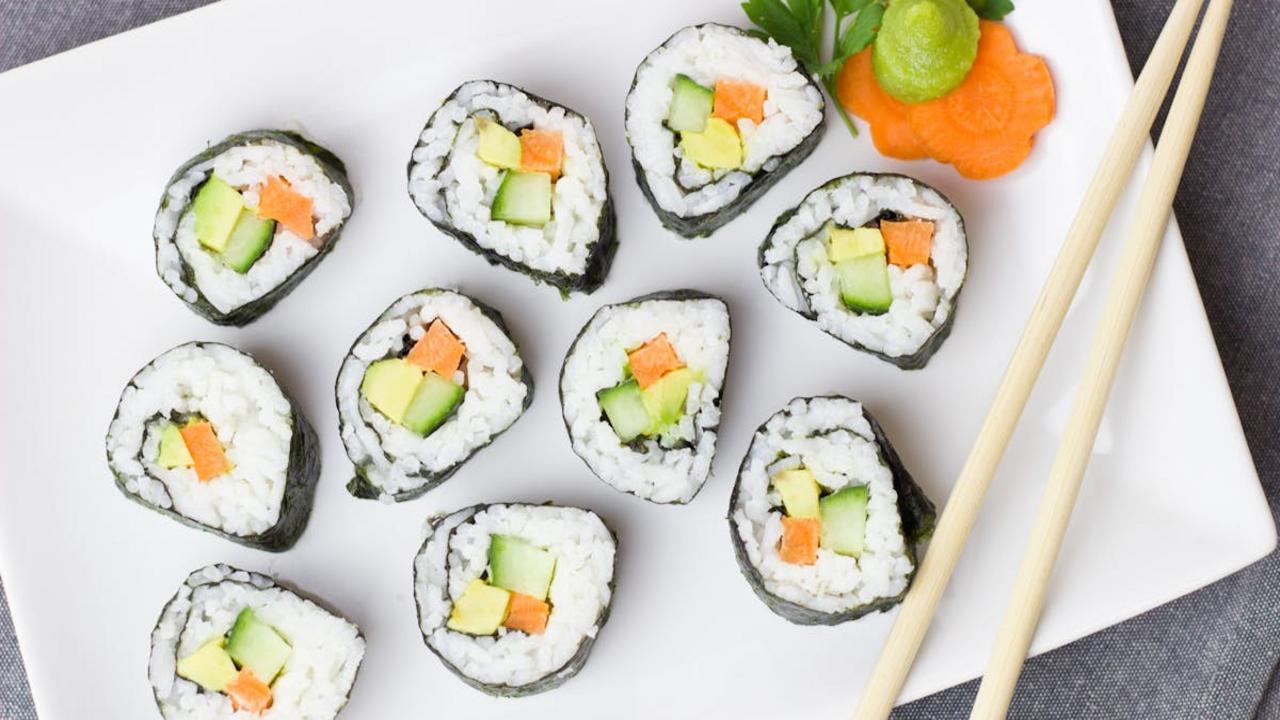
I’ll be direct with you – sushi from a buffet can be risky business. Raw fish needs careful handling and precise temperature control to stay fresh and safe to eat. Many buffets struggle to maintain these strict standards as food sits out for hours. The constant opening and closing of refrigerated cases, combined with varying room temperatures, creates the perfect environment for harmful bacteria to grow. Plus, you never know how long that rainbow roll has been sitting there!
Your best bet is to get your sushi fix from a dedicated sushi restaurant where skilled chefs prepare each roll fresh to order. At these spots, the fish stays properly refrigerated until the moment it hits your plate. The rice will be the right temperature and texture too – not dried out or mushy like what often happens under buffet heat lamps. If you want to sample lots of different rolls without breaking the bank, look for happy hour specials at quality sushi spots instead of hitting the buffet line.
Brunch scrambled eggs
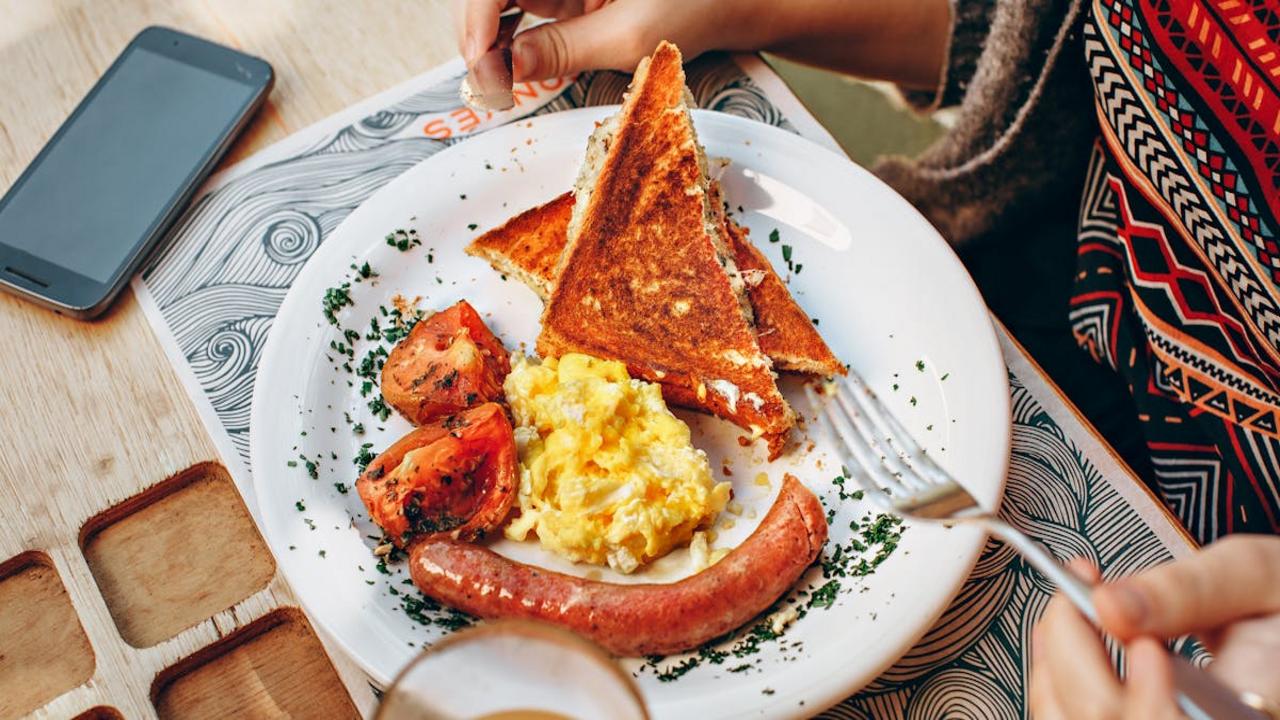
I’ll let you in on a little secret – those fluffy scrambled eggs at your favorite brunch spot often hide some not-so-healthy ingredients. Many restaurants load their scrambled eggs with heavy cream, butter, and excessive salt to create that ultra-creamy texture you love. Plus, some places use liquid egg products instead of fresh eggs to save time and money. These additions can turn a protein-rich breakfast into a dish packed with unnecessary calories and saturated fats.
You’ll make much better scrambled eggs at home with fresh, high-quality ingredients. You can control exactly what goes into them and cook them to your preferred consistency. The restaurant version typically sits under heat lamps or in warming trays too, which continues cooking the eggs and makes them rubbery. Instead, grab some organic eggs from your local market and whip up a quick breakfast with just a touch of milk and your favorite seasonings. Your wallet and your body will thank you!
Iceberg wedge salad
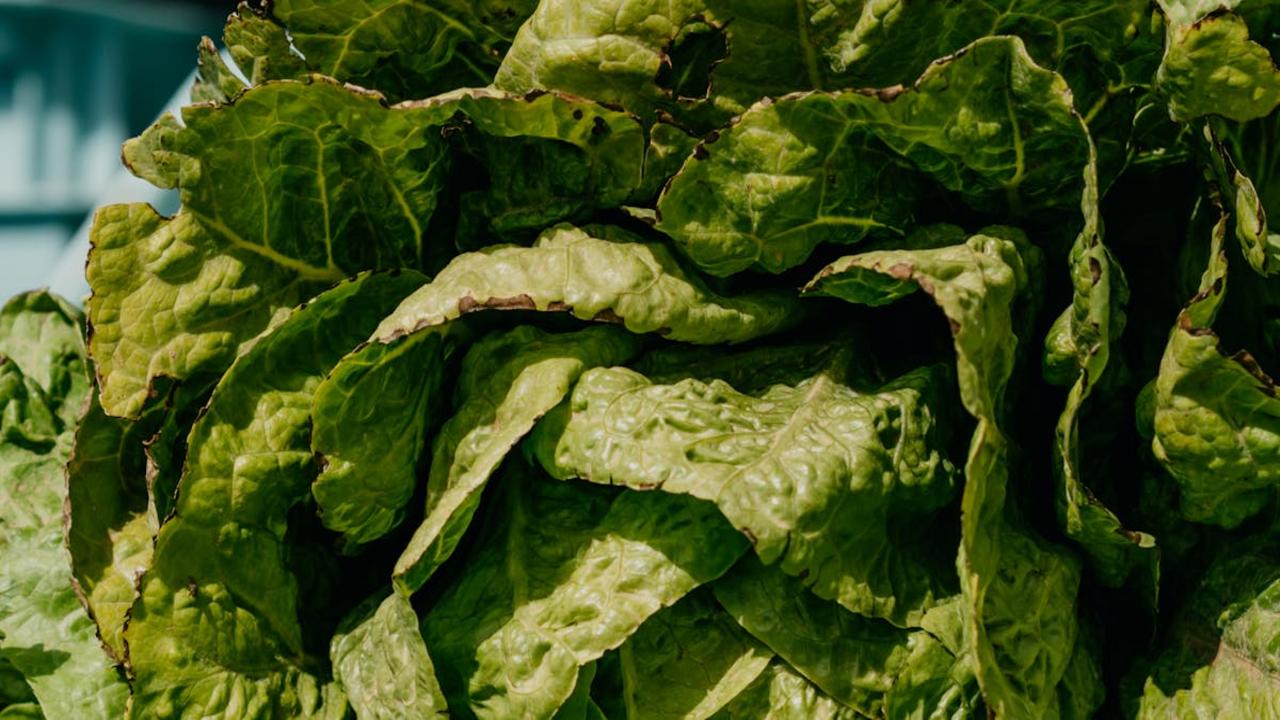
I’ll be honest with you – that wedge salad on the menu might look appealing, but it’s one of the least nutritious options you can order. The classic iceberg lettuce contains about 95% water and very few vitamins or minerals compared to other leafy greens like spinach, arugula, or romaine. Plus, most restaurants drench the wedge in high-calorie blue cheese dressing, bacon bits, and other toppings that can add up to 600-800 calories per serving.
If you want a fresh and satisfying salad, I recommend choosing a mix of dark leafy greens instead. These alternatives pack way more nutrients, fiber, and antioxidants into every bite. Order your dressing on the side and opt for vinaigrette rather than creamy options. You’ll get more nutritional value while still enjoying a crisp, refreshing salad. Many restaurants now offer creative salad combinations with ingredients like kale, mixed greens, grilled proteins, nuts, and fresh vegetables that will fill you up without weighing you down.
Soup of the day
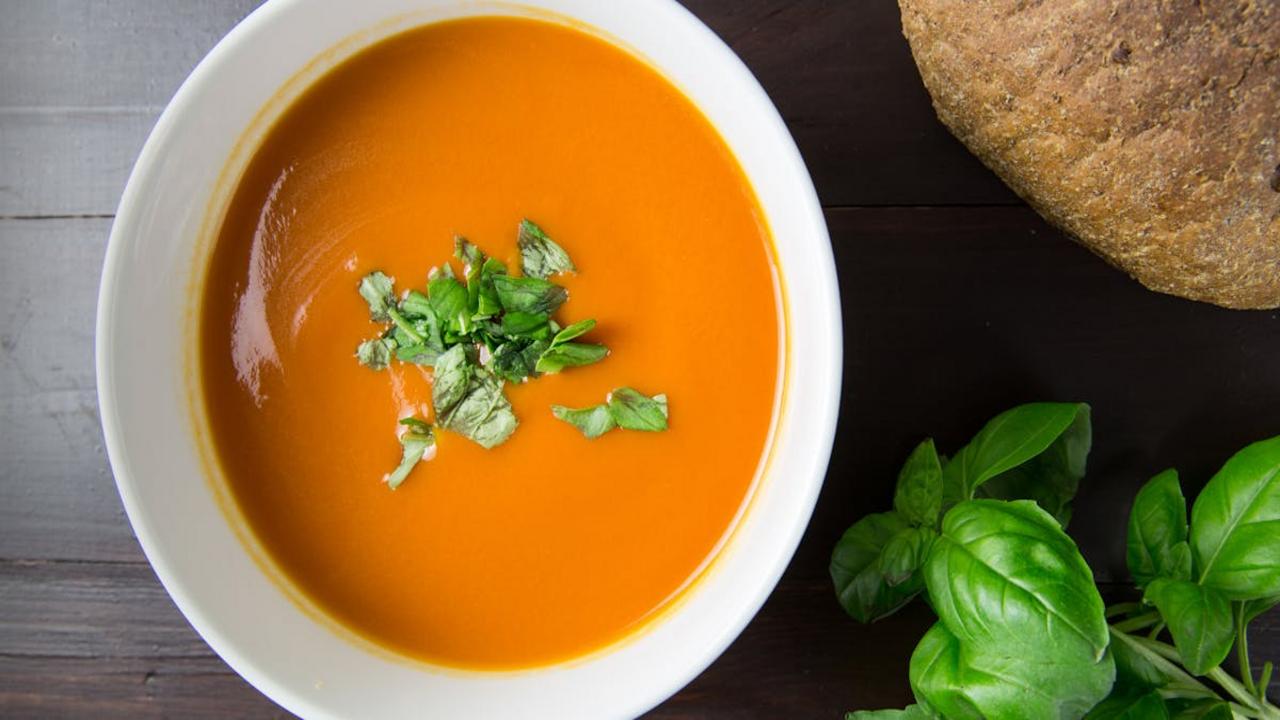
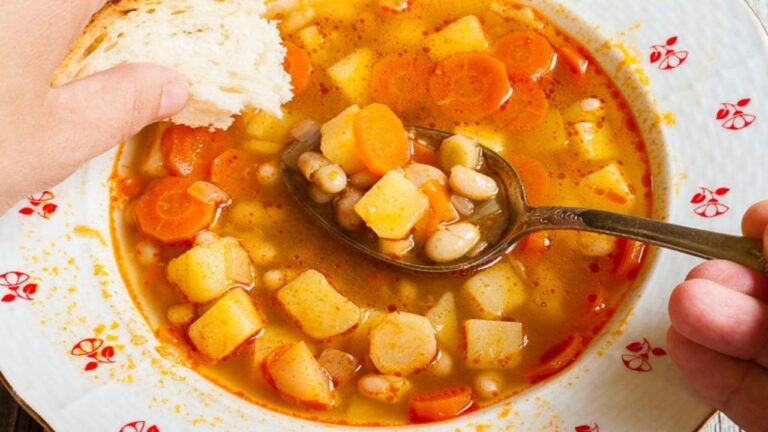
I’ve noticed a concerning pattern with “soup of the day” offerings at many restaurants – they often serve as a convenient way to use up leftover ingredients that are about to expire. While some places do make fresh soup daily, many restaurants pour yesterday’s soup into today’s pot and add new ingredients to mask any off-flavors. The result? You might get a bowl of soup that’s been sitting and simmering for days, losing nutrients and developing an unbalanced sodium content.
Your best bet is to skip the mystery soup and order something you can see prepared fresh. If you really want soup, go for options clearly listed on the regular menu – these tend to be made with established recipes and quality control standards. I recommend asking your server about how the soup is made and what ingredients go into it. If they can’t give you specific details about the preparation or seem hesitant to answer, consider that a red flag and choose another appetizer.
Chicken Parmesan
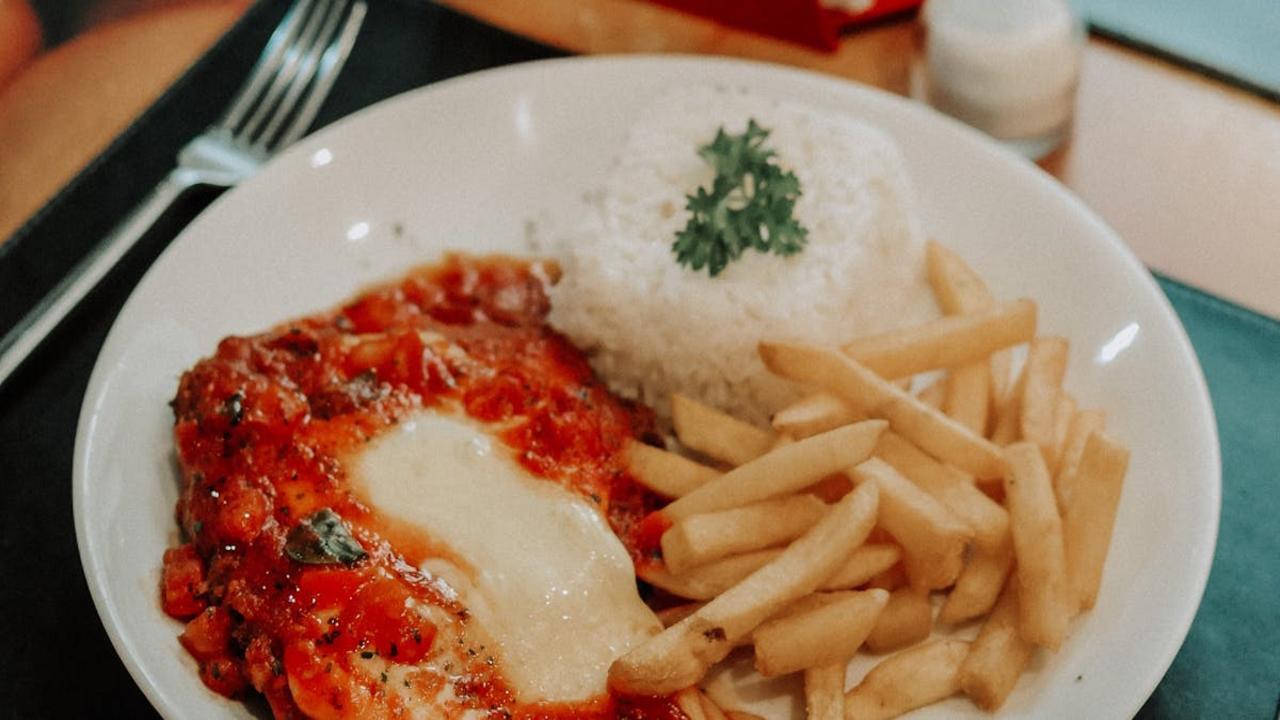
I know many of you love ordering chicken parmesan at Italian restaurants, but this dish often packs a huge caloric punch that might make you think twice. Most restaurants bread their chicken cutlets heavily and fry them in oil before adding thick layers of cheese and rich tomato sauce. A single portion can contain over 1,000 calories and up to 50 grams of fat – that’s nearly a day’s worth of recommended fat intake in just one meal! Plus, many places serve this with a generous portion of pasta, doubling down on the carbohydrates and calories.
Instead of ordering chicken parmesan at restaurants, try making a healthier version at home where you can control the ingredients and portions. You can bake the chicken instead of frying it, use whole wheat breadcrumbs, and opt for part-skim mozzarella cheese. The result will be just as satisfying but much better for your health. If you must order it at a restaurant, ask for the sauce on the side, skip the pasta, and pair it with a fresh salad or roasted vegetables. Your body will thank you for making these smart substitutions!
Anything with a truffle oil drizzle
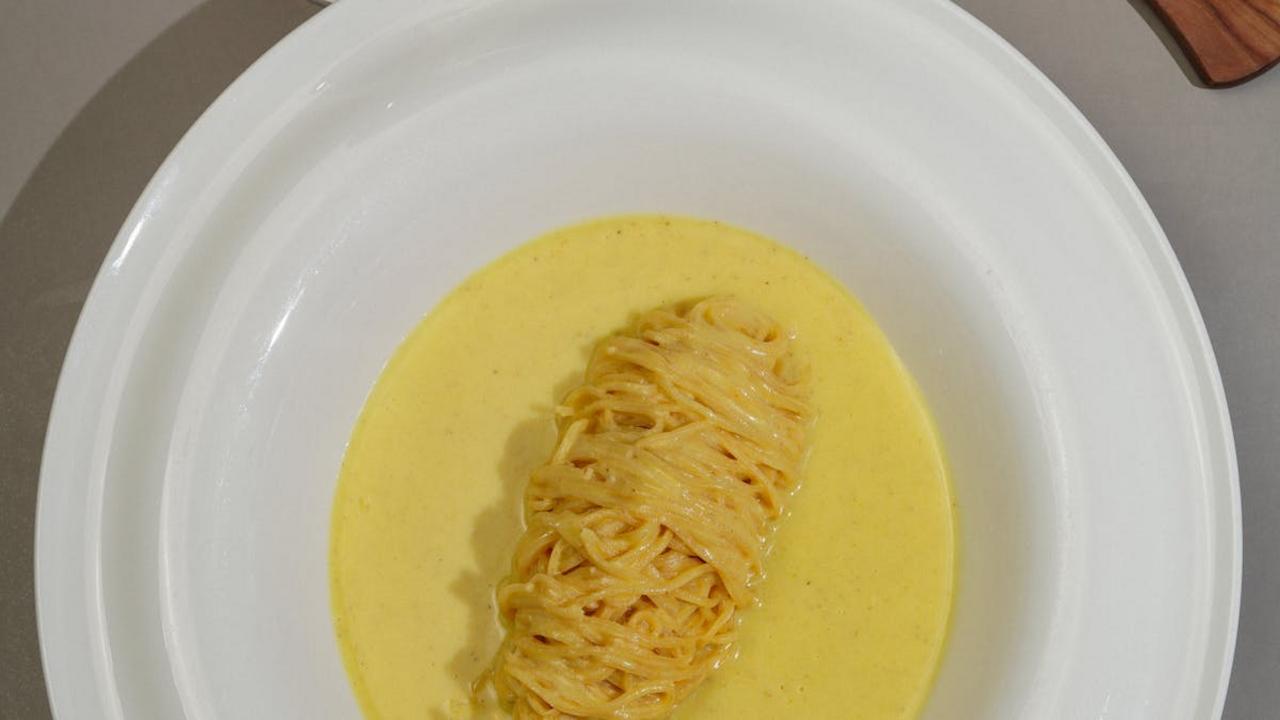
I need to warn you about truffle oil – it’s not the luxurious ingredient many restaurants claim it to be. Most commercial truffle oils contain zero actual truffles and instead use synthetic chemicals like 2,4-dithiapentane to mimic truffle flavor. Restaurants often charge premium prices for dishes with truffle oil drizzles, but you’re paying extra for artificial flavoring that overwhelms the dish’s natural tastes. Real truffles have subtle, complex notes that synthetic oils can’t replicate.
If you see truffle oil listed on a menu, skip it and order something that highlights genuine ingredients instead. Many chefs avoid truffle oil entirely, considering it a cheap shortcut that masks the true flavors of quality ingredients. The chemical compounds in fake truffle oil can leave an unpleasant metallic aftertaste and even cause headaches in some people. Save your money for restaurants that use real truffles or focus on honest, simple preparations that let natural ingredients shine through.
Kobe beef burger
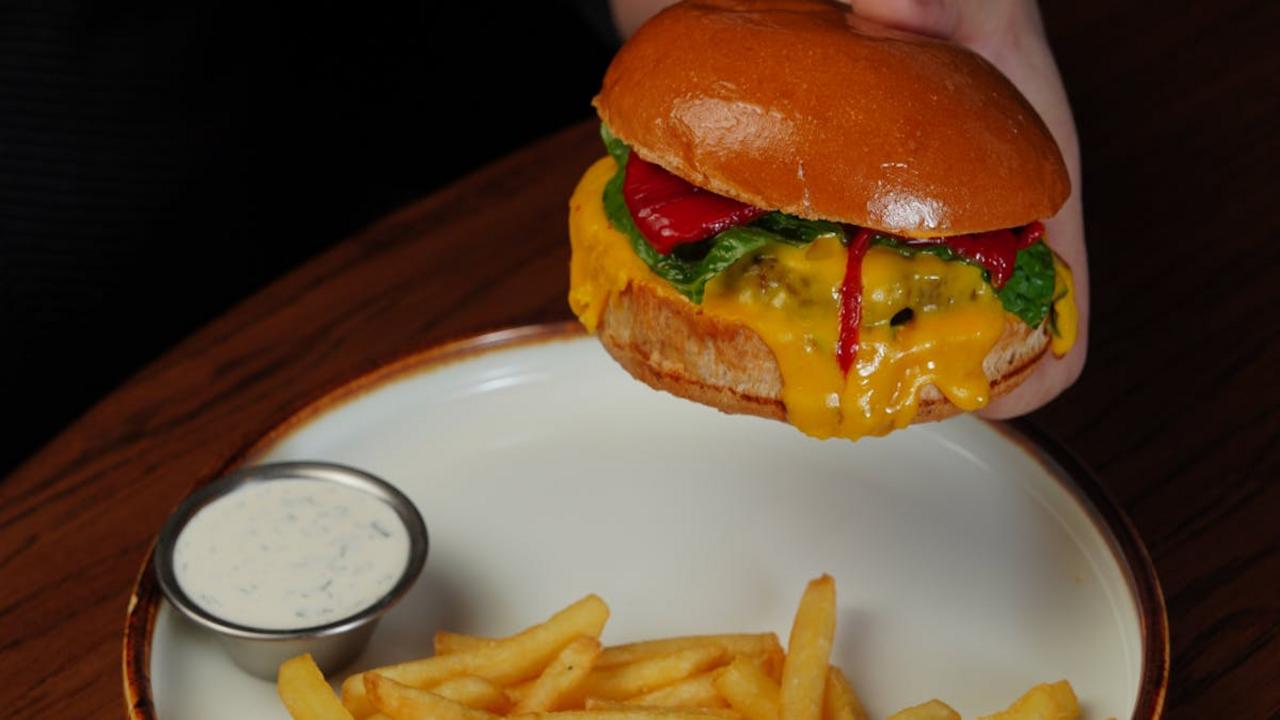
I’ll be straight with you – ordering a Kobe beef burger at most restaurants is throwing away your money. True Japanese Kobe beef is incredibly rare and expensive, with only a handful of U.S. restaurants certified to serve it. What you’ll likely get instead is regular ground beef or perhaps Wagyu beef, which restaurants often mislabel as “Kobe” to justify charging premium prices. The very act of grinding this premium meat defeats its purpose – Kobe’s signature marbling and texture get completely lost in the process.
If you want to experience real Kobe beef, skip the burger and save your money for a properly served steak at a certified restaurant. The burger version not only misrepresents this premium ingredient but also wastes its unique qualities. Most restaurants use this fancy name as a marketing trick to charge you $30+ for what’s essentially a regular hamburger. You’ll get better value and taste from a regular high-quality burger made with freshly ground chuck or sirloin beef.
Caesar salad with anchovy
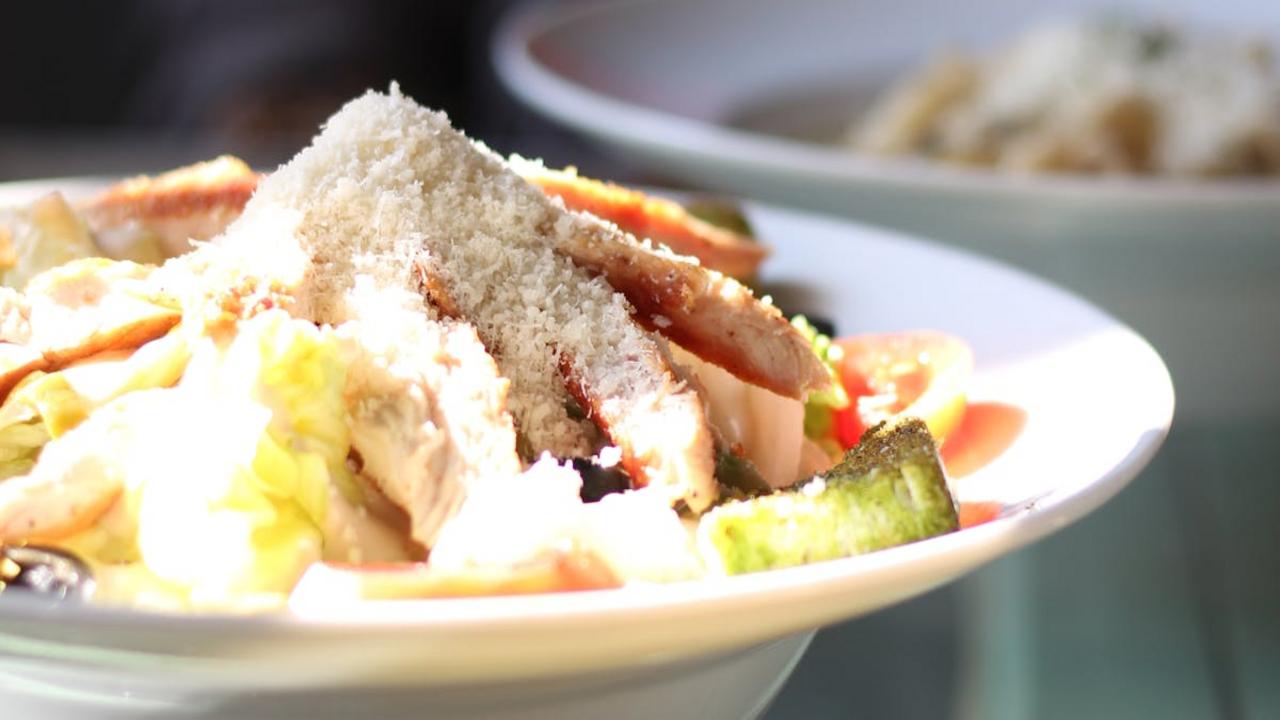
I know you might crave that classic Caesar salad, but I recommend skipping the version with whole anchovies on top. Many restaurants add these little fish as a “traditional” touch, but they can overpower the entire dish with an intense fishy flavor that masks the other ingredients. Your salad should bring balanced flavors from the creamy dressing, crunchy croutons, and fresh romaine – not an overwhelming punch of salt from those added anchovies.
If you want the authentic Caesar experience, go for a salad that incorporates anchovy paste directly into the dressing instead. This method gives you that rich umami flavor without the strong fishiness of whole anchovies. The paste blends smoothly with the other dressing ingredients like garlic, lemon juice, and parmesan, creating that perfect Caesar flavor you know and love. You’ll get all the benefits of the anchovies’ savory depth without them dominating every bite of your salad.
Out-of-season seafood
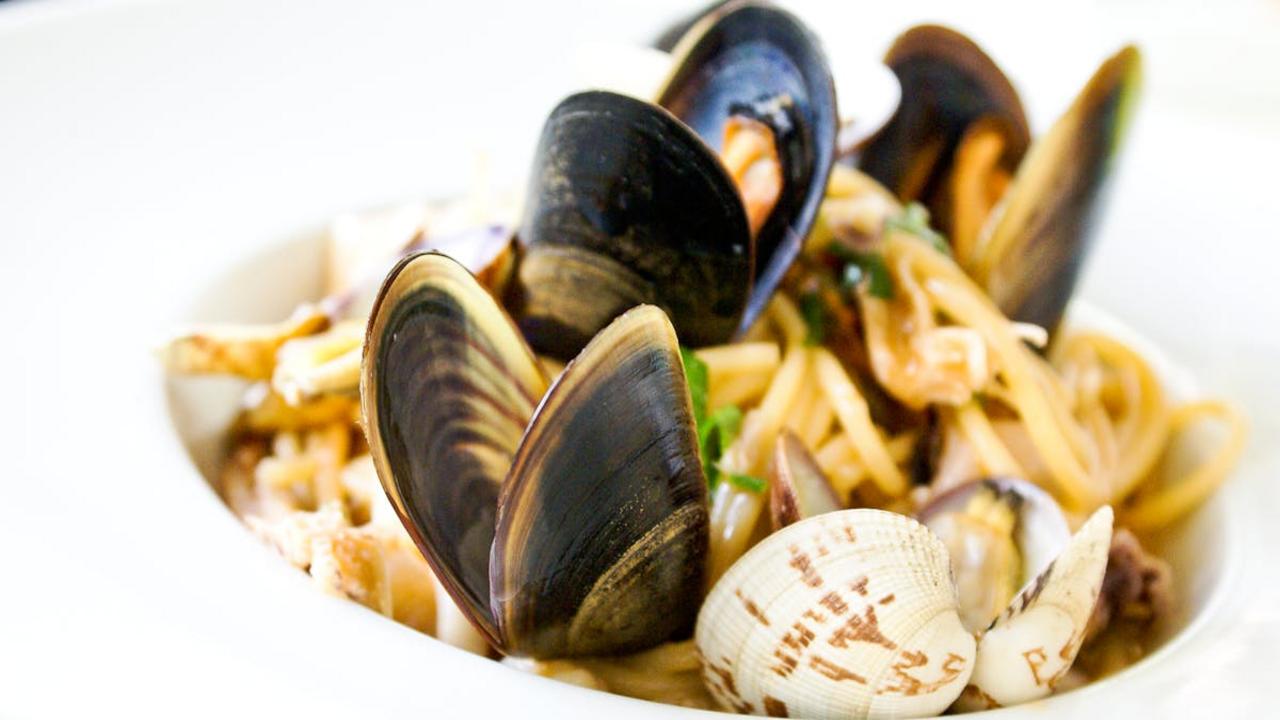
I always advise my readers to skip out-of-season seafood dishes at restaurants. Fresh seafood should transport you right to the ocean with its clean, briny aroma and firm texture. But when restaurants serve seafood outside its peak season, you’ll often get frozen products that lack the same quality and nutritional value. Plus, out-of-season seafood usually travels long distances, which means it’s not only less fresh but also more expensive since restaurants pass those transportation costs onto you.
Your best bet is to know which seafood peaks in which season in your area. For example, wild salmon runs strong from May through September, while oysters shine from September through April. By ordering seasonal seafood, you’ll get the freshest catch with maximum flavor and nutrients. Many restaurants now list their seafood sources on their menus – look for those that partner with local fisheries and follow sustainable practices. You’ll not only enjoy better-tasting dishes but also support responsible fishing methods that help preserve our oceans.
Hollandaise sauce dishes
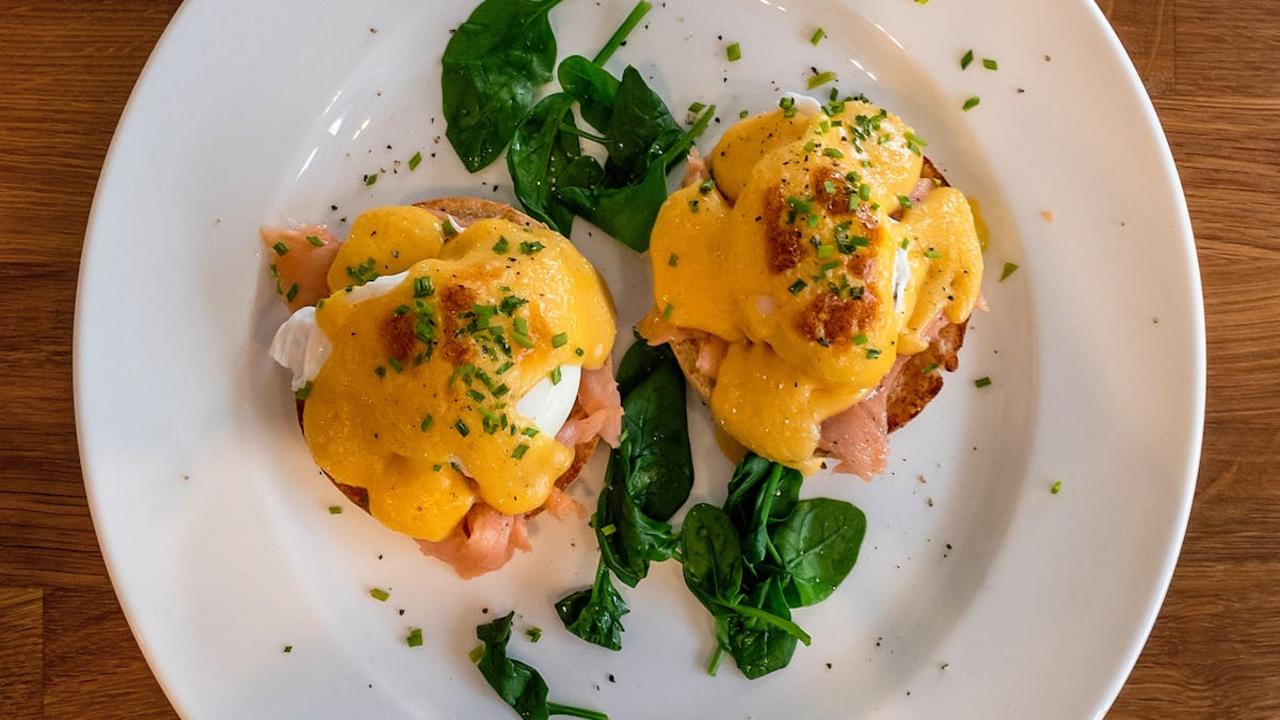
I need to be honest with you about hollandaise sauce – while it’s rich and creamy, it carries some real food safety concerns. The sauce contains raw egg yolks that often sit at room temperature for extended periods in restaurant kitchens. Even if the kitchen staff makes fresh batches throughout service, the risk of bacterial growth remains high. Plus, if the sauce “breaks” during preparation, some cooks might try to salvage it by adding more ingredients and letting it sit longer, which only increases the safety risks.
Beyond the safety aspect, hollandaise sauce packs a hefty caloric punch that can derail your healthy eating goals. A single serving contains around 200-250 calories, mostly from butter and egg yolks. While eggs benedict might tempt you at brunch, consider ordering poached eggs with fresh avocado instead – you’ll get similar creaminess with healthy fats and zero food safety worries. Many restaurants now offer modern alternatives to traditional hollandaise dishes that give you the same satisfaction without the potential downsides.
Fish on a Monday
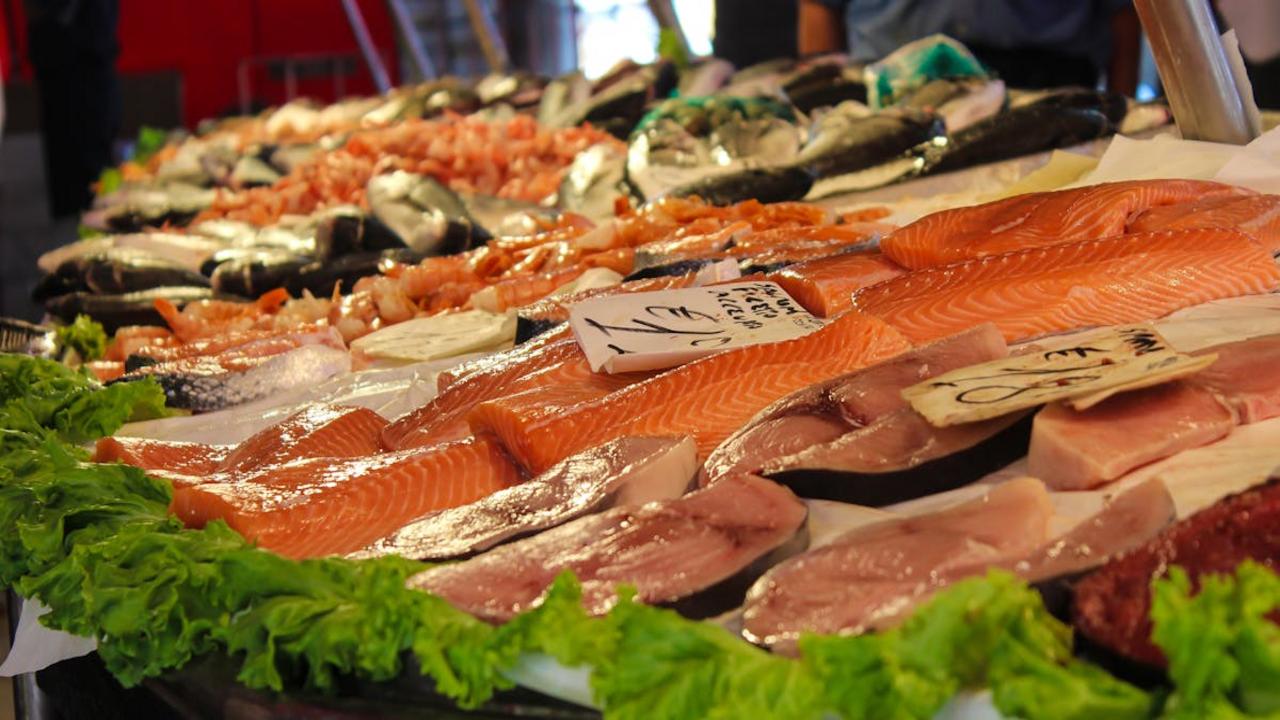
You might want to skip ordering fish at restaurants on Mondays. Many restaurants receive their fresh fish deliveries Tuesday through Saturday, which means Monday’s fish could be several days old from the previous week. I learned this insider tip during my years writing about restaurants – most suppliers don’t make deliveries on Sundays, leaving Monday’s fish less than fresh. If you’re craving seafood, Tuesday through Saturday will give you the best quality and freshness.
The only exception to this rule would be if you’re at a high-end restaurant that gets daily deliveries or a seafood-specific spot that maintains strict freshness standards. But for most regular restaurants, Monday fish dishes carry more risk. My recommendation? Go for a different protein on Mondays, or save your seafood cravings for mid-week when you’ll get the freshest catch. Your taste and health will thank you for making this smart choice!