15 Omega-3 Rich Foods You’ll Love Cooking With
Your kitchen becomes a powerhouse of nutrition when you stock it with omega-3 rich ingredients. These healthy fats transform ordinary meals into brain-boosting, heart-healthy dishes that taste incredible. I’ve spent years experimenting with these ingredients, turning simple pantry staples into vibrant, nourishing meals my family craves.
From fatty fish like salmon and mackerel to plant-based gems like chia seeds and walnuts, each ingredient brings its own personality to your cooking. You don’t need complicated recipes or fancy techniques—just fresh ingredients and a willingness to play with flavors.
What excites me most about cooking with omega-3 foods is how naturally they complement each other. Sprinkle hemp seeds over your morning eggs, toss walnuts into Brussels sprouts, or blend flax seeds into homemade dressings. Your body will thank you for every delicious bite.
Trout
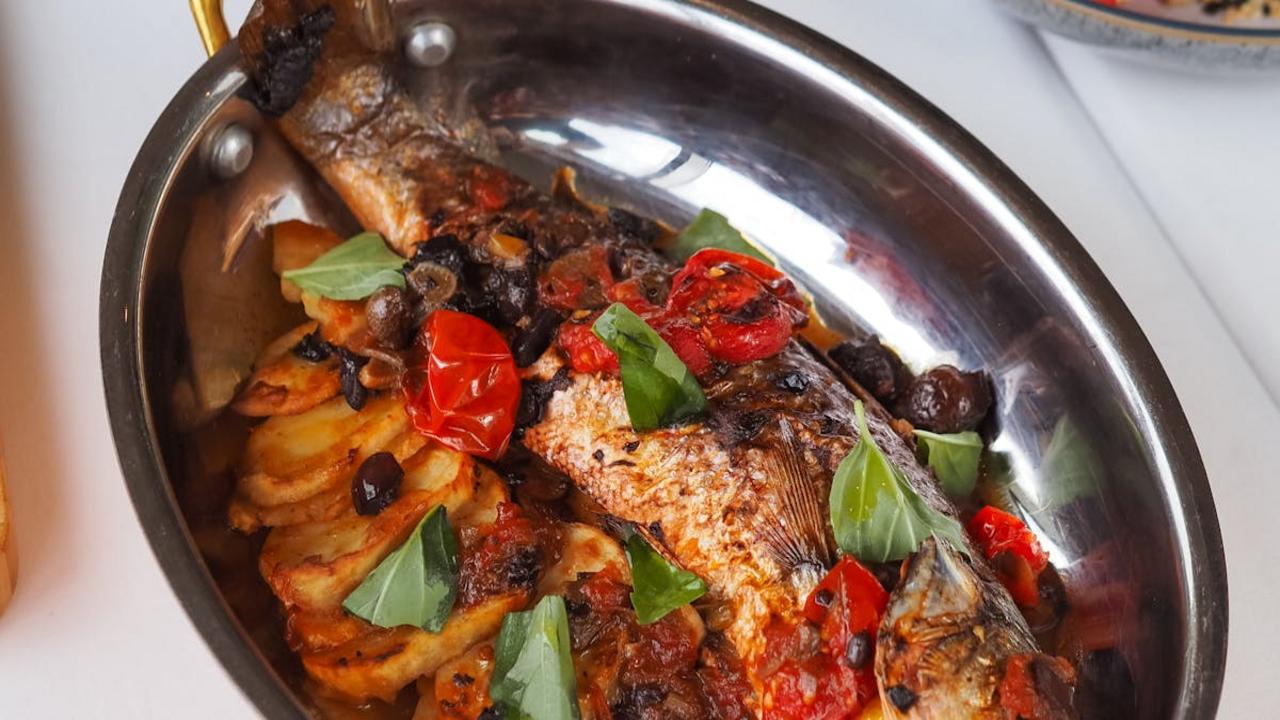
Trout has become one of my go-to fish choices, and I think you’ll understand why once you start cooking with it regularly. This freshwater fish packs an impressive omega-3 punch while offering a delicate, clean flavor that works beautifully with both simple preparations and bold seasonings. I love how trout takes on marinades so well – whether I’m working with Mediterranean herbs, Asian-inspired ginger and soy, or even a spicy North African chermoula. The flesh stays tender and flaky when cooked properly, making it perfect for weeknight dinners when you want something nutritious but don’t have hours to spend in the kitchen.
What really draws me to trout is how versatile it is across different cooking methods. I’ll pan-sear it with nothing more than lemon, garlic, and fresh thyme for a quick meal, or stuff whole trout with herbs and roast it when I’m entertaining. The skin crisps up beautifully when you get the heat right, creating this wonderful textural contrast. You can find trout at most grocery stores now, and it’s often more affordable than salmon while delivering similar nutritional benefits. I particularly enjoy pairing it with seasonal vegetables – roasted root vegetables in winter or fresh asparagus and peas in spring. The mild flavor never competes with your sides, instead creating this harmonious plate where everything complements each other perfectly.
Herring
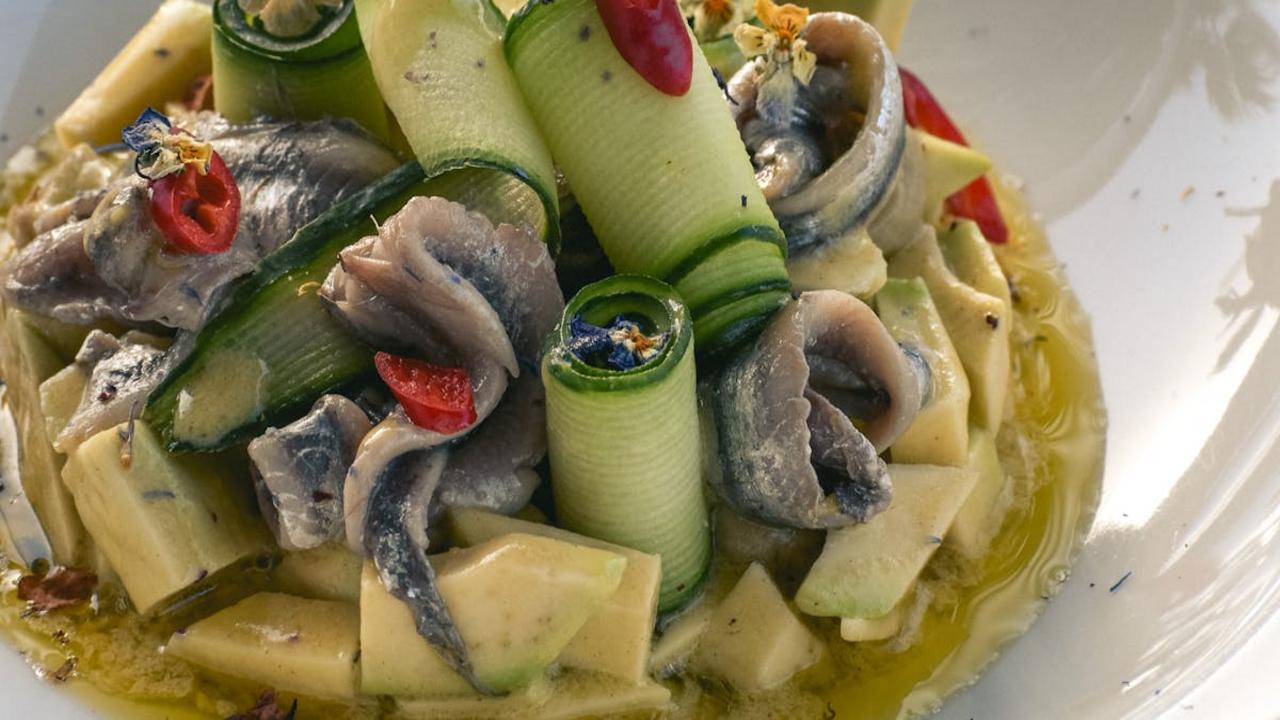
I remember the first time I cooked with fresh herring – my grandmother’s voice echoed in my mind as she described how this silvery fish sustained her family through countless meals. Herring packs an incredible omega-3 punch, delivering over 1,700 milligrams per 3.5-ounce serving, making it one of the most nutrient-dense fish you can find. The beauty of herring lies in its affordability and versatility – you can pickle it Scandinavian-style, smoke it for breakfast plates, or simply pan-fry it with herbs and lemon for a quick weeknight dinner.
What draws me to herring is how it bridges cultures beautifully – from Dutch herring with onions to Japanese grilled iwashi, this fish adapts to any flavor profile you throw at it. I love coating fresh herring fillets in a mixture of oats and spices, then pan-searing them until crispy, creating a dish that’s both rustic and refined. The rich, slightly oily texture makes herring perfect for bold seasonings like mustard, dill, or even a spicy harissa rub. Don’t overlook canned or jarred herring either – it transforms simple salads into protein-rich meals and works wonderfully mashed into spreads for whole grain crackers.
Hemp Seeds
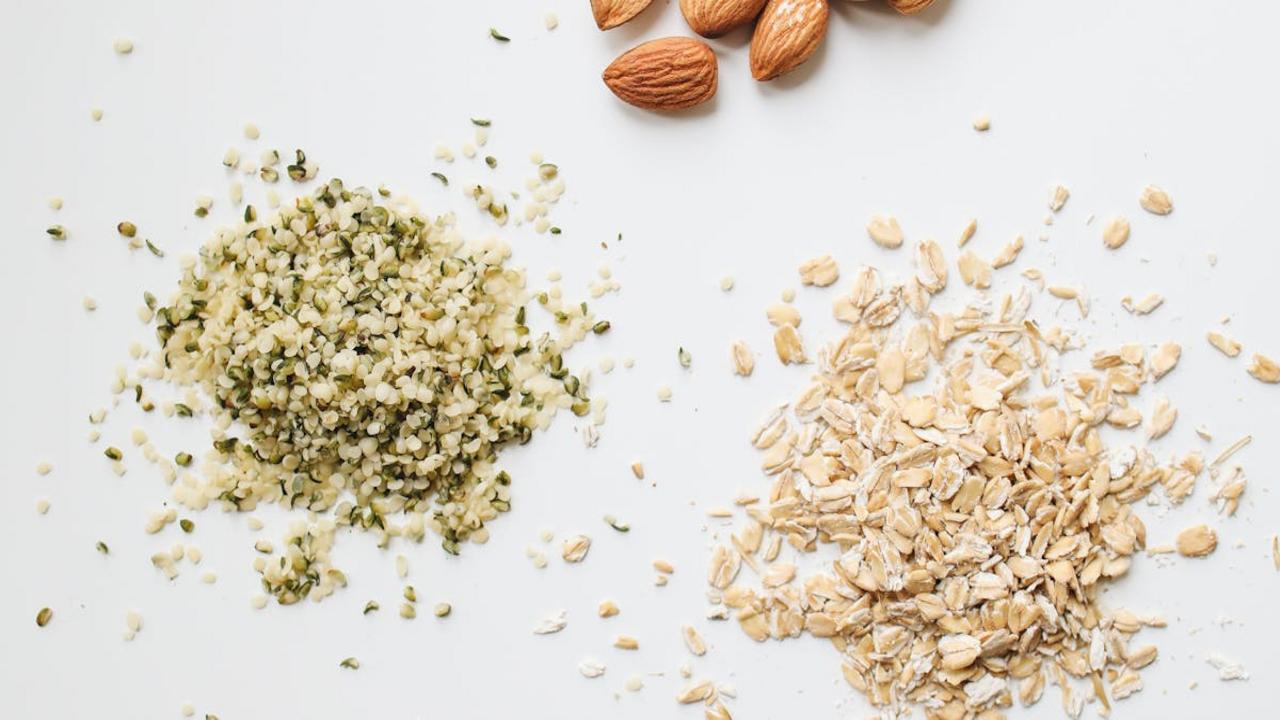
I keep a jar of hemp seeds on my kitchen counter at all times—they’re one of those ingredients that quietly transforms ordinary dishes into nutritional powerhouses. These tiny, nutty seeds pack an impressive omega-3 punch, containing both ALA and the harder-to-find GLA (gamma-linolenic acid). What I love most about hemp seeds is their incredible versatility; you can sprinkle them raw over yogurt, blend them into smoothies, or toast them lightly in a dry pan for an extra layer of flavor that reminds me of toasted sesame seeds.
Hemp seeds work beautifully in both sweet and savory applications, making them perfect for my global-inspired cooking style. I often fold them into homemade granola alongside dried fruits and coconut, or mix them into salad dressings for added richness and protein. They’re particularly fantastic in Middle Eastern-inspired dishes—try mixing them with za’atar and olive oil as a crust for baked fish, or stirring them into tahini-based sauces. Unlike flaxseeds, hemp seeds don’t need grinding to release their nutrients, which means you can grab a handful and add them to virtually anything without any prep work.
Eggs
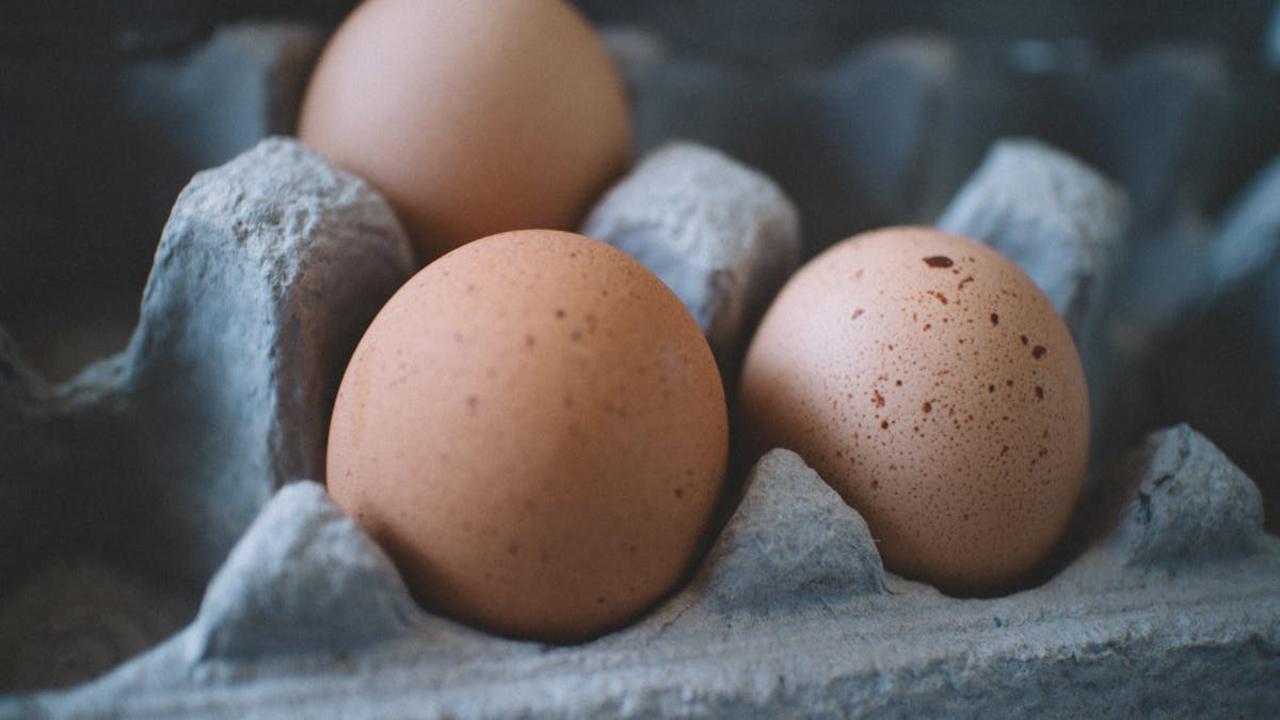
You probably have eggs sitting in your fridge right now, but did you know they’re quietly delivering omega-3s to your breakfast plate? The trick lies in choosing the right ones – pasture-raised eggs from hens that roam freely and munch on omega-3 rich seeds and insects contain significantly higher levels of these beneficial fats compared to conventional eggs. I keep a dozen pasture-raised eggs on hand at all times because they’re my secret weapon for adding protein and healthy fats to literally any meal of the day.
What I love most about eggs is their incredible versatility – you can scramble them with turmeric and fresh herbs for a golden morning boost, fold them into a Spanish tortilla with roasted vegetables, or crack one over a grain bowl for instant richness. I often make my grandmother’s shakshuka recipe, where eggs gently poach in a spiced tomato sauce that’s been simmering with garlic, cumin, and paprika. The runny yolks create this luscious sauce that brings everything together, while those omega-3s work their magic in the background. Whether you’re making a simple omelet or something more elaborate, quality eggs transform ordinary ingredients into something truly nourishing.
Seaweed
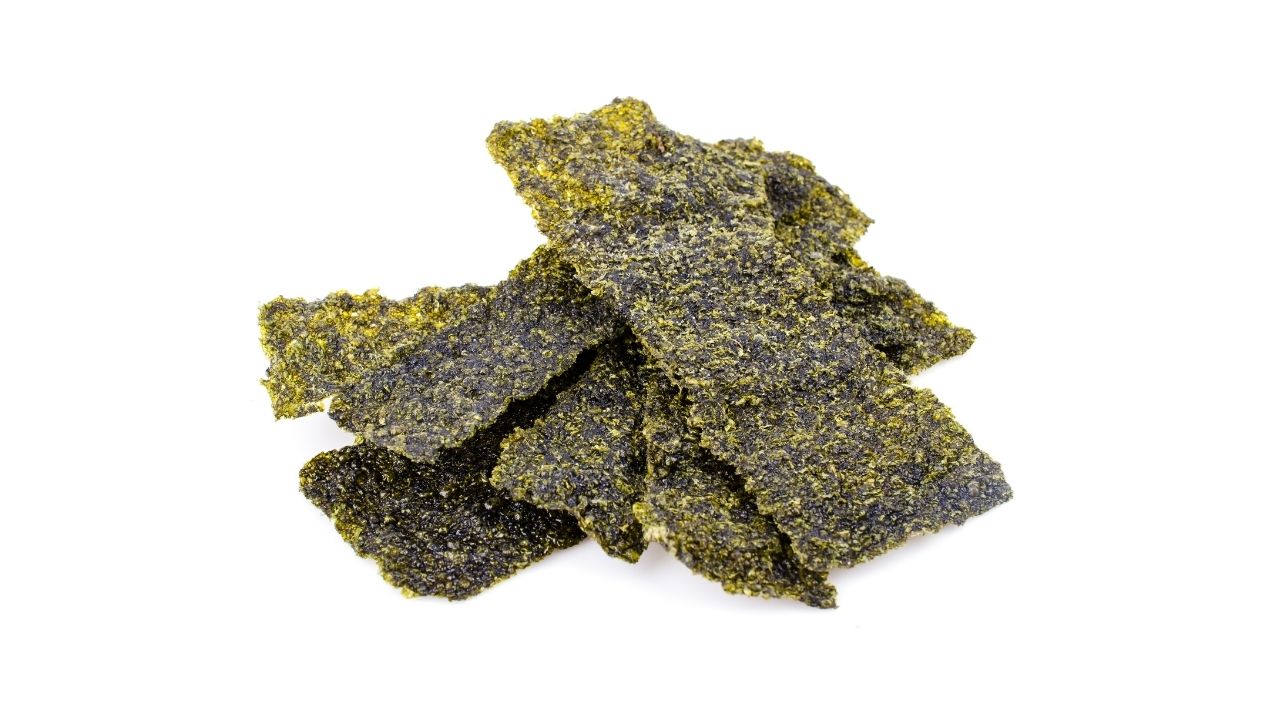
You know that umami-rich depth you get from a perfectly seasoned broth? Seaweed brings that same magic to your kitchen, packed with omega-3s that your body craves. I keep several varieties in my pantry because they each offer something different – nori sheets for quick snacks, wakame for soups, and dulse flakes that I sprinkle on everything from salads to roasted vegetables. The mineral content alone makes seaweed worth adding to your regular rotation, but the omega-3 fatty acids make it a true nutritional powerhouse that supports heart and brain health.
Don’t let the ocean vegetable intimidate you – seaweed adapts beautifully to so many dishes you already make. I love tossing dried wakame into miso soup or adding kombu to my slow-cooked beans for extra flavor and nutrients. Nori makes an amazing wrap for fresh vegetables and avocado, while dulse flakes give a smoky, bacon-like taste to plant-based dishes. Start small with just a pinch here and there, and you’ll discover how this ancient food transforms ordinary meals into something more nourishing and satisfying.
Brussels Sprouts
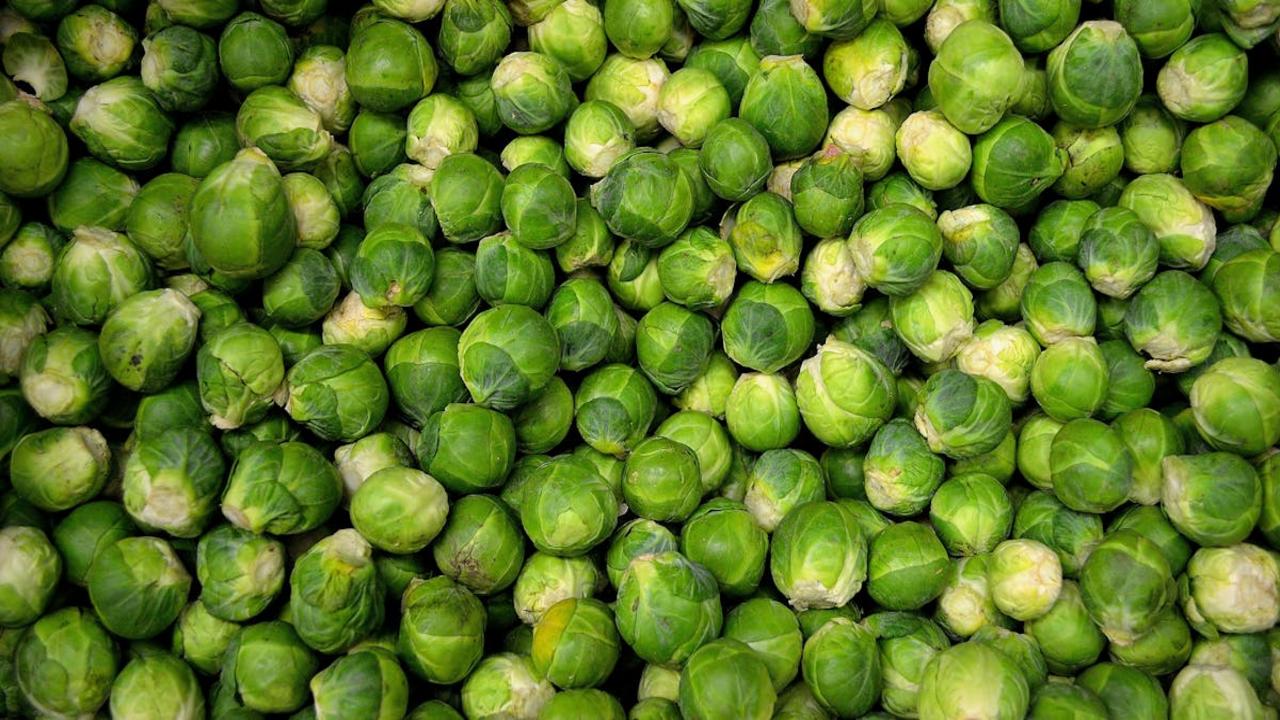
I know what you’re thinking – Brussels sprouts and omega-3s? Trust me on this one! These little green gems pack about 135mg of ALA omega-3s per cup, and they’re absolute magic when you cook them right. Forget those mushy, overcooked sprouts from your childhood. I roast mine with a drizzle of olive oil, sea salt, and a touch of garlic until they’re caramelized on the outside and tender inside. The natural sweetness comes alive, and that slight bitterness transforms into something completely addictive.
My favorite way to prepare Brussels sprouts is shredding them raw for a winter slaw with pomegranate seeds, toasted walnuts, and a tahini dressing – it’s fresh, crunchy, and loaded with healthy fats. You can also sauté halved sprouts with bacon and onions, or toss them into stir-fries where they hold their shape beautifully. The key is high heat and not overcooking them. These versatile vegetables work in everything from grain bowls to pasta dishes, and they’re packed with vitamin K, folate, and fiber alongside those precious omega-3s. Once you master the technique, Brussels sprouts become a regular star in your kitchen rotation.
Soybeans
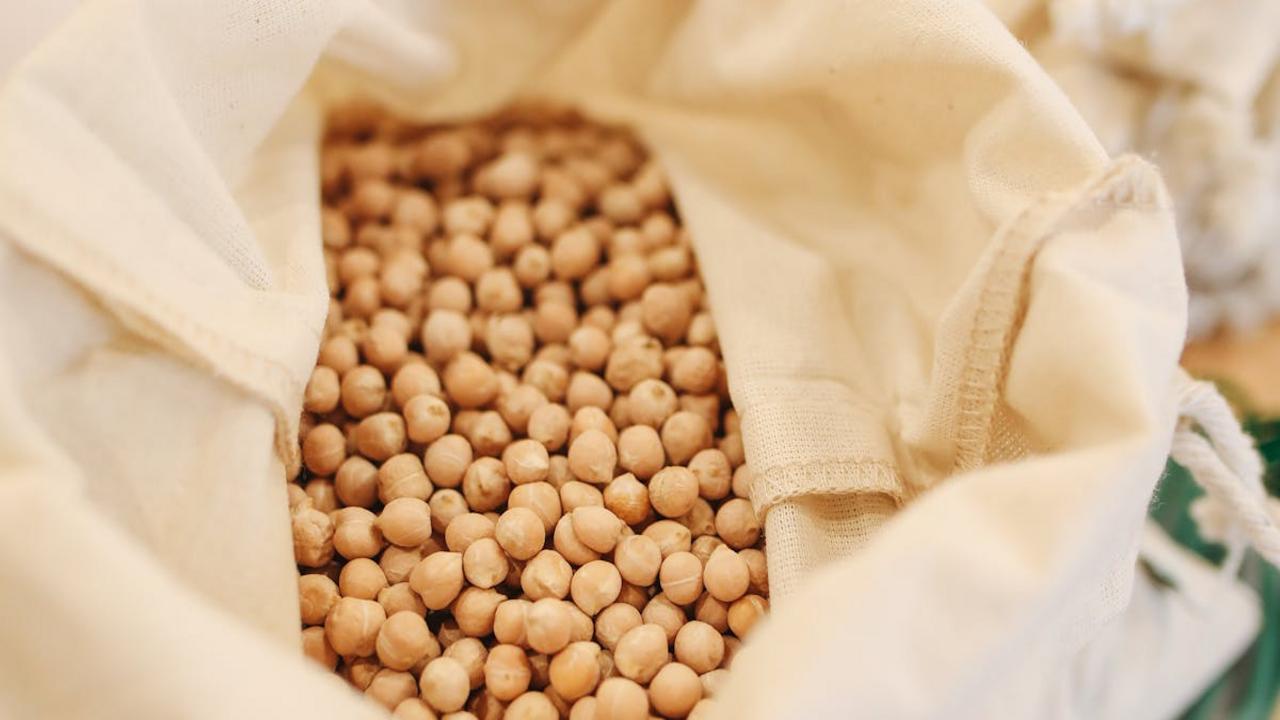
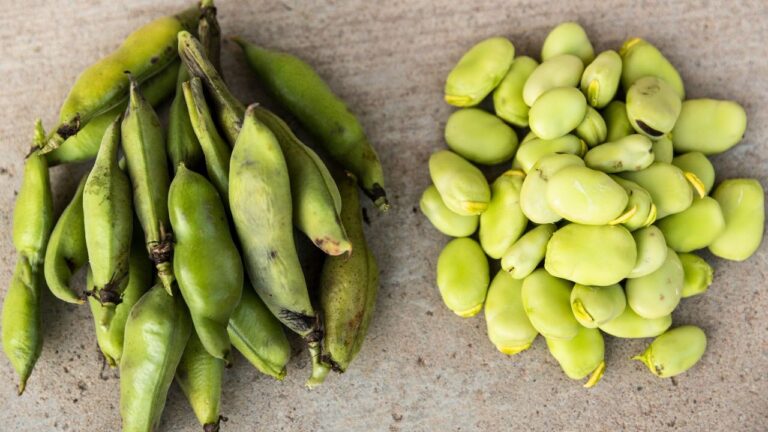
Fresh soybeans, those bright green gems you might know as edamame, pack an impressive omega-3 punch that makes them a standout in my kitchen. I love working with them because they bring this wonderful nutty sweetness that pairs beautifully with so many global flavors. Whether I’m tossing them into a warm quinoa salad with tahini dressing or blending them into a creamy soup with miso and ginger, soybeans add both protein and healthy fats that keep you satisfied for hours.
What really excites me about cooking with soybeans is their incredible versatility across different preparations. You can buy them fresh in the pod for that satisfying pop-and-eat experience, or grab shelled ones to stir into grain bowls and pasta dishes. I particularly enjoy making a simple soybean hummus by blending cooked beans with garlic, lemon juice, and olive oil – it creates this silky dip that’s perfect with fresh vegetables. The omega-3 content in soybeans helps support heart health while delivering that satisfying richness we all crave in our meals.
Walnuts
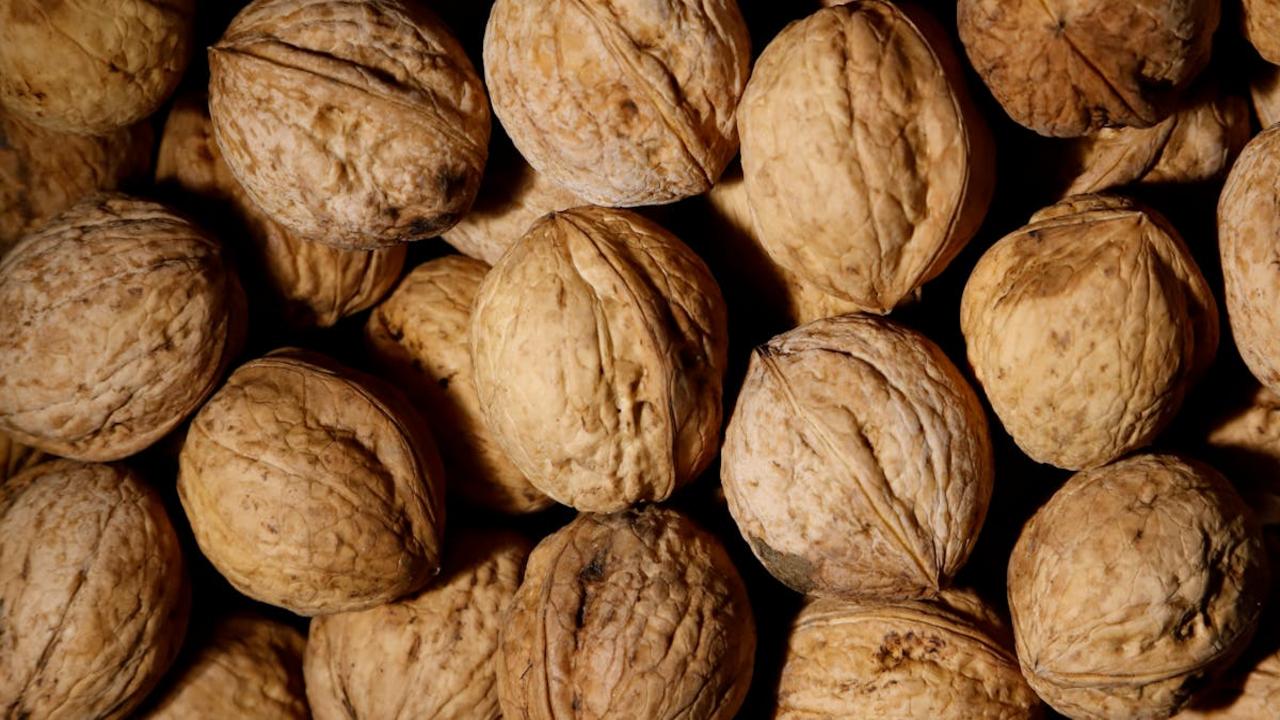
You know what I keep scattered across my kitchen counter? Walnuts. These brain-shaped beauties pack more omega-3s than any other nut, and I can’t get enough of their rich, slightly bitter flavor that transforms everything it touches. I toss them into my morning granola, fold them into Ethiopian honey bread, or simply crack a few open while I’m cooking dinner. The oil they release adds this incredible depth that makes even simple dishes feel special.
Here’s what makes me smile about walnuts – they’re incredibly forgiving ingredients that work across so many flavor profiles. I’ll toast them with a pinch of za’atar for Mediterranean salads, or grind them into a paste for Persian fesenjan stew. Sometimes I’ll chop them coarsely and stir them into warm quinoa with dried cranberries and fresh herbs. The key is buying them with shells when possible – they stay fresher longer, and there’s something meditative about cracking them open while you plan your next meal.
Flax Seeds
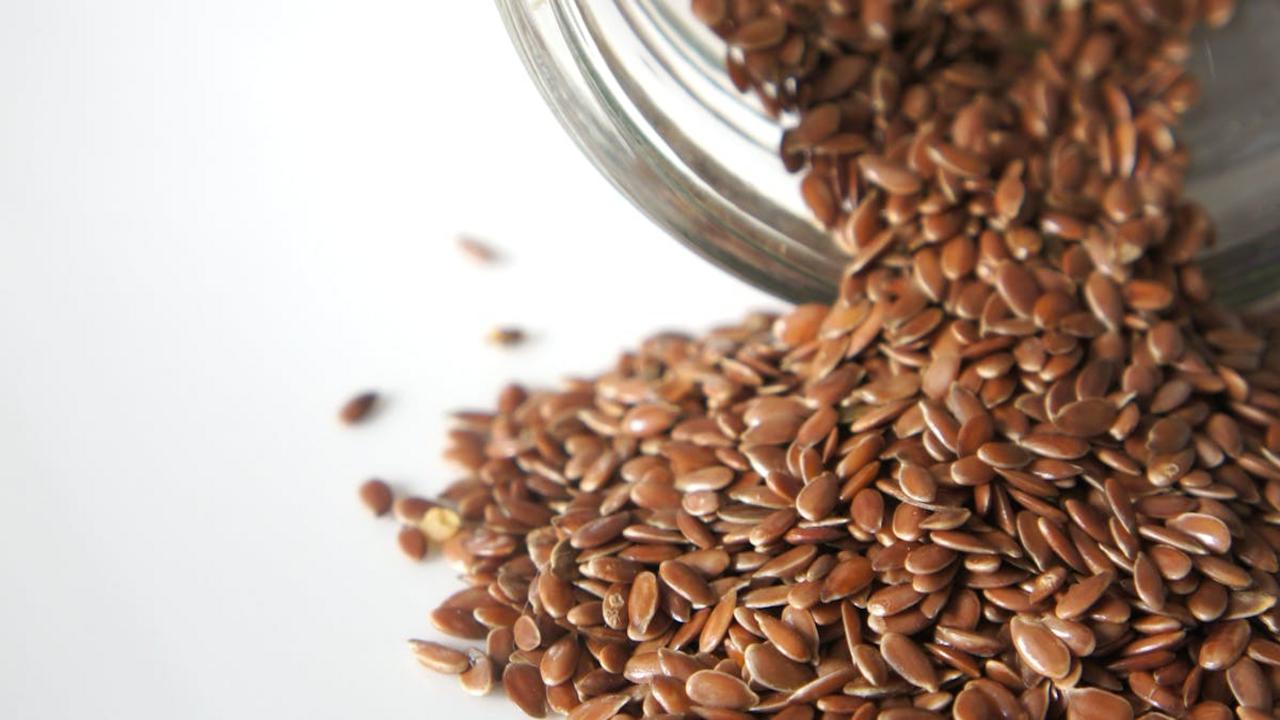
These tiny golden powerhouses pack more omega-3s per tablespoon than most people get in a week! I keep both golden and brown flax seeds in my pantry because they bring such a nutty, earthy flavor to everything from smoothies to homemade crackers. What makes flax seeds brilliant for home cooks is their incredible versatility—you can grind them fresh for a flour substitute that adds protein and healthy fats to pancakes, or sprinkle whole seeds over yogurt for that satisfying crunch. I love making flax eggs for vegan baking by mixing ground flax with water, creating a binding agent that works beautifully in muffins and quick breads.
The secret to getting the most nutrition from flax seeds lies in grinding them fresh right before you use them. Whole seeds often pass through your digestive system intact, so I keep a small coffee grinder dedicated just for seeds and spices. Try stirring ground flax into oatmeal, mixing it into homemade granola, or adding it to smoothie bowls for an instant omega-3 boost. You can even make your own flaxseed crackers by combining ground flax with water, seasonings, and a pinch of salt—they dehydrate into crispy, satisfying snacks that beat any store-bought option. Store your flax seeds in the refrigerator once opened to keep those precious oils fresh and ready for your next cooking adventure.
Chia Seeds
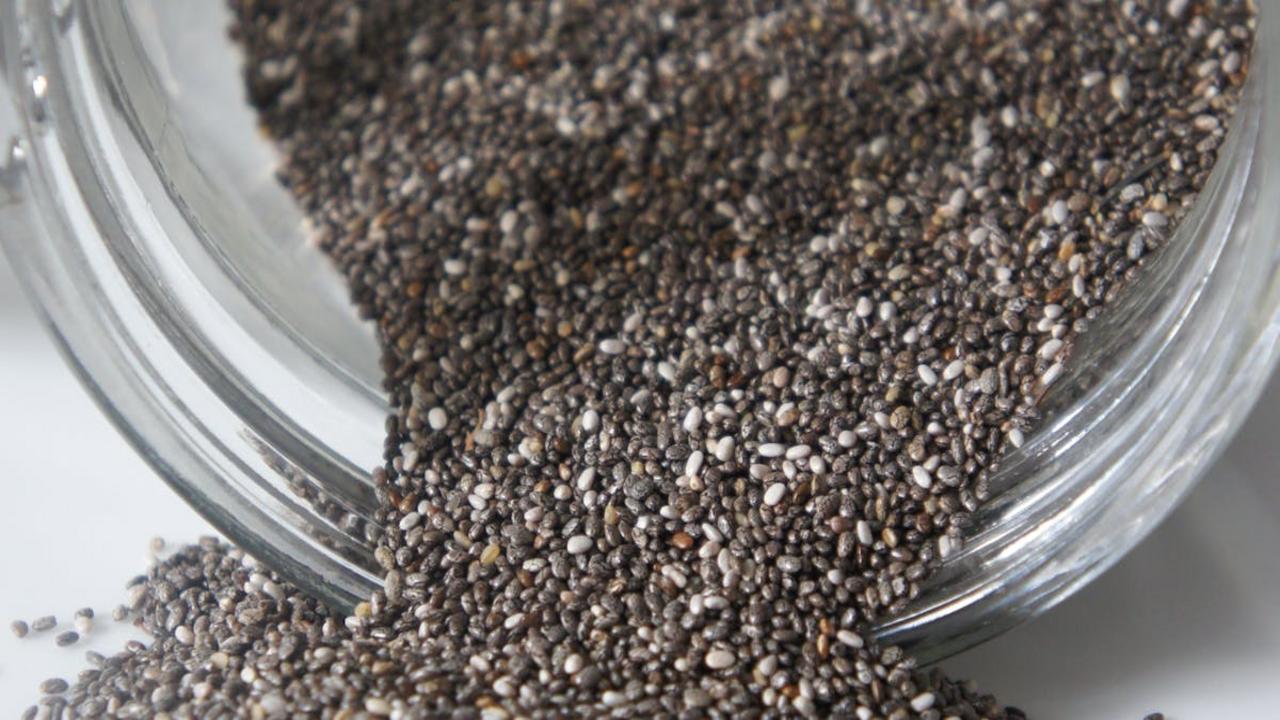
You know those tiny black seeds that transform into pudding magic overnight? Chia seeds pack an incredible omega-3 punch that puts many fish to shame – we’re talking about 5 grams of these healthy fats in just two tablespoons! I love how these unassuming little powerhouses from Central America can completely change the texture and nutrition of whatever you’re making. Whether I’m stirring them into my morning smoothie or creating that perfect gel-like consistency for homemade jams, chia seeds never fail to surprise me with their versatility.
What gets me excited about cooking with chia is how they absorb liquid and create this wonderful, almost tapioca-like texture that works beautifully in both sweet and savory dishes. I’ve been experimenting with chia seed crackers lately – just mix them with water, herbs, and a pinch of salt, then dehydrate for the most satisfying crunch. They also make fantastic egg replacements in vegan baking when you whisk them with water and let them sit for fifteen minutes. The neutral flavor means they blend seamlessly into soups for added thickness, or you can sprinkle them raw over salads for that delightful crunch factor.
Tuna
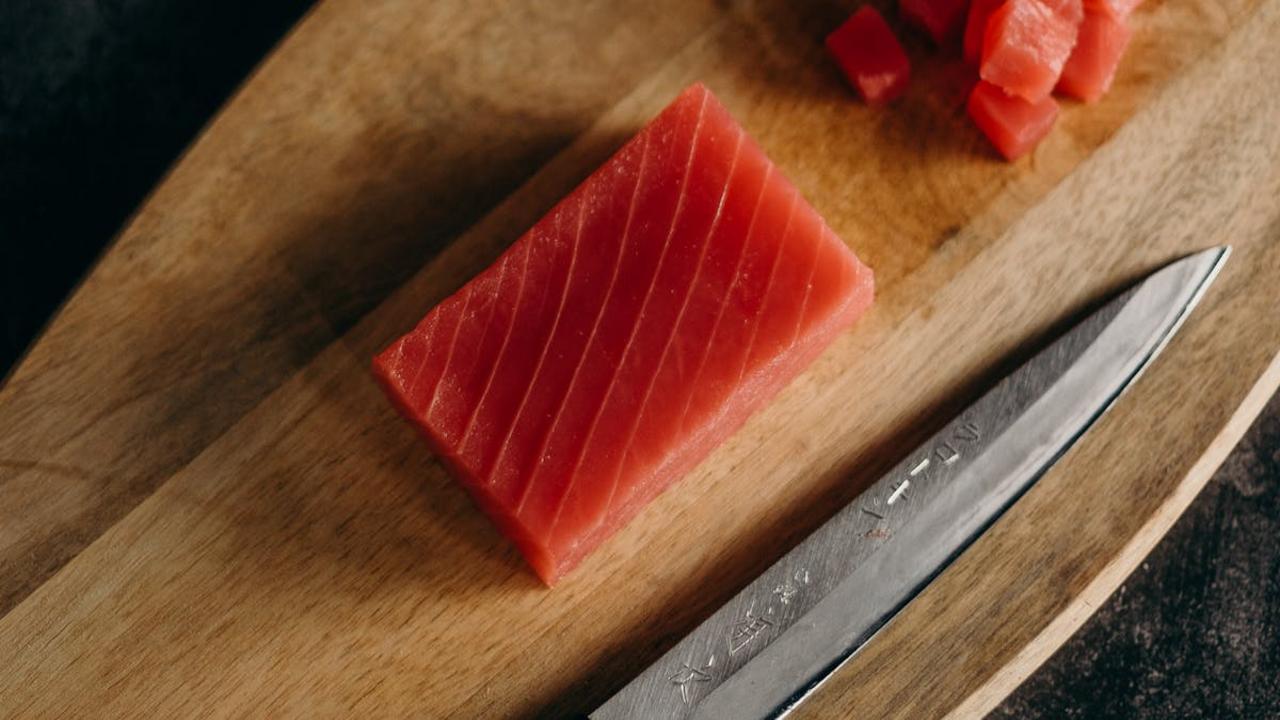
Tuna brings such incredible versatility to my kitchen, and I love how this omega-3 powerhouse transforms any meal from ordinary to extraordinary. Fresh tuna steaks deliver a meaty texture that works beautifully with bold flavors—I often sear them with a crust of sesame seeds and serve over a warm grain bowl with roasted vegetables. The richness of tuna pairs wonderfully with bright, acidic elements like citrus or pickled vegetables, creating that perfect balance I’m always chasing in my cooking.
Don’t overlook canned tuna either—it’s become one of my pantry heroes for quick, nutritious meals. I mix it into pasta salads with fresh herbs and olive oil, or create Mediterranean-inspired tuna melts topped with capers and sun-dried tomatoes. The omega-3 content in tuna supports heart and brain health, making it a smart choice for family meals. Whether you’re grilling fresh steaks or opening a can for a weeknight dinner, tuna gives you that protein punch while delivering those beneficial fats your body craves.
Oysters
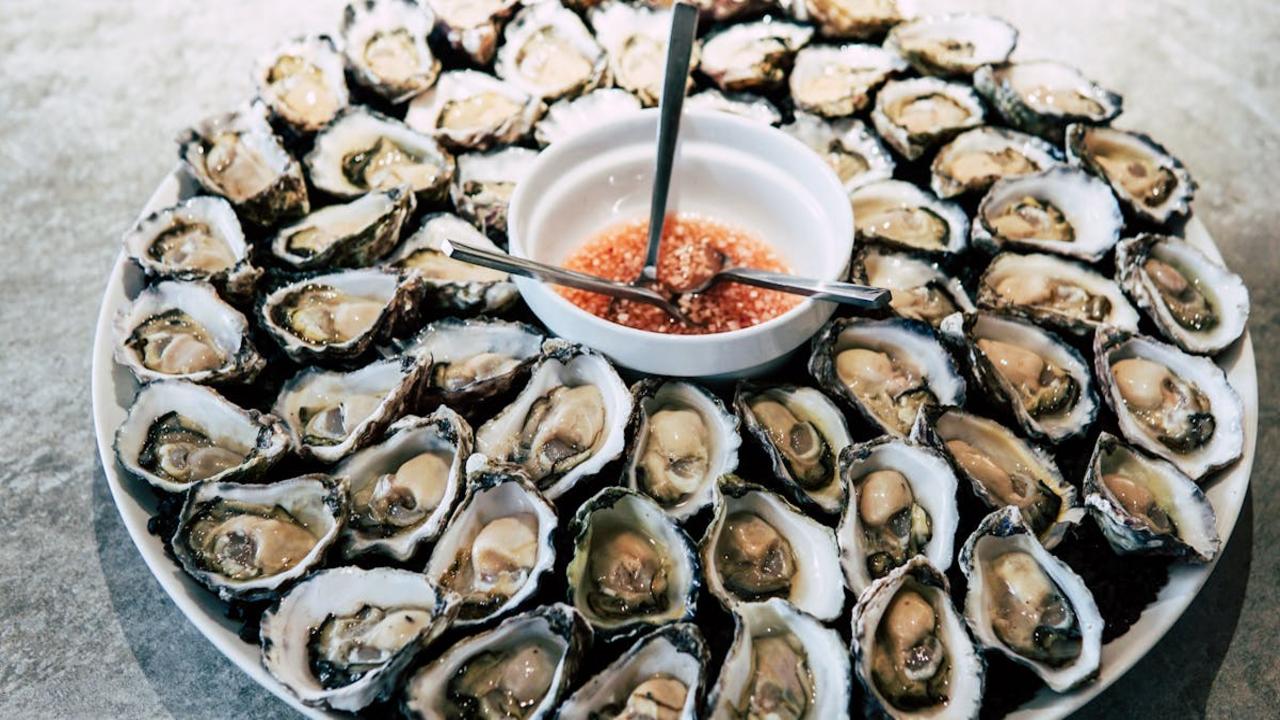
I know what you’re thinking—oysters might seem intimidating if you’ve never worked with them at home. But here’s the thing: these briny gems pack an incredible omega-3 punch that rivals any fish in your local market. Just six medium oysters give you about 400mg of EPA and DHA, those powerful fatty acids your brain and heart crave. I love how oysters bring this oceanic richness to simple weeknight dinners, and honestly, once you get the hang of shucking them (or buy them pre-shucked), they become one of the most versatile proteins in your kitchen.
My favorite way to cook with oysters is in a quick garlic butter pan-fry with fresh herbs—maybe some thyme from my windowsill garden and a splash of white wine. The oysters cook in literally two minutes, staying plump and tender while absorbing all those beautiful flavors. You can toss them into pasta, fold them into creamy risottos, or even add them to your morning scrambled eggs for an indulgent weekend breakfast. Their natural saltiness means you barely need to season anything else, and that briny liquor they release creates the most incredible base for soups and stews that taste like they simmered for hours.
Sardines
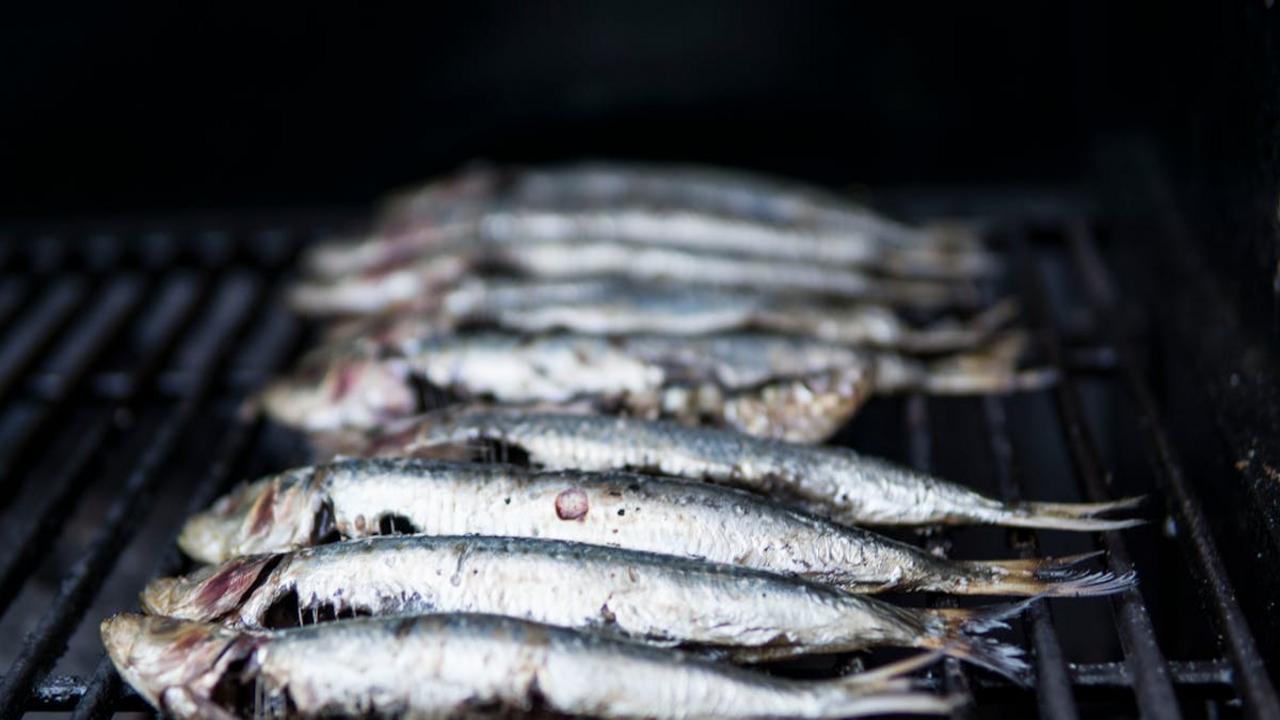
I know what you’re thinking—sardines aren’t exactly the most glamorous fish in the sea. But trust me on this one! These tiny silver powerhouses pack an incredible omega-3 punch, delivering around 1,500mg per 3.5-ounce serving. Fresh sardines have this beautiful, delicate flavor that’s miles away from those intensely salty canned versions you might remember from childhood. When I first started cooking with fresh sardines, I was amazed at how sweet and mild they actually taste—nothing like their preserved counterparts.
The beauty of sardines lies in their versatility and how quickly they cook. I love grilling them whole with just olive oil, lemon, and herbs for a Mediterranean-inspired dinner that takes less than ten minutes. Portuguese sardine festivals have taught me that simple preparations work best—these fish don’t need fancy sauces or complicated techniques. Try stuffing them with fresh herbs and garlic, then roasting until the skin crisps up perfectly. Even canned sardines can shine in pasta dishes or mashed into a quick pâté with cream cheese and capers. The sustainable nature of sardines makes them even more appealing—you’re getting premium nutrition while supporting responsible fishing practices.
Mackerel
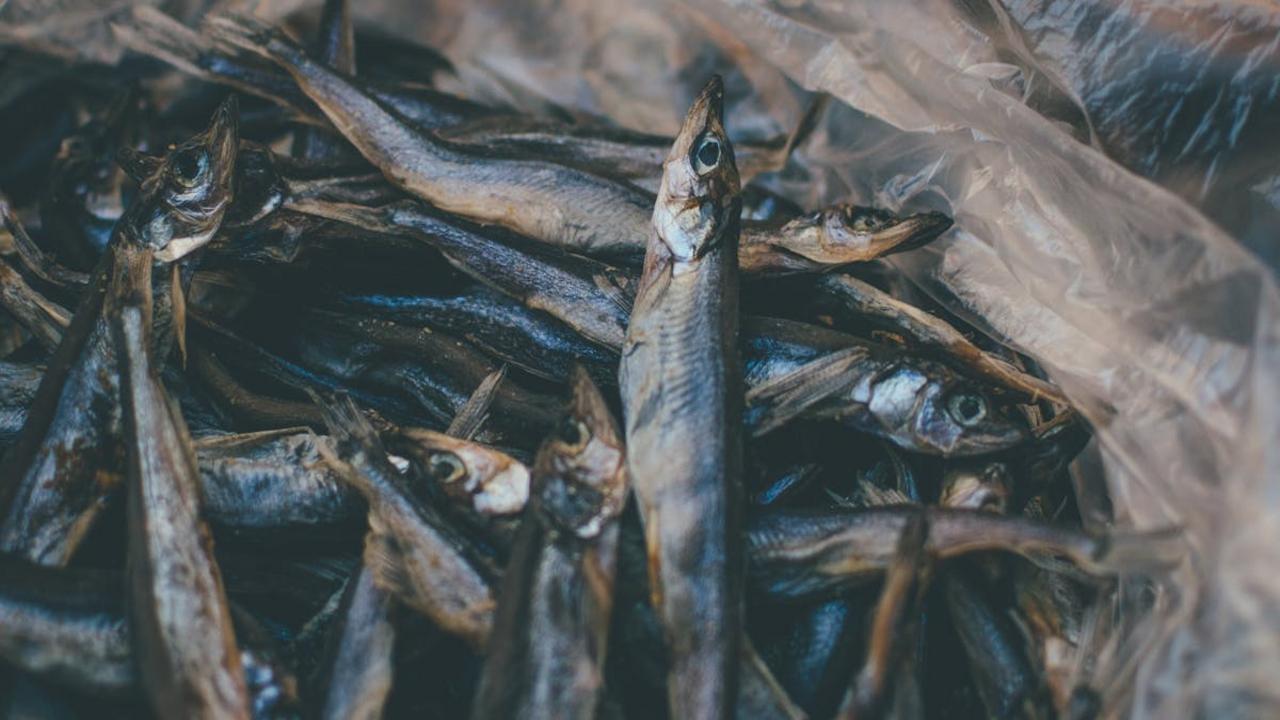
Mackerel has become one of my absolute favorite fish to work with in the kitchen, and I’m always excited to share why this oily fish deserves a spot on your dinner table. This silvery beauty packs an incredible omega-3 punch—we’re talking about 4,580 milligrams per 100 grams of Atlantic mackerel. What I love most about mackerel is how its rich, buttery flavor stands up beautifully to bold seasonings and cooking methods. You can grill it with a simple lemon-herb marinade, smoke it with aromatic woods, or even cure it at home for a luxurious breakfast spread.
I often reach for mackerel when I want to create something that feels both rustic and refined. The fish’s natural oils mean it stays incredibly moist during cooking, making it nearly impossible to overcook. Try pan-searing whole mackerel with garlic, ginger, and soy sauce for an Asian-inspired weeknight dinner, or flake cooked mackerel into a warm grain bowl with roasted vegetables and tahini dressing. The beauty of mackerel lies in its versatility—it pairs wonderfully with acidic ingredients like tomatoes and citrus that help balance its richness, while herbs like dill and parsley complement its oceanic depth perfectly.
Salmon
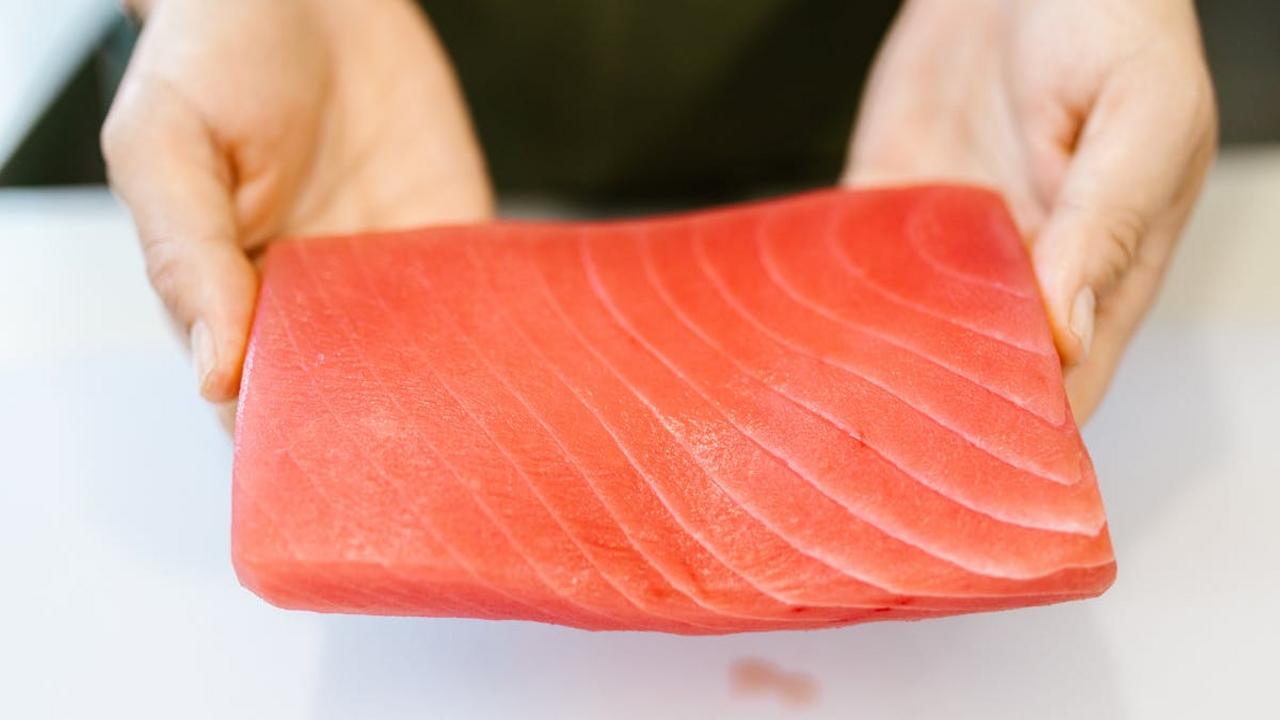
Salmon stands as one of nature’s most generous omega-3 providers, delivering those heart-healthy fats your body craves in every flaky, pink bite. I keep wild-caught salmon in my freezer year-round because it transforms any weeknight dinner into something special. The beauty of salmon lies in its versatility – you can pan-sear it with just salt and pepper, wrap it in parchment with herbs and lemon, or flake it into grain bowls and pasta dishes. Each 3.5-ounce serving gives you about 2.3 grams of omega-3s, making it one of the richest sources you’ll find.
What I love most about cooking with salmon is how forgiving it can be, even for nervous home cooks. The key is not to overthink it – a hot pan, a little oil, and about 4 minutes per side will give you perfectly cooked fish with a golden crust. I often pair salmon with global flavors like miso glaze for a Japanese twist, or marinate it in yogurt and spices for a Middle Eastern approach. The natural oils in salmon keep it moist and flavorful, while those omega-3s support your brain health and reduce inflammation. Trust me, once you start cooking salmon regularly, you’ll wonder why you ever hesitated.