15 Game Changing Kitchen Tools To Speed Up Dinner And Make Cooking A Breeze
Ever watched the clock tick by while cooking dinner, wishing you had an extra set of hands? I’ve been there too! The right kitchen tools don’t just make cooking easier—they transform daily meal prep from a time-consuming chore into a smooth, enjoyable process. These 15 kitchen essentials have revolutionized my cooking routine and saved me countless hours.
I’ve tested hundreds of gadgets in my kitchen over the years, and these particular tools consistently prove their worth. Each one solves specific cooking problems: measuring ingredients precisely, cutting prep time in half, or giving you perfect results without guesswork. You don’t need fancy equipment to cook well—just smart, functional tools that actually work.
Whether you’re a weeknight warrior trying to get dinner on the table after work or someone who loves cooking but hates inefficiency, these tools will change your kitchen game. I’ve selected each one based on versatility, durability, and how dramatically they improve cooking speed. Ready to make your kitchen life simpler? Let’s jump into these must-have tools!
Kitchen Timer
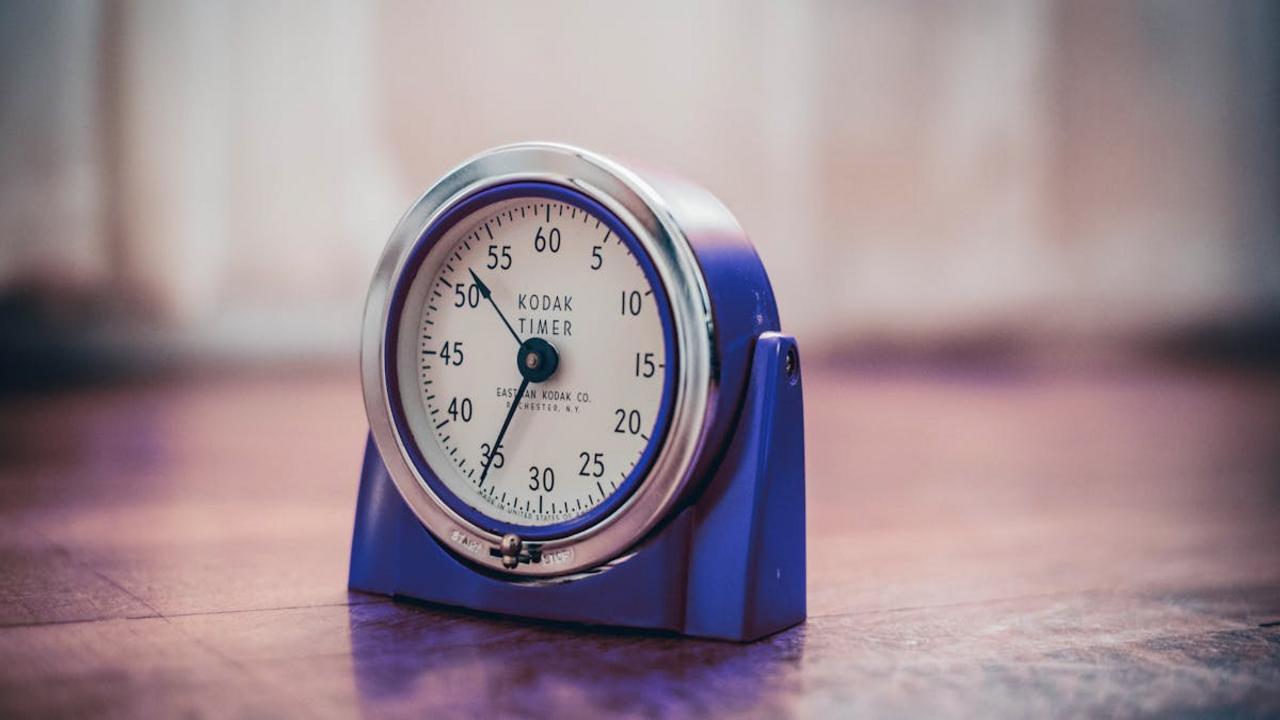
You know that sinking feeling when you smell something burning from the kitchen? I’ve been there too many times, friend. A reliable kitchen timer becomes your guardian angel when you’re juggling multiple dishes or experimenting with new cooking techniques. Whether I’m roasting spiced vegetables with my grandmother’s blend of cardamom and coriander, or timing the perfect simmer for a coconut curry, this simple tool keeps me grounded and present. The beauty lies in freeing your mind to focus on seasoning, stirring, and tasting rather than constantly watching the clock.
I personally love timers with multiple alerts because my cooking style often involves several components working simultaneously. Picture this: quinoa bubbling on one burner, sweet potatoes roasting in the oven, and a vibrant tahini dressing coming together in the food processor. Each element needs its own timing, and having separate alerts means I can layer flavors and textures without missing a beat. The peace of mind transforms cooking from a stressful race against time into a mindful dance of preparation. Trust me, once you start using a timer consistently, you’ll wonder how you ever cooked without one.
Dutch Oven
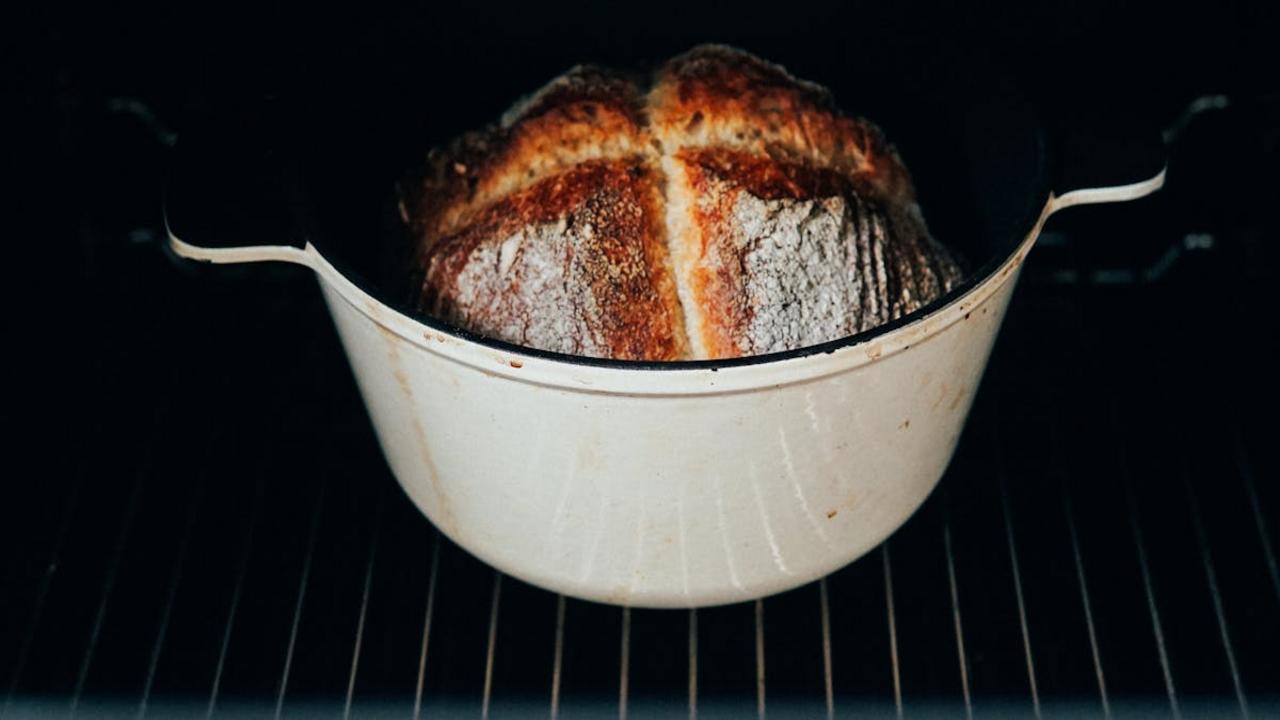
If you’ve never owned a Dutch oven, you’re missing out on one of the most versatile workhorses in any kitchen. This heavy-bottomed pot with its tight-fitting lid transforms how you approach cooking, whether you’re braising lamb shanks with Moroccan spices, slow-cooking a hearty Nigerian pepper soup, or baking fresh sourdough bread. I reach for my Dutch oven constantly because it moves seamlessly from stovetop to oven, handling everything from searing proteins to creating those deeply flavored, one-pot meals that feed both body and soul.
What makes this tool truly special is how it encourages you to cook more intuitively and from scratch. The even heat distribution means your curry bases develop properly, your stews never scorch, and your rice cooks perfectly every time. I love how it naturally slows down my cooking process—there’s something meditative about layering flavors in that heavy pot, knowing the ingredients will meld beautifully over time. From Ethiopian berbere-spiced lentils to classic French coq au vin, your Dutch oven becomes the foundation for creating nourishing, memorable meals that bring people together around your table.
Immersion Blender
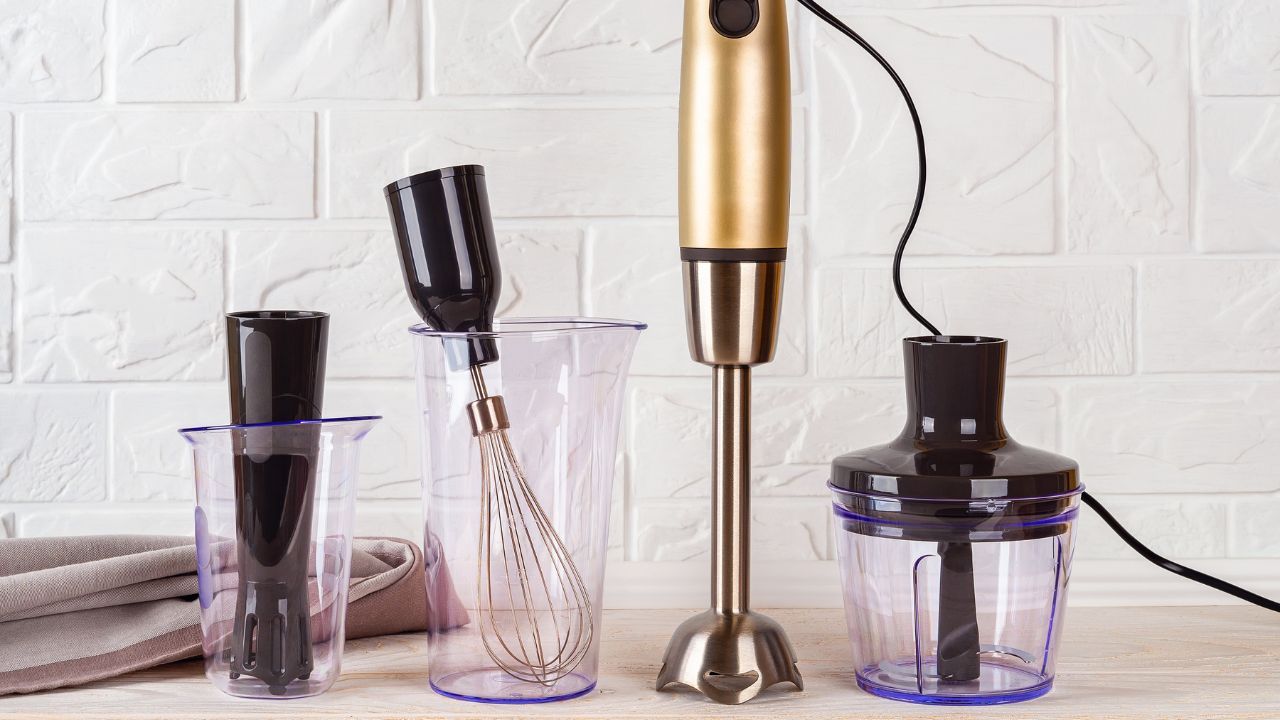
Your immersion blender becomes your best friend when you want silky smooth soups without the hassle of transferring hot liquids back and forth. I reach for mine constantly – it lives right in my utensil crock because I use it so often. Whether I’m making a vibrant green herb oil, blending roasted tomatoes into a sauce, or creating creamy cauliflower soup directly in the pot, this tool saves me time and dishes. The beauty lies in its simplicity: you blend exactly where you’re cooking, which means less mess and more control over texture.
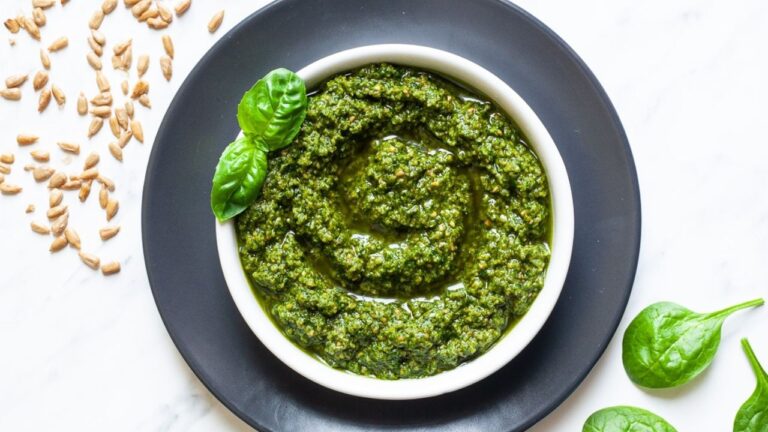
What really excites me about immersion blenders is how they open up possibilities for healthier cooking. I make fresh pesto with whatever greens I have on hand – spinach, basil, even carrot tops – and blend them with nuts, garlic, and good olive oil. You can create smooth hummus variations, whip up dairy-free cream soups using cashews or coconut milk, and even make quick salad dressings. The variable speed control lets you go from chunky to completely smooth, so you decide the final texture. Plus, cleanup takes seconds – just rinse the blade attachment under running water.
Mandoline Slicer
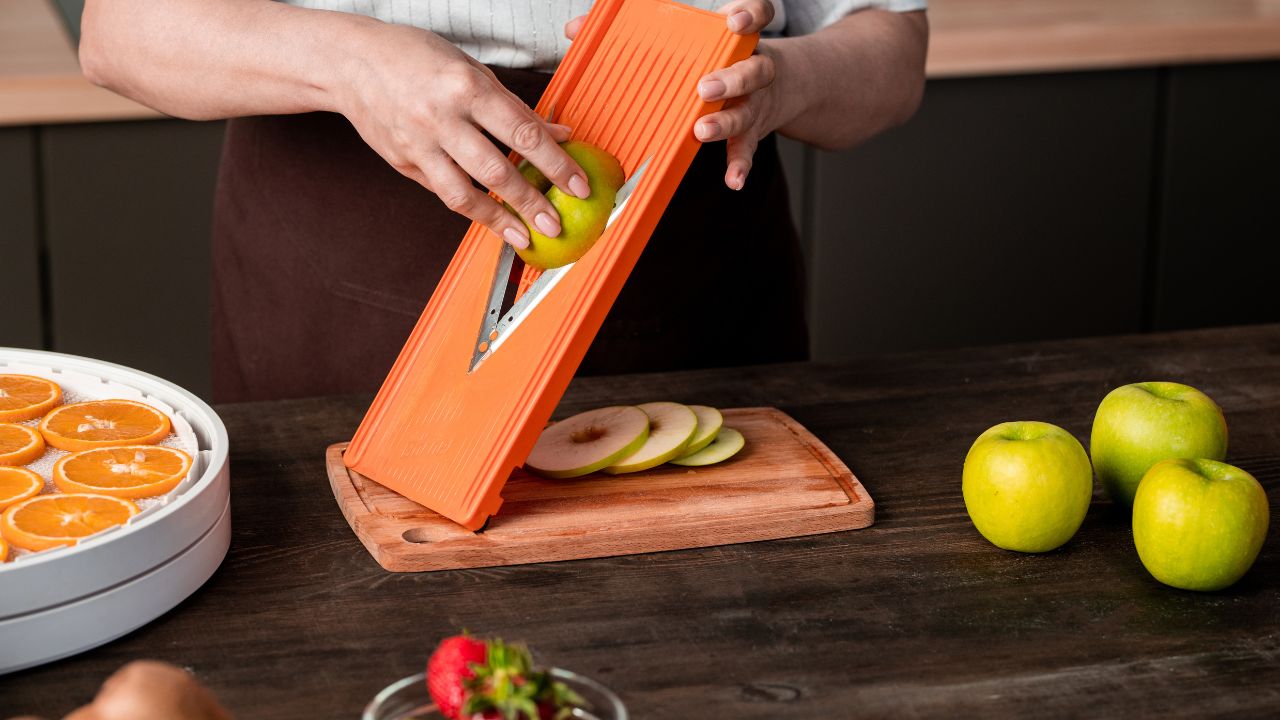
You know that moment when you’re prepping vegetables for dinner and suddenly realize you’ve been slicing for what feels like forever? That’s exactly where a mandoline slicer becomes your absolute best friend in the kitchen. This sleek tool transforms tedious prep work into seconds of satisfying precision. I reach for mine constantly – whether I’m creating paper-thin radish rounds for my Vietnamese-inspired salads or getting perfectly uniform potato slices for a gratin that actually cooks evenly. The consistency you achieve with a mandoline simply can’t be matched by knife work, no matter how skilled you are.
What really excites me about using a mandoline is how it opens up new textural possibilities in your cooking. Those gossamer-thin fennel shavings that make restaurant salads so special? Now you can create them at home in seconds. I love using mine for root vegetable chips – sweet potatoes, beets, even turnips become crispy, healthy snacks when sliced uniformly thin. The adjustable settings mean you control exactly how thick or thin your cuts are, which is perfect for recipes where precision matters. Just remember to use the hand guard religiously – this tool means business, and your fingertips will thank you for the extra caution.
Y Shaped Vegetable Peeler
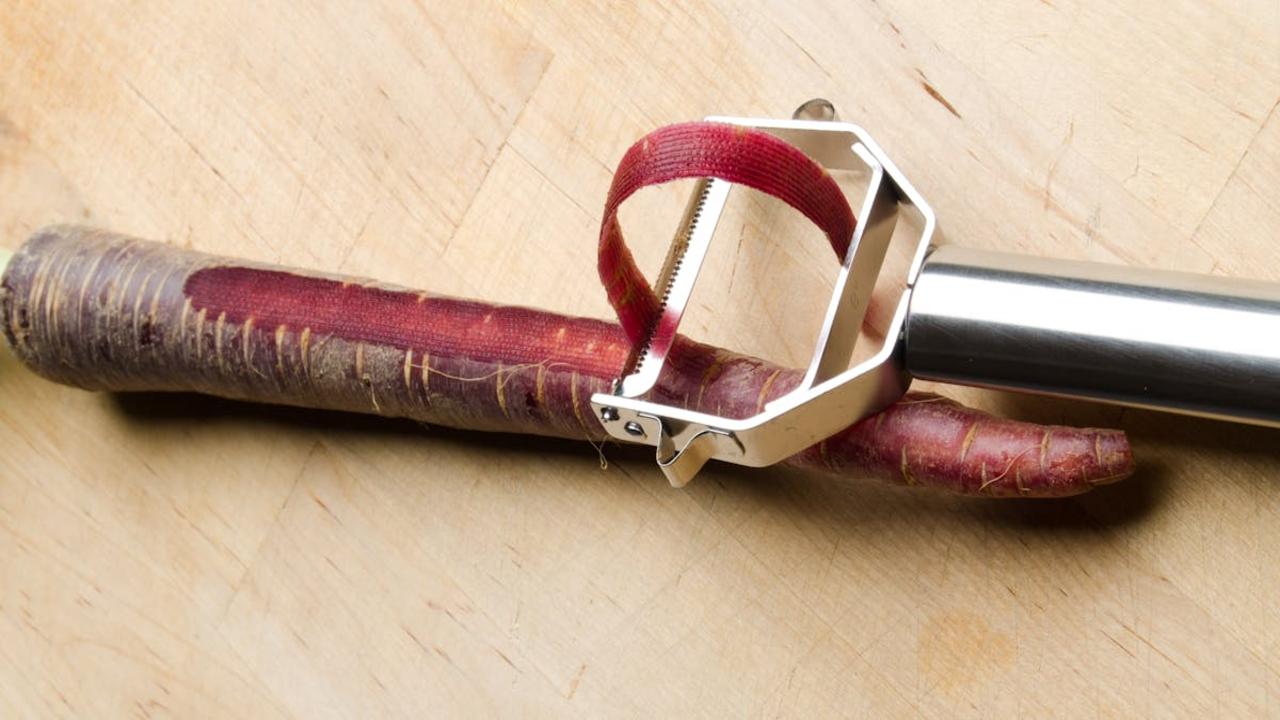
You know that moment when you’re prepping vegetables and your old peeler starts skipping across the skin, leaving you frustrated and your carrots looking like they’ve been through a paper shredder? That’s exactly why I swapped my traditional peeler for a Y-shaped one years ago, and I honestly can’t imagine going back. This simple tool transforms what used to be tedious prep work into something surprisingly satisfying. The ergonomic design fits naturally in your hand, and the sharp blade glides effortlessly through even the toughest sweet potato skins.
What really sets this peeler apart is how it handles those oddly shaped vegetables that used to give me trouble. Whether I’m peeling ginger for my weekend curry experiments or working through a pile of carrots for a Moroccan tagine, the Y-shape gives me better control and leverage. The wider grip means less hand fatigue during those big batch cooking sessions, and I find myself actually enjoying the meditative rhythm of peeling. Plus, it creates those perfect ribbon strips that make gorgeous garnishes for salads or that rustic charm in roasted vegetable dishes. Trust me, once you experience how smoothly this peeler works, you’ll wonder why anyone still uses those old-school straight peelers.
Instant Read Thermometer
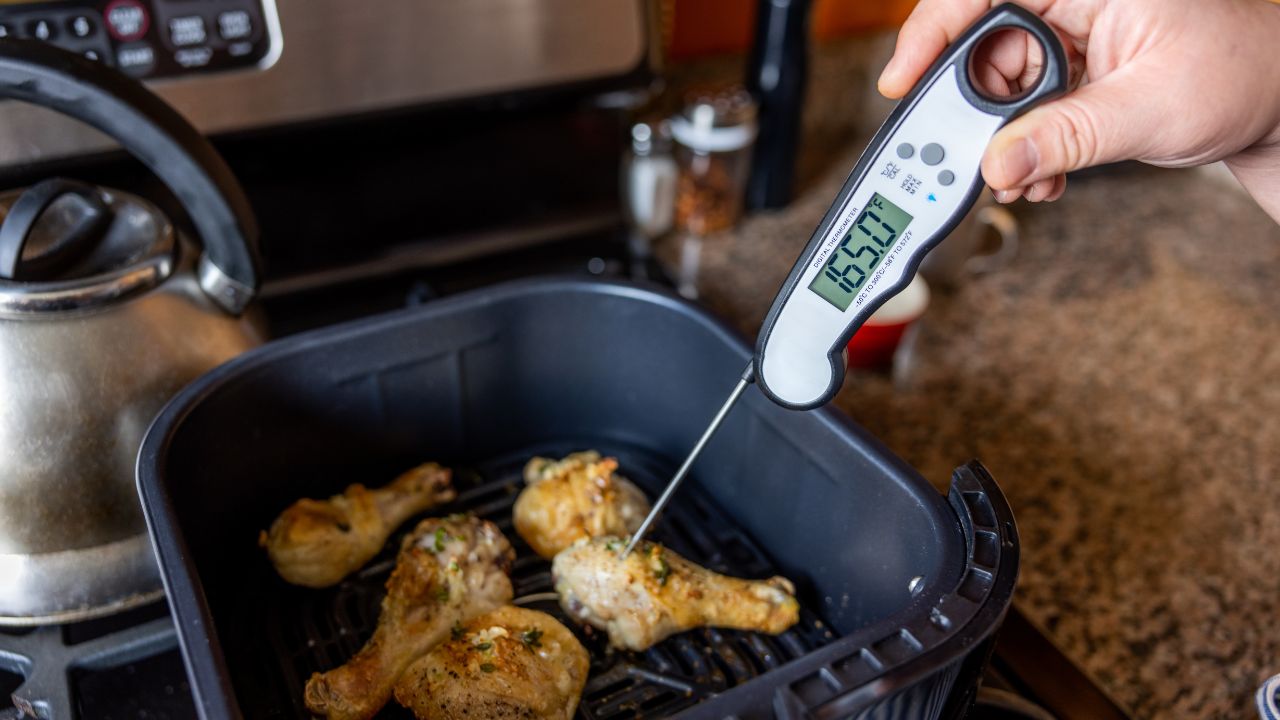
You know that moment when you’re cooking chicken and you’re constantly second-guessing whether it’s done? I used to slice into every piece, letting all those precious juices escape, until I discovered the magic of an instant read thermometer. This simple tool completely transformed my confidence in the kitchen, especially when I’m preparing those beautiful whole fish from the Asian market or perfecting my grandmother’s roast lamb recipe with berbere spice blend.
What I love most about my thermometer is how it takes the guesswork out of cooking proteins perfectly every single time. Whether I’m searing duck breast for a fusion dish with miso glaze or checking if my homemade yogurt has reached the right temperature for culturing, this tool gives me precise readings in seconds. It’s particularly helpful when I’m experimenting with new techniques like sous vide cooking or when I want to ensure my fermented hot sauces reach safe temperatures. The peace of mind it provides means I can focus on building those complex flavor profiles I’m passionate about, rather than worrying about food safety or overcooked proteins.
Mini Offset Spatula
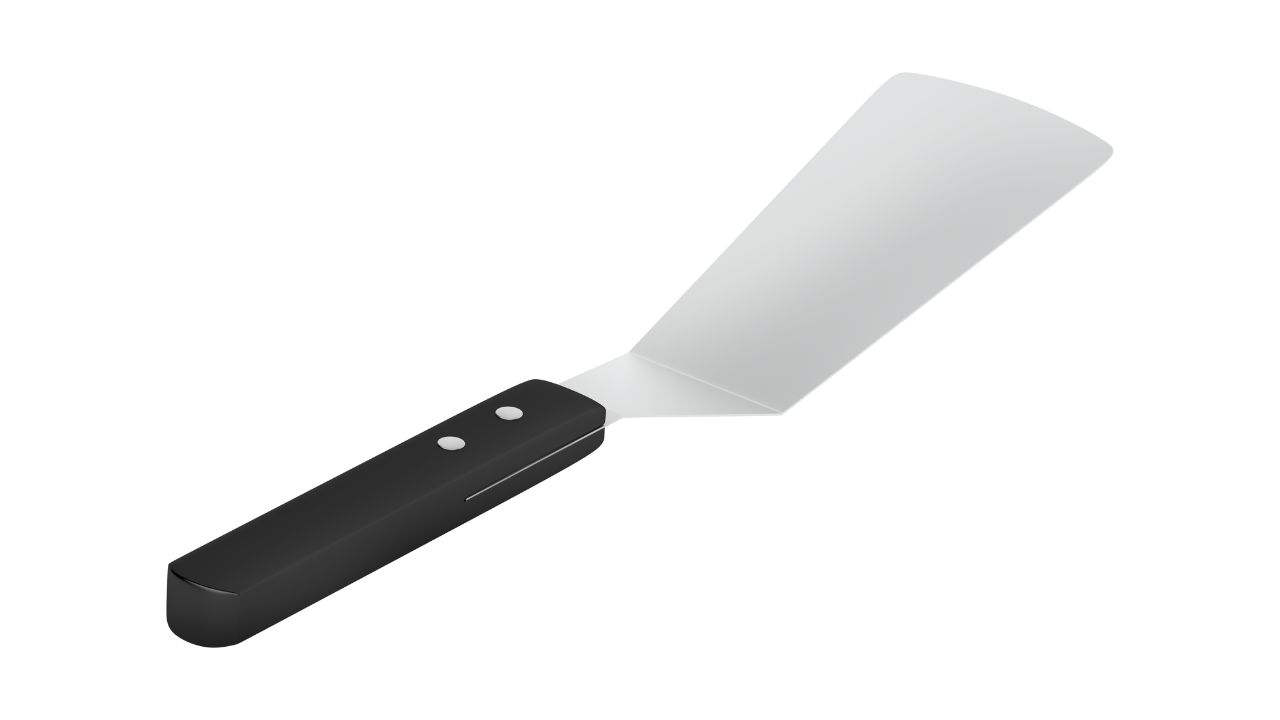
You know that moment when you’re trying to flip delicate fish fillets or slide perfectly golden pancakes onto a plate, and your regular spatula feels like a clumsy giant? That’s exactly where my mini offset spatula swoops in to save the day. This compact tool gives you surgical precision when working with smaller items—think individual cookies, appetizer-sized portions, or those tiny herb-crusted salmon pieces I love making for weeknight dinners. The angled blade slides effortlessly under food without disturbing neighboring pieces, and honestly, once you start using one, you’ll wonder how you managed without it.
What really makes this tool shine is its versatility beyond just flipping. I reach for mine constantly when plating dishes—it’s perfect for spreading tahini on toast, smoothing hummus in bowls, or creating those Instagram-worthy swirls of yogurt on breakfast bowls. The narrow blade also works beautifully for loosening edges of frittatas or cornbread from pans, especially when I’m making smaller batches in my cast iron skillet. At under ten dollars, this little powerhouse transforms your precision in the kitchen and makes every cooking task feel more intentional and controlled.
Citrus Reamer
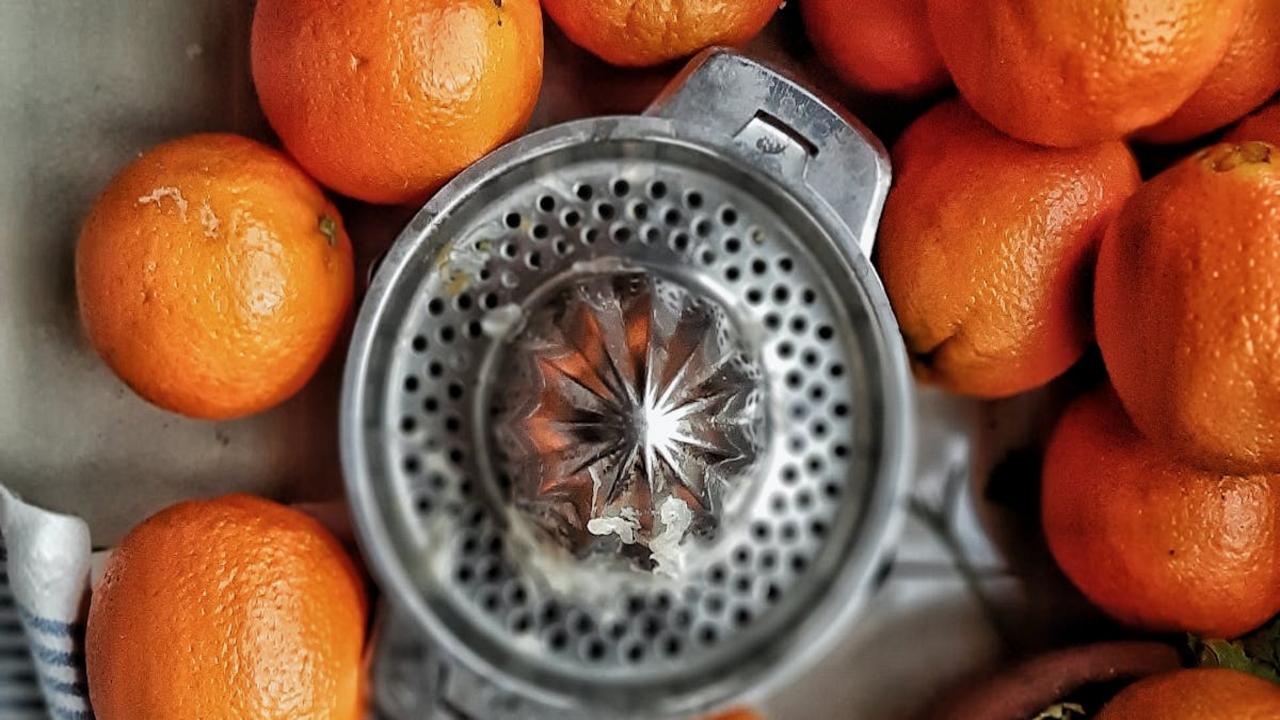
Listen, I’ve been cooking for years, and I can’t believe I lived so long without a citrus reamer. This little wooden tool looks almost primitive next to all our fancy gadgets, but it extracts every drop of juice from lemons, limes, oranges, and grapefruits with surgical precision. You simply pierce the fruit and twist the reamer inside—no cutting, no mess, no wasted pulp. I reach for mine constantly while making my Mediterranean-inspired vinaigrettes or adding that perfect pop of acidity to my coconut curry dishes.
What I love most about the citrus reamer is how it preserves the fruit’s integrity. Instead of halving citrus and dealing with seeds everywhere, you create a small hole that keeps the fruit intact for storage. This means you can juice exactly what you need for tonight’s dinner and save the rest for tomorrow’s breakfast smoothie or afternoon tea. The reamer works particularly well with smaller citrus like key limes or Meyer lemons, where traditional juicers feel clunky and wasteful. It’s become my go-to tool for adding bright, fresh acidity to everything from quick weeknight stir-fries to weekend brunch dishes—proof that sometimes the simplest tools create the biggest difference in your cooking routine.
Silicone Brush
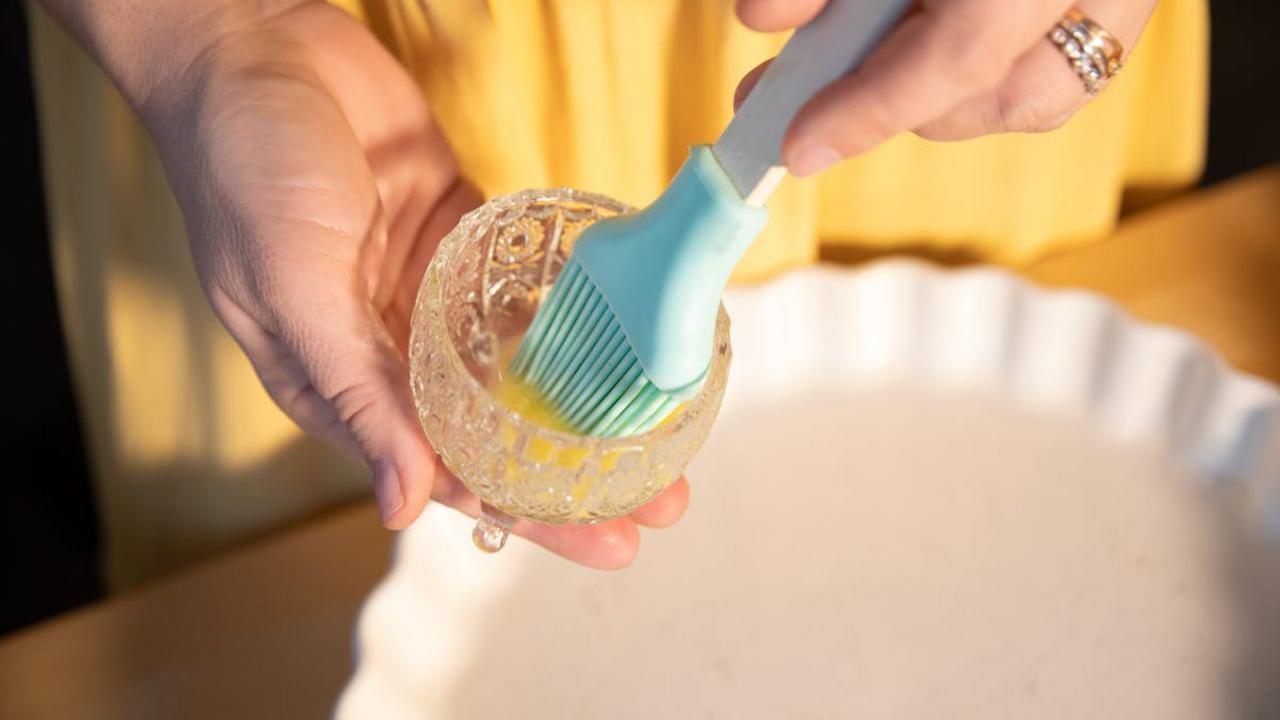
You know that moment when you’re glazing your homemade naan with ghee or brushing olive oil over roasted vegetables, and your old pastry brush starts shedding bristles into your food? That’s exactly why I keep multiple silicone brushes within arm’s reach of my stove. These flexible tools distribute oils, marinades, and glazes with perfect precision, whether I’m basting my grandmother’s tandoori chicken or painting egg wash over fresh dinner rolls. The silicone bristles bend beautifully around curved surfaces, reaching every nook and cranny of your food without leaving unwanted surprises behind.
What makes silicone brushes truly brilliant is their versatility across different cooking methods and temperatures. I use mine for everything from brushing melted butter onto corn on the cob to applying spicy harissa paste to lamb before grilling. They handle high heat without melting, clean up effortlessly in the dishwasher, and never absorb flavors or odors like traditional brushes do. When I’m preparing multiple dishes with different flavor profiles – maybe switching from sweet miso glaze to savory herb oil – I can quickly rinse and reuse the same brush without cross-contamination. This simple tool transforms messy basting into a clean, controlled process that actually speeds up your cooking routine.
Kitchen Shears
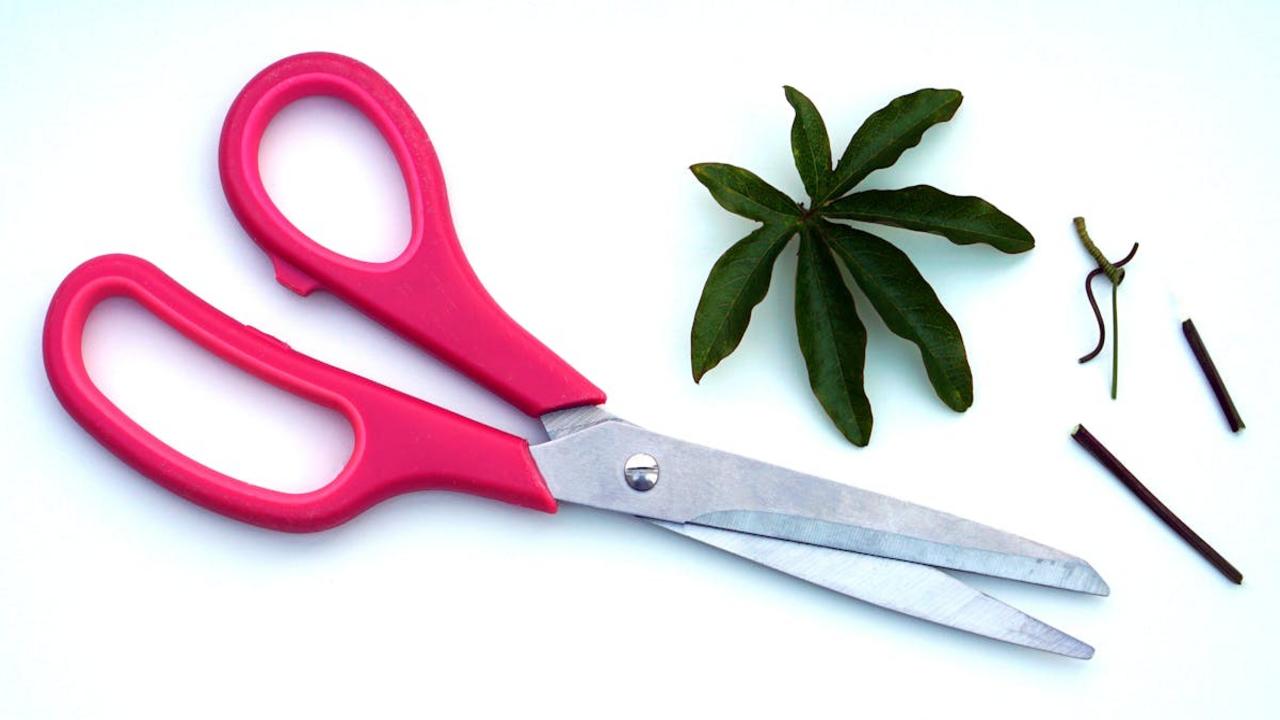
You know what completely changed my cooking routine? A pair of sharp kitchen shears sitting right in my utensil crock. I used to fumble around with knives for everything, but these versatile scissors handle so many tasks faster and more precisely. Snipping fresh herbs directly into my pan, trimming fat from chicken thighs, cutting parchment paper to fit my baking sheets, or even breaking down whole chickens – my shears do it all. They’re particularly brilliant for prepping leafy greens like kale or collards, where I can quickly remove stems and chop leaves into perfect ribbons without transferring to a cutting board.
The real magic happens when I’m cooking my favorite Southeast Asian stir-fries or Mediterranean grain bowls. Instead of dirtying multiple knives, I grab my shears to snip scallions directly over the dish, trim tough ends from asparagus, or cut dried chilies for my spice blends. They’re also perfect for portion control – I can easily cut noodles shorter for my kids or trim pizza into manageable pieces. Clean-up becomes so much simpler too, since I’m using fewer tools overall. Once you start keeping kitchen shears within arm’s reach of your stovetop, you’ll wonder how you ever cooked without them.
Fish Spatula
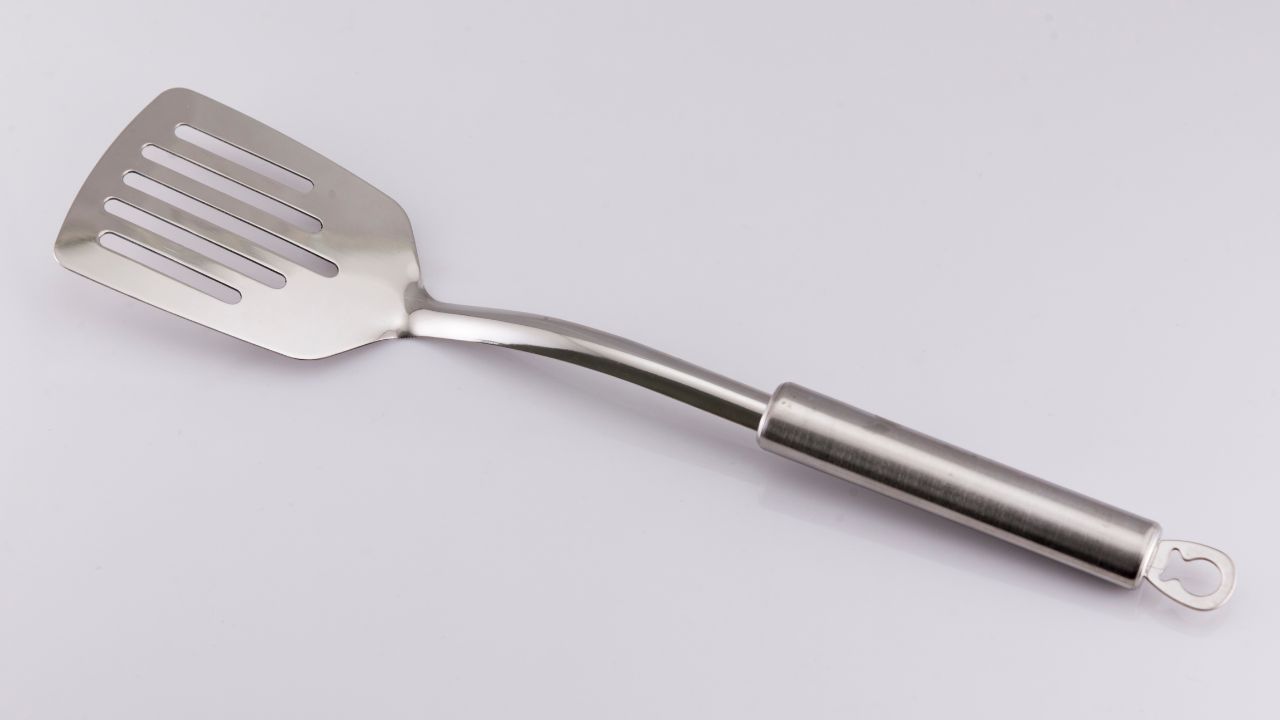
You know that moment when you’re trying to flip a delicate piece of fish and it completely falls apart? I’ve been there countless times, watching my beautiful salmon or cod turn into expensive fish flakes. That’s exactly why I swear by my fish spatula – this thin, flexible tool has completely transformed how I handle delicate proteins. The secret lies in its ultra-thin edge and slightly curved design, which slides effortlessly under even the most fragile fillets without breaking them. I use mine for way more than just fish though – it’s perfect for flipping eggs with intact yolks, transferring crispy-bottomed dumplings, and even lifting cookies off baking sheets without cracking them.
What I love most about this tool is how it gives me confidence to cook more adventurous dishes. I can now pan-sear whole branzino with crispy skin, flip delicate herb-crusted halibut, or even tackle those paper-thin Vietnamese crepes without fear. The flexibility of the blade means I can get right into corners of pans and under food that’s sticking slightly, while the beveled edge acts like a gentle knife to release stubborn bits. Trust me, once you start using a proper fish spatula, you’ll wonder how you ever managed without one – it’s one of those simple tools that makes you feel like a more skilled cook instantly.
Spider Strainer
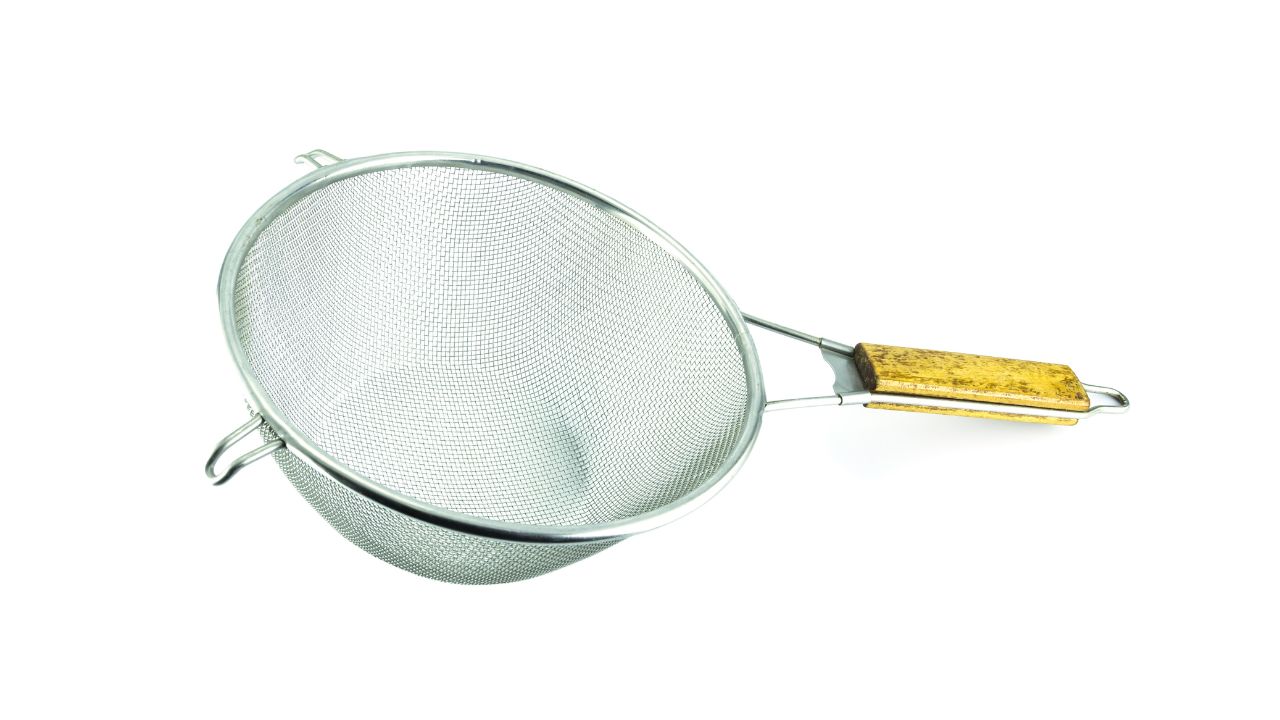
You know that moment when you’re blanching vegetables or fishing dumplings out of boiling water, and you’re fumbling with a regular slotted spoon that barely holds anything? That’s where a spider strainer becomes your kitchen superhero. This wide, shallow mesh basket with a long handle transforms how you work with boiling water, hot oil, and steaming liquids. I reach for mine constantly—whether I’m lifting fresh pasta from bubbling water, rescuing tempura vegetables from hot oil, or quickly blanching greens to preserve their vibrant color and crisp texture.
What makes this tool so brilliant is its generous surface area and fine mesh construction. You can scoop up large quantities in one go, and the water or oil drains away instantly, preventing that soggy mess you get with other tools. I love using mine for my Asian-inspired stir-fries, quickly blanching bok choy or snow peas before tossing them into the wok. It’s also perfect for making fresh spring rolls—just dip those rice papers in warm water and lift them out cleanly. The spider strainer turns potentially stressful cooking moments into smooth, confident movements that keep your timing perfect and your ingredients at their peak.
Microplane Grater
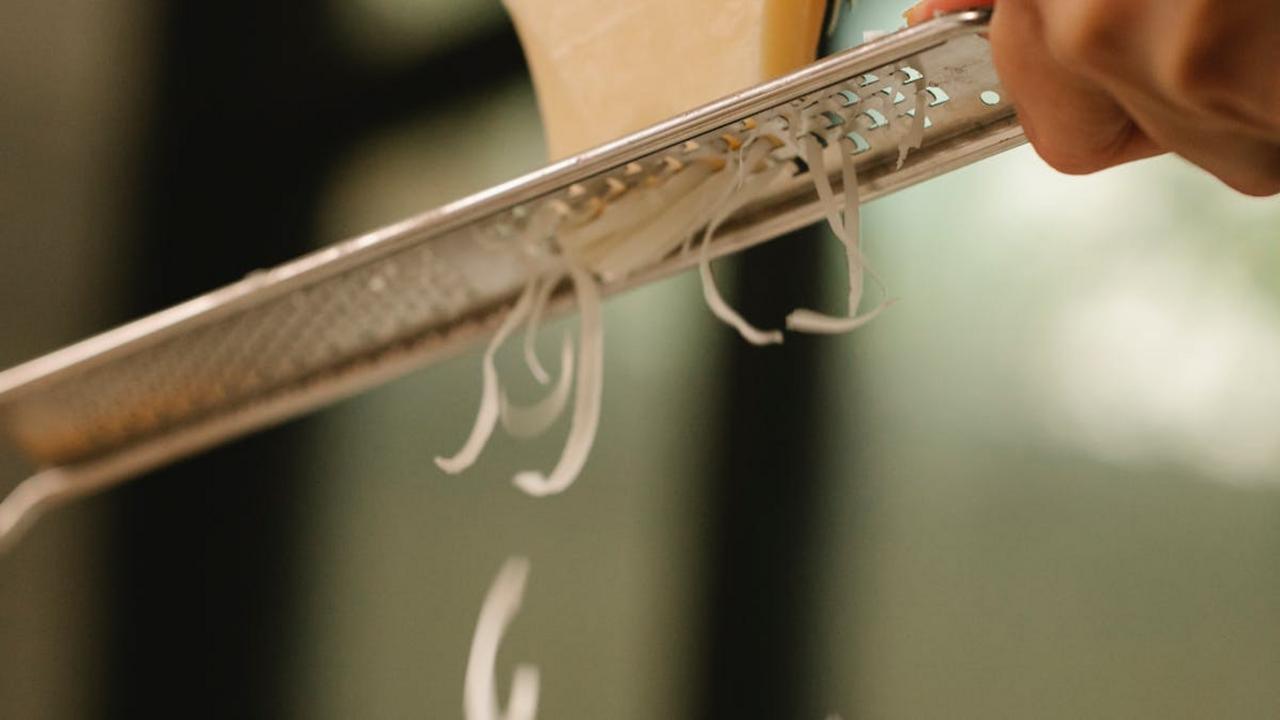
I keep my Microplane grater within arm’s reach because it transforms ingredients in seconds—turning fresh ginger into silky pulp for my weeknight stir-fries, creating fluffy citrus zest that brightens up everything from roasted vegetables to homemade yogurt parfaits. This tool originated from woodworking, and that sharp precision translates beautifully to the kitchen. You can grate hard cheeses like Parmesan directly over pasta, creating those restaurant-quality wisps that melt instantly into warm dishes.
What makes this grater special is how it handles delicate ingredients without destroying their texture—garlic becomes a paste that distributes evenly through marinades, while nutmeg releases its oils for maximum flavor impact. I love using mine for chocolate shavings on desserts or creating fresh horseradish that clears your sinuses in the best possible way. The lightweight design means you can hold it over bowls, pans, or plates while cooking, making it perfect for those spontaneous moments when you need just a touch of fresh flavor to complete a dish.
Bench Scraper
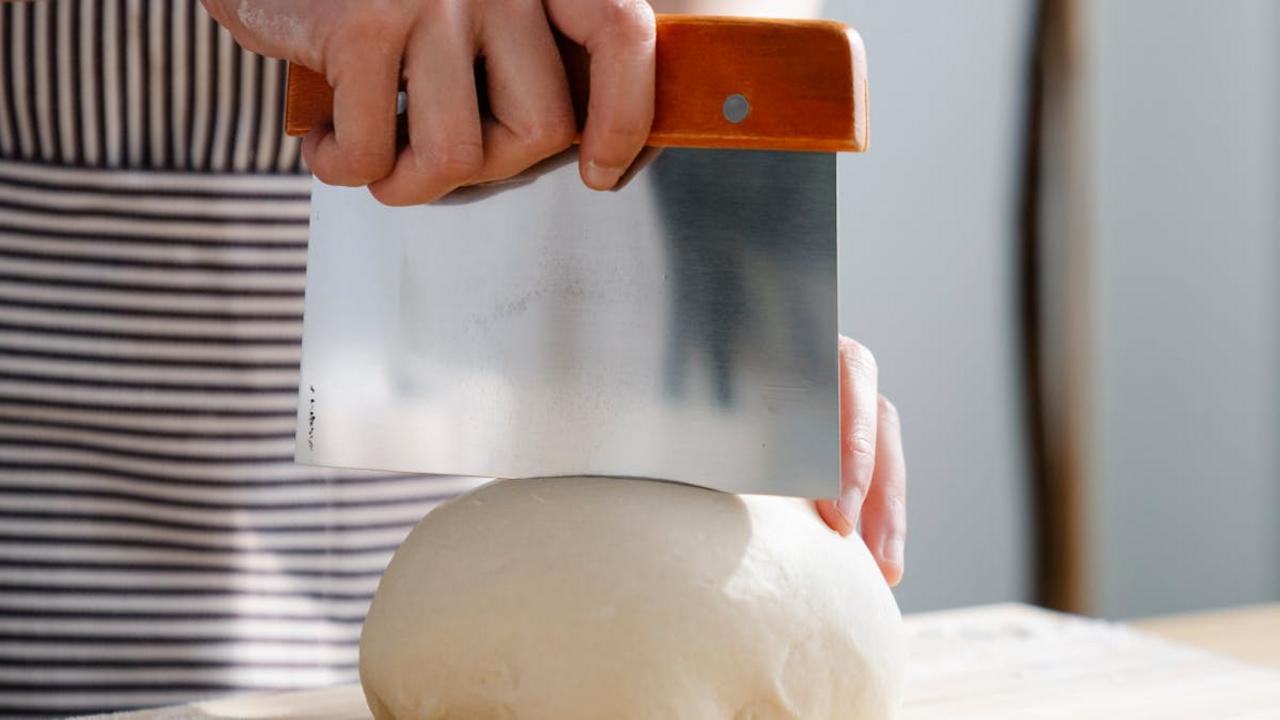
You know that moment when you’re chopping vegetables and half of them end up scattered across your counter instead of in your pan? A bench scraper changes everything. This flat, rectangular tool becomes your best friend for transferring ingredients efficiently from cutting board to pot. I reach for mine constantly—not just for moving diced onions or herbs, but for portioning dough when I’m making fresh pasta or dividing cookie dough into perfect portions. The straight edge gives you clean cuts through soft cheese, chocolate, or even separating eggs when baking. It’s one of those tools that seems simple but transforms how smoothly you move through recipe prep.
What I love most about my bench scraper is how it keeps my workspace organized while cooking. Instead of using my knife to push ingredients around (which dulls the blade), I grab the scraper to gather herbs, sweep flour into bowls, or clean my counter between tasks. When I’m making my grandmother’s roti or rolling out homemade tortillas, it helps me divide the dough into equal pieces for consistent results. The metal versions work perfectly for cutting through sticky bread dough, while plastic ones are gentle on delicate surfaces. This humble tool costs under ten dollars but saves countless minutes during meal prep and keeps your cooking flow uninterrupted.
Kitchen Scale
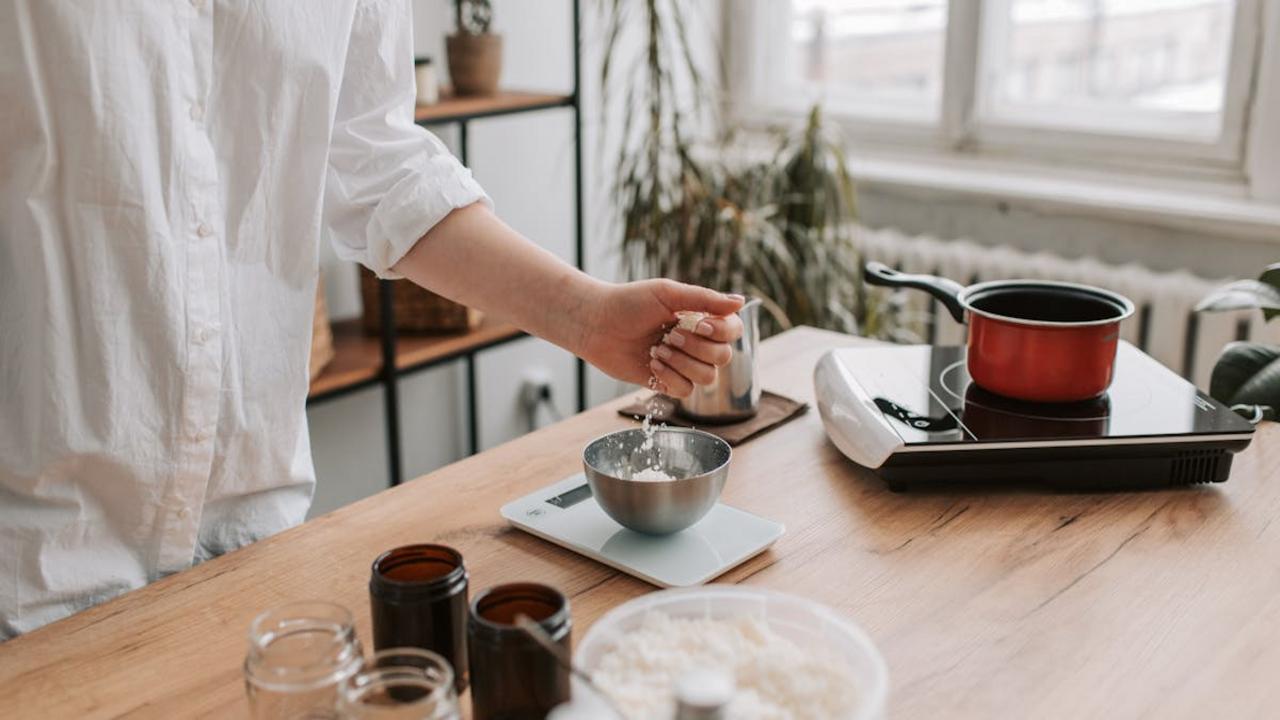
I can’t stress enough how much a good kitchen scale transformed my cooking routine. Before I got mine, I was eyeballing flour measurements and wondering why my sourdough never turned out quite right, or why my spice blends seemed inconsistent from batch to batch. Now I weigh everything—from the garam masala I make from scratch to the precise amount of rice needed for my West African jollof. The accuracy you get with a scale means your recipes turn out perfectly every single time, and honestly, it’s faster than fumbling around with multiple measuring cups. You just place your bowl on the scale, zero it out, and add ingredients directly.
What really sold me on using a scale daily was how it streamlined my meal prep and reduced the mountain of dishes I used to create. When I’m making my grandmother’s curry powder or portioning out ingredients for freezer-friendly stir-fries, I can measure everything in one bowl, zeroing between each ingredient. This method works beautifully whether you’re following traditional recipes that call for cups and tablespoons, or diving into international cooking where ingredients are listed by weight. Plus, a digital scale helps you nail those perfect ratios that make dishes sing—like getting the exact balance of coconut milk to spices in a Thai curry, or measuring the right amount of cassava flour for gluten-free flatbread that actually holds together.