15 Essential Spices to Elevate Every Dish in Your Kitchen
Your spice rack sits there like a treasure chest waiting to transform bland Tuesday dinners into flavor explosions that make your neighbors peek over the fence. These fifteen powerhouse seasonings turn amateur cooks into kitchen wizards faster than you can say “pass the paprika.”
Picture this: ancient Romans paid soldiers in salt, and medieval Europeans hoarded black pepper like gold doubloons. Today, you can snag these same precious commodities at your local grocery store without trading your firstborn. What a time to be alive!
From the warm hug of cinnamon to the fiery kiss of cayenne, these spices don’t just season your food—they tell stories. Each pinch carries centuries of tradition, trade wars, and grandmother’s secret recipes. Ready to stock your arsenal?
Bay Leaves
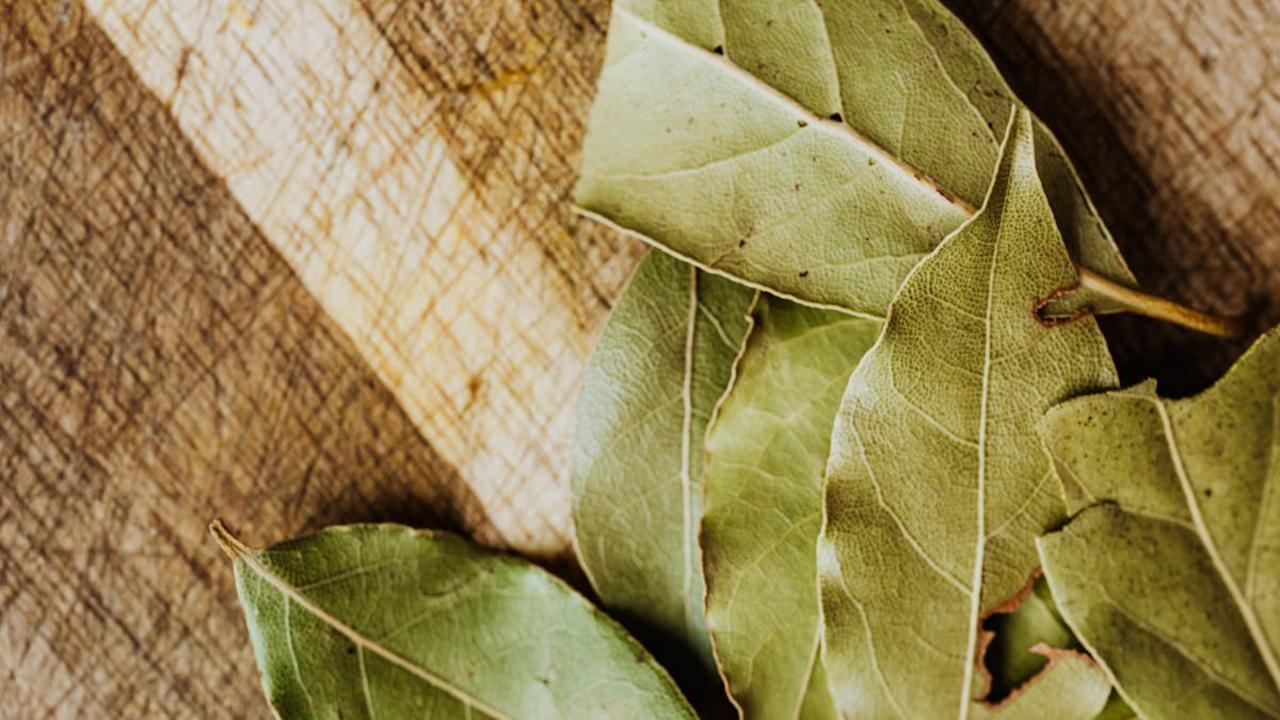
Bay leaves are the unsung heroes of your spice cabinet, sitting there patiently like that reliable friend who never gets the credit they deserve. These aromatic leaves from the Mediterranean bay laurel tree pack a subtle but mighty punch that transforms ordinary soups, stews, and braises into something that makes your neighbors peek over the fence asking what smells so incredible. You probably remember your grandmother dropping a couple of these leathery green ovals into her famous pot roast, and there’s actual science behind this tradition – bay leaves contain compounds called eucalyptol and linalool that create a complex, almost pine-like fragrance that deepens and mellows during long, slow cooking.
Here’s the thing about bay leaves that drives me absolutely bonkers: people who fish them out before serving are missing the point entirely! Sure, nobody wants to chomp down on a whole leaf (trust me, I’ve made that mistake), but those babies should stay in your dish until the very last minute, continuing their aromatic magic right up until you serve. Fun fact: ancient Greeks and Romans used bay leaves to crown victorious athletes and scholars, which explains why we still use the phrase “resting on your laurels.” Try adding two bay leaves to your next batch of rice, or toss one into your pasta water – you’ll be amazed how this simple addition makes everything more sophisticated and restaurant-worthy.
Nutmeg
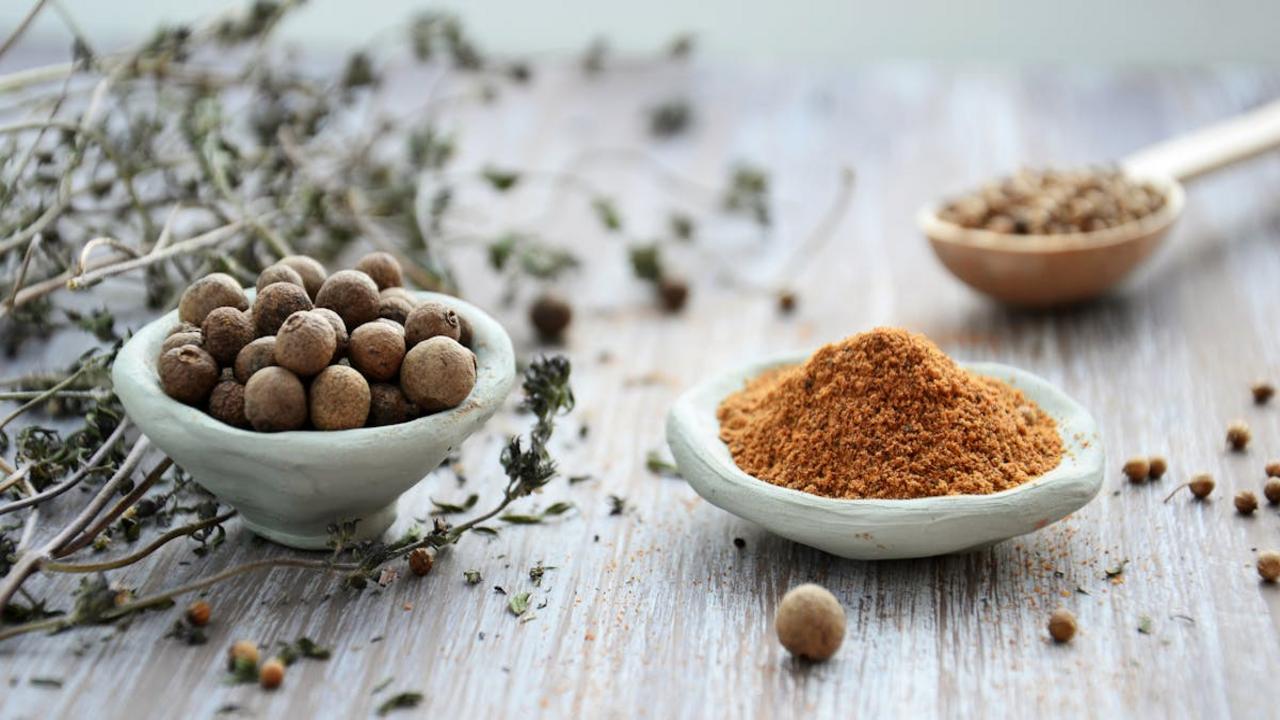
Picture this: you’re grating what looks like a wrinkled walnut, and suddenly your kitchen smells like Christmas morning had a baby with a warm hug. That’s nutmeg for you – the spice that makes everything taste like it’s been kissed by holiday magic. This little brown orb comes from the seed of a tropical fruit that’s basically nature’s surprise box, hiding inside a red lacy covering called mace (which is another spice entirely, because Mother Nature loves to show off). Fun fact: nutmeg was once more valuable than gold, and wars were literally fought over tiny islands that grew these aromatic treasures. Dutch colonizers were so obsessed with controlling the nutmeg trade that they traded Manhattan for a nutmeg island. Talk about priorities!
Now, here’s where nutmeg gets interesting – a tiny pinch transforms your béchamel sauce from bland to brilliant, your eggnog from meh to magnificent, and your apple pie from ordinary to otherworldly. But listen up, kitchen warriors: nutmeg is like that friend who’s amazing in small doses but absolutely exhausting when they overstay their welcome. Too much nutmeg will overpower your dish faster than you can say “psychoactive compounds” (yes, nutmeg can literally make you hallucinate if you eat too much, though you’d have to consume tablespoons of the stuff). Stick to tiny grates – we’re talking fairy dust amounts here. Your spinach will thank you, your donuts will worship you, and your homemade custard will make people weep tears of pure joy.
Ginger
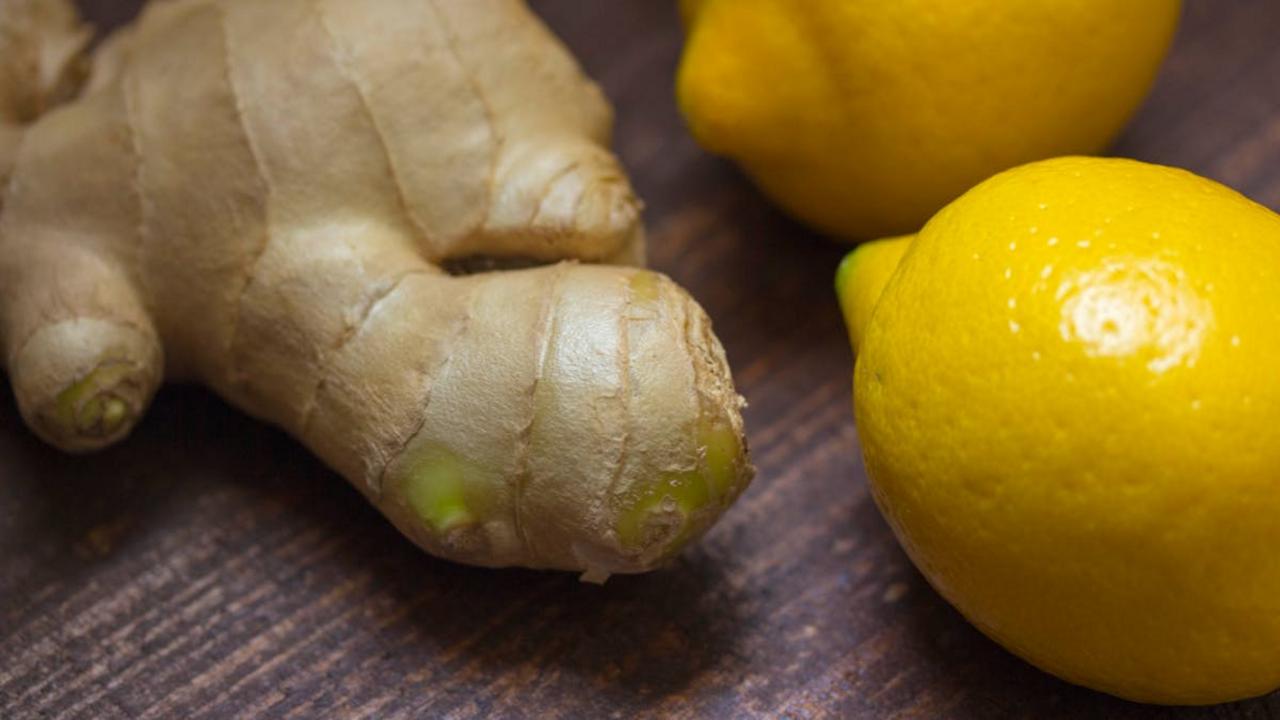
Ginger struts into your kitchen like that friend who’s traveled the world and has stories to tell. This knobby, golden root doesn’t just bring heat—it brings complexity that makes your mouth tingle and your sinuses clear in the most delightful way. You know that warm, spicy kick that makes you go “whoa” but keeps you coming back for more? That’s gingerol working its magic, the compound responsible for ginger’s signature bite. Fun fact: ancient Romans valued ginger so highly they used it as currency, which honestly makes perfect sense because I’d probably trade my car for a lifetime supply of fresh ginger.
Fresh ginger transforms everything it touches, from morning smoothies to evening stir-fries, and here’s the kicker—it’s ridiculously easy to work with once you know the trick. Skip the spoon scraping nonsense your grandmother taught you; just use the edge of a regular spoon to peel that papery skin right off. Grate it into marinades for an instant flavor upgrade, or slice it thin for tea that’ll cure whatever ails you (and probably your bad mood too). Ground ginger powder brings warmth to baked goods, but fresh ginger? That’s where the real party happens, adding zing to everything from salad dressings to cocktails that’ll make your guests wonder what your secret ingredient is.
Thyme
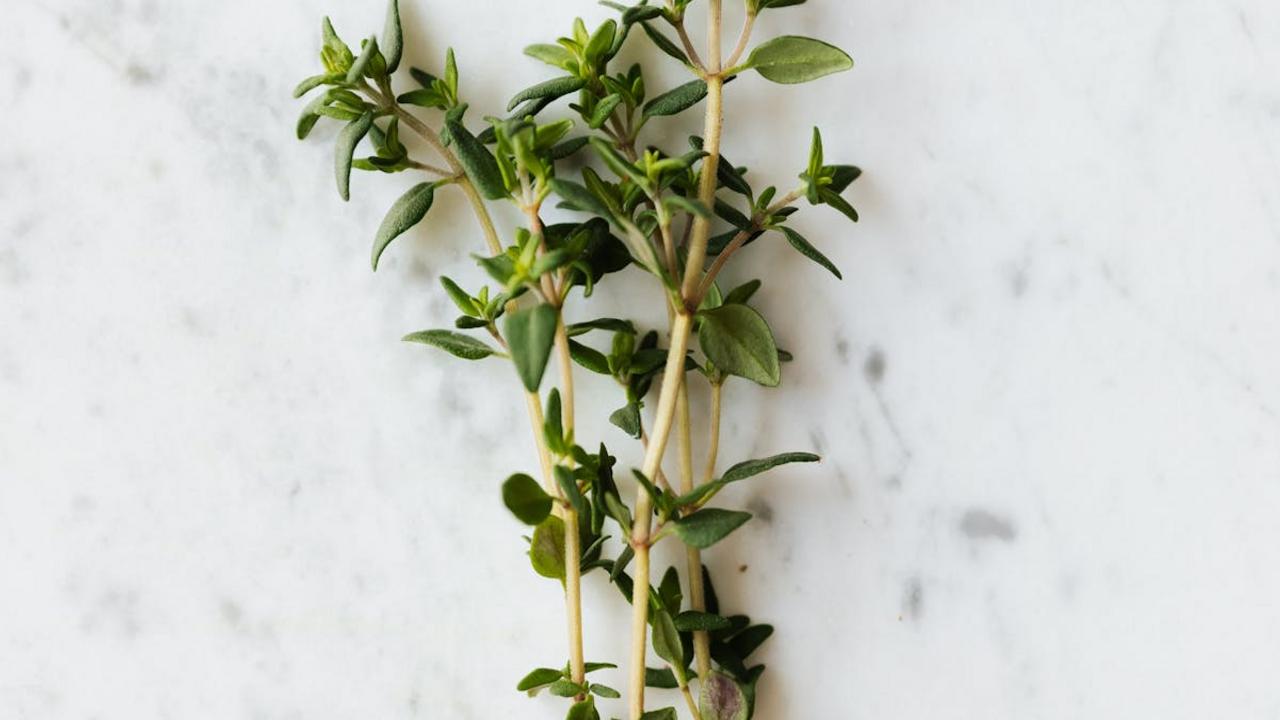
Meet thyme, the herb that sounds like it should be wearing a pocket watch and muttering about being late for dinner. This tiny-leafed powerhouse packs more personality per sprig than most people do in their entire spice rack. Originally from the Mediterranean (because of course it is – where else would such a sophisticated herb come from?), thyme has been making dishes swoon since ancient Greek times. Fun fact: Greek soldiers used to bathe in thyme-scented water before battle, believing it gave them courage. I mean, if you’re going to face your enemies, you might as well smell fantastic while doing it.
You’ll find thyme playing matchmaker in your kitchen, bringing together flavors that might otherwise never speak to each other. Toss it with roasted vegetables and watch carrots and potatoes become best friends. Sprinkle it over chicken thighs before roasting, and suddenly you’ve got a dinner that tastes like you actually know what you’re doing. The herb works magic in marinades, transforms boring soups into something worth slurping, and makes even the most basic tomato sauce taste like it came from someone’s Italian grandmother’s secret recipe book. Keep dried thyme in your pantry for everyday cooking, but grab fresh sprigs when you want to feel fancy – your taste buds will thank you for the upgrade.
Onion Powder
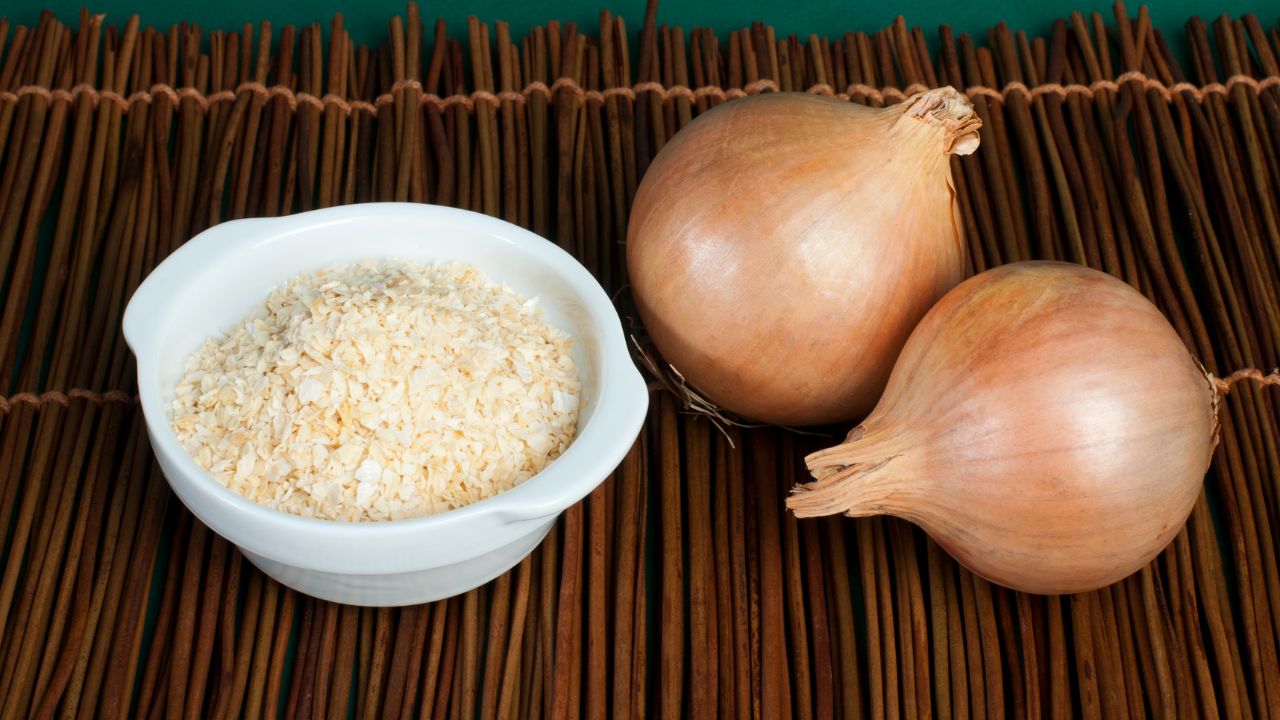
You know that friend who’s always there when you need them, never steals the spotlight, but makes everything better just by showing up? That’s onion powder for you! This unassuming beige dust sits quietly in your spice rack, waiting to transform your cooking from “meh” to “mmm” without any of the tears or chopping drama that fresh onions bring. I keep a shaker of this magical powder within arm’s reach because honestly, there’s no dish it can’t improve. Sprinkle it on roasted vegetables, mix it into burger patties, or dust it over popcorn for an instant flavor upgrade that’ll have you wondering why you ever bothered with the real deal.
Here’s a fun fact that’ll blow your mind: onion powder actually concentrates all those sulfur compounds that make fresh onions so pungent into a convenient, shelf-stable form that won’t make you cry like a baby. Unlike its fresh counterpart, you can add this powder at any stage of cooking without worrying about burning or timing – toss it into dry rubs, blend it into salad dressings, or stir it directly into soups and stews. My personal favorite trick? Mix equal parts onion powder, garlic powder, and paprika for an instant “everything seasoning” that transforms boring chicken breasts into something you’d actually want to eat twice. Trust me, once you start keeping this pantry superhero in rotation, you’ll wonder how you ever cooked without it!
Cayenne Pepper
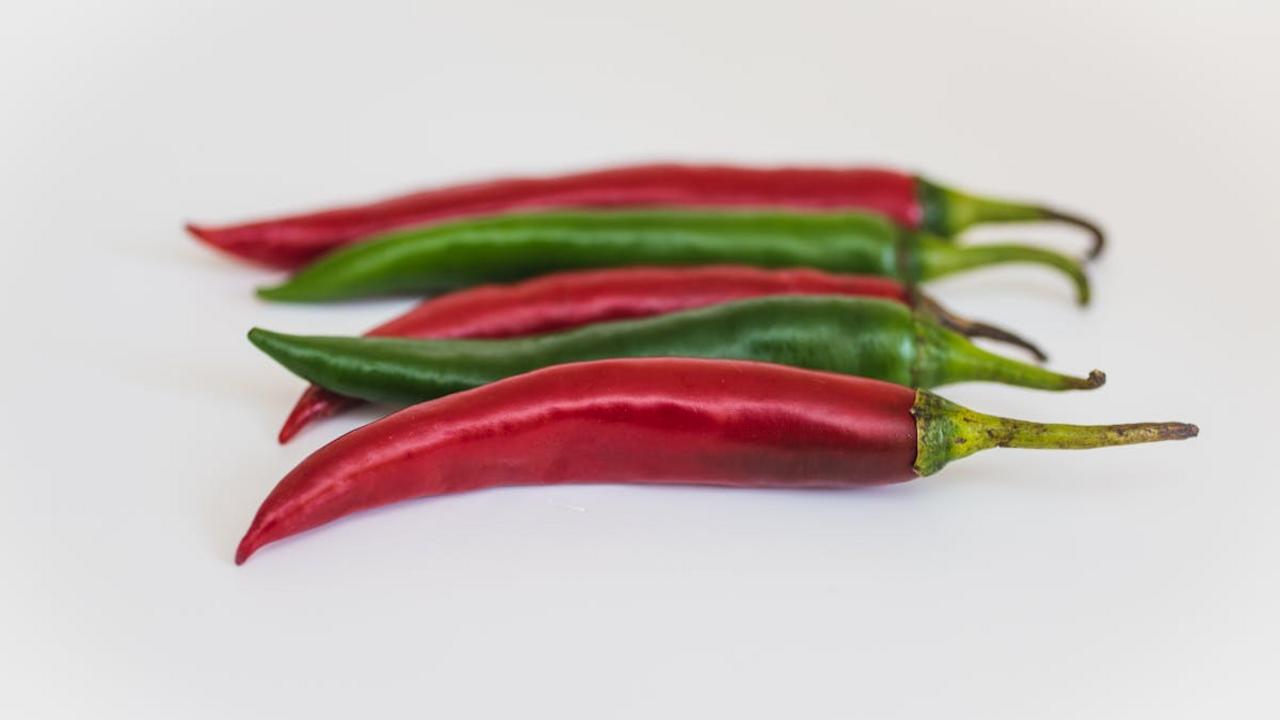
Meet the firecracker of the spice world—cayenne pepper doesn’t just knock on your door, it kicks it down wearing stilettos! This scarlet beauty packs more heat per gram than your ex’s passive-aggressive text messages, clocking in at 30,000 to 50,000 Scoville units. Named after the city of Cayenne in French Guiana, this little troublemaker has been setting mouths ablaze since the 15th century. What makes cayenne particularly sneaky is how it builds—one moment you’re thinking “this isn’t so bad,” and the next you’re frantically searching for milk like it holds the secrets of the universe.
Beyond its obvious talent for making you question your life choices, cayenne brings serious flavor complexity to your cooking arsenal. A pinch transforms bland chicken soup into liquid gold, while a dash in your morning scrambled eggs will wake you up faster than three cups of coffee. Pro tip: mix a tiny amount into melted chocolate for desserts that’ll have your dinner guests simultaneously swooning and sweating. The capsaicin that gives cayenne its kick also boosts metabolism and releases endorphins—basically, this spice is your kitchen’s personal trainer and therapist rolled into one fiery package.
Basil
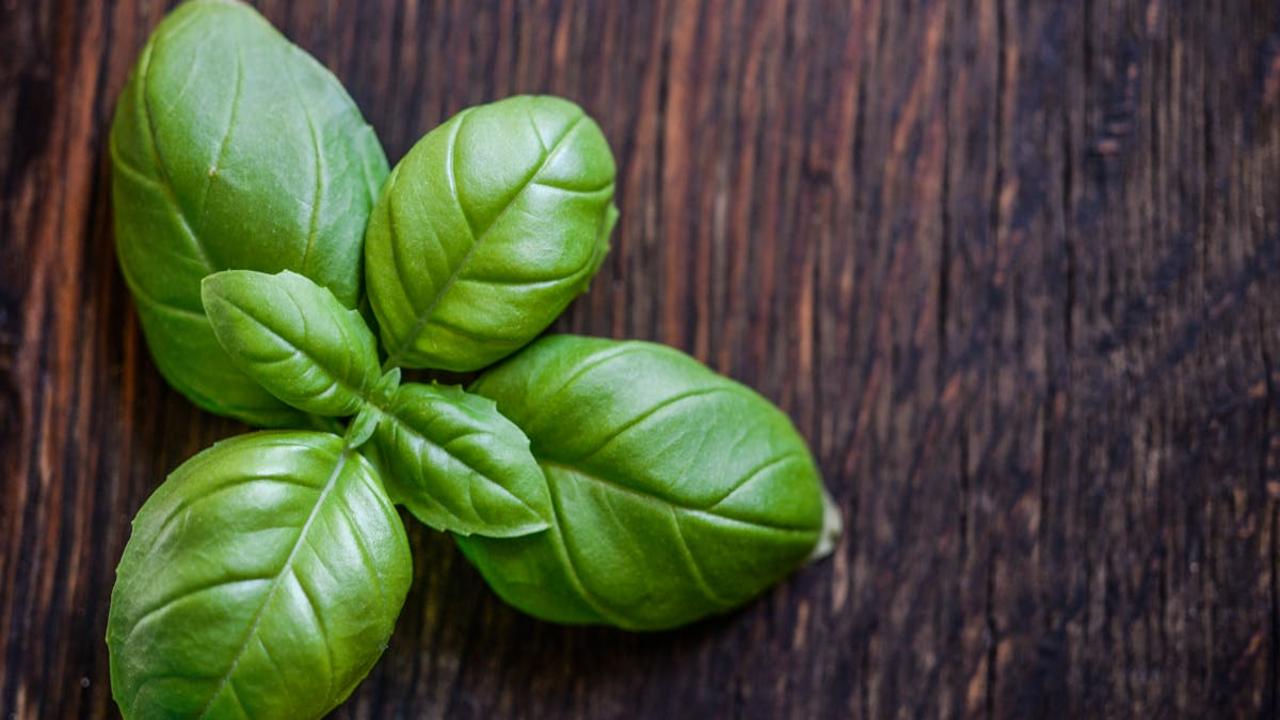
You know that moment when you walk into an Italian grandmother’s kitchen and suddenly feel like you’ve been transported to heaven? That’s basil working its aromatic magic on your soul. This green goddess of the herb world doesn’t just sit pretty in your garden—she demands attention with her sweet, peppery personality that can transform even the most tragic Tuesday night dinner into something worth Instagram-ing. Fun fact: basil actually belongs to the mint family, which explains why it has that refreshing kick that makes your mouth do a little happy dance.
Here’s the thing about basil—timing matters more than your mom’s guilt trips. Add it too early to your cooking, and you’ll watch those beautiful leaves turn into sad, blackened shadows of their former glory. Instead, toss fresh basil into your pasta right at the end, or better yet, make yourself a proper pesto that’ll have you questioning why you ever bought that jarred stuff from the store. Pro tip: if you want to keep basil fresh longer, treat it like flowers—trim the stems and stick them in water on your counter, not in the fridge where they’ll turn into expensive compost.
Oregano
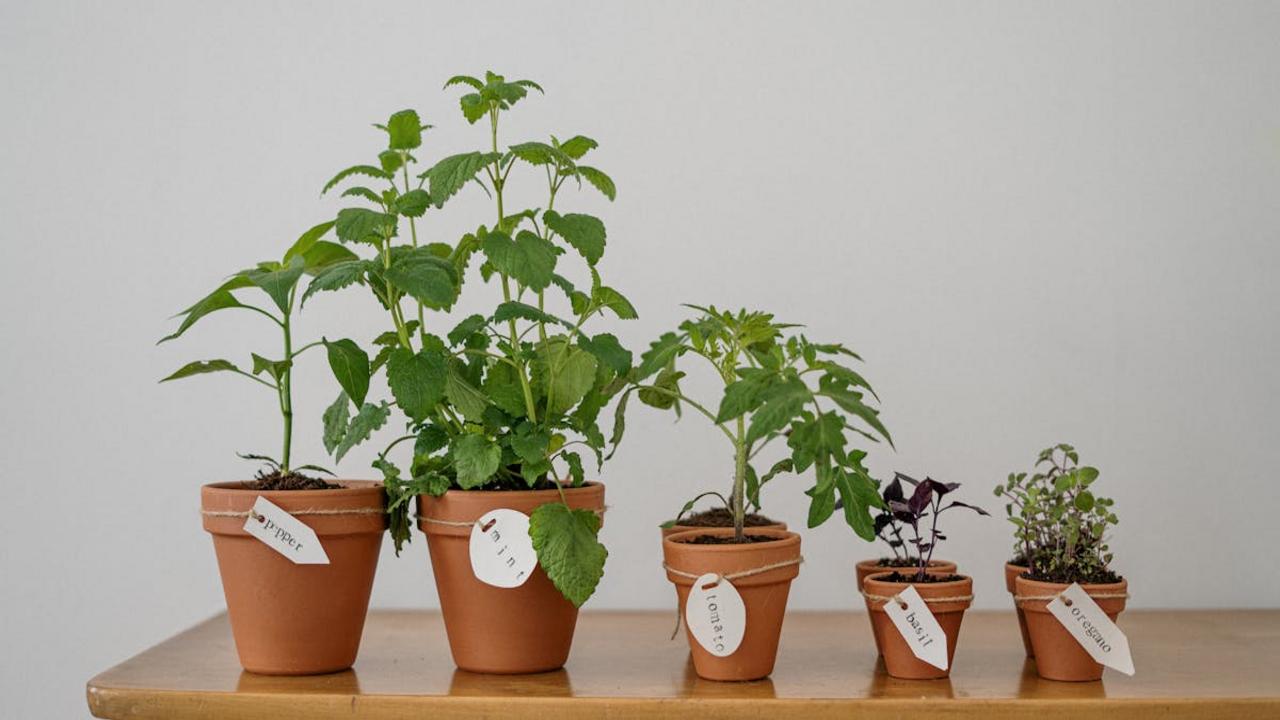
Picture this: you’re twirling spaghetti around your fork, and that first bite hits you with a warm, earthy flavor that screams “Grandma’s kitchen on a Sunday afternoon.” That’s oregano working its magic, and honestly, without it, pizza would just be sad bread with cheese. This Mediterranean superstar belongs to the mint family (surprise!), which explains why it has that slightly cooling finish that makes your mouth happy. The Greeks called it “joy of the mountain,” and frankly, they nailed it because this herb turns ordinary dishes into something worth celebrating.
Here’s a fun fact that’ll make you the hit of your next dinner party: oregano was once considered so powerful that Greek warriors would rub it on their bodies before battle for courage. While I can’t guarantee it’ll help you face Monday mornings, I can promise it’ll make your roasted vegetables sing opera. Fresh oregano packs more punch than dried, but don’t sleep on the dried stuff – it’s concentrated flavor gold that stays good for ages. Sprinkle it on everything from Greek salads to grilled chicken, or get wild and add it to your next batch of homemade bread. Trust me, your kitchen will smell like a cozy taverna in Santorini.
Chili Powder
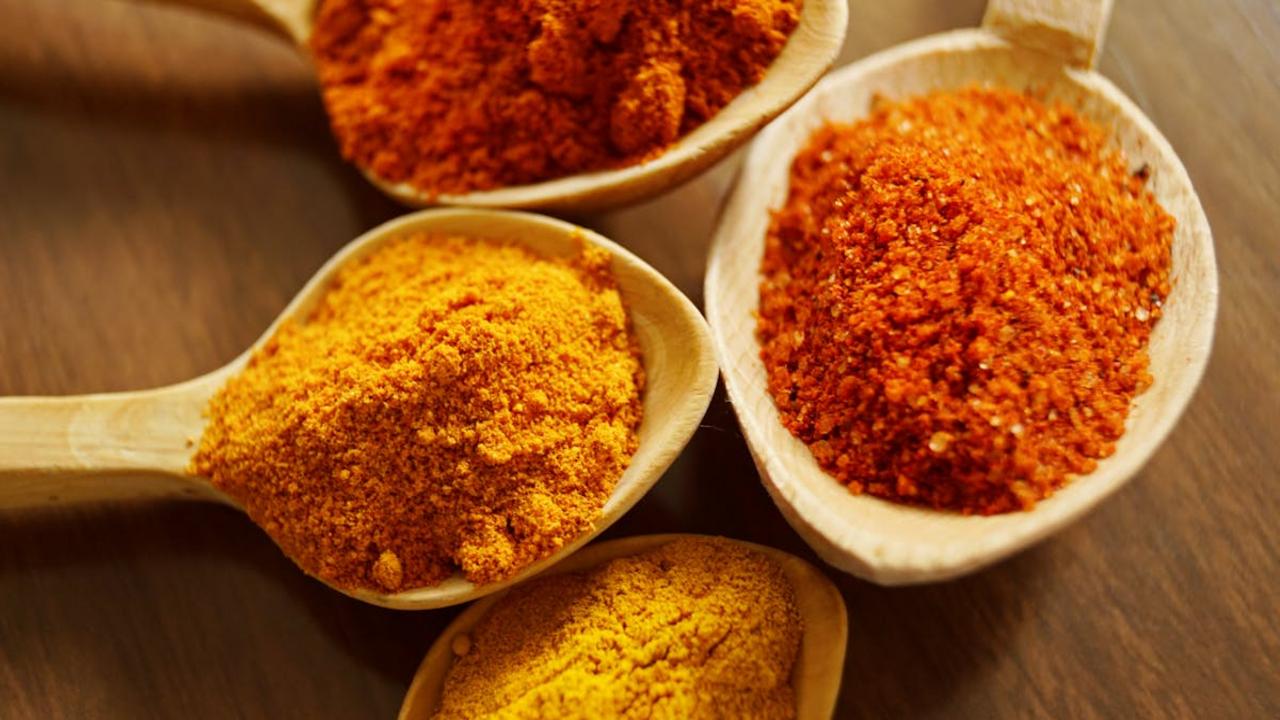
Here’s your kitchen superhero disguised as an unassuming red powder! Chili powder swoops in to save bland dishes faster than you can say “where’s the flavor?” This magical dust transforms everything from scrambled eggs to chocolate cake (trust me on this one) into something that makes your mouth do a happy dance. You know what’s wild? Most commercial chili powders aren’t just ground chilies—they’re actually party mixes containing cumin, oregano, garlic powder, and sometimes even cocoa. It’s like getting a whole spice cabinet in one container, which explains why your tacos taste infinitely better with this stuff sprinkled on top.
The beauty of chili powder lies in its versatility and that perfect balance between heat and warmth. Unlike its fiery cousin cayenne, chili powder gives you complexity without setting your tongue on fire (though some varieties definitely pack more punch than others). I once accidentally used hot chili powder instead of mild in my famous chocolate chip cookies, and honestly? Best mistake ever. The subtle heat played beautifully with the sweetness, creating this mysterious depth that had everyone begging for the recipe. Pro tip: toast your chili powder in a dry pan for thirty seconds before adding it to dishes—this simple step releases oils that make the flavor absolutely sing.
Paprika
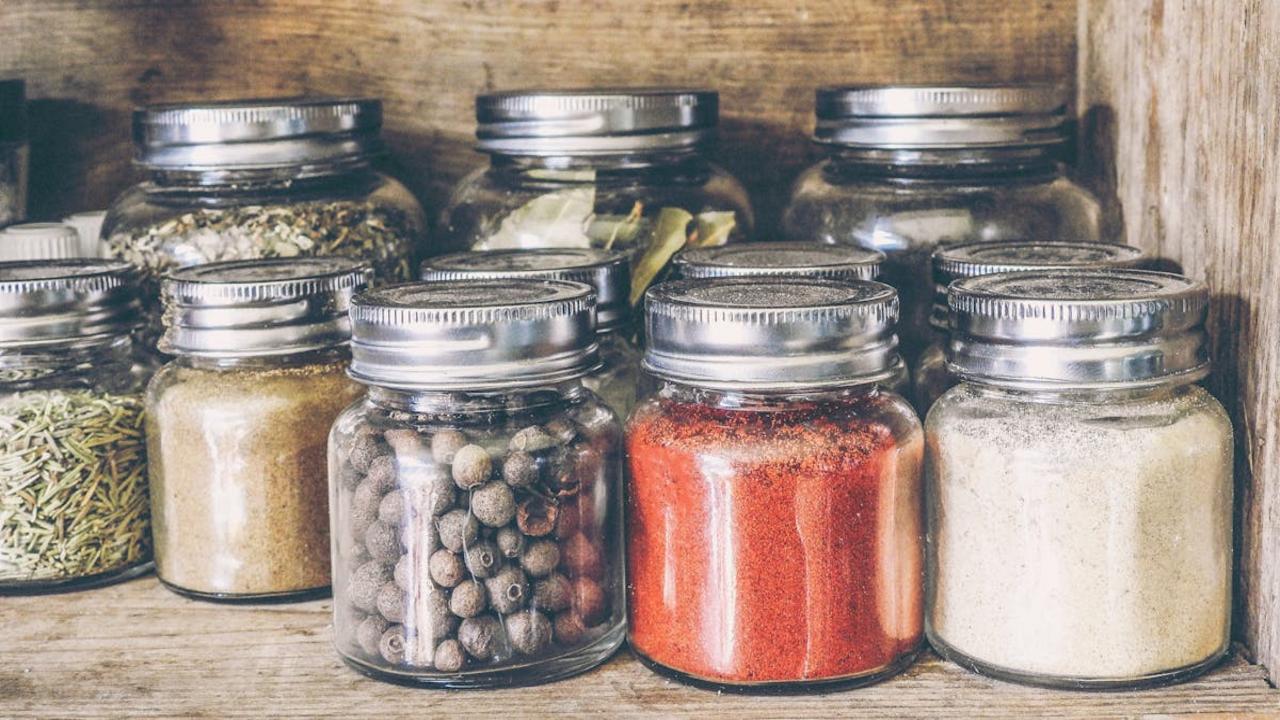
Oh paprika, you beautiful red dust of wonder! This isn’t just any ordinary spice sitting quietly in your rack—it’s basically the Beyoncé of the pepper world. Made from ground sweet or hot peppers (depending on which variety tickles your fancy), paprika brings more personality to your kitchen than your chatty neighbor. The Hungarians take this stuff so seriously they’ve got multiple grades, from mild and sweet to fiery hot, and honestly, they’re not wrong to obsess. Fun fact: Christopher Columbus gets credit for bringing peppers to Europe, but the Hungarians perfected the paprika game so thoroughly that “Hungarian paprika” became the gold standard. You can practically taste the centuries of perfection in every sprinkle.
Here’s where paprika gets sneaky good—it’s not just about heat or sweetness, it’s about that gorgeous color transformation. Sprinkle this magic powder on chicken before roasting, and watch boring white meat turn into something that looks like it belongs in a food magazine. It plays beautifully with potatoes (hello, paprika-roasted fingerlings), makes deviled eggs Instagram-worthy, and transforms plain old scrambled eggs into something your brunch guests will actually remember. The smoky Spanish variety (pimentón) adds depth that makes you question why you ever lived without it, while the sweet Hungarian version brings warmth without the tears. Pro tip: buy it in small quantities and store it away from light—stale paprika is sadder than a wilted houseplant.
Cumin
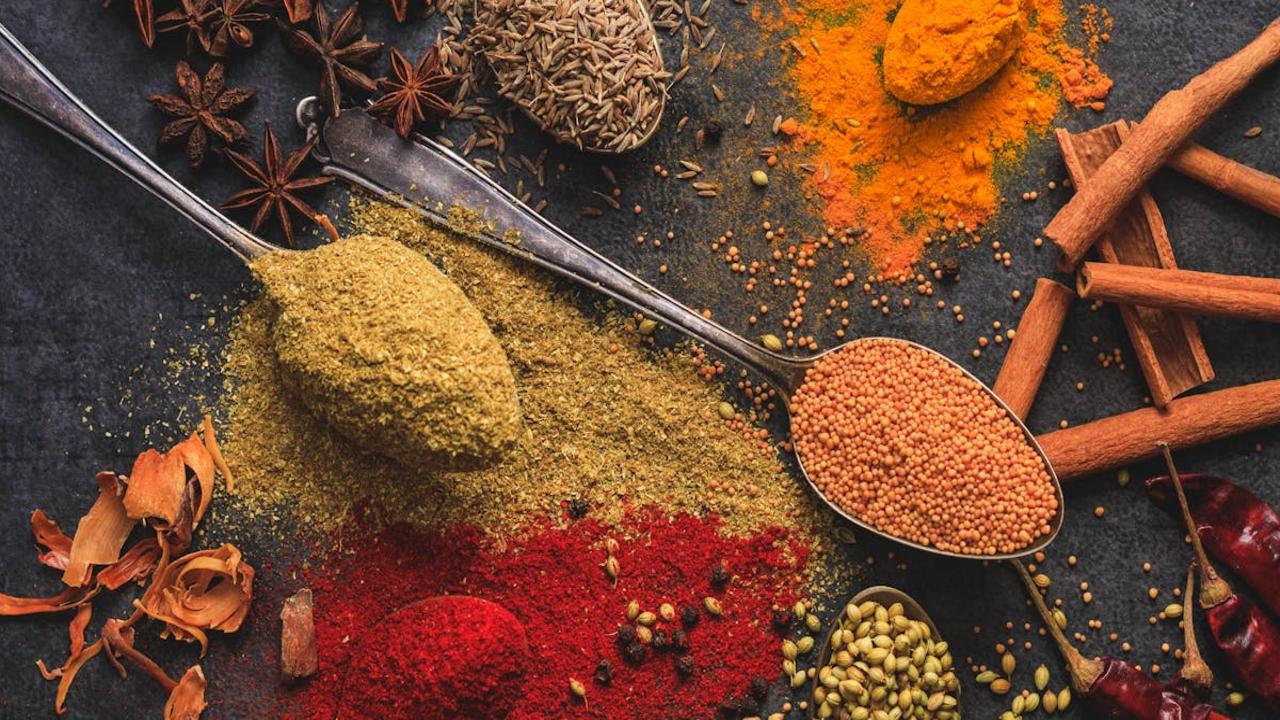
You know that earthy, warm scent that makes your kitchen smell like a Middle Eastern bazaar? That’s cumin working its magic, and honestly, this little seed deserves way more credit than it gets. Cumin has been around for over 4,000 years—ancient Egyptians used it to preserve mummies, which might explain why your leftover curry still smells incredible three days later. This spice brings a smoky, nutty flavor that transforms boring weeknight dinners into something that makes your neighbors peek over the fence asking what you’re cooking. Ground cumin works beautifully in everything from chili to roasted vegetables, but here’s a pro tip: toast whole cumin seeds in a dry pan for thirty seconds before grinding them yourself. The aroma will knock your socks clean off.
Fun fact: cumin was so valuable in medieval times that people used it to pay rent and taxes—imagine explaining that to your landlord today! The spice contains compounds that actually help with digestion, so your grandmother wasn’t just being dramatic when she insisted on adding it to every bean dish. Try mixing ground cumin with paprika and garlic powder for an instant rub that transforms chicken thighs into restaurant-quality magic. Or toss some into your morning scrambled eggs with a pinch of turmeric for breakfast that tastes like it came from a trendy brunch spot. Trust me, once you start keeping cumin within arm’s reach, you’ll wonder how you ever cooked without this aromatic powerhouse in your spice arsenal.
Cinnamon
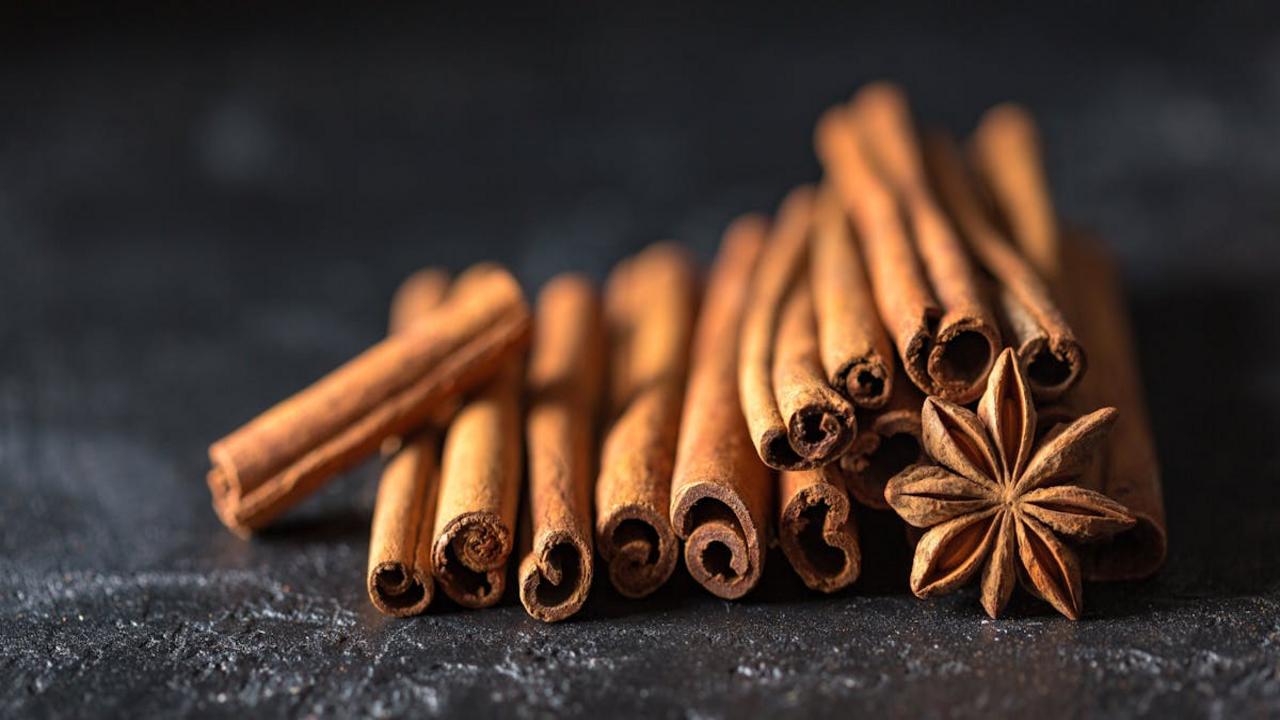
Cinnamon might just be the most beloved troublemaker in your spice rack, and honestly, it deserves every bit of that reputation. This golden-brown beauty started wars, launched ships across dangerous seas, and once cost more than gold—all because people couldn’t resist its warm, sweet magic. Fun fact: what we call “true cinnamon” actually comes from Sri Lankan tree bark that’s so delicate, it naturally curls into those perfect quills we know and love. Meanwhile, the cassia cinnamon sitting in most American pantries packs a bolder, spicier punch and won’t break your grocery budget.
You can sprinkle this spice superhero on literally everything and somehow make it better—from your morning toast to that fancy lamb tagine you’re attempting for date night. Cinnamon doesn’t just play nice with sweet dishes; it transforms savory foods too, adding depth to chili, warmth to roasted vegetables, and an unexpected twist to your grandmother’s pot roast recipe. Pro tip: buy whole cinnamon sticks and grind them yourself when possible—the difference in flavor will make you wonder why you ever settled for that dusty pre-ground stuff that’s been sitting in your cabinet since 2019.
Garlic Powder
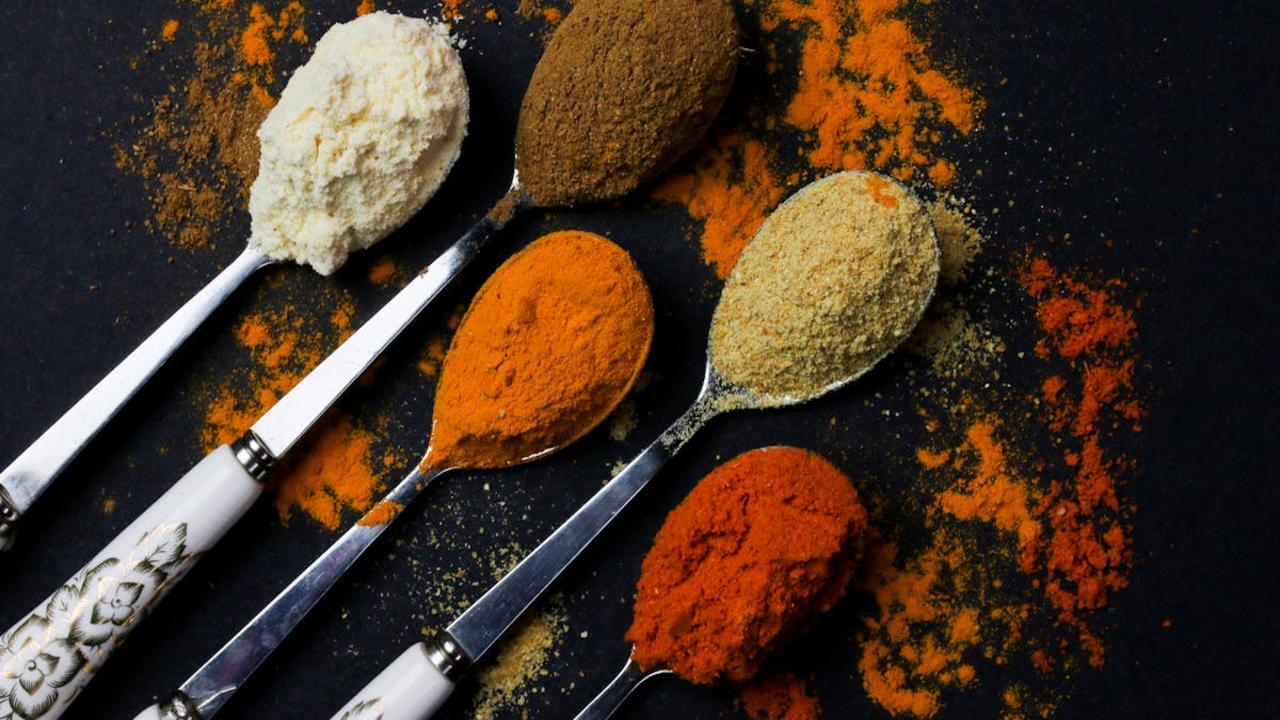
You know that friend who’s always reliable, never dramatic, but somehow makes every gathering better just by showing up? That’s garlic powder in your spice cabinet. While fresh garlic gets all the glory with its pungent personality and tear-inducing chopping sessions, garlic powder quietly works its magic without any of the fuss. This dehydrated superhero brings that savory, slightly sweet garlic flavor to your dishes without leaving your fingers smelling like you’ve been wrestling vampires all afternoon. Plus, here’s a fun fact: garlic powder actually concentrates the flavor compounds, making it about eight times more potent than fresh garlic by weight!
I keep garlic powder within arm’s reach because it plays well with literally everything – sprinkle it on popcorn for movie night, dust it over roasted vegetables, or mix it into your burger seasoning for that extra oomph. Unlike its fresh counterpart, garlic powder won’t burn in high heat, making it perfect for those searing-hot cast iron moments. My grandmother swore by adding a pinch to her scrambled eggs every morning, and now I understand why – it transforms boring breakfast into something worth waking up for. The best part? No garlic press required, no sticky fingers, and no crying over accidentally burning minced garlic in the pan again.
Sea Salt

Listen, if regular table salt is that friend who shows up to every party wearing the same outfit, sea salt is the one who walks in with handcrafted jewelry and stories from three different continents. This crystalline superstar gets harvested from evaporated seawater, which means it carries tiny mineral treasures that give it a complexity table salt can only dream about. You’ll find varieties like flaky Maldon from England (perfect for finishing steaks), coarse gray sel gris from France (fantastic for rim-salting margarita glasses), or delicate Hawaiian black salt that looks like tiny volcanic pebbles and makes your Instagram food photos infinitely cooler.
The beauty of sea salt lies in its ability to transform from workhorse to show-off depending on what you need. Sprinkle coarse crystals on chocolate chip cookies before baking and watch people lose their minds over that sweet-salty magic. Or grab a pinch of finishing salt for your perfectly ripe tomatoes – it doesn’t just season them, it makes their flavor practically sing opera. Here’s a fun fact that’ll impress your dinner guests: different seas produce salts with completely different mineral profiles, so Dead Sea salt tastes nothing like Pacific sea salt. Keep both coarse and fine versions in your pantry, and you’ll never again serve bland food that makes people reach desperately for the pepper shaker.
Black Pepper
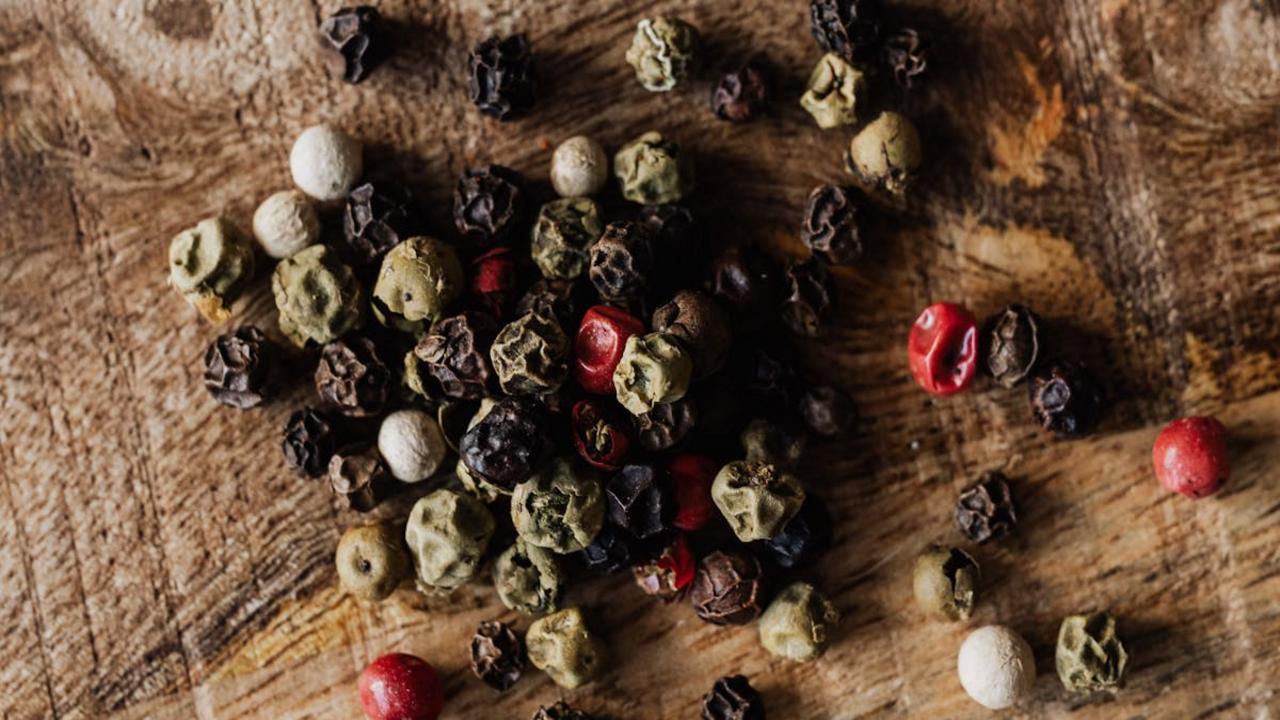
You know that little shaker sitting next to the salt on your dining table? That innocent-looking container holds what was once literally worth its weight in gold. Black pepper – the “king of spices” – caused wars, funded expeditions, and made medieval merchants filthy rich. Europeans were so obsessed with these tiny black orbs that they’d trade silk, silver, and sometimes entire kingdoms just to get their hands on them. Today, we sprinkle it on everything without a second thought, but this spice deserves way more respect than we give it.
Fresh-cracked black pepper transforms any dish from bland to brilliant with its sharp, piney bite and subtle heat that builds slowly on your tongue. Those pre-ground dusty specks in the supermarket? They’re basically pepper’s sad, flavorless cousin. Invest in whole peppercorns and a decent grinder – your scrambled eggs will thank you, your steaks will sing, and even your fruit salad will get a sophisticated upgrade. Fun fact: black pepper contains piperine, the compound that gives it that distinctive kick and actually helps your body absorb nutrients better. So technically, you’re being healthy when you pepper everything in sight!