14 Smart Kitchen Habits Every Home Cook Should Know for Fresher Food and Tastier Meals
Your kitchen might look spotless, but lurking beneath that shiny surface are invisible food safety villains plotting against your next dinner party. One microscopic misstep with raw chicken, and suddenly your famous lasagna becomes a one-way ticket to food poisoning central.
Smart home cooks know the secret weapons: proper temperatures, strategic storage, and ninja-level cleaning skills. These fourteen habits separate kitchen rookies from seasoned pros who never serve questionable leftovers or wonder why their produce wilts faster than their motivation on Monday mornings.
Master these techniques, and you’ll transform your cooking space into a fortress of freshness where ingredients stay vibrant longer and meals taste better. No more playing Russian roulette with expiration dates or cross-contaminating your cutting boards like an amateur.
Food Allergen Management
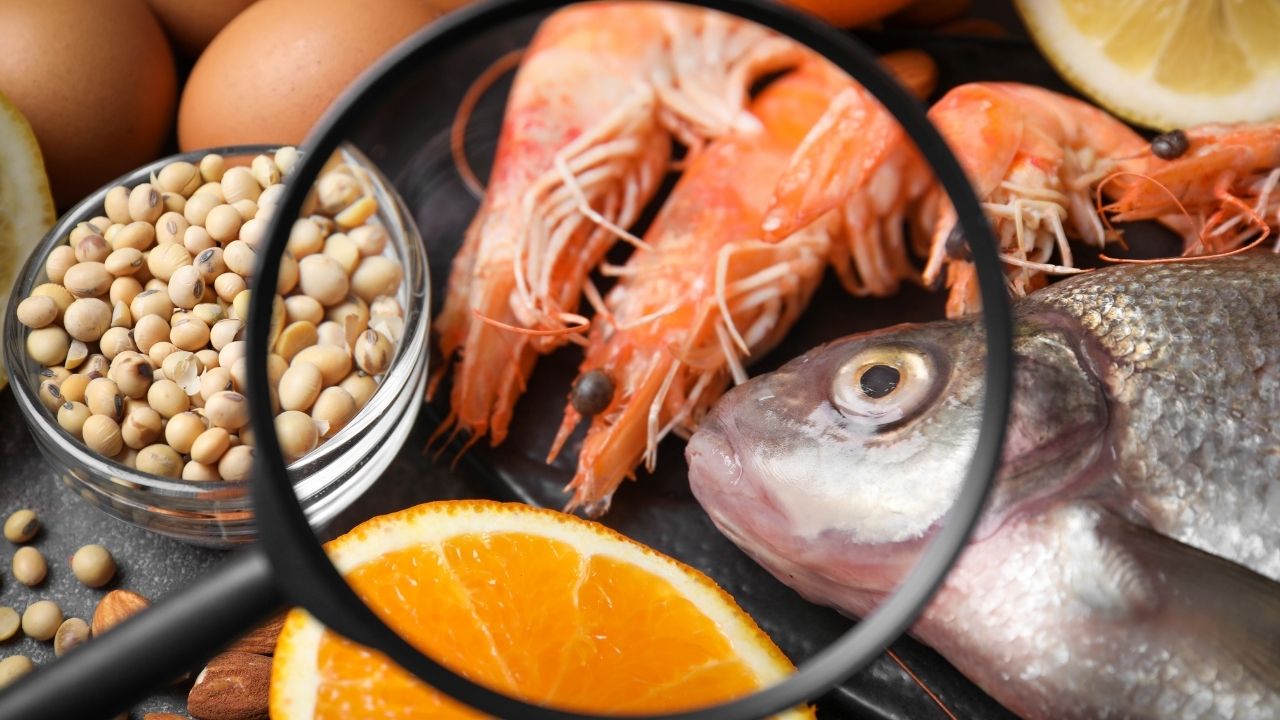
Managing food allergens in your kitchen isn’t just about keeping Uncle Bob from breaking out in hives at Thanksgiving dinner—it’s about creating a safe space where everyone can enjoy amazing food without fear. Cross-contamination happens faster than you can say “peanut butter,” so smart home cooks know to designate separate cutting boards, utensils, and even storage areas for allergen-free ingredients. Color-coding works wonders here: red for meat, green for veggies, and maybe purple for your gluten-free friend Sarah who brings her own everything anyway. Fun fact: wheat flour can remain airborne for up to 24 hours after baking, which explains why some people react even after you’ve “cleaned everything.”
The real magic happens in your ingredient detective work—reading labels like you’re solving a mystery novel where the villain might be hiding under names like “natural flavoring” or “modified food starch.” Keep a dedicated allergen-free zone in your pantry, and always wash your hands between handling different ingredients (not just a quick rinse, but a proper 20-second scrub like you’re prepping for surgery). Many seasoned cooks swear by the “allergen-first” rule: prepare allergen-free dishes before anything else hits the counter. Your lactose-intolerant friend will thank you when she doesn’t spend the evening plotting her escape route to the nearest bathroom.
Personal Hygiene While Cooking

Listen, I get it—you’re in your kitchen zone, hair flowing like you’re starring in a cooking show, and suddenly you realize you’ve been touching raw chicken with the same hands that just scratched your nose. Yikes! Personal hygiene while cooking isn’t just about looking pretty for your Instagram food photos (though we all secretly want that); it’s about keeping nasty bacteria from gate-crashing your dinner party. Your hands are like tiny buses transporting germs from place to place, and trust me, you don’t want E. coli as your unexpected dinner guest.
Here’s the deal: wash your hands like you’re preparing for surgery before you even think about touching food. Then wash them again after handling raw meat, cracking eggs, or basically touching anything that could harbor microscopic troublemakers. Keep your hair tied back—nobody wants to find a stray strand doing the backstroke in their soup. And please, for the love of all things delicious, don’t lick your fingers and then continue cooking. I know that sauce tastes amazing, but use a clean spoon each time you taste-test. Your future self will thank you when you’re not spending quality time with your toilet instead of enjoying that perfectly seasoned meal.
Kitchen Tool Sanitization
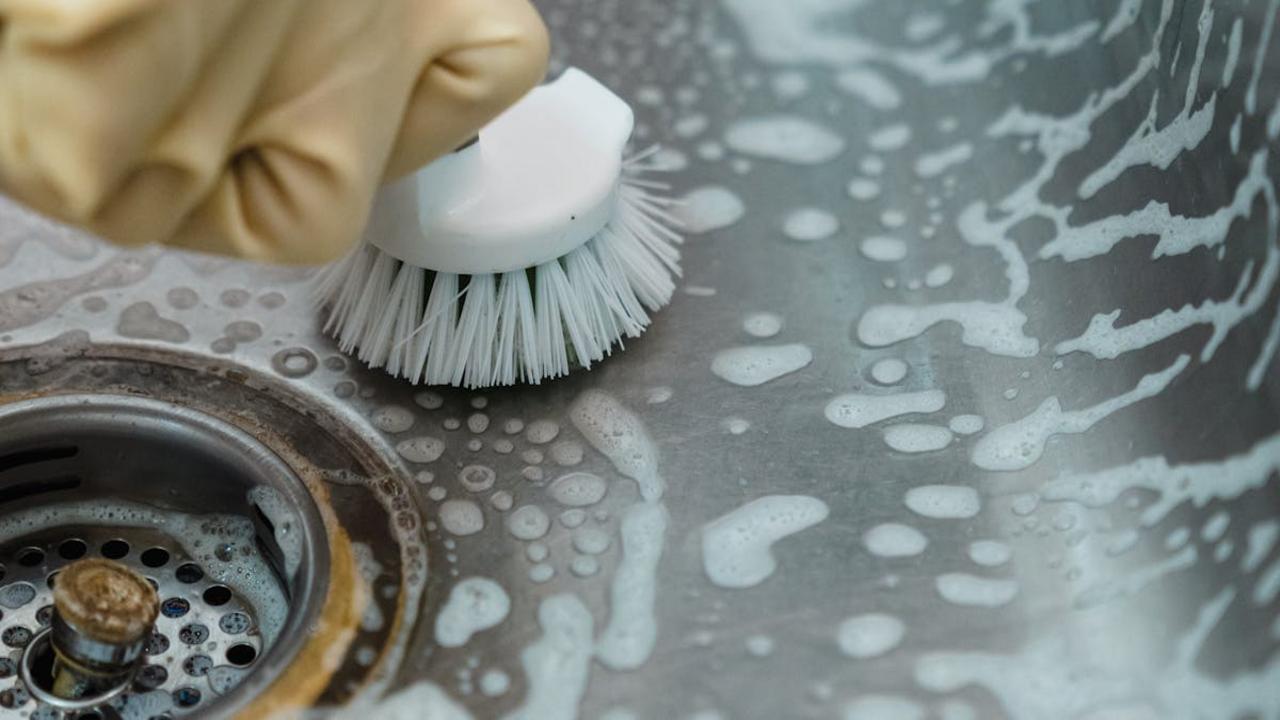
Your cutting board has seen more action than a soap opera star, and frankly, it’s probably hosting more drama too. That innocent-looking wooden surface you’ve been using for everything from chopping onions to slicing raw chicken? It’s basically a five-star hotel for bacteria, complete with microscopic room service. Here’s the kicker: most home cooks rinse their cutting boards with water and call it a day, but that’s like trying to clean a muddy dog with a feather duster. You need to sanitize those boards properly with a bleach solution (one tablespoon per gallon of water) or toss them in the dishwasher if they’re dishwasher-safe.
Your knives deserve the spa treatment too, because a clean blade isn’t just about food safety – it’s about flavor preservation. Think about it: that garlic residue clinging to your knife from last night’s pasta prep is about to crash your morning fruit salad party, and nobody invited that kind of chaos. Wash your knives immediately after use with hot, soapy water, then dry them completely to prevent rust spots that make your blade look like it survived a pirate battle. Pro tip: keep a separate set of cutting boards for raw meat and vegetables, because cross-contamination is the uninvited guest that ruins every dinner party, literally.
Safe Leftover Storage
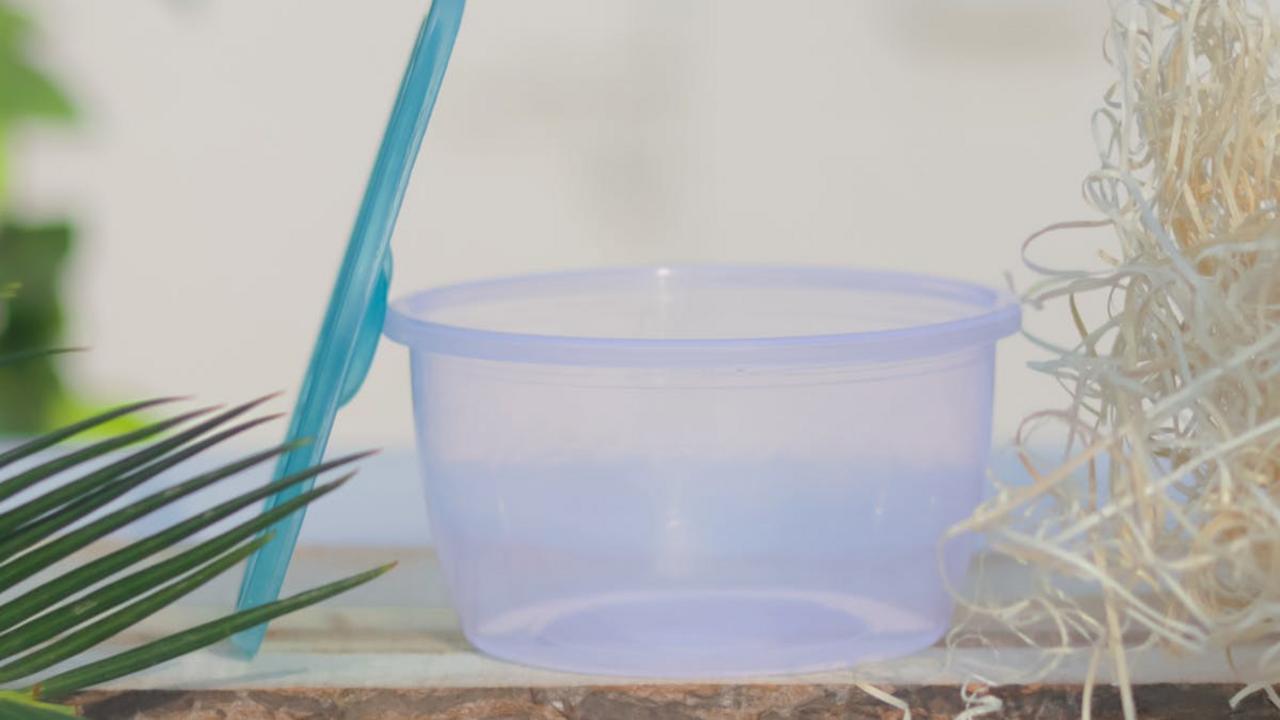
Your refrigerator isn’t a magical food preservation wonderland—though I wish it were! That container of yesterday’s spaghetti bolognese sitting on the middle shelf has a ticking clock above it, and spoiler alert: it’s not going to wait for your convenience. The golden rule? Get those leftovers into the fridge within two hours of cooking, or one hour if your kitchen feels like a tropical sauna above 90°F. Fun fact: bacteria throw their own little multiplication party every 20 minutes at room temperature, doubling their numbers faster than rabbits in springtime. Your leftover lasagna becomes their personal nightclub if you leave it out too long.
Now here’s where things get interesting—proper storage containers make all the difference between “mmm, this tastes just like yesterday” and “why does this smell like my gym socks?” Glass containers with tight-fitting lids work like tiny food fortresses, while shallow containers (no deeper than two inches) help your food cool down faster than a fashionista’s attitude change. Label everything with dates because your memory isn’t as reliable as you think—I once discovered a mysterious container that turned out to be three-week-old curry masquerading as science experiment. Most cooked foods stay fresh for three to four days in the fridge, though that leftover fish should probably make its exit after just one or two days unless you want your kitchen smelling like low tide.
Cooking Temperature Guidelines
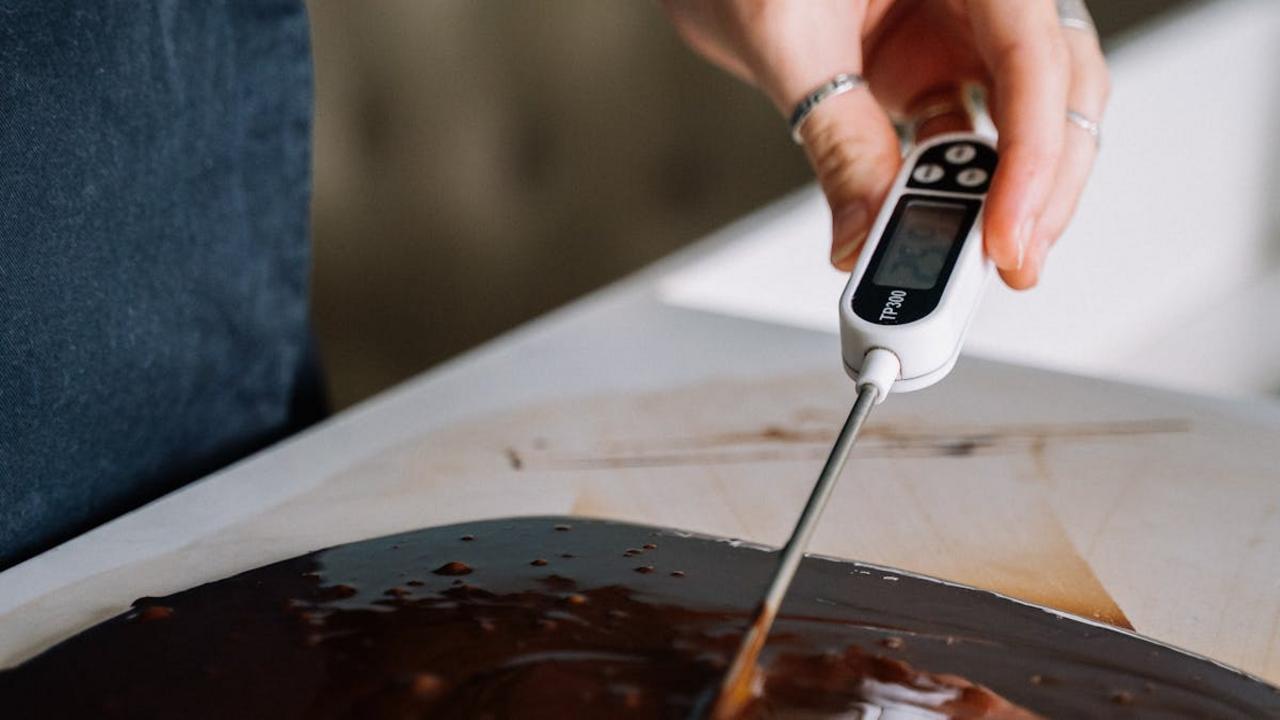
You know that moment when you’re standing there with a meat thermometer, squinting at the tiny display like you’re trying to decode ancient hieroglyphics? Yeah, we’ve all been there. But here’s the thing about cooking temperatures—they’re not just suggestions your overly cautious aunt made up. These numbers are your ticket to avoiding both food poisoning and the tragic fate of turning a beautiful piece of meat into something that resembles a hockey puck. Chicken needs to hit 165°F internally (that’s about 74°C for my metric friends), while beef steaks can safely hang out at 145°F for medium-rare perfection. Fish gets happy at 145°F too, and pork—despite what your grandmother might have told you—only needs 145°F these days, not the volcanic temperatures of yesteryear.
Here’s a fun fact that’ll make you the hit of your next dinner party: the reason we cook food to specific temperatures isn’t just about killing bacteria (though that’s pretty important). Different proteins actually change their molecular structure at different heat points, which is why a perfectly cooked steak feels tender while an overcooked one could double as a doorstop. Ground meats need higher temperatures—160°F—because grinding exposes more surface area to potential bacteria. And here’s my favorite temperature trick: let your meat rest after cooking! The internal temperature actually continues to rise by about 5-10 degrees, a phenomenon called carryover cooking. So if you pull that steak at 140°F, it’ll cruise right into medium-rare territory while resting. Your taste buds will thank you, and you’ll never have to apologize for serving shoe leather again.
Fresh Produce Cleaning
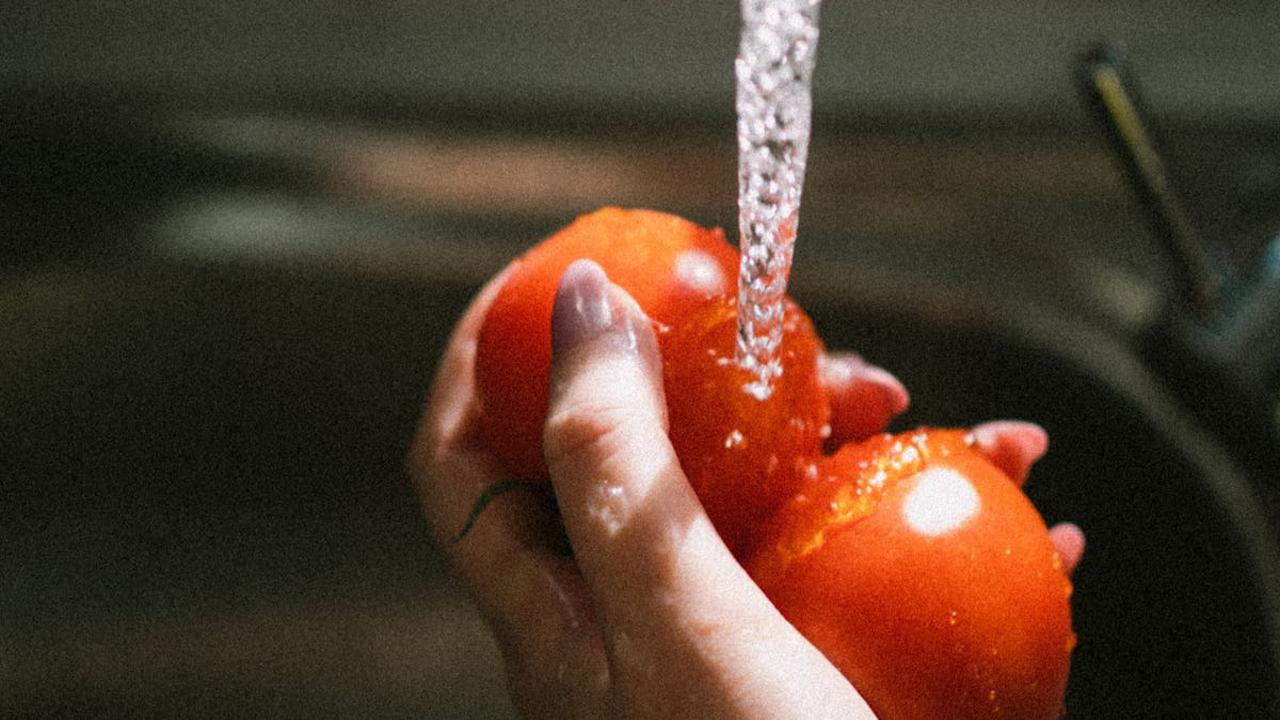
You know that satisfying moment when you bite into a crisp apple and taste nothing but pure, clean sweetness? That’s the magic of properly cleaned produce! Most people think a quick rinse under the tap does the trick, but here’s the scoop: your fruits and vegetables have been on quite the adventure before landing in your kitchen. They’ve traveled from farms to distribution centers, been handled by countless people, and picked up dust, dirt, and bacteria along the way. A proper cleaning routine doesn’t just remove visible grime—it eliminates up to 99% of surface bacteria and pesticide residues that can affect both taste and safety.
The secret weapon in your cleaning arsenal? A simple mixture of water and white vinegar (about 3:1 ratio) that works wonders on everything from berries to bell peppers. Soak sturdy produce like apples and carrots for 15 minutes, then scrub with a clean brush. For delicate items like grapes or cherry tomatoes, a gentle 5-minute soak followed by a thorough rinse does the trick. Here’s a fun fact that’ll blow your mind: properly cleaned strawberries can last up to a week longer in your fridge! The vinegar solution removes the mold spores that cause rapid deterioration. Just remember to give everything a final rinse with clean water—nobody wants their salad tasting like a pickle!
Refrigerator Organization

Your fridge probably looks like a science experiment gone wrong right now, and honestly, mine does too half the time. But here’s the thing—organizing your refrigerator isn’t just about making it Instagram-worthy (though that’s a nice bonus). Strategic placement actually keeps your food fresher longer and prevents those tragic moments where you discover a bag of spinach that’s turned into green slime in the depths of your crisper drawer. The top shelves stay the coldest, making them perfect for leftovers and drinks, while the door—despite what you might think—is actually the warmest spot, so save it for condiments and items that can handle temperature fluctuations.
Here’s a fun fact that blew my mind: storing apples near other fruits turns them into tiny ethylene gas factories, basically aging everything around them faster than a time-lapse video. Keep those shiny troublemakers separate unless you want your bananas going from yellow to brown overnight! Your crisper drawers aren’t just fancy storage—they’re humidity control centers. Use the high-humidity drawer for leafy greens and herbs (they love moisture), and the low-humidity one for fruits that prefer to stay crisp. Trust me, once you start treating your fridge like the sophisticated food preservation machine it is, you’ll stop throwing away wilted vegetables and start actually eating that kale you bought with such good intentions.
Safe Defrosting Methods

Picture this: you’re standing in your kitchen at 6 PM, staring at a rock-solid chicken breast that looks like it could double as a hockey puck. We’ve all been there, haven’t we? The microwave defrost button seems like your knight in shining armor, but hold your horses! That magical “defrost” setting often creates a culinary disaster – parts of your protein start cooking while other sections remain frozen solid. Your chicken ends up with the texture of rubber boots, and frankly, that’s not the dinner party impression you’re going for. The microwave’s uneven heating turns your beautiful ingredients into a science experiment gone wrong.
Here’s the real deal: the refrigerator method wins every single time, even though it requires the superpower of planning ahead. Move your frozen foods from freezer to fridge about 24 hours before you need them – think of it as giving your ingredients a spa day in the cool, gentle environment of your refrigerator. For the forgetful among us (and I’m raising both hands here), cold water baths work wonders too. Submerge your sealed protein in cold water, changing the water every 30 minutes. A pound of meat typically thaws in about an hour this way. Never, and I mean NEVER, defrost at room temperature – bacteria throw parties faster than college students during spring break, and nobody wants uninvited guests at dinner!
Raw Meat Handling
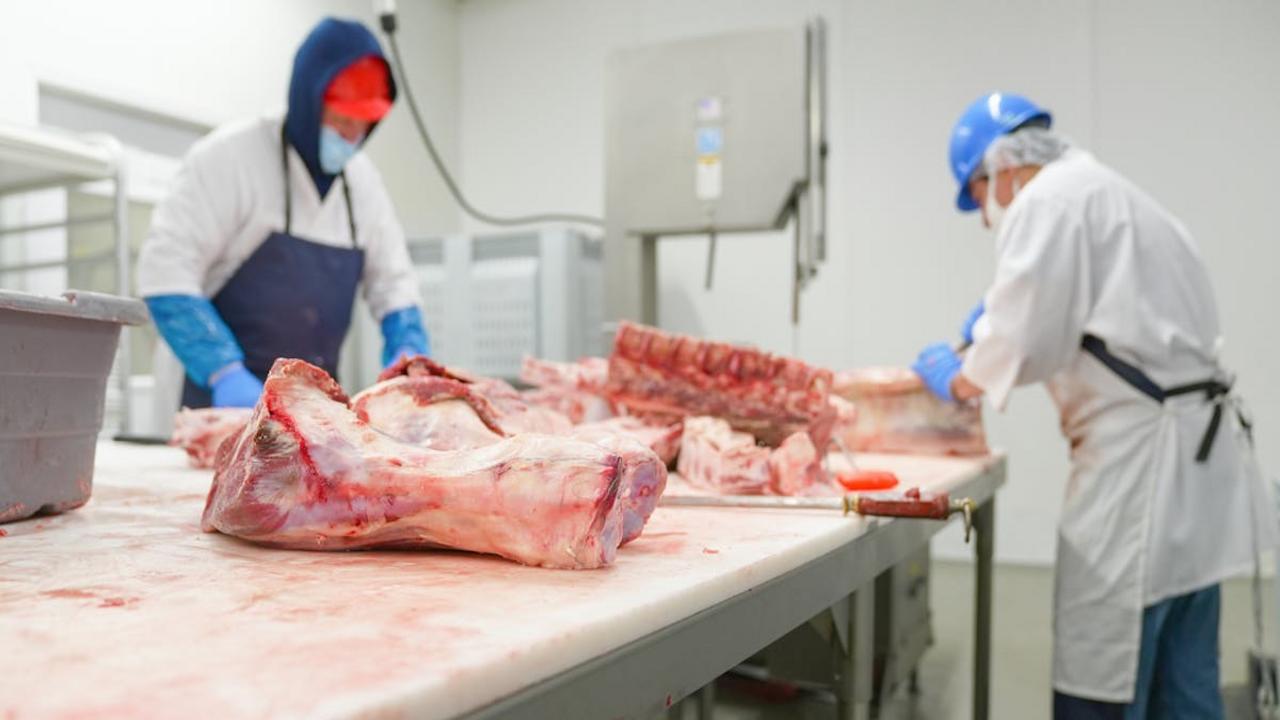
Picture this: you’re channeling your inner Gordon Ramsay, confidently wielding a gorgeous ribeye steak, when suddenly you realize you’ve been treating raw meat like it’s a harmless house cat instead of the bacterial party zone it actually is. Raw meat carries more uninvited guests than a college dorm room – we’re talking salmonella, E. coli, and campylobacter, names that sound like they belong in a bad sci-fi movie but can turn your dinner party into a very real horror show. The golden rule? Keep that raw meat segregated like it’s in timeout, using separate cutting boards, knives, and even designated counter space.
Here’s where things get interesting: those fancy wooden cutting boards everyone raves about? They’re basically five-star hotels for bacteria when you use them for raw meat. Stick to plastic or glass boards that you can sanitize properly, and always wash your hands for a full 20 seconds after handling raw protein – long enough to sing “Happy Birthday” twice, though I recommend something more exciting like the chorus of your favorite power anthem. Pro tip that’ll save your bacon (literally): never rinse raw chicken in the sink, because you’re basically creating a bacterial splash zone that can contaminate your entire kitchen. Instead, pat it dry with paper towels and toss them immediately – your future self will thank you when you’re not spending the night hugging your toilet bowl.
Kitchen Surface Sanitization
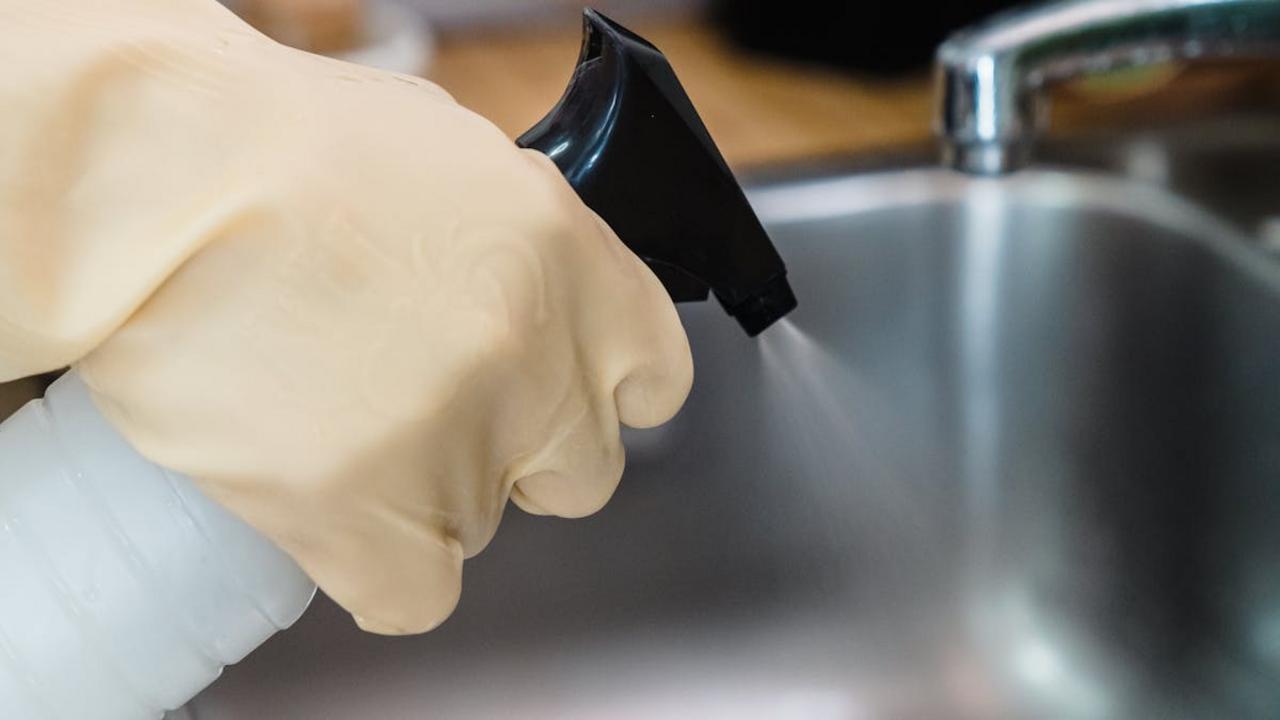
Your kitchen counters are basically tiny bacterial nightclubs where E. coli and salmonella throw wild parties every time you turn your back. Here’s a fun fact that’ll make you reach for the disinfectant: bacteria can double their population every 20 minutes on warm surfaces, which means that innocent chicken juice splatter from dinner prep becomes a microscopic metropolis by bedtime. I keep a spray bottle of diluted bleach solution (one tablespoon per gallon of water) right next to my coffee maker because caffeine and cleanliness go hand in hand in my world.
The secret weapon for proper sanitization isn’t some fancy product with unpronounceable ingredients—it’s good old-fashioned hot soapy water followed by a sanitizing rinse. After you’ve scrubbed away visible grime, hit those surfaces with either your bleach solution, rubbing alcohol, or white vinegar (though never mix these together unless you want to accidentally create a chemistry experiment gone wrong). Pay special attention to those sneaky spots where crumbs love to hide: around the coffee maker, behind the toaster, and that mysterious sticky patch near the stove that somehow reappears daily. Clean surfaces immediately after handling raw meat, and always sanitize before food prep—your stomach will thank you later, and your dinner guests will never know you saved them from a potential bacterial fiesta.
Food Expiration Dates
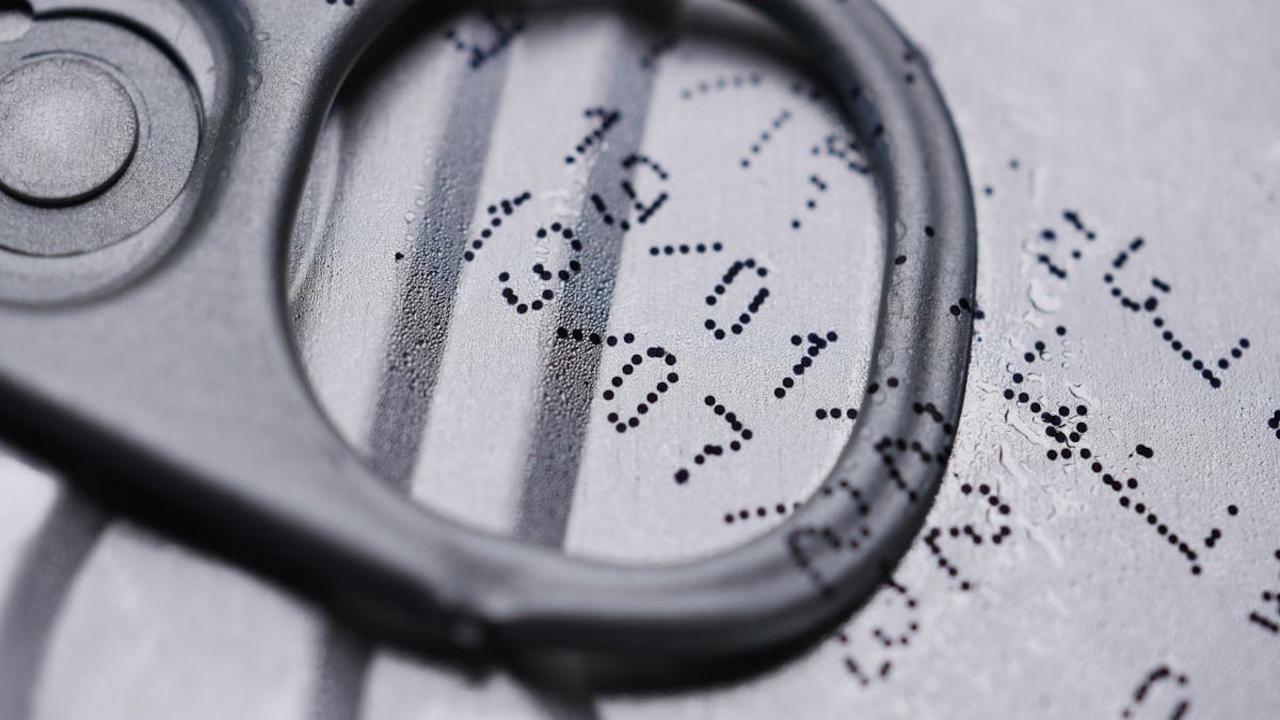
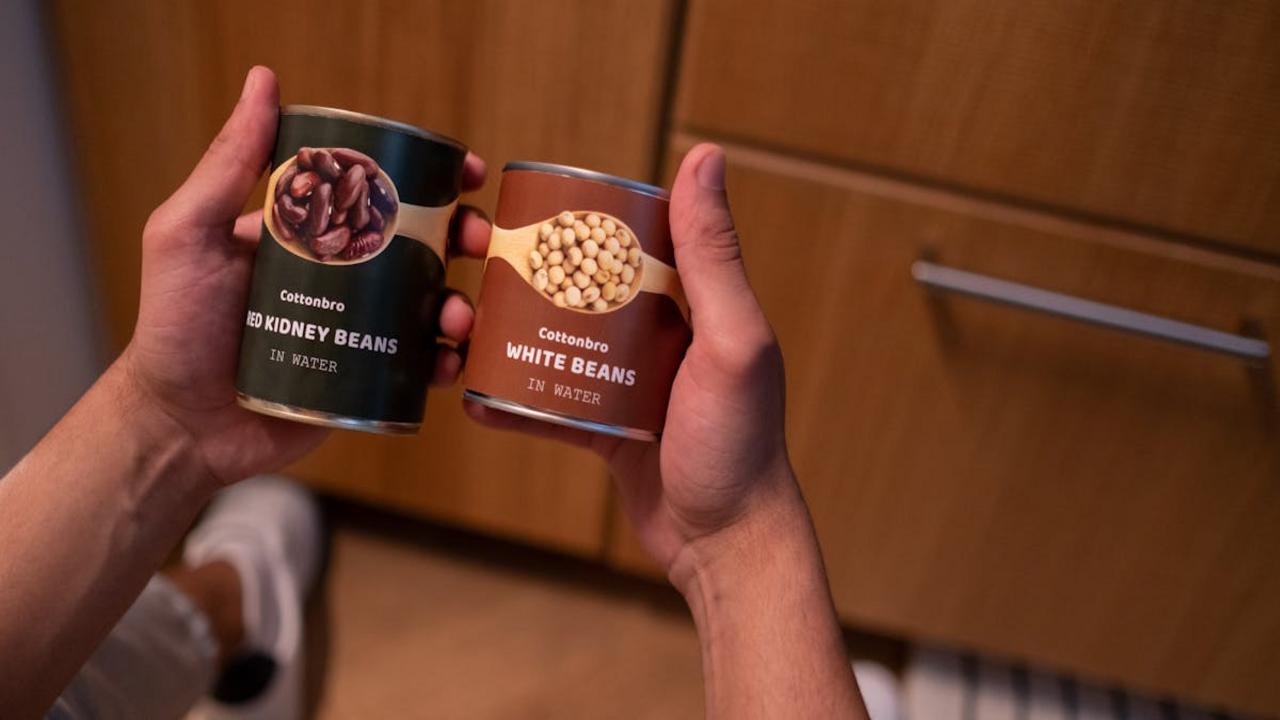
Those mysterious dates stamped on your food packages aren’t actually trying to ruin your day—they’re more like gentle suggestions from food companies who want to cover their legal bases. Here’s the wild truth: “sell by” dates tell stores when to rotate their stock, “best by” dates indicate peak flavor (not safety), and only “use by” dates on highly perishable items like meat and dairy should make you pause before taking that first bite. I once found a can of beans in my pantry that had been “expired” for two years, and you know what? Those beans were still perfectly fine, probably wondering why they’d been sitting there so long waiting for their moment to shine.
Your nose, eyes, and common sense make better food safety inspectors than any printed date ever could. Milk that smells funky? Trust that sour smell over the date on the carton. Bread with suspicious green spots? Those fuzzy patches aren’t adding extra flavor, no matter what the package says. The FDA estimates that Americans throw away $161 billion worth of perfectly good food each year, often because we panic at the sight of a date that’s passed. Instead of playing food roulette with dates, learn to read your ingredients like a detective—check for odd colors, strange textures, and off smells that signal real trouble ahead.
Cross Contamination Prevention
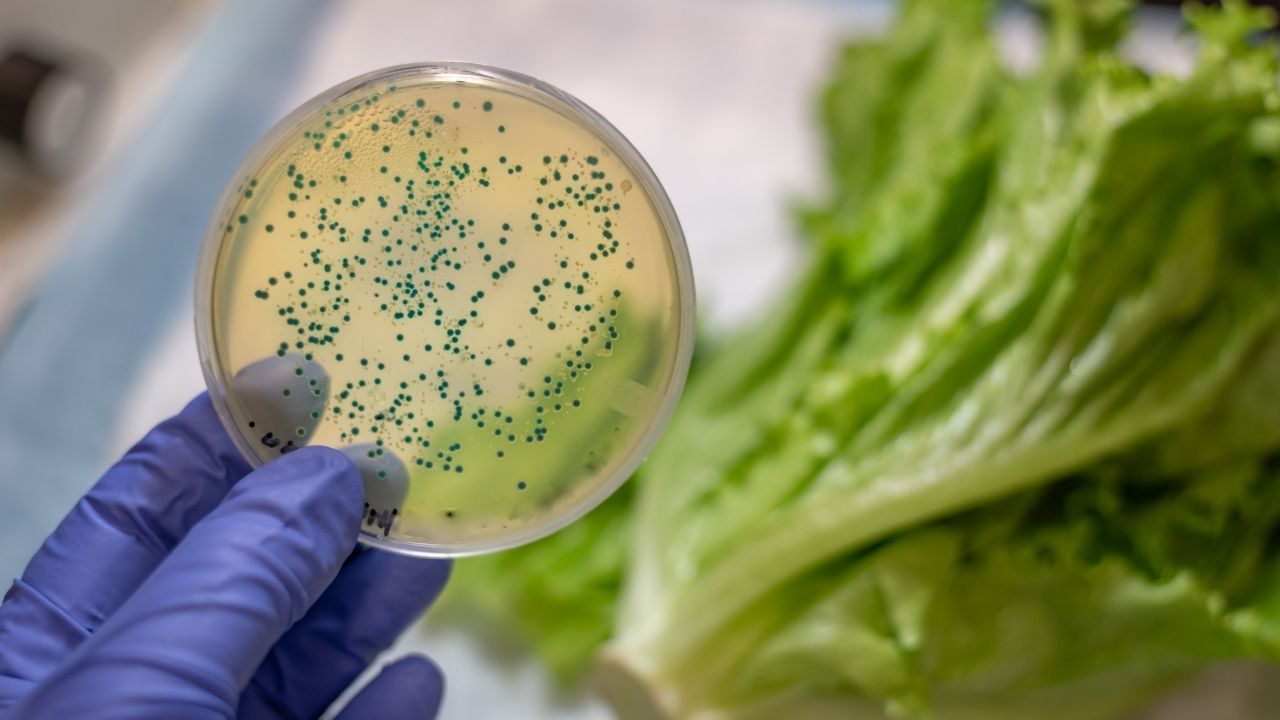
Picture this: you’re prepping a gorgeous Sunday dinner, feeling like a kitchen goddess, when suddenly you realize you just used the same cutting board for raw chicken and fresh herbs. Congratulations, you’ve just created a bacterial playground that would make a microbiologist weep! Cross contamination is basically the unwelcome party crasher of the food world – it happens when harmful bacteria from raw foods decide to hitchhike onto your ready-to-eat ingredients. The sneaky culprits? Usually raw meat, poultry, seafood, and eggs that love to spread their germy goodness through shared cutting boards, knives, or even your hands.
Here’s where things get interesting: bacteria can survive on surfaces for hours, just waiting for their moment to shine (and potentially ruin your dinner party). Smart cooks know the golden rule – separate everything like you’re running a food divorce court. Keep dedicated cutting boards for different food types (pro tip: color-coded boards make you look professional and prevent disasters), wash your hands religiously between handling different ingredients, and never let raw meat juices touch anything else. Fun fact: even a tiny drop of contaminated liquid can spread millions of bacteria faster than gossip in a small town. Your future self will thank you when everyone remembers your dinner for the amazing flavors, not the midnight trips to the bathroom!
Safe Food Storage Temperatures
Your refrigerator isn’t just a cold box where leftovers go to die—it’s actually a precision instrument that can make or break your food safety game! The magic number you need to remember is 40°F (4°C) or below for your fridge, and 0°F (-18°C) for your freezer. I know, I know, checking temperatures sounds about as exciting as watching paint dry, but here’s the thing: bacteria throw their own little party between 40°F and 140°F, and trust me, you don’t want to be invited to that shindig. This temperature danger zone is where nasty bugs like salmonella and E. coli multiply faster than rabbits in spring, potentially turning your beautiful dinner into a one-way ticket to food poisoning town.
Here’s a fun fact that’ll blow your mind: your fridge temperature can vary by up to 10 degrees between different shelves! The top shelf runs warmer (perfect for leftovers and drinks), while the bottom shelf near the crisper drawers stays coldest (hello, raw meat storage!). Your freezer door is actually the warmest spot in there, so don’t store ice cream there unless you enjoy the disappointment of rock-hard-turned-soupy dessert. Get yourself a cheap fridge thermometer—seriously, they cost like five bucks and will save you from that awful moment when you realize your “fresh” chicken has been hanging out in the bacterial danger zone all week. Pro tip: keep your fridge at 37°F to give yourself a safety buffer, because nobody wants to play Russian roulette with their grocery budget or their stomach!
Proper Hand Washing
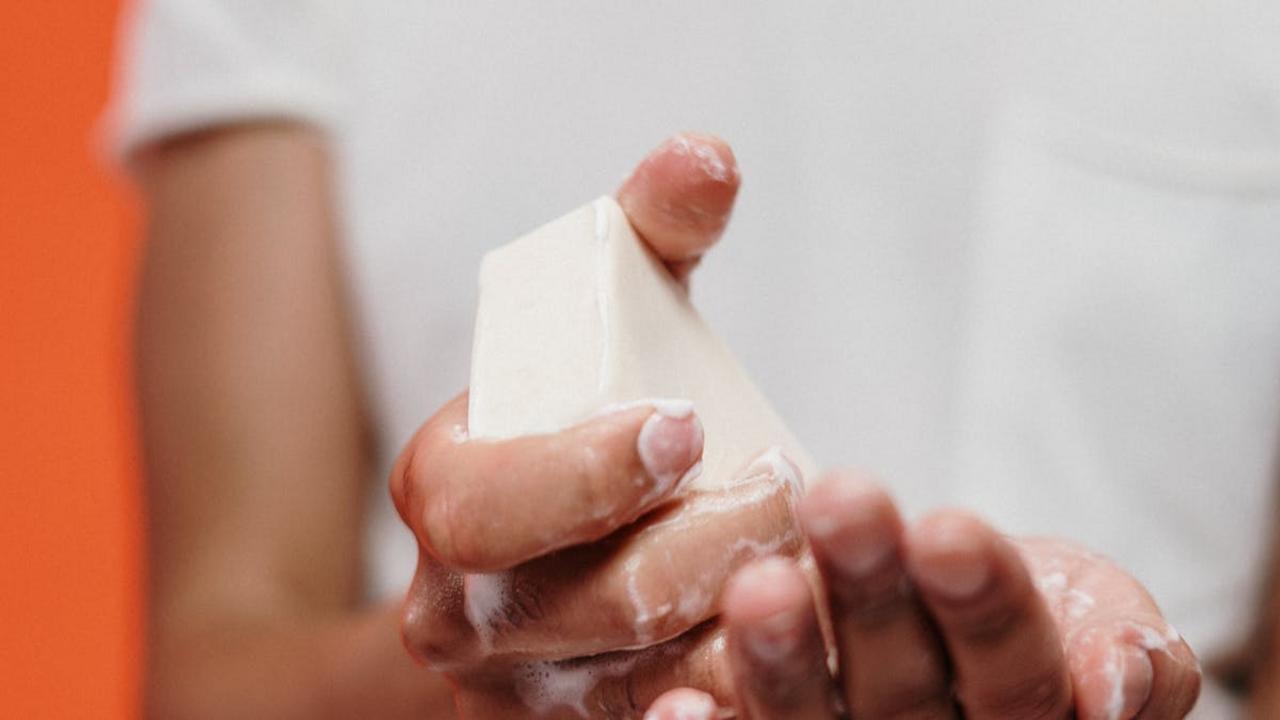
You know that moment when you’re elbow-deep in raw chicken prep and suddenly realize you need to grab the pepper shaker? Don’t you dare reach for it with those germy digits! Your hands are basically tiny biological warfare units when they’re not properly scrubbed, capable of turning your beautiful dinner into a food poisoning disaster faster than you can say “salmonella surprise.” The CDC recommends washing for 20 seconds (that’s two rounds of “Happy Birthday” if you’re the singing type), but here’s the kicker: most people barely make it past the opening verse.
Hot water isn’t actually the superhero you think it is – lukewarm works just fine and won’t scald your skin into submission. The real magic happens with good old-fashioned soap and friction, so scrub between those fingers like you’re trying to remove invisible glue. Fun fact: your fingernails harbor more bacteria than a subway turnstile, so give them extra attention! I always tell people to pretend they just shook hands with someone who clearly didn’t wash theirs after using the restroom – suddenly that 20-second scrub doesn’t seem so tedious, does it? Remember, clean hands are your first line of defense against turning taco Tuesday into “why-did-I-trust-that-ground-beef Wednesday.”