14 Nutrient-Packed Foods to Elevate Your Everyday Meals
Your kitchen holds incredible power to transform ordinary meals into nutrient-dense celebrations. I’ve spent years discovering how simple, whole ingredients can completely change how you feel and cook. These fourteen foods aren’t just healthy—they’re versatile ingredients that bring bold flavors and serious nutrition to your daily cooking routine.
You don’t need complicated recipes or expensive superfoods to eat well. Some of my favorite meals come from combining unexpected ingredients like sweet potatoes with garlic, or dark chocolate with pistachios. Each food on this list offers unique benefits while playing beautifully with others.
Building meals around these nutrient powerhouses means creating dishes that satisfy your body and soul. From creamy avocados to antioxidant-rich berries, you’ll find fresh inspiration for breakfast, lunch, and dinner that keeps processed foods off your plate.
Olive Oil
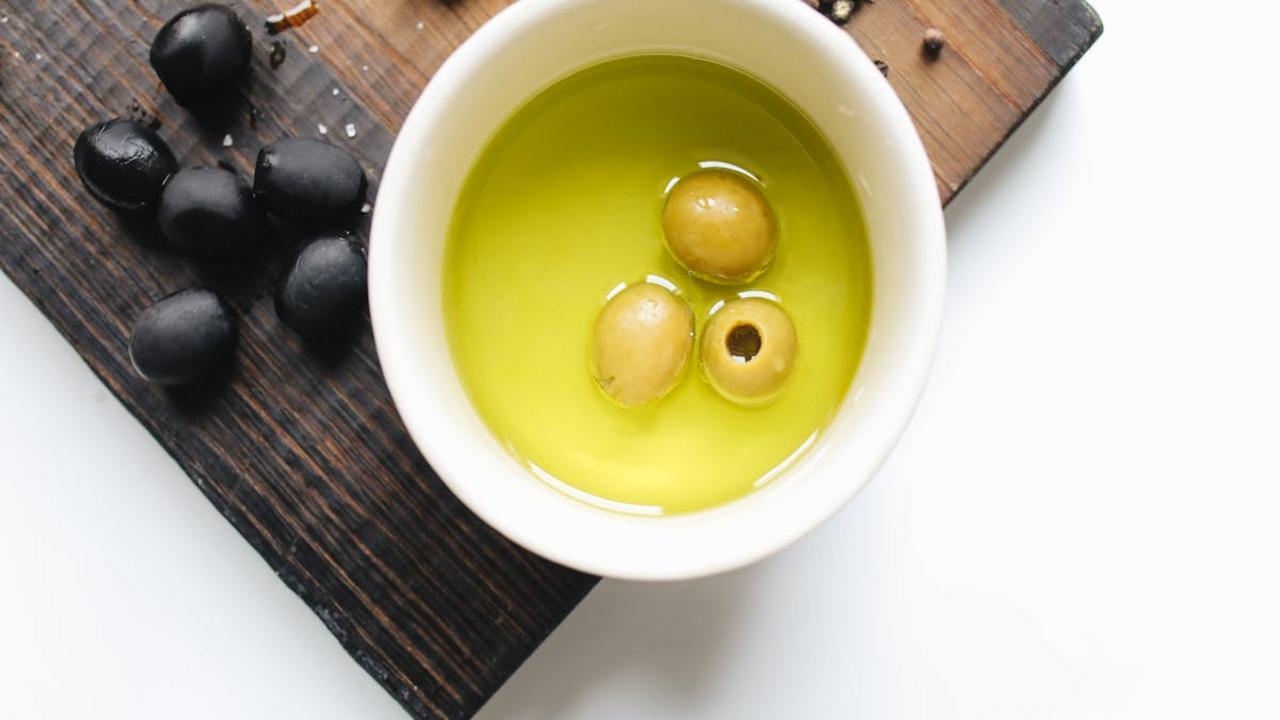
You know that bottle of olive oil sitting on your counter? It’s probably one of the most powerful ingredients in your kitchen, and I’m not just talking about flavor. Good quality extra virgin olive oil brings monounsaturated fats that your heart absolutely loves, plus antioxidants like vitamin E and polyphenols that fight inflammation throughout your body. I always keep two types on hand – a robust, peppery one for finishing dishes and a milder one for everyday cooking. The difference in taste and nutrition between mass-produced and artisanal oils will shock you once you make the switch.
What I love most about olive oil is how it transforms simple ingredients into something magical. Drizzle it over roasted vegetables with a pinch of sea salt, and suddenly you have a side dish that steals the show. I use it in my homemade salad dressings, whisked with lemon juice and herbs, creating emulsions that make store-bought versions taste flat and artificial. Even a piece of crusty bread becomes a treat when you dip it in quality olive oil with cracked black pepper. Remember, heat destroys some of olive oil’s beneficial compounds, so save your best bottle for drizzling over finished dishes where its grassy, fruity notes can really shine.
Beets
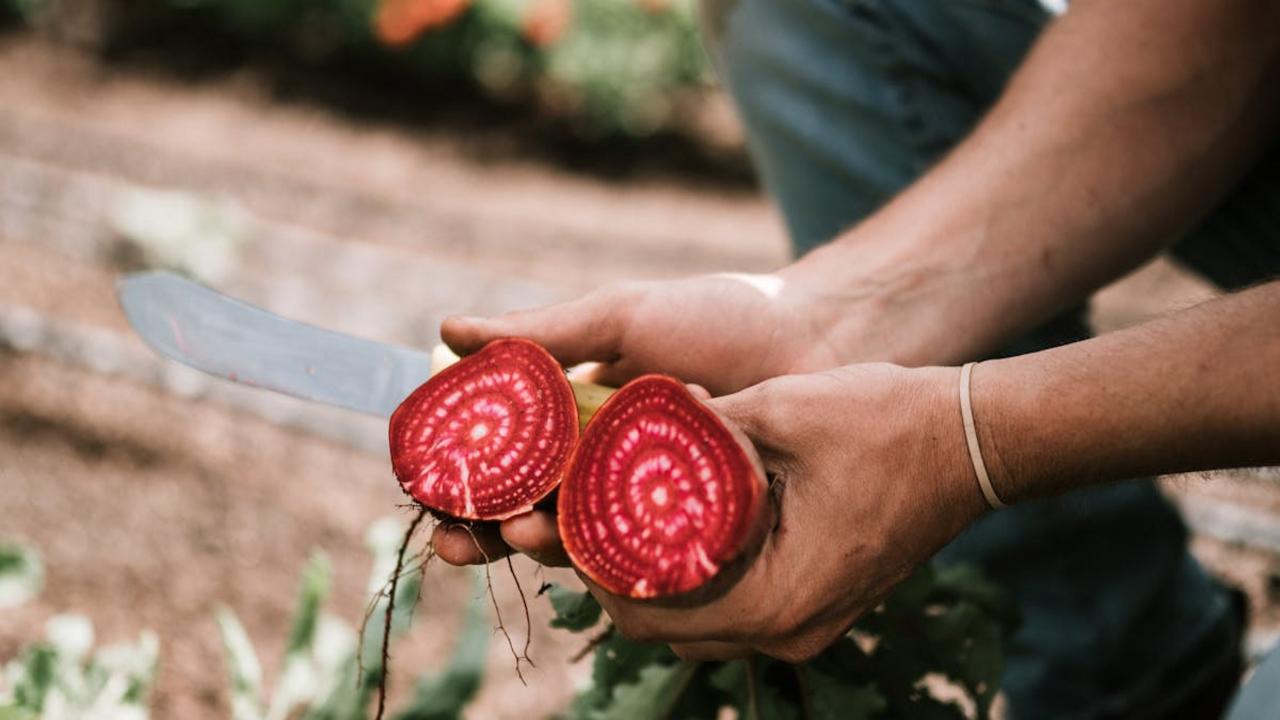
I remember the first time I roasted beets properly – the earthy sweetness that filled my kitchen completely changed my relationship with this vibrant root vegetable. Beets pack an incredible nutritional punch with their deep crimson color signaling high levels of nitrates, which support healthy blood flow and can boost your exercise performance. They’re loaded with folate for cell health, fiber for digestion, and betalains – those powerful antioxidants responsible for their stunning color that also fight inflammation in your body.
What I love most about beets is their incredible versatility in both raw and cooked forms. I grate them fresh into salads for a crisp, peppery bite, or I roast them whole until tender and caramelized, then toss with goat cheese and walnuts. The golden varieties offer a milder flavor that works beautifully in smoothies without overpowering other ingredients. Don’t throw away those leafy greens either – they’re just as nutritious as the roots and make a fantastic addition to stir-fries or sautéed with garlic as a simple side dish.
Pomegranate
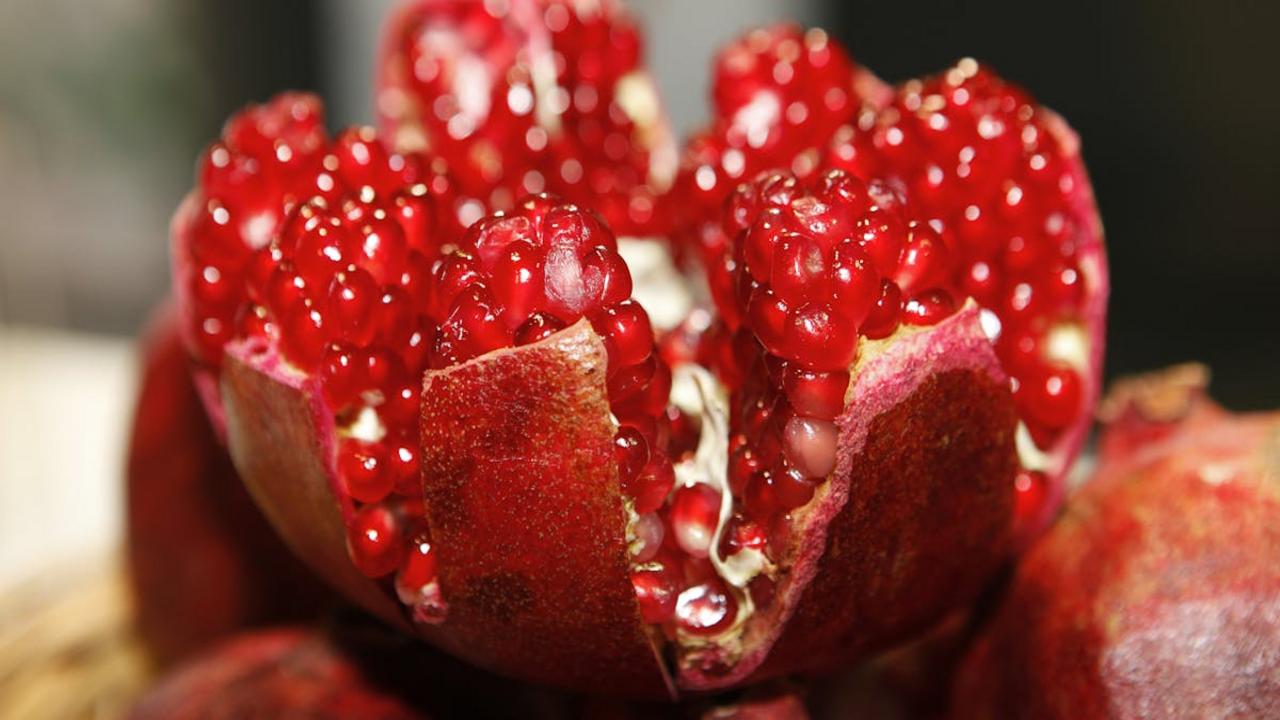
Picture this: you crack open a pomegranate and discover hundreds of ruby-red jewels waiting inside. I’ve been adding these antioxidant-packed seeds to everything from morning yogurt bowls to savory lamb dishes, and they never fail to bring both vibrant color and incredible health benefits to my table. Each seed bursts with vitamin C, fiber, and powerful compounds that support heart health and fight inflammation. What I love most about pomegranates is how they bridge the gap between sweet and tart, making them perfect for both desserts and savory applications that need a pop of acidity.
You don’t need to overthink incorporating pomegranate into your cooking routine. I scatter the seeds over salads with feta and mint for a Mediterranean twist, or fold them into rice pilafs where they add unexpected bursts of flavor. During winter months, I simmer pomegranate juice into a glaze for roasted vegetables or use it as a base for homemade vinaigrettes. The seeds also freeze beautifully, so I always keep a stash ready for smoothies or as a garnish for soups. Trust me, once you start experimenting with pomegranate’s versatility, you’ll find yourself reaching for this superfruit regularly.
Garlic
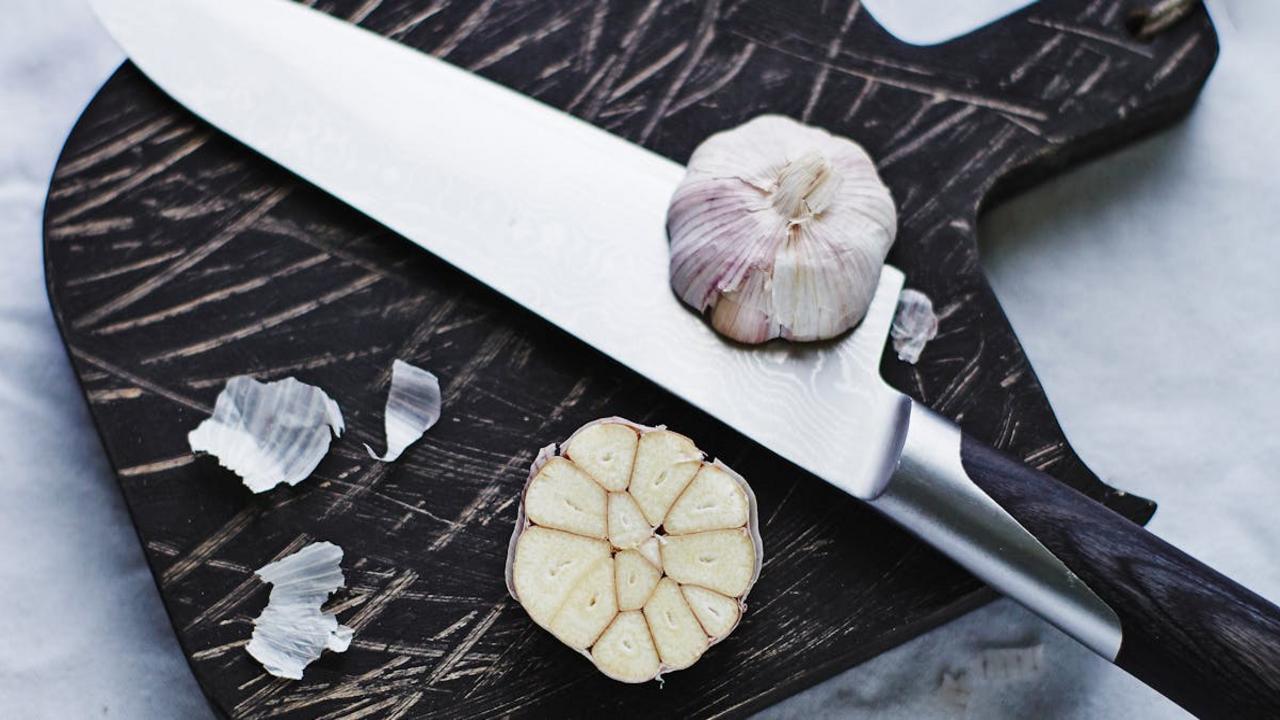
I keep garlic in every corner of my kitchen—fresh bulbs on the counter, minced in the fridge, and dried granules in my spice cabinet. This pungent powerhouse brings more than just flavor to your cooking; it packs serious nutritional benefits that make me reach for it daily. Rich in allicin, the compound responsible for garlic’s distinctive smell and many health properties, this humble bulb supports immune function and cardiovascular health while adding depth to any dish you create.
You can transform garlic in countless ways to suit your cooking style. I love slow-roasting whole bulbs until they become sweet and spreadable, perfect for mashing into mashed potatoes or spreading on crusty bread. When I need quick flavor, I grate fresh cloves directly into stir-fries or sauces, releasing those powerful compounds immediately. For a gentler approach, try confit garlic—slowly cooking cloves in olive oil creates silky, mellow gems that elevate everything from pasta to roasted vegetables. Remember, crushing or chopping garlic activates its beneficial compounds, so don’t skip this step if you want maximum nutritional impact.
Pistachios
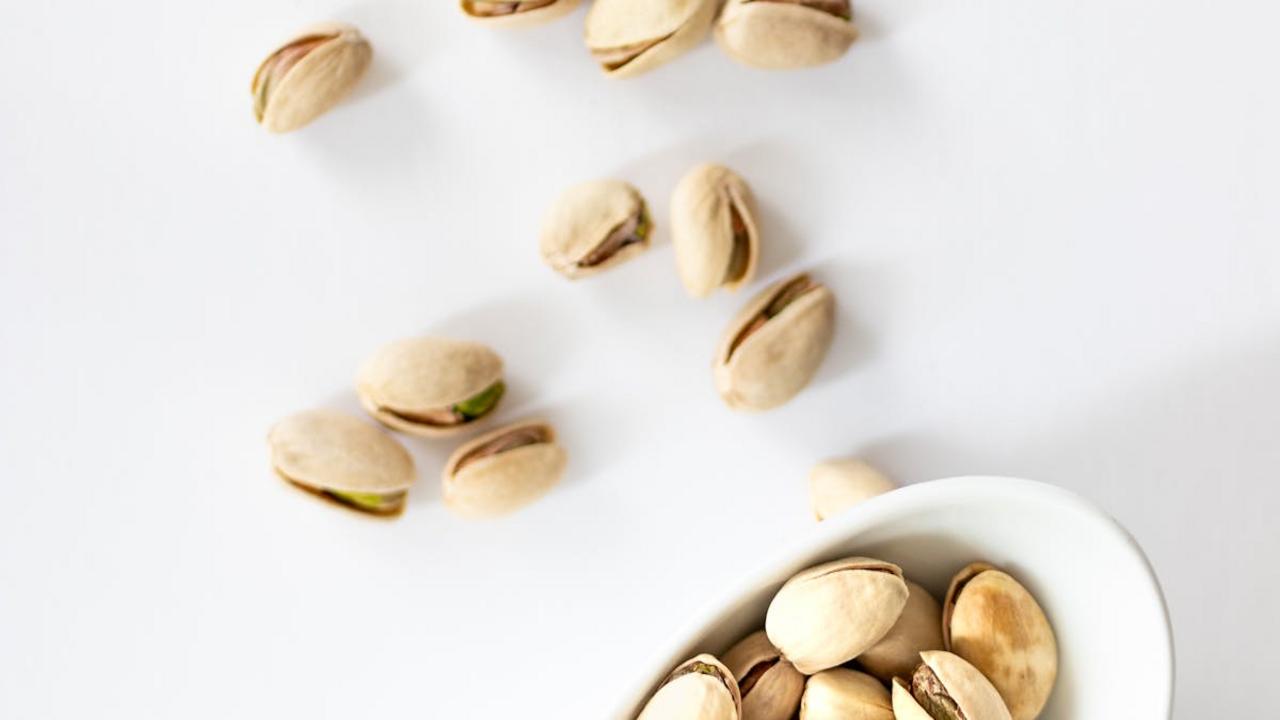
When I’m looking for a snack that delivers both incredible flavor and serious nutrition, pistachios always come to mind. These little green gems pack an impressive amount of protein—about 6 grams per ounce—along with healthy fats that keep you satisfied for hours. What really excites me about pistachios is their versatility in the kitchen. I love crushing them into a coarse powder to coat fish or chicken, creating an amazing textural contrast that adds richness without heaviness. Their natural saltiness means you often need less added salt in your dishes, which I appreciate when I’m trying to keep meals wholesome and balanced.
Beyond their protein power, pistachios bring surprising depth to both sweet and savory preparations. I often toss them into grain salads where they add that perfect crunch, or blend them into homemade pesto for a unique twist on the classic basil version. They’re loaded with antioxidants, particularly lutein and zeaxanthin, which support eye health—something I think about more as I spend long hours developing recipes in the kitchen. The act of shelling them yourself actually helps with portion control, giving your brain time to register satisfaction. Try sprinkling chopped pistachios over roasted vegetables or stirring them into yogurt with a drizzle of honey for an instant upgrade to everyday meals.
Dark Chocolate

You know that moment when you’re craving something sweet but want to nourish your body at the same time? Dark chocolate becomes your best friend here. I keep a bar of 70% cacao or higher in my pantry because it’s packed with flavonoids, magnesium, and iron—nutrients that support heart health and brain function. The key is choosing quality chocolate with minimal ingredients: cacao, cacao butter, and a touch of natural sweetener. Skip those processed bars loaded with additives and artificial flavors.
I love melting dark chocolate into my morning oatmeal with a sprinkle of sea salt, or chopping it into homemade energy balls with dates and nuts. Sometimes I’ll create a simple chocolate sauce by warming coconut milk with dark chocolate and a hint of vanilla—perfect for drizzling over fresh fruit or yogurt. The bitter-sweet complexity adds depth to both sweet and savory dishes. Try rubbing cocoa powder into a spice blend for grilled meats, or stirring a square of dark chocolate into your next chili. Your body gets antioxidants while your kitchen fills with that irresistible aroma.
Avocados
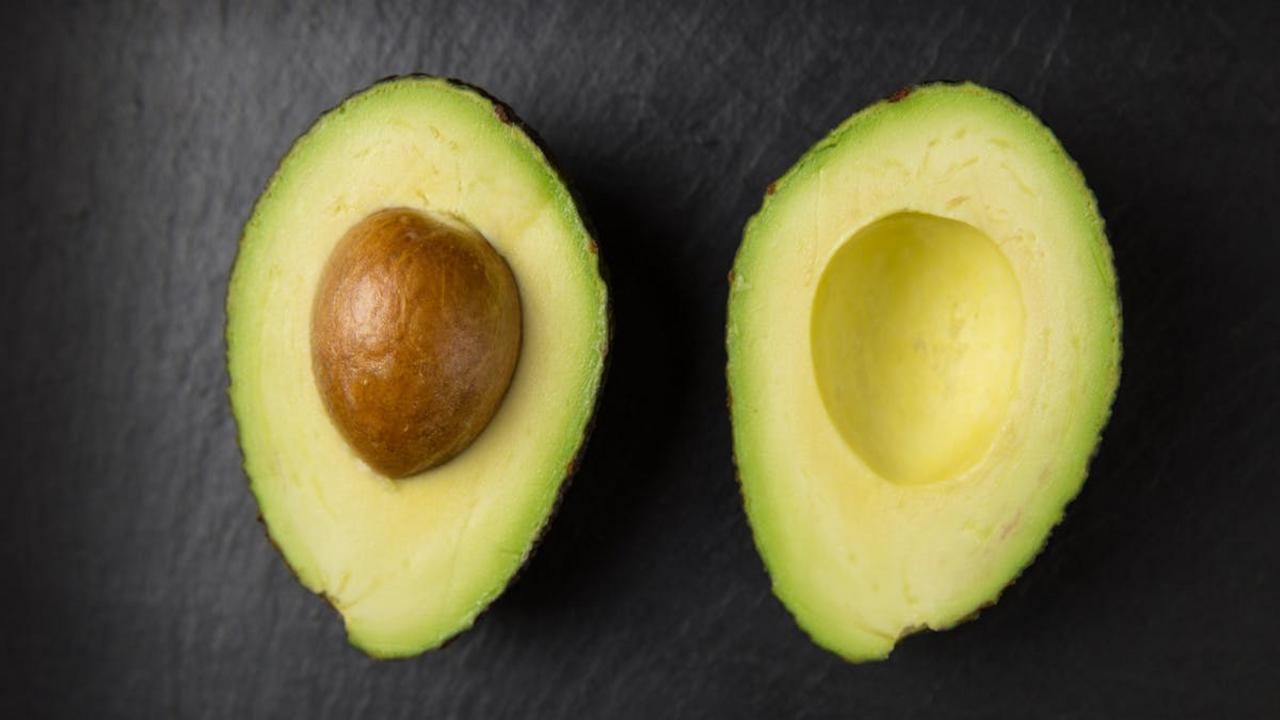
You know that moment when you slice into a perfectly ripe avocado and it practically melts under your knife? That’s pure magic right there, and I never get tired of it. Avocados bring this incredible creaminess to everything they touch – from my morning toast to those vibrant green smoothies I whip up when I need a quick energy boost. What really gets me excited about avocados is how they’re packed with healthy monounsaturated fats that actually help your body absorb other nutrients better. Think about it: when you add avocado to your salad, you’re not just making it taste amazing, you’re helping your body soak up all those vitamins from the leafy greens and colorful vegetables.
I love how versatile these beauties are in the kitchen – they work just as well in sweet applications as they do in savory ones. I’ve been experimenting with adding them to chocolate mousse recipes, and trust me, your guests will never guess the secret ingredient that makes everything so silky and rich. Beyond the kitchen magic, avocados deliver serious nutritional power with their fiber, potassium, and folate content. They support heart health and keep you feeling satisfied for hours, which is why I often reach for half an avocado with a sprinkle of sea salt and lime juice when I need a quick, nourishing snack that won’t leave me reaching for something processed an hour later.
Salmon
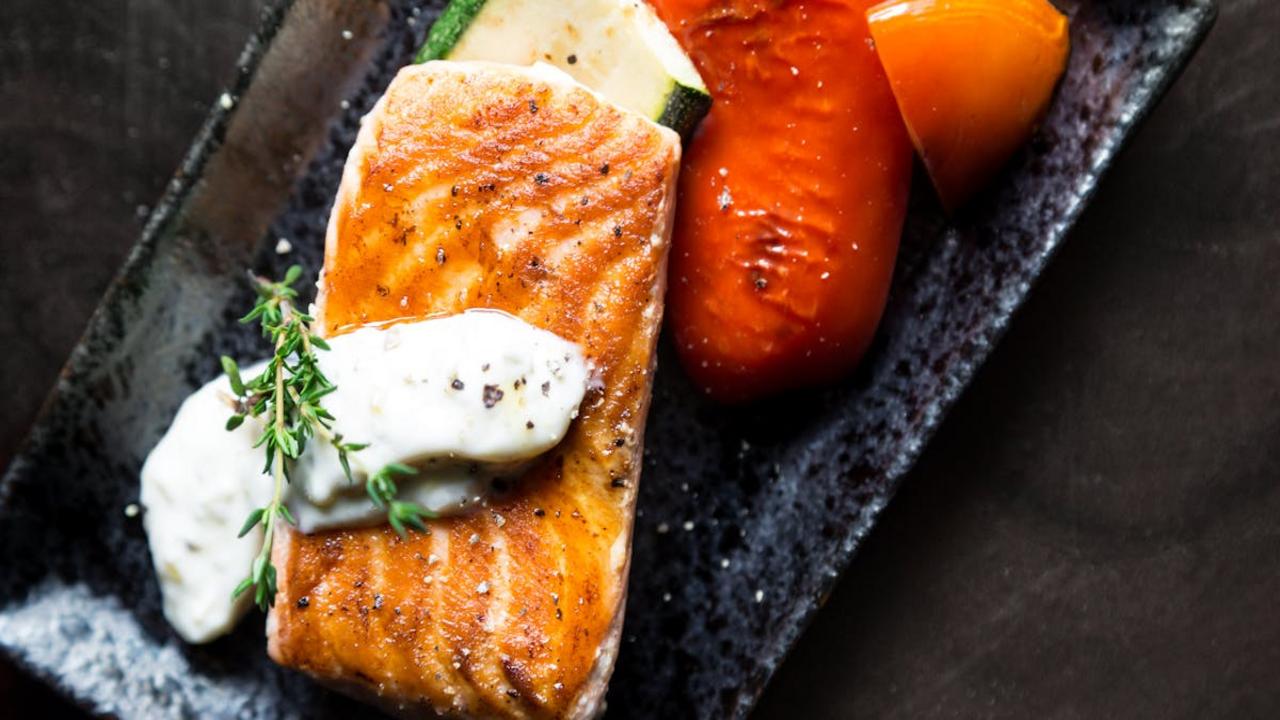
Salmon has become my go-to protein when I want to create something that feels both nourishing and indulgent. This beautiful fish brings omega-3 fatty acids, high-quality protein, and vitamin D straight to your plate, making it one of nature’s most complete foods. I love how salmon works with flavors from around the world—whether I’m rubbing it with Middle Eastern za’atar and lemon, glazing it with miso and ginger from my Japanese pantry, or simply seasoning it with herbs from my garden.
What draws me to salmon most is how forgiving it is for home cooks. You can bake it wrapped in parchment with vegetables, pan-sear it for crispy skin, or even cure it yourself with salt and dill for a weekend project. I always buy wild-caught when possible because the flavor is more complex and the nutritional profile is superior. The key is not overthinking it—salmon’s natural richness means simple seasonings and gentle cooking methods work best. A piece of properly cooked salmon transforms any weeknight dinner into something special.
Oatmeal
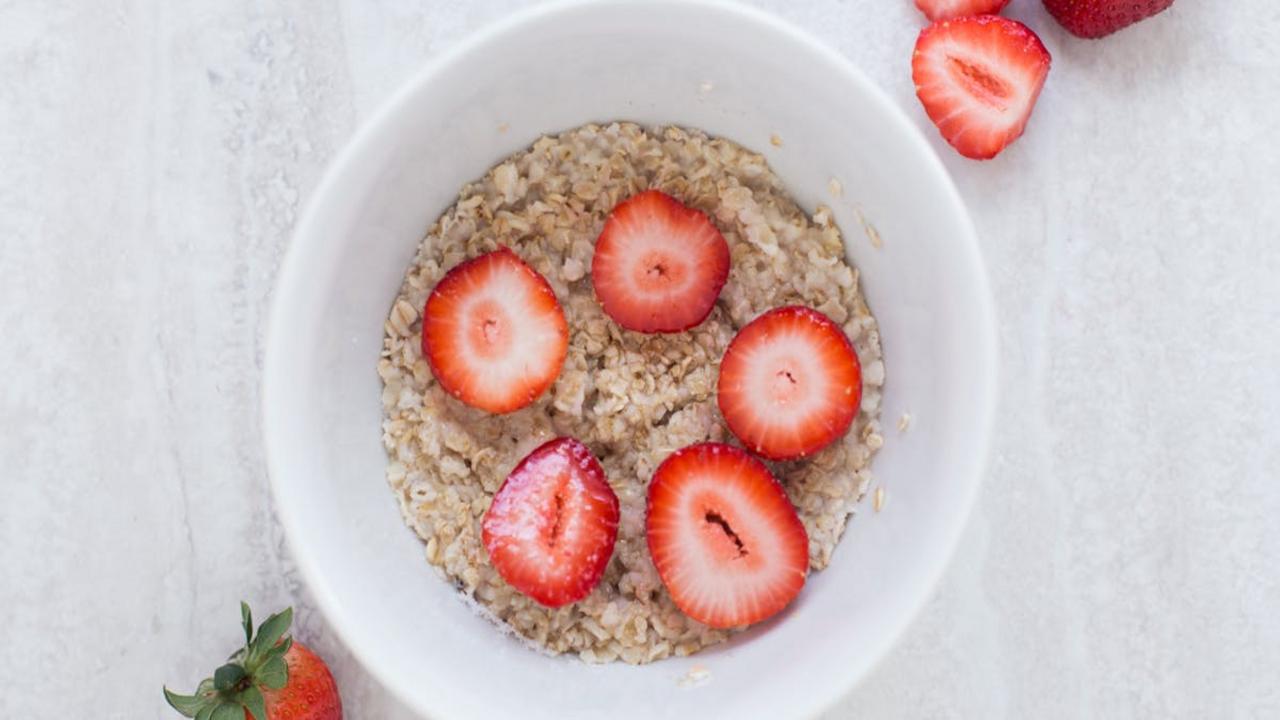
You know what I love about oats? They’re like that reliable friend who’s always got your back – simple, honest, and incredibly versatile. I grew up thinking oatmeal was just that boring breakfast you ate when there was nothing else, but once I started experimenting with steel-cut oats and rolled oats from scratch, everything changed. These humble grains pack serious nutritional power: they’re loaded with beta-glucan fiber that helps lower cholesterol, plus they give you sustained energy that won’t crash mid-morning. The magnesium and B vitamins don’t hurt either – your body will thank you for choosing real oats over those sugary instant packets.
Here’s where things get exciting – oats become whatever you want them to be. I love cooking them savory with caramelized onions and fresh herbs, almost like a risotto. Or try my overnight oats method: mix rolled oats with coconut milk, chia seeds, and whatever fruit catches your eye at the market. The oats soften overnight and create this creamy, pudding-like texture that feels indulgent but fuels your day properly. You can even blend raw oats into smoothies for extra thickness and fiber, or grind them into flour for pancakes. Every culture has its own way with oats – from Scottish porridge to Nigerian akamu – and each method shows just how adaptable these grains truly are.
Berries
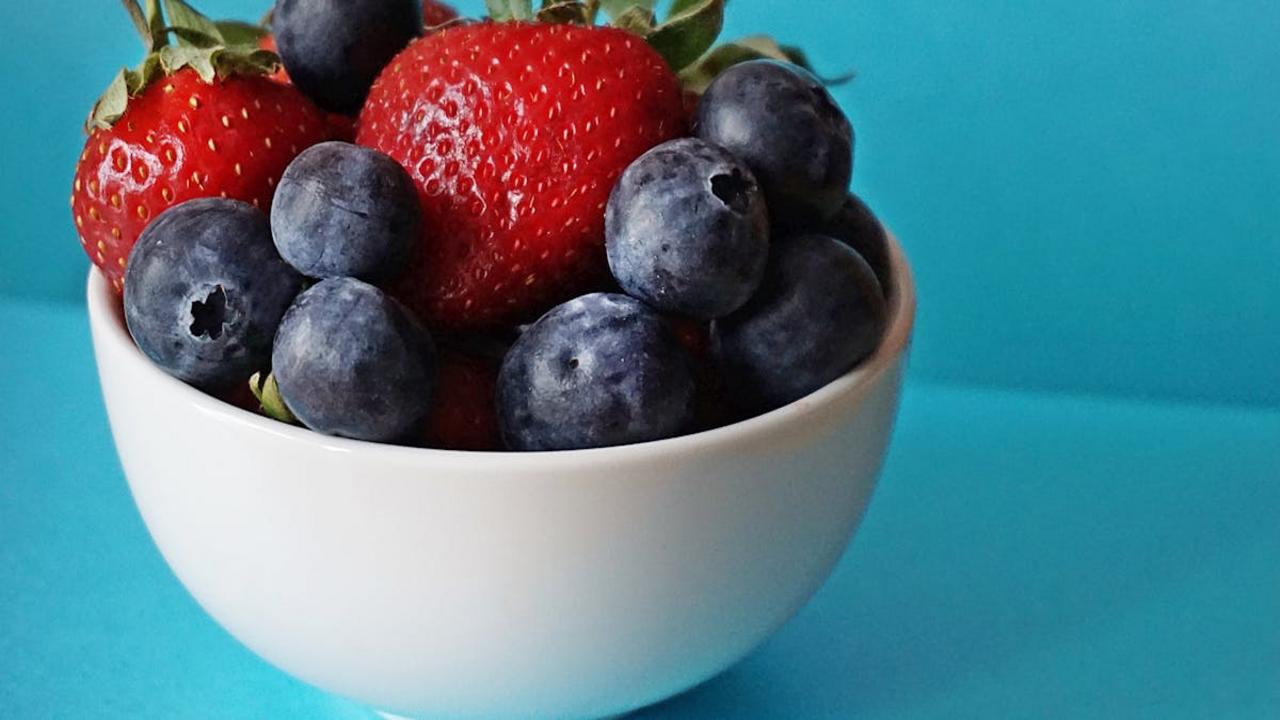
You know what makes me smile every morning? Opening my fridge and seeing those jewel-toned berries staring back at me. Blueberries, strawberries, raspberries, blackberries – they’re like nature’s candy, but so much better for you. These little powerhouses pack more antioxidants than almost any other fruit, and I love how they transform the simplest dishes into something special. I toss them into my morning oats, blend them into smoothies with a handful of spinach (trust me on this one), or fold them into homemade muffins that actually nourish your body instead of just filling it up.
What really gets me excited about cooking with berries is their versatility across different cuisines. I’ve learned to make a gorgeous berry compote that works just as well over Greek yogurt as it does alongside roasted duck – a trick I picked up from a French cookbook years ago. Fresh berries brighten up savory salads with their natural sweetness, and frozen ones work beautifully in winter stews for an unexpected pop of flavor. The fiber content keeps you satisfied longer than processed snacks, while the vitamin C supports your immune system naturally. Plus, buying them frozen means you can enjoy berry goodness year-round without breaking the bank.
Leafy Greens
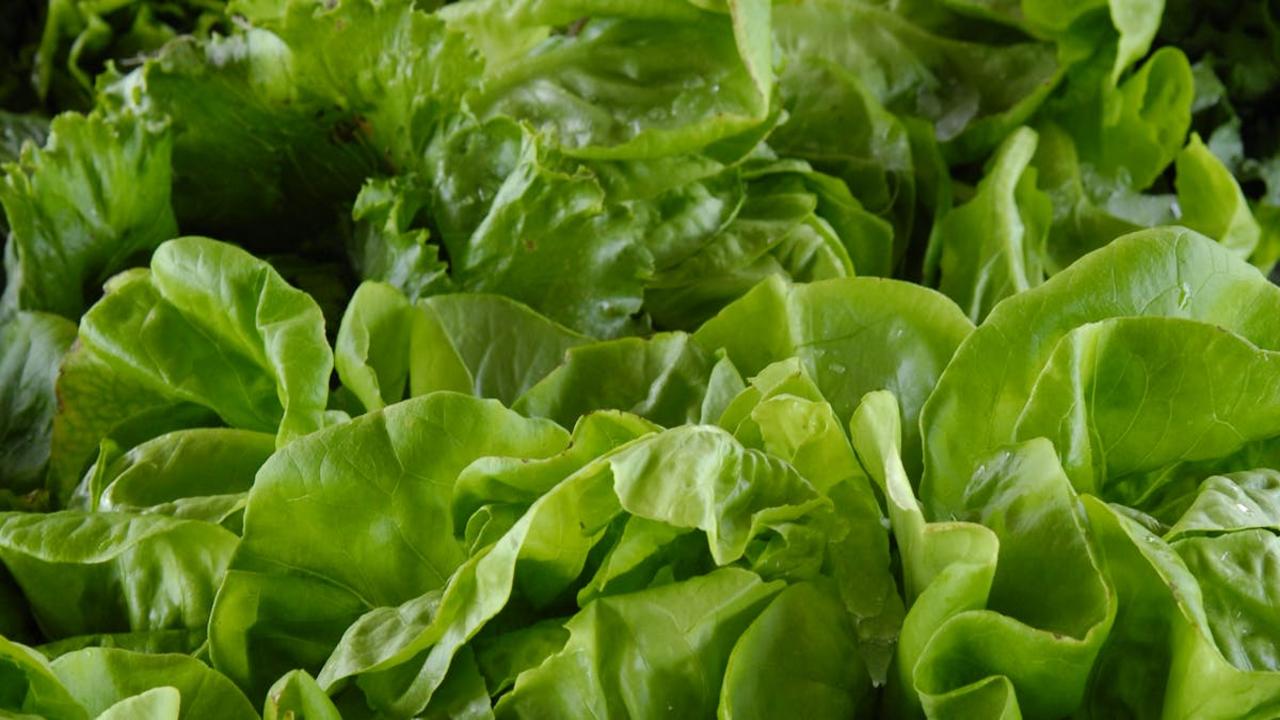
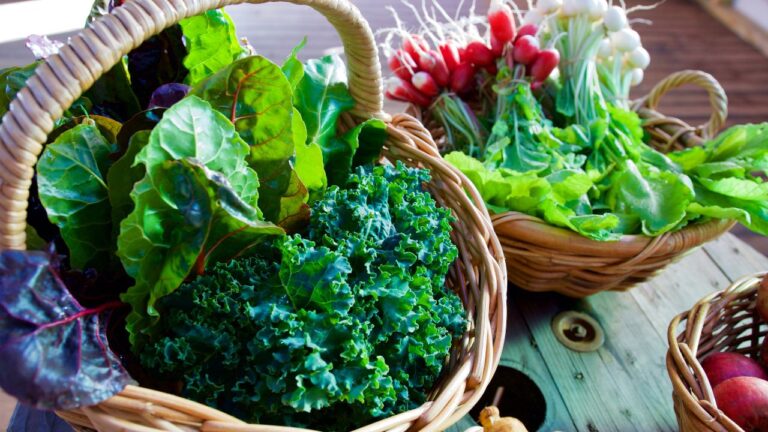
You know that moment when you open your refrigerator and see those vibrant green leaves calling your name? That’s your body craving what leafy greens deliver best—pure, concentrated nutrition that transforms ordinary meals into powerhouse dishes. I keep spinach, kale, arugula, and Swiss chard on rotation in my kitchen because each brings its own personality to the table. Spinach melts beautifully into curries and omelets, while peppery arugula adds instant sophistication to grain bowls. Kale stands up to hearty massage with olive oil and lemon, becoming tender and sweet, and Swiss chard stems cook down into silky perfection alongside the leaves.
What makes me most excited about leafy greens is their incredible versatility across different cooking traditions. I throw spinach into my morning smoothies with mango and ginger, fold collard greens into West African-inspired stews, and create quick wilted greens with garlic that pair perfectly with grilled fish or roasted chicken. These nutritional champions pack folate, iron, vitamin K, and antioxidants into every bite, but more importantly, they make everything taste better. Start small if you’re new to greens—add a handful to your next pasta sauce or sandwich. Your body will thank you, and your meals will never feel boring again.
Greek Yogurt
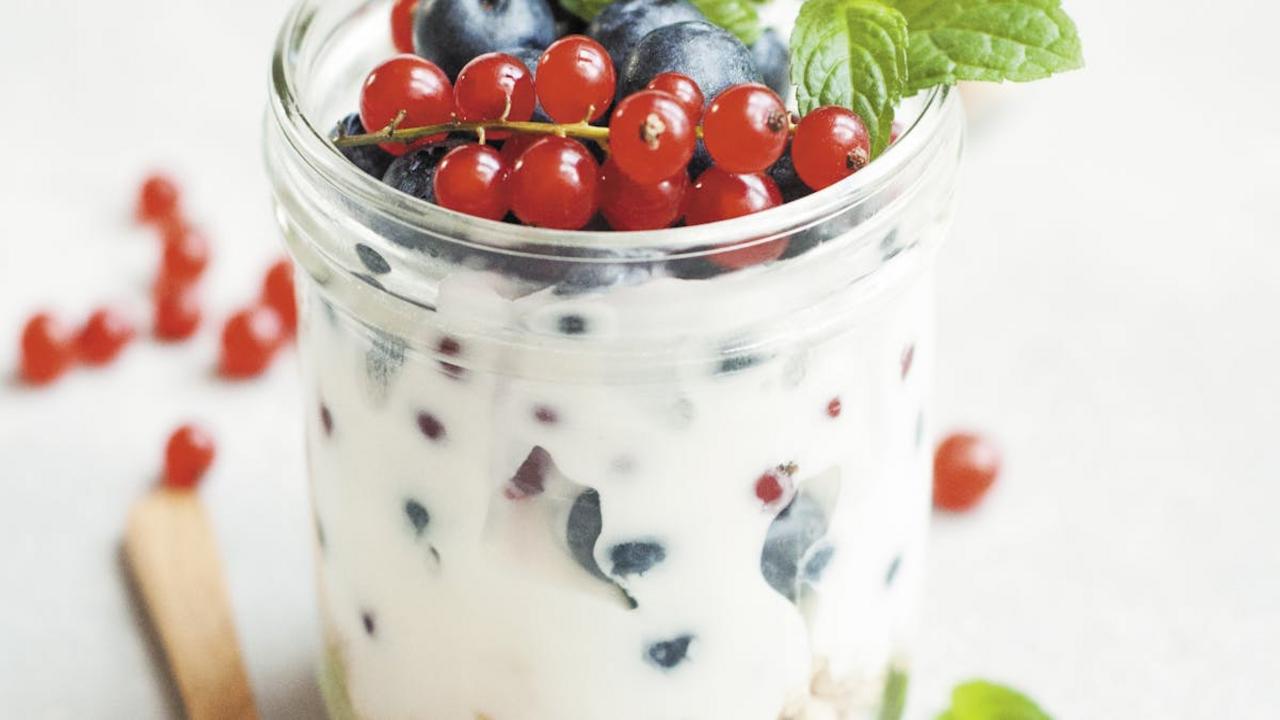
Greek yogurt sits in my refrigerator like a reliable friend—thick, creamy, and ready to transform any meal from ordinary to extraordinary. This protein powerhouse delivers twice the protein of regular yogurt, making it perfect for everything from breakfast parfaits to savory Mediterranean-inspired dips. I love swirling it with honey and cardamom for a quick dessert, or mixing it with fresh herbs and garlic to create a cooling sauce for spiced lamb or roasted vegetables. The tangy richness adds depth to smoothies, and I often substitute it for sour cream in my homemade recipes, boosting nutrition without sacrificing flavor.
What makes Greek yogurt truly special is its versatility in both sweet and savory applications across different cuisines. I drain it overnight in cheesecloth to make labneh, a Middle Eastern cheese that spreads beautifully on warm flatbread with olive oil and za’atar. The probiotics support digestive health, while the calcium strengthens bones—benefits I appreciate as someone who cooks from scratch daily. Whether you’re marinating chicken in yogurt and spices for tender tandoori-style dishes or creating a quick tzatziki with cucumber and dill, Greek yogurt bridges cultures and flavors while keeping your meals wholesome and satisfying.
Sweet Potatoes
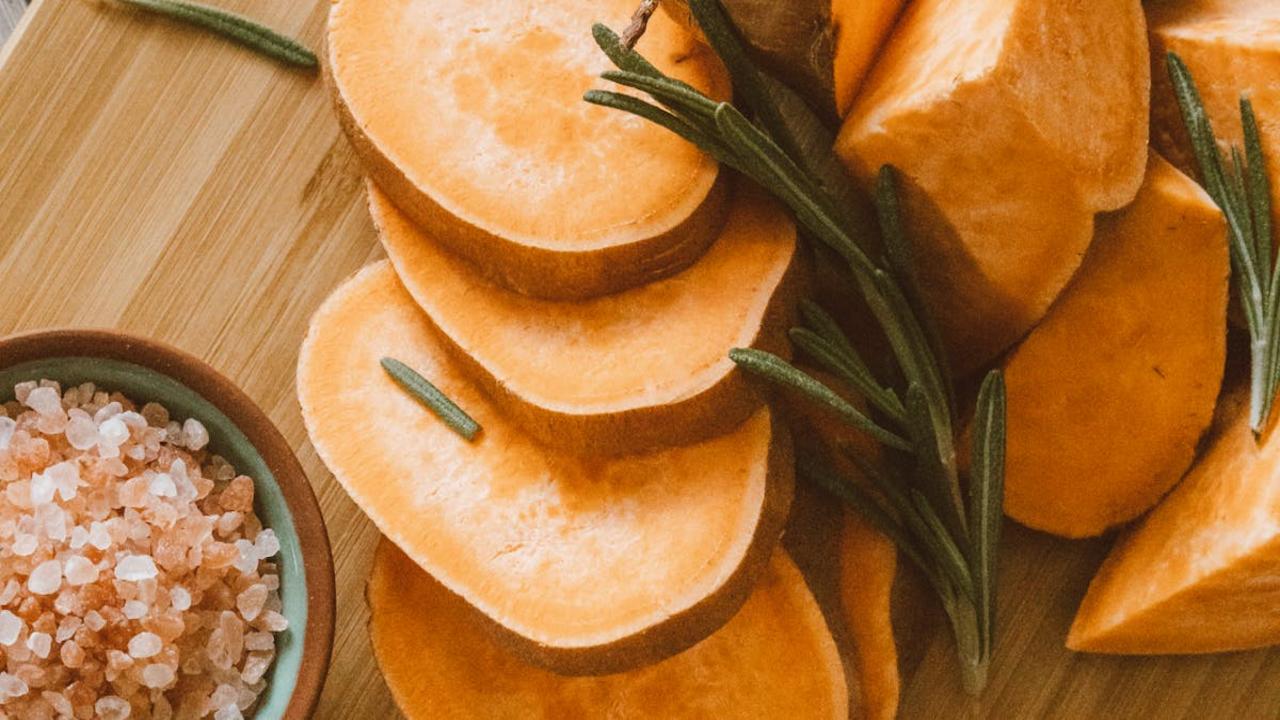
Sweet potatoes have become my go-to ingredient for adding natural sweetness and incredible nutrition to countless dishes. These vibrant orange beauties pack more beta-carotene than almost any other vegetable, which your body converts to vitamin A for healthy vision and immune function. I love how they bring fiber, potassium, and vitamin C to the table while satisfying those comfort food cravings. Whether I’m roasting them whole, spiralizing them into noodles, or mashing them into silky purees, sweet potatoes adapt beautifully to both savory and sweet applications.
What excites me most about sweet potatoes is their incredible versatility across different cooking traditions. I often draw inspiration from West African dishes where sweet potatoes shine in hearty stews, or create Asian-inspired bowls with roasted sweet potato cubes tossed in sesame oil and ginger. Sometimes I’ll stuff them with black beans and avocado for a satisfying Mexican-influenced meal, or simply roast them with herbs and olive oil for a Mediterranean twist. The natural sugars caramelize beautifully during roasting, creating those crispy edges that make everyone at the dinner table reach for seconds before I’ve even finished serving.
Bananas

I keep bananas on my counter year-round because they’re nature’s perfect grab-and-go fuel. You probably think of them as simple breakfast additions, but I’ve discovered they’re incredible flavor bridges in both sweet and savory dishes. Their natural sweetness balances spicy curries beautifully, and I often mash overripe ones into marinades for grilled meats – the enzymes help tenderize while adding subtle tropical notes. Plus, they’re packed with potassium for heart health, vitamin B6 for brain function, and fiber that keeps your digestive system happy.
What excites me most about cooking with bananas is their versatility across different ripeness stages. Green bananas work wonderfully in savory stews and can be boiled like potatoes, while yellow ones shine in smoothies and baked goods. Those brown-spotted ones everyone tosses? They’re pure gold for my weekend pancakes and homemade ice cream. I’ve even grilled firm bananas with a touch of cinnamon and honey as an unexpected side for roasted chicken. The natural sugars caramelize beautifully, creating depth that transforms ordinary meals into something memorable.