14 Foods That Shaped Every Generation and What They Reveal About Us
Food tells stories about who we are, where we’ve been, and what we value most. Each generation grows up with distinct flavors that mirror their times – from wartime rationing to space-age innovations, from convenience culture to wellness movements.
These iconic foods capture moments in history while revealing our collective hopes, fears, and dreams. They show how technology changed our kitchens, how marketing influenced our choices, and how social movements shifted our priorities around health and sustainability.
Join me as we explore fourteen foods that defined entire generations. You’ll discover how each one reflects the spirit of its era and what these choices reveal about our evolving relationship with food, family, and the world around us.
Bubble tea
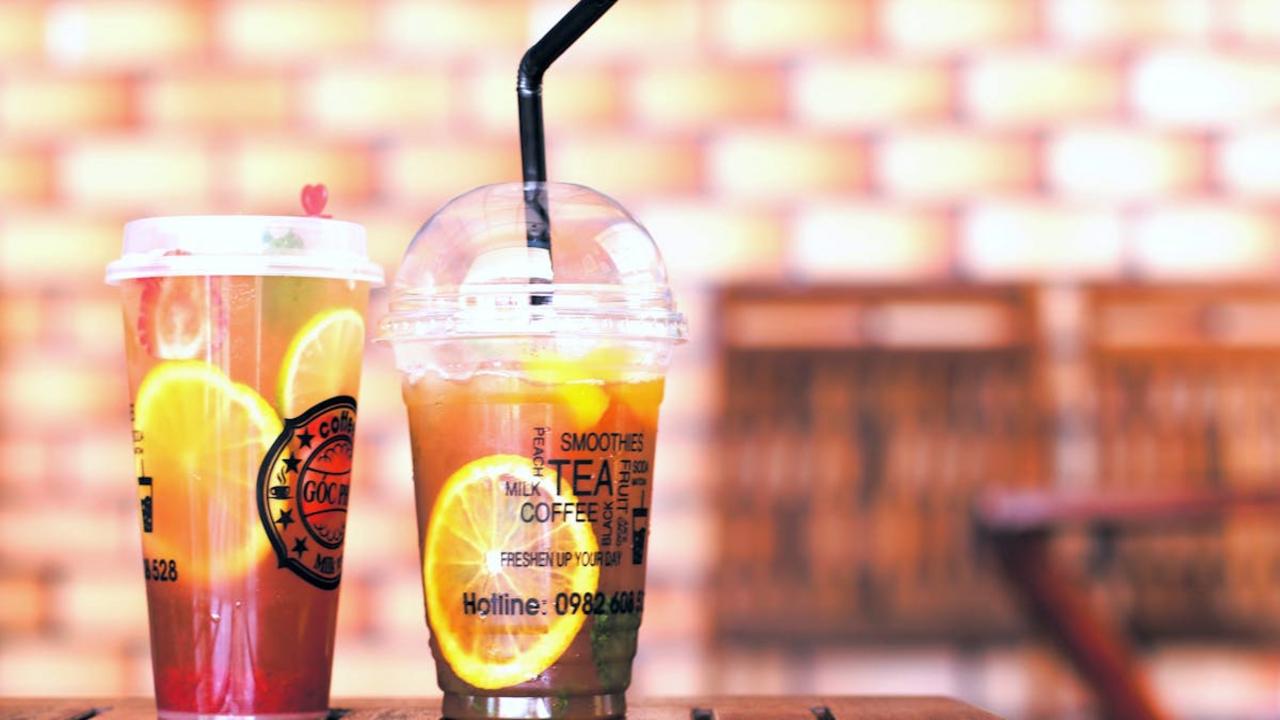
Bubble tea burst onto the American food scene in the late 1990s and early 2000s, bringing with it a sense of playful adventure that perfectly captured the Millennial and Gen Z spirit. This Taiwanese creation, with its chewy tapioca pearls dancing at the bottom of colorful, sweet tea blends, became more than just a drink—it transformed into a social experience. You’d find yourself standing in line with friends, debating whether to go for classic black milk tea or try something bold like taro or matcha, and that anticipation became part of the fun.
What makes bubble tea so special is how it reflects our generation’s love for customization and Instagram-worthy experiences. You can adjust sweetness levels, choose your milk type, and pick from dozens of toppings beyond those iconic pearls. The drink speaks to our desire for both comfort and novelty—familiar tea flavors paired with unexpected textures that make each sip an adventure. Those oversized straws and translucent cups became symbols of a generation that values experiences over possessions, turning a simple beverage into a moment worth sharing and celebrating.
Avocado toast
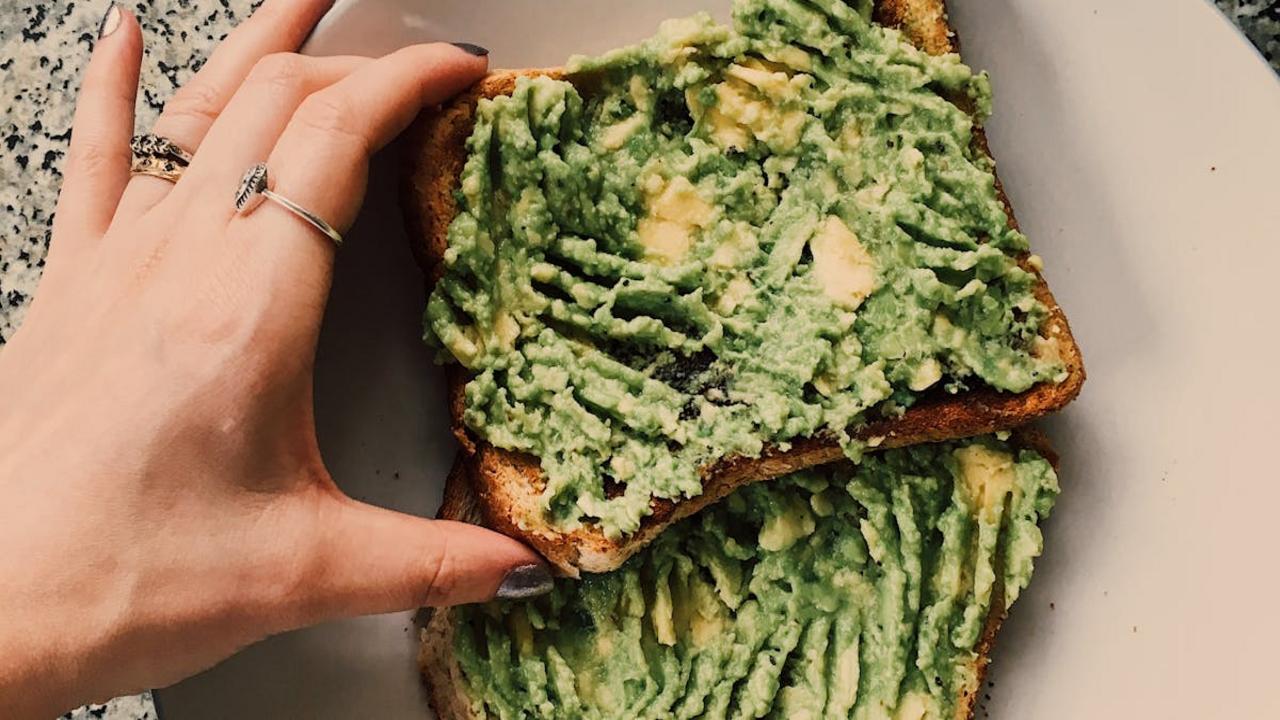
You know that moment when a simple piece of bread becomes the canvas for something extraordinary? That’s exactly what happened when avocado toast took over our breakfast tables and Instagram feeds in the 2010s. This seemingly basic combination of mashed avocado on toasted bread became the unofficial anthem of millennials everywhere, representing their values of health consciousness, aesthetic appreciation, and mindful eating. What started as a humble snack quickly transformed into a cultural phenomenon that defined an entire generation’s approach to food.
The beauty of avocado toast lies in its perfect balance of simplicity and sophistication. You’re getting healthy fats, fiber, and endless customization options all in one satisfying bite. Whether you top yours with a perfectly poached egg, sprinkle on some hemp seeds, or add a dash of everything bagel seasoning, this dish reflects our modern desire for foods that nourish both body and soul. Sure, it sparked countless debates about spending habits and homeownership, but beyond the memes, avocado toast represents something deeper – a generation that prioritizes wellness, values quality ingredients, and isn’t afraid to pay a little extra for food that makes them feel good inside and out.
Kombucha
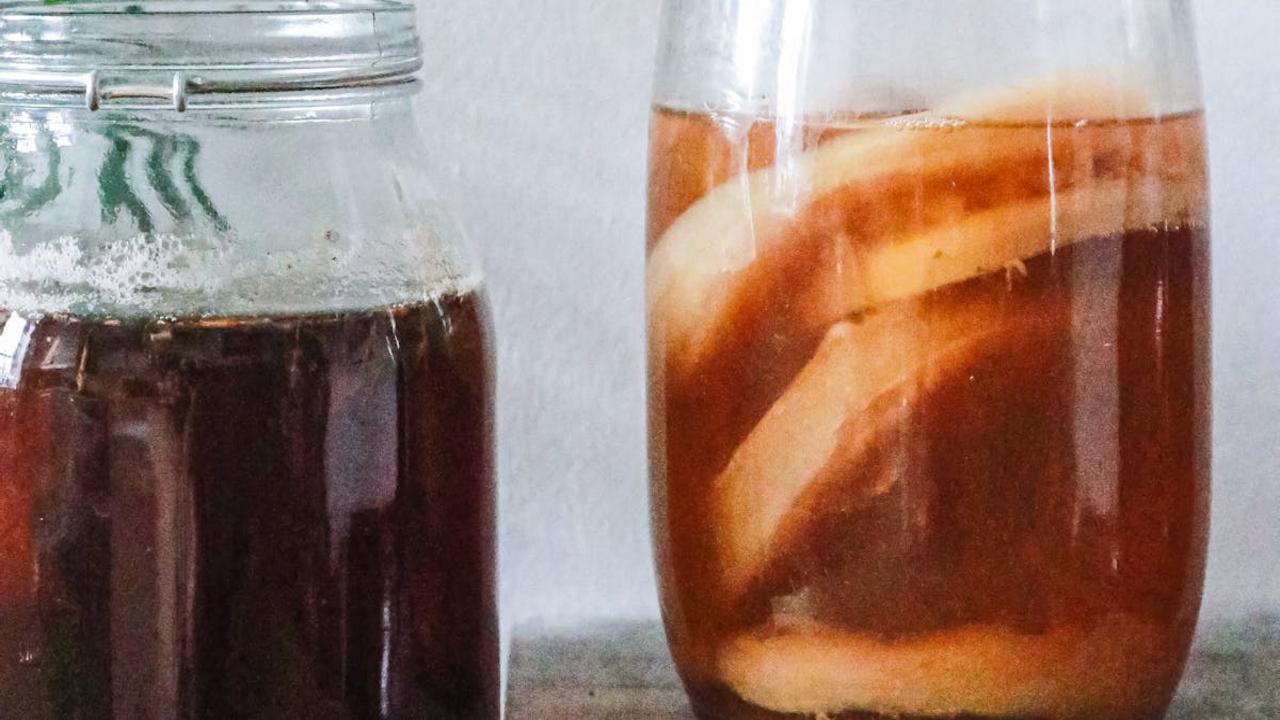
Kombucha burst onto the millennial scene like a fizzy revelation, transforming from an ancient fermented tea into the poster child for gut health consciousness. This tangy, effervescent drink became the bridge between our generation’s desire for wellness and our need for something more exciting than plain water. You’ll find kombucha filling entire refrigerator sections at grocery stores, with flavors ranging from classic ginger to wild combinations like lavender-lemon and hibiscus-mint. The drink perfectly captures our generation’s approach to health – we want functional benefits, but we also want them to taste amazing and look Instagram-worthy.
What makes kombucha so telling about our generation is how it represents our relationship with tradition and innovation. We took this centuries-old fermentation technique and made it trendy, proving that healthy doesn’t have to mean boring. The SCOBY (that weird, rubbery culture that ferments the tea) became a conversation starter and a symbol of DIY wellness culture. Making kombucha at home became a hobby, a way to connect with the process behind our food, and honestly, a pretty satisfying science experiment. This bubbly beverage shows how we’ve redefined what it means to drink something good for you – it’s not just about the probiotics, it’s about being part of a movement that values both wellness and flavor.
Sunny D
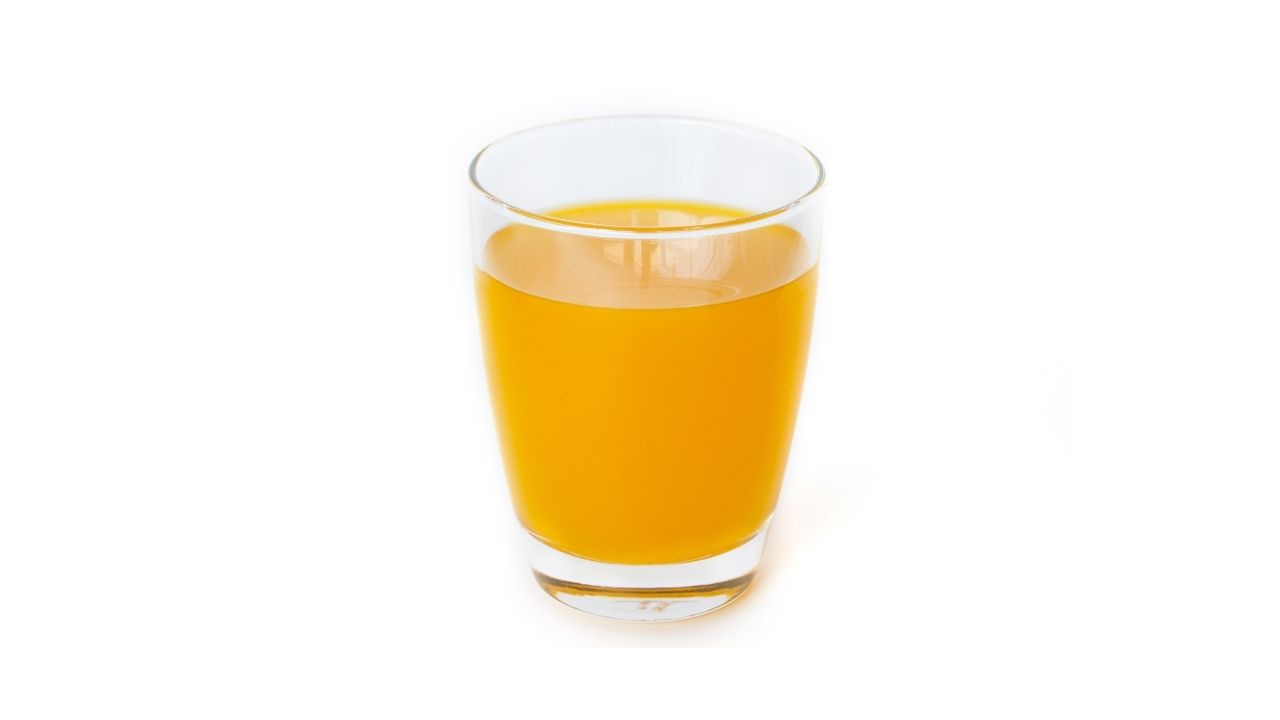
Remember that electric orange drink that promised Florida sunshine in every sip? Sunny D became the unofficial fuel of 90s kids everywhere, transforming ordinary lunch boxes into treasure chests of citrus-flavored dreams. This wasn’t just a beverage – it was liquid rebellion against boring old orange juice, complete with enough artificial color to make your tongue glow. You probably begged your parents for it at the grocery store, and if you were lucky enough to score a bottle, you felt like you’d won the lottery.
What made Sunny D so special wasn’t its nutritional value (spoiler alert: there wasn’t much), but rather how it represented pure, unapologetic fun in drinkable form. This bright orange elixir taught an entire generation that sometimes the most memorable experiences come from the simplest pleasures – even if those pleasures happen to contain more sugar than actual fruit. While we’ve all grown up and learned to appreciate fresh-squeezed juice and green smoothies, there’s something beautifully nostalgic about a drink that prioritized joy over health consciousness, reminding us that food memories aren’t always about what’s good for us, but what made us smile.
Hot Pockets
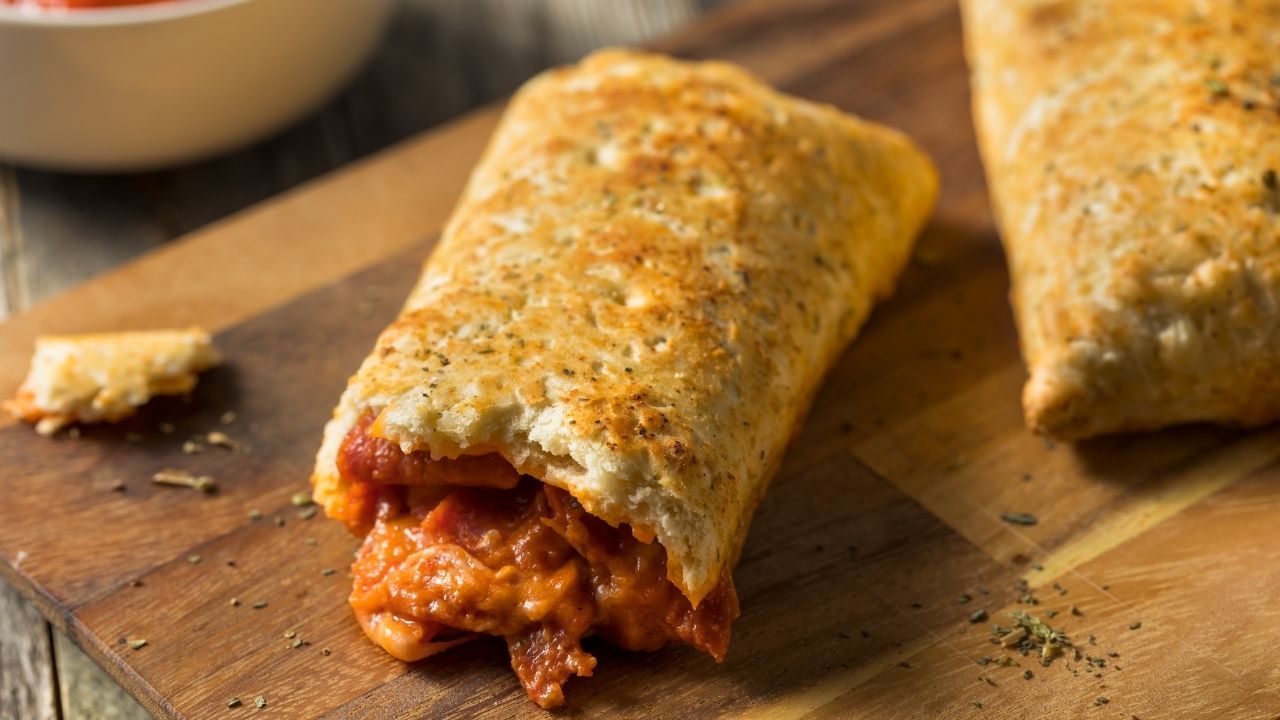
Picture this: you’re a college student in the ’80s, stumbling into your dorm room at midnight with a rumbling stomach and exactly three minutes to spare before your next study session. Enter Hot Pockets – those magical microwavable pastries that promised a hot meal faster than you could say “cramming for finals.” These frozen saviors became the unofficial fuel of Generation X, representing our collective relationship with convenience food during an era when time felt more precious than ever. I remember my friends swearing by their favorite flavors, from pepperoni pizza to ham and cheese, each one sparking passionate debates about which combination reigned supreme.
What Hot Pockets really reveal about us goes beyond simple convenience – they show how we’ve learned to find comfort in the midst of chaos. Sure, they weren’t exactly what you’d call gourmet dining, but they filled a very real need for busy people trying to balance work, school, and life. Fast forward to today, and while we might cringe a little at the sodium content, Hot Pockets taught us that sometimes good enough is perfectly fine. They remind us that food doesn’t always have to be Instagram-worthy to serve its purpose, and there’s something beautifully honest about a generation that wasn’t afraid to admit they survived on microwaved pastries and still turned out just fine.
Dunkaroos
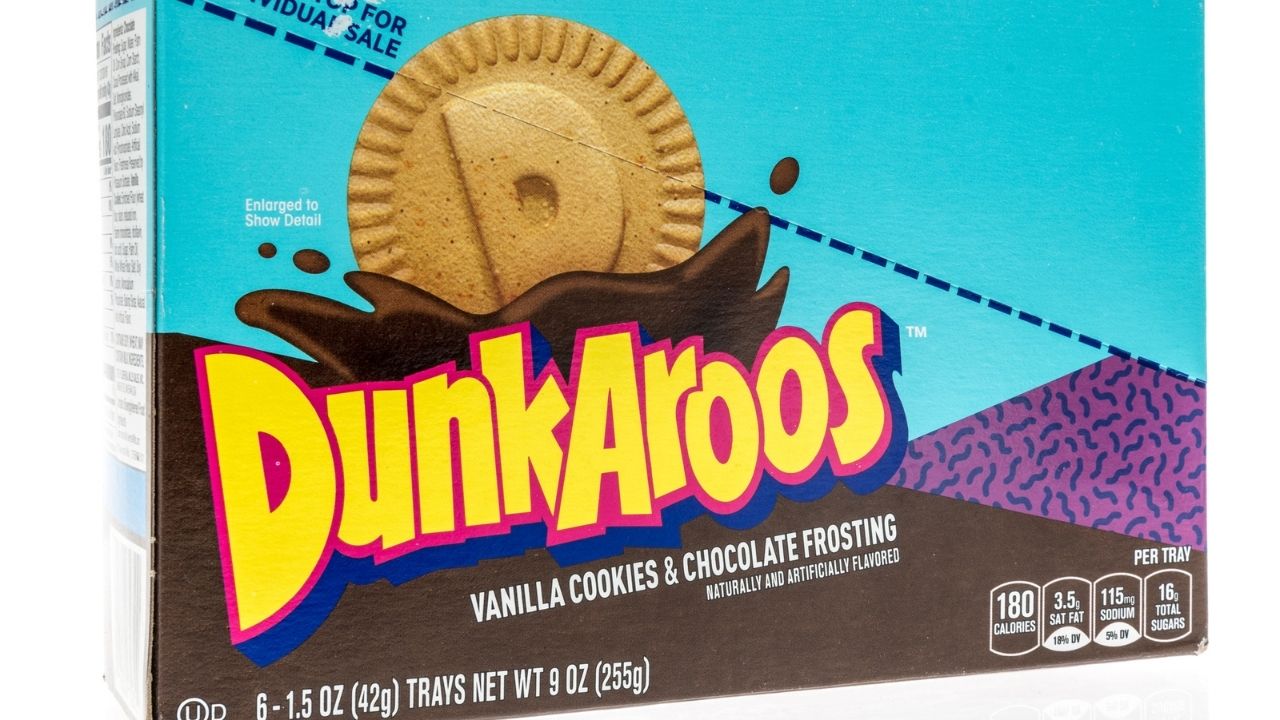
Remember tearing open that bright yellow package and finding those adorable teddy bear-shaped cookies paired with vanilla frosting? Dunkaroos became the ultimate ’90s lunch box treasure, turning snack time into pure magic for an entire generation. These cookies didn’t just satisfy hunger – they created a ritual. You’d carefully dip each cookie, making sure to get the perfect frosting-to-cookie ratio, and somehow that simple act felt revolutionary. Betty Crocker knew exactly what they were doing when they packaged childhood joy into those iconic containers.
What made Dunkaroos special wasn’t just the sweet combination – it was the interactive experience they provided. Kids finally had control over their snacks, deciding how much frosting belonged on each bite. This DIY approach reflected the growing independence of ’90s children and our desire for customizable experiences. While we’ve learned so much about balanced nutrition since then, Dunkaroos remind us that food creates memories and connections. They taught us that sometimes the most meaningful moments happen when we play with our food, bond with friends over shared treats, and find simple happiness in unexpected places.
Kid Cuisine
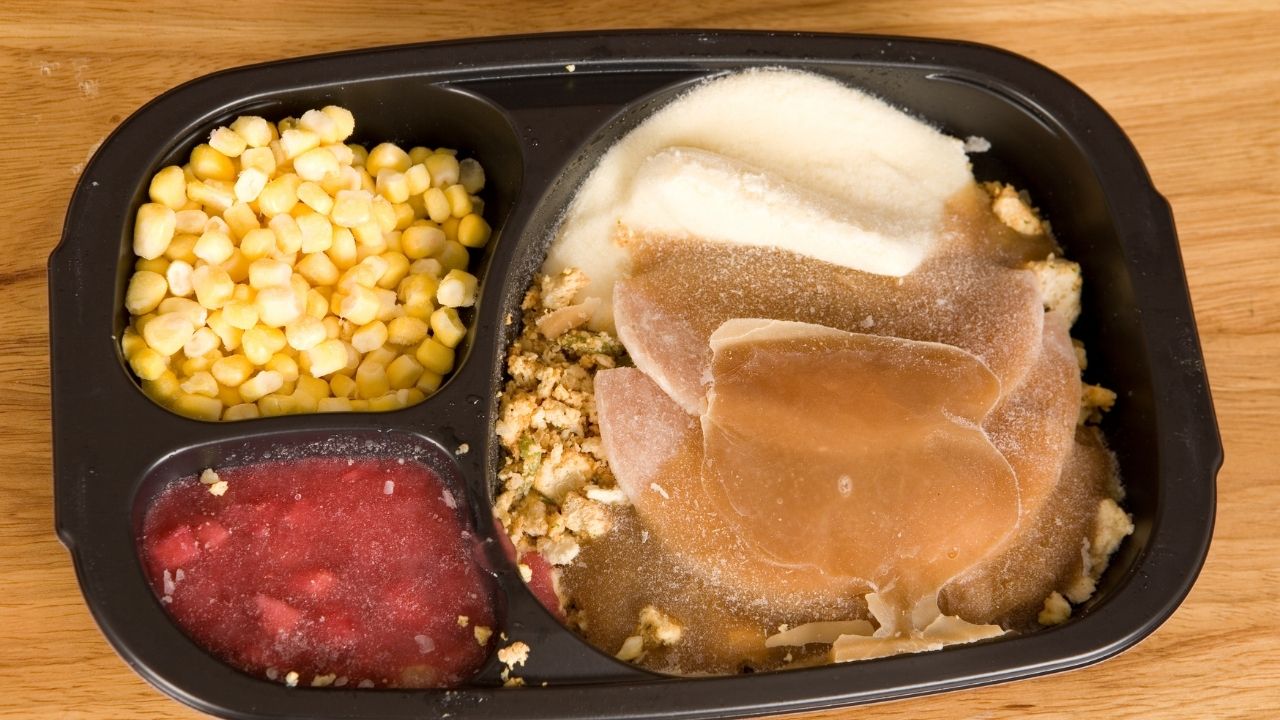
Kid Cuisine perfectly captured the 90s and early 2000s spirit of convenience food designed specifically for children. These colorful frozen meals came in compartmentalized trays that made dinner feel like an exciting adventure rather than a chore. Each box promised a complete meal with a main dish, side, and dessert – plus those coveted prizes that made kids beg their parents to buy them. The brand understood that presentation mattered just as much as taste when it came to getting children excited about mealtime.
Looking back, Kid Cuisine reveals how busy families began prioritizing convenience over home cooking during this era. While these meals weren’t exactly nutritional powerhouses, they represented parents’ desire to give their children some independence and choice in their food decisions. The portion-controlled format actually taught kids about balanced meals, even if the execution wasn’t perfect. Today, as we focus more on whole foods and cooking from scratch, Kid Cuisine reminds us that sometimes the most important ingredient in any meal is the joy it brings to the table – and those little moments of childhood excitement still matter in our modern approach to family dining.
Lunchables
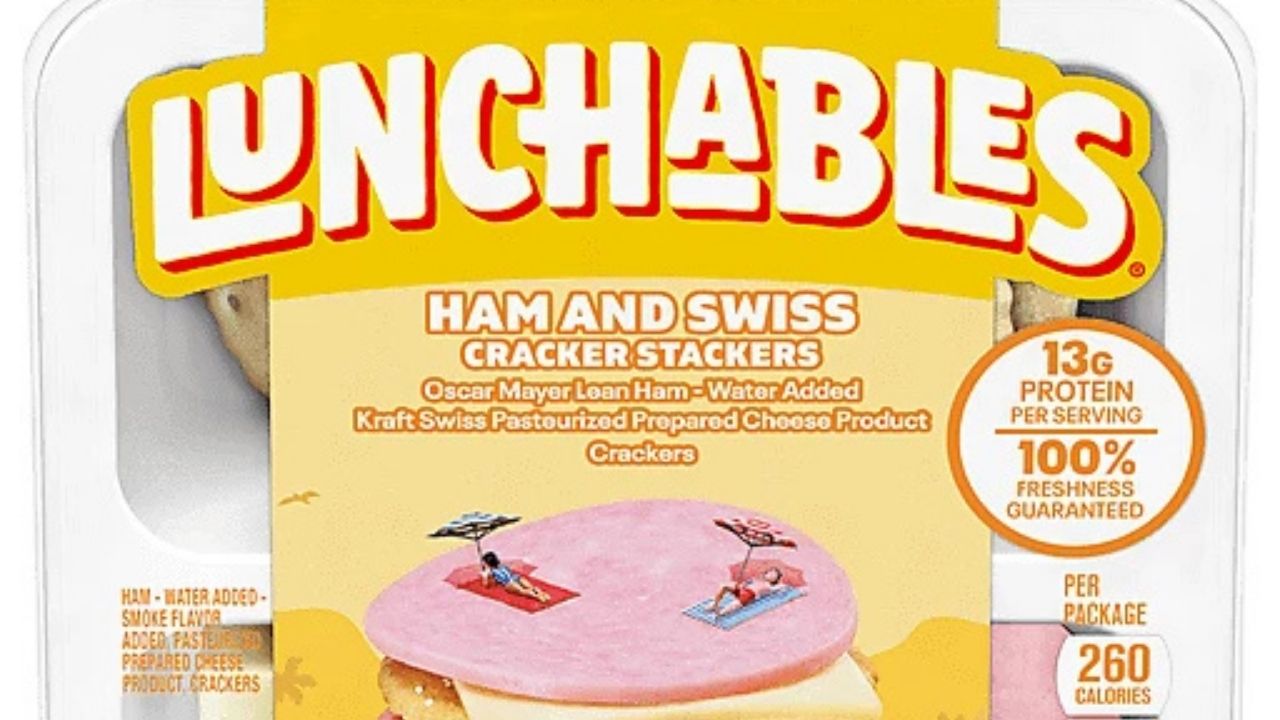
Remember those plastic trays that made lunchtime feel like playing with food? Lunchables completely changed how kids thought about their midday meal when they hit school cafeterias in the late 1980s. You got to be the architect of your own lunch – stacking crackers with processed cheese and deli meat, creating tiny sandwiches that felt more like a fun activity than eating. These compartmentalized meals spoke to a generation of busy families who needed quick solutions, and honestly, what kid didn’t love the control of building their own food combinations?
While nutritionists might cringe at the sodium levels and preservatives, Lunchables tapped into something deeper about American food culture. They reflected our growing desire for convenience and portion control, plus they gave kids agency over their food choices during a time when most meals were dictated by adults. The brand expanded beyond basic crackers and meat to include pizza kits, nachos, and even dessert options. Sure, they’re not winning any health awards, but Lunchables taught an entire generation that food could be interactive and fun – a lesson that modern meal kit companies have definitely taken to heart with their own adult versions.
Capri Sun
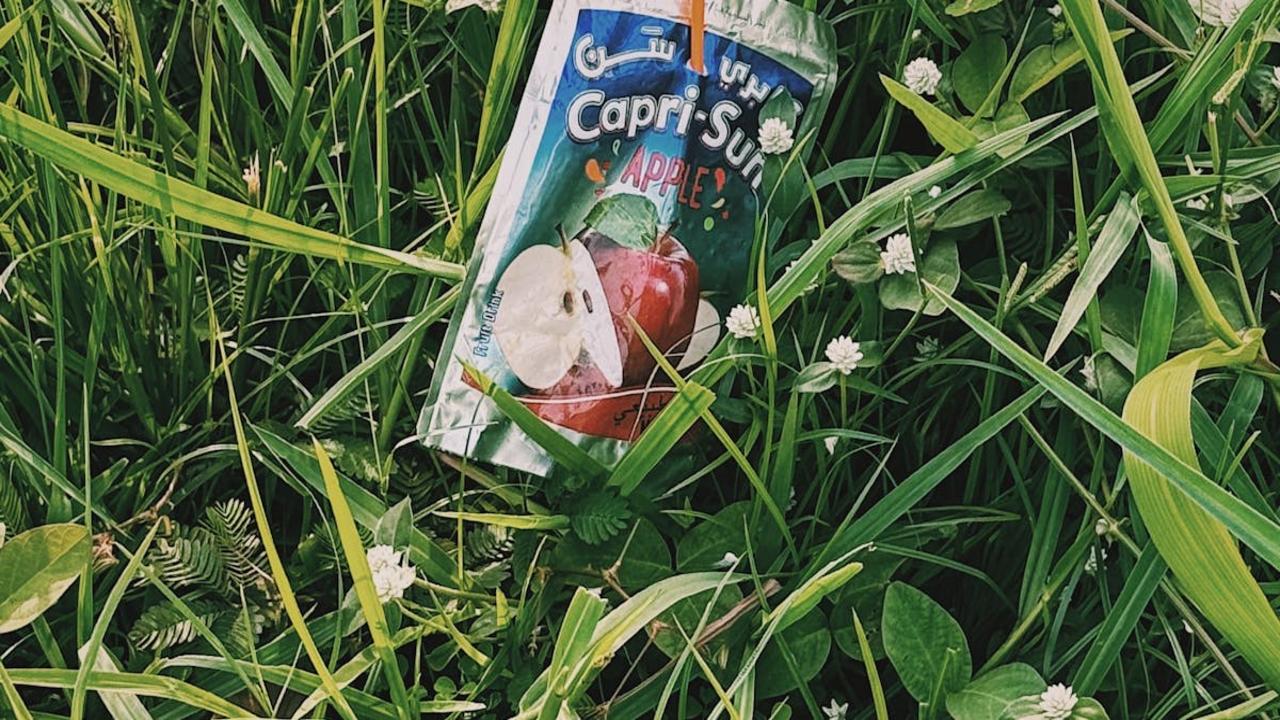
Remember that satisfying *pop* when you punctured a Capri Sun pouch with that tiny straw? This iconic drink pouch became the ultimate symbol of childhood freedom and convenience starting in the 1980s. Kids everywhere felt independent carrying these shimmery packets in their lunch boxes, no bottle opener or refrigeration required. The foil pouch design was revolutionary for its time – lightweight, unbreakable, and perfect for active kids who needed hydration on the go. Capri Sun transformed how we thought about portable beverages and gave children their first taste of drink-related autonomy.
What Capri Sun really reveals about us is our desire for convenience without completely sacrificing fun. While parents appreciated the practical packaging and vitamin fortification, kids loved the tropical flavors and the ritual of poking that straw through the silver top. This drink captured our growing need for grab-and-go solutions as families became busier and more mobile. Even today, adults feel nostalgic when they see those familiar pouches, remembering simpler times when happiness came in small, crinkly packages. Capri Sun shows how food packaging can become just as memorable as the product itself.
Fruit Roll-Ups
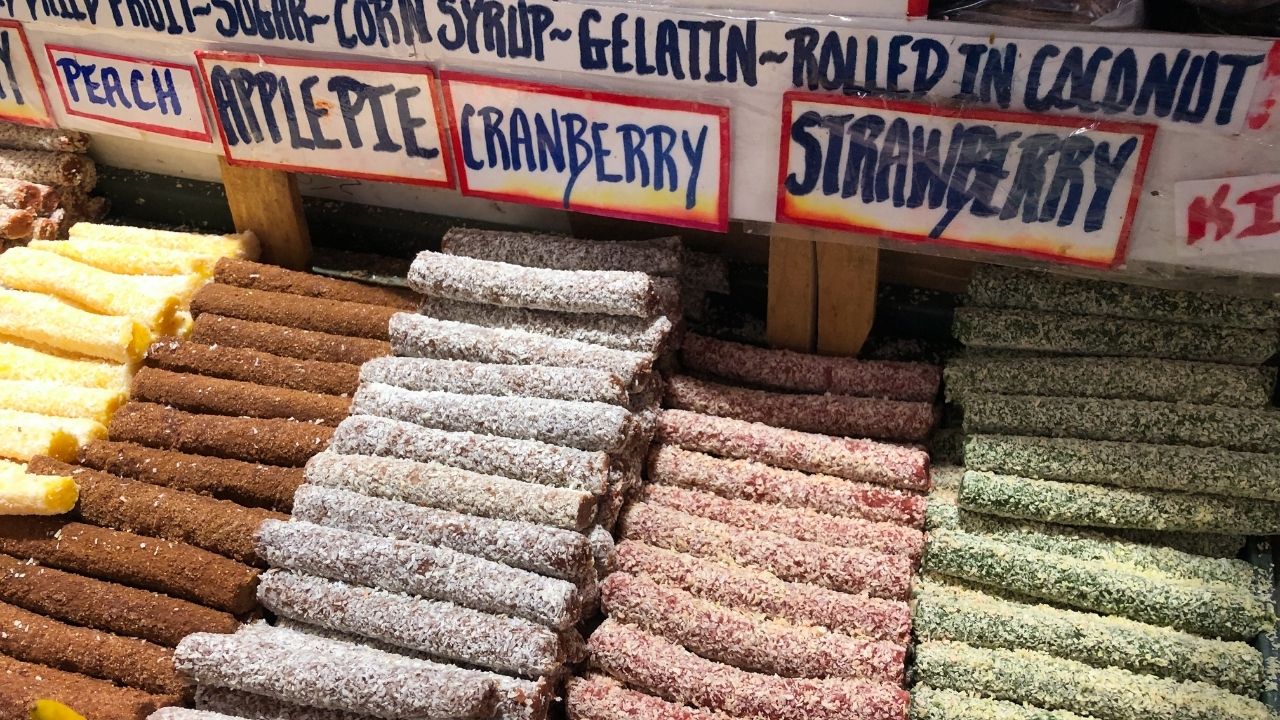
Remember those magical moments when you peeled apart a Fruit Roll-Up, creating edible artwork with your friends? These chewy, colorful strips became the ultimate playground currency for ’80s and ’90s kids, transforming lunch boxes into treasure chests. You’d carefully unroll each sheet, sometimes finding fun shapes or tongue-tattooing designs that made snack time feel like a party. While traditional fruit leather had existed for centuries, Fruit Roll-Ups revolutionized how we thought about portable fruit snacks, making them interactive and fun rather than just nutritious.
What’s fascinating is how Fruit Roll-Ups reflected our generation’s shift toward convenience and entertainment in food. You weren’t just eating a snack – you were playing with it, sharing it, and creating memories around it. Today, as parents ourselves, many of us look back with mixed feelings, appreciating the joy they brought while seeking healthier alternatives for our own children. The good news? You can easily make homemade fruit leather using real pureed fruits, honey, and a dehydrator or low oven. Your kids get that same peelable fun factor, but with ingredients you actually recognize and feel good about serving.
Tang
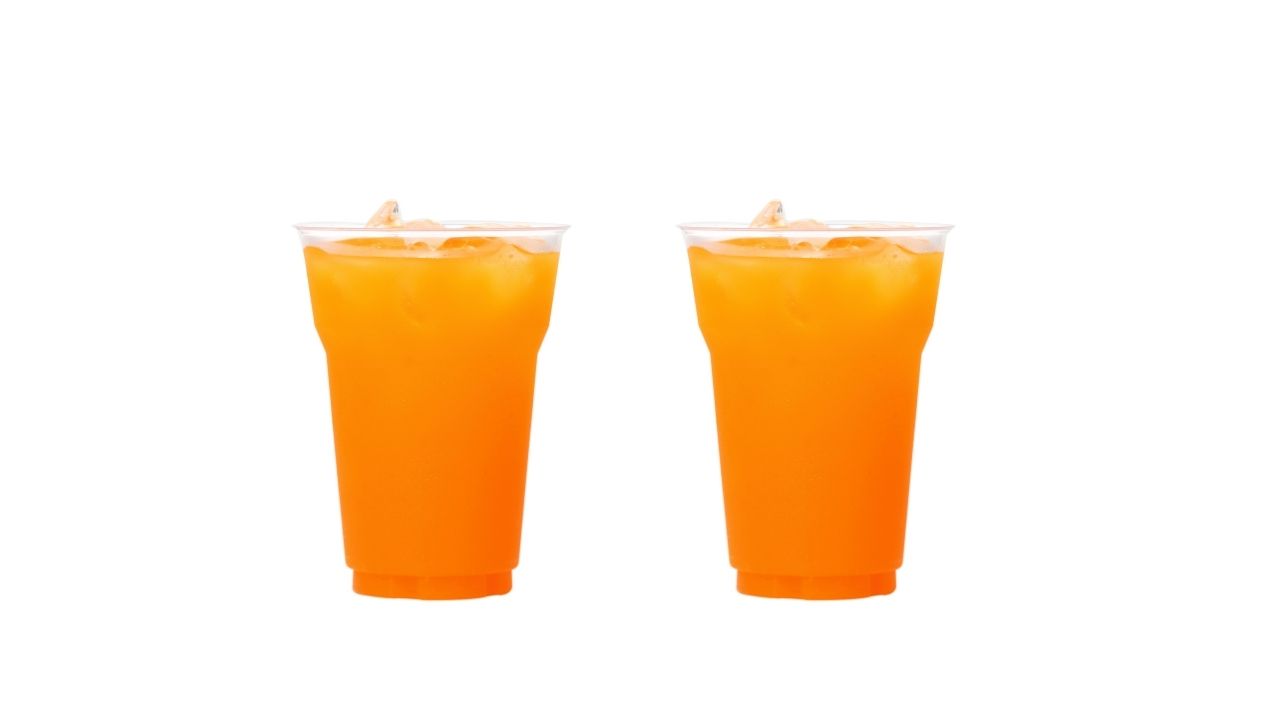
Tang burst onto the American scene in the 1960s like a bright orange rocket ship heading straight for space! This powdered drink mix became synonymous with the Space Race when NASA chose it for their Gemini missions, and suddenly every kid wanted to drink what the astronauts drank. You’d find Tang in nearly every pantry across suburbia, transforming plain water into something that tasted like liquid sunshine. The brand marketed itself as a vitamin C powerhouse, and parents loved that they could give their children something that seemed both fun and nutritious.
What Tang really reveals about the Baby Boomer generation is their fascination with convenience and technology during an era of rapid innovation. This wasn’t just a drink – it represented the future! Families were moving to the suburbs, embracing processed foods that promised easier meal preparation, and Tang fit perfectly into this new lifestyle. The fact that it could sit on a shelf for months without spoiling made it incredibly appealing to busy mothers who wanted quick solutions. Today, you might chuckle at Tang’s artificial orange flavor, but back then, it symbolized progress and the exciting possibilities of modern science in everyday life.
Jell-O molds
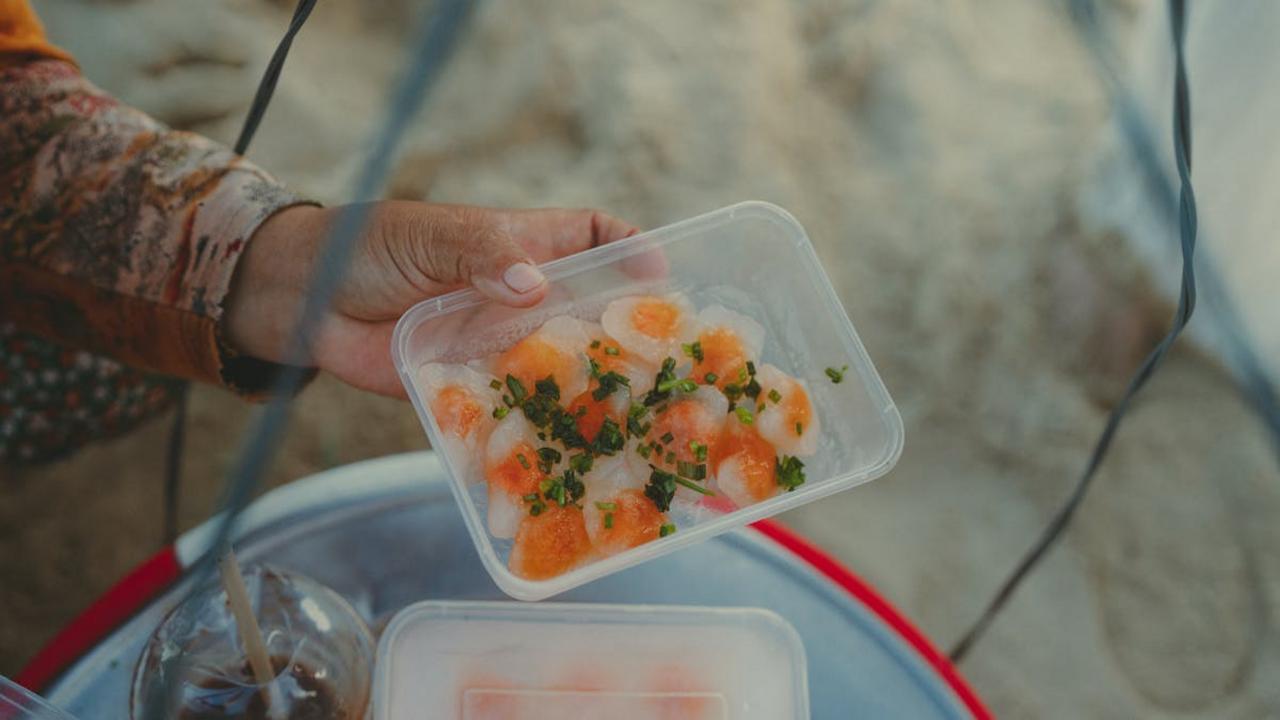
Jell-O molds became the sparkling stars of mid-20th century entertaining, transforming simple gelatin into spectacular centerpieces that graced dinner tables across America. These wobbly wonders represented so much more than dessert – they symbolized the era’s fascination with convenience foods and the desire to create something beautiful from packaged ingredients. From lime green concoctions studded with cottage cheese and pineapple to elaborate rainbow layers that took hours to set, these creations showed how home cooks could turn affordable ingredients into show-stopping presentations that impressed guests and family alike.
What I find absolutely fascinating about Jell-O molds is how they perfectly captured the optimism and creativity of their time. These recipes demanded patience and planning – you couldn’t rush the setting process – which made them special occasion foods that brought families together for holidays and celebrations. The endless combination possibilities meant every cook could put their personal stamp on these shimmering creations, whether mixing in fresh fruits, vegetables, or even savory ingredients like shrimp and mayonnaise. Today’s food trends may have moved away from gelatin-based dishes, but these colorful monuments to mid-century cooking remind us that food has always been about more than nutrition – it’s about joy, creativity, and bringing people together around the table.
Spam
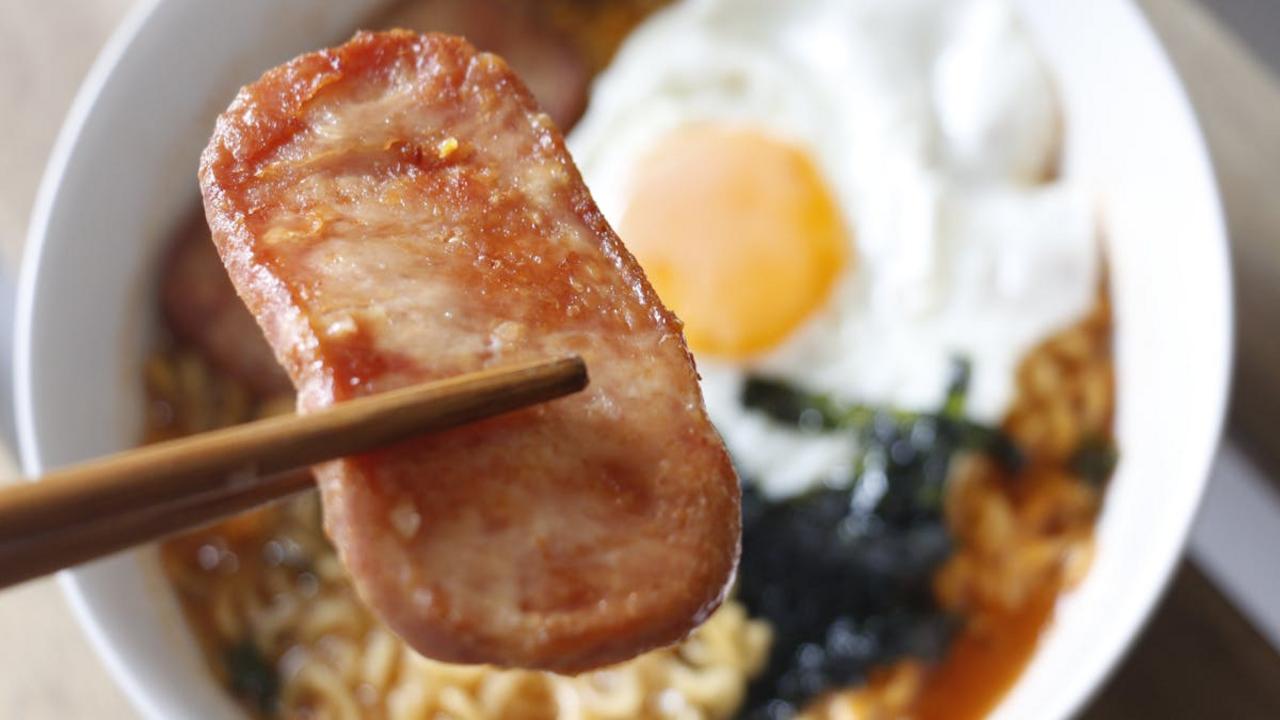
You know that blue can sitting in your pantry that everyone either loves or loves to hate? Spam became a wartime hero during World War II, feeding soldiers and families when fresh meat was scarce. This canned marvel taught an entire generation that convenience doesn’t have to mean compromise. While critics might turn their noses up, Spam actually contains simple ingredients: pork, ham, salt, water, potato starch, and sodium nitrite. It’s packed with protein and has a surprisingly long shelf life, making it perfect for emergency meal planning or quick weeknight dinners.
What I find fascinating about Spam is how it reflects our relationship with processed foods and resourcefulness. In Hawaii, it became so beloved that locals created Spam musubi, turning this humble canned meat into a local treasure. The key to cooking with Spam is treating it right – slice it thick, pan-fry until golden, and pair it with fresh ingredients like pineapple, rice, or crisp vegetables. Don’t let food snobbery stop you from trying this protein powerhouse. Sometimes the most unexpected ingredients create the most memorable meals, and Spam proves that creativity in the kitchen knows no bounds.
TV dinners
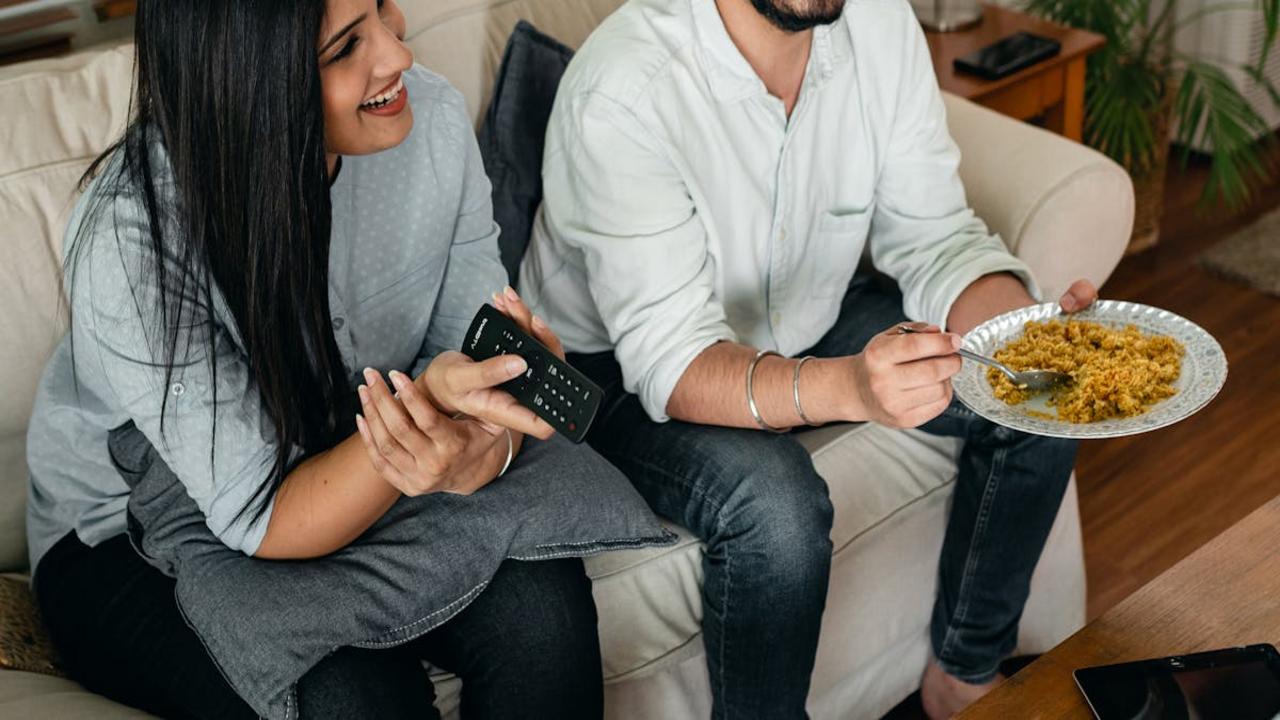
TV dinners revolutionized American family life in the 1950s, transforming how we think about convenience and home cooking. These compartmentalized aluminum trays filled with pre-cooked meals meant busy families could enjoy a hot dinner in just 25 minutes straight from the oven. What started as a practical solution for working parents quickly became a cultural phenomenon that reshaped our relationship with food. The Swanson brand pioneered this movement, and suddenly families across America were gathering around the television set with their individual portions of turkey, mashed potatoes, and green beans.
While TV dinners represented freedom from lengthy meal preparation, they also marked the beginning of our complicated relationship with processed foods. These meals gave working mothers unprecedented flexibility and introduced children to the concept of eating while watching their favorite shows. However, they also shifted us away from fresh ingredients and family-style dining that had defined previous generations. Today, as we’ve learned more about nutrition and the importance of whole foods, many of us are working to recreate that convenience factor while bringing back wholesome ingredients and shared family meals around the dinner table.