14 Foods That Changed History and Transformed What We Eat Today
Picture this: you’re sipping your morning coffee while adding sugar to your scrambled eggs with tomatoes, completely unaware that each bite connects you to epic historical moments. These everyday ingredients once sparked wars, toppled empires, and reshaped entire continents. Your innocent breakfast? It’s actually a collection of revolutionary foods that literally changed the world.
From ancient spice routes that made merchants ridiculously wealthy to humble potatoes that saved nations from famine, these fourteen foods didn’t just fill stomachs—they rewrote human history. Each one carries stories of adventure, conquest, and surprising twists that make Hollywood movies look boring by comparison.
So grab your favorite snack and get ready to discover how chocolate caused diplomatic incidents, why vanilla was worth more than gold, and how corn secretly conquered the globe. These aren’t just ingredients in your pantry—they’re the unsung heroes that shaped civilization, one delicious bite at a time.
Vanilla
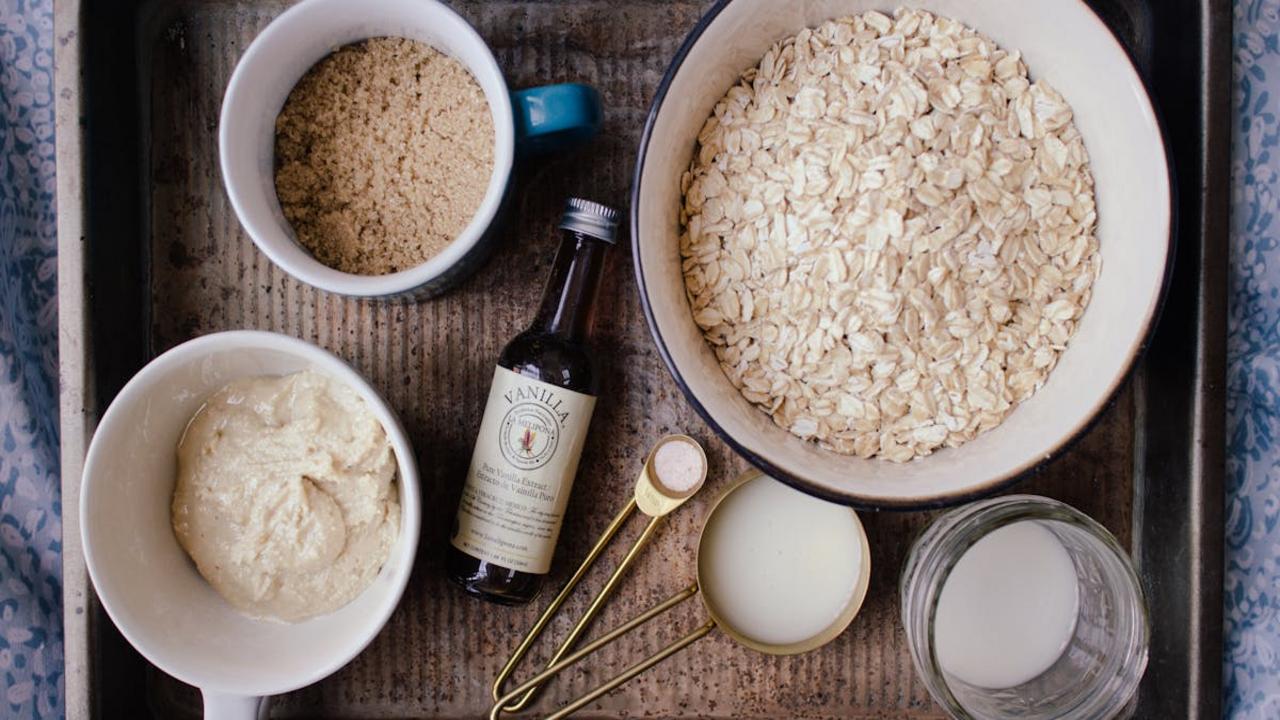
Vanilla gets a bad rap for being “basic,” but honestly, that’s like calling Shakespeare boring because everyone quotes him. This little orchid flower from Mexico has pulled off one of history’s greatest marketing tricks—going from an exotic treasure that only Aztec royalty could afford to the world’s second most expensive spice (after saffron, that diva). The Totonac people of Mexico first figured out how to coax those magical beans from the finicky vanilla orchid, and they guarded their secret like it was the recipe for eternal youth. When the Spanish conquistadors showed up and tasted this heavenly elixir in Montezuma’s chocolate drinks, they knew they’d struck gold—or rather, struck something even better than gold.
Here’s where things get wild: for three centuries, Mexico held a complete monopoly on vanilla because those sneaky little orchids would only pollinate with the help of a specific bee species found nowhere else on Earth. European attempts at growing vanilla failed spectacularly until 1841, when a twelve-year-old enslaved boy named Edmond Albius on the island of Réunion figured out how to hand-pollinate the flowers. Talk about a kid changing the world! Today, Madagascar produces about 80% of the world’s vanilla, and real vanilla beans cost more per pound than silver. So the next time someone dismisses vanilla ice cream as “plain,” remind them they’re eating liquid sunshine that once made empires and still makes pastry chefs weep with joy.
Garlic
Oh, garlic! The little vampire-repelling bulb that has been making people’s breath questionable and their food absolutely divine for thousands of years. Ancient Egyptians were so obsessed with this pungent powerhouse that they literally paid their pyramid builders with garlic rations – imagine getting your paycheck in cloves! The Greeks fed it to their Olympic athletes like ancient energy bars, while Roman soldiers munched on it before battle because apparently nothing says “intimidating warrior” quite like breathing garlic fumes at your enemies. Even Hippocrates, the father of medicine, prescribed it for everything from parasites to poor circulation, proving that long before we had fancy supplements, we had this magical bulb doing all the heavy lifting.
Today, garlic rules kitchens worldwide with an iron fist wrapped in papery skin, transforming the most mundane ingredients into something that makes you want to lick the plate clean. You can roast whole heads until they turn golden and buttery, creating a spread so good you’ll want to slather it on absolutely everything (yes, even ice cream – don’t judge until you try it). Or you can mince it fresh and watch it sizzle in olive oil, releasing that intoxicating aroma that makes neighbors suddenly appear at your door with hopeful expressions. The wild part? This humble bulb doesn’t just make food taste incredible – it’s been boosting immune systems, fighting infections, and keeping hearts healthy for millennia, making it the original superfood before superfoods were even a thing.
Quinoa
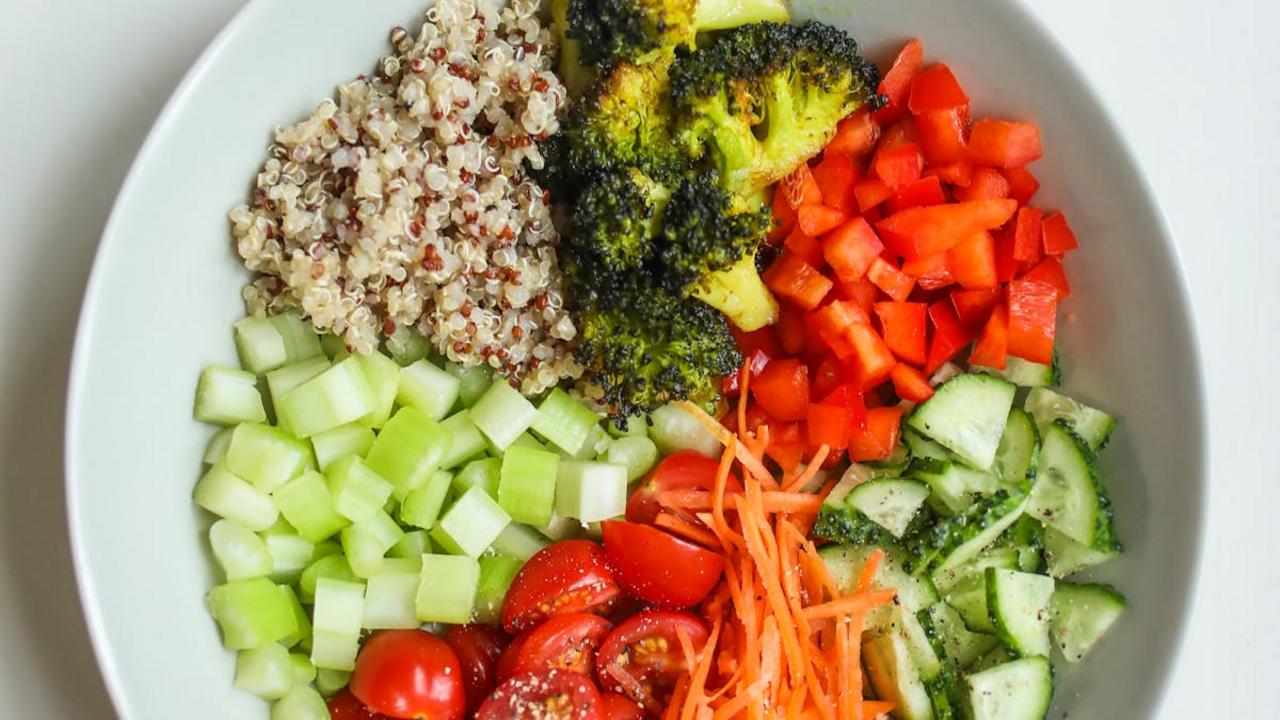
You know that trendy grain everyone’s obsessing over at brunch spots? Plot twist: quinoa isn’t actually a grain at all! This sneaky little seed masqueraded as cereal for centuries while secretly belonging to the same family as beets and spinach. The Incas called it “chisaya mama” or “mother of all grains,” and they weren’t kidding around – this stuff was so precious that the Inca emperor would plant the first seeds of each season with golden tools. Talk about royal treatment! Spanish conquistadors were less impressed and banned quinoa cultivation, calling it “food for Indians,” which forced this nutritional powerhouse underground for nearly 500 years.
Fast forward to the 21st century, and quinoa staged the comeback of the century, going from ancient Andean staple to Instagram-worthy superfood faster than you can say “complete protein.” What makes this tiny seed so special? It contains all nine amino acids your body can’t make on its own, making it a vegetarian’s best friend and a fitness enthusiast’s dream. The hilarious irony? While health-conscious Americans pay premium prices for quinoa bowls, the sudden global demand actually priced many Bolivian and Peruvian families out of their traditional food source. Now that’s what I call unintended consequences! Whether you pronounce it “KEEN-wah” or “ki-NO-ah” (both are correct, by the way), this protein-packed seed proves that sometimes the oldest foods make the newest trends.
Corn
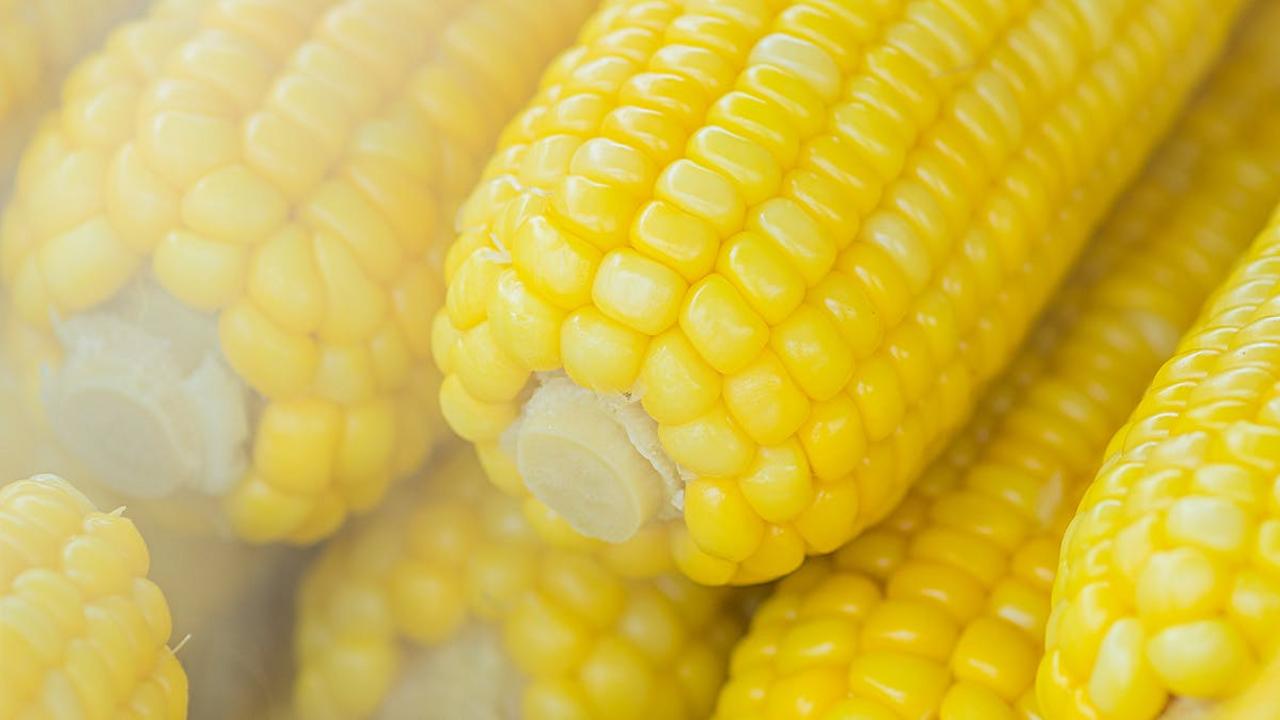
You know that golden kerneled superstar sitting on your dinner plate? Corn basically conquered the world without anyone really noticing. This humble grass (yes, corn is technically a grass – mind blown, right?) started its global takeover in ancient Mexico around 9,000 years ago. The Aztecs and Mayans didn’t just grow corn; they worshipped it, built entire civilizations around it, and turned it into everything from tortillas to ceremonial drinks. When European explorers stumbled upon this yellow gold, they had no idea they were witnessing the plant equivalent of a superhero origin story.
Fast-forward to today, and corn has sneaked into practically everything you eat. That morning soda? High fructose corn syrup. Your hamburger? The cow probably munched on corn all day. Even your vitamins likely contain corn-derived ingredients. Americans consume roughly 25 pounds of corn per person annually, though most people don’t realize it because corn has mastered the art of disguise better than any secret agent. From tortilla chips to bourbon whiskey, corn has transformed from ancient sacred crop to modern food chameleon, proving that sometimes the most revolutionary foods are the ones hiding in plain sight on grocery store shelves.
Olives
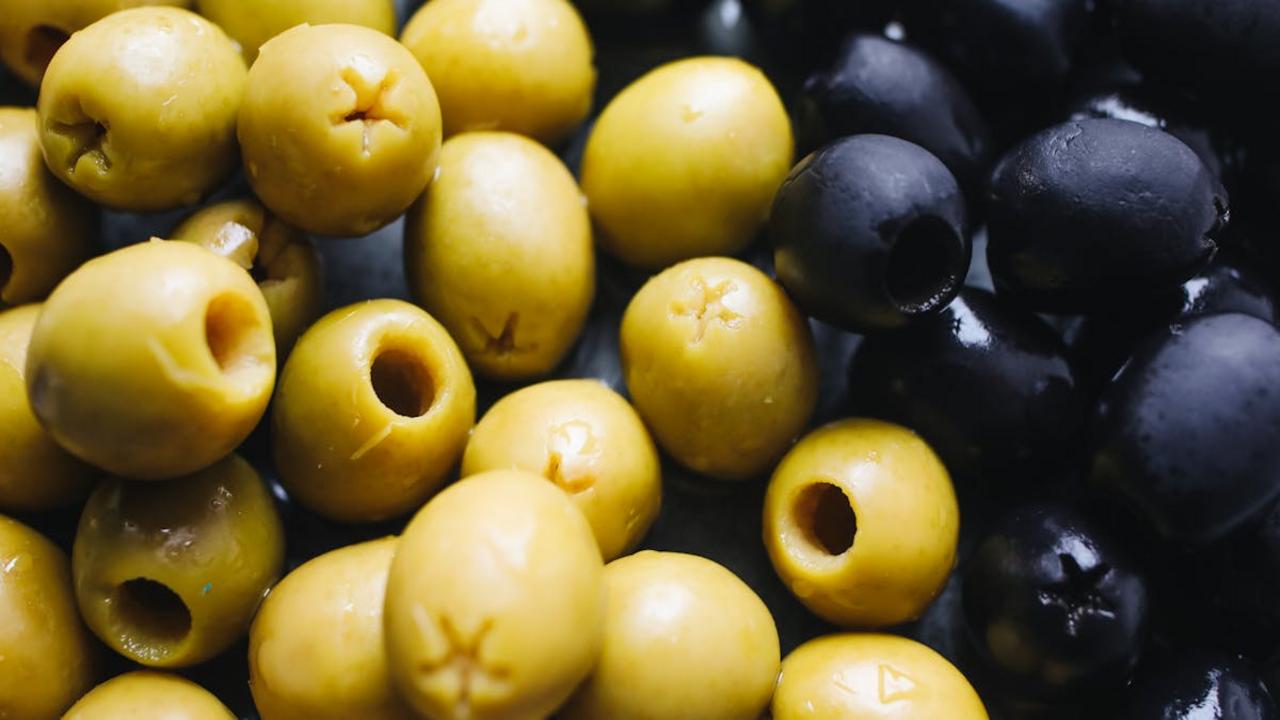
Picture this: you’re sitting in a Mediterranean café, and someone plops down a bowl of wrinkled, salty little orbs that look like they’ve seen better days. These are olives, and they’ve been making people pucker their lips and question their life choices for over 6,000 years! The ancient Greeks were so obsessed with these bitter beauties that they considered olive trees sacred to Athena herself. Fun fact: raw olives are absolutely inedible – they contain a compound called oleuropein that makes your mouth feel like you’ve been chewing on tree bark. The genius who first figured out how to cure olives deserves a statue because without that breakthrough, we’d never have tapenade, martinis, or that satisfying pop when you bite into a Kalamata.
Olives didn’t just feed civilizations; they basically built them! The oil pressed from these Mediterranean marvels became liquid gold, lighting lamps across ancient Rome and keeping gladiators’ skin supple for battle. Today, olive oil flows through modern kitchens like liquid sunshine, transforming simple salads into gourmet experiences and making everyone feel like a sophisticated chef when they drizzle it over literally anything. From the tiny Nicoise that adds pizzazz to your salade niçoise to the massive Cerignola that could double as a small plum, these fruit-disguised-as-vegetables have conquered everything from pizza toppings to dirty martinis. Who knew something so wrinkled could be so beautiful?
Rice
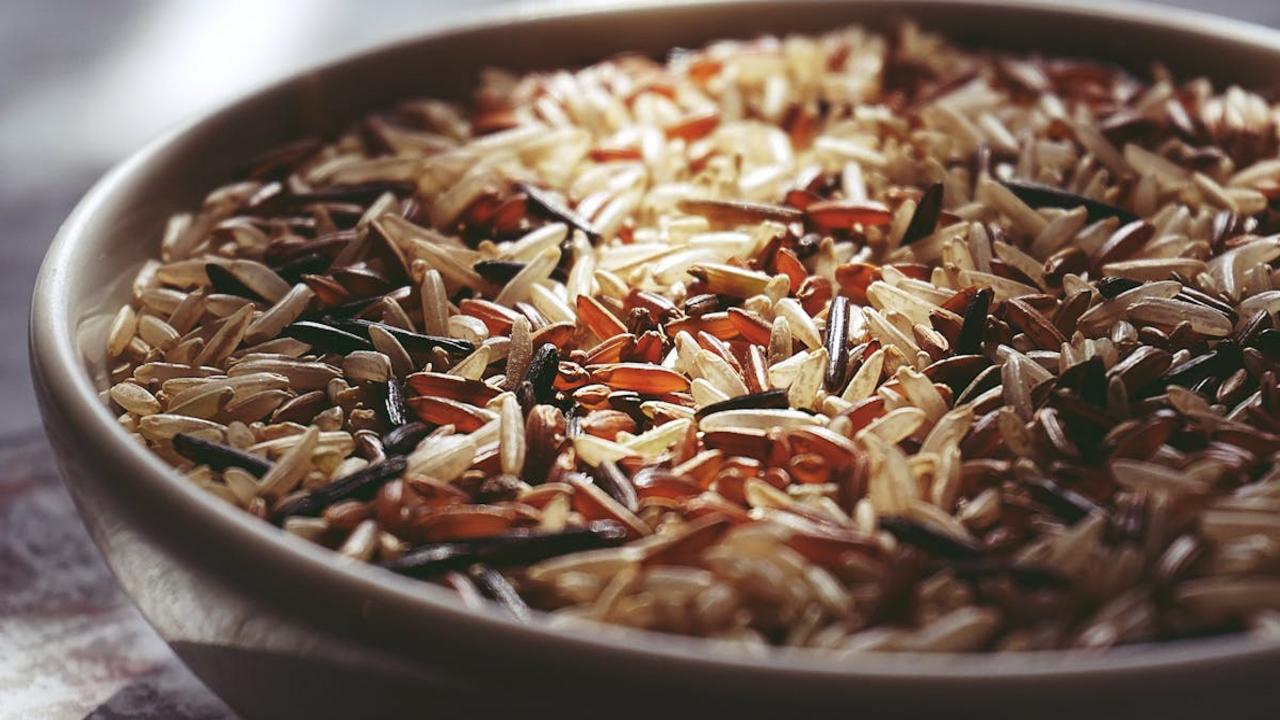
You know that humble grain sitting in your pantry right now? That little white (or brown, or red, or black) kernel has literally fed more people throughout history than any other food on Earth. Rice didn’t just change the world—it made civilization possible across entire continents. Picture this: around 10,000 years ago, some clever folks in China looked at wild grass seeds and thought, “Hey, what if we could grow these consistently?” Fast forward a few millennia, and rice became the foundation for massive population booms across Asia, supporting complex societies, empires, and about half the planet’s dinner plates.
Here’s what blows my mind about rice: it’s basically an aquatic plant that we tricked into feeding billions of people. Those flooded rice paddies? Pure genius. The water doesn’t just help the rice grow—it naturally controls weeds and pests while creating the perfect growing environment. Rice farmers accidentally invented one of the most sustainable farming systems ever, complete with built-in fish farming (hello, rice-field fish!) and natural fertilization. From sushi in Japan to paella in Spain, from congee in China to jambalaya in Louisiana, rice morphed into countless regional specialties. Today, if rice suddenly disappeared, about 3.5 billion people would be asking “What’s for dinner?” in a very panicked voice.
Potatoes
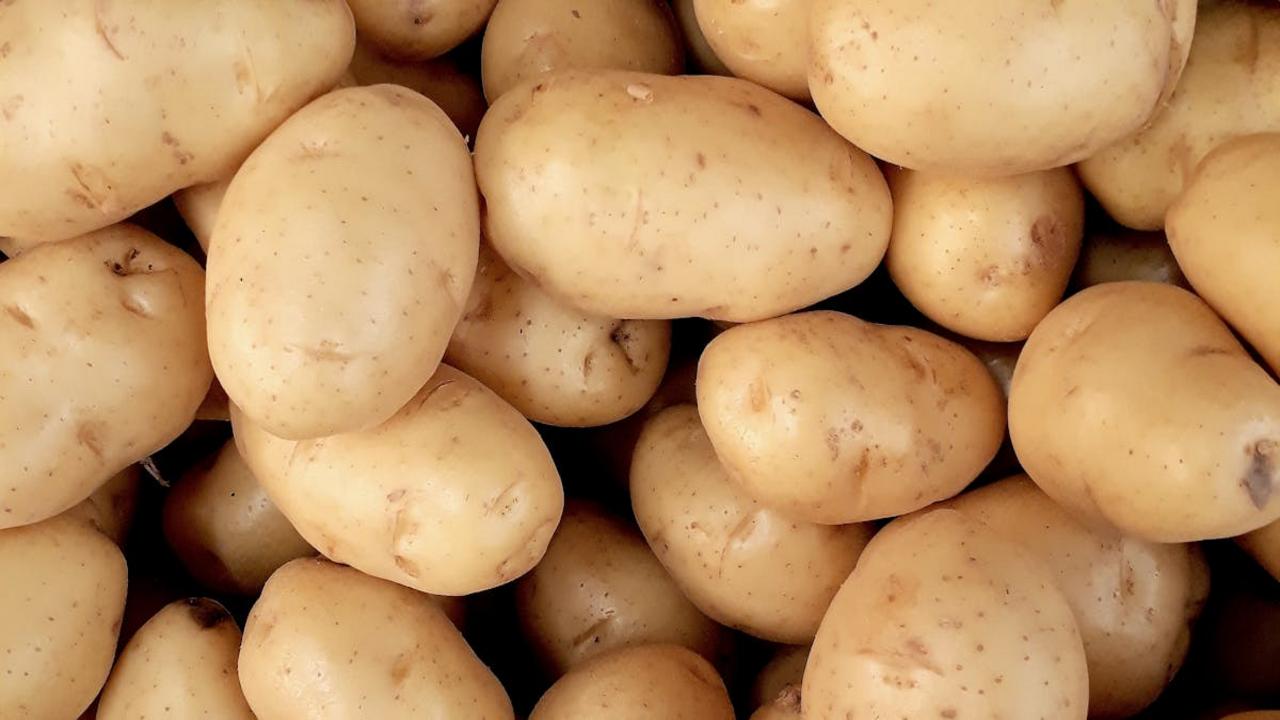
You know that humble spud sitting in your pantry right now? That wrinkled, dirt-covered orb once sparked wars, caused famines, and literally shaped entire nations. When Spanish conquistadors first encountered potatoes in the Andes mountains during the 16th century, they had no idea they were about to smuggle back Europe’s future obsession. The Incas had been cultivating these underground treasures for over 8,000 years, treating them like edible gold – which, honestly, they pretty much were. Europeans initially thought potatoes were poisonous because wealthy folks kept getting sick after eating them. Plot twist: they were eating off lead plates, and the acidic potatoes were leaching the lead. Classic case of blaming the messenger!
Fast forward to the Irish Potato Famine of the 1840s, and suddenly this unassuming tuber became a matter of life and death. When disease wiped out potato crops, over a million people died and another million fled Ireland forever. But here’s the kicker – potatoes also fueled population booms across Europe because they were so nutritionally dense and easy to grow. One acre of potatoes could feed a family of six for a year! Today, we consume potatoes in forms the Incas never dreamed of: crispy fries, fluffy mashed mountains, crunchy chips that disappear faster than your willpower. From tragic famines to McDonald’s french fries, potatoes transformed from exotic curiosity to global superstar, proving that sometimes the most revolutionary foods come from the most unexpected places.
Tomatoes
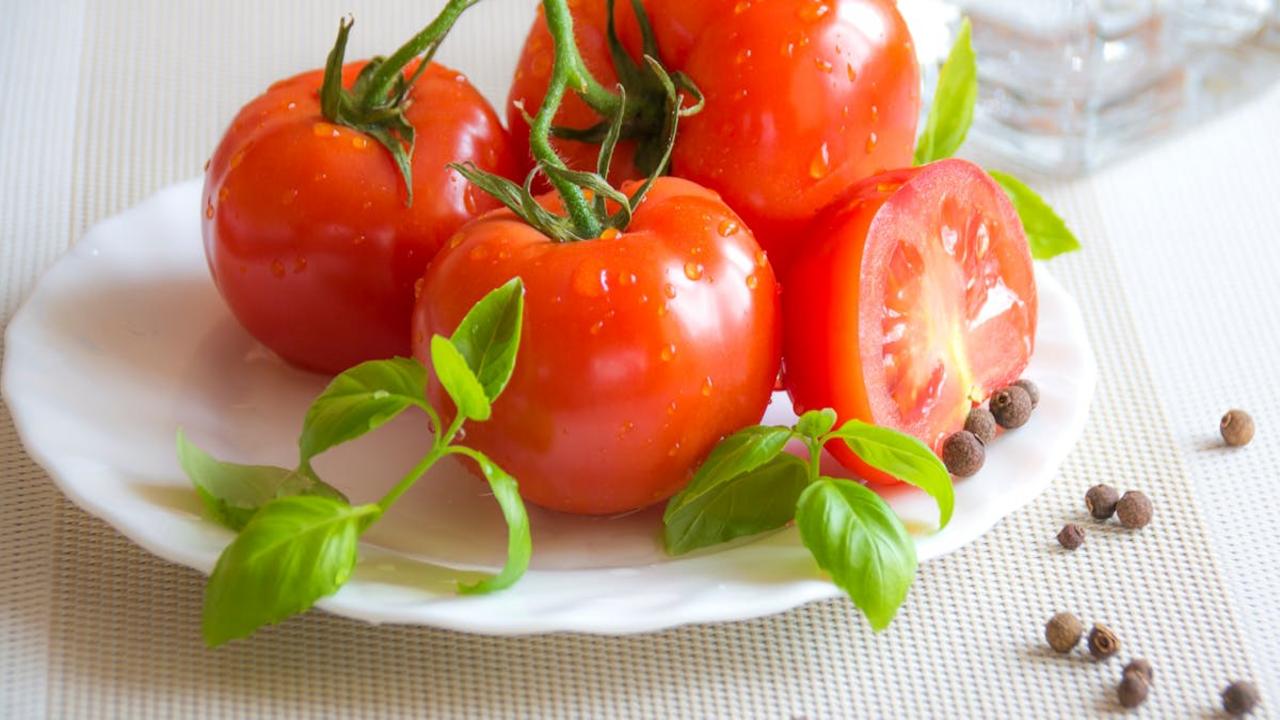
Picture this: wealthy Europeans once thought tomatoes would literally kill them, and honestly, they weren’t entirely wrong – but not for the reasons they imagined! These ruby-red beauties were considered “poison apples” because rich folks would eat them off pewter plates, and the acidic tomatoes would leach lead from the dishes, causing lead poisoning. Meanwhile, poor people ate tomatoes off wooden plates and lived to tell the tale. Talk about a class-based food conspiracy! The Italians, bless their pasta-loving hearts, eventually figured out that tomatoes were actually magnificent, transforming their cuisine forever. Before tomatoes strutted into Italian kitchens in the 16th century, pizza was just flatbread with oil and garlic – imagine that tragedy!
Today, you can’t swing a spatula without hitting something tomato-based. These versatile gems conquered the world so thoroughly that we’ve forgotten they’re actually fruits masquerading as vegetables in our salads and sandwiches. From ketchup that makes French fries sing to marinara sauce that turns spaghetti into poetry, tomatoes became the ultimate food transformer. They single-handedly created entire cuisines – Mediterranean cooking would be unrecognizable without them, and don’t get me started on how Mexican salsa would just be onions and peppers having an awkward conversation. The next time you bite into a perfectly ripe heirloom tomato, remember you’re eating something that once terrified European aristocrats and now rules grocery store produce sections worldwide.
Spices
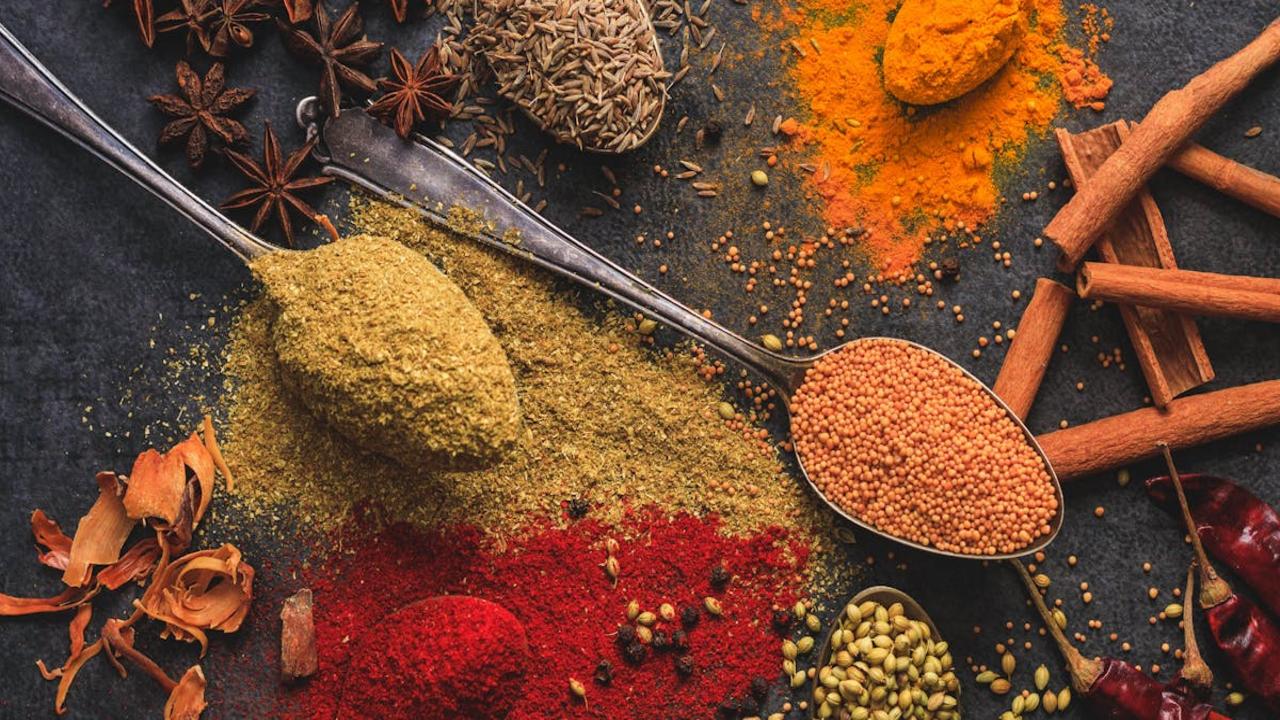
Picture this: Columbus thought he was heading to grab some black pepper and accidentally stumbled upon America instead. That’s the power of spices right there! These tiny flavor bombs literally reshaped the entire world map, launched a thousand ships, and made merchants richer than kings. Cinnamon was once more valuable than gold (seriously, you could buy a house with a pound of it), while nutmeg sparked actual wars between European powers. The Dutch East India Company basically owned entire islands just to control the nutmeg trade, and people would literally kill for a handful of peppercorns. Your spice rack today contains treasures that medieval royalty would have traded their crowns for.
Before spices hit the scene, European food was about as exciting as watching paint dry on a rainy Tuesday. Meat was either fresh or completely rotten, with no middle ground, and preservation meant praying really hard that winter wouldn’t last too long. Then along came these magical little seeds, barks, and dried bits that could make spoiled meat taste decent again and turn bland porridge into something approaching edible. Suddenly, everyone wanted in on the action. Trade routes stretched across continents, new cooking techniques developed, and fusion food was born centuries before we had a fancy name for it. Today, you casually sprinkle turmeric on your latte or toss some cardamom into your cookies, completely oblivious to the fact that you’re handling ingredients that once toppled empires and created new ones.
Chocolate
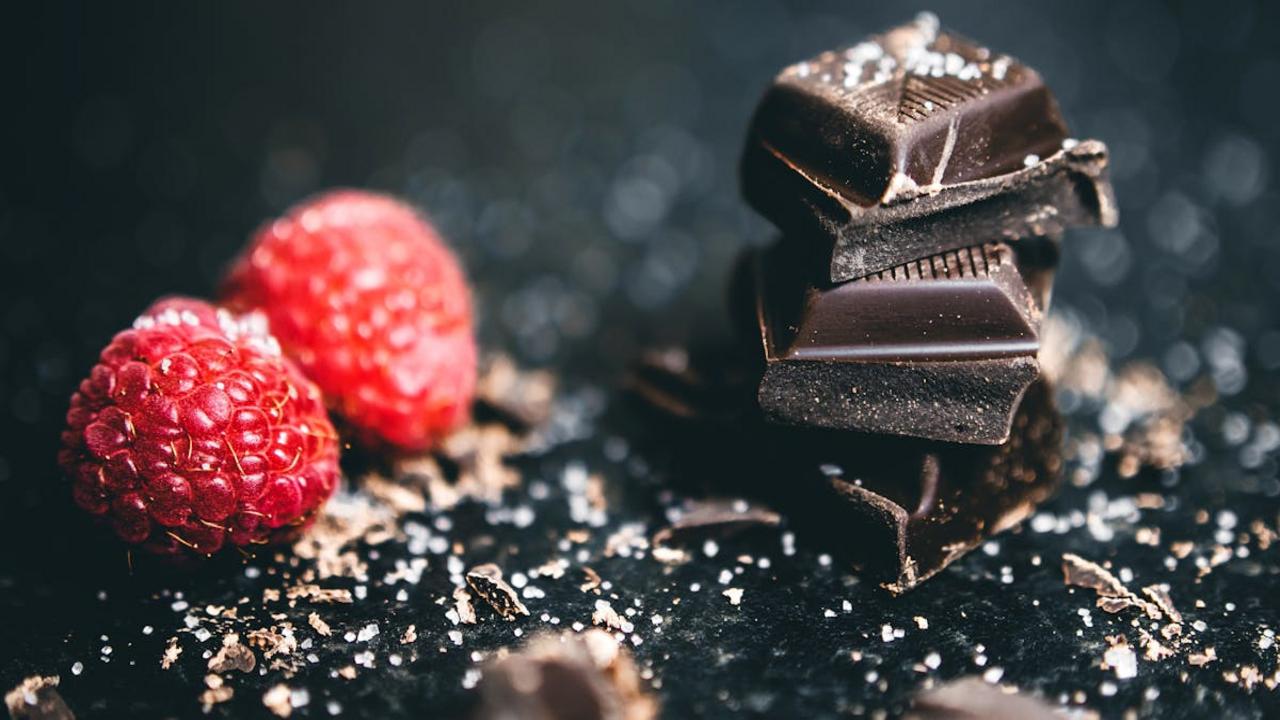
Picture this: ancient Mesoamerican priests sipping bitter, frothy cacao drinks during sacred rituals, probably wondering why they couldn’t just add some sugar and call it a day. The Aztecs and Maya treated cacao beans like liquid gold – literally using them as currency while brewing ceremonial beverages that would make your modern hot chocolate seem like child’s play. When Spanish conquistadors first encountered this “food of the gods,” they initially turned their noses up at the bitter concoction. But after some creative experimentation with honey and spices, they realized they’d stumbled upon something revolutionary. Soon, chocolate was sailing across oceans faster than you could say “trade route.”
Fast-forward to today, and chocolate has completely transformed from a sacred beverage into the world’s most beloved comfort food. We’ve gone from bitter ceremonial drinks to everything from silky truffles to that emergency stash of dark chocolate you hide from your family (don’t worry, we all do it). The invention of milk chocolate by Daniel Peter in 1875 changed everything – suddenly chocolate wasn’t just for special occasions or the wealthy elite. Now you can grab a candy bar at any gas station, bake brownies when you’re stressed, or justify eating chocolate for breakfast because it’s “antioxidant-rich.” The cacao bean’s transformation from ancient currency to modern-day mood booster proves that some foods are destined for greatness, even if it takes a few thousand years to perfect the recipe.
Tea
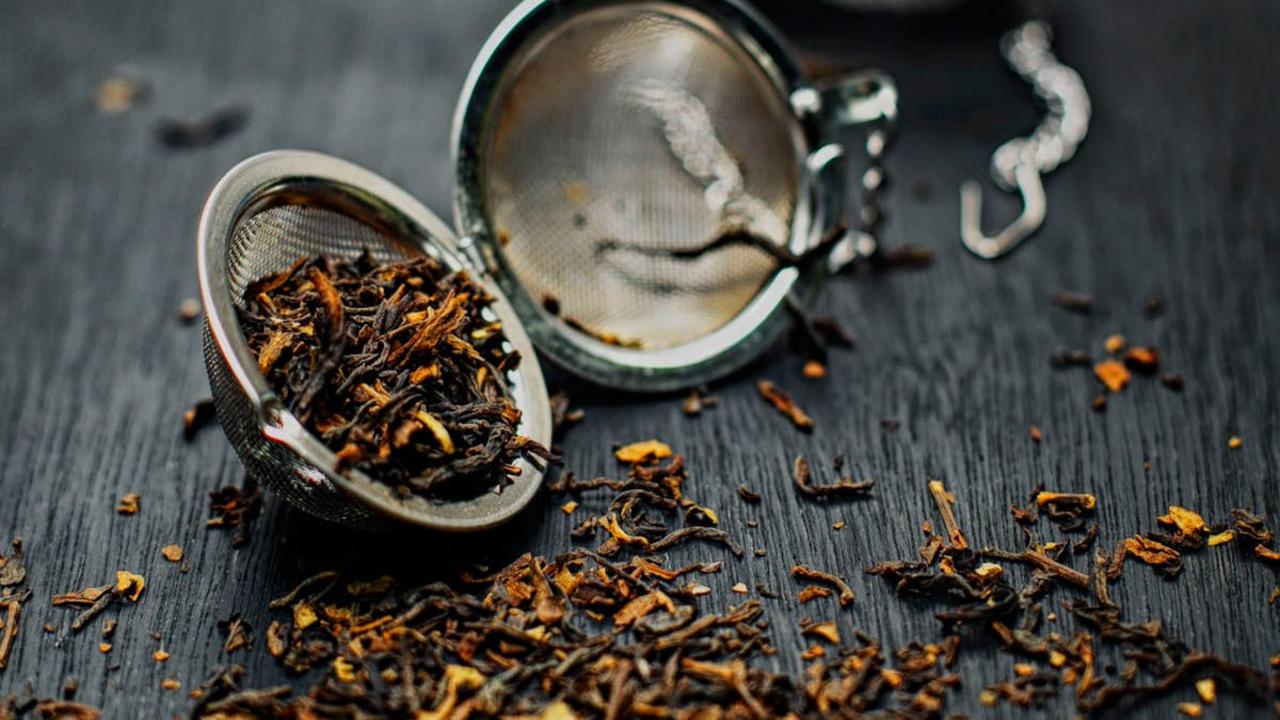
Picture this: some Chinese emperor’s servant accidentally drops a few leaves into boiling water around 2737 BCE, and boom—civilization gets its most beloved caffeinated companion. Tea didn’t just wake people up; it literally shaped empires, sparked revolutions, and turned Britain into a nation so obsessed with proper brewing techniques that they’d rather fight wars than compromise on their afternoon cuppa. The Boston Tea Party wasn’t just about taxation—it was about Americans saying “we refuse to pay ridiculous prices for our daily dose of liquid sanity!” Meanwhile, tea ceremonies became so refined in Japan that they turned sipping into an entire philosophical movement.
Fast-forward to today, and tea remains the world’s second-most consumed beverage after water, which honestly makes perfect sense because it’s basically flavored water that makes you feel fancy. From Earl Grey’s bergamot boldness to matcha’s Instagram-worthy green powder perfection, tea has conquered every corner of the globe with different personalities. The Brits still add milk and argue about whether sugar goes in first (spoiler alert: it doesn’t), while bubble tea turned an ancient beverage into a chewy playground that makes millennials line up for hours. Whether you’re a delicate white tea sipper or a robust black tea chugger, you’re participating in a tradition that literally moved mountains, built trade routes, and convinced entire populations that hot leaf water could solve most of life’s problems.
Peppers
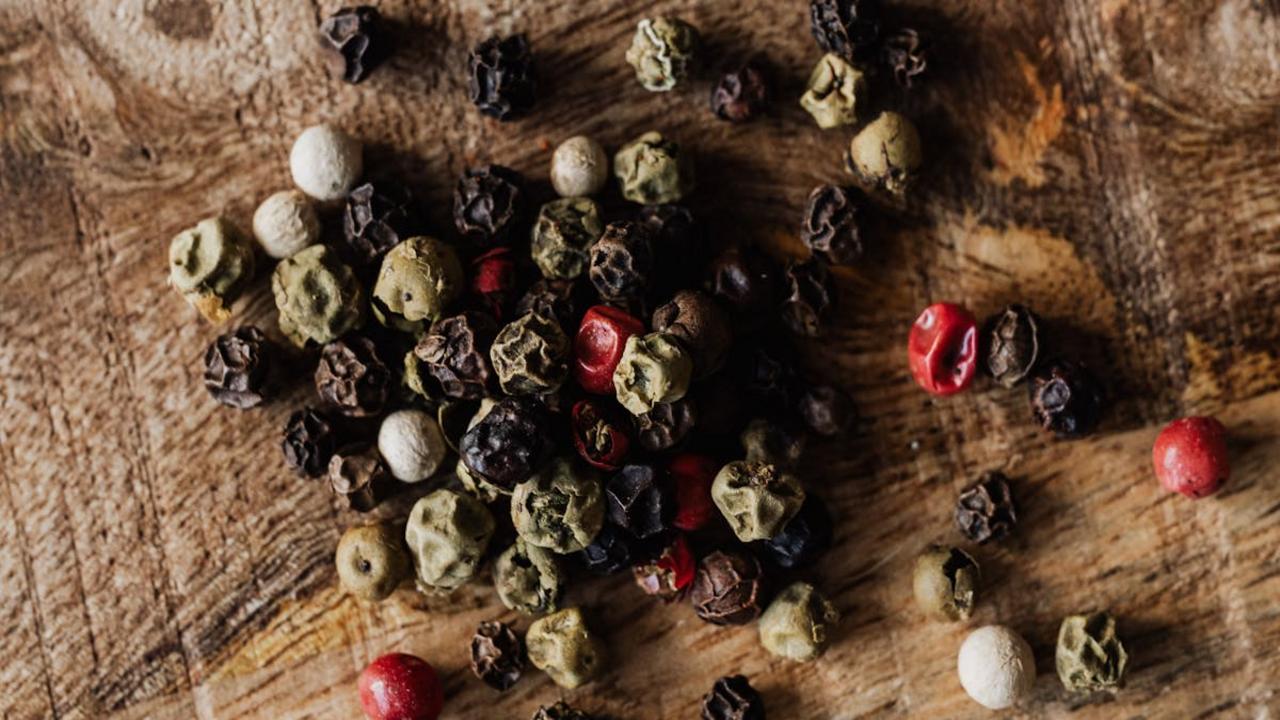
You know what’s wild? Christopher Columbus was so desperate to find black pepper that he accidentally stumbled upon an entirely different kind of pepper—and then had the audacity to call them “peppers” anyway! Talk about commitment to a brand. These colorful capsicums from the Americas weren’t related to black peppercorns at all, but Columbus wasn’t about to admit his navigation skills needed work. Little did he know, he’d just introduced Europe to what would become one of the most transformative ingredients in global cooking history.
From the moment peppers sailed back to Europe in the 1500s, they spread faster than gossip in a small town. Spain fell hard for paprika, Hungary made it their national obsession, and India incorporated chilies so thoroughly into their cuisine that most people assume they originated there. The Scoville scale didn’t even exist until 1912, which means for centuries, people were playing pepper roulette with no idea what heat level they were signing up for. Today, whether you’re sprinkling sweet bell peppers into your stir-fry or crying tears of both joy and pain over a ghost pepper challenge, you’re participating in a 500-year-old food revolution that started with one very lost Italian explorer.
Sugar
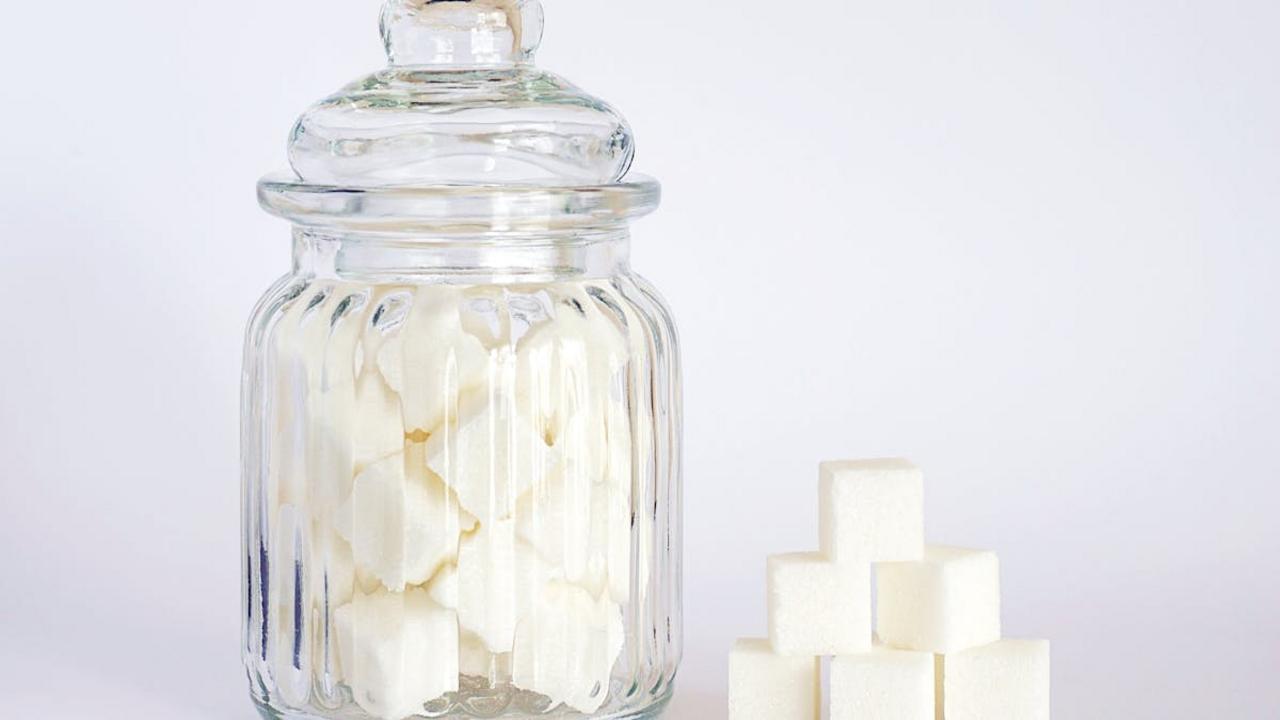
Sugar transformed from rare luxury to global addiction faster than you can say “candy crush.” This sweet crystalline wonder started its world domination in New Guinea around 8000 BCE as simple sugar cane, but it took millennia before humans figured out how to refine it into those perfect white granules we sprinkle on everything today. The Arabs perfected sugar refining techniques in the medieval period, turning it into “white gold” that was literally worth more than actual gold. European crusaders brought back tales of this magical substance that could sweeten even the most bitter medicines, and suddenly everyone wanted a piece of the action.
The sugar trade reshaped entire continents and powered some of history’s darkest chapters, from Caribbean plantations to the transatlantic slave trade. But here’s what blows my mind: before sugar arrived in Europe, people sweetened their food with honey, dates, or grape must – imagine trying to make a birthday cake with fermented grape juice! Sugar didn’t just change desserts; it revolutionized food preservation, created new industries, and gave birth to everything from rum to rock candy. Today’s average American consumes about 77 pounds of sugar annually, which means we’re basically walking sugar dispensers. Your great-great-grandmother would probably faint if she saw how casually we dump sugar into our morning coffee – something that would have cost her a month’s wages back in the day.
Coffee
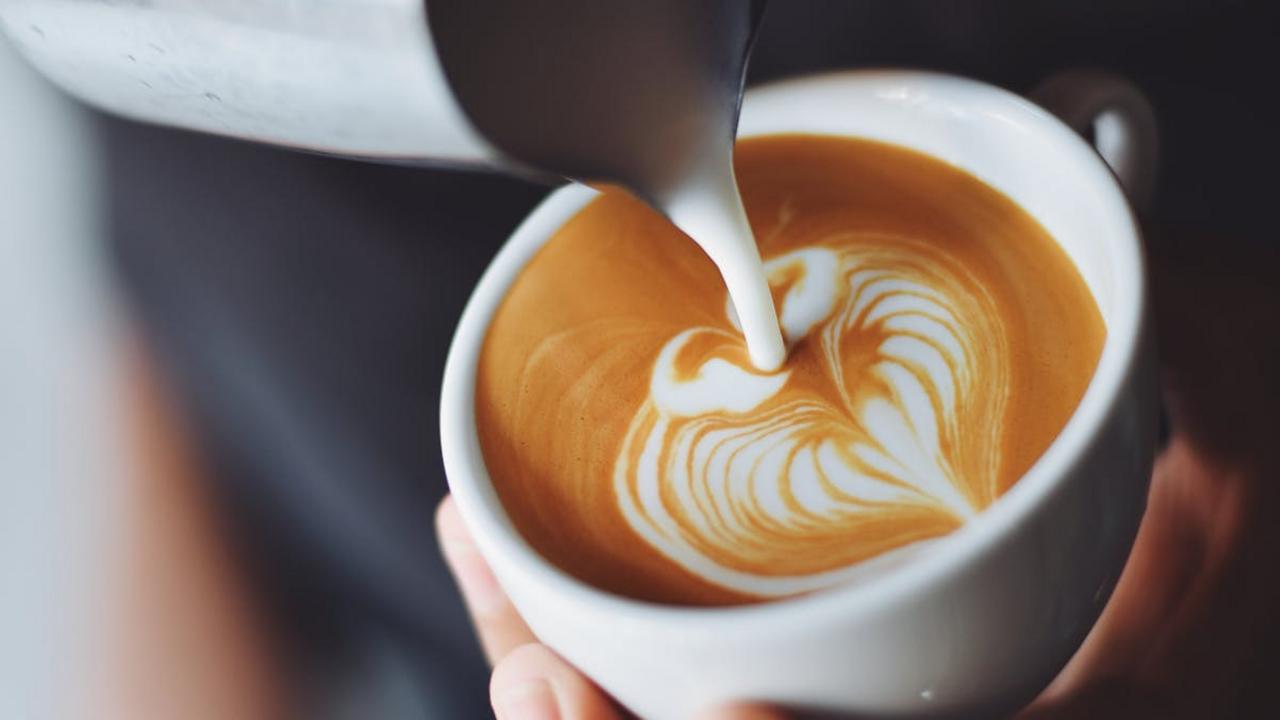
You know that magical brown liquid that transforms you from zombie to functional human being each morning? Coffee didn’t just accidentally stumble into our lives—it literally reshaped entire civilizations and sparked revolutions. Legend has it that an Ethiopian goat herder named Kaldi first discovered coffee when his goats started dancing after munching on mysterious red berries. While I can’t confirm the dancing goats part, I can tell you that coffee houses in 17th-century London became hotbeds of political discourse, earning the nickname “penny universities” because you could buy a cup and listen to brilliant conversations for just one penny.
Coffee transformed from a regional Ethiopian secret into a global obsession that built empires and toppled governments. The Boston Tea Party? That little rebellion led Americans to switch their allegiance from tea to coffee, making it our unofficial national beverage. Today, we consume over 2 billion cups daily worldwide, and coffee has evolved into an art form with baristas crafting foam hearts while you wait. Fun fact: coffee beans aren’t actually beans—they’re seeds! And here’s something that’ll blow your mind: the most expensive coffee in the world comes from elephant dung. Yes, you read that right. Black Ivory Coffee involves elephants eating coffee cherries, and their digestive enzymes create a smooth, unique flavor profile that sells for $500 per pound.