14 Fast-Food Prep Secrets You’d Probably Rather Not Know
I’ve spent years working in restaurant kitchens, and what goes on behind those fast-food counter doors might shock you. While convenience and quick service remain the main draws, the prep methods and ingredients used might make you think twice about your next drive-thru order.
From pre-cooked fries sitting in freezers for months to “grilled” marks painted onto meat and chicken nuggets containing a long list of mysterious ingredients, the fast-food industry prioritizes speed and profit over fresh preparation. Your favorite value meal likely contains more preservatives, artificial ingredients, and processed components than you’d expect.
My commitment to real food and clean cooking pushes me to share these eye-opening insights about common fast-food practices. Understanding what really happens to your food before it reaches your tray can help you make more informed choices about where and what to eat.
Fries Are Pre-Cooked and Frozen for Months
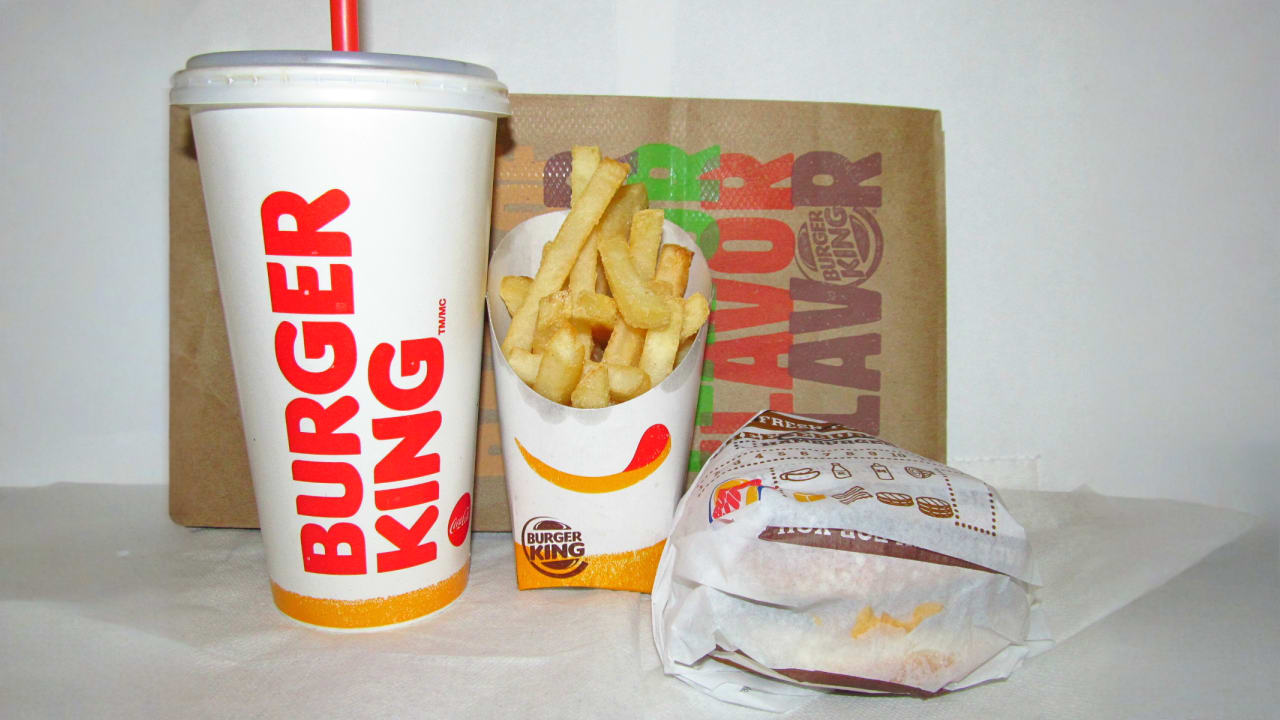
Here’s something that might shock you: those golden fries you grab from your favorite fast-food spot weren’t made fresh that day, or even that week. Most chains receive their fries already pre-cooked and frozen, sometimes sitting in storage for months before they hit your plate. The process starts at massive industrial facilities where potatoes get cut, blanched, partially fried, then flash-frozen and shipped to restaurants nationwide. This method guarantees consistency across thousands of locations, but it also means your fries have traveled quite the distance from their original potato form.
As someone who loves making fresh-cut fries at home, I can tell you the difference is remarkable. When you slice a potato and fry it immediately, you get crispy edges with fluffy, steamy centers that taste like actual potato. Compare that to reheated frozen fries that have been through multiple cooking processes, and you’ll understand why homemade versions taste so much better. Try making your own sometime – just cut russet potatoes into strips, soak them in cold water for 30 minutes, pat dry, and fry in hot oil. The extra effort gives you fries that actually nourish your body instead of just filling it with processed convenience.
Salads Often Contain More Calories Than Burgers
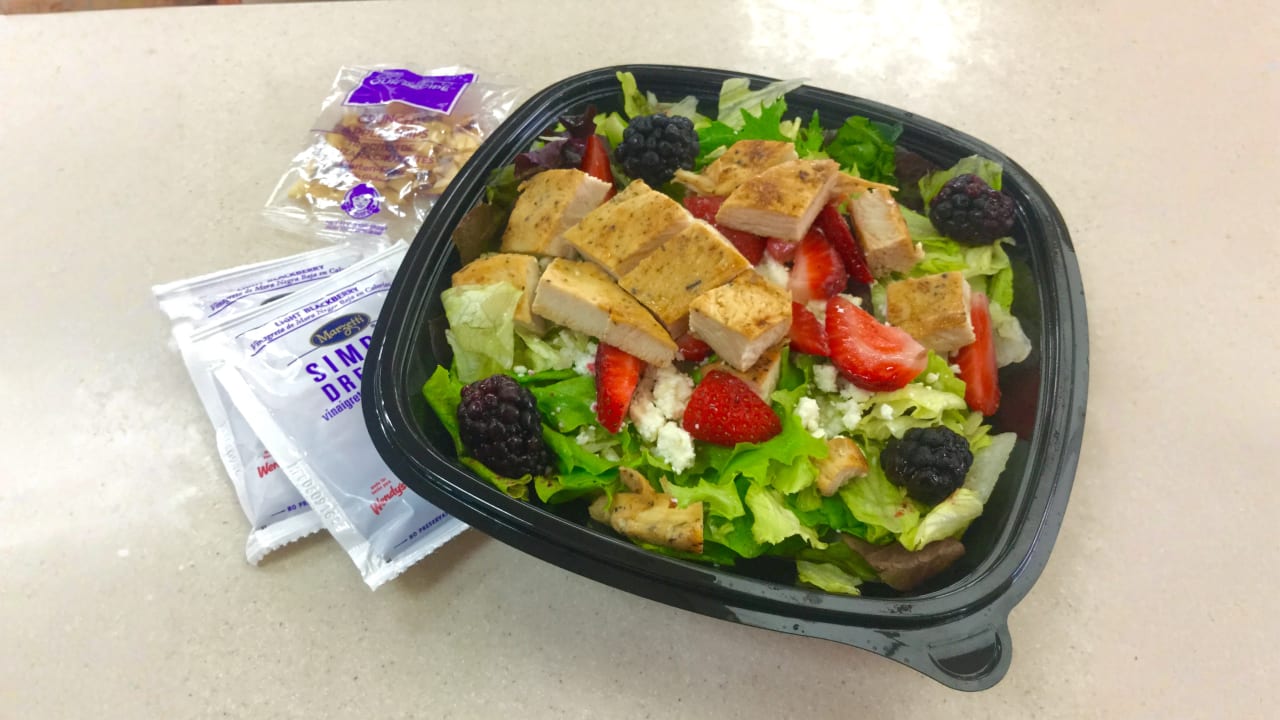
You know what shocked me the most when I started paying attention to restaurant nutrition facts? Those seemingly innocent salads can pack more calories than a double cheeseburger! I’m talking about those massive Caesar salads drowning in creamy dressing, topped with fried chicken, bacon bits, and croutons. The culprit isn’t the leafy greens—it’s everything else piled on top. That creamy ranch or Caesar dressing alone can add 300-400 calories, and don’t get me started on those candied nuts and fried protein options.
This discovery completely changed how I approach salad making at home. Instead of those heavy, processed dressings, I create simple vinaigrettes with good olive oil, fresh lemon juice, and herbs from my garden. I load up on colorful vegetables, add grilled protein I’ve seasoned myself, and toss in some toasted seeds for crunch. The result? A salad that actually nourishes your body without the hidden calories and preservatives. Fast-food chains know how to make salads taste indulgent, but they’re often just burgers in disguise—minus the satisfaction of actually eating a burger!
Milkshake Machines Harbor Hidden Bacteria

You know how much I love making milkshakes at home with fresh ingredients, and there’s a good reason why I stick to my blender instead of grabbing one from the drive-through. Those commercial milkshake machines at fast-food restaurants can become breeding grounds for dangerous bacteria if they’re not properly cleaned and maintained. The complex internal mechanisms with multiple tubes, valves, and chambers create perfect hiding spots where harmful microorganisms can multiply, especially in the warm, dairy-rich environment that these machines operate in daily.
What really concerns me is that many of these machines require dismantling for thorough cleaning, but busy restaurant schedules often mean they only get a quick rinse between uses. Some locations have been found with listeria, salmonella, and other nasties lurking in their equipment. This is exactly why I teach you to make your own treats at home – blend some frozen bananas with a splash of plant milk, add vanilla and a touch of maple syrup, and you get a creamy, safe milkshake without any hidden surprises. Your kitchen, your rules, your peace of mind.
Cheese Sauce Sits in Warmers All Day

You know that smooth, creamy cheese sauce drizzled on your nachos or smothering your fries? It’s been sitting in those heated dispensers for hours—sometimes the entire day. Fast-food chains keep these sauces warm in commercial warmers, maintaining temperatures that prevent spoilage but also break down the texture and flavor over time. What starts as a decent cheese blend gradually separates, develops a skin on top, and loses that fresh taste you’d get from making cheese sauce at home.
This practice always makes me appreciate the simple joy of melting real cheese in my own kitchen. I grab a block of sharp cheddar, grate it fresh, and create a proper roux with butter and flour—the foundation every good cheese sauce deserves. Adding milk slowly while whisking creates that silky texture without any weird preservatives or extended heat exposure. The difference is remarkable: bright, tangy cheese flavor that coats perfectly without that artificial aftertaste. Plus, you control every ingredient, avoiding the stabilizers and emulsifiers that keep commercial versions “pump-able” all day long.
Lettuce Gets Soaked in Chlorine Water Before Serving
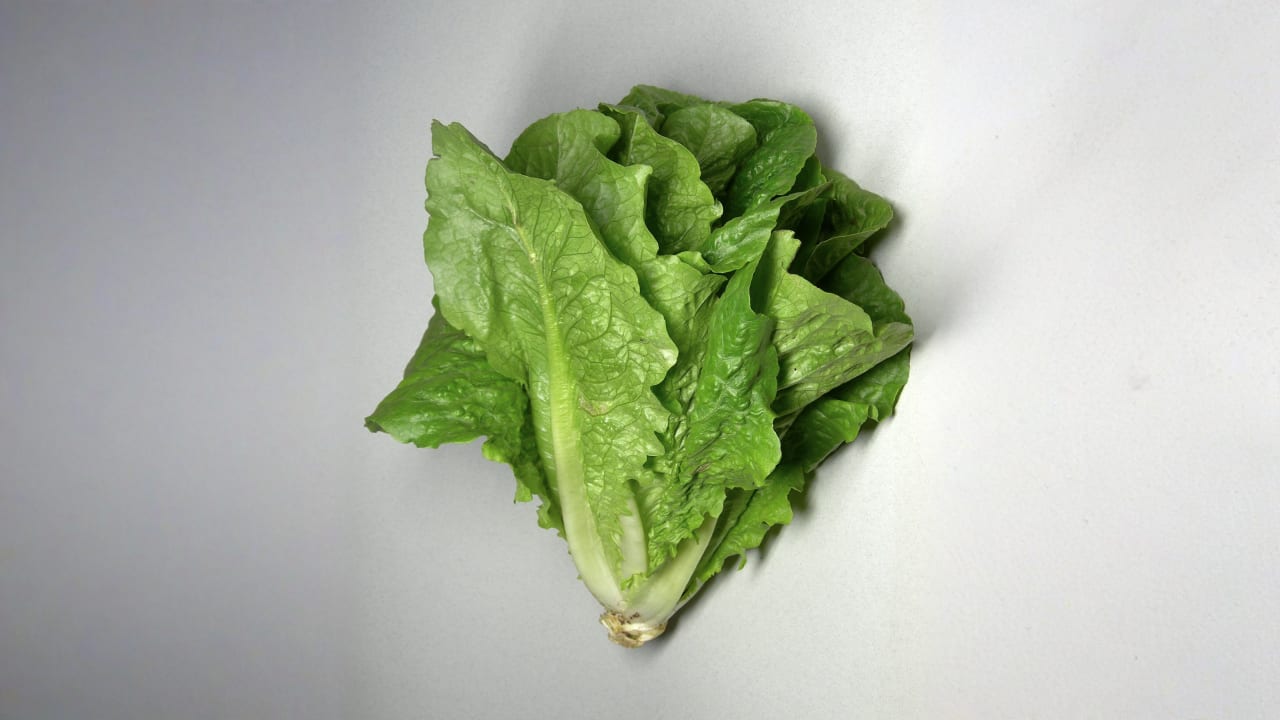
You know how I’m always telling you to wash your greens thoroughly at home? Well, fast-food chains take this to another level entirely. Most major chains soak their lettuce in chlorinated water solutions before it ever reaches your burger or salad bowl. This industrial washing process uses chlorine concentrations that would make your home tap water seem mild by comparison. The goal is sanitization and shelf-life extension, but it leaves me wondering what we’re really consuming along with those crisp leaves.
This revelation really drives home why I’m so passionate about growing my own lettuce or buying from local farmers I trust. When you prepare fresh greens at home, a simple rinse with clean water and maybe a splash of vinegar does wonders without any chemical intervention. I love mixing different lettuce varieties in my salads – butter lettuce for creaminess, arugula for peppery notes, and crisp romaine for crunch. The flavors are so much more vibrant when they haven’t been through an industrial chlorine bath. Plus, you control exactly what touches your food, creating meals that nourish your body rather than just fill your stomach.
Those Perfect Eggs Come from a Carton
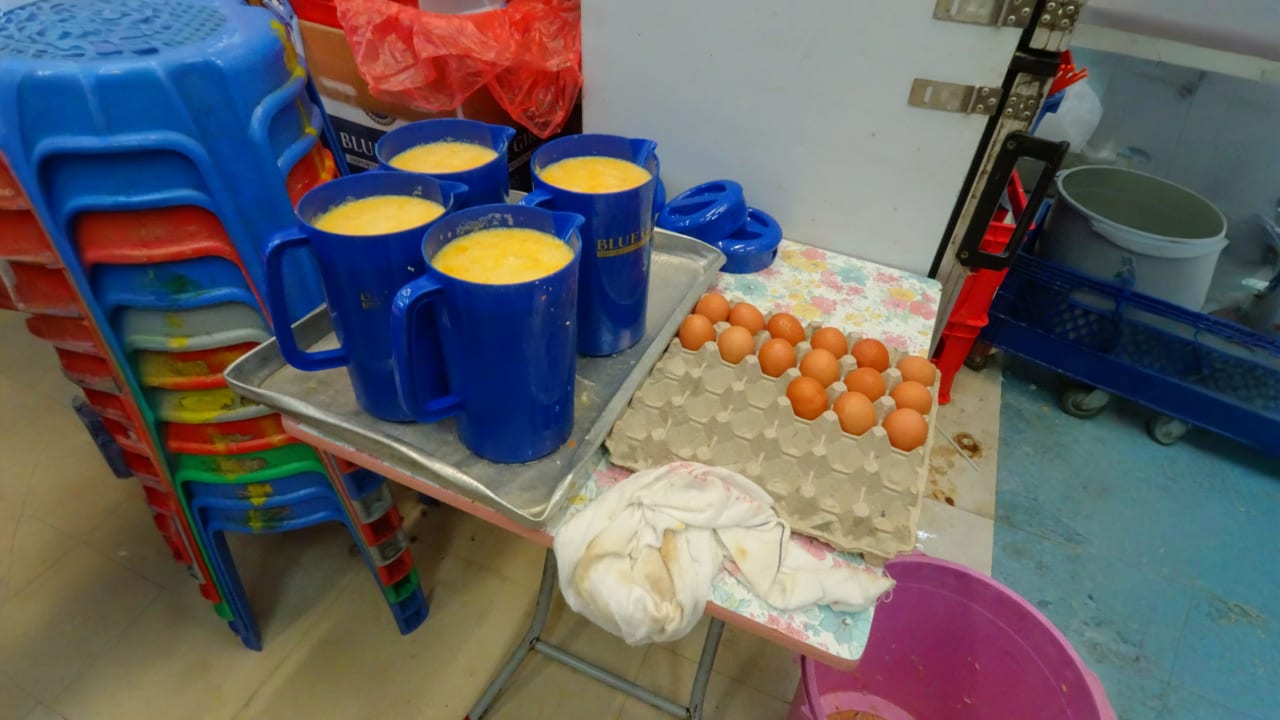
You know that fluffy, perfectly uniform scrambled egg filling in your breakfast sandwich? Those eggs that somehow maintain the exact same texture and color every single time you order? Well, friend, they’re not cracked fresh from the shell each morning. Most fast-food chains rely on liquid eggs that arrive pre-beaten in industrial cartons, sometimes containing preservatives and additives to extend shelf life. These liquid eggs get heated on flat grills or in special machines, creating that consistent – but somewhat artificial – texture we’ve grown accustomed to.
As someone who cracks fresh eggs into my pan every morning, I can tell you there’s a world of difference between real eggs and their processed counterparts. Fresh eggs have varying yolk colors depending on what the hens eat, creating natural variations in flavor and richness that you simply can’t get from a carton. When you cook eggs at home, you control everything – the cooking method, the seasonings, even whether you want them creamy or firm. Sure, your homemade eggs might not look identical every time, but that’s the beauty of real food – it celebrates natural variation rather than industrial uniformity.
Fryer Oil Gets Filtered but Rarely Changed
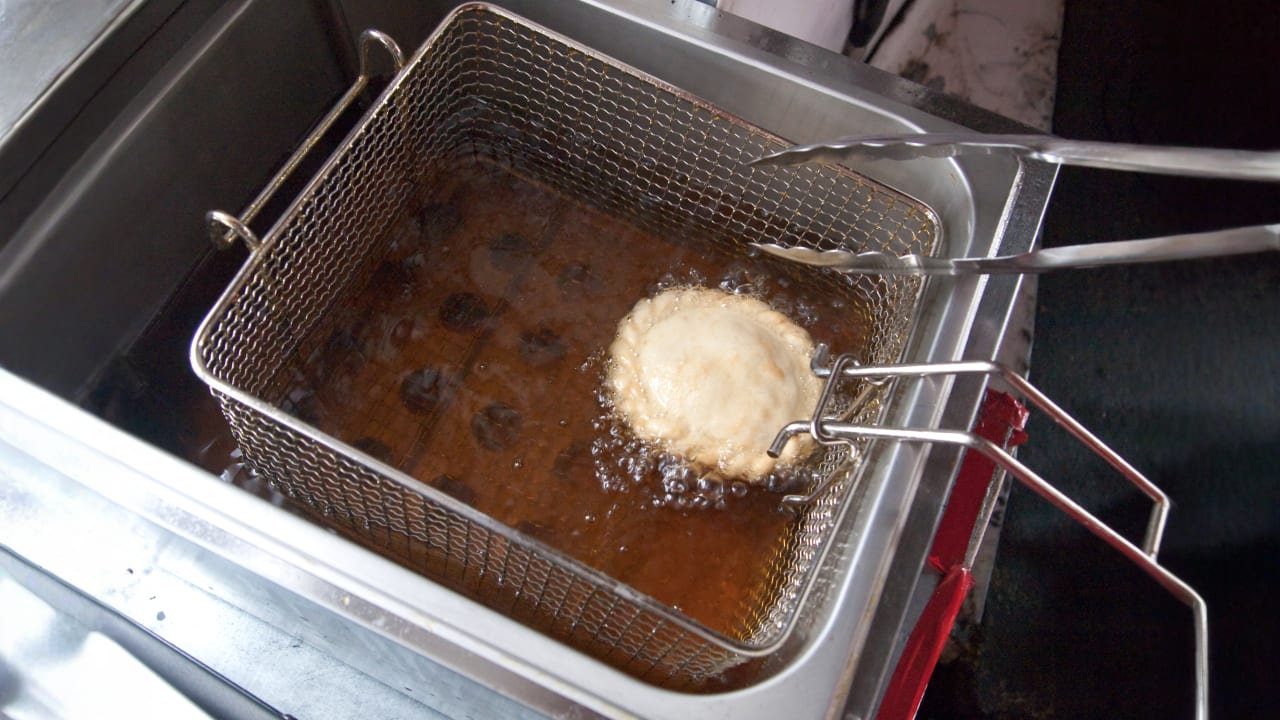
You know that golden, crispy exterior on your favorite fast-food fries? Here’s something that might make you think twice: most fast-food chains filter their fryer oil daily but replace it far less frequently than you’d expect. While filtering removes food particles and extends the oil’s life, it doesn’t eliminate the chemical breakdown that happens when oil gets heated repeatedly to those scorching 350°F temperatures. I’ve worked in commercial kitchens, and I’ve seen oil that’s been “refreshed” through filtering for weeks, developing that telltale dark color and off-putting smell that signals it’s way past its prime.
This practice exists purely for cost savings – fresh oil is expensive, and restaurants push their fryer oil to absolute limits before replacement. The result? Your food gets cooked in oil that’s developed harmful compounds and lost its ability to create that perfect crispy texture. At home, I replace my frying oil after just a few uses because I can taste the difference immediately. When oil breaks down, it doesn’t just affect flavor – it stops conducting heat properly, meaning your food absorbs more oil and becomes greasy rather than crisp. Trust me, once you start frying with fresh oil at home, you’ll never look at fast-food fryers the same way.
Your Burger Patty Was Frozen for Months
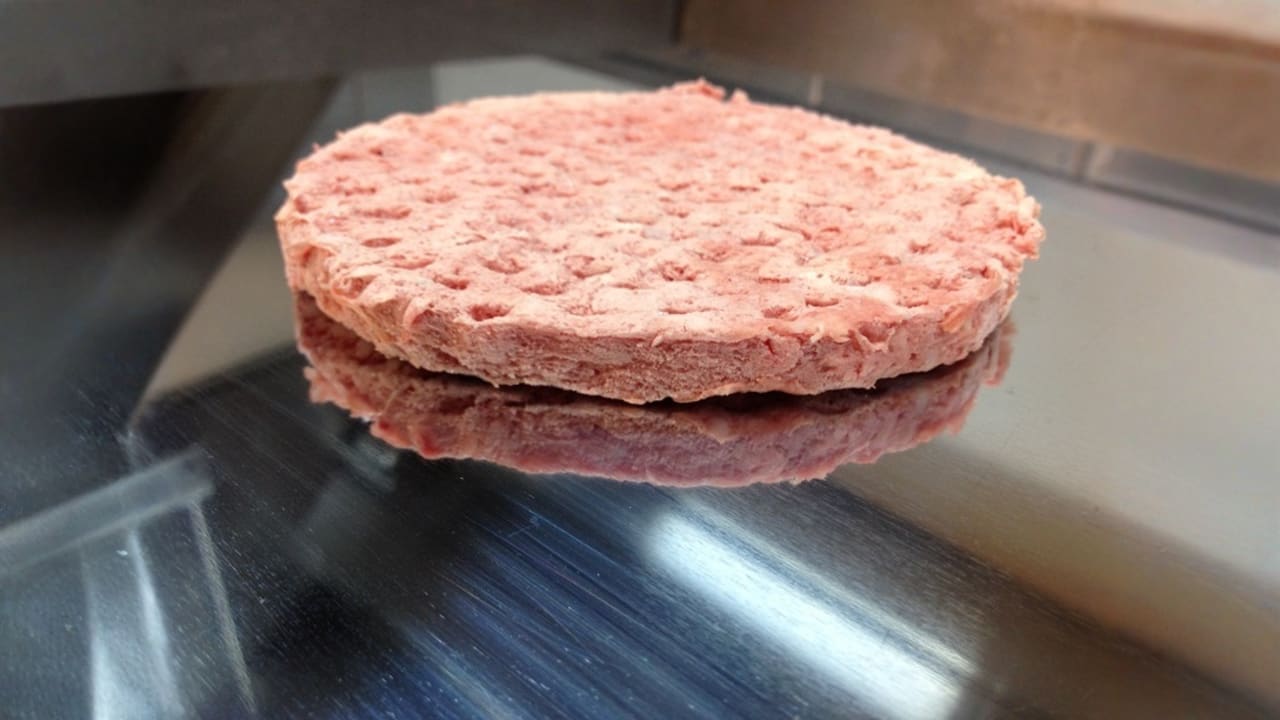
You know how I always talk about buying fresh ground beef from the butcher and forming patties right before cooking? Well, that frozen burger patty you just ordered at your favorite fast-food spot has been living in a freezer for months—sometimes up to six months or more. These patties get mass-produced, flash-frozen, and shipped across the country in massive quantities. While freezing isn’t inherently bad for food safety, the texture and flavor changes dramatically over time, which explains why those patties often taste flat and lack the juicy richness you get from fresh ground meat.
What really gets me is how this affects the entire eating experience. When you cook fresh ground beef at home, you control everything—the fat content, the seasoning, even the blend of cuts. Those frozen patties have been sitting so long that they need heavy seasoning and artificial flavor enhancers just to taste like something. The natural beef flavor gets muted, and the texture becomes dense and chewy. Next time you’re craving a burger, try making your own with fresh ground chuck—form loose patties, season simply with salt and pepper, and cook them hot and fast. The difference will absolutely blow your mind, and you’ll wonder why you ever settled for those months-old frozen discs.
Those Crispy Vegetables Are Coated in Preservatives
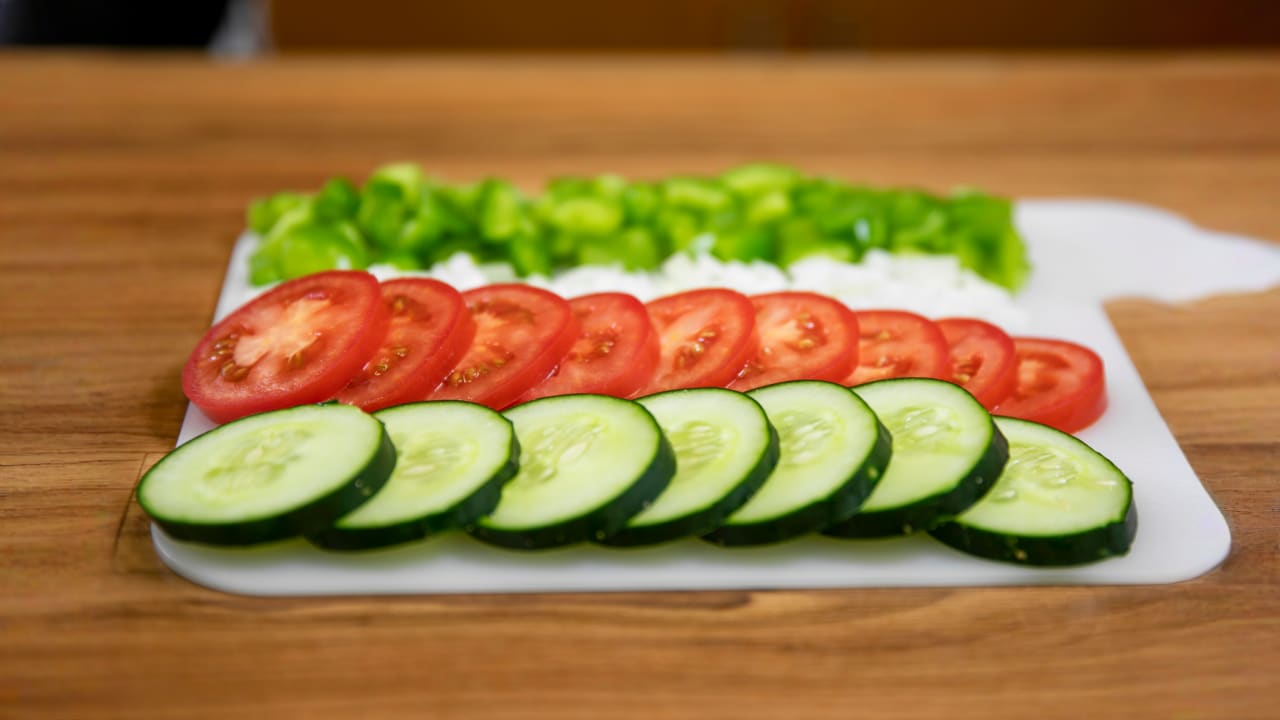
You know that satisfying crunch you get from fast-food salads and veggie toppings? That crispy lettuce and those perfectly firm tomatoes didn’t achieve their texture naturally. Most chain restaurants spray their fresh produce with preservatives like calcium propionate and potassium sorbate to maintain that appealing snap for days or even weeks. These chemicals prevent browning and wilting, but they also create an artificial barrier between you and real, unprocessed food. I’ve worked in commercial kitchens where I watched staff coat vegetables with these solutions, and it always made me think about how far we’ve moved from simply washing and serving fresh produce.
Here’s what really gets me excited: you can recreate that same satisfying crunch at home without any chemical shortcuts. I love soaking my lettuce in ice water with a pinch of sea salt for fifteen minutes – it revives even wilted greens and gives them incredible texture. For tomatoes, I choose varieties that naturally hold their firmness, like cherry tomatoes or heirloom types, and I store them properly at room temperature until serving. When you prepare vegetables this way, you taste the difference immediately – clean, bright flavors without that subtle chemical aftertaste that many people don’t even realize they’re experiencing. Your body deserves real food that doesn’t need artificial preservation to shine.
Your “Grilled” Marks Are Painted On

You know that beautiful char pattern on your fast-food burger patty? Those perfect crosshatch lines that make you think someone lovingly grilled your meal over an open flame? Well, my friend, I hate to break this to you, but those marks are often painted on with liquid smoke or grill flavor solutions. Most chain restaurants cook their patties on flat-top grills or in conveyor ovens, then apply artificial grill marks using specialized equipment or even food-grade paint to create that coveted barbecue appearance.
This discovery completely changed how I approach grilling at home. Instead of chasing those Instagram-perfect grill marks, I focus on building real flavor through proper seasoning and actual fire contact. When I grill burgers in my backyard, I let the heat create natural caramelization and char patterns that might not look as uniform but taste infinitely better. The smokiness comes from real wood chips or charcoal, not from a bottle. Try making your own burgers using quality ground beef mixed with minced onions, garlic, and fresh herbs – you’ll taste the difference immediately and never want to go back to those artificially marked patties again.
Your Chicken Nuggets Contain Over 20 Ingredients
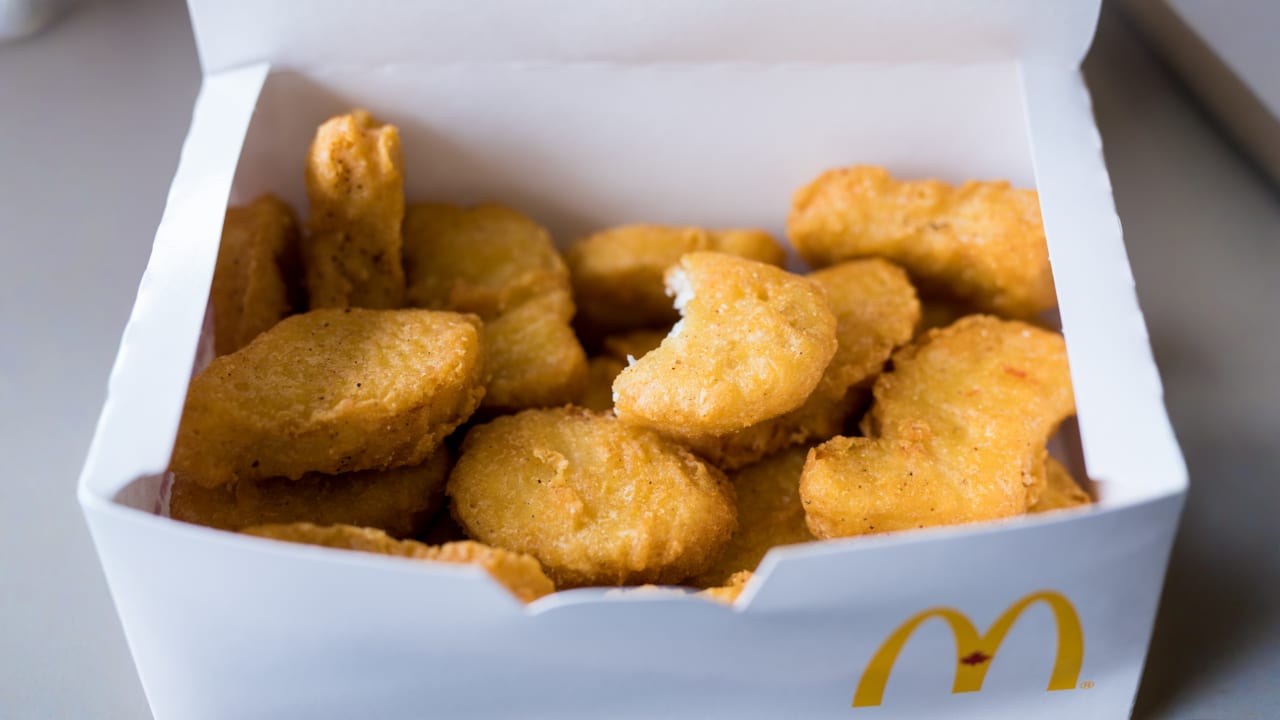
You grab those golden nuggets thinking you’re getting simple chicken, but friend, I need to share something that might make you reconsider. Those innocent-looking bites pack more than 20 different ingredients into each piece. We’re talking preservatives, stabilizers, artificial flavors, and chemicals with names longer than my grocery list. Sodium phosphate, autolyzed yeast extract, modified corn starch—the list reads like a chemistry experiment rather than food. Compare that to my homemade version where I use just chicken, flour, eggs, and spices.
Making nuggets from scratch transforms your kitchen into a place of pure magic. I season ground chicken with garlic powder, paprika, and a touch of turmeric for that golden color nature intended. Coat them in panko breadcrumbs mixed with herbs, then bake until crispy. Your family gets real nutrition without the mysterious additives. The difference in taste? Absolutely incredible. You control every single ingredient, knowing exactly what nourishes your loved ones. Those 20+ ingredient nuggets suddenly seem unnecessary when five simple ingredients create something far more satisfying and wholesome.
Most Sauces Are Squirted from Bags Older Than Your Leftovers
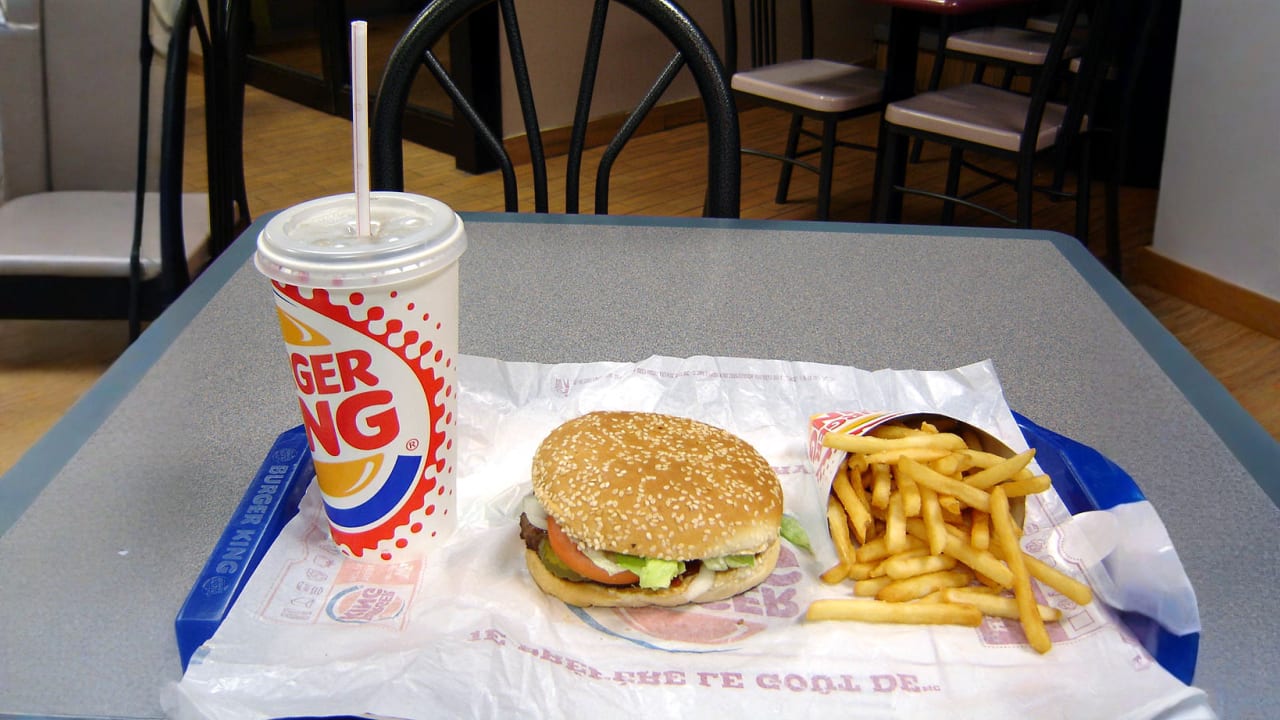
You know that creamy ranch dressing on your fast-food salad or the “special sauce” on your burger? Here’s something that might make you reconsider your next drive-thru visit: most of these sauces come from industrial-sized bags that have been sitting around far longer than those containers of leftover curry in your fridge. These sauce bags can legally hang out in restaurant storage areas for weeks or even months, thanks to preservatives that would make a chemistry textbook blush. While you’re tossing out your homemade tomato sauce after a week, these commercial concoctions are engineered to survive apocalyptic timelines.
This revelation perfectly captures why I’m so passionate about making sauces from scratch at home. When you whip up your own tahini drizzle with lemon juice and garlic, or blend fresh herbs into a vibrant green sauce, you’re not just creating something delicious – you’re taking control of freshness and quality. Your homemade sauces might only last a few days in the fridge, but those few days are packed with real ingredients, bright flavors, and zero mystery chemicals. Plus, you get to adjust the heat level, sweetness, and texture exactly how you like it, creating something that actually complements your food rather than masking it with artificial flavors.
Bacon Is Pre-Cooked Hours Before Serving

You walk into your favorite fast-food spot, order that bacon cheeseburger, and expect crispy, freshly cooked bacon. Here’s what actually happens: that bacon was cooked hours ago, sometimes even the night before your visit. Most chains prepare massive batches of bacon during slower periods, then store it in warming trays or refrigerate it for later reheating. When you place your order, they simply grab pre-cooked strips and either microwave them briefly or toss them on the grill for a quick warm-up. This method keeps service fast, but it means your bacon has been sitting around far longer than you’d imagine.
As someone who loves cooking bacon fresh at home, this practice makes me appreciate the difference even more. When I cook bacon in my kitchen, I can control the crispiness, choose higher-quality cuts, and serve it immediately while the fat is still sizzling. Try cooking your own bacon at home using the oven method – lay strips on a parchment-lined baking sheet and bake at 400°F for 15-20 minutes. You’ll taste the difference immediately: that fresh, crackling texture and rich flavor that simply can’t be replicated after hours of storage. Plus, you can save the rendered fat for cooking vegetables or making the most incredible roasted potatoes you’ve ever had.
Fountain Drink Nozzles Are Mold Magnets
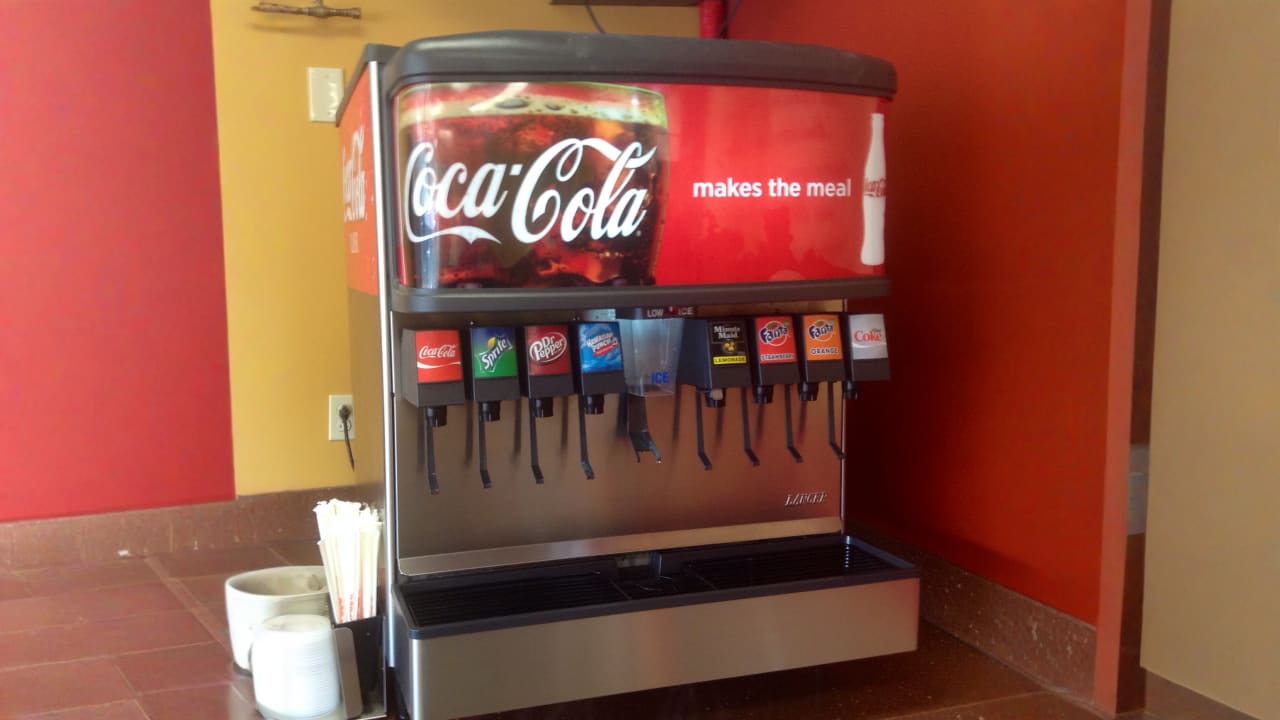
Friend, as someone who’s spent years creating fresh beverages in my kitchen, I need to share something that might make you think twice about that fountain drink. Those dispensing nozzles you see at fast-food restaurants? They’re basically perfect breeding grounds for mold and bacteria. The constant moisture, sugar residue from sodas, and warm temperatures create an environment where microorganisms absolutely thrive. Most locations don’t clean these nozzles nearly often enough, and when they do, it’s usually just a quick rinse rather than the deep sanitization needed to eliminate built-up grime.
I’ve watched countless employees simply wipe down the outside of these machines without ever removing or properly cleaning the internal components where the real nastiness hides. Think about all those sticky, dark crevices inside the nozzle where syrup and carbonated water mix—that’s where mold loves to party. This discovery pushed me even further toward making my own flavored waters and fresh fruit sodas at home. You can create amazing sparkling drinks with just fresh fruit, herbs, and quality sparkling water. Not only do you avoid the mystery mold situation, but you also control exactly what goes into your body.