14 Delicious Superfoods to Soothe Your Gut and Boost Digestion
Your gut health directly impacts your overall wellness, from your immune system to your mood. Adding gut-friendly superfoods to your daily meals can transform your digestive health and make you feel energized, balanced, and lighter throughout the day.
I’ve gathered 14 powerful superfoods that pack both flavor and natural healing properties. From fermented favorites to tropical fruits and ancient seeds, each ingredient brings unique benefits to your digestive system. The best part? You can easily mix these foods into your existing recipes.
Get ready to stock your kitchen with nature’s digestive aids! These superfoods will not only calm your stomach but also boost your nutrient absorption and support your gut’s good bacteria. Whether you’re dealing with occasional bloating or want to improve your digestion, these foods will become your new favorites.
Fennel Seeds
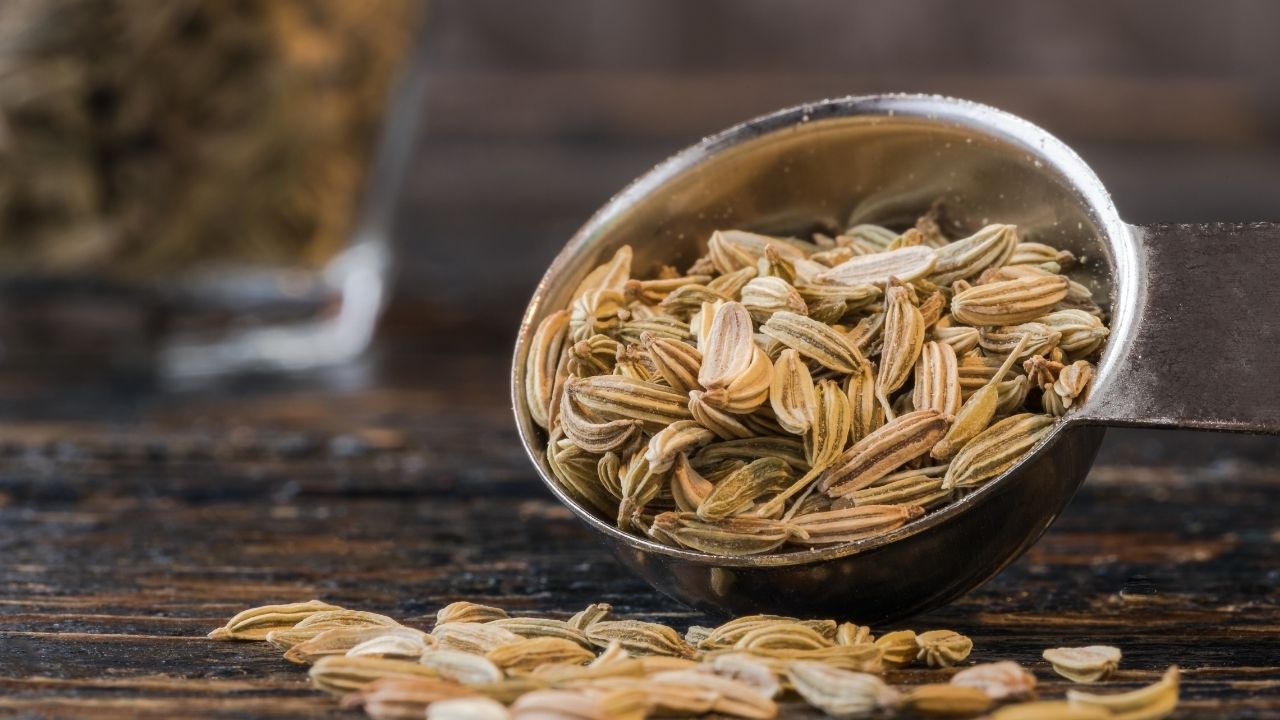
I can’t get enough of fennel seeds – these tiny powerhouses pack such a delightful anise-like flavor while working wonders for your digestion! You’ll find these aromatic seeds as a common staple in Indian households, where people often chew them after meals to prevent bloating and aid digestion. The active compounds in fennel seeds help relax the muscles in your digestive tract, reducing gas and cramping. I love adding them to my morning tea or sprinkling them over roasted vegetables for both flavor and digestive benefits.
Your gut will thank you for making fennel seeds part of your daily routine. They contain antioxidants that fight inflammation and support healthy gut bacteria. I recommend keeping a small jar of these seeds in your kitchen – you can dry-roast them lightly to enhance their flavor and add them to soups, stews, or bread recipes. For quick relief from indigestion, try chewing a small spoonful of seeds or brewing them into a soothing tea. The natural oils in fennel seeds also freshen your breath, making them a perfect after-dinner companion.
Ginger Root

I can’t get enough of ginger root in my kitchen – this zingy superfood works wonders for your digestion and gut health! Fresh ginger contains powerful compounds like gingerols that naturally calm inflammation in your digestive system. You’ll notice smoother digestion and less bloating when you add ginger to your daily routine. I love grating it into stir-fries, blending it into smoothies, or steeping it in hot water for a soothing tea that settles an upset stomach.
Beyond its digestive benefits, ginger root brings incredible immune-boosting properties to your meals. The antioxidants in ginger help fight free radicals while supporting your body’s natural defenses. You can store fresh ginger in your freezer – just grate what you need while frozen and return the rest for later use. Start with small amounts if you’re new to ginger, as its spicy kick can take some getting used to. Trust me, once you make ginger a regular part of your cooking, you’ll wonder how you ever lived without its warming, healing properties!
Banana
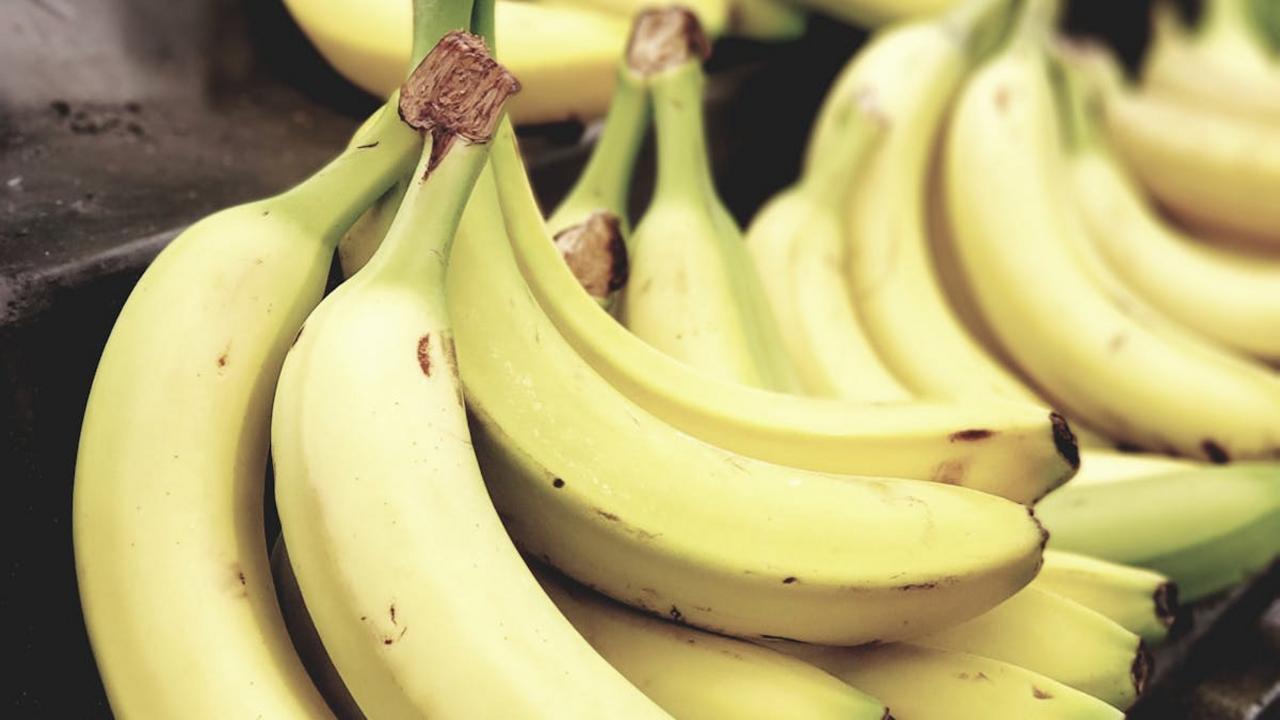
I love recommending bananas as a go-to superfood for better digestion! These sweet yellow fruits pack a powerful punch of soluble fiber and resistant starch that work together to support your gut health. The natural sugars in bananas give you quick energy without overwhelming your digestive system, while their high potassium content helps maintain proper fluid balance. My favorite thing about bananas? They contain natural compounds that can increase the growth of good bacteria in your gut, making them a perfect choice for maintaining digestive wellness.
You’ll find bananas especially helpful during tummy troubles since they’re part of the BRAT diet (Bananas, Rice, Applesauce, Toast) that doctors often recommend. The natural compounds in bananas help reduce inflammation in your digestive tract and can ease acid reflux symptoms. I keep a bunch on my counter and add them to my morning smoothies or enjoy them as a quick snack. The riper the banana gets, the easier it becomes to digest – those brown spots mean the starches have broken down into simpler sugars that your body can process more efficiently.
Green Kiwi
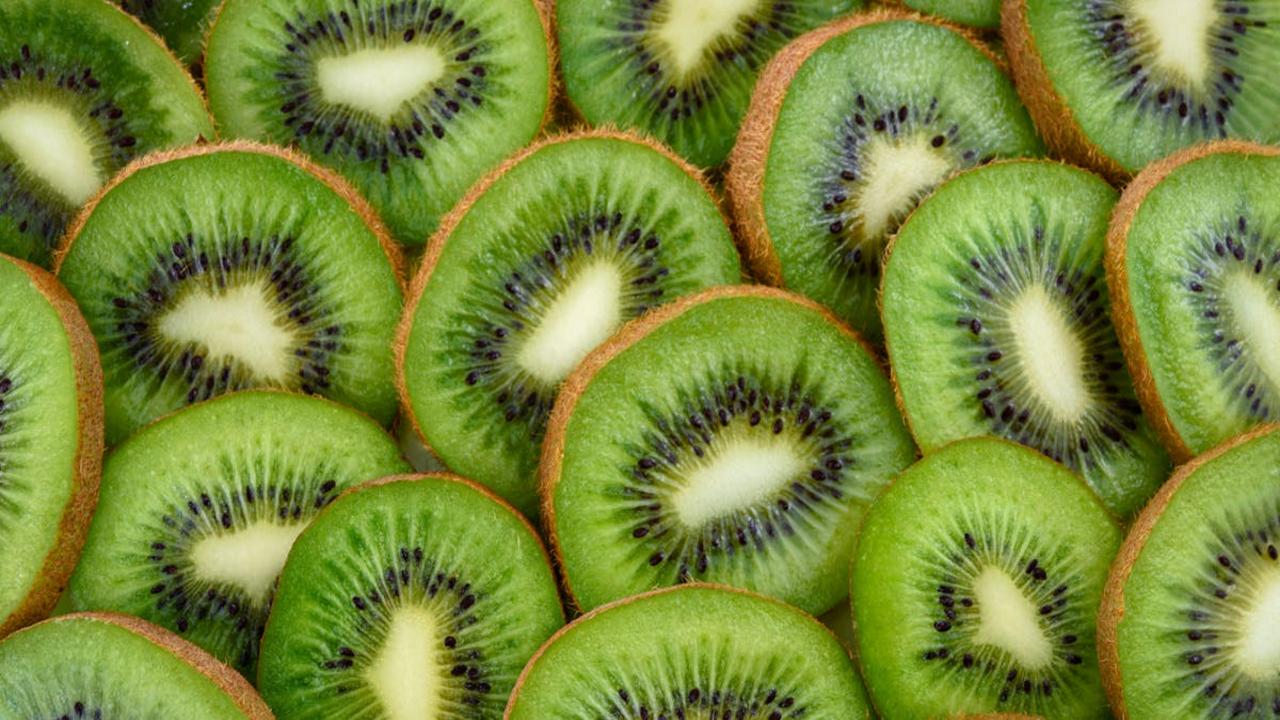
I absolutely adore green kiwis as natural digestive superheroes! These fuzzy little fruits pack a mighty punch of fiber – about 2-3 grams per fruit – which makes them perfect for keeping your gut happy and regular. The combination of soluble and insoluble fiber in kiwis helps maintain healthy digestion while feeding your beneficial gut bacteria. Plus, kiwis contain actinidin, a unique enzyme that breaks down protein and helps your body digest meals more efficiently.
You’ll find green kiwis loaded with vitamin C – just one fruit gives you more vitamin C than an orange! This antioxidant powerhouse supports your digestive system by reducing inflammation and protecting your gut cells from damage. I recommend eating them with the skin on (after giving them a good wash) since the skin contains extra fiber and nutrients. Try adding sliced kiwi to your morning yogurt bowl or blending it into a green smoothie – your digestive system will thank you for this sweet and tangy boost!
Pineapple

Your gut will thank you for adding sweet, juicy pineapple to your diet! This tropical fruit contains bromelain, a powerful enzyme that helps break down proteins and reduces inflammation in your digestive system. I’ve found that eating fresh pineapple after meals can help ease bloating and make digestion smoother. Plus, the natural fiber in pineapple acts like a gentle scrub for your intestines, promoting regular bowel movements and supporting a healthy gut environment.
Beyond its digestive benefits, pineapple gives you a rich dose of vitamin C and manganese – two nutrients that strengthen your immune system and help your body absorb other nutrients better. You can enjoy pineapple in many ways: blend it into smoothies, add chunks to your morning yogurt, or grill it for a caramelized treat. I recommend buying a whole pineapple and cutting it fresh – the flavor beats canned versions, and you’ll get maximum enzymatic benefits. Just remember to eat it soon after cutting, as the enzyme content decreases over time.
Papaya
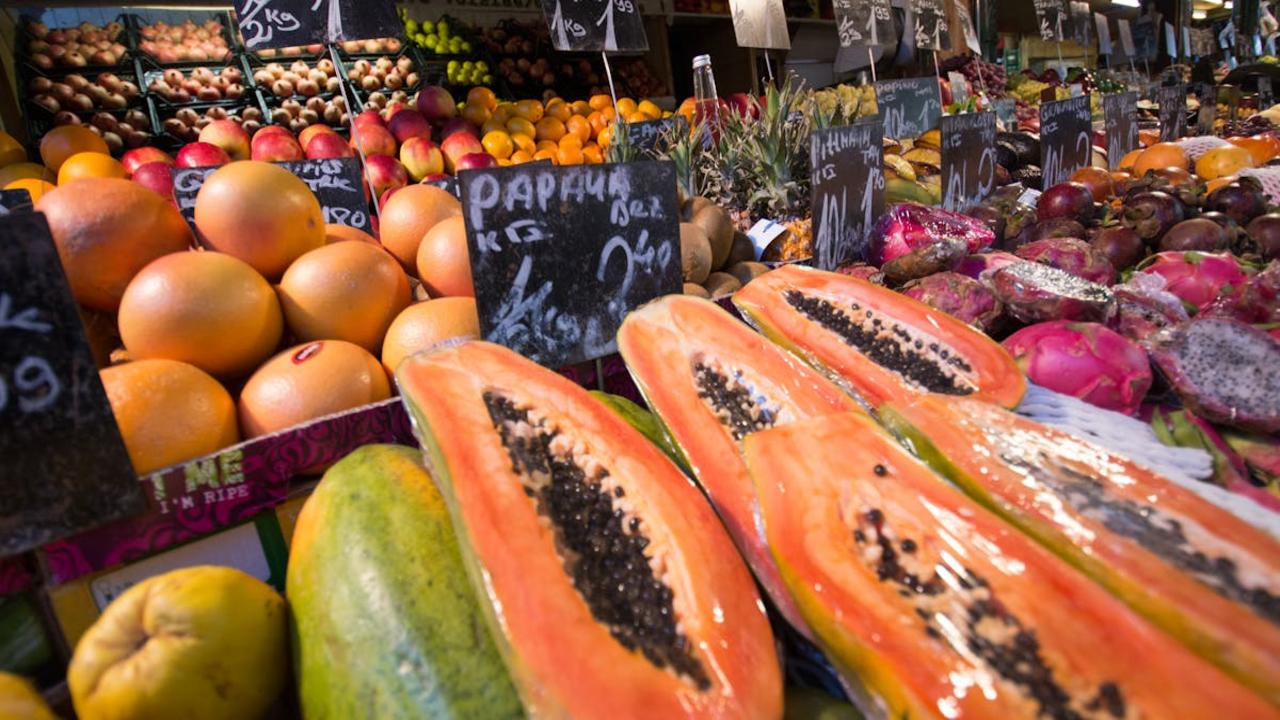
I can’t say enough good things about papaya’s amazing gut-healing powers! This tropical fruit contains papain, a mighty enzyme that breaks down proteins and makes your digestion run smoothly. You’ll find loads of fiber in papaya too, which feeds your good gut bacteria and keeps things moving along. Plus, its anti-inflammatory properties help calm digestive upset and reduce bloating – making it a perfect breakfast choice or after-dinner treat.
The best part? Papaya gives you more than just digestive benefits. Each sweet, orange bite packs vitamin C for immune support, vitamin A for healthy skin, and potassium for balanced electrolytes. I love adding ripe papaya chunks to my morning smoothie bowls or enjoying them with a squeeze of lime juice. For maximum digestive benefits, eat papaya on an empty stomach or between meals – this helps those beneficial enzymes work their magic most effectively.
Jerusalem Artichokes
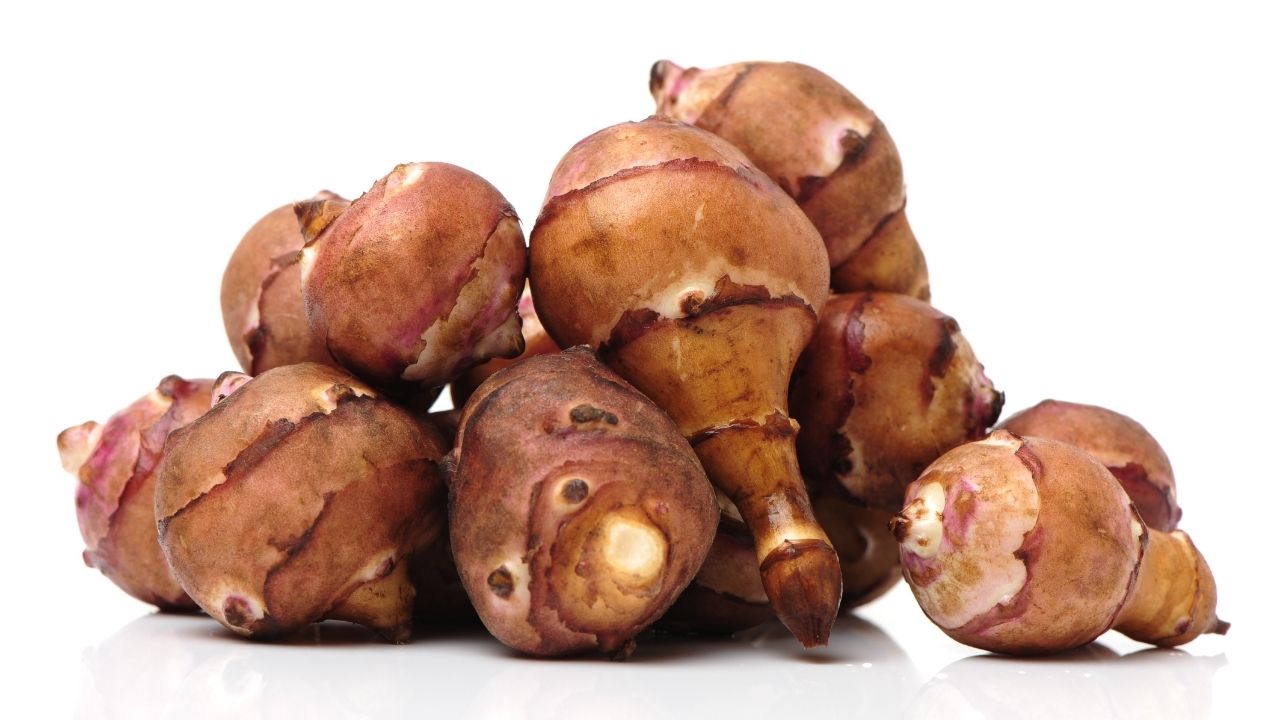
Jerusalem artichokes, also known as sunchokes, pack a powerful prebiotic punch that will make your gut bacteria dance with joy! These knobby root vegetables contain high amounts of inulin fiber, which feeds the good bacteria in your digestive system. I add these sweet and nutty tubers to my roasted vegetable medleys or slice them thinly into salads for an extra crunch. Your digestive system will thank you for including these tasty gems in your meals.
Here’s a fun fact – despite their name, Jerusalem artichokes aren’t from Jerusalem and aren’t related to artichokes at all! They’re actually part of the sunflower family, native to North America. You can prepare them just like potatoes – roast them with olive oil and herbs, puree them into a creamy soup, or steam them for a simple side dish. Just start with small portions if you’re new to them, as their high fiber content might take some getting used to. The health benefits make them worth adding to your regular menu rotation!
Artichokes
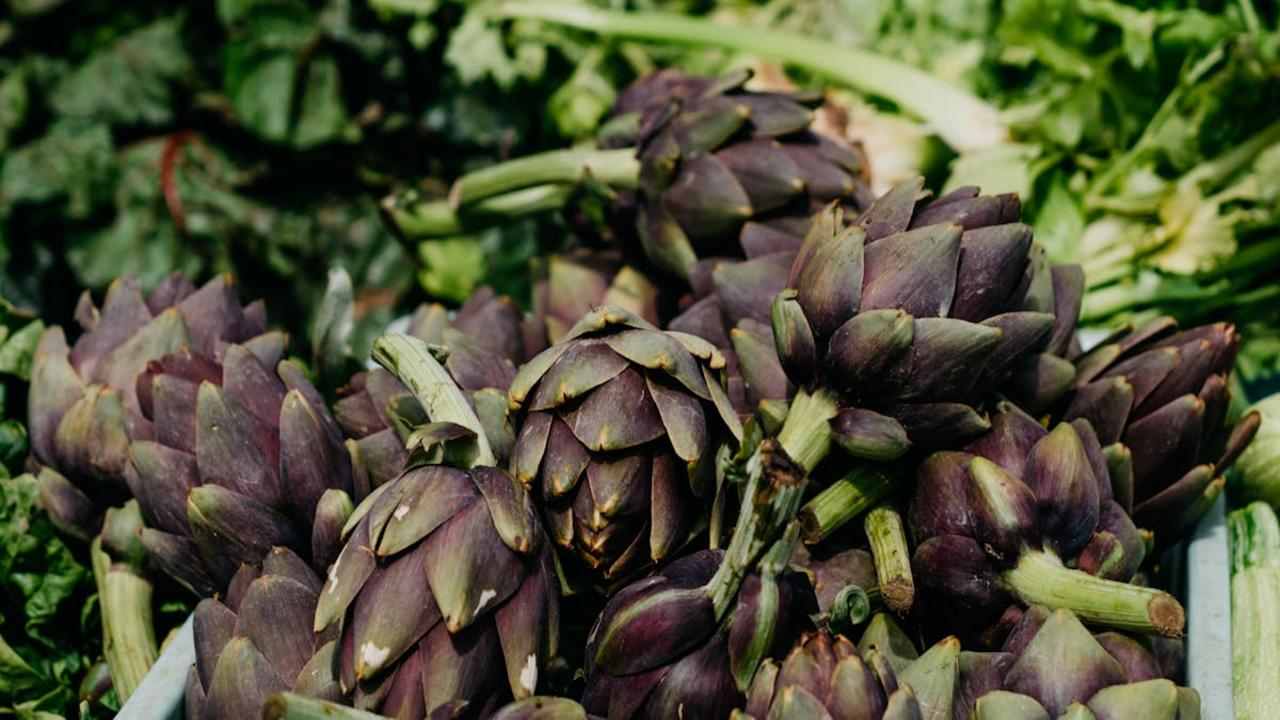
I can’t help but get excited about artichokes – these beautiful, flower-like veggies pack a serious punch for your digestive health! Each artichoke contains an impressive 7 grams of fiber, which helps keep your gut running smoothly. They’re rich in prebiotics, particularly inulin, that feed the good bacteria in your digestive system. Plus, their natural compounds support liver function and bile production, making them a powerhouse for breaking down fats and supporting healthy digestion.
You’ll find artichokes particularly helpful if you want to reduce bloating and improve nutrient absorption. Their high antioxidant content, including quercetin and rutin, helps reduce inflammation in your digestive tract. I love adding steamed artichoke hearts to salads or blending them into dips. For maximum gut benefits, try dipping the leaves in olive oil with a sprinkle of lemon juice – this combination helps your body absorb their fat-soluble nutrients better. The tender heart of the artichoke holds the most concentrated digestive benefits, so don’t forget to savor that part!
Flaxseeds
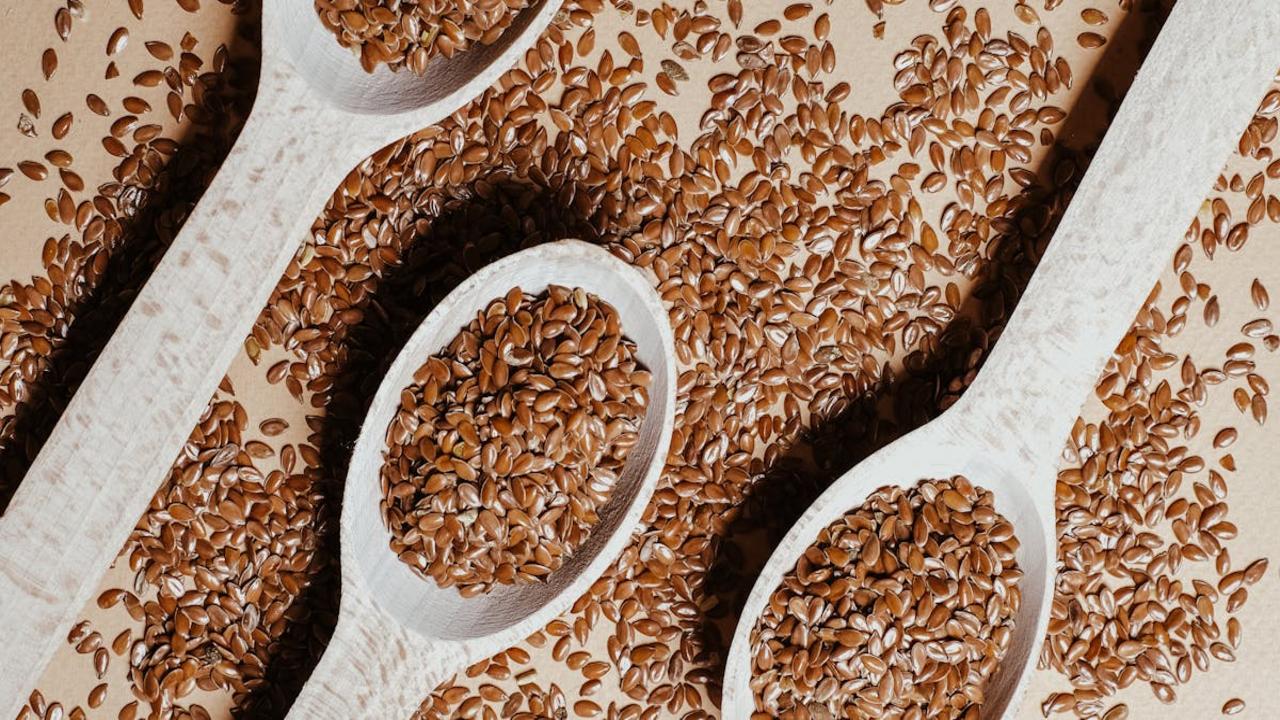
I always keep a bag of flaxseeds in my kitchen because they pack such amazing benefits for gut health. These tiny brown or golden seeds contain high amounts of soluble fiber that acts like a gentle scrub brush for your digestive system. The fiber helps move things along smoothly while feeding the good bacteria in your gut. Plus, flaxseeds give you a nice dose of omega-3 fatty acids which can help reduce inflammation throughout your digestive tract.
You’ll get the most nutrition from flaxseeds by grinding them right before use, since whole seeds can pass through undigested. I love sprinkling ground flaxseeds on my morning oatmeal or blending them into smoothies. You can also mix them into yogurt, add them to baked goods, or use them as an egg substitute in vegan recipes. Just start with small amounts – about 1-2 tablespoons daily – and drink plenty of water since they’re so fiber-rich. Your gut will thank you for making these mighty little seeds part of your daily routine!
Chia Seeds
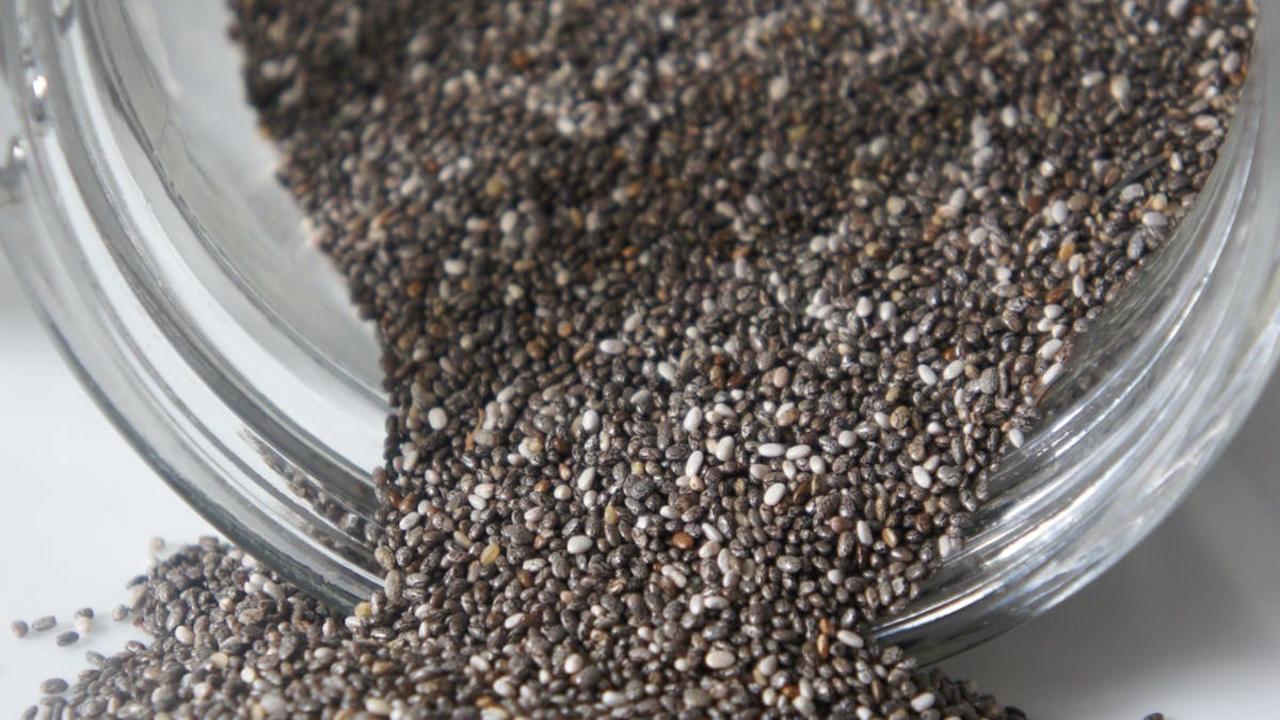
I absolutely love adding chia seeds to my morning smoothies and overnight oats! These tiny powerhouses pack a serious punch for your digestive health. Each tablespoon contains an impressive 5 grams of fiber, which helps keep your gut bacteria happy and your digestion running smoothly. What makes chia seeds extra special is their ability to absorb liquid and form a gel-like consistency – this natural process helps slow down digestion and keeps you feeling full longer while supporting regular bowel movements.
The omega-3 fatty acids in chia seeds work wonders for reducing gut inflammation, making them a perfect choice if you deal with digestive discomfort. I recommend starting with 1-2 teaspoons daily and gradually increasing to avoid overwhelming your system. Mix them into yogurt, sprinkle on salads, or blend into smoothies – they’re so versatile! Just remember to drink plenty of water with your chia seeds since they absorb liquid. Your gut will thank you for adding these nutrient-rich seeds to your daily menu.
Kimchi

Your gut will thank you for adding kimchi to your daily meals! This Korean fermented veggie dish packs a powerful probiotic punch that can improve your digestive health dramatically. The main ingredient, napa cabbage, goes through a natural fermentation process with garlic, ginger, and Korean red pepper flakes, creating billions of beneficial bacteria. These good bacteria help break down food more efficiently and strengthen your immune system – making kimchi a true digestive powerhouse.
I love recommending kimchi to my readers because it’s so versatile in the kitchen. You can add it to rice bowls, sandwiches, or enjoy it straight from the jar as a zesty side dish. The fermentation gives kimchi its signature tangy flavor while creating enzymes that make nutrients more available for your body to absorb. Plus, the fiber from the cabbage acts like a prebiotic, feeding those good gut bacteria and keeping your digestive system running smoothly. If you’re new to kimchi, start with small portions and gradually increase – your belly will soon crave this probiotic-rich food!
Tempeh

Your gut will thank you for adding tempeh to your meals! This protein-rich Indonesian food comes from fermented soybeans, making it a fantastic choice for your digestive health. The fermentation process creates beneficial probiotics that support your gut microbiome while breaking down the soybeans to make them more digestible. I love how tempeh offers a meaty, nutty texture that absorbs flavors beautifully in stir-fries, sandwiches, and grain bowls.
Beyond its gut-healing benefits, tempeh packs a powerful nutritional punch with high amounts of fiber, iron, and calcium. Each serving gives you around 20 grams of complete protein, perfect for vegetarians and meat-eaters alike. I recommend marinating tempeh in your favorite sauce before cooking to help it soak up all those yummy flavors. You can slice it thin and pan-fry until golden brown, or crumble it into your favorite recipes for an extra protein boost. The firm texture holds up well during cooking, making it super versatile in the kitchen.
Kombucha

I get so excited every time I talk about kombucha – this fizzy, fermented tea drink that’s packed with gut-healing benefits! Made by fermenting sweetened tea with a culture of bacteria and yeast (also known as SCOBY), kombucha brings a powerful punch of probiotics to your digestive system. The natural fermentation creates beneficial compounds like acetic acid, which can help balance your gut microbiome and improve digestion. Plus, you’ll find antioxidants, B vitamins, and enzymes that work together to support your overall gut health.
What makes kombucha extra special is how versatile it can be – you’ll find it in many delicious flavors like ginger, berry, or citrus. The natural carbonation gives it a refreshing kick that makes it a perfect substitute for sugary sodas. If you drink it regularly, you may notice improved digestion, reduced bloating, and even stronger immunity since a healthy gut plays a big role in your body’s defense system. Just start with small amounts (4-6 ounces) and gradually increase your intake to let your body adjust to this probiotic-rich beverage.
Kefir

You’ll love adding kefir to your daily routine – this fermented dairy drink packs a powerful probiotic punch that will make your gut happy! Think of kefir as yogurt’s tangy, more beneficial cousin. The fermentation process creates billions of good bacteria and yeast strains that help balance your digestive system and reduce inflammation. I regularly mix kefir into my morning smoothies or enjoy it straight from the glass for a creamy, slightly fizzy treat that keeps my digestion running smoothly.
Beyond its amazing probiotic benefits, kefir offers incredible nutrition that goes way beyond regular dairy products. It contains high levels of B vitamins, protein, and calcium while being easier to digest than milk – perfect if you’re sensitive to lactose. The best part? You can make kefir at home with just milk and kefir grains, letting you control the fermentation time to get your ideal texture and tanginess. Start with a small glass daily and watch how this ancient fermented drink transforms your gut health!