14 Classic American Foods You Won’t Believe Are Banned in Other Countries
Ever wondered why your favorite American treats make Europeans raise their eyebrows? From bright red maraschino cherries to perfectly white bread, many everyday American foods sit on the “forbidden” lists across borders. The reasons range from serious health concerns to different food safety standards that’ll make you question what’s really on your plate.
Take that juicy salmon fillet from your local supermarket or that refreshing Mountain Dew you gulp down on hot summer days. While these seem normal here in the US, they’re completely off-limits in places like Norway, Japan, and most European Union countries. The bans stem from ingredients we regularly consume but other nations consider too risky.
Your morning toast, afternoon snacks, and dinner staples might contain substances that other countries outlawed years ago. This reality check isn’t meant to scare you – it’s about understanding what makes American food unique, for better or worse. Ready for a deep dive into the forbidden foods list? You might want to check your pantry after this one.
Bleached Flour
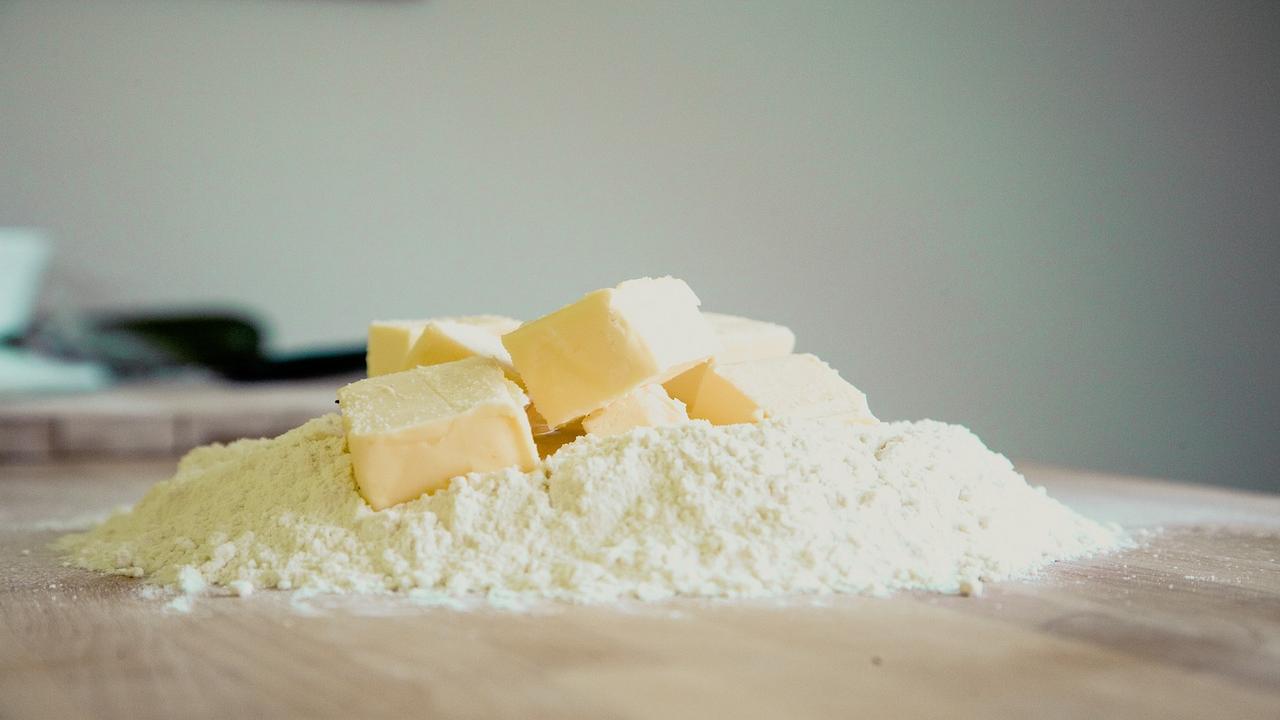
I bet you’ve never given much thought to that pristine white flour sitting in your pantry, but here’s a shocker – many European countries won’t touch it with a ten-foot pole! The European Union, China, and Australia have all banned bleached flour because of the chemicals used in the bleaching process, particularly benzoyl peroxide and potassium bromate. These chemicals help give American bread products their characteristic pure white color and soft texture, but several studies have linked them to potential health concerns.
You’ll find bleached flour in countless American favorites – from fluffy birthday cakes to grandma’s famous dinner rolls. The bleaching process speeds up the natural aging of flour, making it whiter and finer much faster than letting it age naturally. But countries like Germany and France prefer their flour au naturel, thank you very much! They achieve those perfect croissants and crusty baguettes using unbleached alternatives. Meanwhile, American bakers continue to debate whether bleached flour truly makes a difference in their recipes, with many professional pastry chefs swearing by unbleached varieties for better flavor and more consistent results.
Chlorine Washed Chicken
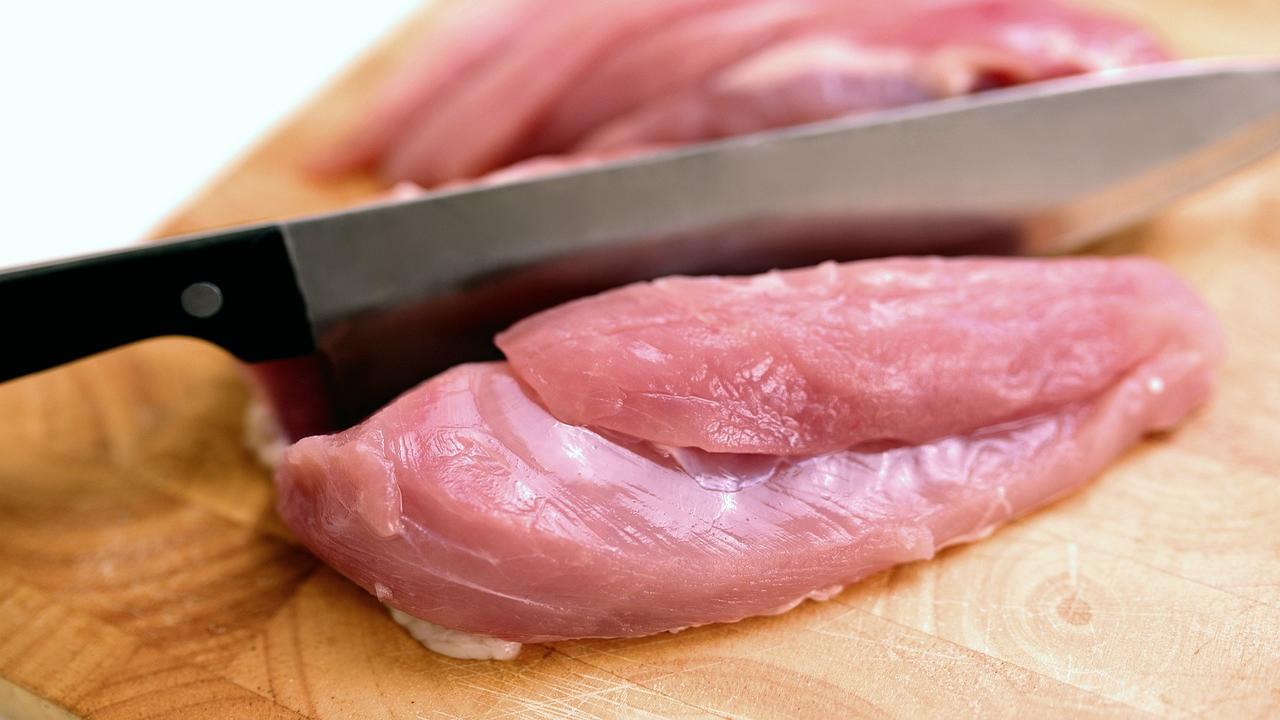
Hey, did you know your chicken dinner might have taken a chlorine bath? In the US, we’ve normalized washing raw chicken in chlorinated water to kill harmful bacteria – a practice that’s totally banned in the European Union. Picture this: nearly 97% of American chicken goes through this cleaning process, making our poultry producers happy campers. But across the pond, they’re giving us major side-eye for this practice, believing it masks poor farming standards and creates a false sense of food safety.
The EU took a hard stance against chlorine-washed chicken back in 1997, causing quite a stir in US-EU trade relations. Their argument? “Clean your coops, not your chickens!” They focus on preventing bacterial contamination through strict farming practices rather than chemical treatments. The ban remains a hot topic in trade negotiations, with American producers insisting the process is safe while European regulators maintain their “farm to fork” approach works better. Next time you bite into your chicken sandwich, remember – it probably had a splash in a chemical pool before reaching your plate!
Growth Hormone in Cattle
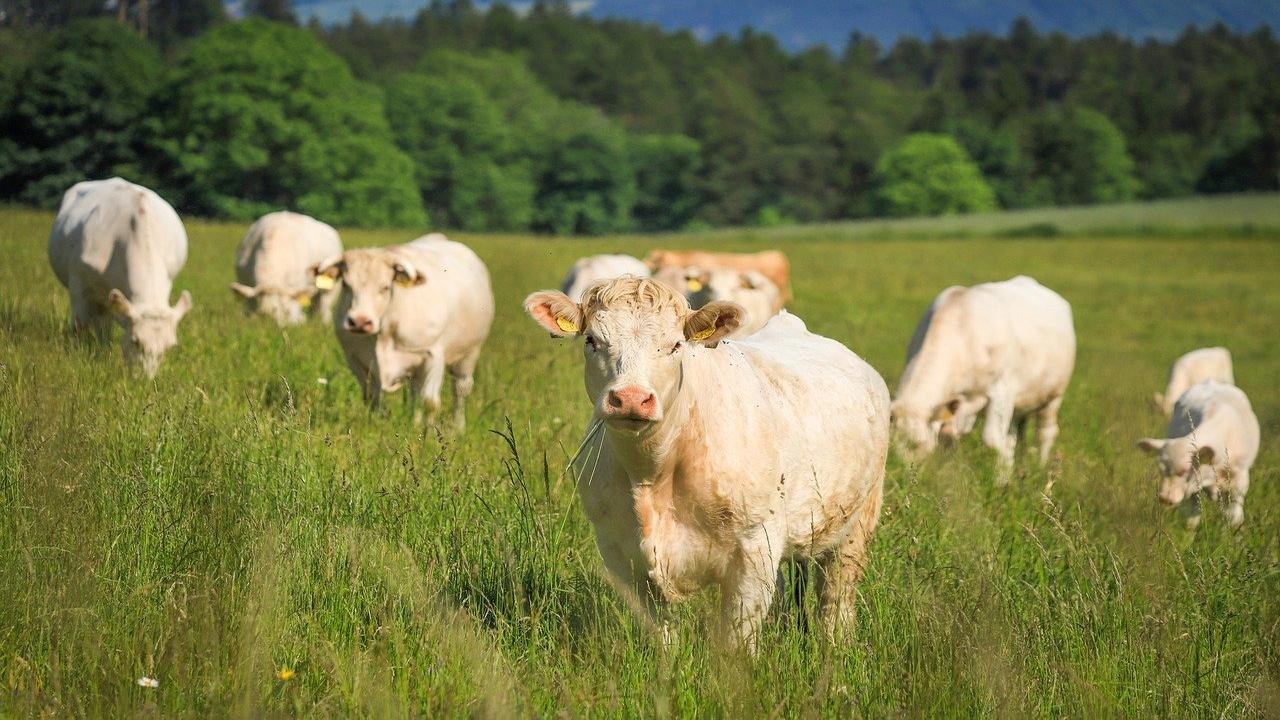
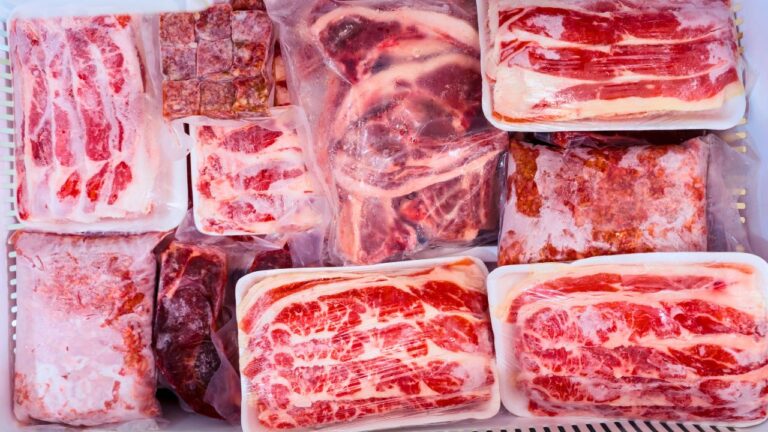
Did you know that American cattle farmers pump their cows full of growth hormones to make them bigger and meatier? While this practice remains common in the US, many countries like Canada, Japan, and the entire European Union have banned it outright. The reason? These synthetic hormones, particularly rBGH (recombinant bovine growth hormone), can potentially increase cancer risks and trigger early puberty in children who consume the meat or dairy from treated animals.
You might spot American beef easily in European supermarkets because it sits in a separate section with a big warning label – if they even stock it at all! The EU took this stance back in 1989 and hasn’t budged since. Their research showed that hormone-treated beef contained higher levels of compounds that could mess with human hormones. Meanwhile, American farmers argue that these hormones help them produce more meat with fewer resources. But hey, maybe there’s something to be said for letting cows grow at their natural pace, just like our friends across the pond believe!
BHA and BHT Preservatives
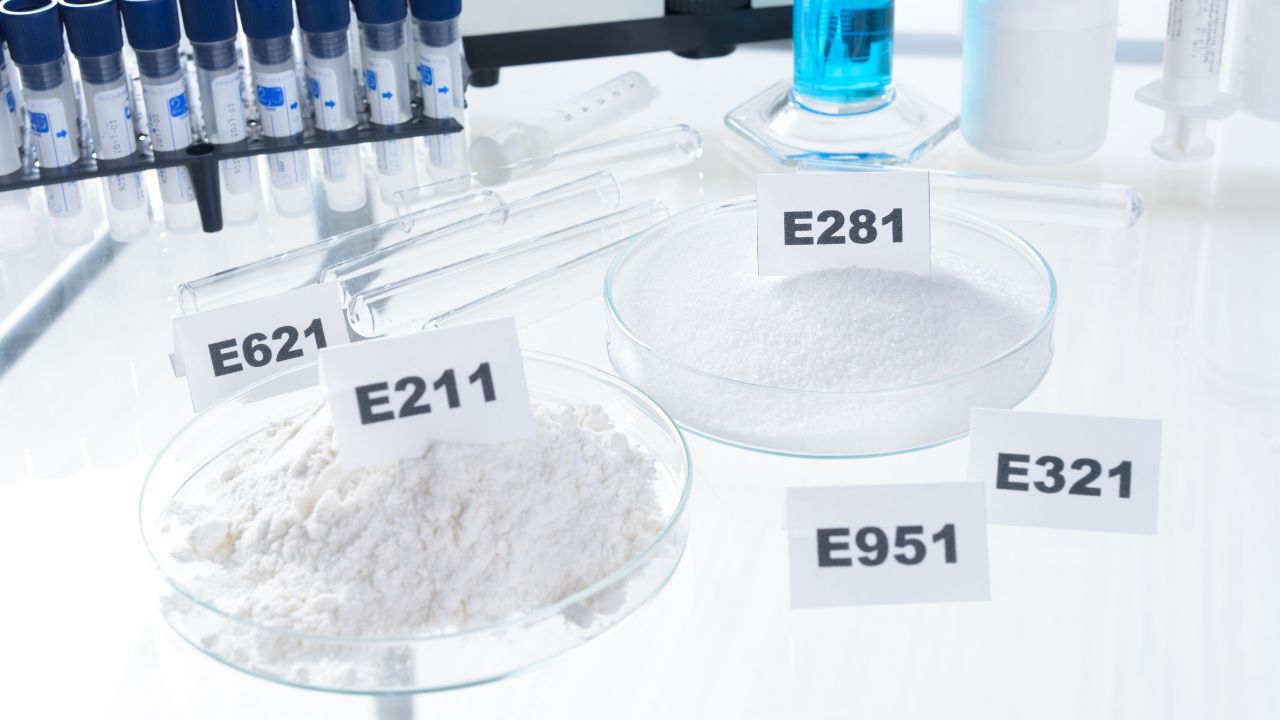
You’ll find BHA (butylated hydroxyanisole) and BHT (butylated hydroxytoluene) lurking in many American kitchen staples – from your morning cereal to that pack of gum in your purse. These synthetic preservatives keep our food from going rancid and maintain its color, but here’s the kicker: while the FDA says they’re A-OK, countries like Japan, the UK, and parts of the European Union have shown them the door. Why? Research links these additives to potential health risks, including cancer in animal studies. Yet, American companies still add them to everything from potato chips to frozen pizzas.
Want to spot these sneaky preservatives on your grocery run? Check the ingredient list on packaged foods, especially those with oils. The good news? Many American manufacturers now respond to consumer demand by switching to natural alternatives like vitamin E or rosemary extract. My friend Sarah recently went on a BHA/BHT-free diet and swears her migraines disappeared – coincidence? Maybe, but it makes you wonder why other countries banned these chemicals while Americans munch away. Next time you’re shopping, grab some fresh, unprocessed alternatives or look for products labeled “BHA/BHT-free” – your body might thank you later!
Artificial Food Dyes
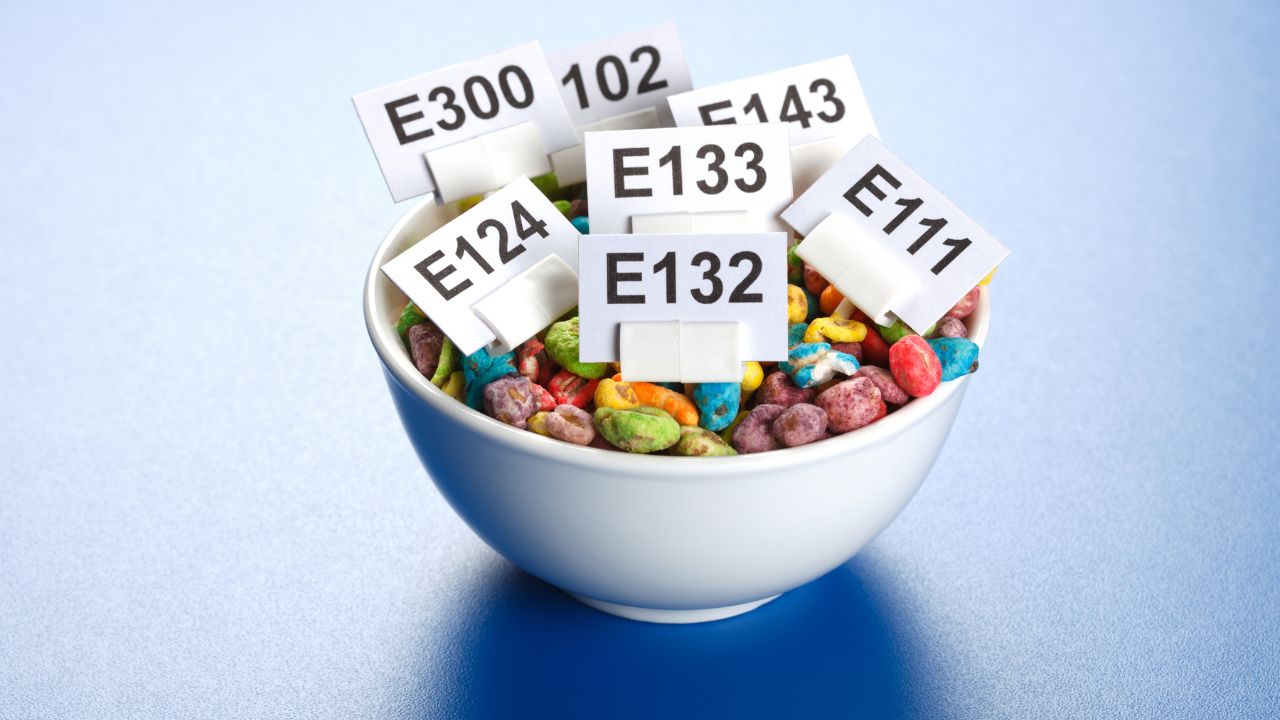
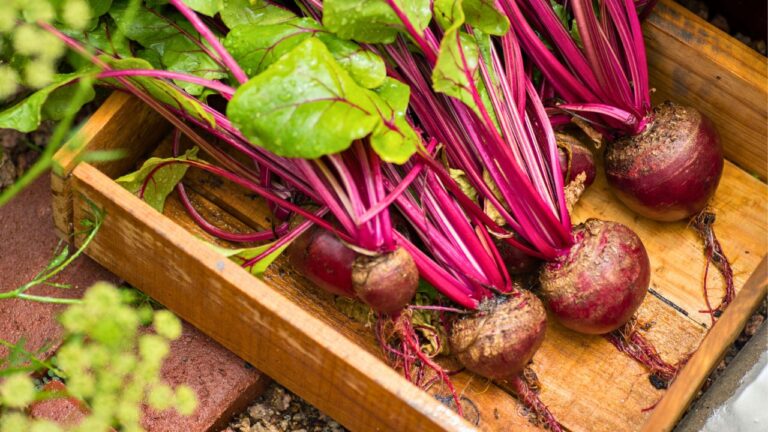
Those vibrant red candies and electric blue sports drinks you love? Many countries won’t let them anywhere near their borders! While the FDA gives artificial food dyes a thumbs up in the US, places like Norway, Austria, and France have banned synthetic food colorings like Red 40, Yellow 5, and Blue 1. The reason? Studies link these rainbow-makers to hyperactivity in children and potential cancer risks. Instead of artificial dyes, European manufacturers must use natural alternatives like beetroot juice, turmeric, or paprika to give their foods that Instagram-worthy pop.
I find it fascinating how differently countries approach food safety. Take M&M’s in Europe versus America – same candy, totally different ingredients! European Mars factories color their candy shells with natural extracts, while US versions still rock the artificial rainbow. And get this – Kraft had to completely revamp their famous mac and cheese recipe for European markets, swapping out those artificial yellow dyes for natural ones. The best part? Most consumers couldn’t even spot the difference in blind taste tests. Maybe it’s time we Americans took a closer look at what’s making our food so colorful!
Olestra/Olean Fat Substitute
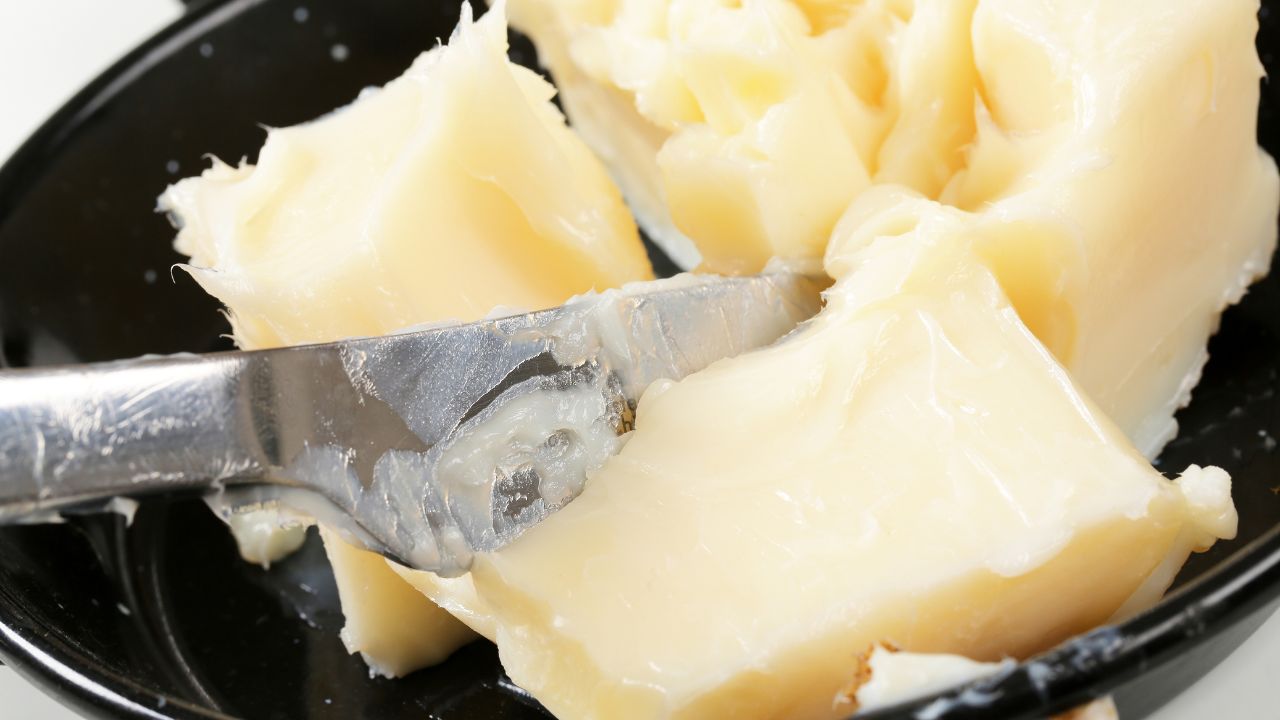
Remember those “guilt-free” potato chips from the ’90s that promised all the crunch without the calories? That was Olestra (aka Olean), Procter & Gamble’s zero-calorie fat substitute that had snack lovers initially rejoicing. While the FDA gave it the thumbs up in 1996, many European countries and Canada quickly showed it the door. Why? Those chips came with an awkward warning label about “anal leakage” and other digestive surprises – not exactly the kind of party conversation starter you want when sharing snacks!
The artificial fat substitute works by passing straight through your digestive system unabsorbed, which sounds great until you learn it also pulls important vitamins A, D, E, and K along for the ride. Plus, many people reported cramping, gas, and loose stools after eating Olestra-containing foods. While you can still find it in some American products, countries like the UK and Sweden said “thanks, but no thanks” to this controversial ingredient. They decided traditional full-fat snacks were better than dealing with unexpected bathroom breaks and vitamin deficiencies.
Azodicarbonamide Bread Additive

Oh, friends, grab your bread and prepare to gasp – azodicarbonamide, that tongue-twisting chemical additive lurking in many American bread products, has earned quite the notorious reputation! While the FDA says it’s A-OK in the US (up to 45 parts per million), the European Union, Australia, and Singapore want nothing to do with it. Fun fact: this white powder is the same stuff manufacturers use to make yoga mats and shoe soles more elastic. Yes, you read that right – the same chemical that makes your sandwich bread fluffy could also be in your downward dog companion!
Singapore takes this bread business so seriously that anyone caught using azodicarbonamide in food products could face up to 15 years in jail and a $450,000 fine. Yikes! The reason? This additive has links to respiratory issues and skin irritation in factory workers who handle it. Plus, when baked, it breaks down into chemicals that some studies suggest might not be the friendliest to our bodies. Next time you’re at the grocery store, flip that bread bag over and check the ingredients – you might want to opt for brands that skip this controversial flour-bleaching agent.
Genetically Modified Papaya
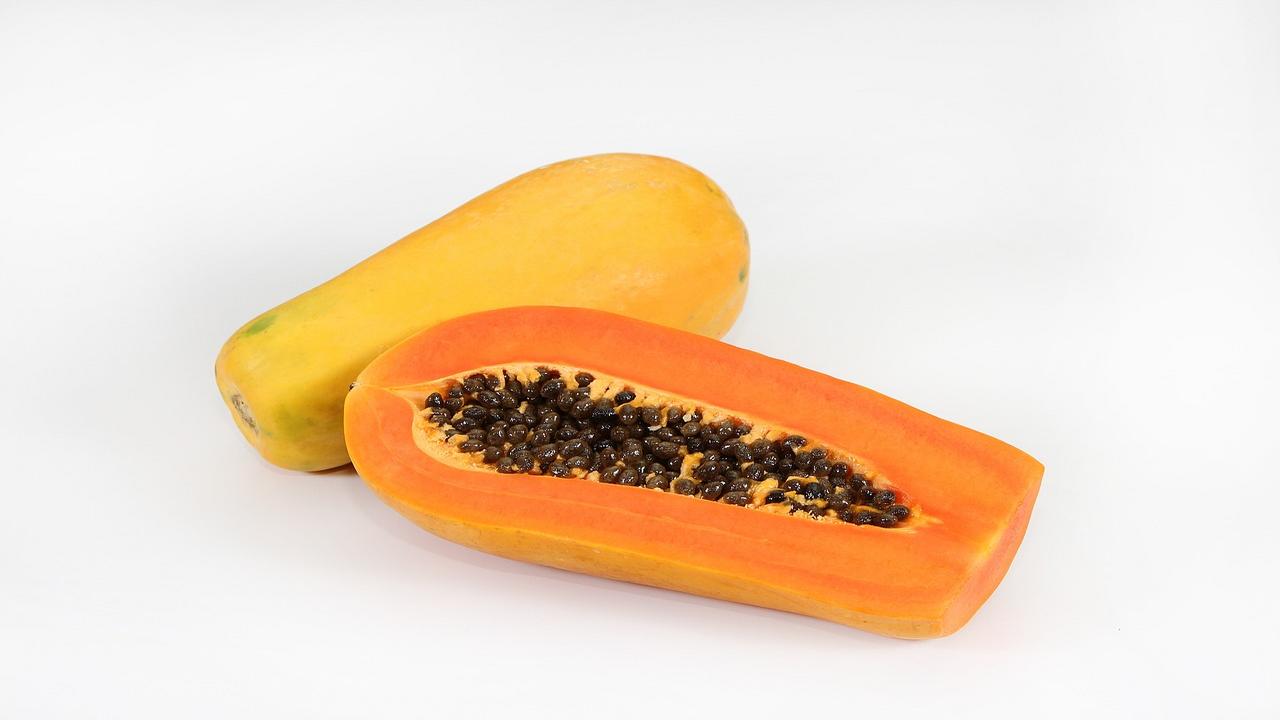
You’ve probably enjoyed the sweet, tropical goodness of papaya in your fruit salads or smoothies, but did you know that genetically modified (GM) papaya faces strict bans across Europe and parts of Asia? Back in the 1990s, Hawaiian papaya farmers watched helplessly as the ringspot virus devastated their crops. Scientists stepped in with a genius solution – they created a virus-resistant GM papaya that saved Hawaii’s papaya industry. While Americans munch away on these modified papayas without a second thought, countries like Japan and the European Union won’t touch them with a ten-foot pole!
The funny thing about GM papaya is that it’s actually one of the most successful biotech crops ever. This modified fruit contains a tiny piece of the virus’s DNA, which works like a vaccine to protect the plant. Think of it as giving the papaya tree a tiny superhero shield! But despite countless studies showing GM papaya is safe to eat, many countries still give it the cold shoulder. The EU maintains such strict rules that you won’t find a single Hawaiian papaya in their markets. Meanwhile, here in the US, we’re enjoying our papaya parfaits and tropical fruit platters without any fuss.
Arsenic Laced Chicken
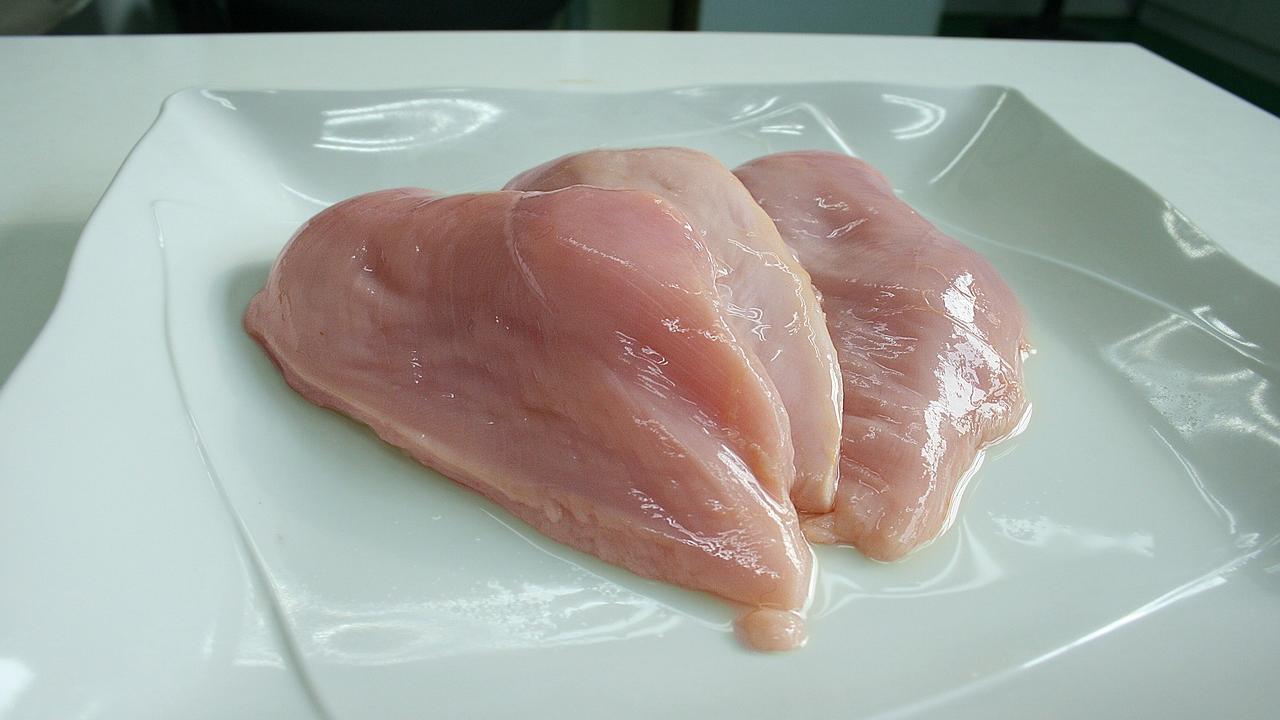
You probably wouldn’t guess that many American chicken producers still feed their birds with arsenic-containing drugs to help them grow faster and look more appealing on the shelves. Yes, you read that right – actual arsenic! While the FDA maintains these levels are “safe,” countries like the European Union have completely banned this practice since 1999. And rightfully so – I mean, who wants their drumsticks served with a side of poison? This common practice aims to prevent infections and give chicken meat that rosy pink color buyers love, but at what cost?
The real kicker? You’ll find this arsenic-enhanced chicken in many fast-food chains and supermarkets across America. Meanwhile, countries like China, Russia, and the entire European Union have said a firm “no thanks” to our arsenic-laced birds. They’ve implemented strict regulations that make American chicken imports impossible unless they meet their arsenic-free standards. The next time you bite into that juicy chicken sandwich, remember that what’s totally normal here in the US might make other countries run for the hills!
RBGH and RBST Milk
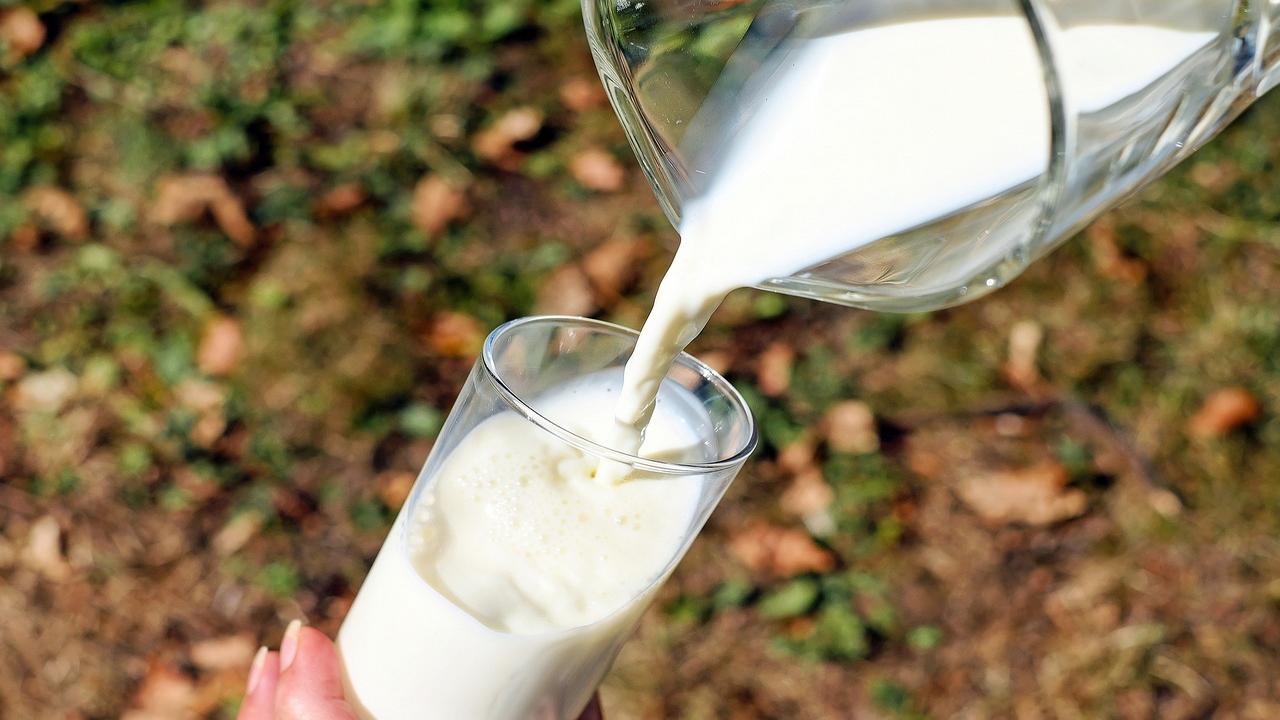
Oh, those sneaky little growth hormones in your milk! While American dairy farmers can still pump their cows with artificial growth hormones like RBGH (recombinant bovine growth hormone) and RBST (recombinant bovine somatotropin) to boost milk production, the European Union, Canada, and other countries have said “no way!” to this practice. These synthetic hormones make cows produce up to 15% more milk, but critics worry about potential health risks for both humans and our bovine friends. Think increased udder infections in cows and questions about hormonal effects in humans – yikes!
The FDA approved these hormones back in 1993, claiming they’re totally safe for human consumption. But international food safety agencies disagree – big time! Australia, New Zealand, Japan, and Israel have all banned milk containing these artificial hormones. The good news? Many American dairy companies now offer RBGH-free and RBST-free options, responding to consumer demand for more natural dairy products. Next time you’re at the grocery store, check your milk carton – you might spot that “hormone-free” label more often than you’d expect!
Potassium Bromate in Bread
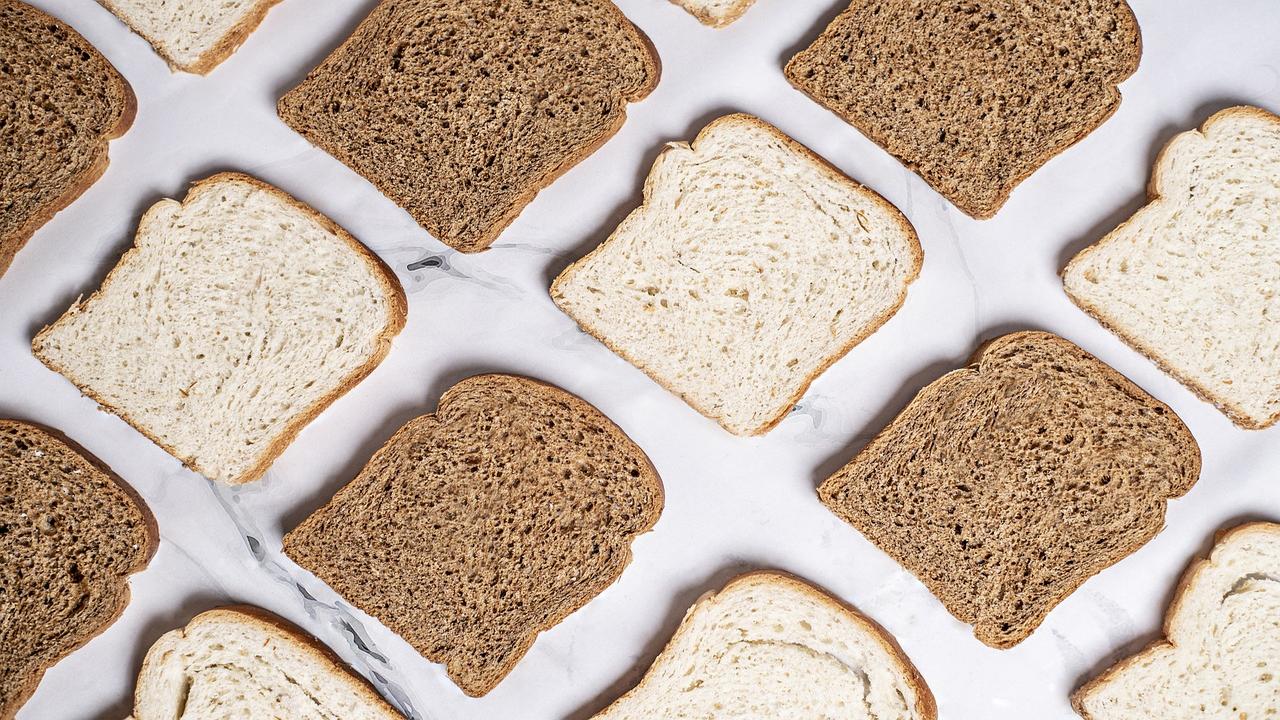
Here’s a head-scratcher for you: that fluffy loaf of white bread in your kitchen might contain potassium bromate, a flour-boosting additive that dozens of countries have kicked to the curb. While American bakeries can still legally sprinkle this chemical into their dough to make bread rise higher and look prettier, places like the European Union, China, and Brazil have said “thanks, but no thanks.” The kicker? Studies have linked this sneaky ingredient to kidney damage and cancer in lab animals, which prompted these countries to wave goodbye to this controversial additive.
The FDA still permits potassium bromate in American bread, though they’ve asked bakers to pretty please stop using it voluntarily. Many U.S. manufacturers have switched to safer alternatives, but you’ll still find this chemical lurking in some commercial baked goods. Want to spot it on labels? Look for “potassium bromate” or “bromated flour” in the ingredients list. Or better yet, grab bread from bakeries that proudly advertise “bromate-free” products – your body will thank you for skipping this questionable chemistry experiment in your sandwich!
Flame Retardant Drinks (BVO)
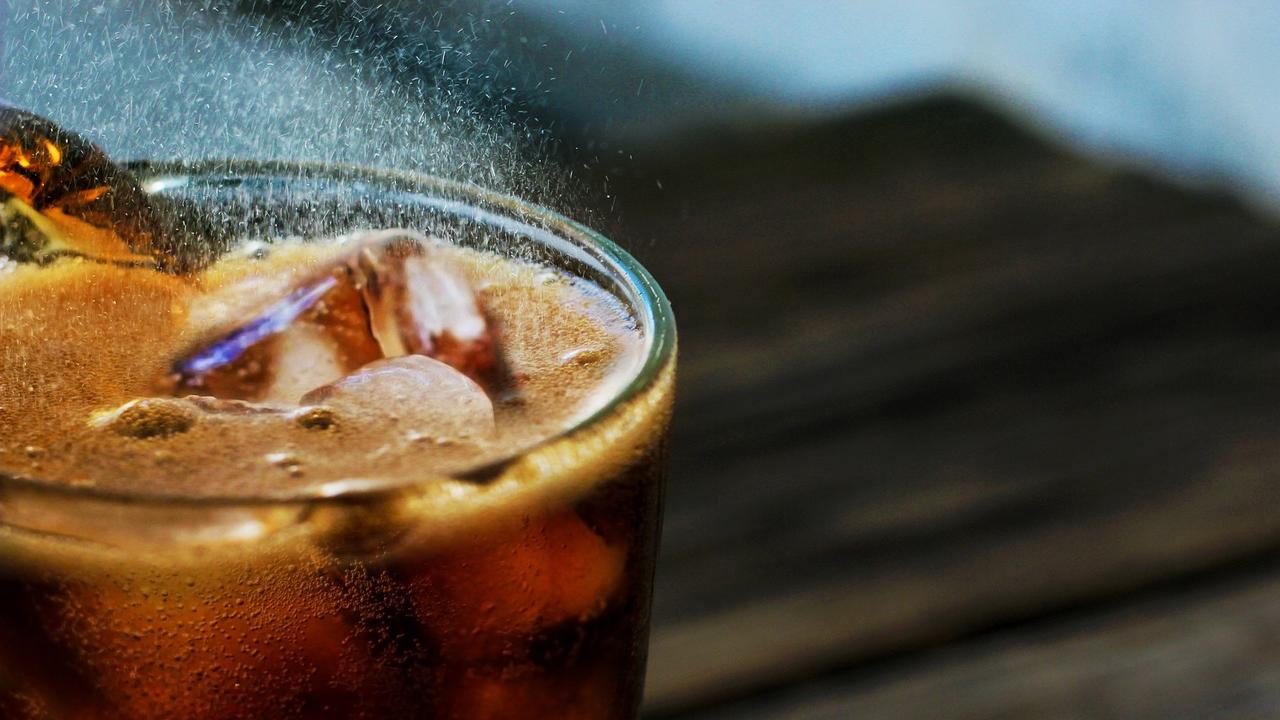
You know what’s wild? Some popular citrus-flavored sodas in America contain brominated vegetable oil (BVO) – the same stuff used in flame retardants! I’m not making this up. This chemical keeps the fruit flavoring mixed with the soda instead of floating to the top, but countries like Japan and the European Union said “thanks, but no thanks” and banned it years ago. The FDA still allows BVO in American drinks, though they limit it to small amounts after studies showed it could build up in your body over time.
Here’s the kicker – major soda companies promised to remove BVO from their drinks after public pressure, but some smaller brands still use it. The next time you grab a citrus soda, flip that bottle around and check the ingredients. If you spot BVO, you’re basically drinking a mild flame retardant. Maybe that’s why Americans can handle such spicy food? (I’m kidding!) But seriously, plenty of natural alternatives exist to keep drinks properly mixed. The EU and Japan use ingredients like natural gum or glycerol ester of wood rosin instead.
Ractopamine Treated Meat
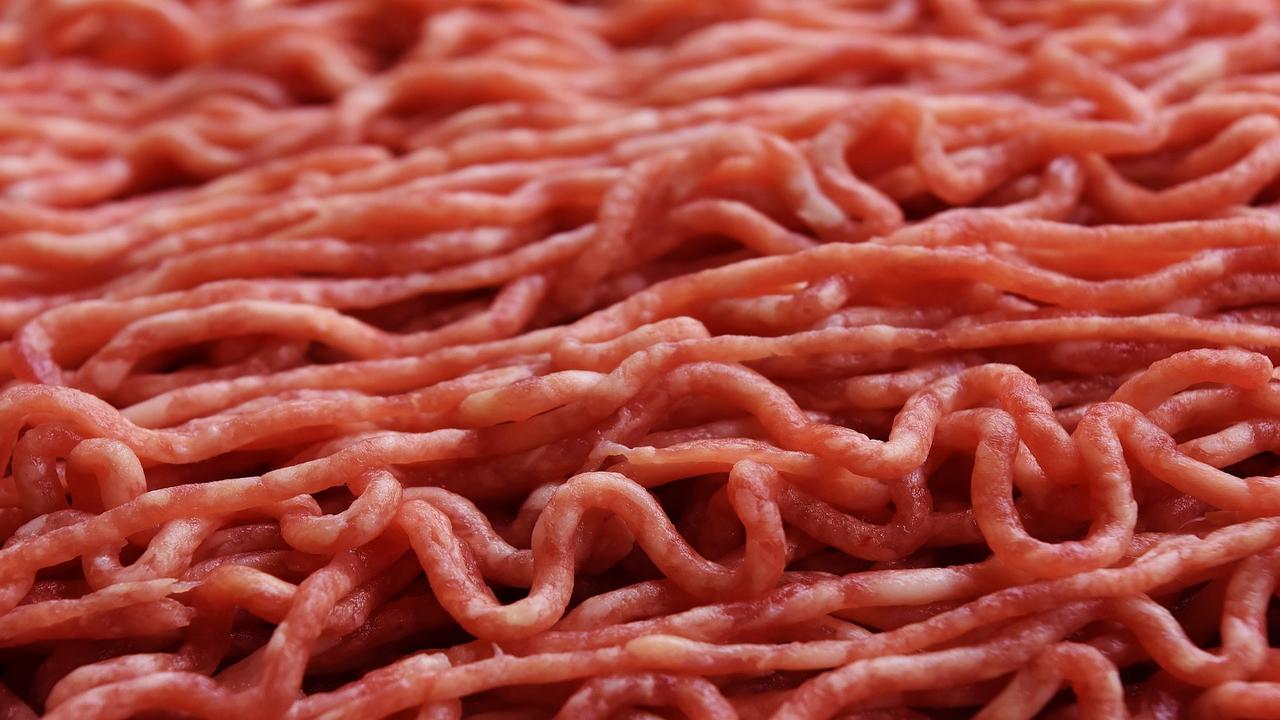
You won’t find ractopamine-treated meat in China, Russia, or the European Union, yet here in America, farmers regularly feed this growth drug to their pigs, cattle, and turkeys. This beta-agonist drug makes animals pack on lean muscle instead of fat in their final weeks before slaughter. While the FDA says it’s safe, over 160 countries have said “thanks, but no thanks” to this controversial meat additive. It’s wild to think that your morning bacon or holiday turkey could contain something that’s flat-out illegal in most of the world!
The science behind ractopamine reads like a bizarre chemistry experiment gone wrong. Originally meant to treat asthma in humans (plot twist – it didn’t work), someone figured out it made animals bulk up fast. American meat producers love it because it saves money on feed and produces leaner cuts. But critics point to studies showing it can make animals sick and stressed. Meanwhile, countries like Taiwan have staged massive protests over U.S. pork imports containing this additive. Who knew your BLT could spark an international food fight?
Farm Raised Salmon
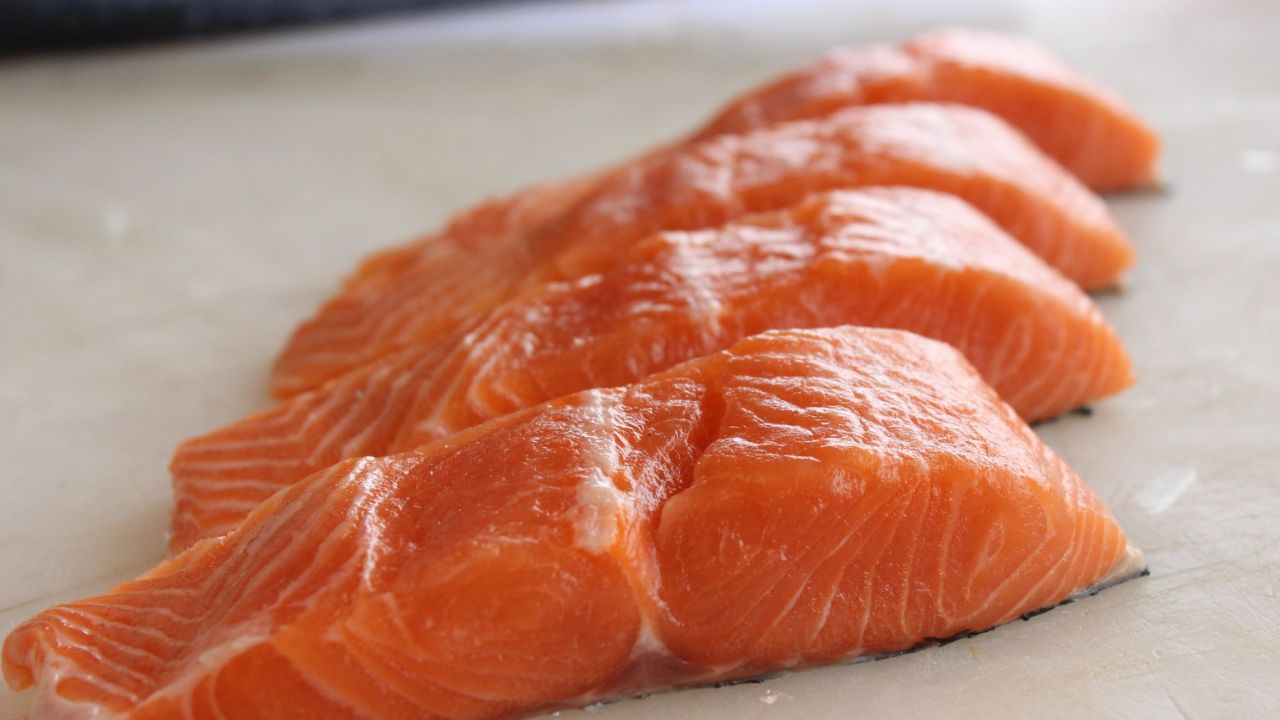
You might think salmon is salmon, but our friends across the pond in Australia, New Zealand, and Russia have banned American farm-raised salmon from their dinner tables. The reason? These fish get their rosy color from synthetic astaxanthin, a manufactured version of the natural pigment that wild salmon get from eating krill and shrimp. Without this artificial color boost, farm-raised salmon would look grayish-white – not exactly the Instagram-worthy orange hue we’ve come to expect. Many countries worry about the long-term effects of consuming this synthetic color enhancer, even though the FDA says it’s A-OK.
Beyond the color controversy, farm-raised salmon pack a different nutritional punch than their wild cousins. They typically contain higher levels of omega-6 fatty acids and lower levels of beneficial omega-3s, thanks to their diet of processed fish feed. Plus, some studies have found higher concentrations of PCBs and other environmental contaminants in farmed salmon. This has led several countries to give American farm-raised salmon the cold shoulder, while wild-caught varieties remain welcome at their borders. The next time you’re at the seafood counter, take a closer look at that salmon’s origin story – it might make you think twice about what’s really on your plate!