14 Budget-Friendly Healthy Groceries Frugal Shoppers Swear By
Who says eating healthy has to drain your wallet? I’ve discovered a secret society of frugal food enthusiasts who manage to fill their carts with nutritious goodies without breaking the bank. These budget-savvy shoppers have cracked the code on affordable wellness, and I’m spilling all their secrets.
From protein-packed beans that cost pennies per serving to versatile frozen veggies that last for weeks, these 14 grocery staples prove that good health doesn’t require a premium price tag. The smartest shoppers know that items like brown rice and oats deliver maximum nutrition while minimizing cost—a win-win for your body and budget.
Ready to revolutionize your grocery game? These wallet-friendly foods will transform how you shop, cook, and eat. Whether you’re pinching pennies or simply want more bang for your buck, these affordable heroes deserve a spot in your kitchen. Your body will thank you, and so will your bank account!
Seasonal Fruits
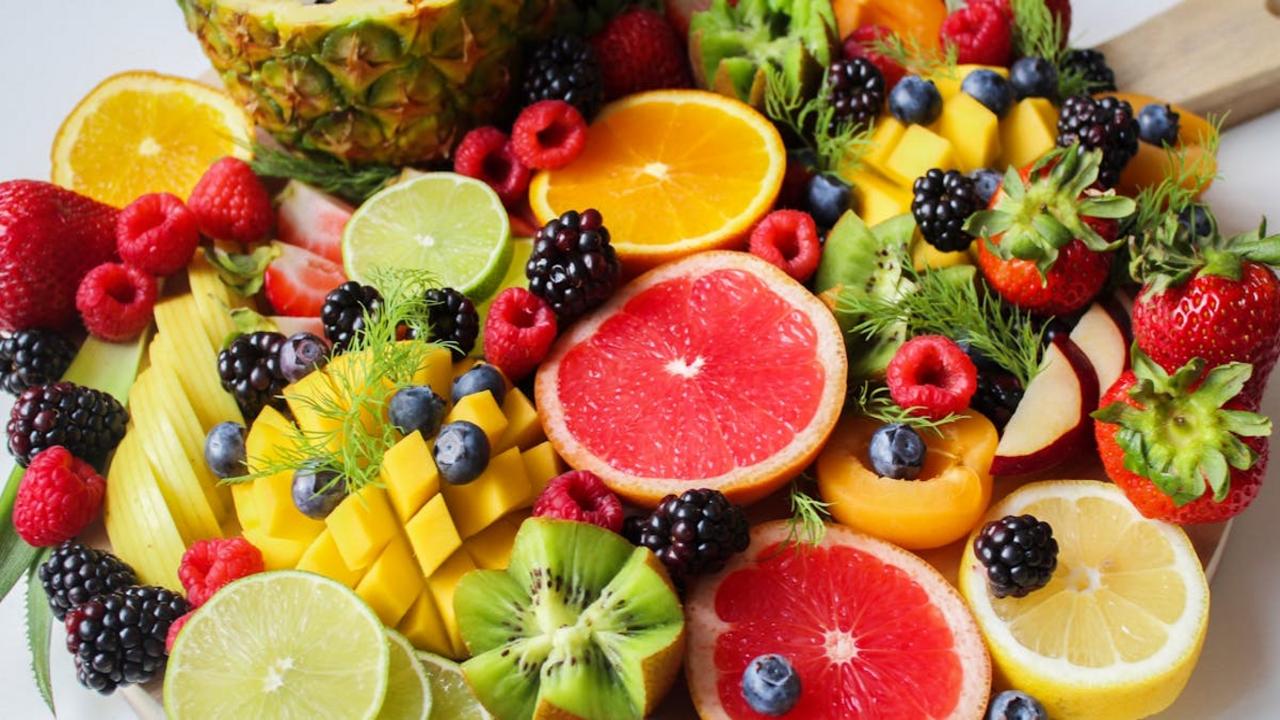
Oh my goodness, seasonal fruits are the ultimate budget hack for anyone trying to eat healthy without emptying their wallet! I practically do a little dance in the produce section when my favorites come into season and the prices suddenly drop. Summer brings watermelons and berries at a fraction of their off-season cost, while fall delivers apples and pears that won’t make you wince at checkout. The secret? Mother Nature’s timing means these fruits are abundant, requiring less transportation and storage—savings that get passed right to you. Plus, they’re bursting with more flavor and nutrients than their shipped-from-who-knows-where counterparts.
I’ve turned seasonal fruit shopping into a mini-adventure—my weekly treasure hunt through the grocery aisles. My wallet and body both thank me when I load up on whatever’s in season. Right now, I’m going bananas (ha!) for citrus in winter months when those vitamin C powerhouses hit rock-bottom prices. Pro tip: buy extra when prices are low and freeze them! Sliced peaches from summer make the most incredible January smoothies, and frozen grapes become nature’s candy for a refreshing snack anytime. Your future self will high-five you for this money-saving nutrition boost that keeps your fruit intake steady year-round.
Avocados
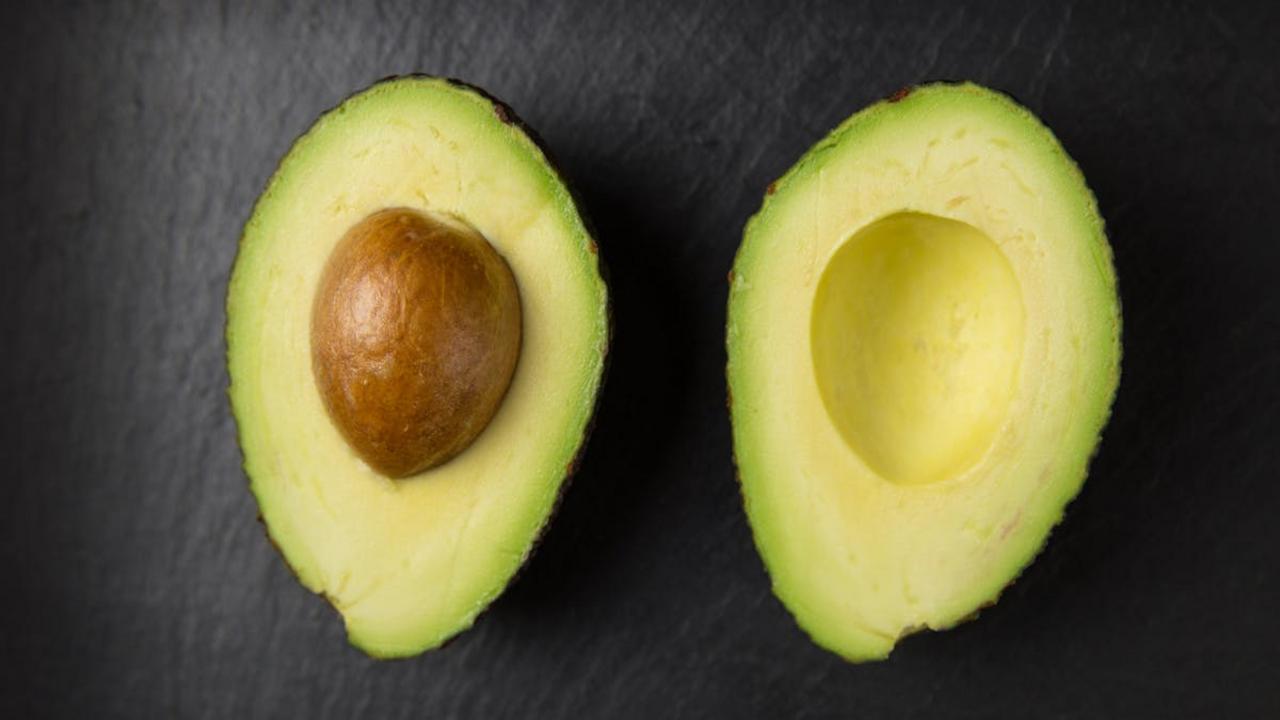
Oh, avocados! The “sometimes affordable” fruit that turns from rock-hard to mushy in what feels like 3.7 seconds. I buy these green gems whenever they go on sale and freeze them for smoothies or guacamole later. Pro tip: look for bags of smaller avocados, which often cost less per unit than those monster-sized ones. Your morning toast doesn’t need an avocado the size of your face, and your wallet will thank you for the restraint.
Nutritionally, these creamy delights pack healthy fats that keep you full longer, plus fiber and potassium that many Americans don’t get enough of. I’ve saved countless dollars buying slightly bruised avocados at discount prices – just cut around any brown spots and the rest is perfectly fine! For maximum budget-friendliness, I’ve learned to time my purchases when they’re firm, then ripen them at home in a paper bag with a banana nearby to speed up the process. Your $1 avocado becomes much less frugal if it ends up in the trash.
Lentils

Lentils might look like tiny discs that got left out in the rain, but these protein-packed powerhouses are the secret weapon in many frugal foodies’ pantries! At roughly $1-2 per pound, you’ll get multiple meals from one inexpensive bag. I keep red, green, and black varieties on hand for different dishes—red lentils turn wonderfully mushy for Indian dals, while green and black hold their shape for hearty salads. The best part? Unlike dried beans, lentils don’t need soaking, so they’re perfect for those “oh-no-what’s-for-dinner” moments we all have.
My favorite budget trick is stretching ground meat with lentils—half a pound of beef plus a cup of cooked lentils creates taco filling that tastes just as satisfying but costs significantly less. They also absorb whatever flavors you throw at them, making them chameleons in soups, stews, and even veggie burgers. Store them in airtight containers, and they’ll last practically forever, making them the ultimate panic-free pantry staple for budget-conscious cooks. You’ll wonder how something so cheap can pack such a nutritional punch!
Tinned Fish
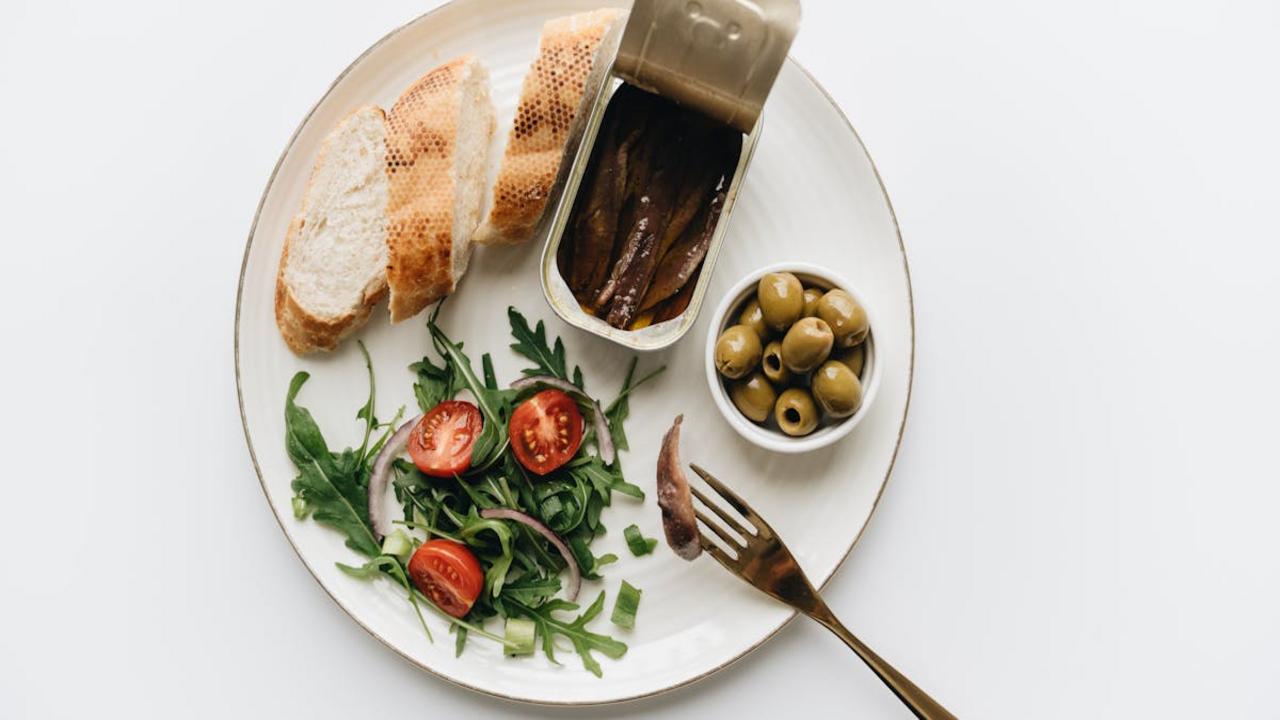
Welcome to the tinned fish fan club, folks – you’re looking at nature’s original fast food! These little swimmers pack a serious nutritional punch without emptying your wallet. Sardines, tuna, mackerel, and anchovies deliver omega-3 fatty acids, protein, calcium, and vitamin D for pennies per serving. I keep my pantry stocked with these convenient little tins for quick lunches, protein-boosting pasta additions, or fancy-looking appetizers when friends pop over unexpectedly. The humble can of tuna might seem retro, but trust me, tinned fish is experiencing a full-blown renaissance among budget-conscious health nuts.
You can transform a simple tin of sardines into dinner gold with just a squeeze of lemon and some crackers, or mix tuna with a bit of yogurt instead of mayo for a healthier sandwich filling. My favorite money-saving trick? Buy tinned mackerel (often cheaper than tuna) and mash it with some beans, garlic, and olive oil for a Mediterranean-inspired spread that makes me feel like I’m dining on a yacht rather than at my kitchen counter. With shelf lives measuring in years rather than days, these sustainable seafood options help you reduce food waste while keeping your grocery bill and waistline in check.
Brown Rice
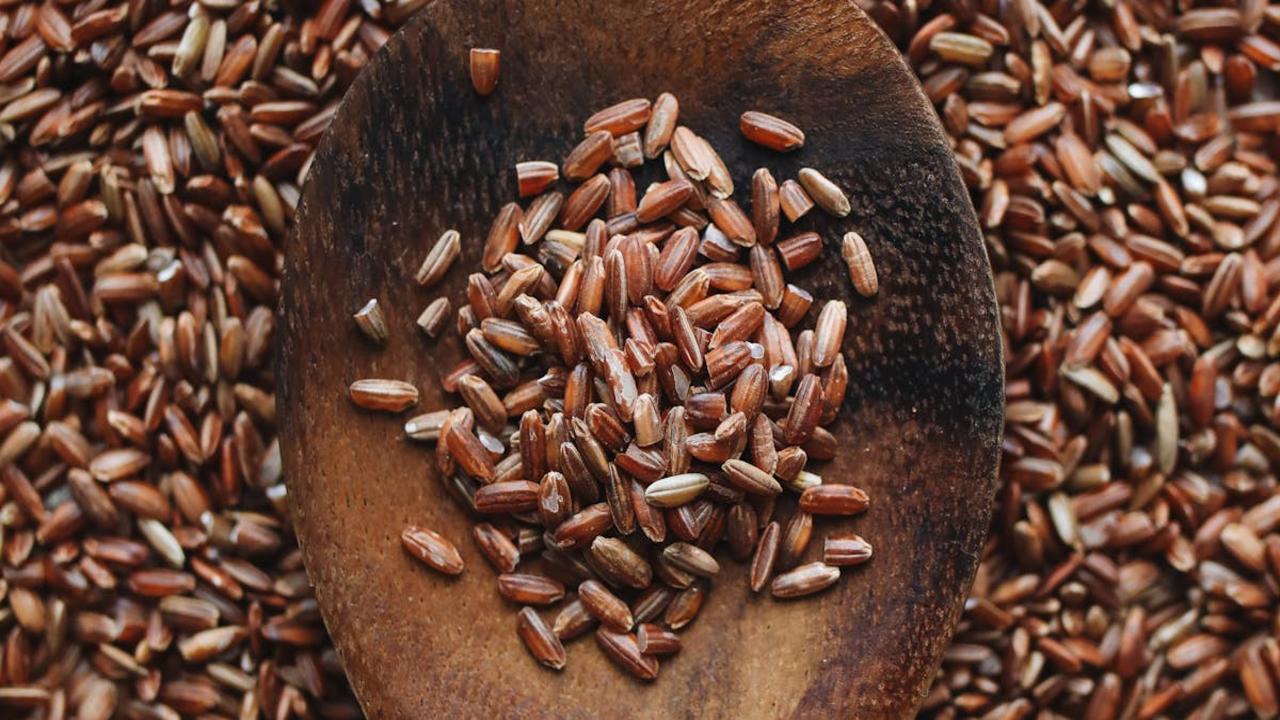
Brown rice sits in my pantry like that reliable friend who’s always ready for dinner—wholesome, filling, and won’t break the bank! A 2-pound bag costs about $2-3 and stretches through multiple meals, making it a budget superstar. Unlike its refined white cousin, brown rice keeps its nutritious bran and germ layers, packing in more fiber, vitamins, and minerals per penny. You’ll get magnesium, phosphorus, selenium, and B vitamins in every scoop—nutrition that actually sticks with you through the afternoon slump.
I batch-cook brown rice on Sundays for quick meal assembly all week. Toss it with black beans and salsa for a 5-minute lunch bowl, fry it with leftover veggies and an egg for instant dinner, or mix it with milk and cinnamon for a breakfast that costs pennies per serving. The slightly nutty flavor adds character to simple meals, and its chewy texture makes everything more satisfying. Pro tip: Store your cooked rice in meal-sized portions in the freezer—you’ll thank yourself when your wallet’s thin but your dinner needs to be rich!
Chia Seeds
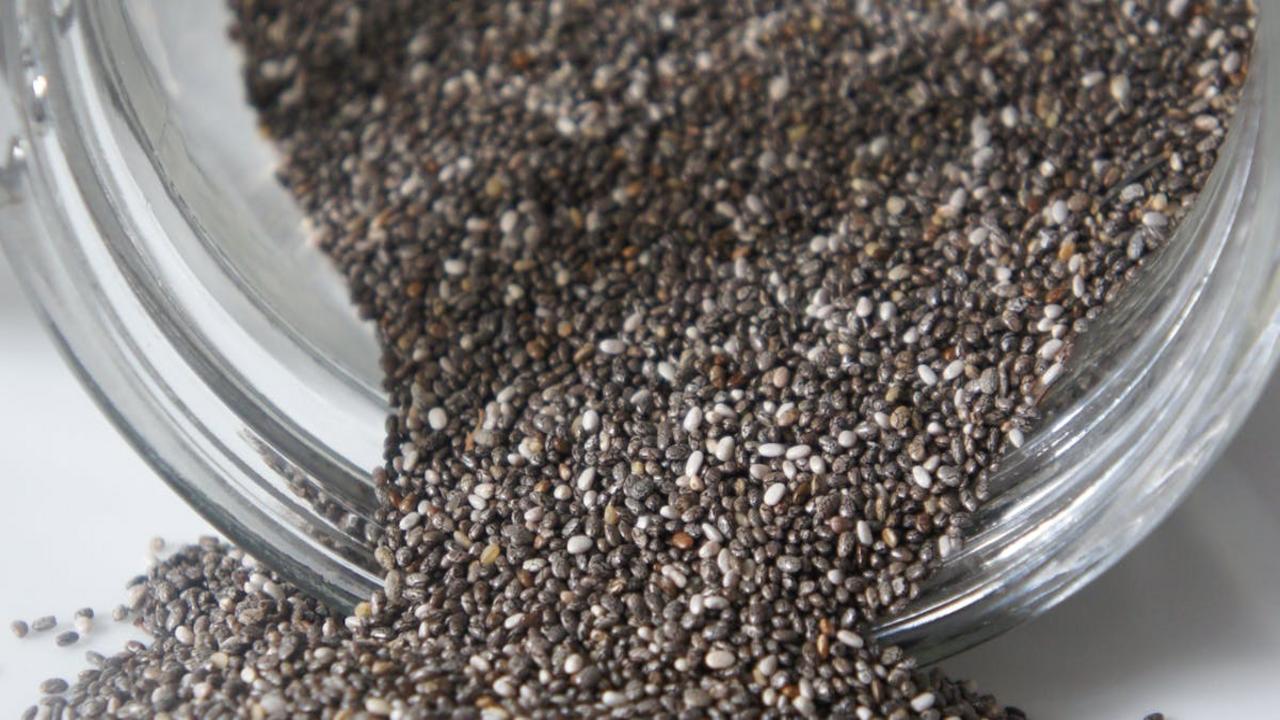
Don’t let their tiny size fool you – chia seeds pack a nutritional punch that’ll knock your socks off! These little powerhouses contain omega-3 fatty acids, fiber, protein, and antioxidants that’ll keep you full and energized all day. The best part? A small bag goes a long way since you only need a tablespoon or two per serving. I sprinkle them on yogurt, blend them into smoothies, or mix them with water to create a pudding-like consistency that satisfies my sweet tooth without breaking the bank.
Budget shoppers, listen up! Chia seeds might seem pricey upfront (around $7-10 per bag), but they’ll last you months if you store them properly in an airtight container. Compare the cost per serving to pre-packaged health foods, and you’ll see the savings add up fast. Plus, they’re incredibly versatile – use them as egg substitutes in baking (1 tablespoon chia + 3 tablespoons water = 1 egg), thicken sauces without cream, or add them to homemade granola bars for an extra nutrition boost. Your wallet and your body will thank you!
Cottage Cheese

Oh, cottage cheese – that lumpy-bumpy, protein-packed wonder that’s making a serious comeback in the frugal foodie scene! For around $3-4 per tub, you’re getting a nutritional powerhouse that delivers roughly 24 grams of protein per cup. I keep a container in my fridge at all times for those “I need something substantial but don’t want to cook” moments. You can dress it up sweet with berries and honey for breakfast or go savory with everything bagel seasoning and veggies for lunch. The versatility-to-cost ratio here is off the charts!
Budget shoppers take note: cottage cheese stretches your dollar further than many protein sources. Compare the price per gram of protein to meat options, and you’ll see why penny-pinchers stock up. My favorite money-saving trick? Use cottage cheese to extend ground meat in recipes like lasagna or meatballs – your wallet and waistline will thank you. The extended shelf life means less food waste too, which equals more savings. No wonder my grandmother always had this humble dairy delight in her depression-era cookbook – some budget wisdom truly stands the test of time!
Frozen Vegetables
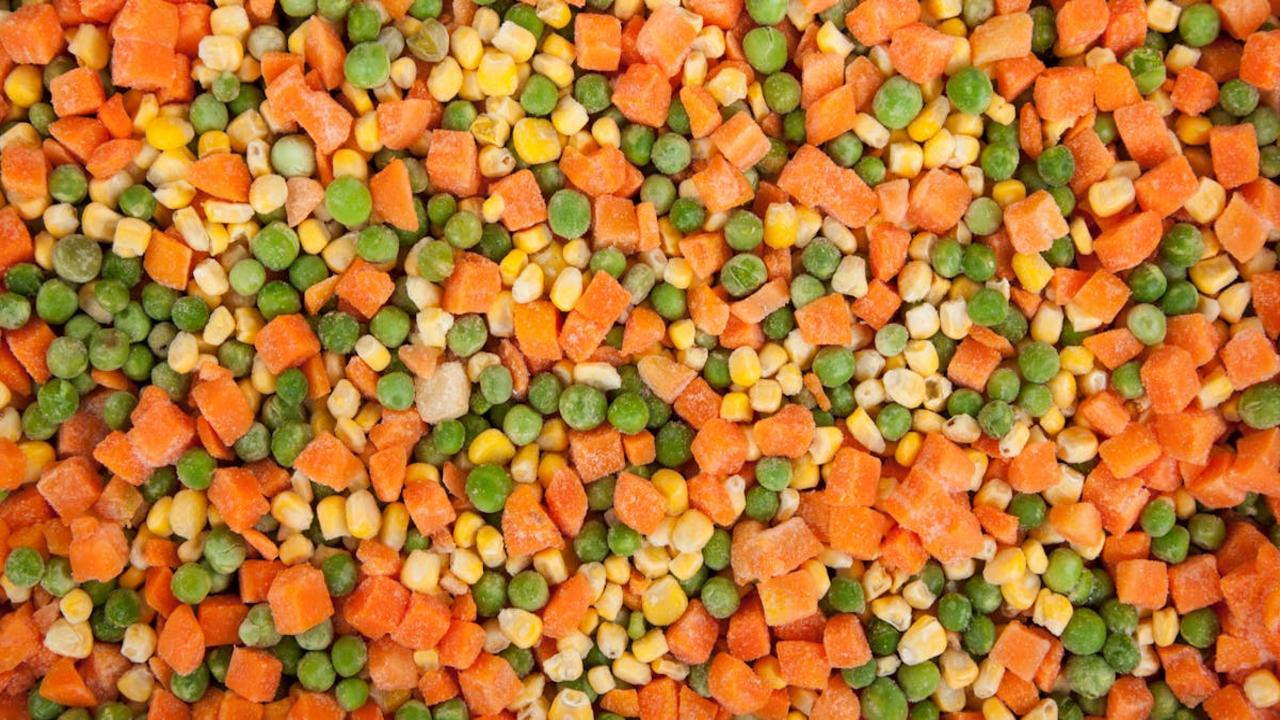
Don’t you just love having a freezer stash of veggie goodness ready to save dinner when your crisper drawer looks sad and empty? Frozen vegetables are my budget-friendly secret weapon! You’ll pay a fraction of fresh prices while still getting those essential nutrients. The best part? These frosty little gems are often flash-frozen at peak ripeness, which means they sometimes pack MORE vitamins than their “fresh” counterparts that traveled across the country before reaching your grocery store. I keep bags of broccoli, spinach, peas, and stir-fry mixes on constant rotation in my freezer door.
My go-to weeknight lazy dinner involves tossing frozen broccoli with olive oil and garlic powder, then roasting it until the edges get all crispy and delicious. No washing or chopping needed! You can add frozen vegetables to soups, stews, casseroles, and pasta dishes without any fuss. The cost savings are impressive too – a 16-ounce bag of frozen organic spinach costs about $2.50 and equals several fresh bunches that would run you $8+. Just watch for sales and stock up – frozen veggies typically stay good for 8-12 months, making them perfect for frugal meal planners who hate food waste. Your wallet and your body will thank you!
Nut Butters

Oh my goodness, nut butters are basically the superheroes of my pantry! You’ll pay a bit more upfront for a jar of almond or peanut butter compared to some processed spreads, but the bang for your buck is incredible. Two tablespoons pack around 7-8 grams of protein and healthy fats that actually keep you full, unlike those sad, empty-calorie snacks that leave you hungry again in 20 minutes. I buy the natural kinds without added sugar and oil – just nuts and maybe a pinch of salt. My wallet-saving trick? Look for store brands or hit up bulk sections where you can grind your own for significantly less.
Nut butters transform the humblest foods into satisfying meals. Smear some on apple slices, celery sticks, or whole grain toast, and suddenly you’ve got a cheap, filling snack that doesn’t leave you prowling your kitchen an hour later. My personal favorite budget hack: stir a tablespoon of peanut butter into oatmeal with a banana for a breakfast that costs pennies but keeps me going until lunch. Or mix some with soy sauce, lime juice, and a dash of hot sauce for an instant Thai-inspired sauce that makes plain rice and vegetables taste restaurant-worthy. Who needs expensive takeout when you’ve got a trusty jar of nut butter?
Greek Yogurt

Greek yogurt has saved my breakfast routine more times than I can count! Unlike regular yogurt, this thick, creamy protein powerhouse packs about 15-20 grams of protein per cup while keeping calories relatively low. You can snag plain Greek yogurt for around $1 per single-serve container when on sale, or go for the larger tubs for even better value. I often buy the unflavored version and jazz it up with honey, fruit, or granola—much cheaper than those pre-flavored options loaded with sugar!
What makes Greek yogurt a frugal superstar is its versatility beyond breakfast. I’ve swapped sour cream for Greek yogurt in everything from tacos to baked potatoes, used it to make creamy salad dressings, and even substituted it for mayonnaise in tuna salad. The tanginess adds dimension to smoothies without the added sugar of frozen yogurt. Pro tip: check expiration dates and grab the ones with the longest shelf life—or freeze portions in ice cube trays for smoothies later. Your wallet and waistline will thank you!
Whole Oats
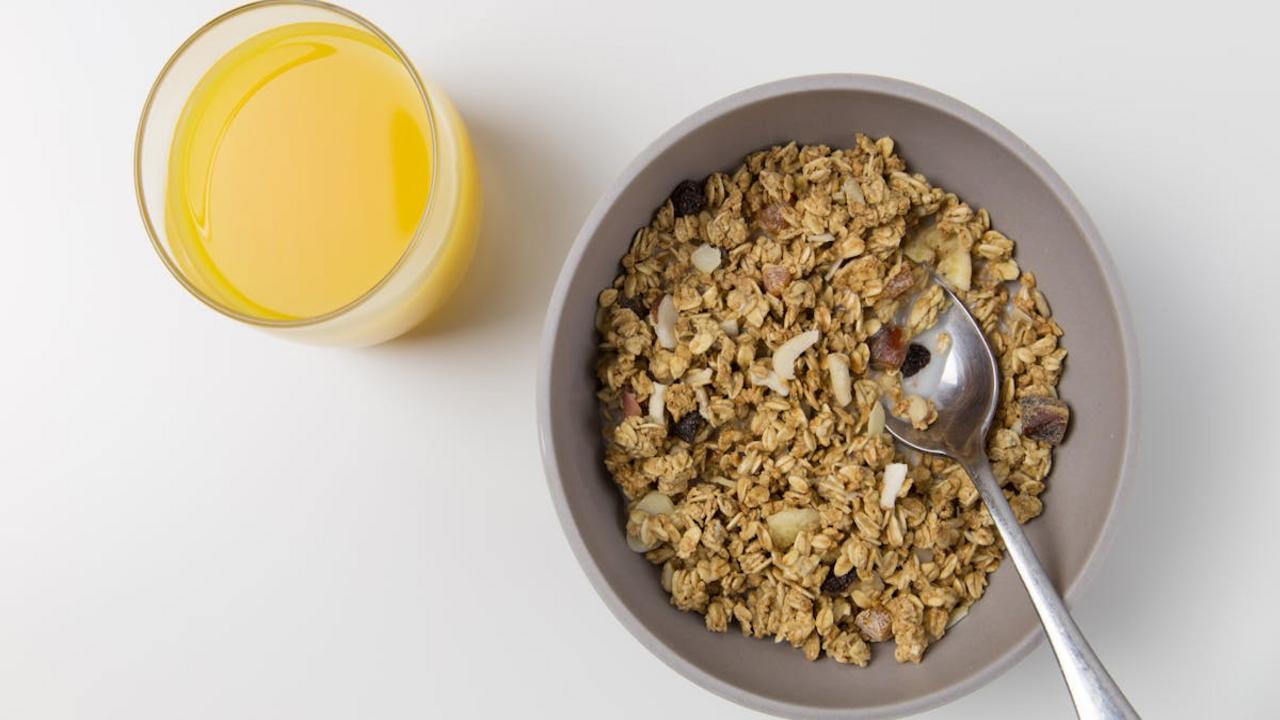
Oh my goodness, whole oats are the unsung hero of my pantry! At about $2 for a giant container that lasts weeks, these humble grains pack a nutritional punch that puts those fancy breakfast options to shame. I keep a tub on my counter for daily oatmeal bowls (topped with whatever fruit is on sale), but these versatile little guys go way beyond breakfast. You can blend them into flour for baking, use them to stretch ground meat in burgers, or mix them into yogurt for extra staying power. The soluble fiber keeps you full for hours—I once made it through a four-hour shopping marathon after an oatmeal breakfast without even thinking about lunch!
What makes whole oats a frugal shopper’s dream is their incredibly long shelf life. Unlike many budget foods that spoil quickly, properly stored oats last nearly forever (okay, more like 1-2 years, but you get the point). My grandmother swears by her “overnight refrigerator oats” recipe—a mixture of oats, milk, and seasonal fruit that costs pennies per serving. The beauty of oats lies in their chameleon-like ability to take on whatever flavors you crave: sweet with cinnamon and apples for breakfast, savory with cheese and herbs for dinner, or blended into smoothies for a fiber boost. Your wallet and your body will thank you for this cheap, filling superfood!
Canned Beans
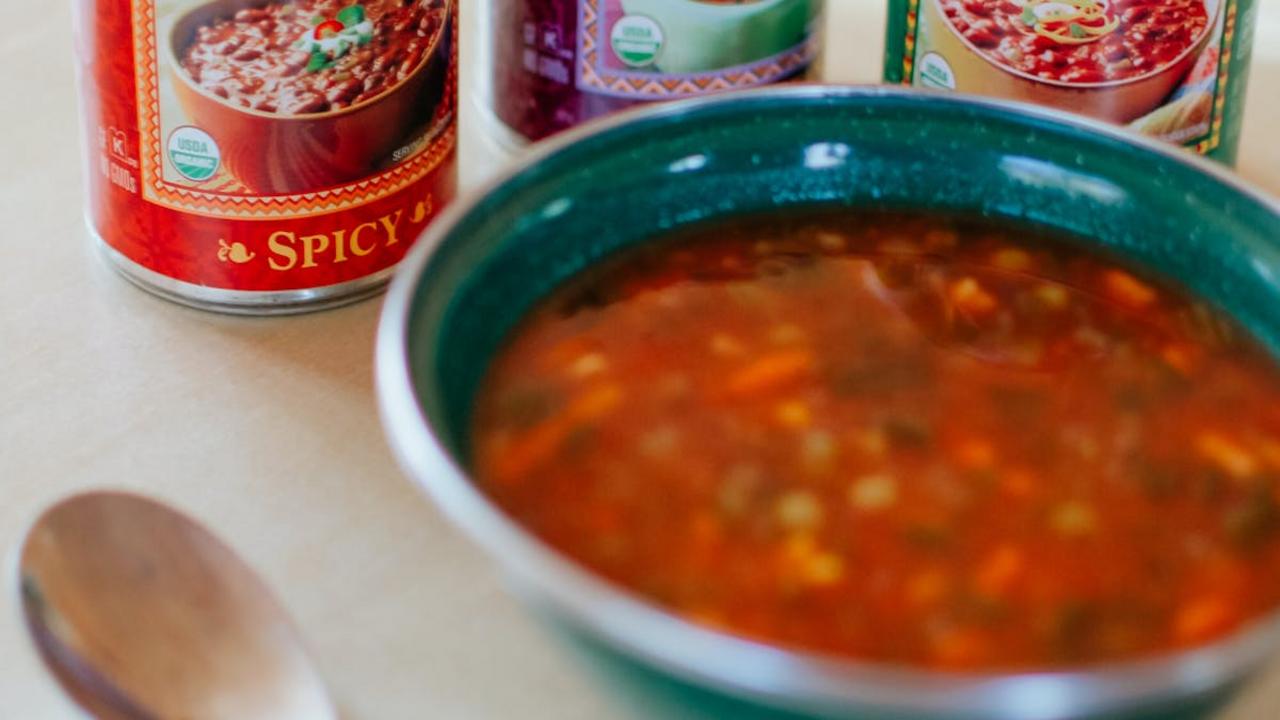
Oh honey, if there’s one pantry warrior I couldn’t live without, it’s the humble can of beans! For about a dollar a pop, these protein powerhouses transform your quickie weeknight meals from “meh” to “more please!” I keep black beans for impromptu Mexican nights, chickpeas for salad-topping or last-minute hummus, and cannellini beans for tossing into soups. You’re literally getting pennies per serving while adding fiber, protein, and that satisfying fullness that keeps your hand out of the cookie jar at 10 PM.
My broke-college-student hack? Rinse those babies thoroughly (trust me, your digestive system will thank you), then mix with whatever sad vegetables lurk in your fridge drawer. Add some rice, a sprinkle of cheese, and whatever spices haven’t expired yet – boom! Dinner for days on mere dollars. My friend Jake once survived two weeks between paychecks on beans and hot sauce alone. Extreme? Yes. Possible? Also yes. Keep an eye out for sales and stock up – unlike those forgotten greens turning to slime in your produce drawer, canned beans will patiently wait months for their moment to shine.
Quinoa
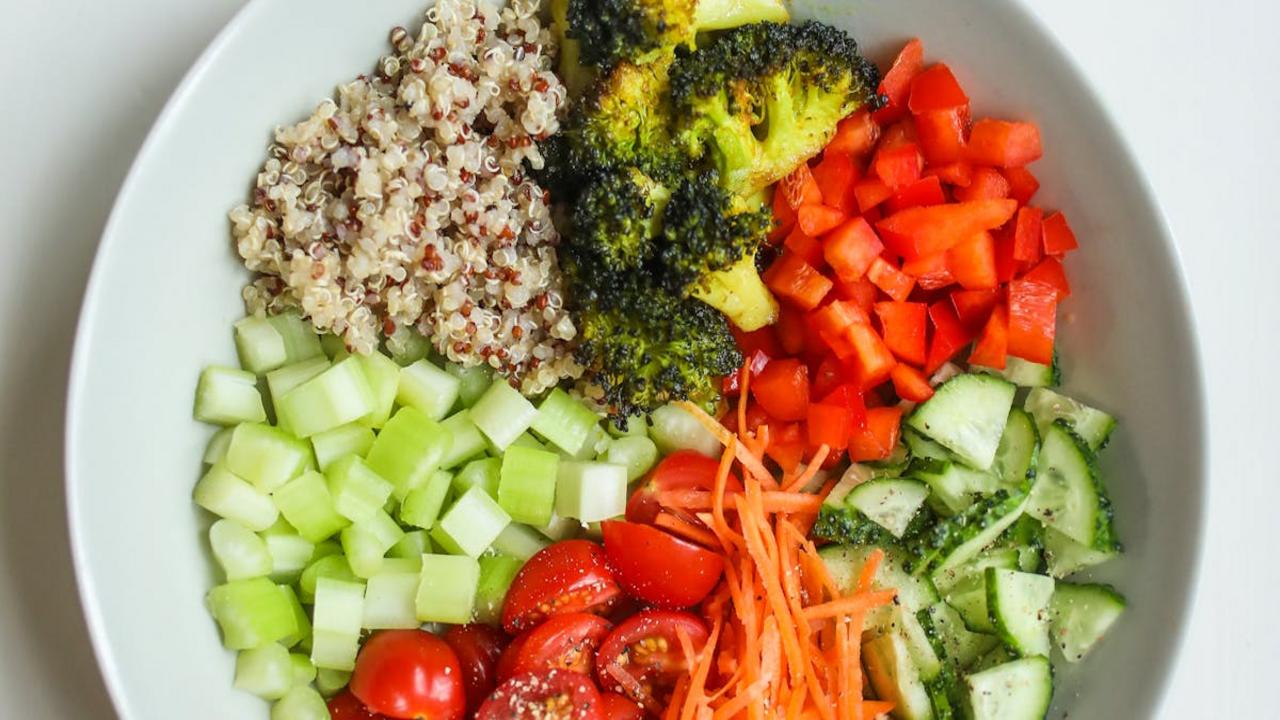
Quinoa might sound fancy (and some folks still debate how to pronounce it—it’s KEEN-wah, by the way), but this protein-packed ancient grain won’t break your bank! You’ll get major nutritional bang for your buck with this little powerhouse. Unlike rice or pasta, quinoa contains all nine essential amino acids, making it a complete protein. I keep a big bag in my pantry and stretch it across multiple meals—from breakfast porridge with cinnamon and bananas to hearty lunch bowls with roasted veggies.
The beauty of quinoa lies in its chameleon-like ability to absorb whatever flavors you throw at it. Buy it in bulk from those big bins at grocery stores to save even more money (I’ve found prices as low as $2.99 per pound this way). Pro tip: rinse it before cooking to remove the natural coating called saponin, which can make your quinoa taste bitter. Your wallet and your body will thank you for adding this budget-friendly superfood to your shopping list—it keeps for months in your pantry and helps turn simple ingredients into satisfying meals!
Leafy Greens
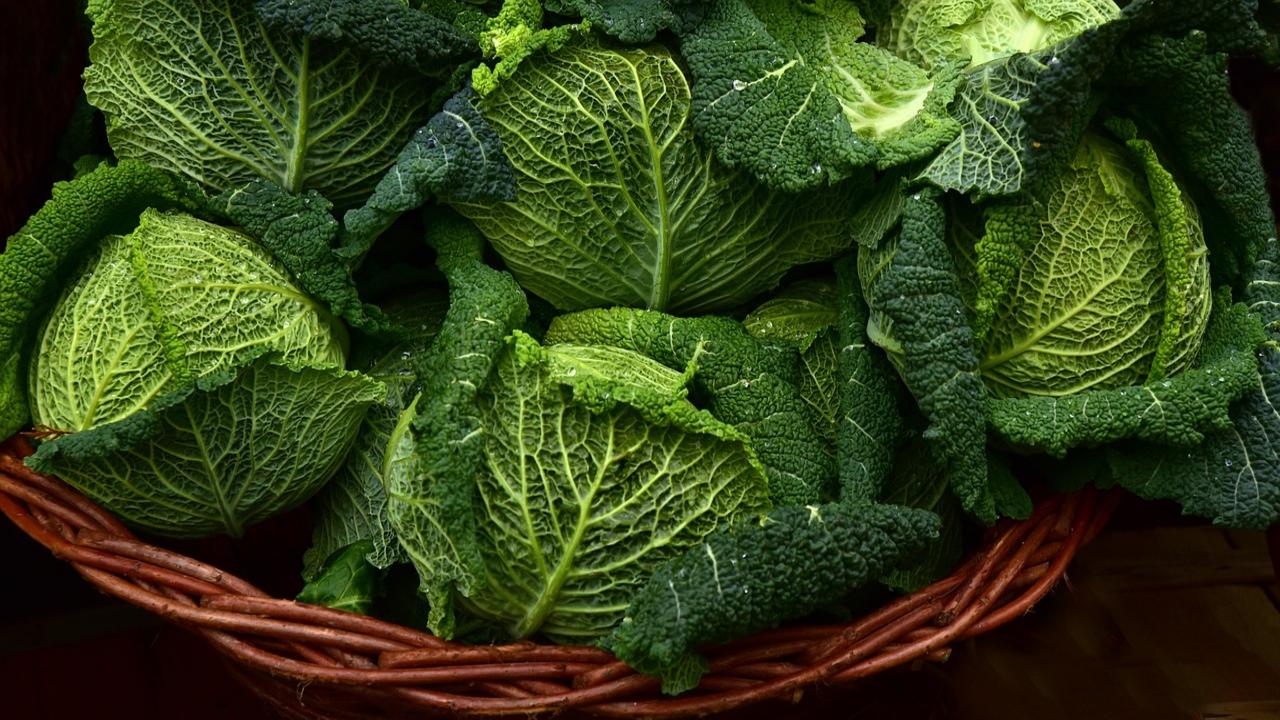
I’ve never met a frugal foodie who doesn’t stock leafy greens in their crisper drawer! For pennies per serving, spinach, kale, collards, and swiss chard pack a nutritional punch that would make more expensive superfoods blush. My neighbor Tina buys a giant bunch of kale for $1.99 and turns it into four meals—from morning smoothies to dinner salads. The secret? These versatile greens shrink down when cooked, so what looks like a small amount expands into hearty portions. Plus, you can revive slightly wilted greens with an ice water bath—instant money-saving hack!
Your wallet and body will thank you for making leafy greens a shopping list staple. They deliver iron, calcium, vitamins A, C, and K for a fraction of what you’d pay for supplements. I keep a rotating selection based on what’s cheapest that week (pro tip: compare cost per pound, not package price). Bonus budget strategy: buy whole bunches instead of pre-washed bags to save up to 50%. Chop and wash them yourself while catching up on your favorite podcast—free entertainment plus healthy food equals the ultimate frugal win-win!