13 Surprising Mind Games That Make Junk Food Impossible to Resist
Ever wonder why you can’t resist grabbing those chips or cookies, even when you’re trying to eat healthy? The answer lies in powerful psychological tricks that make junk food incredibly hard to turn down. From clever marketing strategies to deep emotional connections, these foods hook us through multiple channels that go far beyond just taste.
Your brain and body work together to create intense cravings for processed snacks and treats. The perfect combination of sugar, salt, and fat triggers reward centers that light up like fireworks. Add in childhood nostalgia, stress-eating habits, and the sheer convenience of these foods, and you’ve got a recipe for constant temptation.
Understanding these mind games can help you make better food choices. I’ll break down 13 sneaky ways junk food manufacturers and marketers get you to keep coming back for more. Once you know their tricks, you’ll be better equipped to spot them and make decisions that truly serve your health goals.
Habit Formation
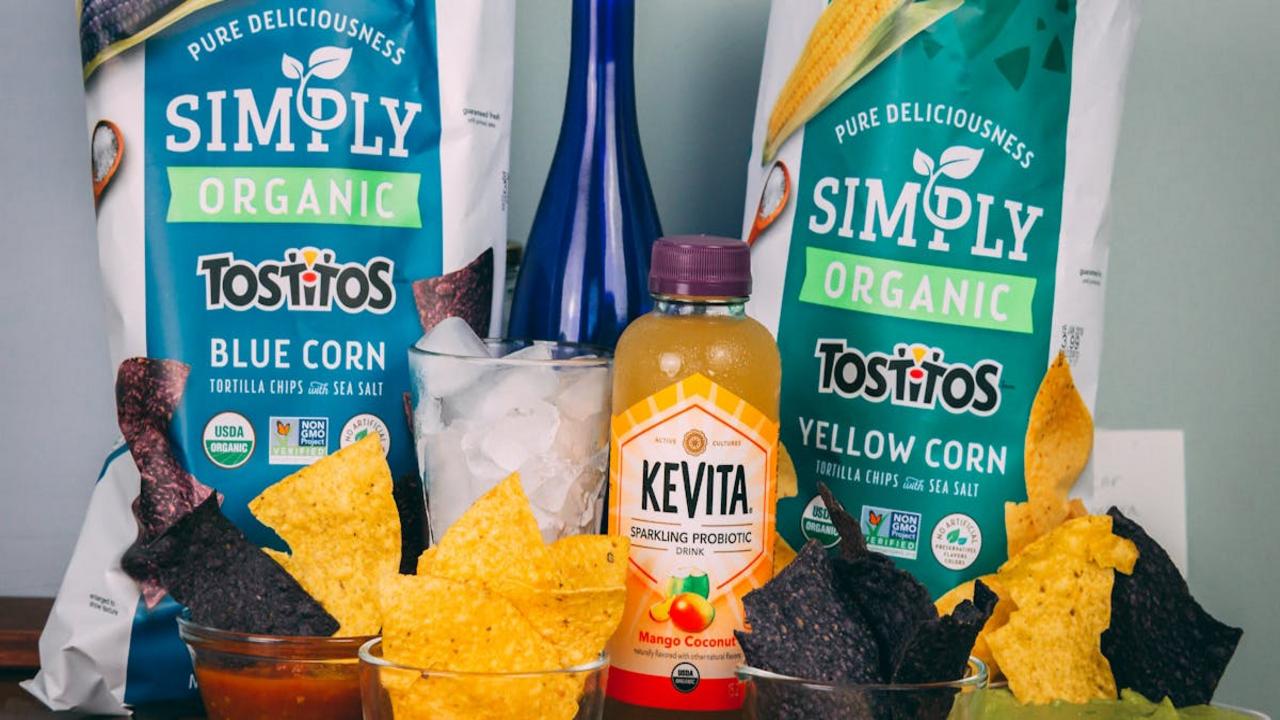
Your brain loves to create shortcuts through habits, and food companies know this all too well! They strategically place their products where you’ll see them repeatedly – near checkout counters, at eye level on shelves, and in prominent store displays. Each time you spot that candy bar or bag of chips, your brain forms stronger neural connections, making it harder to resist. I’ve noticed how my local grocery store keeps rearranging their junk food displays to catch my attention from different angles, reinforcing these habit loops.
The more you give in to these cravings, the stronger these mental pathways become. Your brain starts to associate specific triggers (like watching TV or feeling stressed) with reaching for those sugary or salty snacks. Food manufacturers make this worse by creating perfect combinations of sugar, salt, and fat that keep you coming back for more. I’ve helped many readers break these cycles by suggesting they create new habits – like keeping fresh fruit visible on their counter or taking a different route through the store to avoid tempting displays.
Fast Energy Fix
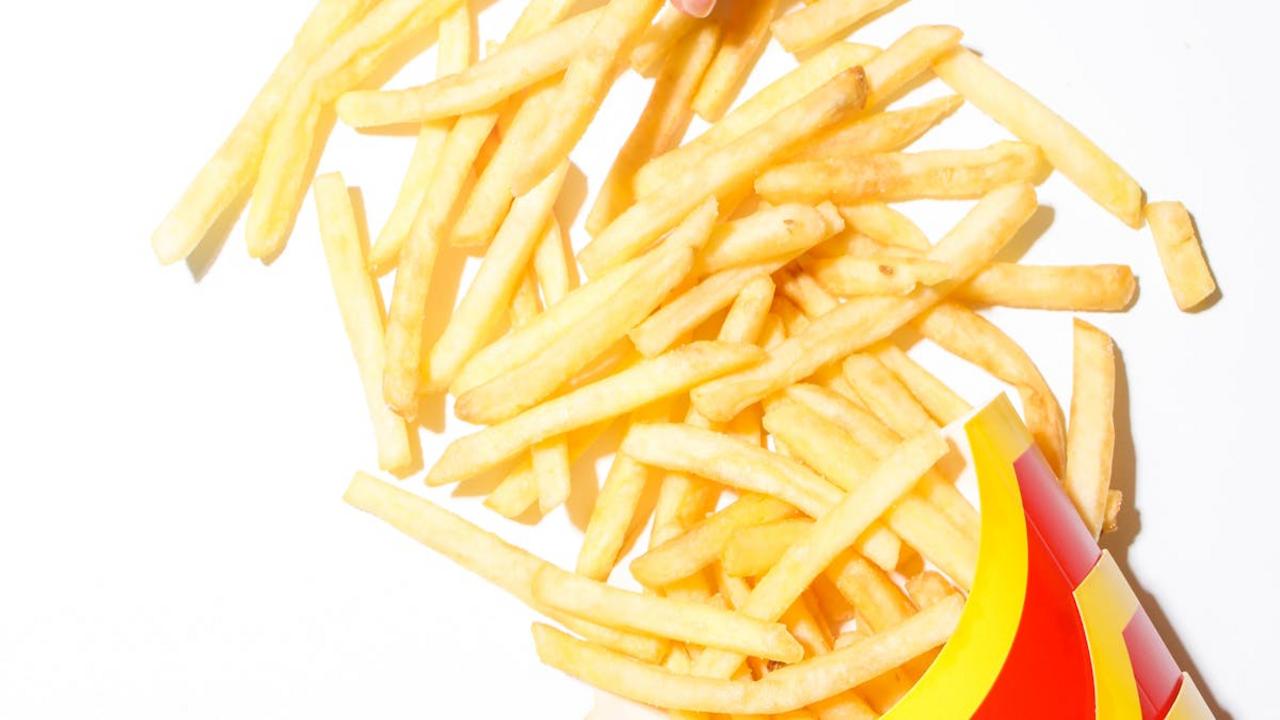
Your brain craves quick energy boosts, and junk food companies know exactly how to give it to you. They pack their products with simple carbs and sugars that hit your bloodstream fast, creating an instant rush of energy and feel-good chemicals. Think about those times you’ve reached for a candy bar or bag of chips during that mid-afternoon slump – it’s no accident! These foods trigger a rapid spike in blood sugar, making you feel temporarily alert and energized.
What you might not know is that food manufacturers deliberately balance the sugar-to-fat ratio to maximize this energy-boosting effect. They aim for the perfect combination that will give you that immediate pick-me-up without making you feel too full. The downside? This quick fix leads to an inevitable crash, leaving you tired and hungry again within hours. Your brain remembers that brief moment of satisfaction and energy, creating a cycle where you keep coming back for more of these convenient but ultimately empty calories.
Artificial Flavoring
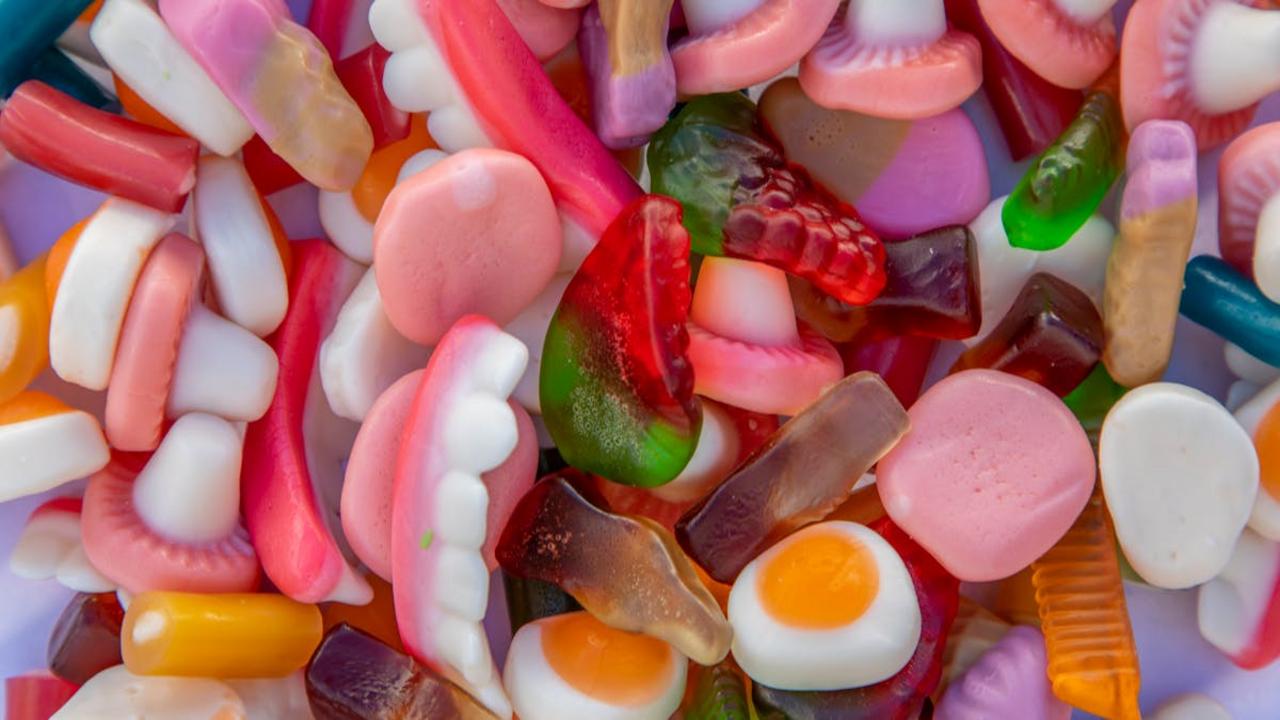
Food companies have mastered the science of artificial flavoring to make you crave their products. They create specific flavor combinations that hit your brain’s pleasure centers just right, making it hard to stop eating. Think about those nacho-flavored chips or that perfectly sweet and tangy barbecue seasoning – those aren’t natural flavors at all! Instead, they’re carefully crafted chemical compounds designed to keep you reaching for more. The result? Your brain gets hooked on these intense, artificial tastes that don’t exist anywhere in nature.
Here’s what makes artificial flavors so sneaky: they’re often more powerful than natural ones, giving you a bigger flavor punch that your brain learns to want. Plus, food scientists can tweak these flavors to be exactly what market research shows people love most. They’ll adjust the sweetness, saltiness, and other taste elements until they find the perfect mix that makes their snacks irresistible. This is why you might find yourself demolishing an entire bag of artificially flavored chips while you’d never eat that many plain potatoes in one sitting!
Marketing Tactics
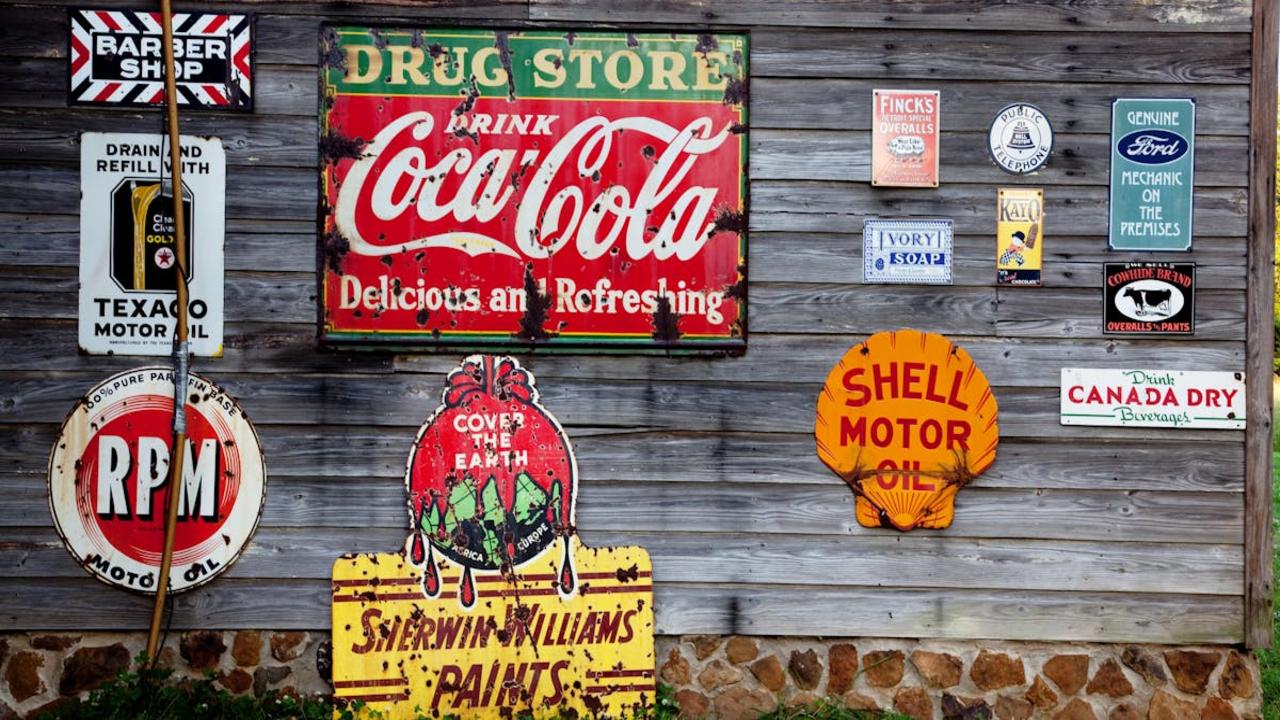
Food companies invest billions in clever marketing strategies to make you want their products. From bright, eye-catching packaging designs to strategic product placement in stores, these tactics directly influence your buying decisions. The colors red and yellow, commonly used in fast food logos and packaging, can trigger hunger and create a sense of urgency. Companies also time their advertisements during peak hunger hours and place their products at eye level in stores, making them nearly impossible to resist.
You’ll notice how brands create emotional connections through nostalgic commercials and memorable jingles that stick in your mind. They feature happy families sharing meals or friends bonding over snacks, linking their products to positive memories and experiences. Social media campaigns target specific demographics with personalized ads, while limited-time offers and seasonal variations create FOMO (fear of missing out). These marketing techniques work on a subconscious level – even when you’re aware of them, they still influence your food choices and purchasing behavior.
Social Pressure

Have you noticed how your snacking habits change when you’re around other people? Food companies know this all too well and design their marketing to tap into our social nature. Think about those commercials showing friends sharing a bag of chips or families bonding over cookies – they create a powerful connection between junk food and social belonging. Your brain starts linking these treats with happy moments, friendship, and acceptance, making it harder to resist reaching for that candy bar when you’re with your buddies.
The social influence goes beyond just advertising. Research shows you’ll eat up to 44% more food when dining with friends compared to eating alone. Companies capitalize on this by making their snacks perfect for sharing – think of those “party size” chip bags or chocolate bars that break into pieces. They know you’re more likely to indulge in these treats during social gatherings, movie nights, or casual hangouts. Plus, seeing others enjoy these foods triggers a natural desire to join in, making their products almost irresistible in group settings.
Stress Eating

Your brain has a sneaky way of pushing you toward junk food when stress kicks in. During anxious moments, your body releases cortisol, a hormone that makes you crave high-calorie, sugary, and fatty foods. Food companies know this connection between stress and comfort eating, so they design their marketing to target you when you’re most vulnerable – think late-night TV ads for pizza or billboard advertisements near busy highway traffic spots.
The combination of stress and readily available junk food creates a perfect storm for mindless snacking. Your brain associates these calorie-dense treats with quick relief from stress, forming a psychological reward loop that’s hard to break. Next time you notice yourself reaching for chips or candy during a tough day, try taking three deep breaths and drinking a glass of water first. This simple pause can help you recognize if you’re eating from genuine hunger or just responding to stress signals.
Convenience Factor

I’ve noticed how food companies strategically place their products in the most accessible spots, making them nearly impossible to resist. Think about those candy bars right at the checkout counter or the chips display at eye level – they’re right there when your willpower runs low and your hunger kicks in. The bright packaging catches your attention while you wait in line, and before you know it, that chocolate bar lands in your cart almost automatically.
The convenience trap goes beyond store placement – it’s also about quick preparation and easy consumption. Those single-serve packages of cookies or individually wrapped snacks make it super simple to grab and go. No need for plates, utensils, or cleanup. Food manufacturers know that by removing these small barriers, you’ll reach for their products more often. Plus, they’ve mastered the art of creating packages that fit perfectly in cup holders and car compartments, making it extra tempting to snack while you’re on the move.
Affordable Prices
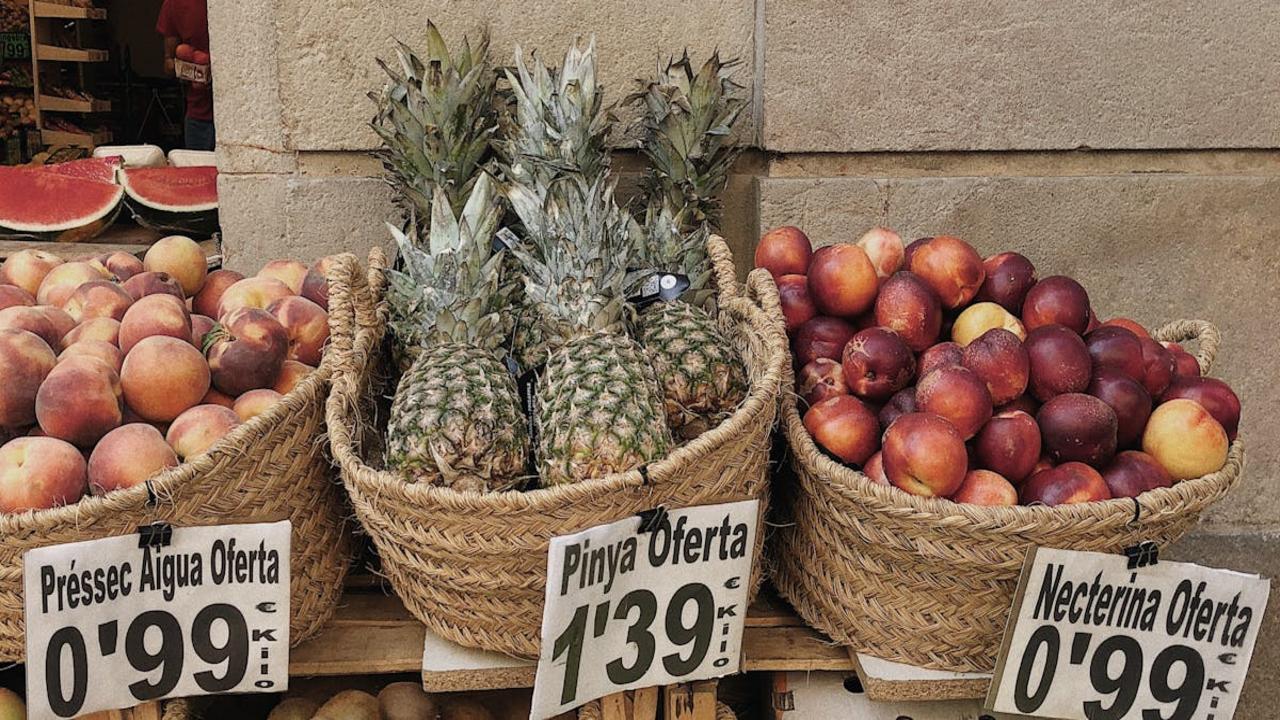
Fast food companies know exactly how to win you over with their price tags. They deliberately price items just below whole dollar amounts – $4.99 instead of $5.00 – making you think you’re getting a better deal. This psychological trick, known as charm pricing, creates an illusion that you’re spending significantly less money. Paired with value meals and combo deals that bundle items together, these strategies make you feel like you’re being smart with your money while loading up on extra calories.
The fast food industry goes even further by positioning cheaper, unhealthy options right next to expensive premium items. When you see a $12 salad next to a $5 burger combo, your brain automatically views the burger as the more economical choice. They also frequently advertise limited-time discounts and special offers through mobile apps, creating a sense of urgency that pushes you to buy now rather than later. These calculated pricing methods keep you coming back for more, thinking you’re saving money while actually spending more on food you didn’t plan to buy.
Easy Accessibility

I’ve noticed how food companies strategically place their products everywhere you look – from gas stations to pharmacy checkout lines. You’ll find chips, candy, and sugary drinks within arm’s reach at almost every retail spot you visit. This smart placement makes it super convenient to grab a quick snack, even when you didn’t plan to buy one. The companies know that the easier it is for you to access their treats, the more likely you’ll give in to those sudden cravings.
Think about your daily routine – you probably pass dozens of vending machines, convenience stores, and fast-food spots without even realizing it. These companies have mastered the art of being exactly where you need them, right when those hunger pangs hit. They’ve created this perfect web of availability that makes their products nearly impossible to avoid. Your brain starts associating these spots with quick, satisfying snacks, making it extra tough to resist grabbing something when you’re nearby. It’s a clever psychological trick that keeps you coming back for more!
Childhood Memories

Food companies know exactly how to pull at your heartstrings through nostalgic childhood memories. They design packaging, flavors, and marketing to remind you of carefree days eating cookies at grandma’s house or enjoying ice cream on summer afternoons. These emotional connections make you more likely to grab that box of sugary cereal or candy bar, even if you know it’s not the healthiest choice. The psychology behind this strategy runs deep – when you see foods that remind you of happy times, your brain releases dopamine and creates an instant positive association.
Think about those classic snacks you loved as a kid – maybe it was chocolate sandwich cookies dunked in milk or those fizzy fruit sodas after school. Food manufacturers deliberately keep these products consistent year after year, maintaining the same taste, look, and feel so they’ll trigger those warm memories decades later. They also create seasonal varieties tied to holidays and special occasions, knowing these moments hold strong emotional value. This psychological tactic makes it extra tough to resist these treats because you’re not just craving the sugar – you’re yearning for a taste of childhood joy and comfort.
Salt Cravings

You know that irresistible pull toward salty snacks? Food manufacturers have mastered the perfect salt-to-fat ratio that keeps you reaching for more chips and pretzels. Your brain naturally seeks out salt since it’s needed for survival, but companies push this natural desire into overdrive. They load products with exact amounts of sodium that light up your brain’s reward centers without fully satisfying your craving – a sneaky way to keep you munching away long after you planned to stop.
The combination of salt with crunchy textures creates an extra powerful effect that’s hard to resist. Think about how easily you can devour a whole bag of potato chips! The salt hits your tongue, the satisfying crunch releases dopamine, and before you know it, the bag is empty. Food scientists deliberately design these snacks to hit this addictive sweet spot. They know that once you start, the salt-crunch combo will keep you coming back for more. Next time you grab that bag of chips, remember – it’s not just your taste preferences at work, but careful food engineering meant to override your natural stopping point.
Sugar High
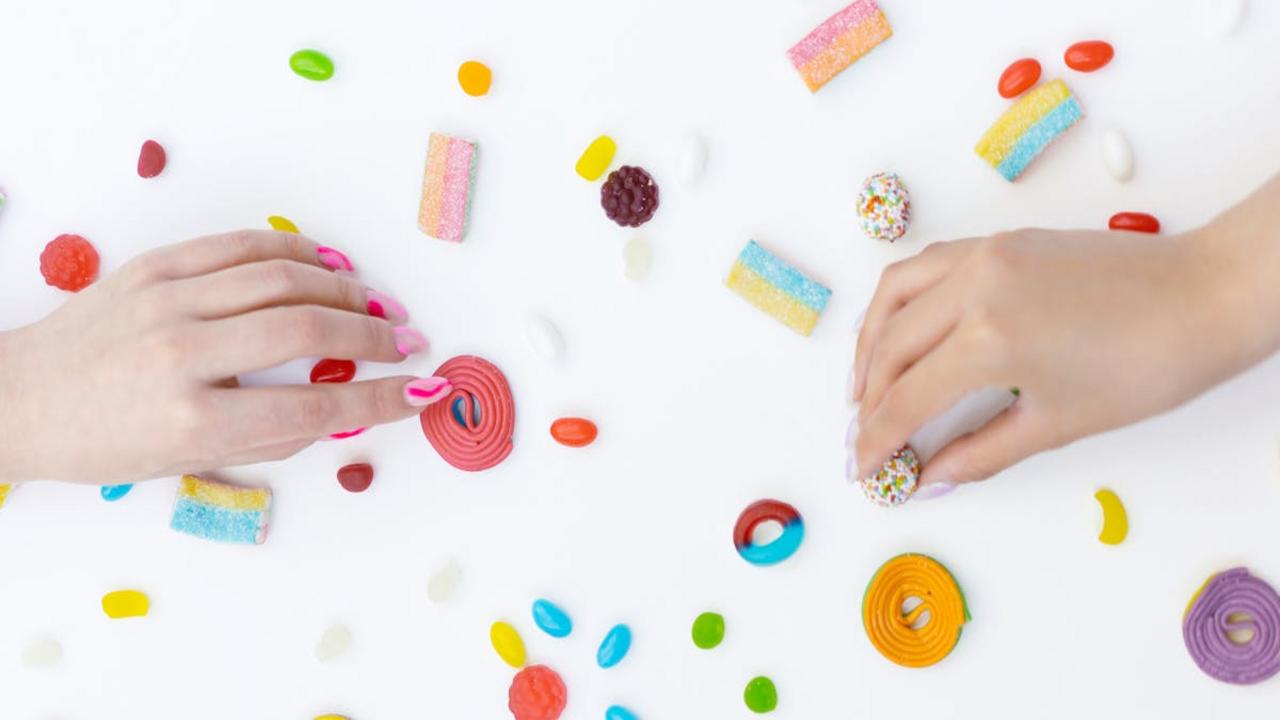
Your brain releases a flood of feel-good chemicals like dopamine when you eat sugary foods – it’s the same reward system triggered by drugs and other addictive substances. Food manufacturers understand this powerful biological response and deliberately add precise amounts of sugar to create an irresistible “bliss point” that keeps you coming back for more. The sugar high feels amazing in the moment, but it quickly leads to crashes that make you crave another sweet fix.
Next time you grab that candy bar or soda, remember that your brain chemistry is working against you! The sugar content isn’t random – it’s carefully calculated to light up your reward centers and override your natural hunger signals. Companies spend millions researching the exact sugar ratios that will give you maximum pleasure without being overwhelmingly sweet. They want you hooked on that perfect sugar rush, even though the crashes afterward leave you feeling worse than before. Being aware of these sneaky tactics can help you make more mindful choices about what you eat.
Dopamine Rush

You know that amazing feeling you get when you bite into your favorite candy bar or salty snack? That’s your brain’s reward chemical – dopamine – doing its thing! Food companies have mastered the perfect combination of sugar, salt, and fat to trigger this natural high, making you crave more and more. These carefully crafted treats hit your brain’s pleasure center just like addictive substances do, creating a quick rush of feel-good chemicals that keep you reaching for the next bite.
The tricky part? Your brain quickly builds up a tolerance to this dopamine rush, so you need more junk food to get the same satisfying feeling. This creates a cycle where you keep chasing that initial high, making these snacks incredibly hard to resist. Food scientists in major companies spend countless hours perfecting this formula, studying exactly how much sugar and fat will give you maximum pleasure without overwhelming your taste receptors. They’ve turned this brain chemistry into a science that keeps you coming back for more.