13 Oddball One-Off Ingredients Hiding in Your Pantry Right Now
Your pantry holds secrets you didn’t know existed. Those mysterious jars and packets tucked behind the usual suspects? They’re flavor powerhouses waiting to transform your cooking. From tangy sumac to smoky liquid smoke, these ingredients might seem intimidating at first glance.
Each oddball ingredient tells a story of distant places and ancient traditions. Blue spirulina powder brings vibrant color and nutrients to smoothies, while preserved lemons add Mediterranean brightness to simple dishes. These aren’t just trendy additions – they’re practical tools that can elevate everyday meals.
Don’t let these ingredients gather dust any longer. With simple techniques and creative applications, you’ll discover how these pantry treasures can become your new cooking companions. Your kitchen adventures are about to get much more exciting and flavorful.
Liquid smoke

That mysterious bottle of liquid smoke sitting in your pantry holds incredible power to transform ordinary dishes into smoky masterpieces without firing up a grill. This concentrated flavoring captures the essence of real wood smoke through a fascinating process where actual wood chips get burned, and the resulting smoke gets condensed into liquid form. You can add just a few drops to marinades, sauces, or directly to meats and vegetables to create that deep, woodsy flavor that makes people think you spent hours tending to a smoker. I love using liquid smoke in my homemade barbecue sauce, vegetarian chili, and even in roasted cauliflower to give it that irresistible smoky depth.
What makes liquid smoke so brilliant for healthy cooking is how it delivers maximum flavor impact with minimal calories or additives. You only need tiny amounts – seriously, start with just a quarter teaspoon – because this stuff packs serious punch. Try brushing a light mixture of liquid smoke, olive oil, and your favorite herbs onto portobello mushrooms before grilling them, or add a splash to your next batch of homemade soup for an unexpected flavor twist. I particularly love how it can make plant-based proteins taste more complex and satisfying, helping you create those hearty, comfort-food flavors that keep everyone at the table happy and nourished.
Amchur (dried mango powder)
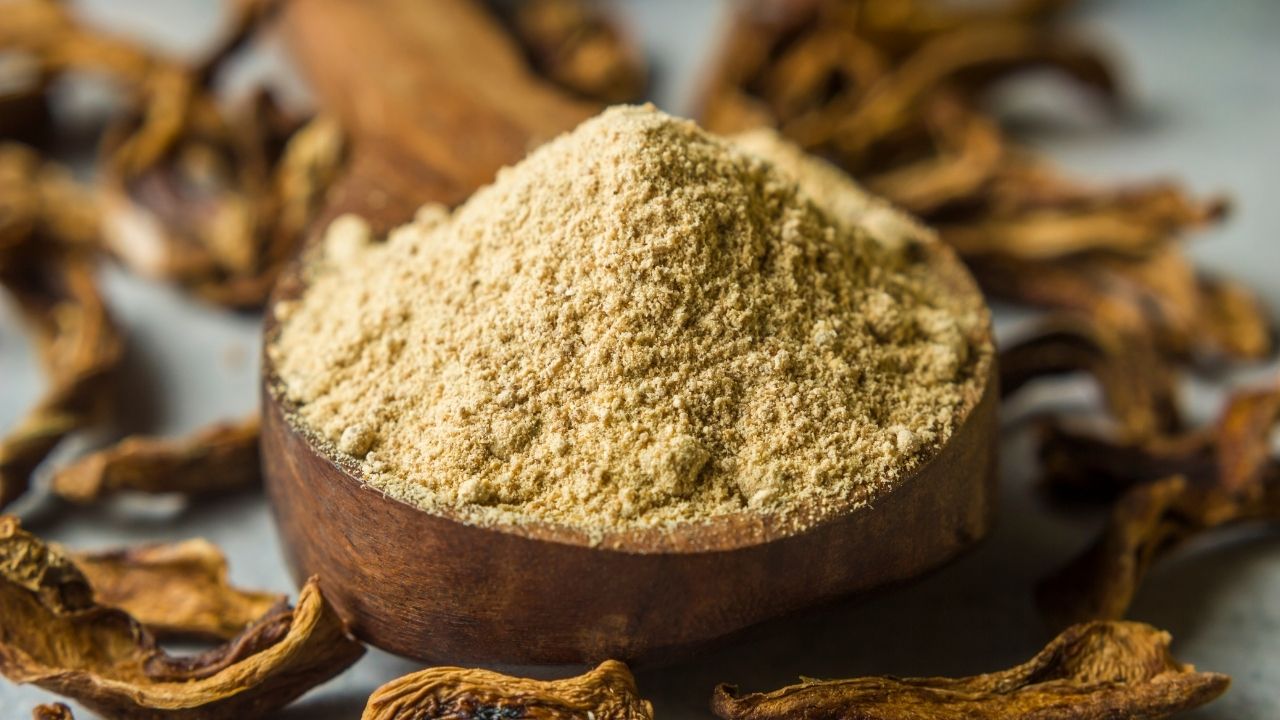
If you’ve ever wondered what gives certain Indian dishes their bright, tangy kick without any visible citrus, chances are you’ve tasted amchur in action! This golden powder comes from unripe green mangoes that have been dried and ground into a fine, aromatic dust. You’ll find this magical ingredient tucked away in spice shops or the international aisle, and once you bring it home, it opens up a whole new world of flavor possibilities. Amchur delivers a unique sourness that’s fruity and complex – think somewhere between lemon juice and dried apricots, with its own distinctive mango character that brightens everything it touches.
Here’s where amchur really shines: it adds acidity and depth to your cooking without any liquid, making it perfect for dry rubs, spice blends, and dishes where you want tartness but don’t want extra moisture. Sprinkle it over roasted vegetables, mix it into your favorite curry powder, or dust it on fresh fruit salads for an unexpected twist. I love adding a pinch to my homemade granola or stirring it into yogurt-based marinades for chicken. The powder works beautifully in both sweet and savory applications, and unlike fresh citrus, it won’t break down or lose its punch when stored properly in your spice cabinet.
Szechuan peppercorns
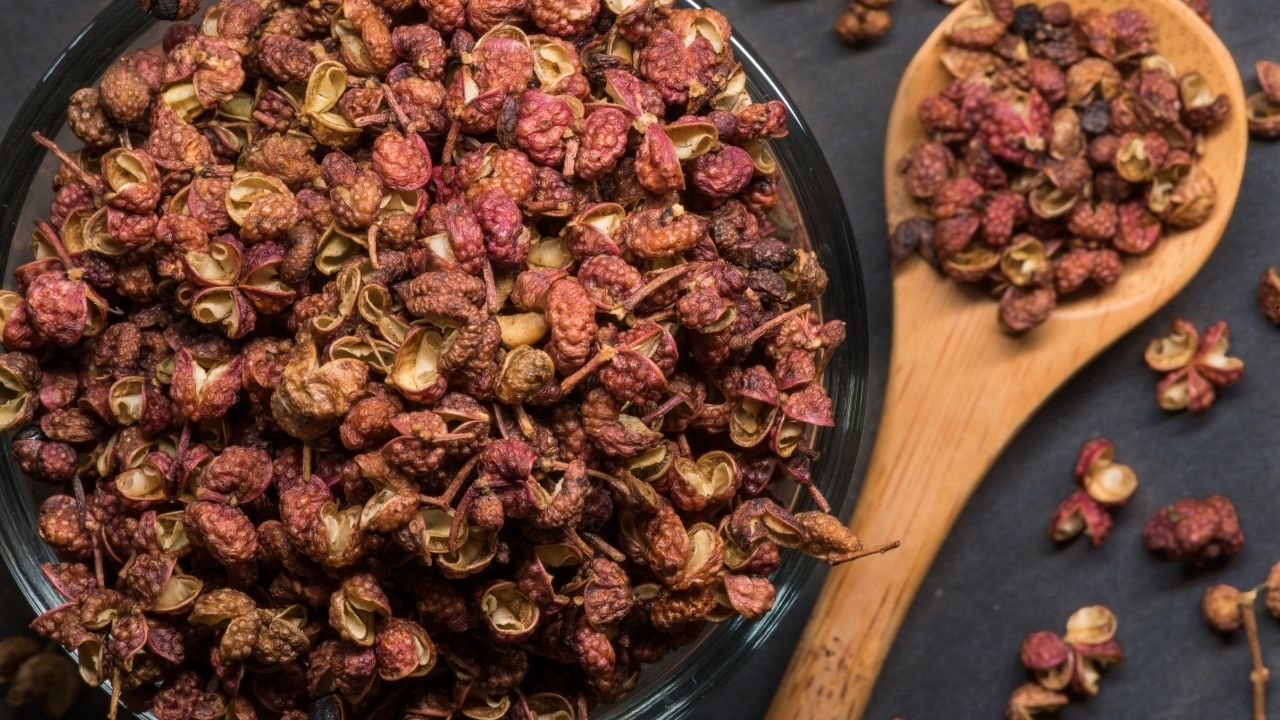
Those tiny, rust-colored husks sitting in your spice drawer pack a punch that goes way beyond regular black pepper! Szechuan peppercorns create this amazing tingling sensation on your tongue – it’s called “ma la” in Chinese, which literally means “numbing spicy.” You’ll notice they’re not actually peppercorns at all, but the dried husks of prickly ash tree berries. When you bite into one, your mouth experiences this wild electric buzz that’s both cooling and warming at the same time.
I love adding these little powerhouses to everything from chocolate desserts to grilled vegetables. Toast them in a dry pan for about two minutes until they smell absolutely incredible, then grind them fresh for maximum impact. They pair beautifully with ginger, garlic, and citrus – try mixing ground Szechuan peppercorns with lime zest and a pinch of salt for the most amazing finishing salt you’ve ever tasted. Your dinner guests will spend the entire meal trying to figure out what that mysterious, tingly flavor is! They work magic in marinades for chicken or fish, and even a tiny pinch in vanilla ice cream creates this unexpected sensation that people never forget.
Preserved lemons
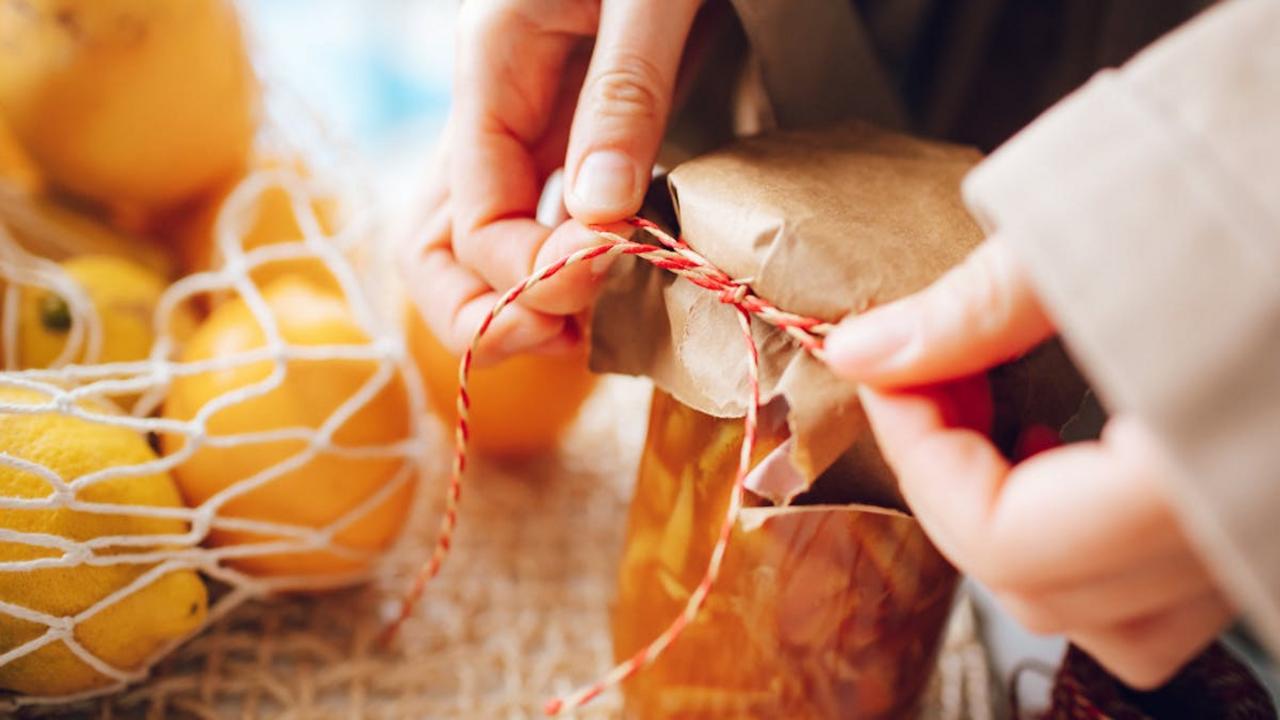
Those wrinkled, intensely fragrant preserved lemons tucked away in your pantry pack more flavor punch than you might expect! These Moroccan gems transform ordinary salt and fresh lemons into something magical through a simple curing process. The result? A condiment that delivers bright, salty, and deeply complex citrus notes that can wake up any dish. I love how the rind becomes tender and almost jammy while losing its bitter edge, creating this incredible concentrated lemon flavor that’s both familiar and exotic.
Don’t let these beauties collect dust – they’re incredibly versatile and can transform your everyday cooking. Chop up the rind and toss it into grain salads, roasted vegetables, or braised chicken for an instant Mediterranean flair. The salty brine works wonderfully in salad dressings or marinades, adding depth without overwhelming other flavors. Try mincing some preserved lemon into your next batch of hummus or mixing it into pasta dishes for a bright finish. Even a small amount goes a long way, so start with just a teaspoon and build up to your taste preferences.
Asafoetida
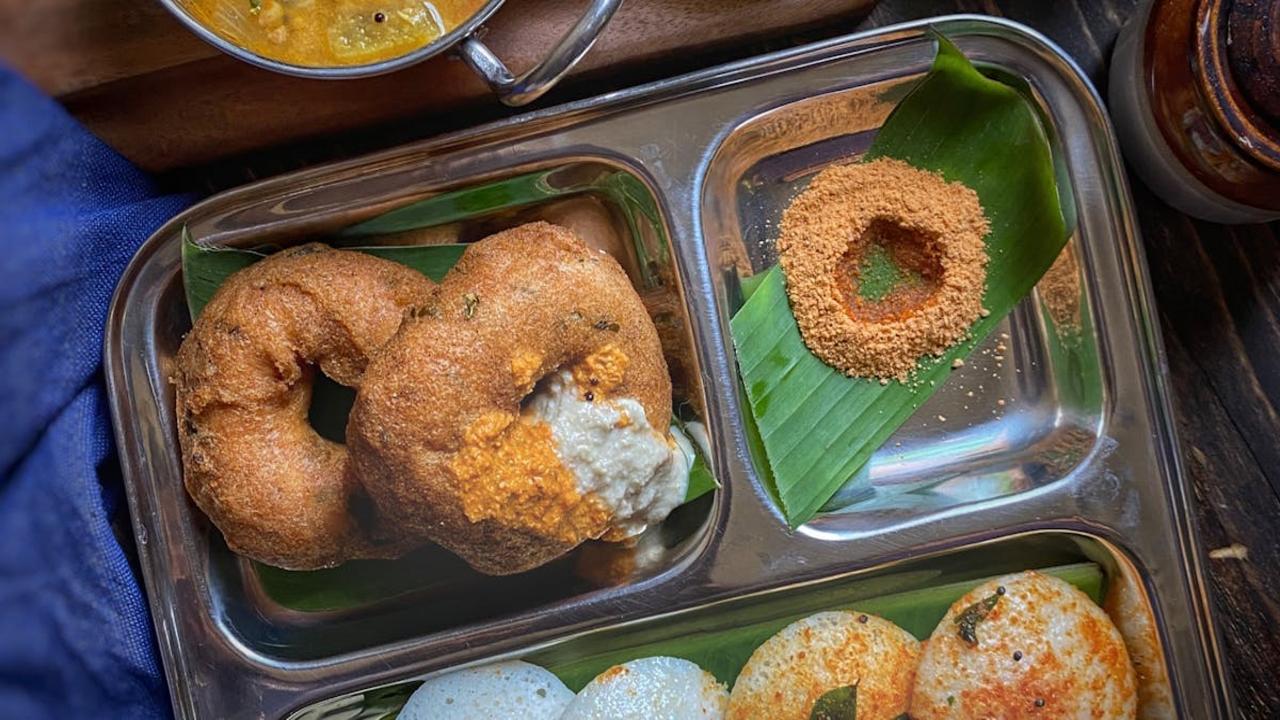
You probably spotted this mysterious yellow powder tucked away behind your spices and wondered what on earth it could be. Asafoetida, also known as “hing” in Indian cooking, might smell absolutely terrible when you first open the container – think sulfur mixed with old socks – but don’t let that scare you away! This pungent resin comes from a flowering plant native to Iran and Afghanistan, and once you cook with it, magic happens. The offensive smell completely disappears, leaving behind a beautiful onion-garlic flavor that adds incredible depth to your dishes.
Just a tiny pinch of asafoetida transforms vegetarian curries, lentil dishes, and pickles into something extraordinary. Indian cooks have sworn by this ingredient for centuries, especially in Jain cooking where onions and garlic are off-limits. You can add it to tempering oil at the start of cooking, or mix it directly into your spice blends. Start with literally just a pinch – maybe 1/8 teaspoon for a whole pot of food – because this stuff packs serious punch. Try it in your next dal or vegetable stir-fry, and you’ll understand why this stinky little powder has such a devoted following among those who know its secrets.
Kaffir lime leaves
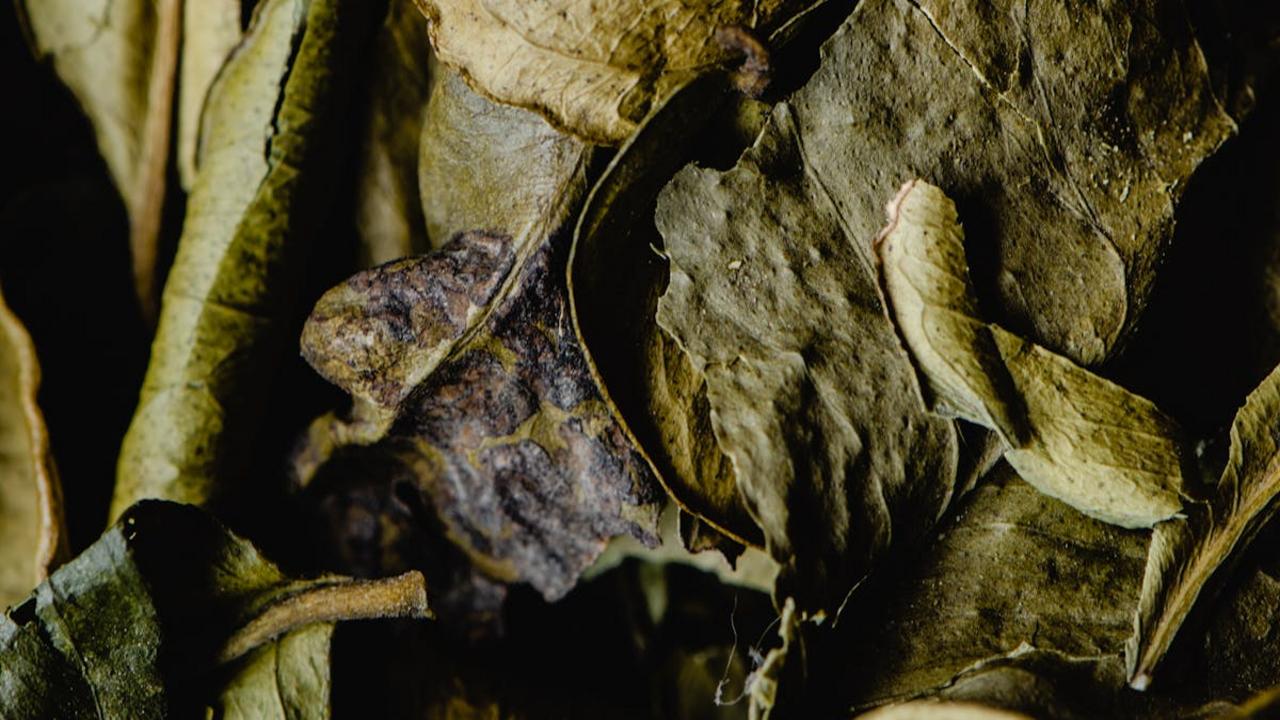
Those glossy, dark green leaves tucked away in your freezer might look mysterious, but kaffir lime leaves pack an incredibly aromatic punch that transforms ordinary dishes into something extraordinary. These double-lobed leaves from Southeast Asian lime trees carry an intense citrusy fragrance that’s both floral and zesty – completely different from regular lime juice or zest. You probably bought them for that one Thai curry recipe months ago, and now they’re quietly waiting for their moment to shine again in your kitchen.
Don’t let these fragrant gems go to waste! Kaffir lime leaves work magic in soups, stir-fries, and marinades, infusing dishes with their unique perfume-like quality. Try tearing a few leaves into your next coconut soup or rice dish – they release their oils beautifully when bruised or torn by hand. You can also blend them into curry pastes, add them to homemade broths, or even steep them in hot water for a refreshing herbal tea. The leaves freeze perfectly, so you can grab just what you need whenever inspiration strikes. Their bold flavor pairs wonderfully with lemongrass, ginger, and chilies, making them perfect for creating vibrant, healthy meals that transport you straight to tropical kitchens.
Blue spirulina powder
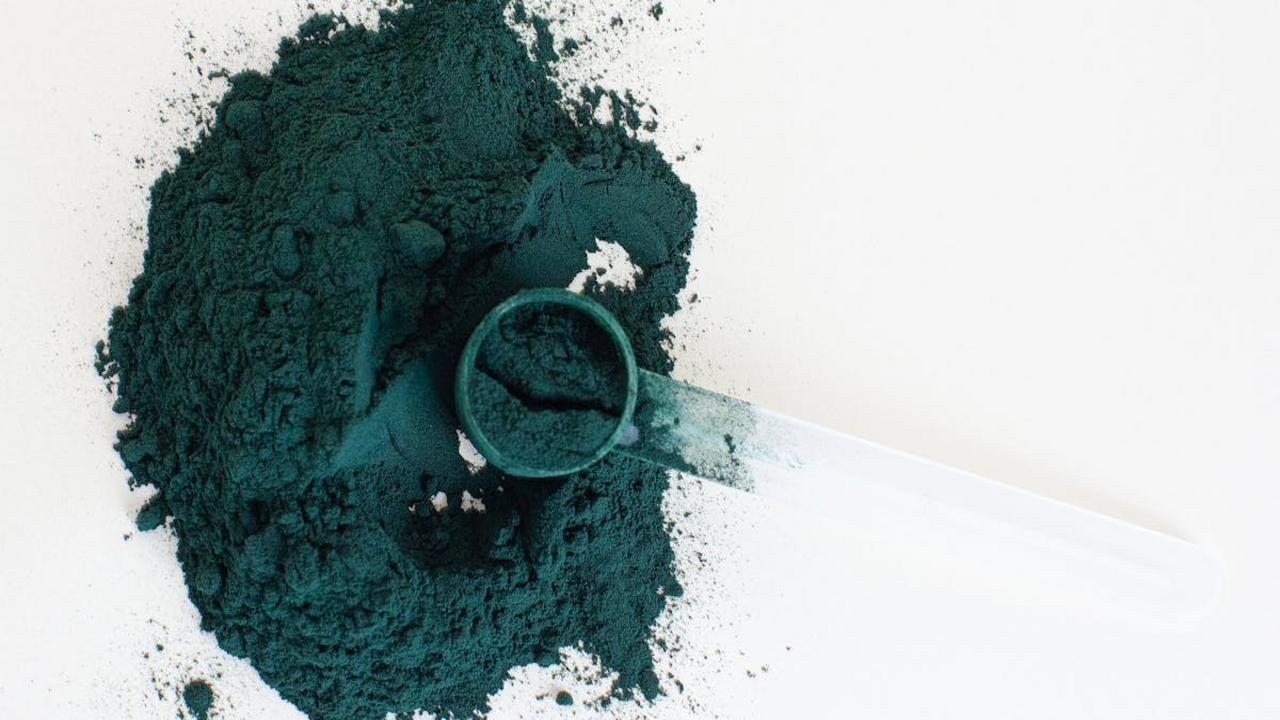
You know that vibrant blue powder sitting in your pantry? That’s blue spirulina, and it’s about to transform your morning routine in the most beautiful way! This stunning superfood comes from blue-green algae and packs more nutrition than you’d expect from something so otherworldly looking. I love how just a tiny scoop creates the most gorgeous ocean-blue smoothie bowls that’ll have your Instagram followers doing double-takes. The color is so intense and natural – no artificial dyes needed when you’ve got this magic powder on hand.
What makes blue spirulina special isn’t just its show-stopping appearance. This powder delivers protein, antioxidants, and minerals while adding zero flavor to your creations. I sprinkle it into coconut yogurt for breakfast parfaits that look like they belong in a fancy café, or blend it into smoothies with banana and coconut milk for a tropical treat. Try mixing it into white chocolate bark or vanilla chia pudding – the results are absolutely stunning! The best part? You only need about half a teaspoon to achieve that brilliant blue color, so one container lasts forever.
Yuzu kosho
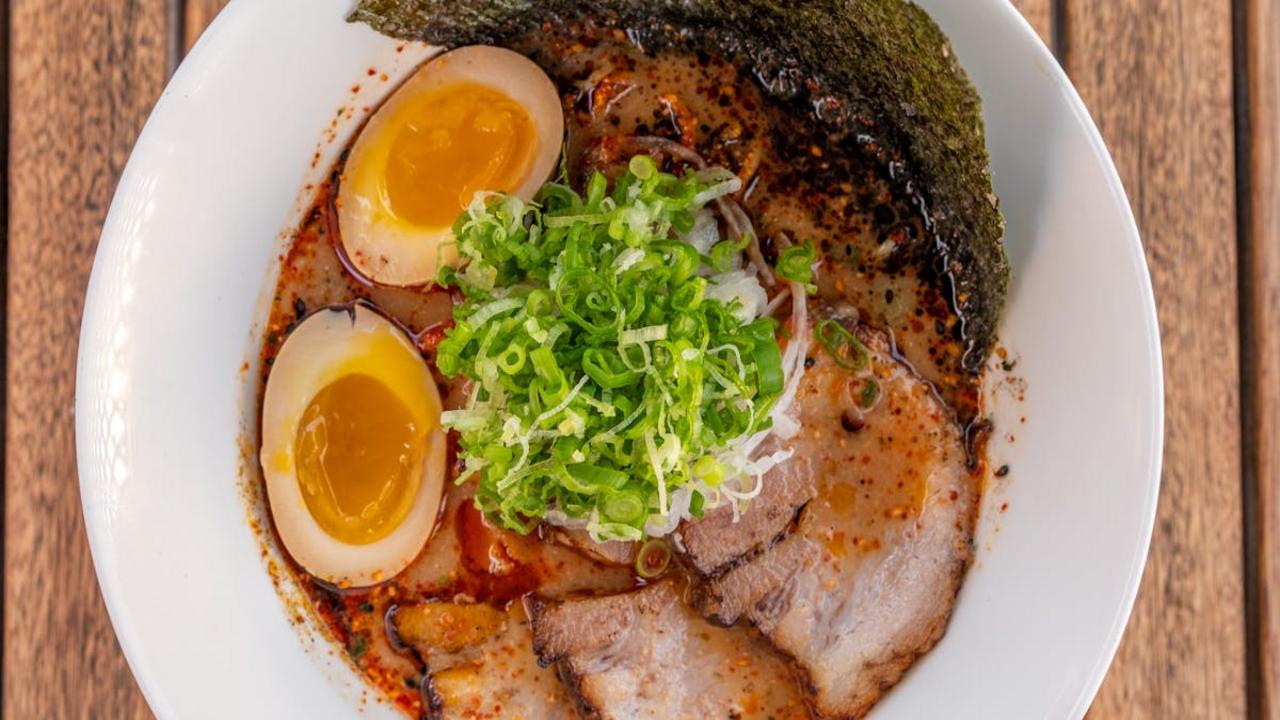
This vibrant Japanese condiment brings together the bright citrus punch of yuzu with the fiery kick of chili peppers and sea salt. You probably grabbed this little jar during an ambitious cooking phase, thinking you’d whip up authentic ramen or fancy sushi rolls. Now it sits there, looking mysteriously green (or red, depending on which variety you bought), waiting for its moment to shine. Don’t let this powerhouse ingredient collect dust – yuzu kosho packs more flavor complexity in one tiny spoonful than most sauces manage in an entire bottle.
Transform your everyday cooking by adding just a small dab to grilled fish, mixing it into mayonnaise for an instant gourmet sauce, or stirring it into simple vinaigrettes. The beauty of yuzu kosho lies in its versatility – it brightens up roasted vegetables, elevates plain rice bowls, and turns boring chicken breast into something special. Start with just a tiny amount since this condiment brings serious heat alongside its citrusy brightness. Once you discover how this magical paste can instantly upgrade your weeknight dinners, you’ll wonder why you waited so long to crack open that jar.
Lavender buds

Those tiny purple buds sitting in your spice rack aren’t just for fancy soaps and sachets – they’re actually a gorgeous ingredient that can transform your cooking in ways you never imagined! Lavender buds bring a floral, slightly sweet flavor with hints of mint and rosemary that works beautifully in both sweet and savory dishes. I love adding just a pinch to my homemade shortbread cookies or mixing them into honey for drizzling over fresh fruit. The key is using them sparingly – a little goes a long way, and you want that lovely floral note to complement your food, not overpower it.
You can grind dried lavender buds with sea salt to create an incredible seasoning for roasted vegetables or grilled chicken. Try infusing them in simple syrup for cocktails or lemonades, or fold them into cream cheese frosting for carrot cake. Fresh lavender works wonderfully in summer salads paired with peaches and goat cheese. Just make sure you’re using food-grade lavender buds, not the decorative kind from craft stores. Start with just 1/4 teaspoon in recipes and adjust from there – your kitchen will smell absolutely divine, and your dishes will have that sophisticated touch that makes everyday meals feel special.
Fermented bean paste
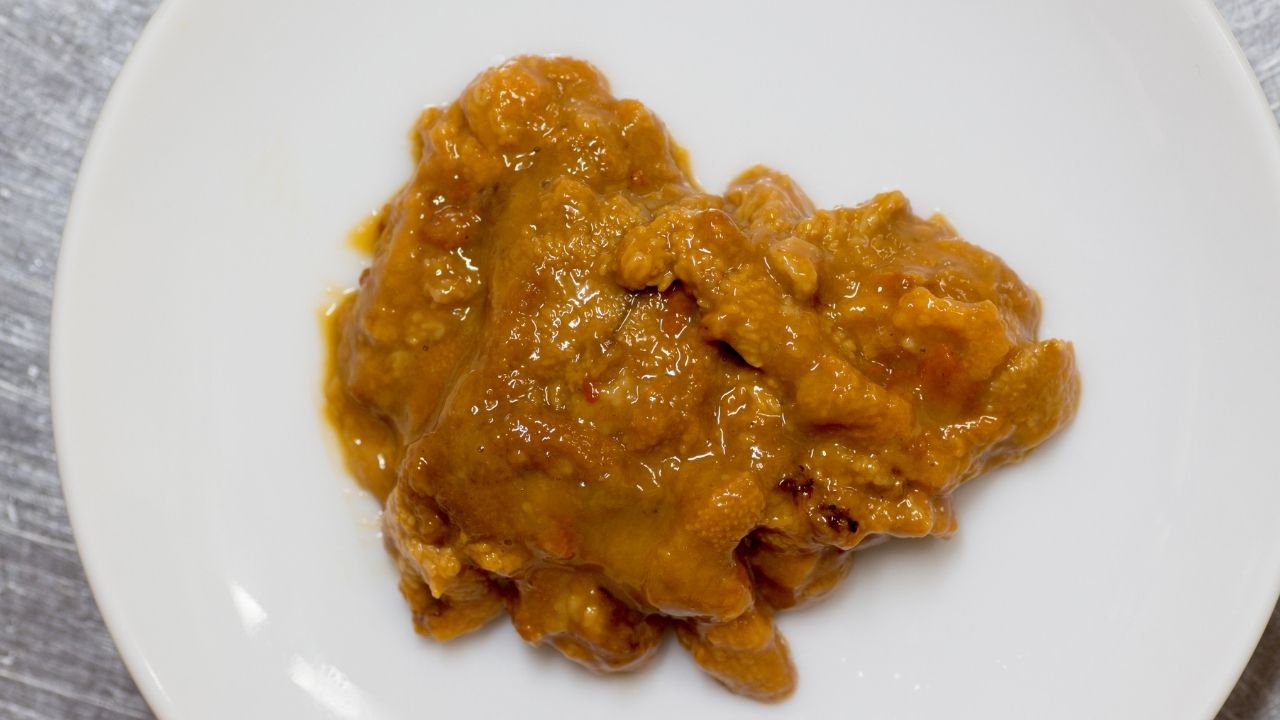
That mysterious jar of fermented bean paste sitting in your pantry deserves way more attention than it gets! Whether you picked up Korean doenjang, Japanese miso, or Chinese doubanjiang during an ambitious grocery run, this umami powerhouse transforms ordinary dishes into something spectacular. These pastes pack incredible depth of flavor – salty, savory, and slightly funky in the best possible way. They’re made through careful fermentation processes that can take months or even years, creating complex flavors that simply can’t be replicated with quick shortcuts.
Don’t let intimidation keep you from using this treasure! Start small by whisking a tablespoon into salad dressings, marinades, or soup broths for instant richness. Miso works beautifully in glazes for roasted vegetables or fish, while doubanjiang adds serious punch to stir-fries and braised dishes. You can even blend these pastes into compound butters or use them as the base for quick ramen upgrades. The beauty lies in their versatility – a little goes a long way, and they keep practically forever in your refrigerator. Once you start experimenting with fermented bean paste, you’ll wonder how you ever cooked without it!
Black garlic
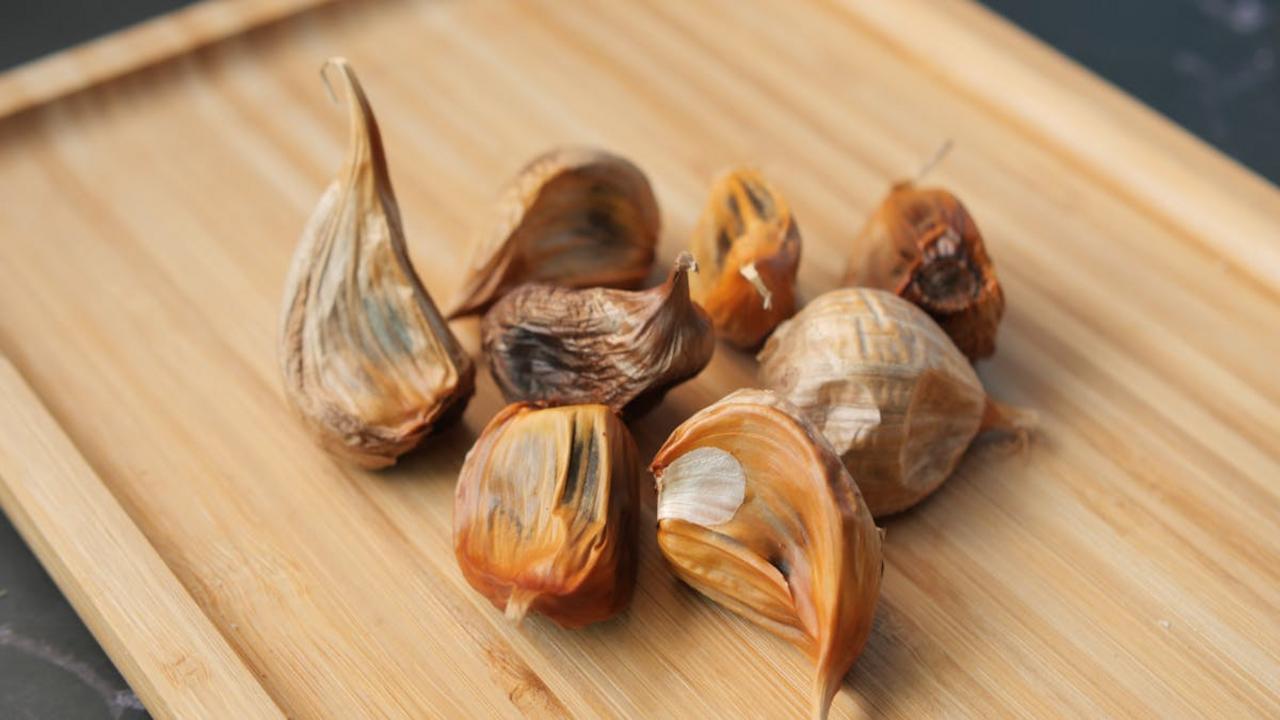
That mysterious jar of dark, molasses-colored cloves sitting in your pantry? That’s black garlic, and it’s about to become your secret weapon for creating incredibly flavorful dishes. This isn’t your regular garlic that’s gone bad – it’s been slowly fermented at controlled temperatures for weeks, transforming its sharp bite into something completely magical. The process turns those familiar white cloves into soft, sweet, and deeply complex gems that taste like a cross between roasted garlic, balsamic vinegar, and rich molasses. You probably picked it up on a whim at the farmers market or spotted it at your local specialty store, and now you’re wondering what to do with it.
Here’s the beautiful thing about black garlic: you can use it anywhere you’d normally reach for regular garlic, but with way more depth and sweetness. Mash a few cloves into your next pasta sauce for an instant flavor boost, or spread it on crusty bread with some goat cheese for an appetizer that’ll make your guests think you’re a kitchen genius. I love adding chopped black garlic to stir-fries, mixing it into salad dressings, or even blending it into hummus for a sophisticated twist. The sweetness pairs wonderfully with roasted vegetables, and it makes an incredible compound butter for steaks or chicken. Don’t overthink it – this fermented treasure adds instant umami richness to everything it touches.
Sumac
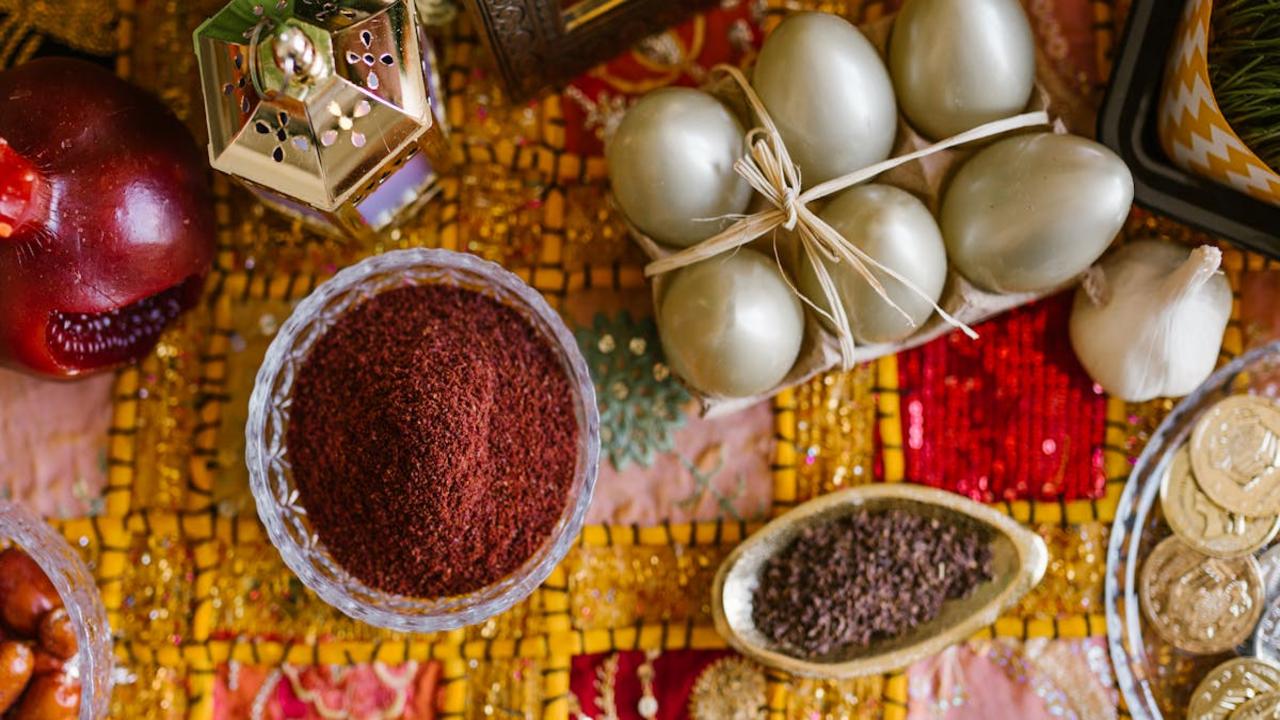
That gorgeous burgundy spice sitting in your pantry might have caught your eye at the Middle Eastern market, but now you’re wondering what to do with it. Sumac brings a bright, tangy punch that’s like having concentrated sunshine and tartness rolled into one beautiful crimson powder. This ground berry delivers the perfect balance of lemony zing without any moisture, making it your secret weapon for adding acidity to dishes where fresh citrus would make things soggy. I love sprinkling it over roasted vegetables, mixing it into yogurt dips, or using it as a finishing touch on grilled meats.
Beyond its incredible flavor, sumac packs serious nutritional benefits that make it worth keeping around. Rich in antioxidants and anti-inflammatory compounds, this ruby-red spice has been used for centuries in Mediterranean and Middle Eastern cooking for both its taste and wellness properties. Try mixing sumac with olive oil and za’atar for an instant marinade, or dust it over fresh salads where it creates beautiful color contrast while brightening every bite. Once you start experimenting with sumac, you’ll find yourself reaching for it constantly – it transforms ordinary dishes into something special with just a pinch.
Dried hibiscus petals
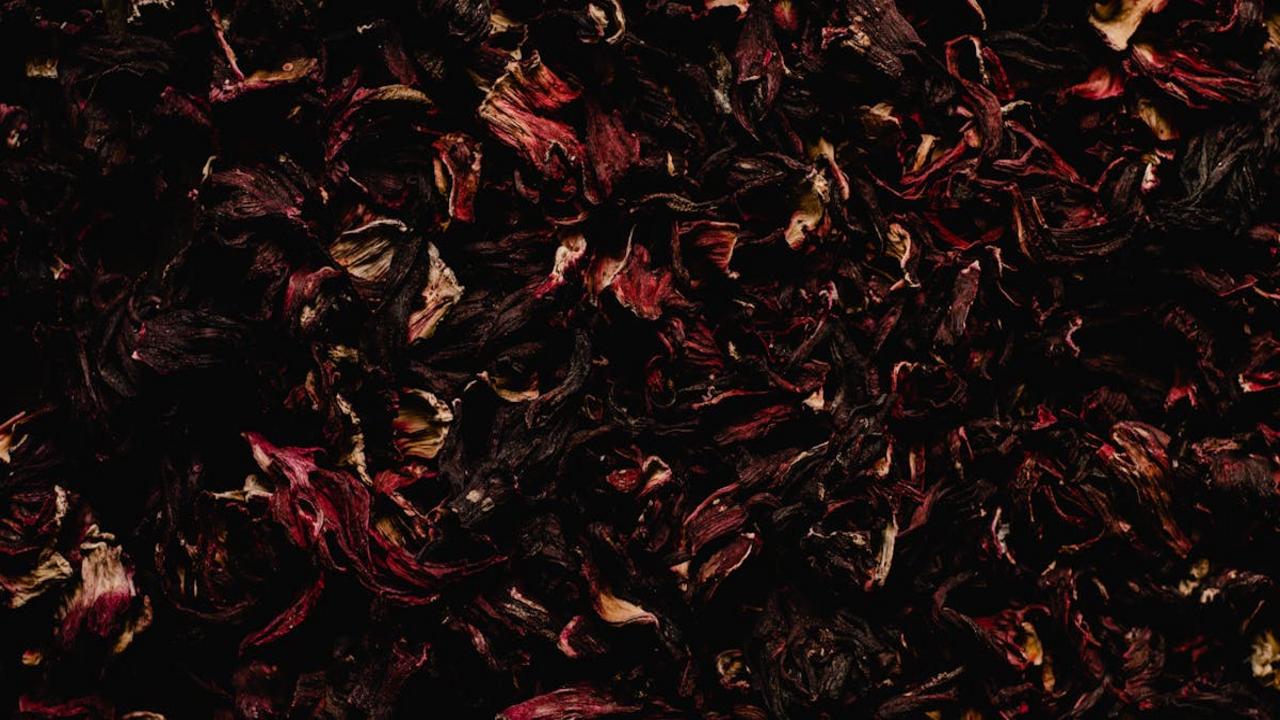
Those vibrant crimson petals tucked away in your spice drawer aren’t just pretty to look at – they’re your secret weapon for creating stunning drinks and dishes that’ll make your friends wonder where you learned such magic! Dried hibiscus petals bring a tart, cranberry-like flavor with floral notes that transform ordinary water into a gorgeous ruby-red tea. I love steeping them for homemade agua de jamaica, the refreshing Mexican beverage that’s become my go-to summer drink. You can also grind them into a powder and sprinkle over yogurt, blend into smoothies, or even incorporate into salad dressings for an unexpected pop of color and tang.
Beyond beverages, these gorgeous petals work wonders in both sweet and savory applications. Try simmering them with rice for a stunning pink pilaf, or steep them in simple syrup to create cocktail mixers that’ll impress at your next gathering. The natural tartness pairs beautifully with tropical fruits like mango and pineapple, making them perfect for fruit salads or homemade sorbets. Plus, hibiscus is packed with vitamin C and antioxidants, so you’re treating your body well while creating Instagram-worthy dishes. Keep a jar handy – once you start experimenting with these jewel-toned petals, you’ll find yourself reaching for them constantly.