13 Genius Hacks for Eating Organic Without Emptying Your Wallet
Want to fill your kitchen with organic foods without breaking the bank? I totally get it – organic prices can make anyone’s eyes pop! But here’s the good news: you can eat clean and healthy without spending a fortune. After years of smart shopping and testing different strategies, I’ve gathered the best money-saving tricks for organic buying.
The organic food market keeps growing, bringing more affordable options to store shelves. Many budget-friendly alternatives now exist, from local farmers’ markets to bulk buying programs. You just need to know where to look and how to shop strategically.
Whether you’re new to organic eating or looking to cut costs on your current organic purchases, these 13 practical tips will help you save money while keeping wholesome food on your table. Ready to transform your shopping habits? Let’s dive into these wallet-friendly organic hacks!
Plan Weekly Meals
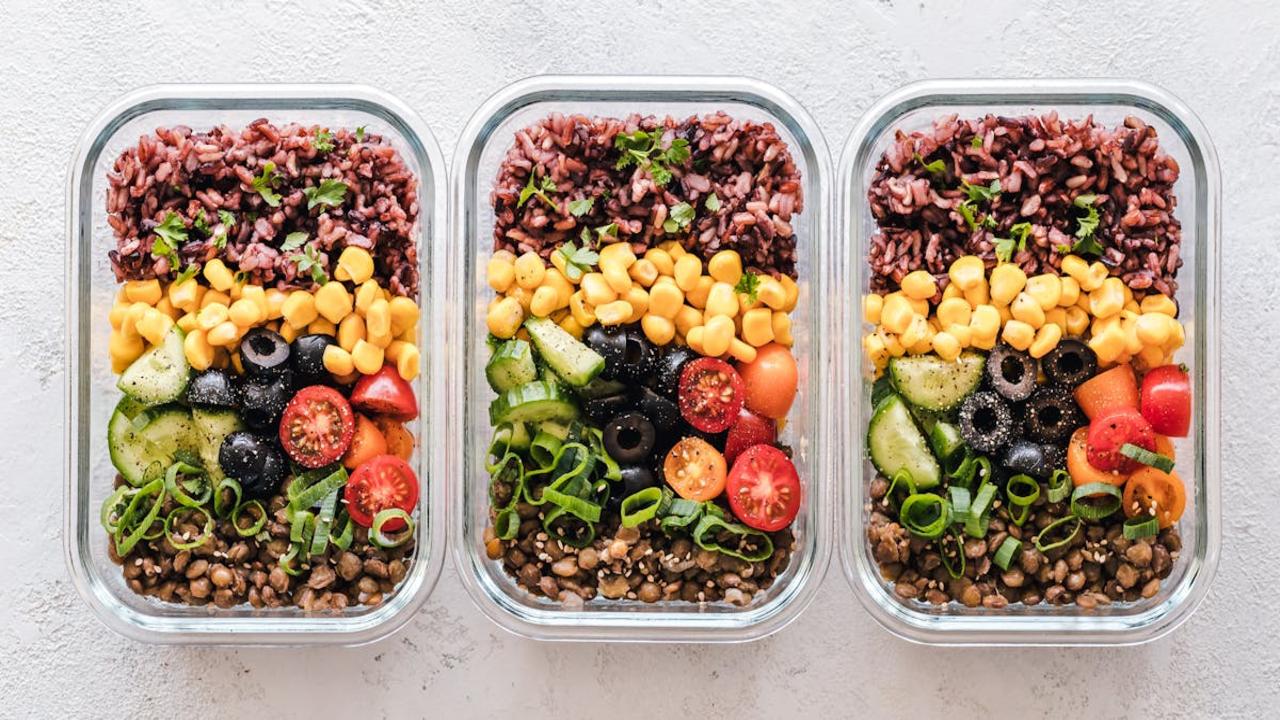
I’ve found that planning your weekly organic meals ahead is a total game-changer for your wallet! By mapping out your breakfasts, lunches, and dinners, you’ll know exactly which organic ingredients to buy and won’t end up with spoiled produce at the back of your fridge. Take 30 minutes each weekend to write down your meal ideas, check what you already have, and make a detailed shopping list. This simple practice will stop those impulse purchases that often lead to wasted food and money.
Once you’ve got your meal plan ready, you can be smart about using ingredients across multiple dishes. For example, if organic bell peppers are on sale, plan to use them in a stir-fry one night and a salad the next day. You can also cook larger portions and transform leftovers into new meals – like turning roasted organic vegetables into a hearty soup or frittata. This approach helps you maximize every organic ingredient you buy and keeps your grocery bills manageable while maintaining the quality of your meals.
Cook from Scratch

I love encouraging my readers to cook their meals from scratch – it’s one of the smartest ways to eat organic without spending a fortune! You’ll save big bucks by buying basic organic ingredients and transforming them into delicious meals at home instead of purchasing pre-made organic products. Raw ingredients like organic grains, beans, and vegetables cost significantly less than their processed counterparts, plus you get to control exactly what goes into your food.
Start small by picking 2-3 staple recipes you can make from basic organic ingredients. Maybe it’s a hearty vegetable soup, a batch of homemade granola, or your own tomato sauce – these will cost just a fraction of store-bought organic versions. You’ll also end up with fresher, more nutritious meals since you’re working with whole ingredients. I’ve found that setting aside a few hours on weekends to prep basic components like cooked beans, roasted vegetables, or homemade dressings makes it much easier to put together quick organic meals throughout the week without reaching for expensive packaged options.
Choose Whole Foods
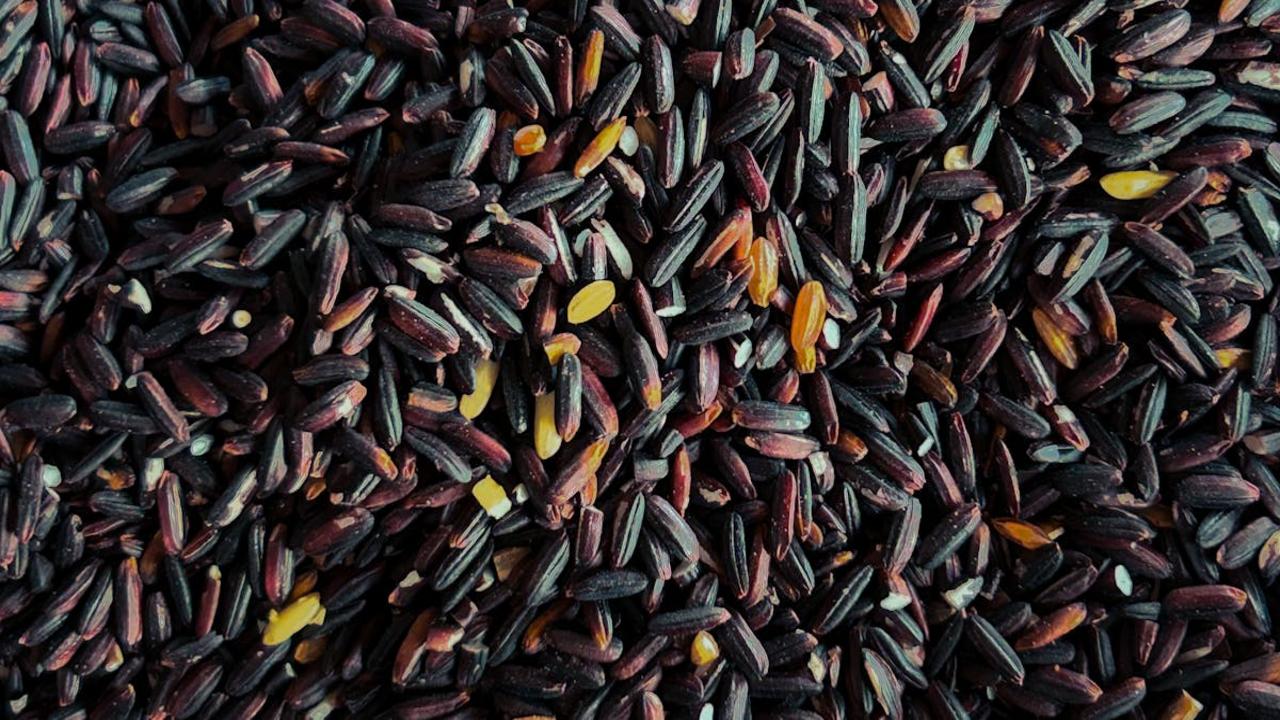
I’ll let you in on a little secret – buying whole, unprocessed organic foods will save you serious money compared to their pre-packaged counterparts. Think about it: when you grab a bag of organic baby carrots versus whole carrots, you’re paying extra for someone else to peel and cut them. The same goes for pre-chopped organic fruits, shredded lettuce, or sliced mushrooms. By choosing whole produce and doing the prep work yourself, you’ll stretch your organic food budget much further.
This money-saving strategy goes beyond produce too! Skip the organic granola bars and make your own trail mix with bulk organic nuts and dried fruits. Instead of buying organic instant oatmeal packets, get a big container of plain organic rolled oats. You’ll notice the price difference adds up quickly when you opt for whole ingredients. Plus, you get the bonus of controlling exactly what goes into your food – no hidden sugars or unnecessary additives. Just pure, organic goodness at a fraction of the cost.
Buy Frozen Organic

I love sharing this money-saving tip with my readers – frozen organic produce can slash your grocery bills in half! Many people don’t know that frozen organic fruits and vegetables get picked at peak ripeness and flash-frozen right away, locking in all those valuable nutrients. You’ll get the same health benefits as fresh organic produce but at a much lower price point. Plus, you won’t have to worry about your produce going bad before you can use it, which means less food waste and more savings.
My favorite frozen organic items to stock up on include berries, spinach, peas, and corn. I buy them in bulk when they go on sale and keep my freezer stocked. These frozen gems work perfectly in smoothies, soups, stir-fries, and baked goods. The convenience factor is huge too – you can pour out exactly what you need and keep the rest frozen for later. This means you’ll always have organic ingredients ready to go for your favorite recipes without running to the store or paying premium prices for fresh organic items out of season.
Check Clearance Sections

I always make a beeline for the clearance section whenever I visit my local organic grocery stores – it’s like finding hidden treasures! You’ll spot organic produce, dairy products, and pantry items marked down simply because they’re close to their “best by” date or the store needs to rotate inventory. Most of these items remain perfectly good to eat for several more days, and you can freeze many of them to extend their life even further. The discounts often range from 30% to 70% off regular prices.
My top tip? Visit stores early in the morning or late in the evening when staff typically mark down perishable items. Keep an eye out for organic milk, yogurt, fruits, vegetables, and bread – these tend to get the deepest discounts. I regularly stock up on organic berries at half price and pop them straight into my freezer for smoothies. Remember to check the clearance shelves in different store sections too, as organic dry goods and canned items sometimes end up there if the packaging gets slightly damaged.
Shop Store Brand Organic
I’ve found a budget-friendly secret at my local grocery stores – their organic store brands pack the same quality as name brands at much lower prices! Many major chains now offer their own organic lines, like Simple Truth at Kroger, 365 Organic at Whole Foods, and Good & Gather at Target. These products go through identical USDA organic certification as premium brands but cost 20-30% less since you’re not paying for fancy marketing or packaging.
You can make your organic dollars stretch so much further by switching to store brands for pantry basics like pasta, beans, rice, cereals, milk, eggs and frozen produce. I do a weekly price comparison between organic store brands and name brands at my supermarket – the savings really add up over time. Just last month, I saved over $85 by choosing store brand organics instead of premium labels. The quality difference? Honestly, I can’t notice any! Give your store’s organic line a try next shopping trip and watch your grocery bill shrink while still eating clean.
Compare Store Prices

I love helping my readers find the best organic deals, and I’ve learned that prices can vary dramatically between stores. Through my weekly shopping trips, I’ve noticed price differences of up to 50% on identical organic items at different locations. Your local health food store might charge $6 for organic berries, while a mainstream supermarket could offer the same brand for $4. You’ll save big by checking prices at various stores in your area and planning your shopping accordingly.
Keep a simple price book or use your phone to track organic prices at different stores. Write down the regular prices of your most-bought organic items at each store you visit. This helps you spot the real deals and know where to buy what. For example, I buy my organic produce at Trader Joe’s, but get my organic grains from Costco since they’re cheaper there. You can also use store apps or websites to compare prices before heading out. Making this small effort to compare prices has cut my organic grocery bills by 30% each month.
Grow Your Own Food

Want to slash your organic food costs while getting the freshest produce possible? Start your own vegetable garden! You don’t need a huge backyard – even a sunny windowsill, balcony, or small patio can become your mini organic farm. I grow herbs, cherry tomatoes, and leafy greens in containers right on my kitchen counter and back deck. The initial investment in soil, seeds, and basic tools will pay off many times over compared to buying organic produce at the store.
Get started with easy-to-grow options like basil, mint, lettuce, and green onions. These plants thrive in containers and give you fresh ingredients just steps from your kitchen. Each basil plant costs about $3-4 and provides months of fresh herbs that would cost $3-4 per small package at the store. Plus, growing your own food gives you complete control over what goes into your soil and plants. No mystery chemicals or pesticides – just pure, organic goodness that you nurture from seed to harvest. Your homegrown produce will have better flavor and more nutrients since you’ll pick it at peak ripeness.
Focus on Seasonal Produce
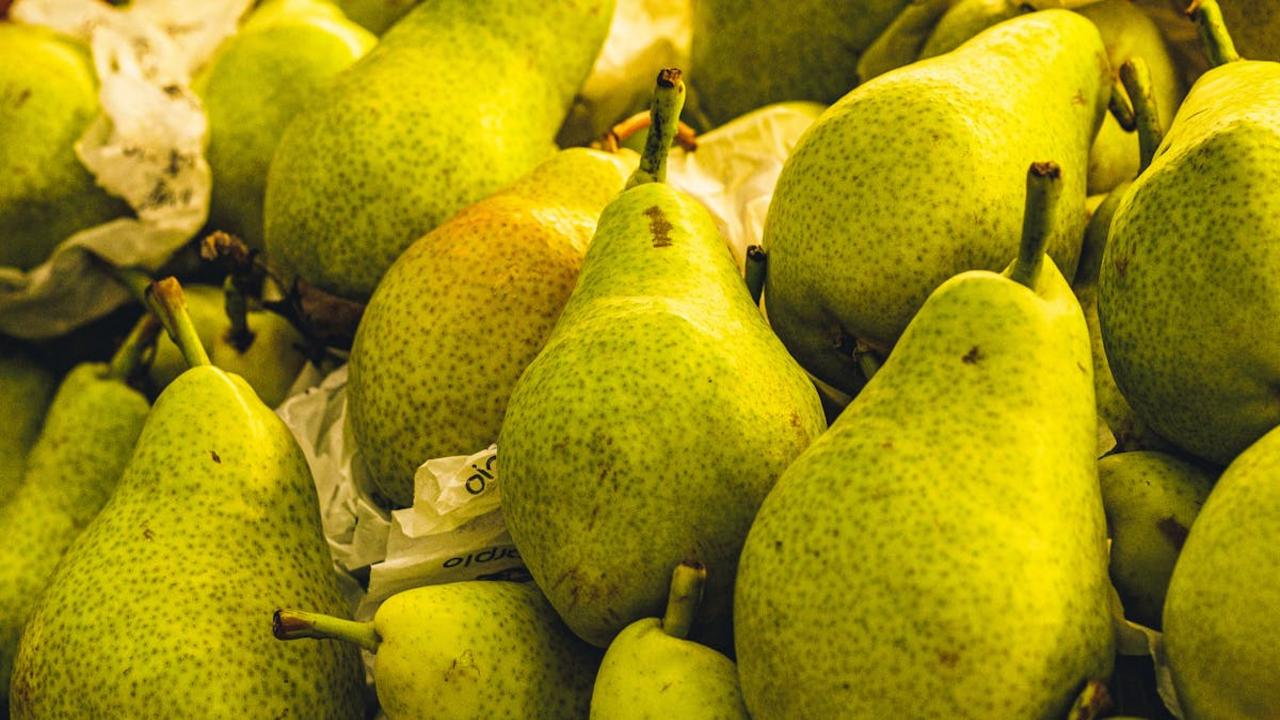
I’ve found the most budget-friendly way to buy organic produce is to stick with what’s in season! Your local farmers naturally grow fruits and vegetables according to nature’s calendar, which means you’ll get the freshest organic items at lower prices during their peak growing times. For example, you’ll find amazing organic strawberries at great prices in early summer, while organic squash becomes more affordable during fall months.
Make it a habit to check your local farmer’s market calendar or grocery store’s seasonal guides to plan your organic shopping. You can save up to 30-40% by buying seasonal organic produce compared to out-of-season items. I recommend stocking up when prices are low – many seasonal fruits and vegetables freeze well for later use. Summer tomatoes can become pasta sauce, and excess berries work perfectly in smoothies throughout the year. This strategy helps you maintain an organic diet without breaking the bank.
Prioritize the Dirty Dozen
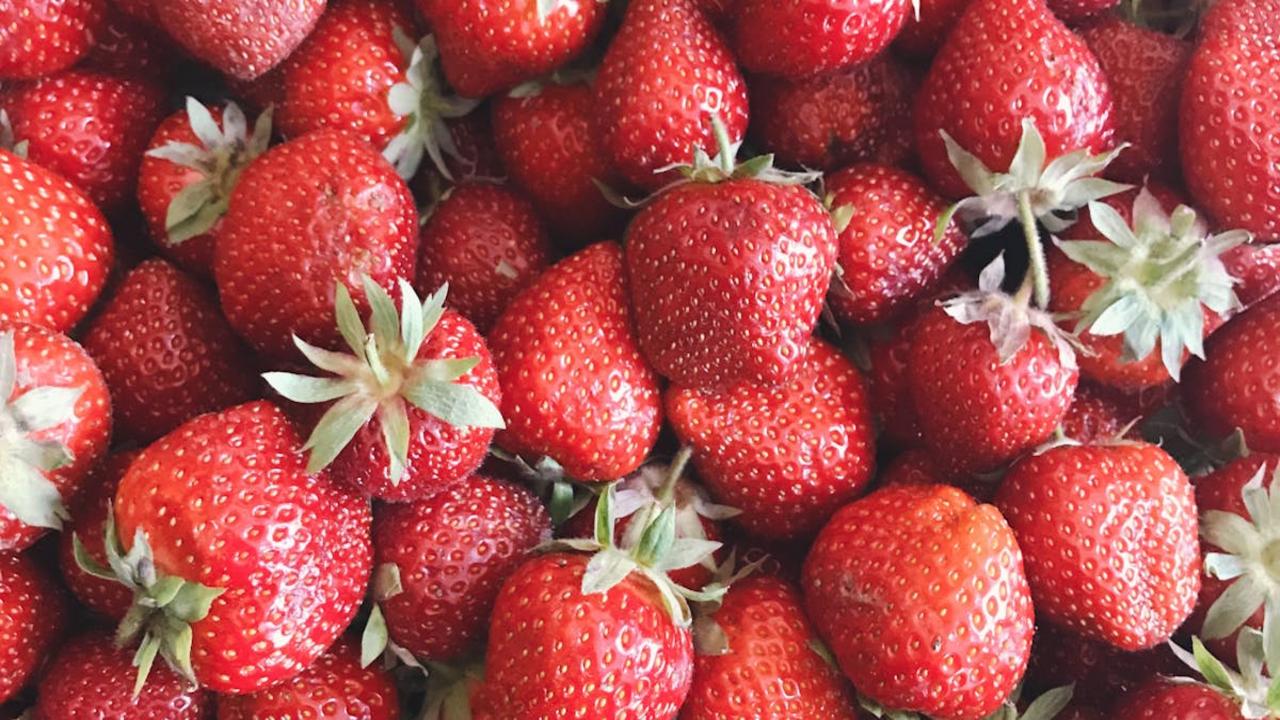
You’ll save serious money by focusing your organic purchases on the “Dirty Dozen” – the fruits and vegetables that have the highest pesticide residues when grown conventionally. According to the Environmental Working Group’s annual testing, strawberries, spinach, kale, nectarines, and apples consistently rank among the most contaminated produce items. By prioritizing organic versions of just these key items, you can reduce your exposure to harmful chemicals while keeping your grocery budget in check.
Keep a handy list of the current Dirty Dozen on your phone or in your wallet when shopping. For all other produce not on this list, you can feel confident buying conventional versions since they typically have much lower pesticide levels. The “Clean Fifteen” list shows which conventional fruits and vegetables are safest to buy, like avocados, sweet corn, pineapples, onions and papayas. This targeted approach lets you make the most impact with your organic food dollars without overspending.
Buy in Bulk
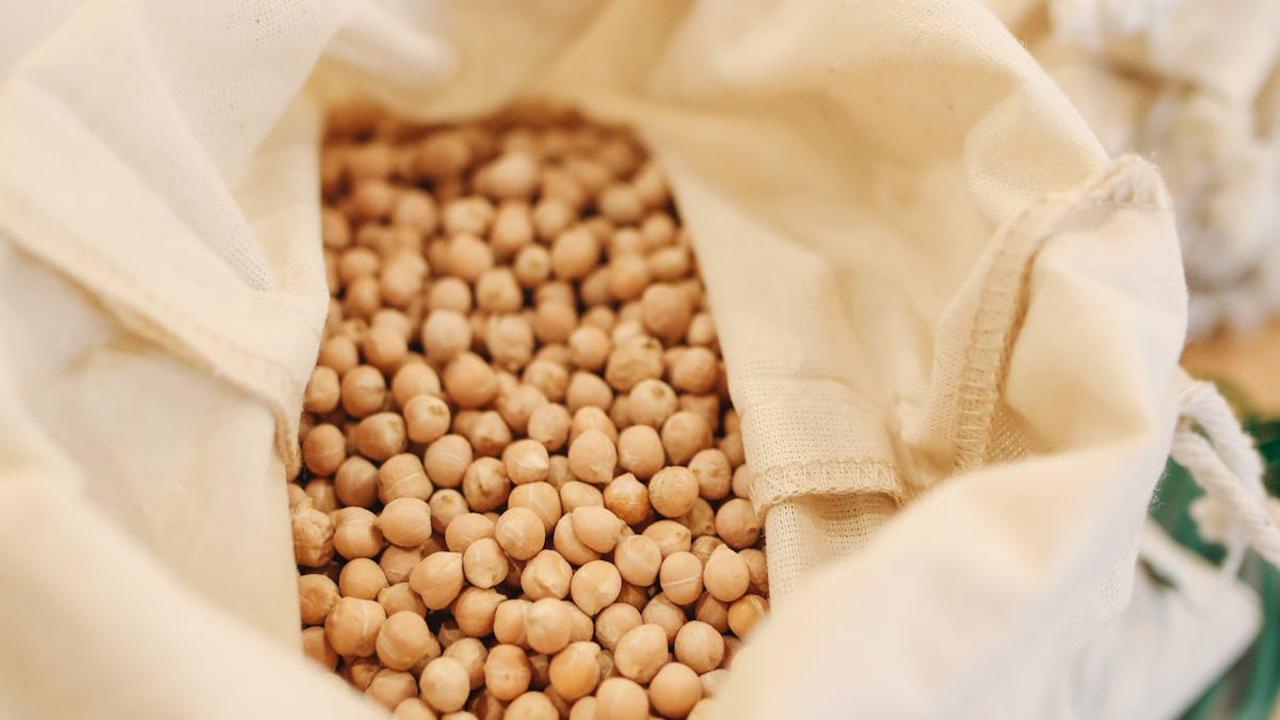
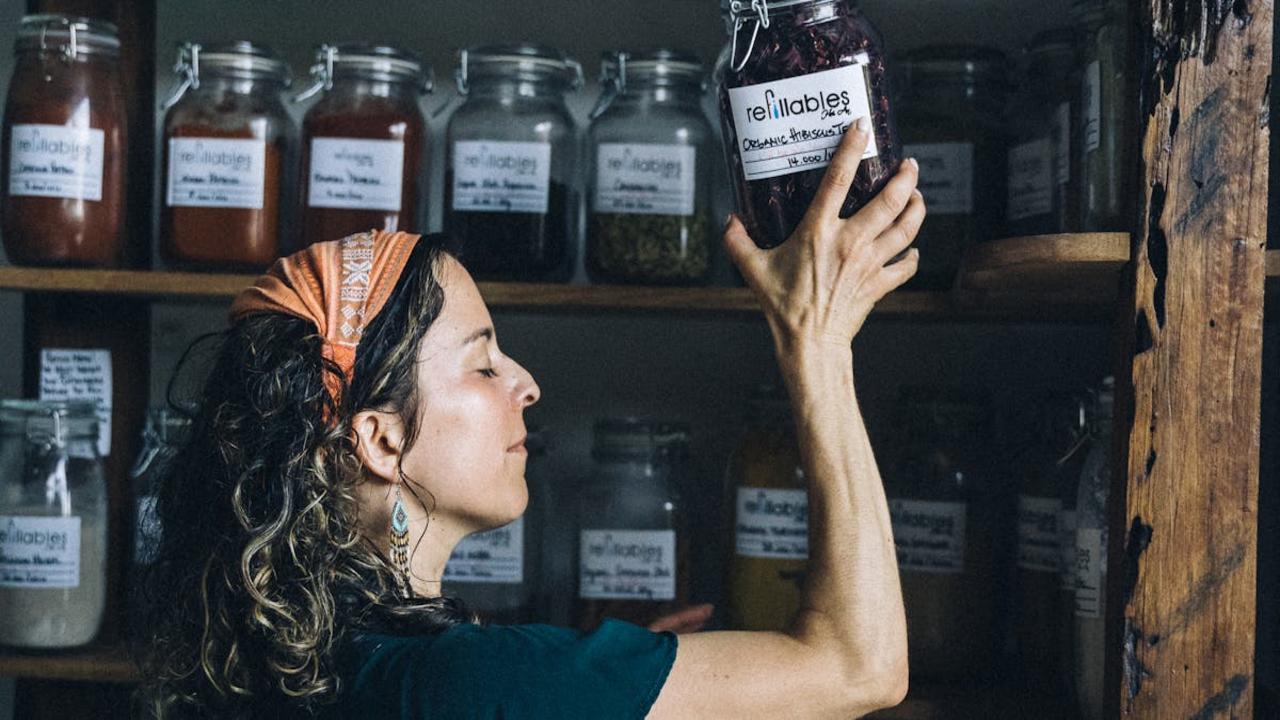
I’ve found that buying organic products in bulk can slash your grocery bills by 25-50% compared to packaged items. Many natural food stores and co-ops offer extensive bulk sections where you can stock up on organic staples like grains, nuts, seeds, dried fruits, and even spices. You’ll pay less per pound since you’re not covering packaging and marketing costs. Just bring your own clean containers or reusable bags, and fill them with exactly the amount you need.
My favorite bulk-buying strategy involves planning ahead and watching for sales. I keep a running list of which items we use most, then stock up during promotions. For example, I recently saved big by buying 5 pounds of organic quinoa and 3 pounds of organic almonds during a bulk sale. The key is proper storage – transfer everything to airtight containers and keep them in a cool, dark place. You can even split large quantities with friends or family to make bulk buying more manageable while still getting those sweet discounts.
Join a CSA Program

Community Supported Agriculture (CSA) programs will transform how you buy organic produce while saving you money. Think of it as going in on a seasonal subscription with your local organic farmer – you pay upfront for a share of their harvest and get fresh, organic vegetables and fruits throughout the growing season. I’ve found most CSA boxes cost 20-40% less than buying the same organic items at grocery stores, since you’re buying directly from farmers. Plus, you’ll get the freshest possible produce picked at peak ripeness.
Your CSA box brings excitement to meal planning, as you’ll receive different seasonal items each week. Many CSA farmers include recipes and tips for using unfamiliar vegetables, helping you expand your cooking skills. You can find local CSA programs through websites like LocalHarvest.org or by asking at your farmer’s market. Some CSAs also offer payment plans, work-trade options, or sliding scale pricing to make organic produce more budget-friendly. The direct farmer connection means you support sustainable agriculture while enjoying premium organic food for less.
Shop at Farmers Markets
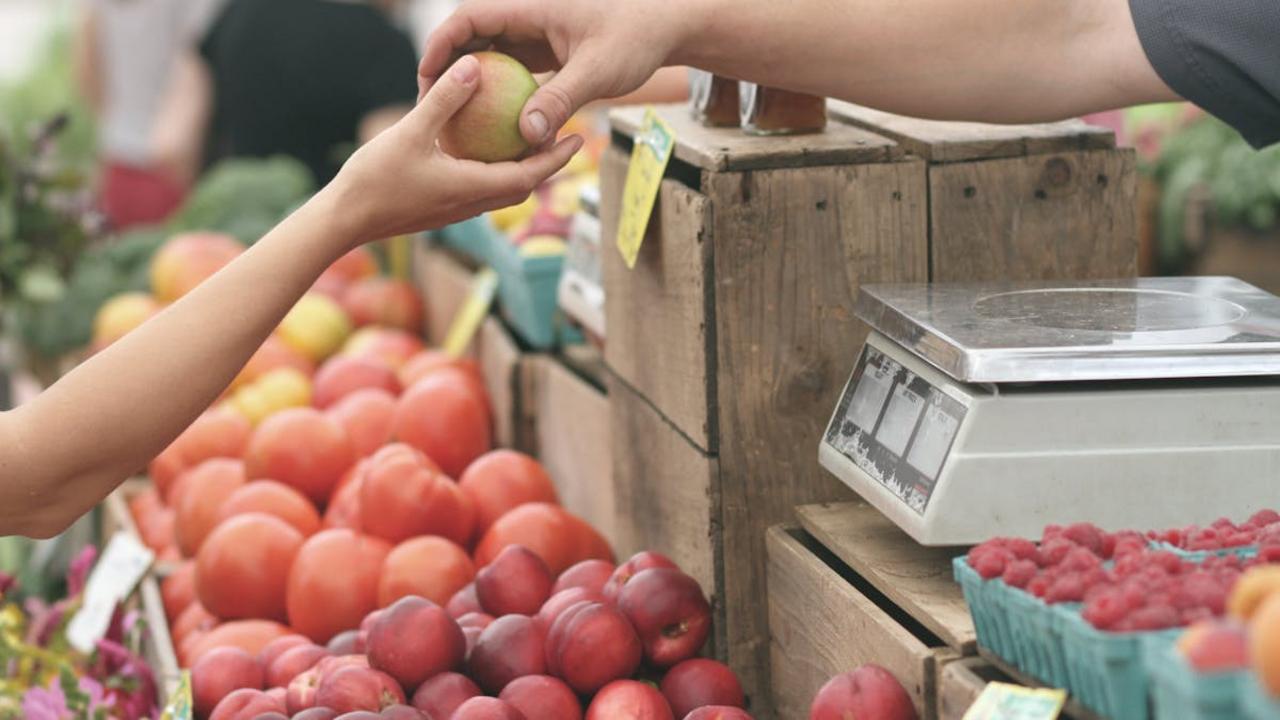
I always get excited about farmers markets because they offer amazing deals on fresh organic produce, especially if you go near closing time. The vendors often mark down their prices to clear out remaining inventory, which means you can score organic fruits and vegetables at a fraction of supermarket prices. Plus, you’ll build direct relationships with local farmers who might give you special discounts or throw in extra items once they get to know you as a regular customer.
Shopping at farmers markets also helps you save money by buying seasonal produce at peak freshness. Many farmers run their operations on organic principles but skip the costly certification process, allowing them to sell chemical-free produce at lower prices. Make sure to ask questions about their growing practices – most farmers love sharing details about their methods. You can also sign up for their newsletters or follow their social media to stay updated on special deals, early bird discounts, and bulk buying opportunities.