12 Ways the Shape of Your Plate Can Trick Your Brain Into Eating More
Your dinnerware plays mind games with you every day, and you probably don’t even notice. That innocent round plate? It’s secretly encouraging you to load up on seconds. Those fancy square dishes? They’re visual tricksters working against your portion control efforts. The relationship between plate geometry and your appetite runs deeper than you’d think—affecting not just how much food you pile on, but how satisfied you feel afterward.
I discovered this kitchen conspiracy while wondering why I always overate at my friend’s house (her decorative scalloped plates!) versus my plain white dishes at home. The science makes perfect sense: our brains process visual cues before our stomachs register fullness. Contrasting colors, unusual shapes, and even the depth of your soup bowl can fool you into misjudging how much you’re actually consuming.
Ready for the most shocking part? These visual tricks work even when you know about them! Professional food stylists and restaurants use these principles daily to make portions look more generous or to nudge you toward ordering that calorie-bomb dessert. Understanding these 12 tableware tricks gives you back control—and might just help you win the battle against mindless overeating.
Visual Overload with Mixed Shapes
Picture this: you’re at a fancy dinner party, and the host has gone completely bonkers with their dishware collection. Round plates, square bowls, triangular appetizer dishes, and maybe even some avant-garde hexagonal nonsense that makes you question everything you know about dining geometry. Your brain, bless its confused little neurons, starts working overtime trying to process all these competing shapes at once. It’s like asking your mind to solve a Rubik’s cube while simultaneously doing calculus – except instead of numbers, you’re dealing with portions. This visual chaos creates what researchers call “perceptual confusion,” where your brain basically throws up its hands and says, “Fine! Just eat everything!” The mixed signals from different plate shapes scramble your brain’s ability to accurately judge portion sizes, leading you to pile on more food than you actually need.
Here’s where things get wonderfully weird: your brain treats each different shape like a separate eating event. So that round dinner plate with your main course? Your brain files that away. The square salad bowl? That’s a completely different category. The triangular bread plate? Yet another filing cabinet in your mental food storage system. Before you know it, you’ve essentially tricked yourself into thinking you’re eating multiple smaller meals instead of one cohesive dinner, which makes everything feel more manageable and less filling. It’s like food camouflage for your appetite! Smart restaurants know this trick and deliberately mix their plate shapes to encourage more ordering. My advice? Stick to matching dishware at home unless you want your dinner table to become an accidental psychological experiment in overeating.
Edge-to-Edge Serving
You know that friend who always fills their plate to the absolute brim, creating what looks like a colorful food mountain? Well, turns out they’re accidentally triggering one of your brain’s sneakiest tricks! When food stretches from edge to edge across your plate, your mind perceives it as a larger portion than it actually is. Scientists call this the “rim effect,” and it’s basically your visual cortex getting bamboozled by borders. Think about it: a modest scoop of pasta that barely covers the center of a large dinner plate looks pathetically small, while that same portion spread across a smaller plate looks like a feast fit for a king.
This psychological sleight of hand works because your brain uses the plate’s perimeter as a reference point for measuring quantity. Picture ordering risotto at a fancy restaurant – they always serve it on those tiny, elegant plates where every grain reaches the rim, making you feel satisfied despite getting what amounts to a few spoonfuls. Meanwhile, the same portion plopped in the middle of your oversized dinner plate at home looks like you’re on some tragic diet. Smart restaurants have mastered this trick, using appropriately sized plates to make their portions appear generous without actually giving you more food. So next time you’re trying to control portions, grab a smaller plate and let your brain work in your favor!
Shape of Utensils
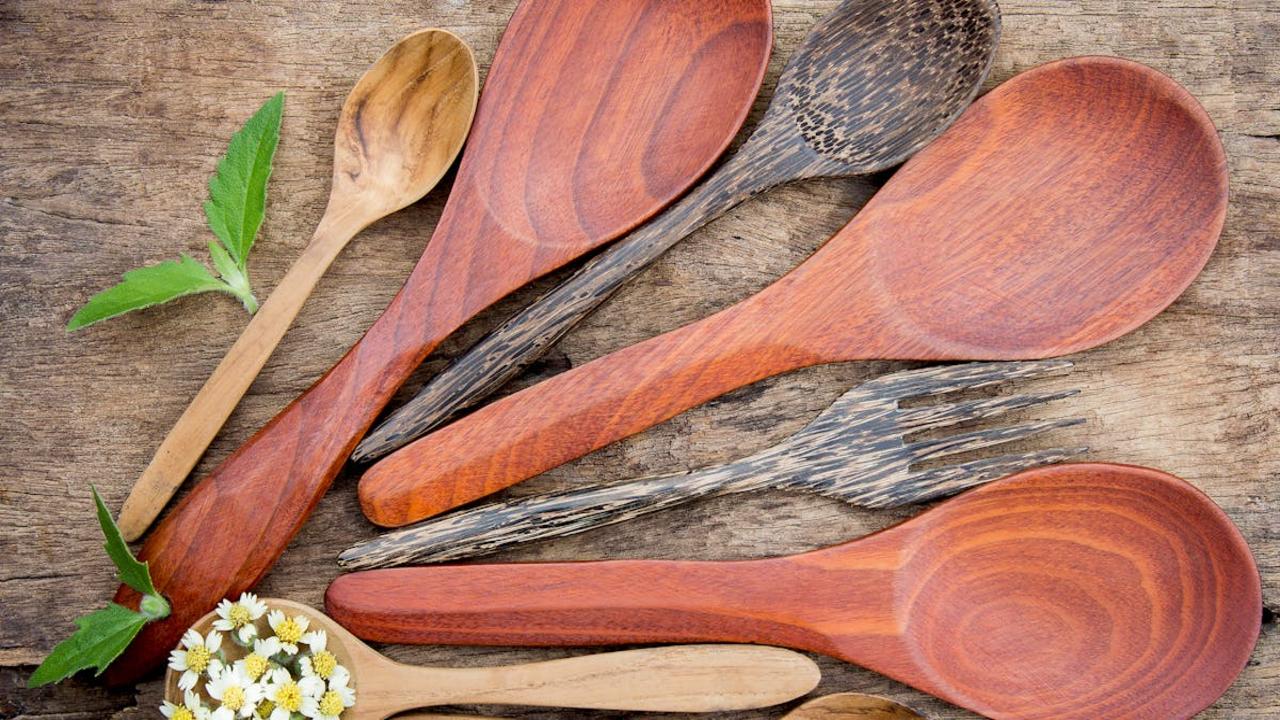
Your fork isn’t just a food-stabbing device—it’s actually a sneaky little brain manipulator disguising itself as innocent silverware! Those chunky, wide-bowled spoons make you feel like you’re getting more food per bite, which tricks your mind into thinking you’re eating larger portions. Meanwhile, those dainty tea spoons do the opposite magic trick, making each spoonful seem precious and tiny, so you keep going back for “just one more.” Scientists have discovered that people using larger utensils consistently eat 10-15% less food because their brains get fooled into thinking they’re consuming bigger quantities with each bite.
The real kicker? The weight and texture of your utensils mess with your perception too. Heavy, substantial forks and knives make your food taste more expensive and satisfying, while flimsy plastic spoons can actually make ice cream taste cheaper and less creamy—your brain literally judges the food by the tool you’re using to eat it! I once watched my friend Sarah demolish an entire pint of Ben & Jerry’s with a tiny dessert spoon, claiming she was “being good” because the small spoon meant smaller bites. Twenty minutes later, she realized she’d eaten more than if she’d just grabbed a regular spoon and been honest about wanting ice cream. Your utensils are basically the supporting cast in your meal’s performance, and they’re way better actors than you think!
Depth Perception in Bowls
Your brain performs some seriously sneaky math every time you peer into a bowl, and frankly, it’s terrible at geometry. Those wide, shallow bowls sitting pretty in your cabinet? They’re basically optical illusion masters disguised as innocent dinnerware. When you scoop soup or cereal into a broad, flat-bottomed bowl, your eyes see that liquid spreading across a vast surface area and whisper sweet lies to your brain: “Look how much food we have!” Meanwhile, the same portion in a narrow, deep bowl climbs higher up the sides, creating the visual impression of abundance that would make a magician jealous.
I discovered this trickery the hard way during my great ramen experiment of last Tuesday. I ladled identical portions of spicy miso broth into my favorite wide ceramic bowl and a tall, narrow soup bowl I’d forgotten I owned. The shallow bowl looked practically empty – a sad puddle of noodles swimming in what appeared to be barely enough broth to satisfy a particularly dainty cat. The deep bowl, however, looked like a proper feast, with noodles peeking coyly above a generous pool of steaming goodness. Scientists have proven this phenomenon repeatedly: we consistently underestimate portions in wide bowls and overestimate them in narrow ones. Your morning cereal routine just got a whole lot more interesting, didn’t it?
Symmetry vs. Asymmetry
Your brain has this sneaky obsession with balance that extends right down to your dinner plate! When you arrange food symmetrically – think perfectly aligned asparagus spears or neatly quartered sandwiches – your mind interprets this as “proper portion control” and signals satisfaction faster. It’s like your inner perfectionist gives you a gentle pat and whispers, “Good job, you’ve got this under control.” Scientists have discovered that symmetrical plating actually tricks your brain into feeling more satiated with smaller amounts because everything looks “just right” and orderly.
Flip the script with asymmetrical plating, and suddenly your brain goes into detective mode, scanning the plate like it’s solving a food puzzle. That scattered handful of berries or the artfully messy drizzle of sauce? Your mind reads this as “casual abundance” and you’ll unconsciously reach for more bites to “balance things out.” Restaurants have caught onto this psychological quirk – they’ll deliberately create asymmetrical presentations to encourage you to order that extra appetizer or dessert. Next time you’re plating dinner, try the symmetrical approach: arrange your protein, starch, and veggies in neat, balanced portions, and watch how your satisfaction levels change!
Geometric Figures and Appetite

Your brain gets completely bamboozled by geometric shapes on plates, and honestly, it’s both fascinating and slightly embarrassing how easily we fall for these visual tricks. Square plates make your portions look about 18% smaller than they actually are, which means you’re probably going back for seconds without even realizing why you still feel hungry. Meanwhile, circular plates create this weird optical illusion where food appears more abundant and satisfying – it’s like your eyes are wearing rose-colored glasses, but for dinner. I once watched my friend demolish an entire lasagna served on a square platter, then complain she was still starving, only to feel completely stuffed when I served her the exact same portion on a round plate the next day.
Triangular and hexagonal plates throw your brain into complete chaos because we’re just not wired to judge portions on unconventional shapes. Your visual cortex basically throws up its hands and says, “I have no idea what’s happening here,” so you end up eating way more than intended. Restaurant designers know this secret and strategically choose plate shapes to either encourage you to order more appetizers (hello, tiny square plates) or feel satisfied with smaller portions (round plates for expensive entrees). The geometry lesson your high school teacher promised would be useful? Turns out she was right, just not in the way any of us expected – who knew Pythagoras had opinions about portion control!
Visual Density Perception
Your brain thinks it’s smarter than it actually is, especially when it comes to figuring out how much food sits on your plate. Here’s the wild thing about visual density perception: when you scatter the same amount of food across a large plate versus cramming it onto a smaller one, your sneaky brain decides the sparse arrangement means you’re getting less food. It’s like your gray matter turned into a terrible mathematician who can’t handle basic volume calculations! Scientists have discovered that we literally eat with our eyes first, and those eyes are absolutely terrible at judging actual quantities when spatial arrangements get involved.
This optical illusion becomes your worst enemy during dinner parties when hosts use those massive dinner plates that could double as small tables. Your perfectly reasonable portion suddenly looks like a sad, lonely island floating in a ceramic ocean, so you unconsciously pile on more food to make it “look right.” Meanwhile, that same portion on a smaller plate would have your brain convinced you’re about to feast like royalty. Restaurant designers know this trick better than anyone – they’ll serve you a tiny portion on an enormous white plate and charge you $40 for what your brain interprets as fine dining elegance, even though you could probably finish the whole thing in three bites.
Arrangement Patterns

Your brain gets seriously confused when food plays hide-and-seek on your plate, and honestly, it’s kind of hilarious how easily we fall for these visual tricks. Picture this: you’ve got the exact same amount of pasta scattered across a massive dinner plate versus neatly arranged in tight, organized portions on a smaller dish. Your sneaky brain will convince you that the scattered version looks like less food, even though you could literally weigh them and prove they’re identical. It’s like your mind becomes a terrible mathematician the moment food enters the equation, completely forgetting basic concepts of volume and density.
The way you arrange your food can make your stomach think it’s hosting a feast or surviving a famine, depending on how you play the game. Chefs have known this secret forever – they’ll artfully stack your vegetables in a perfect tower or fan out your protein in an elegant spiral, making modest portions look absolutely luxurious. But here’s where it gets sneaky: when you pile everything together in a chaotic mountain of deliciousness, your brain registers “abundance” and gives you the green light to keep munching. Try spreading that same amount of food around your plate with plenty of white space between items, and suddenly your mind whispers, “Hey, maybe we’re actually getting plenty here.” It’s like interior decorating for your dinner, and your appetite is the overeager houseguest who can’t read the room.
Serving Dish Shape
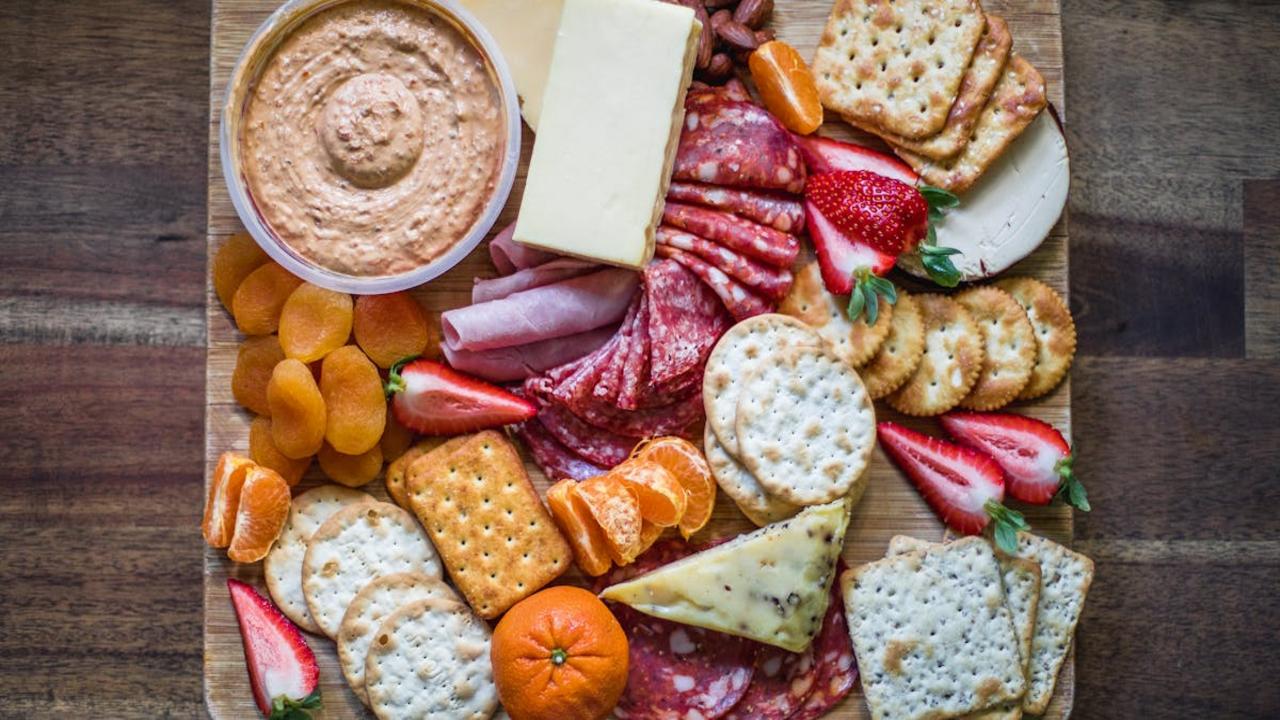
Picture this: you’re at a fancy dinner party, and your host brings out a gorgeous oval platter piled high with roasted vegetables. Without even thinking about it, you heap more food onto your plate than you would if those same veggies came out on a round serving dish. Your brain just got bamboozled by geometry! Oval and rectangular serving dishes create an optical illusion that makes food portions appear smaller than they actually are. The elongated shape tricks your eyes into thinking there’s more space to fill, so you unconsciously grab larger servings. It’s like your brain is playing a sneaky game of Tetris with your dinner, trying to fill every nook and cranny of that stretched-out space.
This phenomenon gets even weirder with deep, narrow bowls versus wide, shallow ones. Researchers have found that people serve themselves about 31% more ice cream from wide bowls compared to tall, narrow ones – even though both bowls hold the exact same amount! Your brain interprets the wide bowl as having more “room” for food, while the narrow bowl looks properly portioned even with less ice cream. Next time you’re hosting a dinner party and want your guests to indulge (or if you’re trying to eat smaller portions yourself), pay attention to your serving dishes. Choose tall, narrow containers for foods you want to limit, and save those sprawling platters for the veggie course. Your waistline will thank you, even if your guests never figure out your sneaky serving strategy!
Color Contrast Effect
Your brain plays the sneakiest tricks when food colors clash with your plate! Picture this: you’re serving yourself creamy white pasta on a pristine white plate versus the same portion on a deep navy blue dish. That white-on-white combo creates an optical illusion that makes your brain think there’s less food than there actually is, so you pile on more. Meanwhile, that dramatic contrast against the dark plate makes every single noodle pop like it’s auditioning for a food magazine cover. Scientists have discovered that low contrast between food and plate can increase serving sizes by up to 22% – that’s like sneaking an extra slice of pizza without even realizing it!
The psychology behind this phenomenon goes back to basic visual perception. Your eyes rely on contrast to define boundaries and estimate quantities, so when your mashed potatoes blend into a cream-colored plate, your brain basically shrugs and says “more please!” Smart restaurateurs have been using this trick for years – ever notice how fancy establishments often serve light-colored dishes on dark plates? They want you to feel satisfied with smaller portions while still feeling like you got your money’s worth. At home, try switching up your dinnerware based on what you’re eating. Dark plates for light foods, light plates for dark foods – it’s like giving your brain a pair of glasses it never knew it needed!
Illusion of Portion Size

Your brain thinks it’s so smart, but your dinner plate just pulled the ultimate fast one on it! The Delboeuf illusion – named after some fancy Belgian psychologist who probably never had to worry about fitting into his jeans – proves that identical portions look dramatically different depending on what surrounds them. Picture this: you scoop the same amount of pasta onto a huge dinner plate versus a smaller salad plate. On that giant canvas, your linguine looks like a sad, lonely island marooned in a sea of ceramic. Meanwhile, on the smaller plate, that same portion transforms into a generous, satisfying mountain of carbs that makes you feel like you’re getting away with something deliciously rebellious.
Here’s where things get sneaky – your eyes send “not enough food” signals to your brain when you see that sparse-looking large plate, so you unconsciously pile on more. Scientists have found that people serve themselves up to 22% more food on larger plates without even realizing it! It’s like your plate is whispering sweet nothings to your appetite, convincing you that you need just a little bit more. The solution? Grab those smaller plates from the back of your cabinet and watch as your regular portions suddenly look generous and satisfying. Your stomach will thank you, and your brain will never know it got outsmarted by some clever dishware psychology.
Plate Size Influence
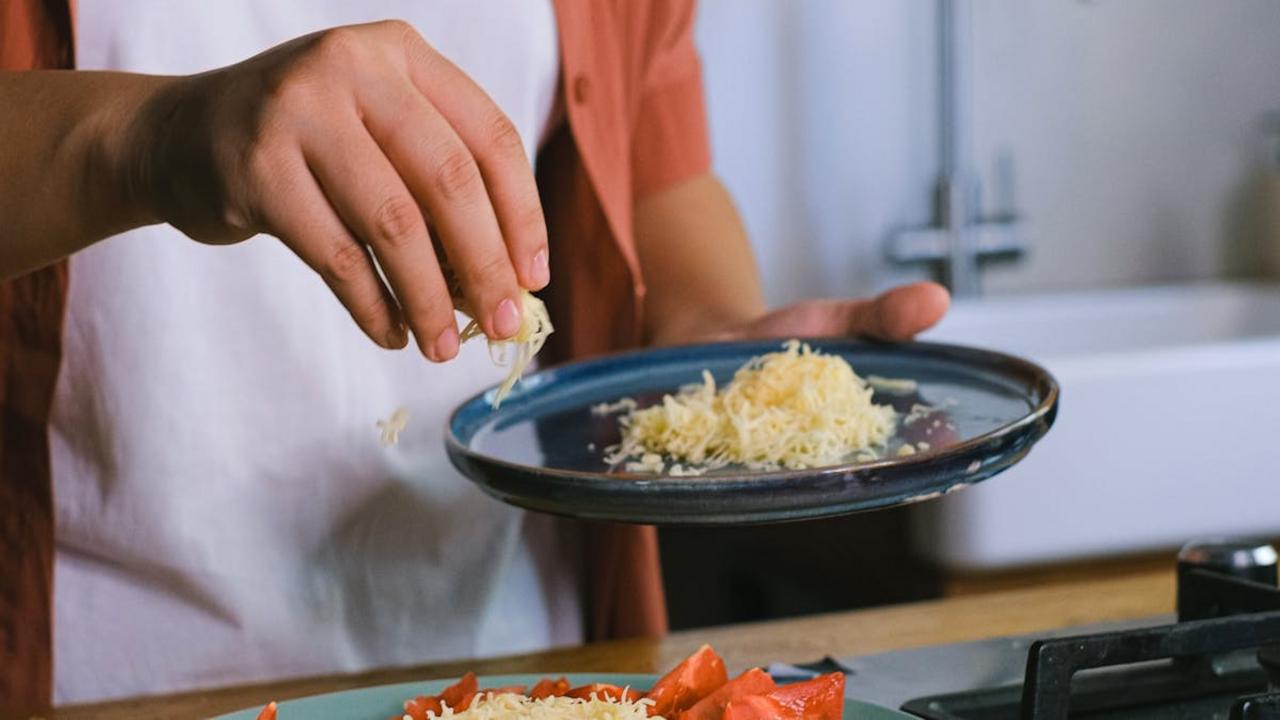
Your dinner plate just became a sneaky little conspirator against your waistline, and honestly, it’s doing a better job than any diet saboteur you’ve ever met. Scientists have discovered that we consistently serve ourselves 22% more food on larger plates compared to smaller ones, and our brains fall for this optical illusion every single time. Picture this: you plop the same portion of spaghetti carbonara on a massive 12-inch plate versus a modest 8-inch one, and suddenly that perfectly reasonable serving looks like a sad, lonely island on the bigger dish. Your brain panics and whispers, “You’re going to starve!” So you pile on more creamy, bacon-studded goodness until the plate looks “right.”
The psychology behind this phenomenon would make Pavlov’s dogs jealous of how predictably we respond to visual cues. Your brain processes fullness signals based on what your eyes see first, not what your stomach actually needs. I once tested this theory at a potluck dinner, bringing both giant platters and tiny appetizer plates for the same mac and cheese. Guess which ones got demolished first? The folks with the monster plates were going back for thirds while the small-plate people were perfectly satisfied after one helping. Restaurant owners have known this secret for decades – those enormous dinner plates make you feel like you’re getting incredible value while you unconsciously order more sides to fill the empty space.