12 Tasty Reasons to Bring Back the Family Dinner Table Tonight
Your dining room table sits there waiting, and it’s time to dust off those chairs for something magical. Family dinners create connections that no text message or quick bite can match. When you gather everyone around shared meals, you’re building traditions that last generations while nourishing bodies and souls together.
Think about your favorite childhood memories – chances are, many happened around food. Those conversations over homemade pasta or weekend pancakes shape who we become. You’re not just feeding hungry stomachs; you’re creating safe spaces where stories flow as freely as the conversation, and laughter becomes the best seasoning.
Tonight presents the perfect opportunity to start fresh. Your family craves this connection more than you realize, and the benefits stretch far beyond nutrition. From building communication skills to strengthening bonds, family dinners offer twelve compelling reasons to make this simple change that transforms your household dynamic completely.
Refinement of Conflict Resolution Skills

You know those moments when your teenager rolls their eyes at your suggestion to put down their phone, or when siblings start bickering over who gets the last dinner roll? The family dinner table becomes your training ground for working through disagreements with grace and understanding. When everyone gathers around food, something magical happens – people naturally soften their defenses and become more willing to listen. I’ve watched countless families transform their communication patterns simply by creating space for respectful dialogue during mealtime conversations.
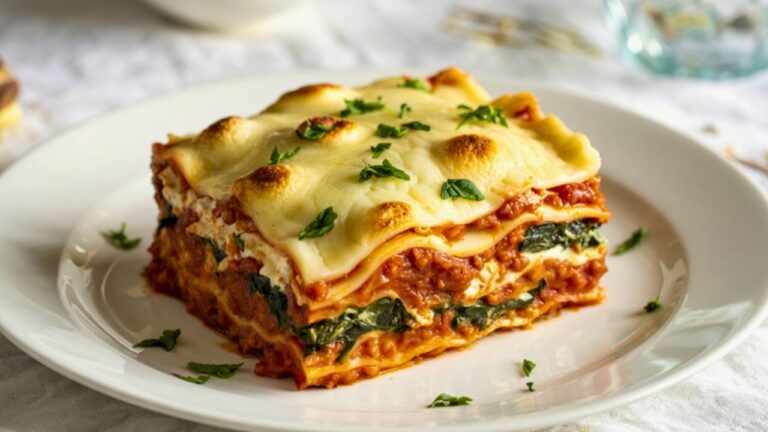
Teaching your kids how to express their feelings without raising voices or storming off becomes so much easier when you’re all sharing a delicious homemade lasagna together. Food has this incredible way of bringing out our more patient, compassionate sides, making it the perfect backdrop for learning how to compromise and find middle ground. Your children observe how you handle disagreements with your partner, how you validate different opinions, and how you work toward solutions that make everyone feel heard. These dinner table lessons in peaceful problem-solving will serve them well throughout their entire lives, from playground disputes to future workplace conflicts.
Support for Academic Success

You know what’s amazing? When families sit down together regularly for dinner, kids actually perform better in school! Research shows that children who share family meals score higher on standardized tests, earn better grades, and develop stronger vocabulary skills. It’s not magic – it’s the power of conversation. During dinner, kids hear new words, discuss complex topics, and practice expressing their thoughts clearly. They learn to listen, ask questions, and think critically about different subjects. Plus, when parents show interest in their day and schoolwork during these conversations, children feel more motivated to succeed academically.
Think about it this way: your dinner table becomes a learning laboratory where curiosity grows naturally. When you talk about current events, share stories from your own experiences, or discuss what everyone learned that day, you’re creating an environment where education feels exciting rather than stressful. Kids who grow up with regular family dinners also develop better time management skills and homework habits. They see the value of coming together, sharing responsibilities, and making time for what matters most. So tonight, ask your children about their favorite subject, discuss a book you’re reading, or share an interesting fact you discovered. Watch how these simple dinner conversations transform into academic confidence!
Promotion of Responsibility and Routine
Family dinners create natural opportunities for kids to learn valuable life skills while building healthy habits that last a lifetime. When you assign age-appropriate tasks like setting the table, helping with simple food prep, or clearing dishes afterward, you’re teaching your children that everyone contributes to making meals happen. These small jobs might seem basic, but they build confidence and show kids that their help matters. I love watching families where even the youngest members take pride in folding napkins or arranging silverware – it’s amazing how these little moments shape character.
The beautiful thing about regular family dinners is how they naturally create structure in your household without feeling forced or rigid. When your family knows that dinner happens at the same time most evenings, it becomes an anchor point that organizes the rest of your day. Kids thrive on predictability, and having this consistent mealtime helps them develop better eating patterns while learning to manage their afternoon activities around family time. You’ll notice how this routine becomes something everyone looks forward to rather than another chore to check off your list.
Development of Social Skills

Dinner conversations naturally teach your kids how to communicate, listen, and connect with others in ways that texting and social media simply can’t match. When you gather around the table, your children learn to make eye contact, read facial expressions, and pick up on social cues that help them build meaningful relationships throughout their lives. They practice taking turns speaking, asking thoughtful questions, and showing genuine interest in what others have to say. These daily interactions become the foundation for confident communication skills that will serve them well in school presentations, job interviews, and future friendships.
Regular family dinners also create a safe space for your children to express their thoughts and feelings without judgment, building their emotional intelligence and empathy. You’ll notice how they start sharing stories from their day, asking about your experiences, and learning to respond appropriately to different emotions and situations. The dinner table becomes their first training ground for respectful debate, conflict resolution, and compromise as they navigate family discussions about everything from weekend plans to world events. These moments teach them that everyone’s voice matters and that good conversation requires both speaking and listening with intention and care.
Encouragement of Open Dialogue

Family dinners create the perfect atmosphere for meaningful conversations that simply don’t happen anywhere else. When you gather everyone around the table, something magical occurs – phones get set aside, distractions fade away, and real communication begins. Your kids suddenly start sharing stories about their day, their dreams, and even their worries. Without the constant buzz of television or the rush of busy schedules, family members naturally open up and connect on a deeper level. This regular practice builds trust and shows everyone that their thoughts and feelings matter.
You’ll discover that mealtime conversations become the foundation for stronger family relationships and better communication skills. Children learn to express themselves clearly, listen actively to others, and participate in thoughtful discussions about everything from school projects to current events. Parents get genuine insights into their children’s lives, while kids feel heard and valued. These dinner table talks teach patience, respect for different opinions, and the importance of taking turns speaking. Over time, your family develops a communication style that carries over into daily life, making difficult conversations easier and celebrations more meaningful.
Opportunity to Pass Down Traditions

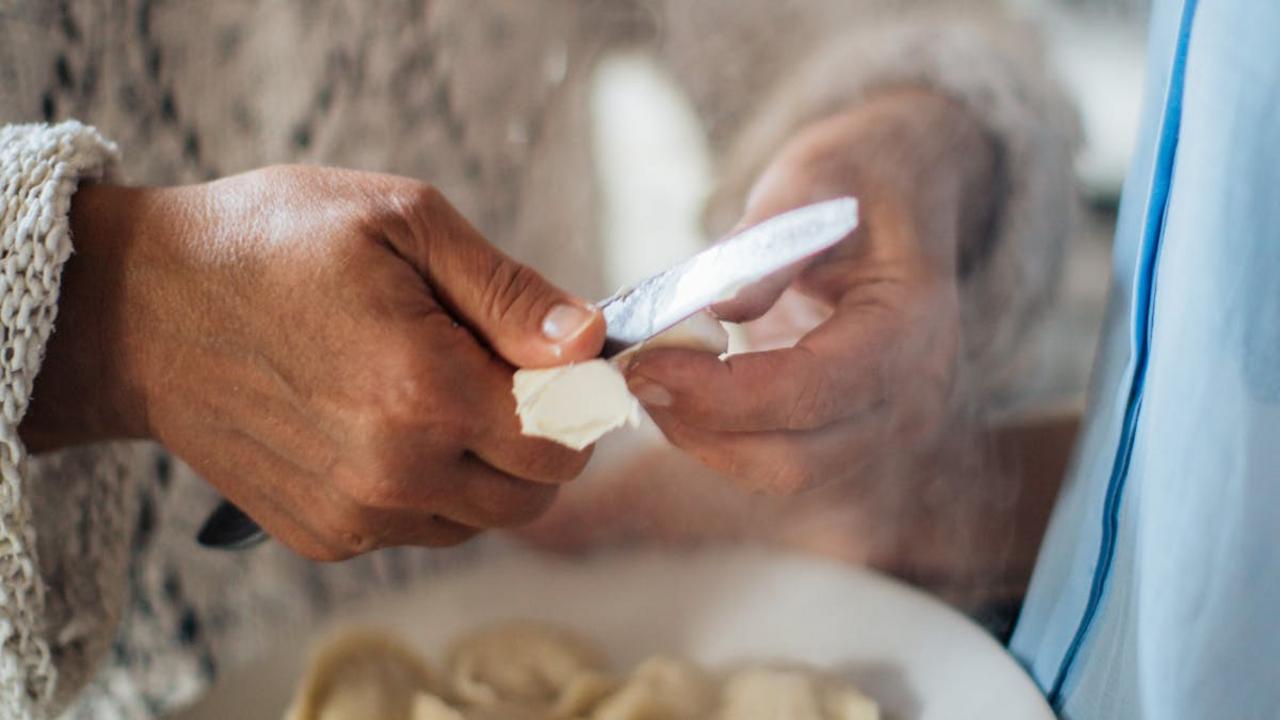
Your dinner table transforms into a living classroom where generations connect through shared recipes, stories, and customs. When you gather your family around the same spot each evening, you create natural moments for passing down everything from your grandmother’s secret spice blend to the proper way to fold dumplings. These aren’t just cooking techniques—they’re pieces of your family’s identity that deserve preservation. Your children absorb these traditions almost effortlessly during relaxed dinner conversations, learning about their heritage through the foods that shaped your own childhood memories.
The beautiful thing about family dinner traditions is how they adapt and grow with each generation while maintaining their core meaning. You might find yourself sharing stories about how your parents celebrated holidays, explaining why certain dishes appear on special occasions, or teaching your kids the family recipes that have been handed down for decades. These moments create lasting bonds that extend far beyond the meal itself. Your dinner table becomes the keeper of family history, where each shared recipe carries forward the love, wisdom, and cultural connections that make your family unique.
Increased Sense of Belonging

When you gather your family around the dinner table every night, something magical happens – everyone starts to feel like they truly belong. There’s this wonderful warmth that spreads through the room when you’re all sitting together, sharing stories about your day while passing around that homemade lasagna or your grandmother’s famous chicken soup. Your kids suddenly open up about what happened at school, your partner shares those little moments that made them smile, and you create this beautiful circle of connection that makes everyone feel heard and valued. This daily ritual becomes your family’s anchor, a place where every voice matters and every person feels genuinely appreciated.
You know what I love most about family dinners? They create these incredible memory-making moments that strengthen your family bonds in ways you never expected. When your teenager helps you set the table, or your little one proudly announces they helped chop the vegetables, they’re not just participating in meal prep – they’re becoming part of something bigger than themselves. These shared experiences around food create a sense of identity and belonging that your children will carry with them forever. Plus, when you make dinner time a priority, you’re sending a powerful message to your family: “You matter enough for me to show up every single day.” That consistency becomes the foundation for deeper relationships and stronger family unity.
Reduced Screen Time

When you gather everyone around the dinner table, something magical happens – those glowing screens suddenly lose their power over your family. No more scrolling through social media while mechanically chewing, no more watching TV shows that distract from actual conversation. Instead, you create a sacred space where phones get tucked away and tablets stay in their charging stations. Your kids will actually look up from their devices and engage with real human faces sitting right across from them. This simple act of eating together naturally breaks the digital addiction cycle that so many families struggle with today.
The beauty of family dinnertime lies in how it forces everyone to disconnect from virtual worlds and reconnect with each other. You’ll discover that your teenager has opinions about more than just their latest Instagram post, and your younger kids will share stories you never would have heard otherwise. Research shows that families who eat together regularly have children with better social skills and stronger emotional intelligence. Plus, you’re modeling healthy boundaries with technology – teaching your family that some moments deserve our full, undivided attention. Give it a try tonight and watch how quickly everyone adapts to this screen-free sanctuary.
Enhanced Emotional Wellbeing
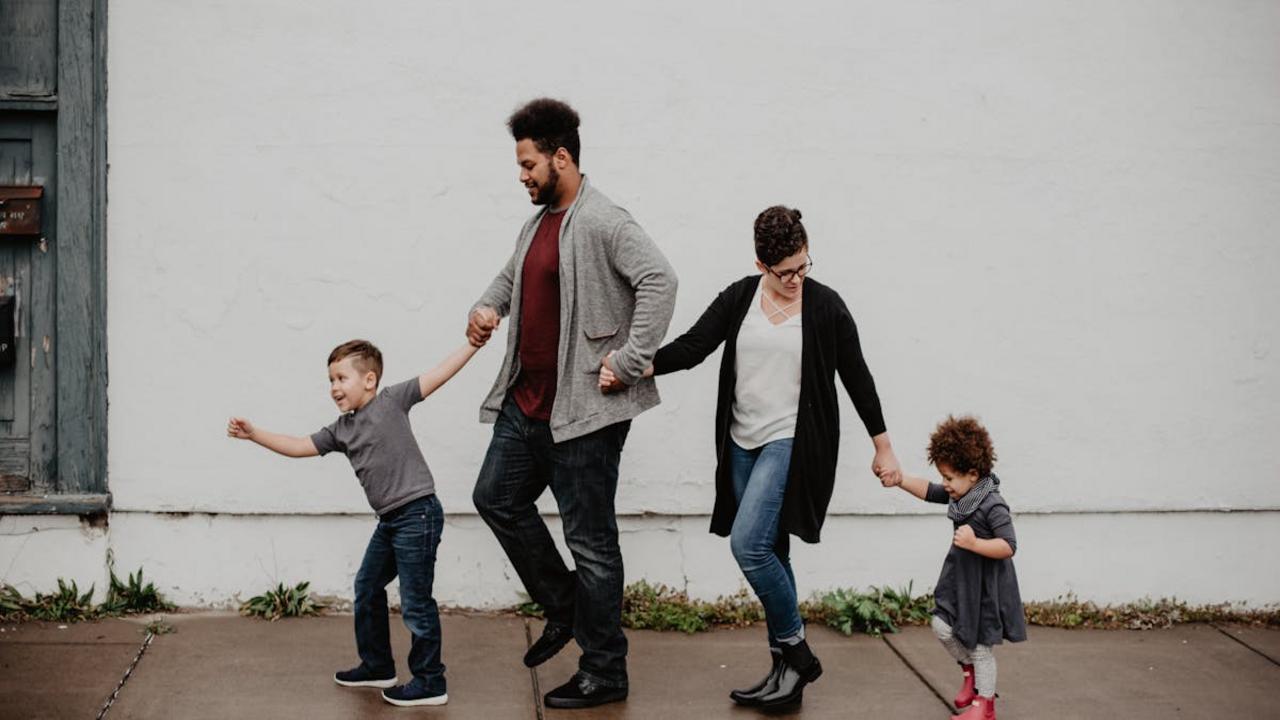
There’s something magical that happens when your family gathers around the dinner table each night. The simple act of sharing a meal together creates a safe space where everyone can unwind from their day and connect on a deeper level. When you make family dinners a priority, you’re giving your loved ones permission to slow down and be present with each other. The conversations that flow naturally during these moments help reduce stress and anxiety for both kids and adults, creating a sense of belonging and security that carries into other areas of life.
Research consistently shows that families who eat together regularly experience lower rates of depression and improved mental health across all age groups. Your children develop stronger emotional regulation skills and feel more confident expressing their feelings when they have this dedicated time with you. The routine itself becomes a comforting anchor in busy schedules, and the shared experience of enjoying food together releases feel-good hormones that naturally boost mood. You’re not just feeding their bodies – you’re nourishing their emotional development and creating memories that will support their mental health for years to come.
Healthier Eating Habits
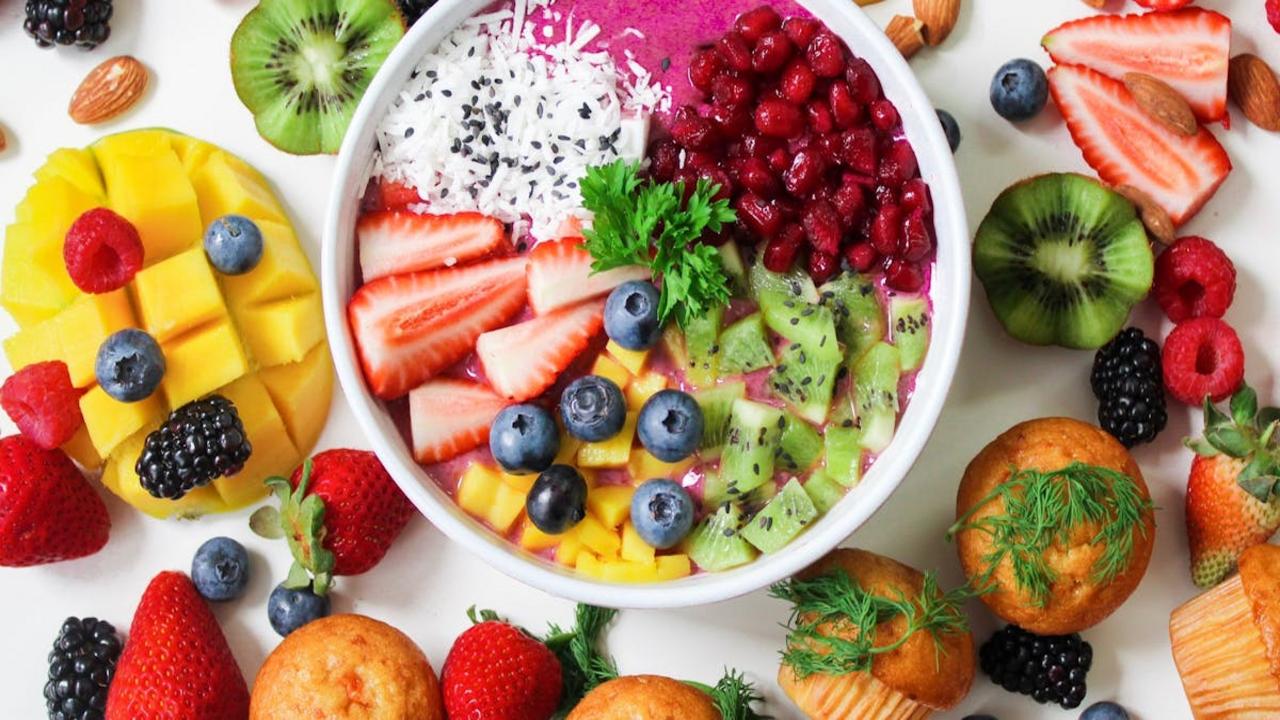
Family dinners naturally steer everyone toward better food choices without feeling like a chore. When you cook together and sit down as a group, you control what goes on those plates – more fresh vegetables, lean proteins, and whole grains instead of processed convenience foods. Kids who eat regular family meals consume more fruits and vegetables, drink less soda, and develop a better relationship with nutritious foods that lasts well into adulthood.
The magic happens because home-cooked meals give you complete control over ingredients, portions, and cooking methods. You can sneak extra vegetables into sauces, choose healthier cooking oils, and reduce sodium and sugar compared to restaurant meals or takeout. Plus, when children see their parents enjoying a variety of healthy foods, they’re more likely to try new things themselves. This shared mealtime becomes a natural classroom where good eating habits develop organically through observation and participation.
Stronger Family Bonds

When you gather everyone around the dinner table, magic happens between bites and conversation. Those shared moments over homemade meals create connections that smartphones and busy schedules can’t replicate. You’re not just feeding bodies – you’re nourishing relationships. Each family member gets the chance to share their day, their thoughts, and their dreams while passing the mashed potatoes. These regular touchpoints become the foundation of trust and communication that carries your family through both ordinary Tuesdays and life’s bigger moments.
The beauty of family dinners lies in their consistency and intimacy. You create a safe space where everyone feels heard and valued, from your chatty kindergartener to your typically quiet teenager. Research shows families who eat together regularly have children with better communication skills and stronger emotional connections. You’re building traditions that your kids will remember long after they’ve left home – the way mom always made that special pasta sauce, or how dad told the silliest jokes between courses. These shared food experiences become the stories your family tells for generations.
Improved Communication Skills

When you gather your family around the dinner table, something magical happens – conversations flow more naturally than they do anywhere else. Without the distraction of phones, tablets, or television screens competing for attention, your children learn to express their thoughts clearly and listen actively to others. This daily practice becomes their training ground for developing strong verbal communication skills that will serve them throughout their lives. You’ll notice how they become more confident speakers, better listeners, and more thoughtful conversationalists as these dinner discussions become part of your routine.
The beauty of mealtime conversations lies in their organic nature – there’s no pressure to perform or impress, just genuine connection over shared food. Your kids learn to take turns speaking, ask meaningful questions, and share stories about their day in a supportive environment. They discover how to read facial expressions, understand tone of voice, and respond appropriately to different conversational cues. These skills translate directly into better relationships with teachers, friends, and eventually colleagues. Every time you pass the mashed potatoes and ask about their favorite part of the day, you’re giving them tools they’ll use for decades to come.