12 Classic American Foods You Can Barely Find Anymore
American kitchens once buzzed with dishes that defined comfort food for generations. These recipes represented more than meals—they were family traditions passed down through Sunday dinners and weeknight gatherings. Today, many of these classics have disappeared from restaurant menus and home tables alike.
The shift toward convenience foods and changing tastes has pushed these wholesome, scratch-made dishes into obscurity. What we’ve lost goes beyond recipes; it’s the connection to cooking techniques that transformed simple, affordable ingredients into satisfying meals that nourished families.
Rediscovering these forgotten favorites offers you a chance to reconnect with authentic American cooking. Each dish tells a story of resourcefulness and creativity, showing how home cooks once maximized flavor from humble ingredients without relying on processed shortcuts.
Waldorf Salad
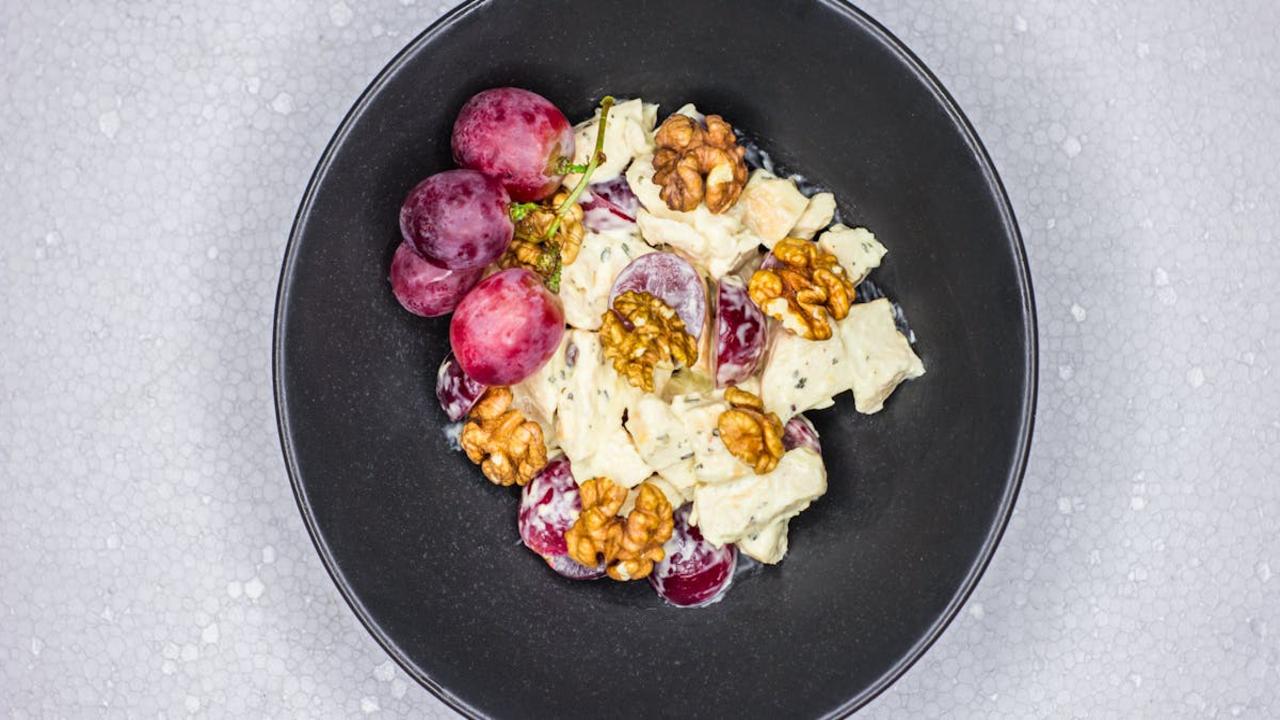
Remember when Waldorf salad graced every holiday table and church potluck? This classic combination of crisp apples, celery, grapes, and walnuts bound together with creamy mayonnaise once represented the height of sophisticated dining. I grew up watching my grandmother prepare this dish with such care, explaining how it originated at New York’s Waldorf Hotel in the 1890s. She’d always insist on using the freshest ingredients—tart Granny Smith apples that wouldn’t brown quickly, perfectly ripe grapes, and toasted walnuts for that extra depth of flavor.
Today, you’d be hard-pressed to find Waldorf salad on restaurant menus or even at family gatherings. Modern diners seem to have moved away from mayonnaise-heavy salads, favoring lighter vinaigrettes and more exotic flavor combinations. But I think there’s real beauty in this simple dish when you make it from scratch. Try swapping the traditional mayo for Greek yogurt mixed with a touch of honey and lemon juice—you’ll get that same creamy texture but with added protein and probiotics. The key is balancing the sweet fruit with the savory crunch of celery and nuts, creating a harmony that speaks to why this salad survived for so many decades before quietly disappearing from our tables.
Green Bean Casserole
You know that moment when you pull a beautiful steak or roasted chicken from the heat, and every instinct screams “eat it now!”? I get it—the sizzle, the aroma, the anticipation. But here’s what transformed my cooking: learning to let meat rest properly. This simple step redistributes all those incredible juices throughout the protein instead of watching them pool on your cutting board. I learned this from watching my grandmother’s Sunday roasts, where she’d tent the meat with foil and let it sit while finishing the vegetables. The difference in tenderness and flavor is absolutely remarkable.
The magic happens during those 5-15 minutes of patience. For steaks and chops, I give them about 5 minutes under loose foil. Larger roasts need 15-20 minutes, sometimes more. During this time, the internal temperature actually continues rising slightly—what chefs call carryover cooking—which means you can pull your protein a few degrees before your target temperature. I’ve started using this resting time to prepare quick pan sauces with the fond left in the pan, whisking in herbs, wine, or even a splash of coconut milk for richness. Your guests will notice the difference immediately: every bite stays juicy, flavorful, and perfectly cooked throughout.
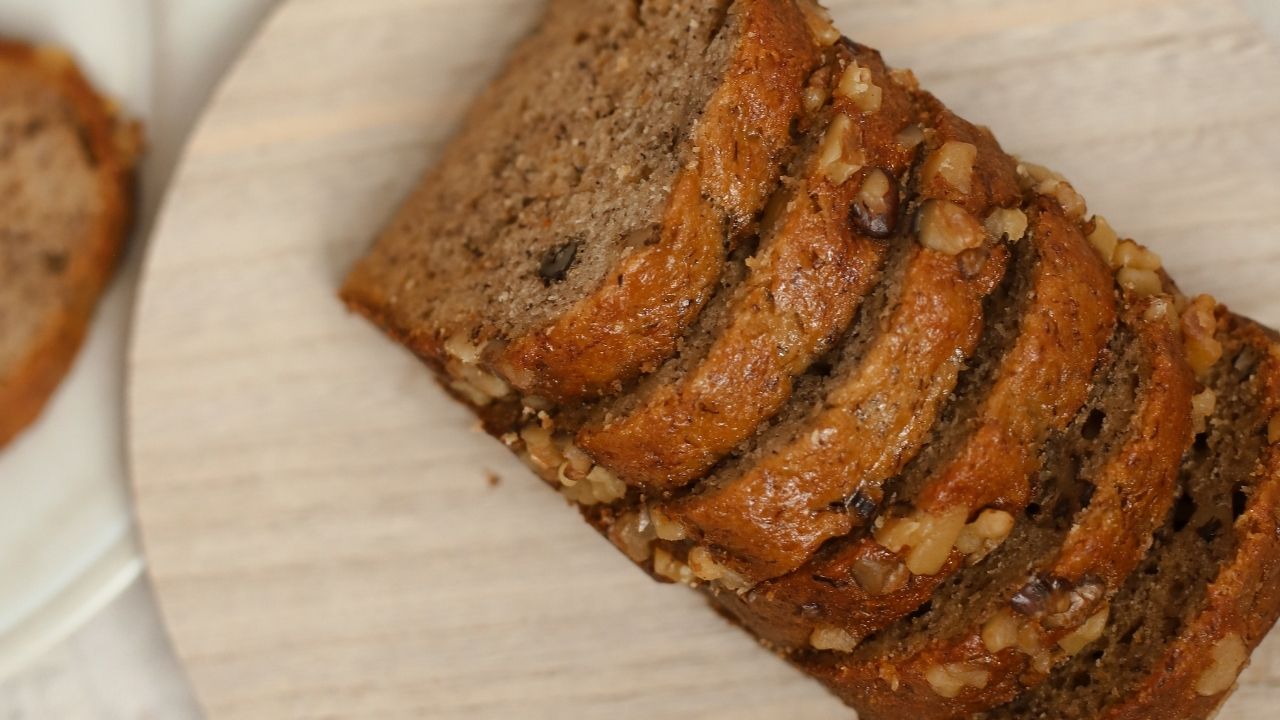
Boston Brown Bread
I remember the day my friend’s grandmother watched me chop onions and simply shook her head. “Your knife is crying louder than you are,” she said with a gentle smile. That moment changed everything for me. Proper knife skills transform your entire cooking experience – and I’m not talking about flashy chef moves you see on TV. I’m talking about the foundational techniques that make every single dish you create taste better. When you master your knife, you control texture, cooking times, and flavor release in ways that seem almost magical.
Start with your grip – hold the knife like you’re shaking hands with it, confident but relaxed. Your other hand becomes a claw, knuckles forward, protecting your fingertips while guiding each cut. Practice the rock-chop motion where the tip of your blade never leaves the cutting board, creating a smooth rhythm that feels meditative. Uniform cuts mean even cooking, which means your vegetables caramelize beautifully instead of some pieces burning while others stay raw. I’ve learned that sharp knives are actually safer than dull ones – they require less pressure and give you complete control. Invest in one quality chef’s knife and keep it sharp. Your ingredients will thank you, your cooking will improve dramatically, and you’ll find yourself looking forward to prep work instead of dreading it.
Stuffed Bell Peppers
You know that moment when you taste something at a restaurant and think, “How did they make this so incredibly flavorful?” Nine times out of ten, the secret lies in their sauce game. I’ve spent years perfecting my approach to sauce making, and I can tell you that once you master these fundamentals, your home cooking will transform completely. The beauty of sauce making isn’t just about following recipes—it’s about understanding how flavors build and balance each other. Whether you’re whisking up a simple pan sauce from the drippings of your seared chicken or slowly building layers in a tomato-based creation, the principles remain the same: fat carries flavor, acid brightens everything, and salt brings it all together.
Start with what I call the “holy trinity” of sauce making: a good fat (butter, olive oil, or even coconut oil), an acid component (lemon juice, vinegar, or wine), and your flavor base (garlic, shallots, herbs, or spices). From this foundation, you can create everything from a bright chimichurri that transforms grilled vegetables to a rich mushroom sauce that makes simple pasta sing. I always keep a jar of homemade stock in my fridge because it’s the secret weapon that turns ordinary sauces into something extraordinary. Remember, tasting and adjusting as you go is your best friend—add a pinch more salt, a squeeze of lemon, or a dash of honey until the flavors sing in perfect harmony.
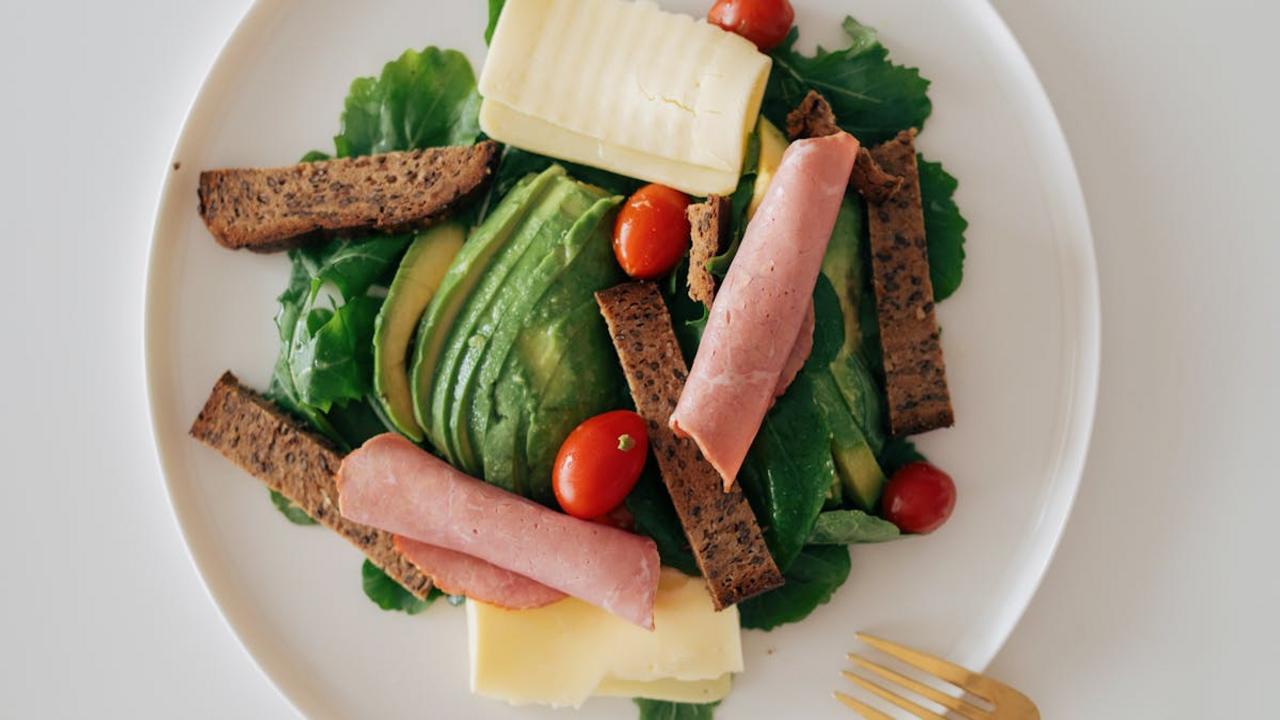
Ham Salad
Fresh herbs transform ordinary dishes into restaurant-quality meals with their vibrant flavors and aromatic punch. I treat herbs like precious jewels in my kitchen – each one brings its own personality to the table. Basil adds sweetness to tomato-based dishes, while cilantro brightens up Mexican and Asian flavors. Rosemary pairs beautifully with roasted vegetables and grilled meats, and mint creates magic in both savory Middle Eastern dishes and refreshing beverages. The key lies in timing: add delicate herbs like basil and parsley at the end of cooking to preserve their bright flavors, while heartier herbs like thyme and oregano can handle longer cooking times.
I always keep a windowsill herb garden or buy fresh bunches weekly because dried herbs simply can’t compete with the intensity fresh ones provide. Store your herbs properly by treating them like flowers – trim the stems and place them in water, then cover loosely with plastic bags in the refrigerator. For immediate use, I chop herbs with a sharp knife rather than crushing them, which preserves their oils and prevents bruising. Don’t forget about herb stems either – they contain concentrated flavor and work perfectly in stocks, marinades, and slow-cooking dishes where they have time to release their essence.
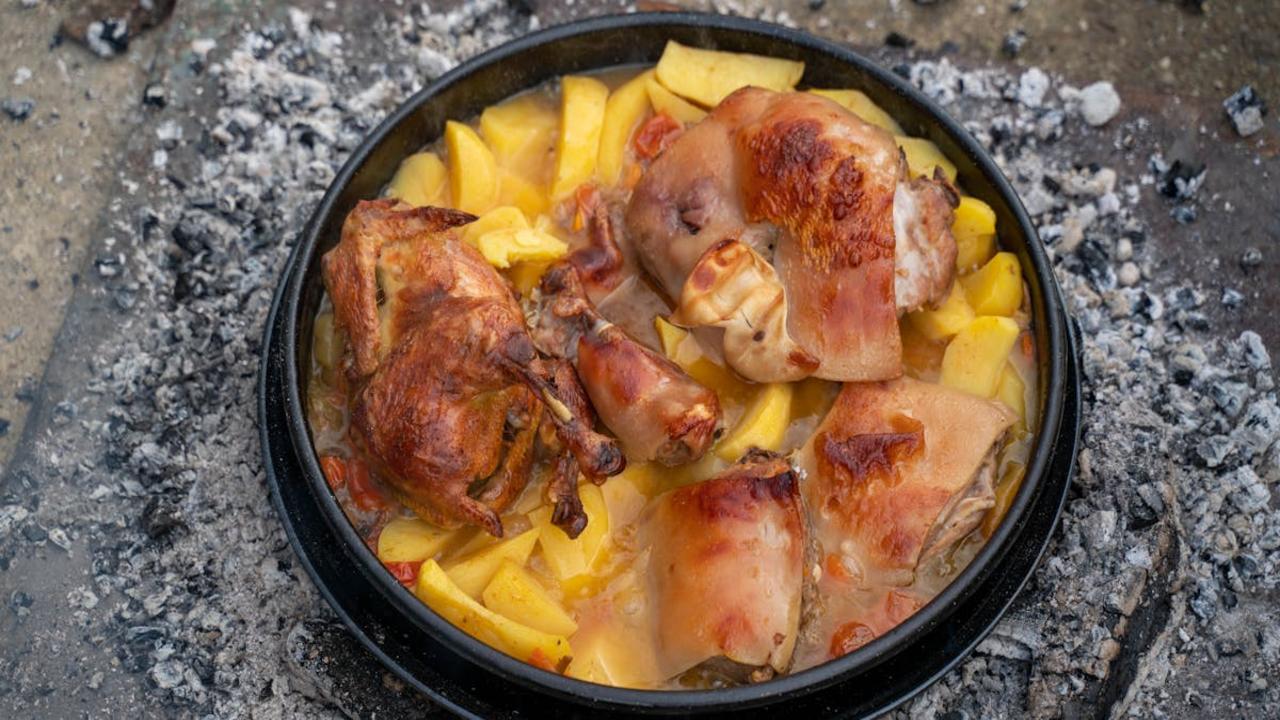
Pot Roast
You know what completely transformed my cooking? Finally understanding that not all pans work the same way. I used to grab whatever was closest in my cabinet, wondering why my proteins stuck or my vegetables turned out soggy. The truth is, each pan has a superpower, and matching the right tool to your cooking method makes an incredible difference. Cast iron gives you that perfect sear on steaks and develops beautiful browning on vegetables. Stainless steel heats evenly and works beautifully for deglazing sauces. Non-stick pans are your best friend for delicate fish and eggs that slide right out.
Heat distribution changes everything about how your food cooks. I learned this lesson the hard way after years of uneven results. Heavy-bottomed pans prevent hot spots that burn your onions while leaving other parts undercooked. Carbon steel pans, which I discovered through my love of Asian cooking, heat quickly and give you restaurant-style wok hei at home. Even the size matters more than you might think – overcrowding a small pan steams your ingredients instead of browning them. Now I choose my pan first, then plan my cooking technique around it. This simple shift turned my home kitchen into a place where I could recreate those complex flavors I used to think only professional chefs could achieve.
Tuna Noodle Casserole
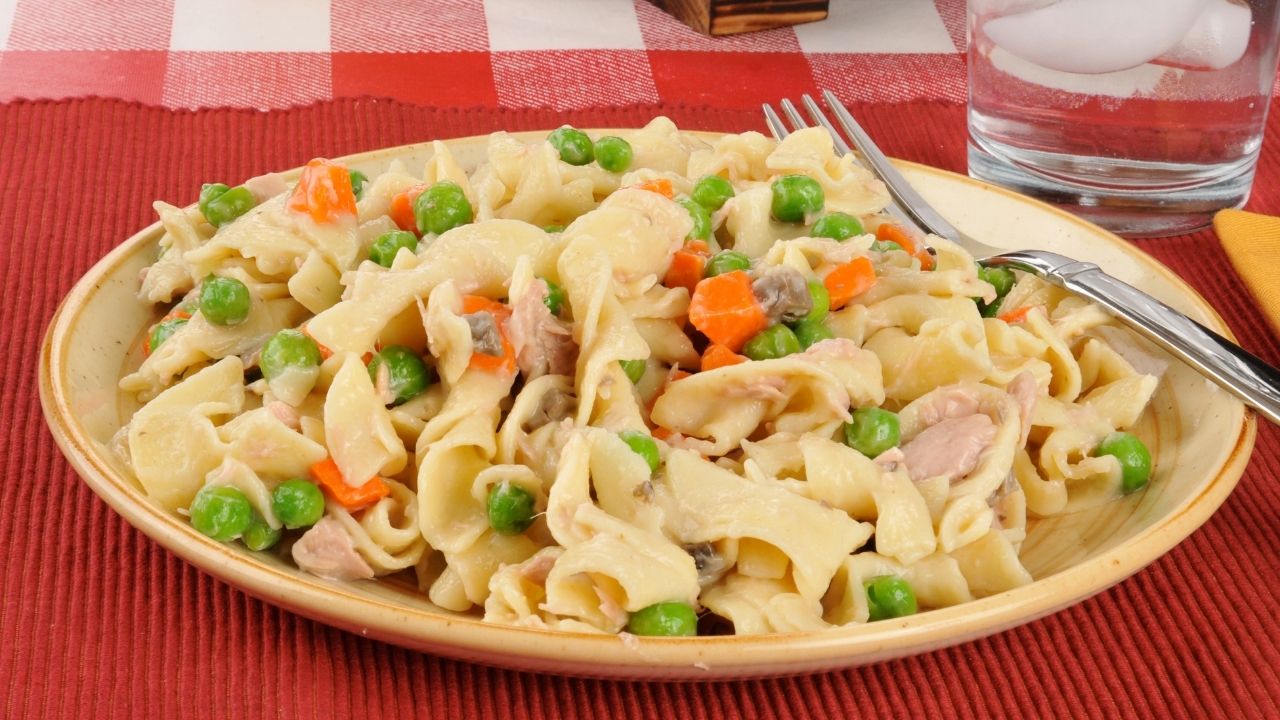
You know how professional chefs always talk about seasoning? They’re not just talking about adding salt at the end – they understand that timing makes all the difference between flat, one-dimensional food and layers of incredible flavor. I learned this from my grandmother, who would salt her tomatoes for salads thirty minutes before serving, watching them release their sweet juices and concentrate their taste. When you salt proteins like chicken or fish 40 minutes before cooking, the salt draws out moisture initially, then that moisture gets reabsorbed along with the salt, creating deeper seasoning that penetrates throughout the meat instead of just sitting on the surface.
For vegetables, I salt them right when they hit the pan to help break down cell walls and intensify their natural flavors. But pasta water? That gets salted generously once it’s boiling – you want it to taste like the ocean. This technique transforms simple ingredients into something extraordinary because you’re working with the food’s natural chemistry rather than against it. The difference between salting a steak right before cooking versus 45 minutes prior will shock you – that advance salting creates a tender, perfectly seasoned piece of meat that tastes like it came from an expensive steakhouse, not your home kitchen.
Meatloaf Sandwiches
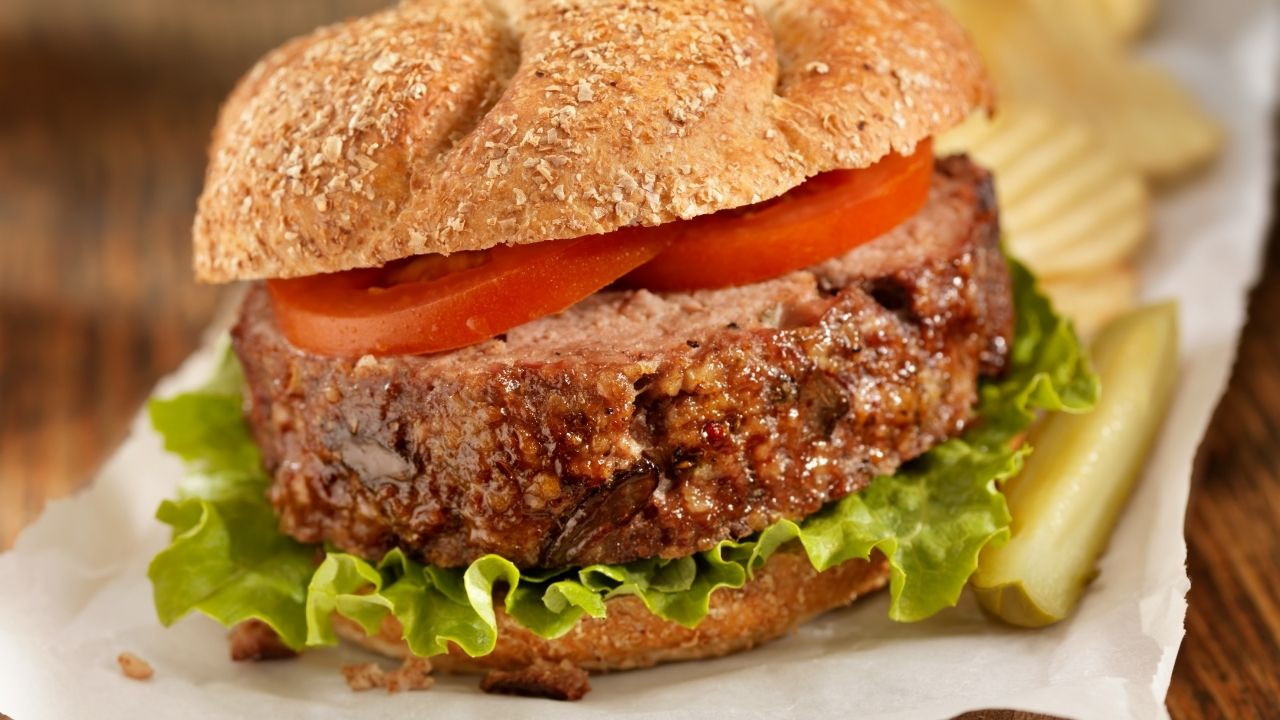
You walk into most delis today and ask for a meatloaf sandwich, and you’ll likely get blank stares. This hearty American classic once dominated lunch counters and family dinner tables, but somewhere along the way, we traded comfort for convenience. I remember my grandmother’s thick slabs of leftover meatloaf between two pieces of Wonder Bread with a smear of ketchup – pure magic that somehow tasted better cold than hot. The beauty of a proper meatloaf sandwich lies in its simplicity: dense, savory meat that holds together perfectly, creating substantial bites that actually fill you up.
Making your own meatloaf brings back this lost tradition while giving you control over every ingredient. I mix ground beef with turkey for lean protein, add grated vegetables like carrots and zucchini for moisture and nutrition, and skip the processed breadcrumb fillers for rolled oats or crushed crackers. The key is building layers of flavor – sautéed onions, fresh herbs, and a touch of Worcestershire sauce create depth that store-bought versions never achieve. Slice it thick the next day, add some crisp lettuce and tomato, and you’ll understand why this sandwich deserves a comeback in our kitchens.
Creamed Chipped Beef on Toast

You know, I grew up hearing my grandmother talk about “S.O.S.” – that’s what the military folks called creamed chipped beef on toast, though they used a more colorful acronym! This hearty breakfast was once a staple in American homes and military mess halls, featuring thin slices of dried, salted beef swimming in a rich white sauce ladled over buttery toast. My own take on this forgotten favorite swaps the heavily processed chipped beef for thinly sliced turkey or even mushrooms, creating that same satisfying comfort without all the sodium and preservatives that made the original so shelf-stable.
What I love about recreating this dish is how it teaches you the fundamentals of making a proper roux – that magical combination of butter and flour that forms the backbone of so many sauces. I start with real butter, whisk in a bit of whole wheat flour, then slowly add warm milk infused with fresh thyme and black pepper. The result is a creamy, warming breakfast that connects you to generations of home cooks who understood that simple ingredients, prepared with care, could create something truly nourishing. Try it over homemade sourdough toast with a sprinkle of fresh chives – it’s like wrapping yourself in a warm hug on a cold morning.
Liver and Onions
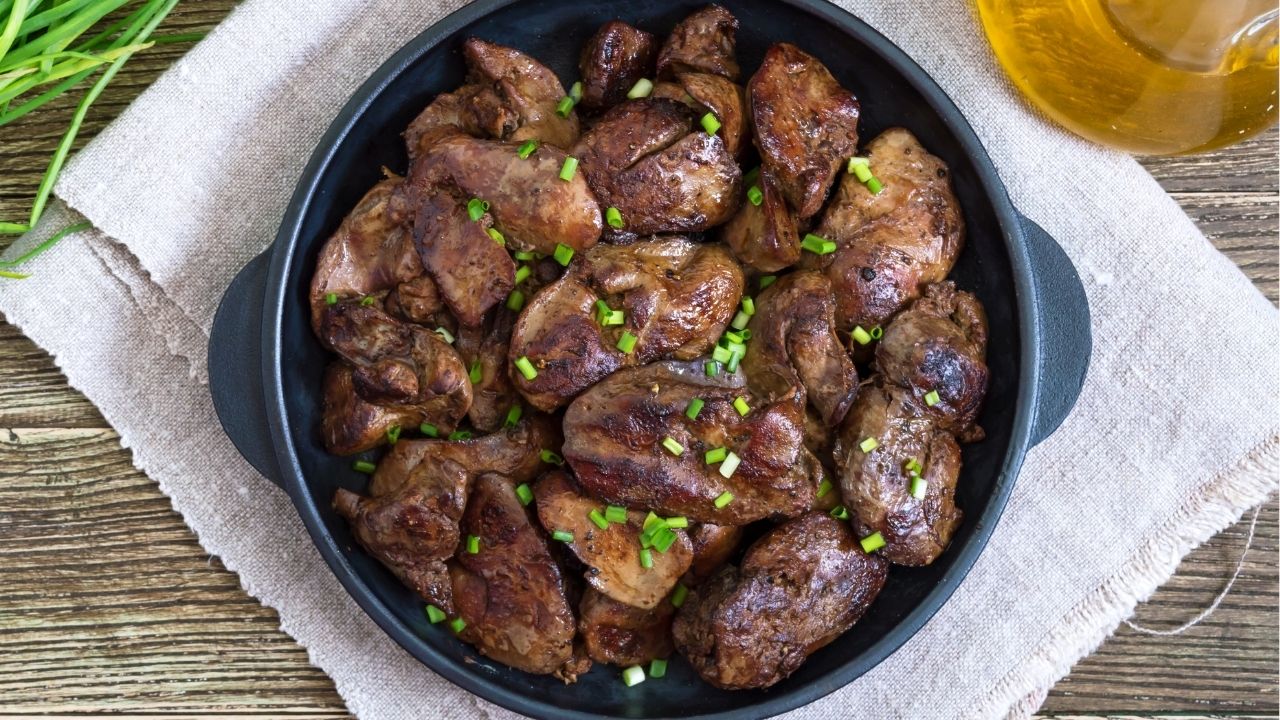
I remember the first time I watched my grandmother prepare liver and onions – the way she’d soak the beef liver in milk to draw out that metallic flavor, then coat it lightly in seasoned flour before pan-frying it with sweet, caramelized onions. This dish was once a weekly staple on American dinner tables, packed with iron and B vitamins that our grandparents understood intuitively. You’d find it on every diner menu from coast to coast, but nowadays, most people wrinkle their noses at the mere mention of organ meat.
The decline of liver and onions reflects our modern disconnect from nose-to-tail eating – something I’ve been trying to bring back in my own kitchen through global influences like Portuguese iscas or Middle Eastern kibda. The key lies in proper preparation: sourcing fresh, high-quality liver from grass-fed animals, never overcooking it, and pairing it with complementary flavors like bacon, herbs, or even a splash of balsamic vinegar. While you might still find this dish at old-school diners or your local Cracker Barrel, it’s become increasingly rare as younger generations shy away from organ meats, missing out on some of the most nutrient-dense foods available.
Beef Tongue
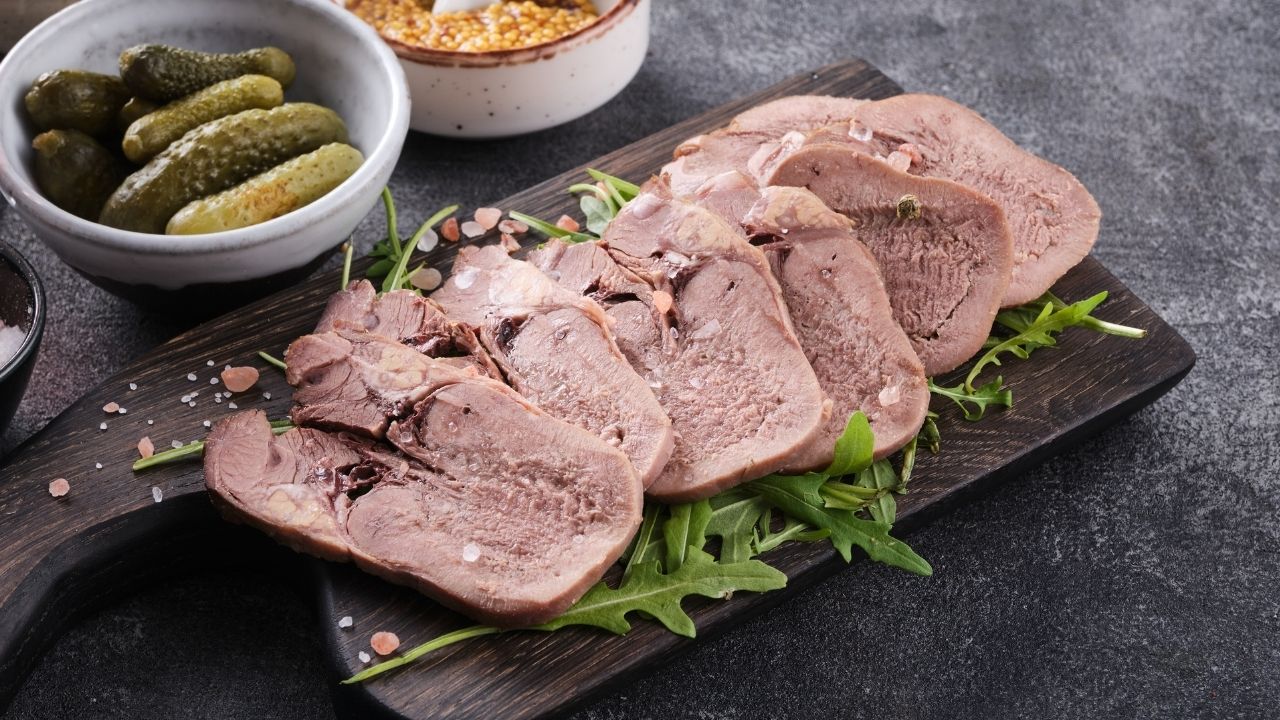
I remember the first time my grandmother served me beef tongue—I was skeptical until that first tender, flavorful bite completely changed my perspective. This incredibly rich cut of meat once graced dinner tables across America, from Jewish delis in New York to Mexican taquerías in the Southwest. Beef tongue delivers an unmatched depth of flavor that’s both earthy and surprisingly mild, with a texture that becomes silk-smooth when cooked properly. Your local butcher might still carry it, but you’ll need to special order it most places these days.
The beauty of beef tongue lies in its simplicity and nutritional density—it’s packed with protein, B vitamins, and iron while remaining completely unprocessed. I love braising mine slowly with aromatic vegetables and herbs, letting time work its magic to transform this humble organ meat into something extraordinary. Once you peel away the outer skin after cooking, you’re left with meat so tender it practically melts on your fork. Try slicing it thin for sandwiches, cubing it for tacos, or serving it traditionally with mustard and pickles—this forgotten protein deserves a comeback on modern American tables.
Chicken Fried Steak
3