12 Classic American Dishes People Either Love or Hate
American food sparks fierce debates that can turn dinner tables into battlefields. You know those dishes that make some people swoon while others dramatically gag? We’re talking about the controversial classics that divide families, end friendships, and launch passionate Reddit threads at 2 AM.
These polarizing plates represent something deeper than mere preference—they’re edible Rorschach tests that reveal your true character. Will you defend pineapple on pizza with the fury of a thousand suns, or does the mere mention make you question humanity’s collective judgment?
From sweet-meets-savory combinations that confuse your palate to ingredients that taste like soap to some unfortunate souls, these twelve dishes guarantee dinner party drama. Buckle up—we’re diving into America’s most divisive food fights, where neutrality doesn’t exist and everyone has strong opinions.
Brussels Sprouts
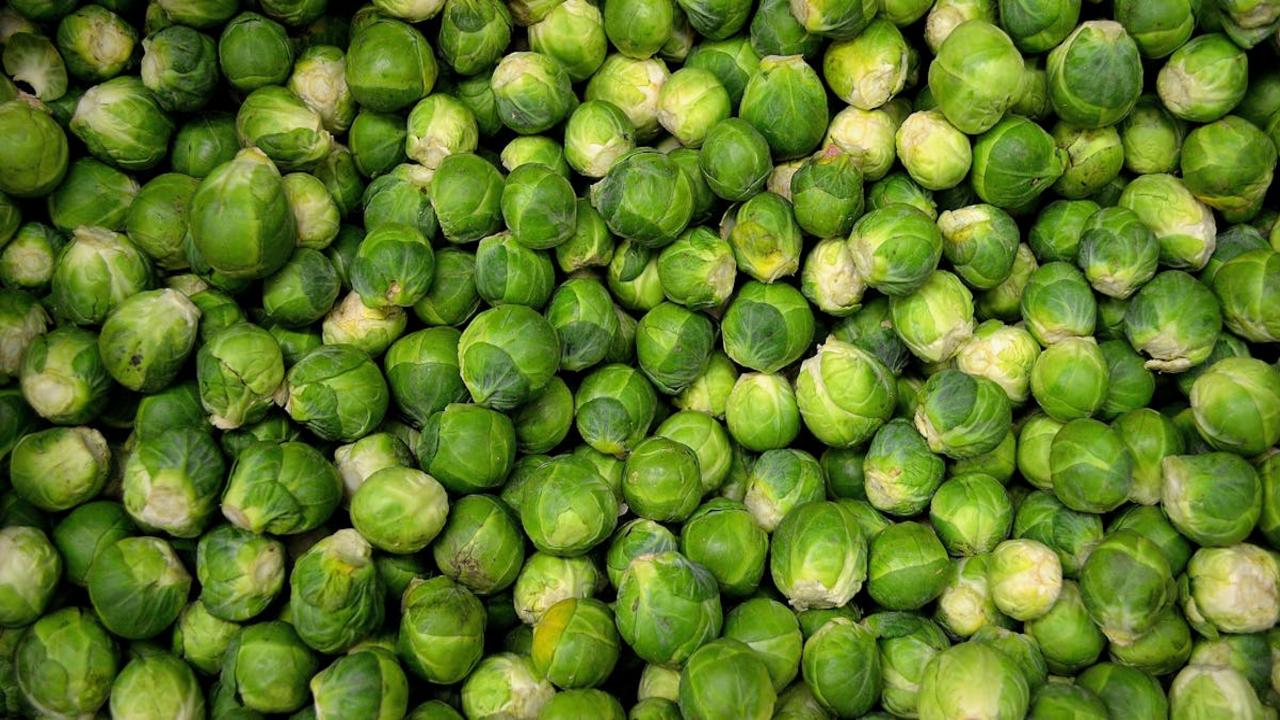
Brussels sprouts might just be the most misunderstood vegetable in American cuisine, and frankly, I think their bad reputation is entirely unfair. These little green orbs have been the victim of decades of culinary abuse—boiled into mushy, sulfurous submission by well-meaning but misguided cooks across the nation. Here’s a fun fact that’ll blow your mind: Brussels sprouts actually contain compounds called glucosinolates that release hydrogen sulfide when overcooked, which is literally the same chemical that makes rotten eggs smell terrible. No wonder an entire generation of kids grew up thinking these mini cabbages were punishment food!
But here’s where the Brussels sprouts redemption story gets exciting—when you roast these beauties with a drizzle of olive oil, salt, and maybe some crispy bacon bits, they transform into caramelized, nutty little nuggets of pure joy. The high heat breaks down those nasty sulfur compounds and brings out their natural sweetness. I’ve seen Brussels sprouts haters become converts after just one bite of properly prepared sprouts, especially when they’re charred on the outside and tender on the inside. Try halving them, tossing with balsamic vinegar and a sprinkle of parmesan, then roasting at 400°F for about 20 minutes. Trust me, you’ll never look at these green gems the same way again!
Cilantro
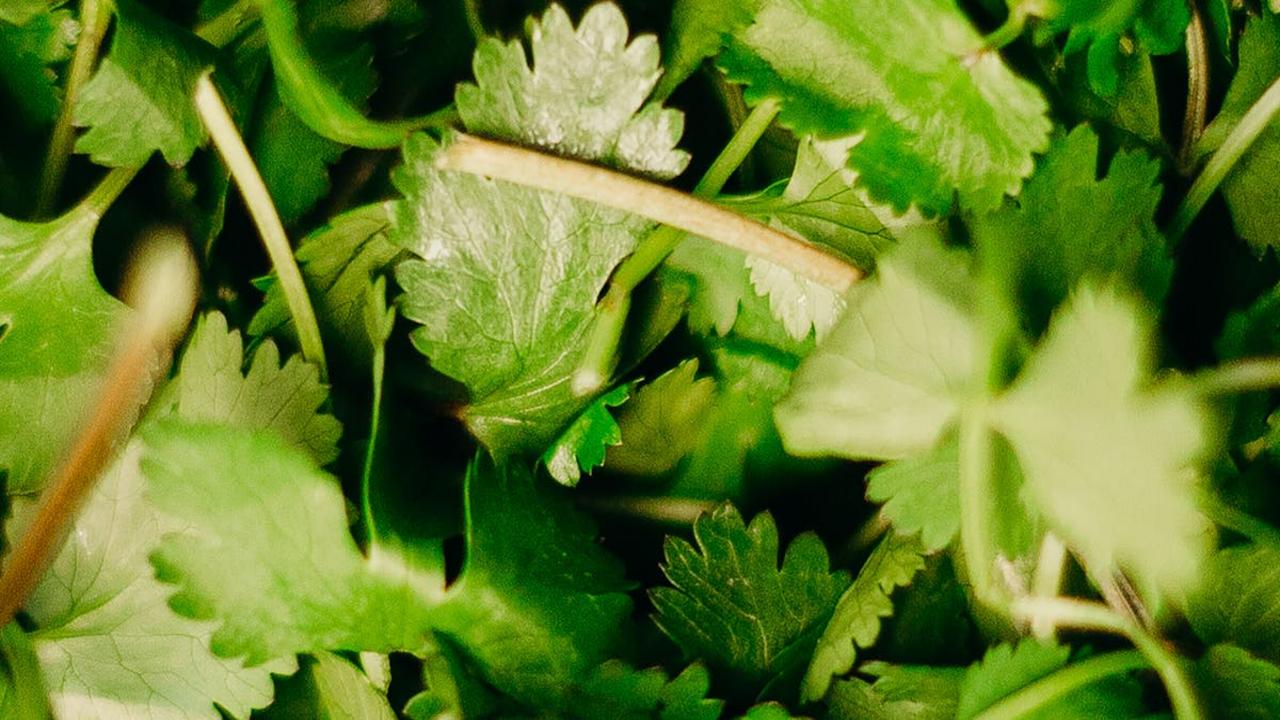
You either worship at the altar of cilantro or you think it tastes like soap, and there’s literally no middle ground here. This polarizing herb has sparked more dinner table debates than pineapple on pizza ever could. The science behind this love-it-or-hate-it phenomenon lies in your DNA – specifically the OR6A2 gene, which determines whether you detect aldehydes (the soapy compounds) in those bright green leaves. About 14% of people carry the genetic variation that makes cilantro taste like they’re eating dish detergent, while the rest of us get to experience its fresh, citrusy magic.
Mexican, Thai, and Indian cuisines practically revolve around this herb, and honestly, I can’t imagine a proper taco or pad thai without its bright, zesty punch. Fresh cilantro transforms everything it touches – from chimichurri sauce to Vietnamese pho – adding that distinctive clean finish that makes your mouth water for more. If you’re team cilantro, you know that moment when you bite into perfectly seasoned carnitas topped with fresh leaves and lime, and suddenly the world makes sense again. But if you’re genetically cursed to taste soap, well, there’s always parsley as a (sadly inferior) substitute.
Black Licorice
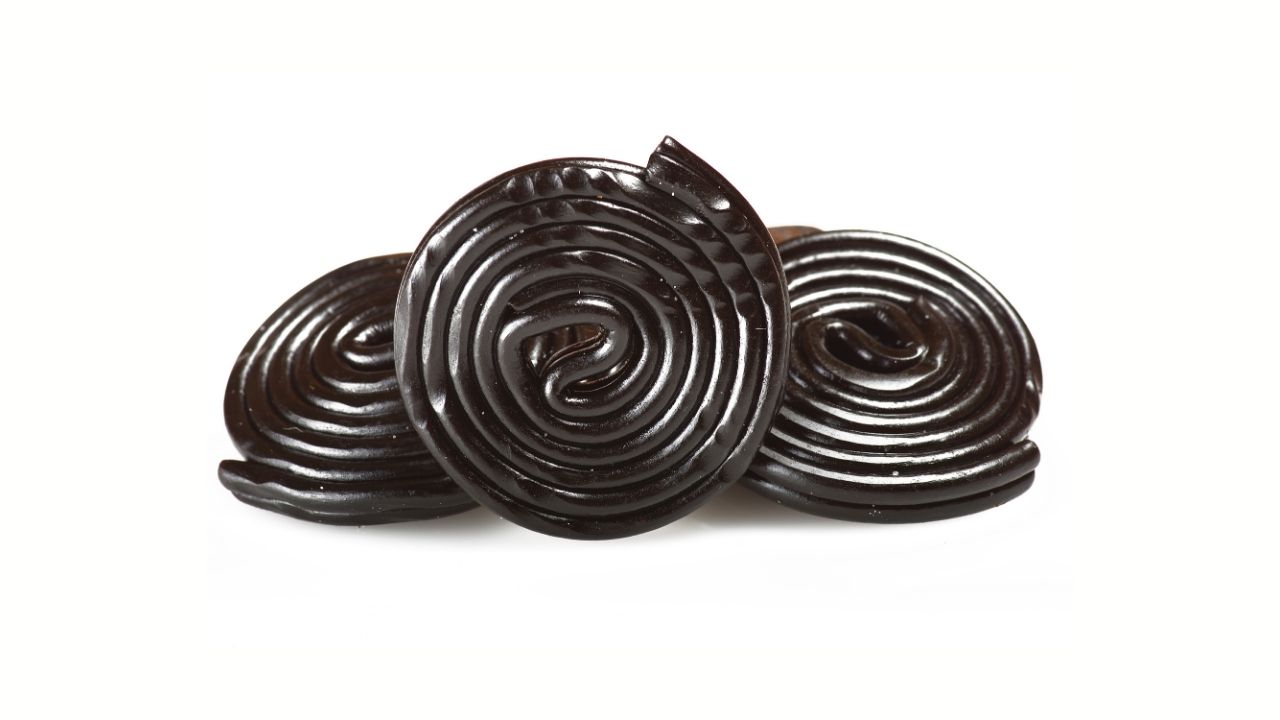
Here’s the thing about black licorice – you either want to marry it or you want to throw it directly into the nearest trash can. There’s absolutely no middle ground with this polarizing treat that tastes like someone decided to combine fennel, anise, and a hint of mysterious European pharmacy. The moment that distinctive flavor hits your mouth, you know exactly which camp you belong to. Fun fact: the compound responsible for that love-it-or-hate-it flavor is called anethole, and some people are actually genetically predisposed to despise it. So if you’re a black licorice hater, congratulations – you can literally blame your DNA!
What makes this whole debate even more entertaining is watching people’s faces during their first encounter with black licorice. Kids expecting regular red licorice get this look of pure betrayal, like the candy personally offended their entire family lineage. Meanwhile, black licorice devotees guard their stash like precious treasure, knowing full well that half the population won’t touch it. You’ll find this divisive treat everywhere from fancy European imports to those mysterious black jellybeans that somehow always survive until the very end of the Easter basket. Pro tip: if you’re hosting a party and want to start some serious food fights, just casually mention whether you prefer red or black licorice and watch the room split faster than a celebrity divorce.
Ranch on Pizza
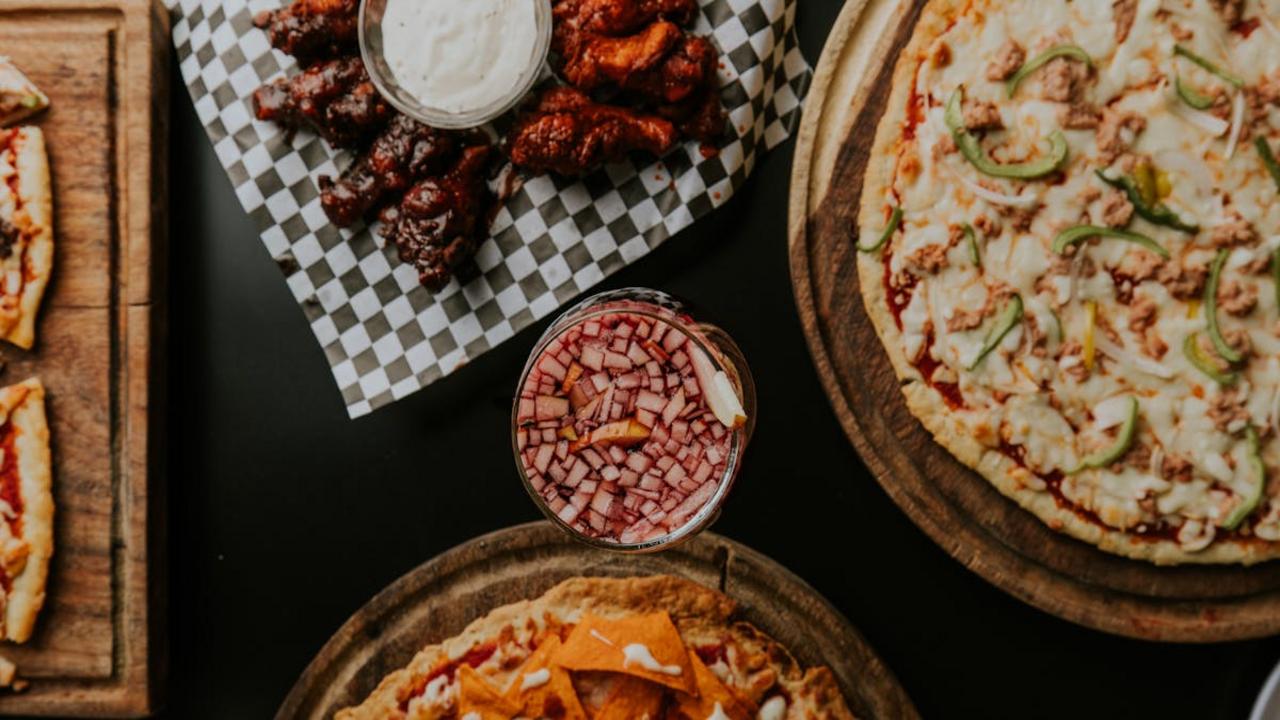
Nothing divides a room quite like the sight of someone drizzling creamy ranch dressing over a perfectly good slice of pizza. You either belong to the camp that considers this combination a match made in heaven, or you’re among those who view it as culinary blasphemy worthy of immediate deportation. The Great Ranch Pizza Debate has raged across America since the 1980s, when Hidden Valley Ranch first introduced their bottled magic to the masses. What started as a salad dressing created by a plumber-turned-cowboy named Steve Henson at his dude ranch in California has somehow become pizza’s most controversial companion.
Here’s the thing about ranch on pizza – it actually makes scientific sense, even if your Italian grandmother would weep at the sight. The cool, tangy creaminess cuts through greasy pepperoni and balances out acidic tomato sauce better than you’d expect. Pizza Hut even jumped on the bandwagon in the ’90s, offering little cups of ranch alongside their pies, essentially giving official permission to millions of Americans to dunk away. The controversy runs so deep that some pizzerias in New York will literally refuse to serve ranch, while others in the Midwest consider it standard equipment. Whether you’re team ranch or team traditionalist, you can’t deny this pairing has sparked more heated dinner table discussions than pineapple ever could.
Chili with Beans
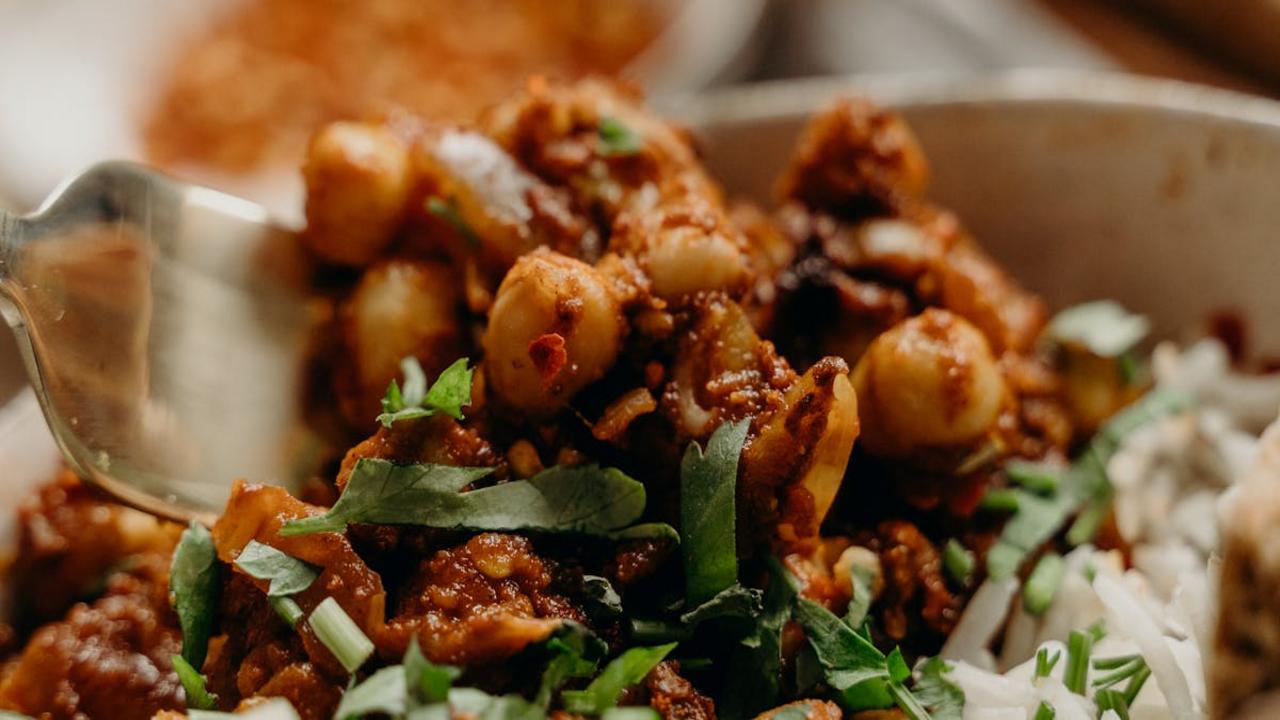
Oh boy, here we go with the great chili debate that’s been tearing families apart since the dawn of time! You mention beans in chili around a Texan, and you might as well have just insulted their grandmother’s cornbread recipe. These fierce chili purists will tell you that authentic chili contains absolutely zero legumes – it’s all about the meat, the chilies, and the spices dancing together in perfect harmony. They’ll wave their hands dramatically and declare that adding beans is basically committing a food crime punishable by banishment from the Lone Star State. Meanwhile, the rest of us reasonable humans are over here thinking, “But beans make it heartier and more filling, plus they’re cheap!”
Here’s the thing about bean-filled chili – it’s comfort food at its finest, stretching your dollar while filling your belly with warm, satisfying goodness. Those kidney beans and pintos soak up all that rich, smoky flavor like little flavor sponges, creating a thick, stick-to-your-ribs meal that’ll keep you happy for hours. You can make a massive pot for practically nothing, feed an army, and still have leftovers for days. Sure, the purists might turn their noses up, but when you’re ladling that steaming bowl of beany goodness over a baked potato or scooping it up with cornbread, you’ll be too busy enjoying every single spoonful to care about their protests.
Raisins in Cookies
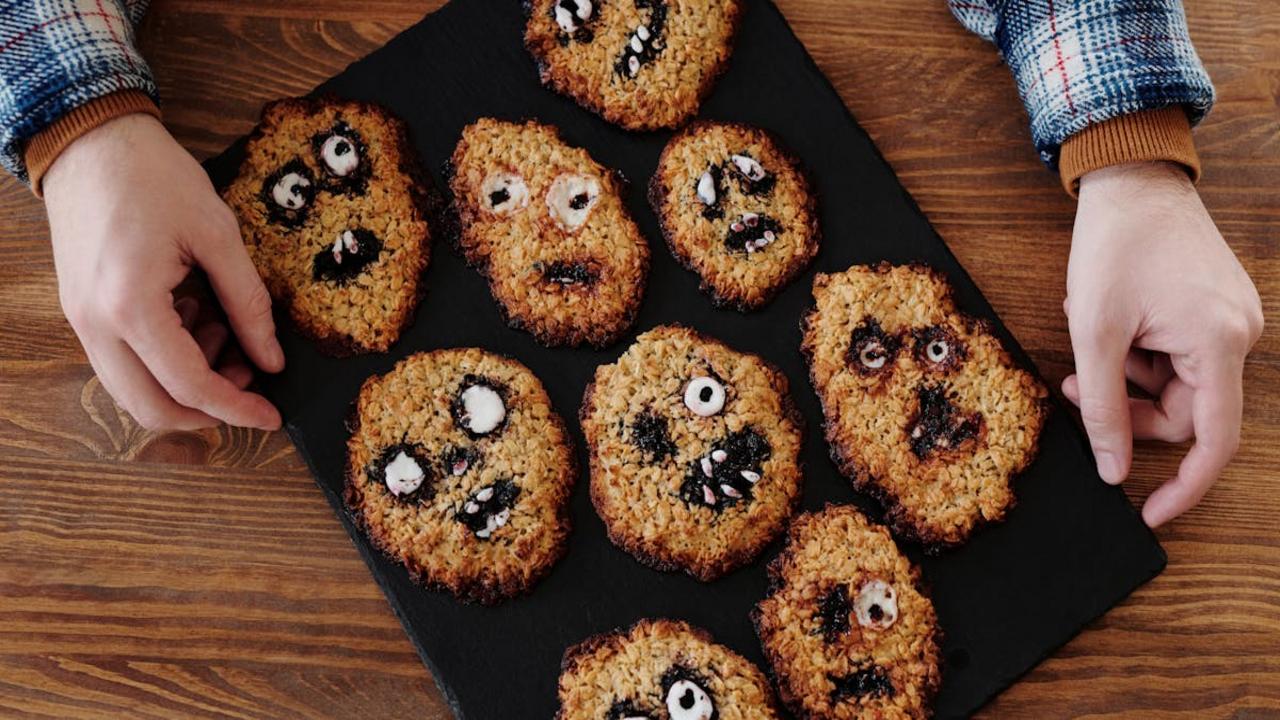
Picture this: you’re reaching for what looks like a chocolate chip cookie, your mouth already watering for that sweet, melty goodness, and then—WHAM!—you bite into a chewy, wrinkled raisin. The betrayal! The horror! This scenario has probably sparked more kitchen debates than pineapple on pizza. Raisins in cookies create an instant divide between those who consider them nature’s candy and those who view them as unwelcome interlopers masquerading as chocolate chips. The oatmeal raisin cookie stands as the most controversial member of the cookie family, looking innocent enough until that first disappointing bite reveals its true identity.
Here’s the wild thing about raisins: they’re actually grapes that have been dried for weeks, concentrating their sugars and creating those distinctive wrinkles we either adore or despise. Team Raisin argues that these little gems add natural sweetness, chewy texture, and even some fiber to their baked goods. They’ll tell you that a proper oatmeal raisin cookie, made with plump raisins soaked in warm water first, creates a symphony of textures that chocolate simply can’t match. Meanwhile, Team Anti-Raisin maintains that cookies should be about indulgence, not dried fruit masquerading as dessert. They’re not wrong—there’s something deeply unsatisfying about expecting chocolate and getting what essentially amounts to a health food disguised as a treat.
Root Beer Float
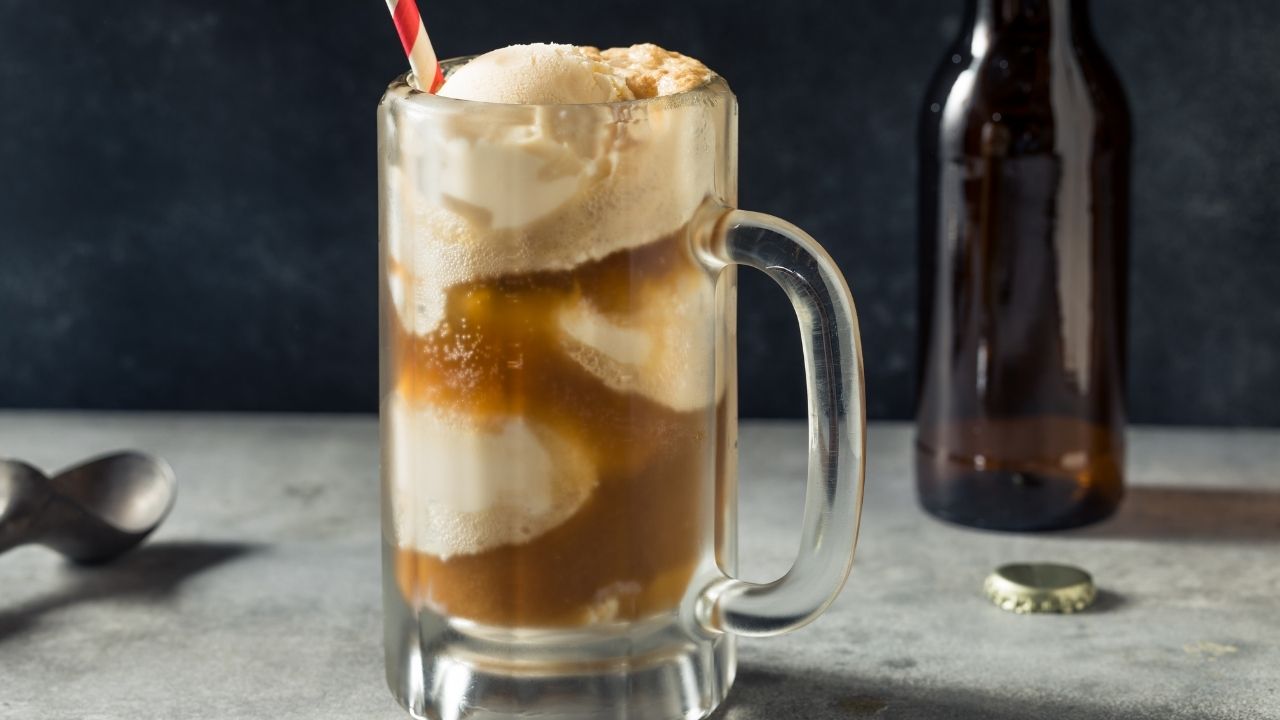
You know that moment when someone mentions root beer floats and half the room lights up like kids at Christmas while the other half makes faces like they just smelled something funky? That’s the magic of this polarizing American classic. Born in 1893 when pharmacist Charles Hires decided to combine his sassafras-flavored soda with vanilla ice cream, the root beer float became an instant sensation at soda fountains across the nation. The genius lies in its simplicity: pour fizzy, herbal root beer over creamy vanilla ice cream and watch the foam party begin. Some folks adore that sweet, spicy contrast where the ice cream melts into ribbons while the carbonation tickles their nose.
But here’s where the battle lines get drawn – root beer itself divides people faster than pineapple on pizza debates. Those wintergreen and vanilla notes hit some people like liquid nostalgia, transporting them back to summer afternoons and drive-in diners. Others? They think root beer tastes like medicinal toothpaste had a baby with tree bark. Add the texture controversy of watching ice cream bob around in brown fizz, and you’ve got yourself a dessert that inspires passionate opinions. Pro tip: if you’re making one at home, tilt your glass at a 45-degree angle while pouring to minimize overflow – nobody wants root beer foam all over their counter, even if they’re team float!
American Cheese
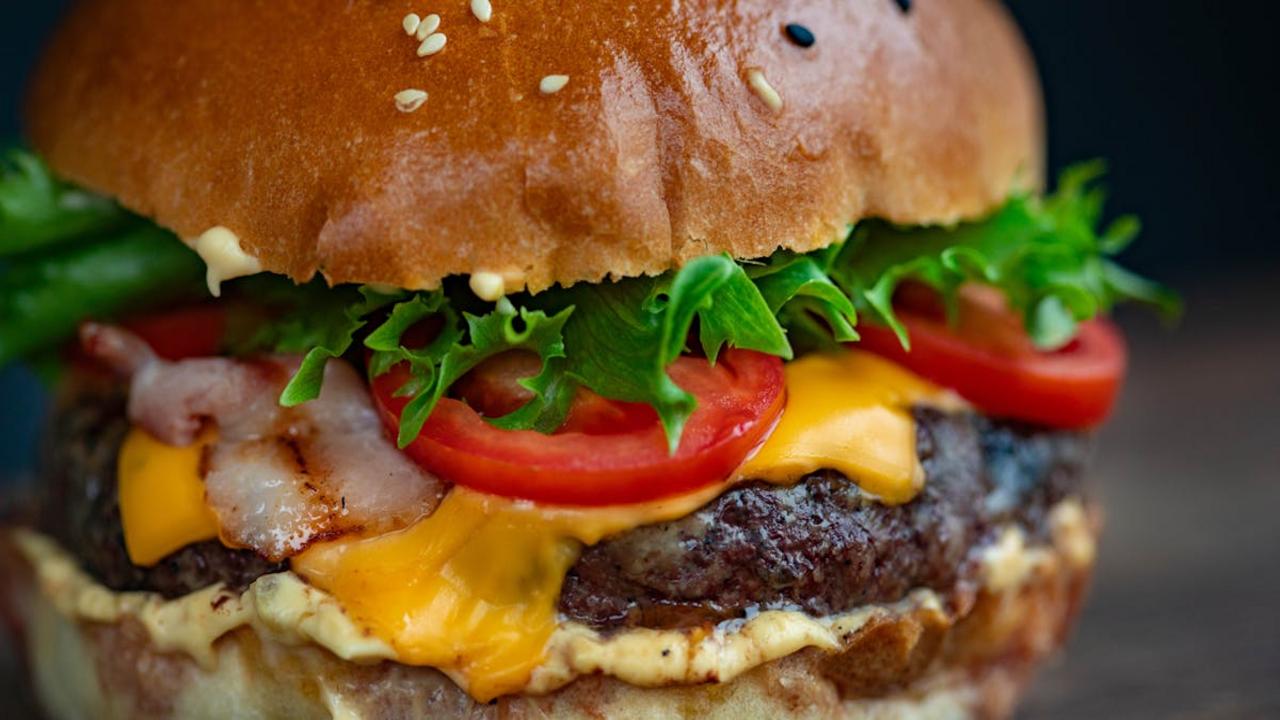
Oh, American cheese – the Rodney Dangerfield of dairy products that gets absolutely no respect from food snobs, yet somehow manages to be the backbone of countless comfort food memories. You know the stuff: those perfectly square, individually wrapped slices that your mom used to peel apart with the precision of a surgeon removing bandages. Sure, purists will scoff and mutter about “processed cheese product” under their breath, but here’s the thing – American cheese melts like a dream and never gets stringy or greasy. It’s the reliable friend who shows up to every grilled cheese party and makes your burger sing with that creamy, mild tang that pairs perfectly with pickles and mustard.
Fun fact: American cheese was actually invented by a Canadian (talk about identity crisis!) named James Lewis Kraft in 1916, who figured out how to blend different cheeses together and make them shelf-stable. The result? A cheese so American that it practically salutes the flag while melting on your morning eggs. Love it or hate it, this orange-tinted marvel has been faithfully serving sandwiches, mac and cheese, and late-night quesadillas for over a century. Critics can keep their fancy aged cheddars and imported gruyères – sometimes you just need that familiar, slightly artificial comfort that only American cheese can provide. It’s like the McDonald’s of cheese: not the fanciest option, but sometimes it hits exactly the right spot.
Meatloaf
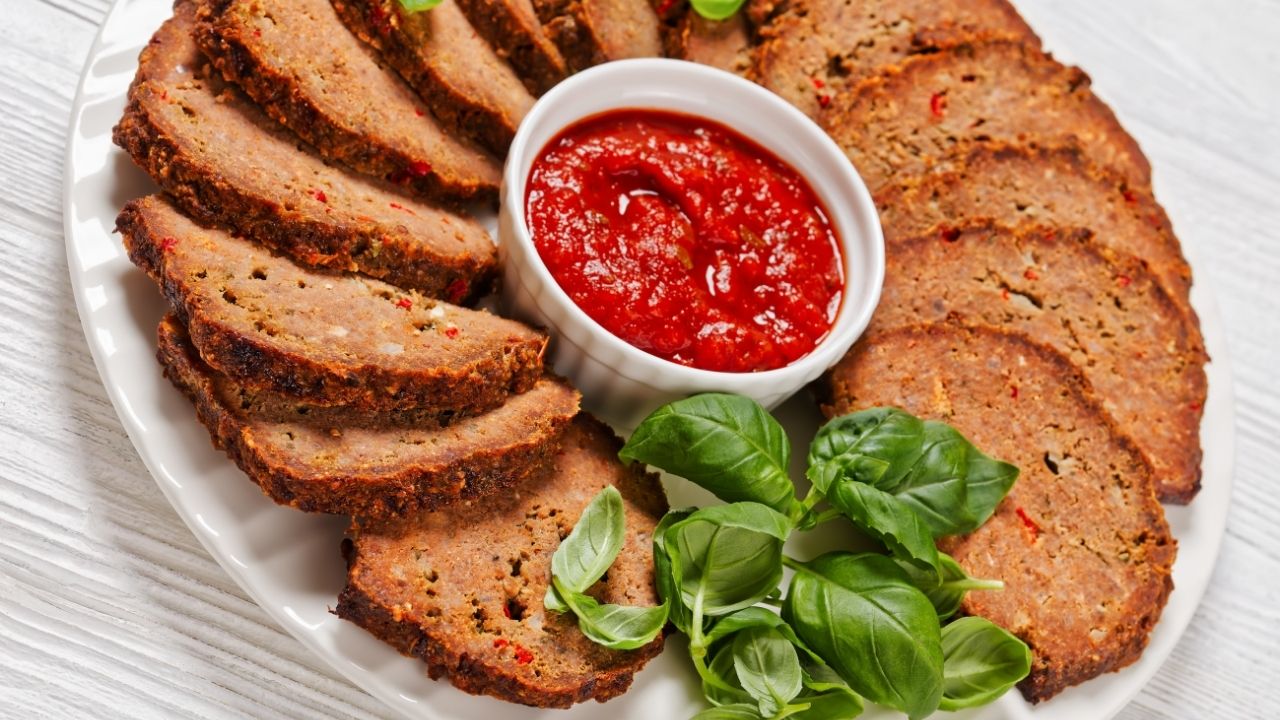
Ah, meatloaf—the dish that made you either clean your plate or hide chunks under your mashed potatoes as a kid. This humble American classic transforms ground beef, breadcrumbs, and mystery ingredients into what looks suspiciously like a brick wrapped in bacon. Some families guard their meatloaf recipes like state secrets, passing down variations that include everything from crushed crackers to oatmeal (yes, really). The beauty of meatloaf lies in its flexibility—you can sneak vegetables past picky eaters, use up leftover ingredients, and create something that tastes completely different from your neighbor’s version. Fun fact: during the Great Depression, meatloaf became popular because it stretched expensive meat with cheaper fillers, proving that necessity truly is the mother of invention.
The meatloaf divide runs deep in American households. Team Love appreciates its comfort food status and the way it fills your kitchen with that nostalgic, homey aroma. They remember fighting over corner pieces with the crispy edges and discovering that cold meatloaf sandwiches the next day might actually be better than the original dinner. Team Hate recalls dense, flavorless logs that resembled cafeteria food gone wrong, often served with ketchup glaze that couldn’t mask the underlying blandness. Here’s the secret the meatloaf lovers know: the magic happens when you mix different meats (beef, pork, and veal), keep your hands light during mixing, and never, ever pack it down like you’re building a foundation. Add some Worcestershire sauce, fresh herbs, and maybe a surprise center of hard-boiled eggs, and suddenly you’ve got something worth fighting over at the dinner table.
Deep Dish Pizza
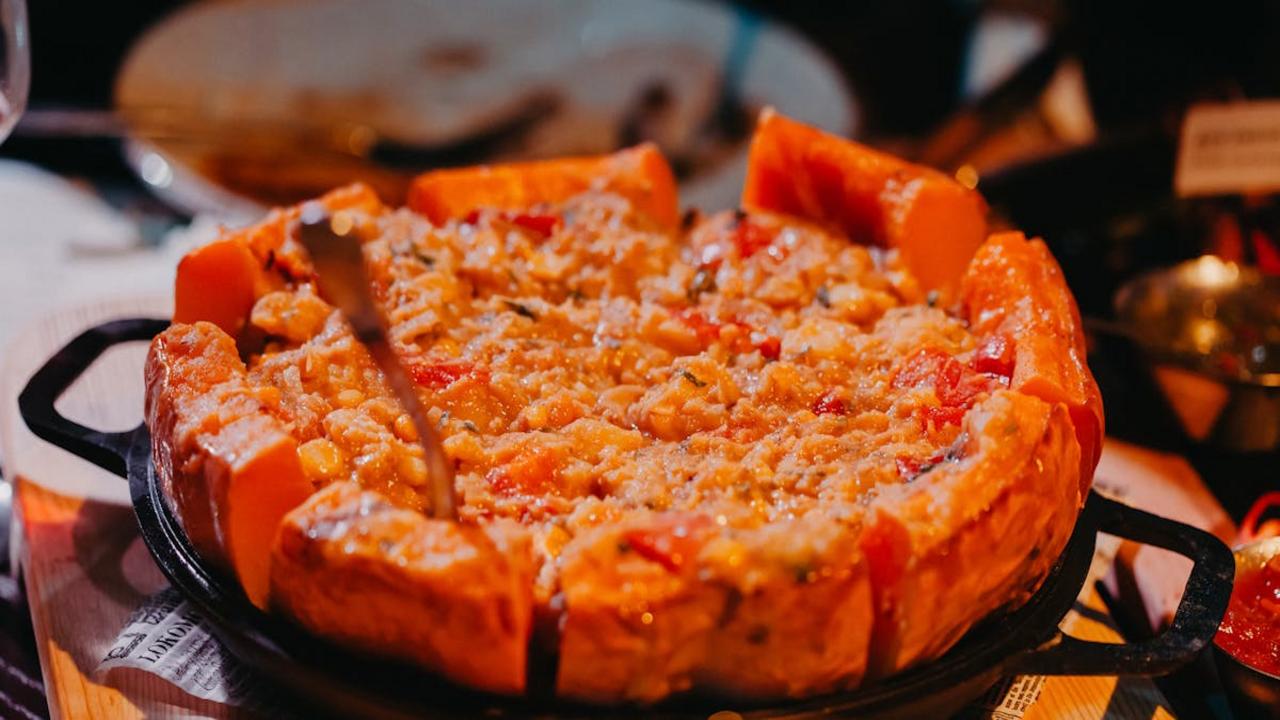
Chicago’s deep dish pizza stands as the most controversial pie in America, dividing families faster than pineapple ever could. This towering fortress of cheese, sauce, and dough has New Yorkers clutching their thin-crust slices in horror while Midwesterners defend their beloved casserole-pizza hybrid with religious fervor. Picture this: a buttery, flaky crust that climbs the walls of a cast-iron pan like edible architecture, creating a swimming pool for molten mozzarella. The sauce sits proudly on top—a move that makes traditional pizza lovers question everything they thought they knew about proper pizza construction.
Lou Malnati’s popularized this beast in 1971, though Pizzeria Uno claims the original crown from 1943. Here’s the thing about deep dish—you don’t grab a slice and fold it like some street food amateur. You attack it with a fork and knife, savoring each layered bite while your jaw gets a workout that would make a personal trainer proud. Critics call it “pizza soup in a bread bowl,” but supporters know better. They understand that sometimes you need pizza that requires commitment, pizza that makes you cancel your evening plans because you’re physically unable to move afterward. Whether you love it or hate it, deep dish doesn’t apologize for taking up space on your plate or in your stomach.
Chicken and waffles
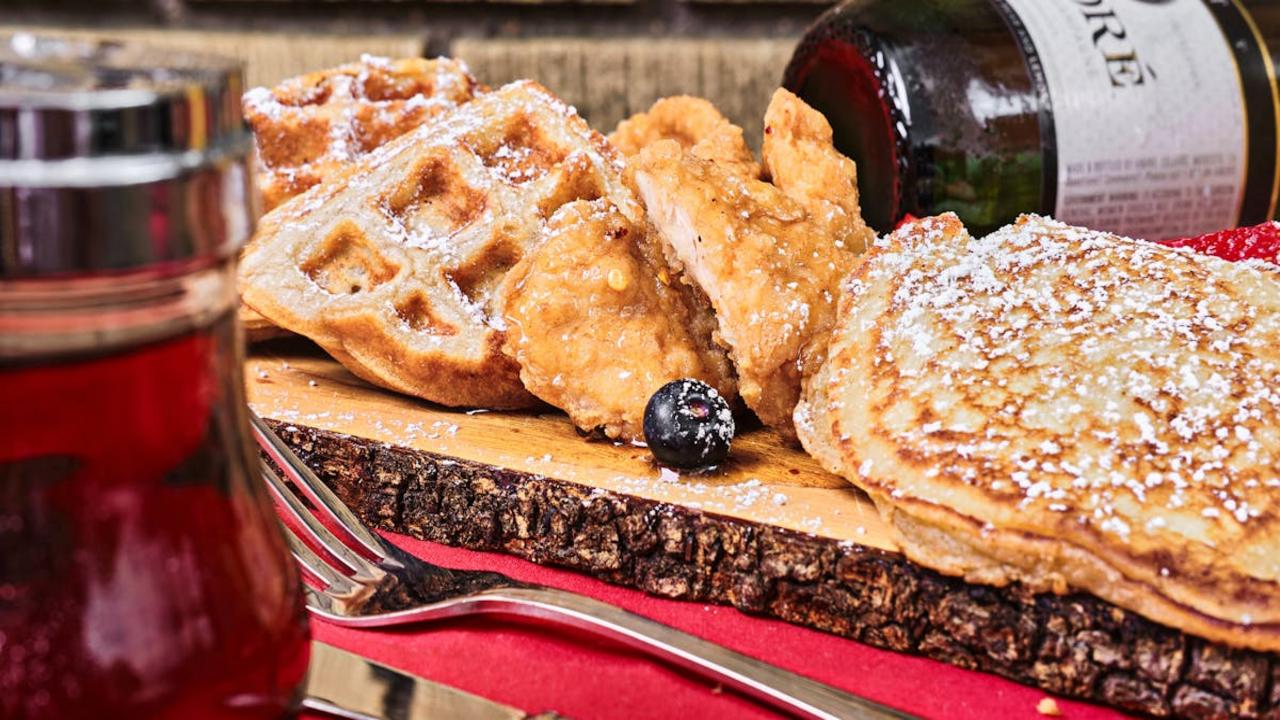
Picture this: you’re staring down at your plate, fork hovering mid-air, completely baffled by what’s in front of you. Crispy fried chicken sitting pretty on top of a golden waffle, drizzled with maple syrup that’s slowly making its way toward the chicken like sweet, sticky lava. Your brain screams “breakfast or dinner?!” while your mouth waters uncontrollably. This is the beautiful chaos that is chicken and waffles – a dish that makes people either throw their hands up in pure joy or back away slowly like they’ve encountered something from another planet. The combination originated in the jazz clubs of Harlem in the 1930s, where musicians finishing late-night gigs needed something that bridged the gap between dinner and breakfast.
The magic happens when that salty, savory crunch of perfectly seasoned chicken meets the fluffy, slightly sweet waffle below. Add a drizzle of maple syrup, and you’ve got yourself a flavor explosion that defies all logic yet somehow works brilliantly. Die-hard fans will tell you there’s nothing quite like cutting through both the chicken and waffle in one bite, getting that perfect balance of textures and flavors. Meanwhile, the skeptics wrinkle their noses and mutter about “weird American food combinations” while secretly wondering if they’re missing out on something amazing. Fun fact: Roscoe’s House of Chicken and Waffles in Los Angeles has been serving this controversial combo since 1975, and they’ve converted countless doubters into believers with their crispy perfection.
Hawaiian Pizza
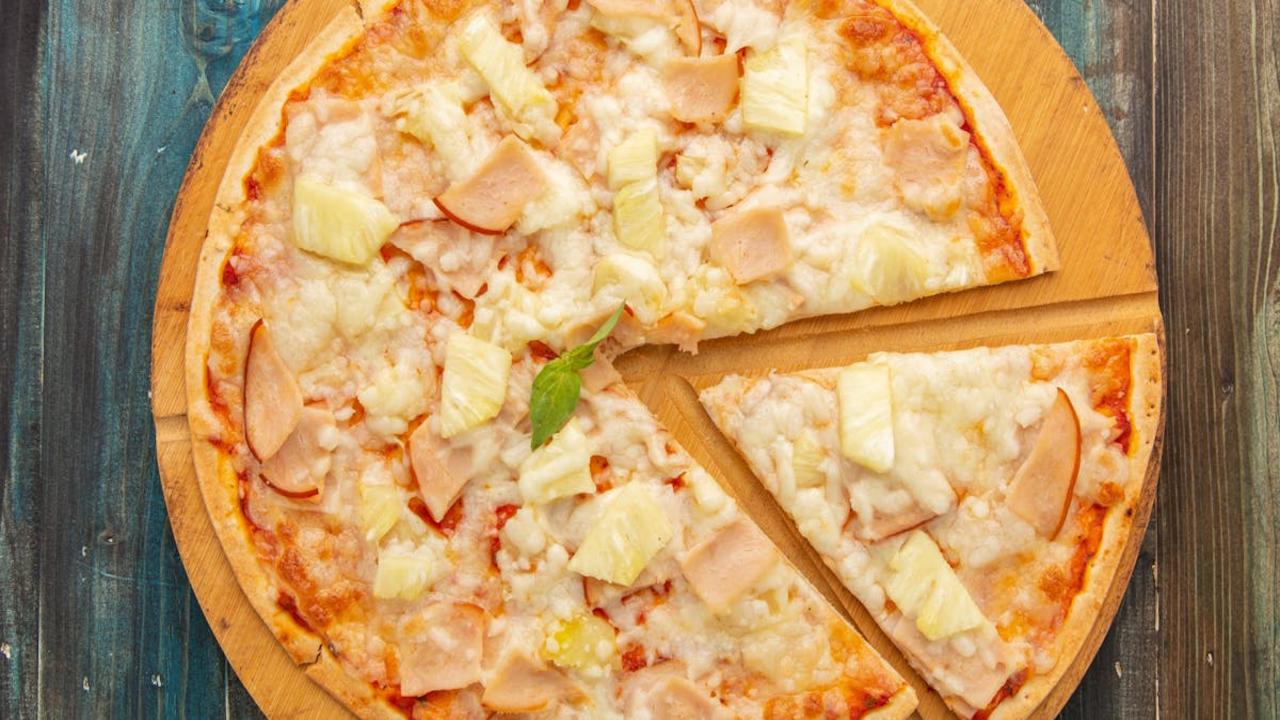
Oh, Hawaiian pizza – the Mona Lisa of controversial foods! You mention pineapple on pizza at any gathering, and watch people split faster than a banana republic. This Canadian-born creation (plot twist: it’s not even Hawaiian!) was invented in 1962 by Greek-Canadian chef Sam Panopoulos at his restaurant in Ontario. He threw ham and pineapple chunks onto a pizza and named it after the brand of canned pineapple he used. The audacity! Italians worldwide collectively gasped, and the internet wasn’t even around yet to properly express their horror.
Here’s the thing about Hawaiian pizza – it’s basically the pineapple upside-down cake of the pizza world, and science actually backs up why it works so well. The sweet acidity of pineapple cuts through the salty richness of ham and cheese like a tropical machete through dairy fog. Your mouth gets this sweet-salty-tangy party that either makes you want to book a flight to Maui or call the pizza police. Pro tip: if you’re making this at home, pat those pineapple chunks dry first, or you’ll end up with a soggy mess that even the most devoted Hawaiian pizza lover can’t defend. The debate rages on, but honestly? Life’s too short not to eat fruit on bread with cheese if it makes you happy.