12 Chef-Tested Secrets for Cooking Bistro-Worthy French Classics at Home
French cooking intimidates home cooks more than a soufflé falling flat at a dinner party. You picture yourself frantically whisking béchamel while muttering “merde” under your breath, wondering why your coq au vin tastes more like rubber chicken swimming in wine. Here’s the secret: French bistro magic isn’t about fancy techniques or exotic ingredients—it’s about understanding twelve fundamental principles that transform your kitchen into a Parisian café.
Professional chefs guard these secrets like family recipes, but I’ve convinced twelve of them to spill their techniques over glasses of Bordeaux. From selecting the right butter (hint: it’s not always European) to mastering the gentle simmer that makes tough cuts melt like butter, these methods will revolutionize your approach to French classics.
Forget intimidating culinary school terminology and complicated preparations. These chef-tested secrets focus on building confidence through practical knowledge. You’ll discover why room temperature ingredients matter more than perfect knife cuts, and how proper mise en place saves both time and sanity. Ready to cook like you’ve been doing it for decades?
Essential Kitchen Tools
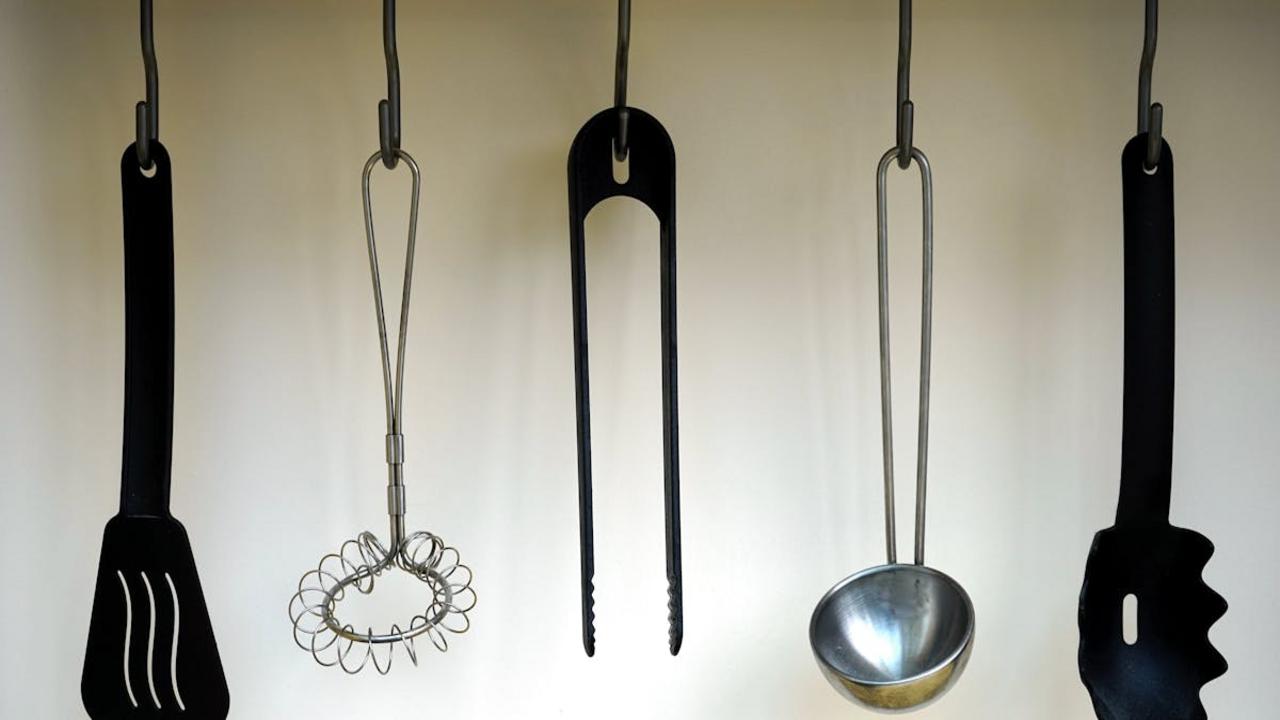
Listen, you can’t waltz into French cooking with just a butter knife and wishful thinking. You need the right weapons for this delicious battle, and I’m not talking about breaking the bank for some celebrity chef’s diamond-encrusted spatula collection. A good heavy-bottomed saucepan becomes your best friend when making silky béchamel – those thin, flimsy pans will give you lumpy disasters faster than you can say “sacré bleu!” Invest in a proper cast iron Dutch oven too; it’s like having a French grandmother’s wisdom built right into your cookware. The even heat distribution means your coq au vin won’t have those tragic burnt spots that make you question your life choices.
Here’s something that’ll blow your mind: a simple mandoline slicer transforms you from amateur potato-peeler to paper-thin gratin goddess in seconds. Sure, it looks intimidating (and yes, respect those blades like they’re tiny guillotines), but once you master it, your potato gratins will have layers so perfect they’d make a French chef weep tears of pure joy. Don’t forget a good whisk – not some flimsy wire contraption that bends at the first sign of thick cream. You want something sturdy enough to whip egg whites into submission while maintaining your dignity. And please, for the love of all things buttery, get yourself a proper wooden spoon. Plastic ones melt, metal ones scratch your pans, but wood? Wood has been stirring French sauces since before the Eiffel Tower was even a twinkle in Gustave’s eye.
Plating and Presentation
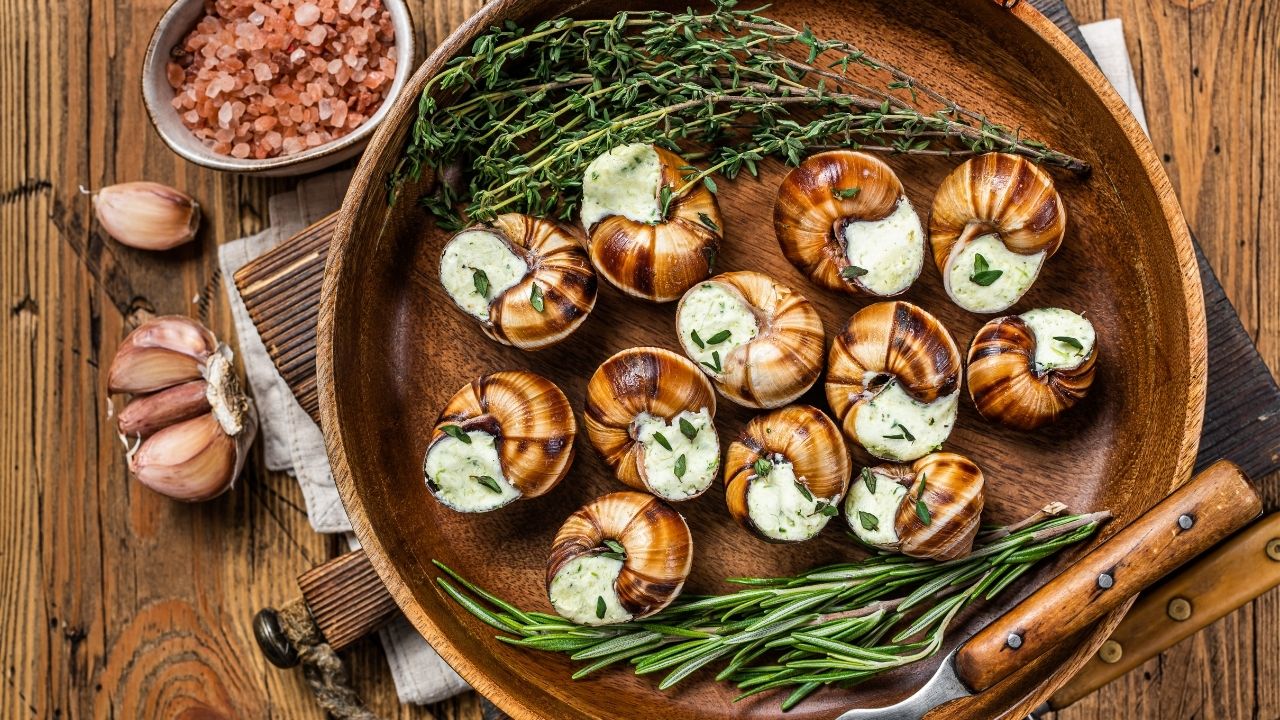
Picture this: you’ve just spent two hours perfecting your coq au vin, the kitchen smells like heaven, and then you plop it on a plate like it’s cafeteria slop. Don’t do that to yourself! French chefs treat plating like choreography—every sauce drizzle, every garnish placement tells a story. The secret lies in odd numbers (three carrots, not four), white space breathing room, and height variation that makes your dish look like it’s posing for its Instagram debut. Professional chefs use squeeze bottles for sauce dots, tweezers for micro-herbs, and warm plates because nobody wants lukewarm bourguignon on cold porcelain.
Here’s the thing about French presentation: it’s sophisticated restraint, not circus showmanship. Think clean lines, purposeful color pops from fresh herbs or a burgundy wine reduction, and textures that make sense together. Wipe those plate edges with a damp towel—smudges scream amateur hour faster than burnt garlic. French bistros master the art of making rustic dishes look refined through strategic placement and proper proportions. Your guests eat with their eyes first, so give them something worth staring at before they take that first magnificent bite.
Slow Cooking Methods
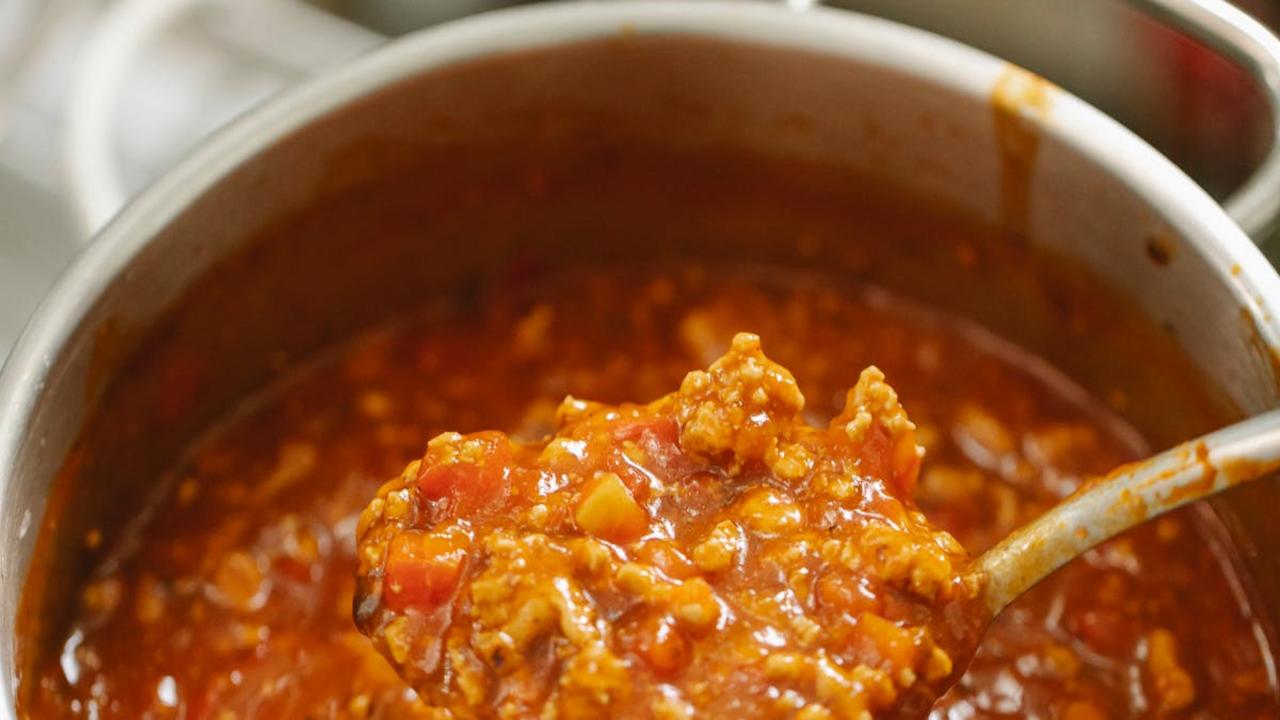
French grandmothers didn’t invent slow cooking techniques to torture impatient millennials—they created them because magic happens when you give tough cuts of meat the time they deserve. Braising, the crown jewel of French slow cooking, transforms stubborn chunks of beef chuck or lamb shoulder into silky, fork-tender masterpieces that practically melt off your spoon. You’ll want to sear your protein first (that caramelization creates flavor compounds that would make a chemist weep with joy), then nestle it into a heavy Dutch oven with aromatics, wine, and just enough liquid to create steam. The secret lies in maintaining that gentle, consistent heat—around 325°F—where collagen slowly breaks down into gelatin, creating that luxurious, restaurant-quality sauce that costs you pennies but tastes like a million bucks.
Confit represents the other side of French slow cooking genius, where duck legs or pork belly take a leisurely bath in their own fat at temperatures so low your oven barely breaks a sweat. This ancient preservation method (originally designed to keep meat edible before refrigeration existed) produces results so tender and flavorful that fancy restaurants charge $40 for what you can make at home for a fraction of the cost. The key is patience and precise temperature control—we’re talking 200°F for hours, not the American approach of cranking everything to 450°F and hoping for the best. Your duck confit will emerge with crispy skin that shatters like autumn leaves and meat so succulent it practically falls apart when you look at it sideways. Pro tip: save that rendered fat because it makes the most incredible roasted potatoes you’ve ever tasted in your life.
Herb and Seasoning Techniques
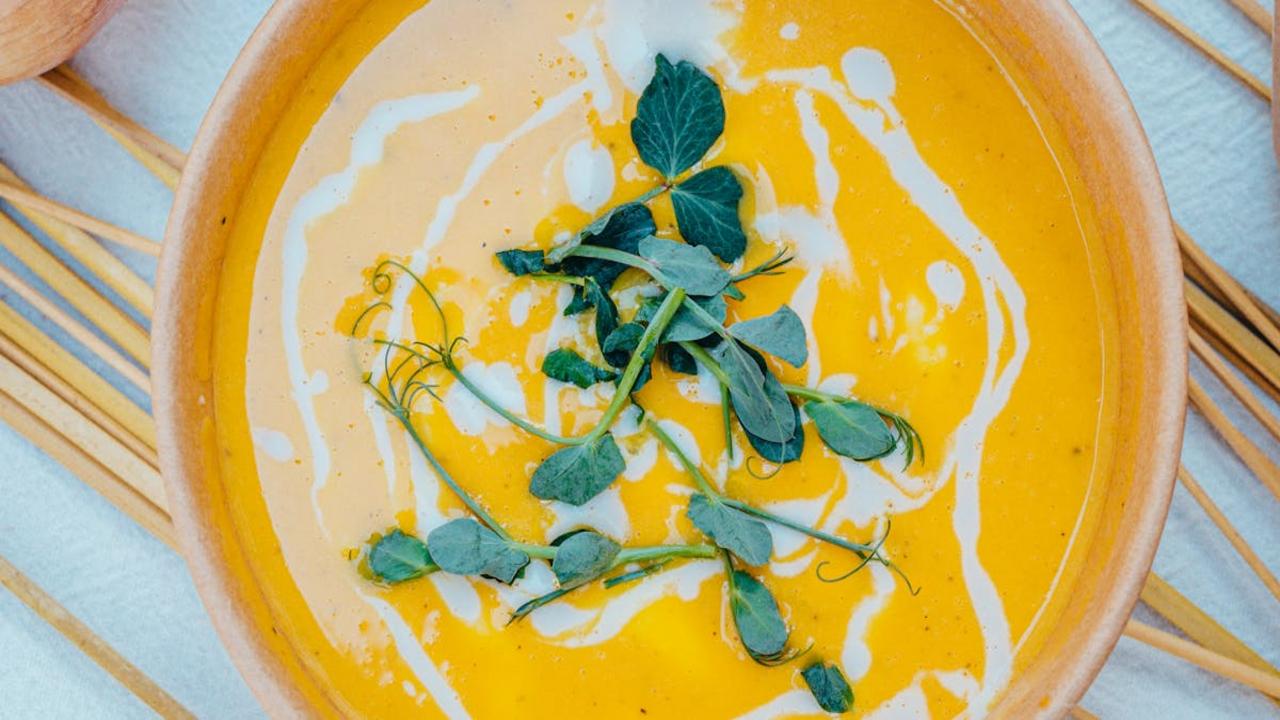
You know that moment when you walk into a French bistro and the aroma hits you like a warm, herby hug? That’s not accident—it’s the magic of proper seasoning timing. French chefs treat herbs like tiny green conductors orchestrating a symphony in your pan. Fresh herbs like parsley, chives, and tarragon get added at the very end to preserve their bright, grassy notes, while heartier ones like thyme and rosemary can handle the heat from the beginning. Here’s a quirky fact: French cooks often rub their cutting boards with garlic before chopping herbs, creating an invisible flavor layer that amplifies everything. Try this trick next time you’re prepping your mise en place—your herbs will thank you by tasting twice as vibrant.
The French have this brilliant concept called “bouquet garni”—basically a little herb bundle that acts like a tea bag for your stews and braises. You tie together bay leaves, thyme, and parsley stems with kitchen twine, toss it in your pot, and fish it out before serving. But here’s where things get interesting: seasoning isn’t just about what you add, it’s about when you add it. Salt your proteins at least 40 minutes before cooking (or up to overnight) to let osmosis work its magic, drawing out moisture initially, then pulling it back in along with the salt for deeper flavor penetration. French grandmères have been doing this forever, and there’s actual science behind their wisdom—the salt breaks down muscle proteins, creating a more tender, well-seasoned result that’ll make your guests wonder if you secretly attended culinary school in Lyon.
Wine Pairing Essentials
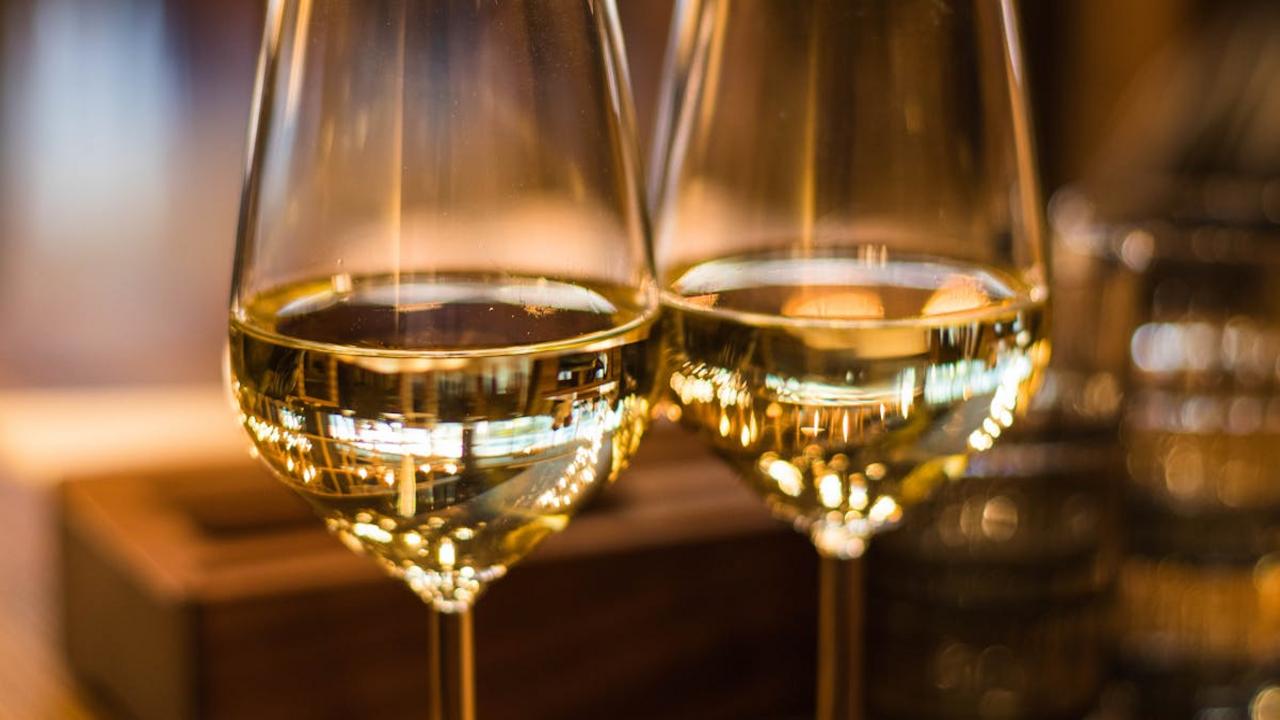
You know what separates a good French meal from an absolutely transcendent one? The wine sitting next to your plate, whispering sweet nothings to your coq au vin. French chefs don’t just throw any old bottle on the table—they treat wine pairing like a carefully choreographed dance where every sip should make your food sing opera. The golden rule? Match the weight of your wine to the weight of your dish. That delicate sole meunière needs a crisp Sancerre or Chablis, while your robust beef bourguignon demands a full-bodied Burgundy that can stand up to all that rich, wine-braised goodness. Here’s a fun fact: the French actually cook with the same wine they plan to drink, which means if you’re splashing Two Buck Chuck into your sauce, you better be prepared to sip it too!
Regional pairing works like magic because French winemakers have spent centuries perfecting combinations that grew up together. Provençal rosé with bouillabaisse? Pure genius. Loire Valley whites with river fish dishes? Chef’s kiss perfection. But don’t stress if you can’t find that exact Châteauneuf-du-Pape—the key is understanding flavor profiles. Acidic wines cut through rich, buttery sauces like a knife through warm brie, while tannins in red wines love to cozy up with proteins and herbs. I once watched a Parisian chef pair a simple cassoulet with three different wines throughout the meal, explaining that your palate changes as you eat, and your wine should evolve with it. Smart cookies, these French folks!
Temperature Control
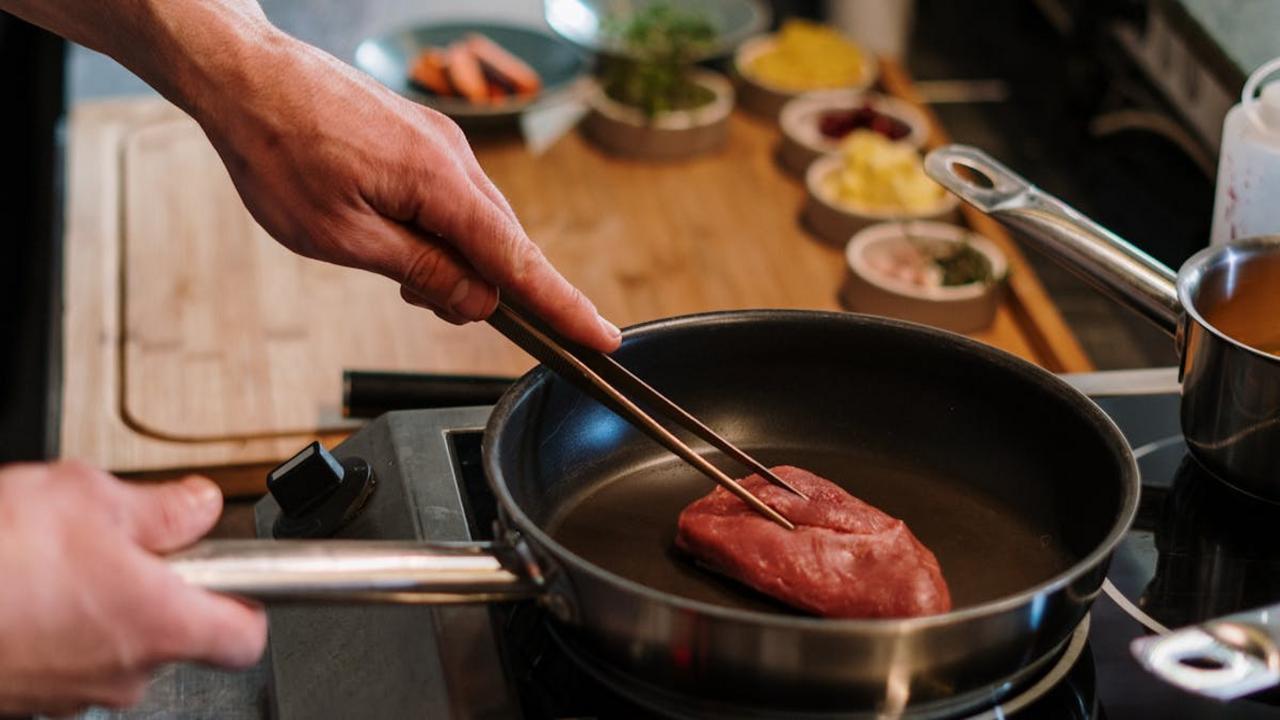
Listen, I once watched a perfectly good coq au vin turn into chicken soup because someone thought “medium heat” meant “crank it up and hope for the best.” French cooking doesn’t forgive temperature tantrums, and your stove isn’t a suggestion box—it’s a precision instrument that demands respect. Professional chefs carry infrared thermometers like other people carry phones, and there’s a reason for that obsession. A proper French onion soup starts with onions slowly caramelizing at exactly 275°F for nearly an hour, not blasted into submission at high heat. That golden, jammy sweetness you get at bistros? It comes from patience and a thermometer, not wishful thinking.
Here’s something that’ll blow your mind: butter has three distinct melting points, and French sauces depend on hitting each one perfectly. For a silky beurre blanc, you need butter at exactly 70°F when you whisk it in, or you’ll end up with greasy disappointment instead of velvet magic. Duck confit requires a steady 200°F oil bath for hours—any hotter and you’re making duck jerky, any cooler and you’re basically marinating raw meat. Get yourself a good digital thermometer and stop playing guessing games with your dinner. French chefs didn’t spend centuries perfecting these techniques just so you could wing it and wonder why your hollandaise breaks every single time.
Proper Kitchen Setup
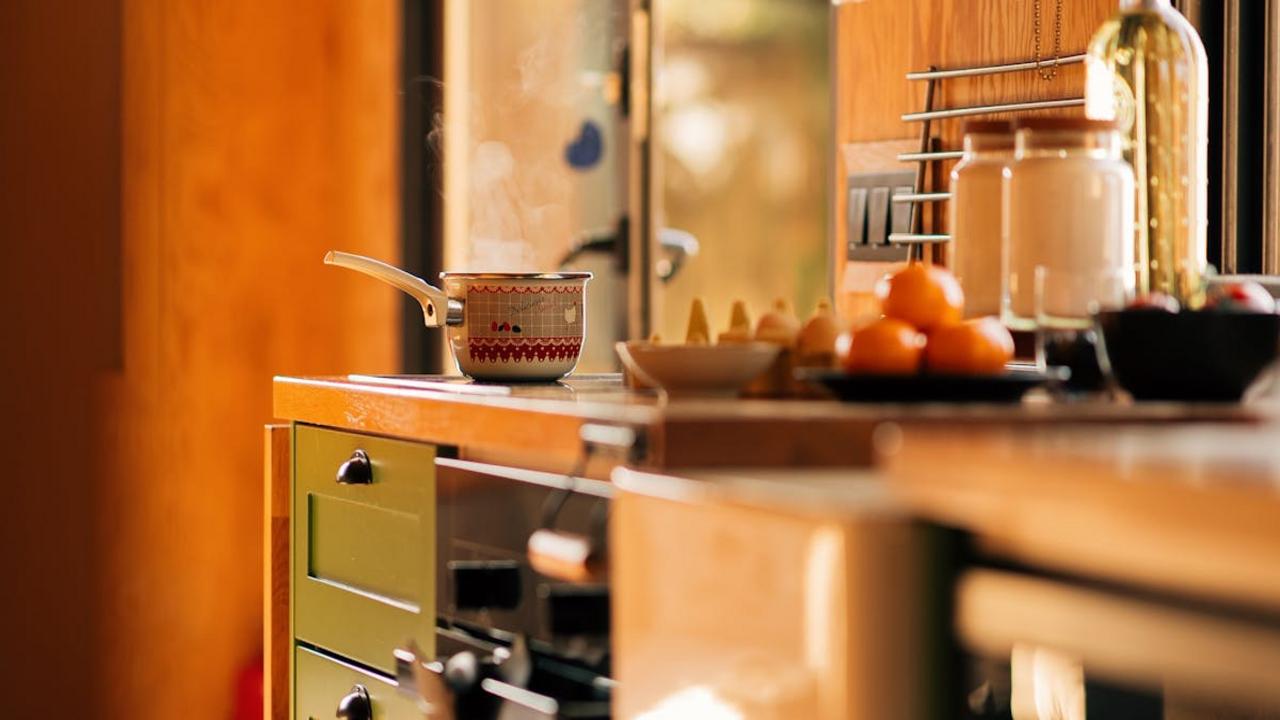
You know that moment when you’re trying to channel your inner Julia Child, only to realize your kitchen looks more like a tornado hit a yard sale? Here’s the thing: French cooking doesn’t require a château kitchen, but it absolutely demands organization. Professional chefs call it “mise en place” (literally “everything in its place”), and it’s the difference between graceful cooking and frantic scrambling. Before you even think about heating that pan, gather every single ingredient, measure them out, and arrange them within arm’s reach. Your salt should be in a little bowl, not buried in the pantry behind expired spices from 2019.
The French have this beautiful concept where cooking becomes a dance rather than a wrestling match with chaos. Set up stations: your prep area with cutting boards and knives, your cooking zone with pans and utensils, and your finishing station with plates and garnishes. Fun fact: French restaurant kitchens operate with military precision because they learned this setup philosophy from actual military kitchens! Clear your counters completely before you start – yes, even that random pile of mail that somehow migrated there. Trust me, when you’re trying to flip a perfect crêpe while your onions caramelize, you don’t want to discover your measuring cups are hiding under last week’s grocery receipts.
Stock Making Fundamentals
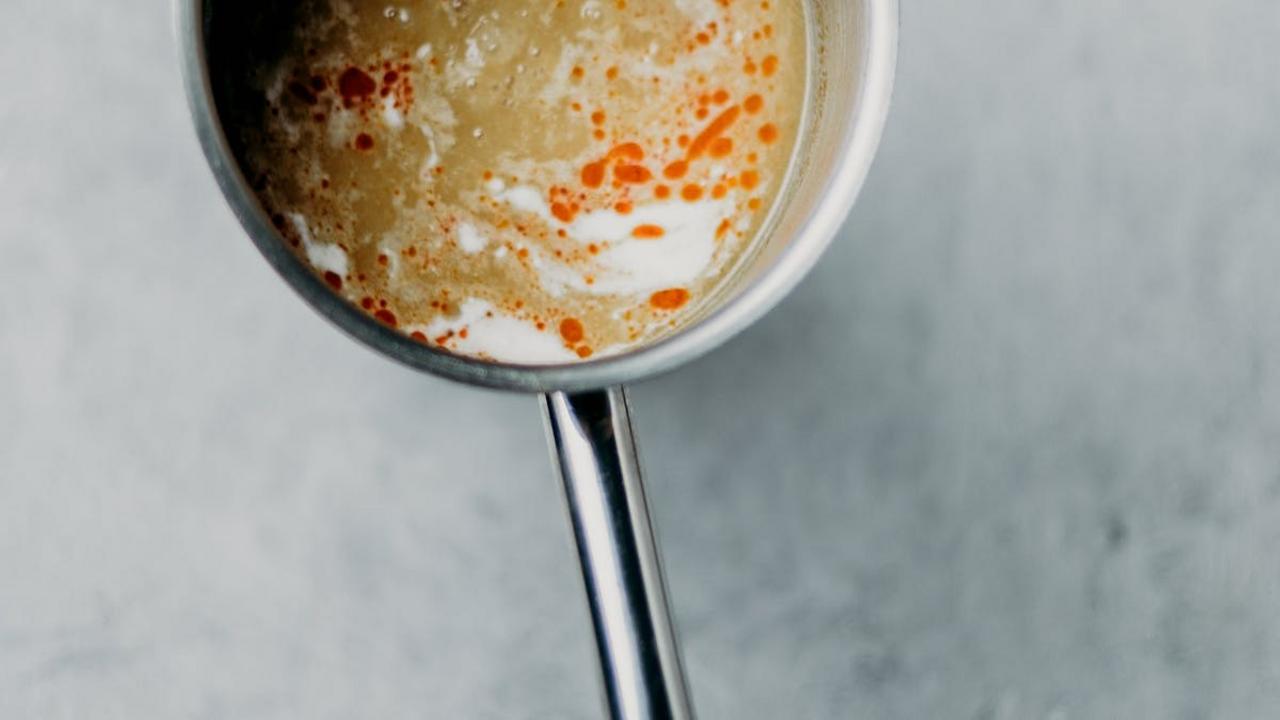
Making stock from scratch sounds like something only fancy French chefs do in their intimidating restaurant kitchens, but I promise you can master this liquid gold in your own home. The secret lies in patience and understanding that stock is basically vegetable and bone therapy – you’re coaxing every ounce of flavor out through slow, gentle heat. Start with quality bones (beef knuckle bones for rich stock, chicken carcasses for lighter versions), roast them until they’re deeply golden, then add your mirepoix trinity of carrots, celery, and onions. Here’s the fun part: throw in a bouquet garni – that’s just a fancy French term for herbs tied together with kitchen twine, like you’re making a little herb bouquet for your pot.
The magic happens during the long, slow simmer that transforms humble scraps into restaurant-quality liquid. Keep your heat low – you want gentle bubbles, not a rolling boil that turns your beautiful stock cloudy. Skim off the foam that rises to the surface; think of it as your stock’s way of getting rid of impurities, like a spa day for your soup base. After 4-6 hours of simmering, strain everything through a fine-mesh sieve, and you’ll have pure, gelatinous stock that jiggles like Jell-O when cold (that’s the collagen doing its thing). Store it in ice cube trays for easy portioning – future you will thank present you when you need just a splash of homemade stock for deglazing a pan.
Perfect Your Knife Skills
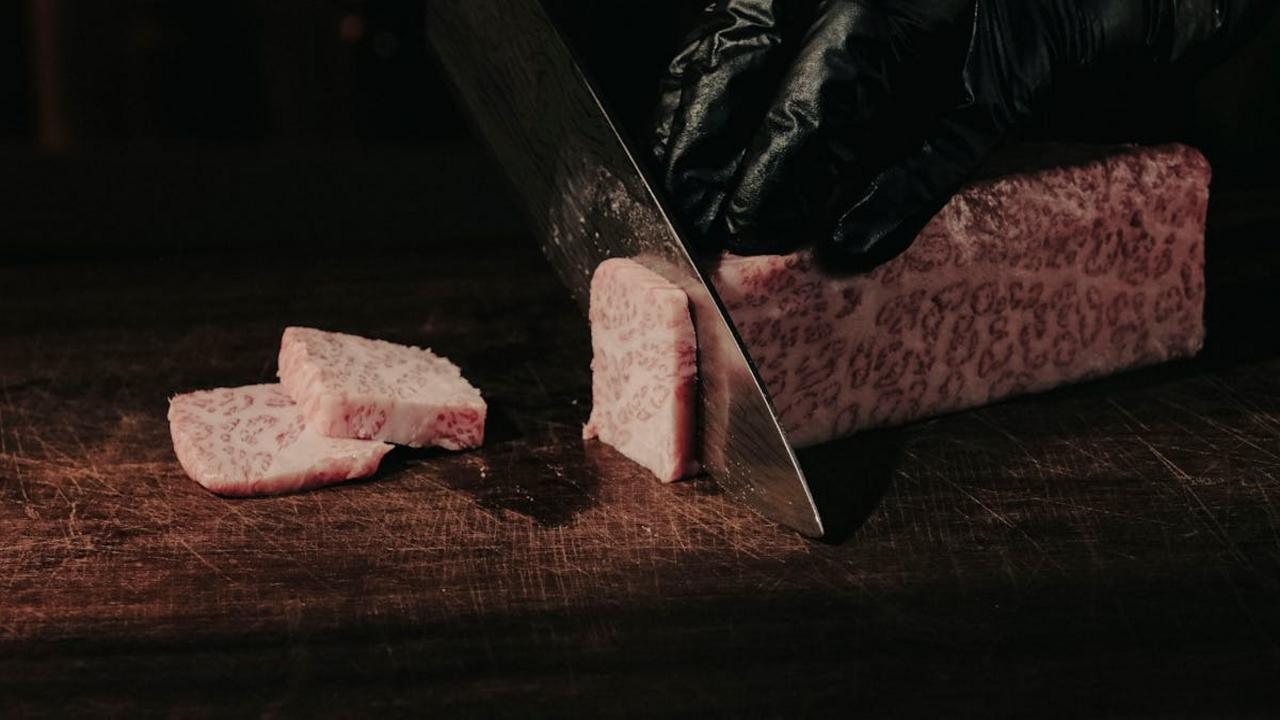
Listen, I used to butcher vegetables like a medieval executioner having a bad day. My onions looked like they’d been through a blender accident, and don’t even get me started on my julienned carrots—they resembled wonky matchsticks carved by a particularly unsteady beaver. But here’s the thing: French cooking demands precision, and your knife work can make or break that perfect brunoise for your mirepoix. Professional chefs don’t just chop faster because they’re showing off (okay, maybe a little), they understand that uniform cuts mean even cooking, which means your coq au vin won’t have some vegetables turning to mush while others remain stubbornly crunchy.
The secret sauce? Practice your basic cuts until they become second nature. Start with the classic French knife grip—pinch the blade between your thumb and forefinger, not the handle like you’re wielding a sword. Your other hand becomes a claw, knuckles forward, protecting your fingertips while guiding the blade. Fun fact: French culinary schools actually grade students on their knife cuts, measuring each piece with rulers! You don’t need that level of obsession, but spending ten minutes daily practicing your brunoise, julienne, and chiffonade will transform your cooking. Plus, there’s something deeply satisfying about reducing a pile of vegetables into perfectly uniform pieces—it’s like meditation, but with more potential for Band-Aids.
Master Mother Sauces
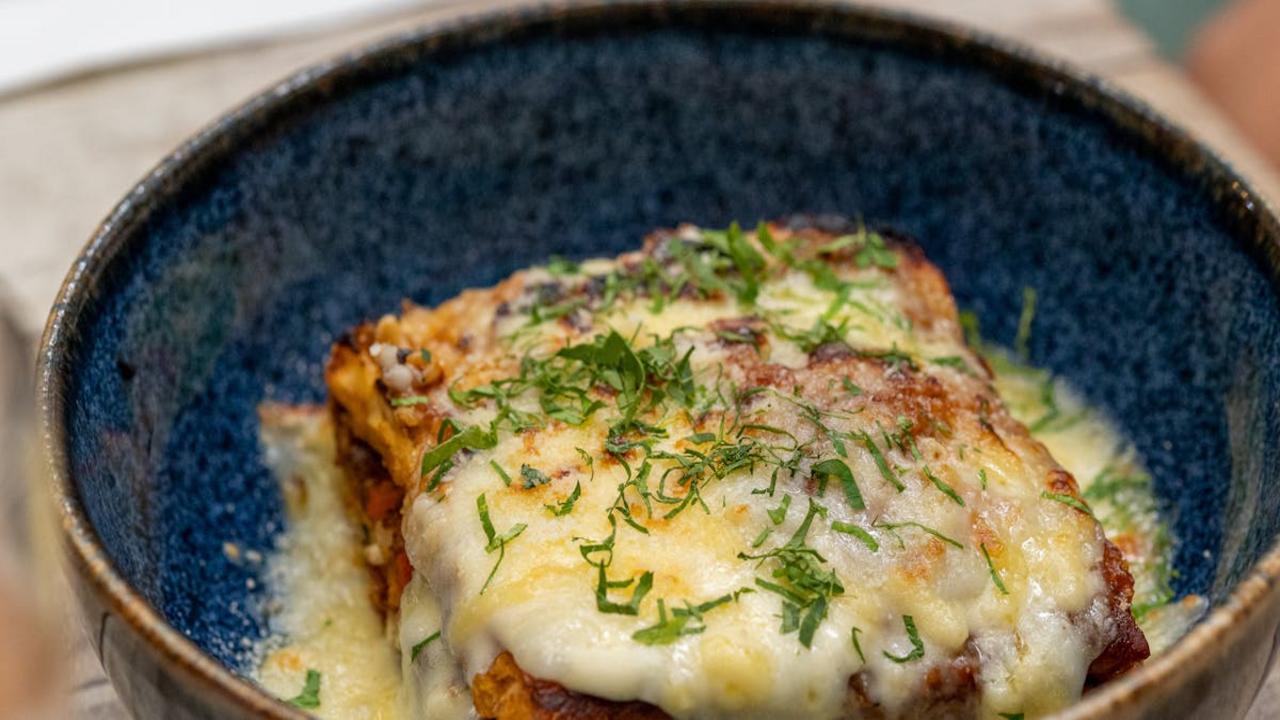
You know that moment when you’re watching a French cooking show and the chef casually whips up a velvety béchamel like they’re brushing their teeth? That’s the magic of mastering the five mother sauces – béchamel, velouté, espagnole, hollandaise, and tomato. These aren’t just fancy French terms to impress your dinner guests (though they absolutely will); they’re the foundation of practically every sauce you’ve ever swooned over. Think of them as the building blocks of flavor architecture. Once you nail these five, you can create hundreds of derivative sauces faster than you can say “sauce dérivée.” Fun fact: Auguste Escoffier didn’t invent these sauces, but he organized them into this holy quintet in the early 1900s, basically creating the sauce equivalent of the periodic table.
Here’s the beautiful truth about mother sauces – they’re actually more forgiving than your college roommate who always ate your leftovers. Start with a basic roux (equal parts butter and flour, cooked together until it smells nutty), then slowly whisk in your liquid of choice. Milk for béchamel, light stock for velouté, brown stock for espagnole. The key is patience and constant whisking – treat your sauce like a needy pet that requires constant attention. Once you’ve got your mother sauce down, you can transform it into cheese sauce, mushroom sauce, or even that magical hollandaise that turns ordinary eggs Benedict into a religious experience. Master these five, and you’ll never again stare helplessly at a sad piece of chicken wondering how to make it sing.
Learn Basic French Terms

You know that moment when you’re reading a French recipe and suddenly feel like you need a translator just to make dinner? Yeah, I’ve been there too, squinting at “brunoise” like it’s some ancient hieroglyphic. But here’s the thing – mastering basic French cooking terms isn’t just about showing off at dinner parties (though that’s a nice bonus). It’s about understanding what you’re actually supposed to do with that onion. When a recipe says to “julienne” your carrots, it’s not suggesting you name them after your neighbor; it means cutting them into thin matchstick strips. And “sauté”? That’s not just fancy talk for “throw it in a pan and hope for the best.”
Once you crack the code on these terms, French cooking becomes way less intimidating and infinitely more fun. Take “mise en place” – literally “everything in its place” – which basically means getting all your ingredients prepped before you start cooking. French chefs treat this like a sacred ritual, and honestly, they’re onto something. When you’ve got your herbs chopped, your garlic minced, and your butter measured out, you feel like a total kitchen rockstar instead of frantically searching for paprika while your onions burn. Plus, knowing that “confit” means slowly cooking something in fat until it’s ridiculously tender makes you sound like you actually know what you’re doing, even when you’re just making duck legs on a Tuesday night.
Start with Quality Ingredients
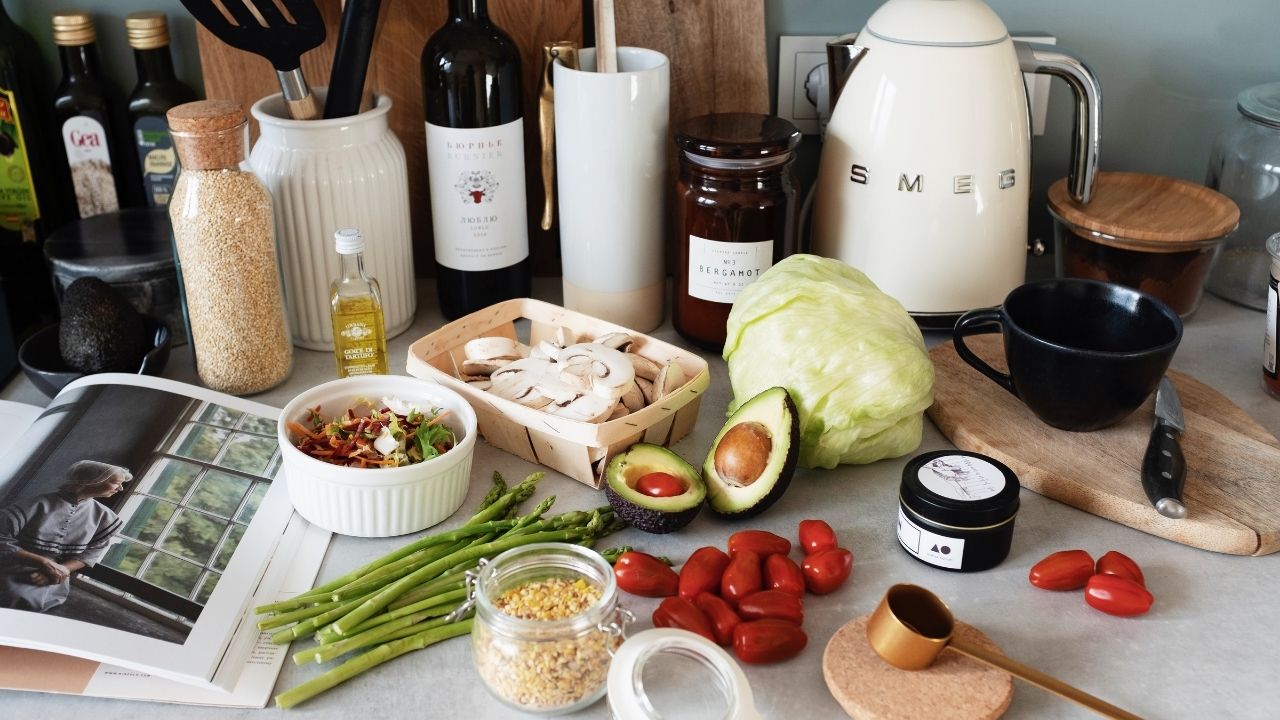
Listen, I learned this the hard way after serving my dinner guests what I generously called “coq au vin” but what honestly resembled chicken drowning in sad, supermarket wine. French cooking doesn’t hide behind flashy techniques or Instagram-worthy plating—it strips everything down to the bare bones, which means your ingredients better be singing opera, not mumbling through karaoke night. When you grab that bottle of wine for your boeuf bourguignon, ask yourself: would you actually drink this? If the answer involves wincing, put it back and find something you’d happily sip while stirring. The same goes for your butter—French chefs would rather close their restaurants than use margarine, and honestly, I respect that level of dairy devotion.
Here’s a fun fact that’ll make you appreciate good ingredients even more: French chefs traditionally taste their butter before using it, because even slightly off butter can torpedo an entire dish faster than you can say “Julia Child.” I started doing this after reading about it, and now I feel ridiculously sophisticated licking butter off my finger at 7 AM while making scrambled eggs. Your vegetables should snap with freshness, your herbs should smell like they’re auditioning for a perfume commercial, and your meat should look like it lived a good life. Remember, you’re not trying to mask flavors in French cooking—you’re giving them center stage to perform their little hearts out, so make sure your cast is worthy of the spotlight.