12 American Classics with Surprising Global Origins
You walk into any diner across America and spot apple pie cooling on the counter, fortune cookies stacked by the register, and hot dogs sizzling on the grill. These foods scream “Made in the USA” louder than a Fourth of July parade, right? Wrong! Most of our beloved comfort foods actually packed their bags from distant shores before claiming citizenship here.
That crispy fortune cookie? Born in Japan, raised in California. Your grandmother’s meatloaf recipe? Thank the Germans for that hearty inspiration. Even mac and cheese traces its cheesy roots back to medieval Europe, where pasta met dairy long before Thomas Jefferson brought the combo stateside after his French adventures.
Food doesn’t respect borders—it travels, adapts, and reinvents itself wherever hungry people gather. These twelve dishes tell stories of immigration, innovation, and pure delicious accident. Each bite connects you to centuries of cooks who stirred, seasoned, and shared their heritage across oceans. Ready to discover the global passport hiding in your pantry?
Key Lime Pie
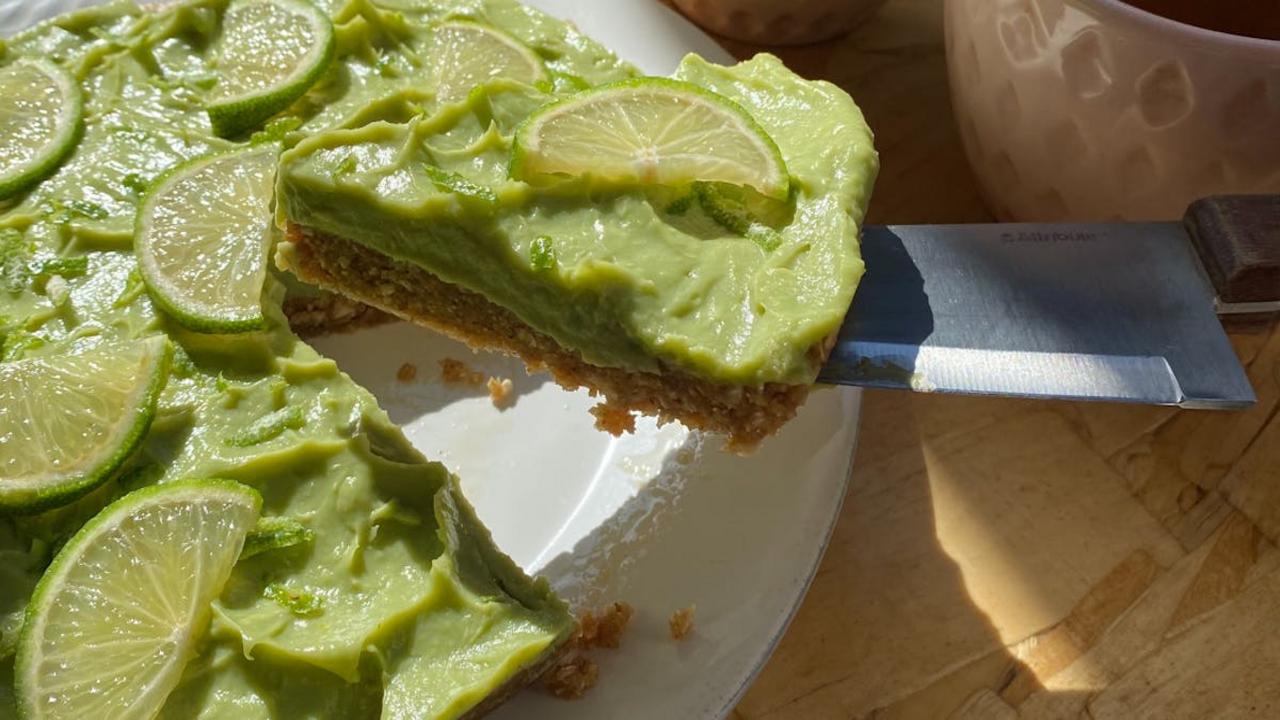
Florida’s famous Key lime pie has been fooling Americans for decades with its “authentic” Southern charm, but here’s the plot twist that’ll make you choke on your next forkful: those tiny, precious Key limes? They’re actually from Asia! Malaysian and Indonesian sailors brought these citrus gems to the Florida Keys in the 19th century, where they thrived in the tropical climate and eventually became the star of what we now consider quintessentially American dessert. The pie itself didn’t even exist until the 1890s, when some genius figured out that condensed milk (thanks to another import innovation) mixed with these tart little green bombs created magic in a graham cracker crust.
The whole “authentic Key lime pie must be yellow, never green” rule makes perfect sense once you know the backstory – real Key lime juice creates that gorgeous pale yellow color naturally, while the neon green versions you see in tourist traps are just regular Persian limes with food coloring doing their best Key lime impression. I’ve watched grown adults have full meltdowns in Florida restaurants when their pie arrives looking like a pale sunrise instead of a highlighter explosion. The funny thing? Most of America’s “Key” limes now actually come from Mexico and Central America because hurricanes keep wiping out Florida’s groves, making this supposedly local specialty more international than a United Nations potluck dinner.
Buffalo Wings
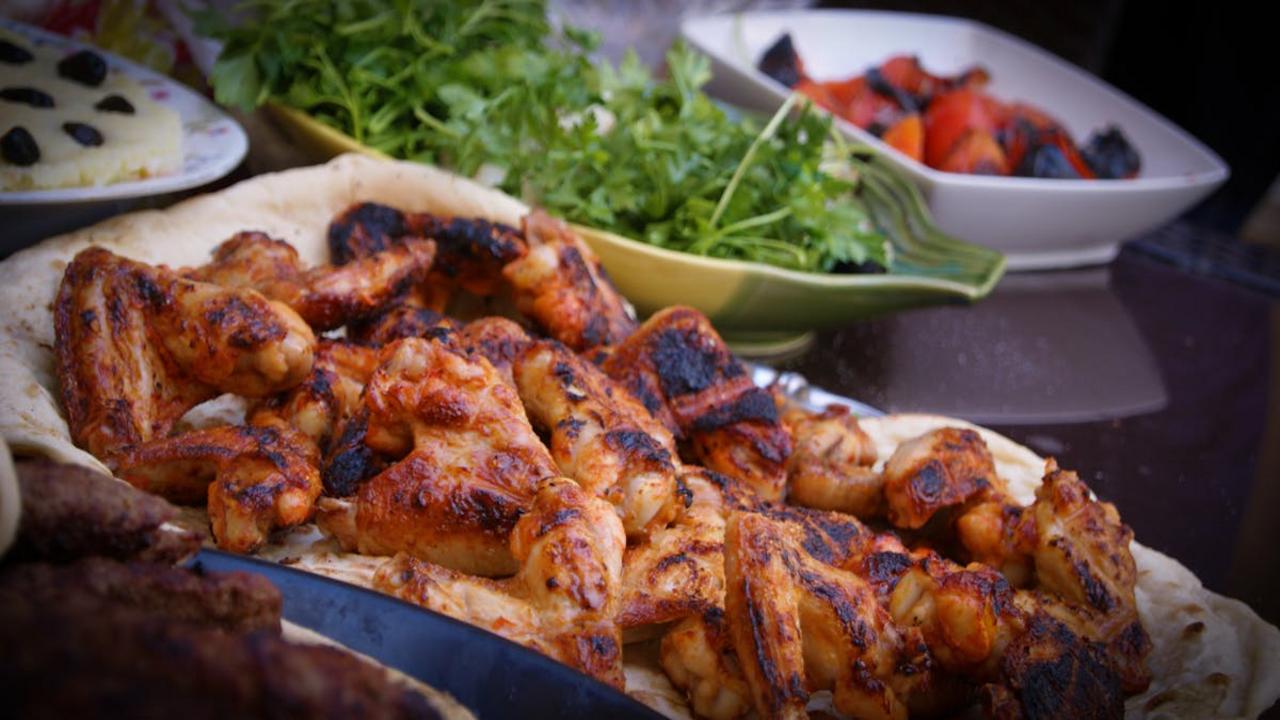
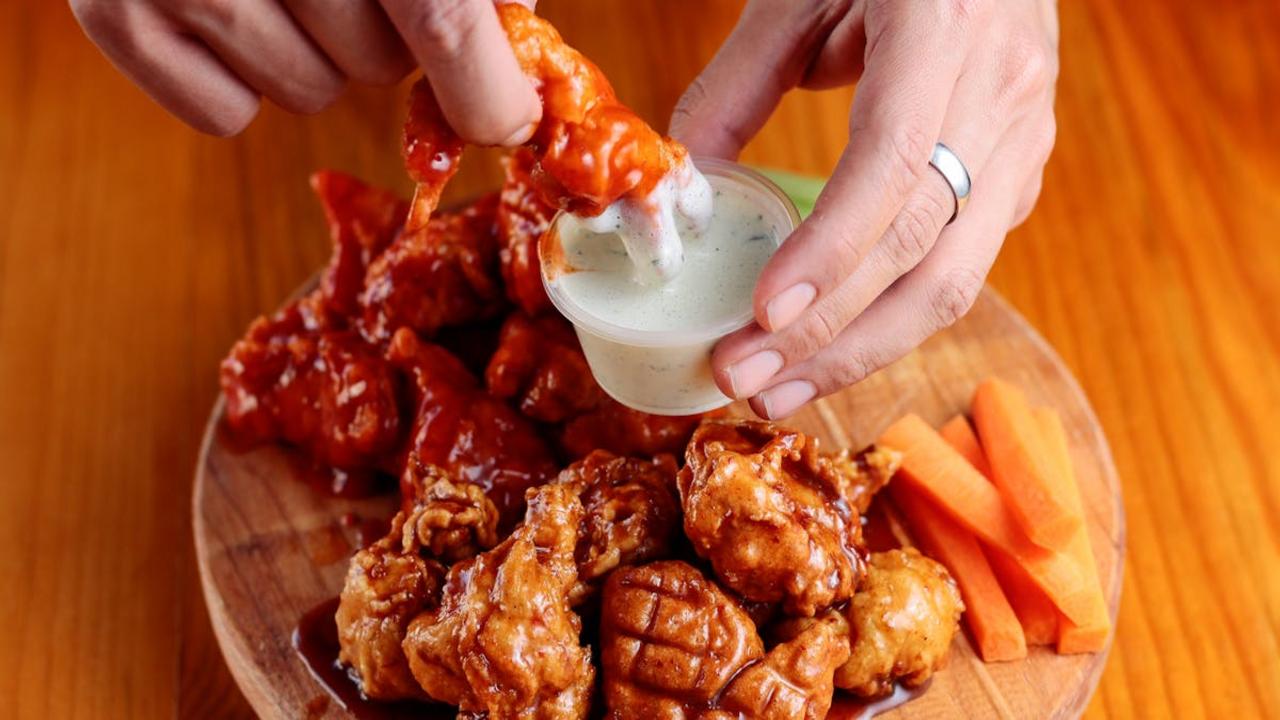
Here’s the thing about Buffalo wings – they’re not actually from Buffalo, New York, despite what every sports bar menu wants you to believe. Sure, Teressa Bellissimo created the first batch at the Anchor Bar in 1964, but the magic really comes from an ancient technique that traces back to medieval European taverns where chicken wings were tossed in butter and vinegar-based sauces. The genius wasn’t in the invention of coating chicken in sauce (humans have been doing that since we figured out fire), but in taking the throwaway parts of the bird and turning them into pure gold. Teressa’s midnight snack for her son and his friends accidentally created a billion-dollar industry, proving once again that the best foods come from desperation and leftover ingredients.
What makes this even more ridiculous is that the “Buffalo” part comes from Frank’s RedHot sauce, which was created by Jacob Frank in 1920 using cayenne peppers from Louisiana and techniques borrowed from Caribbean hot sauce traditions. So you’ve got European butter-and-vinegar methods, Caribbean pepper knowledge, Louisiana agriculture, and New York ingenuity all wrapped up in one messy, finger-licking package. The blue cheese dip that comes alongside? That’s a French technique adapted by American dairy farmers. Next time you’re demolishing a plate of wings while watching the game, remember you’re basically eating a United Nations summit of flavor techniques – all because one mom didn’t want her kid’s friends to go hungry at 2 AM.
Ranch Dressing
You probably think ranch dressing sprouted from some dusty cowboy’s saddlebag on the American frontier, right? Wrong! This creamy, herb-packed miracle sauce actually began its life in 1954 at Hidden Valley Ranch in Santa Barbara, California, created by Steve Henson – a plumbing contractor turned dude ranch owner who mixed up this concoction while working in Alaska. Yes, Alaska! The icy wilderness gave birth to America’s most beloved dressing. Henson originally whipped up his buttermilk-based creation for the crew on a remote job site, combining mayonnaise, herbs, spices, and that tangy buttermilk kick that makes your mouth water just thinking about it.
What makes this story even more delicious is how ranch went from obscurity to absolute domination of American refrigerators. Henson’s guests at his California ranch went absolutely crazy for the stuff, begging him to bottle it up so they could take it home. Smart man that he was, he started selling packets of his dry seasoning mix, and by 1972, Clorox bought the brand for $8 million – not bad for a plumber’s side hustle! Today, Americans consume more ranch than any other salad dressing, slathering it on everything from pizza to carrots to french fries. We’ve turned this Alaskan-born, California-perfected sauce into our unofficial national condiment, proving once again that the best American foods often have the most unexpected backstories.
Macaroni and Cheese
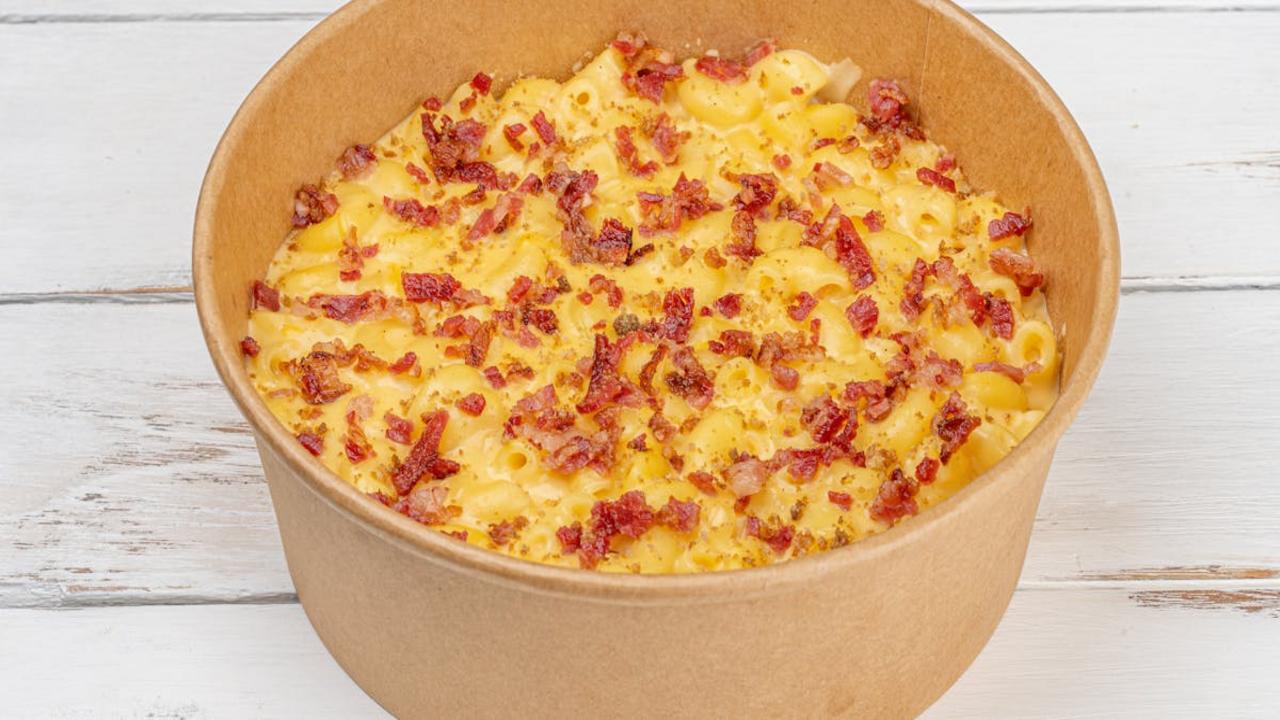
Picture this: Thomas Jefferson, fresh from his diplomatic duties in France, returns home with a pasta machine and a dangerous obsession with cheese-covered noodles. Yes, America’s third president basically brought us mac and cheese after falling head-over-heels for a similar dish he encountered in Paris. But here’s the kicker—the French weren’t even the original inventors! This creamy, comfort-food masterpiece actually traces its roots back to 14th-century Italy, where pasta met cheese in what I can only assume was the most beautiful culinary love story ever written. The Italians were already perfecting their “maccheroni au gratin” while the rest of Europe was still figuring out what to do with wheat.
Jefferson was so smitten with this dish that he served it at White House dinners, shocking guests who had never seen anything quite like it. One dinner guest described it as “a pudding made of macaroni,” which honestly sounds way less appetizing than it actually was. The recipe eventually made its way into American cookbooks, and by the 1930s, Kraft had turned this Italian-French-American hybrid into a blue-box phenomenon. Now we’ve got everything from truffle mac to bacon-loaded versions, but I still get a kick out of imagining Jefferson in his kitchen, frantically cranking that pasta machine and dreaming of the cheesy revolution he was about to unleash on America.
Meatloaf
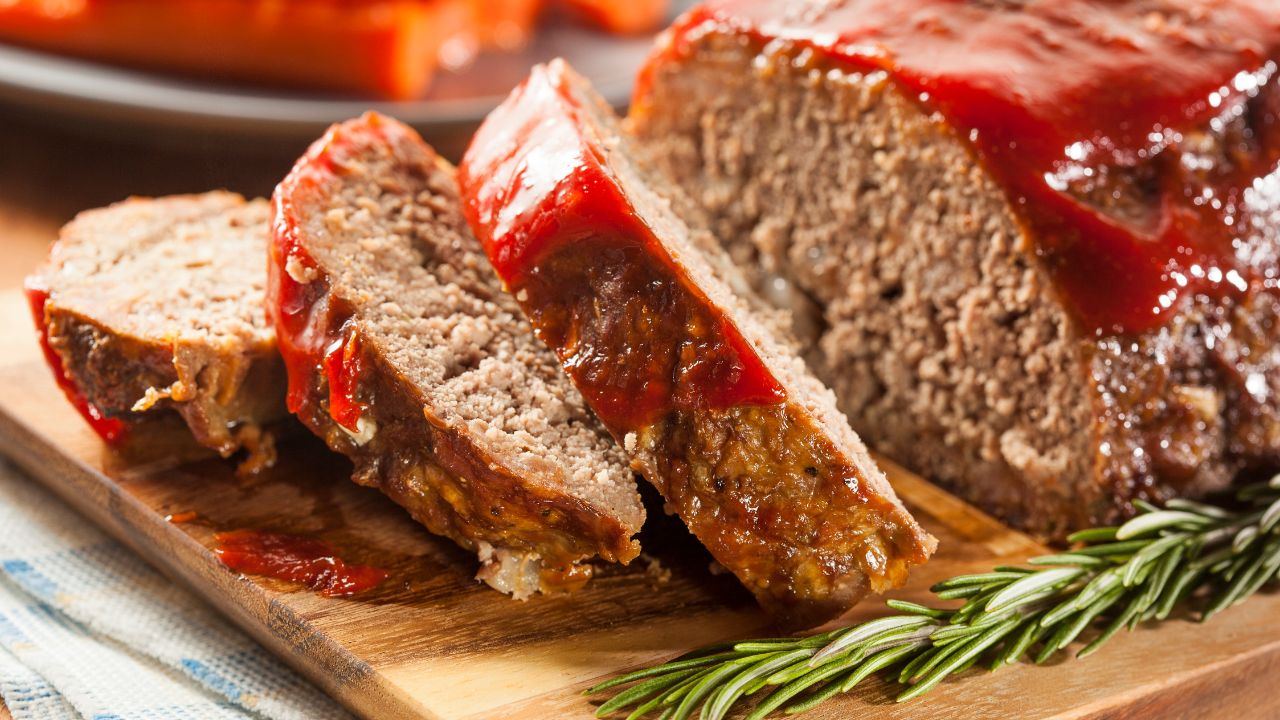
Your Sunday dinner meatloaf might seem like pure Americana, but this humble dish actually traces its roots back to ancient Rome! The Romans created “isicia omentata,” a seasoned ground meat mixture that bears a striking resemblance to our beloved loaf. European immigrants brought their own versions across the Atlantic – Germans had their “hackbraten,” while Scandinavians contributed their meatball-making expertise. During the Great Depression, resourceful American cooks stretched meat with breadcrumbs and whatever vegetables they could find, transforming these Old World recipes into the comfort food we know today.
The beauty of meatloaf lies in its democratic nature – you can throw almost anything into that loaf pan and call it dinner! I once watched my neighbor add crushed cornflakes instead of breadcrumbs (surprisingly genius), while my Italian friend sneaks sun-dried tomatoes and mozzarella into hers. The ketchup glaze that Americans worship? That’s our own brilliant addition to the international mix. Whether you’re team ketchup, team brown gravy, or team “eat it plain because I’m fancy,” meatloaf remains the ultimate shape-shifting comfort food that somehow makes everyone feel like they’re getting a warm hug from their kitchen.
German Chocolate Cake
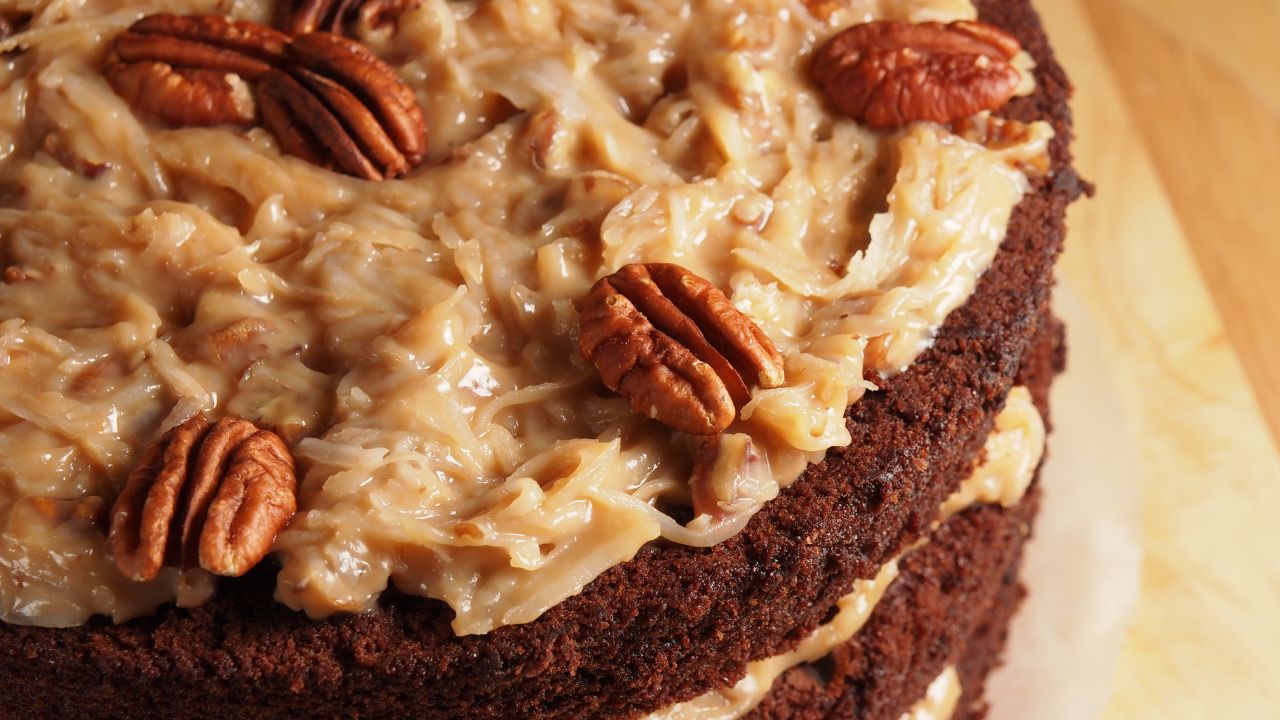
Plot twist alert! German Chocolate Cake has absolutely nothing to do with Germany, and I bet you’re already shaking your head in disbelief. This towering beauty of coconut-pecan frosting and rich chocolate layers got its name from Sam German, an English-American baker who developed a sweet baking chocolate for Baker’s Chocolate Company back in 1852. The chocolate was called “German’s Sweet Chocolate,” and when a Dallas homemaker named Mrs. George Clay whipped up her now-famous recipe using this chocolate in 1957, newspapers started calling it “German’s Chocolate Cake.” Somewhere along the way, that pesky apostrophe disappeared faster than the last slice at a potluck dinner.
The real genius of this cake isn’t just its mistaken identity—it’s that gloriously gooey coconut-pecan frosting that makes grown adults weak in the knees. While most cakes get slathered in buttercream or fondant, German Chocolate Cake breaks all the rules with its chunky, caramel-colored topping made from evaporated milk, egg yolks, butter, and loads of shredded coconut and chopped pecans. You spread this magical concoction between layers and on top, creating a cake that’s part dessert, part candy bar, and completely irresistible. The chocolate cake itself stays relatively simple—just enough cocoa to complement that show-stopping frosting without competing for attention.
Corned Beef and Cabbage
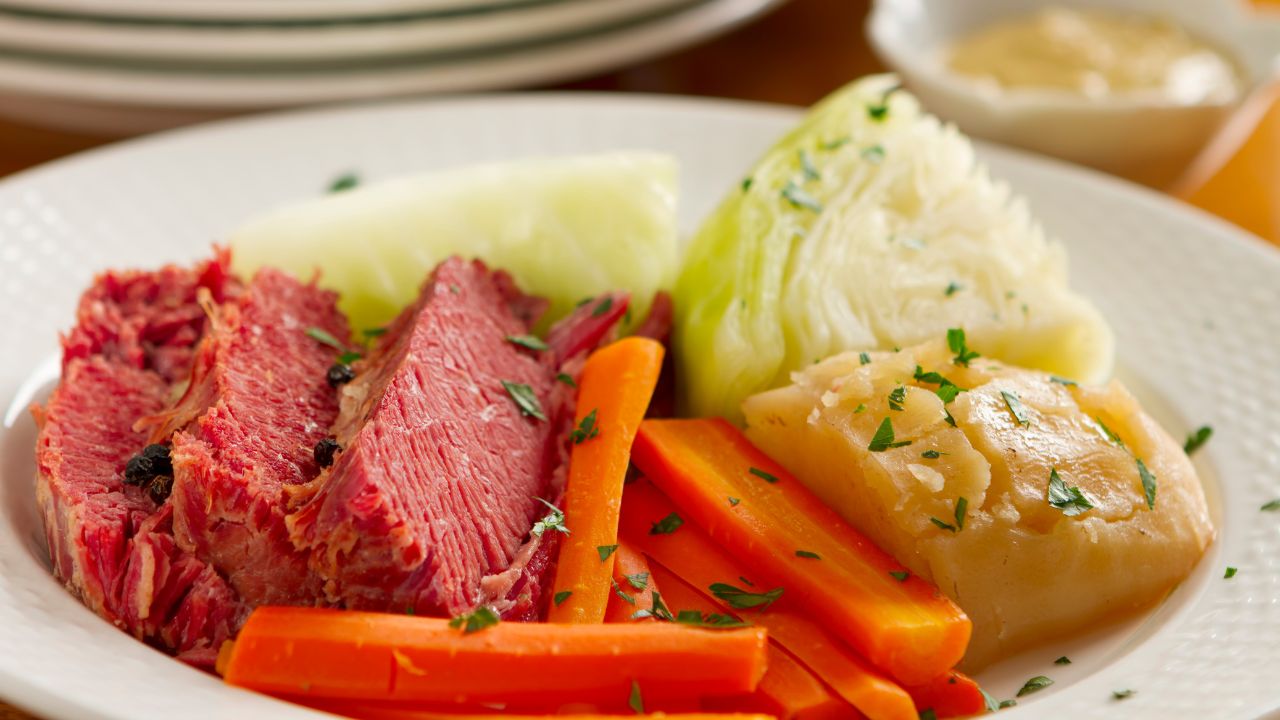
Hold onto your green hats, because this St. Patrick’s Day staple isn’t actually Irish at all! Irish immigrants who arrived in America during the 19th century discovered that their beloved bacon was way too expensive for their wallets. Instead, they found Jewish delis selling this magical thing called corned beef – essentially brisket that had been lovingly preserved in a salty brine with those adorable little corn kernel-sized salt crystals (hence the name). The Jewish community had perfected this preservation method, and suddenly Irish-Americans had found their bacon substitute. They paired it with the familiar cabbage from home, creating what we now think of as the most Irish meal ever invented.
Here’s the kicker: if you serve corned beef and cabbage to someone actually living in Ireland, they’ll look at you like you just claimed leprechauns invented pizza. Traditional Irish cuisine featured more lamb, pork, and potatoes – not this salty, tender brisket we’ve come to associate with their culture. The real genius happened when Irish-American families started slow-cooking this budget-friendly meat with cabbage, carrots, and potatoes, creating a one-pot wonder that could feed a family for days. Now every March, millions of Americans dig into this delicious cultural mashup, blissfully unaware they’re eating a Jewish-Irish fusion dish that would probably confuse both cultures’ ancestors!
General Chicken
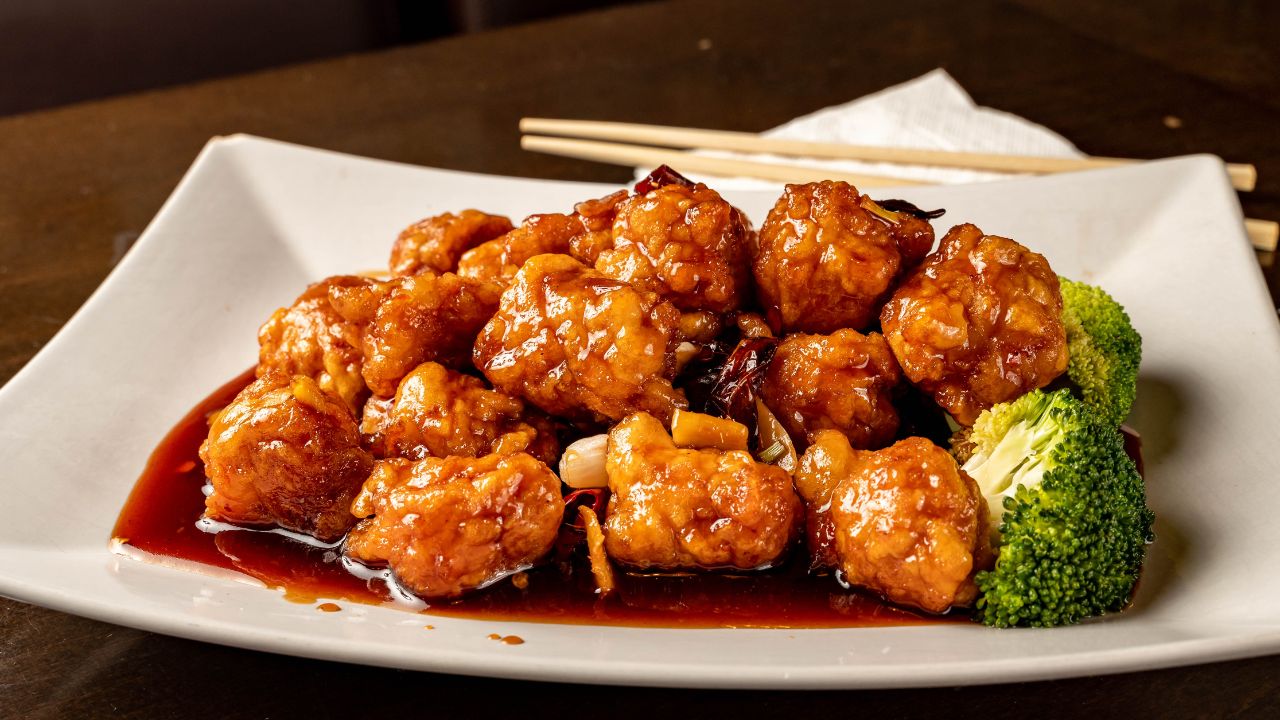
General Tso’s chicken sits on every Chinese-American menu like it owns the place, but here’s the kicker—most people in China have never heard of this sticky, sweet, and slightly spicy dish. This crispy chicken masterpiece actually sprang to life in the 1970s in New York City, thanks to chef Peng Chang-kuei who fled Taiwan and decided to create something that would make American diners swoon. The dish got named after a 19th-century Hunanese general, Zuo Zongtang (romanized as Tso), though the historical military leader probably never touched a piece of battered chicken in his life. The irony? General Zuo was known for his vegetarian lifestyle and Buddhist beliefs.
What makes this dish so addictive isn’t just the perfect balance of tangy and sweet—it’s the genius way Peng adapted traditional Chinese cooking techniques for American palates. He took the concept of sweet and sour, cranked up the sugar, added some heat, and created a sauce that clings to each piece of chicken like delicious amber. The recipe spread like wildfire through Chinese restaurants across America, and now you can find this “ancient Chinese dish” in strip malls from coast to coast. Try making it at home by double-frying bite-sized chicken pieces until golden, then tossing them in a sauce made from soy sauce, rice vinegar, sugar, and dried chilies—your kitchen will smell like the best takeout joint in town.
Spaghetti and Meatballs
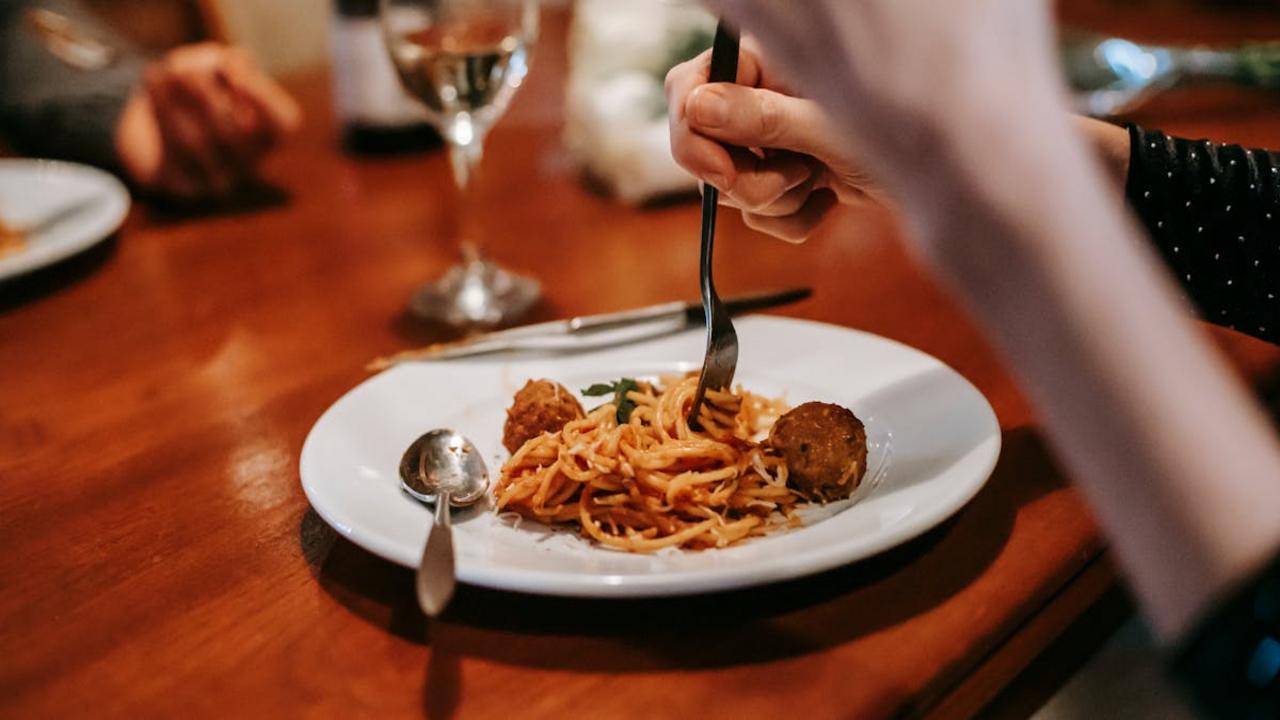
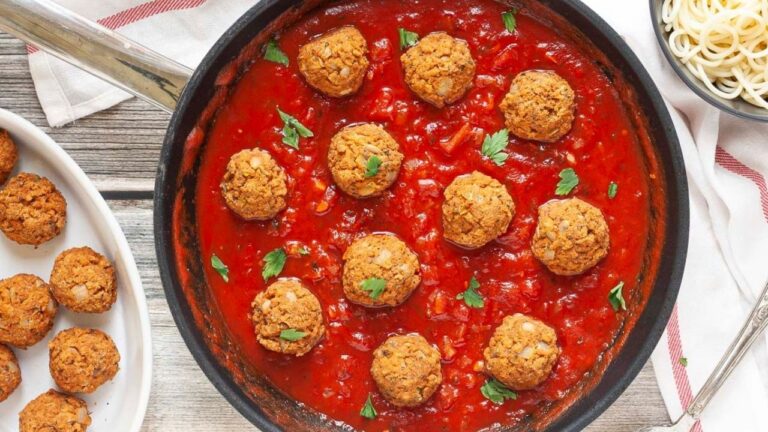
Here’s a plot twist that might make your nonna roll over in her grave: spaghetti and meatballs isn’t actually Italian! I know, I know – my mind was blown too when I discovered this American imposter hiding in plain sight on every red-checkered tablecloth across the country. In Italy, you’ll find polpette (meatballs) served as a separate course, maybe with some crusty bread, but never – and I mean NEVER – tangled up with pasta like some carb-loaded love affair. The real deal Italian pasta gets paired with simple sauces that complement rather than compete, while meatballs get their own moment to shine.
This beautiful bastardization happened right here in America, courtesy of Italian immigrants who arrived with empty pockets but full hearts (and incredible recipes). When they couldn’t afford the luxury of multiple courses, these resourceful cooks started combining their beloved meatballs with pasta to create one hearty, budget-friendly meal that could feed a family. Add some tomato sauce, and boom – you’ve got yourself an American classic that’s more Stars and Stripes than it is Italian tricolor. The genius part? It actually works magnificently, which is probably why it’s conquered dinner tables from coast to coast, even if it makes traditional Italian chefs weep into their espresso.
Apple Pie
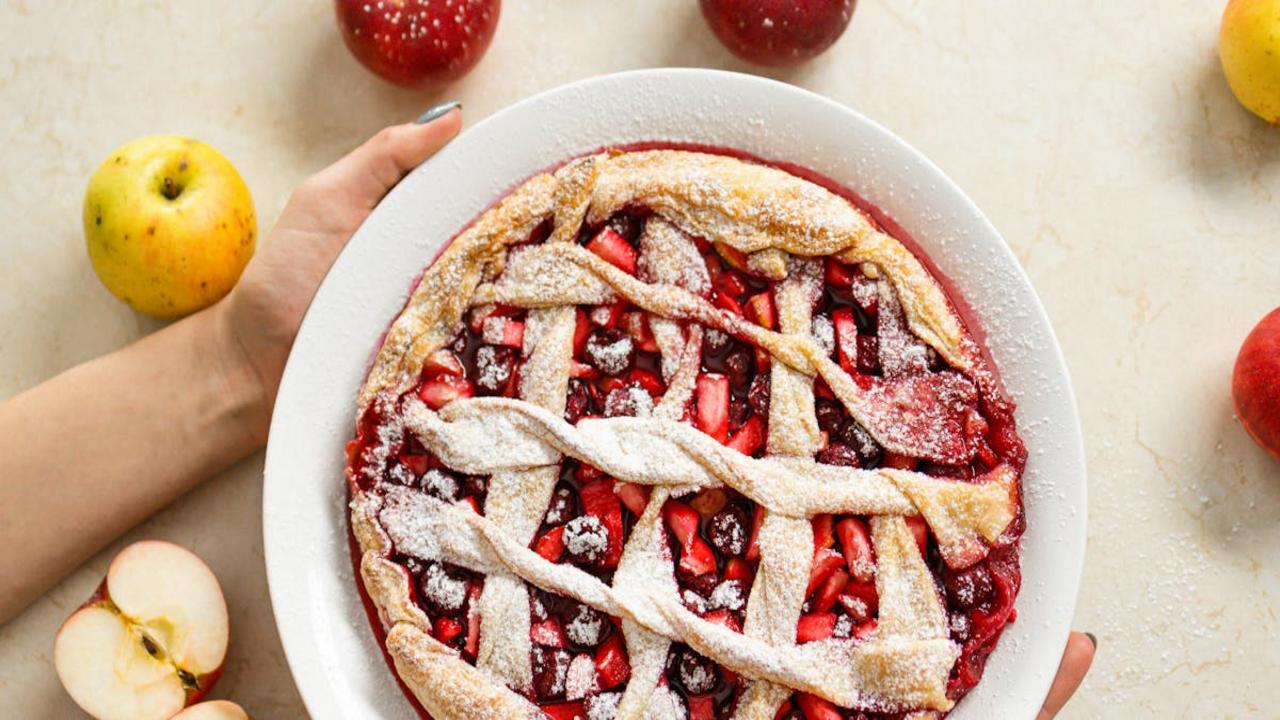
Nothing screams “American as apple pie” quite like, well, apple pie! But here’s a plot twist that would make your grandmother’s rolling pin spin: this iconic dessert actually packed its bags in medieval England before crossing the Atlantic. The first recorded apple pie recipe appeared in England way back in 1381, and those clever Brits were already perfecting the art of wrapping spiced apples in pastry long before the Mayflower even dreamed of setting sail. The original version looked nothing like our modern masterpiece though – imagine a thick, inedible pastry shell called a “coffyn” that served more as a cooking vessel than something you’d actually want to eat.
What makes this story even more delicious is that apples themselves weren’t native to America either! The colonists brought apple seeds from Europe, and Johnny Appleseed later became famous for spreading them across the frontier. But here’s where Americans truly made magic happen – we took that English foundation and transformed it into something spectacular. We perfected the flaky, buttery crust, created the perfect balance of sweet and tart with varieties like Granny Smith and Honeycrisp, and turned it into a symbol of home, comfort, and national pride. So while we can’t claim we invented apple pie, we definitely perfected it and made it our own delicious calling card.
Hot Dogs
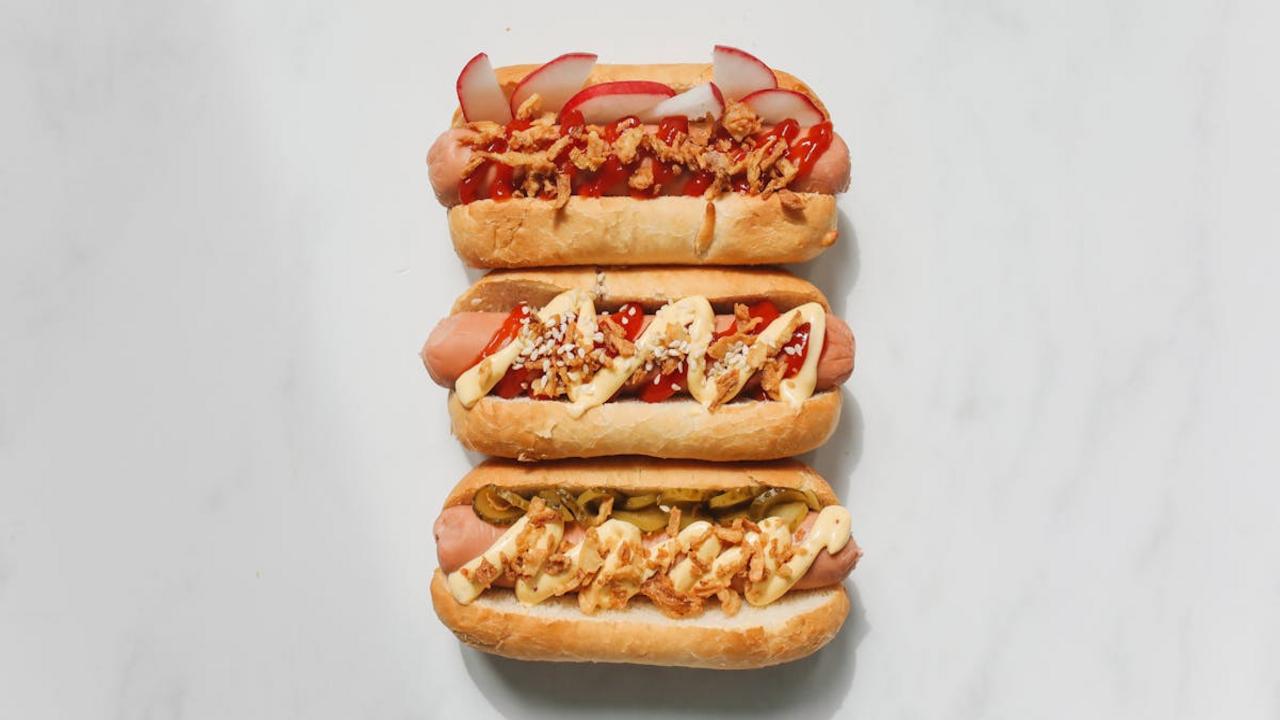
You know that iconic American ballpark snack that makes you think of summer days and mustard-stained jerseys? Well, surprise! Hot dogs are about as German as lederhosen and oktoberfest. These sausage sensations trace their roots back to Frankfurt and Vienna, where butchers perfected the art of stuffing seasoned meat into casings centuries before baseball was even a twinkle in America’s eye. German immigrants brought their beloved frankfurters and wieners across the Atlantic in the 1800s, and honestly, thank goodness they did. Can you imagine Fourth of July without these meaty marvels?
The real magic happened when someone brilliant (probably starving and impatient) decided to stick one of these German sausages between two pieces of bread. Legend credits either Charles Feltman at Coney Island or the Feuchtwanger brothers in St. Louis with this stroke of genius around the 1860s. The name “hot dog” supposedly came from a cartoonist who couldn’t spell “dachshund” – those long German sausages reminded everyone of wiener dogs! Now these German immigrants have become so thoroughly American that we eat 20 billion of them annually. From Chicago’s sacred all-beef versions with their strict “no ketchup” rule to New York’s dirty water dogs, each region guards its hot dog traditions more fiercely than family recipes.
Fortune Cookies
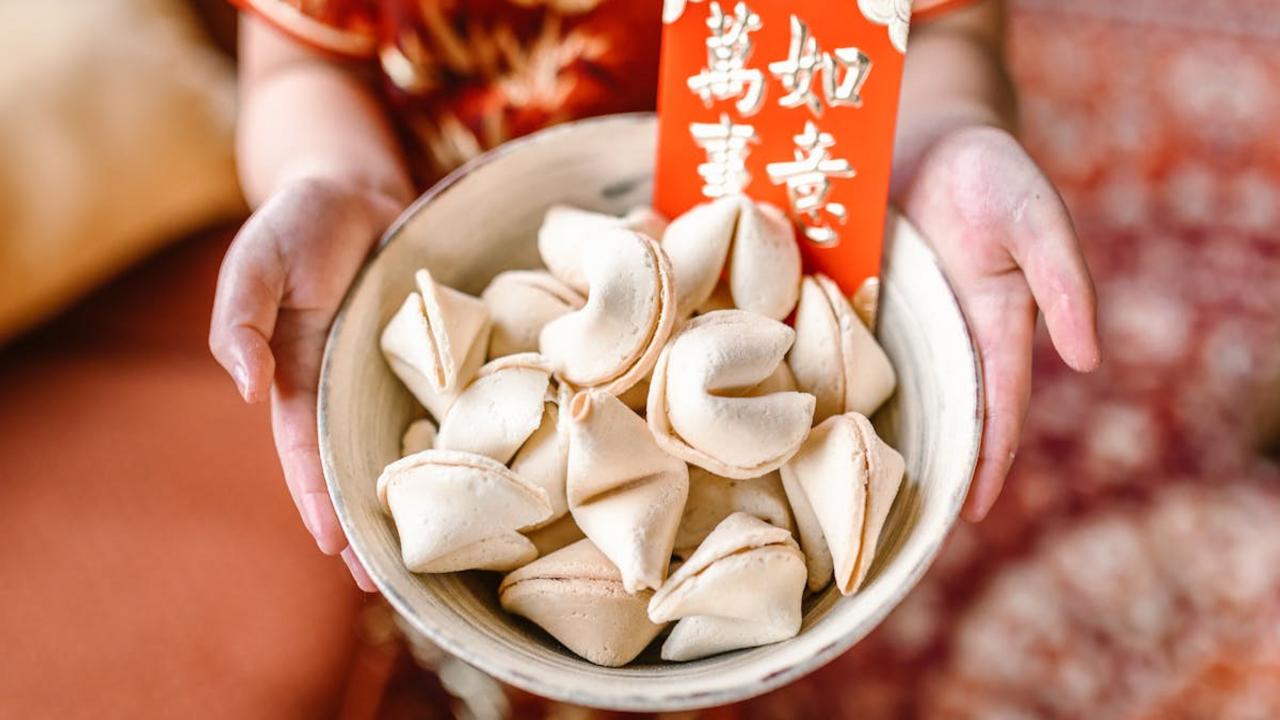
Picture this: you’re sitting in your favorite Chinese restaurant, chopsticks abandoned, cracking open that golden-brown cookie with the satisfying snap that promises wisdom, lottery numbers, or at least a good chuckle. Plot twist—those fortune cookies you associate with every Chinese takeout order? They’re about as Chinese as apple pie! These crispy prophets of destiny actually trace their roots to Japan, where similar cookies called “tsujiura senbei” have been made since the 1800s. Japanese immigrants brought this tradition to California in the early 1900s, and somehow American Chinese restaurants adopted them faster than you can say “lucky numbers.”
Here’s where things get wonderfully messy: multiple people claim to have “invented” the American fortune cookie, including Makoto Hagiwara at San Francisco’s Japanese Tea Garden and David Jung of Los Angeles’s Hong Kong Noodle Company. The real kicker? Most Chinese people have never seen a fortune cookie in their lives—they’re scratching their heads wondering why Americans think every Chinese meal should end with a cryptic message about love and prosperity. Today, fortune cookie factories churn out millions of these edible crystal balls, stuffing them with everything from traditional fortunes to marriage proposals. Next time you crack one open, remember you’re participating in one of America’s most delightful cases of cultural mix-and-match!