10 Ways the Spice Trade Shaped Global Cuisine and Your Dinner Plate Today
Picture this: you’re sprinkling cinnamon on your morning latte, completely unaware that this simple act connects you to medieval merchants who risked their lives crossing treacherous deserts. That little shake of spice carries centuries of adventure, greed, and pure culinary magic. Your spice rack tells stories of empires rising and falling, all because humans couldn’t resist the allure of flavor.
Every time you crack black pepper or add a pinch of nutmeg to your cookies, you’re participating in humanity’s oldest obsession. These tiny seeds and dried leaves once sparked wars, funded expeditions to unknown continents, and made ordinary merchants fabulously wealthy. Spices transformed bland European porridge into something worth fighting for, literally.
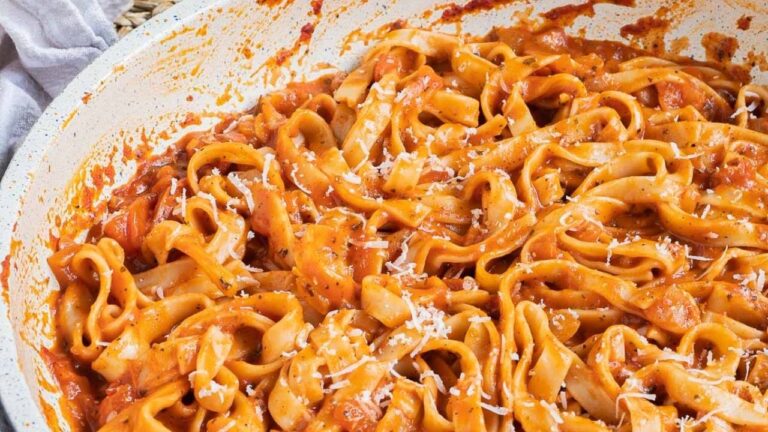
Today’s dinner plate represents thousands of years of global trade, cultural fusion, and culinary evolution. That curry you ordered last night? It exists because Portuguese traders brought chilies from the Americas to India. Your favorite marinara sauce owes its existence to Columbus searching for black pepper and accidentally discovering tomatoes instead.
Influence on Modern Global Cuisine
Walk into any decent restaurant today and you’re basically experiencing a 500-year-old remix of the spice trade’s greatest hits. That Thai curry you’re devouring? It owes its soul to Indian traders who brought chilies from the Americas and mixed them with local galangal and lemongrass. Your favorite Italian marinara sauce dances with tomatoes that sailed from South America, while that “authentic” Hungarian goulash gets its signature kick from paprika that originally grew in Central America before making its way through Ottoman spice routes. Even your morning coffee represents this beautiful chaos – Ethiopian beans traveled through Yemeni ports, got perfected by Italian espresso masters, and somehow ended up in your local café where a barista named Jake makes latte art that would make Marco Polo weep with joy.
Modern fusion cuisine isn’t some trendy invention – it’s just the spice trade on steroids with better marketing. Today’s chefs throw Korean gochujang into Mexican tacos, sprinkle Japanese furikake on avocado toast, and create “Indian-Italian” dishes that would have made ancient spice merchants rich beyond their wildest dreams. Your typical grocery store now stocks more international spices than most 15th-century European kingdoms ever saw in their entire existence. Za’atar from the Middle East sits next to Chinese five-spice, while berbere from Ethiopia shares shelf space with Cajun seasoning from Louisiana. The global pantry that took centuries to build through dangerous sea voyages and overland caravans now fits conveniently in your kitchen cabinet, making every home cook a potential spice trade mogul with significantly less risk of scurvy.
Introduction of New Preservation Techniques
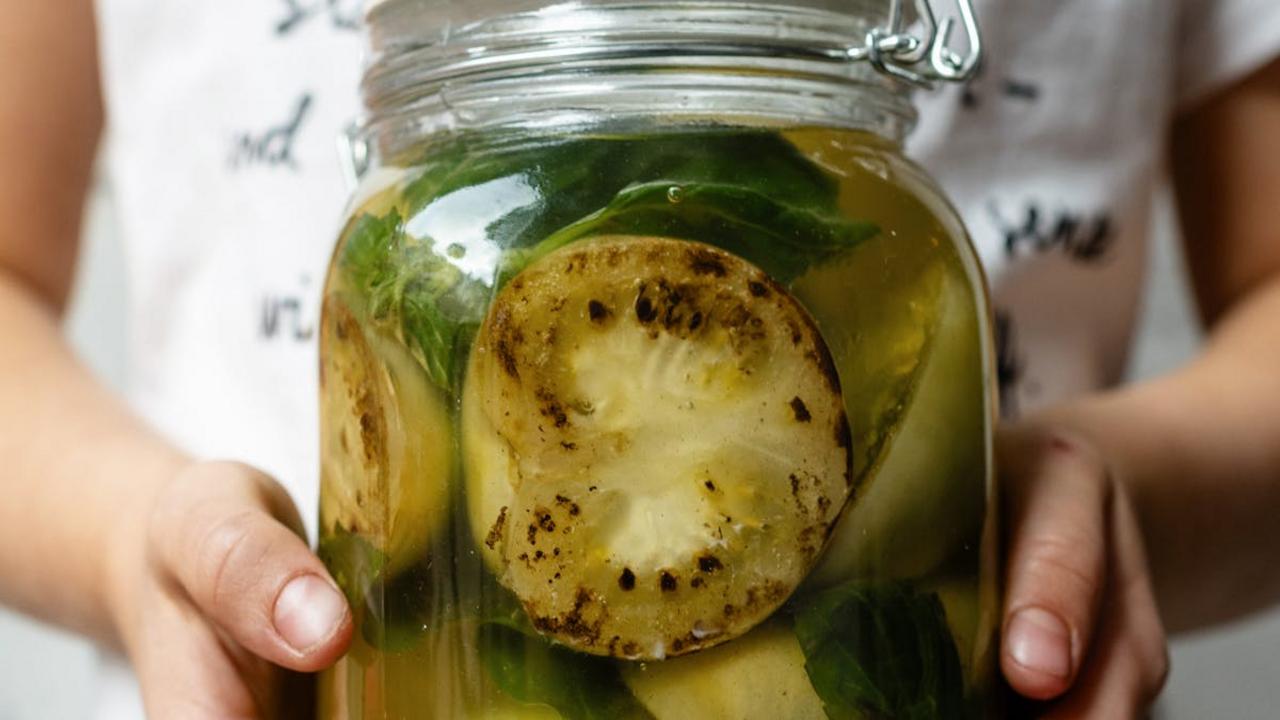
Picture this: you’re a medieval merchant who just scored a massive haul of black pepper from India, but you’ve got to somehow keep it fresh during a six-month journey across treacherous seas and bandit-infested trade routes. Enter the spice trade’s secret weapon – preservation techniques that would make your grandmother’s pickle recipes look like child’s play! Spices weren’t just flavor enhancers; they were the original food hackers, teaching civilizations how to salt-cure meats with exotic seasonings, create spice-infused oils that lasted for months, and develop smoking methods using aromatic woods and herbs. The Romans figured out that coating fish in a mixture of salt and ground coriander could keep it edible for weeks, while Chinese traders discovered that star anise could prevent spoilage in dried meats better than anything they’d tried before.
These preservation innovations didn’t just keep food from going bad – they accidentally created some of the world’s most beloved dishes that you still devour today. That prosciutto you paid way too much for at the fancy deli? Thank the spice traders who perfected salt-and-herb curing methods. Your favorite beef jerky brand exists because ancient merchants needed protein that wouldn’t turn into a science experiment during long voyages. Even your morning coffee owes a debt to spice preservation – traders learned to dry and store coffee beans using techniques they developed for preserving cardamom and cinnamon. The next time you crack open a jar of pickles or unwrap some aged salami, remember that you’re basically eating a time capsule of medieval food preservation genius, seasoned with the blood, sweat, and tears of merchants who refused to let their precious cargo rot.
Development of Regional Cuisines
Picture this: before the spice trade kicked into high gear, most European food was about as exciting as watching paint dry on a rainy Tuesday. Then along came these magical little seeds, barks, and roots from far-off lands, and suddenly every region started developing its own personality on a plate. The Mediterranean grabbed onto oregano and basil like they were long-lost relatives, while Northern Europe went absolutely bonkers for caraway and dill. Meanwhile, the Middle East was already throwing cinnamon and cardamom into everything from lamb stews to sweet pastries, creating flavor profiles that would make your grandmother weep with joy.
What’s absolutely wild is how these trade routes didn’t just bring spices—they brought entire cooking philosophies along for the ride. Indian traders didn’t just hand over turmeric and say “good luck”; they shared techniques for toasting spices, creating masalas, and building layers of heat that would revolutionize kitchens from Morocco to Malaysia. French cuisine learned to marry exotic black pepper with local herbs, creating those sophisticated flavor combinations we still swoon over today. Even your basic Sunday roast chicken owes its existence to this ancient spice swapping—that rosemary and thyme combo? Thank a medieval merchant who figured out how to preserve and transport these aromatics across continents, turning simple regional cooking into the complex, interconnected food web we know and love.
Spices’ Role in Colonial Expansion
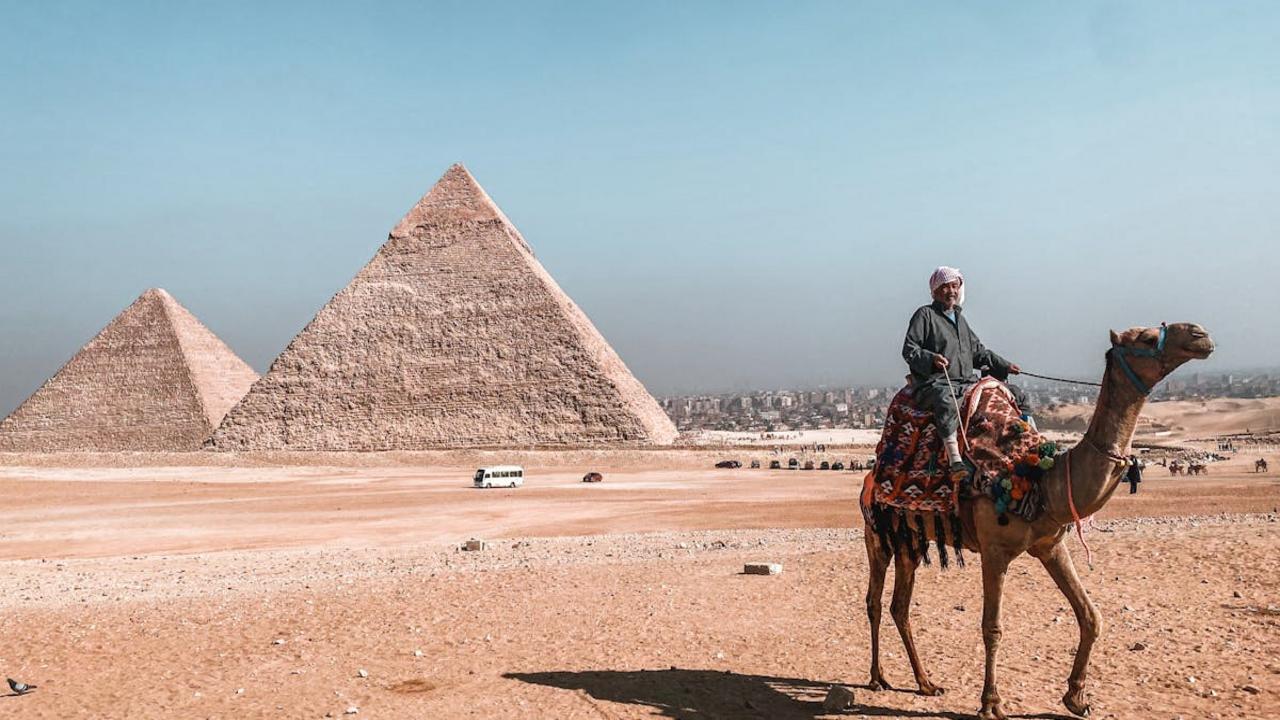
Picture this: European explorers literally risking their necks for a pinch of cinnamon or a handful of peppercorns. Sounds ridiculous, right? But back in the 15th and 16th centuries, spices weren’t just fancy seasonings – they were liquid gold that could make you richer than a modern tech mogul. Portuguese sailors braved monster waves and scurvy just to get their hands on nutmeg from the Banda Islands, while the Dutch practically went to war over clove monopolies. These tiny aromatic seeds sparked expeditions that reshaped entire continents, because nothing says “I need that cardamom” quite like establishing a colonial empire.
The spice obsession didn’t just change maps – it completely transformed how we eat today. When European colonizers planted their flags in Indonesia, India, and the Caribbean, they weren’t just claiming territory; they were claiming flavor profiles that would influence global cuisine forever. Take your morning cappuccino sprinkled with Ceylon cinnamon, or that Thai curry that makes your mouth sing – both exist because some ambitious Europeans decided they absolutely had to control the spice supply chains. The irony? Many of these colonizers initially couldn’t handle the heat of the very spices they fought wars over, often diluting exotic flavors beyond recognition before slowly developing the palates that would eventually give us the fusion foods we love today.
Impact on Maritime Exploration and Discovery
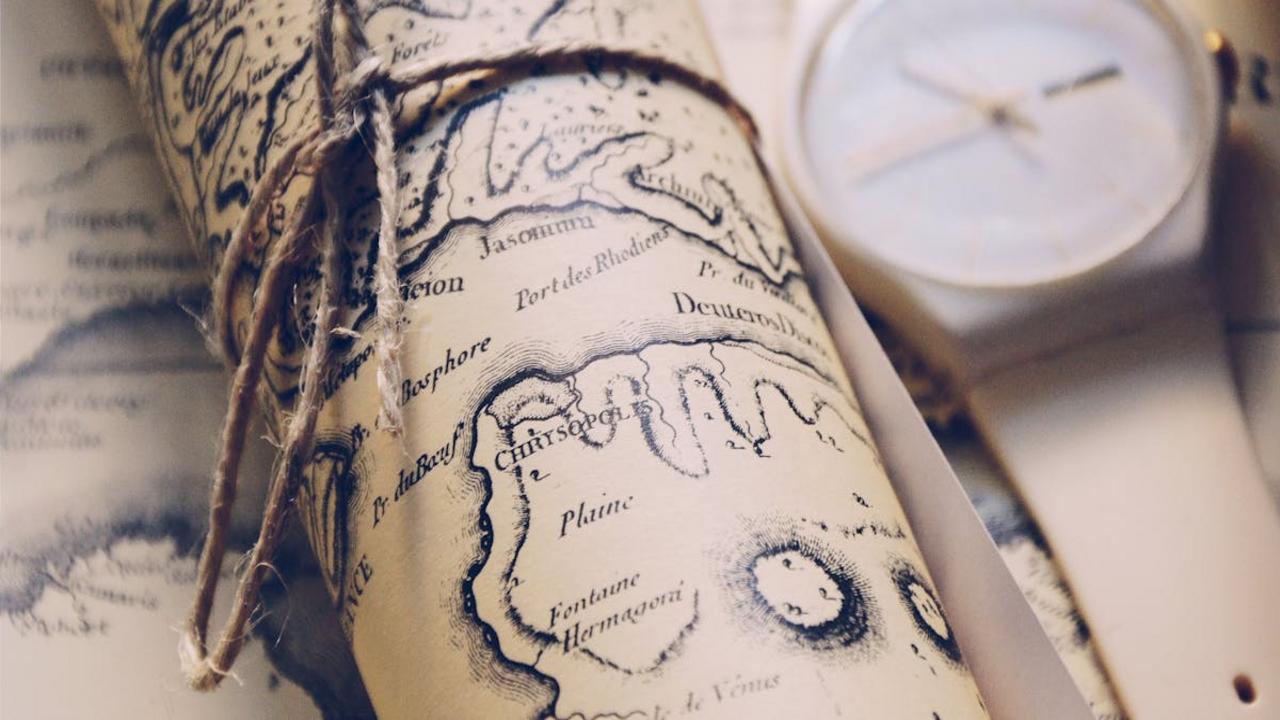
You know what’s absolutely wild? Your morning cinnamon roll exists because Christopher Columbus was basically having the worst GPS fail in history. Picture this: European sailors in the 15th century were so obsessed with getting their hands on black pepper, nutmeg, and cinnamon that they literally sailed off the edge of their known world. These guys were willing to face sea monsters, scurvy, and questionable bathroom facilities on wooden ships—all because Europeans were paying astronomical prices for spices that made their bland medieval food actually edible. The Venetians had a monopoly on the spice routes through the Middle East, charging prices that would make your artisanal coffee shop blush with shame.
Columbus thought he could outsmart everyone by sailing west to reach the spice-rich Indies, but instead stumbled upon the Americas and gave us chili peppers, vanilla, and chocolate—talk about a happy accident! Meanwhile, Vasco da Gama actually made it around Africa to India and came back with ships so loaded with spices that his profit margins were around 3,000 percent. These maritime adventures didn’t just change maps; they revolutionized dinner tables worldwide. Portuguese traders brought chili peppers to India, creating the fiery curries we love today, while Spanish conquistadors introduced tomatoes to Europe, making Italian pasta sauce possible. Every time you sprinkle red pepper flakes on your pizza or add vanilla to your cookies, you’re tasting the legacy of sailors who risked everything for flavor.
Spices as Status Symbols in Europe

Picture this: you’re a wealthy medieval European lord, and your dinner guests are arriving for what you hope will be the talk of the town. Your secret weapon? A tiny pinch of black pepper that cost more than most people’s annual salary. Yes, you heard that right! Spices weren’t just flavor enhancers back then—they were basically the Rolex watches of the dinner table. Pepper was so valuable that people literally paid rent with it, and saffron was worth more than gold by weight. Wealthy families would display their spice collections like modern billionaires show off their art collections, because nothing said “I’ve made it” quite like casually seasoning your roast with cinnamon that traveled halfway around the world.
The obsession with exotic spices turned European kitchens into theatrical stages where social climbing happened one dash of nutmeg at a time. Merchants became rock stars, and spice traders were treated like celebrities returning from distant lands with magical flavor crystals. Rich households employed dedicated spice masters—imagine having a job title that’s basically “Chief Seasoning Officer”! The funny thing is, Europeans went absolutely bonkers for spices they’d never even tasted properly, often using them in bizarre combinations that would make modern chefs weep. They’d dump cinnamon on fish, sprinkle ginger on everything, and create sugar sculptures decorated with precious spices just to flex their wealth. This spice mania literally launched a thousand ships and reshaped global trade forever, all because some nobles wanted to one-up their neighbors at dinner parties.
Cultural and Culinary Exchanges
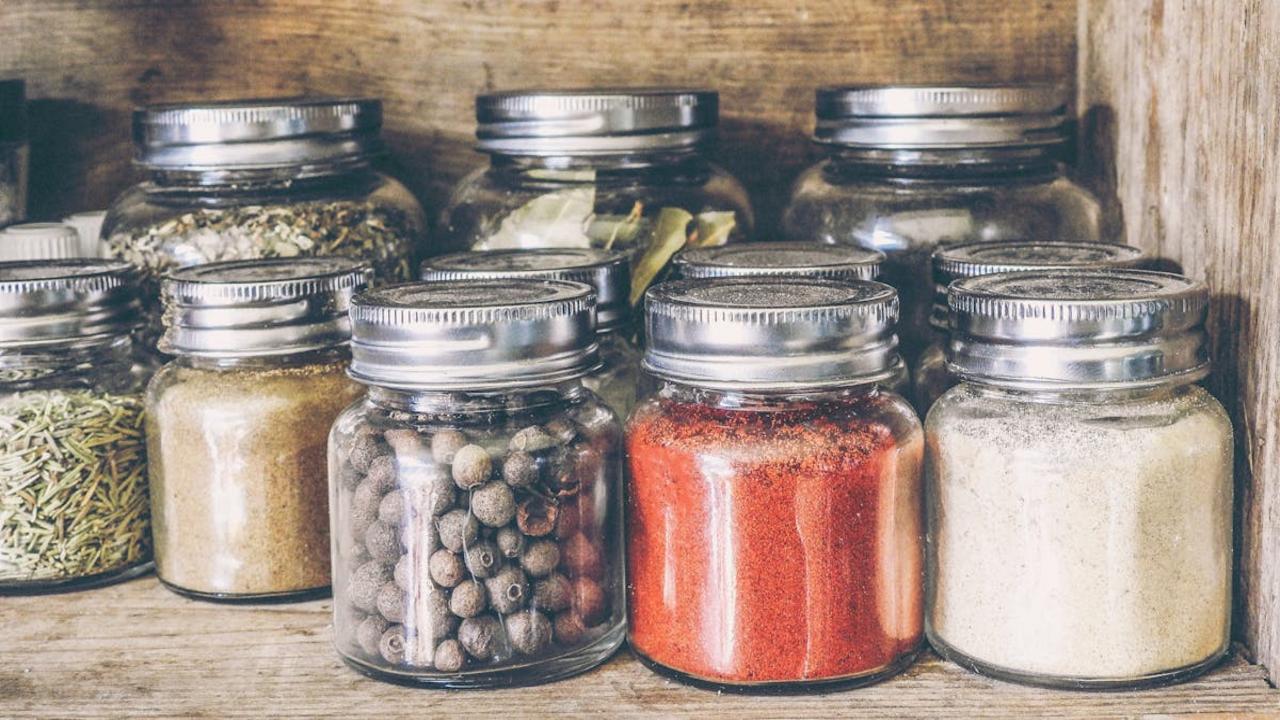
You know what’s absolutely mind-blowing? The fact that your beloved chicken tikka masala—that creamy, tomato-rich dish you order every Friday night—exists because of centuries of spice traders who basically played the world’s most delicious game of telephone. When Portuguese traders brought chili peppers from the Americas to India in the 16th century, they had no idea they were about to revolutionize an entire continent’s food scene. Indian cooks took one look at these fiery little pods and thought, “Well hello there, new best friend!” They started incorporating chilies into their traditional dishes, creating flavor combinations that would make your mouth water and your eyes tear up in the best possible way.
The spice routes didn’t just move cardamom and cinnamon from point A to point B—they created a massive, centuries-long potluck where everyone brought their best recipes to share. Arab merchants introduced saffron to Spanish kitchens, which explains why your paella has that gorgeous golden color and costs approximately the same as a small car payment. Meanwhile, Venetian traders were smuggling black pepper back from India like it was contraband gold, and honestly, it kind of was! A pound of pepper could buy you a house back then. These cultural exchanges mean that when you’re savoring that perfectly spiced Moroccan tagine or diving into a bowl of Thai curry, you’re literally eating history—a delicious testament to human curiosity, adventure, and our universal desire to make food taste absolutely incredible.
Economic Empowerment of Trading Nations
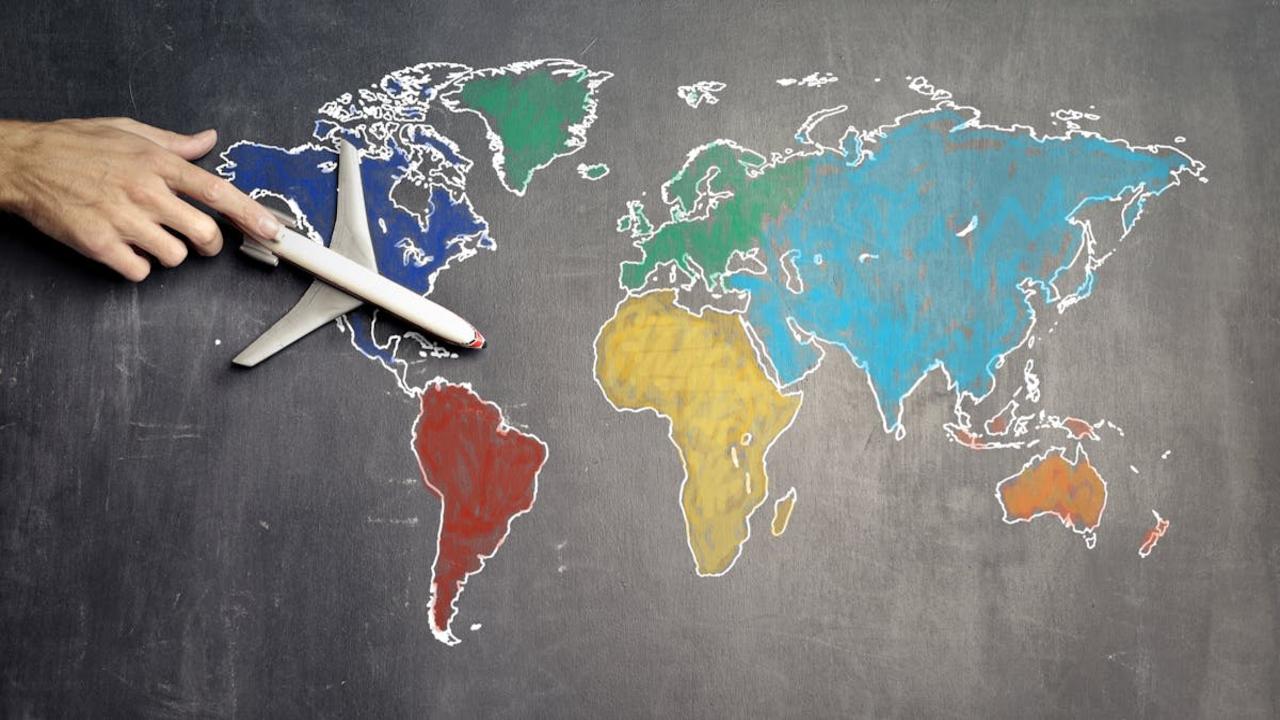
Picture Venice in its golden age, where merchants literally built floating palaces from pepper profits. The spice trade transformed entire nations from backwater ports into global superpowers faster than you could say “cinnamon stick.” Portugal went from a small coastal kingdom to commanding sea routes across three continents, all because Prince Henry the Navigator had serious FOMO about missing out on the black pepper bonanza. The Dutch East India Company became so ridiculously wealthy that it operated its own army, navy, and currency – basically becoming a corporate nation that happened to really, really love nutmeg.
These trading powerhouses didn’t just get rich; they rewrote the world’s economic playbook. Venice’s spice merchants funded the Renaissance (yes, Michelangelo’s David was partially sponsored by cardamom cash), while Amsterdam’s spice-fueled wealth created the world’s first stock exchange. The British built an empire so vast that “the sun never set” on their tea and spice routes, turning afternoon tea into a global phenomenon that still makes your grandmother reach for her finest china. Today’s global trade networks? They’re basically the spice routes with better GPS, proving that your morning coffee’s journey from Ethiopian highlands to your cup follows paths first blazed by merchants chasing the perfect peppercorn.
Formation of Global Trade Networks
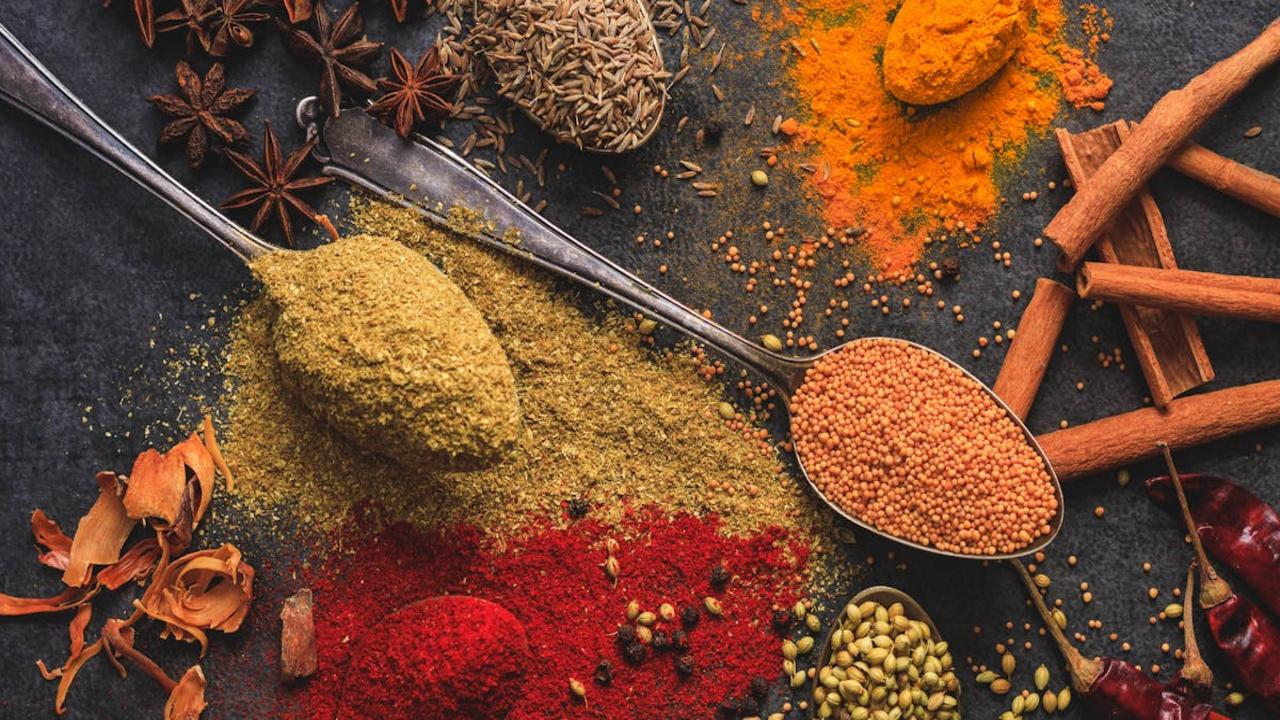
Picture this: a Roman emperor craving black pepper so desperately that he’d trade literal gold for those tiny wrinkled spheres. Meanwhile, across the Mediterranean, merchants were plotting routes through treacherous mountain passes and scorching deserts, all because European nobles couldn’t season their bland turnips without cinnamon from Ceylon. The spice trade didn’t just connect distant lands—it practically invented globalization before anyone knew what that word meant! These intrepid traders created the world’s first international supply chains, linking Asia, Africa, and Europe in a web of commerce that would make modern logistics experts weep with envy.
What started as desperate attempts to make medieval food palatable grew into sprawling trade networks that stretched from the Moluccas to Venice. Portuguese sailors risked their necks rounding the Cape of Good Hope, Dutch merchants established trading posts in places they couldn’t even pronounce, and Arab traders became the original middlemen, marking up cardamom by 3000% (and you thought your local grocery store was expensive!). These networks didn’t just move spices—they carried ideas, cooking techniques, and ingredients that would forever change how we eat. Your Tuesday night stir-fry exists because some brave soul centuries ago thought, “Hey, maybe people in Europe would pay ridiculous money for these aromatic tree barks and dried flower buds.”
Rise and Influence of the Silk Road
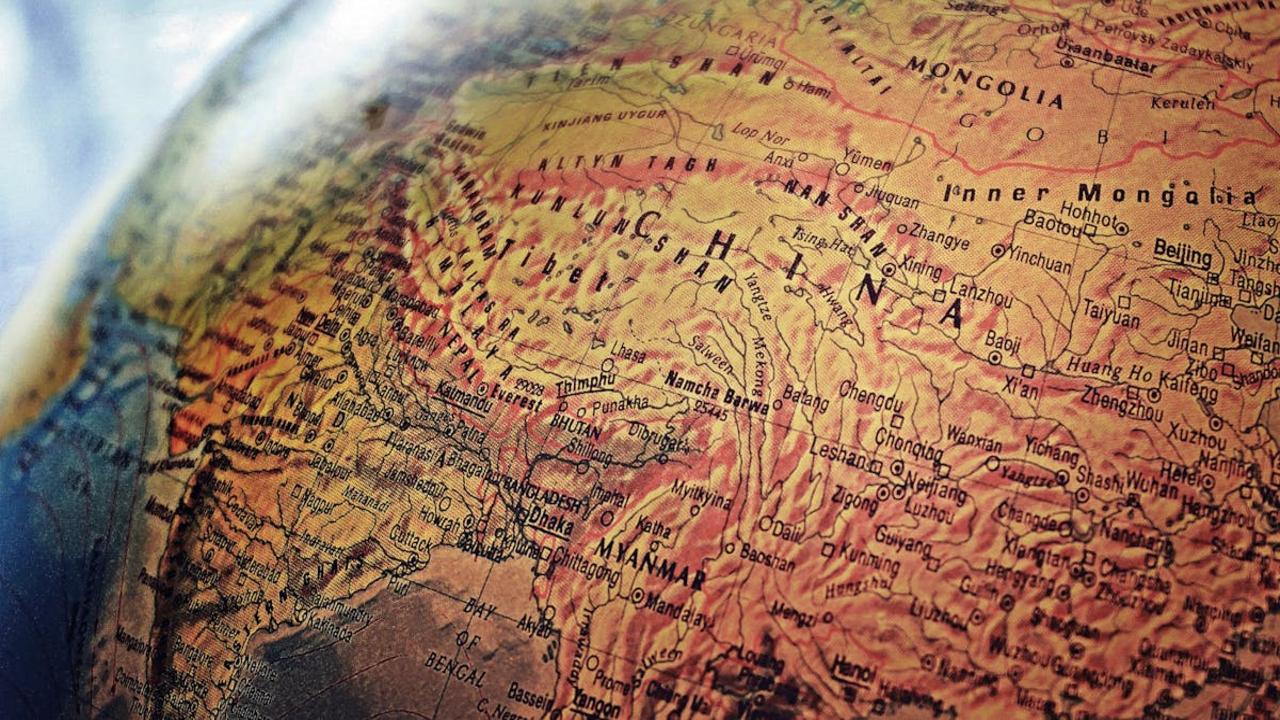
Picture this: thousands of years ago, brave merchants loaded their camels with precious cargo and set off across treacherous deserts, mountain passes, and bandit-infested territories. What drove them to risk life and limb? Spices, my friend! The Silk Road wasn’t just about silk (shocking, I know) – it was actually the world’s first international spice superhighway. These ancient traders carried cinnamon from Ceylon, black pepper from India, and nutmeg from the Moluccas across 4,000 miles of challenging terrain. They knew that a single sack of black pepper could buy you a house in medieval Europe, making the dangerous journey totally worth it.
The Silk Road transformed how we eat today in ways that’ll blow your mind. Before these trade routes opened up, European food was basically bland porridge and boiled meat – imagine eating Christmas dinner without any seasoning! Thanks to intrepid spice merchants, cinnamon rolls became possible, curry found its way into British kitchens, and your morning coffee got its exotic kick. The network connected East and West like an ancient internet, spreading not just spices but cooking techniques, preservation methods, and food combinations that still dominate our kitchens. Every time you sprinkle black pepper on your eggs or add ginger to your stir-fry, you’re participating in a tradition that started with those dusty caravans crossing the Gobi Desert centuries ago.