10 Sneaky Secrets Behind Why Junk Food Tastes So Good
You know that moment when you open a bag of chips and suddenly find yourself staring at the empty package wondering where it all went? That’s no accident, my friend. Food scientists have spent decades perfecting the exact formula that makes your brain scream “MORE!” faster than you can say “just one more bite.”
From the perfect sugar-to-salt ratio that hits your pleasure centers like a tiny fireworks show to the sneaky additives that literally make you hungrier, junk food companies have turned temptation into an exact science. They’ve cracked the code on everything from the satisfying crunch that makes your ears happy to the bright packaging that catches your eye from three aisles away.
Ready to peek behind the curtain? These ten secrets will explain why that chocolate bar whispers your name from the checkout counter and why “just one cookie” feels physically impossible. Spoiler alert: your willpower isn’t weak—you’re just up against some seriously clever food engineering!
Brain Chemistry
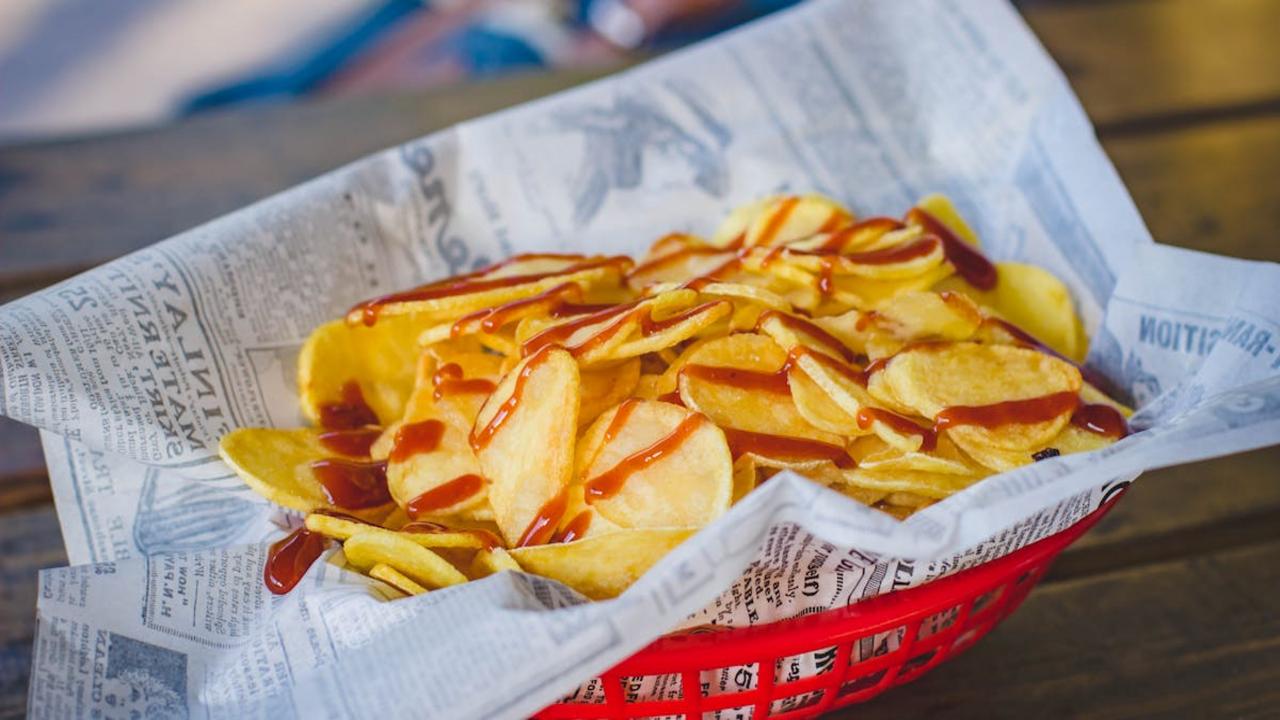
Your brain basically becomes a sugar-drunk toddler the moment junk food hits your mouth. Those perfectly engineered combinations of salt, sugar, and fat trigger an avalanche of dopamine—the same neurotransmitter that fires when you win the lottery or get a text from your crush. Food scientists know this and craft every bite to hit what they call the “bliss point,” that magical sweet spot where your brain screams “MORE!” before you’ve even finished chewing. It’s like having a tiny carnival barker in your head, complete with flashing lights and promises of eternal happiness, all because you opened a bag of chips.
The sneaky part? Junk food creates actual addiction pathways in your brain, similar to what happens with drugs. Each time you munch on that perfectly salted pretzel or creamy chocolate bar, you’re reinforcing neural pathways that make you crave these foods even more intensely. Your prefrontal cortex—the rational part of your brain that usually says “maybe just one cookie”—gets hijacked by the limbic system, which operates on pure want and desire. Scientists have discovered that people who regularly eat highly processed foods show changes in brain structure similar to those seen in substance addiction. So next time you find yourself elbow-deep in a bag of cookies at 2 AM, remember: it’s not a lack of willpower, it’s literal brain rewiring!
Emotional Comfort
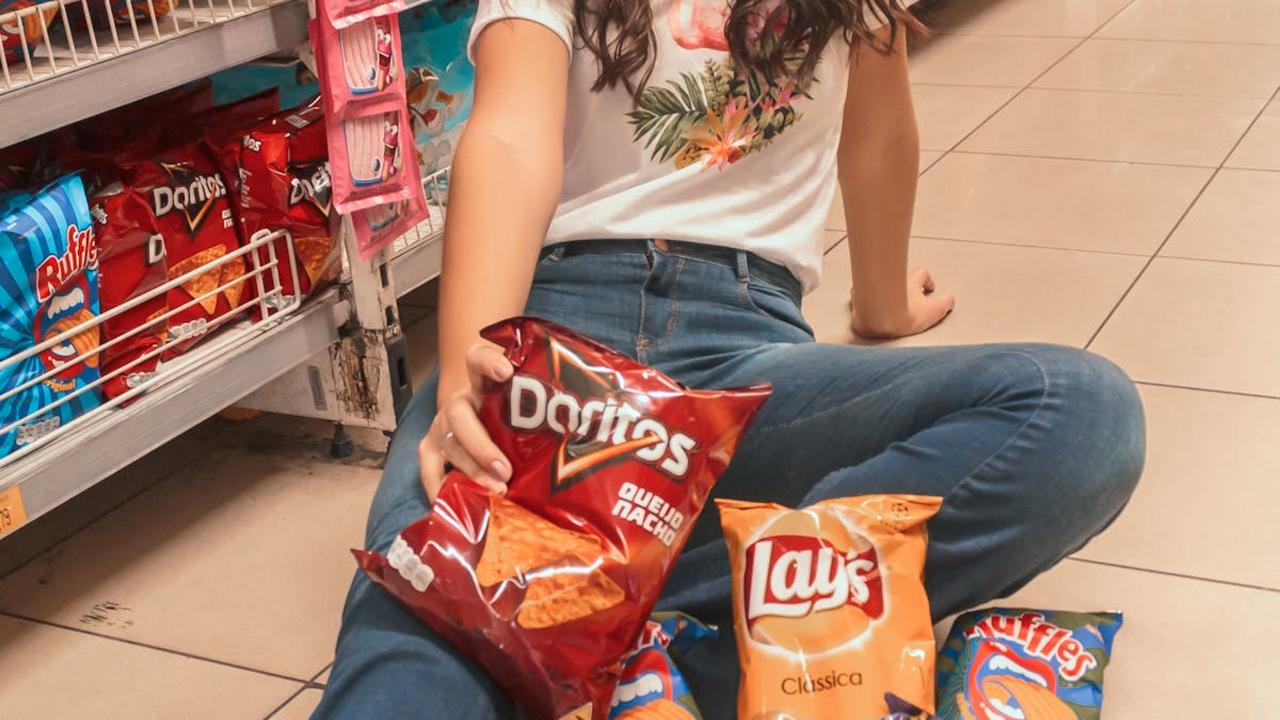
Your brain has this sneaky little trick where it connects certain foods to emotional memories faster than you can say “chocolate chip cookie.” That’s because junk food companies know exactly what they’re doing when they craft these comfort food experiences. They’ve figured out that when you bite into that warm, gooey cookie or sink your teeth into a perfectly salted french fry, your brain releases feel-good chemicals like dopamine and serotonin. It’s the same neurological response you get from a warm hug or your favorite song, except now it’s tied to that bag of chips you’re stress-eating at 2 AM.
Food scientists actually study this phenomenon and design products specifically to trigger these emotional responses. They know that stressed-out people crave foods high in sugar, fat, and salt because these ingredients literally calm your nervous system. That’s why you reach for ice cream after a breakup or demolish an entire sleeve of crackers during exam week. Your body remembers that these foods made you feel better before, so it sends out those craving signals like a desperate SOS. The crazy part? This emotional conditioning starts in childhood with birthday cakes and celebration meals, creating lifelong associations between specific flavors and happiness that food manufacturers exploit with surgical precision.
Colors and Packaging

Your brain gets tricked before you even take a bite, and food companies know this dirty little secret. That bright orange Cheetos bag isn’t just randomly cheerful – it’s scientifically designed to make your mouth water. Red screams “sweet and exciting” (hello, Coca-Cola), while yellow whispers “happiness and comfort” (McDonald’s golden arches, anyone?). Studies show people actually think food tastes better if the packaging matches their flavor expectations. Blue, interestingly, suppresses appetite because it rarely occurs in nature as an edible color – which explains why you’ll never see a blue potato chip bag dominating the snack aisle.
The packaging itself becomes part of the eating experience, creating what psychologists call “sensory priming.” Those crinkly chip bags aren’t just noisy by accident – the sound triggers anticipation and makes the first crunch seem more satisfying. Companies spend millions testing different color combinations on focus groups, measuring pupil dilation and brain activity to find the perfect shade that screams “buy me now!” Your grocery store becomes a carefully orchestrated symphony of visual manipulation, where every wrapper, label, and logo fights for your subconscious attention. Next time you reach for that neon-bright snack, remember: your eyes made the decision before your stomach even knew it was hungry.
Convenience Factor
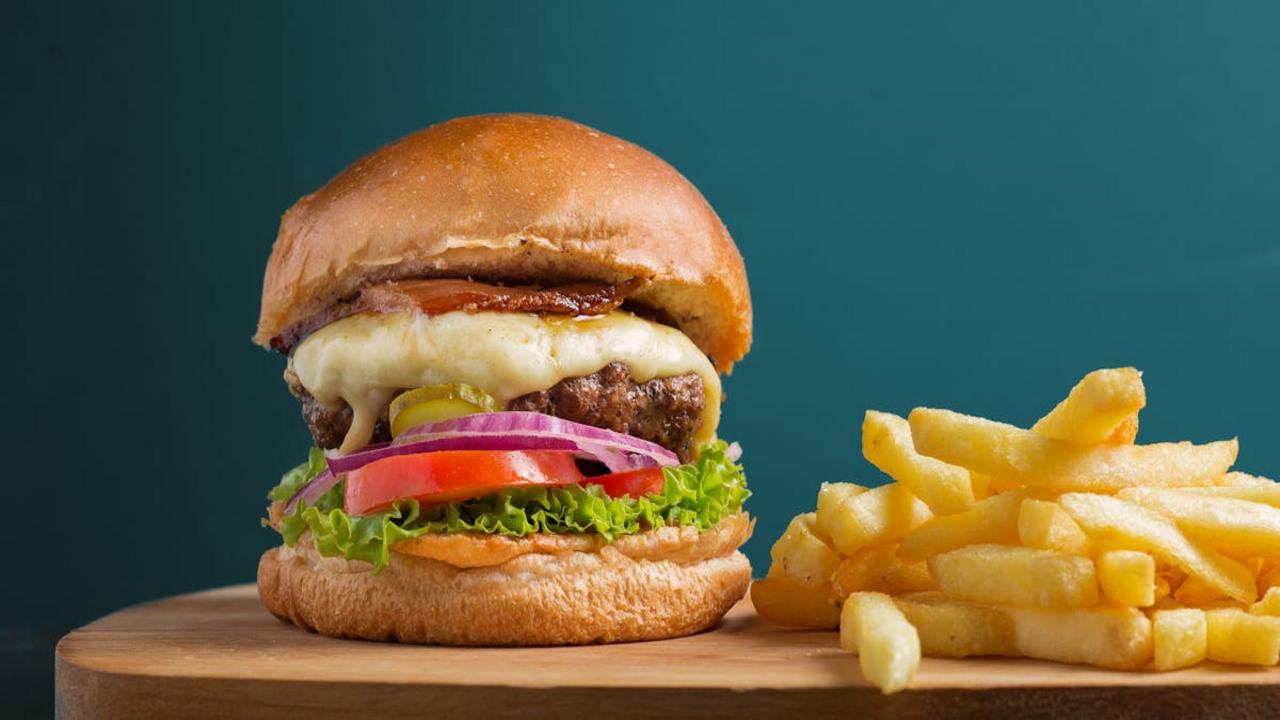
Picture this: you’re absolutely starving after a twelve-hour workday, your fridge contains three wilted carrots and expired yogurt, and the nearest decent restaurant closed an hour ago. Enter junk food, stage left, like a superhero in crinkly packaging! Food scientists have mastered the art of making snacks that require zero prep time – no chopping, no cooking, no washing dishes afterward. They’ve engineered chips that stay crispy for months, cookies that won’t crumble in your bag, and candy that melts perfectly on your tongue without any effort from you. This instant gratification taps directly into our evolutionary wiring that says “easy food equals survival,” even when survival means binge-watching Netflix at 2 AM.
The convenience factor goes beyond just grab-and-go accessibility – it’s about emotional convenience too. When life gets overwhelming, your brain craves the simplicity of tearing open a bag and experiencing immediate pleasure without decisions, preparation, or cleanup. Manufacturers spend millions researching the perfect package that opens smoothly (ever notice how satisfying it feels to pop open a can of Pringles?), portion sizes that feel substantial but not guilt-inducing, and textures that deliver maximum satisfaction per bite. They’ve basically created edible stress relief that fits in your pocket, and honestly, sometimes that’s exactly what we need to get through the day – even if our pants disagree the next morning!
Hunger Stimulants
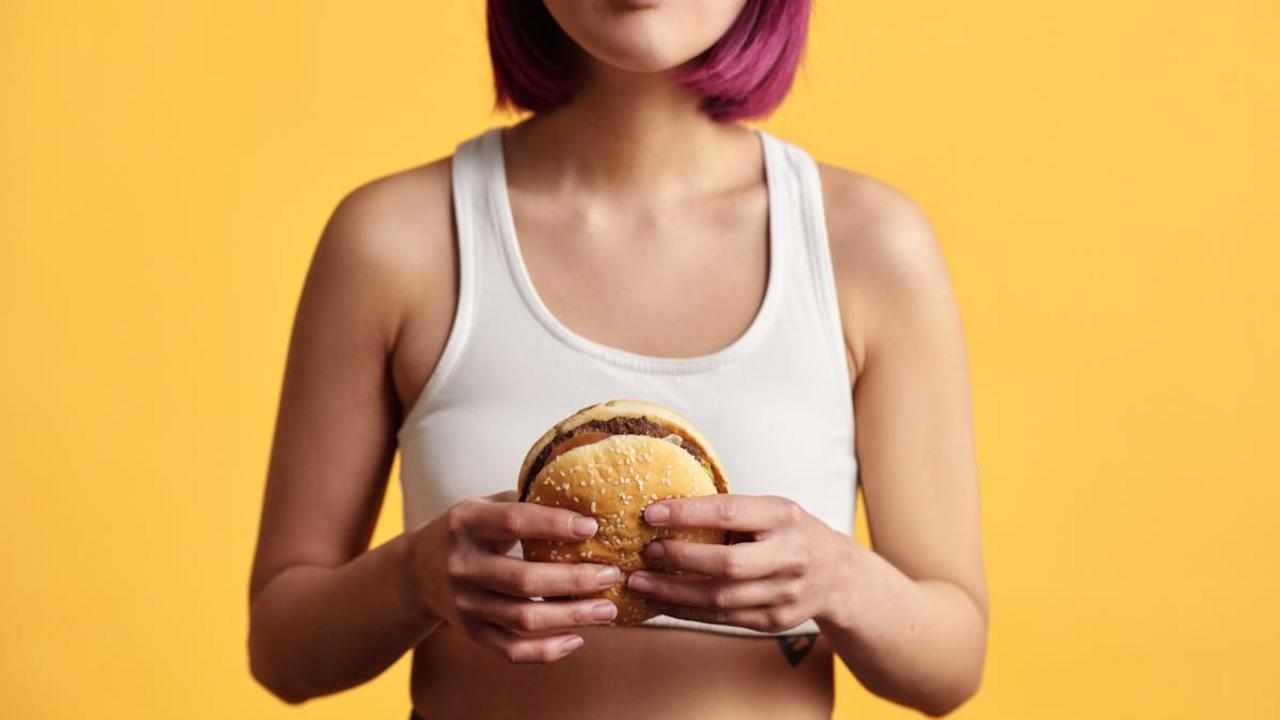
Your stomach starts rumbling the second you catch a whiff of those golden arches, and that’s no accident—junk food manufacturers have mastered the dark arts of appetite manipulation. They pump their products full of specific compounds that literally trick your brain into thinking you’re starving, even when you just polished off a full meal an hour ago. MSG, natural flavors, and carefully calibrated salt levels work together like a perfectly orchestrated symphony of hunger, sending signals to your hypothalamus that scream “FEED ME MORE PIZZA ROLLS!” It’s like having a tiny food demon whispering sweet nothings about nachos directly into your ear canal.
The real kicker? These sneaky stimulants don’t just make you hungry—they make you crave the exact type of processed goodness that’s sitting right in front of you. Scientists have discovered that certain flavor enhancers can actually suppress your satiety signals, which is why you can demolish an entire bag of Doritos and still eye that leftover Chinese takeout with genuine interest. Your great-grandmother would be absolutely baffled watching you inhale a sleeve of cookies after dinner, muttering something about “kids these days” while secretly wondering if aliens replaced your normal human appetite with some sort of bottomless pit. The truth is, your body’s natural “I’m full” button has been temporarily disabled by edible wizardry.
Texture Combinations
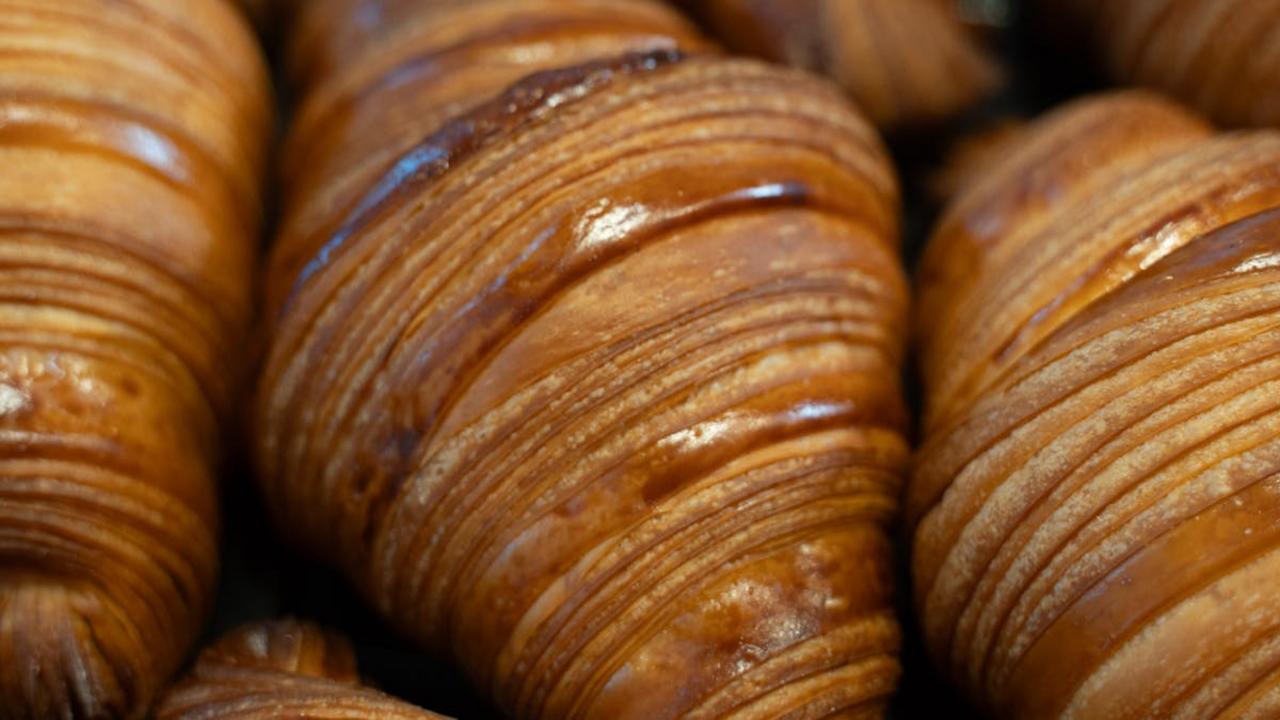
You know that magical moment when you bite into a perfectly crafted piece of junk food? That satisfying crunch followed by a creamy center isn’t an accident—it’s pure food science wizardry! Food manufacturers spend millions studying how different textures play together in your mouth, creating what they call “dynamic contrast.” Think about your favorite chocolate bar with crispy rice pieces, or those addictive chips with their perfect balance of crunch and melt-in-your-mouth coating. Your brain literally gets more excited when multiple textures hit at once, releasing happy chemicals that make you crave another bite.
The secret lies in something called “texture layering,” where food scientists deliberately create foods that change as you chew them. Take Oreos—you get that initial snap, then the creamy filling, followed by cookie crumbs that slowly dissolve. Your mouth sends signals to your brain saying “this is interesting, keep eating!” It’s like a textural symphony playing in your mouth, and companies know exactly which combinations drive us wild. They’ve discovered that foods with three or more distinct textures keep us engaged longer than single-texture snacks. So next time you find yourself mysteriously finishing an entire bag of something crunchy-yet-creamy, remember: you’re not weak, you’re just responding to brilliant texture engineering designed to keep your mouth entertained!
Artificial Flavors
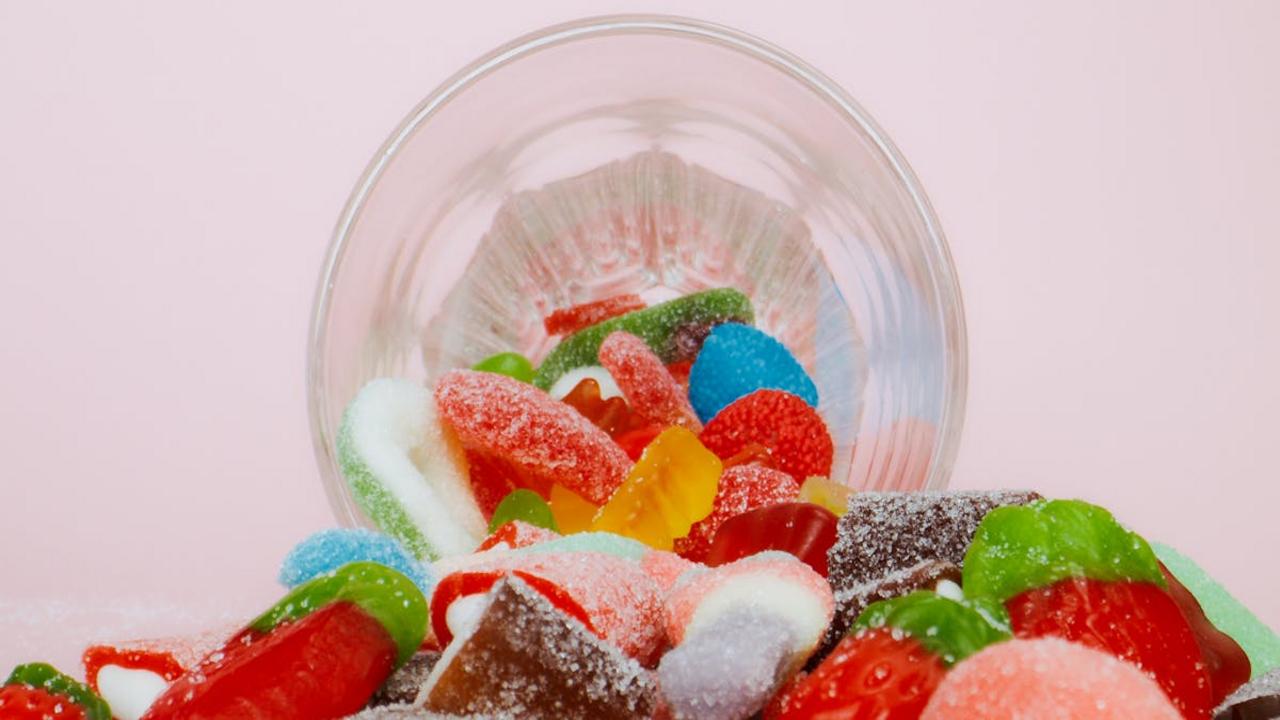
Picture this: you’re munching on a bag of strawberry-flavored gummy bears, and that intense berry blast hits your tongue. Plot twist – those little chewy demons have probably never been within a hundred miles of an actual strawberry! Food scientists work their magic in laboratories, creating synthetic compounds that mimic natural flavors but pack way more punch than Mother Nature ever intended. These artificial flavor wizards can make a single molecule taste like an entire orchard of apples or conjure up the essence of vanilla without a vanilla bean in sight.
Here’s where things get wild: artificial strawberry flavor actually comes from beaver glands (yes, really!), though most companies now use synthetic versions because, well, beaver farming isn’t exactly scalable. The beauty of artificial flavors lies in their consistency and intensity – they never have bad days like real fruit does. That fake cherry in your soda? It’s based on a compound found in wild cherries that tastes nothing like the sweet cherries you buy at the grocery store. Food manufacturers love these laboratory creations because they’re cheaper, more stable, and can create flavors that don’t exist in nature – like blue raspberry, which isn’t even a real fruit but somehow became everyone’s favorite slushie flavor!
Fat Content
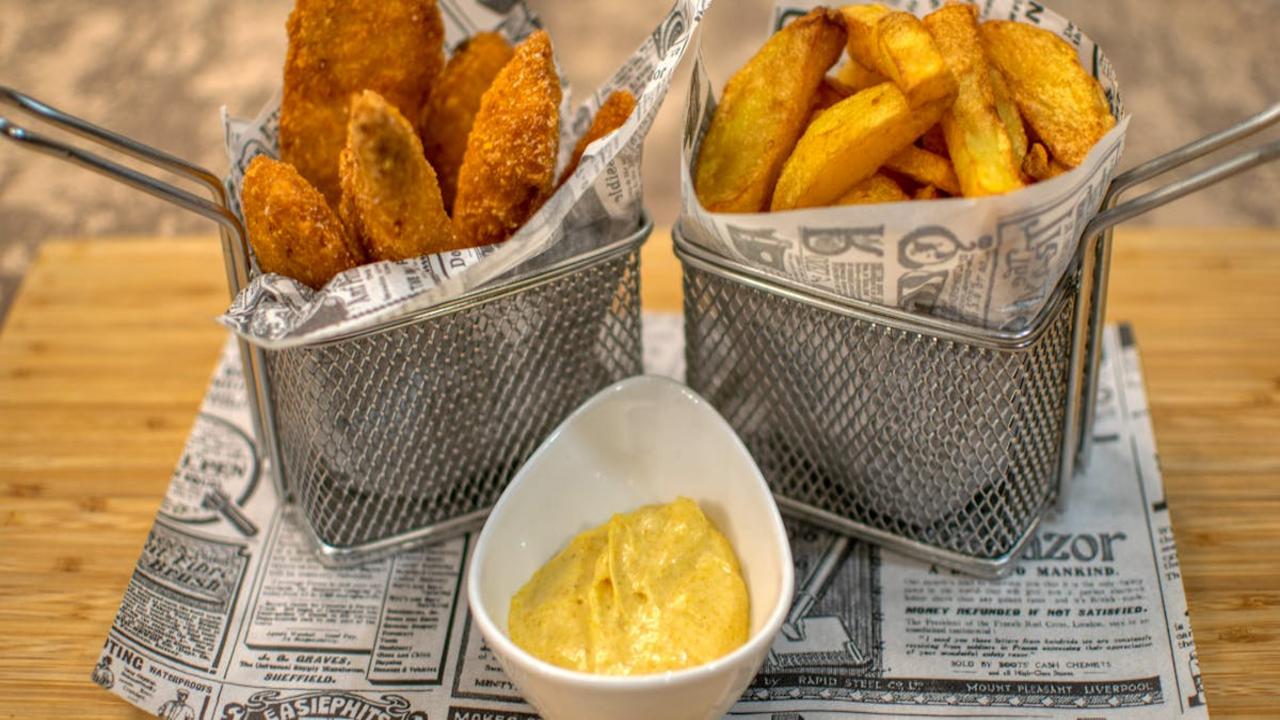
Fat doesn’t just make food taste incredible—it practically throws a party in your mouth every single time you take a bite. Those sneaky food scientists know exactly what they’re doing when they pump up the fat content in your favorite snacks. Fat carries flavors like a dedicated Uber driver, delivering every single note of deliciousness straight to your receptors. Think about it: would potato chips be remotely interesting without that glorious oil coating? Would chocolate taste like heaven without cocoa butter? Absolutely not! Fat also creates that satisfying mouthfeel that makes you want to keep reaching for more, coating your tongue with pure indulgence.
Here’s where things get really wild—fat actually triggers your brain’s reward system faster than you can say “double cheeseburger.” Your brain releases feel-good chemicals like dopamine when fat hits your system, creating a mini celebration upstairs. Food manufacturers have figured out the perfect fat ratios to keep you hooked, typically combining different types of fats to create what they call “bliss points.” That’s why french fries taste better than baked potatoes, and why ice cream beats frozen yogurt every time. The creamy, rich texture of high-fat foods literally convinces your brain that you’re eating something special and valuable, even when you’re just demolishing a bag of chips on your couch at midnight.
Salt Cravings

Your body literally conspires against you when it encounters salt, and food companies know this dirty little secret better than your ex knows your Netflix password. That first bite of salty goodness triggers an ancient survival mechanism that screams “MORE!” because our caveman ancestors needed to hoard salt like it was liquid gold. Modern junk food manufacturers dump sodium into everything with the precision of a master chemist – we’re talking potato chips with salt crystals that hit your tongue like tiny flavor bombs, and pretzels so salty they could de-ice a sidewalk. The average bag of chips contains enough sodium to make your kidneys weep, but your brain? Your brain is throwing a party.
Here’s where it gets sneaky: salt doesn’t just make things taste salty – it’s a flavor amplifier that makes sweet things sweeter, masks bitter notes, and creates that “can’t stop eating” sensation that keeps you reaching into the bag. Food scientists call it “bliss point engineering,” but I call it legalized addiction. They’ve discovered that the perfect salt-to-fat ratio creates a neural response similar to what happens when you win the lottery, except instead of money, you’re winning temporary happiness and permanent bloating. Next time you wonder why you demolished an entire bag of something crunchy while binge-watching your favorite show, blame evolution – your ancestors’ salt-seeking behavior kept them alive, but now it’s keeping Frito-Lay very, very rich.
Sugar Rush
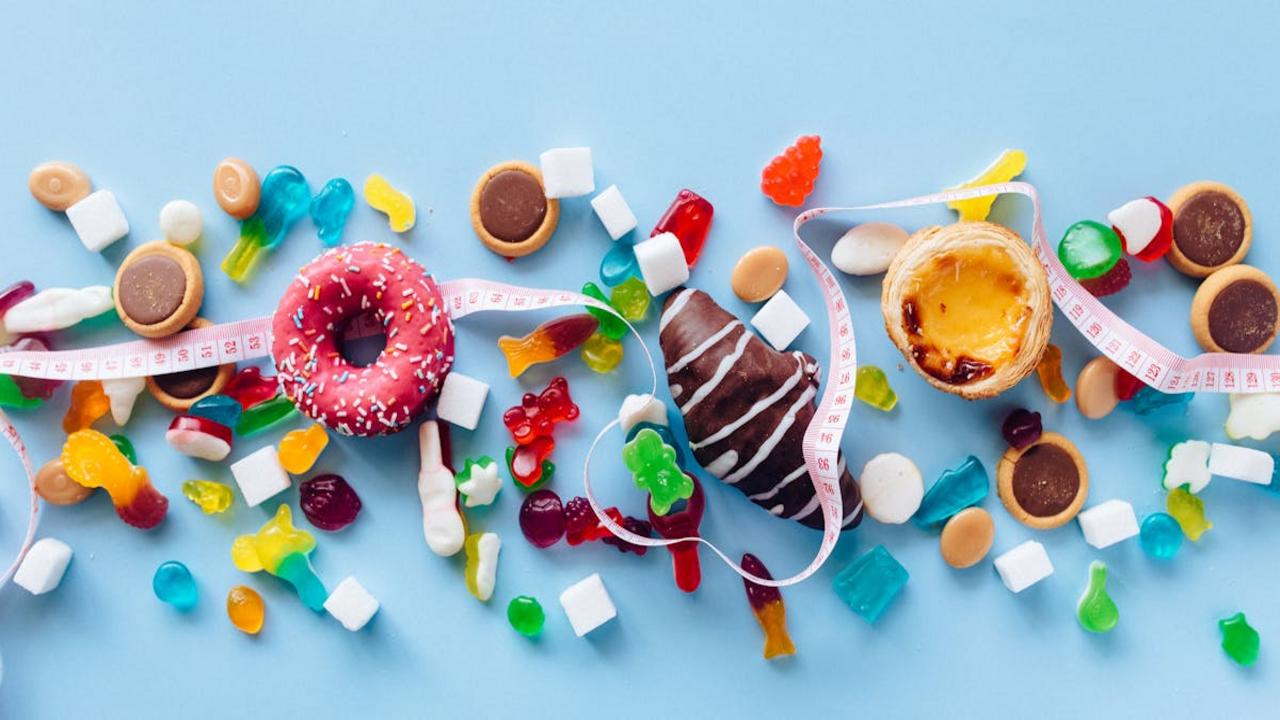
Your brain lights up like a Christmas tree when sugar hits your tongue, and junk food companies know exactly how to flip that switch. They’ve figured out the perfect sweet spot—literally—that triggers your brain’s reward center to release dopamine, the same chemical that makes you feel amazing after a great workout or when your favorite song comes on. Food scientists spend years perfecting what they call the “bliss point,” that magical sugar concentration that makes you crave just one more bite. It’s not random that a Coca-Cola contains exactly 39 grams of sugar—that’s the result of countless taste tests and brain scans to find the precise amount that keeps you coming back.
Here’s where things get sneaky: sugar doesn’t just make things taste sweet. It actually enhances other flavors and masks bitter or salty notes that might otherwise turn you off. Ever wonder why fast food buns taste so addictive? They’re loaded with high fructose corn syrup, which your brain processes differently than regular sugar, creating an almost instant craving cycle. The wildest part? Your body doesn’t register liquid calories the same way it does solid ones, so that sugary soda bypasses your natural fullness signals completely. Food manufacturers have basically turned your brain’s reward system into their personal playground, and honestly, they’re really good at their job.