10 Hilarious and Bizarre Food Ideas My Kids Actually Believe
Kids have the most creative and funny ideas about food! As a mom and food writer, I hear the wildest food theories from my little ones that make me laugh out loud. From believing brown cows produce chocolate milk to insisting different pasta shapes taste unique – their imagination knows no bounds.
My own children refuse to eat anything green because “it might be poisonous” and swear that broccoli tastes exactly like the trees in our backyard. They’ve also convinced themselves that cheese is just ice cream that melted and forgot to stay cold. Their food logic may be questionable, but their creativity amazes me daily.
Through years of cooking with kids, I’ve collected these gems of food “wisdom” that showcase how magical a child’s mind can be. While some beliefs stem from clever marketing or old wives’ tales, others come purely from their boundless imagination. Here are 10 hilarious food myths my kids firmly stand by.
Chocolate Milk Comes from Brown Cows
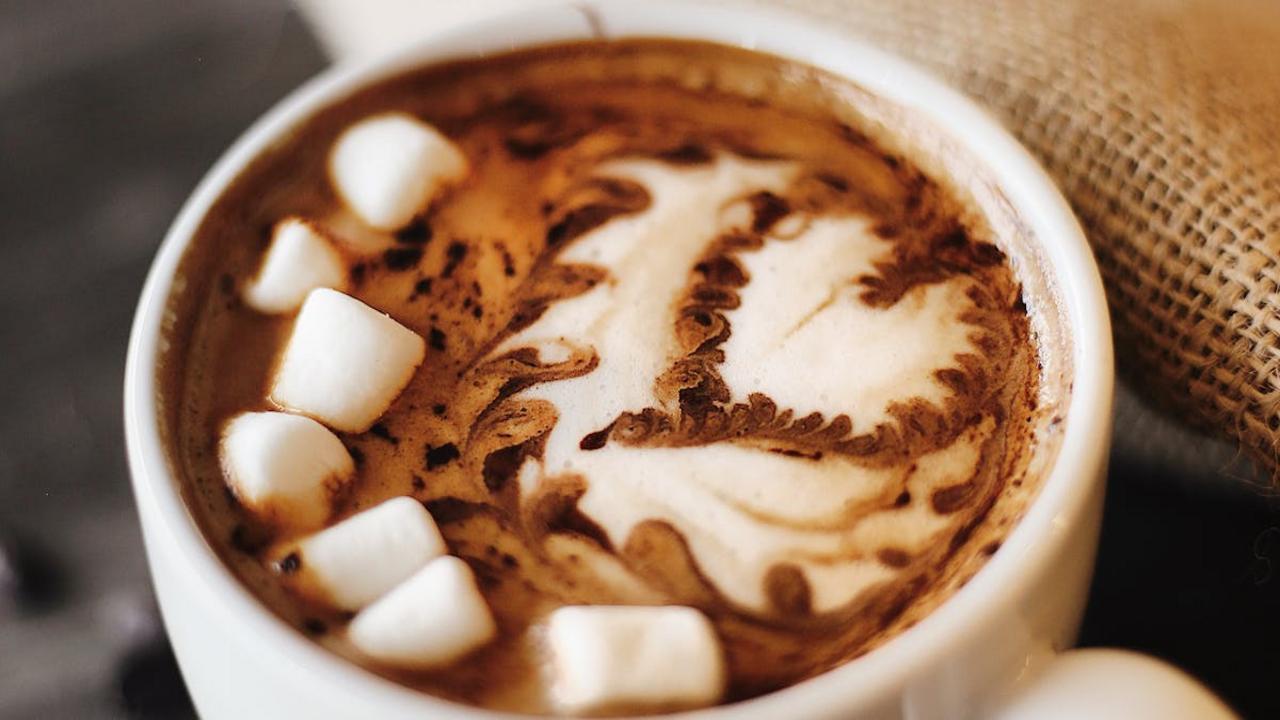
I couldn’t help but laugh when my 6-year-old confidently announced at breakfast that chocolate milk flows straight from brown cows! She had drawn this adorable connection after noticing our neighbor’s farm had both brown and white cows. According to her intricate theory, the white cows give regular milk while the brown ones naturally produce chocolate-flavored milk. This charming misconception spread through her entire first-grade class, with kids debating whether strawberry milk then must come from pink cows.
This sweet belief actually mirrors a surprising 2017 survey that found 7% of American adults thought chocolate milk came directly from brown cows! When I explained to my daughter how farmers add cocoa and sugar to regular milk to make chocolate milk, she looked genuinely disappointed. To keep the magic alive, we turned it into a fun kitchen project – mixing our own chocolate milk together while imagining we were dairy farmers. Now she proudly tells everyone the “real secret” behind chocolate milk’s creation.
Pasta Shapes Change the Taste
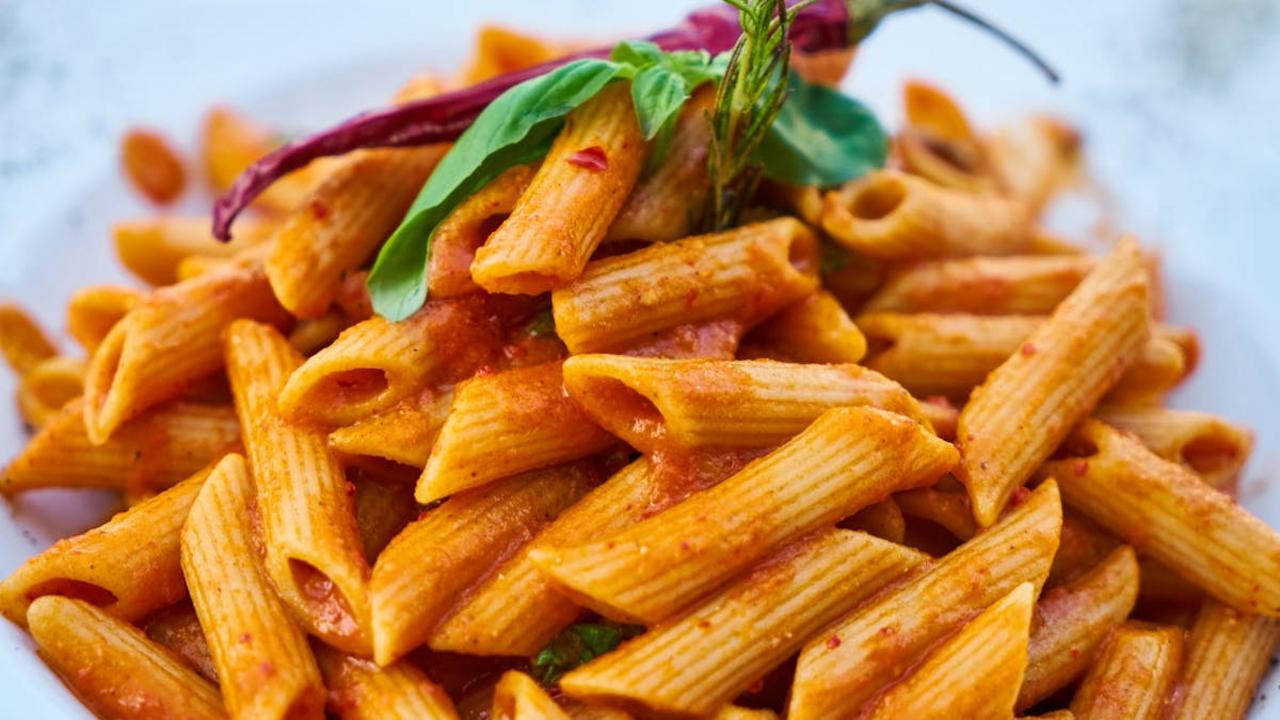
My kids swear up and down that different pasta shapes completely transform the flavor of their meals. My 7-year-old refuses to eat spaghetti with marinara sauce but will devour the exact same sauce if I serve it with bow-tie pasta instead. The other day, my 5-year-old had an epic meltdown because I dared to substitute penne for his beloved rotini, insisting through tears that “the swirly ones make it yummier!” I’ve tried explaining that pasta is pasta, but they remain firmly convinced that shapes are magical flavor-enhancing tools.
I’ve actually started having fun with this quirky belief, turning it into creative meal opportunities. Now I keep a variety of pasta shapes in my pantry and let the kids pick which “flavor” they want for dinner. It’s hilarious watching them seriously debate whether they’re in the mood for the “extra cheesy taste” of shells versus the “more tomatoey” wagon wheels. While their logic makes absolutely no sense, I’ve noticed this simple shape selection process gets them more excited about dinner and more likely to clean their plates. Sometimes the best parenting wins come from playing along with these adorable misconceptions!
Carrots Help You See in the Dark
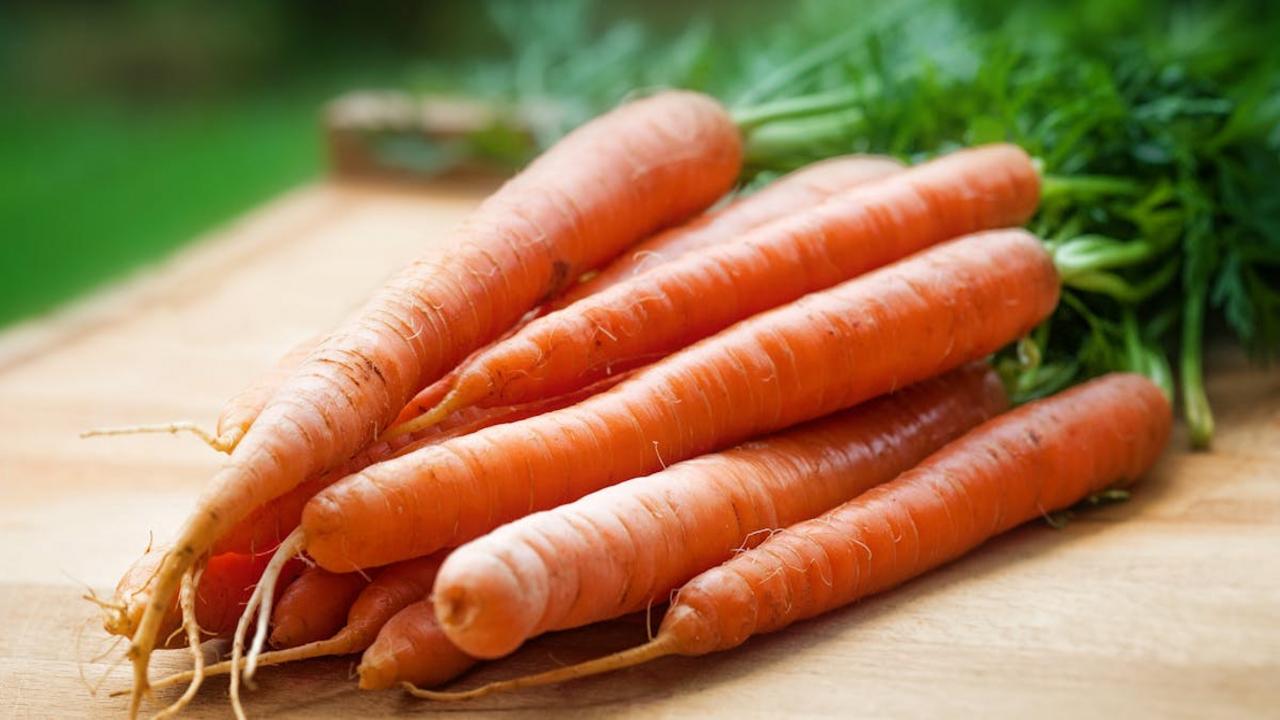
I can’t help but laugh every time my 6-year-old daughter squints her eyes at dinner, convinced she’s developing night vision powers from eating her carrot sticks. This widespread childhood belief actually stems from a clever World War II propaganda campaign by the British Ministry of Food. They spread the story that their expert fighter pilots could spot enemy planes at night thanks to eating loads of carrots. The real reason? They wanted to hide their newly developed radar technology from the Germans while encouraging citizens to grow and eat more vegetables during wartime rationing.
While carrots won’t give you supernatural night vision abilities, they do contain beta-carotene which converts to vitamin A in your body – and that does support healthy eyesight. I’ve turned this quirky belief into a fun way to get my kids excited about vegetables. Now they munch on “night vision snacks” (carrot sticks with hummus) while playing pretend spy games in dimly lit rooms. Sometimes these silly food myths can work in our favor as parents! Though I always make sure to explain the real science behind nutrition as they get older.
Smoothies are Just Fancy Milkshakes
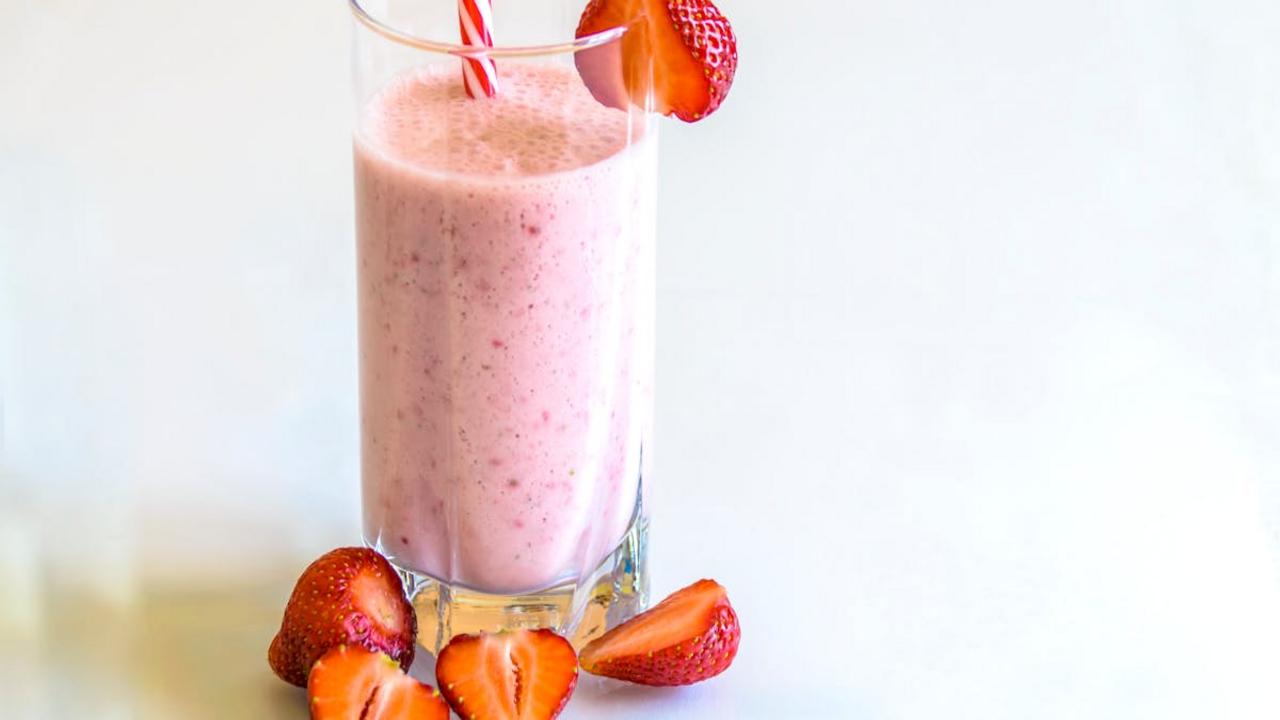
My 8-year-old Maya caught me making a green smoothie last week and declared with absolute conviction that I was just trying to trick her into drinking a “fancy milkshake.” You know what? She might be onto something there! While I pack my blender with spinach, banana, almond milk, and chia seeds for a nutrient-rich breakfast, she sees it through her ice-cream-loving lens. I’ve started playing along, calling them “morning milkshakes” – and suddenly, the same drink she used to refuse has become her favorite breakfast.
This little mix-up turned into a fun game in our kitchen. Now Maya helps me create new “milkshake” combinations, sneaking in fruits and vegetables she’d normally avoid. Yesterday, we made a purple “milkshake” with frozen blueberries, beetroot, and coconut milk – she drank every last drop! Sometimes the best way to get kids eating healthy is to roll with their quirky logic. Plus, watching her proudly show off her purple-stained tongue to her friends while bragging about her “breakfast milkshake” makes this mama’s heart happy.
Ice Cubes Make Drinks Taste Colder
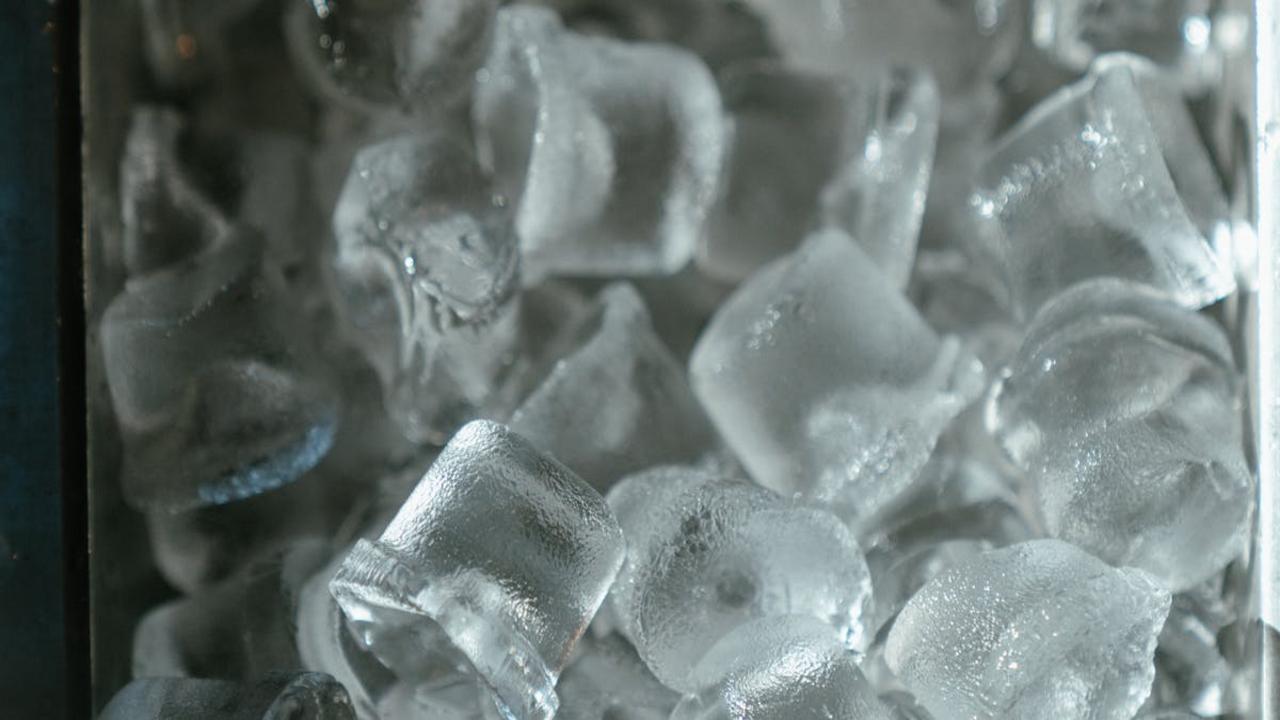
I had to laugh when my 7-year-old insisted that ice cubes literally add a “cold flavor” to drinks. According to her detailed explanation over breakfast, different shapes of ice cubes create unique cold tastes – apparently, crushed ice makes water taste “extra cold and sparkly,” while large cubes give a “deep cold taste like winter.” She even conducted her own scientific experiment, sampling water with and without ice, declaring the ice version had a distinctly “frostier flavor.” The conviction in her voice made it hard to keep a straight face!
This innocent misconception sparked a fun kitchen science moment. We talked about how temperature affects our perception of flavors, and I showed her how the same drink can seem different based on whether it’s cold or room temperature. But I didn’t have the heart to completely bust her ice cube flavor theory – there’s something magical about a child’s imagination turning simple frozen water into a taste enhancer. Now she insists on “taste-testing” different ice shapes in her juice, rating them on her made-up “cold flavor scale” from 1 to 10. Kids really do make everyday kitchen moments more entertaining!
Food Changes Flavor Based on Color
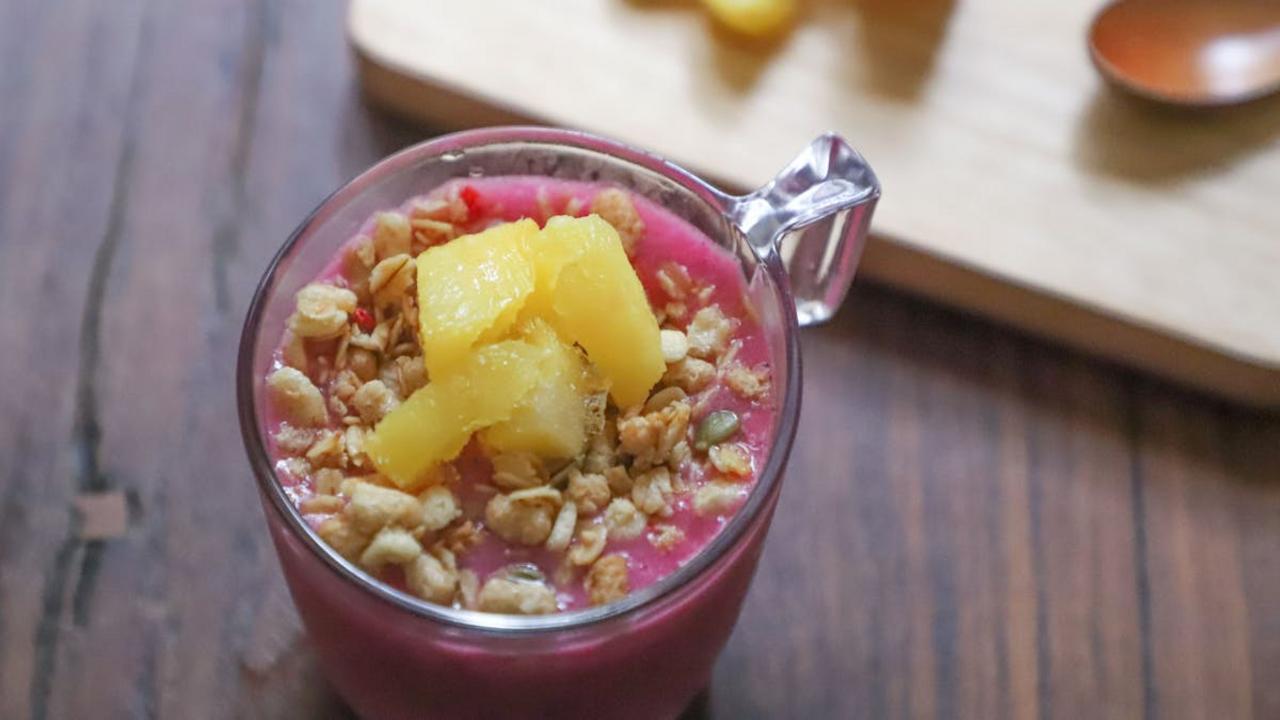
My kids absolutely insist that yellow foods must taste like bananas or lemons, while anything red automatically carries a strawberry or cherry flavor. Their most amusing conviction? Purple foods should taste like grape candy, no exceptions! I’ve watched them refuse perfectly good blueberries because “they’re the wrong color for grape flavor.” Even funnier, they once rejected orange-colored mango smoothies, declaring they only wanted “real orange juice” – despite the smoothie containing actual oranges!
I’ve turned this color-flavor fixation into a fun kitchen experiment with my little ones. We regularly blind taste-test foods with unexpected colors, like golden kiwis and white strawberries. Their minds were completely blown when they tried blood oranges – the deep red flesh made them expect cherry, but the citrus punch left them speechless! Now we keep a running list of “tricky foods” that don’t follow their color rules, though they still maintain that food manufacturers should “fix” these confusing natural color variations.
Green Foods Should Be Avoided
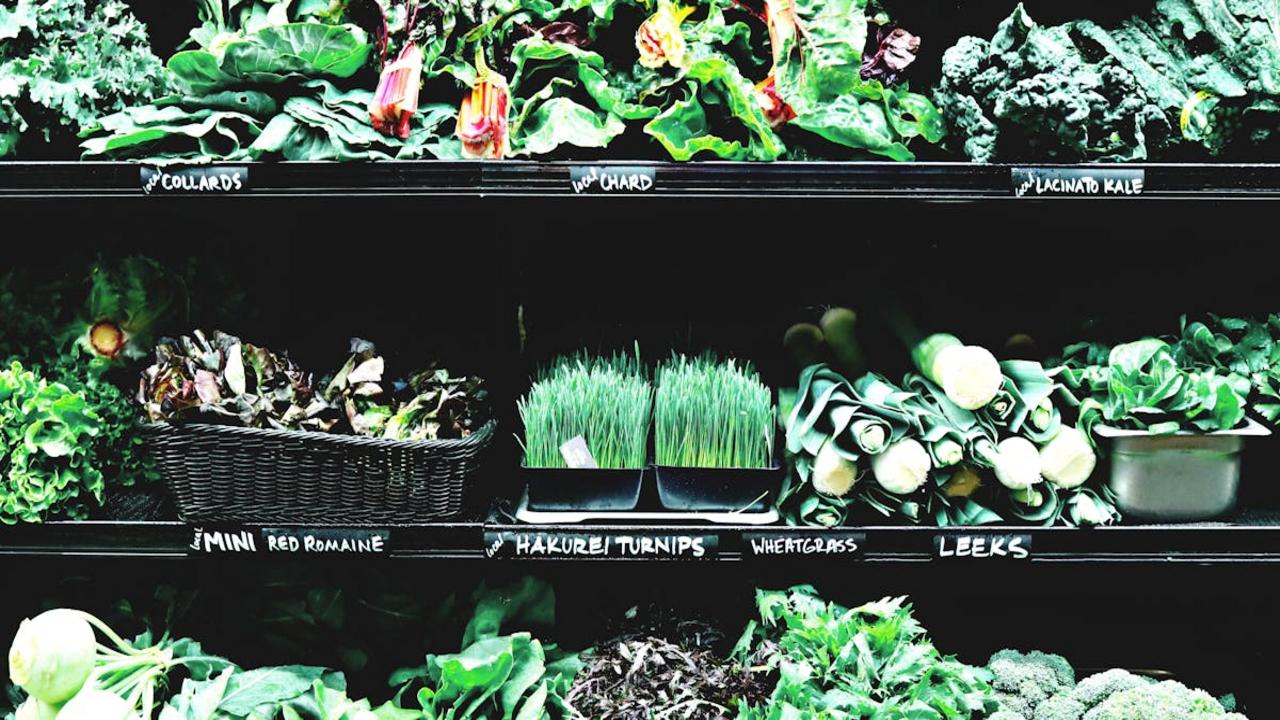
I nearly spilled my morning coffee laughing when my 7-year-old declared with total conviction that green foods are “basically poison.” According to her detailed theory, which she presented complete with crayon drawings, anything green contains “evil nutrients” that turn kids into broccoli. She got this idea after watching her baby brother’s face scrunch up while trying peas for the first time. Now she’s spreading this “scientific fact” to all her friends at school, warning them about the dangers of spinach, green beans, and especially kale.
The funniest part? She’ll happily devour green M&Ms, lime popsicles, and mint chocolate chip ice cream without batting an eye. When I pointed out these exceptions to her rule, she explained very seriously that “those are different because they’re dessert green, not vegetable green.” My husband and I have turned this into a game, sneaking finely chopped herbs and vegetables into her favorite dishes while she remains blissfully unaware that she’s consuming the very “evil nutrients” she warns everyone about.
Spices are Just Confetti for Food
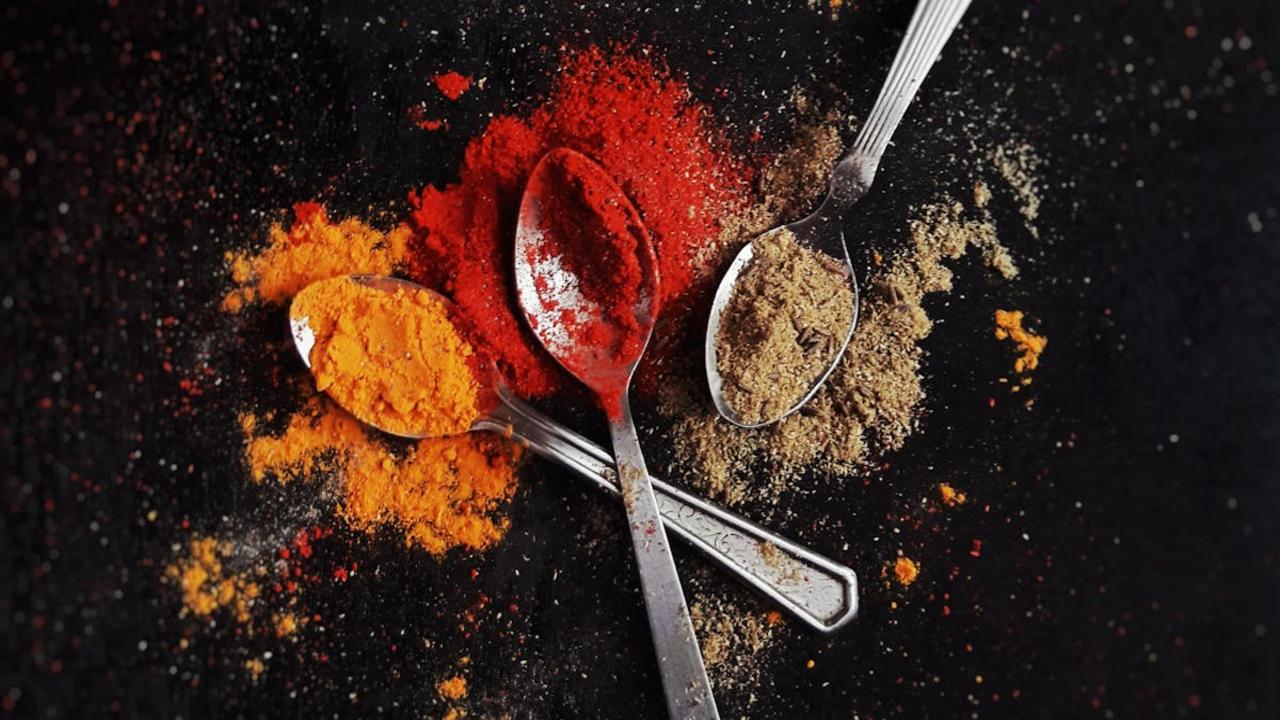
My 6-year-old Maya dropped this gem while watching me cook dinner last night – “Mommy, you’re just putting sprinkles on the chicken!” She genuinely thinks spices are food confetti, meant only to make dishes look pretty and festive. I had to laugh because in her innocent logic, it makes perfect sense. The colorful array of paprika, turmeric, and oregano scattered across our meal does resemble tiny party decorations. Now she gets excited every time I reach for my spice rack, thinking we’re having a food celebration.
This sweet misunderstanding has actually made seasoning food more fun in our kitchen. Maya now helps me “decorate” our dishes with different spices, learning their names and smells along the way. The other day, she insisted on adding cinnamon to our roasted vegetables because “they needed more party spirit.” While I gently steered her toward more suitable seasonings, I love how this little misconception has turned everyday cooking into a joyful experience. It’s these moments that remind me how children can make even the most routine kitchen tasks magical with their unique perspective.
Cheese is Just Melted Ice Cream
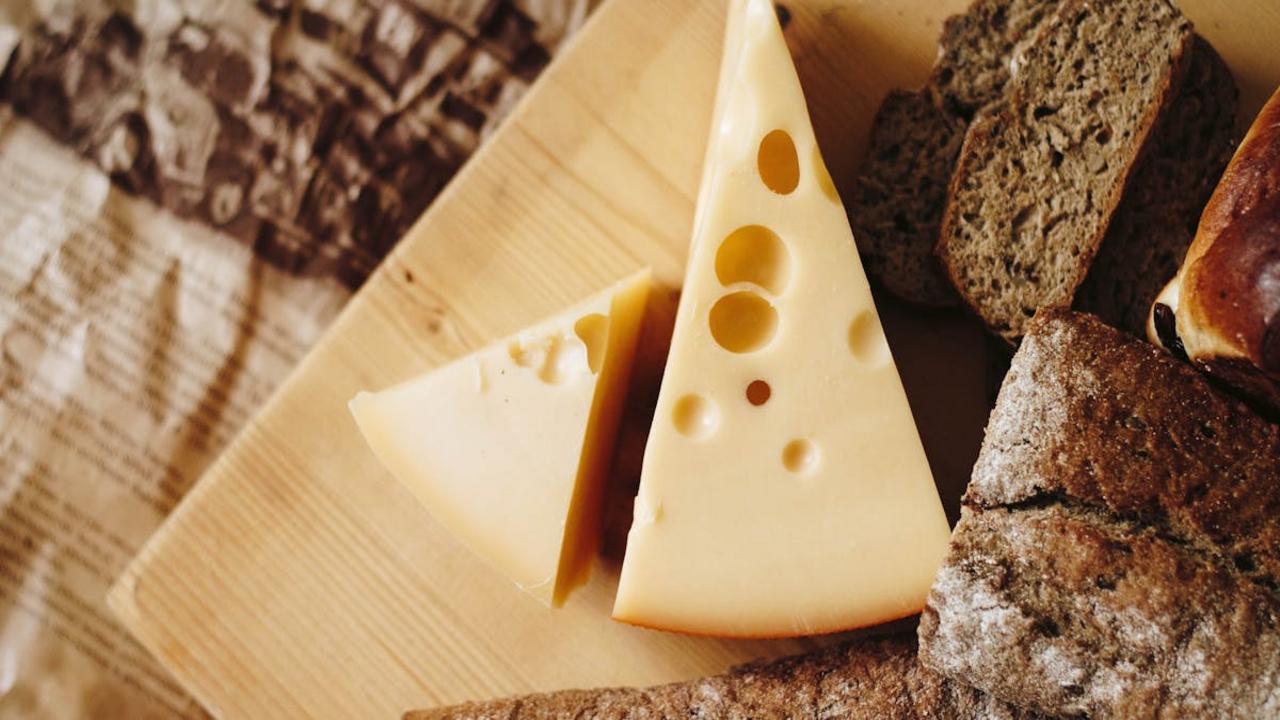
You know those wild food theories kids come up with? My 6-year-old dropped this gem during dinner: “Mom, cheese is just melted ice cream that got hard again!” I couldn’t stop laughing, but then I saw the pure conviction in her eyes. She went on to explain her “scientific proof” – both are made from milk, both can melt, and both come from cows. The adorable part? She now refuses to eat ice cream and cheese together because “that’s just too much melted ice cream.”
This sweet misconception sparked a fun kitchen experiment where we made homemade ice cream and watched cheese melt on nachos. I showed her how ice cream turns into liquid while cheese becomes stretchy and gooey. Though she now understands they’re different foods, she still giggles about her theory during family dinners. These innocent food mix-ups make cooking with kids such a joy – their imagination knows no bounds, and their logic, while hilariously flawed, reminds me to keep wondering about the magic of food transformation.
Broccoli Tastes Like Trees
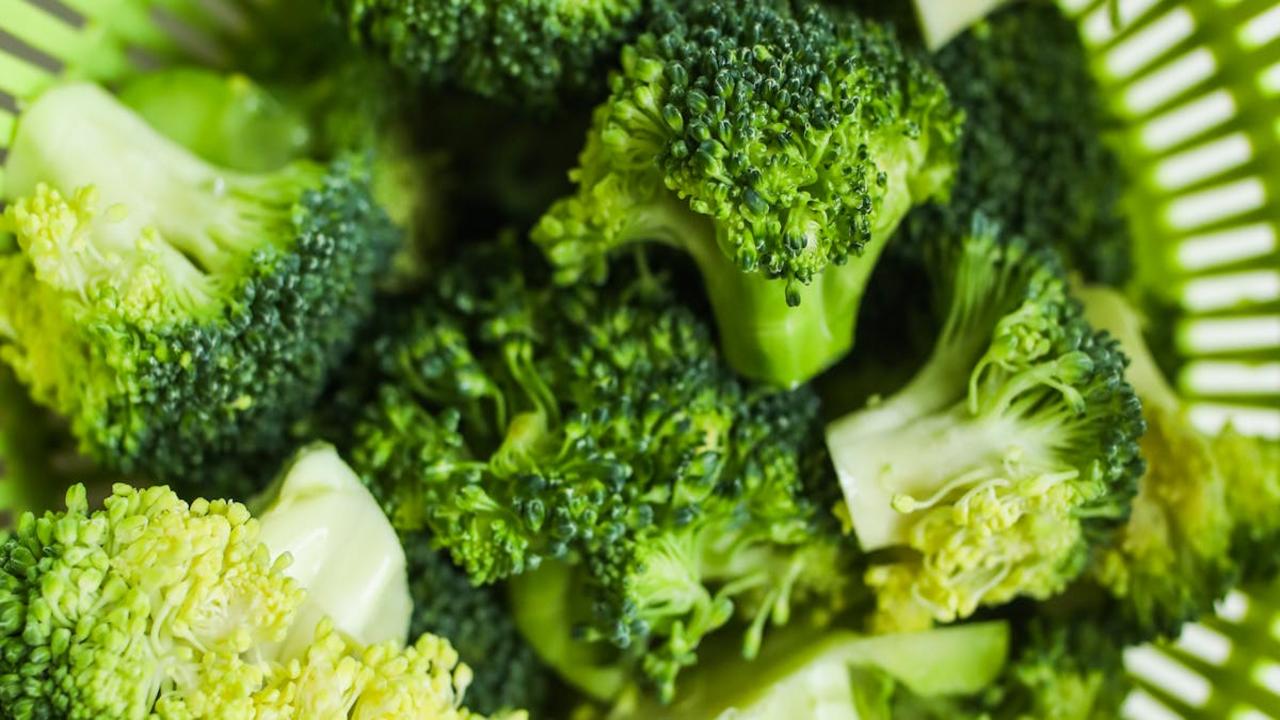
I’ll never forget the day my 5-year-old daughter Maya declared with complete confidence that broccoli must come from tiny trees. She had built this whole mythology around how farmers climb up special ladders at night to harvest these miniature forest vegetables. Her theory spread like wildfire through her kindergarten class, and soon all the kids were convinced they were eating actual trees for dinner. The funny part? This creative misconception actually got them excited about eating their vegetables!
Now I’ve turned this silly idea into a fun dinner ritual where we pretend to be giants munching through a forest of tiny trees. I make different “forest arrangements” on their plates – sometimes creating little scenes with ranch dressing rivers or cauliflower cloud formations. The kids get so caught up in the storytelling and imaginative play that they don’t even notice they’re eating something healthy. Their current favorite is what they call “autumn trees” – roasted broccoli with a sprinkle of nutritional yeast that gives the florets a golden-orange color.