10 Creative Ways to Cook Restaurant Quality Meals at Home Without Breaking the Bank
Want to create stunning restaurant-worthy dishes without maxing out your credit card? You don’t need a culinary degree or fancy equipment – just some smart techniques and fresh ingredients from your local market. I’ve spent years testing shortcuts and tricks to replicate those $40 entrées for a fraction of the cost.
From perfectly seared steaks to handmade pasta that would make an Italian grandmother proud, your kitchen can become your personal five-star restaurant. The secret lies in mastering a few key methods and knowing which affordable substitutes give you that same luxurious result.
Whether you’re craving a creamy seafood risotto or dreaming of rich chocolate desserts, these 10 techniques will transform your home cooking. Get ready to wow your dinner guests without emptying your wallet. The best part? You’ll have so much fun learning these restaurant tricks, you might never want to dine out again.
Chocolate Desserts
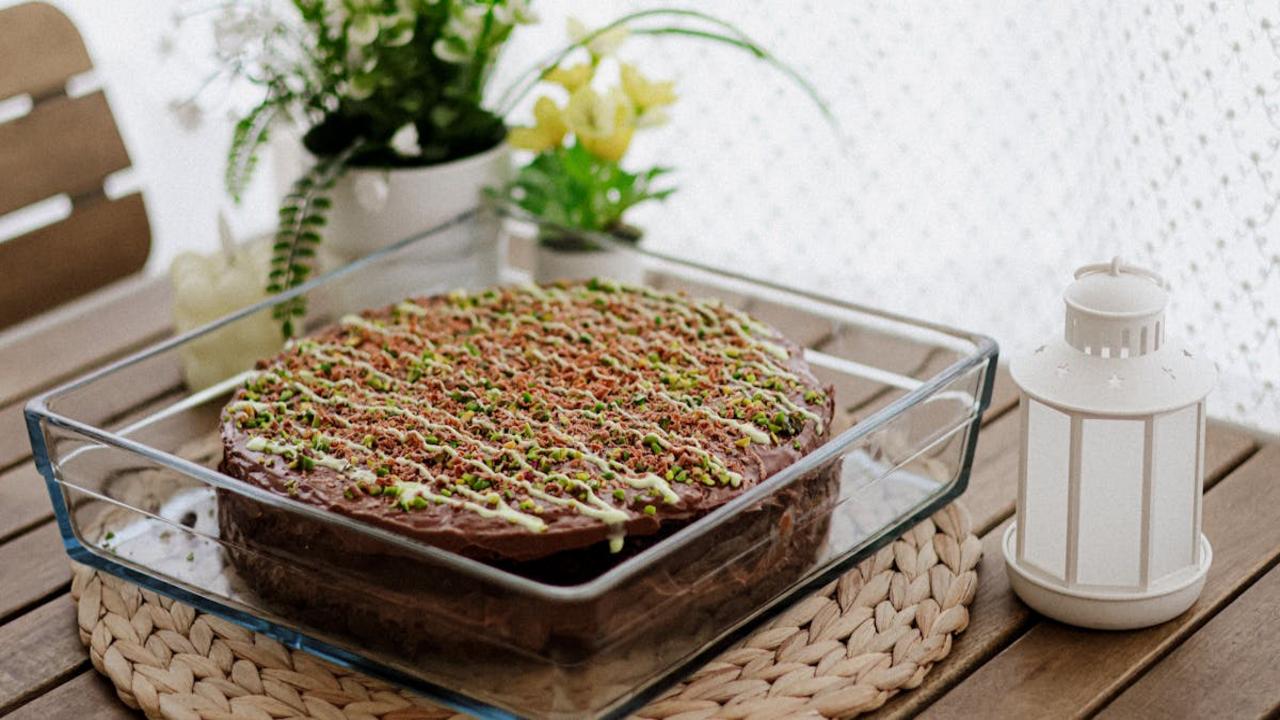
You don’t need to shell out $15 for a fancy chocolate dessert at a restaurant when you can whip up amazing treats right in your kitchen! My favorite budget-friendly hack involves making rich chocolate mousse using just chocolate chips, hot coffee, and aquafaba (the liquid from a can of chickpeas). I know what you’re thinking – chickpea water?! Trust me, it whips up into the fluffiest, most decadent mousse you’ve ever had. Plus, a single can of chickpeas costs under a dollar and makes enough mousse for 4 servings. Win-win!
Another restaurant-worthy chocolate trick I swear by is upgrading basic boxed brownie mix. Add a shot of espresso to intensify the chocolate flavor, swap vegetable oil for melted butter, and mix in a handful of chocolate chips. For the finishing touch, sprinkle some flaky sea salt on top before baking – this simple addition makes them taste like they’re from a fancy bakery. The best part? These modifications only add about $2 to your basic brownie mix but create a dessert that rivals those $8-per-slice restaurant versions. I’ve served these at dinner parties and watched guests fight over the last piece!
Slow Roasted Meats
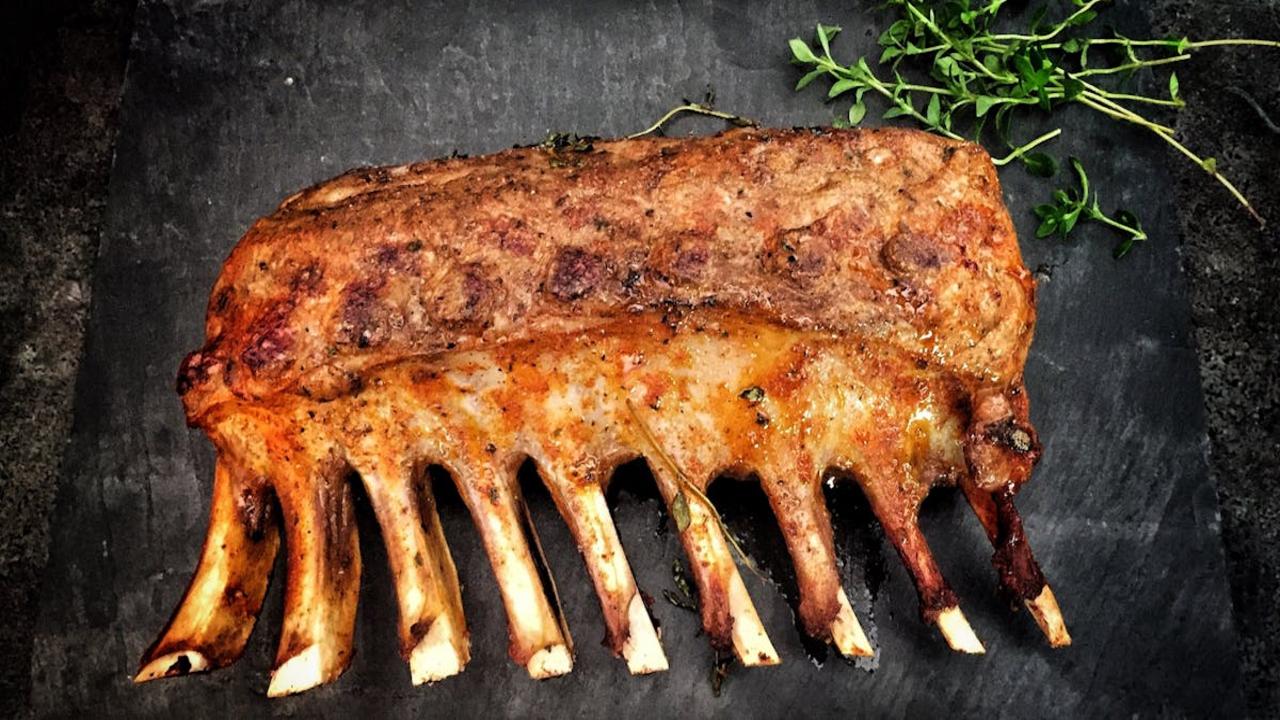
Hey, want to know my secret to making your dinner guests think you went to culinary school? Slow roasting! It’s the easiest yet most impressive way to transform even budget-friendly cuts of meat into melt-in-your-mouth masterpieces. Just grab a tough, inexpensive cut like pork shoulder or beef chuck, season it generously with salt, pepper, and your favorite herbs, then pop it in a low-temp oven (around 275°F) for several hours. The slow cooking process breaks down all those tough connective tissues, leaving you with meat so tender you can pull it apart with a fork.
Here’s a money-saving tip that’ll make your wallet and taste buds happy: buy those less popular cuts when they’re on sale and freeze them. For the perfect slow-roasted creation, bring your meat to room temperature before cooking, and don’t skip the resting period after it’s done – this keeps all those wonderful juices locked inside. My go-to move is throwing some root vegetables in the roasting pan about halfway through cooking time. They soak up all those amazing meat drippings and turn into caramelized bits of heaven. Trust me, your house will smell amazing, and your friends will beg you for the recipe!
Gourmet Soups

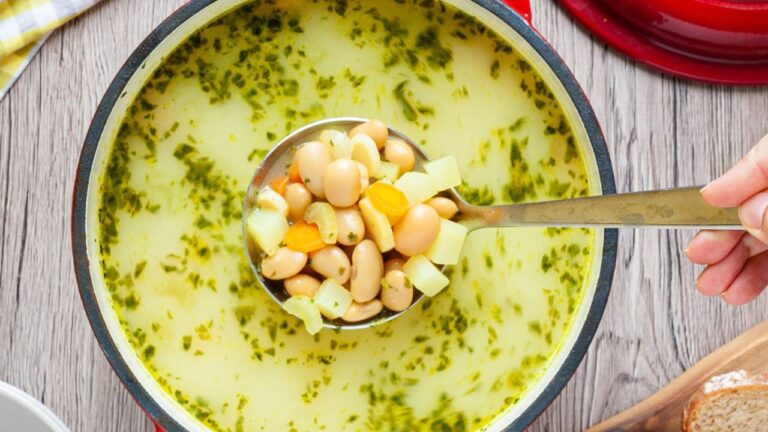
You know what’s magical about making restaurant-style soups at home? The secret lies in building layers of flavor from scratch – and it’s way easier than you’d think! Start with a proper mirepoix (that’s fancy chef-speak for diced onions, carrots, and celery) and sauté it slowly in butter until it’s golden and fragrant. Then add your homemade stock (I keep vegetable scraps in the freezer to make mine), and throw in fresh herbs like thyme or bay leaves. The difference between a mediocre soup and an outstanding one often comes down to these simple but critical first steps.
Want to transform your basic soup into something truly spectacular? Try blending roasted garlic into your creamy soups for extra depth, or finishing with a splash of good quality cream and a drizzle of extra virgin olive oil. My favorite money-saving trick? Buy seasonal vegetables when they’re abundant and cheap, then turn them into incredible soups like roasted butternut squash with sage or fresh corn chowder. Freeze portions in mason jars, and you’ll have restaurant-worthy soup ready whenever you want it. Top with homemade croutons (just cube day-old bread, toss with olive oil and herbs, then bake until crispy) for that perfect finishing touch.
Handmade Pizza

You’ll never want delivery again once you master the magic of homemade pizza! I’ve found that creating restaurant-quality pizza starts with a simple dough (just flour, water, yeast, and salt) that you can make ahead and keep in the fridge. The real money-saving secret? Skip those pre-shredded bags and buy blocks of mozzarella to grate yourself – the flavor difference is incredible, and you’ll save about 40% on cheese costs. Plus, you can control the thickness of your crust, the amount of sauce, and pile on exactly the toppings you want without paying $3 extra for each one.
Here’s my favorite budget-friendly pizza hack: create a DIY pizza stone by flipping over a heavy baking sheet and preheating it in your oven at 450°F. This mimics the crispy bottom crust you get from those fancy wood-fired ovens. For toppings, raid your fridge for leftovers – that half-used jar of olives, the last few slices of ham, or those roasted veggies from yesterday make perfect pizza additions. One batch of dough costs less than $1 to make and yields two 12-inch pizzas – that’s a whopping $15-20 savings compared to restaurant prices. Your wallet (and your stomach) will thank you!
Caramelized Vegetables
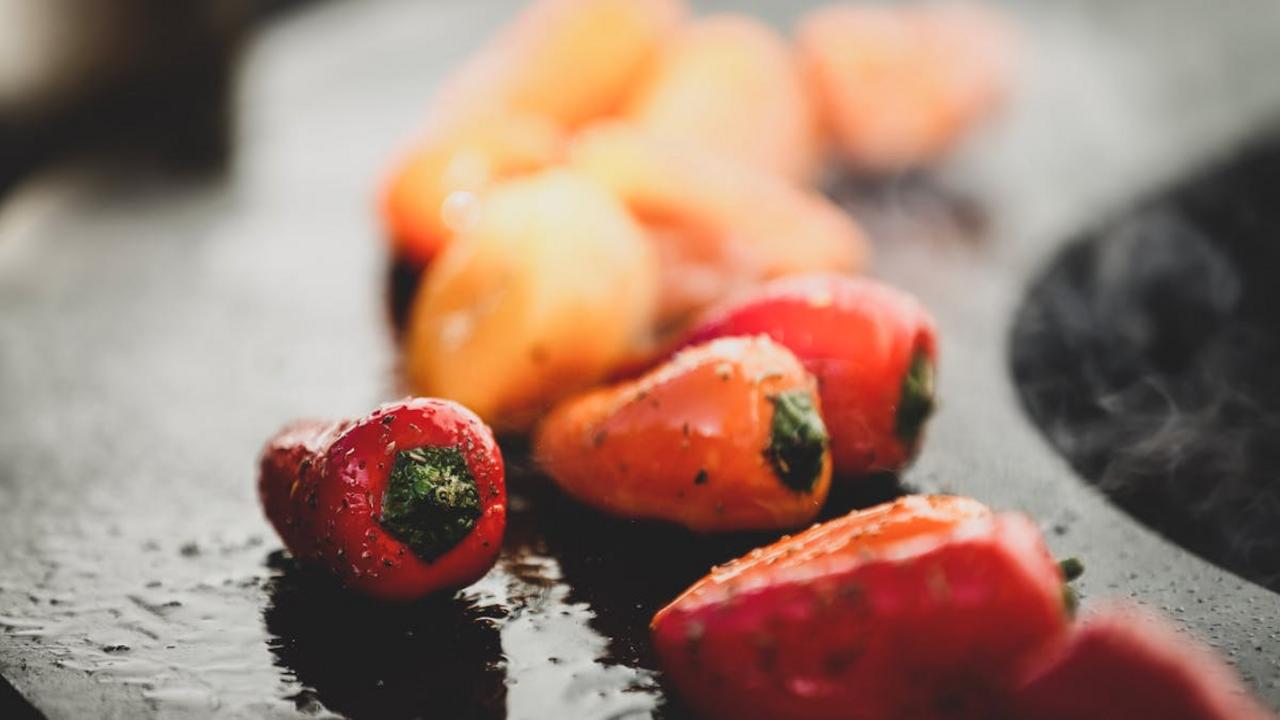
You haven’t lived until you’ve tasted vegetables transformed by the magic of caramelization! I discovered this game-changing technique during a late-night cooking experiment when I accidentally left my Brussels sprouts in the pan too long. Instead of a disaster, I created sweet, nutty, golden-brown bits of heaven. The secret? High heat, a splash of oil, and the patience to let those natural sugars do their thing. Your carrots, onions, parsnips, and Brussels sprouts will develop an incredible depth of flavor that’ll make you forget you’re eating something healthy.
Want to nail this restaurant-worthy technique at home? Start with dry vegetables (moisture is the enemy of caramelization) and don’t crowd the pan – give those veggies room to breathe! Heat your heaviest skillet until it’s smoking hot, add a thin layer of oil, and arrange your vegetables in a single layer. Now comes the hard part: resist the urge to stir constantly. Let them sit for 3-4 minutes until they develop a gorgeous brown crust on one side before flipping. A sprinkle of salt at the end will make those sweet, complex flavors pop. Trust me, once you master this method, you’ll never look at vegetables the same way again.
Seafood Risotto
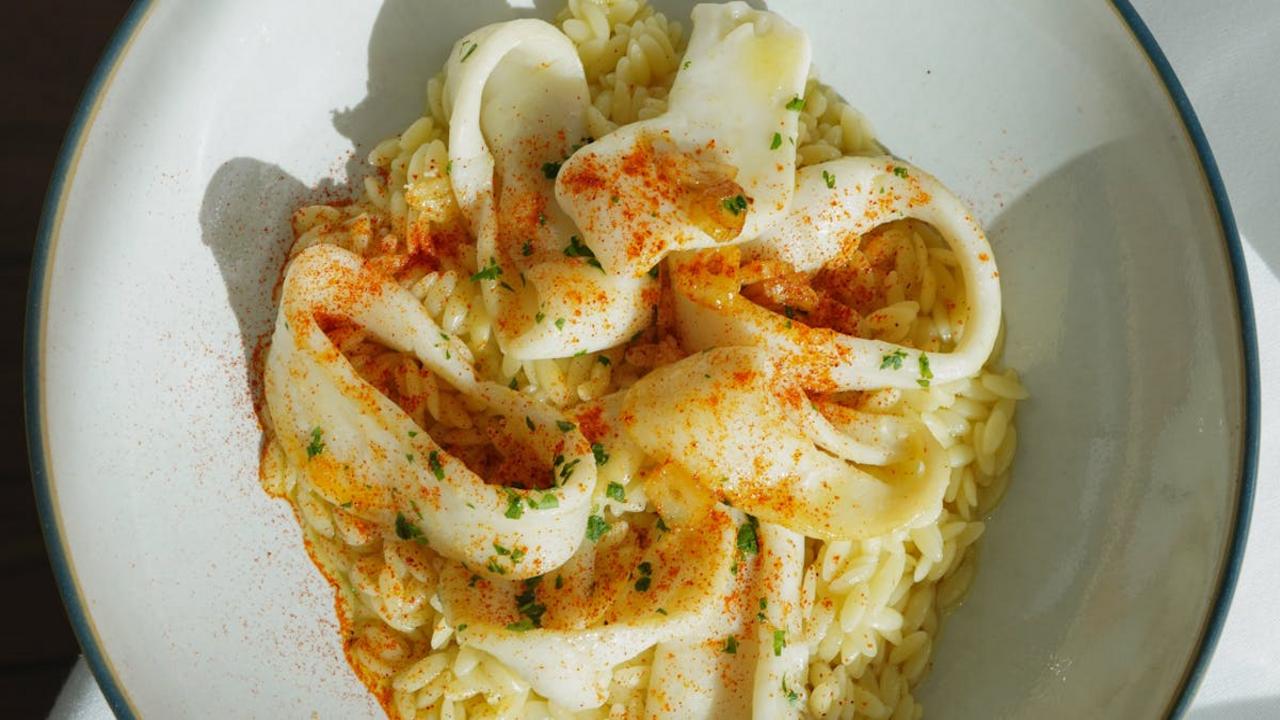
Want to make a restaurant-worthy seafood risotto without spending a fortune? I’ve got your back! The secret lies in buying frozen seafood mix packages (way cheaper than fresh!) and creating your own fish stock from shrimp shells and fish trimmings. Here’s my money-saving trick: I visit my local fish market near closing time when they often discount their products. Mix shrimp, mussels, and chunks of white fish with creamy Arborio rice, and you’ll create a dish that’ll make your guests think you’ve hired a personal chef.
The key to perfect risotto texture is patience and constant stirring – think of it as your arm workout for the day! Skip the expensive saffron and use turmeric or paprika for that gorgeous golden color. Add a splash of white wine (the cheap stuff works just fine), some garlic, and a handful of frozen peas for color. My favorite budget-friendly flavor boost? A sprinkle of Old Bay seasoning instead of individual spices. Remember, risotto should spread slowly on your plate like lava – if it stands up like a mountain, you need more stock!
Pan Seared Steaks
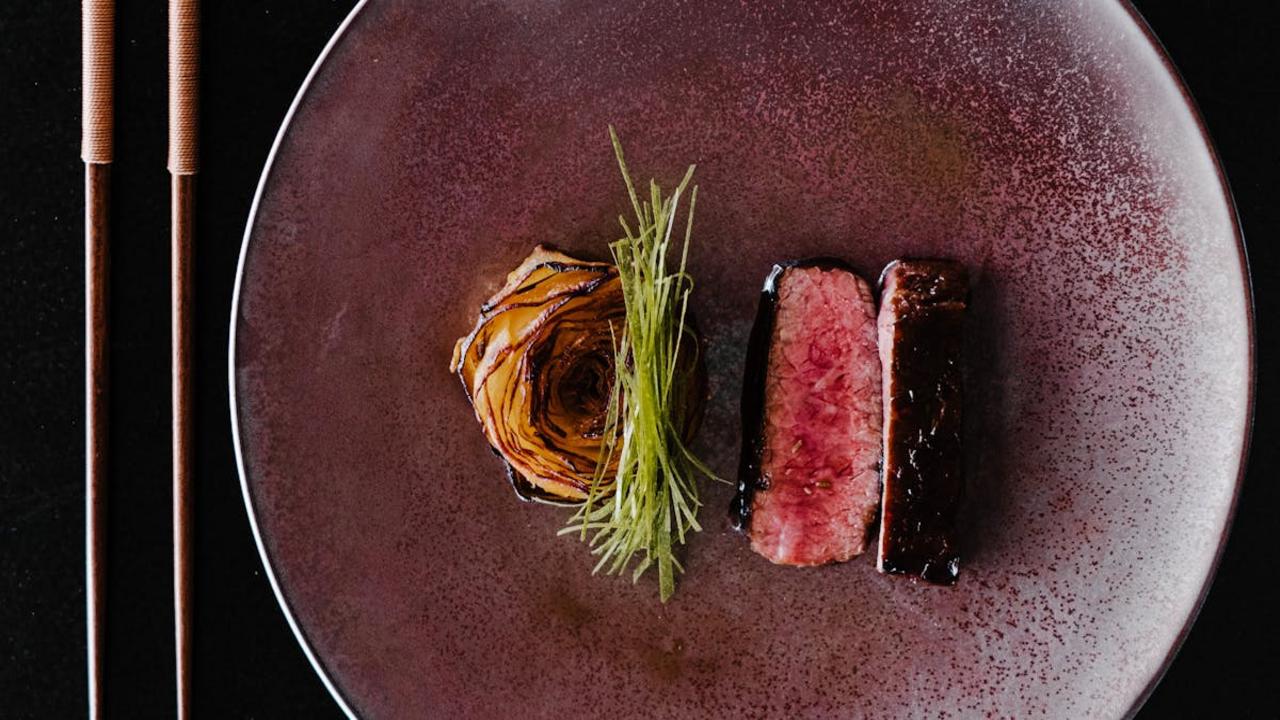
Want to know my secret for restaurant-quality steaks without dropping $60 at the steakhouse? It’s all about mastering the pan-sear technique in your own kitchen! Start with room temperature meat (30 minutes on the counter does the trick) and pat it dry – moisture is the enemy of that gorgeous brown crust we’re after. Season generously with salt and pepper, then heat a cast-iron skillet until it’s smoking hot. Add a tiny splash of high-heat oil, and lay that beautiful piece of beef in the pan. The sizzle should make your neighbors jealous!
Here’s where the magic happens: for a perfect medium-rare on a 1-inch thick steak, sear for 4 minutes on each side, then throw in a knob of butter, fresh garlic, and rosemary for the final minute. The butter will foam and brown, creating an incredible sauce right there in the pan. Remember to let your steak rest for 5-10 minutes before cutting – this keeps all those fantastic juices inside where they belong. The result? A steakhouse-worthy dinner that’ll cost you a fraction of the price, and you don’t even have to put on fancy pants to enjoy it!
Wine Based Sauces
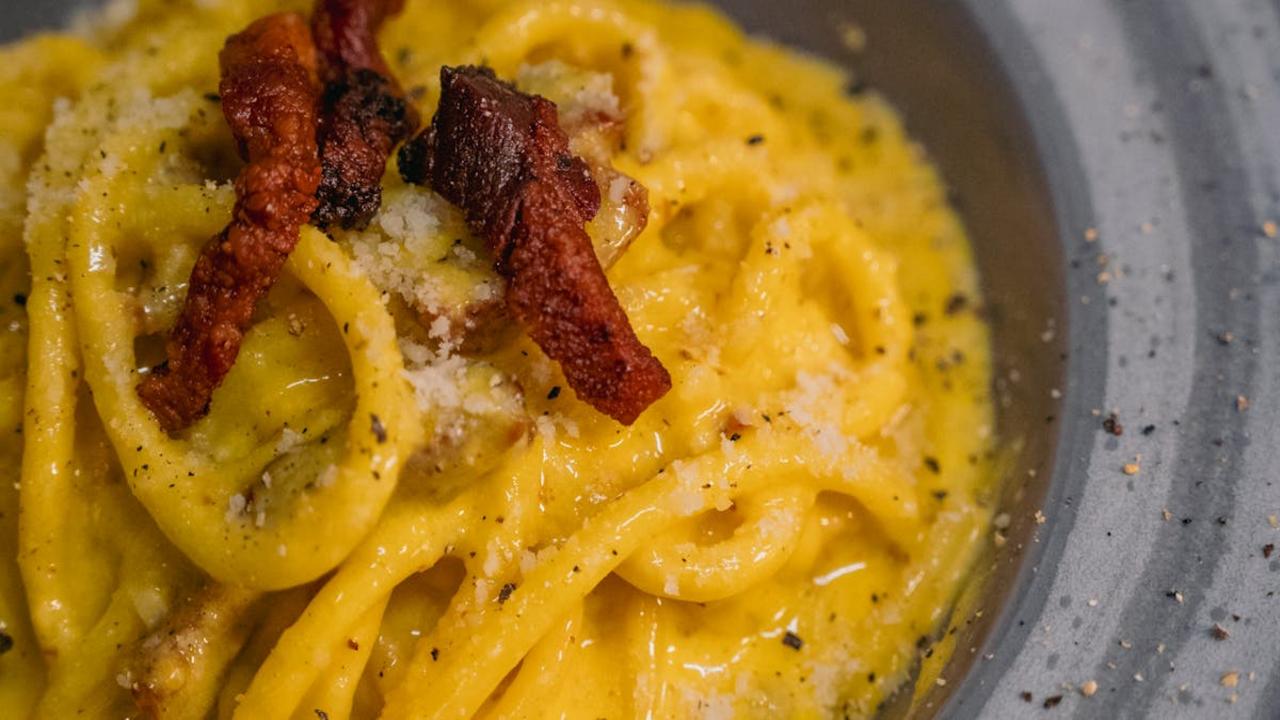
Want to make your weeknight dinner feel like a fancy French bistro experience? Grab that bottle of wine from your rack (yes, even the cheap stuff works!) and transform it into a restaurant-worthy sauce. I discovered this money-saving trick during my stint as a cooking school assistant – those $30 wine-based sauces at restaurants often start with $8 bottles! Start with a simple red wine reduction by simmering your wine with shallots, herbs, and a pat of butter until it thickens. For white wine sauces, add a splash of cream and mustard to create a silky blanket for your chicken or fish.
Here’s my favorite budget-friendly trick: freeze leftover wine in ice cube trays specifically for sauce-making. One cube equals about 2 tablespoons – perfect for deglazing a pan after searing meat. The alcohol cooks off while the complex flavors concentrate, leaving you with a rich sauce that would make any chef proud. Mix and match your wines – a robust Cabernet works wonders with beef, while a crisp Pinot Grigio brightens up seafood dishes. Just remember my golden rule: if you wouldn’t drink it, don’t cook with it (but that $10 bottle from Trader Joe’s? Totally fair game!).
Homemade Pasta
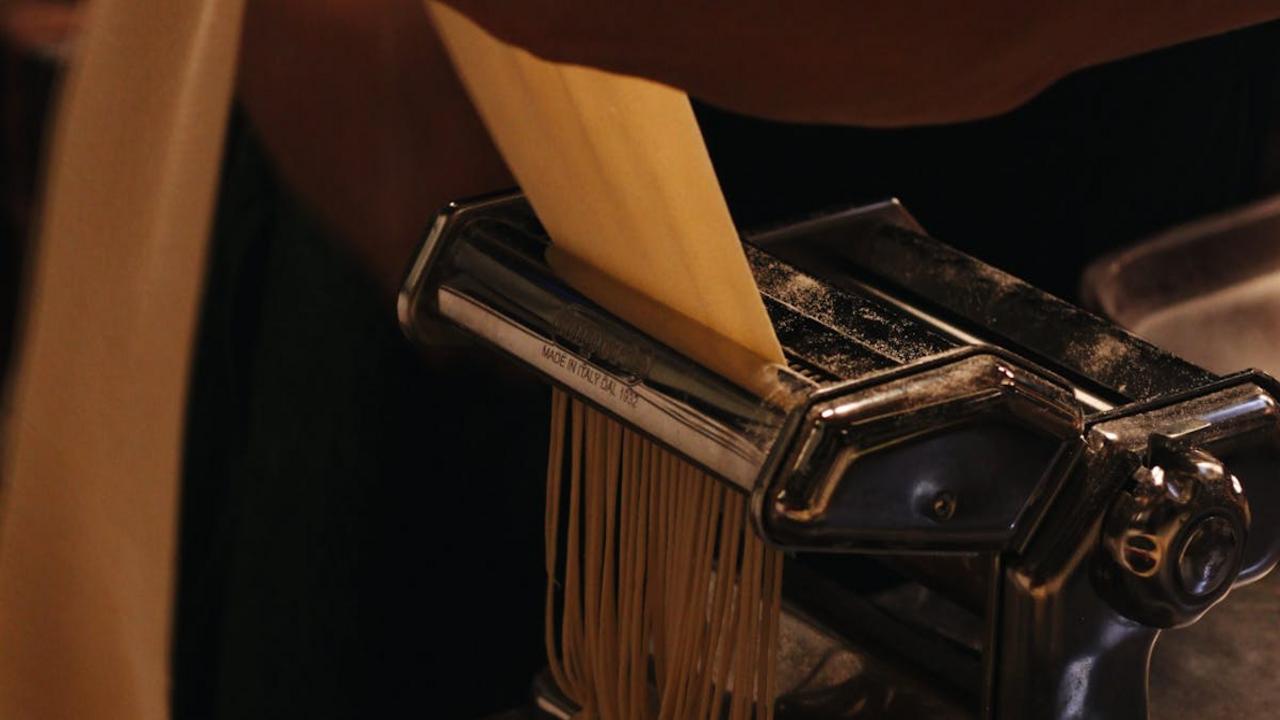
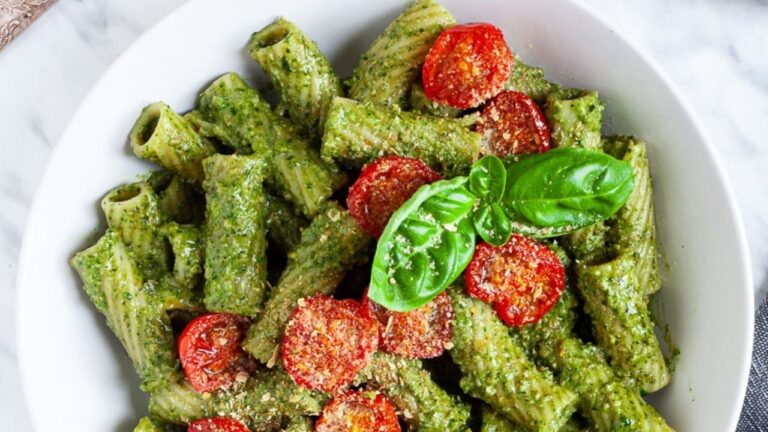
You haven’t lived until you’ve made fresh pasta from scratch in your own kitchen! I discovered that all you need is flour, eggs, and a pinch of salt to create restaurant-worthy pasta that’ll make your Italian grandmother proud (even if you don’t have one). While many people think pasta-making requires fancy equipment, you can roll out beautiful fettuccine with just a rolling pin and a sharp knife. The magic lies in kneading the dough until it feels like silk beneath your fingers – a process I find oddly therapeutic after a long day.
The best part? Homemade pasta costs pennies per serving and cooks in just 2-3 minutes, compared to dried pasta’s 8-10 minutes. My favorite trick is to double the batch and freeze half – just dust the fresh noodles with flour, form them into little nests, and pop them in the freezer. When you’re ready to cook, throw them straight into boiling water from frozen. Top your creation with a simple brown butter and sage sauce, and suddenly your Tuesday night dinner transforms into a $25 restaurant dish for less than $3 per plate.
Fresh Herbs and Garnishes

Want to know the secret behind those stunning restaurant dishes that make your Instagram followers drool? It’s those vibrant fresh herbs and thoughtful garnishes that transform an ordinary meal into a masterpiece! I’ve discovered that keeping a small herb garden on my windowsill saves me a fortune compared to buying those tiny plastic containers at the supermarket. Basil, cilantro, mint, and parsley are my go-to herbs that pack a flavor punch way beyond their size. Plus, there’s something magical about snipping your own herbs right before cooking – it makes me feel like a professional chef without the fancy culinary degree!
Here’s a money-saving tip that will make your home-cooked meals shine: grow microgreens from regular seeds (they’re just baby versions of full-grown plants). Scatter them on top of soups, salads, or pasta dishes for an instant restaurant-worthy upgrade. And don’t toss those herb stems! Blend them into pestos, chimichurri sauces, or add them to stocks for an extra layer of flavor. My favorite budget-friendly garnish trick? I turn leftover citrus peels into delicate twists, freeze edible flowers in ice cubes, or create carrot ribbons with a regular vegetable peeler. These simple touches make every plate look like it belongs in a five-star restaurant.