10 Budget Friendly Tricks to Cook Gourmet Restaurant Quality Meals at Home
Your wallet doesn’t need to weep every time you crave restaurant-quality food. Home kitchens hide magical potential that most people never discover, and honestly, professional chefs guard their secrets like ancient treasure maps. The truth? Those fancy dishes aren’t as complicated as restaurants want you to believe.
Professional kitchens rely on simple techniques elevated through attention to detail. Fresh herbs cost pennies compared to their dried counterparts but deliver flavor explosions that transform boring chicken into something spectacular. Wine-based sauces sound intimidating until you realize they’re just fancy reductions that take five minutes and cost less than appetizers at chain restaurants.
These ten tricks will turn your kitchen into a five-star establishment without requiring culinary school or bankruptcy. From perfectly seared steaks to silky risottos, each technique builds confidence while keeping grocery bills reasonable. Your dinner guests will wonder when you secretly attended cooking school, but you’ll know the real secret: great food comes from understanding fundamentals, not expensive ingredients.
Chocolate Desserts
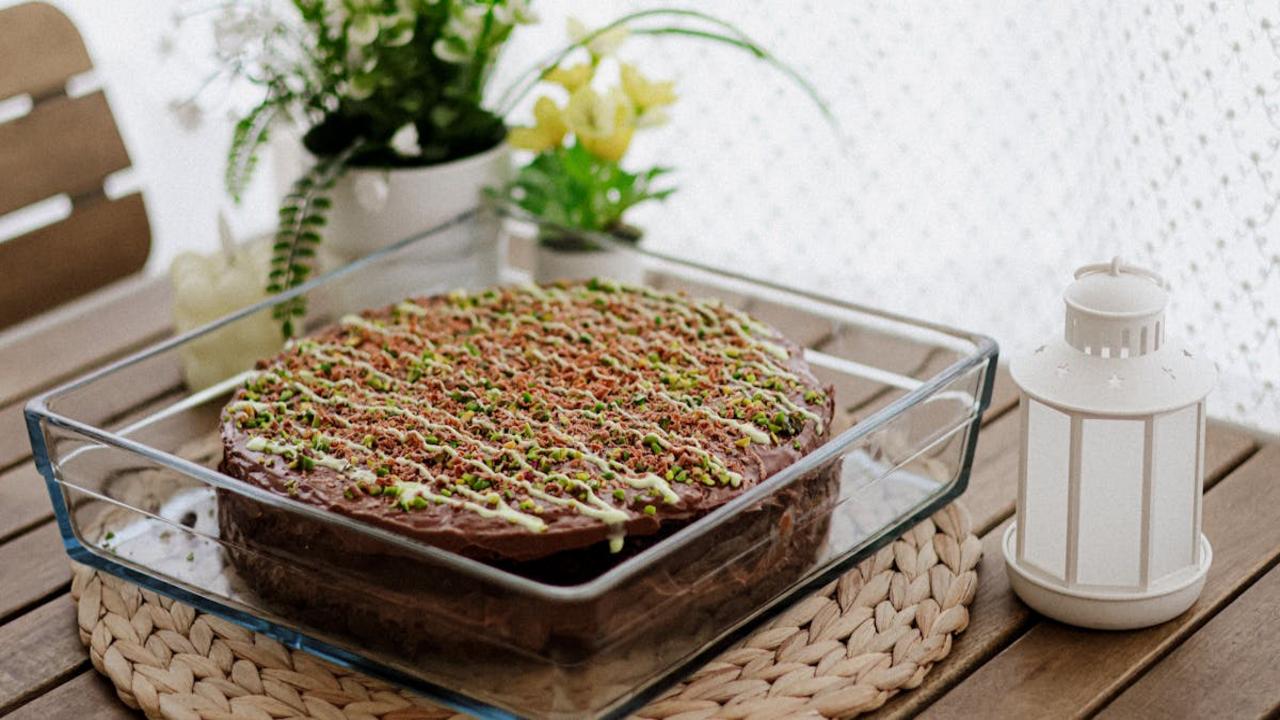
You know what’s absolutely criminal? Paying $12 for a slice of chocolate cake that tastes like disappointment wrapped in fancy plating. Here’s the truth bomb: creating show-stopping chocolate desserts at home costs pennies compared to restaurant prices, and honestly, yours will probably taste better. Take molten chocolate lava cake – that Instagram-worthy dessert that makes people swoon – it’s literally just chocolate, butter, eggs, and a pinch of flour. The secret restaurants don’t want you to know? They make these in bulk using ramekins from the dollar store, and the “molten” center happens because they slightly underbake them. You can recreate this magic for under $2 per serving while restaurants charge you enough to fund a small country.
The real game starts when you discover that professional-grade chocolate desserts rely more on technique than expensive ingredients. Cocoa powder transforms into silky mousse with just eggs and sugar, while a simple ganache (equal parts cream and chocolate, heated together) becomes the foundation for truffles, glazes, and fillings that would make a pastry chef weep with envy. Here’s my favorite kitchen rebellion: buy chocolate chips instead of fancy baking chocolate – they’re designed not to melt completely, which actually works perfectly for chunky cookies and brownies. Pro tip from my disaster-prone baking days: room temperature ingredients mix better than cold ones, preventing that lumpy, grainy texture that screams “homemade amateur hour.” Your wallet will thank you, and your dessert game will never be the same.
Slow Roasted Meats
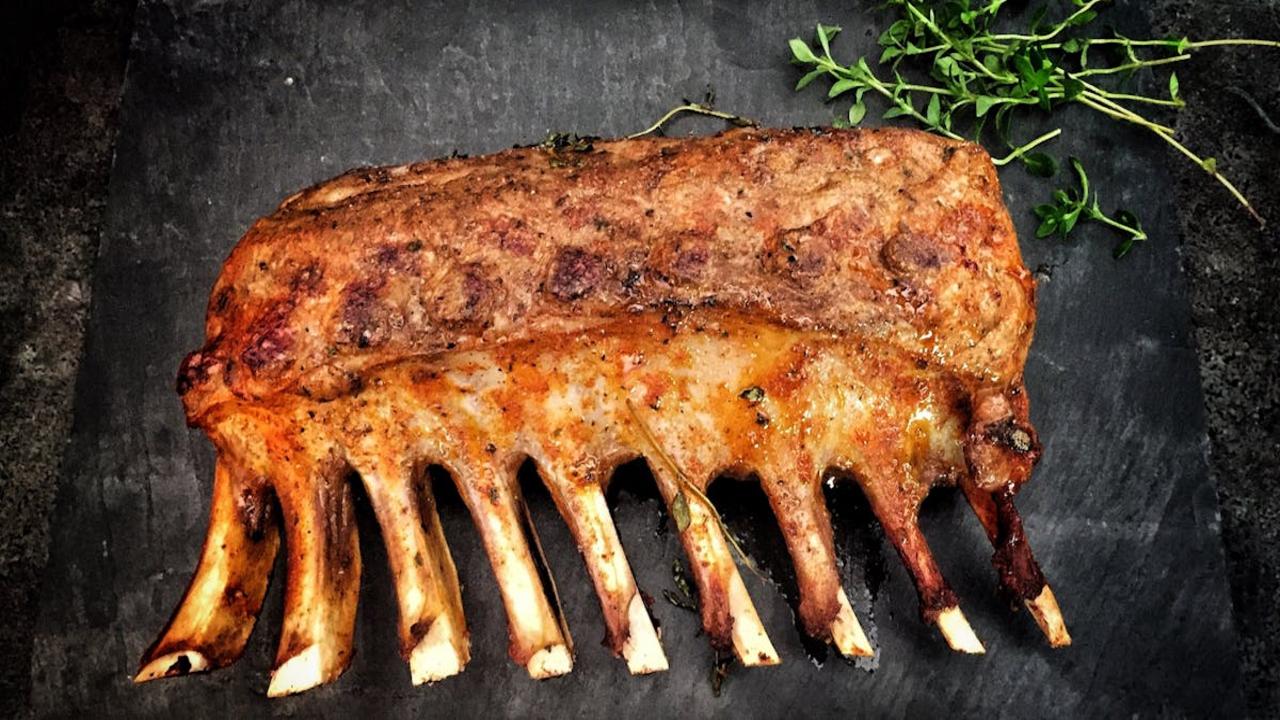
You know that magical moment when you walk into someone’s house and immediately think, “Dear God, what heavenly creature died in here and how can I get some?” That’s the power of slow roasting, my friend! While your neighbors are dropping fifty bucks on mediocre steaks at fancy restaurants, you’re transforming a humble chuck roast or pork shoulder into something that would make Gordon Ramsay weep tears of pure joy. The secret? Time and patience – two things that cost absolutely nothing but deliver restaurant-quality results that’ll have your dinner guests questioning whether you’ve secretly attended culinary school.
Here’s the beautiful thing about slow roasting: tough, cheap cuts of meat become your best friends because they contain all that gorgeous connective tissue that melts into silky, rich goodness during the long cooking process. A $12 pork shoulder becomes a masterpiece that feeds eight people, while a $4-per-pound chuck roast transforms into something more tender than a $40 filet mignon. Set your oven to 275°F, season that baby generously, and let it work its magic for 6-8 hours while you binge-watch Netflix. The collagen breaks down into gelatin, the fat renders beautifully, and you end up with meat so tender you could cut it with a butter knife – or honestly, just look at it wrong and it’ll fall apart.
Gourmet Soups
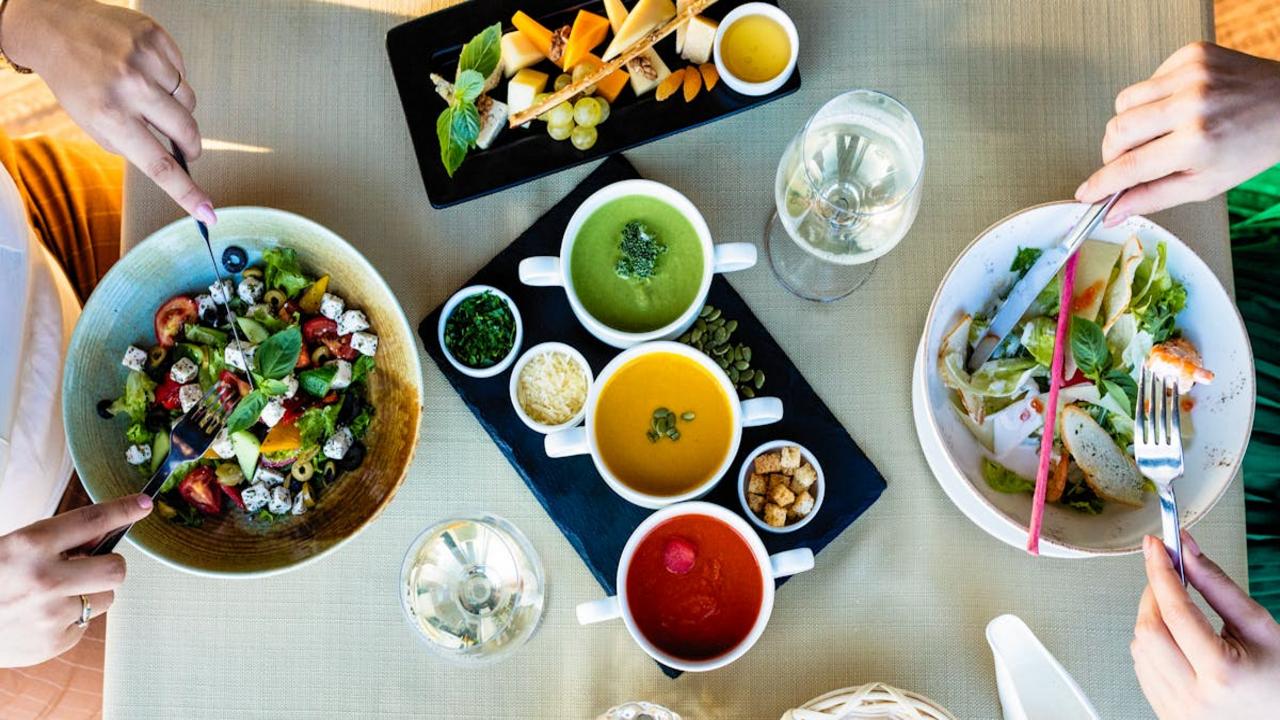
Here’s a secret that fancy restaurants don’t want you to know: their magical soups often start with the same ingredients sitting in your refrigerator right now. That wilted celery? Perfect for mirepoix. Those sad-looking carrots? They’re about to become liquid gold. I once watched a chef at a Michelin-starred restaurant make the most incredible mushroom bisque using nothing more than dried porcini mushrooms, heavy cream, and shallots that cost less than ten dollars total. The trick lies in building layers of flavor through proper sautéing and the patience to let everything simmer slowly, allowing each ingredient to whisper its secrets into the pot.
Transform your kitchen into a soup sanctuary by mastering the holy trinity of stock-making: roasted bones, aromatic vegetables, and time. Save every vegetable scrap in your freezer – onion peels, herb stems, even that sad broccoli stalk – because they’re all future flavor bombs waiting to happen. Did you know that Parmesan rinds can turn ordinary vegetable broth into something that tastes like it took hours to perfect? Drop one into your next soup and watch magic happen. The French have been doing this forever, turning leftovers into liquid poetry that would make your grandmother weep with joy.
Handmade Pizza

Forget those overpriced pizza joints that charge you twenty bucks for what’s basically bread with pretentious toppings! Making pizza at home transforms you into a flour-dusted wizard, and honestly, it’s way more fun than scrolling through delivery apps while your stomach growls. The secret lies in understanding that pizza dough is surprisingly forgiving – you can literally punch it when you’re frustrated (therapeutic bonus!), and it just bounces back stronger. Here’s a fun fact: Neapolitans are so serious about their pizza that they’ve got actual laws governing what qualifies as authentic Margherita pizza. Meanwhile, you’re free to pile on whatever your heart desires without the pizza police knocking down your door.
Start with store-bought dough if you’re feeling lazy (no judgment here – we’ve all been there on a Tuesday night), or make your own with just flour, water, yeast, and salt. The magic happens when you crank your oven to its highest setting and use a preheated cast iron pan or pizza stone. Pro tip: sprinkle some cornmeal on your surface – it acts like tiny ball bearings, helping your pizza slide around like it’s on a delicious skateboard. Don’t overthink the toppings; some of the best pizzas I’ve made happened when I raided my fridge like a hungry raccoon. That leftover roasted chicken? Perfect. Random jar of artichoke hearts? Absolutely. Your homemade creation will cost you maybe five dollars and taste infinitely better than anything that arrives in a cardboard box thirty minutes later.
Caramelized Vegetables
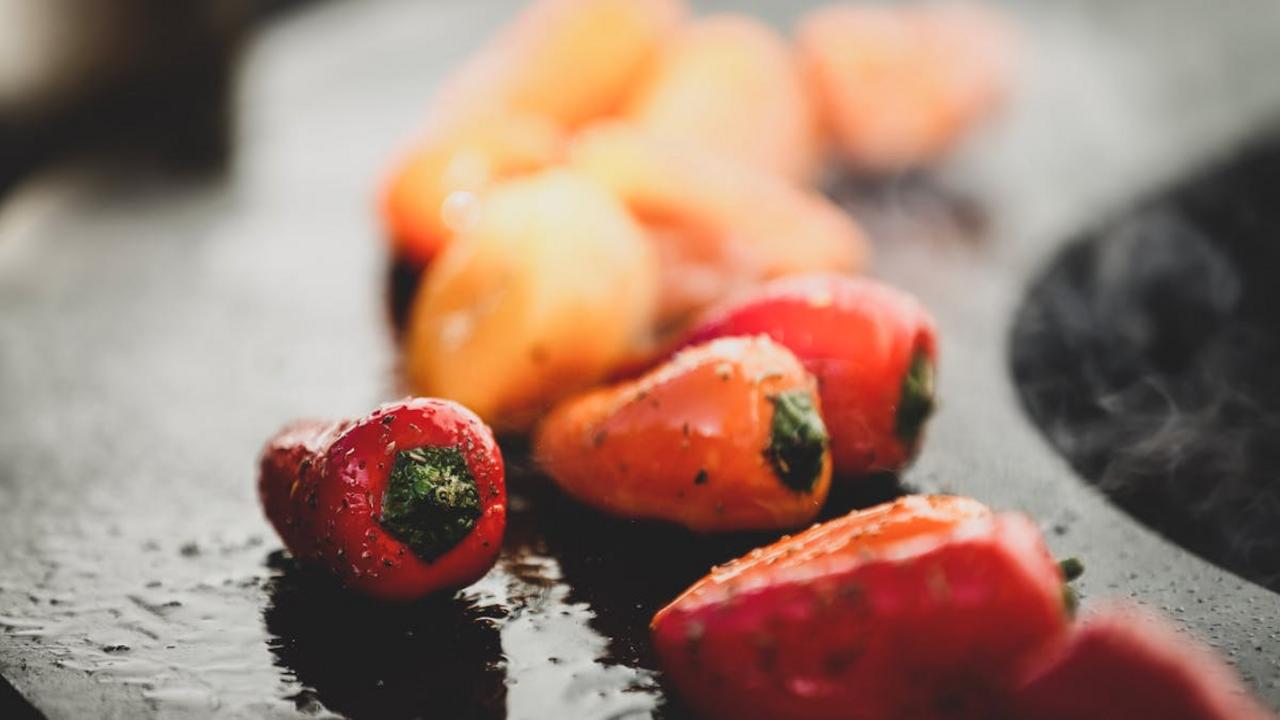
Here’s your secret weapon for transforming boring vegetables into restaurant-worthy magic: time and a little bit of sugar science. When you slowly cook onions, carrots, or bell peppers in a pan with just a touch of oil, their natural sugars break down and turn golden brown, creating those sweet, complex flavors that make you wonder why anyone ever thought vegetables were punishment food. The French call this process “fond,” and it’s basically vegetable alchemy – you’re literally turning humble produce into liquid gold that coats your pan.
Start with thick slices of onions (they’ll shrink more than your favorite jeans in the dryer), add a pinch of salt to draw out moisture, and cook them low and slow for about 20-30 minutes until they look like caramel candy. Brussels sprouts become crispy-sweet gems when you halve them and let their cut sides get gorgeously bronzed, while carrots turn into candy-like ribbons that would make any kid actually ask for more vegetables. The best part? This technique works with almost any vegetable you’ve got lurking in your crisper drawer, and it costs practically nothing but transforms your weeknight dinner into something that tastes like you hired a professional chef to hide in your kitchen.
Seafood Risotto

Picture this: you’re stirring creamy arborio rice in a pot, and suddenly your kitchen smells like a five-star Italian restaurant by the sea. Seafood risotto sounds intimidating, but here’s the secret – you don’t need fresh lobster flown in from Maine or scallops that cost more than your rent. Frozen shrimp works beautifully (thaw them first, obviously), and even imitation crab adds that oceanic magic without breaking the bank. The real trick lies in building layers of flavor: start with a good seafood or vegetable stock, add white wine if you have it (or skip it if you don’t), and finish with butter and parmesan that’ll make you weep tears of joy.
Here’s what your fancy chef friend won’t tell you: risotto is basically rice porridge with an attitude problem. You absolutely do not need to stand there stirring constantly like some kitchen martyr – stir every few minutes while you catch up on texts or dance to your favorite playlist. The rice releases starch gradually, creating that signature creamy texture that makes people think you’ve been secretly attending culinary school. Add your seafood in the last five minutes (overcooked shrimp has the texture of rubber bands), throw in some fresh herbs if you’re feeling fancy, and watch your dinner guests assume you spent your entire paycheck at the fish market. Pro tip: save some pasta water from earlier in the week – it works just as well as expensive stock and costs you absolutely nothing.
Pan Seared Steaks
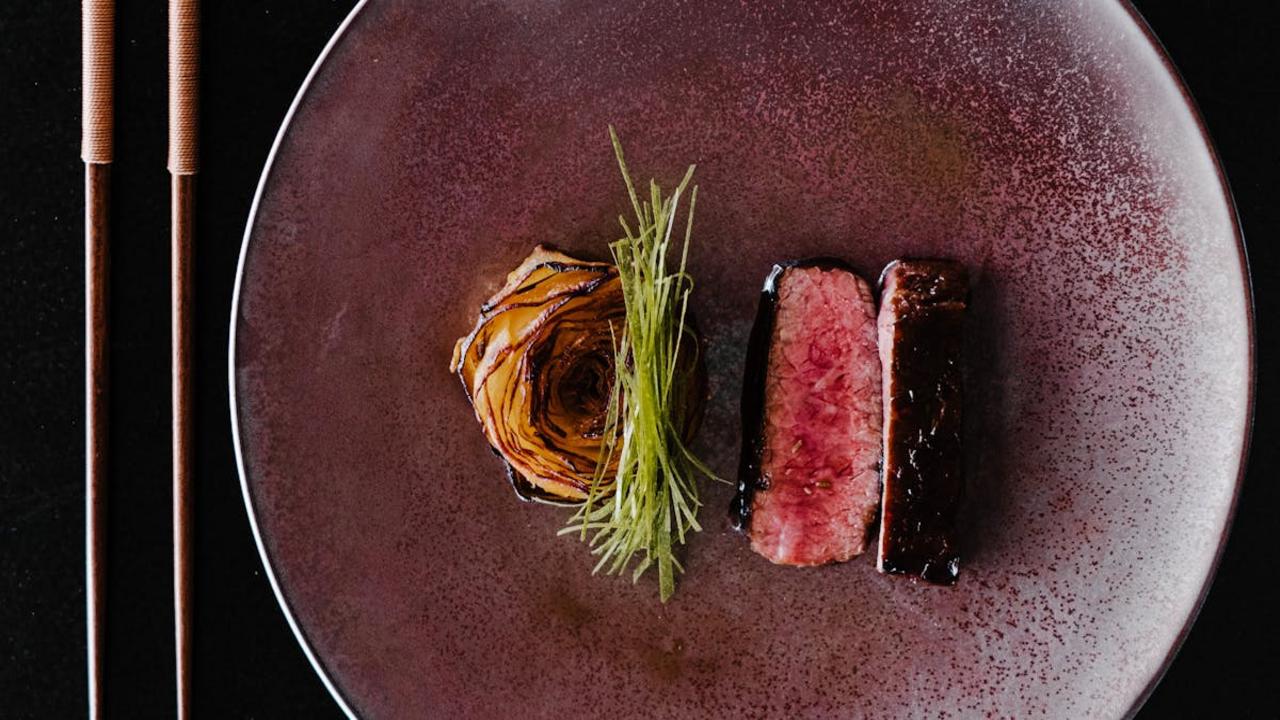
You know what separates a mediocre steak from restaurant perfection? Temperature control and patience – two things that most home cooks throw out the window faster than yesterday’s leftovers. Here’s the secret that fancy steakhouses don’t want you to know: you don’t need a $500 grill or a culinary degree to create that perfect crust with a juicy, pink center. All you need is a screaming hot cast iron pan, some coarse salt, and the discipline not to poke your steak like an anxious parent checking on a sleeping baby. The Maillard reaction (that beautiful browning process) happens at around 280°F, but your pan should be smoking hot – we’re talking 400°F or higher. Fun fact: professional chefs often finish their steaks in a 450°F oven, which you can totally do at home without setting off every smoke detector in your neighborhood.
Start with room temperature steaks because cold meat hitting hot metal creates uneven cooking – basically the equivalent of jumping into a hot shower when you’re freezing. Season generously with salt at least 30 minutes before cooking (overnight is even better) to draw out moisture and create that coveted crust. Once your pan starts smoking, add a high smoke point oil like avocado or grapeseed, then lay that steak down and resist every urge to move it for at least 3-4 minutes. I know it’s tempting to peek, but trust the process! The steak will naturally release when it’s ready to flip. Add butter, garlic, and fresh thyme during the last minute for that restaurant-style basting technique that makes your kitchen smell like a five-star establishment. Rest your steak for half the cooking time – this isn’t optional, it’s physics working its magic to redistribute those precious juices.
Wine Based Sauces
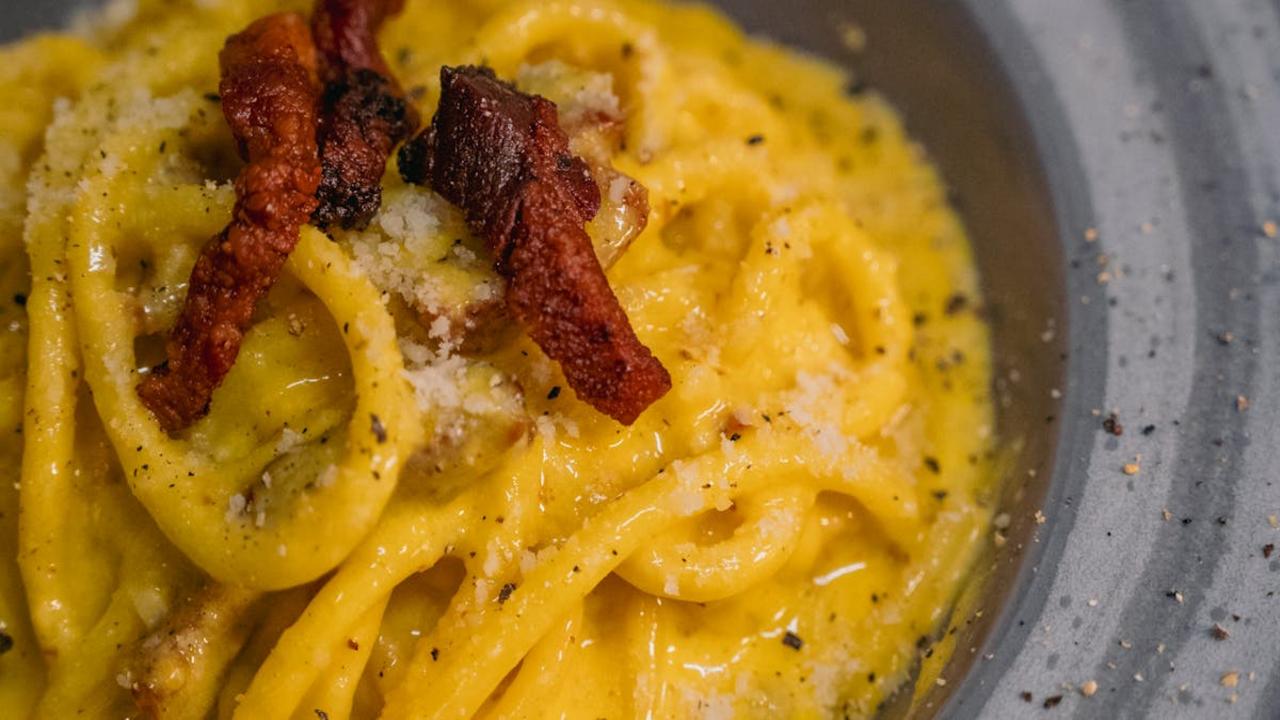
Listen, you don’t need to drop your grocery budget on a bottle of Château Something-or-Other to create restaurant-worthy sauces that’ll make your dinner guests think you’ve been secretly moonlighting at Le Bernardin. That $8 bottle of Pinot Grigio sitting in your fridge? Perfect for a silky white wine reduction that transforms boring chicken breasts into something magical. I discovered this trick during a particularly broke period when my “fancy” dinner consisted of whatever protein was on sale, but I refused to let my standards slip. The alcohol cooks out (mostly), leaving behind this concentrated, complex flavor that makes people lean in and ask, “What IS that incredible sauce?”
Here’s the beautiful truth about wine sauces: they’re basically liquid confidence in a pan. Start by deglazing your pan with about half a cup of wine after cooking your protein – those brown bits stuck to the bottom are pure gold, not mistakes! Let it bubble and reduce by half while you feel fancy and French, then whisk in a pat of butter for that glossy finish that screams “I definitely didn’t learn this from a YouTube video at 2 AM.” Red wine works magic with beef and lamb, while white wine plays beautifully with chicken, fish, and pork. Pro tip: if the wine isn’t good enough to drink, don’t cook with it – your taste buds aren’t stupid, and neither are your guests!
Homemade Pasta
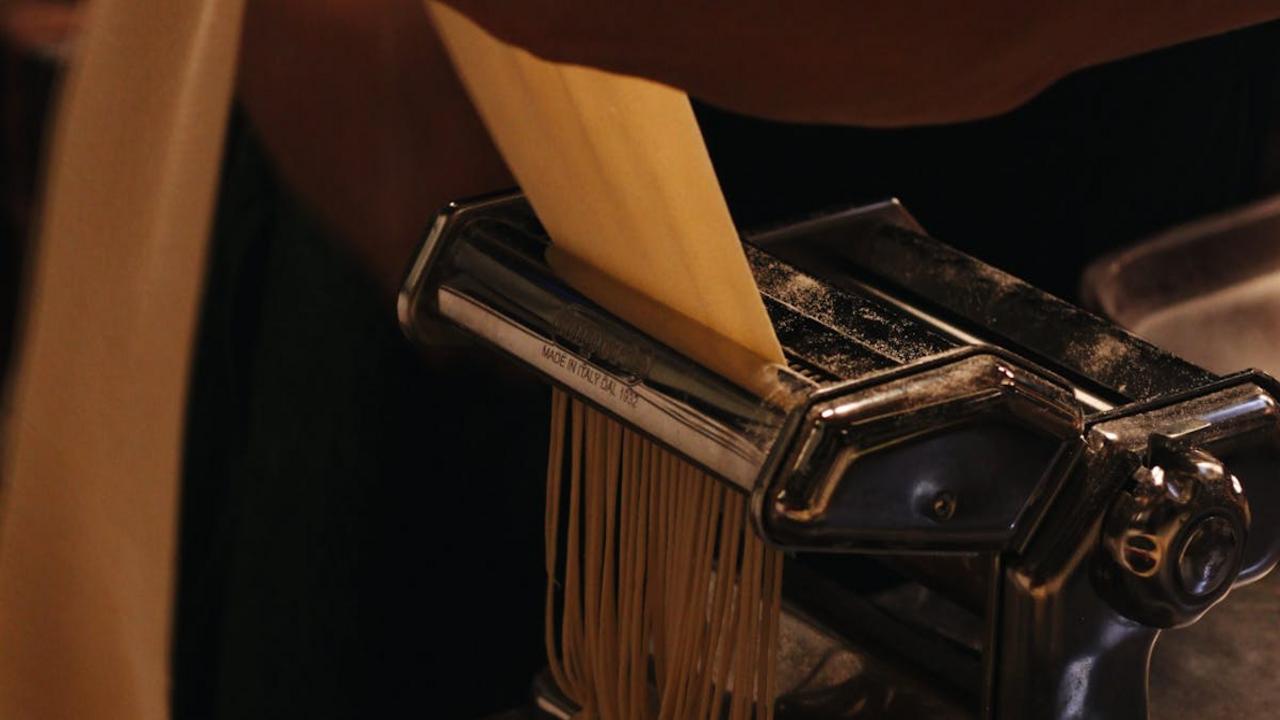
You know what’s absolutely wild? A box of fancy dried pasta at the grocery store costs about the same as making enough fresh pasta to feed a small army. I’m talking four servings of silky, golden noodles that’ll make your Italian grandmother weep tears of joy (or at least nod approvingly). All you need is flour, eggs, and maybe a splash of olive oil – ingredients so basic they’re probably lurking in your pantry right now. The magic happens when you get your hands dirty, kneading that shaggy mess of flour and eggs into something that feels like edible silk. Fun fact: pasta dough is basically the yoga of cooking – the more you work it, the more relaxed and stretchy it becomes.
Now, before you panic about needing a fancy pasta machine, stop right there. I’ve rolled out countless batches with nothing but a regular rolling pin and some serious elbow grease. Sure, it takes a bit more muscle, but there’s something deeply satisfying about creating those perfect sheets by hand. The real secret? Don’t overthink it. Fresh pasta cooks in about two minutes (seriously, blink and you’ll miss it), and it has this incredible ability to grab onto sauces like it’s giving them a warm hug. Whether you’re making simple fettuccine or getting fancy with ravioli, homemade pasta transforms even the most basic marinara into something that belongs on a white tablecloth.
Fresh Herbs and Garnishes

You know what separates a $30 restaurant plate from your Tuesday night dinner? It’s not some magical unicorn ingredient or a chef’s secret handshake with the food gods. Nope, it’s that sprinkle of fresh herbs and those Instagram-worthy garnishes that make your eyes go “ooh” before your mouth even gets involved. I learned this the hard way after serving my friends what I proudly called “gourmet pasta” that looked like it escaped from a prison cafeteria. One handful of fresh basil later, and suddenly I’m the friend who “cooks like a real chef.” The transformation was so dramatic, I half-expected Gordon Ramsay to burst through my kitchen door with a standing ovation.
Here’s the thing about herbs – they’re basically edible confetti that costs less than your morning coffee. A $2 bunch of parsley can turn boring roasted potatoes into something that belongs in a fancy bistro, while a few chives scattered on scrambled eggs suddenly make you look like you attended culinary school instead of YouTube University. Fresh dill transforms plain yogurt into a sauce worthy of salmon, and don’t even get me started on how mint can make fruit salad taste like dessert at a five-star resort. The secret is treating herbs like the showoffs they are – give them the spotlight they deserve, and they’ll make everything else on the plate look better by association.