I Accused My 12-Year-Old Sister of Faking Her Fruit and Pet Allergies, and Now My Entire Family Is Furious
We all understand that rivalry between siblings is practically as ancient as humanity itself. A bit of playful teasing and squabbling is simply part of the childhood experience, helping kids figure out boundaries and establish their roles within the family dynamic. Yet there are certain boundaries that must never be violated, particularly when someone’s health and physical safety are at stake.
A story recently posted online illustrates exactly what unfolds when frustration between siblings reaches a breaking point, transforming a minor disagreement into a deeply wounding accusation. One teenage girl, exasperated by her younger sister, essentially appointed herself as both physician and jury—with devastating consequences.
The Incident
The account originates from a 16-year-old who had grown progressively more annoyed with her 12-year-old sibling. She described how her younger sister had begun claiming allergies to an ever-expanding roster of items: pineapple, apples, lemons, cats, grass, and beyond.
The older sibling, who herself lives with a severe and potentially fatal allergy to amoxicillin, was convinced her sister was simply “being way over dramatic” in a bid for attention.
She pointed out that the younger girl’s reactions were relatively minor—a tingling sensation in her mouth from certain fruits, a congested nose around the family’s three cats, and itchy patches from contact with grass—and because no physician had formally confirmed any of it, she wrote it all off completely.
Everything escalated during a car ride back from a family dinner. The conversation turned to potentially adopting another cat, and the 12-year-old objected, reminding everyone about her allergy. For her older sister, this was the breaking point. When the younger girl pushed back, demanding, “Well, which ones do you think are fake, hm??” the teenager lost her composure.

She informed her sister that she considered every single one of the allergies to be fabricated. She accused her of “being way over dramatic” and “making a mountain out of a molehill.” The confrontation reduced the younger girl to tears and silence, while the rest of the family directed pointed, disapproving glances at the older sister.
The Internet Reacts
When the teenager posted her account online seeking some reassurance, she found precious little of it. The overwhelming consensus of the internet sided firmly with the younger sister, and commenters wasted no time highlighting the older girl’s apparent lack of empathy and understanding. Their responses fell into several clear categories.
The first group was the “Absolutely Not” contingent, who were genuinely shocked by the older sister’s conduct. They believed it was entirely inappropriate to wave away her sister’s physical symptoms simply because they didn’t measure up to the severity of her own allergy. One commenter stated it plainly: “It not being immediately life threatening doesn’t make it fake.”
Another remarked, “YTA-Until you become an MD I’d lay off diagnosing your younger sister.” The verdict was unmistakable: no one has the right to determine whether another person’s discomfort is legitimate.
Then came the “Medical Experts,” who took the time to carefully lay out the science underlying the younger sister’s reactions. Numerous commenters noted that a “tingly mouth” after consuming fruit is a textbook indicator of Oral Allergy Syndrome. As one individual elaborated, “Basically your body reacts to certain fruits as if you are biting directly into a huge chunk of pollen… it sucks.”
One other user recounted their personal story, sharing that as a child they could never grasp why anyone enjoyed eating raw apples because the fruit made their mouth so itchy, only to eventually receive an Oral Allergy Syndrome diagnosis that later developed into more severe food allergies. Their testimony demonstrated that these supposedly “minor” symptoms were not only genuine but could potentially signal something far more serious.
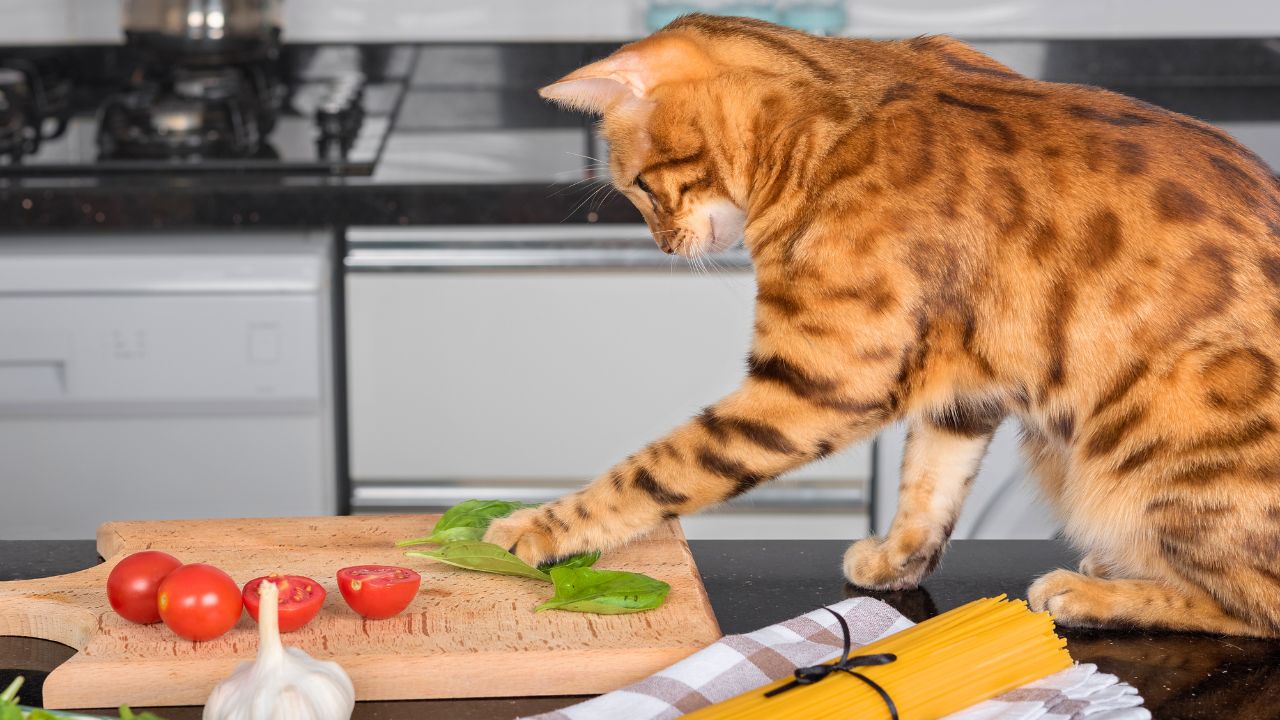
Last was the “Parental Guidance” faction. These commenters raised questions about the role of the parents in this entire situation. They challenged why the household would keep three cats, and even contemplate adding a fourth, when one of the children was obviously experiencing allergic reactions.
“Curious why your family is ok with having three cats when at least one child is allergic to them,” one reader inquired. This group maintained that the parents bore a responsibility to take their daughter’s complaints seriously and arrange proper testing with an allergist, instead of letting resentment build unchecked between the two sisters.
The Etiquette Verdict
Allow us to state this unequivocally: it is never, under any circumstances, acceptable to dismiss or undermine another person’s physical health concerns. Whether the individual in question is a child, a partner, or a close friend, when someone communicates that they are experiencing pain or discomfort, the appropriate and sole response is to take them at their word.
Brushing off their experience as “dramatic” or “fake” isn’t merely unkind—it is deeply disrespectful at its core. An allergy does not need to pose a life-threatening risk to be valid. A congested nose, an irritated mouth, or a skin rash are all genuine physical responses that warrant compassion and attention, not contempt.

Your Thoughts
Was the older sister simply acting like a typical teenager who made an error in judgment, or did she cross a significant line by dismissing her sister’s health concerns?