MIL Called My Cooking “Inappropriate” After Showing Up Unannounced to My Home Four Weeks Postpartum
It is a universally recognized principle of basic decency that when you pay a visit to a new mother’s home, you never show up with nothing to offer. You bring a home-cooked meal, you volunteer to hold the infant so she can take a much-needed shower, and you absolutely do not expect her to cater to you.
The entire purpose is to lighten her load, not add to it, during what is arguably the most physically draining chapter of a woman’s life. Yet, one woman recently turned to the internet to recount a story that demonstrates not everyone grasps this fundamental courtesy, and at the center of it all sits a humble box of macaroni and cheese.
The Incident
The woman telling this story is a brand-new mom, only four weeks removed from giving birth. She paints a picture of complete exhaustion, barely managing to catch any sleep or find time to shower, all while tending to her newborn baby.
Her husband’s relatives had been pushing hard for a visit, but she didn’t feel prepared to entertain guests, particularly, as she describes them, “judgmental ones.” Picture her disbelief when she opened the door to find them standing right there on her porch, completely unannounced as far as she knew. As it turned out, her husband had gone ahead and invited them over for dinner without telling her.
Their home was in disarray, and she was utterly embarrassed. When she proposed simply ordering food for delivery, her husband shut it down, claiming his parents would consider it “rude and unwelcoming.” He instructed her to whip something up, “anything long as it’s ‘homemade.'”
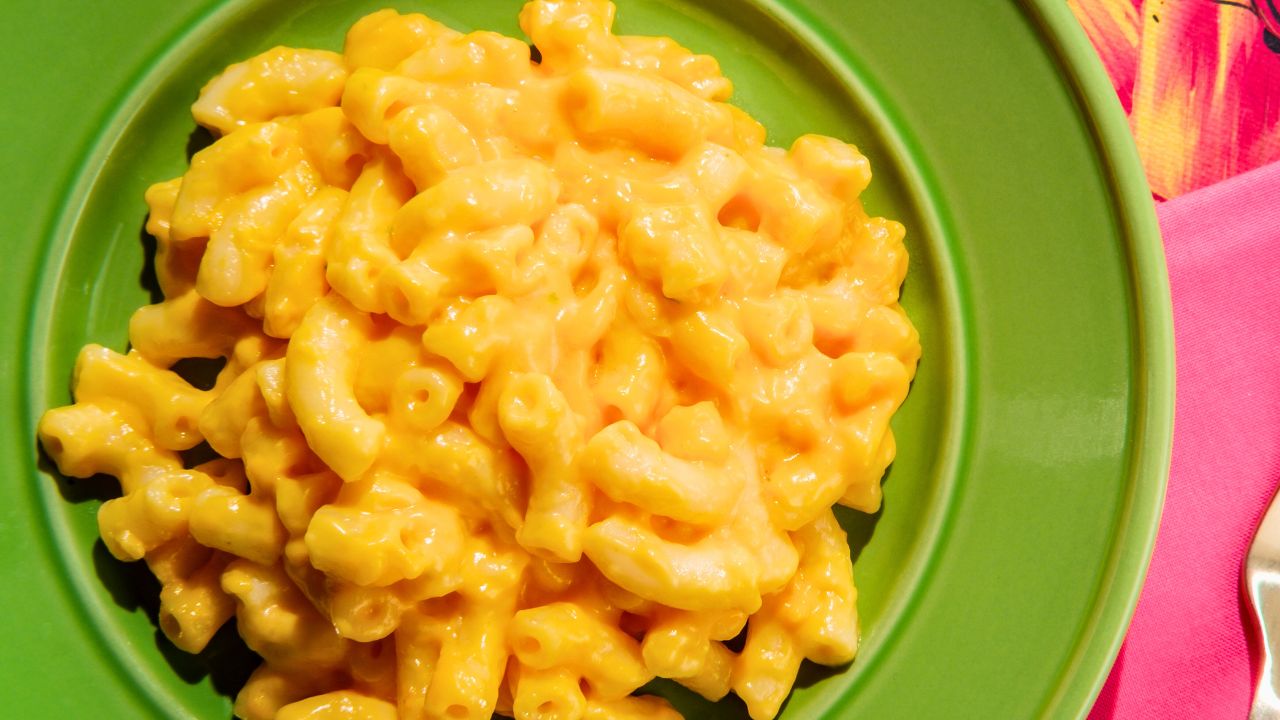
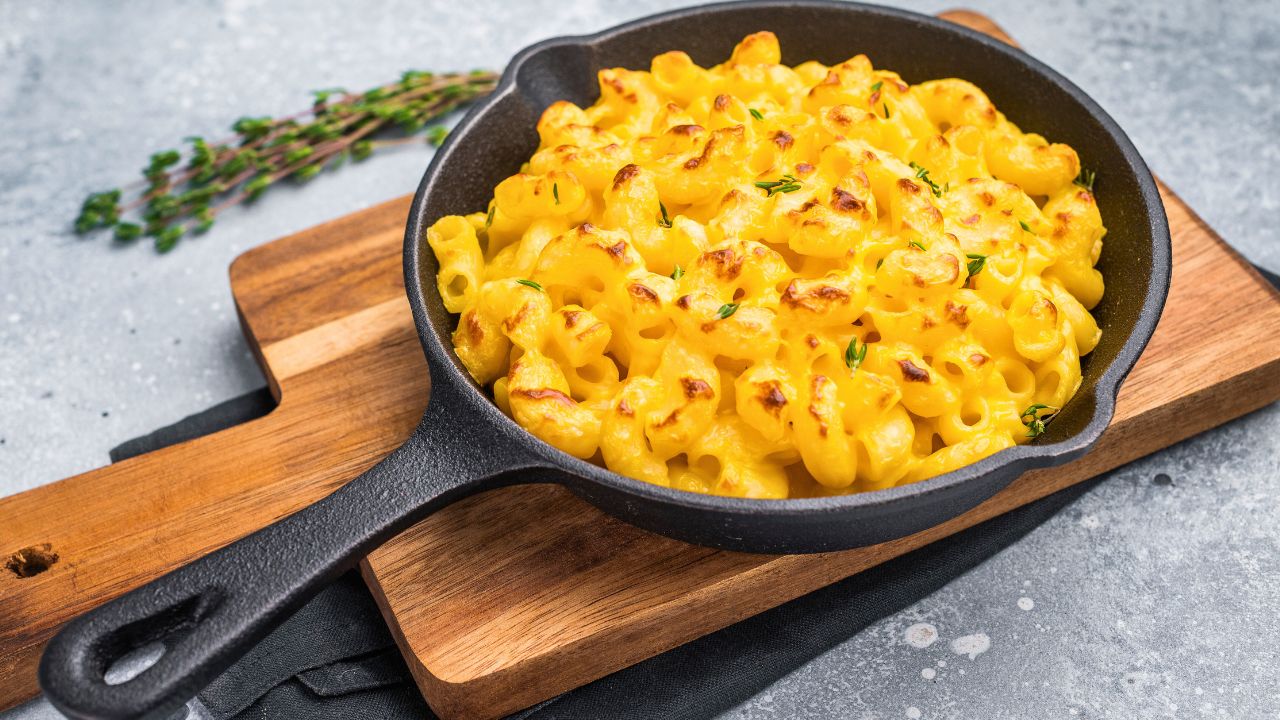
Backed into a corner and running on pure adrenaline, she did precisely what was asked of her. She threw together the fastest, simplest homemade dish she could manage: macaroni and cheese.
The response was swift and icy. Her mother-in-law, visibly horrified, questioned whether she truly thought it was “appropriate” to serve them such a meal. Things spiraled quickly from there, with the mother-in-law launching into a tirade about disrespect and the father-in-law grumbling that they had “missed out on” an entire month of their grandchild’s life.
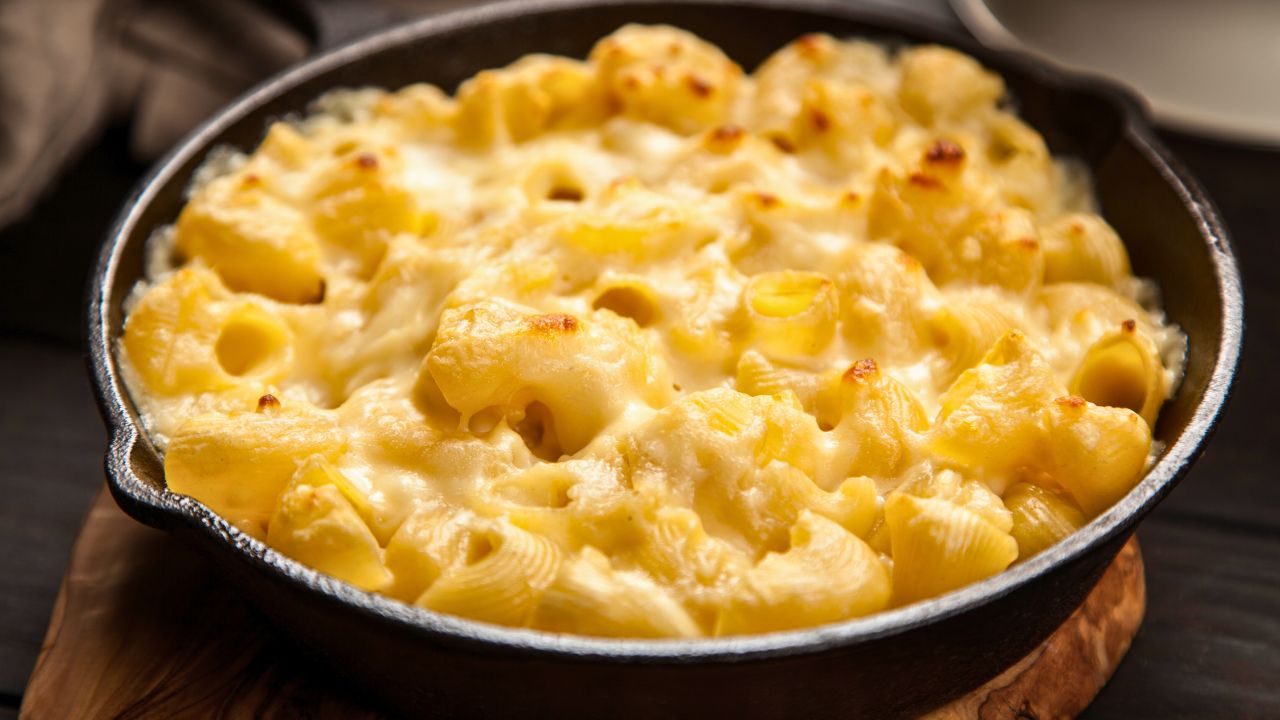
Adding insult to injury, her own husband took his family’s side, declaring that serving mac and cheese was “more offensive then serving them nothing at all” and accusing her of showing disrespect toward his culture. He then proceeded to give her the silent treatment, refusing to touch the meal she had made.
The Internet Reacts
Once this new mother posted her experience online, the internet community erupted with opinions, and hardly anyone came to her husband’s defense. The responses generally fell into a few clear categories.
First up was the “Absolutely Not” Crowd, who were flat-out enraged on the woman’s behalf. A large number of commenters were quick to emphasize that this had absolutely nothing to do with cultural values. One person, who identified as Asian, summed it up perfectly: “There isn’t an asian culture I’m aware of that doesn’t practice some form of postpartum confinement where it is expected that the new mother do nothing other than rest and bond with the baby.”
They went on to say that if the family were genuinely adhering to tradition, “they should have showed up with food, offered to clean the house, and run a load of laundry.” Someone else voiced the question that was on everybody’s mind: “And if he wanted to host so bad, why didn’t he cook?”
Next came the “Devil’s Advocate” Camp, though they had a tough time pinpointing any real fault with the new mother. A handful of people attempted to view the situation through the in-laws’ lens, suggesting that the underlying friction may have originated from feelings of being shut out. One commenter cautiously asked, “why did you wait so long to let the parents visit?”
They conceded that while the family’s conduct was completely indefensible, the wait could have been perceived negatively in certain families where meeting a newborn grandchild right away is considered an absolute priority. Nevertheless, this perspective was barely a whisper amid the tidal wave of support rallying behind the mother.
Lastly, the “What She Should Have Done” Crowd chimed in with guidance, most of which was directed squarely at the husband. They believed he was the one primarily responsible for setting his wife up to fail. One commenter observed, “He is being unsupportive in such a vulnerable time.”
Another suggested a ready-made response for the wife to deploy going forward: “Tell hubby that if he wants guests, then he must provide and clean up after them. He’s being an entitled child.” The general consensus was unmistakable: the husband manufactured the entire problem and then pointed the finger at his drained wife for not resolving it to his family’s liking.
The Etiquette Verdict
Allow me to state this without any ambiguity: the breach of etiquette here falls entirely on the husband and his parents. A new mother’s home is not a dining establishment, and she is not a cook available at anyone’s beck and call. For a husband to invite company without his wife’s awareness, pressure her into cooking, and then criticize what she made goes beyond mere rudeness; it represents a deep betrayal of his duties as a partner and protector.
The cardinal rule when visiting a newborn is straightforward: you are there to give help, not to receive it. You show up with food, you extend a helping hand, and you express nothing but thankfulness and admiration. To demand a “traditional feast” from a woman who hasn’t had a proper night’s rest in a month isn’t merely a violation of social etiquette, it’s an astonishing absence of fundamental human empathy.
Your Thoughts
This account left me reflecting on the underlying family dynamics at work. It’s a disheartening situation from every angle, but where does the greatest share of blame truly belong?
Was the husband the primary offender for placing his wife in such an impossible position, or were his parents the bigger problem with their entitled response?