I Postponed My Own Wedding After My Groom Chose His Sister’s Comfort Over My Happiness
We all understand that a wedding is a celebration centered on the couple, a day meant to showcase their mutual happiness and preferences. Guests attend to share in the joy and offer their support, not to impose their own wishes. But what do you do when the demands are coming from the groom himself, forcing his bride into an unwinnable situation before they’ve even exchanged vows?
One woman recently posted her story online, illustrating just how messy family dynamics can get, particularly in the midst of wedding preparations.
The Incident
A soon-to-be bride was genuinely happy that her future sister-in-law, who had been battling alcoholism, was finally seeking treatment. By the time the wedding rolled around, the sister would have reached six months of sobriety—a truly remarkable achievement. But then the groom dropped an unexpected bombshell: he insisted on a completely “dry wedding,” with zero alcohol present, so his sister wouldn’t face any temptation.
The bride was stunned. From her perspective, his family had a lengthy track record of enabling his sister, having spent, in her words, “upwards of 500,000 dollars on bailing her out of prison and new cars.” She saw this as yet another instance of bending over backward to accommodate her, and she wasn’t willing to go along with it. “This is my day,” she wrote, “and I feel like I should be allowed to drink a glass of… champagne at my own wedding.”
Things grew even more complex when she revealed that the sister-in-law wasn’t actually the one pushing for this. In reality, the sister was “completely fine with not going to the wedding due to the temptation being too much for her to handle.”
It was the groom who was demanding she attend and, as a consequence, that the entire event be alcohol-free. The bride felt he was placing his sister above her, and the disagreement brought all wedding preparations to a grinding halt.

In the end, the bride made a painful choice: she decided to postpone the wedding, recognizing the situation was “toxic for all of us” and that she needed to work through her emotions before walking down the aisle.
The Internet Reacts
The online response was sharply split, with passionate takes coming from every angle of this sensitive family conflict. Commenters quickly organized themselves into a handful of clear factions.
First up was the “Absolutely Not” Crowd, who stood squarely behind the bride. They believed the groom was acting entirely unreasonably and establishing a damaging pattern for the marriage ahead. One commenter stated it plainly: “If her desires are going to be secondary to his sisters on her wedding day, then she probably needs to step back for a moment and ask herself if that’s what she was agreeing to marry into.”
Another person concurred, pointing out that a dry wedding would be a “huge bummer for everyone else, all to accommodate one person.”
Next was the “Devil’s Advocate” camp, who thought the bride was being self-centered. Their argument was that family bonds should take priority over a party. “Everyone needs to stop acting like being able to drink booze is more important than having a close family member at your wedding,” one person wrote.
Someone else pushed back on the bride’s viewpoint more directly, asking, “Why is it only about the bride being happy and not the groom being happy? … I agree with the groom having an immediate family member in attendance is more important than having alcohol.”
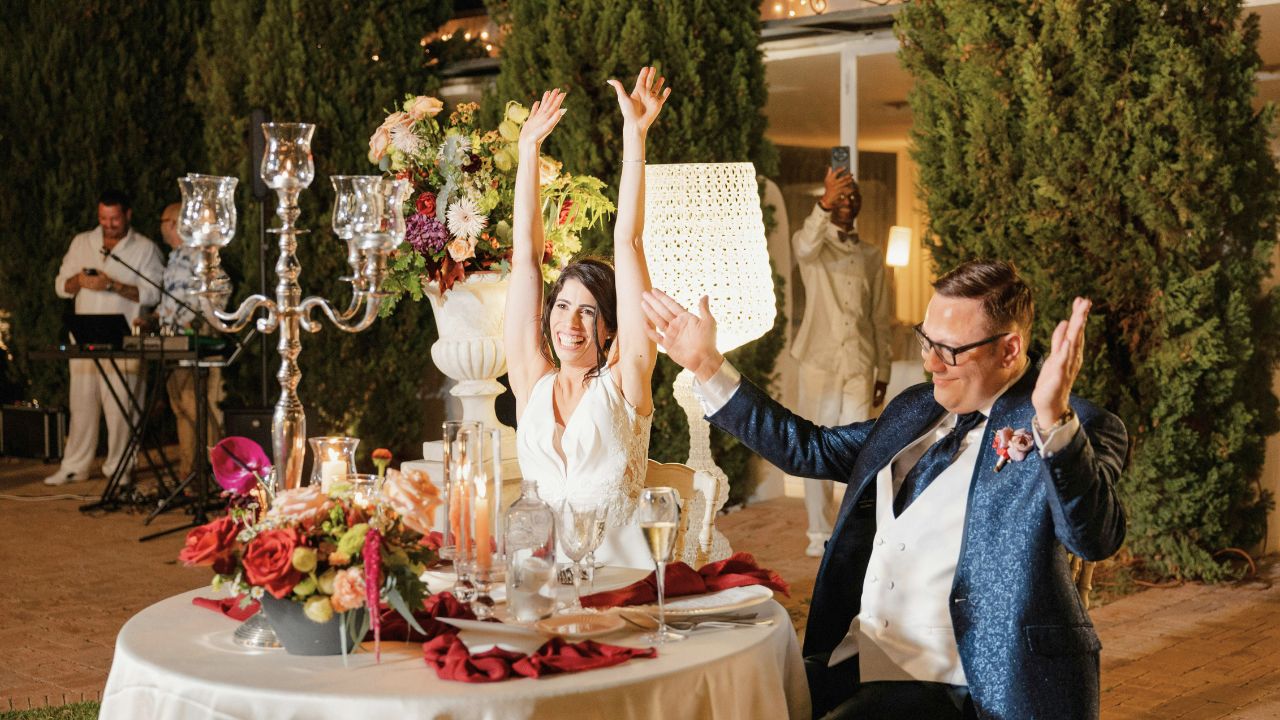
Lastly, there were the “Problem Solvers,” who stepped in with pragmatic suggestions and middle-ground solutions. Many highlighted that the deeper issue was the groom’s family dynamic. “Your fiance needs Al-Anon!!!” one commenter proclaimed, referencing the well-known support group for relatives of alcoholics. Others recommended hiring a “sober companion” for the sister or having her attend only the ceremony while skipping the reception. As one person in recovery themselves shared, they would be “MORTIFIED if a whole wedding was made dry because of me.”
The Etiquette Verdict
Let’s state the obvious: a wedding belongs to both the bride and the groom equally. Finding middle ground is non-negotiable. That said, it’s inappropriate to expect your partner, and consequently every single guest, to radically alter the character of a celebration for one individual—particularly when that individual has already gracefully volunteered to stay home.
The groom’s intentions were noble; he deeply cares about his sister. But his method effectively created a loyalty test that his fiancée should never have been subjected to. The sister demonstrated genuine maturity and self-awareness. The bride displayed remarkable courage by hitting pause on the wedding to confront these underlying issues. A real partnership means tackling challenges as a team, not compelling one person to give up their joy for the sake of someone else’s well-being.
Your Thoughts
This is a genuinely difficult one, wouldn’t you say? It encompasses questions of family allegiance, addiction, and the intense pressures that come with planning a wedding. So where do you land? Was the groom justified in putting his sister’s presence first, or was the bride right to hold firm?