My Wife Cooked Ten-Dish Feasts for His Family for Three Years but They Refused to Even Order Her a Pizza
We’re all familiar with the idea that a truly generous host goes above and beyond to ensure guests feel at ease and genuinely welcomed in their home. It’s rooted in warmth, open-heartedness, and the commitment to making everyone feel like they belong, particularly when gathered around food.
Yet one woman’s husband recently posted a story online that illustrates how swiftly that generous spirit can evaporate, serving as proof that basic decency isn’t nearly as universal as we’d like to believe.
The Incident
A young man, whom we’ll refer to as OP, shared the heartbreaking situation surrounding his wife, who has battled severe eating disorders for the majority of her life. Although she is actively in recovery and receiving therapy, she still has an extremely narrow range of “safe” foods she’s able to consume. Despite this personal struggle, she genuinely delights in cooking for other people as her way of expressing love.
For three years running, this woman has organized massive family get-togethers, preparing sprawling meals with as many as ten separate dishes all on her own, ensuring everyone’s tastes were covered—including vegetarian and vegan options for her husband’s relatives. The truly gut-wrenching detail? She almost never touches any of the food herself.
Things took a turn when the roles were reversed. During a recent family event, the host, OP’s cousin, bluntly informed the wife that she should bring her own meal because they were ordering takeout. She went along with it to keep the peace, but the experience reduced her to tears and left her feeling completely excluded. The breaking point arrived during a trip to her brother-in-law’s home for her niece’s birthday party. The family had decided on Indian food—a cuisine that contained absolutely nothing she could eat.
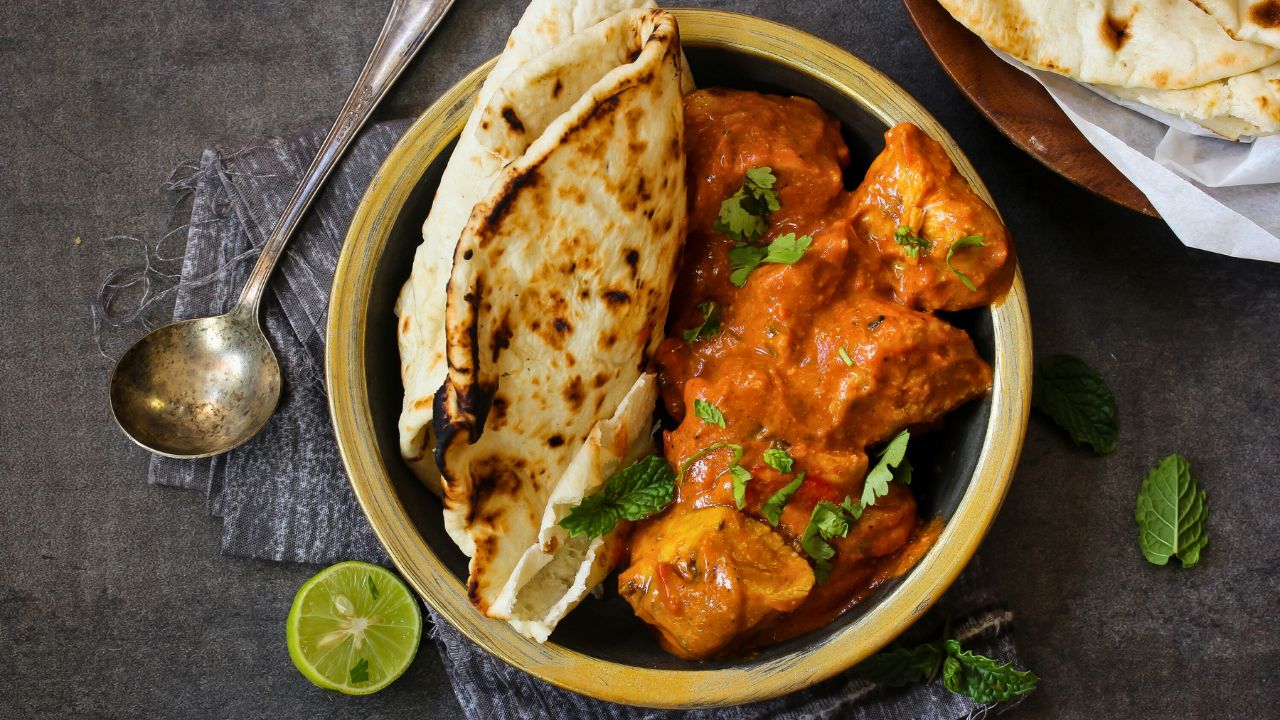
OP respectfully suggested they might order from a pizza, burger, or even a Chinese restaurant so that his wife could at least find a side dish to eat. His brother shut the idea down outright. When OP reminded everyone how his wife consistently bends over backward for the whole family, including the vegetarian brother, he was met with total indifference. His mother labeled him “childish,” and his brother dismissed his wife as simply being “difficult.” Exhausted by the double standard, OP and his wife walked out and declared they wouldn’t host another gathering until they received an apology.
The Internet Reacts
The online community was deeply split over this family conflict, with commenters organizing themselves into a few clear factions.
To begin with, there was the “Absolutely Not” contingent, who were horrified by the family’s utter lack of consideration. They believed fundamental human decency should have won out. One commenter captured the sentiment perfectly: “The issue is the clear lack of respect or even attempt at making an effort to accommodate someone who does so much to make sure the rest of the family has a good time.”
Another ally was bewildered by the host’s stance, wondering, “Why invite someone if you don’t want to feed them??” For this group, the family’s outright refusal felt like a deliberate insult.
Next came the “Devil’s Advocate” faction, which represented the prevailing opinion. These commenters acknowledged the wife’s dietary limitations as legitimate but felt they were too restrictive to force upon an entire group. The highest-rated response contended, “Demanding that other people completely change their food plans to accommodate one person is a bit selfish, especially when you admit yourself that her needs are very specific.”
Someone else who personally lives with severe food allergies concurred, noting that they always pack their own meals because “it’s so much easier and safer.”
Lastly, there was the “Petty Revenge” faction, who championed giving the family a taste of their own medicine. They weren’t advocating for outright retaliation but rather a strategic shift in the relationship dynamic to teach the family something about reciprocity. One commenter proposed a brilliant idea for the couple’s next dinner party: “Tell them that you and your wife will be cooking to suit her needs and that they need to bring their own food if they don’t like it.” It’s the quintessential example of what’s good for the goose being good for the gander.
The Etiquette Verdict
Although it’s fair to say that nobody can insist a host completely overhaul their menu, this particular situation transcends a mere dietary accommodation request. At its core, this is about mutual respect and reciprocity. For years, this woman has invested her heart and soul into hosting this family, attending to every single preference without uttering a word of complaint.
For that very same family to then refuse one small, reasonable compromise—simply choosing a different restaurant—represents an astonishing breach of elementary courtesy. The fundamental principle of hospitality is to extend to your guests the same thoughtfulness you’d want shown to you. This family happily feasted on her generosity year after year yet couldn’t be bothered to return even the smallest fraction of it.

Your Thoughts
This one is genuinely complicated, and it really forces you to reflect on family dynamics and what fairness actually looks like. So where do you stand? Was the family justified in holding firm, or should they have extended some grace to the woman who has always gone out of her way to accommodate them?